

Looking for the best national parks in Albania? From the dramatic peaks of the Albanian Alps to pristine lagoons, ancient forests, and spectacular coastal landscapes, Albania is home to some of the most diverse and breathtaking protected areas in the Balkans.
Whether you’re planning a hiking adventure, searching for hidden waterfalls, exploring UNESCO World Heritage Sites, spotting rare wildlife, or simply escaping into nature, Albania’s national parks offer unforgettable experiences throughout every season.
Today, Albania is home to 14 National Parks, each protecting a unique landscape and ecosystem. Some are famous for alpine trekking and traditional mountain villages, while others preserve wetlands filled with rare birds, Mediterranean forests, archaeological treasures, or the country’s only marine national park.
In this complete travel guide, you’ll discover every national park in Albania, including the best attractions, hiking trails, things to do, how to get there, the best time to visit, and practical travel tips to help you plan an unforgettable adventure.

National Parks in Albania Overview
| National Park | Region | Best For | Best Time to Visit |
|---|---|---|---|
| Theth National Park | Northern Albania | Hiking & Waterfalls | May – October |
| Valbona Valley National Park | Northern Albania | Trekking | June – October |
| Butrint National Park | Southern Albania | History & Nature | All Year |
| Llogara National Park | Albanian Riviera | Scenic Drives & Hiking | April – October |
| Dajti Mountain National Park | Tirana | Families & Day Trips | All Year |
| Divjakë-Karavasta National Park | Western Albania | Birdwatching | Spring & Autumn |
| Tomorr Mountain National Park | Berat | Hiking & Pilgrimage | Summer |
| Prespa National Park | Korçë | Wildlife & Lakes | Spring – Autumn |
| Shebenik-Jabllanicë National Park | Librazhd | Adventure Hiking | Summer |
| Lurë-Dejë National Park | Dibër | Glacial Lakes | Summer |
| Fir of Drenovë National Park | Korçë | Forest Walks | All Year |
| Fir of Hotovë-Dangëlli National Park | Përmet | Nature & Thermal Springs | Spring – Autumn |
| Karaburun-Sazan Marine National Park | Vlora | Boat Tours & Diving | May – September |
| Qafshtame National Park | Krujë | Easy Hiking | Spring – Autumn |
Table of Contents
- Theth National Park
- Valbona Valley National Park
- Butrint National Park
- Llogara National Park
- Dajti Mountain National Park
- Divjakë-Karavasta National Park
- Tomorr Mountain National Park
- Prespa National Park
- Shebenik-Jabllanicë National Park
- Lurë-Dejë National Park
- Fir of Drenovë National Park
- Fir of Hotovë-Dangëlli National Park
- Karaburun-Sazan Marine National Park
- Qafshtamë National Park
- FAQ
Theth National Park: Albania’s Most Spectacular Mountain Escape
Location: Shkoder County, Northern Albania
Best for: Hiking, waterfalls, traditional villages, adventure tourism
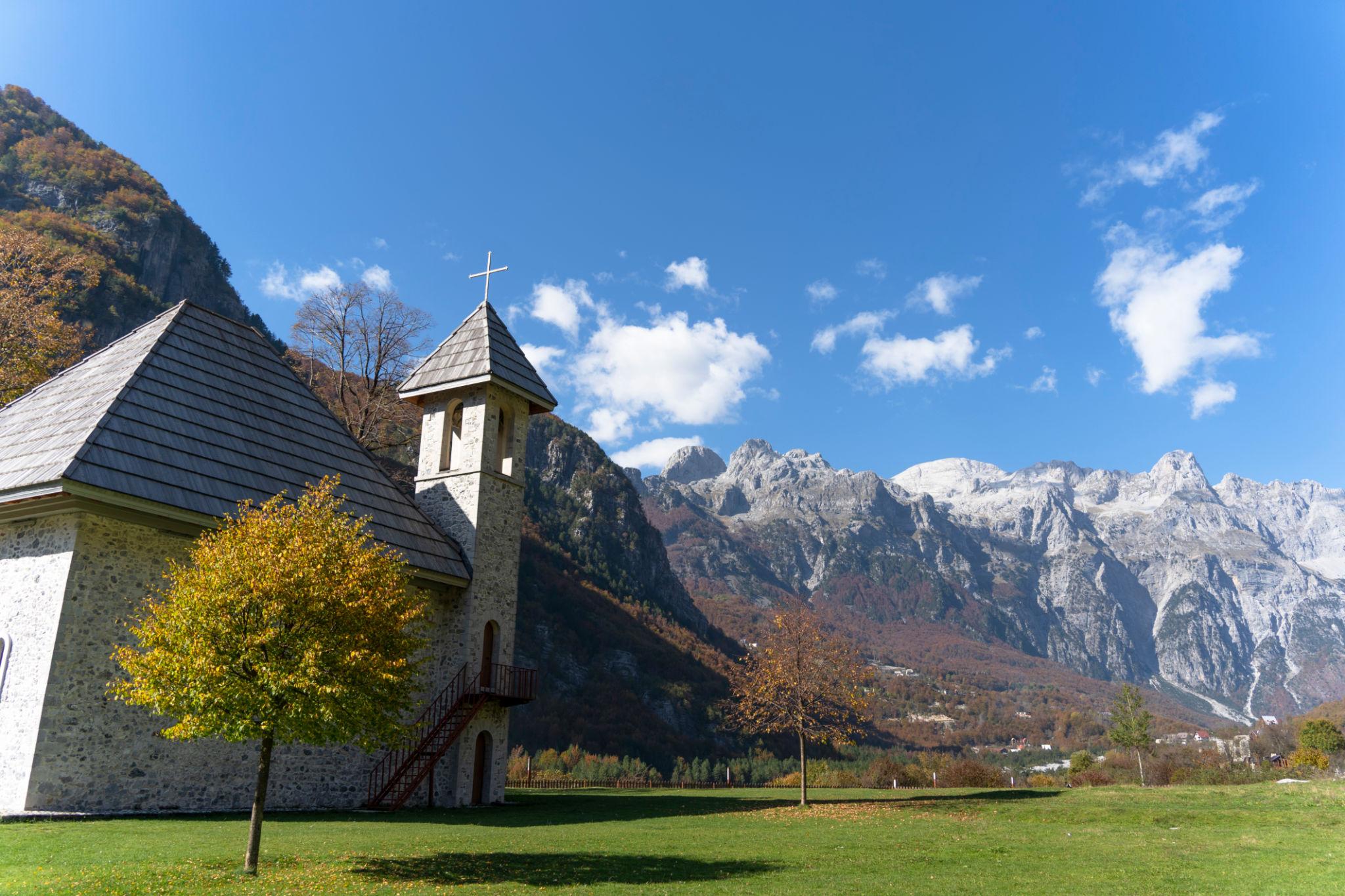
Nestled deep within the Albanian Alps, Theth National Park is one of the most iconic and breathtaking destinations in Albania. Covering approximately 2,630 hectares, the park is famous for its dramatic mountain scenery, crystal-clear rivers, dense forests, and centuries-old traditions that have remained remarkably well preserved.
For many travelers, Theth represents the heart of Albania’s mountain tourism. Towering peaks rise above picturesque stone houses, while winding hiking trails lead visitors through waterfalls, canyons, alpine meadows, and some of the country’s most spectacular natural landmarks.
Whether you’re an experienced hiker or simply looking to experience authentic Albanian hospitality, Theth offers an unforgettable combination of adventure, culture, and nature.
Top Attractions
The park is home to several of Albania’s most famous natural attractions, including:
- The Blue Eye of Theth (Syri i Kalter)
- Grunas Waterfall
- The Church of Theth
- Lock-in Tower (Kulla e Ngujimit)
- Grunas Canyon
- Traditional stone guesthouses
- Scenic hiking trails through the Albanian Alps
Best Things to Do
The most popular activity is the legendary Theth–Valbona hike, considered one of the best trekking routes in the Balkans. The full-day hike rewards visitors with breathtaking mountain panoramas, alpine passes, and unforgettable views.
Other activities include:
- Hiking to the Blue Eye
- Visiting Grunas Waterfall
- Exploring traditional villages
- Wildlife photography
- Camping
- Horseback riding
- River walks
- Local food experiences in family-run guesthouses
- Best Time to Visit: The ideal period to visit Theth National Park is from May to October, when hiking trails are fully accessible and guesthouses are open. During winter, heavy snowfall often blocks the mountain road, making access difficult without specialized vehicles.
- How to Get There: Theth is located around 75 km from Shkodër. The drive takes approximately 3–4 hours, depending on road conditions. During summer, daily minibuses connect Shkodër with Theth, while many visitors choose to rent a car or join organized tours.
- Travel Tip: If you’re planning to hike from Theth to Valbona, book your accommodation several weeks in advance during July and August, as guesthouses often sell out.
Valbona Valley National Park: Albania’s Ultimate Hiking Paradise


Location: Tropojë County, Northern Albania
Best for: Trekking, mountain landscapes, outdoor adventures, nature lovers
Located in the heart of the Albanian Alps, Valbona Valley National Park is one of the most spectacular mountain destinations in Albania. Covering more than 8,000 hectares, the park is renowned for its towering limestone peaks, crystal-clear rivers, dense forests, and traditional alpine villages. As part of the Peaks of the Balkans Trail, Valbona has become one of the country’s top destinations for hikers and adventure travelers from around the world.
Unlike many mountain destinations in Europe, Valbona still offers an authentic and peaceful atmosphere where visitors can experience untouched nature, warm local hospitality, and breathtaking scenery. Whether you’re looking for challenging hikes, relaxing walks, or simply a quiet escape surrounded by mountains, Valbona is a destination that never disappoints.
Top Attractions
The park is home to some of Northern Albania’s most beautiful natural landmarks, including:
- Valbona Valley
- Valbona River
- Kukaj Village
- Çerem Village
- Peaks of the Balkans Trail
- Alpine meadows and panoramic viewpoints
- Traditional stone guesthouses
Best Things to Do
The highlight of any visit is the famous Valbona–Theth hiking trail, widely considered one of the most beautiful day hikes in Europe. Crossing mountain passes with breathtaking panoramic views, this trail attracts thousands of hikers every year.
Other popular activities include:
- Enjoying authentic Albanian cuisine in family-run guesthouses
- Hiking through the Albanian Alps
- Horseback riding
- Camping in the valley
- Wildlife and landscape photography
- Exploring traditional villages
- Fishing in mountain rivers
- Best Time to Visit: The best time to visit Valbona Valley National Park is from June to October, when hiking trails are fully accessible and the weather is ideal for outdoor activities. Spring brings colorful wildflowers, while autumn transforms the forests into vibrant shades of red, orange, and gold. During winter, heavy snowfall covers the valley, creating spectacular scenery but making some hiking routes inaccessible.
- How to Get There: Most visitors reach Valbona by taking the Komani Lake Ferry to Fierza, followed by a short drive into the valley. The ferry journey is often described as one of the most scenic boat trips in Europe and is considered an experience in itself. Visitors can also reach Valbona by car from Kukës, although the Komani Lake route remains the most popular option.
- Travel Tip: If you’re planning to hike between Valbona and Theth, reserve your accommodation several weeks in advance during the summer season. Start your hike early in the morning, carry enough water, and wear proper hiking footwear, as the trail takes between 6 and 8 hours depending on your pace.
Butrint National Archaeological Park: History amidst nature
Location: Sarandë, Southern Albania
Best for: Archaeology, UNESCO heritage, history, nature lovers
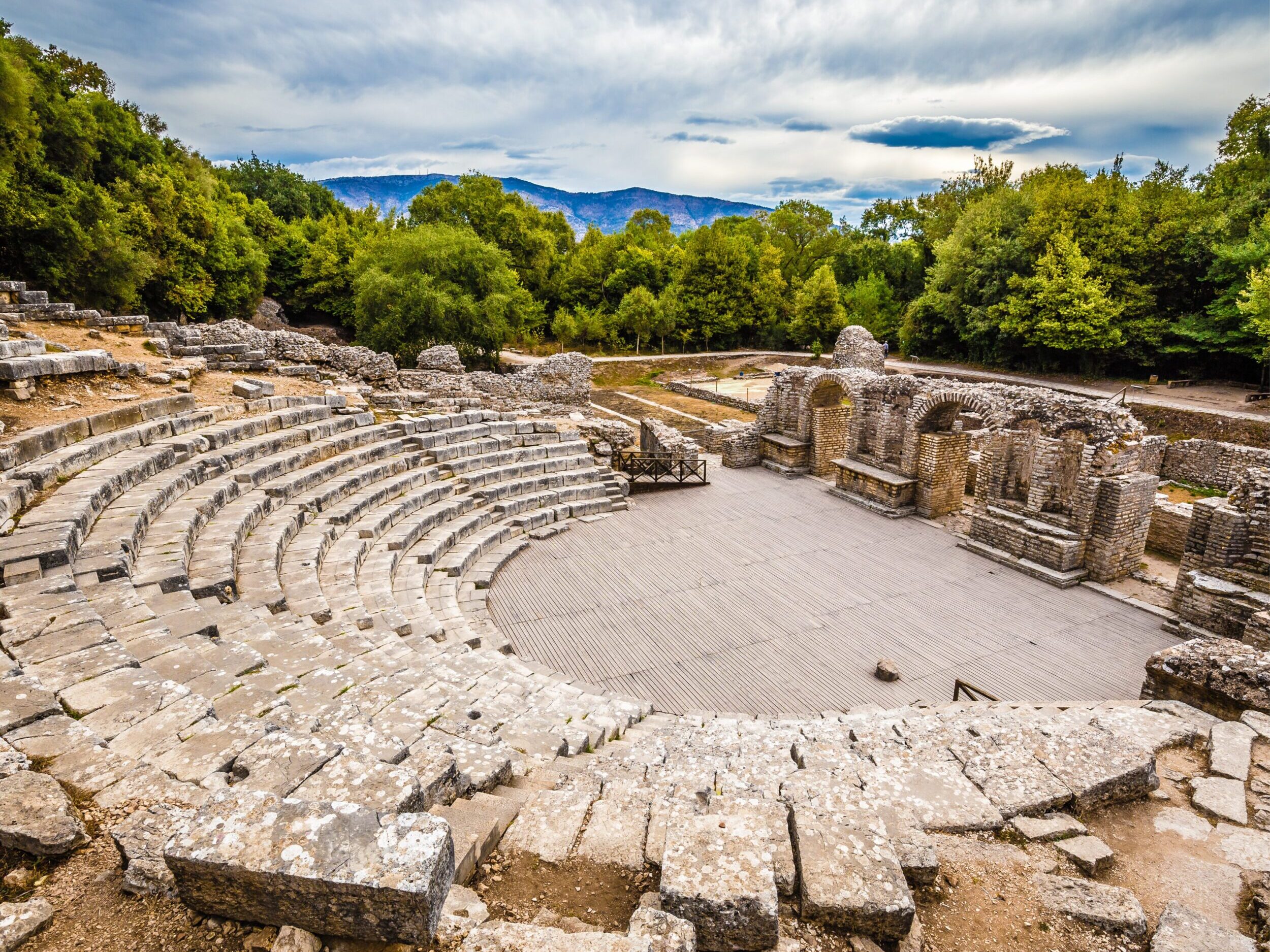
A unique blend of history, culture, and biodiversity, Butrint National Park is one of Albania’s most remarkable destinations. Recognized as a UNESCO World Heritage Site since 1992, the park protects one of the Mediterranean’s most important archaeological sites alongside a rich natural ecosystem of wetlands, forests, and lagoons.
Located just a short drive from Sarandë and Ksamil, Butrint offers visitors the opportunity to explore more than 2,500 years of history while surrounded by breathtaking landscapes. Ancient Greek, Roman, Byzantine, and Venetian civilizations have all left their mark here, making it one of the country’s most visited cultural attractions.
Beyond its archaeological treasures, the park is home to diverse wildlife, including flamingos, turtles, otters, and over 1,200 plant species, creating an unforgettable destination where history and nature exist side by side.
Top Attractions
Some of the highlights you shouldn’t miss include:
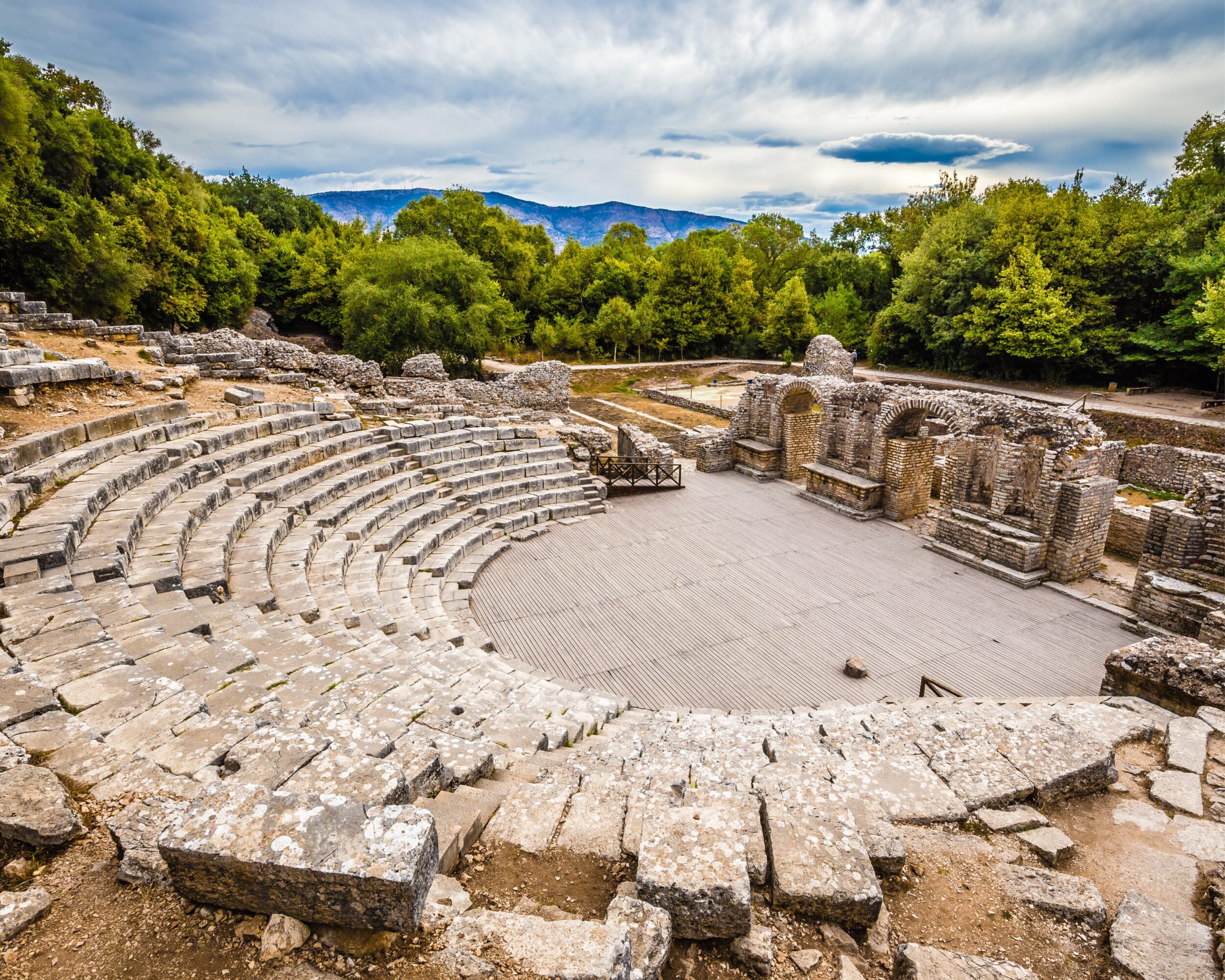
- Ancient Greek Theatre
- Roman Baths
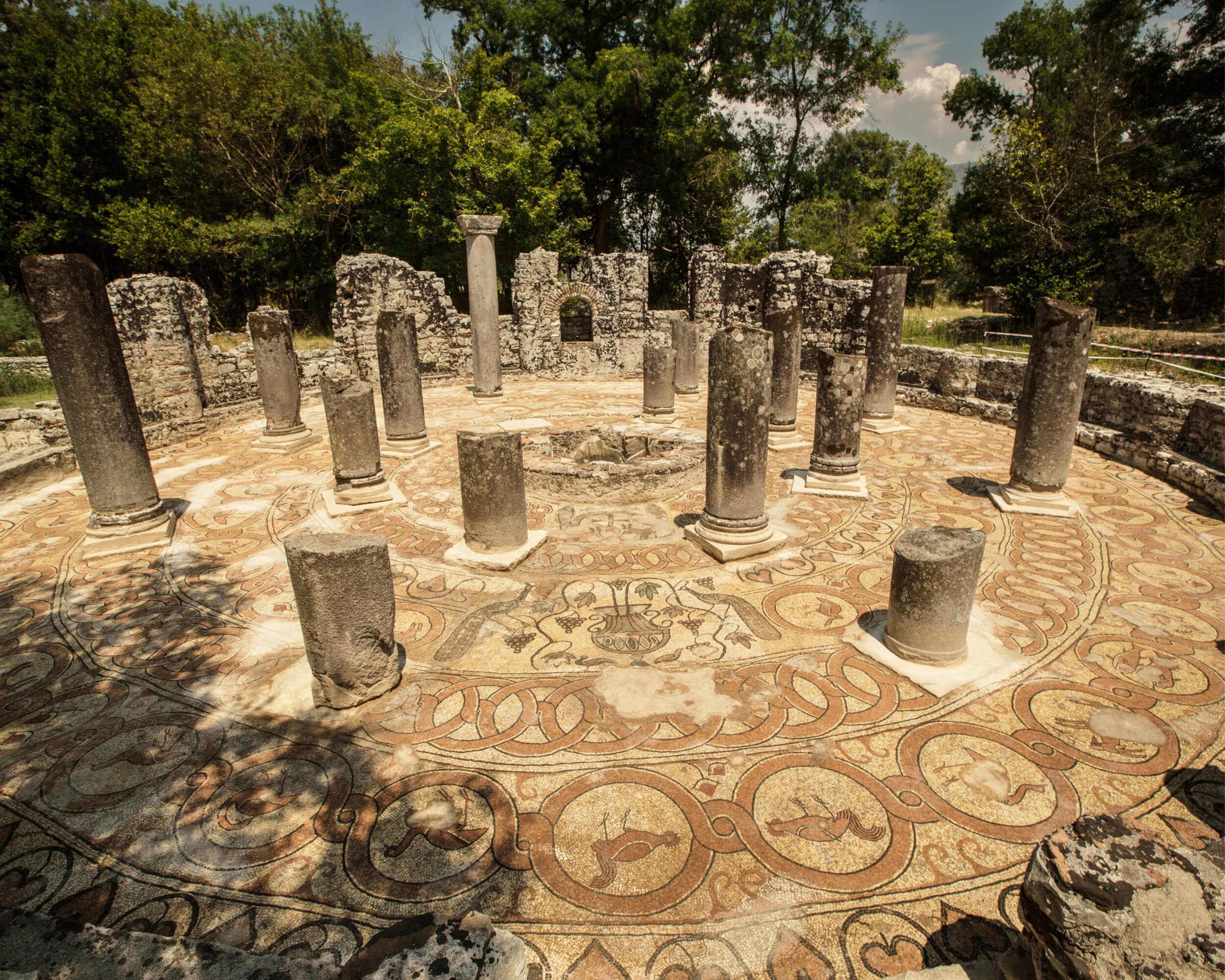
- Baptistery
- Venetian Castle
- Lion Gate
- Butrint Archaeological Museum
- Butrint Lagoon
- Scenic walking trails through the archaeological park
Best Things to Do
Exploring the archaeological site is the main highlight of any visit, allowing travelers to discover centuries of history while walking beneath ancient trees and alongside peaceful lagoons.
Other popular activities include:
- Joining a guided historical tour
- Walking through the UNESCO archaeological site
- Birdwatching around Butrint Lagoon
- Nature photography
- Visiting the Venetian Castle
- Exploring nearby Ksamil Beaches
- Watching the sunset from Lekursi Castle after your visit
- Best Time to Visit: Butrint National Park can be visited throughout the year, but the most pleasant months are April to June and September to October, when temperatures are comfortable and visitor numbers are lower. During the summer season, it’s recommended to arrive early in the morning to avoid both the crowds and the midday heat.
- How to Get There: Butrint is located approximately 18 km south of Sarandë and can easily be reached by car, taxi, or public bus. The drive takes around 25–30 minutes, and free parking is available near the entrance. Many visitors combine Butrint with a day trip to Ksamil due to their close proximity.
- Travel Tip: Allow at least 3–4 hours to fully explore the archaeological site and its surrounding nature. For the best experience, combine your visit with Ksamil Beaches, the Blue Eye, or Lekursi Castle, creating one of the most rewarding day trips in southern Albania.
Llogara National Park: Coastal Peaks and Forest Air
Location: Between Vlorë and Himarë, Albanian Riviera
Best for: Scenic drives, hiking, panoramic views, paragliding, nature lovers
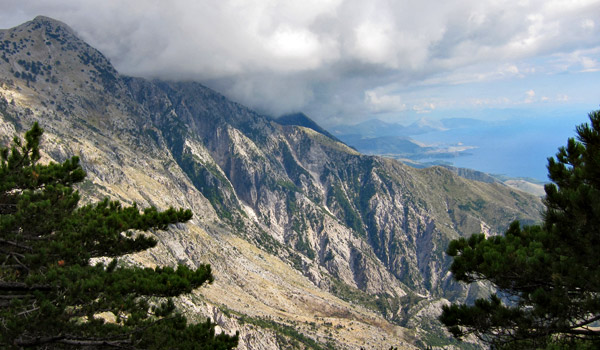
Perched high above the stunning Albanian Riviera, Llogara National Park is one of Albania’s most spectacular natural destinations. Covering more than 1,000 hectares, the park stretches across the Ceraunian Mountains, where dramatic limestone peaks plunge toward the crystal-clear waters of the Ionian Sea. This unique combination of mountains and coastline creates some of the most breathtaking landscapes in the Balkans.
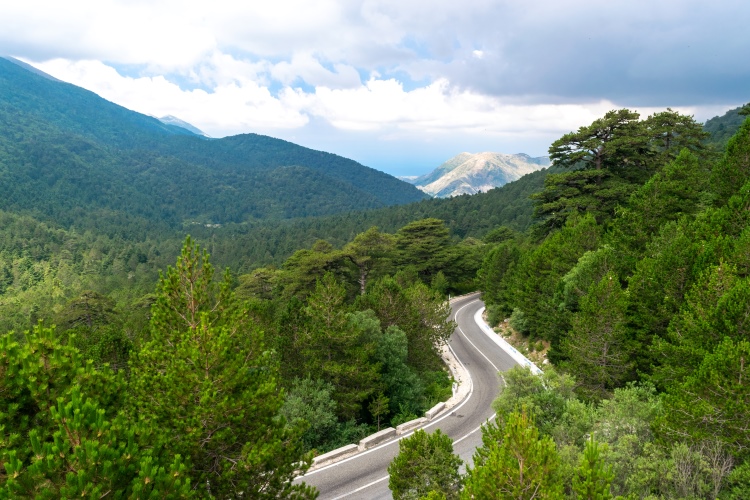
Situated along the famous Llogara Pass, the park is a must-visit stop for anyone exploring the Albanian Riviera. Thanks to its higher elevation, Llogara enjoys cooler temperatures even during the hottest summer months, making it the perfect escape for hiking, relaxing, and enjoying panoramic views over the coastline.
The park is also home to diverse wildlife, including golden eagles, deer, wild boars, foxes, and numerous native plant species, making it one of Albania’s most important protected natural areas.
Top Attractions
Some of the park’s highlights include:
- Llogara Pass
- Caesar’s Pass Viewpoint
- The Flag Pine (Pisha Flamur)
- Scenic mountain hiking trails
- Panoramic viewpoints over the Albanian Riviera
- Paragliding launch site
- Forest picnic areas
Best Things to Do
One of the best experiences in Llogara is driving along the scenic Llogara Pass, where every turn reveals breathtaking views of the Ionian coastline, hidden beaches, and towering mountain cliffs.
Other popular activities include:
- Hiking through pine and fir forests
- Visiting Caesar’s Pass Viewpoint
- Taking panoramic photographs of the Riviera
- Paragliding above the coastline
- Wildlife watching
- Enjoying traditional mountain cuisine at local restaurants
- Relaxing in the cool mountain air before continuing toward Dhërmi or Himarë
- Best Time to Visit: Llogara National Park can be visited throughout the year, but the best period is from April to October, when the weather is ideal for hiking and sightseeing. During summer, temperatures are significantly cooler than along the coast, making it a perfect escape from the beach. Autumn offers colorful forests, while winter occasionally brings snowfall, transforming the park into a beautiful alpine landscape.
- How to Get There: Llogara National Park is located along the SH8 coastal road, approximately 40 km from Vlorë and 30 km from Himarë. The drive from Vlorë takes around 45 minutes, while visitors traveling along the Albanian Riviera naturally pass through the park when heading toward Dhërmi, Himarë, or Sarandë.
- Travel Tip: Visit early in the morning or late in the afternoon for the clearest panoramic views and the best photography conditions. Don’t miss the opportunity to stop at the viewpoints along Llogara Pass, then continue your journey to nearby beaches such as Palase, Dhermi, or Drymades for the perfect combination of mountains and sea in a single day.
Dajti Mountain National Park: Tirana’s Natural Escape
Location: Tirana County, Central Albania
Best for: Day trips, hiking, families, panoramic views, outdoor activities
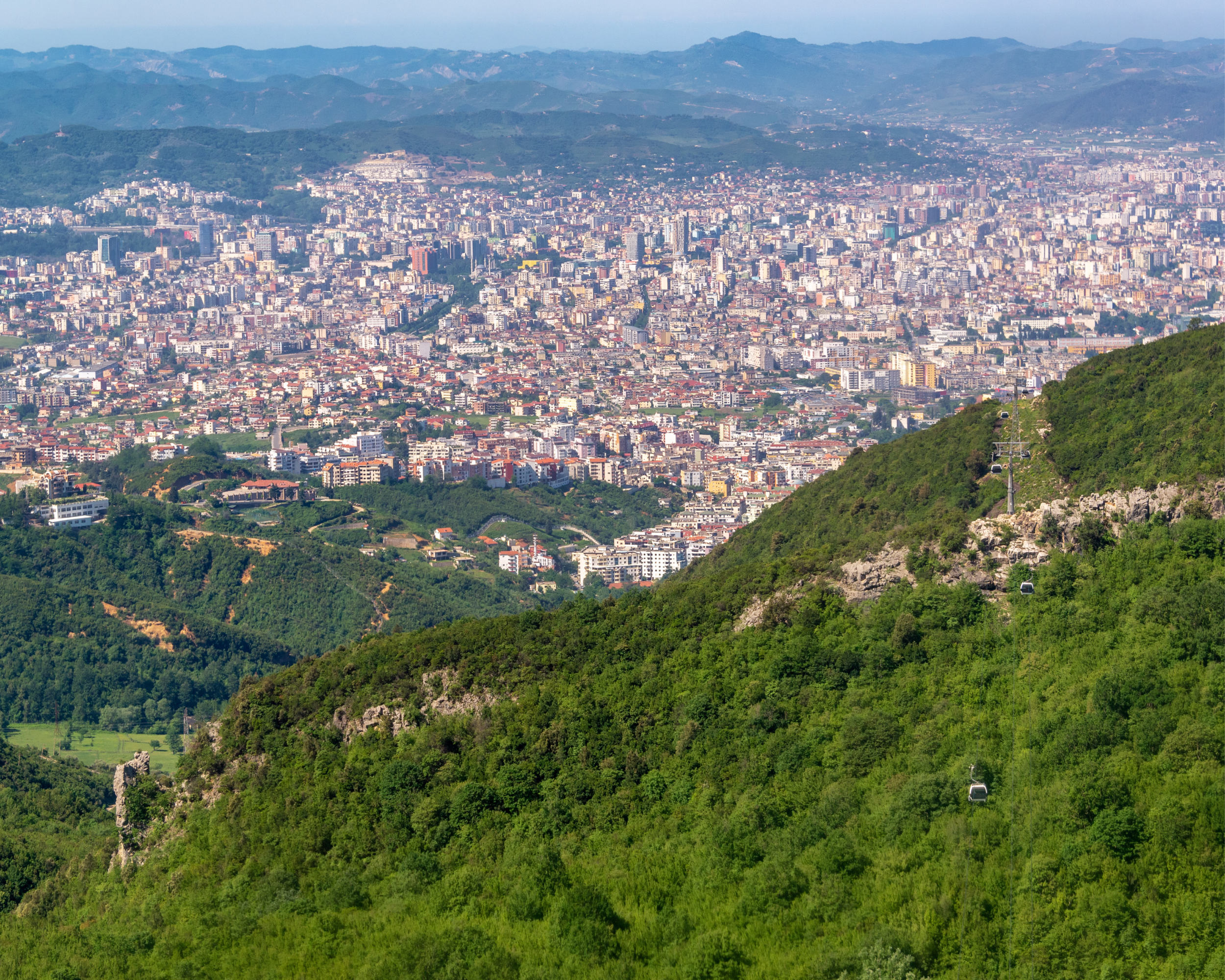
Just a few kilometers from Albania’s bustling capital, Dajti Mountain National Park offers the perfect escape into nature without leaving the city behind. Covering nearly 294 square kilometers, the park is one of the country’s most visited protected areas, attracting both locals and international travelers looking for fresh mountain air, scenic landscapes, and outdoor adventures.
Often referred to as the “Balcony of Tirana,” Dajti Mountain rises more than 1,600 meters above sea level and provides spectacular panoramic views of Tirana, the surrounding valleys, and, on clear days, even the Adriatic Sea. Its dense forests, rich biodiversity, and well-maintained recreational facilities make it one of the best destinations in Albania for families, couples, and nature lovers.
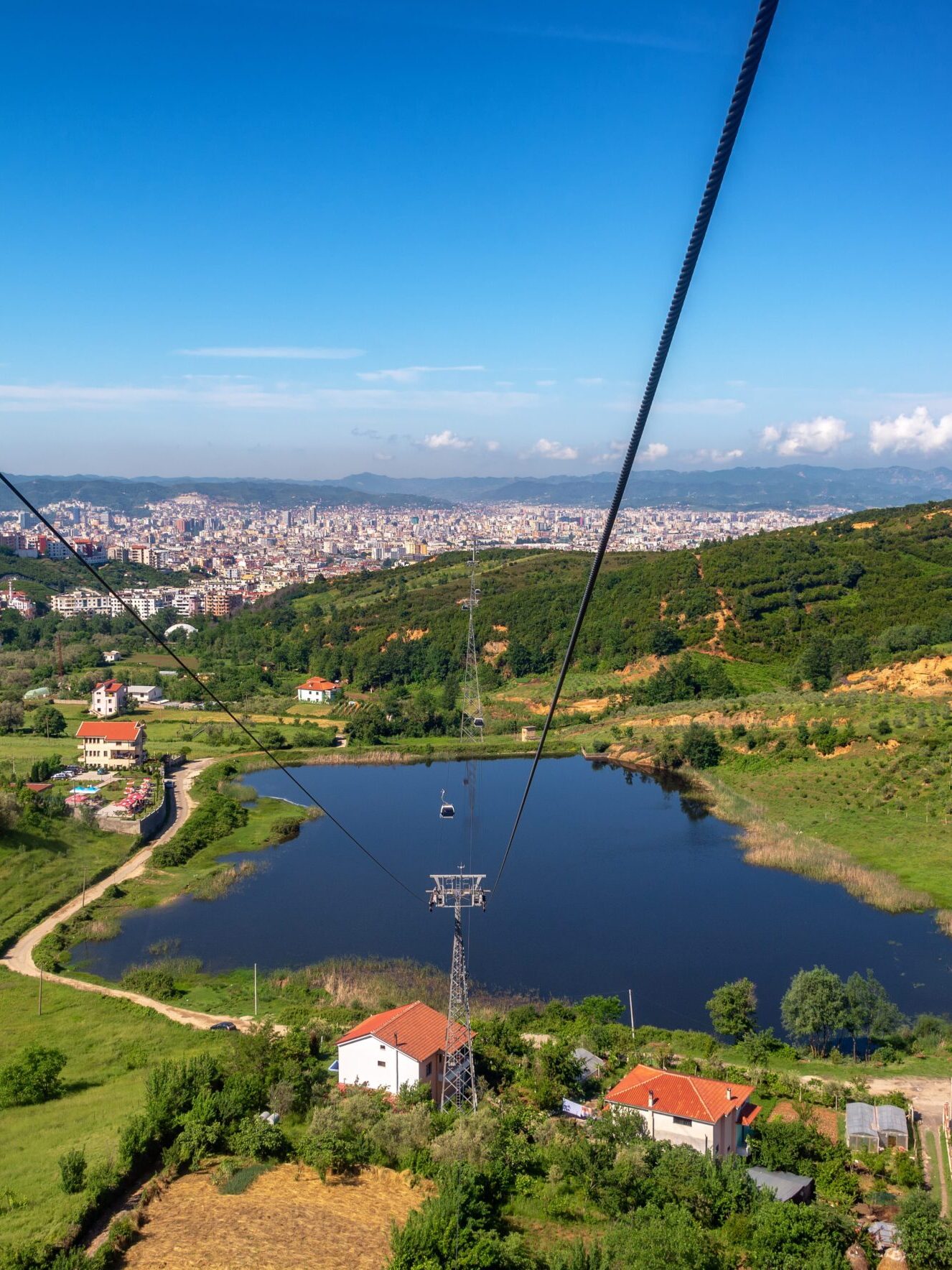
One of the park’s biggest attractions is the Dajti Ekspres Cable Car, one of the longest cable car systems in the Balkans, offering visitors a memorable 15-minute ride above forests and hills before reaching the mountain plateau.
Top Attractions
Some of the park’s highlights include:
- Dajti Ekspres Cable Car
- Panoramic viewpoints over Tirana
- Dajti Adventure Park
- Hiking and cycling trails
- Picnic areas
- Dajti Tower Belvedere
- Mountain restaurants with panoramic terraces
Best Things to Do
A ride on the Dajti Ekspres Cable Car is the perfect way to begin your visit, offering breathtaking views throughout the journey before reaching the mountain’s main recreational area.
Other popular activities include:
- Hiking through forest trails
- Enjoying panoramic views of Tirana
- Visiting Adventure Park
- Mountain biking
- Horseback riding
- Having lunch at panoramic restaurants
- Relaxing in one of the picnic areas
- Watching the sunset over Tirana
- Best Time to Visit: Dajti Mountain National Park is a year-round destination. Spring and autumn are ideal for hiking and outdoor activities thanks to mild temperatures and colorful landscapes, while summer offers a refreshing escape from the city’s heat. During winter, occasional snowfall transforms the mountain into a peaceful winter retreat just minutes from Tirana.
- How to Get There: The park is located approximately 25 km from Tirana city center. The easiest and most popular way to reach the summit is by taking the Dajti Ekspres Cable Car, which takes around 15 minutes. Visitors can also drive to the mountain via the scenic road leading to Dajti National Park.
- Travel Tip: Plan to spend at least half a day exploring the park. Arrive early on weekends and public holidays, as the cable car can become busy. If you’re visiting during sunset, don’t miss the panoramic viewpoints or enjoy dinner at one of the mountain restaurants overlooking Tirana for one of the city’s most spectacular evening views.
Divjake-Karavasta National Park: Albania’s Birdwatching Paradise
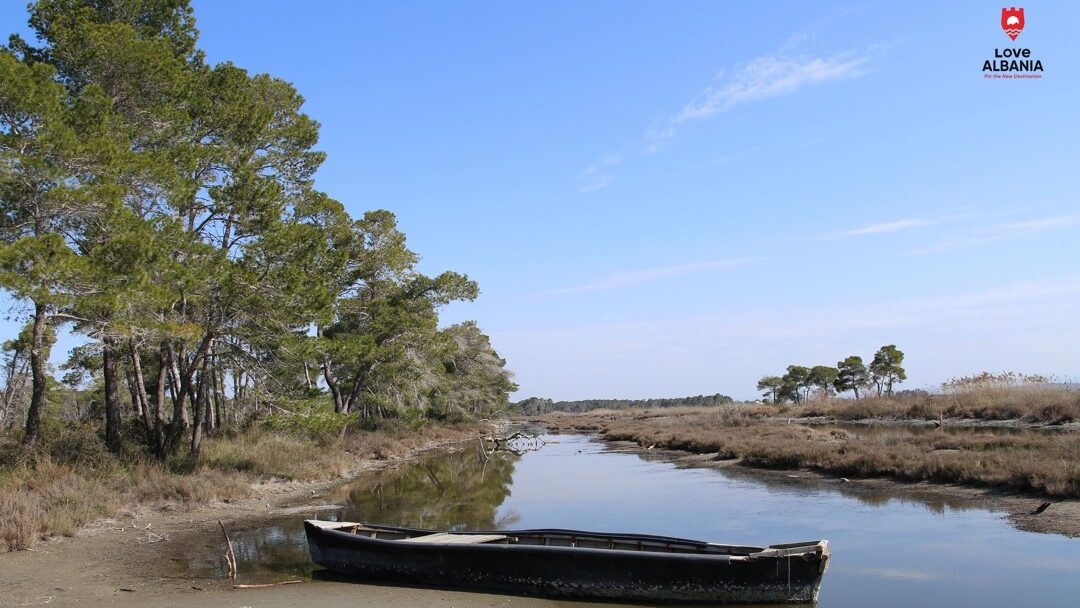
Location: Lagja nr.2. Divjake, Lushnje AL, 9022, Albania
Best for: Birdwatching, wetlands, cycling, boat tours, nature photography
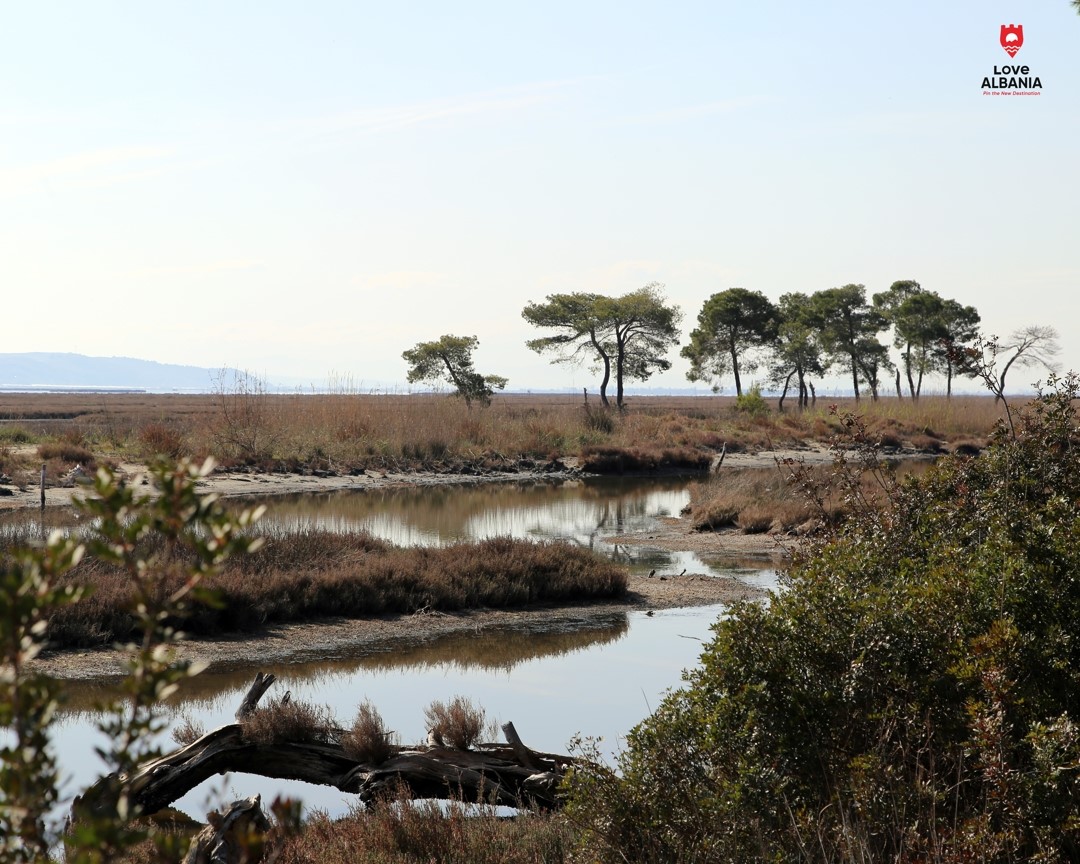
Stretching along Albania’s Adriatic coast, Divjakë-Karavasta National Park is one of the country’s most important protected natural areas and one of the largest wetlands in the Mediterranean. Covering more than 22,000 hectares, the park protects the spectacular Karavasta Lagoon, coastal pine forests, sand dunes, and rich ecosystems that provide a sanctuary for hundreds of plant and animal species.
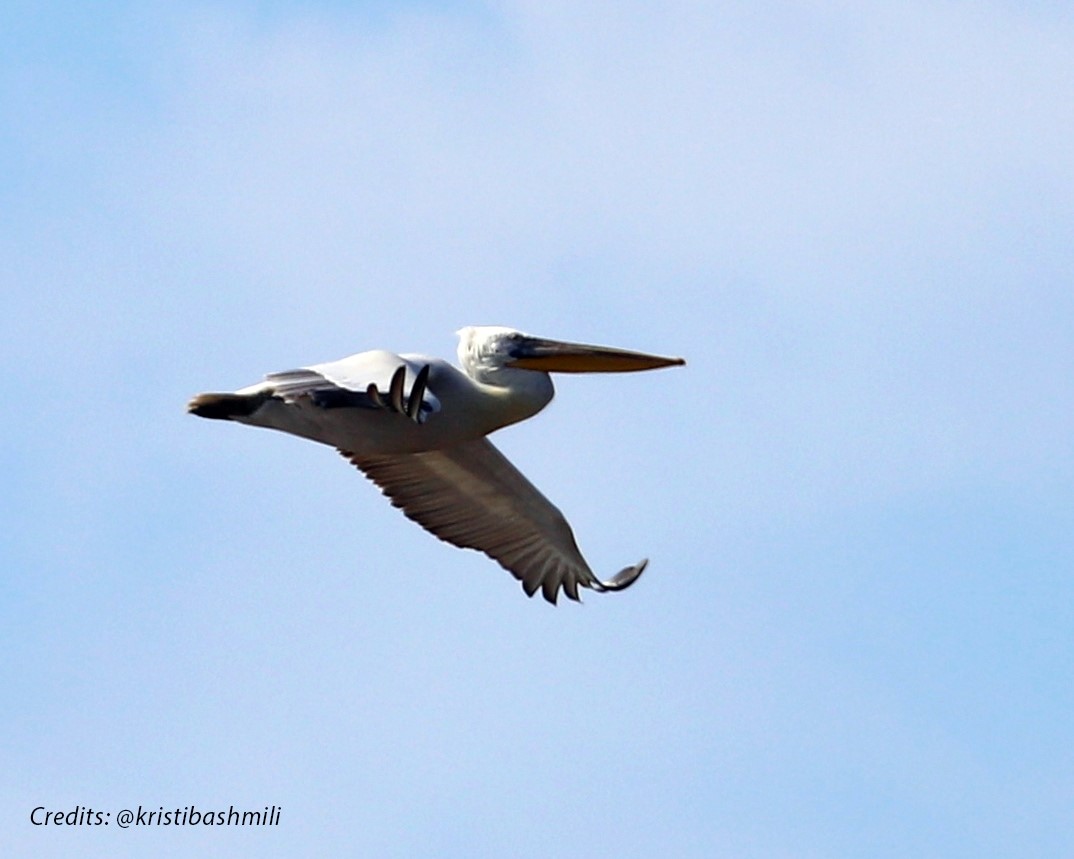
The park is internationally recognized for its biodiversity and is one of the best places in Europe to observe the Dalmatian Pelican, one of the world’s rarest pelican species. Every year, thousands of migratory birds stop here, making Divjakë-Karavasta a paradise for birdwatchers, photographers, and nature enthusiasts.
Beyond its incredible wildlife, the park offers peaceful walking and cycling trails, wooden observation towers, boat tours across the lagoon, and long sandy beaches, creating the perfect destination for travelers seeking relaxation and outdoor adventure.
Top Attractions
Some of the park’s highlights include:
- Karavasta Lagoon
- Dalmatian Pelican Observation Tower
- Divjakë Pine Forest
- Wooden Birdwatching Tower
- Divjakë Beach
- Visitor Centre
- Cycling and walking trails
- Boat tours across the lagoon
Best Things to Do
One of the most memorable experiences in the park is climbing the wooden observation tower, where visitors can enjoy panoramic views over Karavasta Lagoon and spot rare bird species in their natural habitat.
Other popular activities include:
- Birdwatching
- Cycling through the pine forest
- Boat tours on Karavasta Lagoon
- Walking nature trails
- Wildlife photography
- Relaxing at Divjakë Beach
- Visiting the National Park Visitor Centre
- Enjoying fresh seafood and local cuisine in nearby restaurants
- Best Time to Visit: The best seasons to visit Divjakë-Karavasta National Park are spring and autumn, when migratory birds are most active and temperatures are ideal for outdoor activities. Summer is perfect for combining nature exploration with a relaxing day at Divjakë Beach, while winter offers peaceful landscapes and excellent opportunities for birdwatching.
- How to Get There: The park is located approximately 90 km from Tirana and around 40 km from Lushnjë. It can easily be reached by car in about 1 hour and 30 minutes from the capital. Free parking is available near the Visitor Centre and the main beach area, making it convenient for day trips.
- Travel Tip: Bring a pair of binoculars if you’re interested in birdwatching, especially during spring and autumn migrations. For the best wildlife experience, visit early in the morning when birds are most active. After exploring the park, consider enjoying lunch at one of the nearby agritourism restaurants or seafood restaurants to experience the authentic flavors of the Divjakë region.
Mount Tomorr National Park: Albania’s Sacred Mountain of Legends
Location: Berat and Skrapar Counties, Central-Southern Albania
Best for: Hiking, spirituality, panoramic views, rafting, nature lovers
Rising to 2,416 meters above sea level, Mount Tomorr National Park is one of Albania’s most iconic natural landmarks. Often referred to as the “Sacred Mountain of Albania,” Tomorr is a place where breathtaking landscapes, ancient legends, and spiritual traditions come together. Covering more than 26,000 hectares, the park is home to rugged mountain peaks, alpine meadows, deep forests, and an extraordinary variety of wildlife.
Mount Tomorr holds great cultural and religious significance for Albanians. Every August, thousands of pilgrims gather here during the Bektashi pilgrimage, making it one of the country’s most important spiritual events. Beyond its religious importance, the park is also a favorite destination for hikers, photographers, and outdoor enthusiasts seeking spectacular mountain scenery away from the crowds.
Its location near Berat, a UNESCO World Heritage city, also makes Tomorr an excellent addition to any itinerary exploring central Albania.
Top Attractions
Some of the park’s highlights include:
- Mount Tomorr Summit
- Bektashi Pilgrimage Site
- Kulmak Tekke
- Panoramic mountain viewpoints
- Alpine meadows
- Tomorr hiking trails
- Nearby Osum Canyon
- Bogovë Waterfall
Best Things to Do
Hiking to the summit of Mount Tomorr is the park’s most rewarding experience, offering breathtaking panoramic views across central and southern Albania on clear days.
Other popular activities include:
- Hiking to the summit
- Visiting the Bektashi pilgrimage site
- Exploring Kulmak Tekke
- Wildlife and landscape photography
- Camping under the stars
- Discovering alpine flora and medicinal plants
- Rafting in nearby Osum Canyon
- Visiting Bogovë Waterfall
- Best Time to Visit: The best time to visit Mount Tomorr National Park is from June to September, when hiking trails are snow-free and weather conditions are ideal for outdoor activities. August is particularly popular due to the annual Bektashi pilgrimage, while spring and early autumn offer pleasant temperatures and fewer visitors.
- How to Get There: Mount Tomorr can be reached from both Berat and Çorovodë, with Berat being the most common starting point. The drive to Kulmak takes approximately 1.5 to 2 hours, depending on road conditions, and the final section of the road is partially unpaved. A vehicle with good ground clearance is recommended, especially after heavy rain.
- Travel Tip: If you plan to hike to the summit, start early in the morning, wear sturdy hiking boots, and bring enough water, as there are limited facilities once you leave Kulmak. For a complete adventure, combine your visit with Osum Canyon, Bogovë Waterfall, and the historic city of Berat, creating one of the most rewarding nature and culture itineraries in Albania.
Prespa National Park: Albania’s Hidden Paradise of Lakes and Wildlife
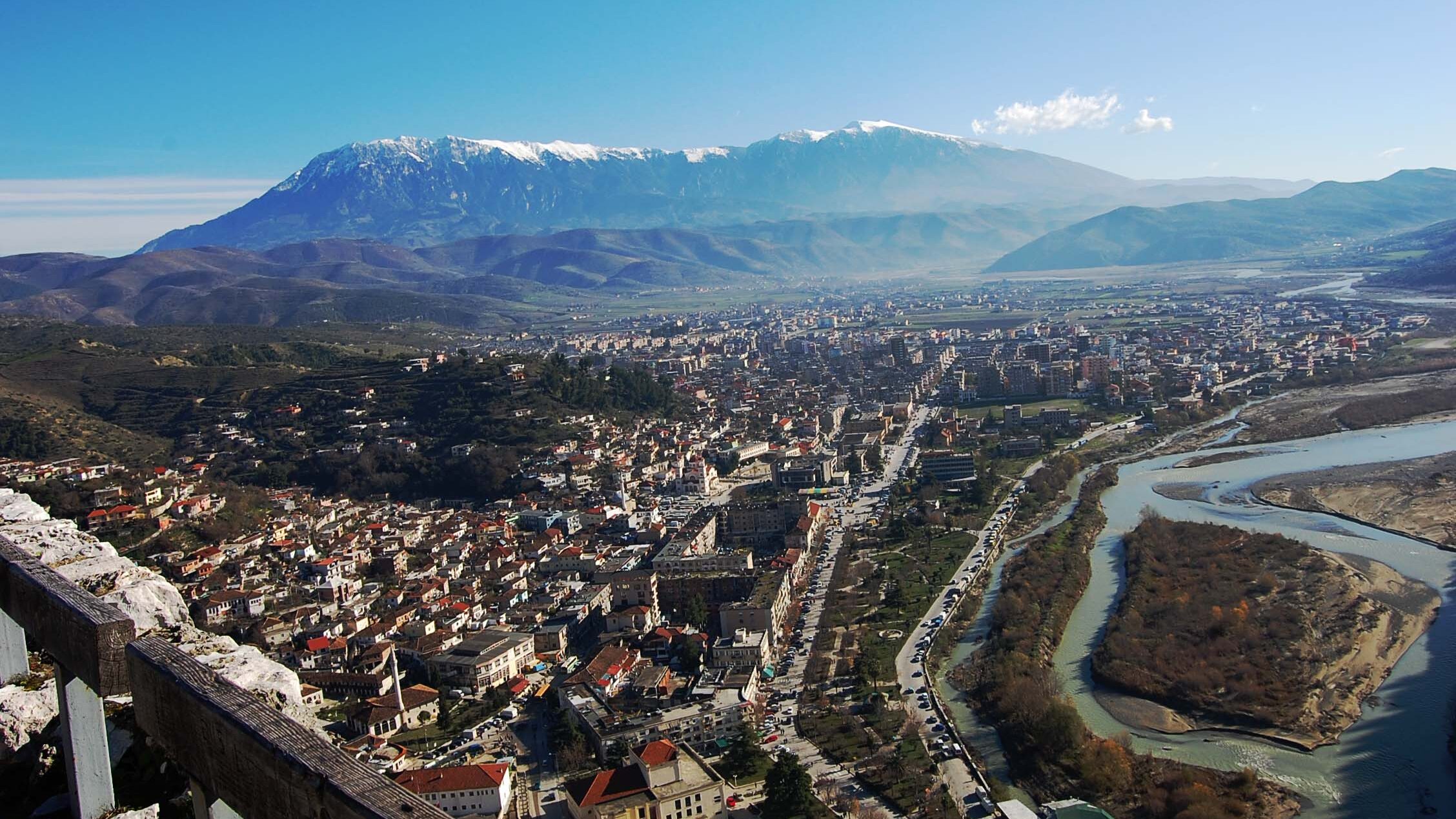
Location: Korçë County, Southeastern Albania
Best for: Wildlife, birdwatching, lake views, eco-tourism, photography
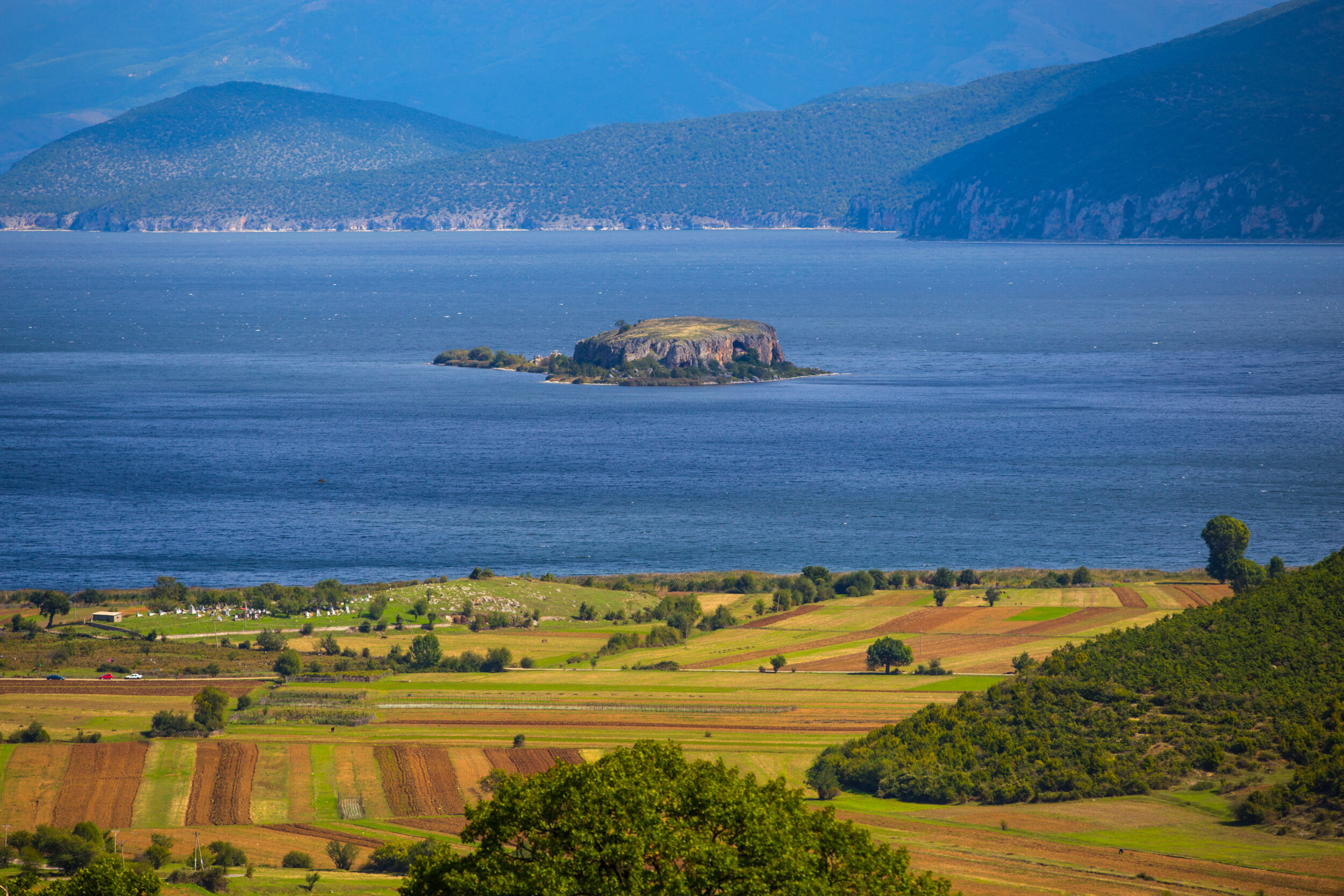
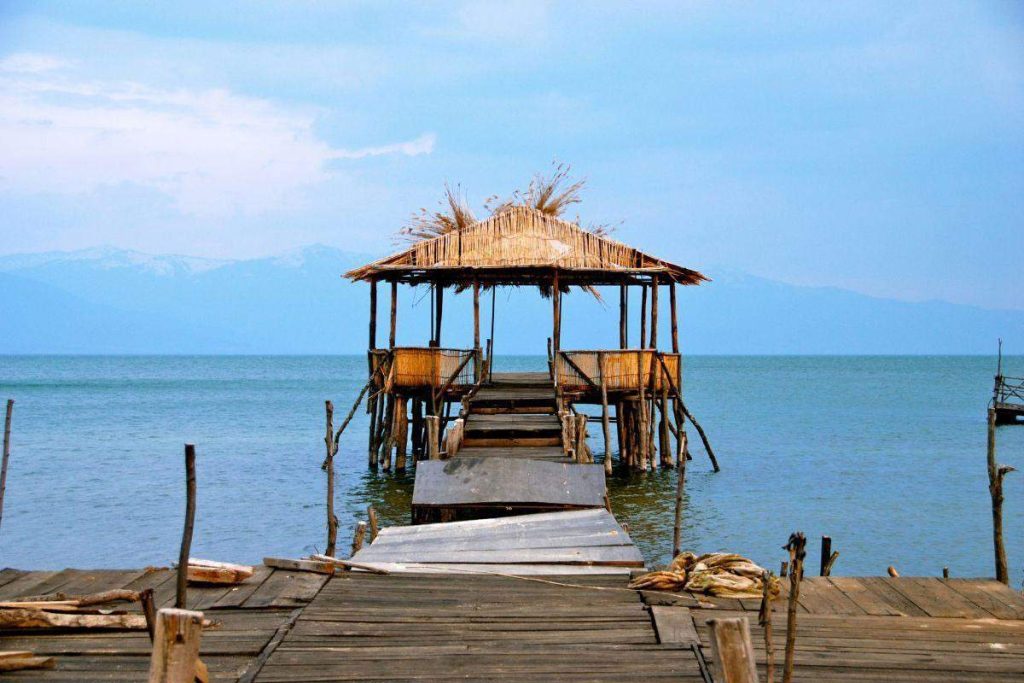
Located in the peaceful southeastern corner of Albania, Prespa National Park is one of the country’s most beautiful and least-explored protected areas. Centered around Great Prespa Lake and Small Prespa Lake, the park forms part of a unique transboundary ecosystem shared by Albania, Greece, and North Macedonia. Rich in biodiversity and cultural heritage, Prespa is a perfect destination for travelers seeking tranquility, authentic villages, and spectacular natural landscapes.
The park is internationally recognized for its exceptional wildlife and is part of the Prespa-Ohrid UNESCO Biosphere Reserve, protecting hundreds of bird species, endemic fish, and rare plant life. Traditional lakeside villages, historic churches, and peaceful walking trails make Prespa an ideal destination for slow travel and nature lovers.
Unlike Albania’s more popular national parks, Prespa offers a quieter experience where visitors can connect with nature while discovering one of the country’s most authentic regions.
Top Attractions
Some of the park’s highlights include:
- Great Prespa Lake
- Small Prespa Lake
- Maligrad Island
- Saint Mary Church on Maligrad Island
- Pustec Village
- Gollomboç Village
- Birdwatching viewpoints
- Lakeside walking and cycling routes
Best Things to Do
A boat trip to Maligrad Island is one of the highlights of visiting Prespa National Park. The island is home to the beautiful 13th-century Church of Saint Mary, surrounded by dramatic cliffs and crystal-clear waters.
Other popular activities include:
- Birdwatching
- Boat trips on Prespa Lake
- Visiting Maligrad Island
- Cycling through lakeside villages
- Hiking along nature trails
- Wildlife photography
- Exploring traditional villages
- Enjoying fresh fish at local family-run restaurants
- Best Time to Visit: The best time to visit Prespa National Park is from April to October, when the weather is pleasant and wildlife is most active. Spring and autumn are especially popular for birdwatching, while summer is perfect for boat trips, cycling, and exploring the lakeside villages. Winter brings peaceful landscapes and a completely different atmosphere for those seeking a quiet escape.
- How to Get There: Prespa National Park is located approximately 40 km from Korçë, with the drive taking around 45 minutes. The park is easily accessible by car via the road to Pustec, and visitors can continue exploring the surrounding villages and viewpoints along the lakeshore. Public transportation is limited, so traveling by private vehicle is recommended.
- Travel Tip: Plan enough time to explore more than just the lake. Visit Maligrad Island, stop in the traditional villages of Pustec and Gollomboç, and enjoy a meal featuring the region’s famous Prespa carp. If you’re already visiting southeastern Albania, combine Prespa with nearby Lake Ohrid, creating an unforgettable journey through two of the Balkans’ most beautiful lake regions.
Shebenik National Park: Albania’s Untouched Wilderness
Location: Librazhd County, Eastern Albania
Best for: Remote hiking, wildlife, glacial lakes, adventure travel
One of Albania’s largest and least-visited protected areas, Shebenik-Jabllanicë National Park is a true paradise for adventure seekers and nature lovers looking to explore beyond the country’s most popular destinations. Covering more than 340 square kilometers, the park stretches along the border with North Macedonia and protects ancient beech forests, alpine meadows, glacial lakes, and rugged mountain peaks.
Declared a national park in 2008, Shebenik-Jabllanicë is also home to the Rrajca Primeval Beech Forest, part of the UNESCO World Heritage-listed Ancient and Primeval Beech Forests of Europe. Its remote location has helped preserve its rich biodiversity, making it one of the best places in Albania to experience untouched nature and observe rare wildlife.
Unlike more developed parks, Shebenik-Jabllanicë offers a genuine wilderness experience where visitors can hike for hours through pristine forests, discover hidden glacial lakes, and enjoy breathtaking mountain scenery with very few crowds.
Top Attractions
Some of the park’s highlights include:
- Rrajca Primeval Beech Forest (UNESCO)
- Shebenik Mountain
- Glacial Lakes of Shebenik
- Qarrishtë Village
- Fushë Studë
- Alpine meadows and mountain viewpoints
- Remote hiking trails
Best Things to Do
The park is an excellent destination for travelers seeking off-the-beaten-path adventures. Its extensive network of trails leads through ancient forests, alpine landscapes, and peaceful mountain valleys that remain largely untouched by mass tourism.
Other popular activities include:
- Hiking through UNESCO-listed beech forests
- Visiting the glacial lakes
- Wildlife and birdwatching
- Landscape photography
- Camping
- Exploring traditional mountain villages
- Nature walks through alpine meadows
- Multi-day trekking adventures
- Best Time to Visit: The best time to visit Shebenik-Jabllanicë National Park is from May to October, when hiking trails are fully accessible and weather conditions are ideal for outdoor activities. Spring brings lush green landscapes and wildflowers, while autumn offers spectacular foliage throughout the ancient forests. Winter is suitable only for experienced hikers due to snow-covered trails.
- How to Get There: The park is located near the town of Librazhd, approximately 90 km from Tirana. Most visitors access the park by car via Librazhd before continuing toward Fushë Studë or Qarrishtë, which serve as the main gateways to the hiking trails. Since public transportation is very limited, traveling by private vehicle is highly recommended.
- Travel Tip: Because facilities inside the park are limited, bring plenty of water, snacks, and suitable hiking equipment before starting your adventure. If you’re planning longer hikes, consider hiring a local guide, especially when exploring the more remote areas or visiting the glacial lakes, where trail markings may be limited.
Lurë-Dejë National Park: Home to Albania’s Glacial Lakes
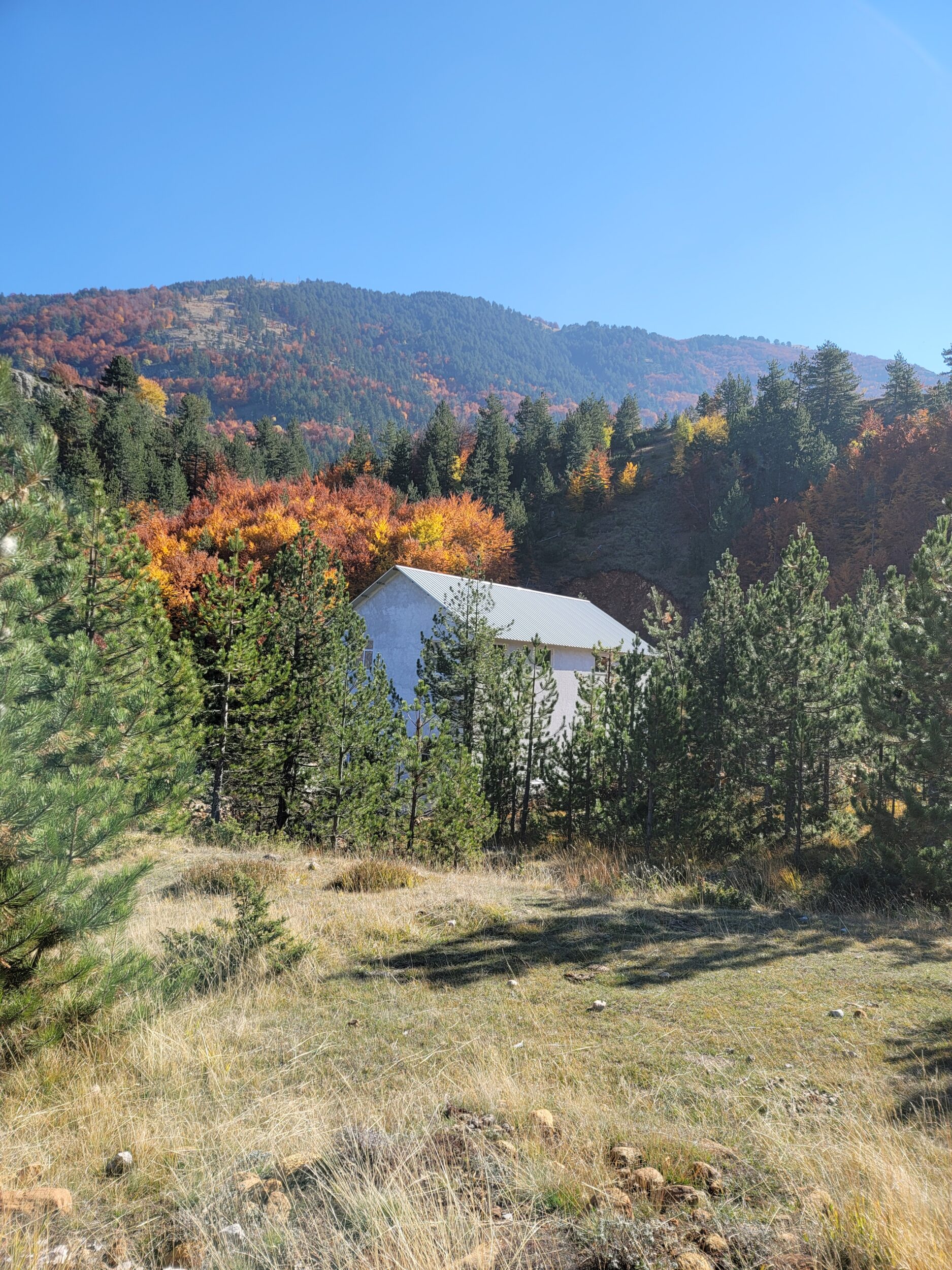
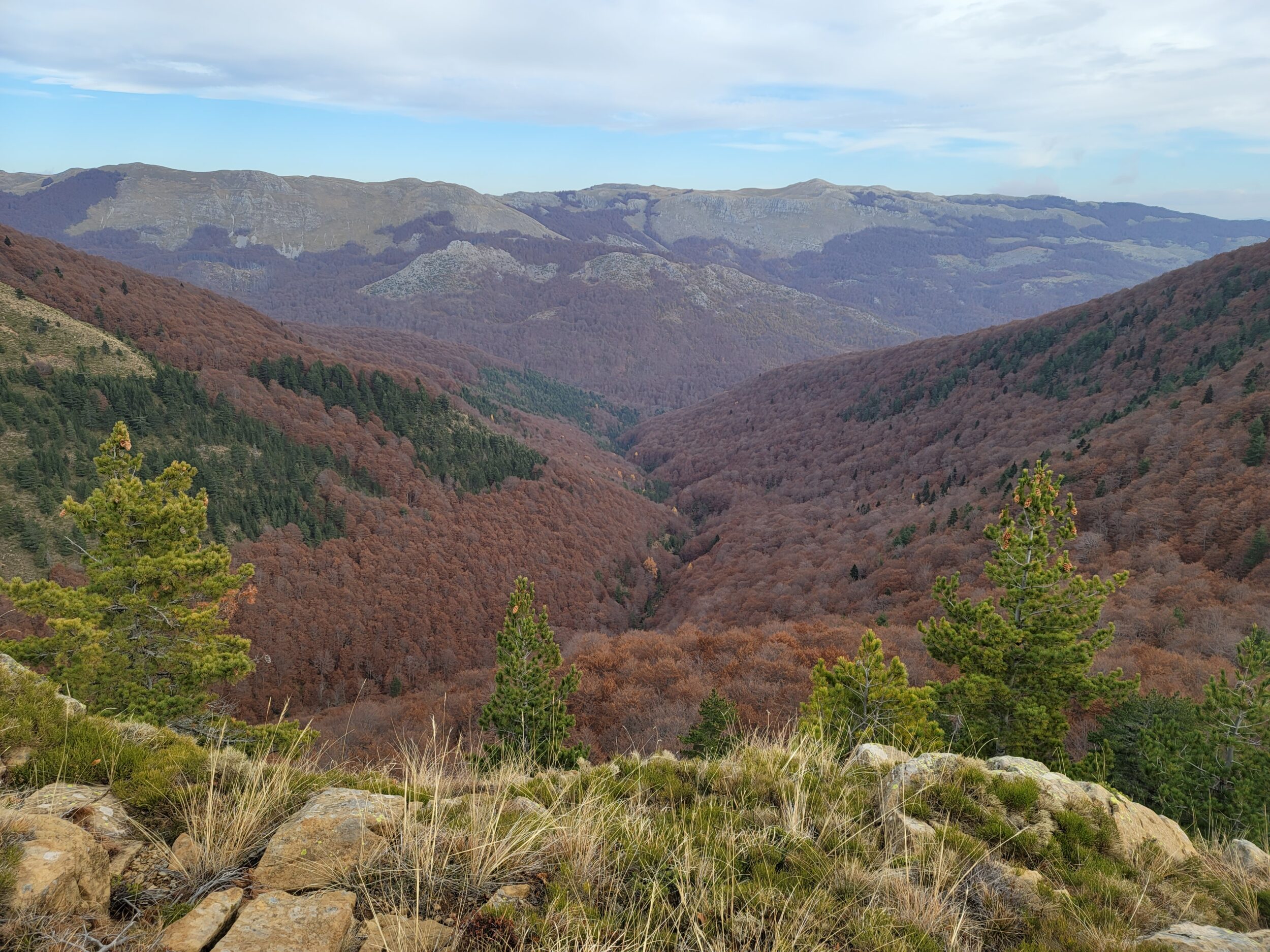
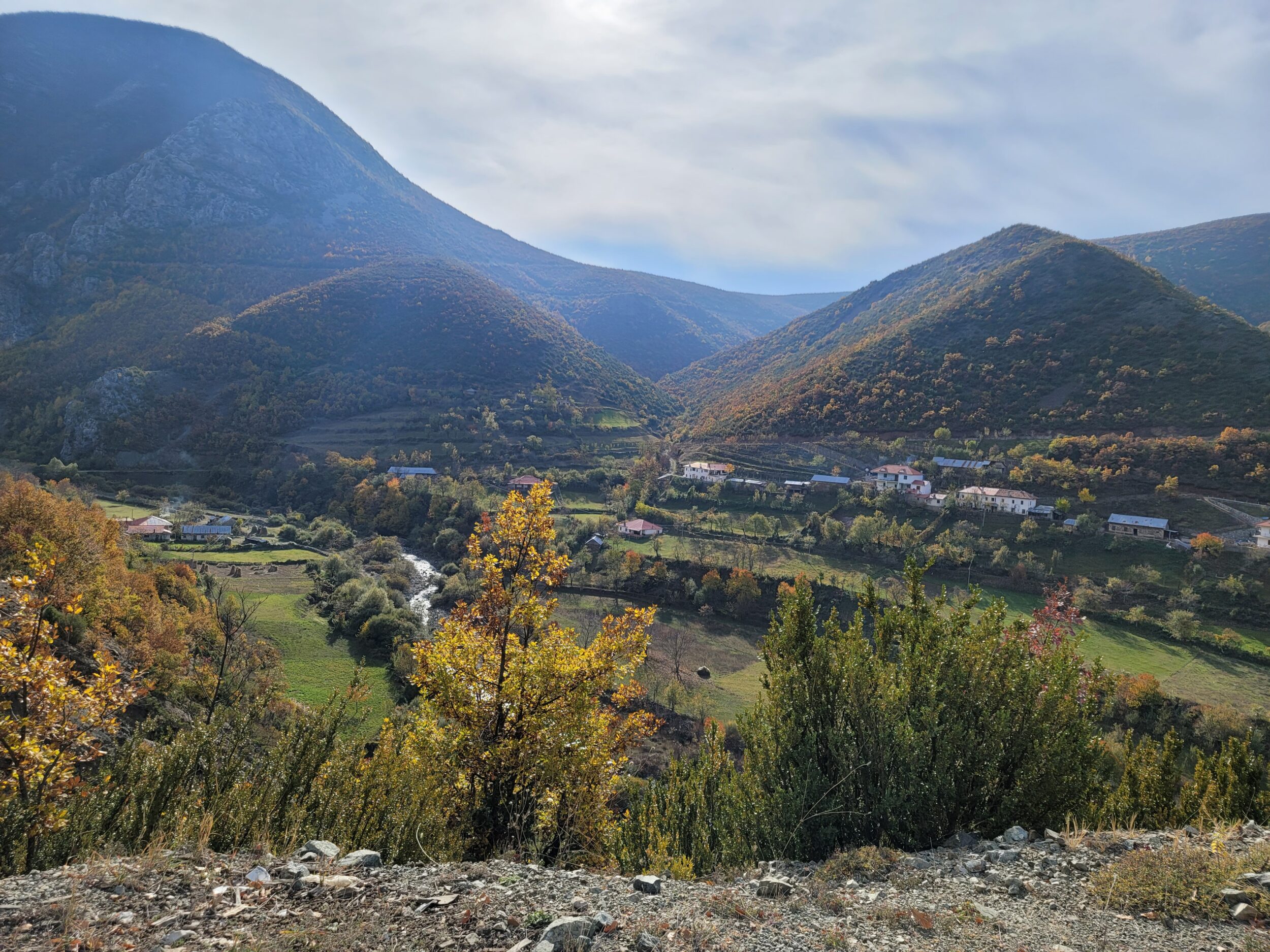
Location: Dibër County, Northeastern Albania
Best for: Glacial lakes, hiking, camping, photography, peaceful nature escapes
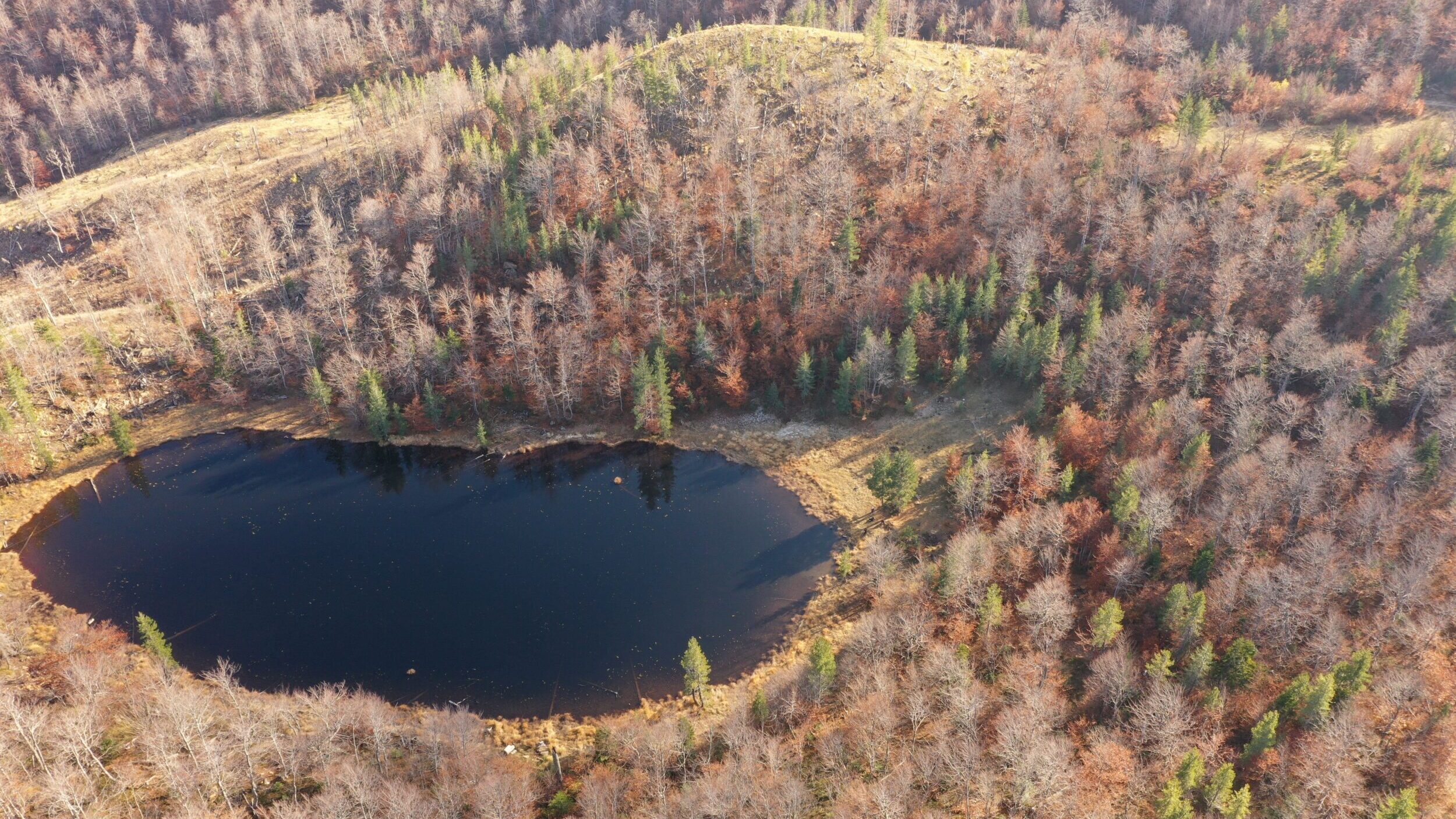
Known for its breathtaking glacial lakes and unspoiled mountain landscapes, Lurë-Dejë National Park is one of Albania’s most unique natural treasures. Located in the northeastern part of the country, the park protects vast forests, alpine meadows, and a chain of spectacular glacial lakes formed thousands of years ago during the Ice Age.
Although the area suffered environmental damage in the past due to illegal logging, significant conservation efforts have helped restore much of its natural beauty. Today, Lurë-Dejë is once again becoming one of Albania’s most attractive destinations for hikers, campers, photographers, and travelers looking to experience nature far from the crowds.
Its peaceful atmosphere, fresh mountain air, and stunning scenery make the park an ideal destination for anyone seeking an authentic outdoor adventure.
Top Attractions
Some of the park’s highlights include:
- Great Lake (Liqeni i Madh)
- Lake of Flowers (Liqeni i Luleve)
- Black Lake (Liqeni i Zi)
- Pine Lake (Liqeni i Pishave)
- Lurë Forest
- Alpine meadows
- Scenic hiking trails
- Panoramic mountain viewpoints
Best Things to Do
The park is best known for its beautiful network of glacial lakes, which can be explored on foot through scenic hiking trails surrounded by forests and alpine landscapes.
Other popular activities include:
Hiking between the glacial lakes
- Hiking between the glacial lakes
- Camping in nature
- Landscape photography
- Wildlife watching
- Forest walks
- Exploring alpine meadows
- Picnicking beside the lakes
- Enjoying peaceful mountain scenery
- Best Time to Visit: The best time to visit Lurë-Dejë National Park is from June to September, when hiking trails are clear and the glacial lakes are at their most beautiful. Spring brings lush green landscapes and blooming wildflowers, while autumn offers colorful forests and cooler temperatures. Winter can be challenging due to snow and limited road access.
- How to Get There: The park is located in Dibër County and is most commonly accessed from Peshkopi or Fushë-Lurë. The final section of the road can be rough, so a 4×4 vehicle is recommended, especially after rainfall. Visitors should also check road conditions before traveling, as access may vary depending on the season.
- Travel Tip: Plan to spend a full day exploring the park to visit several of its famous glacial lakes. Bring comfortable hiking shoes, water, and a picnic, as facilities inside the park are limited. If you’re looking for one of Albania’s most peaceful and least-crowded mountain destinations, Lurë-Dejë National Park is an excellent choice.
Fir of Drenove National Park: A Peaceful Forest Escape Near Korce
Location: Korce County, Southeastern Albania
Best for: Forest walks, hiking, wildlife, family outings, nature photography
Located just a short drive from the city of Korçë, Fir of Drenovë National Park is one of Albania’s most peaceful natural destinations. Covering around 1,380 hectares, the park is known for its dense fir forests, fresh mountain air, diverse wildlife, and beautiful landscapes that change dramatically with the seasons.
Situated at elevations between 1,200 and 1,800 meters above sea level, the park offers a refreshing escape from the city throughout the year. Its quiet trails, rich biodiversity, and easy accessibility make it an excellent destination for families, hikers, cyclists, and anyone looking to reconnect with nature.
Although less well known than parks like Theth or Valbona, Fir of Drenovë is one of the best places in southeastern Albania to enjoy relaxing forest walks and experience the region’s natural beauty.
Top Attractions
Some of the park’s highlights include:
- Dense fir forests
- Scenic hiking trails
- Mountain viewpoints
- Rich wildlife habitats
- Seasonal wildflowers
- Forest picnic areas
- Nearby Dardhë Village
- Cycling routes
Best Things to Do
The park is ideal for visitors looking for a relaxing outdoor experience surrounded by pristine forests and mountain scenery.
Other popular activities include:
- Hiking through the fir forest
- Mountain biking
- Wildlife watching
- Birdwatching
- Landscape photography
- Picnicking in nature
- Exploring nearby Dardhë Village
- Enjoying local cuisine in traditional mountain restaurants
- Best Time to Visit: Fir of Drenove National Park can be visited throughout the year. Spring and summer are perfect for hiking and enjoying the cool mountain climate, while autumn transforms the forest into vibrant shades of gold and orange. During winter, snowfall creates a beautiful alpine landscape, making the park especially attractive for visitors exploring nearby Dardhë.
- How to Get There: The park is located approximately 10 km from Korçë and is easily accessible by car in around 20 minutes. Many visitors combine their trip with a visit to Dardhë, one of Albania’s most charming mountain villages, located just a short drive beyond the park.
- Travel Tip: Visit during autumn if you enjoy photography, as the colorful foliage creates some of the most beautiful landscapes in southeastern Albania. After exploring the park, continue to Dardhë to experience traditional stone houses, local food, and one of Albania’s most picturesque mountain destinations.
Fir of Hotove-Dangelli National Park: Albania’s Largest Forest Wonderland
Location: Përmet County, Southern Albania
Best for: Hiking, forests, thermal springs, canyons, eco-tourism
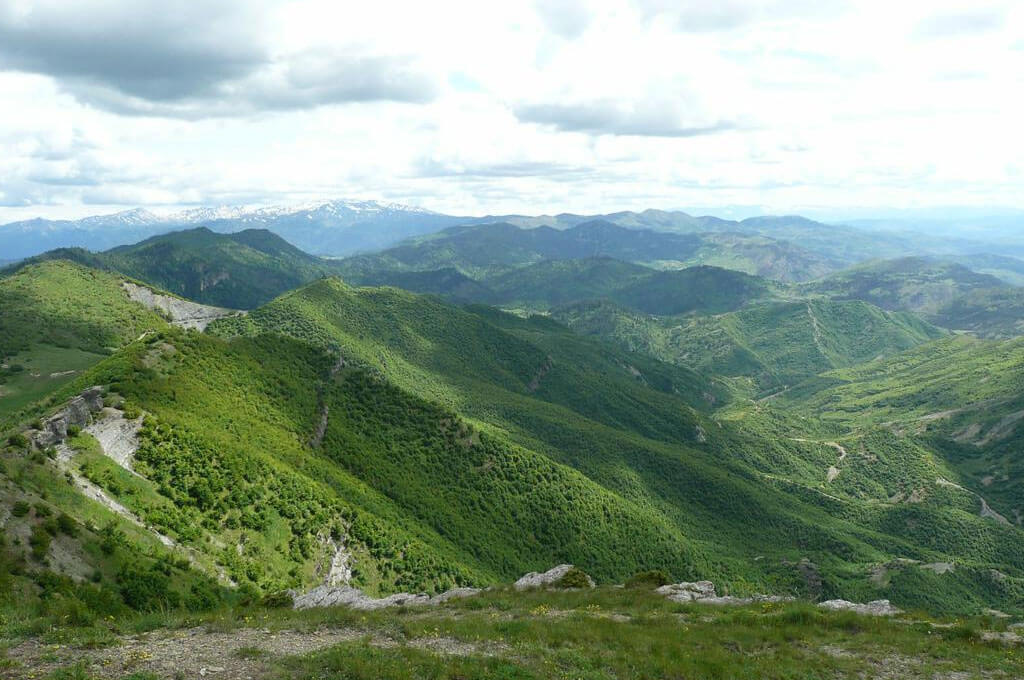
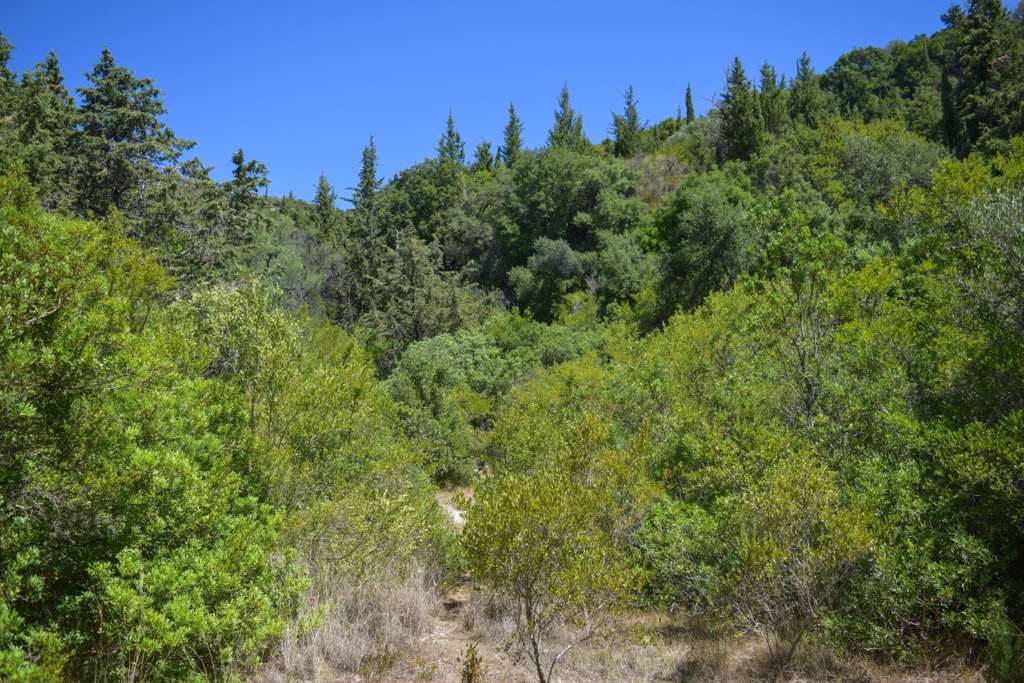
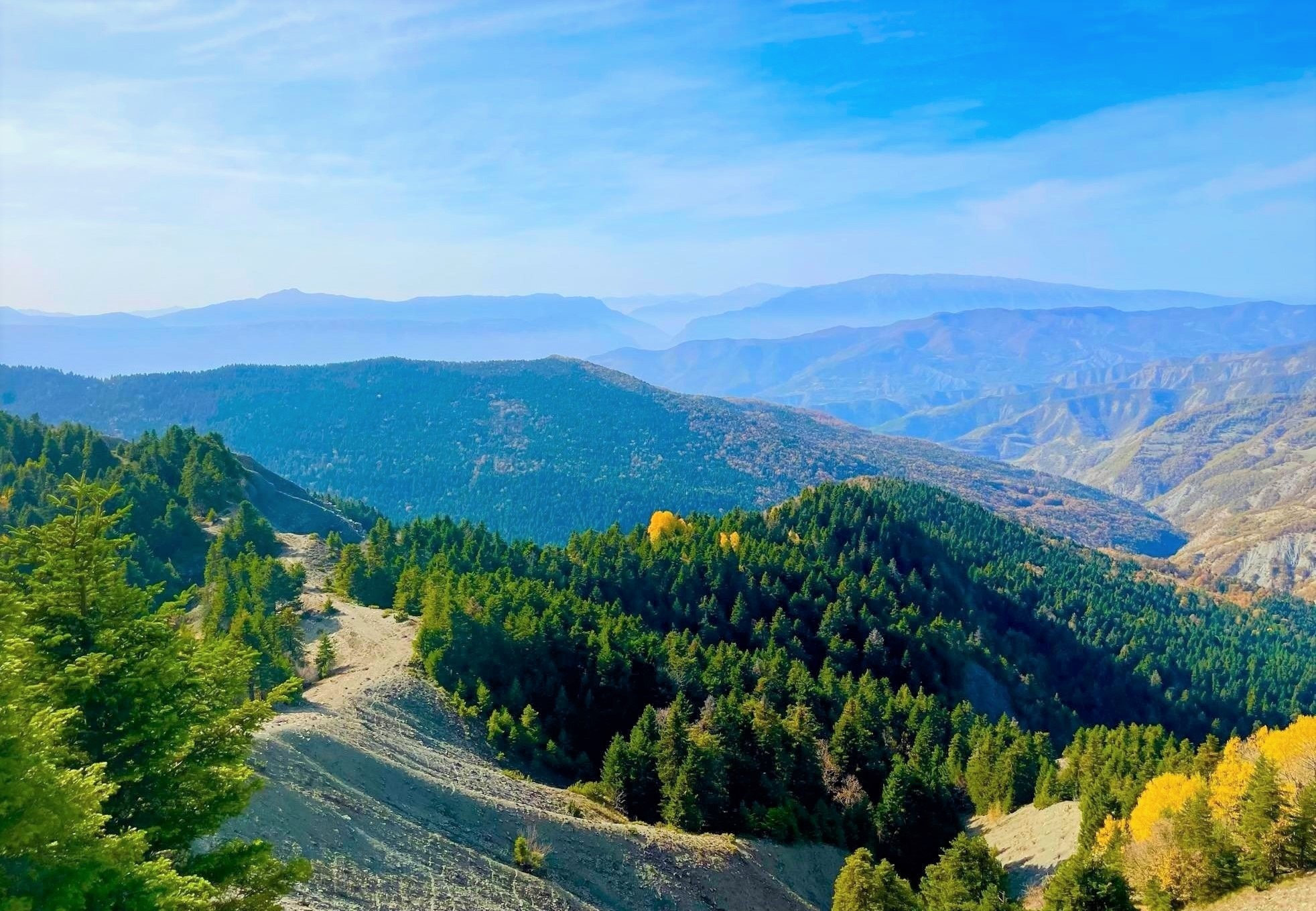
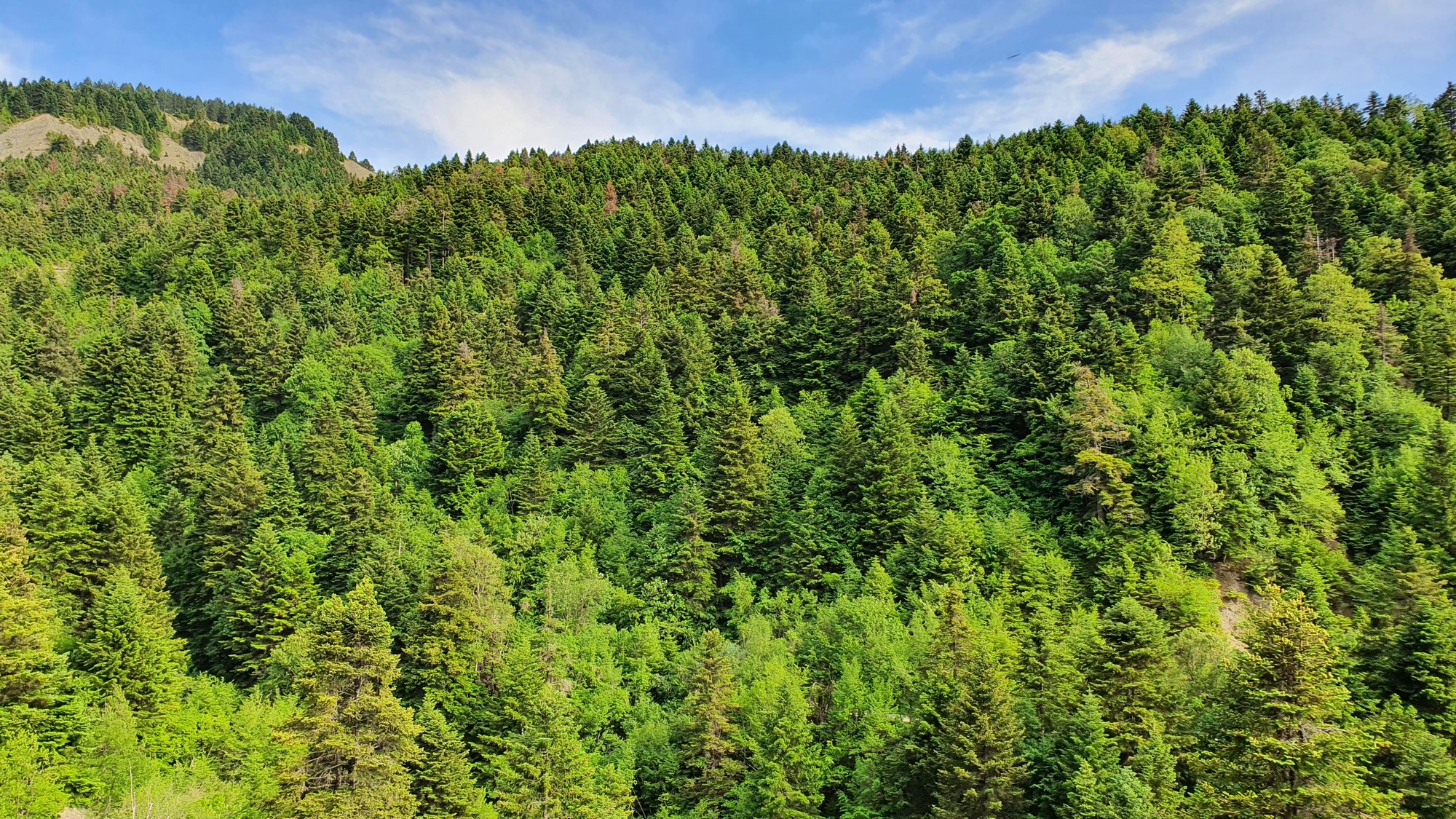
Stretching across the mountainous landscapes of southern Albania, Fir of Hotove-Dangelli National Park is one of the country’s largest and most impressive protected areas. Covering more than 34,000 hectares, the park is famous for its vast fir forests, crystal-clear mountain springs, deep valleys, and remarkable biodiversity. It is considered one of the greenest destinations in Albania and a paradise for hikers, nature lovers, and outdoor enthusiasts.
The park is also known for its rich variety of medicinal plants, diverse wildlife, and peaceful atmosphere. Combined with nearby attractions such as the Lengarica Canyon and the Benja Thermal Baths, it offers visitors the perfect mix of adventure, relaxation, and natural beauty.
Whether you’re looking for scenic hiking trails, breathtaking mountain landscapes, or a quiet escape into nature, Fir of Hotovë-Dangëlli National Park is one of southern Albania’s hidden gems.
Top Attractions
Some of the park’s highlights include:
- Ancient fir forests
- Lengarica Canyon
- Benja Thermal Baths
- Mountain hiking trails
- Crystal-clear natural springs
- Panoramic viewpoints
- Traditional villages
- Rich flora and wildlife
Best Things to Do
The park offers endless opportunities for outdoor adventure, from peaceful forest walks to exploring spectacular canyons and relaxing in natural thermal waters.
Other popular activities include:
- Hiking through ancient fir forests
- Visiting Lengarica Canyon
- Swimming in the Benja Thermal Baths
- Wildlife and birdwatching
- Landscape photography
- Exploring traditional villages
- Discovering medicinal plants
- Camping and nature walks
- Best Time to Visit: The best time to visit Fir of Hotovë-Dangëlli National Park is from April to October, when the weather is ideal for hiking and exploring the surrounding natural attractions. Spring fills the park with wildflowers and lush greenery, while autumn brings colorful forests and comfortable temperatures. The thermal baths can be enjoyed throughout the year.
- How to Get There: The park is located near the town of Përmet, approximately 15 km from the city center. Visitors can easily reach the park by car, with most choosing to combine their visit with Lengarica Canyon and the Benja Thermal Baths, both located just a short drive away.
- Travel Tip: Plan a full day to experience everything the area has to offer. Start your morning with a hike through the park, spend the afternoon exploring Lengarica Canyon, and finish the day relaxing in the warm waters of the Benja Thermal Baths. It’s one of the best nature itineraries in southern Albania and a perfect combination of adventure and relaxation.
Karaburun-Sazan Marine National Park: Albania’s Underwater Paradise
Location: Vlorë County, Southern Albania
Best for: Boat tours, snorkeling, diving, hidden beaches, marine wildlife
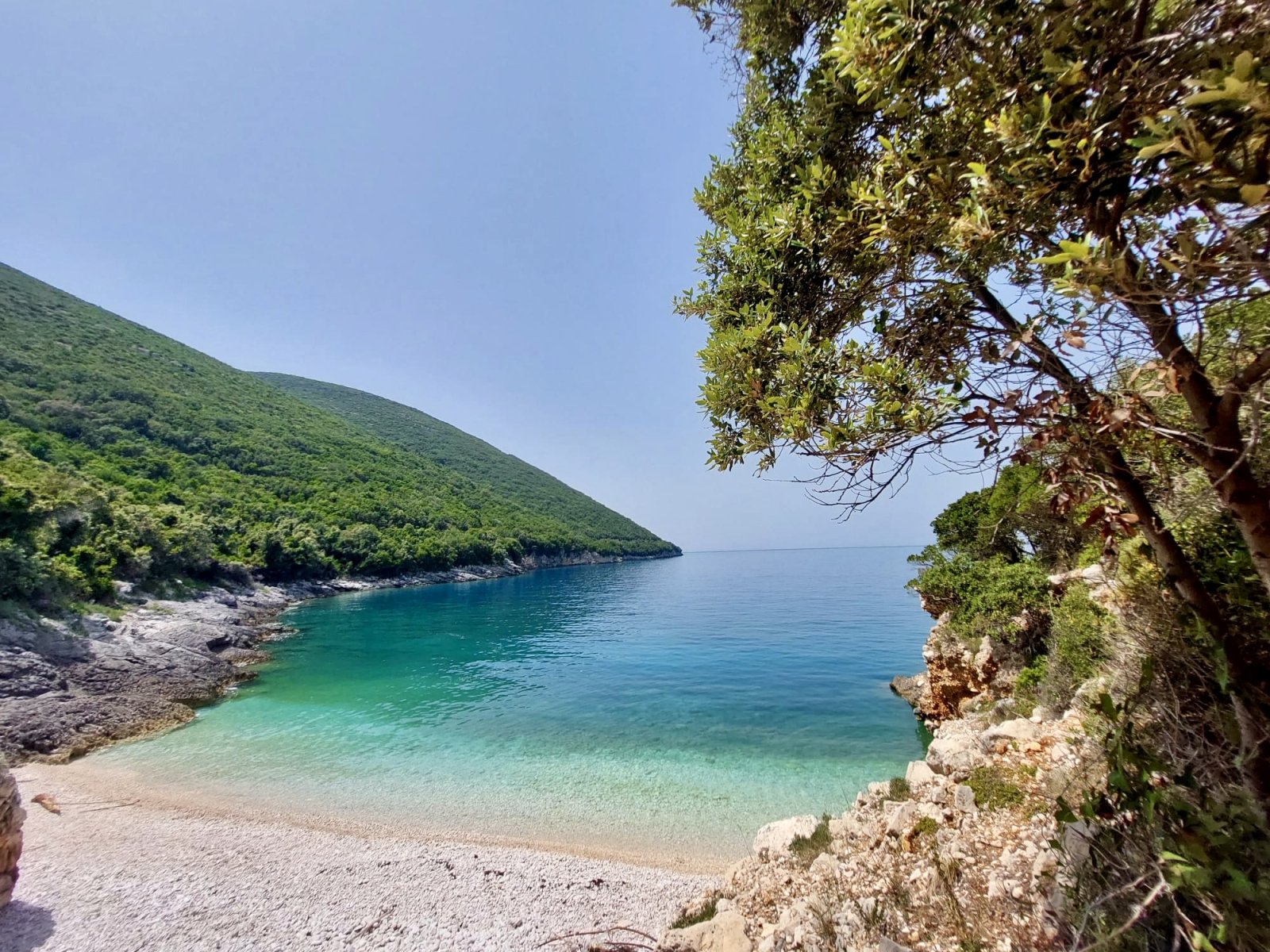
Located along the breathtaking Albanian Riviera, Karaburun-Sazan Marine National Park is Albania’s only marine national park and one of the country’s most extraordinary natural treasures. Covering both the Karaburun Peninsula and Sazan Island, the park protects over 12,500 hectares of crystal-clear waters, dramatic limestone cliffs, underwater caves, and diverse marine ecosystems.
Accessible only by boat, the park offers a completely different side of Albania, where untouched beaches, secluded bays, and vibrant underwater life create an unforgettable experience for nature lovers and adventure seekers. Its pristine waters are home to dolphins, colorful fish, coral communities, and numerous protected marine species, making it one of the best destinations in Albania for snorkeling and diving.
Whether you’re exploring hidden caves, swimming in turquoise waters, or discovering the fascinating history of Sazan Island, Karaburun-Sazan Marine National Park is a must-visit destination for anyone traveling to Vlorë.
Top Attractions
Some of the park’s highlights include:
- Karaburun Peninsula
- Sazan Island
- Haxhi Ali Cave
- Grama Bay
- Dafina Bay
- Bristan Bay
- Hidden beaches accessible only by boat
- Crystal-clear snorkeling and diving spots
Best Things to Do
The most popular way to explore the park is by joining a full-day boat tour from Vlorë, allowing visitors to discover its hidden beaches, sea caves, and spectacular coastline.
Other popular activities include:
- Boat tours around the peninsula
- Snorkeling in crystal-clear waters
- Scuba diving
- Swimming at secluded beaches
- Visiting Haxhi Ali Cave
- Exploring Sazan Island
- Kayaking along the coastline
- Wildlife and marine photography
- Best Time to Visit: The best time to visit Karaburun-Sazan Marine National Park is from May to September, when the sea is calm, temperatures are warm, and boat tours operate daily. July and August are the busiest months, while May, June, and September offer pleasant weather with fewer crowds.
- How to Get There: The park can only be reached by boat from the Port of Vlorë. Daily boat tours and speedboat excursions operate throughout the summer season, with many itineraries including Haxhi Ali Cave, Grama Bay, and Sazan Island. Private boat rentals are also available for visitors looking for a more personalized experience.
- Travel Tip: Book your boat tour in advance during the peak summer months, especially in July and August. Don’t forget to bring swimwear, sunscreen, water shoes, and snorkeling equipment if you have it. For the best experience, choose a full-day tour that includes Sazan Island, Haxhi Ali Cave, and the spectacular Grama Bay, one of the most beautiful hidden beaches in Albania.
Qafshtame National Park: A Peaceful Mountain Retreat Near Krujë
Location: Krujë County, Central Albania
Best for: Easy hiking, forest walks, family outings, picnics, nature lovers
Located just a short drive from the historic town of Krujë, Qafshtamë National Park is one of Albania’s most peaceful mountain destinations. Covering approximately 2,000 hectares, the park is famous for its dense pine and beech forests, fresh mountain air, natural springs, and scenic landscapes that provide the perfect escape from the busy cities nearby.
Once a favorite retreat for Albania’s royal family, Qafshtamë has long been appreciated for its tranquil atmosphere and mineral-rich spring water, which is still bottled today under the well-known Qafshtama brand. The park’s gentle trails and cool climate make it an excellent destination for families, casual hikers, cyclists, and anyone looking to enjoy a relaxing day surrounded by nature.
Its proximity to Krujë and Tirana also makes Qafshtamë one of the best national parks in Albania for an easy day trip.
Top Attractions
Some of the park’s highlights include:
- Qafshtamë Pine Forest
- Natural mineral springs
- Forest hiking trails
- Panoramic mountain viewpoints
- Former Royal Villas
- Picnic areas
- Wildlife observation spots
- Scenic mountain roads
Best Things to Do
Qafshtamë National Park is the perfect destination for visitors who prefer gentle outdoor activities and peaceful natural surroundings.
Other popular activities include:
- Hiking through pine and beech forests
- Enjoying a family picnic
- Mountain biking
- Nature photography
- Birdwatching
- Relaxing by the natural springs
- Exploring nearby mountain landscapes
- Visiting the historic town of Kruje
- Best Time to Visit: Qafshtamë National Park is beautiful throughout the year, but the best time to visit is from April to October, when the weather is mild and the forest is at its greenest. Autumn is particularly stunning as the surrounding trees transform into vibrant shades of yellow, orange, and red, while winter occasionally covers the park in snow, creating a peaceful alpine setting.
- How to Get There: The park is located approximately 25 km from Krujë and around 60 km from Tirana. It can be reached by car in about 1 to 1.5 hours, depending on your starting point. The mountain road is generally accessible, although visitors should drive carefully along the winding sections.
- Travel Tip: Combine your visit with a trip to Krujë Castle, the Old Bazaar of Krujë, and the Skanderbeg Museum for a perfect day that blends history, culture, and nature. Bring comfortable walking shoes and a picnic to fully enjoy one of central Albania’s most relaxing mountain escapes.
FAQ
Albania has 14 national parks, protecting everything from the Albanian Alps and ancient forests to lagoons, lakes, and marine ecosystems.
Theth National Park is the most popular for hiking, while Valbona is ideal for trekking. Butrint is perfect for history lovers, and Karaburun-Sazan is the best choice for boat tours and snorkeling.
Most national parks are best visited between May and October, when the weather is ideal for hiking, sightseeing, and outdoor activities.
Most national parks have free entrance. However, attractions such as Butrint National Park require an entrance ticket.
Dajti Mountain National Park is the closest, located just 25 km from the capital and easily accessible by the Dajti Ekspres Cable Car or by car.
Theth National Park and Valbona Valley National Park offer Albania’s most famous hiking trails, including the spectacular Theth–Valbona trek, one of the best hikes in the Balkans.
Choose Your Adventure in Albania’s Nature
From the rugged peaks of the Albanian Alps to the crystal-clear waters of the Ionian Sea, Albania’s national parks showcase the country’s extraordinary natural diversity. Whether you’re hiking through Theth and Valbona, discovering the ancient wonders of Butrint, birdwatching in Divjakë-Karavasta, or exploring the hidden coves of Karaburun-Sazan, each park offers a unique experience that highlights a different side of Albania.
No matter your travel style, you’ll find a national park that matches your interests—whether it’s adventure, wildlife, history, photography, or simply a peaceful escape into nature. As sustainable tourism continues to grow, visiting these protected landscapes is also a great way to support local communities while helping preserve Albania’s natural heritage for future generations.
If you’re planning your next trip, make sure to include at least one of these incredible national parks in your itinerary and discover why Albania is becoming one of Europe’s most exciting outdoor destinations.