

The Cape of Rodon (Kepi i Rodonit) is one of Albania’s most fascinating coastal destinations, combining medieval history, dramatic Adriatic scenery, secluded beaches, and outdoor activities in a single location. Situated on a rocky peninsula between the Adriatic Sea and the Bay of Lalzi, the cape is best known for Skanderbeg’s Castle, St. Anthony’s Church, untouched beaches, picnic spots, and spectacular sunset views.
Whether you are interested in Albanian history, nature photography, hiking, camping, or simply escaping the crowds, Cape of Rodon offers one of the best day trips from Tirana.
📑 TABLE OF CONTENTS
- Where is Cape of Rodon?
- The History of Cape of Rodon
- Skanderbeg’s Castle
- St. Anthony’s Church
- Walking Trails and Scenic Viewpoints
- Beaches at Cape of Rodon
- Camping and Picnic Areas
- What Else to Do Near Cape of Rodon?
- How to Get to Cape of Rodon
- FAQ – Cape of Rodon
Where is Cape of Rodon?
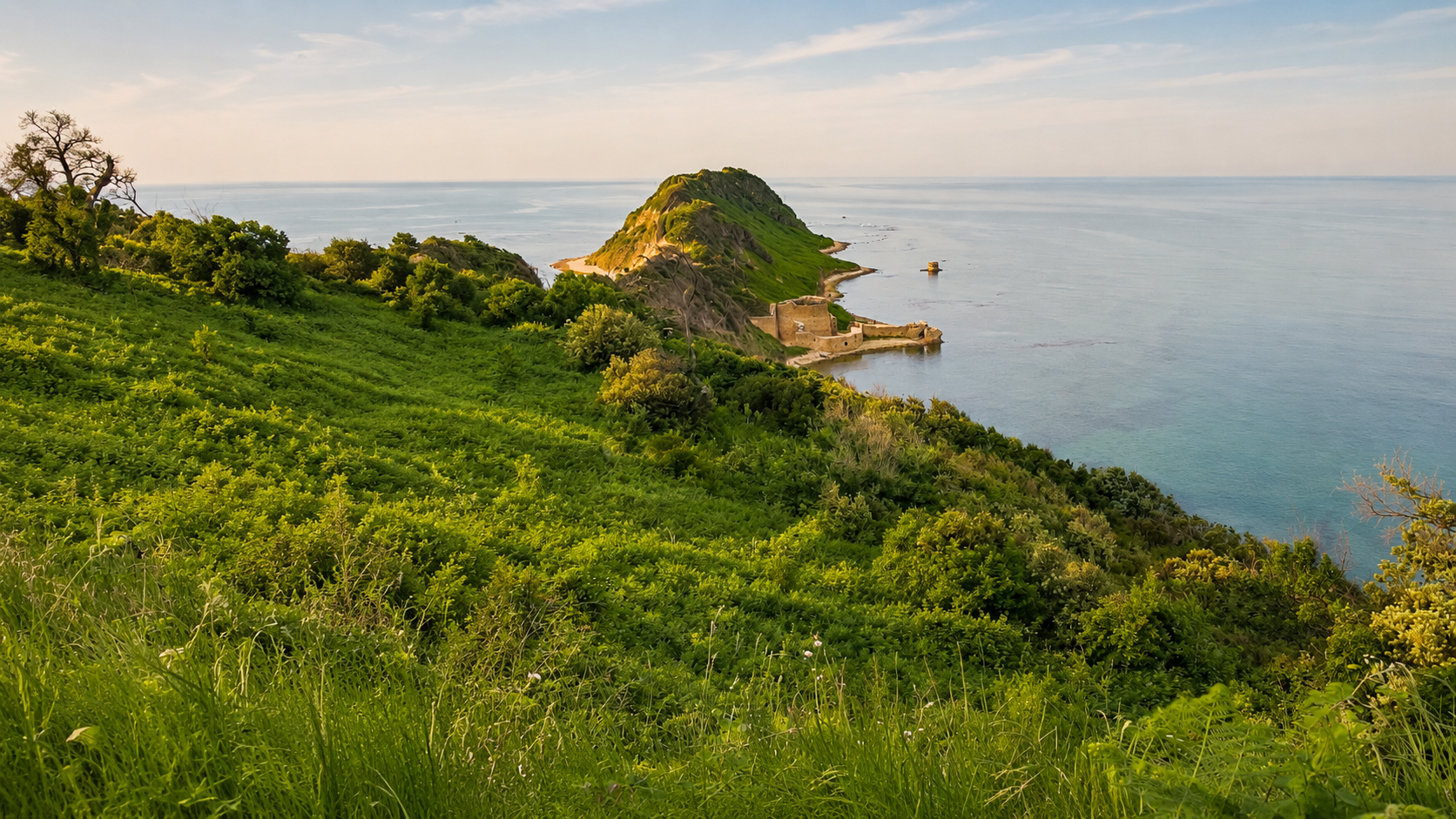
Cape of Rodon stretches into the Adriatic Sea from the northern coast of Durrës County. Located between the historic village of Ishëm and the Bay of Lalzi, it forms one of Albania’s most distinctive peninsulas.
Unlike many developed beach destinations, Cape of Rodon remains relatively untouched. Pine forests, cliffs, hidden coves, and historic monuments create a unique landscape where culture and nature meet.
The History of Cape of Rodon
The name Rodon is believed to be connected to Redon, an ancient Illyrian deity associated with sailors and maritime protection. Archaeological findings and ancient coins suggest that the area held significance long before the medieval period.
Because of its strategic position overlooking the Adriatic Sea, the cape served as an important observation point for centuries. Its location allowed control of maritime routes connecting Albania with Italy and other Mediterranean regions.
The peninsula became particularly important during the 15th century when Albania’s national hero, Gjergj Kastrioti Skanderbeg, selected it as the site for a coastal fortress.
Skanderbeg’s Castle
The most famous attraction at Cape of Rodon is Skanderbeg’s Castle, also known as the Castle of Rodon. Considered one of Albania’s most important coastal fortifications, the castle occupies a strategic position overlooking the Adriatic Sea and represents an important chapter in the country’s medieval history. Archaeological evidence suggests that the area may have been inhabited long before the construction of the fortress, possibly dating back to an ancient Illyrian settlement.
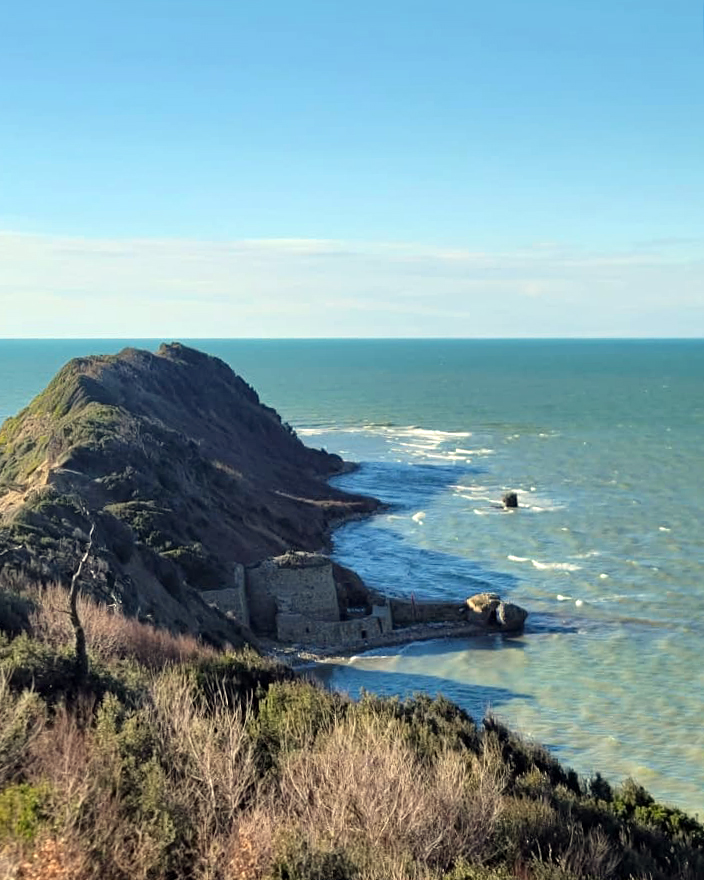
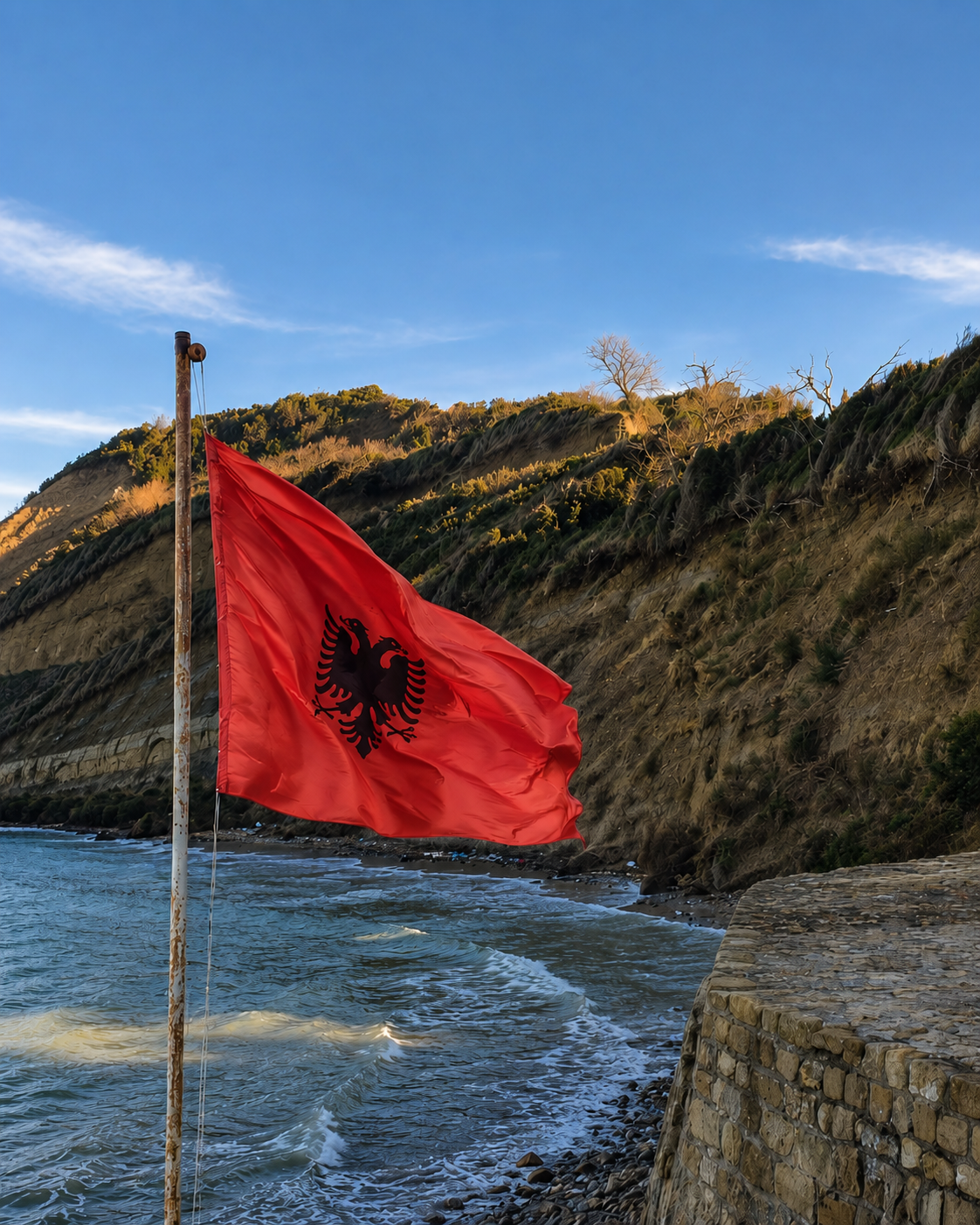
Following several military victories against the Ottoman Empire, Skanderbeg ordered the construction of the fortress around 1450. The castle was designed to strengthen Albania’s coastal defenses and provide a strategic maritime connection with Western Europe. According to historical sources, including the chronicles of Marin Barleti, the fortress played an important role in protecting the coastline and controlling maritime routes between Albania and Italy.
The original fortification featured:
- Defensive walls stretching approximately 400 meters
- Four defensive towers positioned at strategic points
- Observation towers overlooking the Adriatic Sea
- Military positions controlling important sea routes
- Protected access points along the peninsula
- Walls reaching over 10 meters in height and around 3.5 meters in thickness
Historical records indicate that Skanderbeg and his family departed from this area toward Brindisi in southern Italy in 1466. The castle itself was built in two construction phases during the 15th century, with the first phase including the bastion and defensive walls, while the second phase added the entrance complex and the round tower that visitors can still identify today.
Over the centuries, the castle suffered damage from Ottoman attacks, coastal erosion, and natural forces. The Republic of Venice later reinforced portions of the fortification, helping preserve its military importance for a period after Skanderbeg’s death.
Today visitors can explore:
- Remaining sections of the defensive walls
- The preserved bastion and round tower
- Historic stone structures
- Spectacular viewpoints overlooking the Adriatic coast
- Excellent photography locations throughout the peninsula
One of the most fascinating aspects of the site is that parts of the original walls now extend beneath the sea due to centuries of coastal erosion. Standing beside the ruins, surrounded by dramatic coastal scenery and panoramic sea views, visitors can still appreciate why Cape of Rodon was chosen as one of the most strategic locations in medieval Albania.
St. Anthony’s Church
Only a short walk from Skanderbeg’s Castle stands St. Anthony’s Church, one of the most important medieval religious monuments on Albania’s Adriatic coast. Dating back to the 13th century, the church is a remarkable example of Romanesque-Gothic architecture and forms part of a historic monastic complex that has served as a place of worship for centuries. Its connection to the period of Skanderbeg and its location within Cape of Rodon have made it one of the region’s most visited cultural and spiritual landmarks.
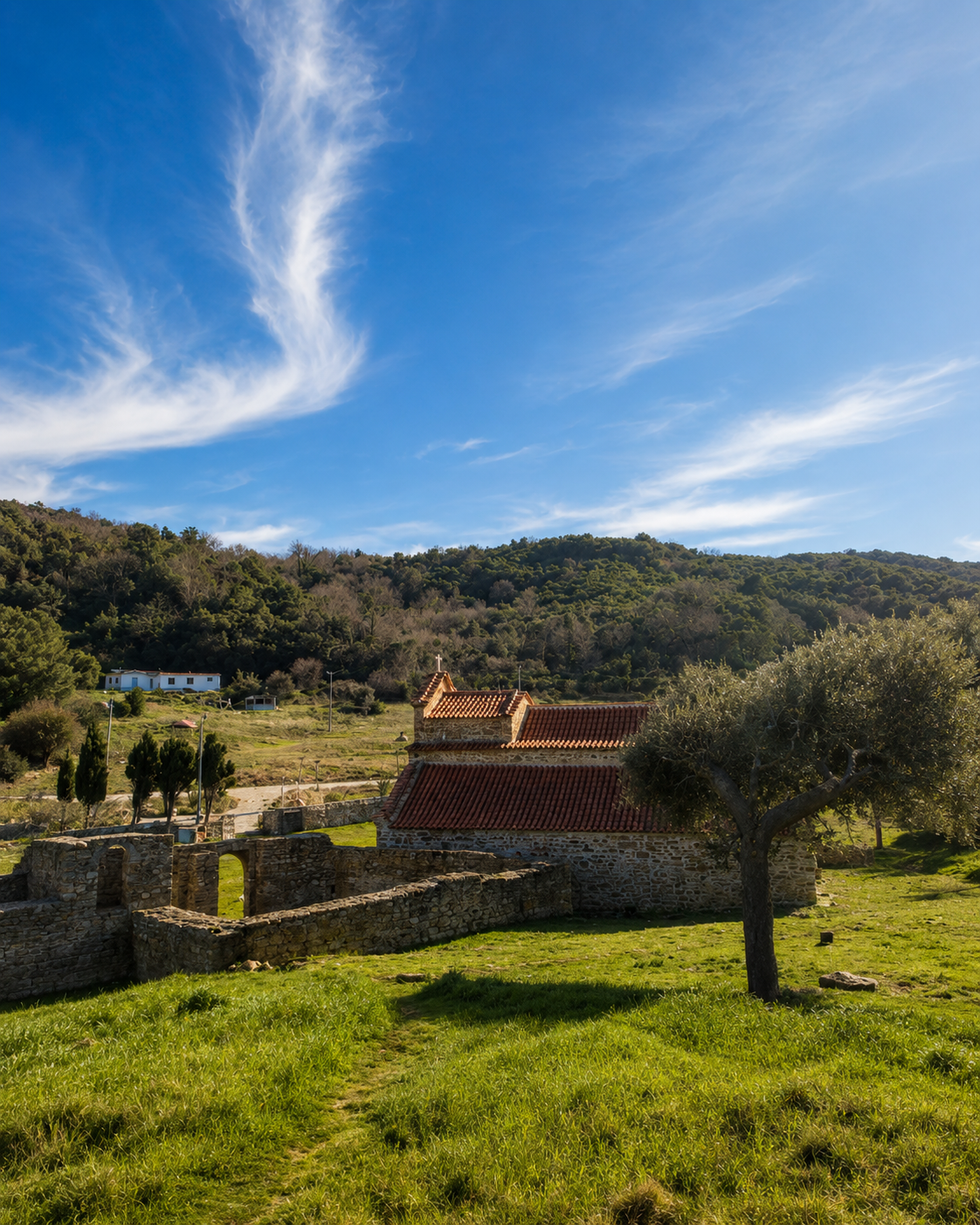
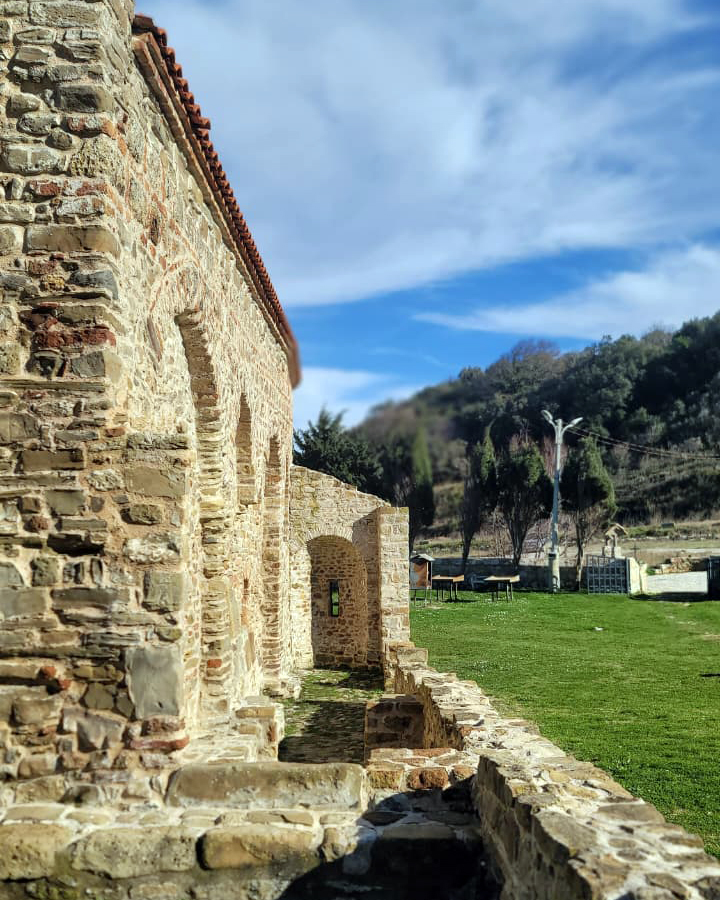
Highlights of St. Anthony’s Church:
- 13th-century Romanesque-Gothic architecture
- Fragments of original medieval frescoes
- Rare depiction of Albania’s double-headed eagle
- Historic monastery complex
- Annual pilgrimage held every 13 June
- Panoramic Adriatic Sea views
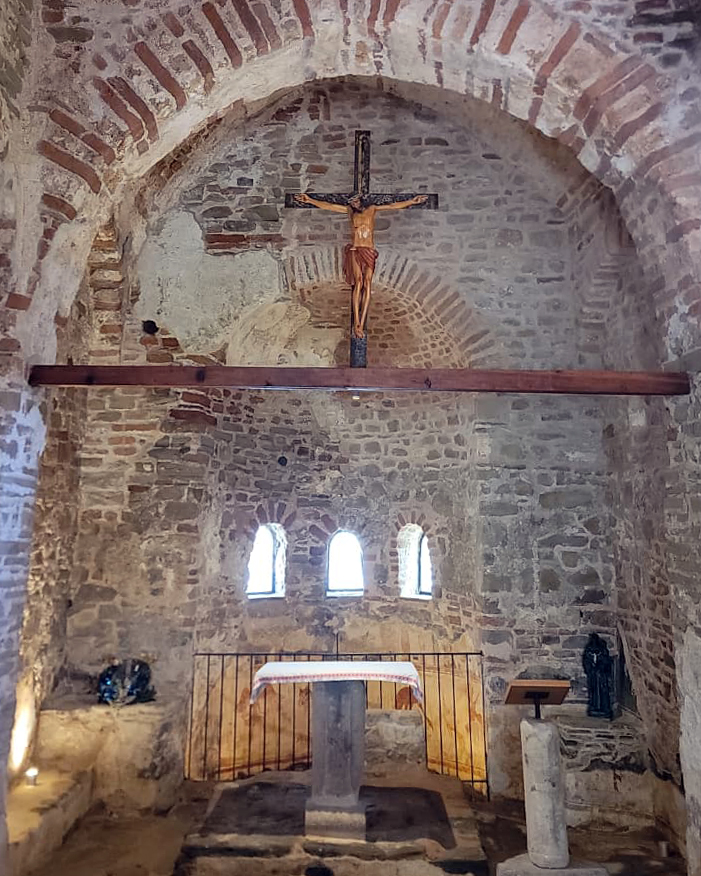
Inside the church, visitors can still admire surviving fragments of medieval wall paintings and religious symbols that reveal its rich artistic heritage. Among the most notable details are the remains of rare frescoes, including the image of a horseman and the famous double-headed eagle, which can still be seen despite centuries of damage and restoration. Following earthquakes and natural deterioration over the years, the church and parts of the monastery have undergone restoration projects that have helped preserve their historical and cultural significance.
Beyond its historical value, St. Anthony’s Church is admired for its extraordinary setting. Surrounded by pine forests and overlooking the Adriatic Sea, it offers a peaceful atmosphere that perfectly complements the history of Cape of Rodon. Every year, on 13 June, pilgrims and visitors gather here to celebrate Saint Anthony, continuing a tradition that has connected local communities to this sacred site for generations. Its combination of history, architecture, spirituality, and natural beauty makes it one of the highlights of any visit to Cape of Rodon.
Walking Trails and Scenic Viewpoints
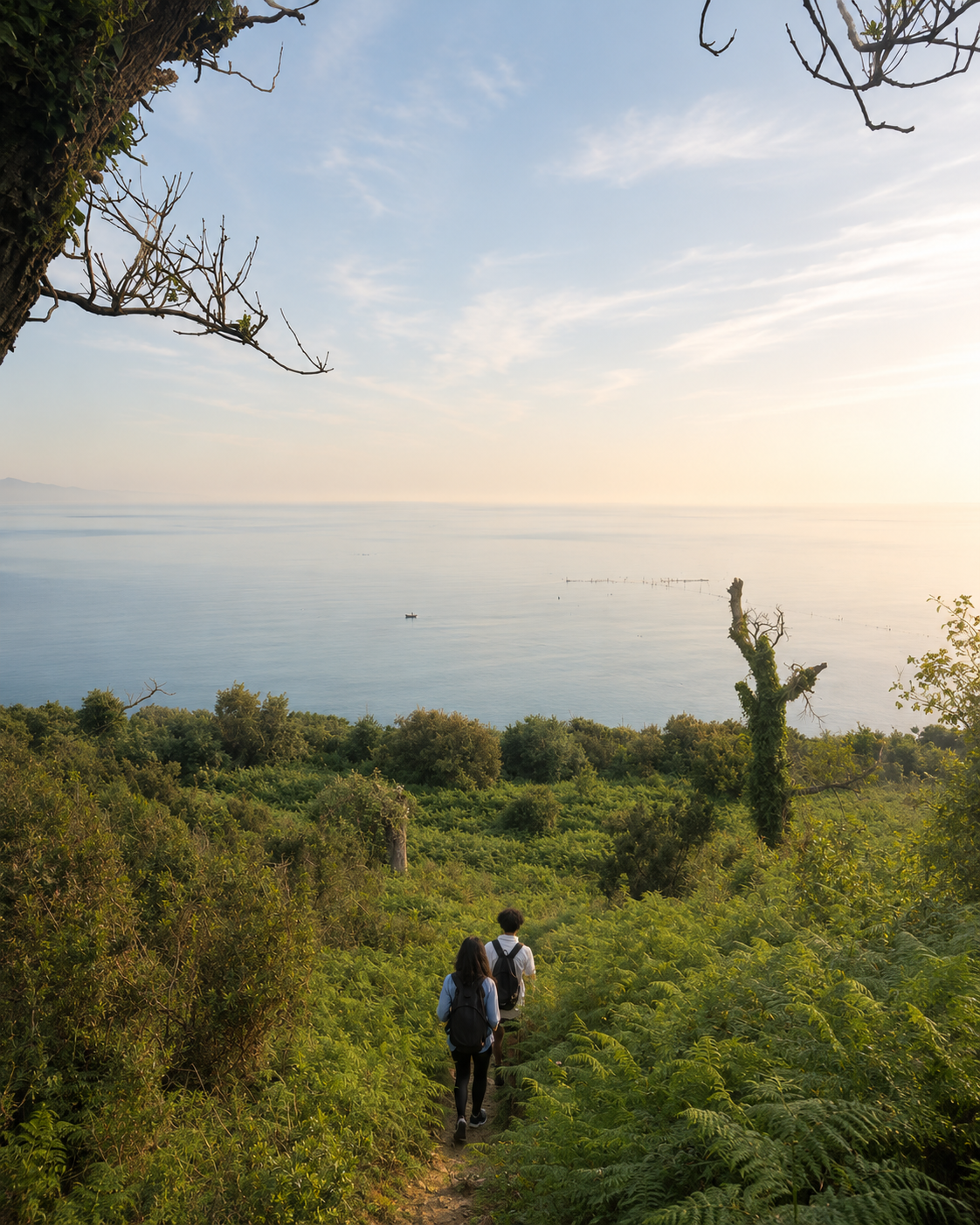
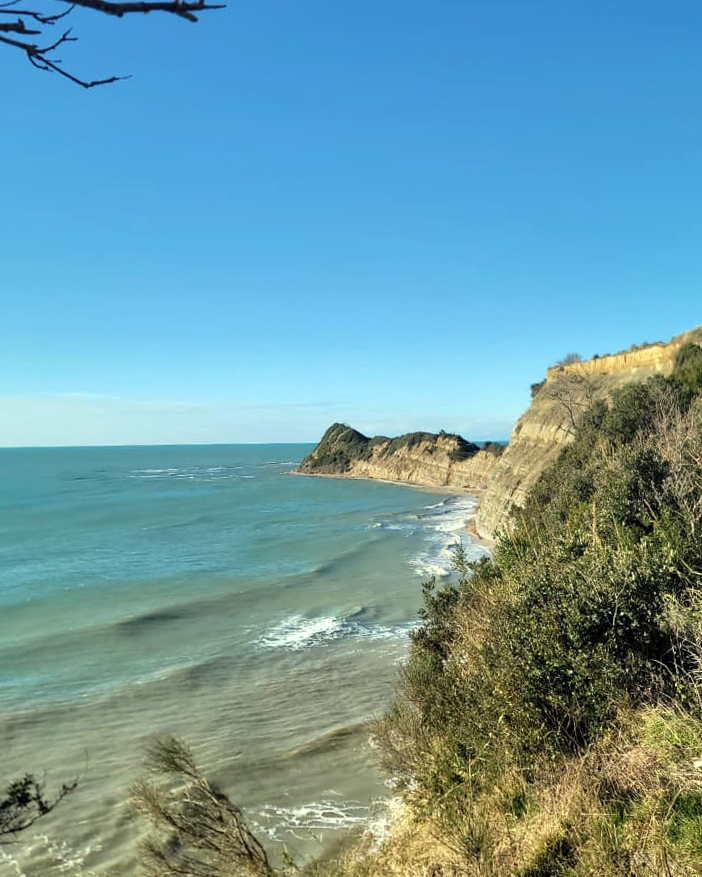
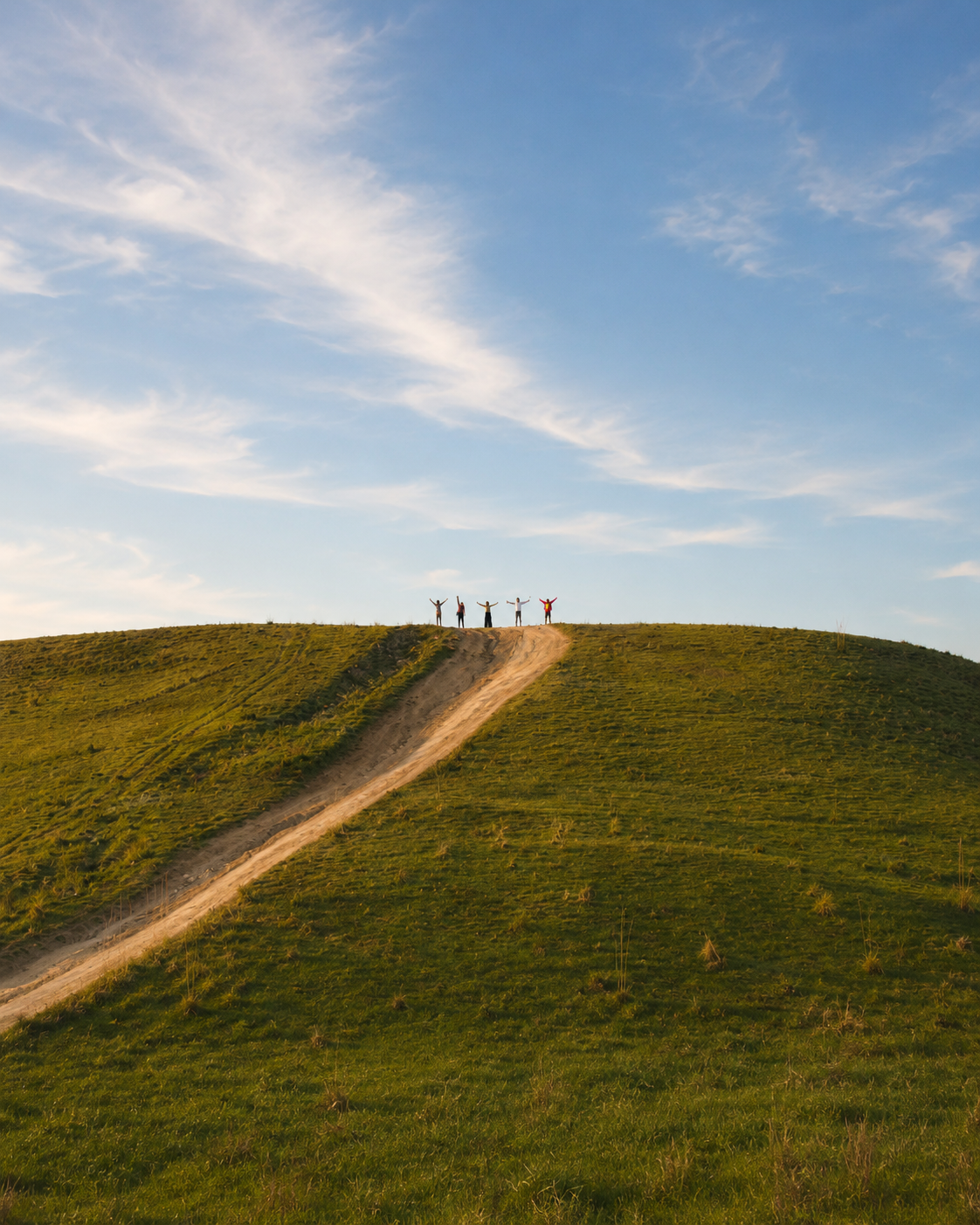
One of the best experiences at Cape of Rodon is the walk from the parking area to Skanderbeg’s Castle and St. Anthony’s Church. The trail passes through pine forests, Mediterranean vegetation, and scenic coastal cliffs, offering beautiful views of the Adriatic Sea throughout the journey. Along the way, several natural viewpoints provide excellent opportunities for photography and moments to appreciate the peaceful surroundings. On clear days, visitors can enjoy panoramic views stretching across Lalzi Bay and parts of Albania’s northern coastline, making the walk as rewarding as the destinations themselves.
Beaches at Cape of Rodon
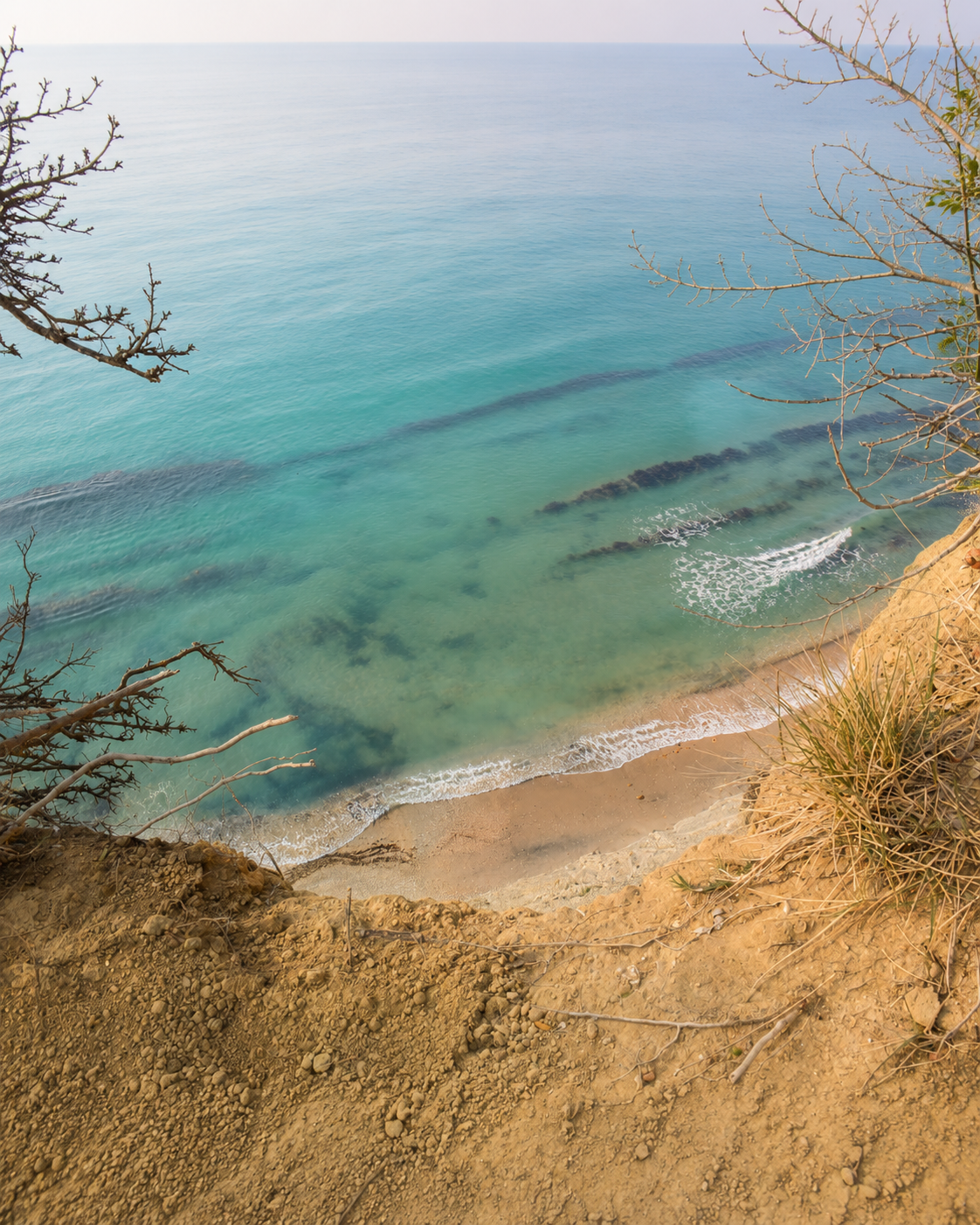
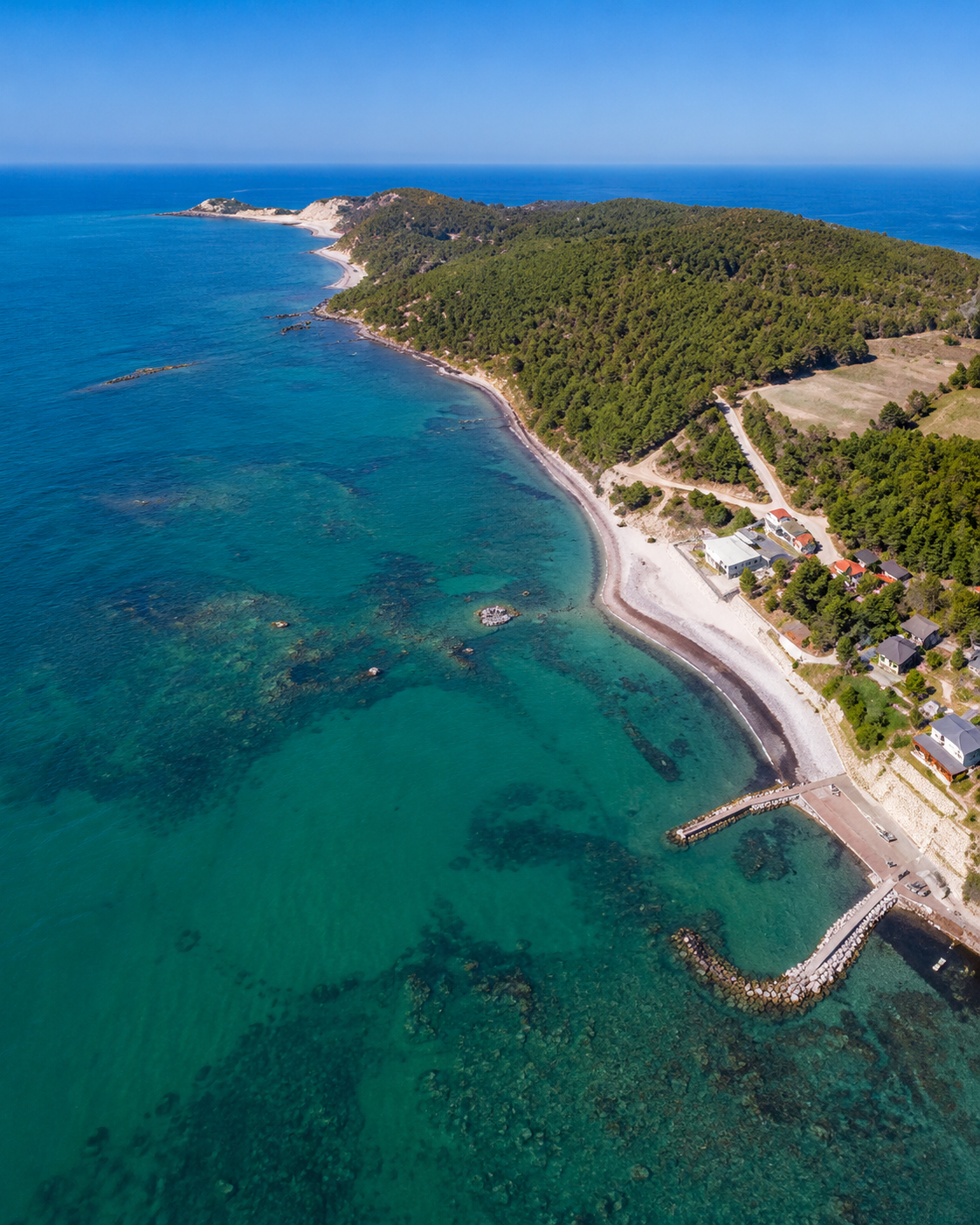
While many visitors come to Cape of Rodon for its historical landmarks, the surrounding beaches are just as memorable and often become one of the highlights of the trip. Unlike some of Albania’s more developed coastal destinations, the beaches around the cape have preserved their natural and unspoiled character. The coastline is shaped by a mixture of rocky shores, small coves, and stretches of sand, all washed by the crystal-clear waters of the Adriatic Sea. This combination creates a landscape that feels wild, peaceful, and far removed from the busy atmosphere of larger seaside resorts.
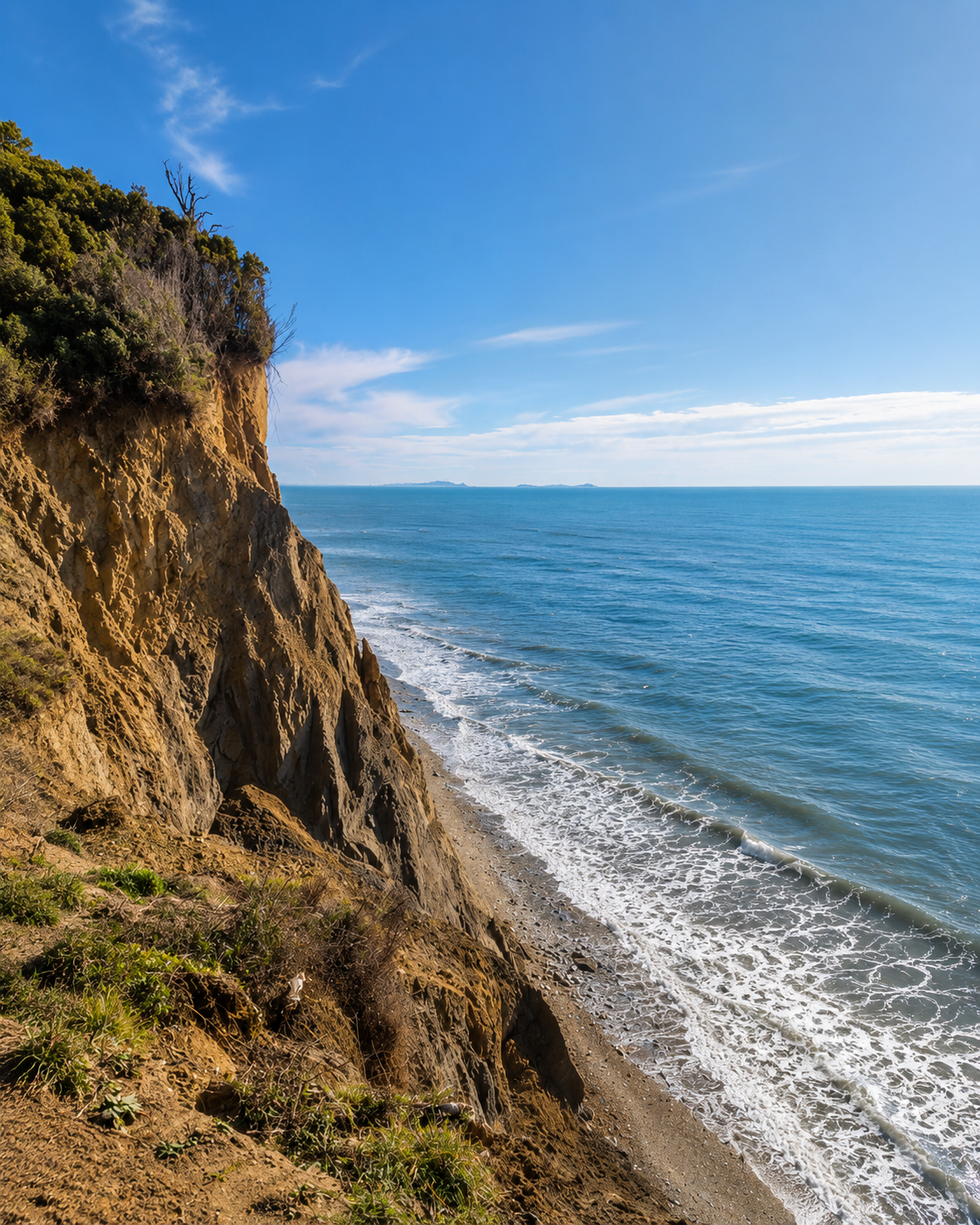

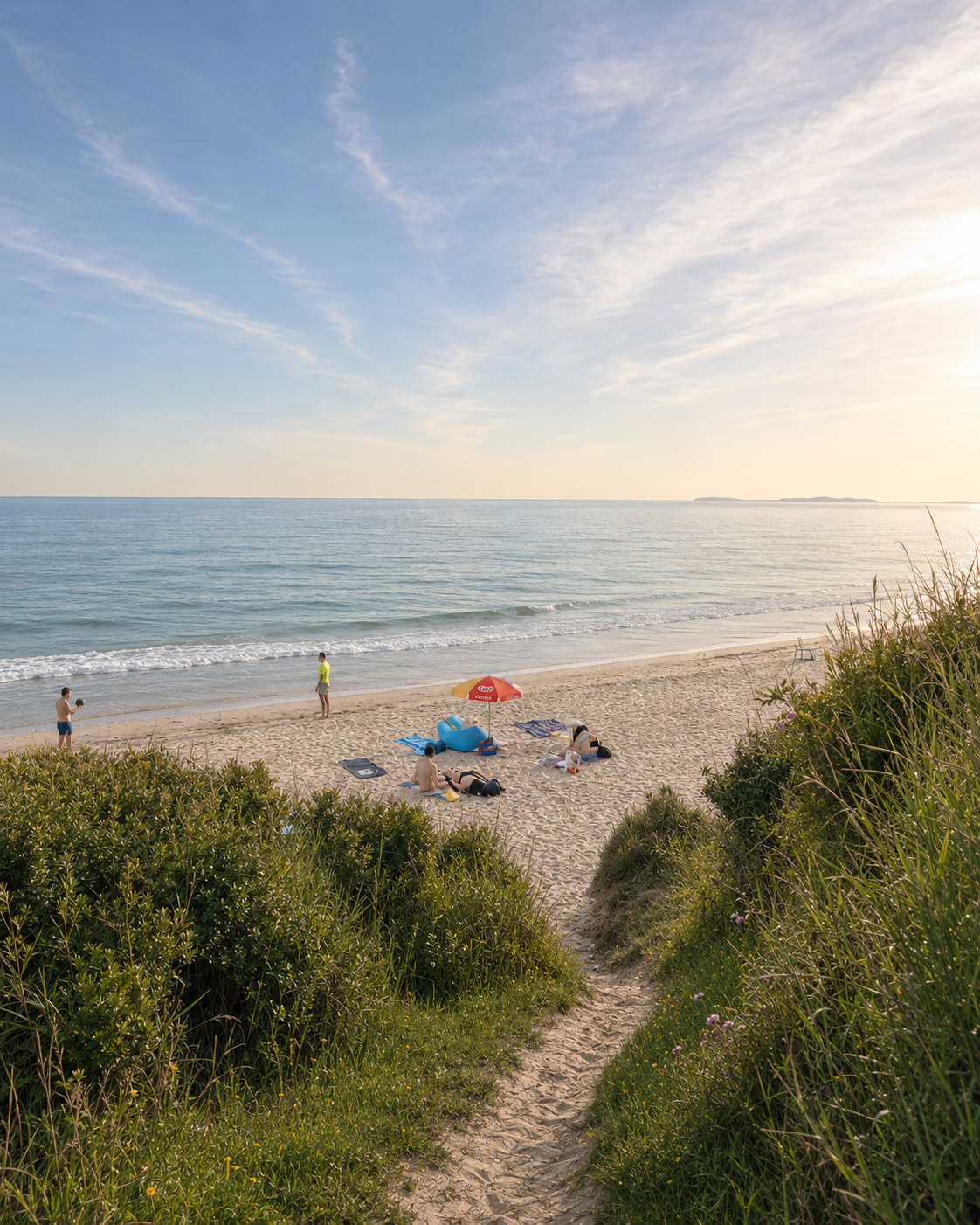
The calm waters make the area perfect for swimming, while the clear visibility beneath the surface attracts visitors interested in snorkeling and exploring the marine environment. Others simply come to relax by the sea, enjoy the sound of the waves, or take in the spectacular coastal scenery. The absence of large-scale urban development allows nature to remain the main attraction, giving visitors a chance to experience one of the most tranquil sections of Albania’s Adriatic coastline.
For photography enthusiasts, the beaches offer endless opportunities throughout the day. Early morning light highlights the rugged cliffs and historic landmarks, while sunset transforms the coastline into a palette of golden and orange tones reflected across the sea. Compared to the more crowded destinations of the Albanian Riviera, the beaches of Cape of Rodon provide a quieter and more authentic coastal experience, making them ideal for travelers seeking relaxation, natural beauty, and a deeper connection with the landscape.
Camping and Picnic Areas
Cape of Rodon has become increasingly popular among outdoor enthusiasts seeking a nature-focused experience close to Tirana.

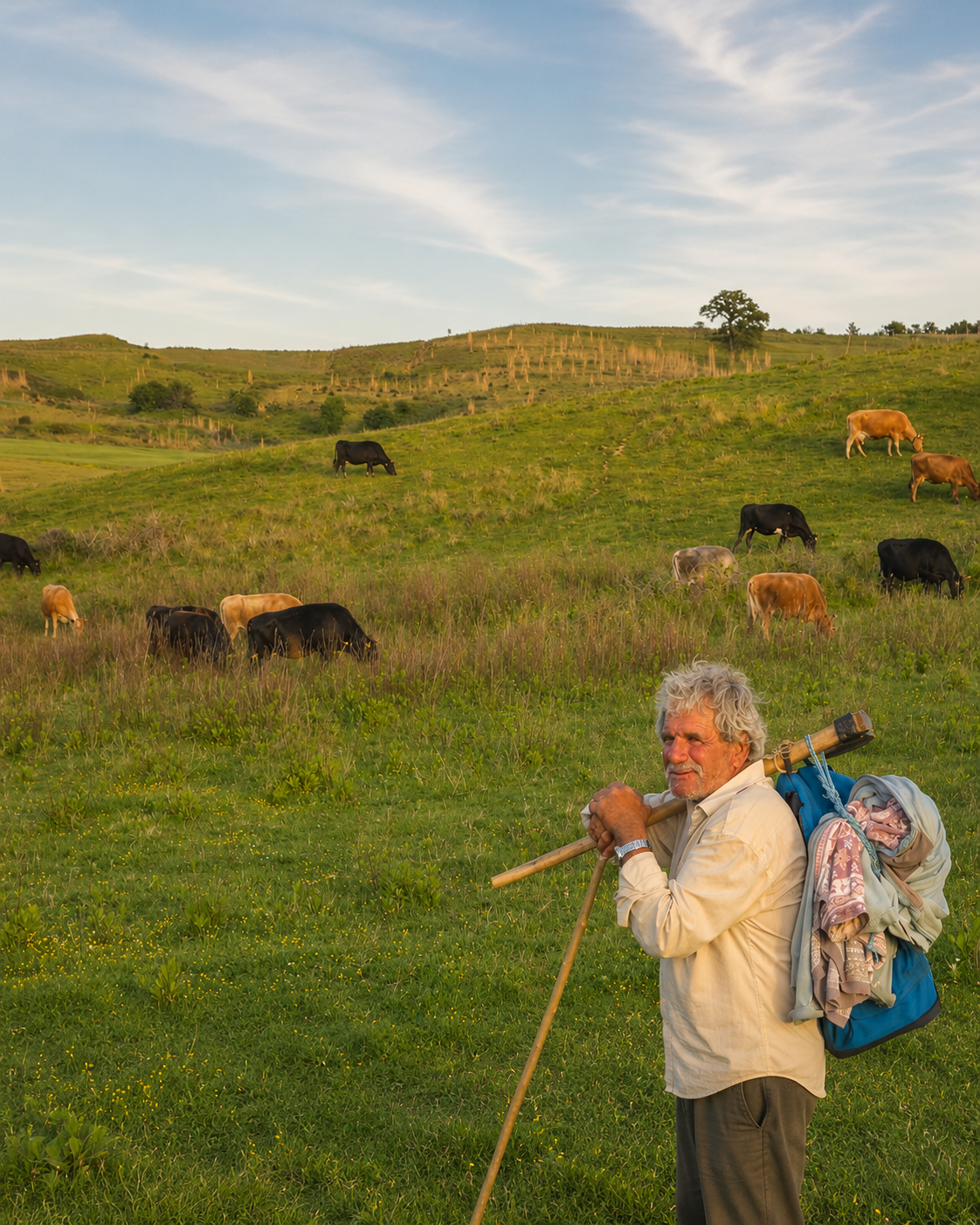
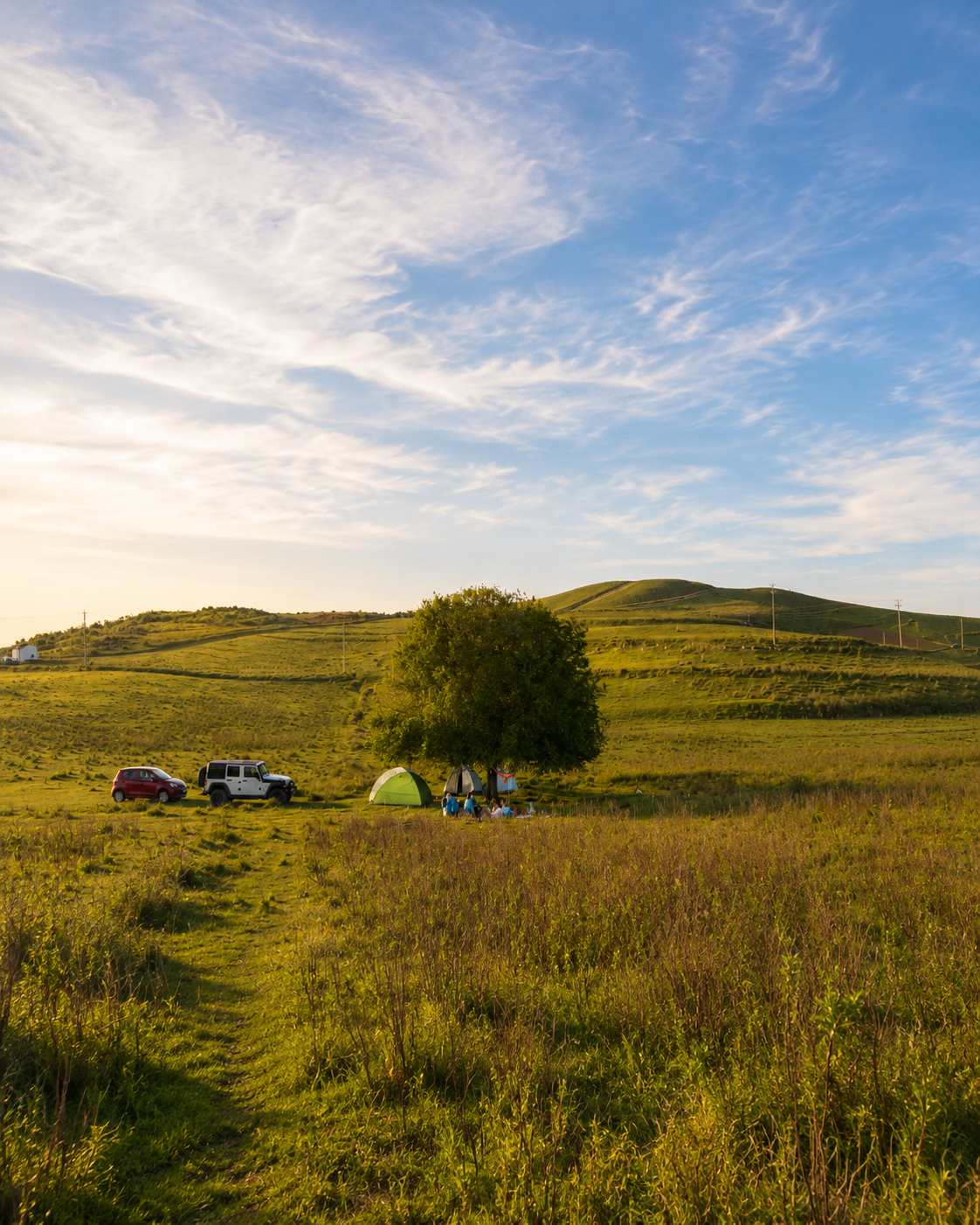
Popular activities include:
- Camping: Many visitors bring tents and spend a night surrounded by nature and sea views. The peaceful environment and minimal light pollution also create excellent conditions for stargazing.
- Picnics: The pine forests and open coastal spaces provide ideal locations for family picnics and gatherings.
- Photography: Sunrise and sunset are particularly spectacular, offering dramatic light over the Adriatic coastline and castle ruins.
- Outdoor Recreation: The area is ideal for a variety of outdoor activities, including hiking through coastal landscapes, practicing yoga or meditation in a peaceful natural setting, observing local birdlife, and exploring the rich flora and fauna that make Cape of Rodon one of the most scenic nature destinations near Tirana.
What else to do near Cape of Rodon?
While Skanderbeg’s Castle and St. Anthony’s Church are the main attractions of Cape of Rodon, the surrounding area offers plenty of opportunities to extend your visit. From sandy beaches and scenic viewpoints to seafood restaurants and family-friendly coastal resorts, there are several places worth exploring nearby. Many visitors choose to spend the morning discovering the cape’s historical landmarks before continuing their day along the Adriatic coast, enjoying some of the best beaches and dining experiences in central Albania.
1. Relax at Lalzi Bay
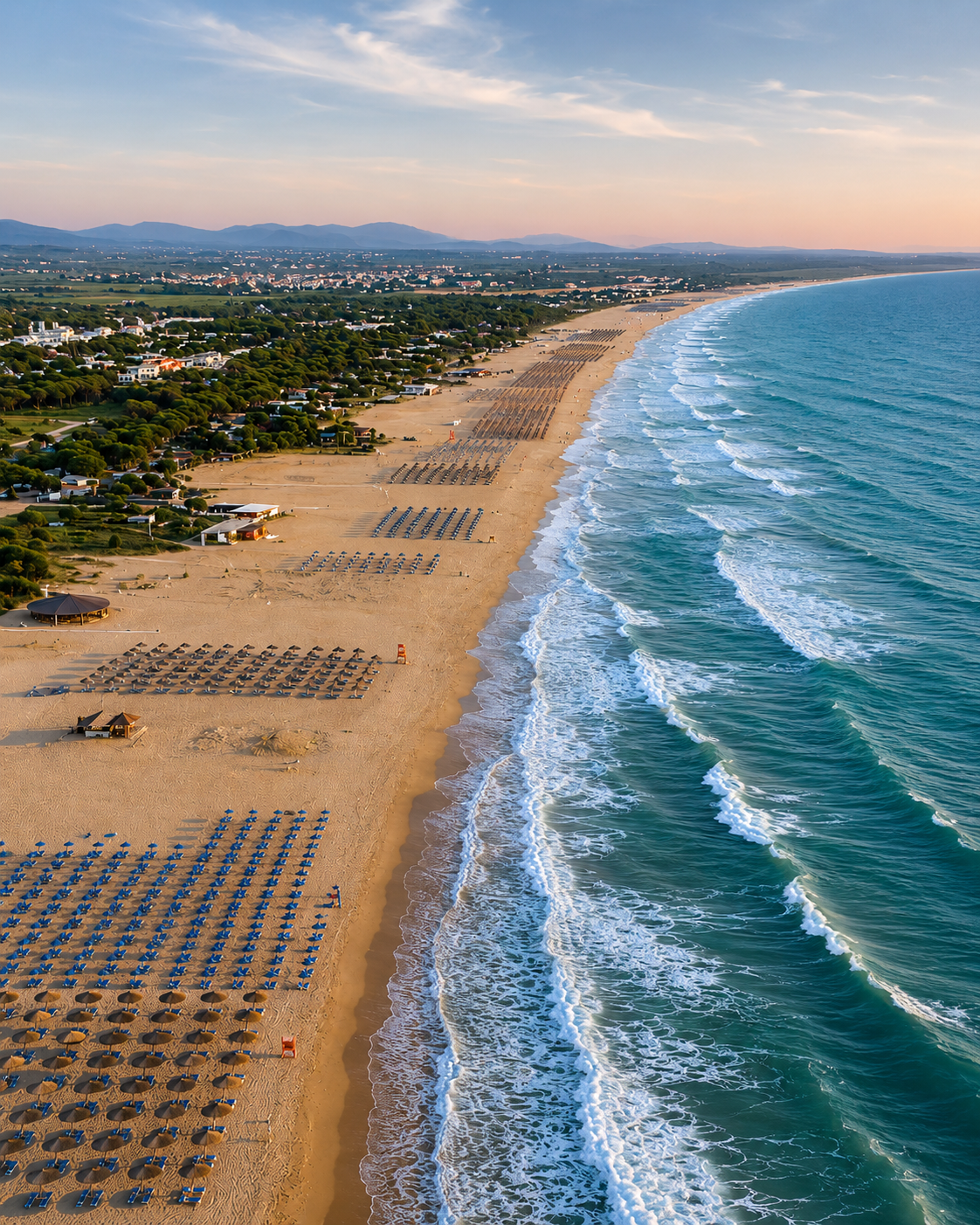
Located just a short drive from Cape of Rodon, Lalzi Bay is one of the most popular seaside destinations near Tirana. Known for its long stretch of golden sand and shallow waters, the bay is particularly popular with families and travelers looking for a comfortable beach experience. Unlike the untouched landscape of Rodon, Lalzi Bay offers modern tourism facilities, including beachfront resorts, beach bars, restaurants, and water sports activities.
After exploring the castle and church, many visitors head to Lalzi Bay to enjoy lunch by the sea or spend the afternoon swimming and relaxing on the beach. Its convenient location makes it an ideal addition to any Cape of Rodon itinerary.
2. Discover White Sand Beach
Another beautiful coastal spot near Cape of Rodon is White Sand Beach, a quieter alternative for visitors looking to escape the crowds. Surrounded by natural scenery and washed by crystal-clear Adriatic waters, the beach is known for its light-colored sand and peaceful atmosphere.
The calm waters make it perfect for swimming during the summer months, while the surrounding coastline provides excellent opportunities for photography and short walks. For travelers who prefer less crowded beaches, White Sand Beach offers one of the most relaxing coastal experiences in the region and can easily be combined with a visit to Cape of Rodon.
3. Enjoy Fresh Seafood and Traditional Albanian Cuisine
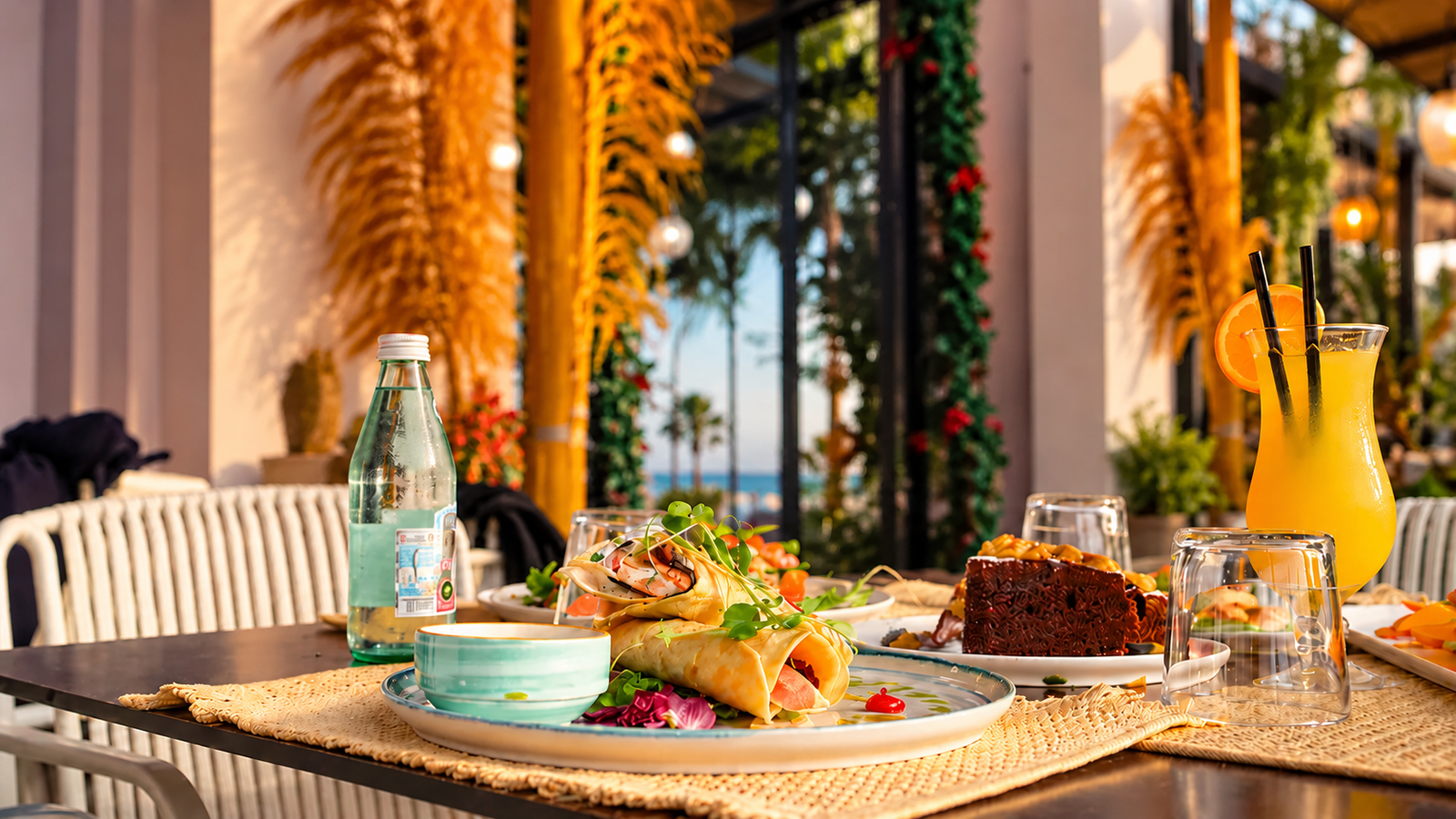
A trip to Cape of Rodon is also a great opportunity to experience the local gastronomy of the Adriatic coast. The nearby areas of Lalzi Bay and Ishëm offer a variety of restaurants serving freshly caught seafood, Mediterranean specialties, and traditional Albanian dishes prepared with local ingredients.
Some popular dining options near Cape of Rodon include:
- Bar Restaurant Toni – Located near San Pietro Beach, known for fresh seafood, grilled fish, and a relaxed atmosphere surrounded by pine trees.
- Bar-Restorant Te Guri – A traditional seaside restaurant in Lalzi Bay offering seafood dishes, local specialties, and generous portions in a family-friendly setting.
- Peshk i Freskët Deti Nori – A highly rated seafood restaurant with panoramic sea views, specializing in fresh daily catches, shellfish, and Mediterranean cuisine.
Whether you choose a beachfront restaurant overlooking the sea or a family-run establishment in the surrounding villages, the region is known for its fresh fish, seafood platters, homemade appetizers, and authentic hospitality. Many visitors end their day with a seaside dinner while watching the sunset over the Adriatic, making it the perfect conclusion to a visit to Cape of Rodon.
4. Spend More Time on the Coast
If you are not in a hurry to return to Tirana, the coastline surrounding Cape of Rodon offers plenty of opportunities for a full day outdoors. Visitors can enjoy swimming, beach walks, photography, picnics, and sunset watching while exploring some of the quieter sections of Albania’s Adriatic coast. Combined with the area’s historical landmarks and natural beauty, these nearby attractions transform Cape of Rodon into much more than a simple sightseeing destination—it becomes a complete coastal experience.
How to get to Cape of Rodon?
From Tirana
- Distance: Approximately 65 km
- Travel Time: Around 1 hour 20 minutes
Route
Tirana → Fushë-Krujë → Ishëm → Cape of Rodon
The final section passes through scenic countryside and coastal landscapes before reaching the parking area. From there, visitors continue on foot toward the castle and church.
FAQ – Cape of Rodon
Cape of Rodon is best known for Skanderbeg’s Castle, St. Anthony’s Church, dramatic Adriatic coastal views, and its peaceful beaches. It combines history, nature, and outdoor activities, making it one of the most unique day-trip destinations near Tirana.
Cape of Rodon is located approximately 65 km from Tirana, and the drive usually takes around 1 hour and 20 minutes. It is an easy day trip for travelers looking to explore Albania’s coastline, historical sites, and natural scenery.
Yes. The beaches around Cape of Rodon offer clear Adriatic waters, quiet swimming spots, and a natural, unspoiled atmosphere. Visitors can enjoy swimming, relaxing by the sea, snorkeling, and exploring small coves along the coastline.
Besides Skanderbeg’s Castle and St. Anthony’s Church, visitors can explore Lalzi Bay, White Sand Beach, nearby seafood restaurants, scenic viewpoints, and coastal walking trails. These attractions make it easy to spend a full day in the area.
Absolutely. Cape of Rodon is one of Albania’s hidden gems, offering a unique mix of medieval history, beautiful beaches, hiking opportunities, camping areas, and spectacular sunset views. It is an excellent destination for travelers seeking a quieter alternative to Albania’s busier coastal resorts.
Cape of Rodon is one of Albania’s most unique coastal destinations, where medieval history, untouched beaches, stunning Adriatic views, and outdoor adventures come together in a single unforgettable experience.
Planning to explore more of the region? Check out our guide to Top Things to Do in Durrës, Albania (2026 Travel Guide) for more beaches, historical sites, and local experiences nearby.