

Vlora is often associated with beaches, crystal-clear waters, and the Albanian Riviera. However, beyond its coastline, the city hides one of the richest cultural and historical landscapes in Albania. From the place where Albanian independence was declared to ancient archaeological parks, Ottoman monuments, medieval castles, and Byzantine monasteries, Vlora offers far more than a summer escape.
If you are looking for the best cultural sites in Vlora, this guide includes the most important museums, historic monuments, castles, archaeological parks, and religious landmarks you should visit in 2026.
Whether you are a traveler interested in history, a photographer searching for unique locations, or simply someone looking for things to do in Vlora beyond the beach, this cultural guide will help you discover the city from a completely different perspective.
Table of Contents
- Why Vlora Is More Than a Beach Destination
- National Museum of Independence
- Independence Monument & Flag Square
- Muradie Mosque
- Historical Museum of Vlora
- Ethnographic Museum of Vlora
- Kaninë Castle
- Orikum Archaeological Park
- Amantia Archaeological Park
- Marmiroi Church
- Brataj Bridge
- Zvernec Monastery
- Gjon Boçari Castle
- One-Day Cultural Itinerary in Vlora
- Best Time to Visit Cultural Sites in Vlora
- Frequently Asked Questions About Cultural Sites in Vlora
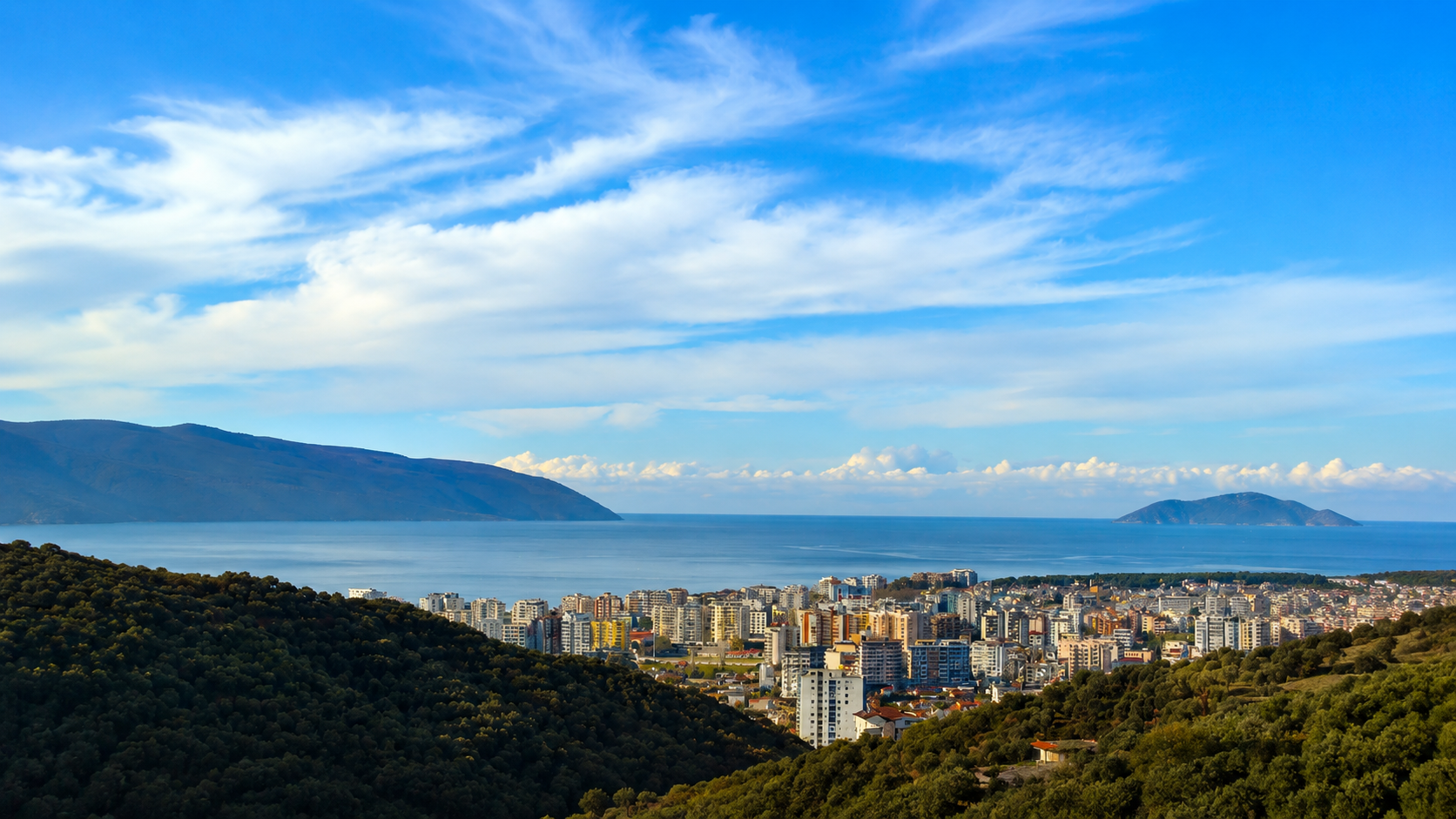
Why Vlora Is More Than a Beach Destination?
While many travelers visit Vlora for its beaches and nightlife, the city also represents one of the most historically important places in Albania. It was here that Albania declared independence on November 28, 1912, making Vlora a symbolic center of Albanian identity.
The region also preserves traces from several civilizations including the Illyrians, Romans, Byzantines, Ottomans, and medieval Albanian principalities. This layered history makes Vlora one of the most diverse cultural destinations in southern Albania.
Another reason why cultural tourism in Vlora is growing rapidly is the variety of experiences visitors can combine in a single itinerary. Within one day, you can explore a medieval castle overlooking the bay, walk through ancient ruins near the sea, visit museums dedicated to Albanian history, and finish the day at a monastery surrounded by a lagoon landscape.
National Museum of Independence
The National Museum of Independence is the most important museum in Vlora and one of the most symbolic museums in Albania. This historic building is where Albania’s first government was established after independence was declared in 1912.
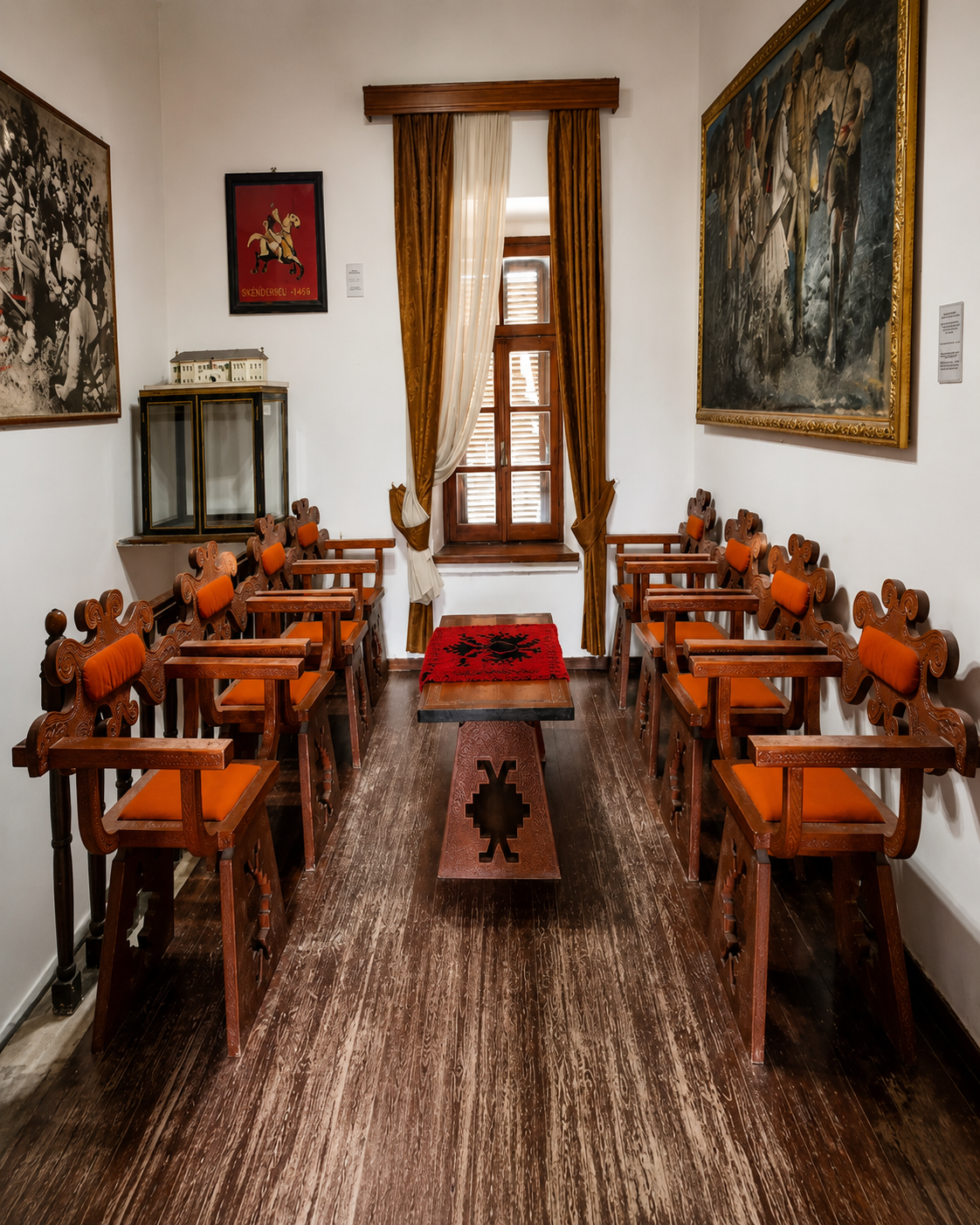
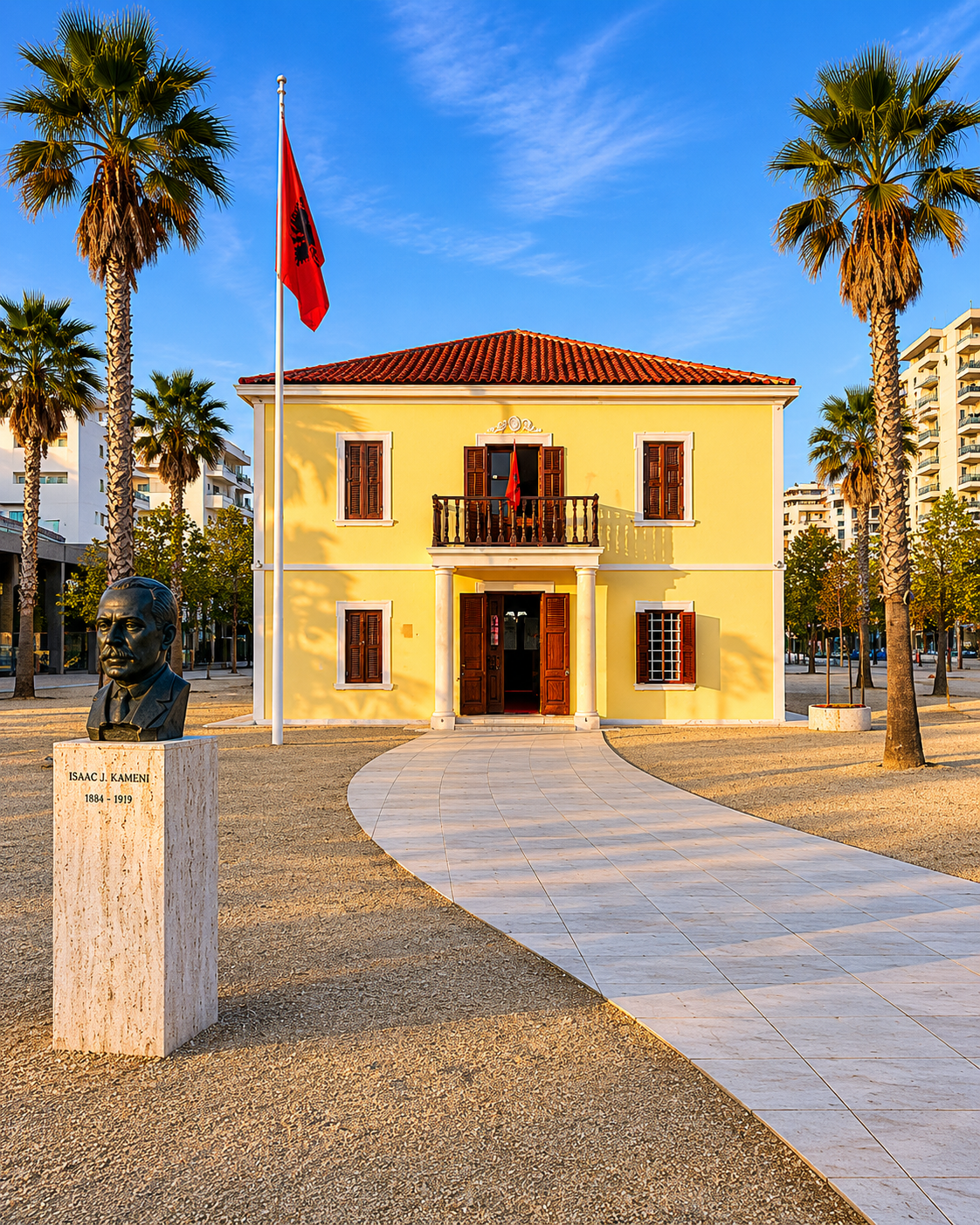
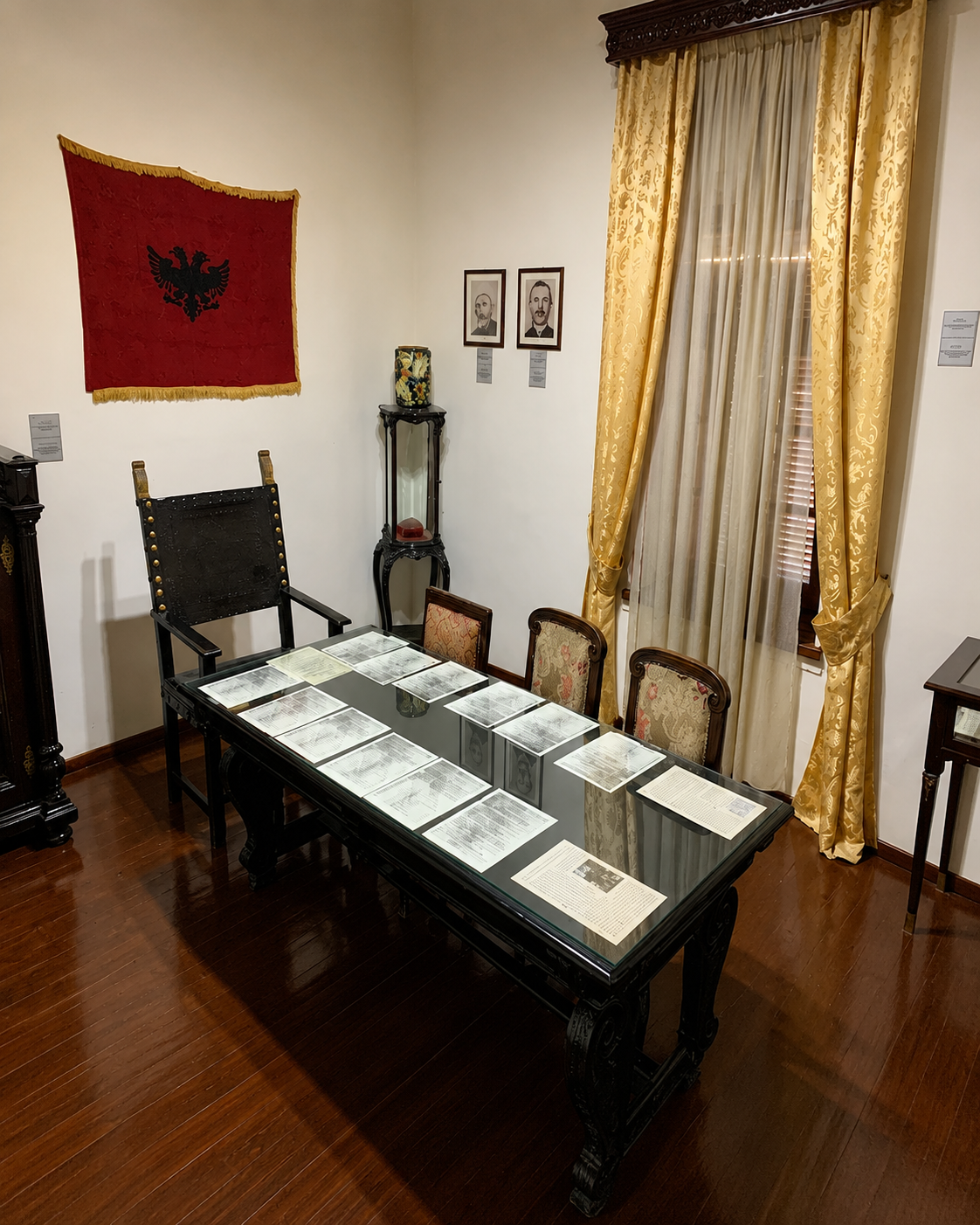
The museum preserves historical documents, photographs, original furniture, patriotic artifacts, and objects connected to Ismail Qemali and the Albanian independence movement.
Located in the Skela area near the seafront, the museum is easy to visit while exploring the Lungomare area of Vlora.
Why visit:
- Most important historical museum in Vlora
- Essential for understanding Albanian independence
- Located near the city promenade and tourist area
Independence Monument & Flag Square
Located in the heart of the city, the Independence Monument and Flag Square are among the most iconic landmarks in Vlora.
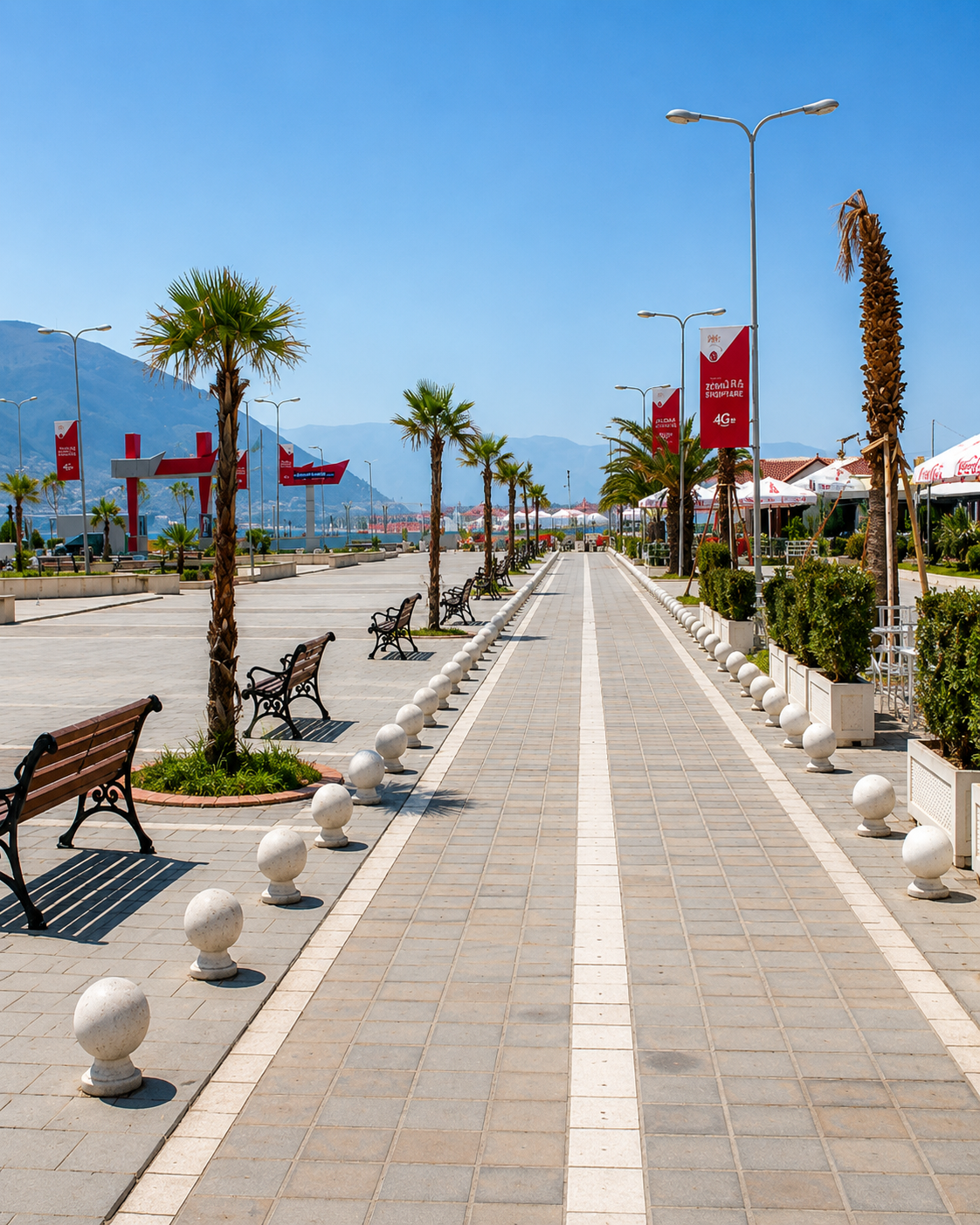
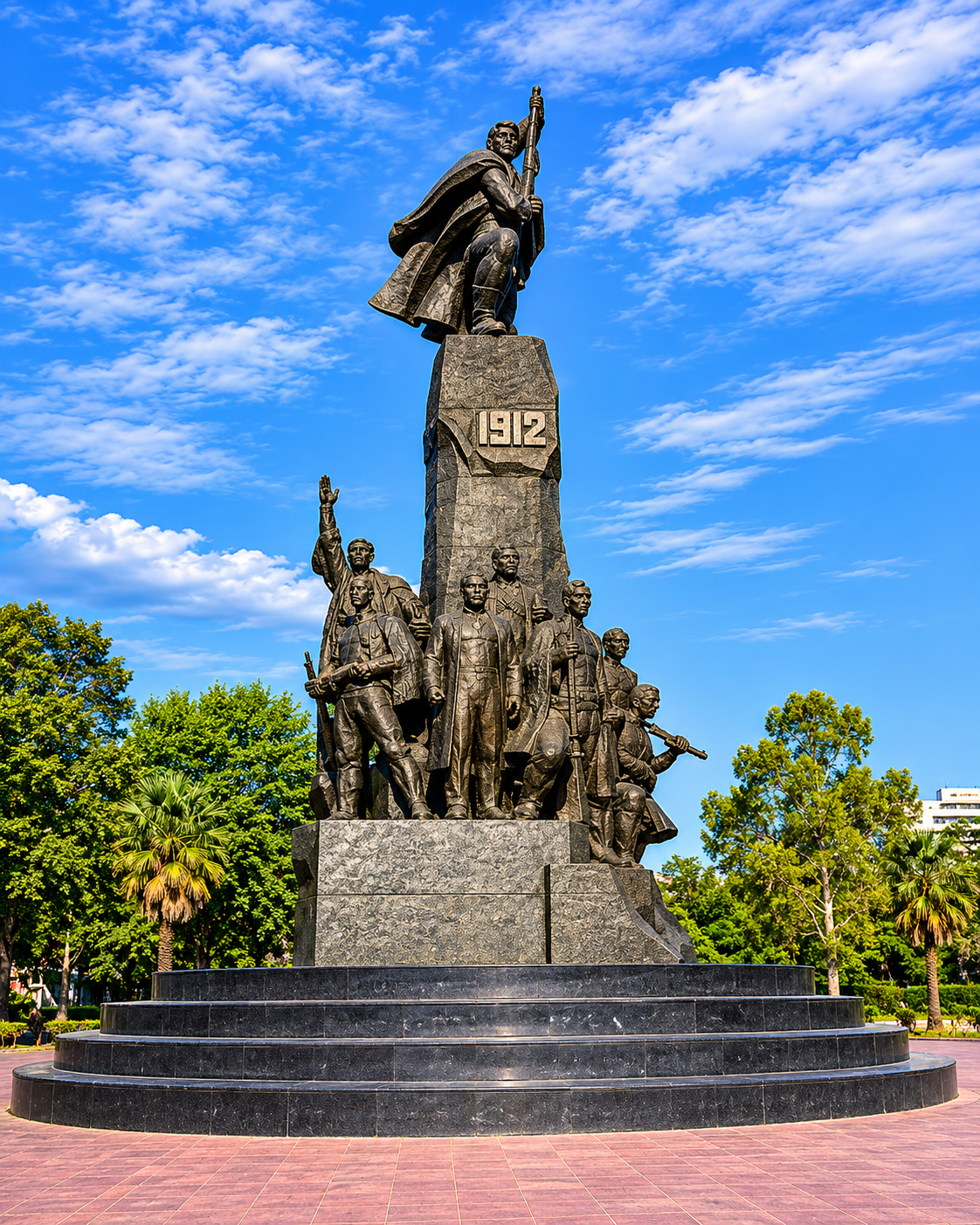
The monument commemorates the declaration of Albanian independence and remains one of the most important symbolic places in the country. The surrounding square is often used for national celebrations, cultural events, and public gatherings.
The area is also surrounded by cafés, local restaurants, and pedestrian streets, making it one of the best starting points for a walking tour through historic Vlora.
Muradie Mosque
The Muradie Mosque is one of the most beautiful Ottoman monuments in Albania. Built in 1542, the mosque is traditionally attributed to the famous Ottoman architect Mimar Sinan.
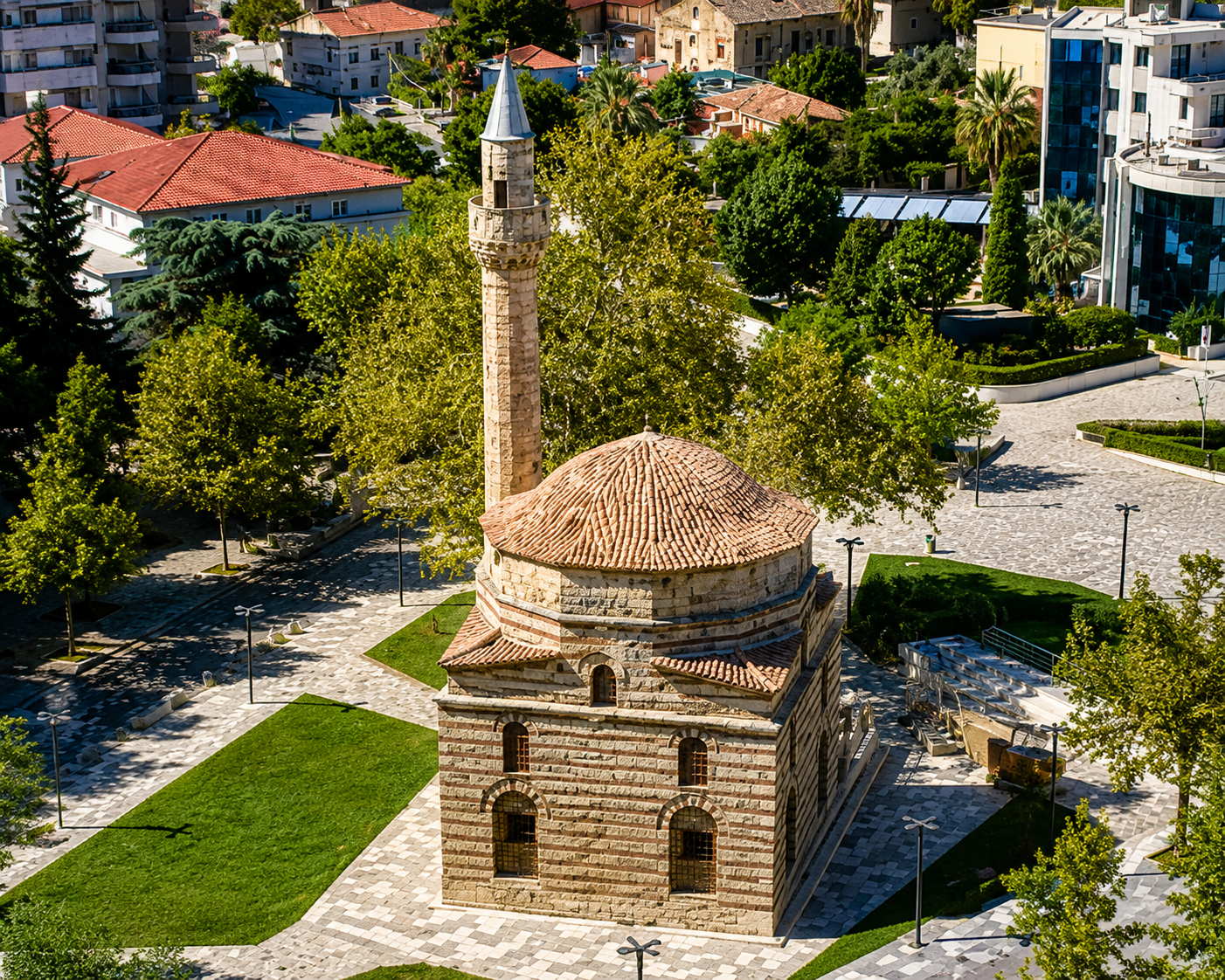
Its elegant stone architecture, tall minaret, and central dome make it one of the most recognizable religious monuments in Vlora. Even for travelers who are not particularly interested in religious tourism, the mosque stands out as an important architectural and historical landmark in the city center.
Travel tip: Visit outside prayer hours for a quieter cultural experience and better photography opportunities.
Historical Museum of Vlora
The Historical Museum of Vlora offers a deeper look into the city’s development from antiquity to modern times. Inside the museum, visitors can explore archaeological artifacts, traditional objects, maps, weapons, historical documents, and exhibits related to the wider Vlora region.
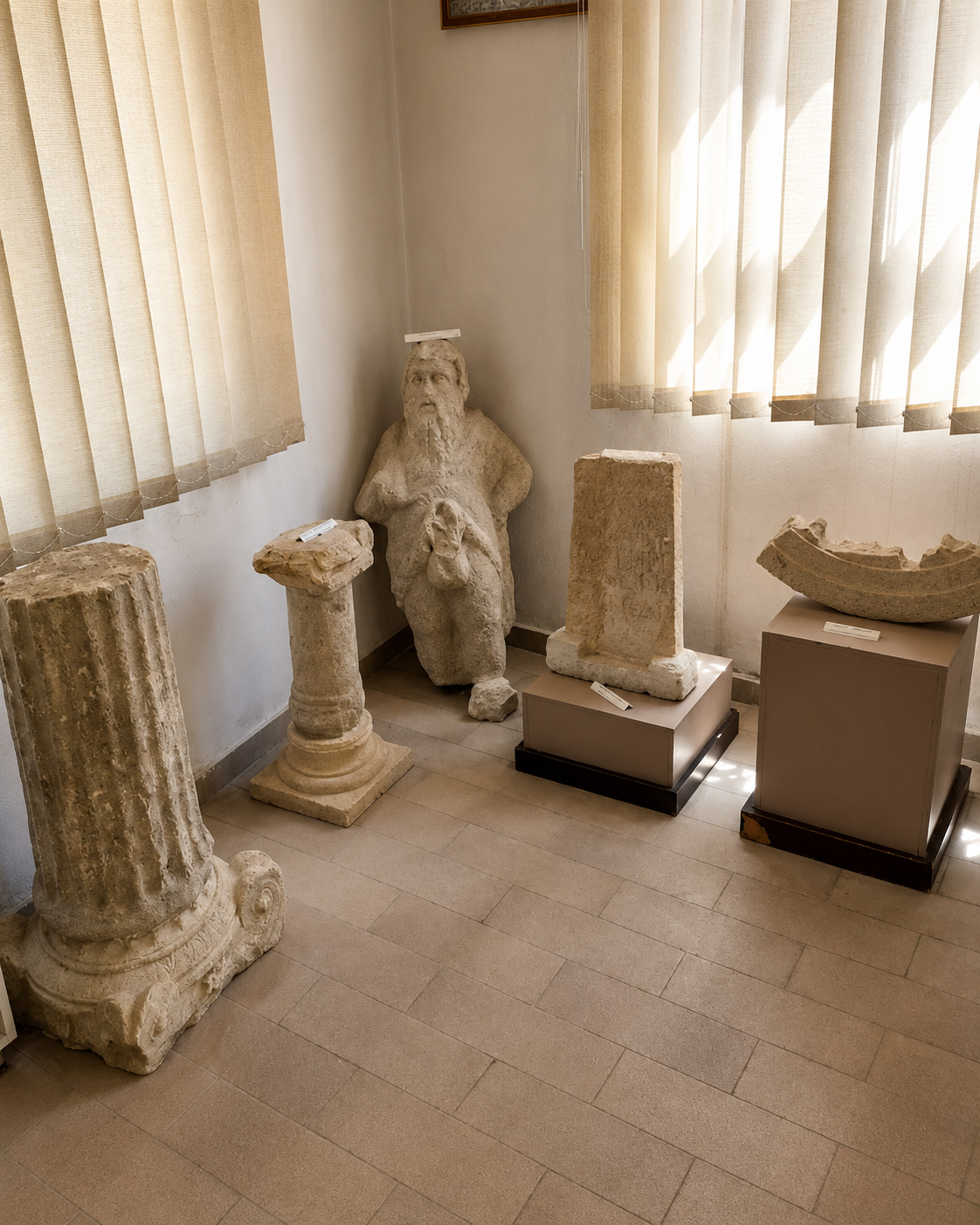
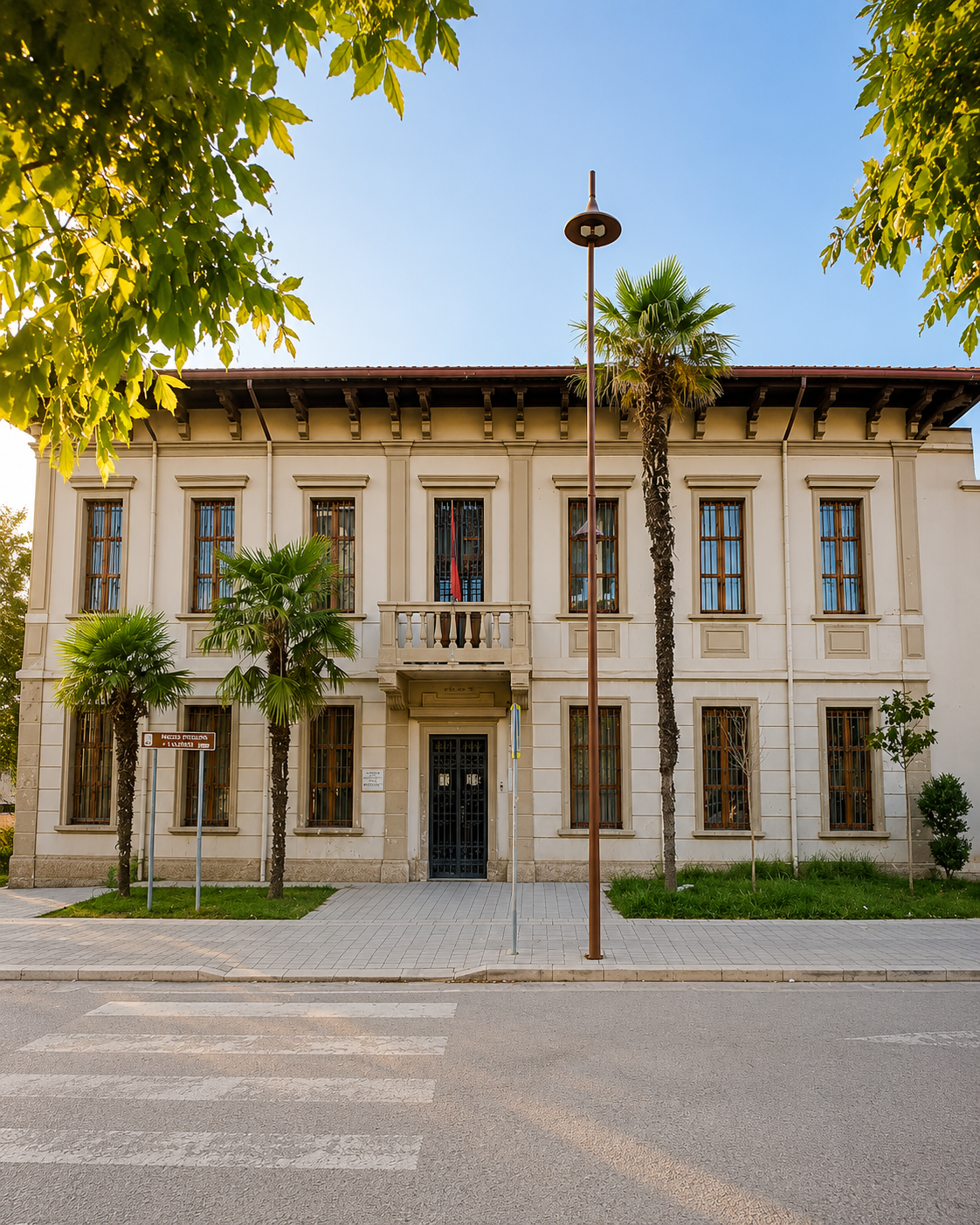
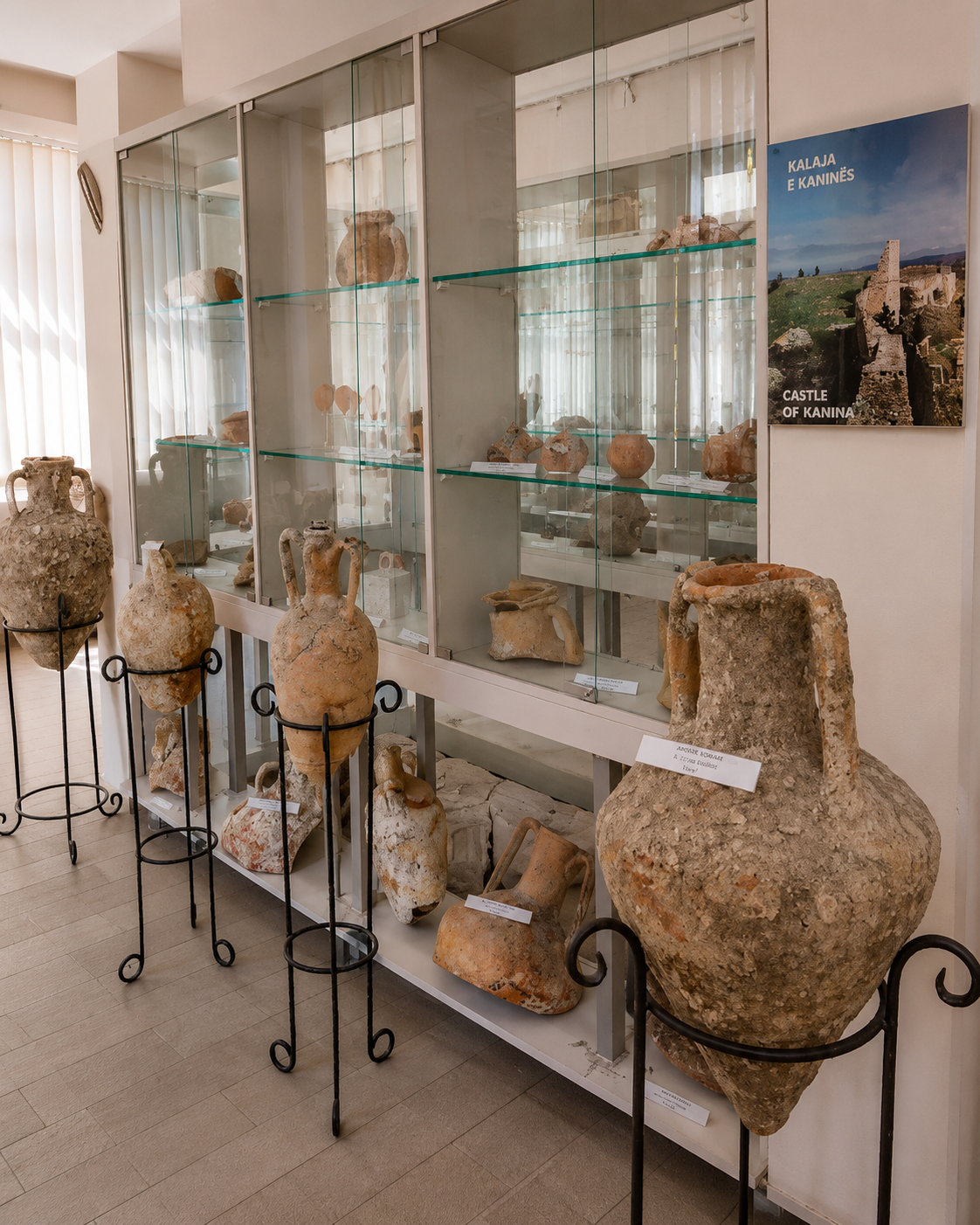
The museum is especially interesting because it connects the history of nearby sites such as Orikum, Kaninë, and ancient settlements across southern Albania. This museum is highly recommended for travelers who want a broader understanding of Vlora beyond its coastal tourism.
For a detailed guide, including the museum’s history, key exhibits, opening hours, and visitor information, read our full article: Vlora Historical Museum: History, Exhibits & Visitor Information.
Ethnographic Museum of Vlora
Located inside a traditional 19th-century house, the Ethnographic Museum of Vlora showcases local traditions, daily life, and Albanian craftsmanship.
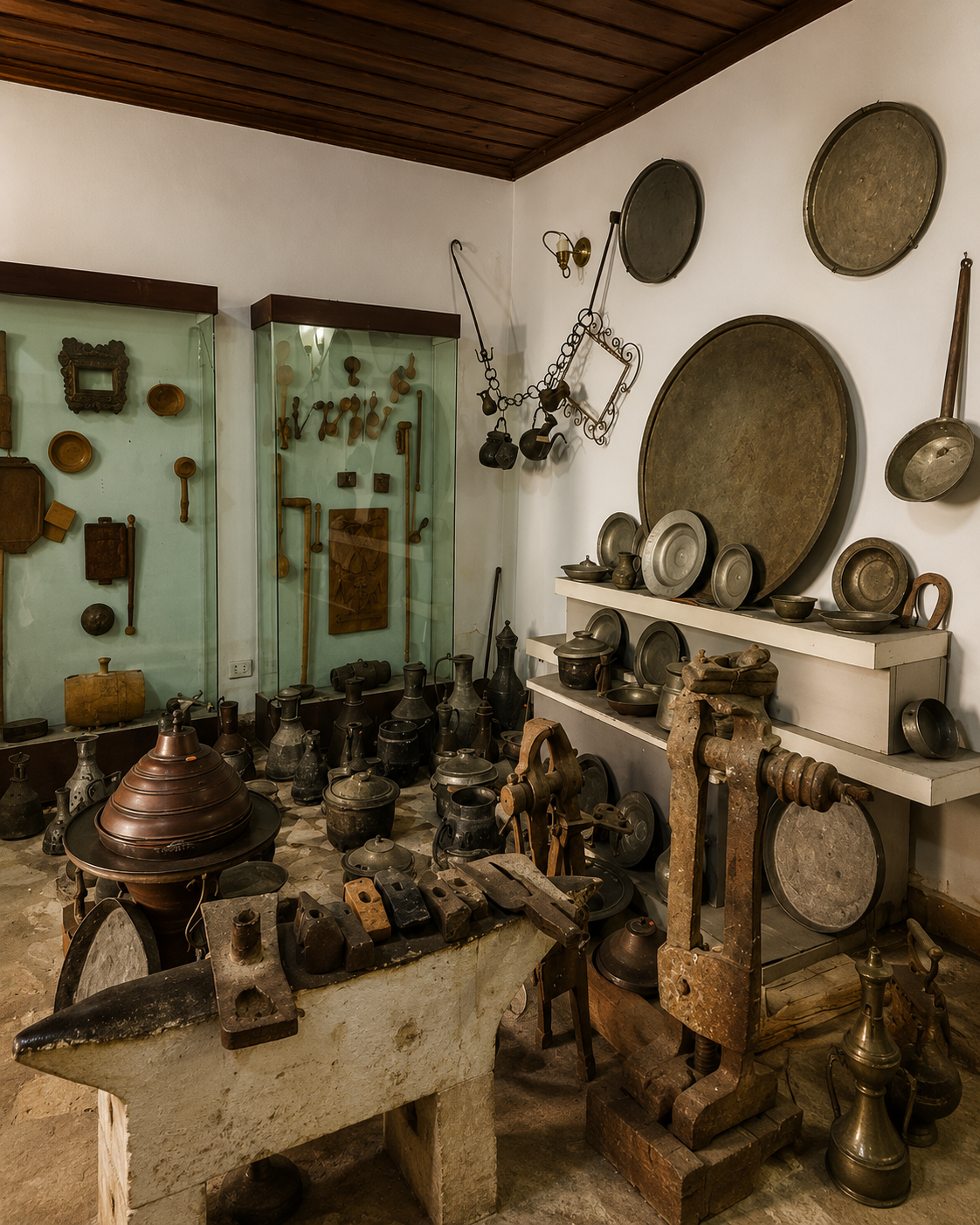
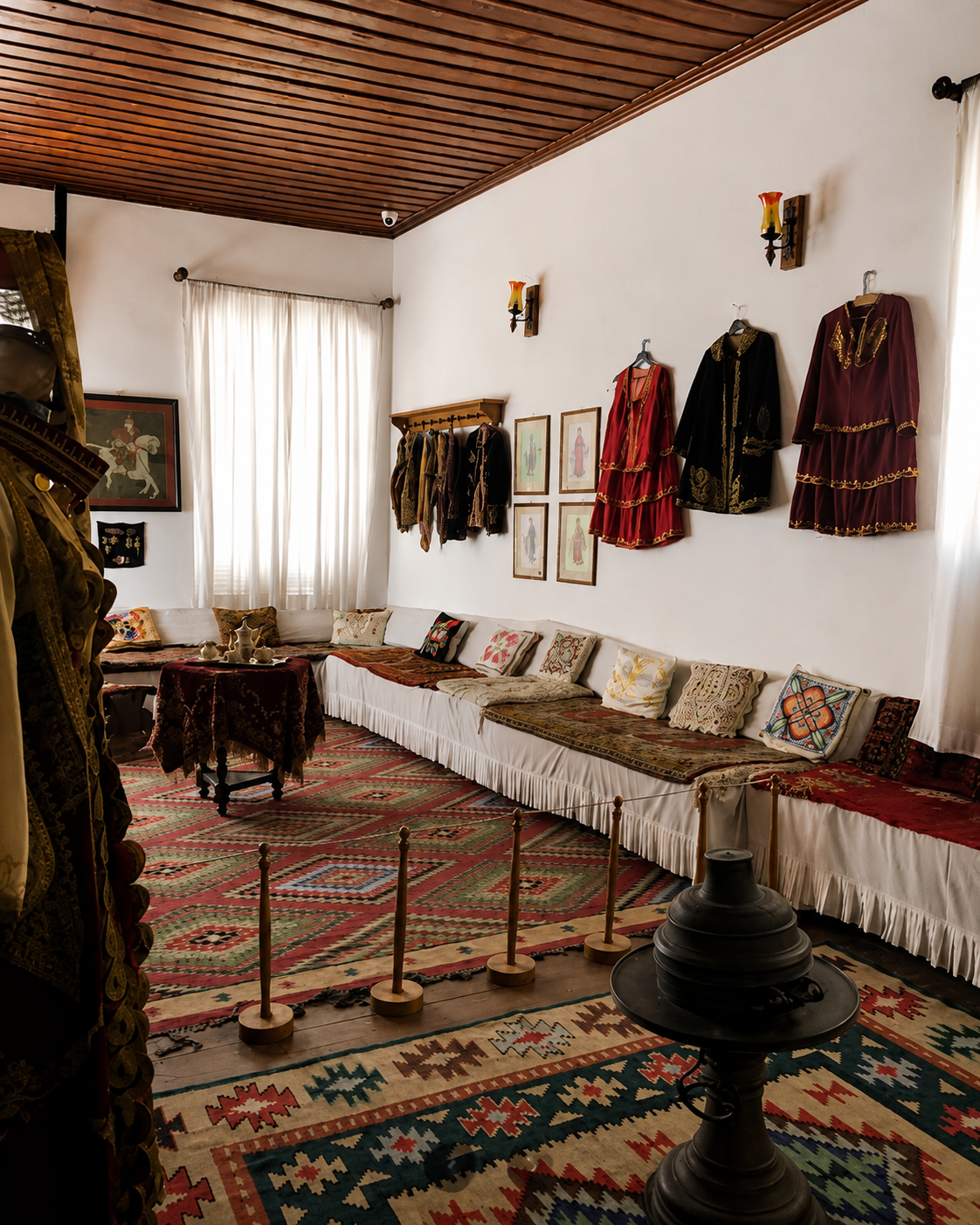
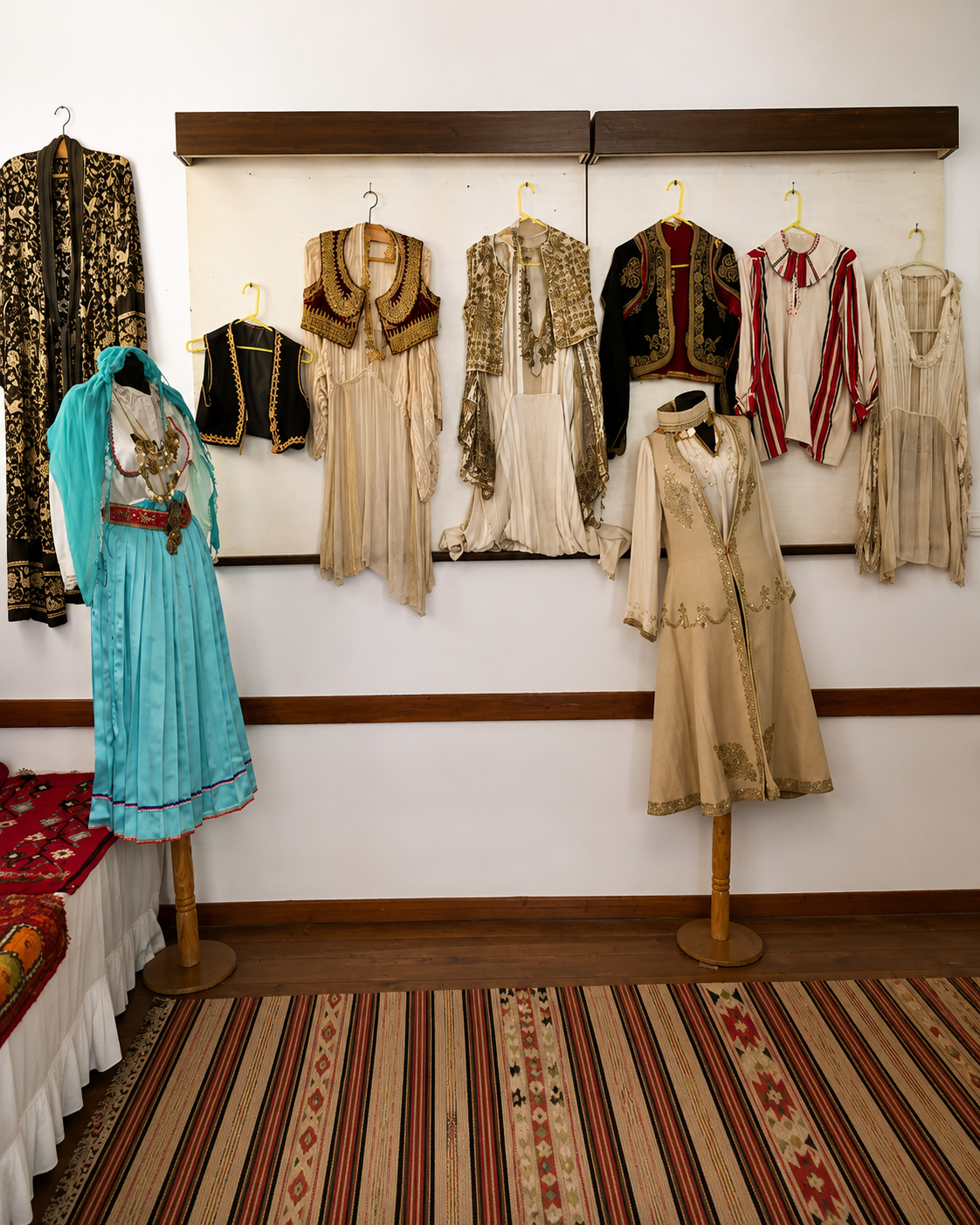
The building itself is historically important because it once hosted the patriotic “Labëria” club and one of the first Albanian-language schools for girls in the city.
Visitors can discover:
- Traditional Albanian clothing
- Handmade crafts
- Household objects
- Historic interior architecture
- Cultural traditions of the Vlora region
The museum is ideal for travelers interested in local culture and authentic Albanian heritage.
For those who would like to learn more about the museum’s history, collections, architecture, and visitor information, we recommend reading our complete guide: Ethnographic Museum of Vlora: History, Collections & Visitor Information.
Kaninë Castle
Perched on the hills above Vlora, Kaninë Castle offers one of the best panoramic views over the Bay of Vlora.
The castle has ancient Illyrian origins but was expanded during Byzantine and Ottoman periods, making it one of the most historically layered castles in Albania.
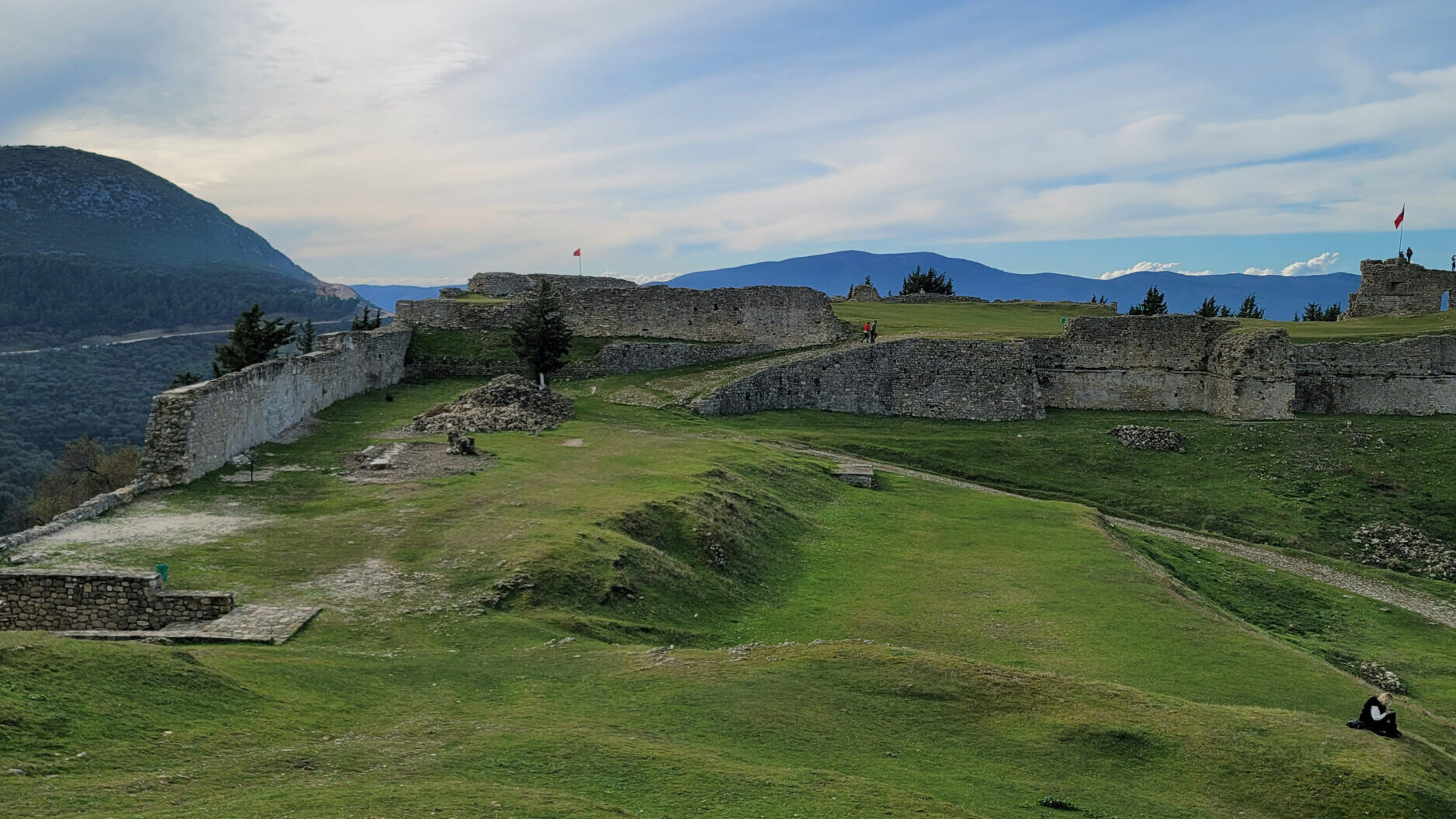

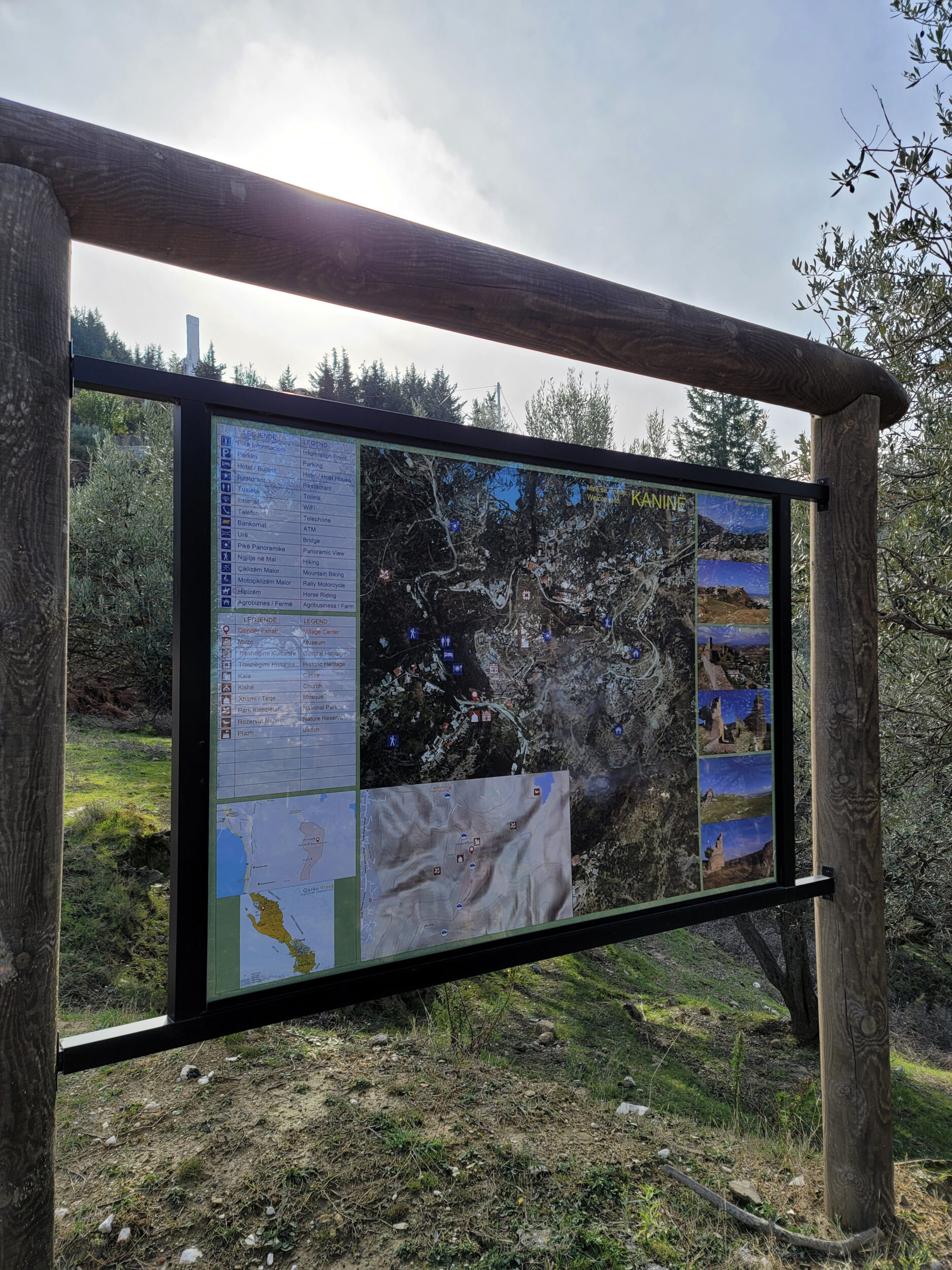
Today, visitors come both for the historical atmosphere and the incredible viewpoint overlooking the sea, mountains, and city below.
Why Kaninë Castle is worth visiting:
- One of the most important castles in southern Albania
- Spectacular panoramic views
- Perfect sunset location
- Strong combination of history and photography
The castle is located around 6 km from the city center and is best reached by car or taxi.
For visitors who want to learn more about the history, architecture, and breathtaking views of this iconic fortress, read our complete guide: Kanina Castle Albania: The Historic Fortress Above Vlora (2026 Guide).
Orikum Archaeological Park
Located near Pashaliman and the entrance to the Bay of Vlora, Orikum Archaeological Park is one of the most important archaeological sites in Albania.
Ancient Orikum was founded around the 6th century BC and became a strategic coastal city connected to maritime trade and military activity.
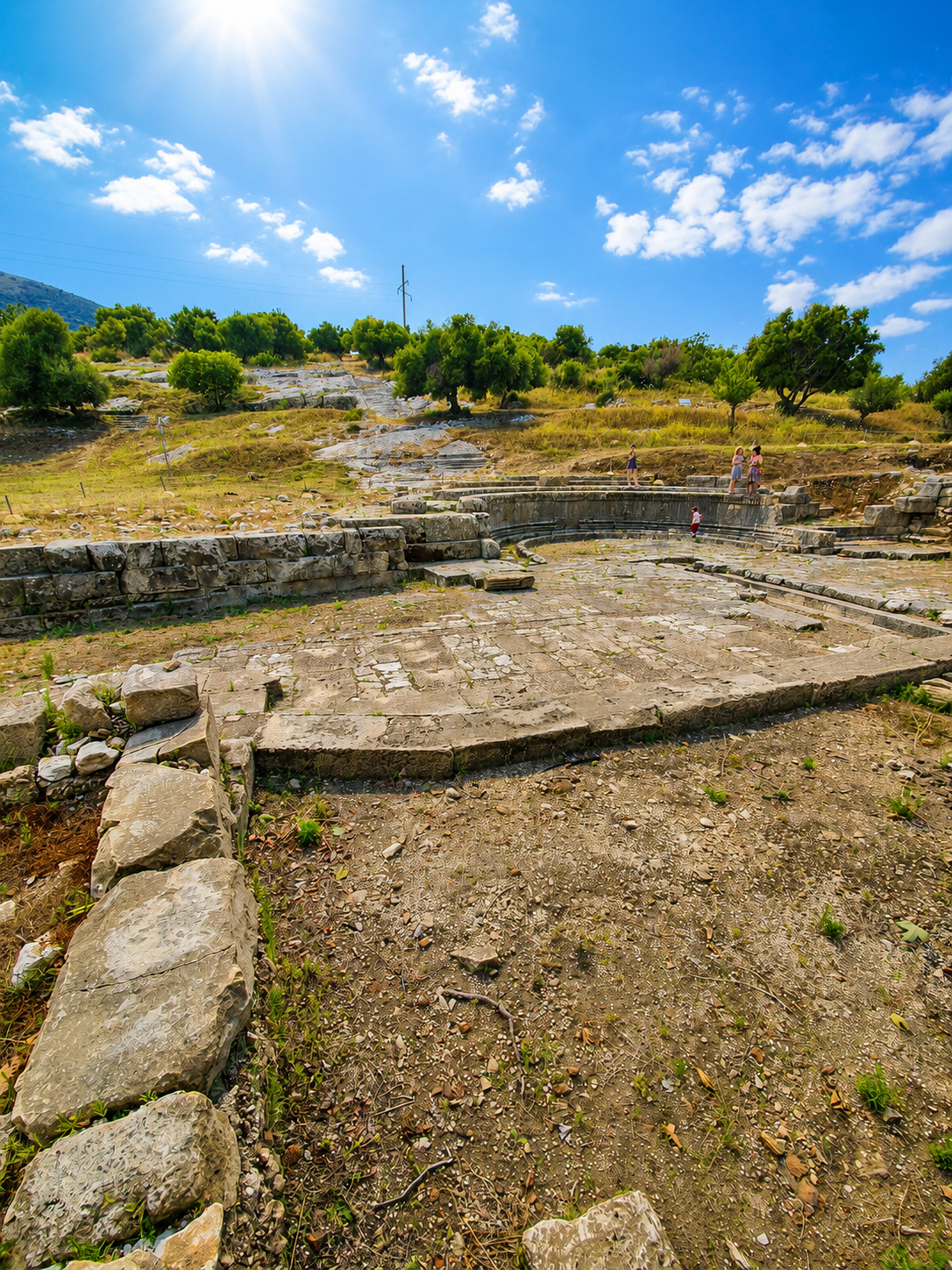
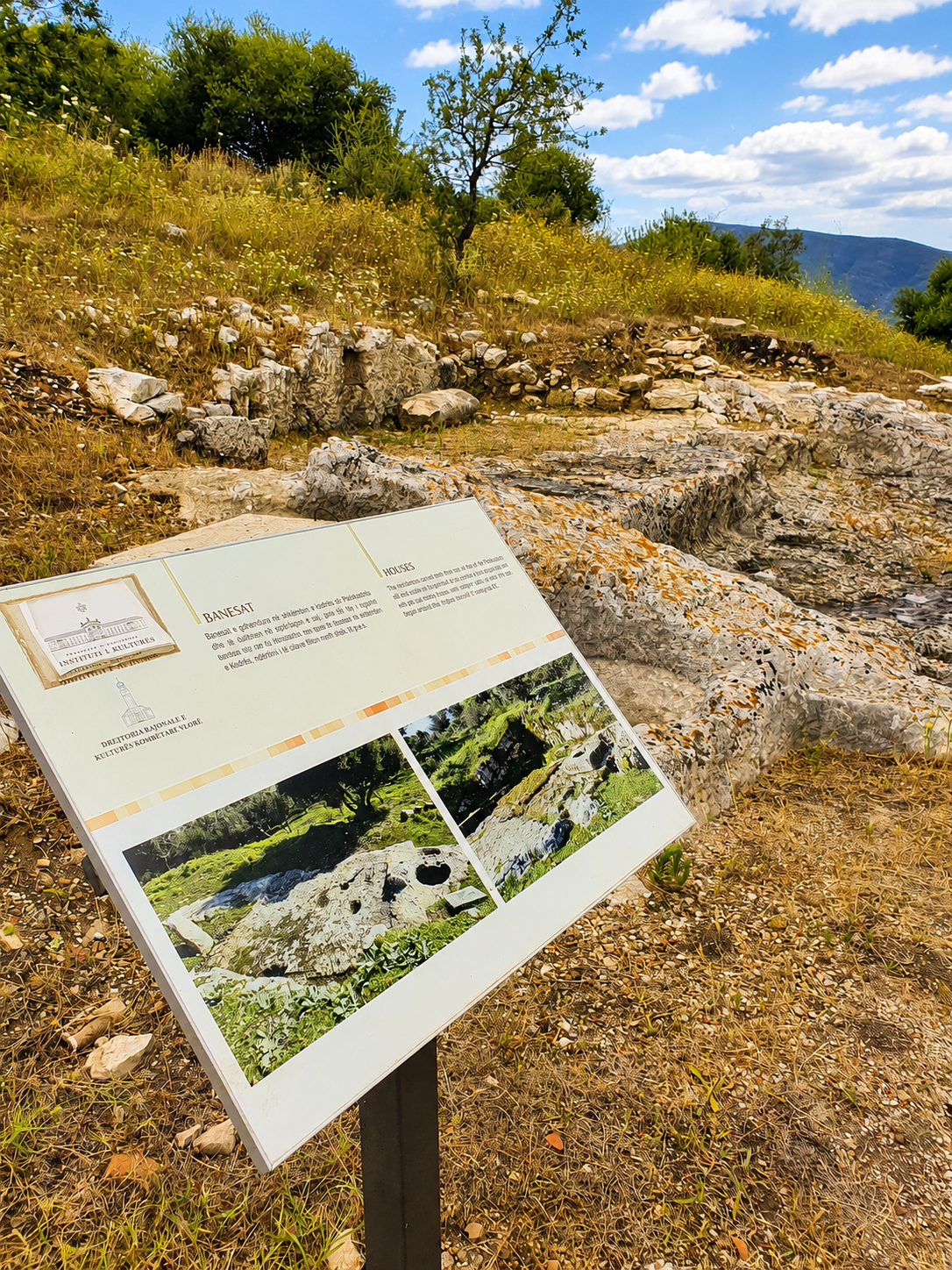
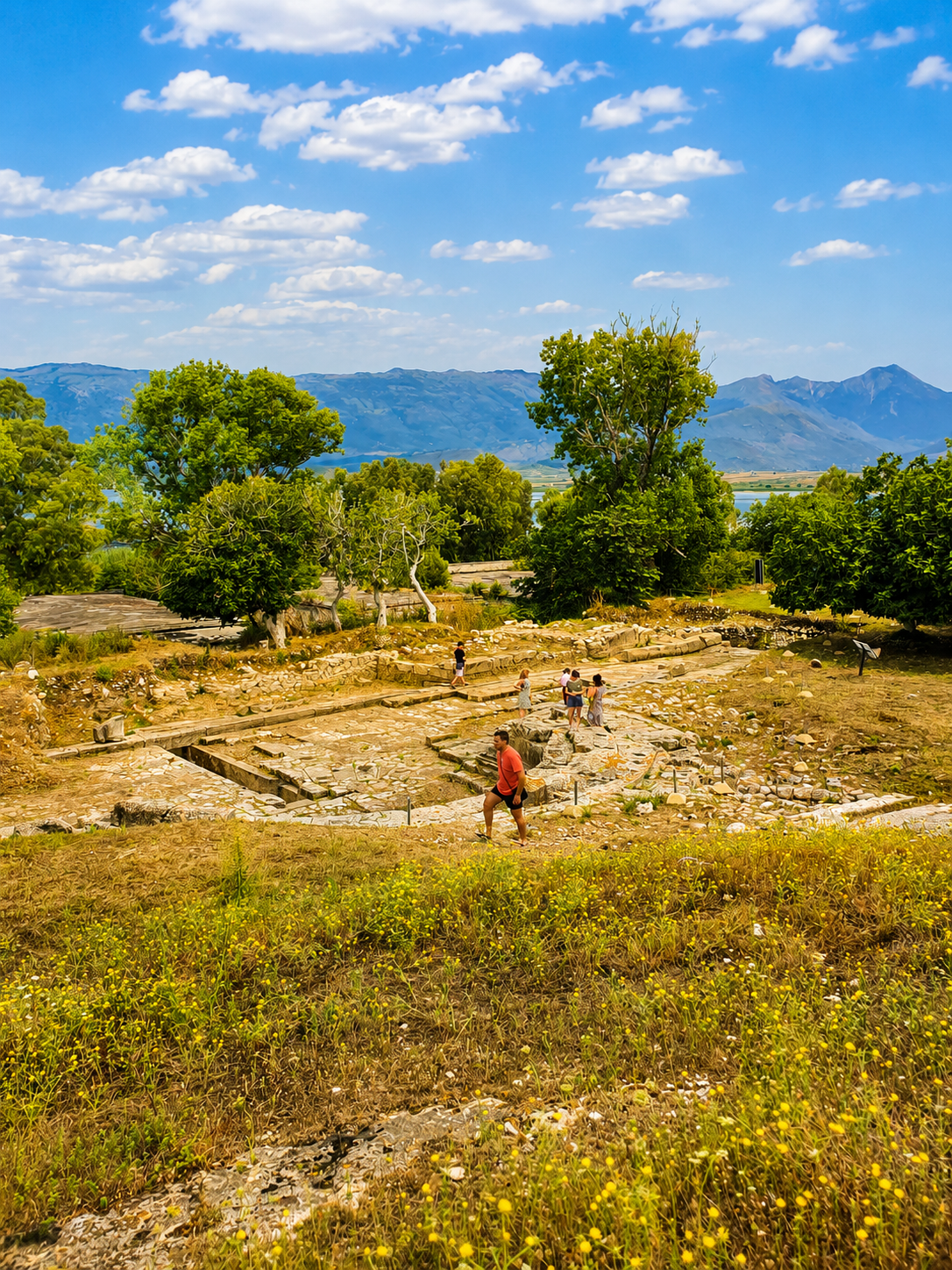
Today, visitors can explore:
- Ancient theater ruins
- Defensive walls
- Urban remains
- Archaeological excavation areas
- Historic landscape near the lagoon
The open-air setting makes Orikum especially attractive during spring and autumn when temperatures are milder.
For travelers interested in archaeology and ancient history, this is one of the best places to visit near Vlora. To learn more about its fascinating past and what you can explore on-site, read our complete guide: Orikum Archaeological Park – The Ancient Coastal City of Albania.
Amantia Archaeological Park
Located about 35 km from Vlora above the Shushicë Valley, Amantia Archaeological Park is one of Albania’s most important ancient sites and one of the best-preserved Illyrian cities in the country.
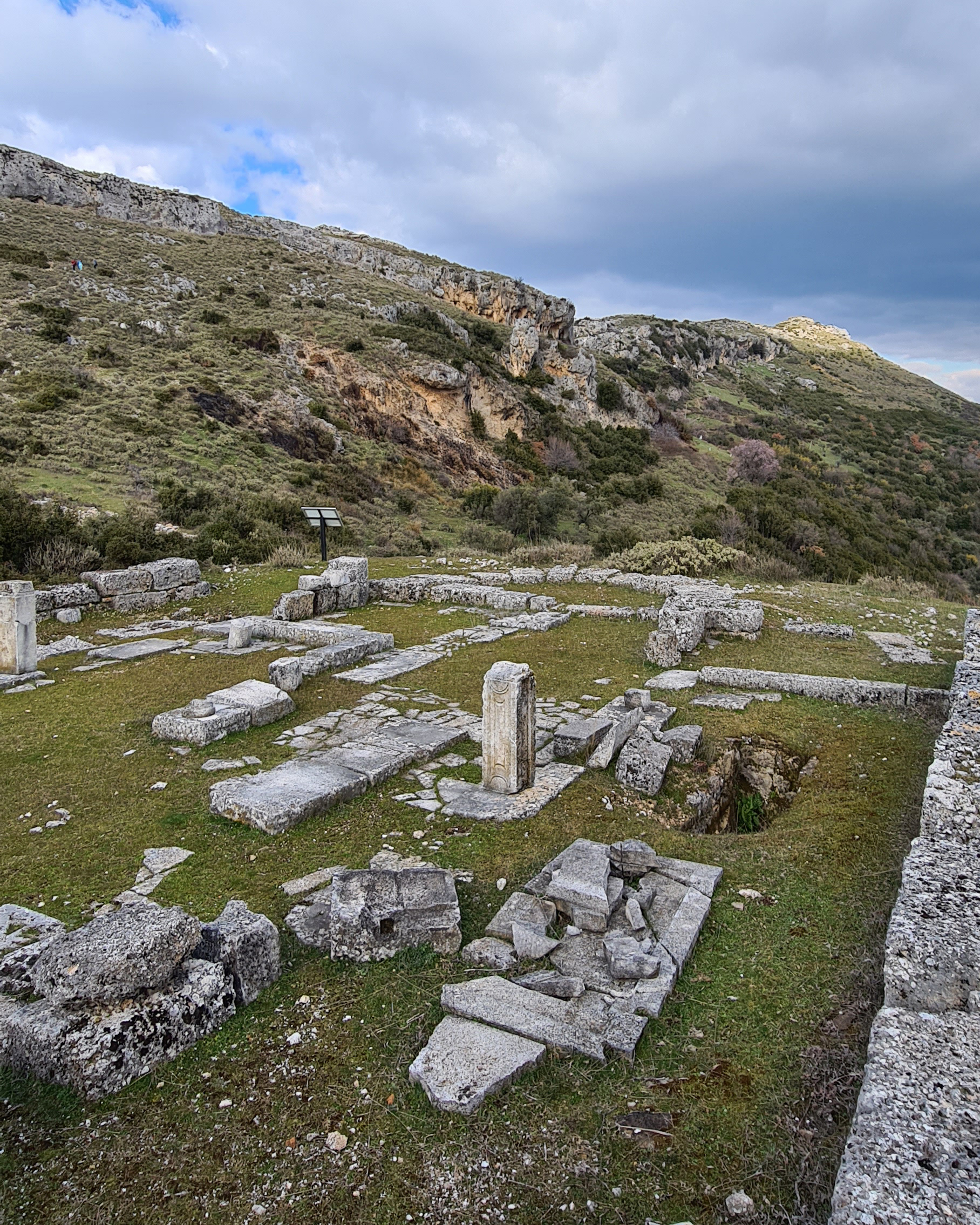
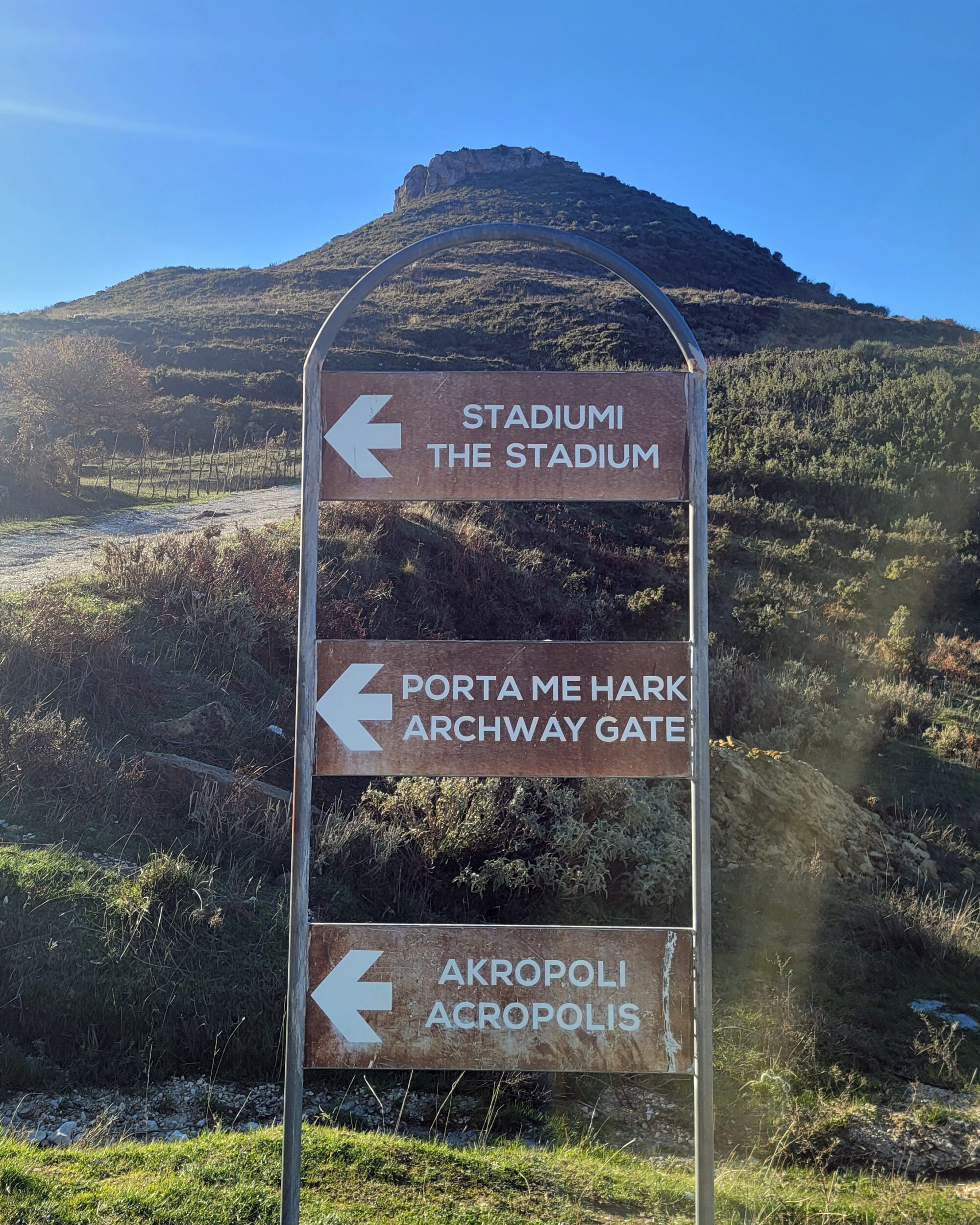
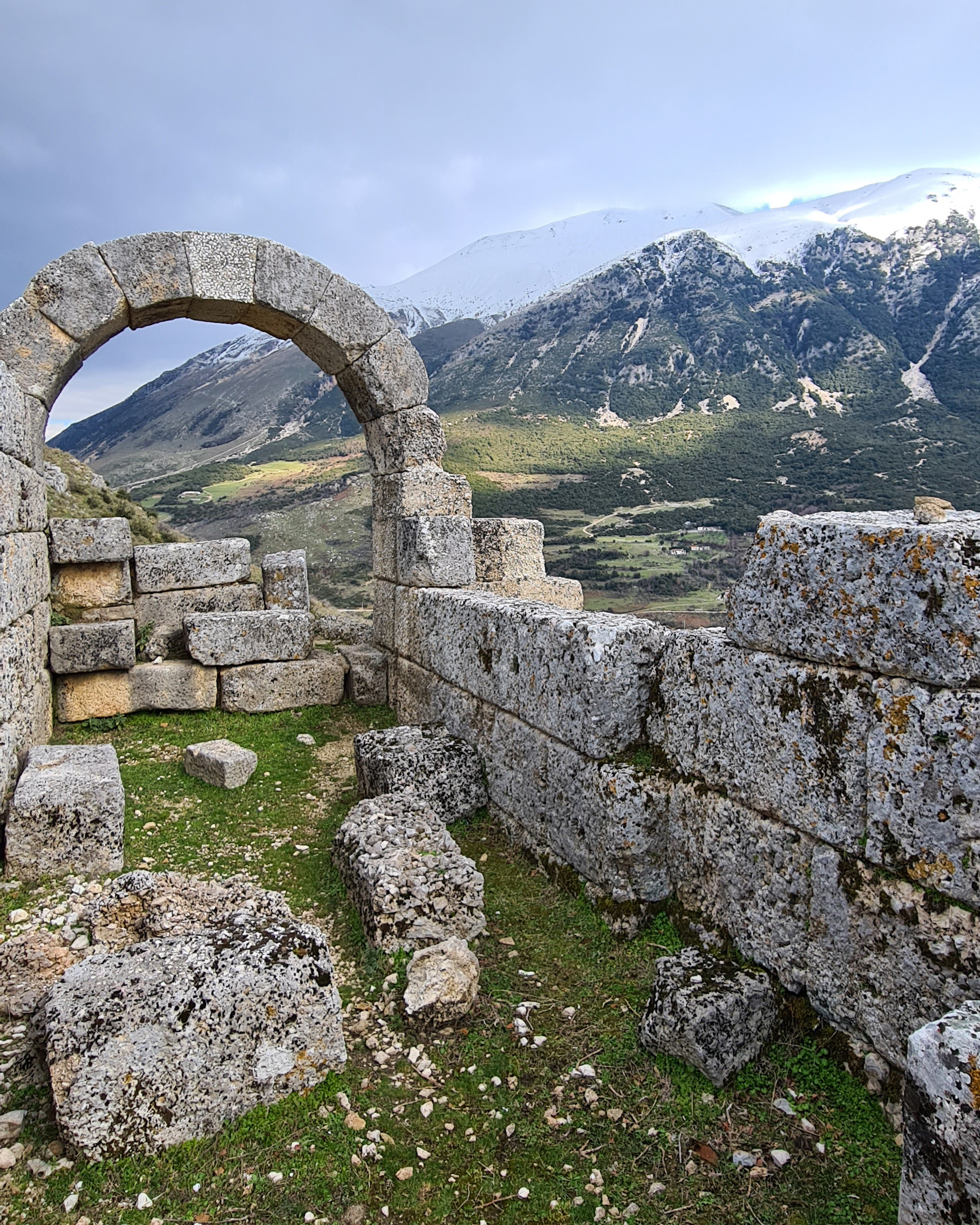
Founded around the 4th century BC, Amantia developed into a powerful urban center that later flourished under Hellenistic, Roman, and Byzantine influence. Today, visitors can walk through the remains of an ancient civilization while enjoying spectacular panoramic views over the surrounding mountains and valleys.
Highlights of Amantia include:
- The ancient stadium
- The Temple of Aphrodite
- The Palaeochristian Basilica
- Ancient city walls and gates
- One of the most authentic archaeological landscapes in Albania
Amantia is ideal for travelers interested in archaeology, ancient history, and off-the-beaten-path cultural experiences.
For visitors who want to explore the history, monuments, and archaeological treasures of this ancient city, read our complete guide: Amantia Archaeological Park – A Hidden Illyrian City Above Vlora.
Marmiroi Church
The Church of Marmiroi is one of the hidden cultural gems near Vlora and one of the best-preserved examples of Byzantine architecture in the region. Located on a quiet hill near Orikum, the church dates back to the 12th century and stands as a rare monument from Albania’s medieval past. Built with characteristic Byzantine stonework and a distinctive dome, the church has survived for centuries despite its isolated location.
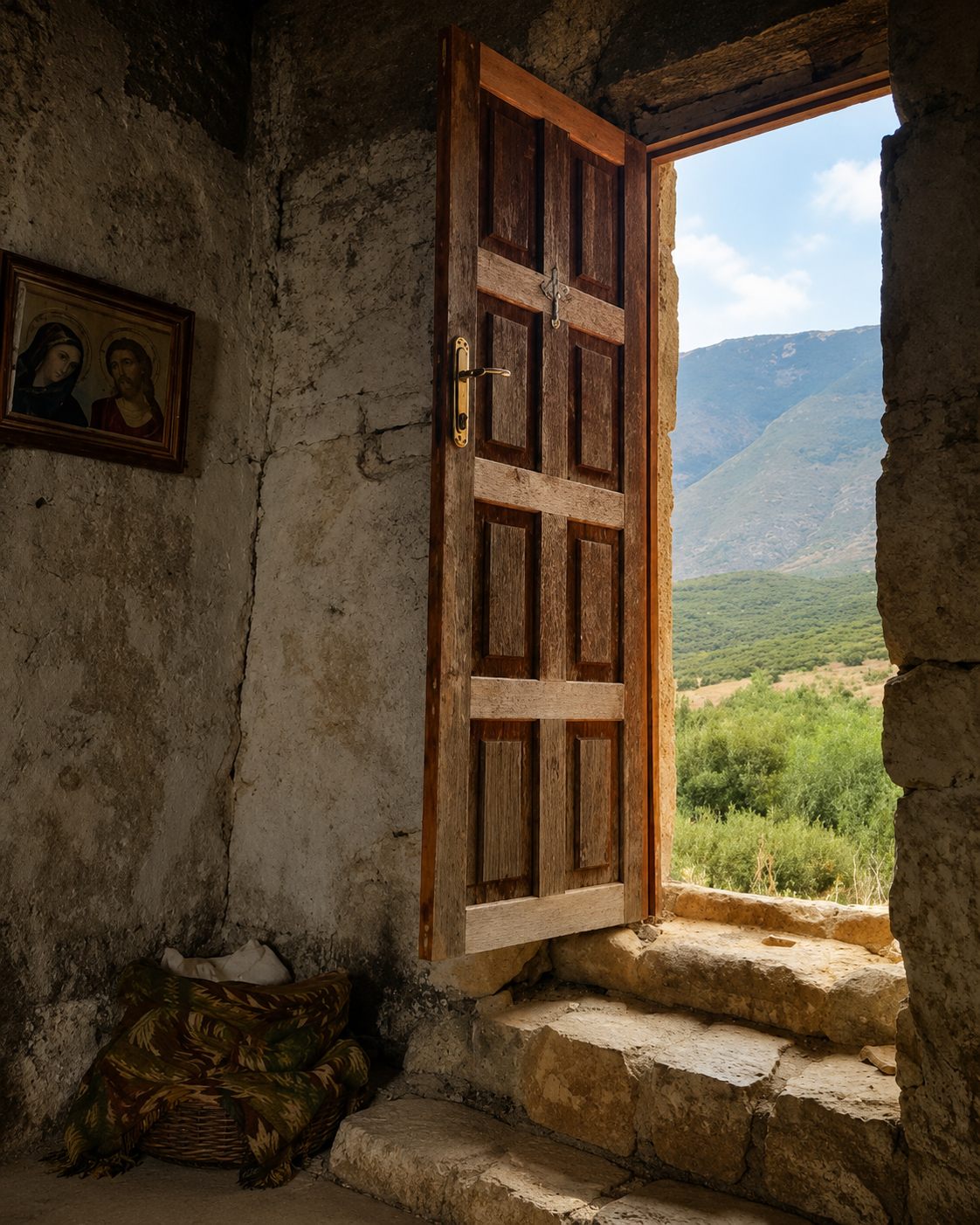
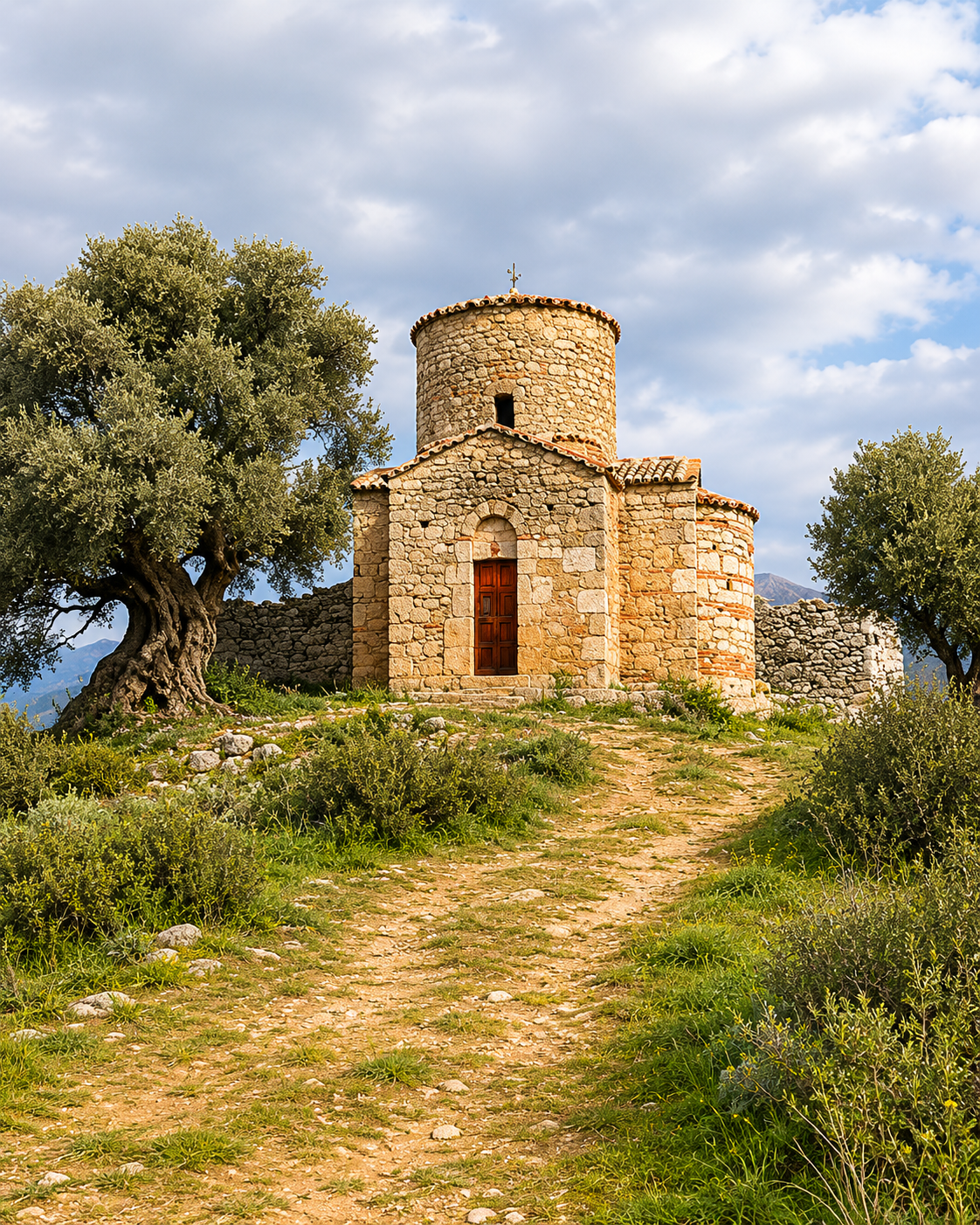
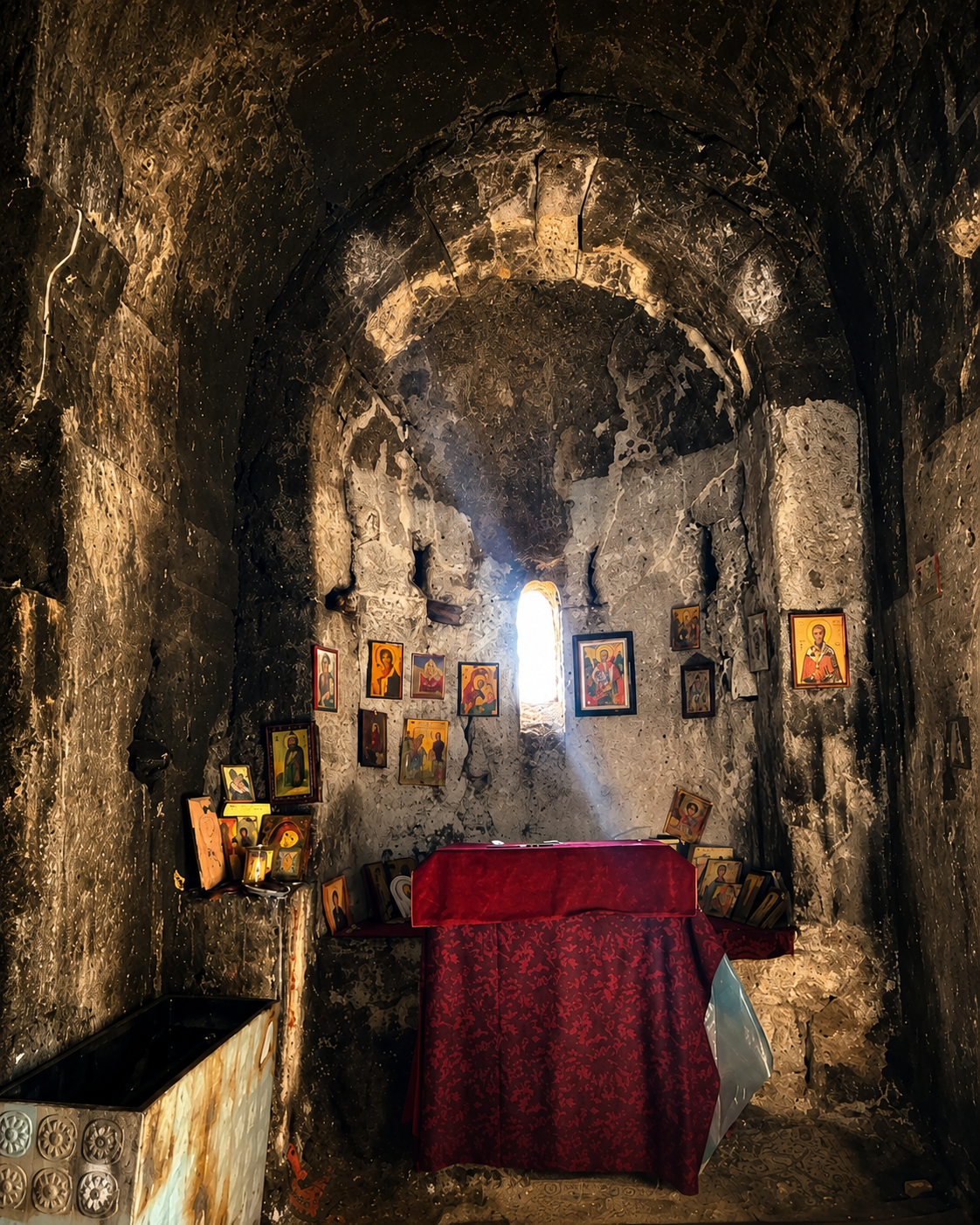
According to the information displayed on-site, the Church of Marmiroi is recognized as a Cultural Monument and represents an important example of medieval religious architecture. Its simple yet elegant design reflects the influence of Byzantine craftsmanship, while the surrounding landscape offers a glimpse into the historical environment in which the church once served local communities.
Today, visitors are drawn not only by its historical significance but also by its peaceful atmosphere. Surrounded by olive groves and rolling hills overlooking the Bay of Vlora, Marmiroi offers a unique combination of history, architecture, and nature. The remote setting makes it especially attractive for photographers, history enthusiasts, and travelers looking to discover lesser-known attractions beyond the city and coastline. A visit to Marmiroi provides a quiet journey into Albania’s Byzantine heritage and remains one of the most rewarding cultural stops near Orikum and Vlora.
Brataj Bridge
Hidden in the scenic Shushicë Valley, Brataj Bridge (Ura e Bratit) is one of the most beautiful Ottoman-era bridges in southern Albania. Built during the 16th century, it once connected inland settlements with important trade routes leading toward the coast.

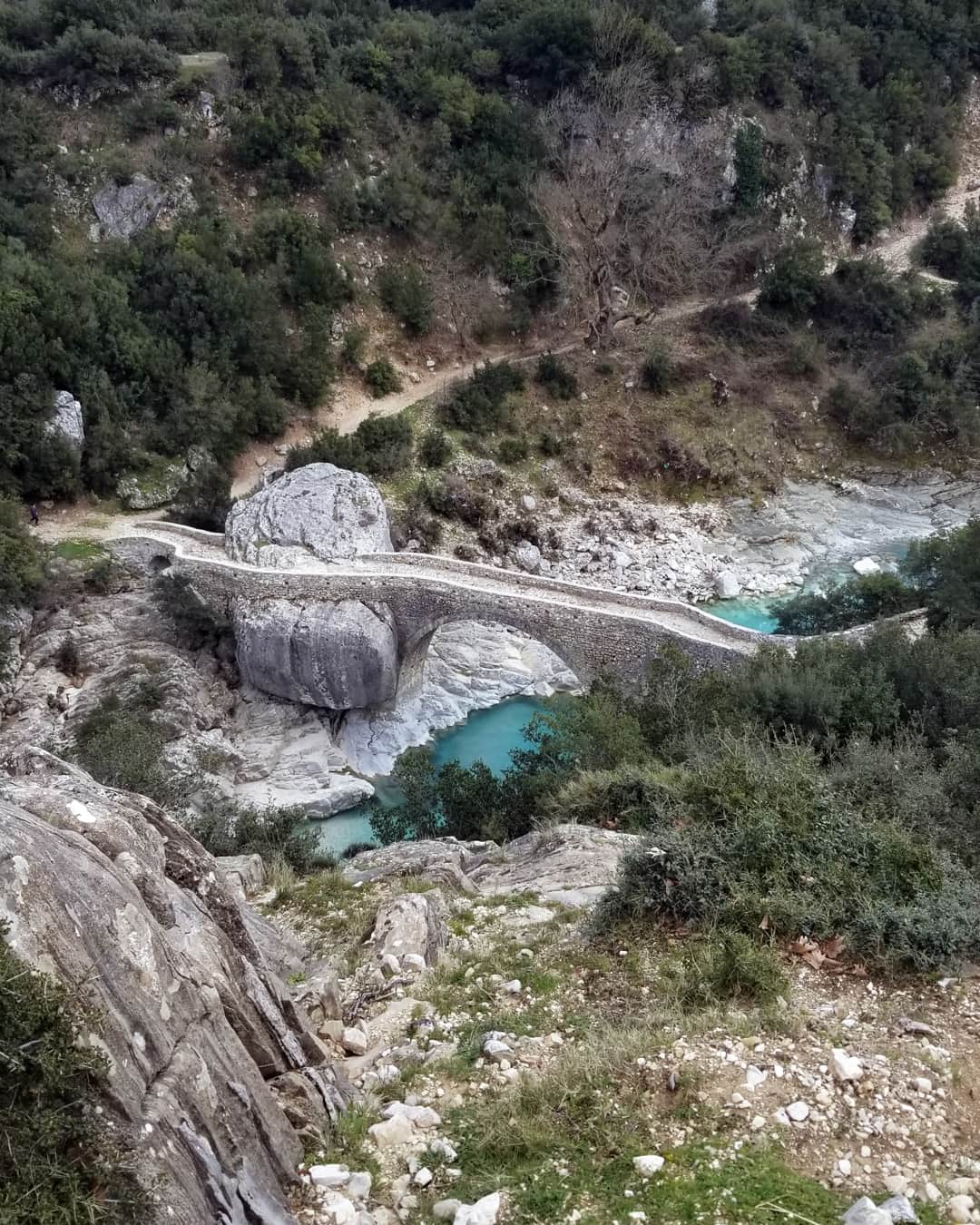

Constructed entirely from stone and surrounded by untouched nature, the bridge remains an impressive example of Ottoman engineering and local craftsmanship.
Why visit Brataj Bridge?
- Historic Ottoman architecture
- Beautiful natural setting
- Crystal-clear waters nearby
- Excellent photography opportunities
- Easy combination with a visit to Amantia
The bridge is especially popular among travelers exploring the cultural and natural attractions of the Shushicë Valley.
To learn more about its history and location, read our complete guide: Brataj Bridge – A Hidden Gem in Vlora.
Zvernec Monastery
The Zvernec Monastery is one of the most picturesque cultural sites near Vlora. Located on a small island in the Narta Lagoon, the monastery is connected to the mainland by a beautiful wooden bridge surrounded by pine trees and water landscapes.
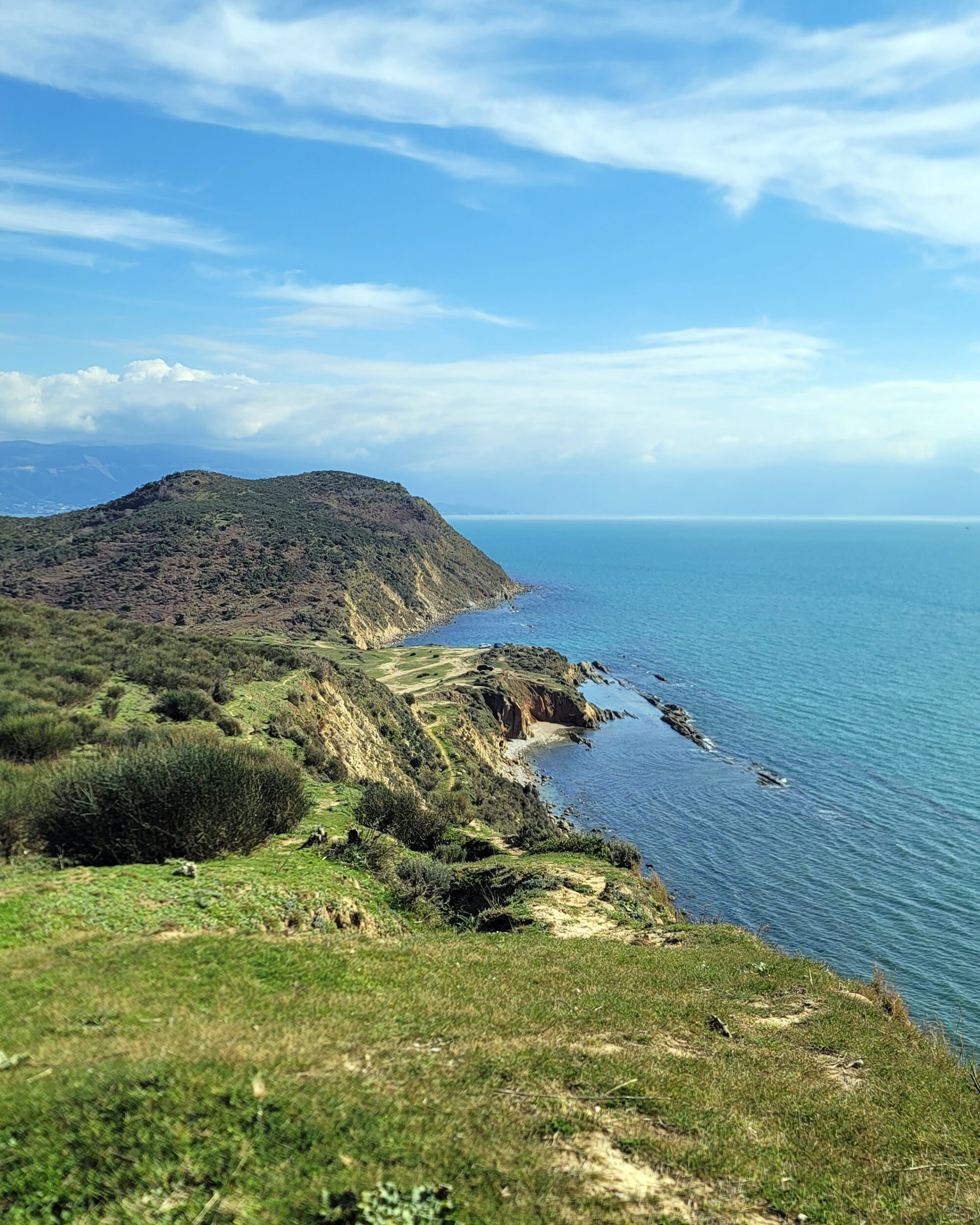
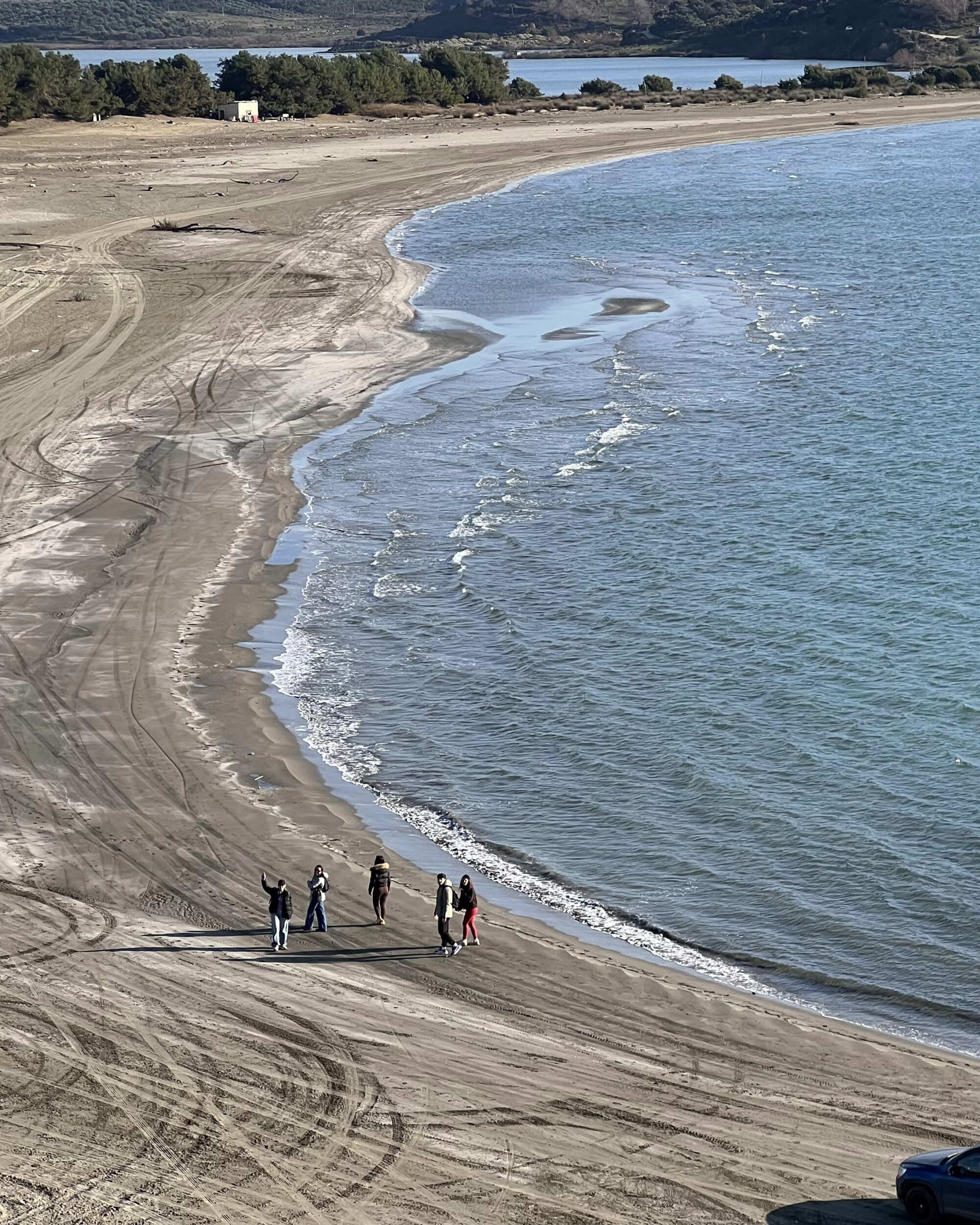
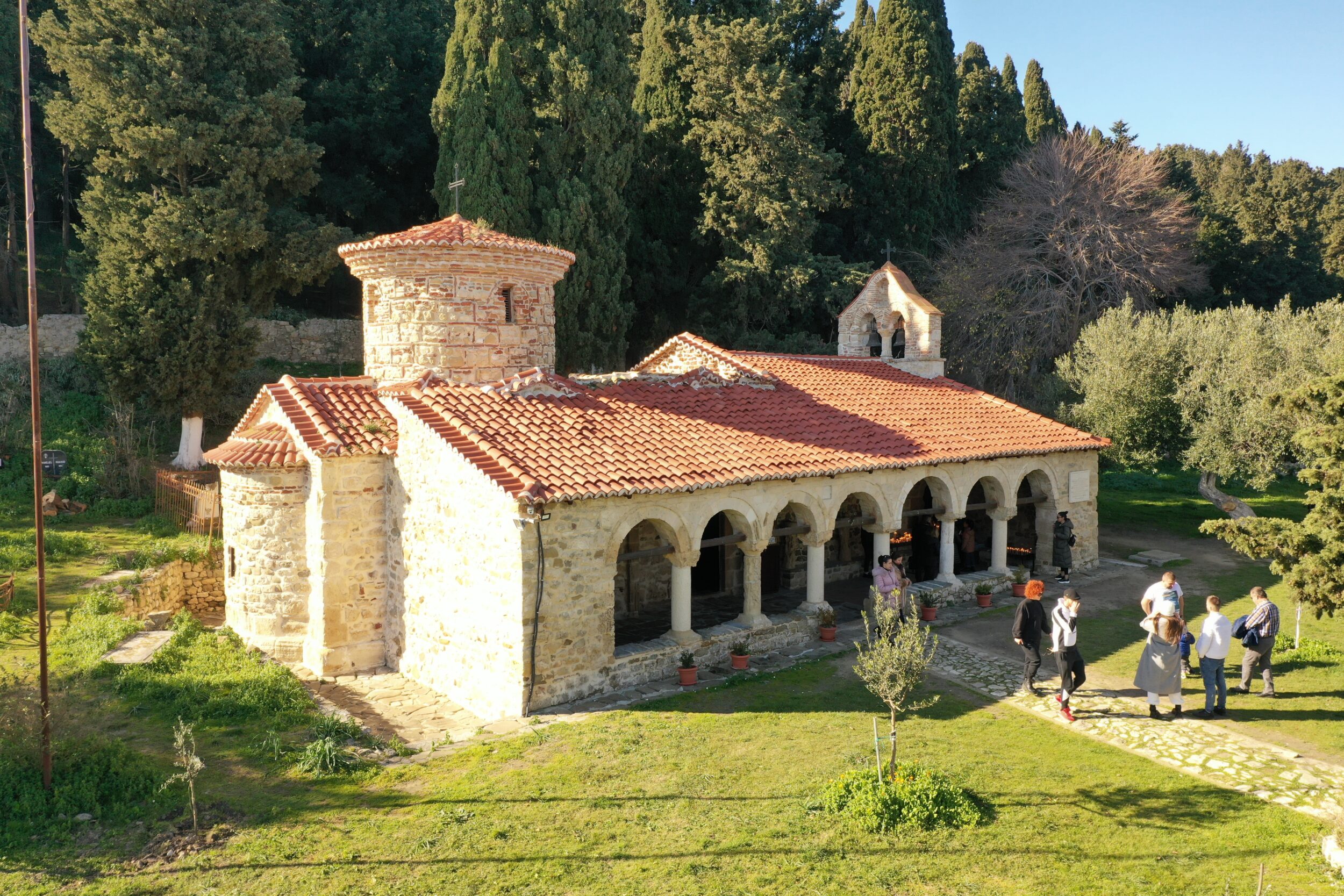
Built during the 13th century, the monastery combines Byzantine architecture with one of the most unique natural settings in Albania.
Why travelers love Zvernec:
- Scenic wooden bridge
- Peaceful atmosphere
- Great photography location
- Combination of nature and heritage
- Easy half-day trip from Vlora
The best time to visit is during sunset or early morning when the lagoon becomes especially beautiful.
For travelers looking to experience one of the most beautiful combinations of nature, history, and spirituality near Vlora, read our complete guide: Zvernec Albania: What to Do, Beaches, Monastery & Narta Lagoon Experience.
Gjon Boçari Castle
Located in the Tragjas area, Gjon Boçari Castle is a lesser-known fortress connected to the Ottoman period. Although less visited than Kaninë Castle, it offers a more adventurous experience for travelers exploring the historic villages and mountainous landscapes south of Vlora.
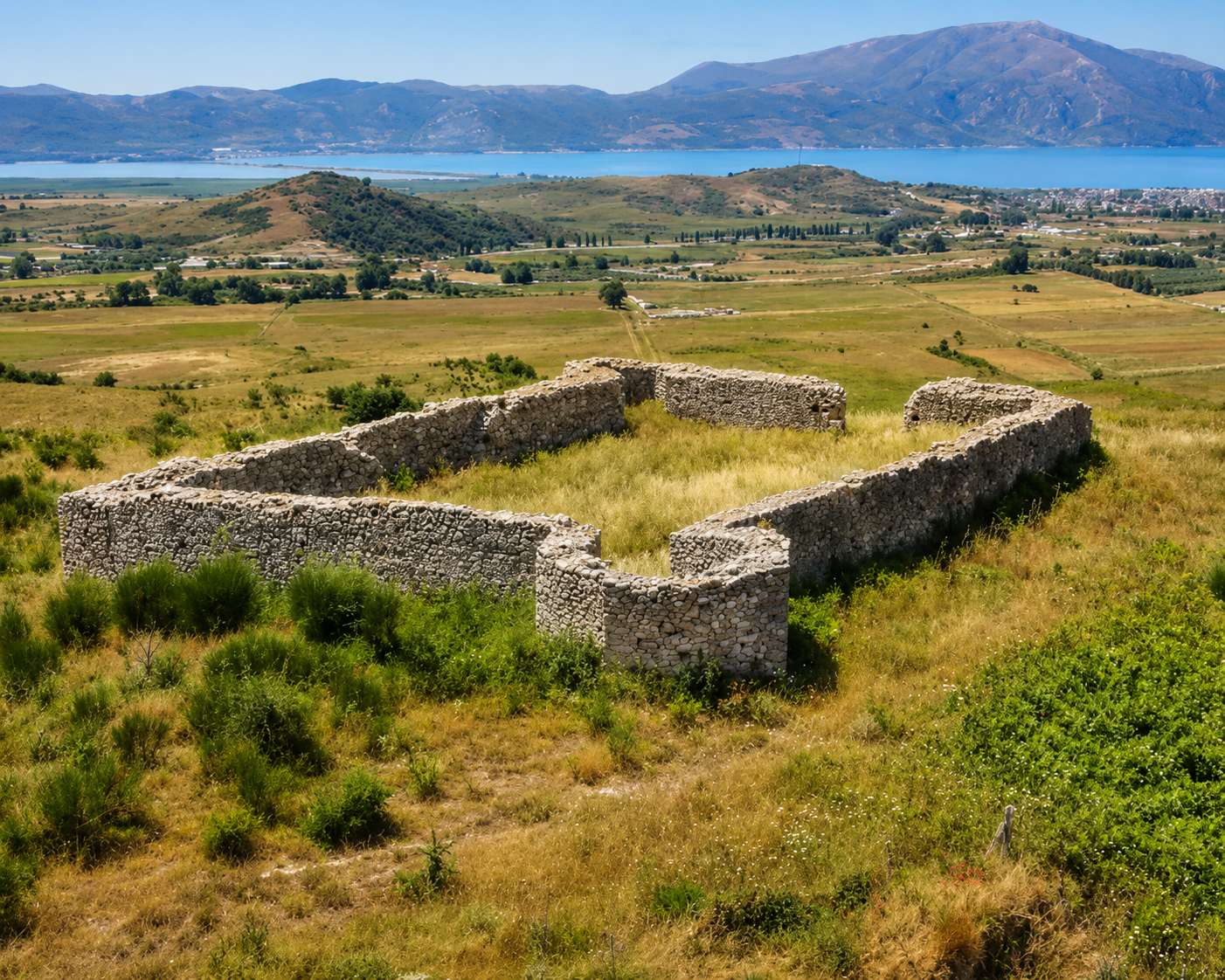
The castle works particularly well as part of a road trip itinerary between Orikum, Tragjas, and the Albanian Riviera.
One-Day Cultural Itinerary in Vlora
If you only have one day in Vlora, this itinerary combines the city’s most important cultural landmarks:
Morning:
- Independence Monument
- Muradie Mosque
- Historical Museum
- Ethnographic Museum
Afternoon:
- National Museum of Independence
- Kaninë Castle
Sunset:
- Zvernec Monastery or Lungomare
For travelers with two days available, adding Orikum Archaeological Park and Marmiroi Church creates a much more complete cultural experience.
Best Time to Visit Cultural Sites in Vlora
The best months for cultural tourism in Vlora are:
- March to June
- September to November
During summer, temperatures can become very high, especially when visiting open archaeological parks or castles.
Spring and autumn provide:
- Better lighting for photography
- Fewer crowds
- More comfortable walking conditions
- Better experience for outdoor exploration
Frequently Asked Questions About Cultural Sites in Vlora
The best museums in Vlora are the National Museum of Independence, the Historical Museum, and the Ethnographic Museum.
The National Museum of Independence and the Independence Monument are considered the most important historical landmarks in the city.
Yes. Kaninë Castle and Gjon Boçari Castle are two of the most important castles near Vlora.
The most important archaeological sites near Vlora are Orikum Archaeological Park and the ancient city of Amantia, one of Albania’s most significant Illyrian archaeological destinations known for its ancient stadium, city walls, and panoramic mountain setting.
Yes. Zvernec Monastery is considered one of the most beautiful cultural and photography locations near Vlora.
Vlora is not only one of Albania’s top beach destinations but also one of its richest cultural regions, offering a unique mix of independence history, Ottoman architecture, ancient archaeological parks, medieval castles, and Byzantine monasteries. For travelers looking to explore the city beyond the coastline, visiting the cultural sites of Vlora is one of the best ways to experience Albania’s history, identity, and local heritage.
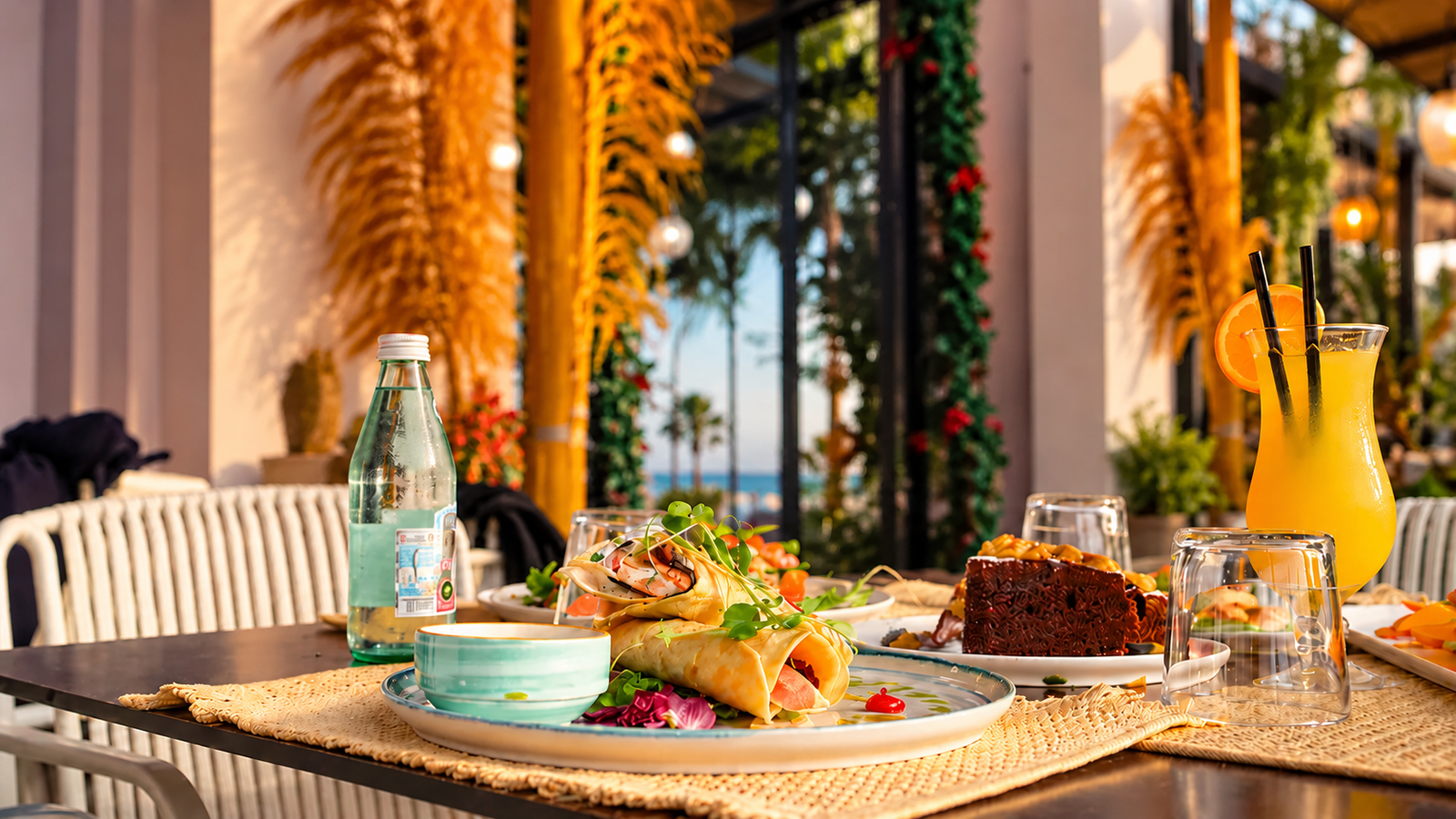
After exploring the city’s historic landmarks, don’t miss our guide to the Top 5 Restaurants in Vlora 2026 🍴 – Seafood & Traditional Cuisine for the best local food experiences by the sea.