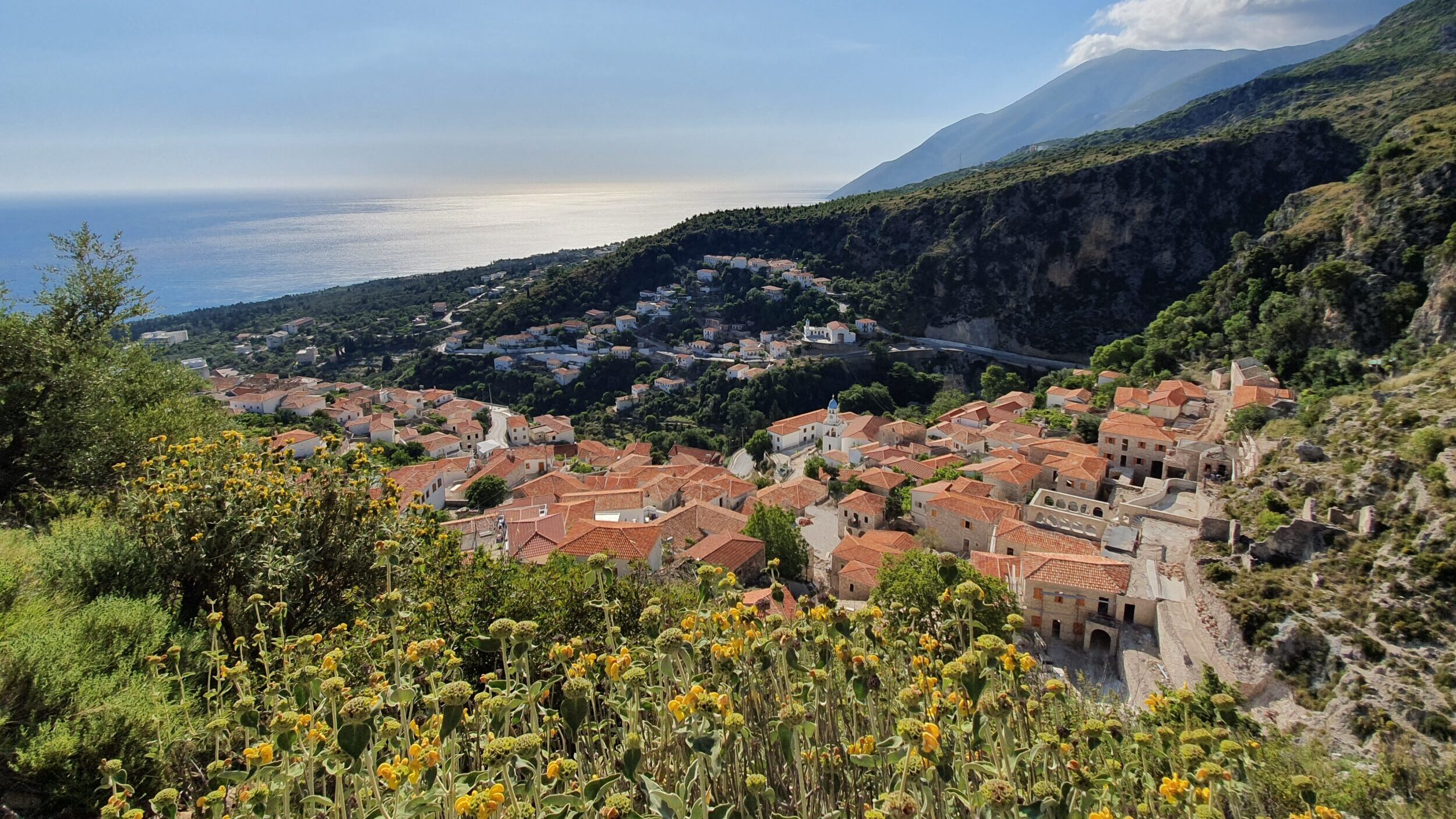


When most travelers think about Korça, they usually imagine the Old Bazaar, traditional serenades, local beer, and the elegant atmosphere that has made the city one of Albania’s cultural capitals. But the true beauty of the Korça region goes far beyond the city itself. Hidden among the mountains surrounding Korça are some of the most authentic and beautiful villages in Albania — places where stone houses, forests, Orthodox churches, traditional cuisine, and peaceful landscapes create experiences that feel completely different from modern urban life.
Exploring these villages offers travelers the opportunity to discover another side of Albania. Here, tourism is still deeply connected to local traditions, nature, and community life. The roads become quieter, the air becomes fresher, and the rhythm of life slows down. Whether you are searching for mountain escapes, winter destinations, hiking villages, cultural heritage, or traditional Albanian food, the villages near Korça offer some of the richest travel experiences in the country.
What makes this region especially attractive is how close everything is. Within less than an hour from Korça, travelers can move from cafés and museums to forests, mountain trails, old monasteries, traditional guesthouses, and scenic villages that seem untouched by time. For anyone planning a deeper exploration of southeastern Albania, these villages are essential stops.
📑 Table of Contents
- Why Explore the Villages Near Korça?
- Dardha Village Albania
- Vithkuq Albania
- Voskopoja Village
- Boboshtica Village
- Best Time to Visit the Villages Near Korça
- How to Plan a Road Trip Around Korça
- FAQ – Korça Villages
Why Explore the Villages Near Korça?
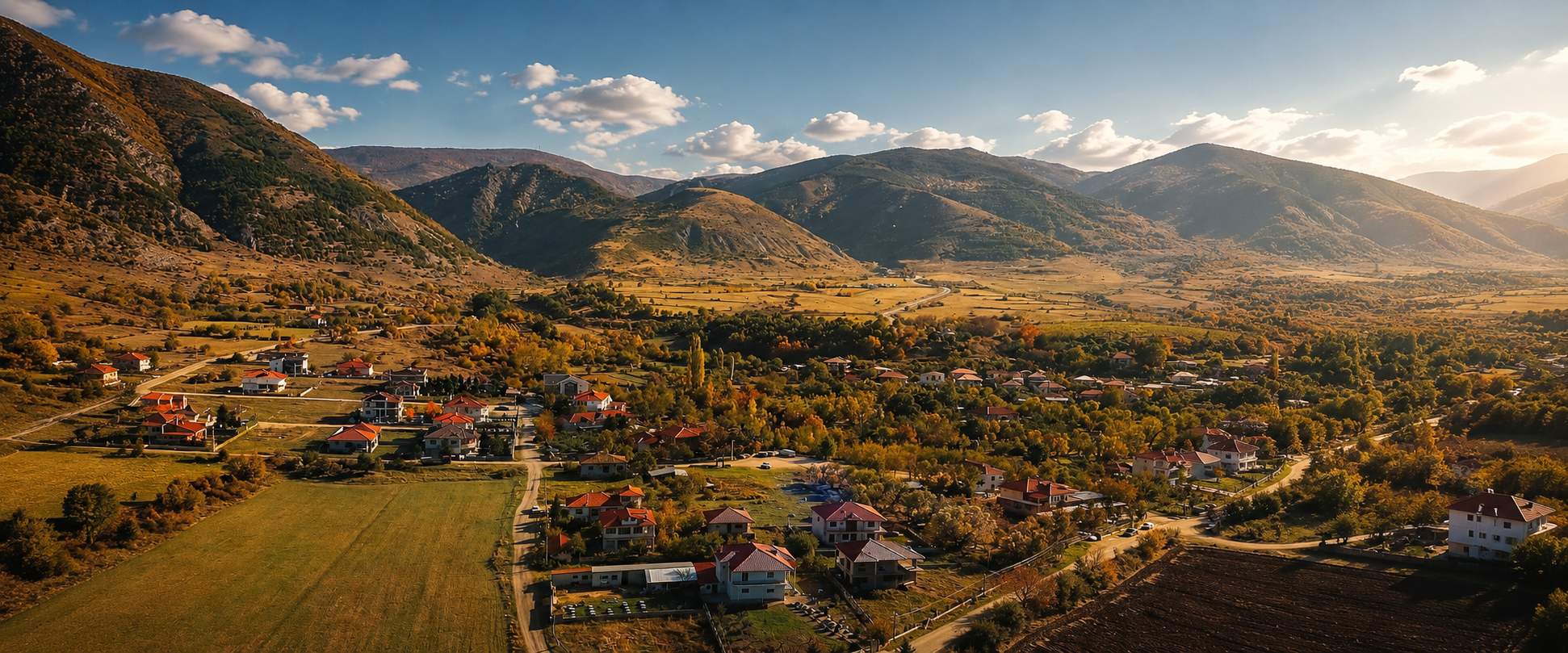
The villages surrounding Korça represent one of the best examples of authentic rural tourism in Albania. Unlike destinations built mainly around resorts or seasonal tourism, these villages have preserved strong connections with their history, traditions, and natural environment. Every village has developed its own identity over centuries, shaped by geography, migration, religion, craftsmanship, and local culture.
What makes the region particularly special is the variety of experiences travelers can find within a relatively small area. Some villages are famous for winter tourism and mountain landscapes, while others are known for gastronomy, Orthodox heritage, or untouched nature. Together, they create a complete travel experience that combines culture, adventure, food, and relaxation.
For travelers looking to move beyond Albania’s beaches and explore the country more deeply, the Korça region offers a slower and more meaningful type of tourism. It is a destination where visitors can still experience traditional hospitality, homemade food, quiet landscapes, and village life that remains closely connected to the seasons and nature.
Dardha Village Albania
Among all the villages near Korça, Dardha is probably the most famous and one of the most complete mountain tourism destinations in Albania. Located around 18 km from the city, high in the Morava Mountains, Dardha has become known for its stone houses, cobblestone streets, snowy winters, traditional food, and breathtaking natural scenery.
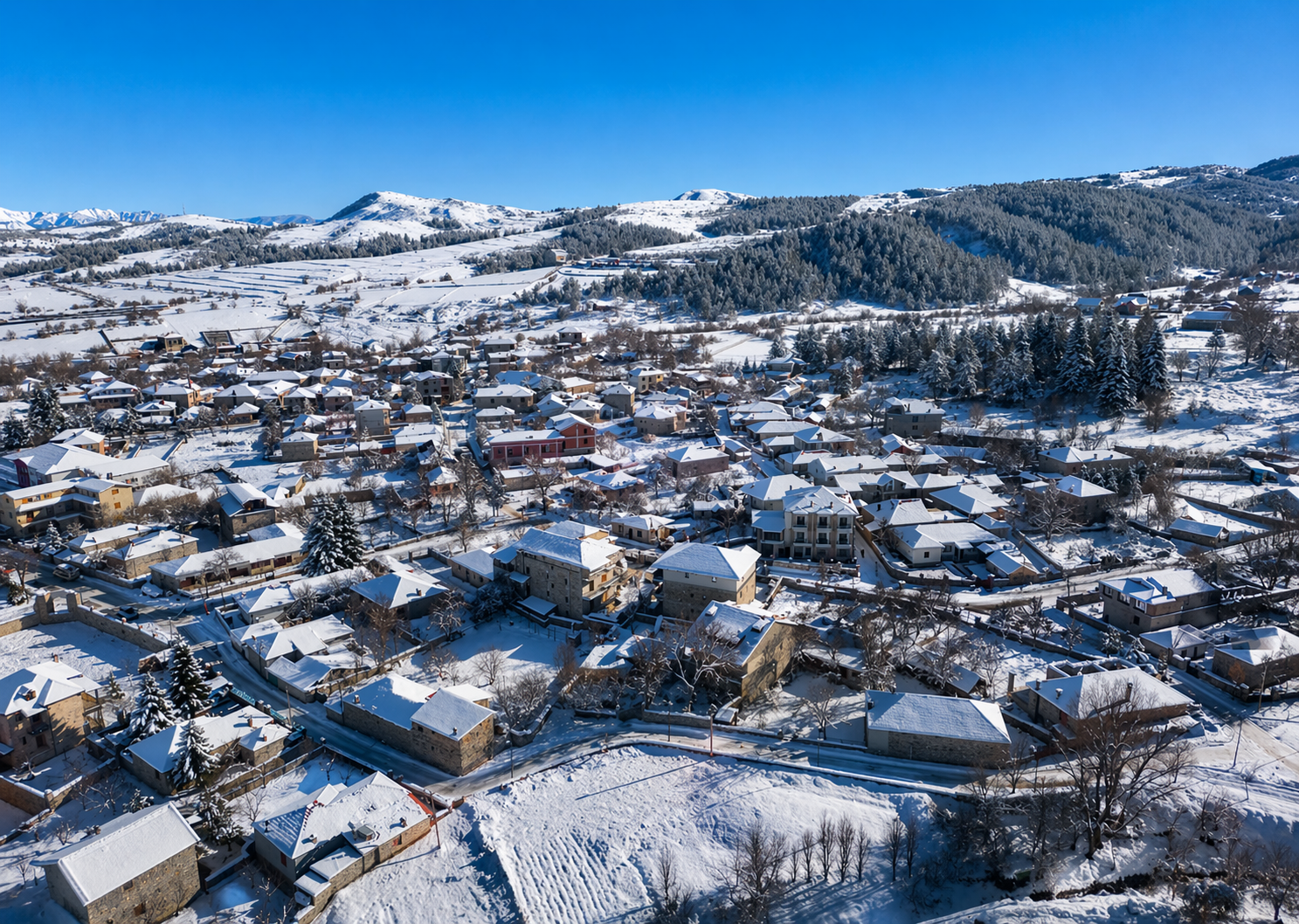
The moment visitors arrive in Dardha, the atmosphere immediately feels different. Traditional stone architecture blends naturally into the mountain landscape, while forests surround the village from every direction. During winter, snow covers the rooftops and roads, transforming the village into one of Albania’s most picturesque winter destinations. In summer, the fresh mountain air and cool temperatures attract visitors escaping the heat of coastal cities.
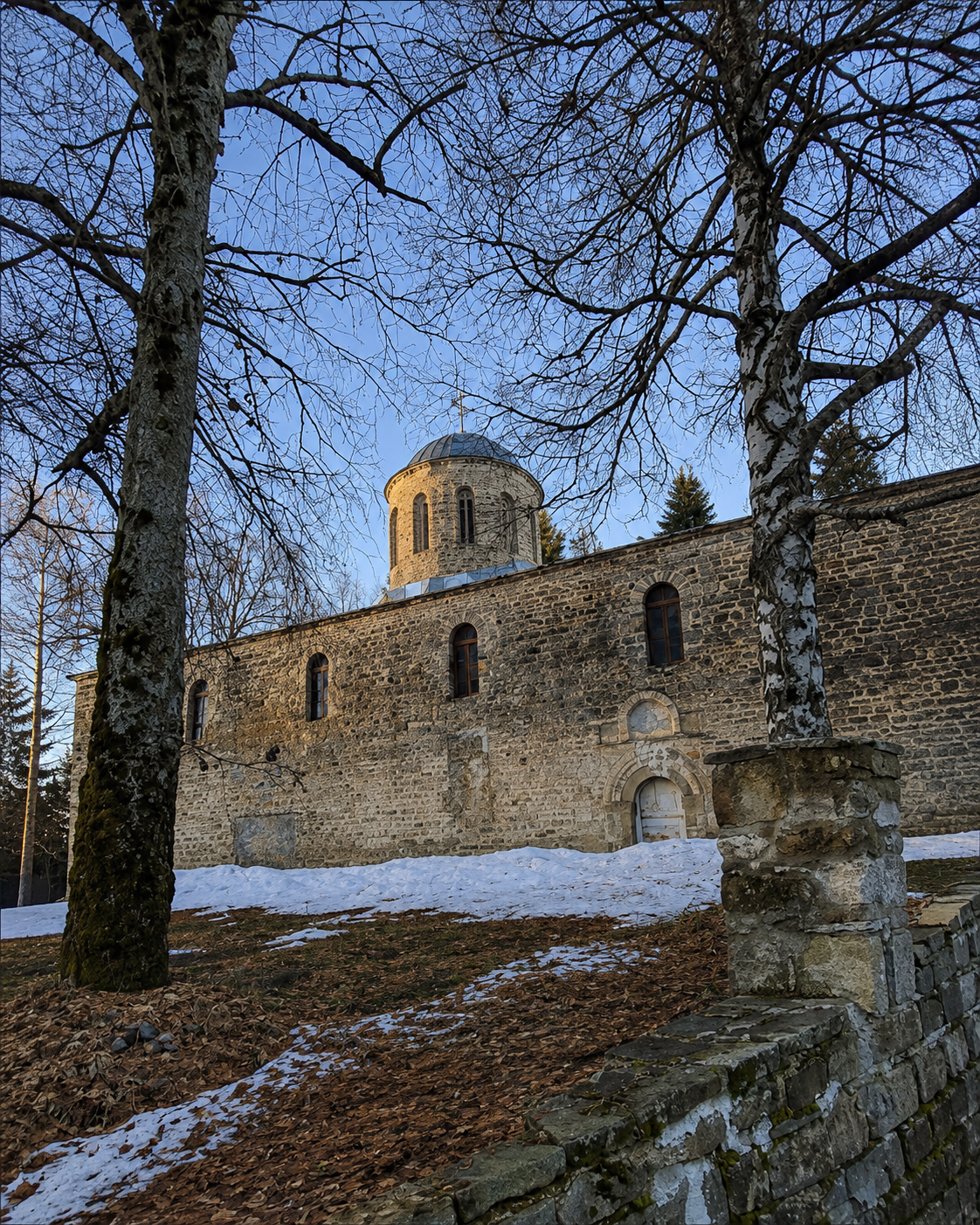
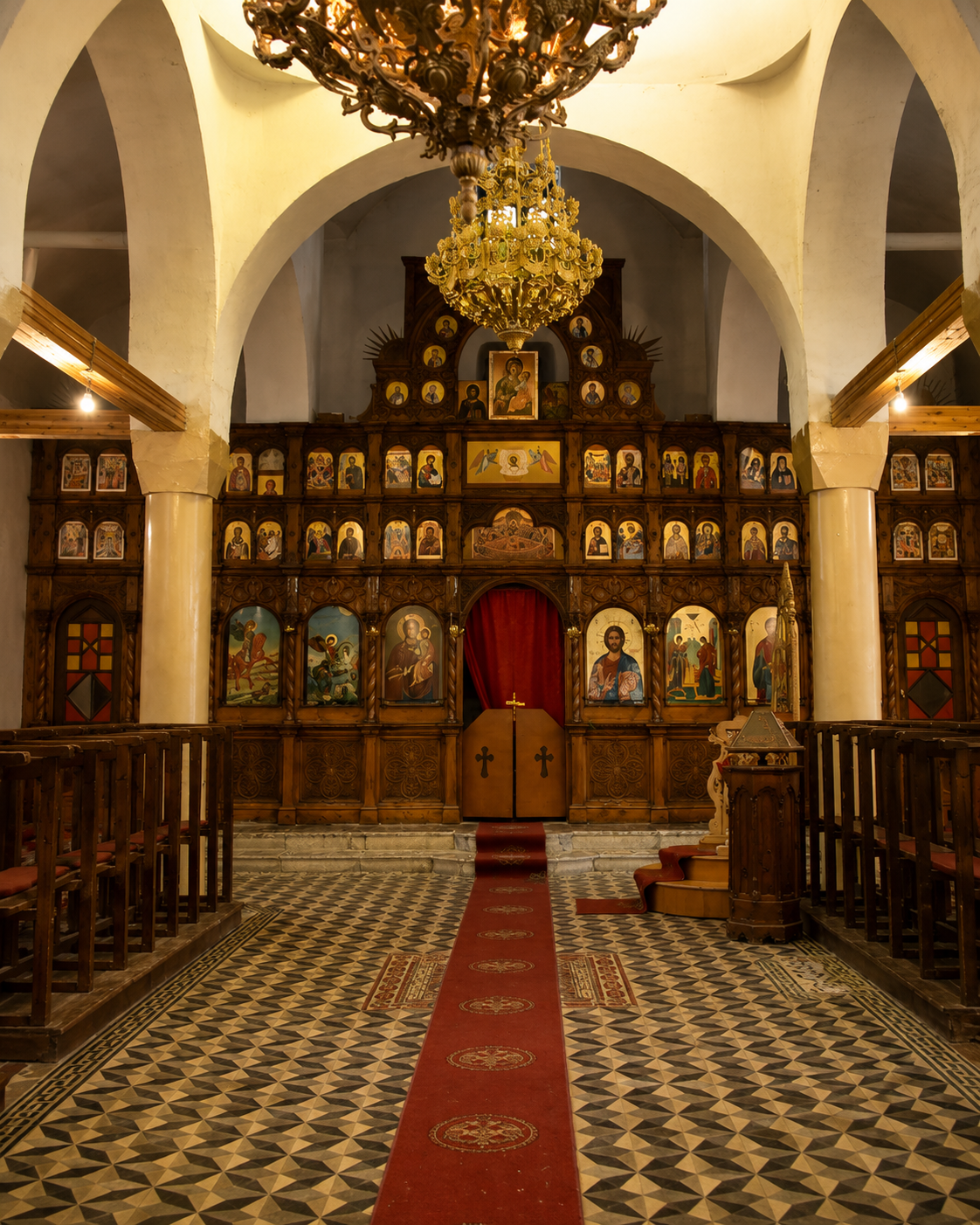
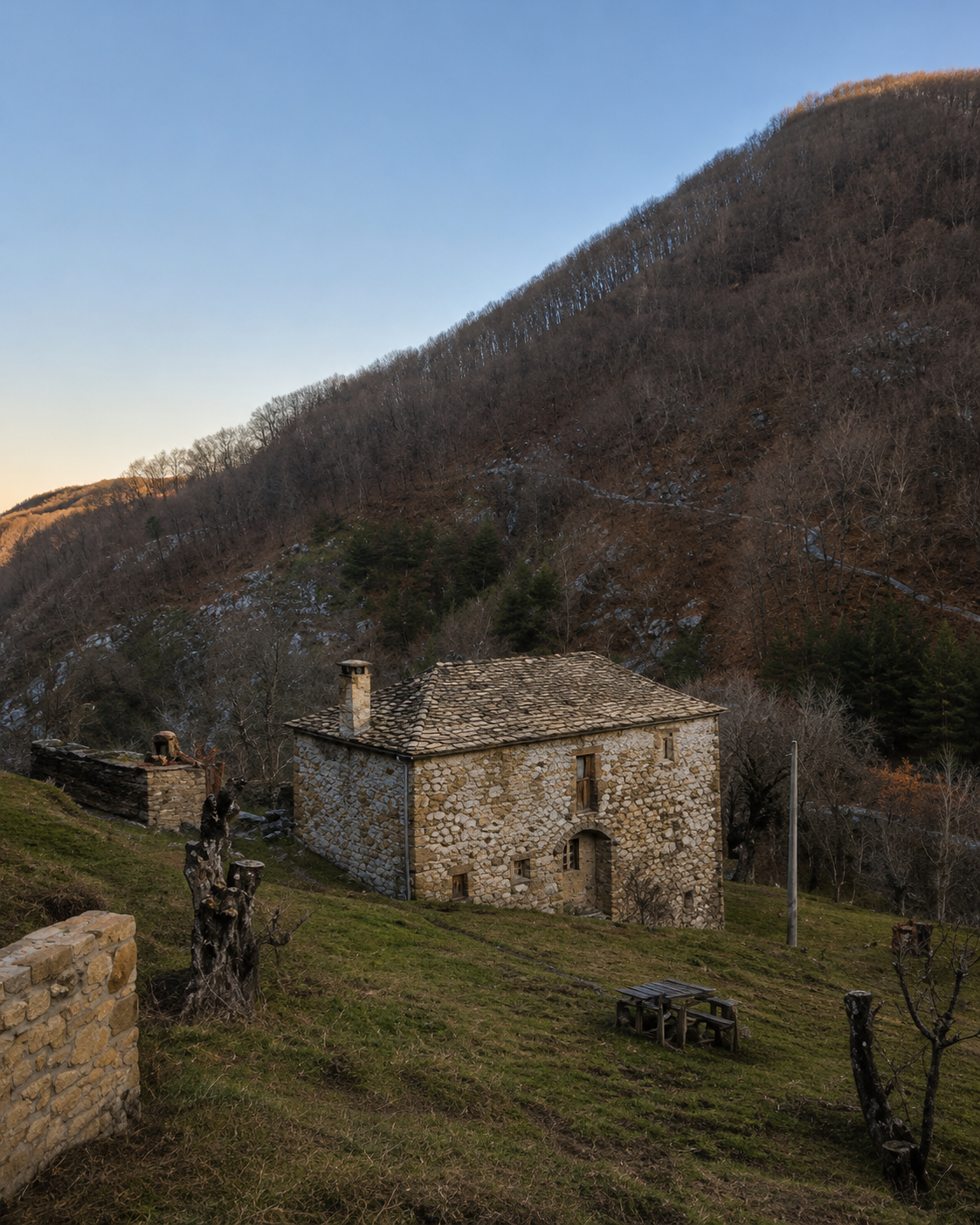
But Dardha is not only beautiful because of its scenery. The village also carries a strong historical and cultural identity. Founded centuries ago by communities searching for protection within the mountains, Dardha gradually developed into an important mountain settlement connected to craftsmanship, migration, and Orthodox traditions. Over time, emigrants who traveled abroad helped shape the village by investing in roads, houses, bridges, and tourism infrastructure.
Today, Dardha offers one of the most diverse tourism experiences near Korça. Travelers visit for hiking, skiing, mountain biking, traditional cuisine, photography, and cultural exploration. The village is also famous for its local food, including lakror, homemade dairy products, mountain tea, and traditional Korça dishes served inside cozy guesthouses and family-run restaurants.
One of the most unique aspects of Dardha is that it remains attractive throughout all four seasons. Winter brings snow tourism and skiing, spring fills the mountains with greenery, summer offers ideal hiking conditions, and autumn transforms the forests into colorful landscapes that make the road toward the village especially beautiful.
Read the full guide here: Dardha Village Albania – Best Things to Do Near Korça
Vithkuq Albania
While Dardha and Voskopoja attract larger numbers of visitors, Vithkuq remains one of the hidden treasures of southeastern Albania. Located deeper in the mountains southeast of Korça, the village offers a much quieter and more untouched atmosphere, ideal for travelers looking for authentic rural experiences far from crowded tourist destinations.
What makes Vithkuq particularly fascinating is its historical importance. Although today it feels like a peaceful mountain village, centuries ago it was considered one of the region’s most important religious and economic centers. Historical sources mention that Vithkuq once had more than twenty churches and monasteries, making it a major Orthodox center during the Ottoman period.
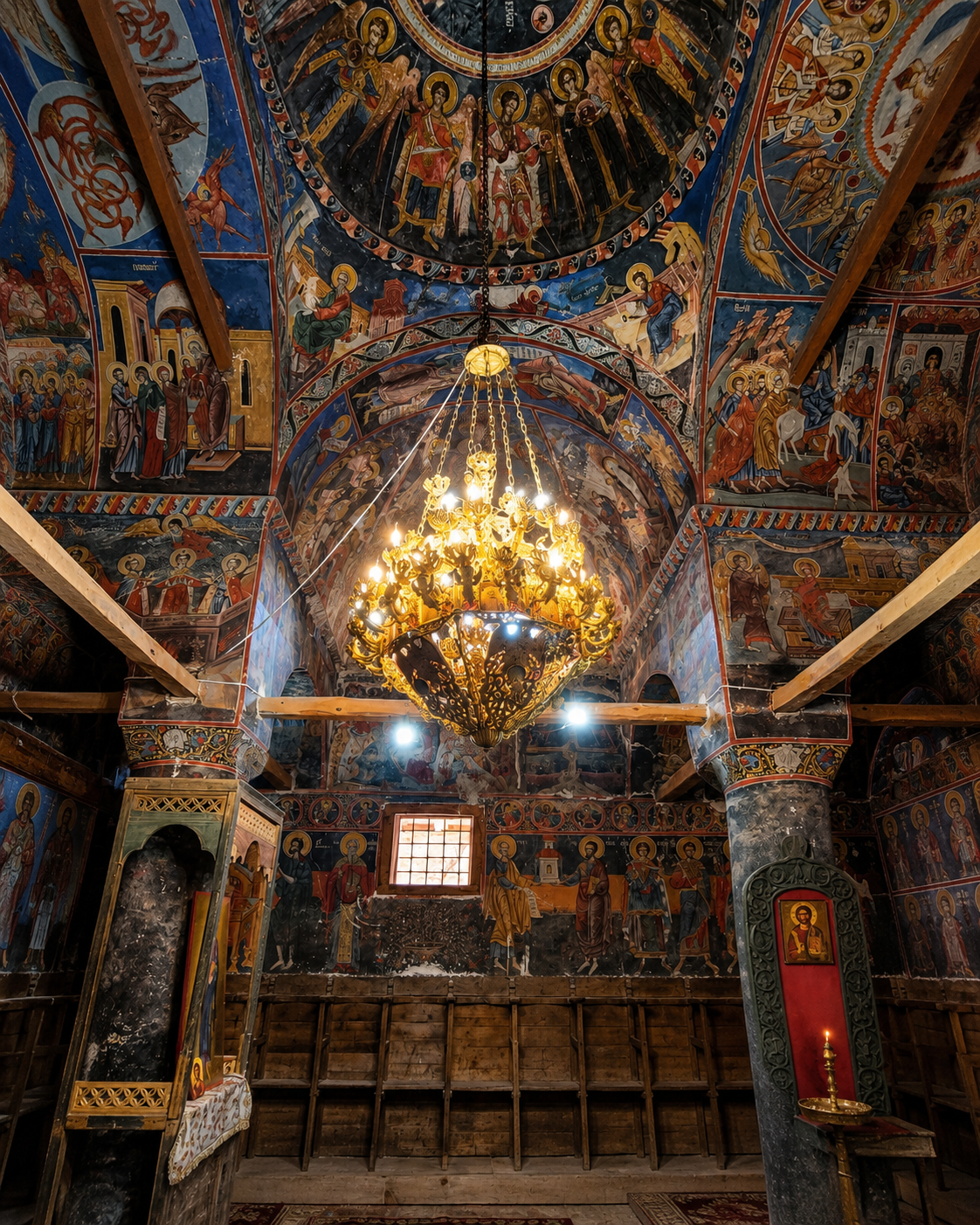
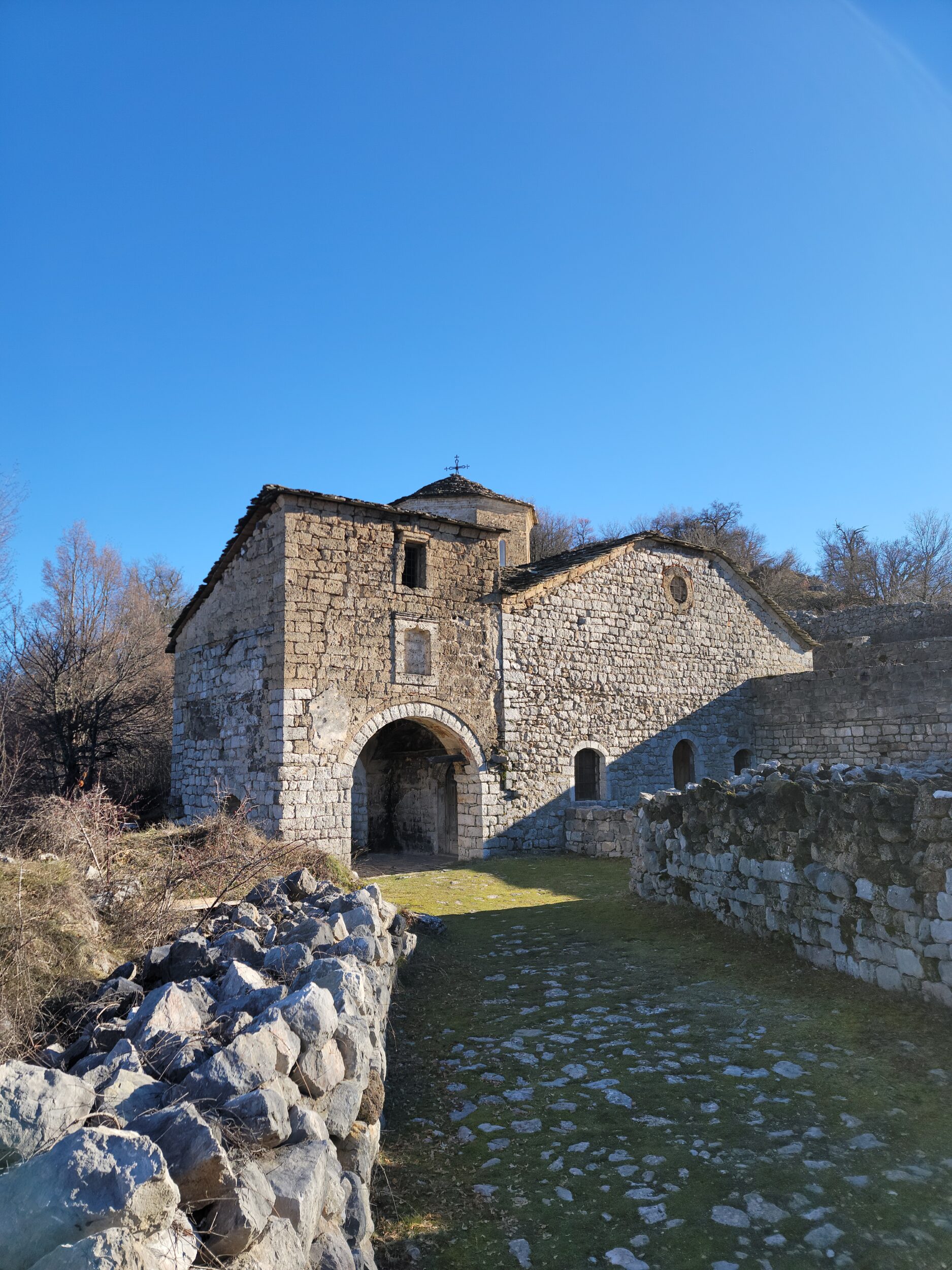
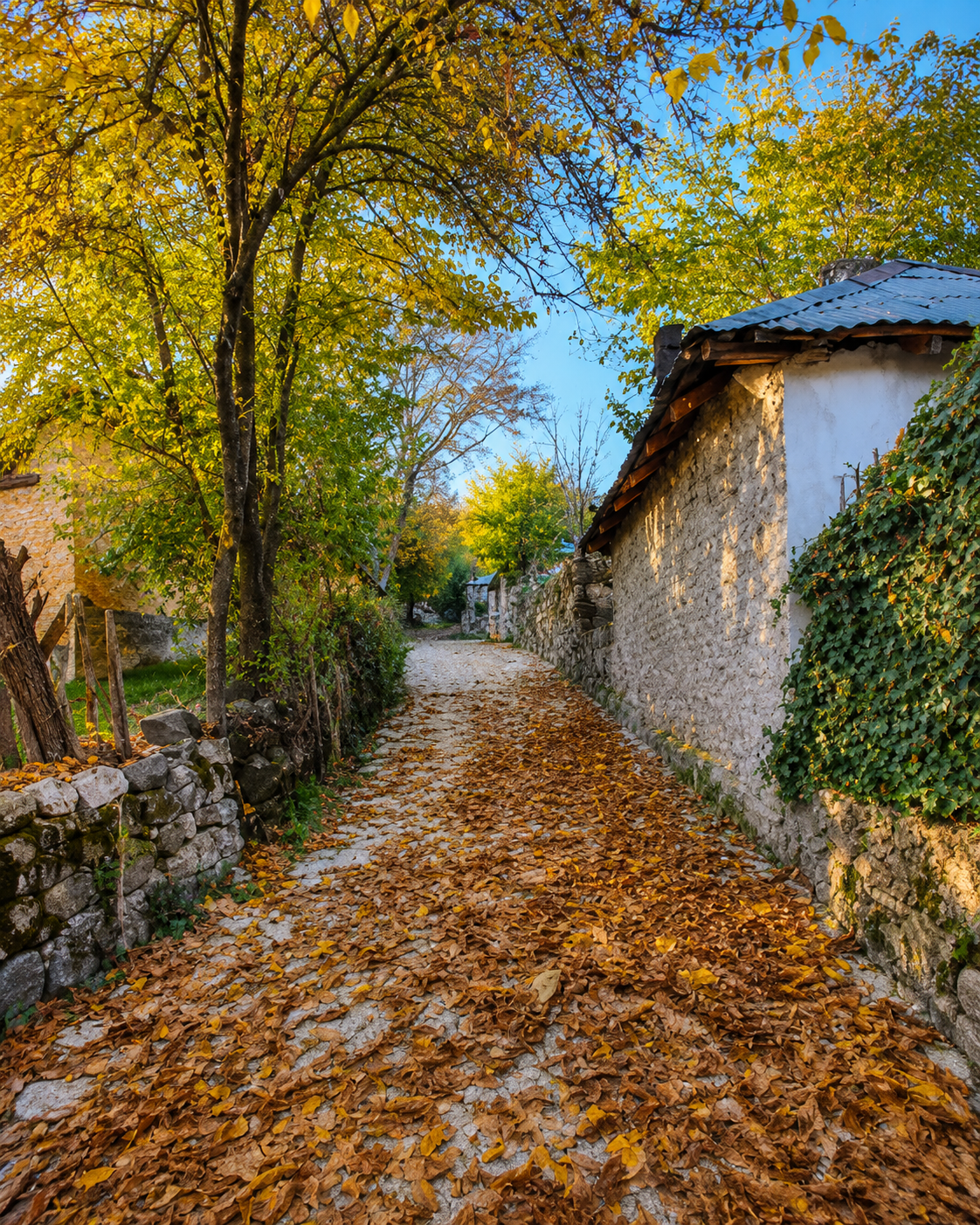
Walking through Vithkuq today feels less like visiting a tourist attraction and more like discovering a forgotten piece of Albanian history hidden among forests and mountains. Old stone structures, churches, and ruins still preserve the atmosphere of another era. At the same time, the surrounding landscapes create excellent opportunities for hiking, road trips, nature photography, and peaceful escapes.
The journey toward Vithkuq is also part of the experience. The road passes through forests, mountain valleys, and isolated rural landscapes that reveal a completely different side of Albania compared to the coast or larger cities. During summer, the village becomes especially attractive because of its cool climate and calm atmosphere, while autumn transforms the forests into spectacular natural scenery.
Unlike more commercial destinations, Vithkuq still feels authentic and unexplored. Visitors come here not for luxury tourism, but for silence, mountain landscapes, local hospitality, and the feeling of discovering a destination that remains deeply connected to its history and traditions.
Read the full guide here: Vithkuq Albania: History, Nature, Food & Things to Do
Voskopoja Village
Voskopoja is one of Albania’s most iconic mountain villages and one of the most culturally important destinations in the entire Korça region. Located around 20 km from Korça, the village combines history, religion, gastronomy, nature, and traditional architecture in a way that few other places in Albania can offer.
What surprises many visitors is the historical significance of Voskopoja. During the 17th and 18th centuries, it was one of the most important cultural and economic centers in the Balkans. At its peak, the settlement had thousands of inhabitants, dozens of churches, a printing press, and an academy, becoming a major intellectual and commercial center of the region.
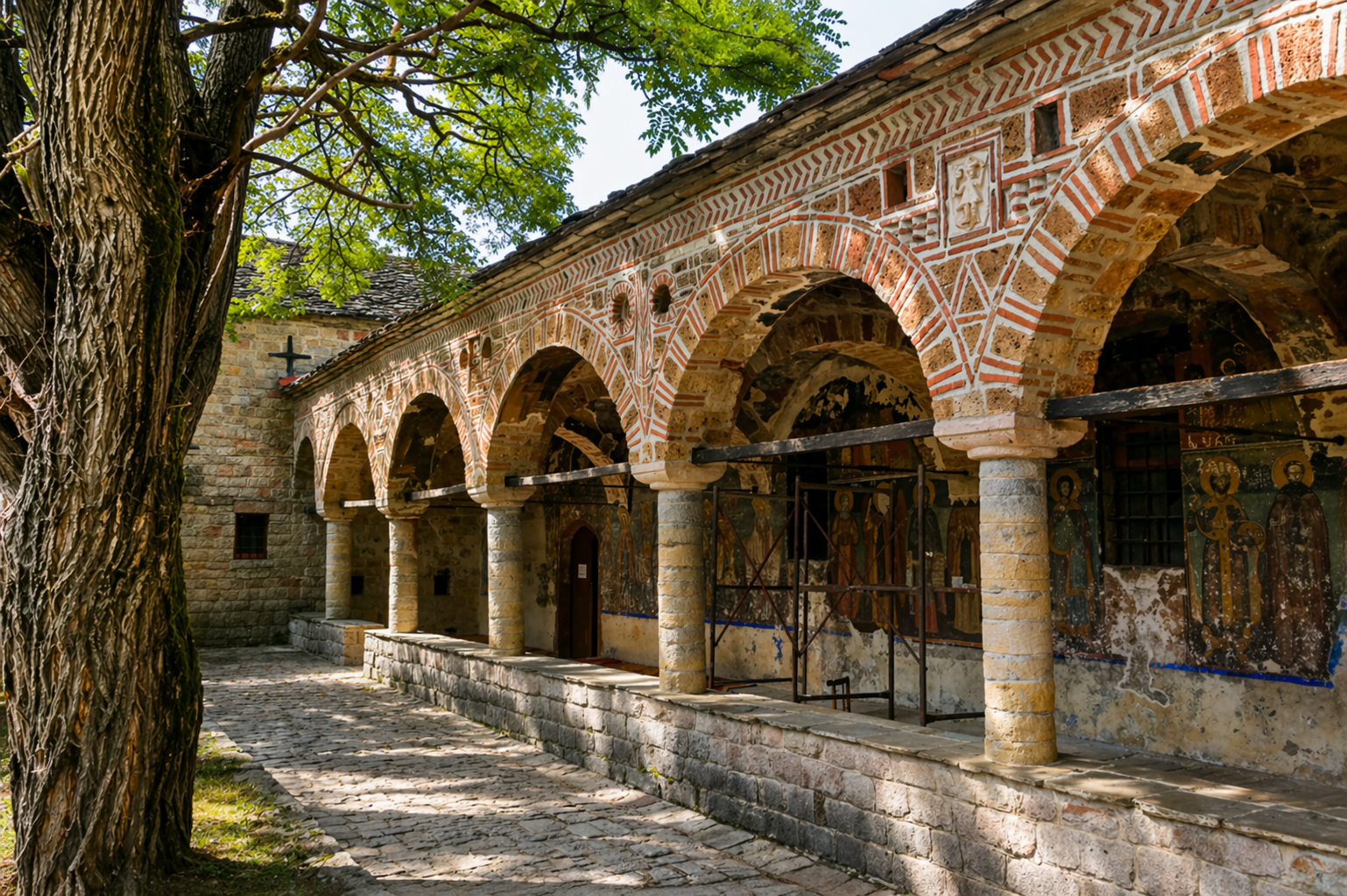
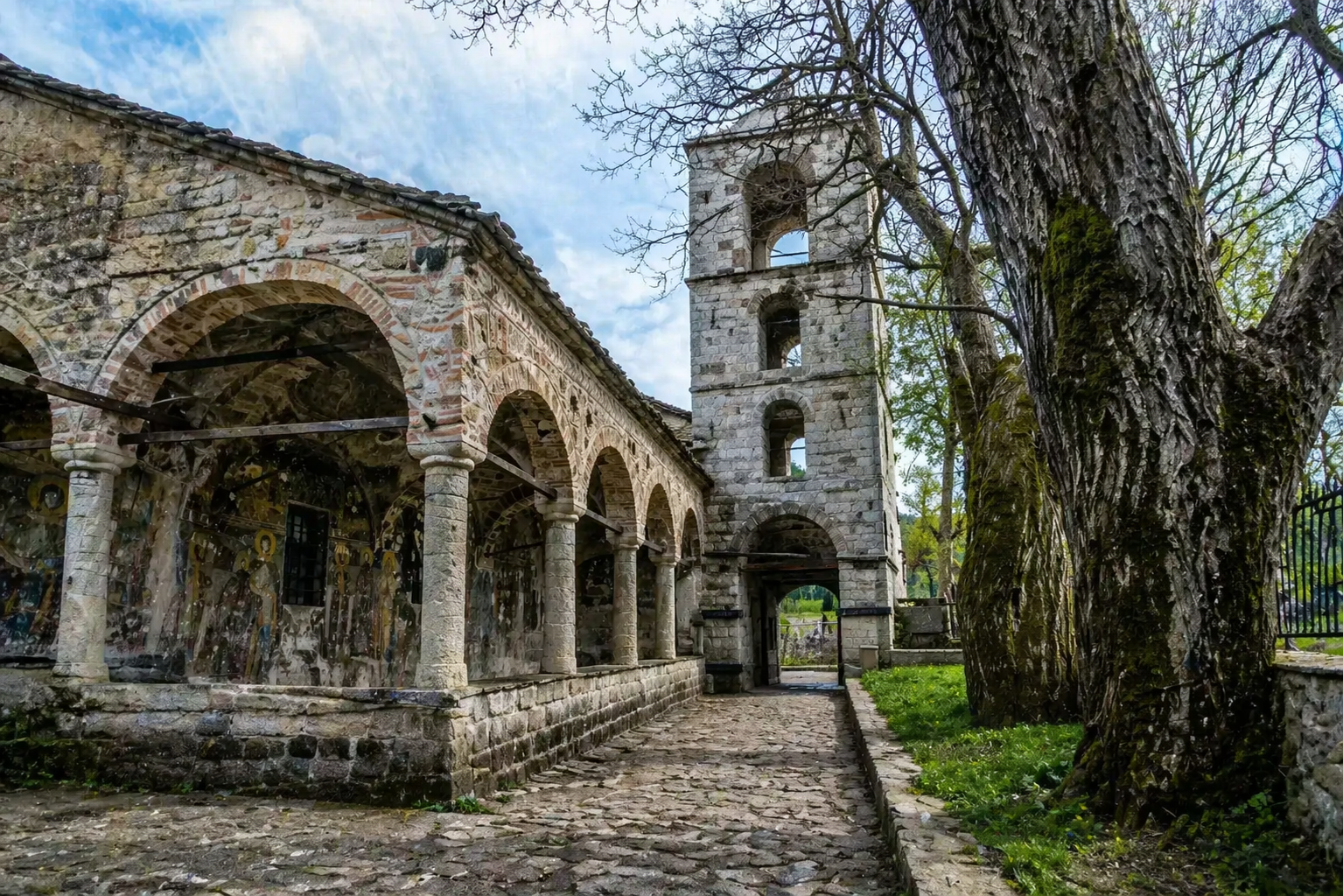
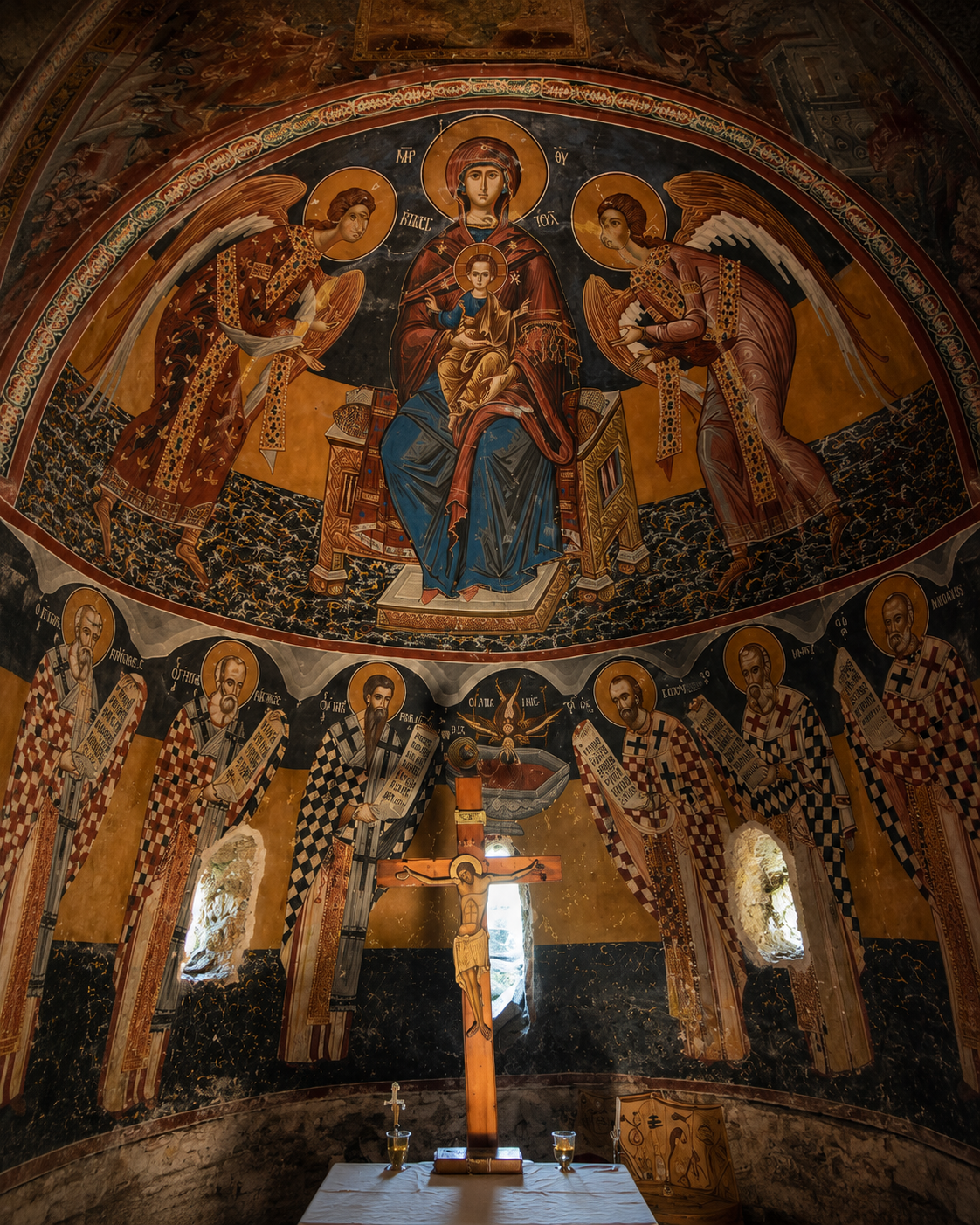
Although much of that historical grandeur disappeared through wars and historical changes, the spirit of the village still survives today. Walking through Voskopoja feels like entering an open-air museum where history and daily village life still coexist. The monumental Orthodox churches, many decorated with rare frescoes and artistic details, remain among the village’s most important attractions.
At the same time, Voskopoja is also one of the most comfortable and accessible mountain destinations near Korça. Visitors can enjoy traditional restaurants, cozy guesthouses, hiking trails, horse riding, mountain biking, and winter tourism, all surrounded by forests and peaceful landscapes. During winter, snow transforms the village into one of Albania’s most popular mountain escapes, while summer offers ideal conditions for nature lovers and outdoor travelers.
Another reason why Voskopoja stands out is its atmosphere. Unlike destinations focused only on sightseeing, the village encourages travelers to slow down and experience the place itself — long meals by the fireplace, quiet walks through forests, and evenings inside traditional guesthouses surrounded by mountain silence.
Read the full guide here: Voskopoja Village Travel Guide – What to Do, Where to Stay & Why Visit
Boboshtica Village
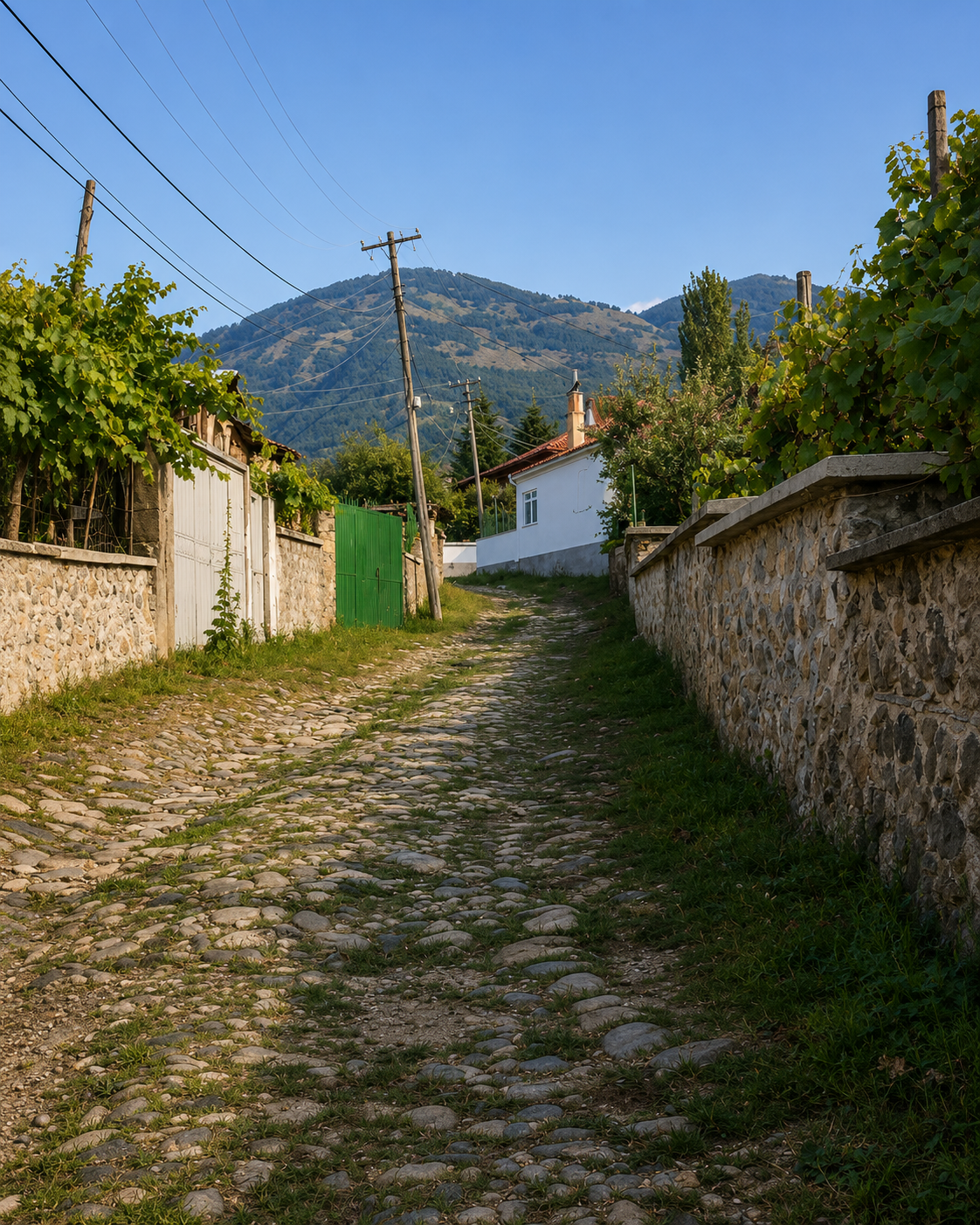
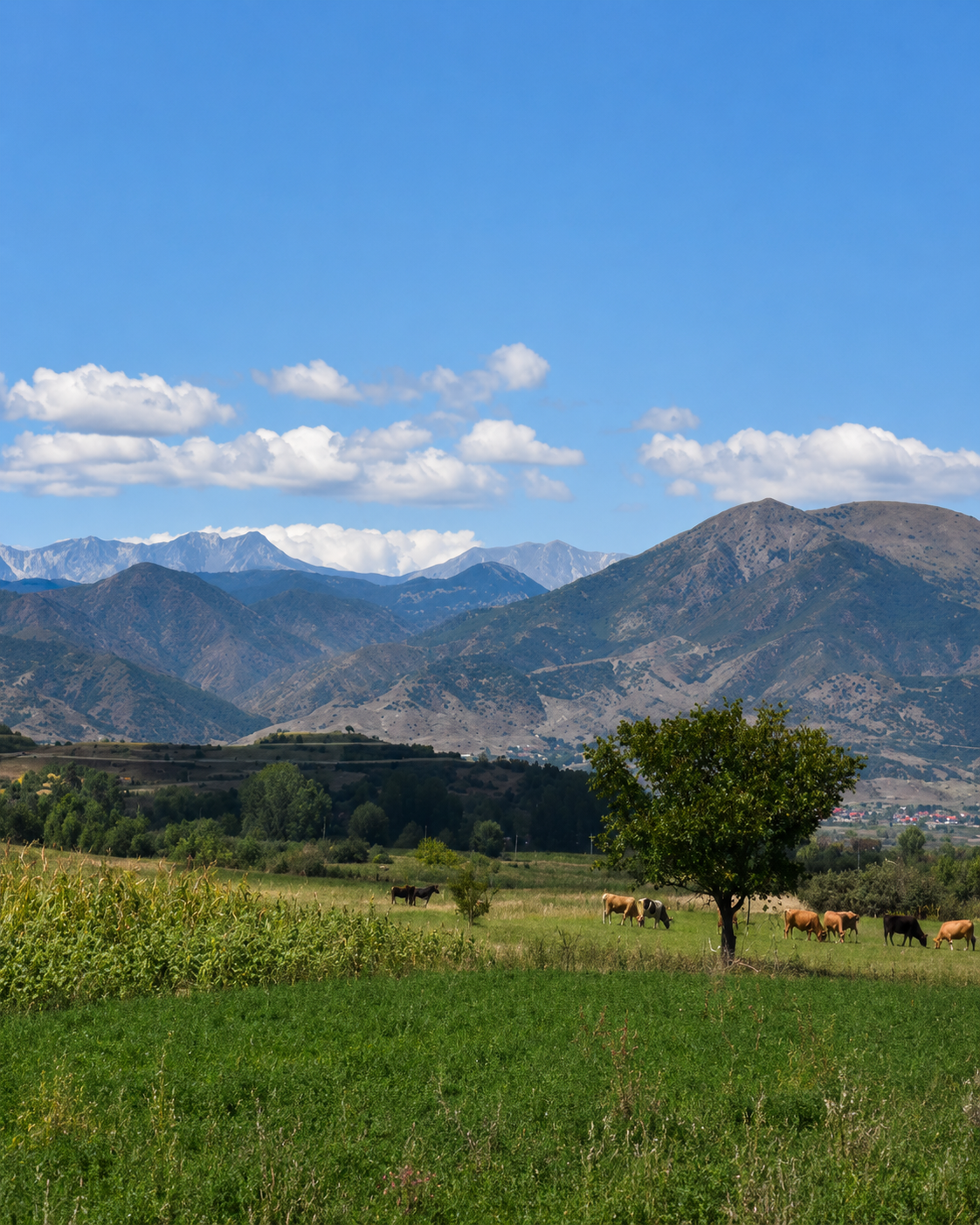
Located only a few kilometers from Korça, Boboshtica is often overshadowed by larger mountain villages, yet it remains one of the most interesting destinations in the region, especially for travelers interested in gastronomy and local culture. Positioned between the Morava hills and the agricultural plains surrounding Korça, the village offers a unique combination of rural atmosphere and easy accessibility from the city.
Boboshtica is historically known for its cultivation of black mulberry trees and the traditional production of mulberry raki, one of the village’s strongest cultural symbols. For generations, the local community has preserved this tradition, and even today the landscape surrounding the village still contains historic mulberry plantations that shape its identity.
The village also reflects a rich cultural history created through the coexistence of Albanian, Vlach, and Slavic-Bulgarian communities. Over centuries, this interaction shaped the traditions, architecture, cuisine, and social life of Boboshtica, creating a village identity that feels different from other settlements in the region.
Today, Boboshtica has become especially popular for food tourism. Traditional restaurants attract visitors searching for authentic Korça cuisine, homemade dishes, local products, and a slower rural atmosphere. Many travelers stop here before continuing toward Dardha or after visiting Korça, making the village an important gastronomic destination within the region.
At the same time, Boboshtica still preserves historical churches, old neighborhoods, agricultural landscapes, and quiet village roads that make it ideal for travelers looking to experience a more local and authentic side of southeastern Albania.
Best Time to Visit the Villages Near Korça
One of the greatest advantages of the Korça region is that it can be visited throughout the entire year, with each season offering a completely different experience.
Winter is ideal for snow tourism, fireplaces, mountain hotels, skiing, and cozy escapes in villages like Dardha and Voskopoja. Spring transforms the landscapes into green mountain scenery filled with flowers and flowing rivers. Summer offers cool temperatures, hiking opportunities, and relief from Albania’s coastal heat, while autumn creates some of the most beautiful colors in the forests surrounding the villages.
Because of this seasonal diversity, the region remains attractive far beyond the typical summer tourism period.
How to Plan a Road Trip Around Korça
One of the best ways to explore southeastern Albania is by combining multiple villages into one road trip itinerary. Since the distances are relatively short, travelers can easily visit several destinations within a few days.
A popular route includes:
- Korça
- Boboshtica
- Dardha
- Voskopoja
- Vithkuq
This combination allows travelers to experience the full diversity of the region, including gastronomy, Orthodox heritage, mountain landscapes, forests, traditional villages, and authentic Albanian hospitality.
The roads are generally accessible throughout most of the year, although winter conditions in mountain areas may require additional caution.
FAQ – Korça Villages
Dardha and Voskopoja are the best-known villages, especially for winter tourism and cultural heritage.
Vithkuq and Boboshtica offer quieter and more authentic rural experiences with fewer tourists.
Yes. Dardha and Voskopoja are among the best winter destinations in Albania.
Absolutely. Most villages are located between 20 and 60 minutes from the city.
Boboshtica, Dardha, and Voskopoja are especially known for traditional Korça cuisine and local hospitality.
The villages surrounding Korça reveal one of the most authentic and culturally rich sides of Albania, where mountain landscapes, traditional cuisine, Orthodox heritage, and centuries-old village life still shape everyday experiences. From the snowy atmosphere of Dardha and the historic churches of Voskopoja to the untouched nature of Vithkuq and the gastronomic traditions of Boboshtica, each village offers travelers a completely different perspective of southeastern Albania beyond the city itself. Together, they create one of the most rewarding regions in the country for travelers searching for culture, nature, history, and authentic local experiences.
For a deeper exploration of the city and the entire region, you can also read: What to do in Korca, Albania – Complete travel guide (2026)