

Hidden among the mountains of southeastern Albania, Dardha Village is one of the country’s most authentic and beautiful mountain destinations. Known for its stone houses, cobblestone streets, snowy winters, traditional food, and breathtaking landscapes, Dardha has become one of the top villages to visit near Korça and one of the best mountain getaways in Albania.
Located around 18 km from Korça, this peaceful mountain village offers a completely different atmosphere from city life. Here, forests replace traffic, mountain air replaces noise, and traditions remain deeply connected to everyday life. Whether you are searching for things to do near Korça, winter destinations in Albania, hiking villages, or traditional mountain experiences, Dardha is one of the most complete destinations in the country.
But Dardha is much more than just a scenic village. It is a place shaped by centuries of migration, craftsmanship, Orthodox traditions, and community spirit. Built at around 1350 meters above sea level on the slopes of the Morava Mountains, the village has preserved a unique relationship between architecture, nature, and cultural identity that still defines it today.
Today, travelers visit Dardha for skiing, hiking, local cuisine, cultural heritage, and peaceful escapes from urban life. Yet what makes visitors return is the atmosphere itself — the feeling of walking through a village where history, mountain landscapes, and tradition still exist in harmony.
Table of Contents
- Where is Dardha Village?
- History of Dardha Village
- Why Visit Dardha Village?
- Traditional Architecture of Dardha
- Tourist Activities in Dardha
- Cultural Attractions in Dardha
- Where to Stay and Eat in Dardha
- How to Get to Dardha
- Best Time to Visit Dardha
- FAQ – Dardha Village Albania
Where is Dardha Village?
Dardha Village is located in southeastern Albania, within the Korça region and surrounded by the Morava mountain range. Positioned at around 1350 meters above sea level, it is one of the highest and most scenic villages near Korça.
The drive from Korça to Dardha takes around 30–40 minutes and passes through forests, mountain valleys, and panoramic viewpoints that become especially beautiful during autumn and winter.
Its location makes Dardha perfect for:
- Day trips from Korça
- Winter escapes in Albania
- Hiking holidays
- Romantic mountain weekends
- Traditional cultural tourism
History of Dardha Village
Dardha is much more than a mountain village. It is a place shaped by history, migration, resilience, and tradition.
According to historical references preserved in the village museum, Dardha was officially founded around the year 1624 by people escaping attacks and instability in nearby settlements. The name “Dardha” comes from the Albanian word for pear tree (“dardhë”), inspired by the wild pear trees that once covered the area.
Over the centuries, the village developed into a strong mountain community deeply connected to Orthodox traditions, craftsmanship, and self-organization. Dardha became known for woodworkers, wool processing, stone craftsmanship, and water-powered sawmills that once operated along the village streams.
Migration also played a major role in Dardha’s identity. Many residents emigrated seasonally to Greece, Romania, Anatolia, and later the United States. The Dardha diaspora helped transform the village by investing in roads, schools, fountains, bridges, cobblestone streets, and tourism infrastructure.
By the early 20th century, Dardha had already become one of Albania’s first mountain tourism destinations. Hotels, cafés, restaurants, and even transportation services connected the village with Korça, attracting visitors looking for fresh air, mountain scenery, and relaxation.
Today, Dardha still preserves that atmosphere. Walking through the village feels like stepping into another era of Albania.
Why Visit Dardha Village?
What makes Dardha truly special is not only its scenery, but the atmosphere of escape it offers.
Historically founded by people searching for protection and freedom within the mountains, Dardha today attracts travelers looking for a different type of escape — one away from traffic, stress, crowded cities, and modern routine.
In Dardha, mornings begin with silence, fresh mountain air, and forest views. Traditional houses blend naturally into the landscape, and daily life still follows a slower rhythm connected to nature and the seasons.
This balance between architecture, peace, culture, and mountain landscapes makes Dardha one of the most unique villages to visit in Albania.
Traditional Architecture of Dardha
One of the first things visitors notice in Dardha is the architecture.
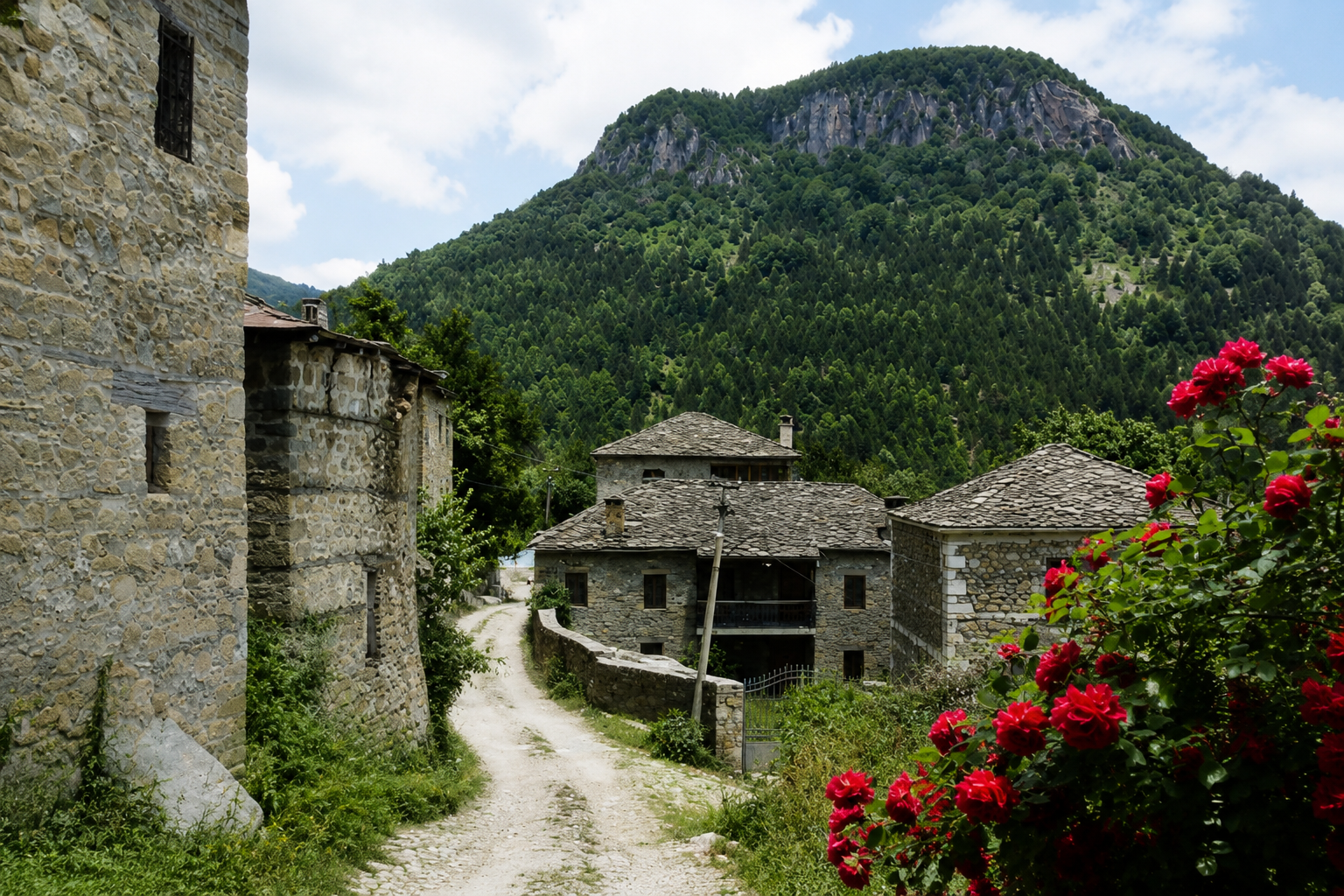
Stone houses, slate roofs, cobblestone alleys, wooden details, fountains, and retaining walls create one of the most authentic village landscapes in Albania. The characteristic gray-green stone used throughout the village gives Dardha its recognizable identity and blends naturally with the surrounding forests and mountains.
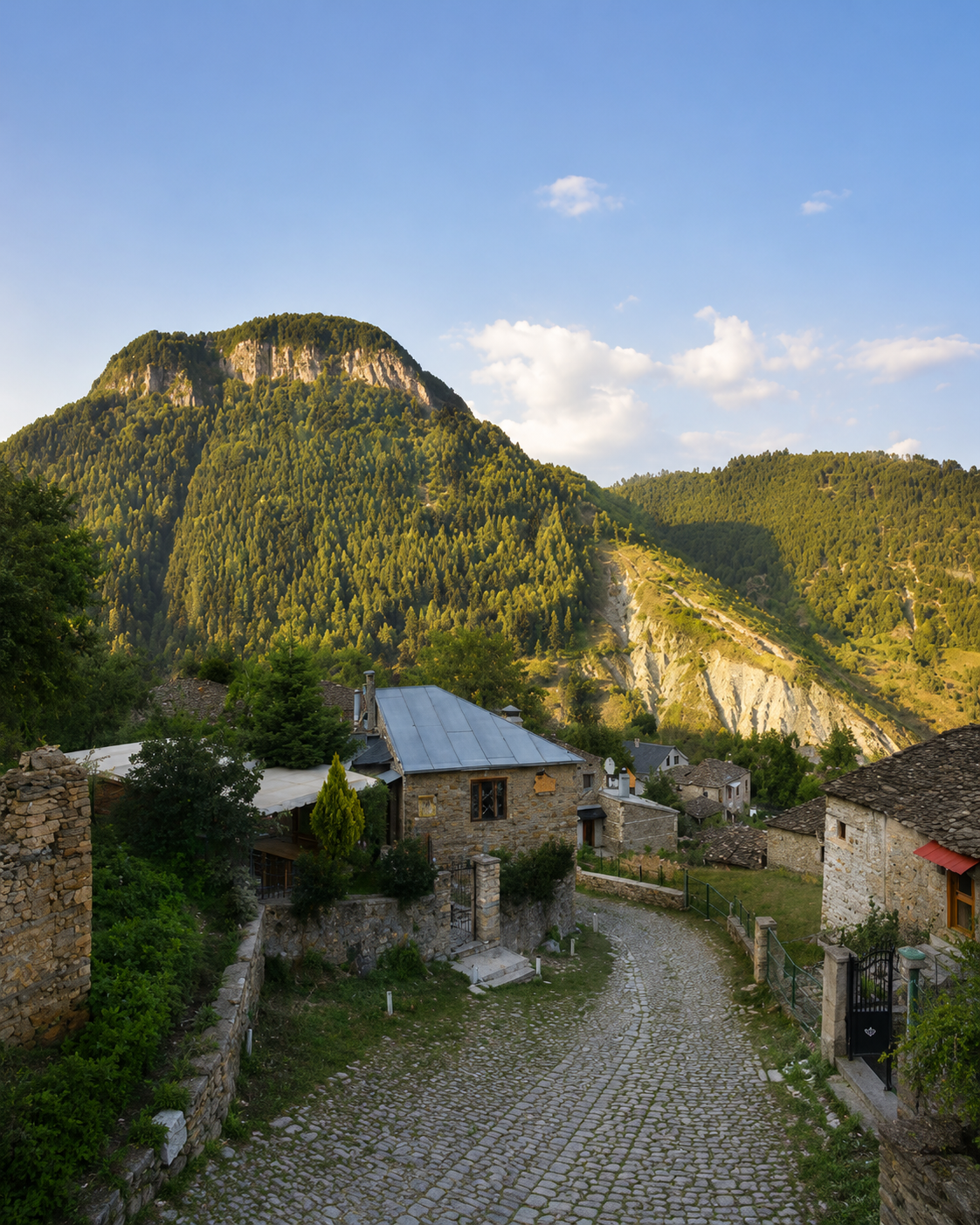
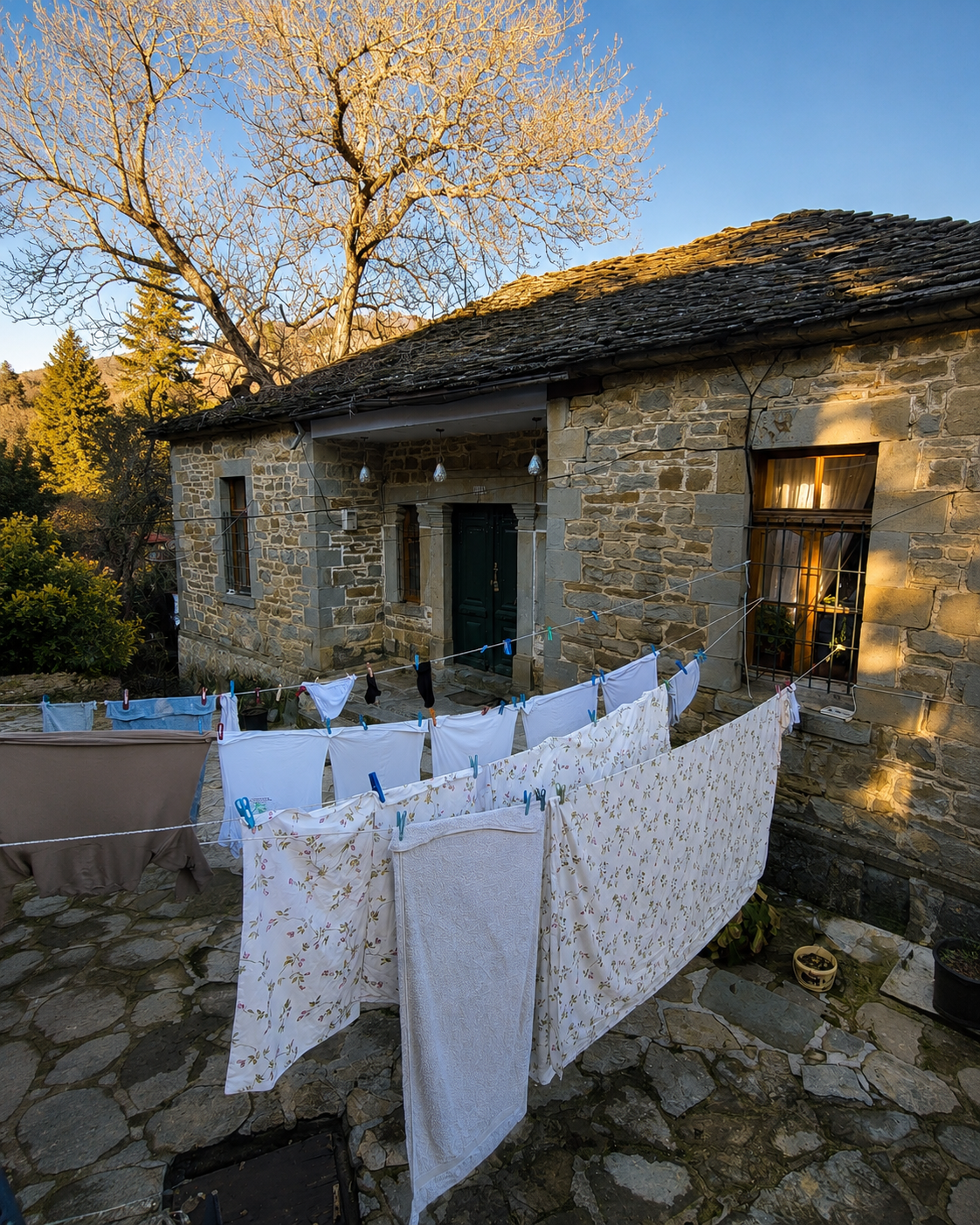
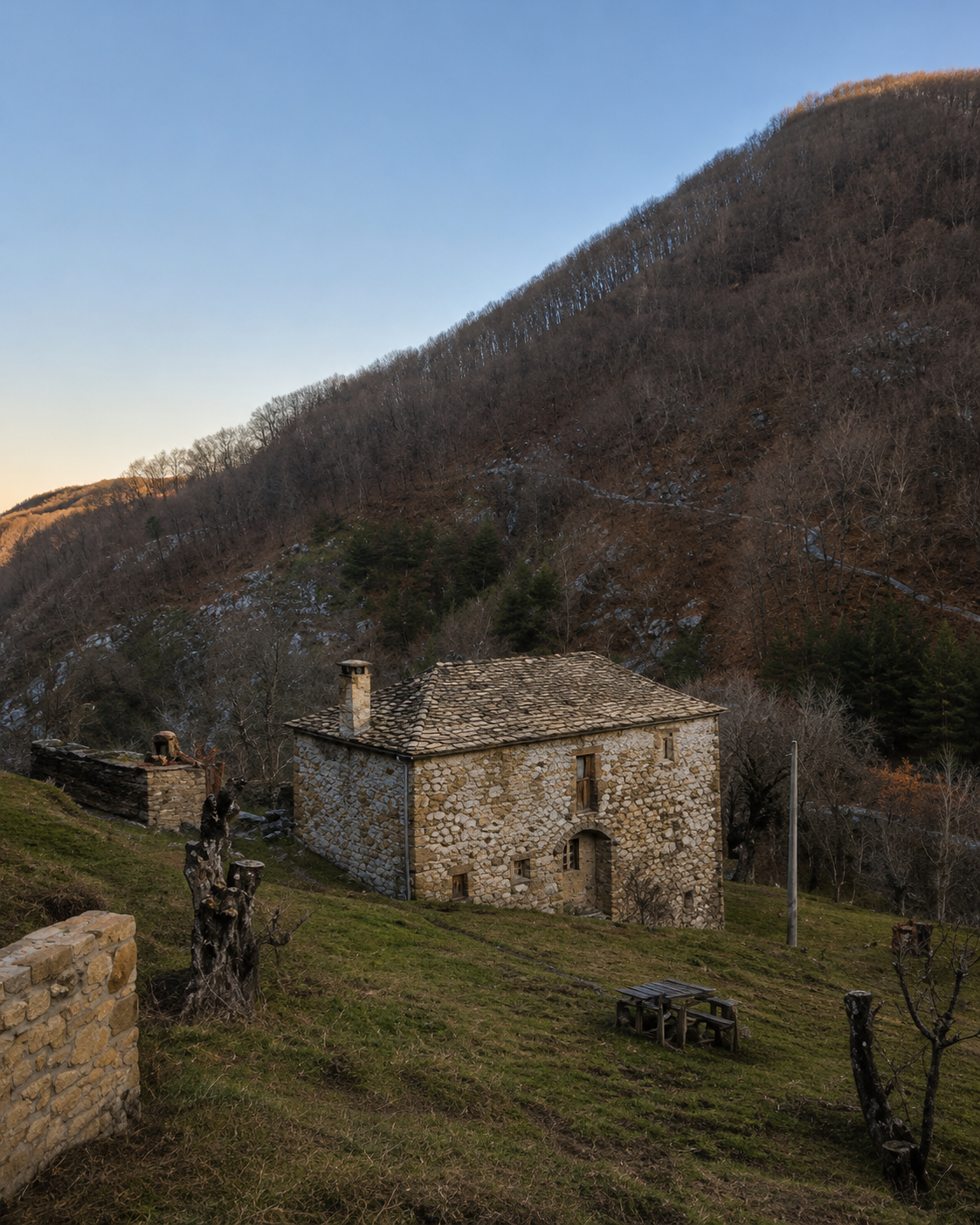
Unlike many villages where only a few buildings preserve historical value, Dardha itself feels like a complete architectural ensemble shaped gradually over centuries.
Some of the most notable traditional homes include the House of Ollga Paze, the House of Kiço Gliozheni, and the restored home of writer Teodor Laço. Among them, the House of Ollga Paze is officially recognized as a Category I Cultural Monument and remains one of the finest examples of traditional Dardha architecture.
Tourist Activities in Dardha
Dardha is one of the few mountain villages in Albania that offers activities during every season of the year. While winter transforms the village into one of Albania’s most popular snow destinations, spring, summer, and autumn open the door to hiking, cycling, nature exploration, cultural tourism, and outdoor adventures surrounded by the landscapes of the Morava Mountains.
The combination of mountain scenery, fresh air, traditional hospitality, and diverse outdoor experiences makes Dardha one of the most complete year-round tourism destinations near Korça.
1. Skiing at Bigëll
Skiing remains the most important winter tourism activity in Dardha, and the Bigëll ski area is at the center of this experience.
Located around 5 km from the village, Bigëll is the only ski area in Albania that consistently offers organized skiing infrastructure and winter sports activities on a national level. The ski area includes around 2 km of skiing routes divided into different levels of difficulty, making it especially suitable for families, children, and beginner skiers.
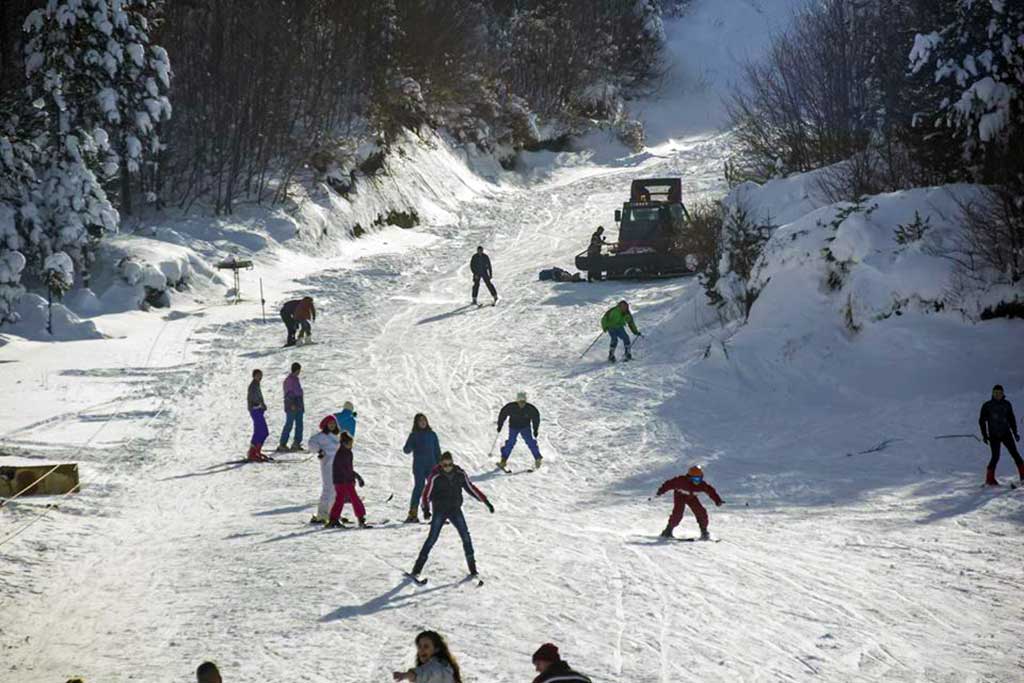
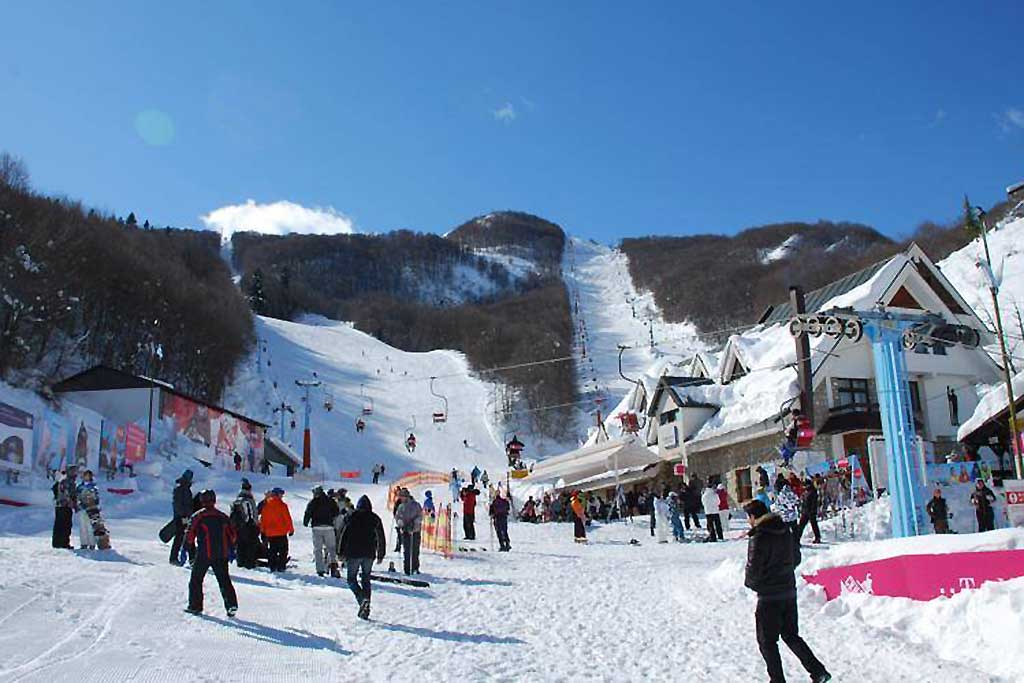
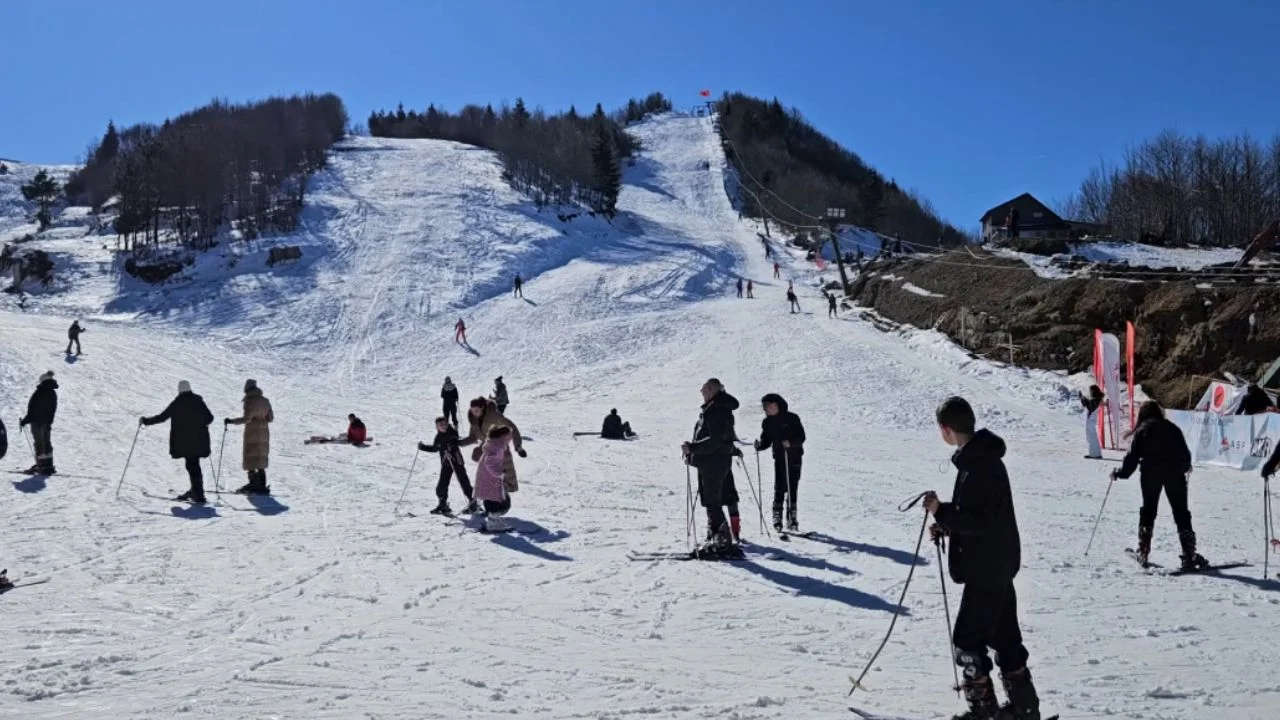
The area also includes ski lifts and a small mountain restaurant where visitors can relax while enjoying the snowy landscapes surrounding Dardha. What makes Bigëll unique is the passion behind it. The ski area has been developed largely thanks to the dedication of the Tasho family, whose long-term collaborations with ski businesses in Austria and France helped introduce ski courses and winter competitions for children in the region.
During winter weekends, Bigëll becomes one of the busiest tourism attractions near Korça, attracting visitors from all over Albania.
2. Hiking and Nature Walks
During spring, summer, and autumn, Dardha becomes one of the best hiking destinations in southeastern Albania. The village is surrounded by forests, rocky peaks, mountain springs, and panoramic trails that offer excellent opportunities for nature exploration.
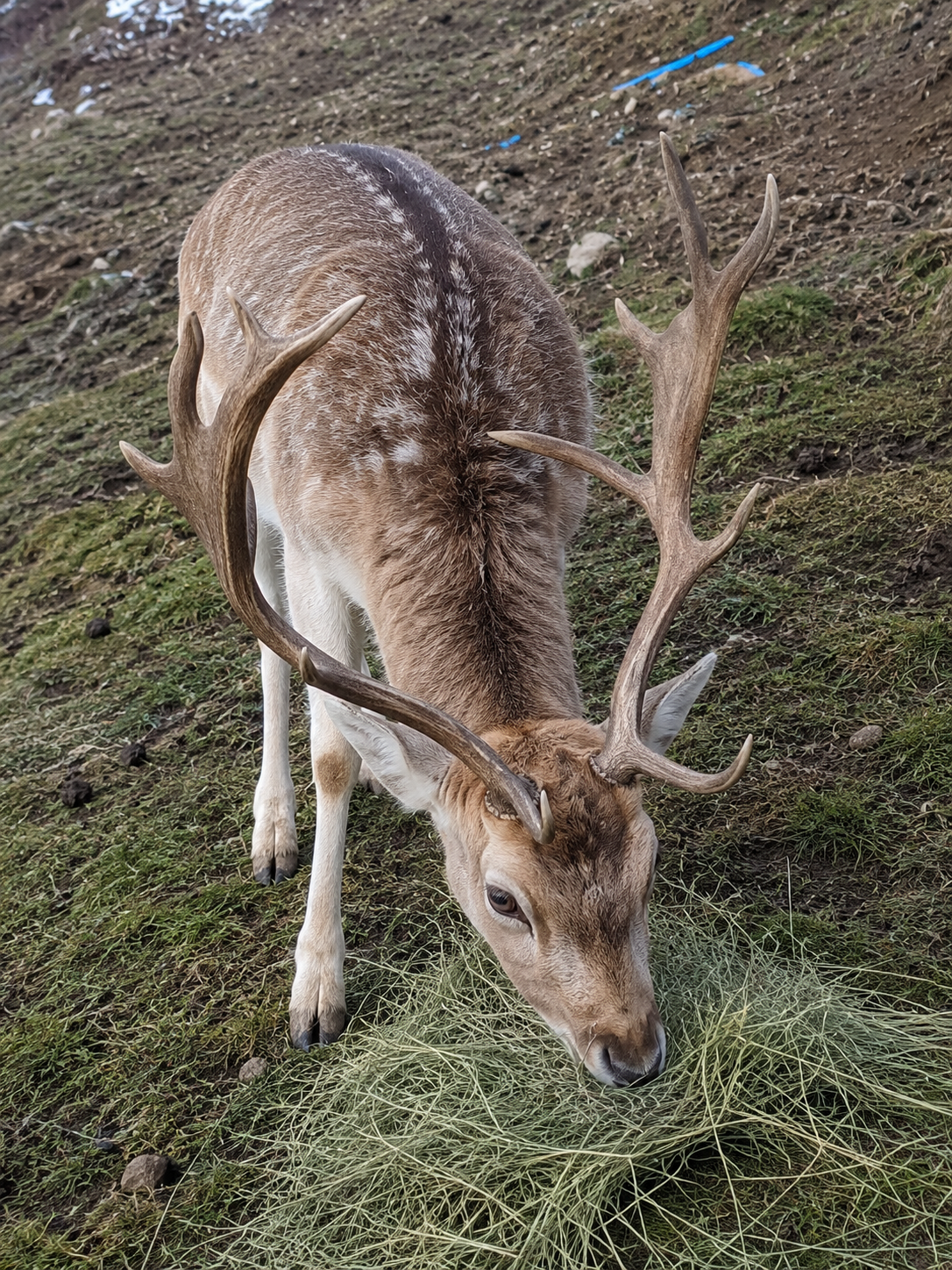
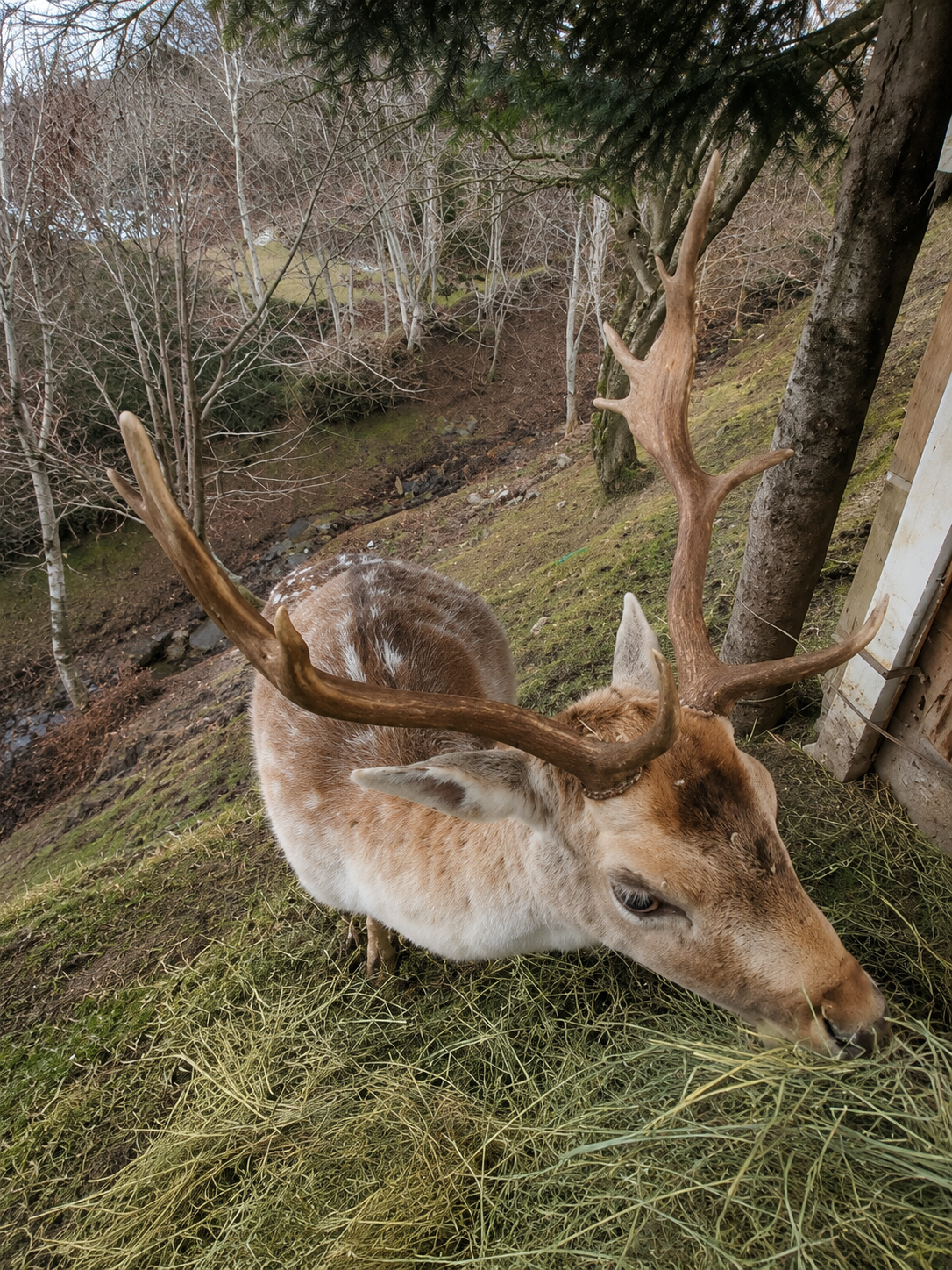
Several hiking trails around Dardha were officially documented and marked through the Albania Mapping Project supported by GIZ, helping visitors explore the surrounding mountains more easily. These routes have also been promoted through international hiking platforms such as Wikiloc and AllTrails, making Dardha increasingly popular among foreign hikers and outdoor travelers.
Whether visitors prefer short scenic walks or longer mountain hikes, Dardha offers routes suitable for different levels of experience.
3. Hiking to Guri i Vjeshtës
One of the most iconic natural landmarks near Dardha is Guri i Vjeshtës, a massive rocky formation that has become one of the visual symbols of the village.
Located northeast of Dardha at around 1516 meters above sea level, the rock is especially famous for the spectacular autumn colors surrounding it during the fall season. The combination of red, orange, yellow, and green forest landscapes creates one of the most beautiful natural panoramas near Korça.
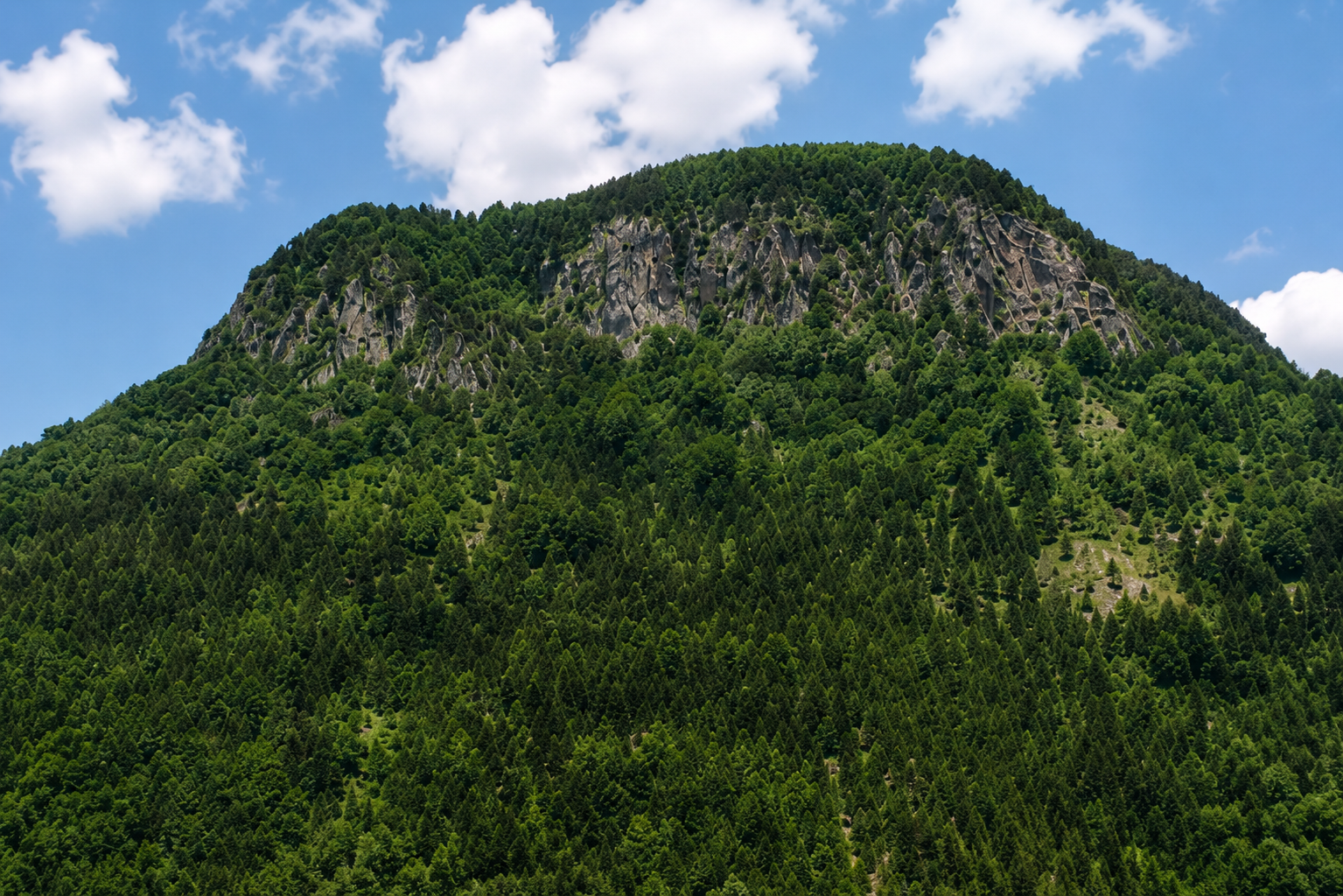
Accessible through hiking trails that take around 2–3 hours from the village, Guri i Vjeshtës is one of the best destinations for hiking, mountain biking, photography, and nature exploration.
From the panoramic viewpoint at the top, visitors can enjoy inspiring views overlooking Dardha and the surrounding Morava Mountains.
4. Mountain Biking in Dardha
Beyond hiking and skiing, Dardha also has strong potential for mountain biking tourism thanks to its rugged terrain, forest roads, and panoramic mountain routes. Several cycling itineraries connected to the Korça region already pass through Dardha, allowing visitors to explore forests, mountain roads, and natural landscapes by bicycle.
The combination of mountain scenery, quiet roads, and fresh air makes Dardha an ideal destination for cycling enthusiasts searching for nature-focused experiences in Albania. The trails around the village become especially beautiful during spring, summer, and autumn, when forests and mountain landscapes are at their most colorful.
5. Off-Road Adventures in Dardha
The mountainous terrain surrounding Dardha also creates excellent conditions for off-road tourism and adventure experiences.
Historic roads and old mountain routes once used to connect Dardha with nearby villages such as Drenova, Arrëz, and Sinica today offer exciting opportunities for outdoor exploration and adventure tourism.
These routes have strong potential for:
- QUAD bike tours
- 4×4 off-road adventures
- Guided mountain excursions
- Nature exploration experiences
As adventure tourism continues growing in Albania, Dardha has the opportunity to become one of the country’s most complete mountain destinations by combining skiing, hiking, culture, gastronomy, cycling, and outdoor activities in one place.
6. Wellness and Nature Escape Tourism
Dardha is also increasingly seen as a destination for wellness and restorative tourism. The clean mountain air, peaceful atmosphere, forests, and natural springs create ideal conditions for visitors searching for relaxation and mental escape from urban life.
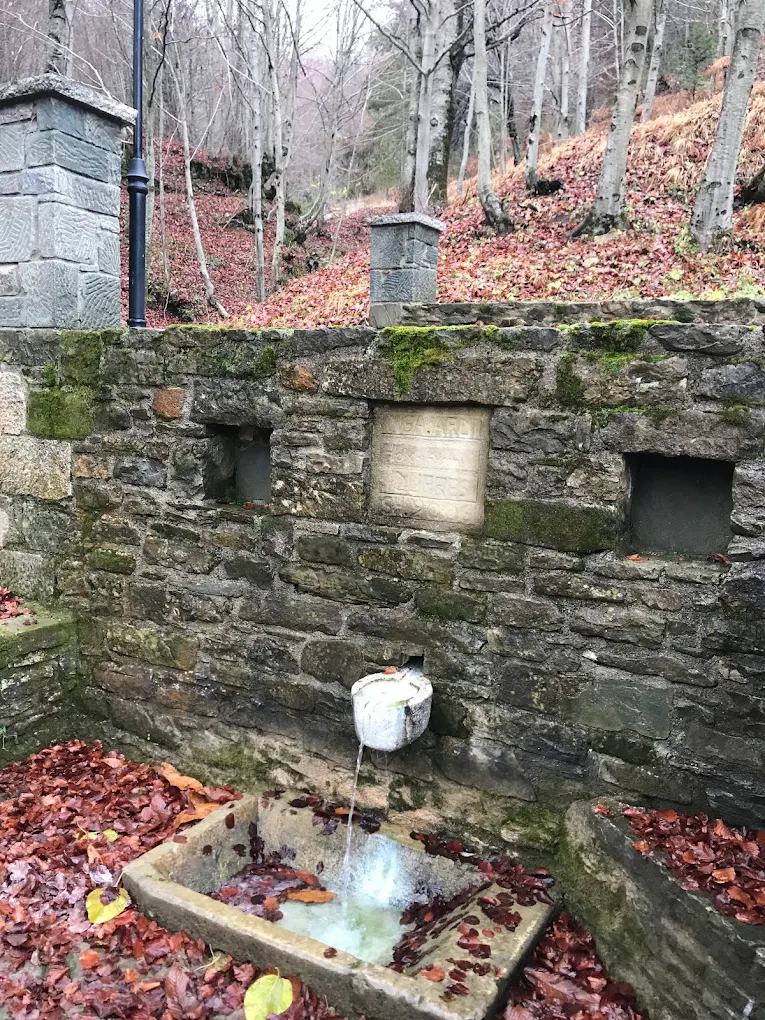
One of the most interesting natural elements connected to this potential is “Uji i Qelbur,” a sulfur-rich spring traditionally believed to have health-related and curative properties.
Combined with the cool climate and quiet mountain environment, Dardha offers a type of slow tourism focused on well-being, nature, and reconnection with the surrounding landscape.
7. Traditional Food Experiences
Traditional food is one of the most important parts of the Dardha experience. The village is known for its mountain cuisine, family-run guesthouses, and homemade dishes prepared using recipes passed down through generations.
Because of the long winters and isolated mountain life, Dardha developed a culinary tradition strongly connected to preserved foods, homemade dairy products, local ingredients, and artisan preparation methods. Many guesthouses and traditional restaurants in the village continue to serve authentic dishes prepared in the traditional way, often using products sourced directly from the surrounding area.
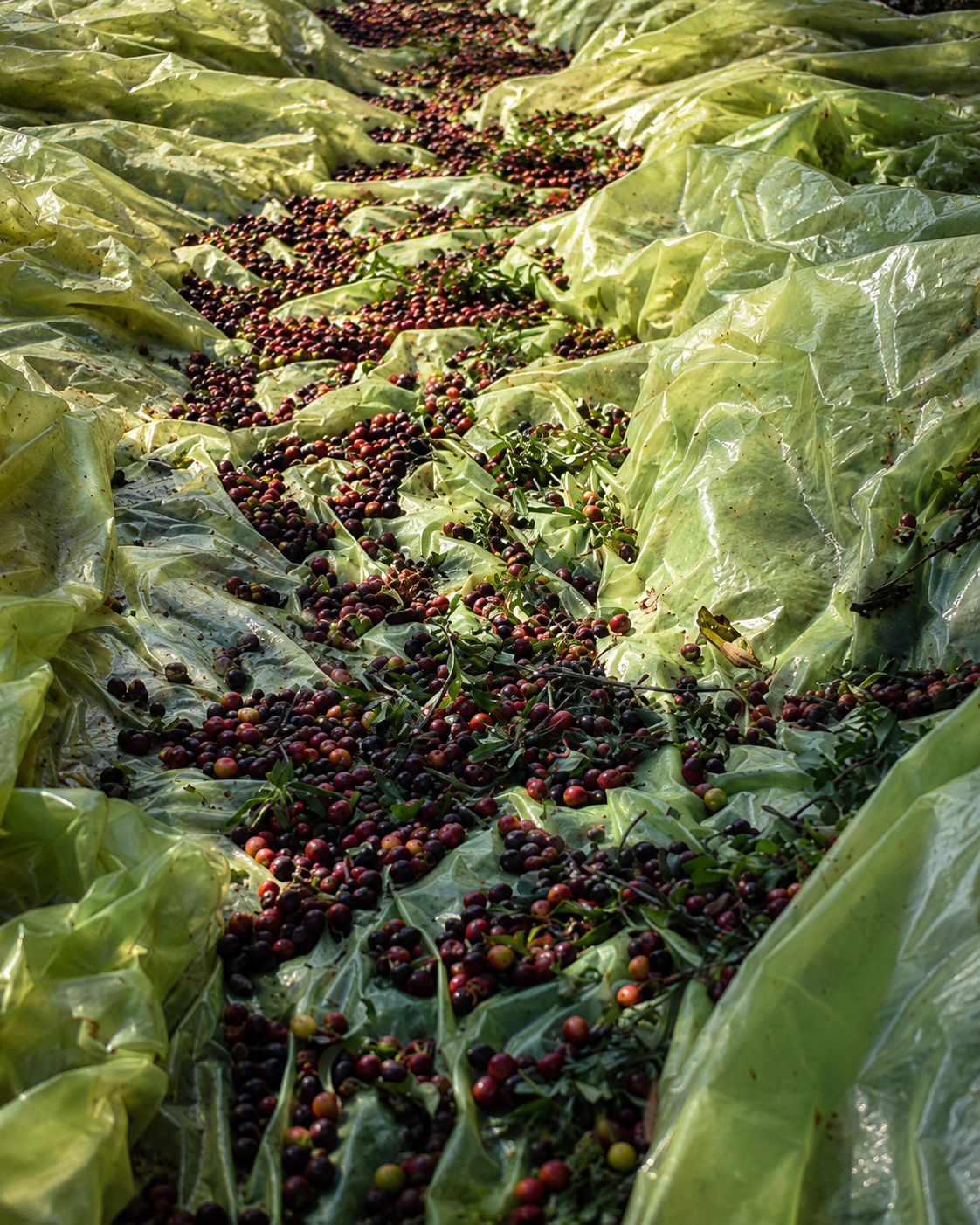
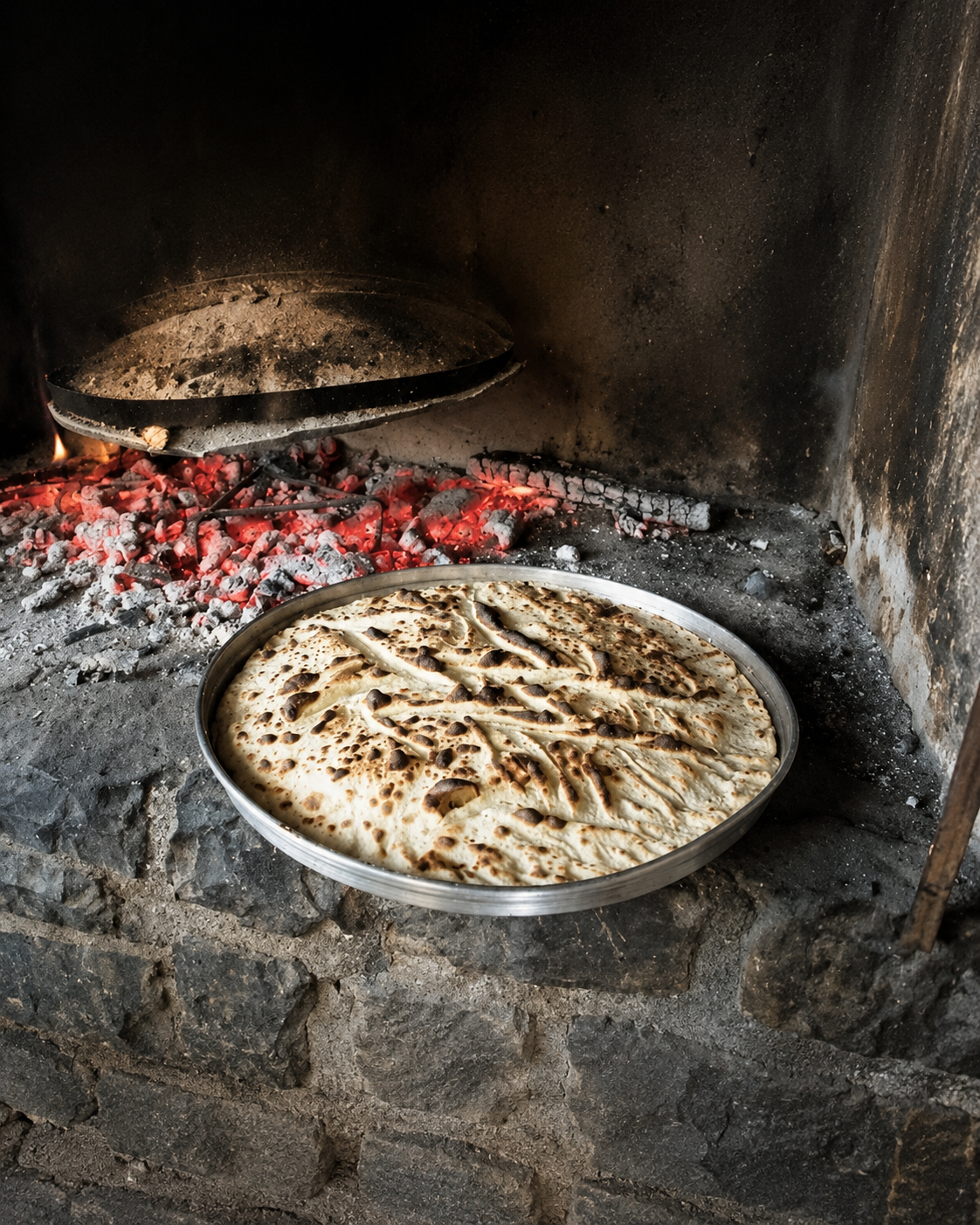
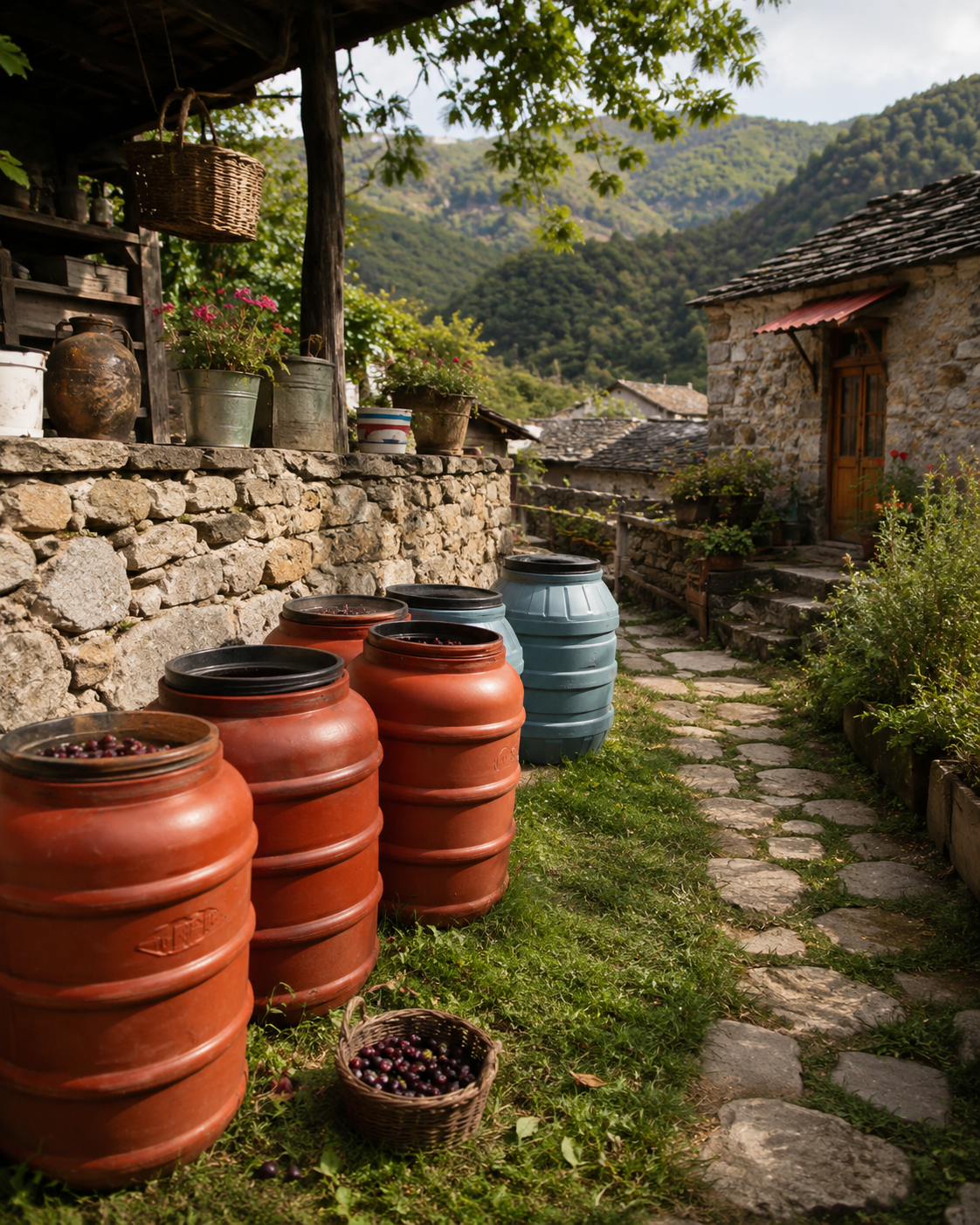
One of the most famous dishes visitors should try is lakror, a traditional Albanian pie baked slowly over an open fire. Dardha is also well known for its wild plum raki, a strong traditional drink produced artisanally by local families and considered one of the village’s most recognizable products.
Other local specialties include homemade cheese, yogurt, mountain tea, local honey, pickled vegetables, and seasonal mountain dishes that reflect the agricultural traditions of the region.
Beyond the food itself, what makes the experience special is the atmosphere. Stone guesthouses, fireplaces, wooden interiors, and traditional hospitality create one of the most authentic culinary experiences near Korça and in the mountain villages of Albania.
Cultural Attractions in Dardha
Beyond nature and outdoor activities, Dardha also offers a rich cultural experience shaped by history, religion, architecture, and traditions.
1. The Springs and Fountains of Dardha
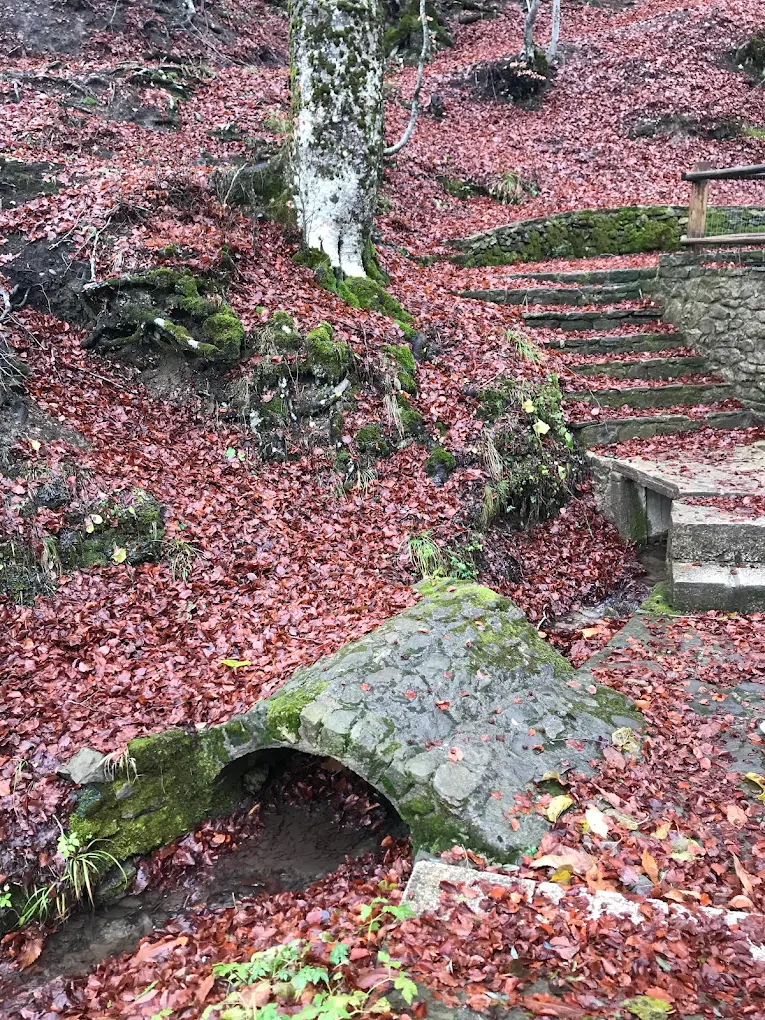
Water has always played a central role in the history of the village. Dardha has around 13 natural springs and traditional fountains that function both as practical water sources and important cultural landmarks.
One of the most important is Kroi i Joros, traditionally connected to the founding of the village in 1624. Another famous spring is “Uji i Qelbur,” a sulfur-rich water source believed to have natural healing properties.
2. Dardha Museum
One of the most important cultural sites in the village is the Dardha Museum, located inside the former historic school building in the center of Dardha. The museum preserves the history, traditions, migration, tourism development, and cultural identity of the village through historical photographs, documents, and archival materials.
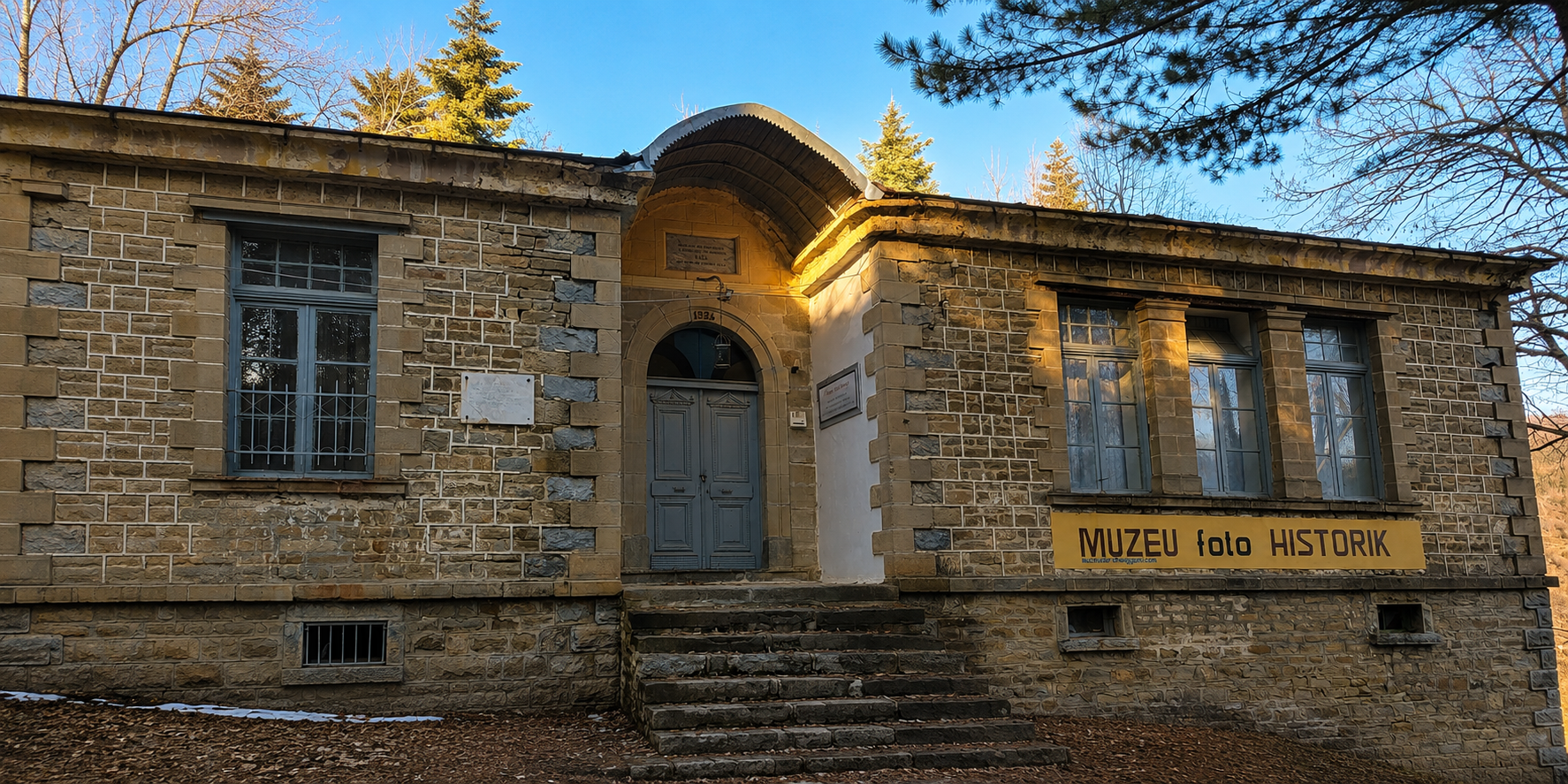
Education in Dardha officially began as early as 1768, making the village an important educational center in the region. Over the years, local intellectuals and the Albanian-American diaspora played a major role in supporting schools and cultural development in the village. The current school building was financed in 1924 with contributions from Dardha emigrant associations abroad and today is recognized as a Category I Cultural Monument.
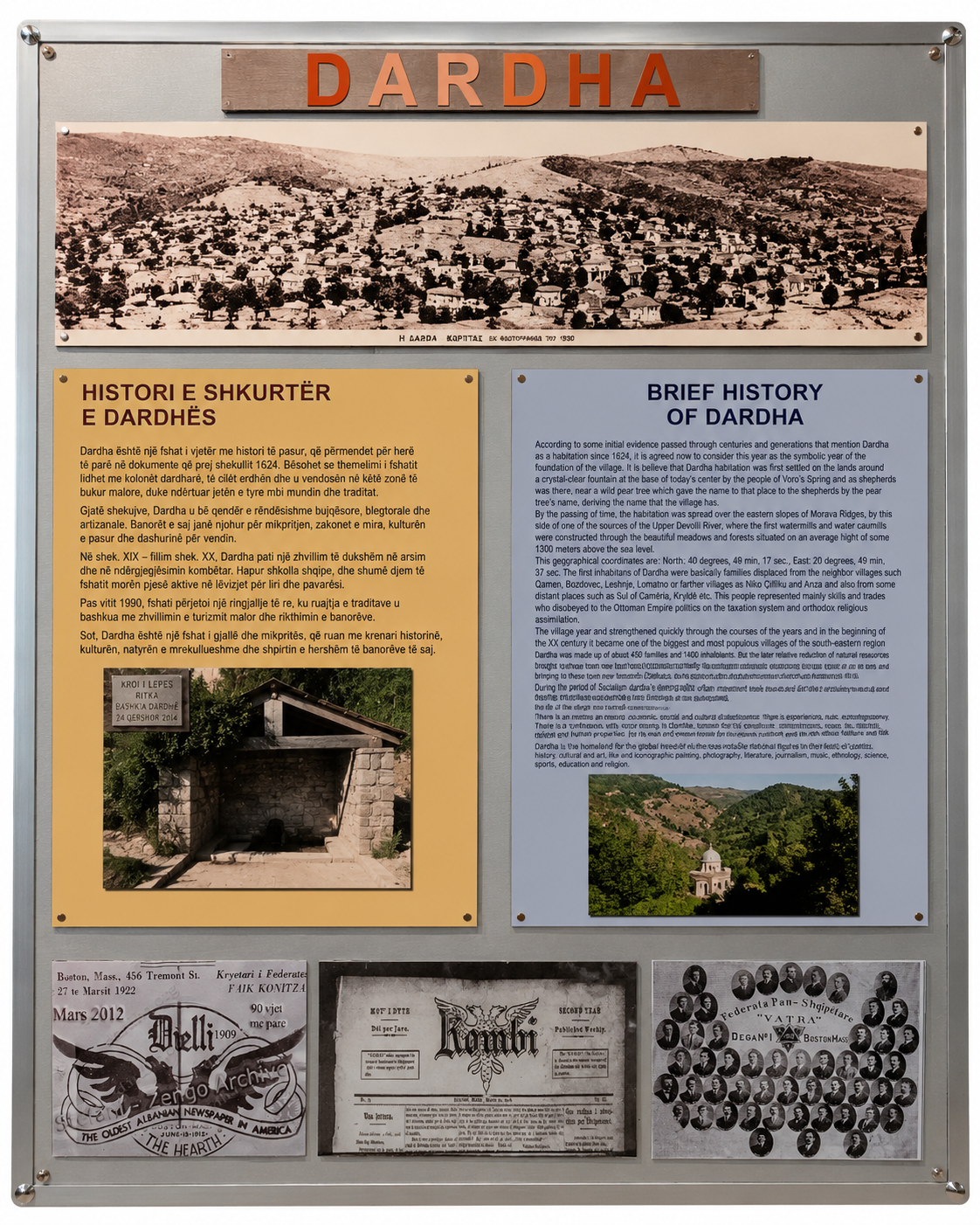
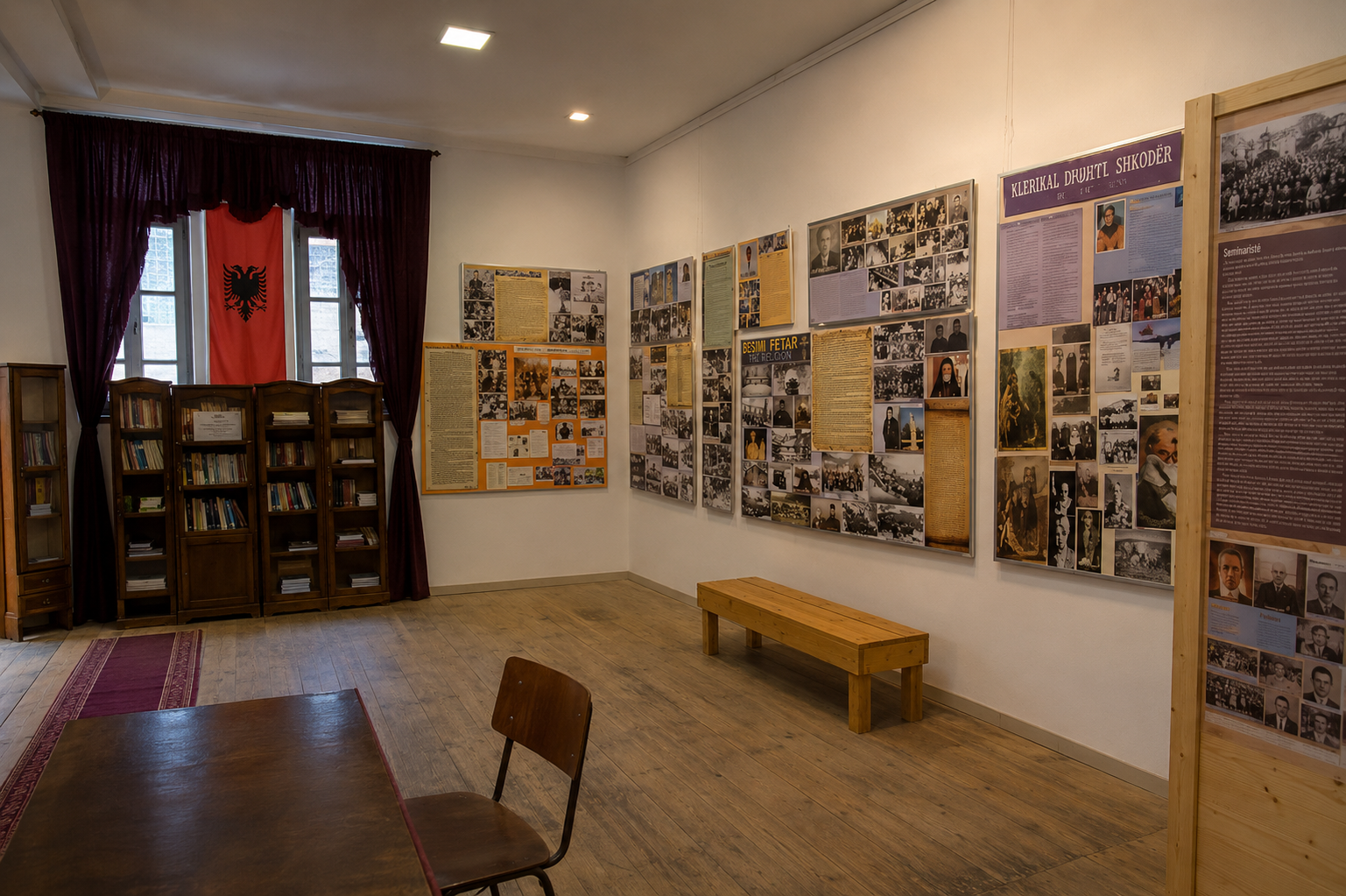
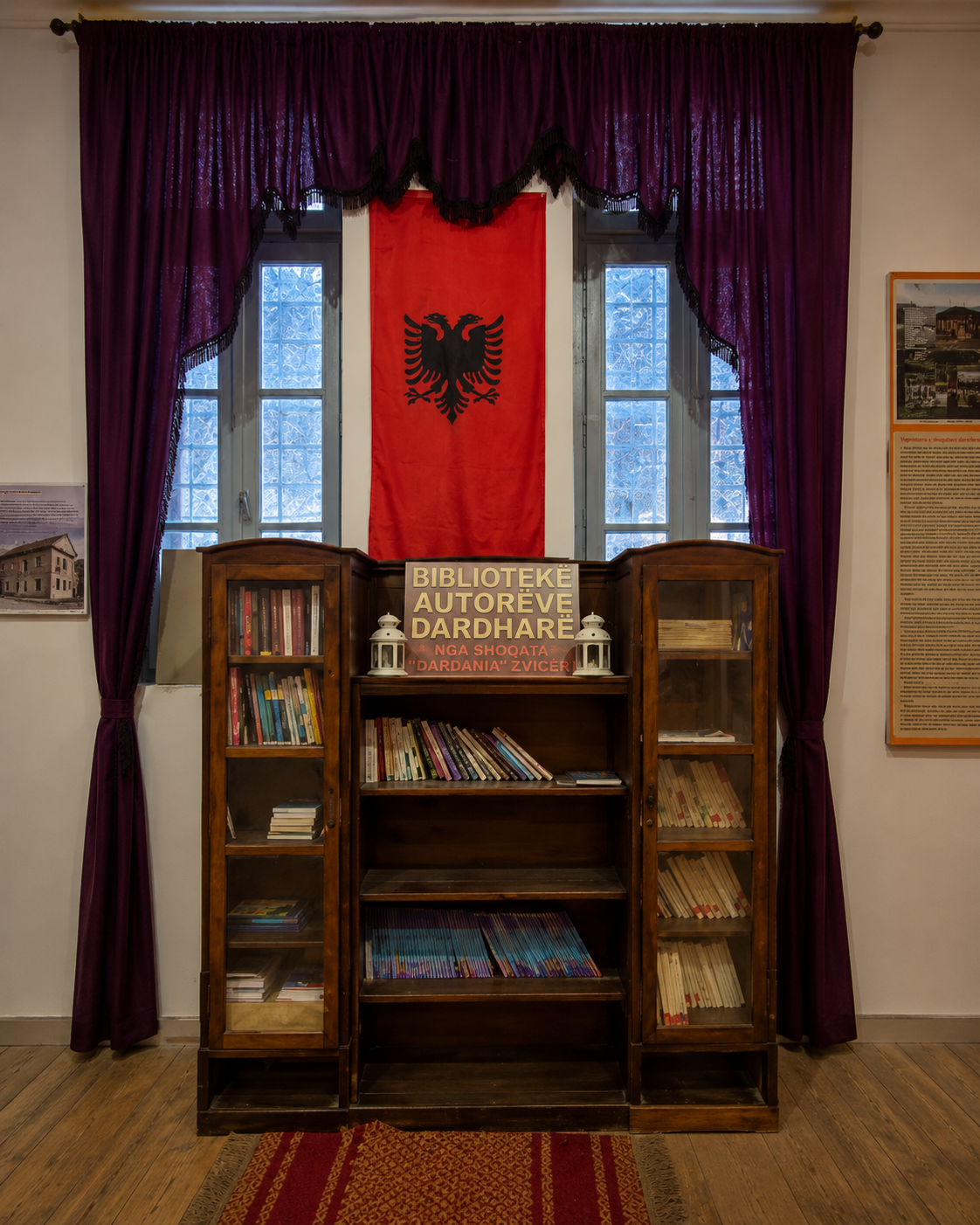
The museum also highlights Dardha’s connection to Albanian literature and culture, including references to the famous poem “Verimi në Dardhë” by Asdreni, which celebrates the village’s fresh mountain air, forests, springs, and peaceful atmosphere.
Today, the museum remains one of the best places to understand the history, identity, and cultural heritage of Dardha beyond its natural beauty.
3. Churches of Dardha
The churches surrounding Dardha are among the village’s most atmospheric and culturally important landmarks. Deeply connected to the Orthodox identity of the community, these churches reflect centuries of religious tradition, craftsmanship, and mountain heritage.
The most important church in the village is Saint George Church, located near the center of Dardha. Inside, visitors can admire a beautifully crafted wooden iconostasis made from cherry wood, recognized as a Category I Cultural Monument and considered one of the finest examples of religious craftsmanship in the region.
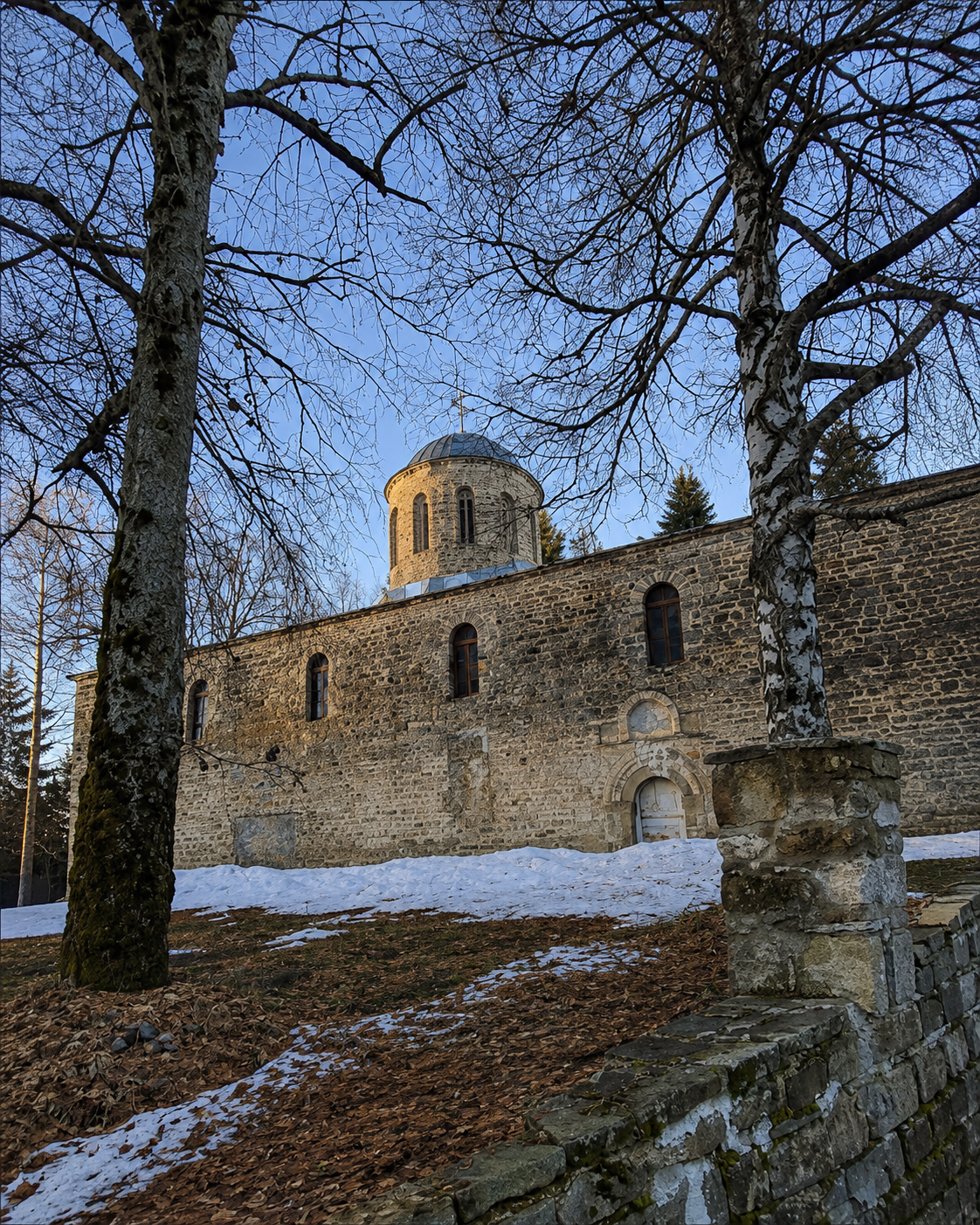
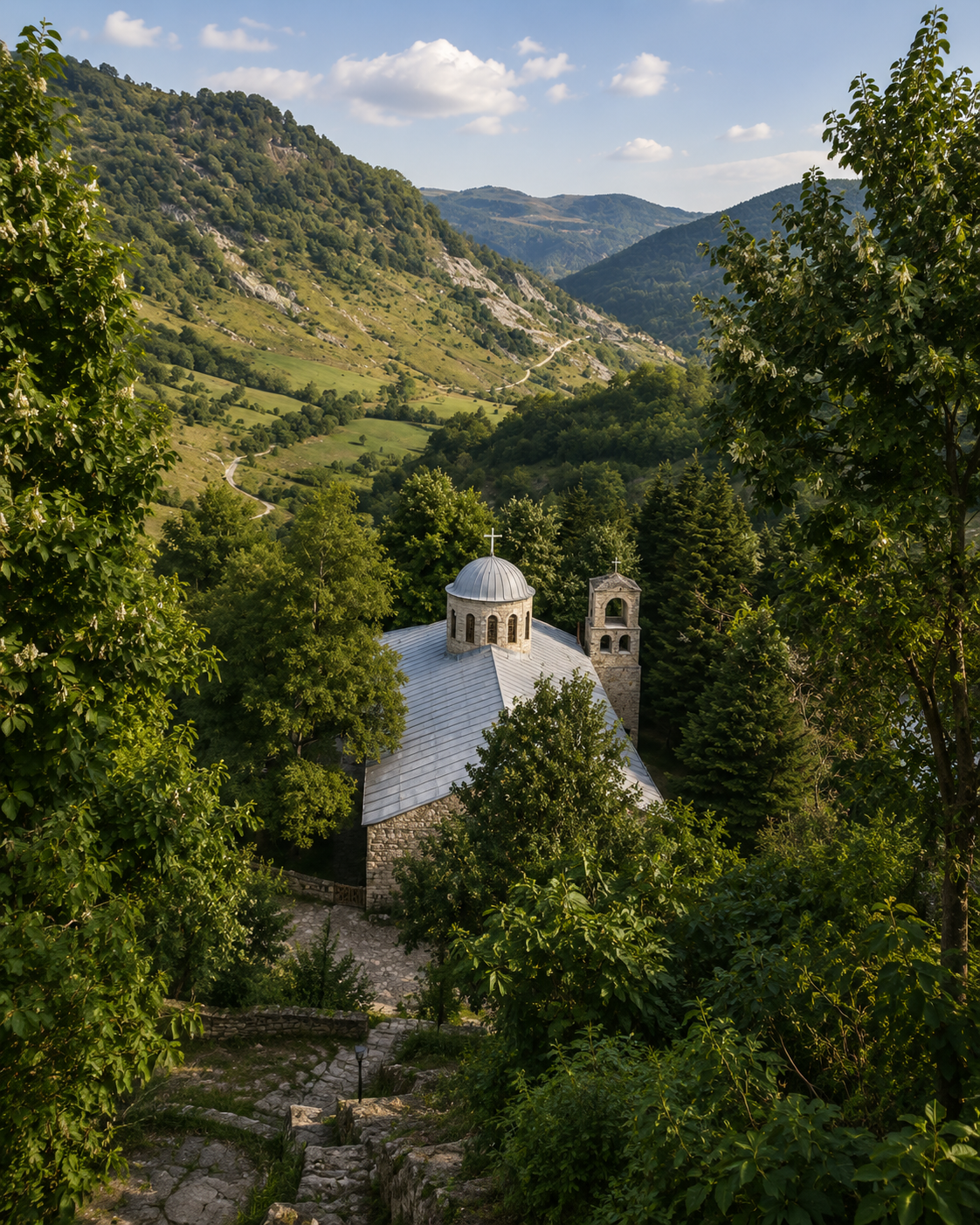
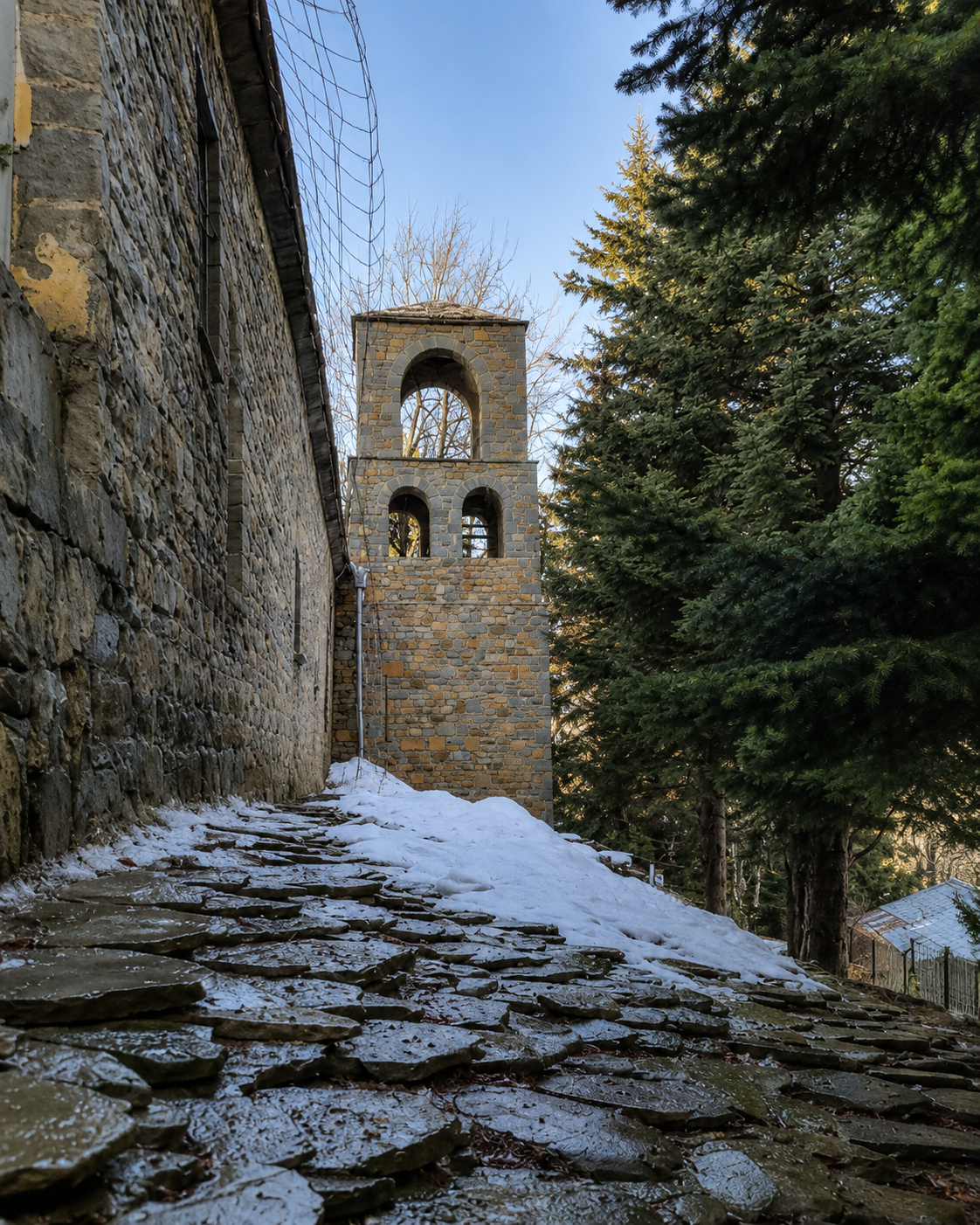
Other important churches include Saint Thanas Church, Saint Peter Church, and Saint Constantine and Saint Helena Church, all surrounded by forests, hills, and mountain landscapes that create a unique spiritual atmosphere.
The Church of Saint Peter, located on the hill south of the village, is especially connected with traditional celebrations and gatherings held during the feast of Saint Peter and Saint Paul, which historically brought together families and visitors from the surrounding region.
Together, these churches represent an important part of Dardha’s cultural identity and offer visitors a combination of history, architecture, religion, and scenic nature.
4. Traditional Clothing of Dardha
One of the most distinctive cultural symbols of Dardha is the traditional women’s costume known as the “xibun.” Recognized for its black and red colors, handcrafted embroidery, and detailed artisan work, the xibun represents one of the finest examples of traditional clothing in the Korça and Upper Devoll region.
The costume reflects both the artistic craftsmanship of Dardha’s women and the social and cultural development the village experienced during the 19th century. Traditionally, the xibun was decorated with red embroidered bands, floral motifs, and handmade ornamental details extending from the collar down to the lower part of the garment.
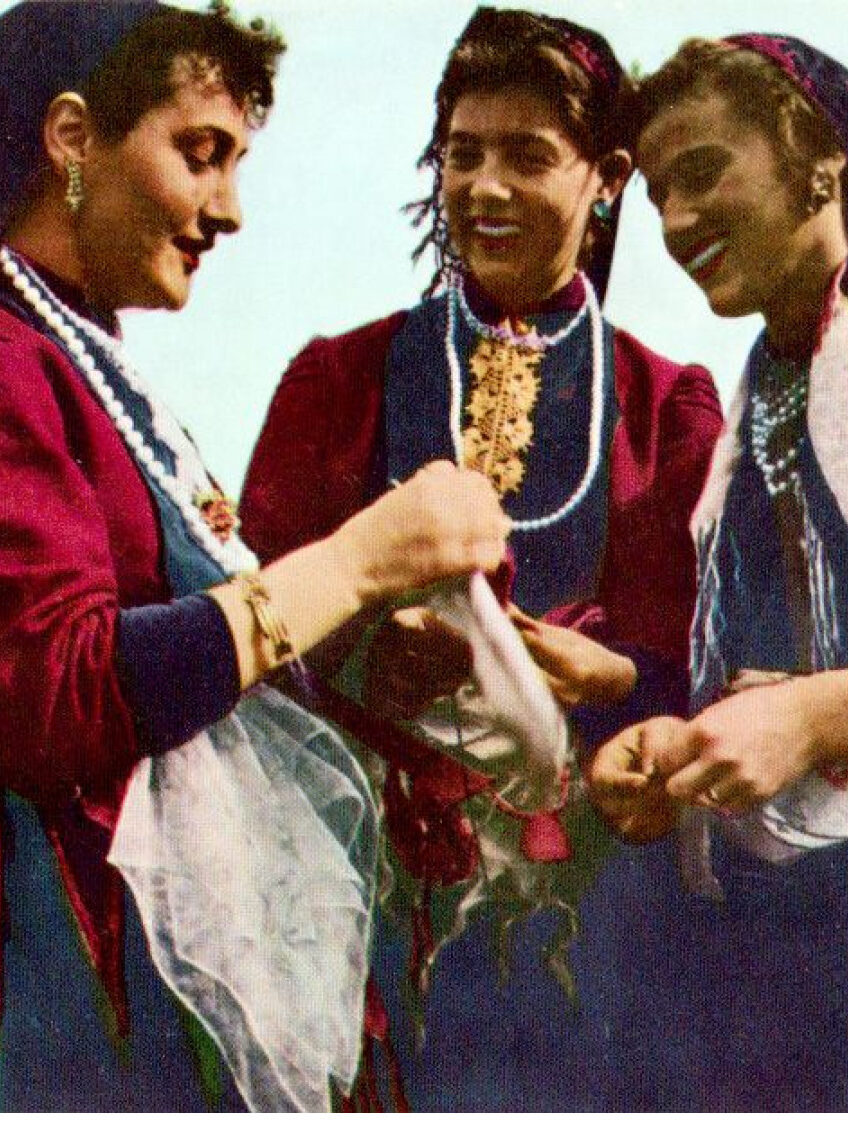
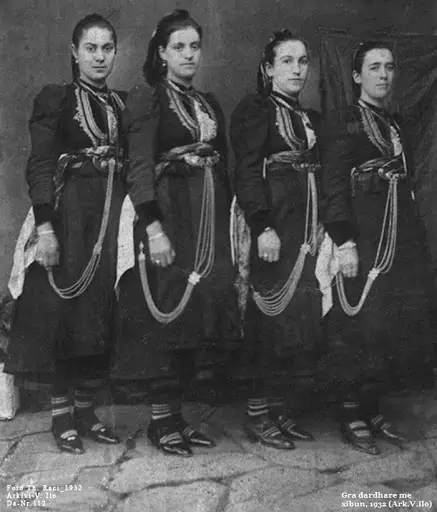
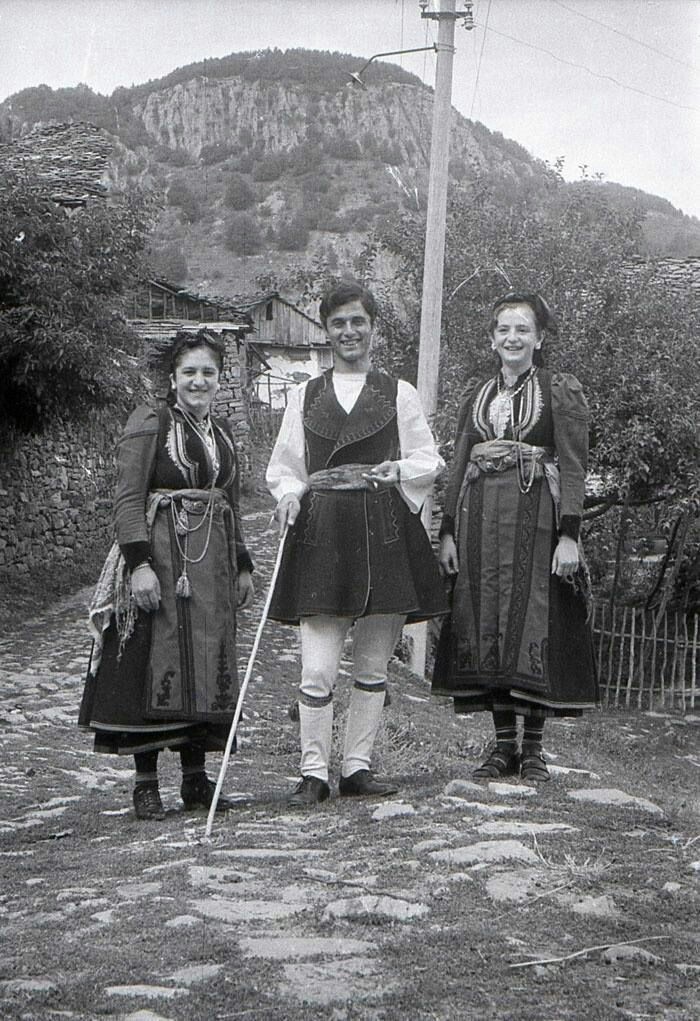
The traditional outfit also included handcrafted aprons, headscarves, necklaces, silver accessories, and decorative silver belt buckles connected by long chains around the waist. These details highlighted the advanced embroidery and textile craftsmanship that once distinguished Dardha from many surrounding villages.
Although only a few original costumes remain preserved today, the xibun continues to represent an important part of Dardha’s cultural identity and artisan heritage. Visitors can still learn about these traditions through museum archives, historical photographs, and local cultural events connected to the village’s history.
Where to Stay and Eat in Dardha
Tourism has become the main economic activity in Dardha, and today the village offers a growing number of guesthouses, boutique hotels, and family-run restaurants that preserve the authentic atmosphere of the area.
Rather than being a random selection, many of Dardha’s best accommodations have gained recognition through consistently positive visitor reviews on platforms like Google and Booking. Love Albania has also analyzed these reviews to highlight some of the most appreciated places to stay in the village.
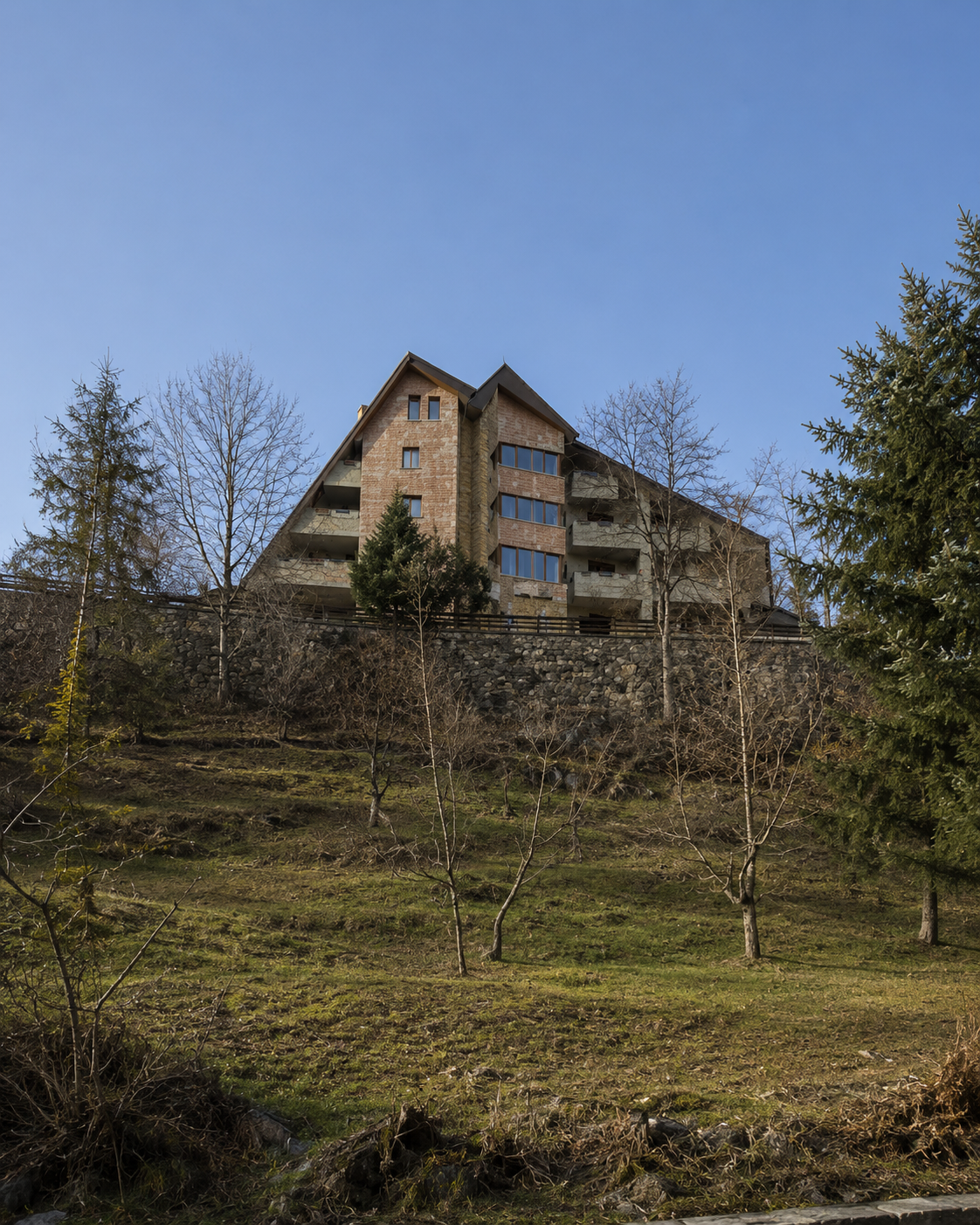
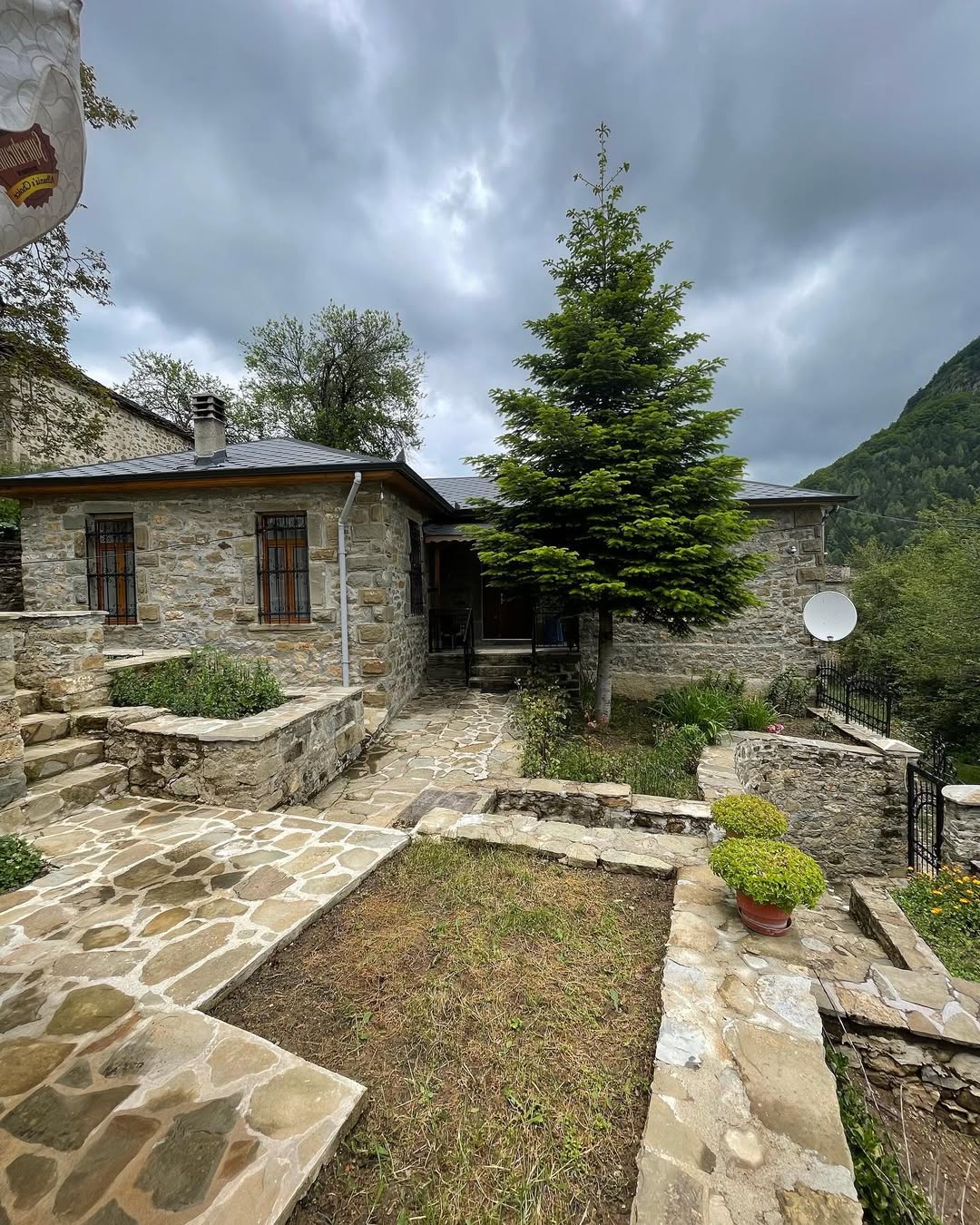
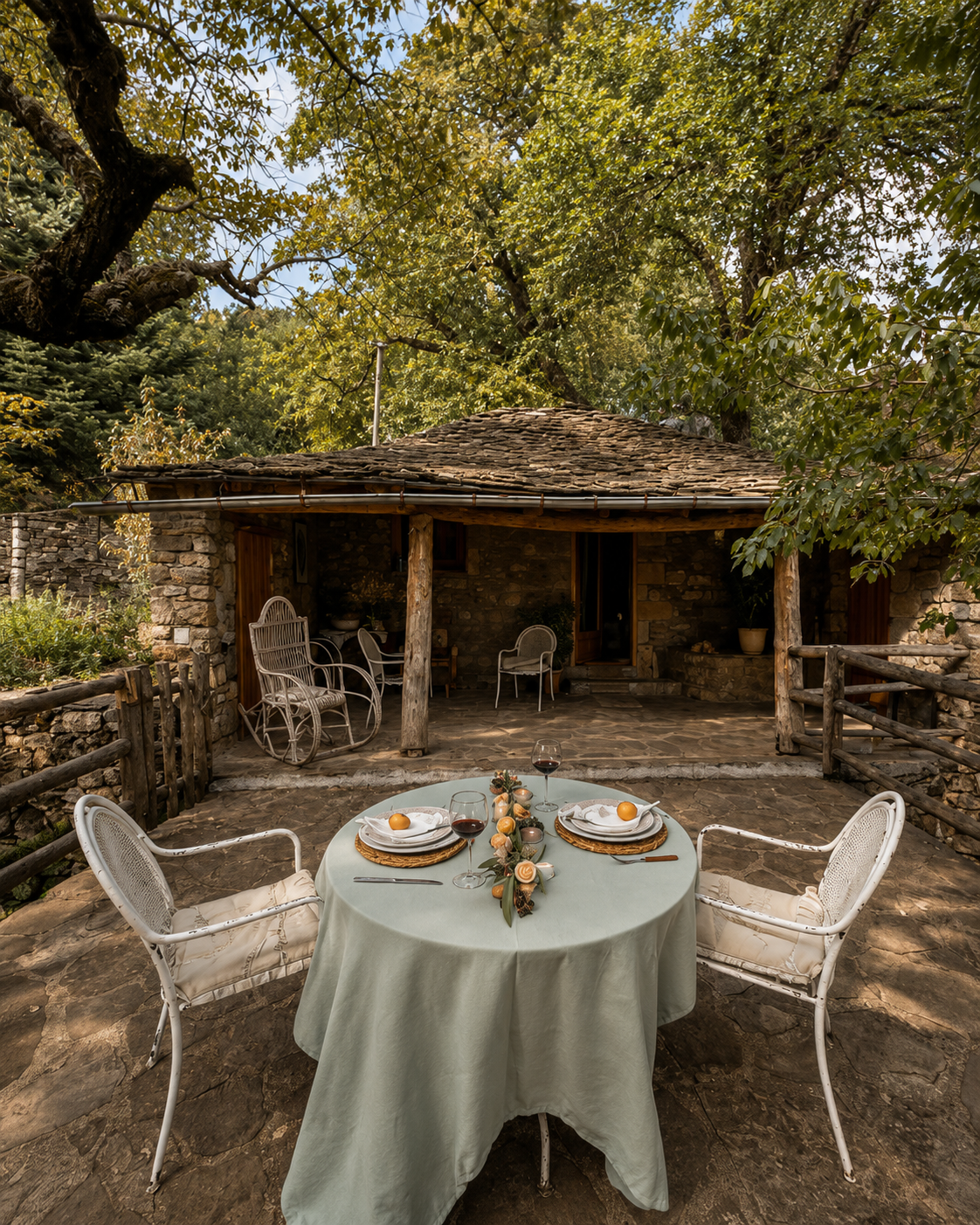
Some of the top-rated accommodations in Dardha include:
- Florija’s Guesthouse – known for its homemade food, hospitality, and mountain views
- Vila Korçari Dardhë – appreciated for its peaceful atmosphere and traditional alpine style
- Shtëpia e Gjuetarit – recognized for traditional cuisine and panoramic landscapes
- Guest House “Ktona” – a cozy traditional guesthouse with authentic local character
- Hotel Dardha – one of the village’s best-known mountain hotels with spacious accommodation and scenic views
Most of these accommodations operate inside restored traditional homes and offer visitors a combination of mountain hospitality, homemade cuisine, fireplaces, and authentic village experiences.
Restaurants and guesthouses in Dardha are also an important part of the tourism experience, serving traditional dishes from the Korça region including lakror baked over an open fire, homemade dairy products, local honey, mountain tea, and wild plum raki.
For travelers who want a more detailed ranking and review-based recommendations, you can also read Love Albania’s article about the Top 5 Accommodations in Dardhë.
How to Get to Dardha?
The easiest way to reach Dardha is by car from Korça.
From Korça
- Distance: Around 18 km
- Travel time: Around 30–40 minutes
From Tirana
- Travel time: Around 4 hours
The road becomes especially scenic during autumn and winter. During snowy periods, winter tires are recommended.
Best Time to Visit Dardha
- Winter: Perfect for snow, skiing, cozy guesthouses, and winter landscapes.
- Autumn: Arguably the most beautiful season because of the colorful forests and mountain scenery.
- Summer: Cool temperatures make Dardha an excellent escape from the summer heat.
- Spring: Ideal for hiking, nature walks, and photography.
Dardha works as a year-round destination, which is one of the reasons it remains one of the most visited villages near Korça.
FAQ – Dardha Village Albania
Yes. Dardha is one of the most beautiful villages in Albania, especially for nature, food, hiking, and winter tourism.
Dardha is famous for skiing, stone houses, traditional food, mountain scenery, and its authentic architecture.
Dardha is around 18 km from Korça.
Yes. Winter is one of the best times to visit because of snow and skiing.
Lakror, wild plum raki, homemade dairy products, and traditional mountain cuisine.
Yes. Dardha offers several scenic hiking trails and mountain routes.
Dardha is one of the most authentic mountain villages in Albania, offering a unique mix of nature, history, traditional food, skiing, hiking, and peaceful mountain landscapes near Korça. Whether you visit for outdoor adventures, cultural heritage, or simply to escape the fast rhythm of everyday life, the village delivers one of the most genuine travel experiences in southeastern Albania.
If you want to explore another beautiful mountain destination in the Korça region, also read our guide about Vithkuq Albania: History, Nature, Food & Things to Do.