

The best time to visit Albania depends on what kind of trip you’re planning. Whether you’re looking for sunny beaches, cultural city breaks, mountain hikes, or a quieter off-season experience, Albania offers something different in every month.
This guide breaks down the best time to visit Albania month by month, helping you choose the perfect season based on weather, activities, crowds, and travel style.
January – The month of winter calm and snowy landscapes
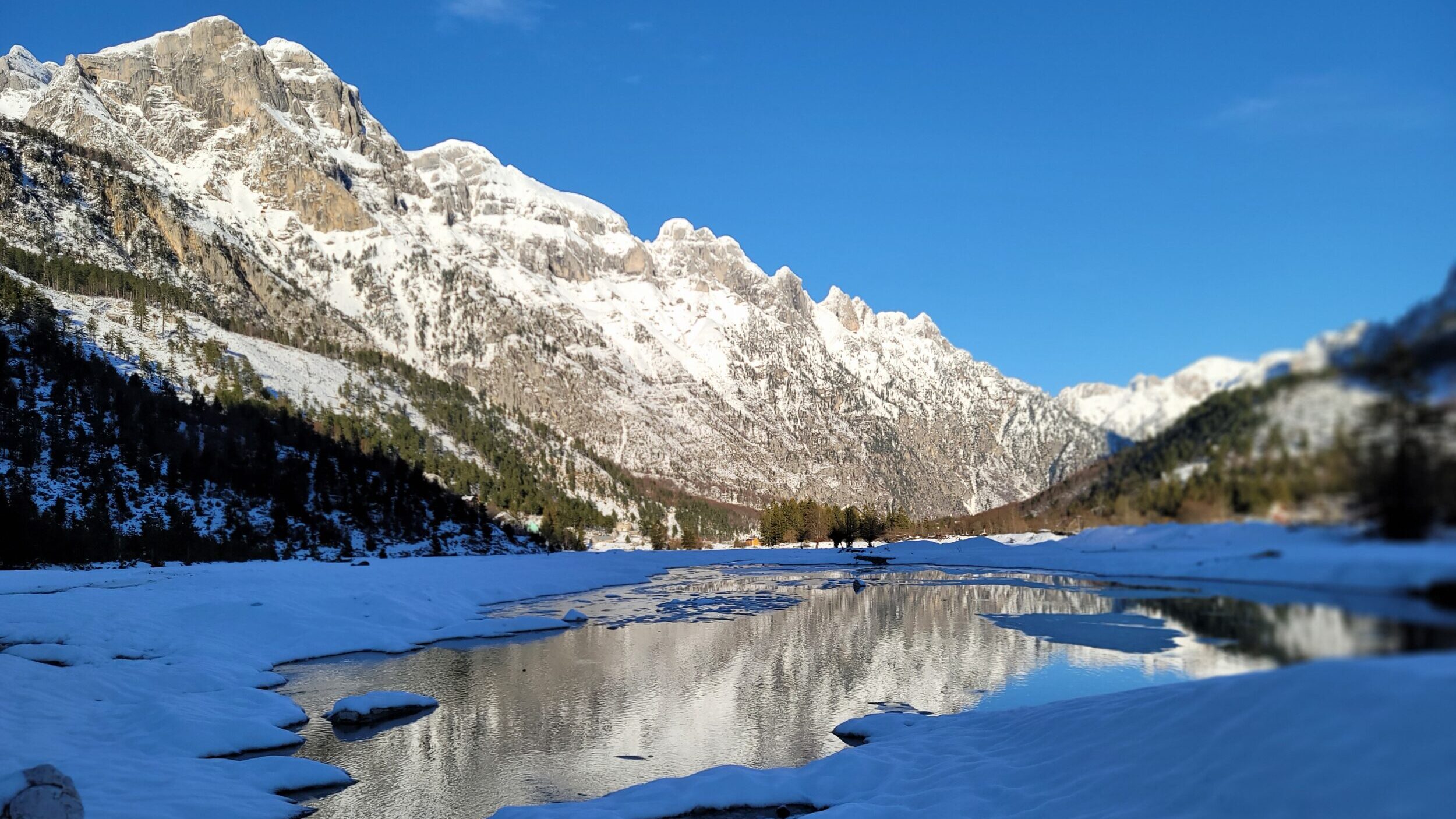
Climate and temperature: January is the coldest month in Albania. In Tirana, temperatures average between 2°C and 11°C, while on the coast – such as in Saranda – they are slightly milder, around 6°C. In the north and mountainous areas such as Theth, the thermometer drops below zero, bringing snow and breathtaking winter scenery.
Activities you can do: If you like winter and snow, this is the ideal time to visit Theth, Voskopoja, or Dardha for skiing and snowshoeing. For a more relaxing experience, the Bënja thermal baths in Përmet are fantastic for natural warming in a cold outdoor setting. In cities such as Tirana, Berat, and Gjirokastra, you can enjoy a cultural weekend among museums and warm cafés.
Events and celebrations: January begins with New Year celebrations on January 1st. Families gather for abundant dinners, streets are illuminated with festive lights, and an atmosphere of joy is felt especially in cities such as Tirana, Shkodra, or Korça. During the first weekend of January, many people choose to travel within the country for a warm start to the year.
Tourism level: This is a low season, therefore many coastal hotels temporarily close. However, this is a golden opportunity to avoid crowds and experience Albania in its winter calm.
Prices: Accommodation prices are among the lowest of the year (except for festive dates at the beginning of the month). You can find very good deals for a budget-friendly holiday.
February – Mild winter, celebrations, and calm in nature
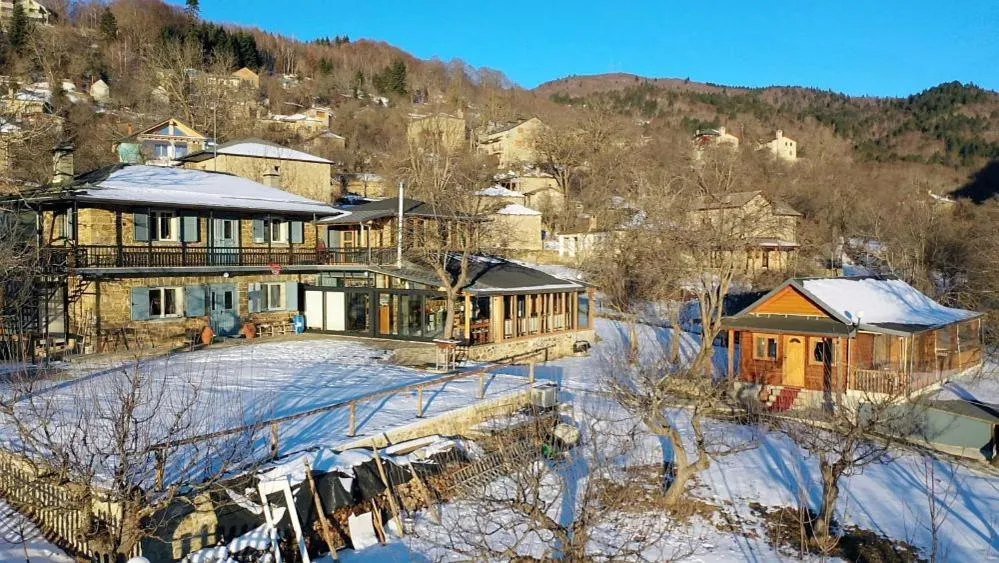
Climate and temperature: Although it remains in the heart of winter, February brings slightly milder temperatures than January. In Tirana, they range from 2°C to 12°C. Saranda stays warmer, around 6–7°C, while in mountainous areas such as Theth, the thermometer goes down to –1°C. Snowfall is common in the mountains, while the lowlands experience more rain and cool air.
Activities you can do: The ski season continues in places such as Dardha and Voskopoja, offering good conditions for winter sports. For travelers seeking more tranquility, nature walks with snowshoes or cultural visits to museum cities like Berat and Gjirokastra are ideal. It is the right time for a quiet weekend away from noise.
Events and celebrations: February brings one of the most special events in Albania – Korça Carnival, which usually takes place at the end of the month. The city comes alive with masks, music, and festive parades. Likewise, February 14th (Valentine’s Day) is celebrated privately by many couples, especially in romantic venues in Tirana or in the south.
Tourism level: Tourism remains at a low level, making this month ideal for those seeking a calm and relaxed trip. Hotels and destinations are not crowded, which increases the quality of the experience.
Prices: Accommodation prices are among the best of the year – many establishments offer winter discounts, especially during weekdays. You can benefit from attractive packages for short breaks or romantic weekends.
March – The beginning of spring and the awakening of Albanian nature
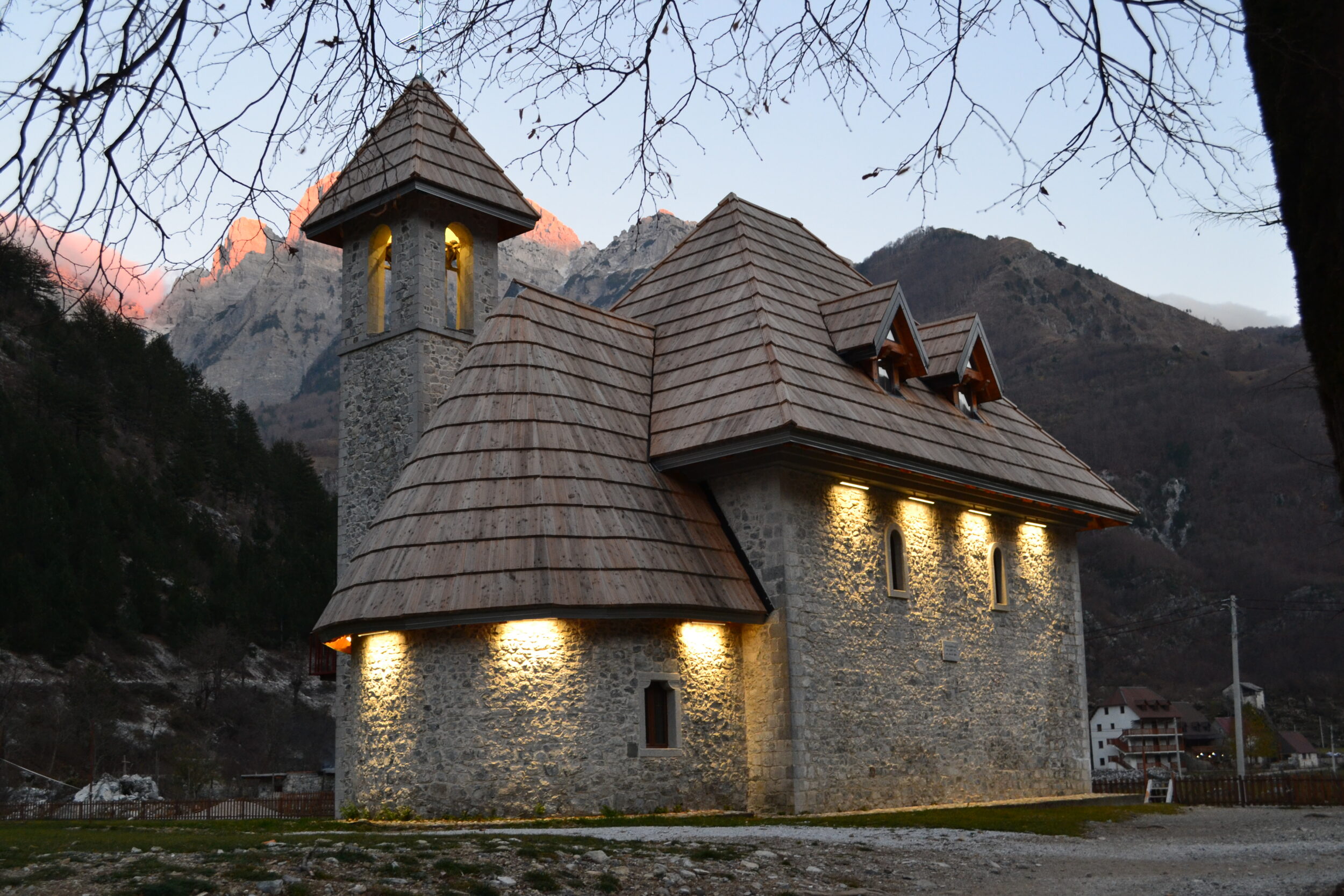
Climate and temperature: March brings the first freshness of spring. In Tirana, temperatures rise up to 15°C during the day and drop to around 4°C at night. In Saranda, they reach up to 9°C, while in the north, such as in Theth, they remain around 2°C. Rainfall can be more frequent, but the days start to get longer, bringing more light and life.
Activities you can do: This month is ideal for nature trips and the beginning of the hiking season in areas such as Llogara, Valbona, and Theth (when roads are accessible). Cycling in lowland areas and walks in natural parks are also pleasant. Along the coast, although it is not yet swimming season, cities such as Durrës, Vlora, and Himara offer tranquility and fresh air without tourist crowds.
Events and celebrations: March brings a series of festivities connected to spring and respect for social figures. March 7 – Teachers’ Day is celebrated in all schools across the country with symbolic activities and gifts for teachers. March 8 – International Women’s Day is an honored day among families and communities, while March 14 – Summer Day, especially in Elbasan, is celebrated with joy, ballokume sweets, and a spring atmosphere in the streets. These three dates turn March into a month that is emotionally and culturally warm.
Tourism level: Tourism is on the rise, especially during weekends close to March 14. This is a transitional month – calmer than the summer season, but livelier than winter. Ecotourism and cultural travel begin to increase significantly.
Prices: Prices are still low, although they begin to slowly increase. March is a very good moment to benefit from favorable prices, especially for spring trips and rural accommodations.
April – Full spring and peaceful exploration in nature
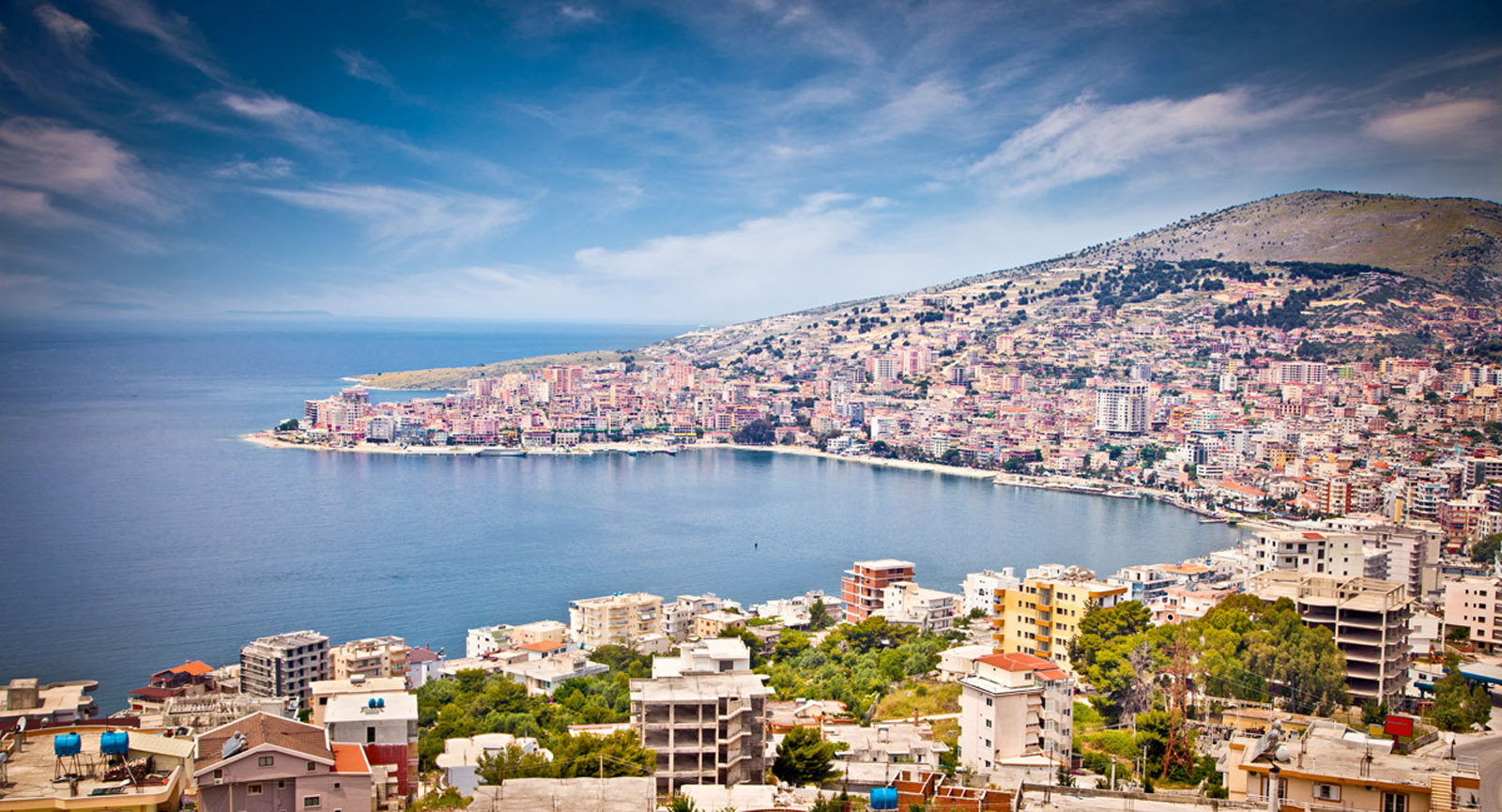
Climate and temperature: April brings a noticeable change in climate. Temperatures in Tirana reach around 18°C during the day and 8°C at night. Saranda reaches around 12°C, Shkodra 14°C, while Theth stays around 6°C. Rainfall decreases significantly compared to previous months and the days are noticeably longer and drier – perfect for travel.
Activities you can do: This is the golden month for mountain hikes and outdoor picnics. Areas such as Valbona, Theth, and Llogara become more accessible and offer breathtaking spring scenery. The Archaeological Park of Apollonia and Butrint are ideal for visits without the summer heat. Canoe exploration in lakes or rivers, walks along the Drin River, and boat trips in Koman are wonderful activities for this month.
Events and celebrations: April often includes Orthodox Easter, an important holiday for the Christian community, which usually falls at the end of the month (depending on the calendar). Churches organize liturgies and families gather for festive lunches. Local cultural activities, fairs, and community events begin to appear more frequently during this month.
Tourism level: Tourism is increasing, especially on weekends and near festive dates. This is one of the best months for those seeking a balanced trip – with good weather, fewer people, and authentic experiences.
Prices: Prices start to rise compared to the winter months, but they are still far from the summer peak. Hotels and guesthouses offer moderate rates and often provide spring offers to attract visitors.
May – The beginning of summer and the golden time for active exploration

Climate and temperature: May brings warm weather and long days. In Tirana, temperatures reach around 23°C during the day and 12°C at night. In Saranda and other coastal areas, the climate is mild and pleasant, with average temperatures around 16°C. In mountainous areas such as Theth, the air is refreshing, with around 11°C. Rainfall is scarce and sunshine dominates most days.
Activities you can do: This is an ideal month to combine beach and nature. From mid-month, many people start visiting southern beaches such as Dhërmi, Himara, and Saranda, while in the mountains – such as Llogara, Valbona, or Tomorr – hiking and camping are fantastic. Exploring canyons (such as Langarica), natural parks, and cycling trips are very popular during this period.
Events and celebrations: May marks the beginning of the festival season. In Tirana, the Colour Day Festival takes place, a colorful celebration for young people that brings music, entertainment, and positive energy. Likewise, in rural areas there are local festivities and summer fairs that include folkloric music and handicraft products.
Tourism level: Tourist flow increases significantly. The most active groups are young people, students, and travelers who want to avoid the peak of summer but still enjoy good weather. Coastal areas, cities, and mountainous regions are lively but not yet overcrowded.
Prices: Prices are at a medium level. Coastal accommodation structures begin to gradually increase their rates, but still offer “early season” deals that make May a very favorable month for holidays.
June – The summer season begins with sun, festivals, and energetic beaches
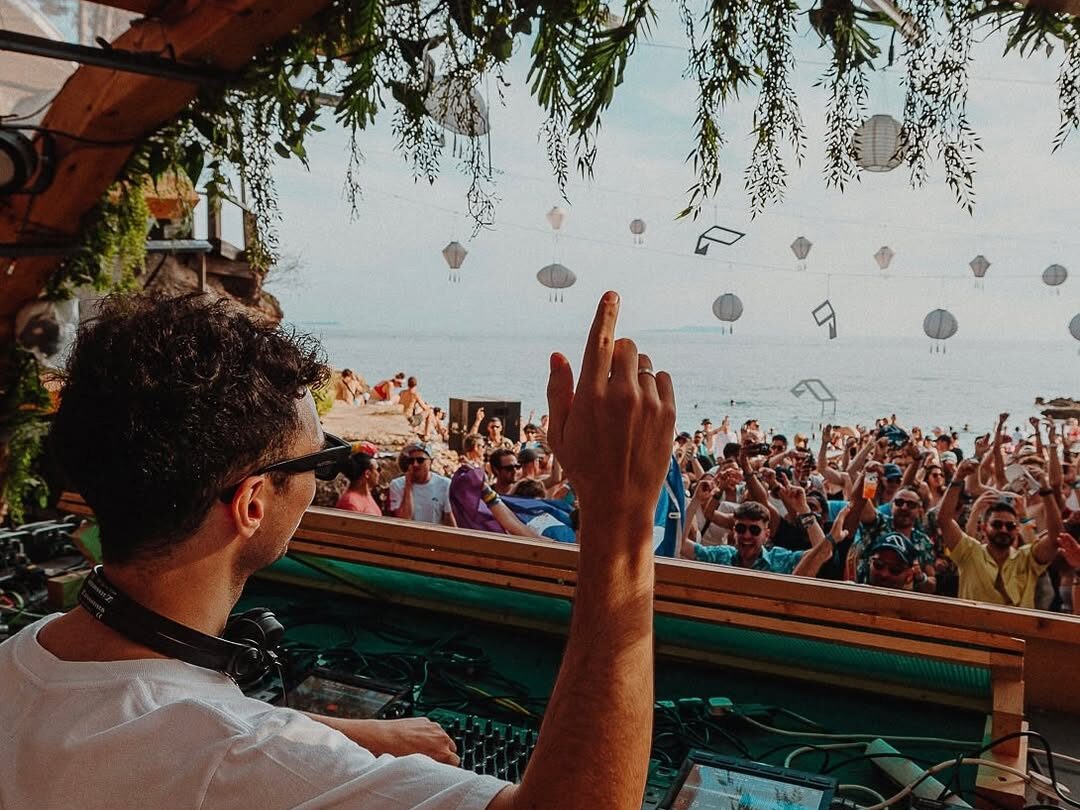
Climate and temperature: June officially marks the beginning of summer. In Tirana, average temperatures are around 27°C during the day and 12°C at night. Along the coast, such as in Saranda and Vlora, temperatures exceed 20°C, while in mountainous areas like Theth, the weather remains refreshing at around 15–16°C. Days are very long and bright – perfect for outdoor activities.
Activities you can do: Beaches are fully operational – from the southern Riviera (Dhërmi, Jale, Himara) to the north (Velipoja, Shengjin). Water sports such as diving, paddleboarding, boating, and swimming are very popular. Hikes in Valbona and Llogara are recommended in the morning to avoid the heat. Boat trips on Lake Koman are also wonderful during this time.
Events and celebrations: June is the month of international festivals in Albania. In Dhërmi, the Kala Festival is organized (music, art, beach), and in Shëngjin the UNUM Festival takes place, bringing together artists and young people from all over the world for electronic music in nature.
Tourism level: Tourism is very high. Beaches, coastal roads, and hotels fill with local and international visitors. There is a good balance between festive energy and relaxing activities.
Prices: Prices increase significantly compared to May. In coastal and tourist areas, accommodation reaches higher levels, especially during festival weeks. Advance booking is recommended to secure availability and better rates.
July – Summer at its peak: sun, beaches, and full holidays
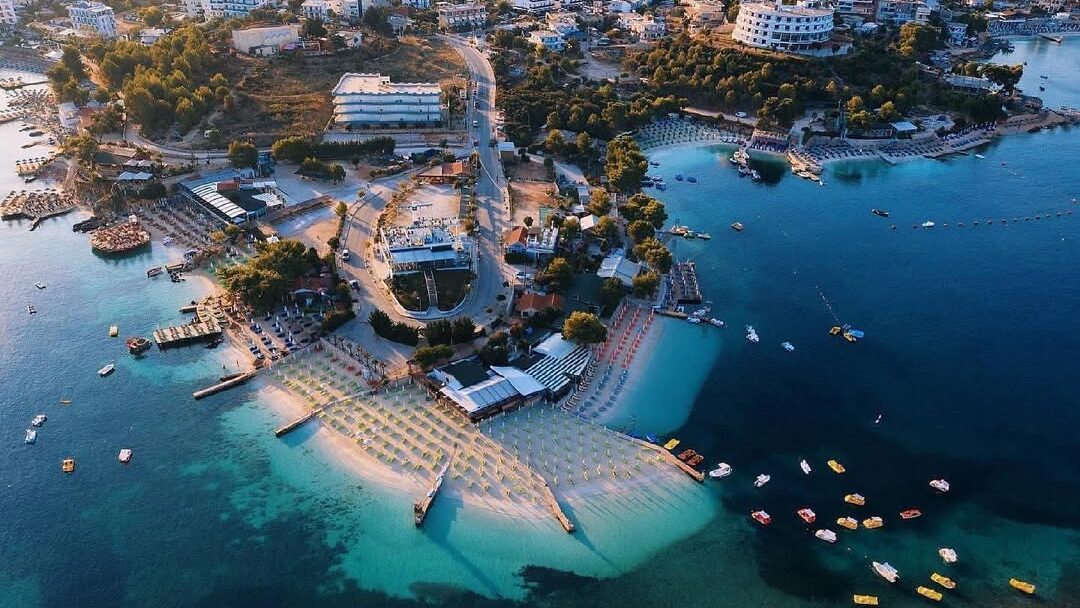
Climate and temperature: July is the hottest month of the year in Albania. In Tirana, temperatures reach up to 30°C during the day and around 17°C at night. In Saranda and other coastal cities, air temperatures are around 24°C, while sea temperatures exceed 25°C – ideal for swimming. In the north and mountainous areas, such as Theth, the air remains cooler – around 18°C.
Activities you can do: Summer is at its peak – and so are the beaches! Holidays in Dhërmi, Ksamil, Jale, Shëngjin, or Velipoja are full of life, with endless activities during the day and evening: from diving and water skiing to beachside concerts. If you are looking for cooler weather, mountains such as Valbona and Theth are perfect for hiking, camping, and escaping the heat.
Events and celebrations: July does not include national holidays, but it is filled with local and musical events. In the south, cities such as Gjirokastër and Korça organize summer evenings with folkloric music and open-air concerts. In various rural areas, you can find Sunday celebrations with live music and traditional food.
Tourism level: This is the absolute peak of the tourist season. Every destination is crowded with local and international tourists – from beaches to mountain resorts. Coastal roads are busy and many accommodation structures are fully booked months in advance.
Prices: Accommodation and service prices are among the highest of the year. In highly demanded areas such as the Albanian Riviera, prices reach high levels. Early booking is strongly advised to avoid unpleasant surprises.
August – The peak of summer and folk festivals in every corner of Albania
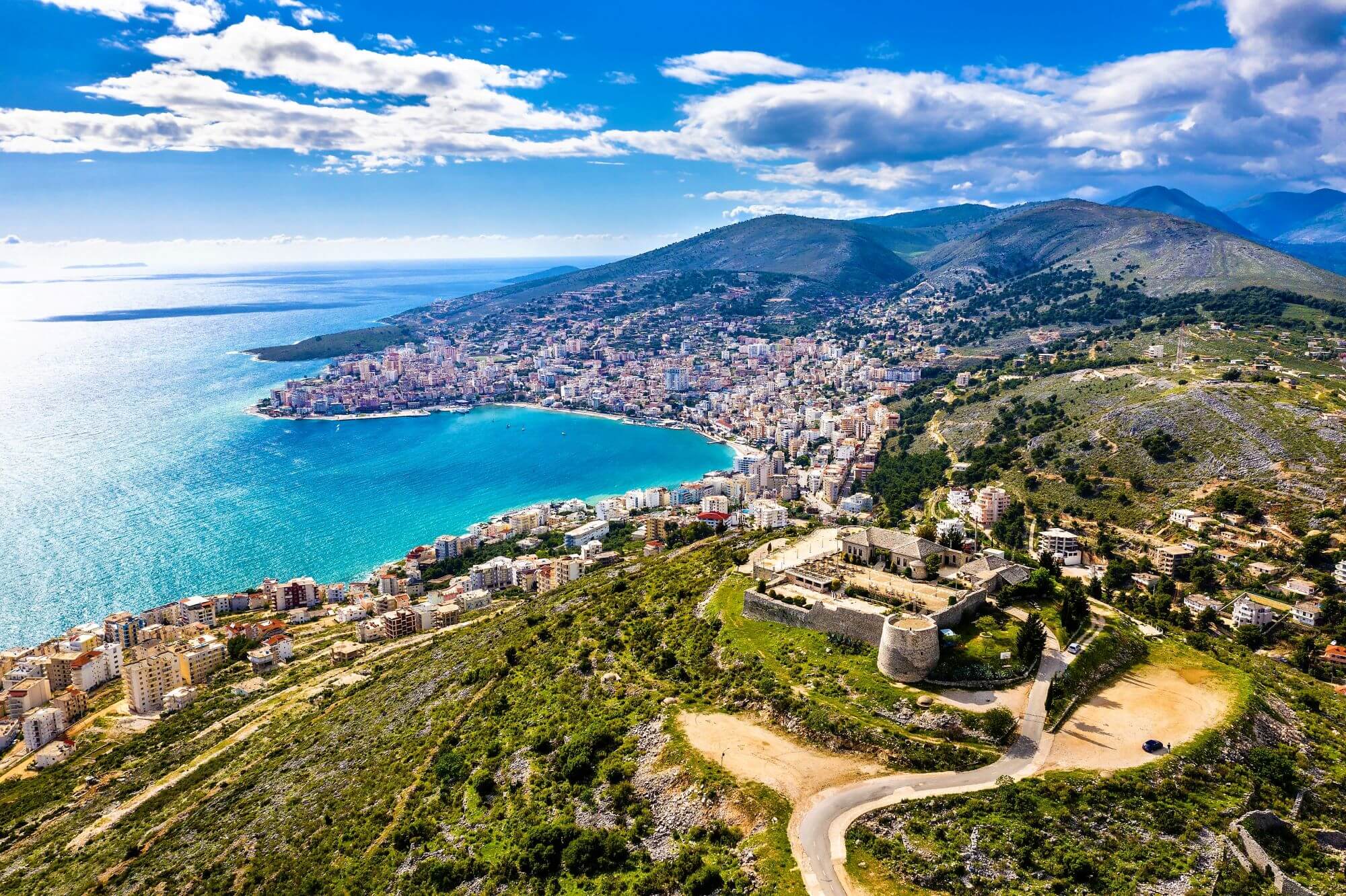
Climate and temperature: August is just as hot as July. In Tirana, temperatures once again reach around 30°C during the day and 17°C at night. In the south, such as in Saranda, average temperatures are around 24°C, while sea temperatures remain above 25°C – ideal for long beach days. In mountainous areas like Theth, the weather stays refreshing at around 18°C, making it a perfect escape from the heat.
Activities you can do: During this period, everything revolves around full holidays: beach time during the day, parties and concerts in the evening. Swimming, diving, boat exploration, paddleboarding, or coastal walks are typical activities. For those who want to avoid crowds, Albania’s mountains such as Korça, Valbona, or Tomorr offer quieter holidays and fresh air.
Events and celebrations: The Korça Beer Festival is one of the biggest events of the year and usually takes place in mid-August. The city fills with visitors for live music, local beer, and a vibrant atmosphere. In many cities, there are summer events, youth festivals, local fairs, and folkloric nights that enrich the experience.
Tourism level: August is the highest point of the season – tourists are everywhere: beaches, mountains, cities, and roads. Albanian and international holidaymakers overlap during the same period, creating a very dynamic atmosphere but also overcrowding in some destinations.
Prices: Prices are at their maximum – especially after August 10th. Accommodation in hotels, villas, and guesthouses is more expensive than in any other month. Planning early and booking strategically is recommended to avoid last-minute high prices.
September – A summer that does not end and the calmest time to travel

Climate and temperature: September brings the first touch of freshness, but the weather remains very favorable for holidays. In Tirana, temperatures fluctuate around 27°C during the day and 14°C at night. In Saranda, the sea remains warm – above 24°C – while in the north and mountainous areas, the air is cooler with average temperatures of 13–21°C. The first half of the month is usually dry and sunny.
Activities you can do: The first part of September is perfect for enjoying beaches without the crowds of July and August. Sea water is still warm, but the atmosphere is calmer. Nature walks, exploration of national parks, and cultural strolls in cities such as Berat, Gjirokastër, or Shkodra are especially pleasant during this time.
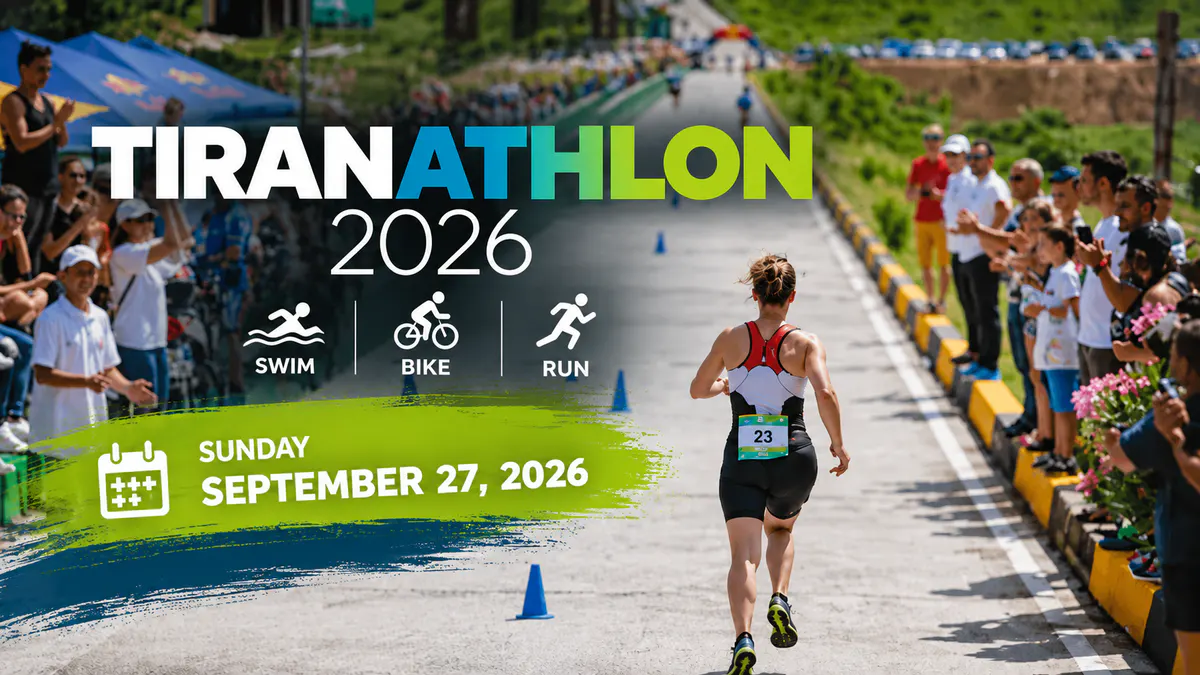
Events and celebrations: At the end of the month, the Tirana International Film Festival (TIFF) takes place, one of the most important cultural cinema events in Albania. In addition, jazz nights and cultural activities are organized in various cities, especially in Tirana and Korça. These create a calmer but artistically rich atmosphere.
Tourism level: Tourism decreases compared to August, but there are still many visitors – especially those who travel off-season to avoid crowds. This is a perfect month for those who want to experience Albania in a calmer and more authentic way.
Prices: Accommodation prices begin to fall, especially after September 10–15. Many establishments offer end-of-season packages, making this month a very economical choice for quality holidays.
October – Autumn in full colors and tranquility
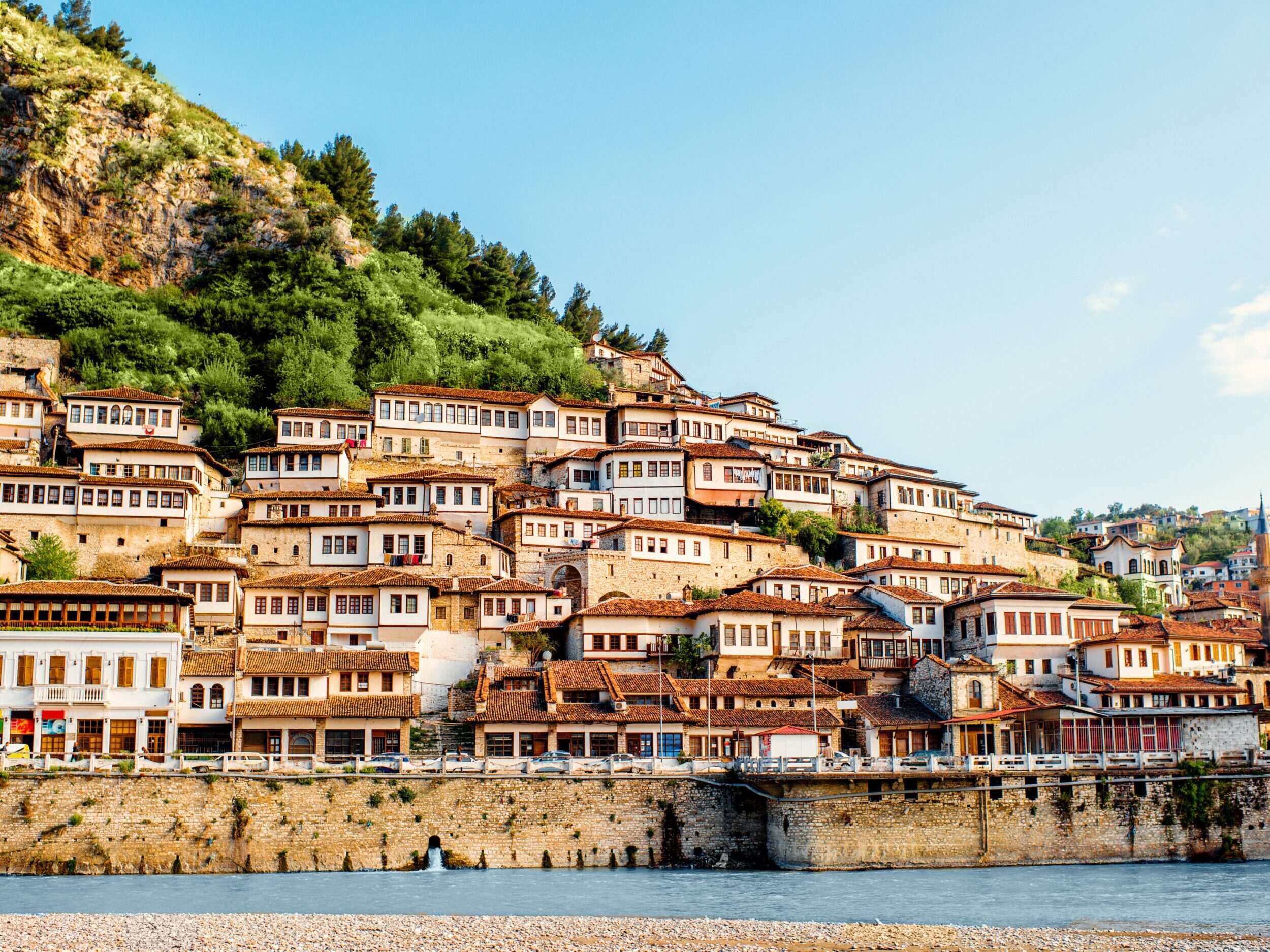
Climate and temperature: In October, the weather begins to cool, but remains pleasant for travel. Tirana records around 21°C during the day and 10°C at night. In Saranda, temperatures are around 16°C, while in mountainous areas such as Theth they drop to 9°C. Rainfall begins to increase and days become shorter.
Activities you can do: October is perfect for experiencing autumn colors in mountains and rural areas such as Shebenik, Dardha, or Koritnik. Walks in historic cities such as Berat and Gjirokastër are very enjoyable, especially for photography enthusiasts. For those who prefer indoor activities, museums and art galleries in major cities offer rich cultural programs.
Events and celebrations: Although there are no national holidays, grape harvest festivals are organized in areas such as Radhimë and Poçem – where you can experience old traditions and wine tastings. In Tirana, you can find local fairs and cultural activities indoors.
Tourism level: Tourism drops significantly, making this a very good period for those seeking peace, authenticity, and lower prices.
Prices: Low to medium. Many guesthouses and hotels offer special off-season deals to attract visitors.
November – Patriotic spirit and cultural atmosphere
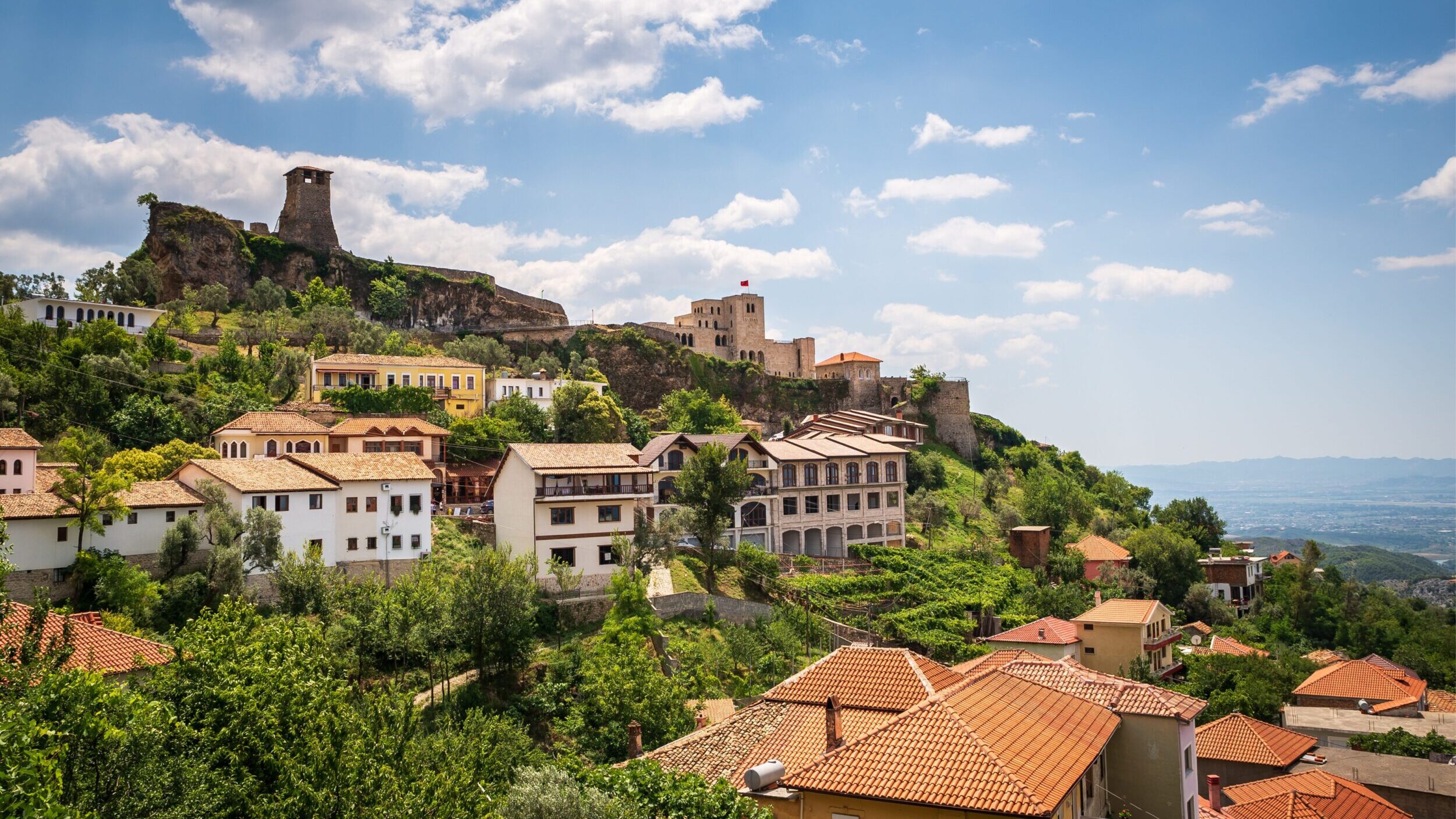
Climate and temperature: November brings noticeable cooling and frequent rainfall. Tirana records around 16°C during the day and 6°C at night. In northern areas such as Theth, temperatures can drop below 5°C. Days become significantly shorter and nights colder.
Activities you can do: This is an ideal month for cultural and historical tourism. Visits to Albania’s castles (such as Kruja, Berat, and Gjirokastër), museums, and exhibitions are very suitable. Likewise, theaters and indoor concerts (especially in Tirana and Korça) become more active during this period.
Events and celebrations: The month culminates with the National Holidays of November 28 and 29 – Independence Day and Liberation Day respectively. The atmosphere is solemn, with patriotic concerts, parades, and red-and-black flag decorations throughout the country. Additionally, Days of Art in Gjirokastër and other cultural events take place.
Tourism level: Tourism is low except during the holiday dates, when some cities experience an increase in visitors.
Prices: Prices are very favorable, especially before and after the holidays. Many hotels offer winter discounts to attract guests.
December – End-of-year festivities and winter magic
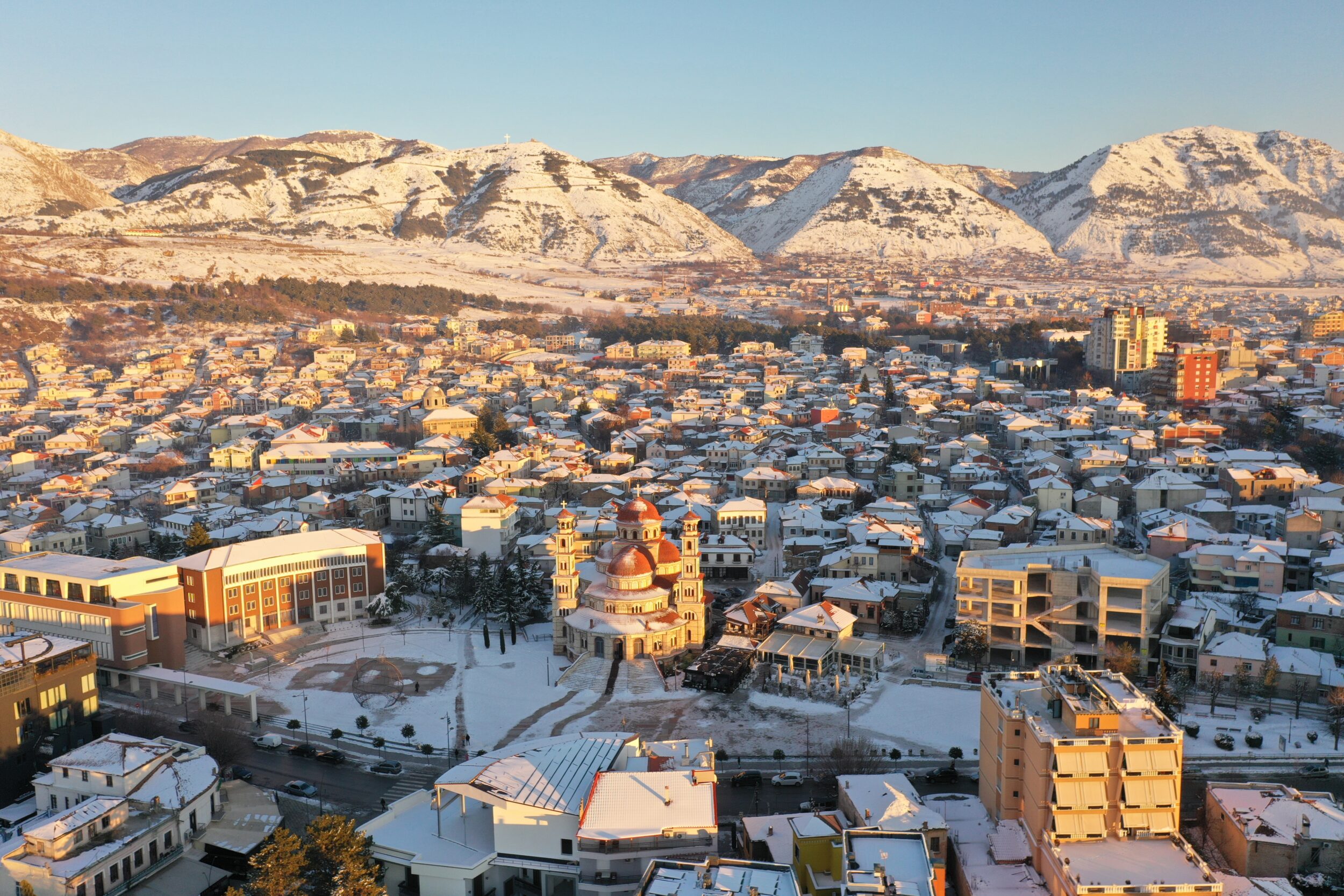
Climate and temperature: Winter officially sets in. Tirana records around 12°C during the day and 3°C at night, Saranda around 7°C, Shkodra about 6°C, while in Theth temperatures fall below zero. Precipitation is common – rain in lowlands and snow in mountainous areas. Days are the shortest of the year (around 9 hours of daylight).
Activities you can do: In cities such as Tirana and Korça, end-of-year fairs and festive activities take place – with lights, decorations, and Christmas markets. For snow lovers, visits to Voskopoja, Dardha, or Valbona offer unique winter experiences. Thermal baths such as those in Bënja are a perfect choice for relaxation in cold outdoor conditions.
Events and celebrations: December culminates with Christmas celebrations (December 25) and New Year’s Eve (December 31). Cities are illuminated with festive decorations and concerts, street parties, and activities for children and families are organized.
Tourism level: Low during most of the month, but increases significantly during the last week due to the holidays.
Prices: Low at the beginning of the month, but increase significantly for Christmas and New Year, especially in major cities and winter resorts.
Albania welcomes you all year round
Whatever month you choose to visit Albania, something magical will be waiting for you: fiery summers along the Riviera, fresh air and hiking in the mountains, traditional festivals in villages, deep culture in historic cities, or a relaxing weekend in thermal baths.
This month-by-month guide helps you plan your trip according to your preferences – whether for relaxation, adventure, culture, or simply to discover a new corner of Albania.
👉 If you have a friend who is thinking of visiting Albania, share this article with them – it could save them time and give them new ideas for an unforgettable journey!