

If you are looking for a 10-day Northern Albania tour filled with dramatic mountains, turquoise rivers, alpine villages, scenic roads, and unforgettable hiking trails, this itinerary brings together some of the most beautiful natural experiences in the north of the country.
The journey starts in Shkoder before heading deep into the Albanian Alps, exploring Theth, Lepushe, Lake Koman, the Shala River, and Valbona Valley. From there, the route continues through Prizren and Kukes toward the lesser-known mountain landscapes of Shishtavec and the High Scardus Trail, before finishing in Diber with rafting on the Black Drin River and a taste of traditional local cuisine.
Rather than focusing on Albania’s famous coastline, this 10-day Albania nature itinerary is designed around adventure and the outdoors. Along the way, you can hike to waterfalls and mountain peaks, swim in crystal-clear rivers and natural pools, cross Lake Koman by boat and ferry, explore remote villages, stay in traditional guesthouses, taste regional food, and experience landscapes that change dramatically from one day to the next.
The itinerary is ideal for travelers planning a Northern Albania road trip, an Albanian Alps adventure, or a longer nature-focused journey beyond the country’s most visited destinations. It is an active route, but also a flexible one: you can choose which hikes and activities to include depending on your fitness level, interests, weather conditions, and how slowly you want to travel.
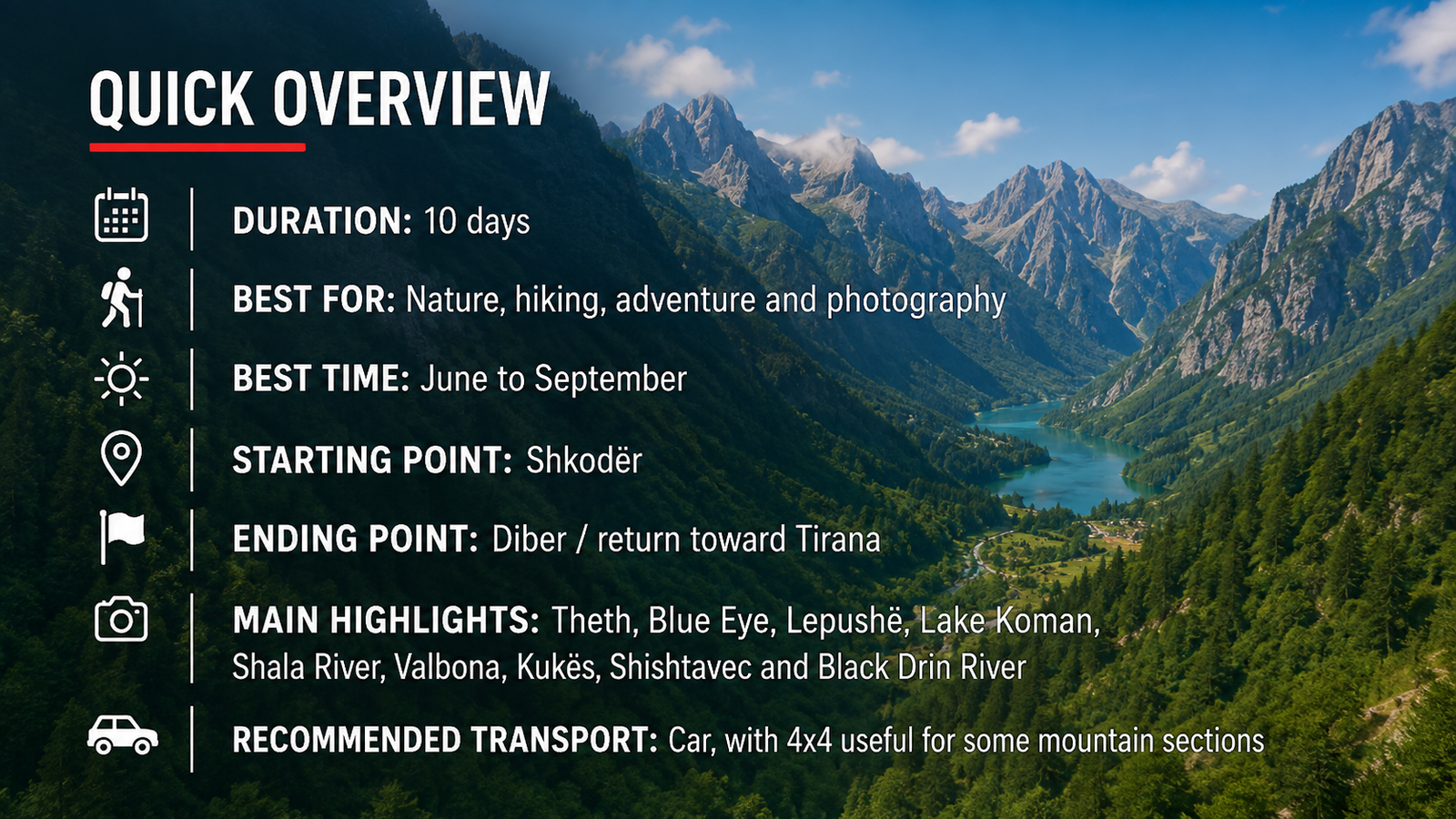
10-Day Northern Albania Itinerary at a Glance
| Day | Route / Destination | Main Highlights | Overnight |
|---|---|---|---|
| Day 1 | Shkoder & Lake Shkodra | Rozafa Castle, Mesi Bridge, Shiroke & Zogaj | Shkoder |
| Day 2 | Shkoder → Theth | Grunas Waterfall, Church of Theth & Lock-In Tower | Theth |
| Day 3 | Theth & Nderlysa | Blue Eye of Theth, Nderlysa Pools & nature trails | Theth |
| Day 4 | Theth → Lepushe | Leqet e Hotit, Cemi River, Tamare & Selca Pools | Lepushe |
| Day 5 | Lepushe | Maja e Vajushes hike (2,056 m) & Accursed Mountains | Lepushe |
| Day 6 | Lepushe → Lake Koman → Shala River | Scenic drive, Lake Koman boat ride, swimming & kayaking | Shala River |
| Day 7 | Shala River → Koman → Fierze → Valbona | Koman–Fierze ferry, Valbona River & optional Kukaj hike | Valbona |
| Day 8 | Valbona → Prizren → Kukes | Scenic road trip, Prizren Old Town & local lunch | Kukes or Shishtavec |
| Day 9 | Shishtavec → High Scardus Trail → Diber | Path of Colors, Guri i Mengjesit, Lake Novoseja & optional Kallabak Peak | Diber / Peshkopi |
| Day 10 | Diber & Black Drin River | Rafting, Dibran cuisine & relaxed afternoon | Return to Tirana |
Day 1 – Shkoder & Lake Shkodra
Your Northern Albania adventure begins in Shkoder, one of Albania’s most historic cities and the traditional gateway to the Albanian Alps.
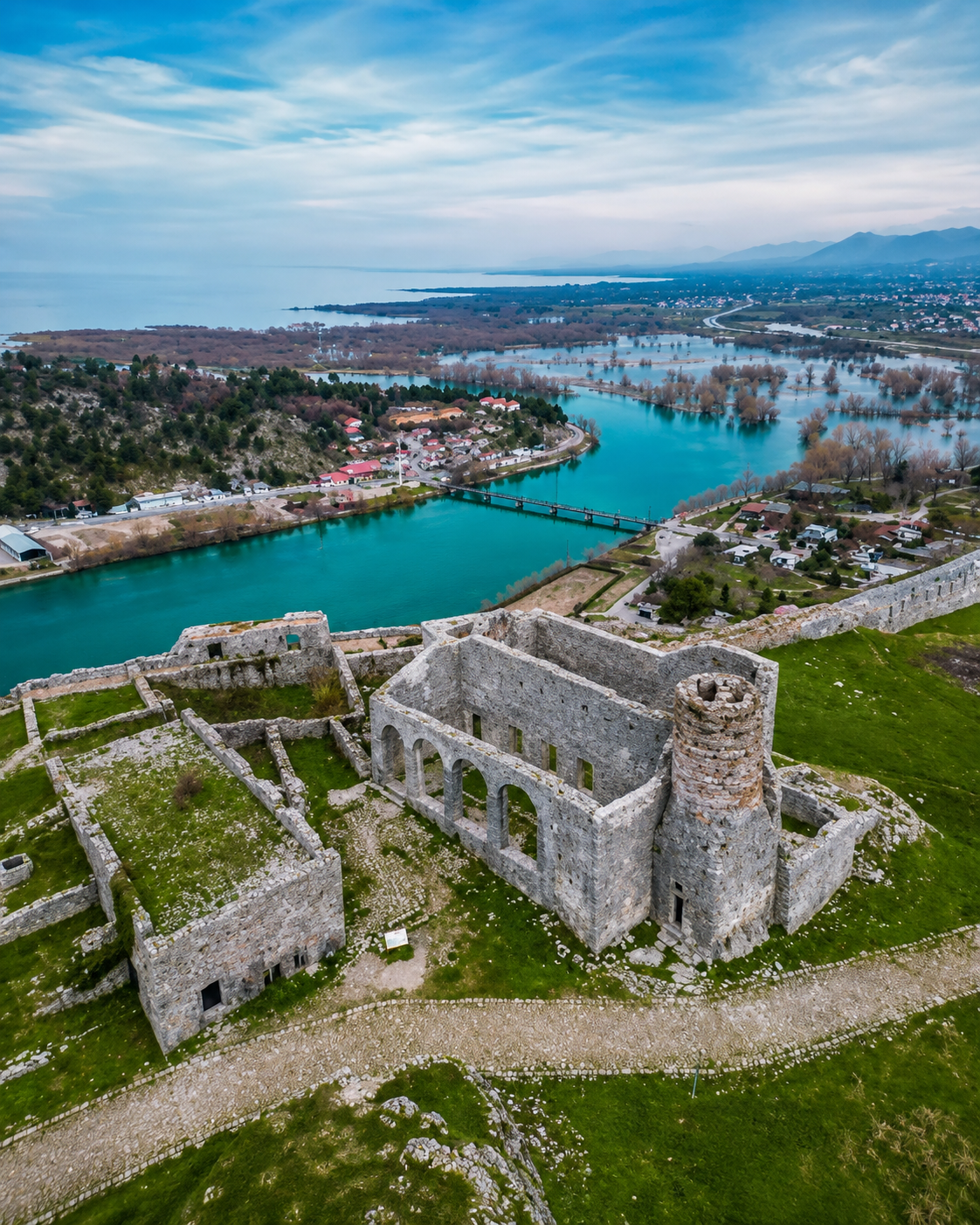
Start the morning at Rozafa Castle, located on a hill overlooking Shkoder, the Buna and Drin rivers, and Lake Shkodra. Besides its historical importance, the castle offers one of the best panoramic viewpoints around the city.
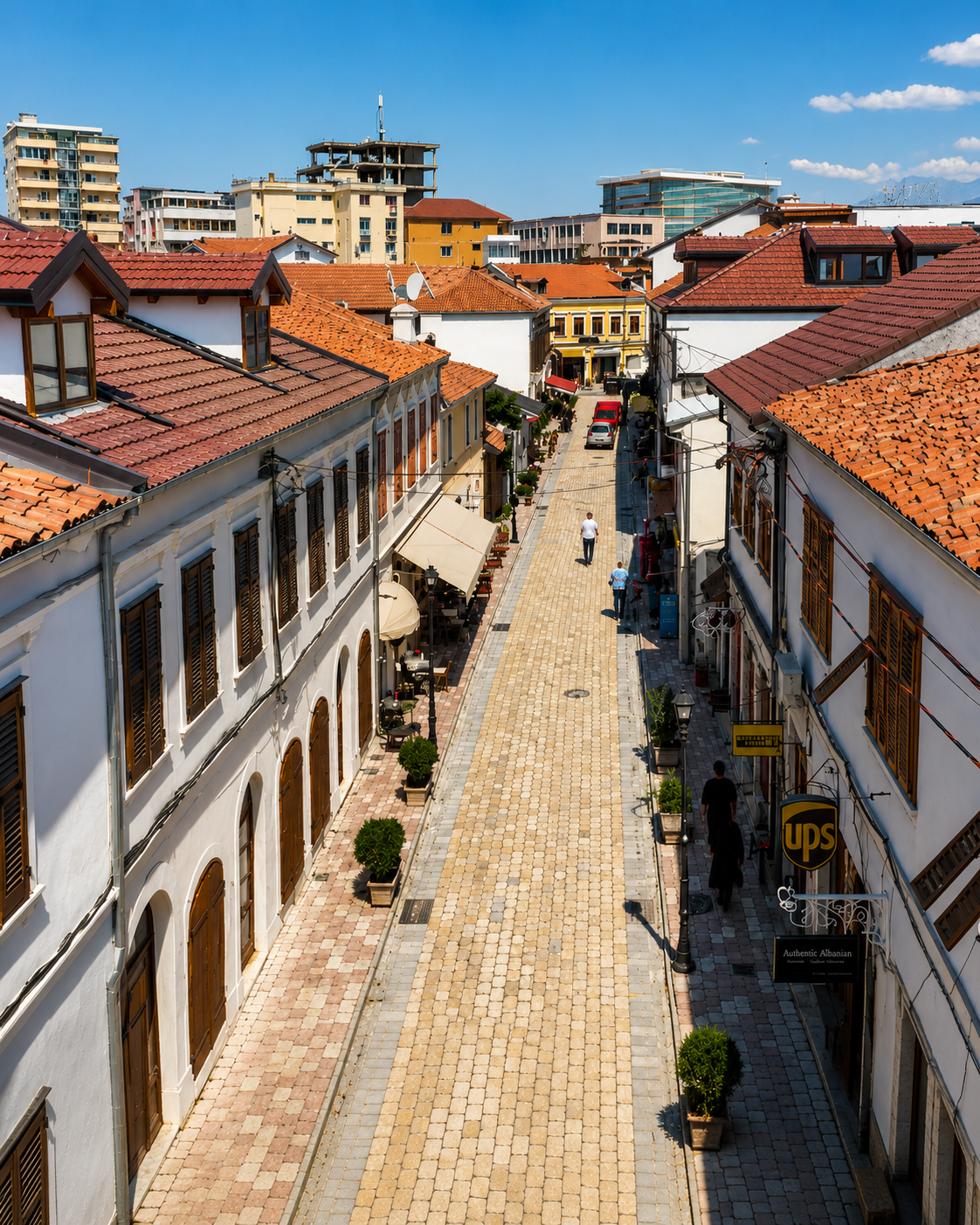
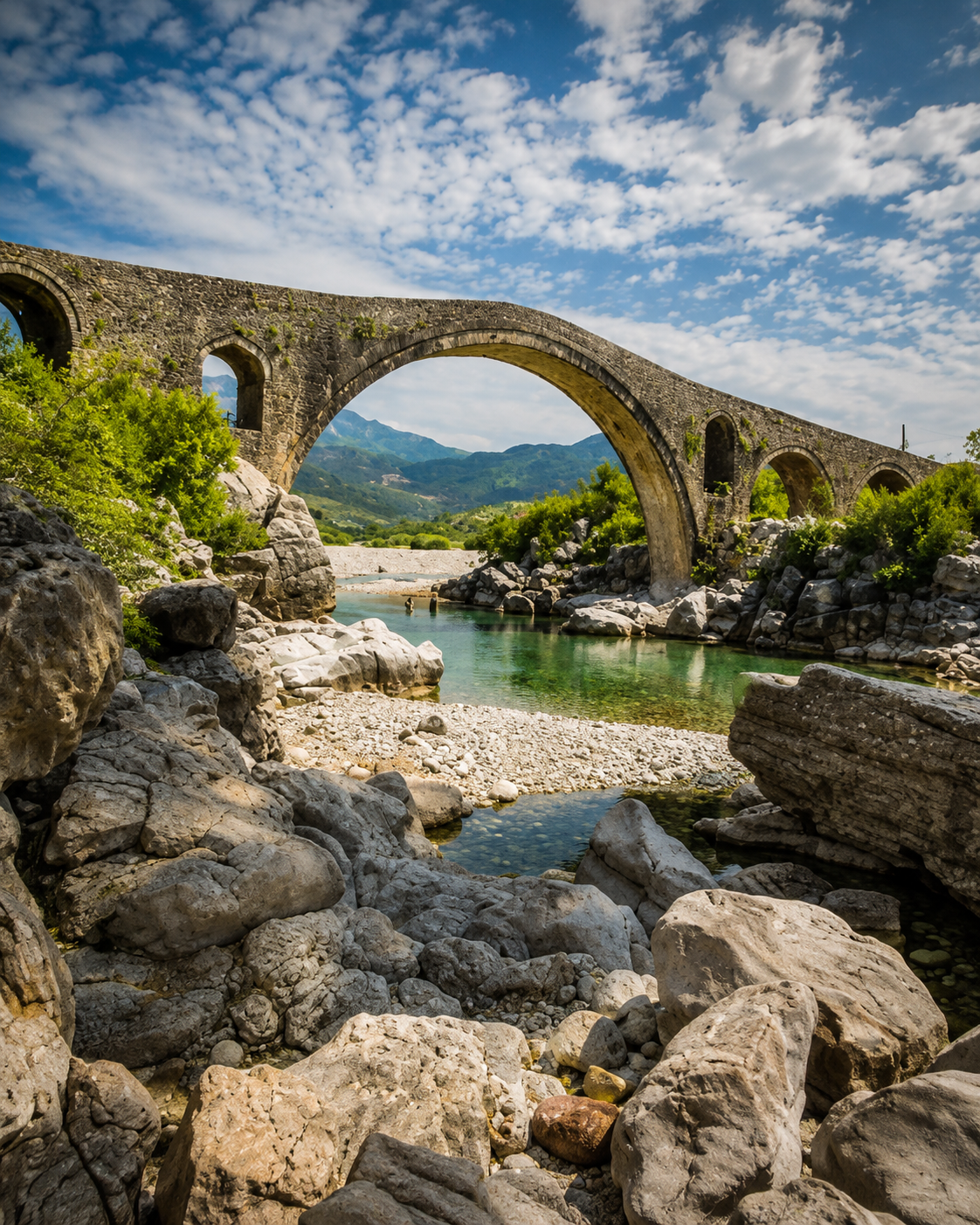
Continue into central Shkoder, where pedestrian streets, traditional architecture, cafés, churches, and mosques reflect the city’s diverse cultural heritage. Before leaving the area, you can also visit Mesi Bridge, one of Albania’s best-known historic stone bridges.
Where to Eat in Shkoder?
After exploring the city’s main landmarks, take a break and discover Shkoder’s local food scene. From traditional Albanian dishes and fresh seafood to Italian-inspired cuisine and lakeside dining, the city offers plenty of options for lunch.
Not sure where to eat? Explore our Top 5 Restaurants in Shkoder: Best Places to Eat in 2026 for our latest selection of the best-rated places in the city.
Afternoon at Shiroke and Zogaj
In the afternoon, head toward Lake Shkodra, the largest lake in Southern Europe and one of Northern Albania’s most important natural areas. If you want to learn more about its landscapes, biodiversity, and protected ecosystem, explore our complete guide to Lake Shkodra UNESCO Biosphere Reserve (2026).
The lakeside villages of Shiroke and Zogaj are ideal for a slower afternoon after exploring the city. Stop for lunch overlooking the water, walk along the lakeshore, or swim during the warmer months. More active travelers can explore the slopes around Mount Tarabosh, which rises dramatically above the lake.
Overnight: Shkoder
Staying overnight before heading into the Albanian Alps? Explore our Top 5 Accommodations in Shkoder (2026) to find the best-rated hotels and apartments for your stay.
Day 2 – Shkodër to Theth & Grunas Waterfall
Day two takes you from Shkodër into the heart of the Albanian Alps, where dramatic mountain scenery meets the centuries-old traditions of Theth.
Leave Shkodër in the morning and travel toward Theth, one of the most iconic mountain villages in Albania. As the road climbs into the Alps, the landscape gradually changes from valleys and forests to rugged limestone peaks.
After arriving and checking into your guesthouse, spend the rest of the day discovering some of Theth’s most important natural and cultural landmarks.
Hike to Grunas Waterfall
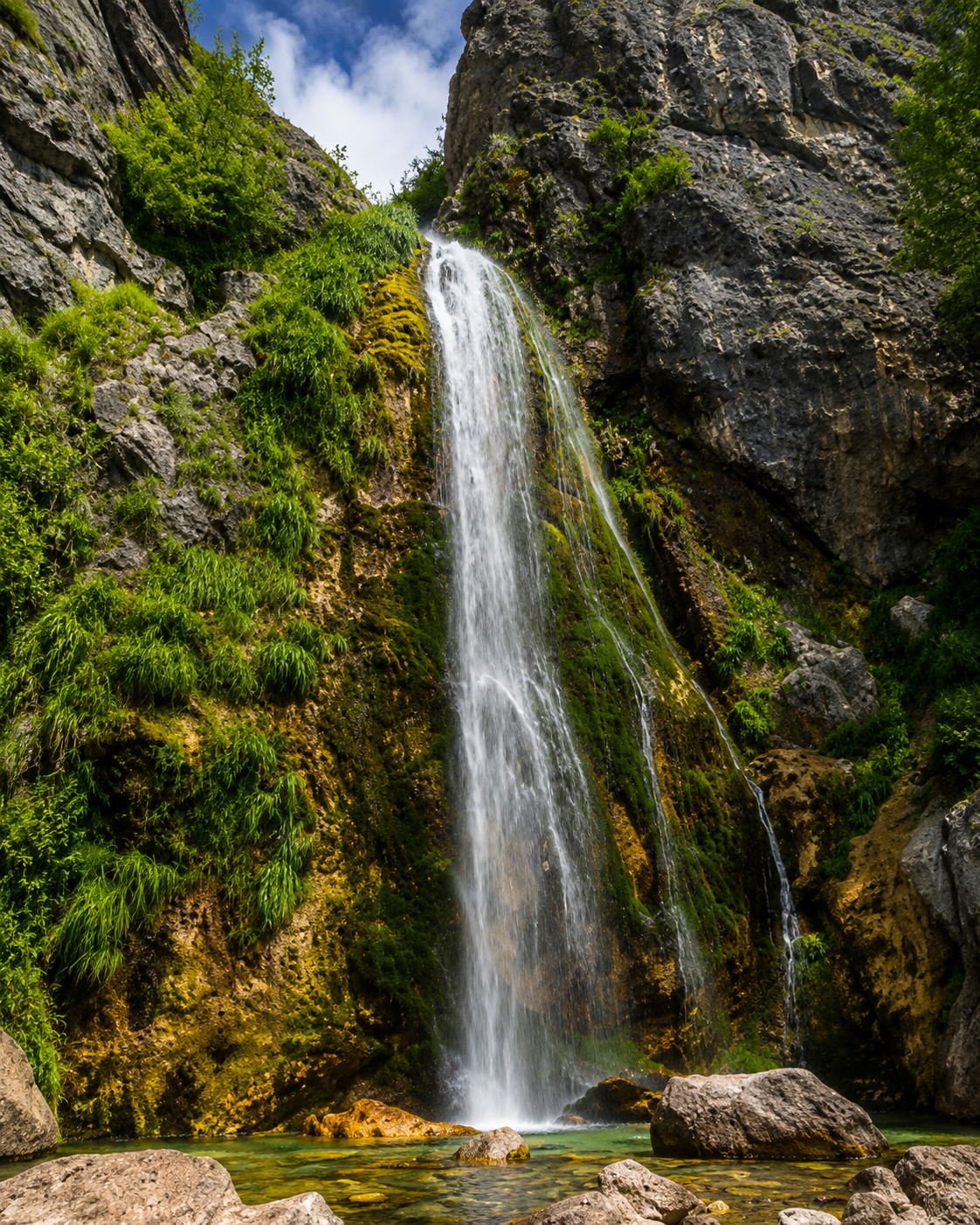
Start with one of the easiest and most rewarding hikes in Theth: Grunas Waterfall (Ujevara e Grunes). Located approximately 2.5–3 km from the village center, the waterfall can usually be reached in around 45–60 minutes on foot each way. The trail follows the valley and river landscape before becoming slightly steeper as you approach the waterfall.
Dropping approximately 25–30 meters between limestone cliffs, Grunas Waterfall forms a clear natural pool surrounded by alpine vegetation. On sunny days, the mist and sunlight can create rainbow-like reflections around the falls, making it one of the most photogenic natural attractions in Theth. The trail is generally considered easy to moderate and is suitable for most travelers with comfortable walking or hiking shoes.
Hiking time: Around 45–60 minutes each way | Difficulty: Easy to moderate | Distance: Approximately 2.5–3 km from central Theth
Best for: Nature, hiking and photography
Visit the Church of Theth
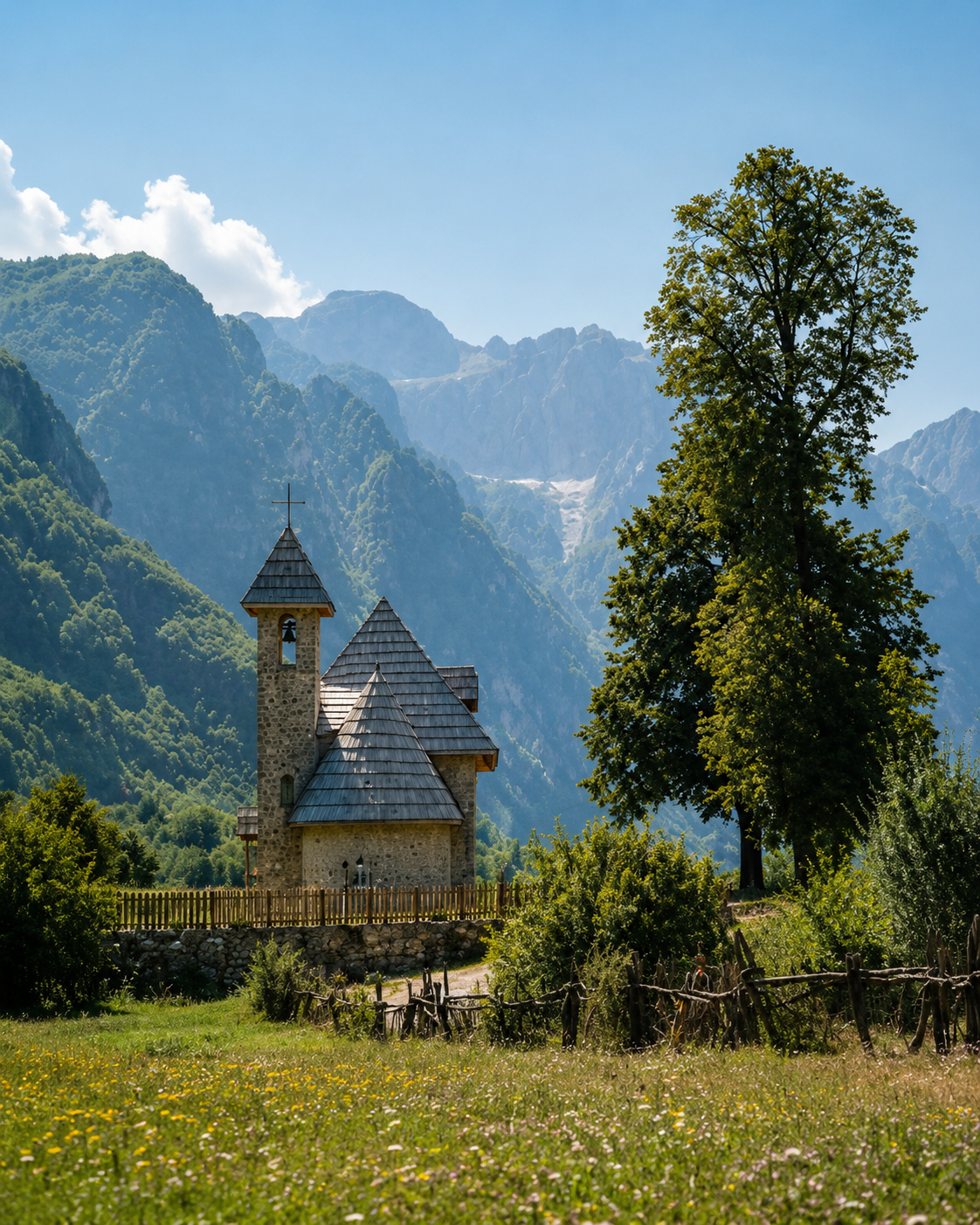
After returning from the waterfall, continue to the Church of Theth, one of the most recognizable landmarks in the Albanian Alps. Built in 1892, this historic Catholic church stands almost in the heart of the village, surrounded by the dramatic alpine landscape of Theth. With its simple stone architecture and impressive mountain backdrop, it has become one of the most photographed landmarks in Northern Albania and a strong symbol of the village’s cultural identity.
Beyond its religious role, the church has long been a center of community life in Theth. In the early 20th century, it also played an important educational role, hosting the area’s first school. Despite being closed during Albania’s communist period, the church regained its spiritual function after the 1990s. Modest in size but rich in history and meaning, the Church of Theth reflects the resilience, traditions, and quiet spirituality of the local mountain community. It is easily reached on foot from anywhere in the village and is well worth a short stop for photos and a moment of calm.
Overnight: Theth
Spend the night in a traditional guesthouse and enjoy local mountain cuisine before another day of exploring the Albanian Alps.For trusted places to stay, explore our Top 5 Accommodations in Theth: Where to Stay, featuring some of the best-rated guesthouses and mountain stays in the village.
Day 3 – Blue Eye of Theth & Lock-in Tower
Your second full day in Theth is dedicated to one of the most beautiful natural experiences in the Albanian Alps: the Blue Eye of Theth and Nderlysa Pools. Combining crystal-clear mountain water, natural limestone pools, riverside trails, and dramatic alpine scenery, this is one of the highlights of any Northern Albania itinerary.
Discover The Lock-In Tower (Reconciliation Tower)
Finish the afternoon with one of Theth’s most fascinating cultural landmarks: the Lock-In Tower, known locally as Kulla e Ngujimit or Kulla e Pajtimit. The stone tower offers insight into the historical traditions associated with the Kanun of Leke Dukagjini, the customary code that regulated many aspects of social life in Northern Albania. Its history is closely connected with blood feuds, mediation, protection, and reconciliation within traditional mountain communities, where village elders and respected figures often played an important role in resolving disputes.
Today, visiting the tower offers travelers a chance to understand Theth beyond its mountains and waterfalls. Together with the village church and traditional stone houses, it reveals a deeper side of local life shaped by family, community, customary law, faith, and centuries-old mountain traditions.
Blue Eye of Theth & Nderlysa Pools
One of the most stunning natural attractions in Northern Albania, the Blue Eye of Theth is a crystal-clear spring fed by icy mountain waters, famous for its intense blue and turquoise shades. Located in the Kaprre area of Theth, around 7 km from Theth village, it can be reached via a scenic hiking trail surrounded by forests, rocky landscapes, and mountain streams.
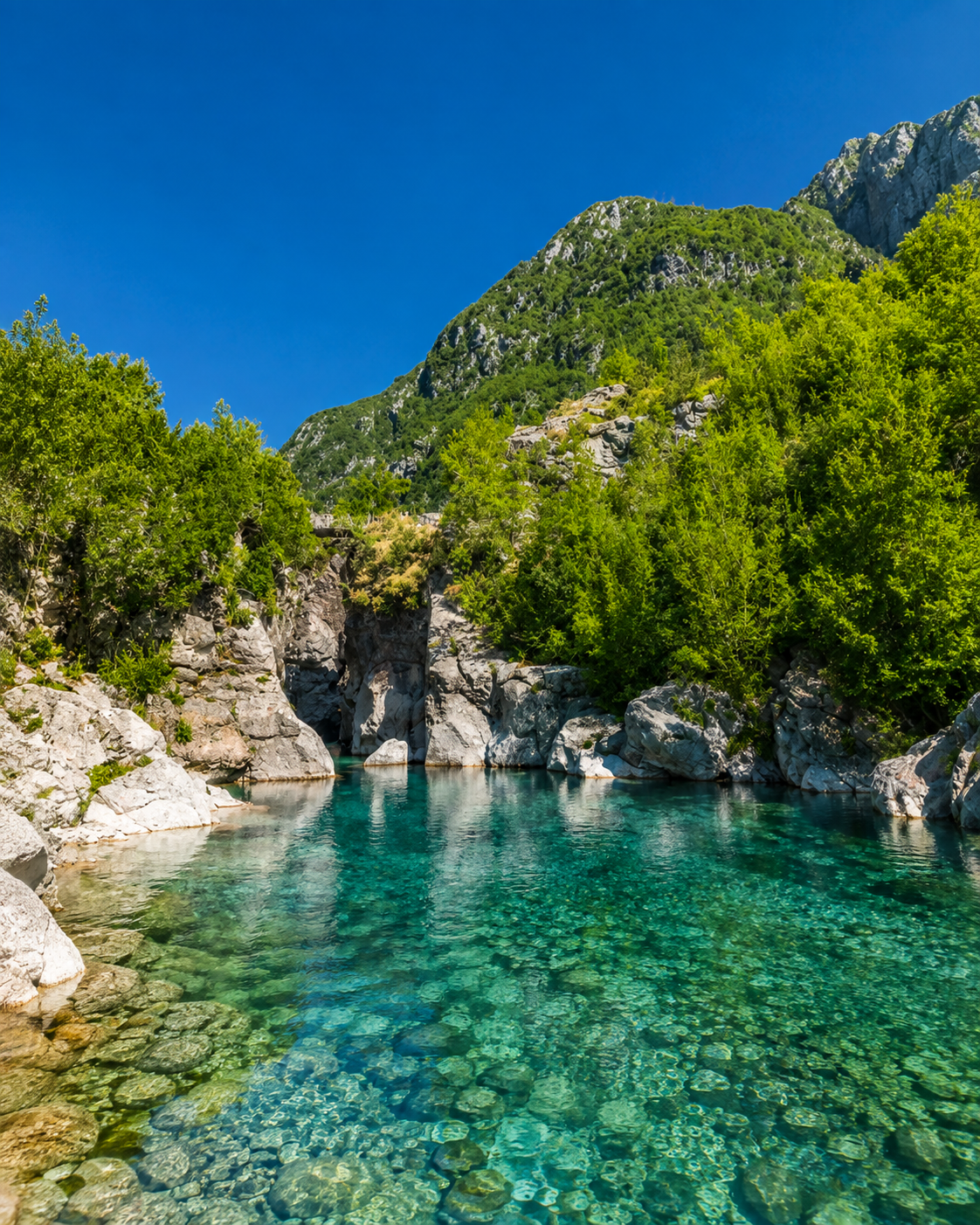
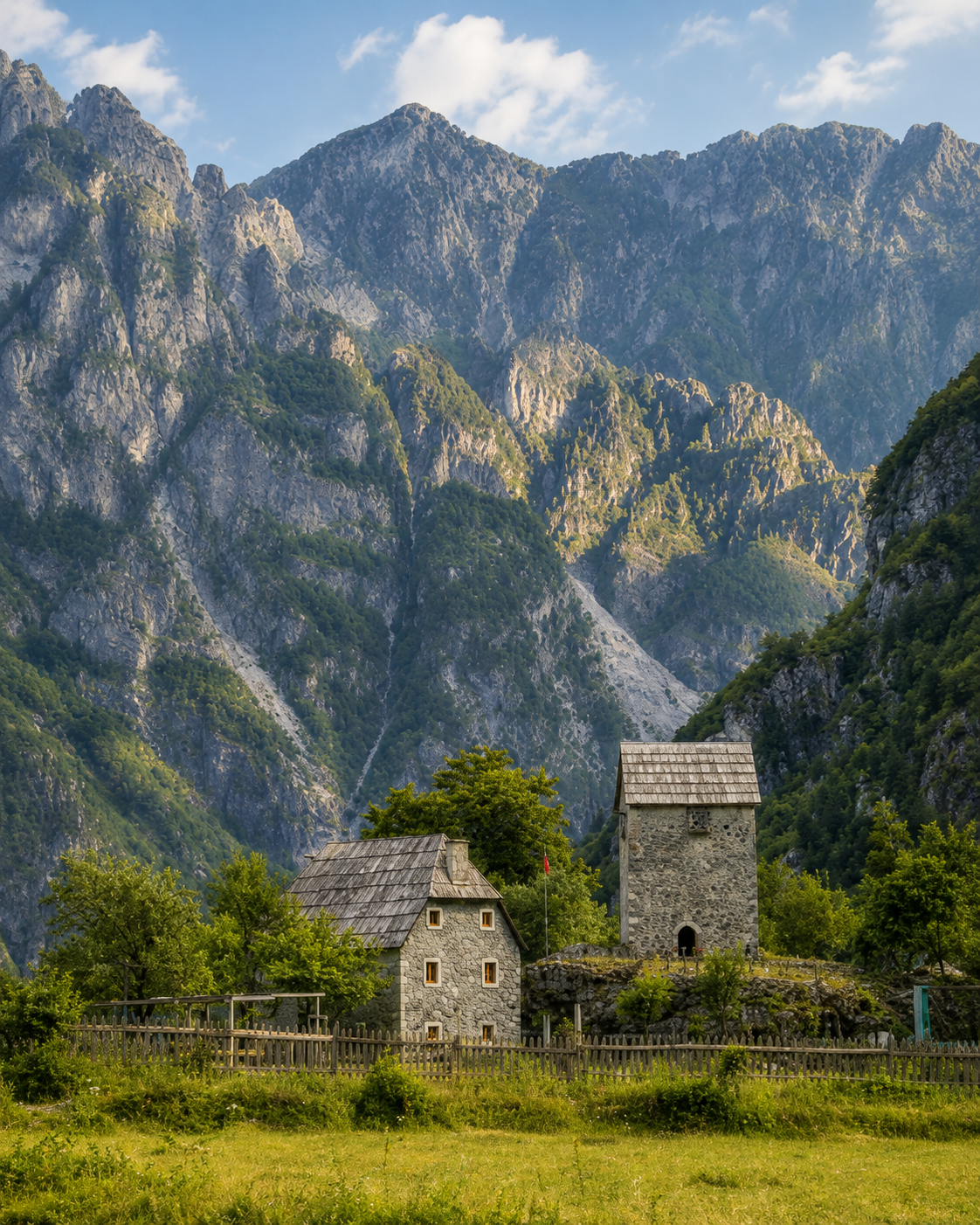
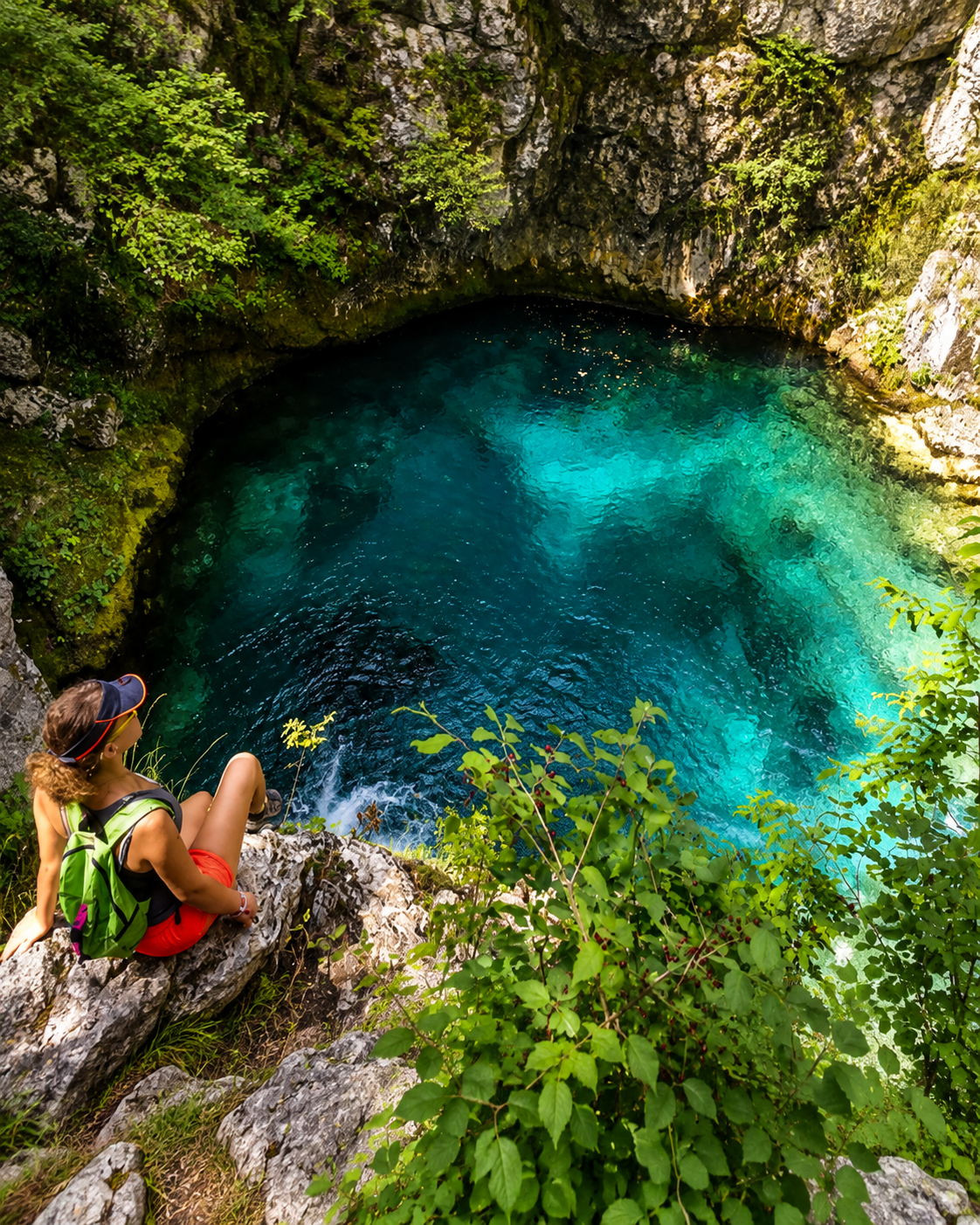
The easiest way to visit is to travel from Theth to Nderlysa, where the main parking area is located. Reaching Nderlysa by car makes the experience shorter and more suitable for families. From here, follow the riverside trail for approximately 40–60 minutes to reach the Blue Eye. The walk is generally family-friendly for children comfortable with light hiking, although the final section becomes slightly steeper as you approach the spring.
Before or after the hike, take some time to explore the Nderlysa Pools, natural limestone formations shaped by the flow of the river. During the warmer months, visitors can swim in the clear natural pools, relax beside the water, or stop for lunch at one of the local guesthouses or restaurants in the area.
For travelers looking for a longer adventure, it is also possible to hike from Theth all the way to Nderlysa before continuing toward the Blue Eye. This turns the visit into a much longer nature experience and allows you to explore more of the valley on foot. There is no entrance fee to the natural attraction, and although the water at the Blue Eye remains extremely cold even in summer, the scenery alone makes the hike worthwhile.
Hiking time from Nderlysa: Around 40–60 minutes each way | Difficulty: Easy to moderate | Distance from Theth: Around 7 km
Best for: Nature, swimming, hiking, families and photography
Theth–Valbona Trail – Optional Extension
For experienced travelers who want to extend their hiking adventure, the Theth–Valbona Trail is one of Albania’s most iconic mountain routes. Part of the wider Via Dinarica network, the trail crosses the Albanian Alps through high mountain terrain, open valleys, forests, and panoramic passes, offering some of the most spectacular views of the entire trip.
The hike generally takes around 5–7 hours one way, depending on pace, conditions, and starting point. Along the route, hikers can find natural water sources and seasonal mountain stops where it may be possible to rest and enjoy a drink. The trail can be completed as a full-day hike with an overnight stay in Valbona, making it an excellent alternative for travelers who want a more challenging experience in the Albanian Alps. However, because this 10-day Northern Albania itinerary includes Valbona later in the journey, you can also save the Valbona experience for Day 7 and spend this day fully exploring the Blue Eye and Nderlysa.
Overnight: Theth
Spend your final night in Theth surrounded by the Albanian Alps. If you haven’t chosen your stay yet, explore our Top 5 Accommodations in Theth: Where to Stay for some of the best-rated guesthouses and mountain stays in the village.
Day 4 – Theth to Lepushe: Scenic Kelmend Road Trip
After two days of hiking and exploring Theth, Day 4 slows the pace and takes you on one of the most scenic road trips in Northern Albania. The destination is Lepushe, a small alpine village in the Kelmend region near the Montenegro border, but the journey itself is one of the highlights of the day.
Lepushe lies between Tamare and Vermosh, within the protected landscapes of the Albanian Alps National Park. Surrounded by forests, alpine meadows, and dramatic mountain peaks, the village feels remote while still being accessible by road. Rather than rushing directly to Lepushe, dedicate the day to exploring the landscapes and villages of Kelmend along the way.

Drive Through Leqet e Hotit & the Cemi Valley
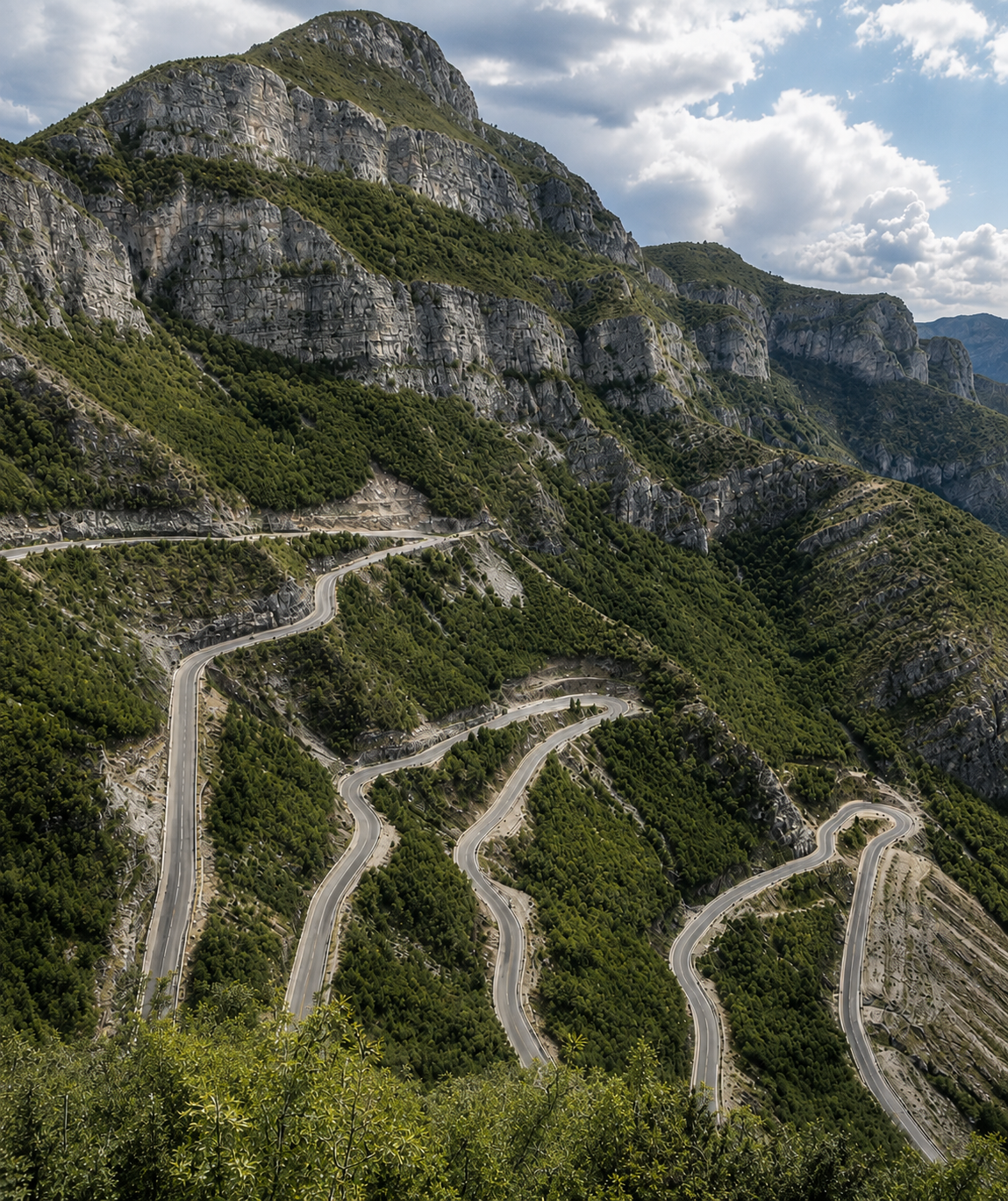
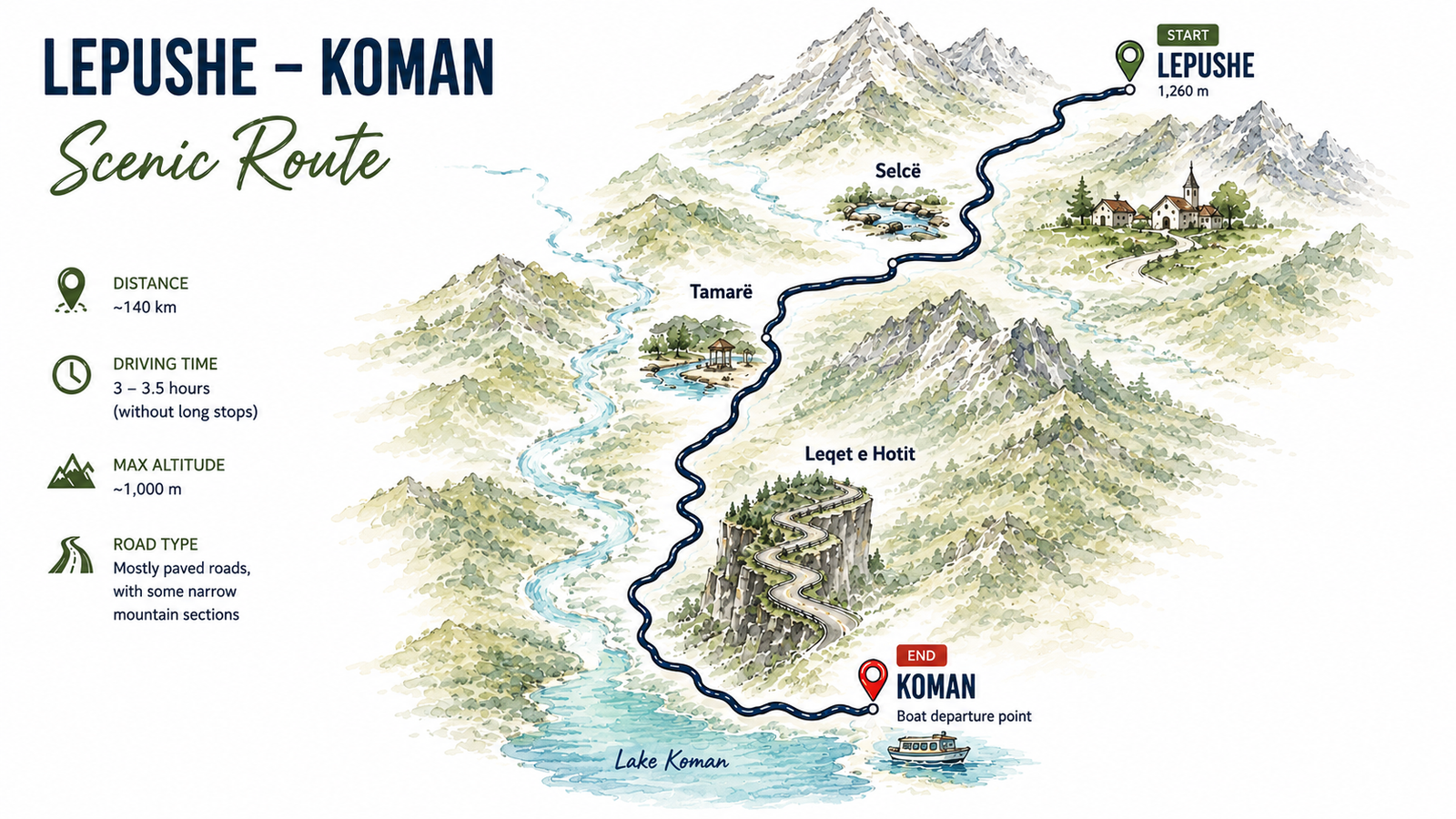
As you enter the Kelmend region, the road begins to reveal some of the most dramatic scenery in Northern Albania. One of its most spectacular sections is Leqet e Hotit, a winding mountain road carved into steep limestone slopes above the valley. Its sharp curves and elevated viewpoints offer impressive panoramas across the Cemi Valley, making this section particularly rewarding for photographers and road-trip travelers.
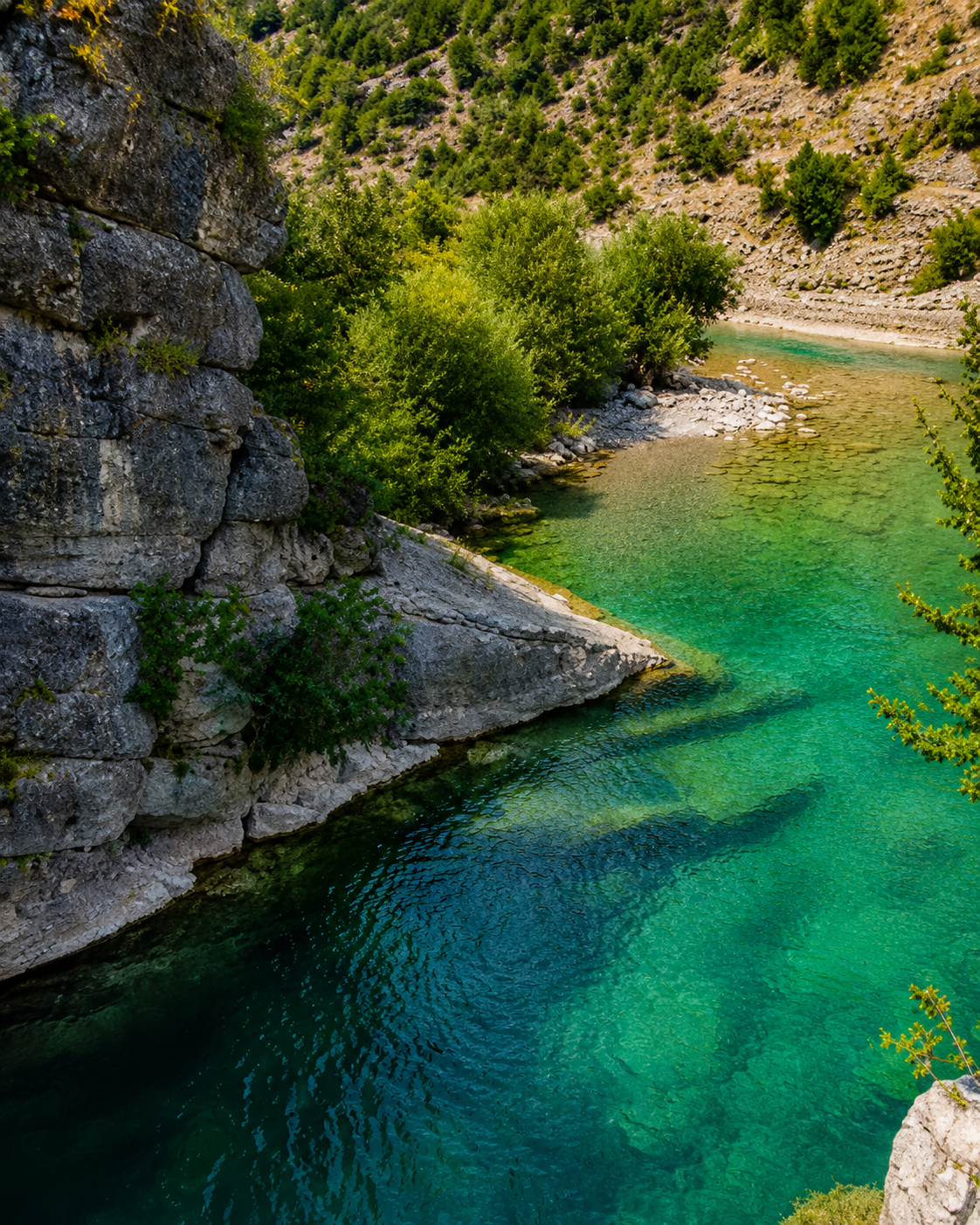
From here, the route continues alongside the turquoise waters of the Cemi River, surrounded by canyon walls and rugged mountain landscapes. During summer, several places along the river provide opportunities to stop, enjoy the scenery, and cool off in the clear mountain water before continuing toward the higher elevations of Kelmend.
Stop in Tamare & Swim in the Cemi River
Continue toward Tamare, often considered the gateway to the Kelmend region. Set beside the Cemi River and surrounded by steep mountains, the village makes an ideal stop for a coffee, lunch, or short walk before continuing deeper into the Albanian Alps.
During the warmer months, visitors gather at the riverside area often referred to locally as Tamare Beach. Rather than a traditional sandy beach, this is a natural freshwater swimming area where the calm, crystal-clear water of the Cemi provides a refreshing break from the summer heat. Surrounded by canyon walls and mountain scenery, it is one of the most unusual swimming stops on this Northern Albania itinerary.
Discover the Selca Water Pools
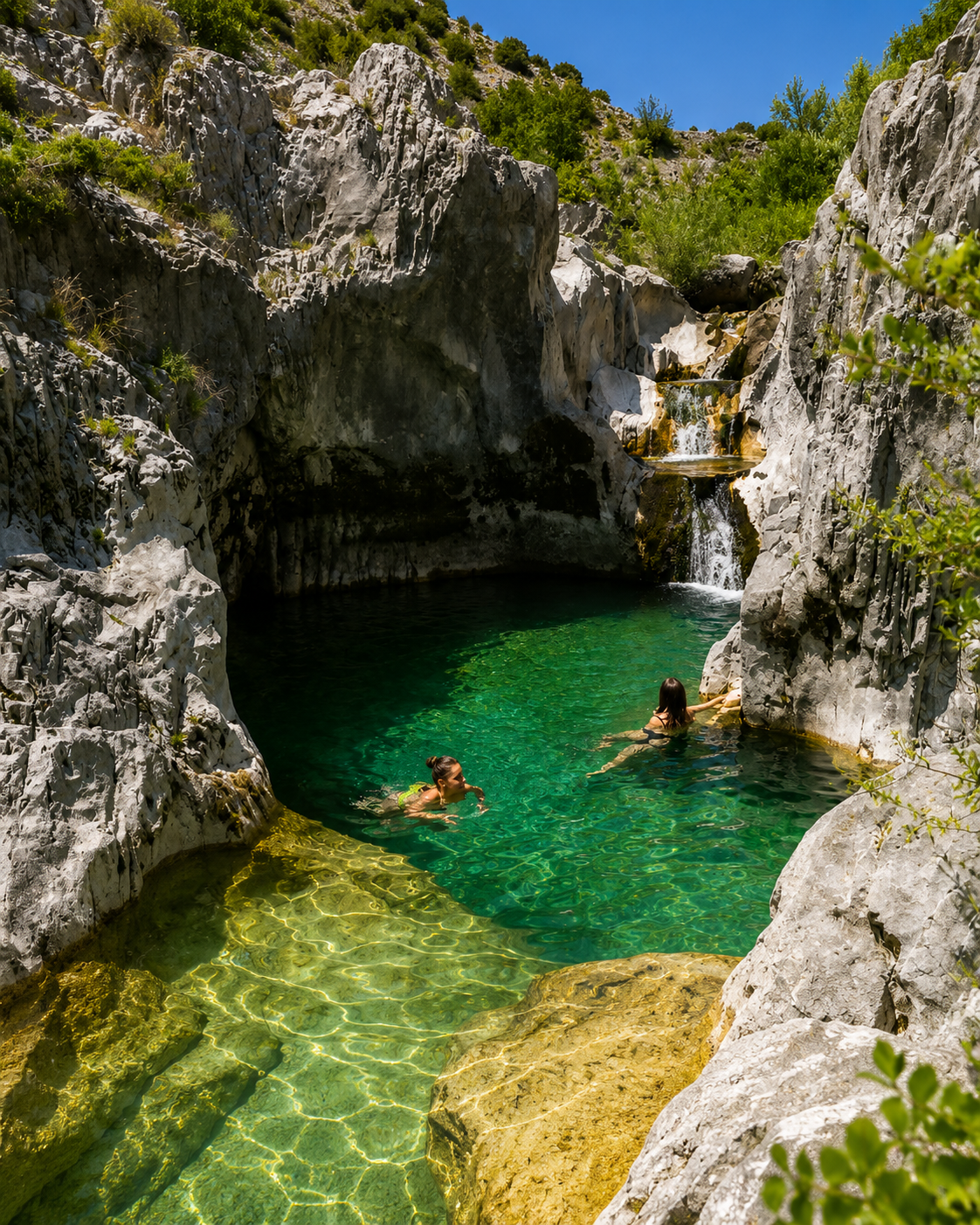
Before reaching Lepushe, make another nature stop near Selce to discover the Selca Water Pools (Gropat e Selces). Formed over centuries by flowing mountain water, these natural limestone basins create clear pools between the rocks and are among the most photogenic freshwater landscapes in the Kelmend region.
In summer, the pools are especially inviting for travelers who want to combine sightseeing with swimming and relaxation. Together, Leqet e Hotit, Tamare, the Cemi River, and Selca Pools turn the journey toward Lepushe into a full mountain road-trip experience rather than simply a transfer between destinations.
Arrive in Lepushe & Enjoy the Alpine Landscape
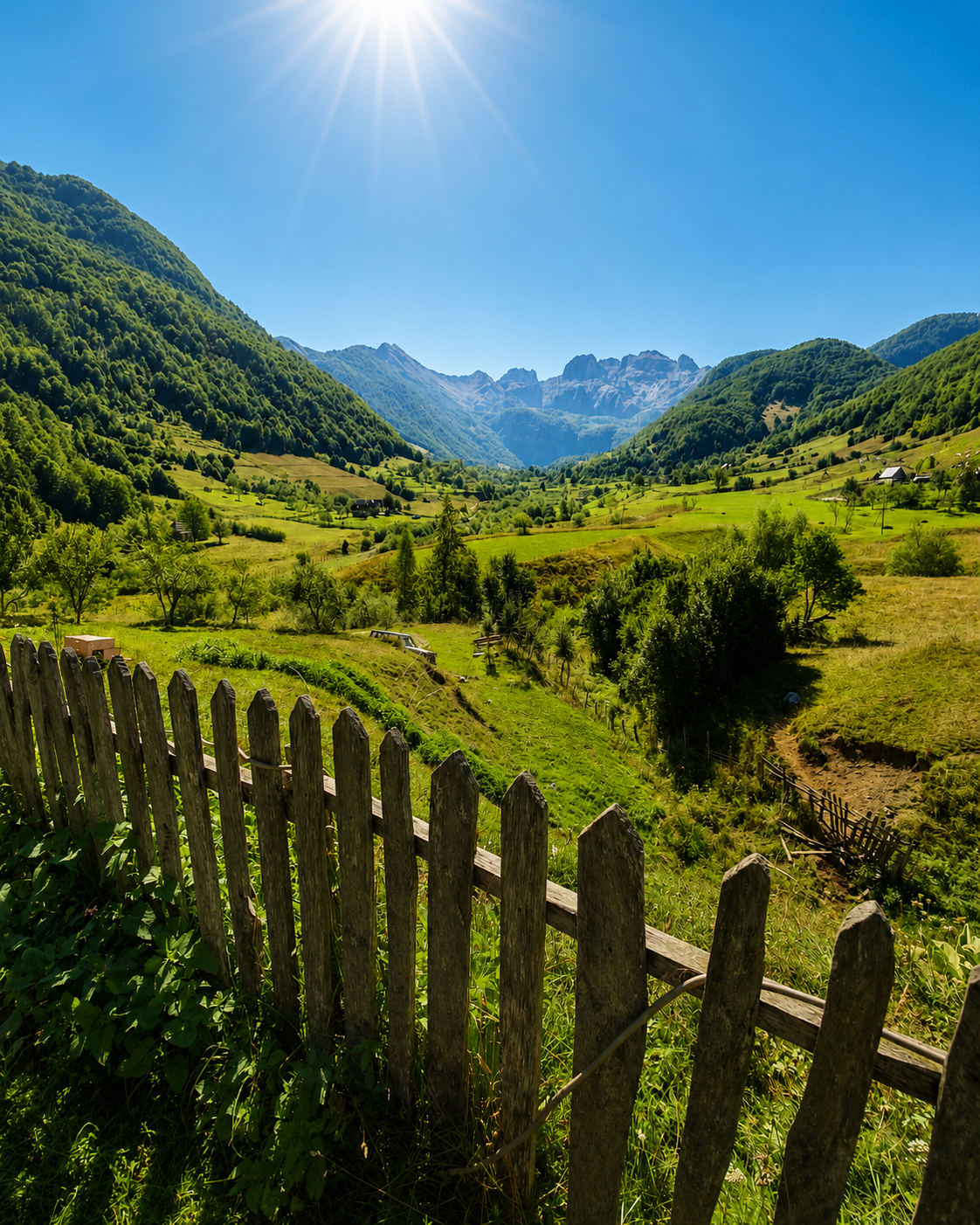
Continue into the mountains until you reach Lepushe, where the scenery changes again as the road enters a high-alpine landscape of green meadows, dense forests, traditional houses, and imposing mountain peaks.
Instead of planning another demanding hike after the drive, use the late afternoon to explore the village at a slower pace. Walk through the surrounding meadows, enjoy the mountain views, photograph the alpine landscape, or simply relax at your guesthouse and experience the peaceful atmosphere of one of Albania’s northernmost mountain communities.
Lepushe is particularly beautiful toward sunset, when the changing light reaches the surrounding peaks and the valley becomes noticeably quieter. After several active days in Theth, this slower afternoon offers a chance to enjoy the Albanian Alps without a demanding hiking schedule.
Overnight: Lepushe
Stay in a local mountain guesthouse and enjoy a traditional dinner surrounded by the landscapes of Kelmend.
Day 5 – Lepushe & Hiking Maja e Vajushes
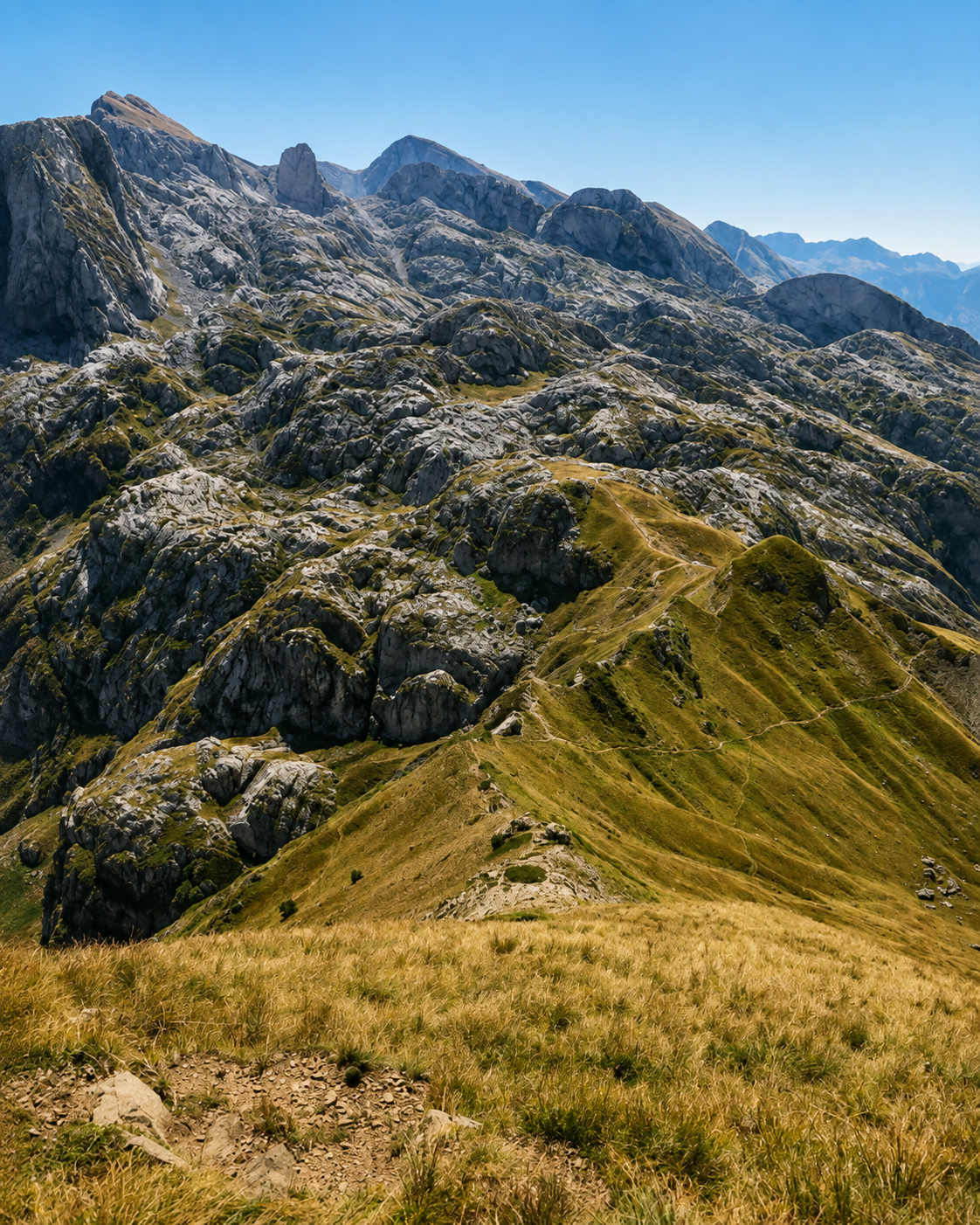
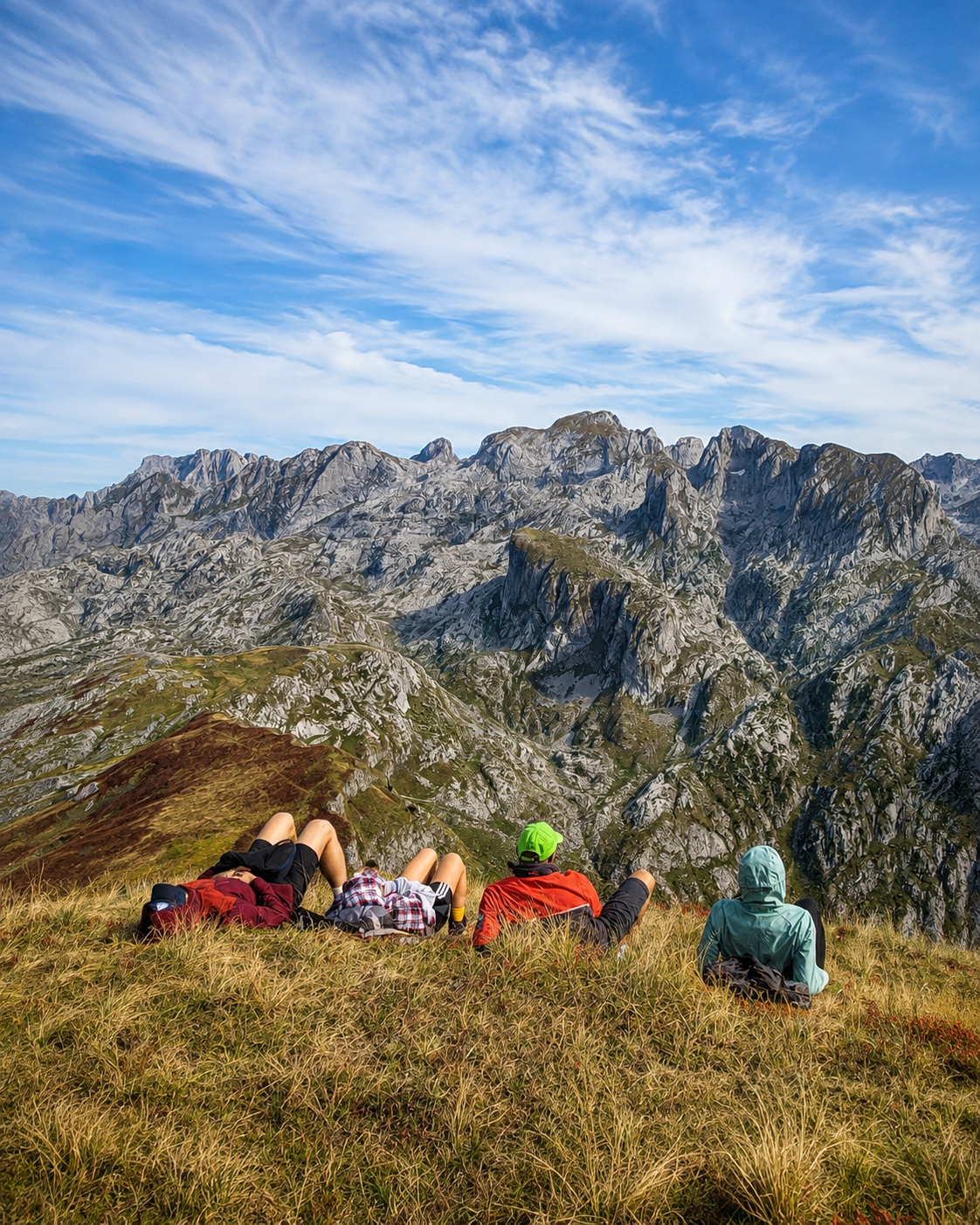
After a relaxing evening in Lepushe, Day 5 is dedicated to one of the best hiking experiences in the Accursed Mountains. Today you will hike to Maja e Vajushes, a panoramic mountain peak rising to approximately 2,056 meters above sea level.
Lepushe sits at around 1,260 meters and makes an excellent base for exploring this quieter part of the Albanian Alps. Unlike the busier trails around Theth and Valbona, the mountains surrounding Lepushe offer a more peaceful hiking experience, with alpine forests, open pastures, dramatic limestone peaks, and wide views across the Accursed Mountains (Bjeshket e Nemuna / Prokletije).
Hiking Maja e Vajushes – 2,056 m
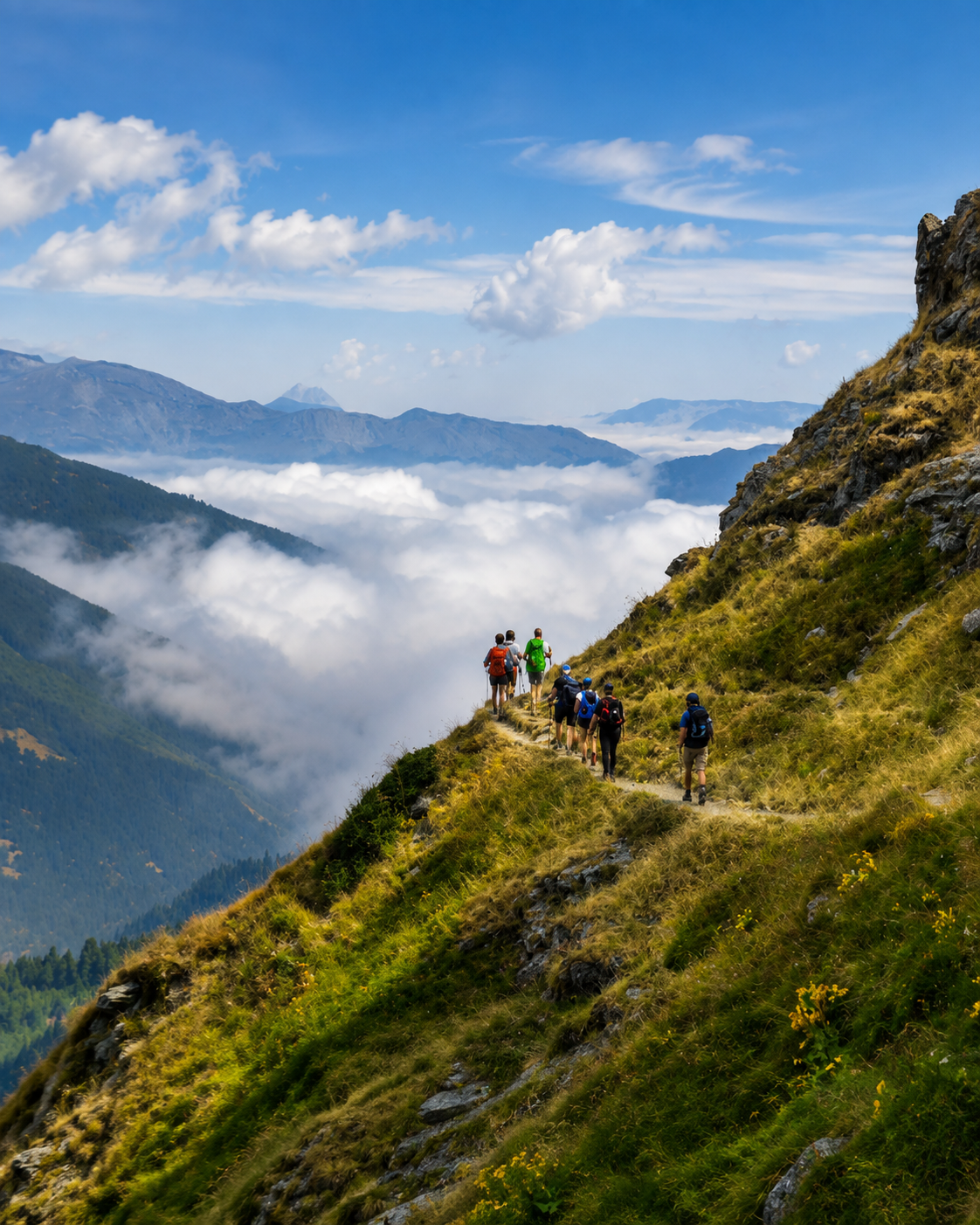
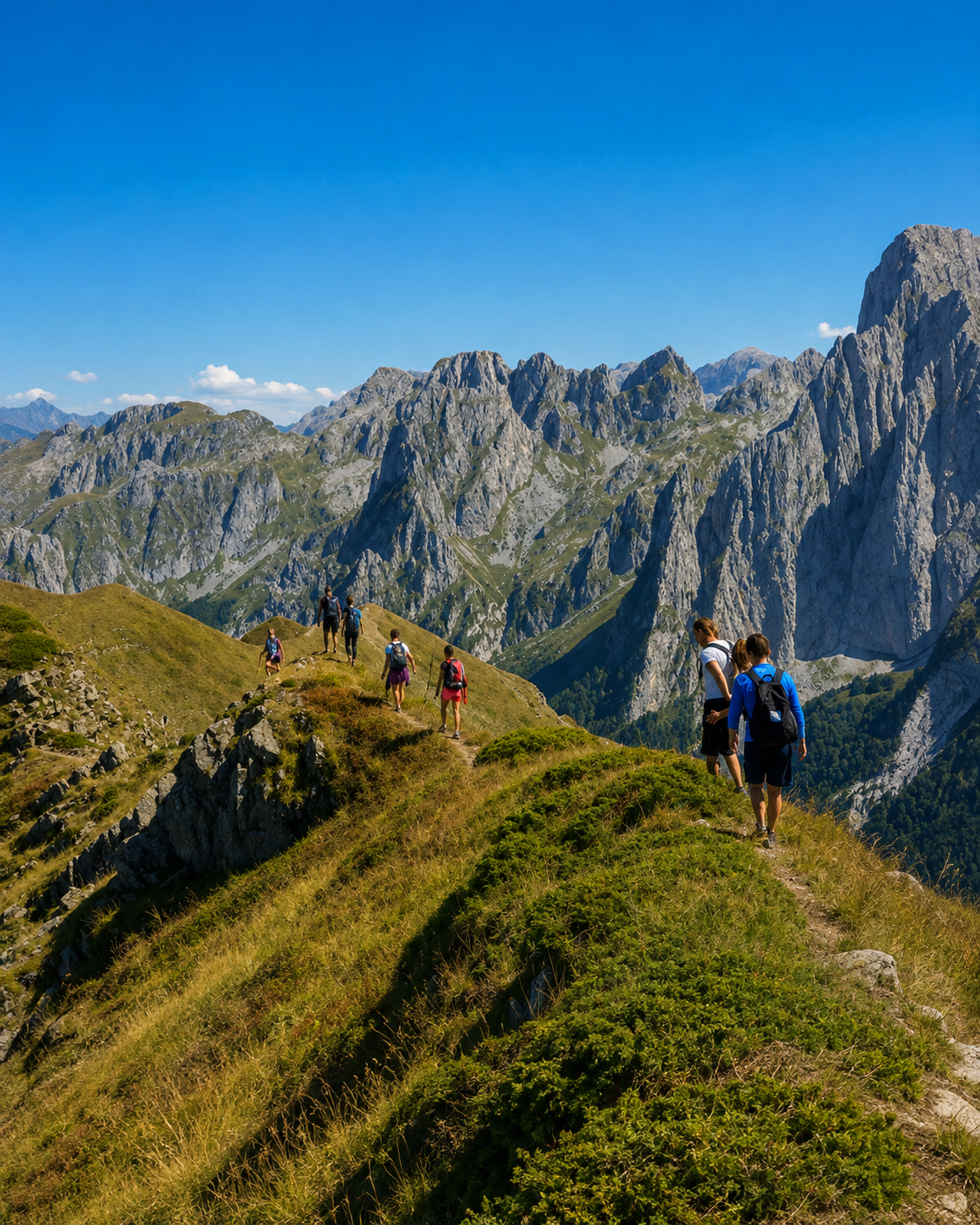
The hike to Maja e Vajushes starts directly from Lepushe village and is considered a moderate mountain hike, suitable for travelers with a reasonable level of fitness. The route is clearly marked and usually takes around 4–5 hours round trip, climbing from approximately 1,260 meters in Lepushe to 2,056 meters at the summit.
The first part of the trail passes through thick beech forest before gradually opening into green alpine pastures. As you gain altitude, the landscape becomes increasingly dramatic, with the rooftops of Lepushe appearing far below and the jagged ridgelines of the Accursed Mountains stretching across the horizon. The final ascent is shorter but steeper, leading toward the exposed mountain ridge and summit.
Reaching the top rewards you with some of the most impressive panoramic views in Northern Albania. From the summit, you can look across the surrounding Prokletije massif and the mountainous landscapes extending toward the Albania–Montenegro border. Take time to rest, enjoy the silence, and photograph the seemingly endless layers of peaks before beginning the descent back toward Lepushe.
Starting point: Lepushe village | Starting altitude: Around 1,260 m | Summit: Maja e Vajushes – approximately 2,056 m
Duration: Around 4–5 hours round trip | Difficulty: Moderate (T2) | Trail: Clearly marked
Best for: Hiking, mountain views, nature and photography
Afternoon & Evening in Lepushe
After returning from the hike, keep the rest of the afternoon relaxed. Enjoy a traditional meal at your guesthouse, walk through the alpine meadows around the village, or simply rest while taking in the surrounding mountain scenery.
Lepushe remains considerably quieter than Theth and Valbona, which is part of its appeal. The combination of traditional guesthouses, forests, open valleys, and accessible hiking trails makes it one of the best places to experience the less-traveled side of the Albanian Alps.
Overnight: Lepushe
Spend a second night in the village, giving yourself time to recover after the hike and enjoy another peaceful evening in the Accursed Mountains.
Day 6 – Lake Komani & Shala River
After several days surrounded by the high peaks of the Albanian Alps, Day 6 brings a completely different experience: a journey from Lepushe to Lake Koman, followed by the turquoise waters of the Shala River. The drive to Koman is approximately 140 km and takes around 3–3.5 hours without long stops, passing through some of Northern Albania’s most impressive mountain scenery. From Koman, the adventure continues by boat toward the Shala River, one of Albania’s most unique natural destinations, known for its dramatic mountains, crystal-clear water, swimming, kayaking, and remote atmosphere.
Hidden deep between the mountains of Northern Albania, the river is accessible mainly by boat through Lake Koman. The best time to experience the area is generally from June to September, when boat connections operate more frequently and the warmer weather makes swimming and outdoor activities more enjoyable.
The Scenic Boat Journey Through Lake Koman
Travel toward Lake Koman and board one of the boats heading toward the Shala River. The journey usually takes around 1.5–2 hours, depending on the departure point and boat service, passing through narrow waterways surrounded by steep mountains and dramatic cliffs.
The landscape is often compared to a fjord, with emerald-green water winding between towering rock formations. For many travelers, the boat journey itself is one of the highlights of visiting the Shala River and one of the most scenic experiences in Northern Albania.
Spend the Day at Shala River
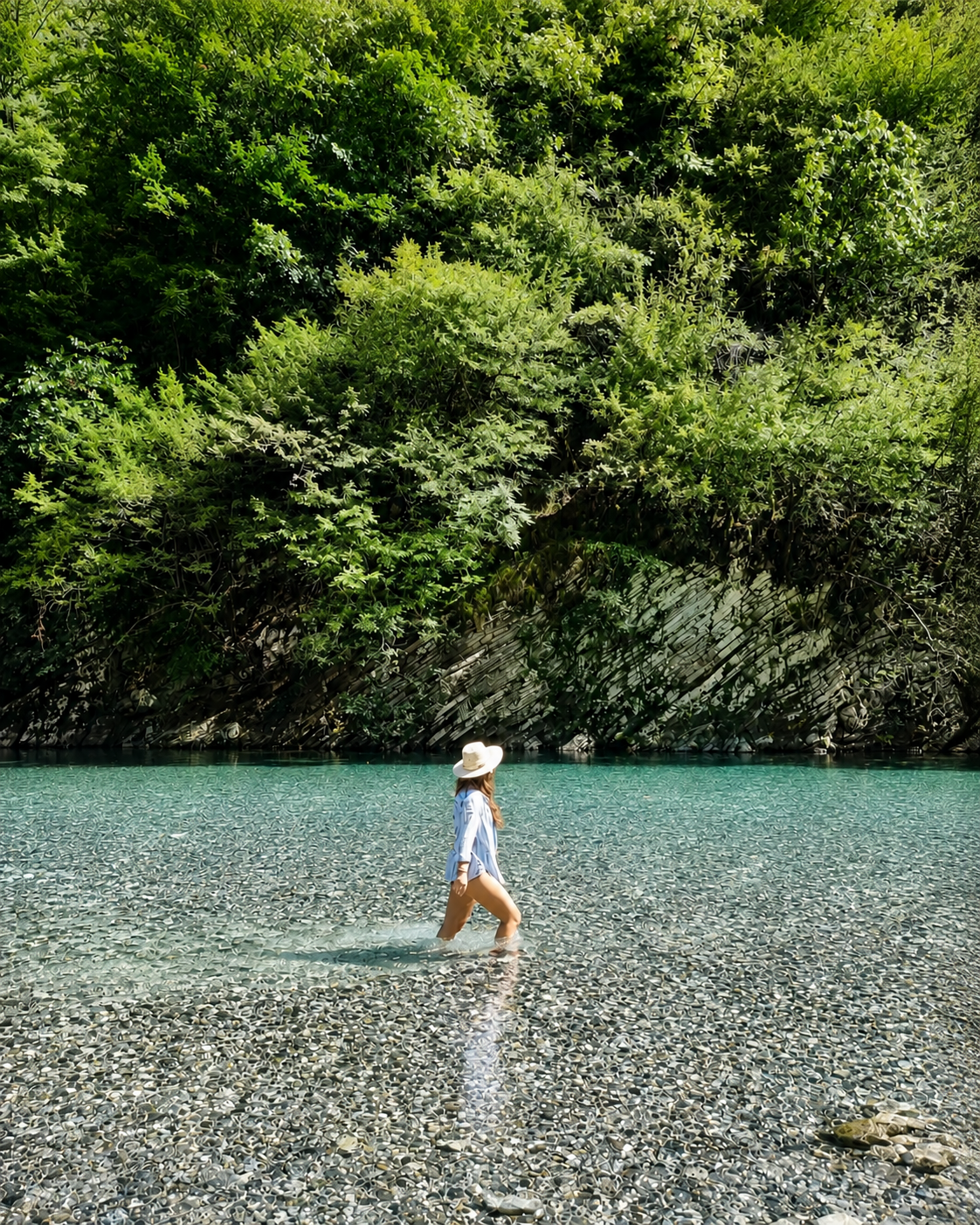
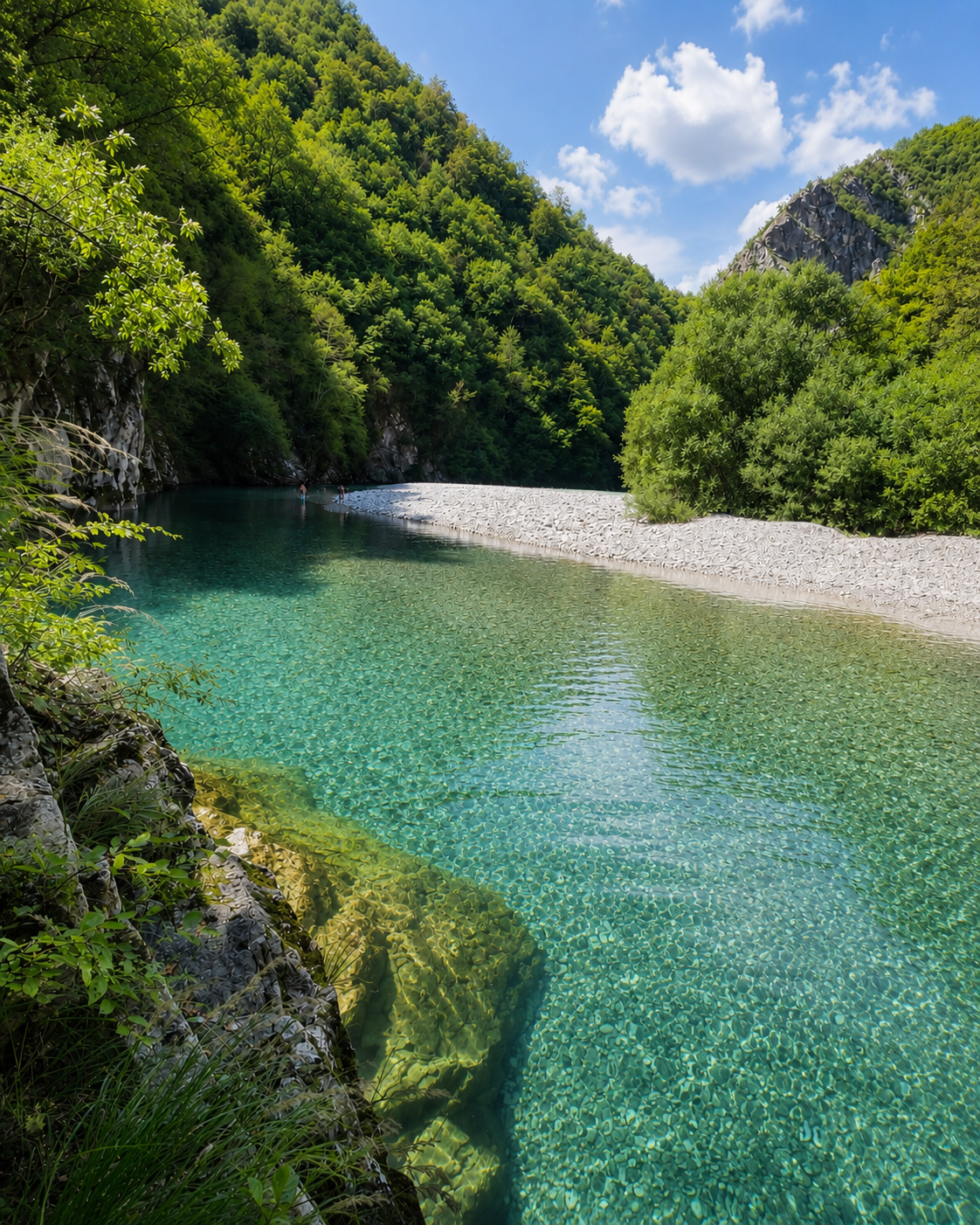
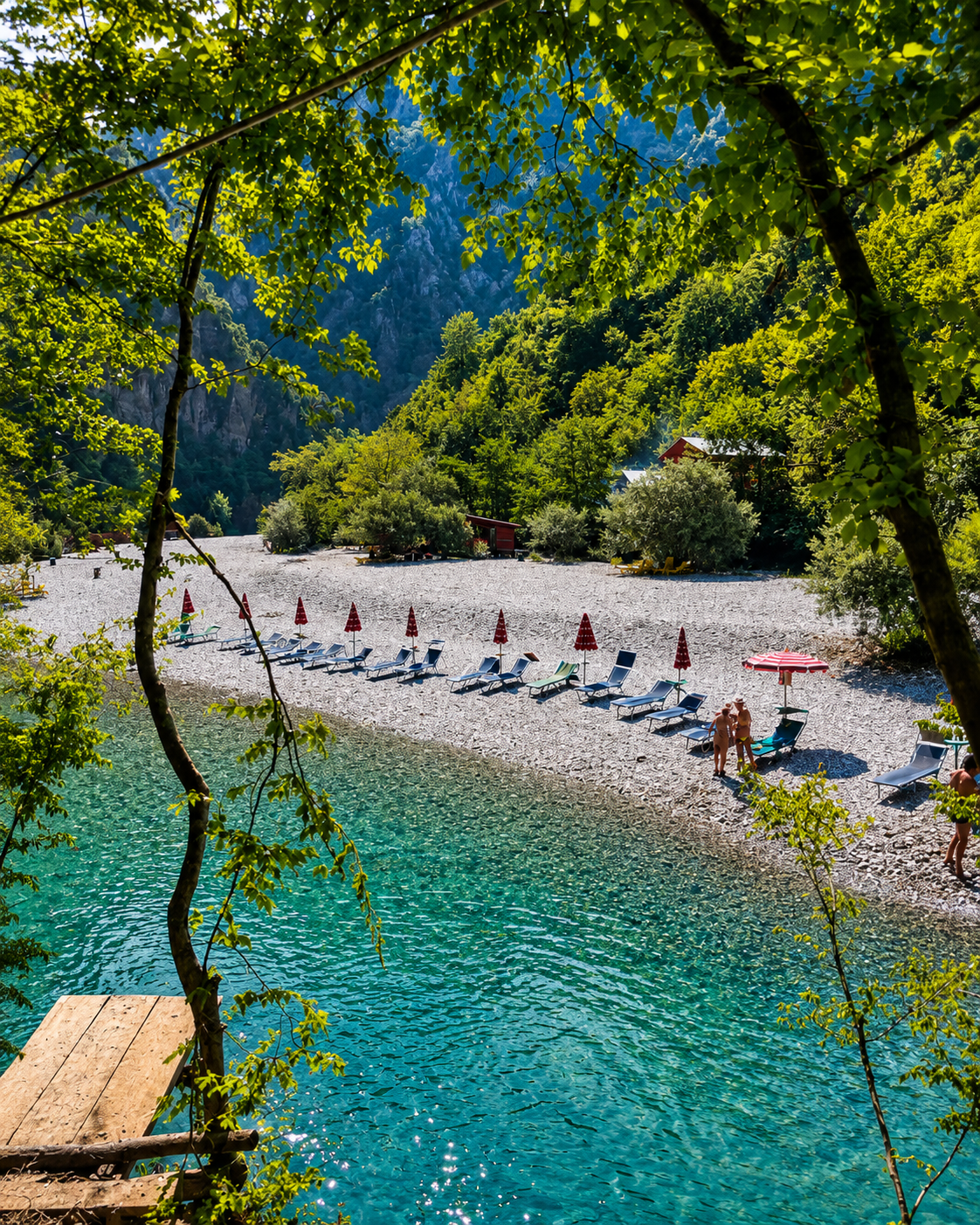
Once you arrive, the landscape changes from the wide waters of Lake Koman to the clear turquoise water of the Shala River. Surrounded by steep mountains and largely accessible by boat, the area feels noticeably more isolated than Albania’s coastal destinations.
Spend the afternoon swimming in the river, relaxing along the pebble shore, or renting a kayak to explore the water at your own pace. The river is known for its transparency, although the mountain water remains surprisingly cold even during the hottest summer months. Those looking for more activity can explore nearby walking trails and viewpoints or take a local boat trip to discover quieter sections of the river.
Stay Overnight on the Shala River
Although the Shala River can be visited as a day trip, staying for one night is highly recommended on this itinerary. Local guesthouses and riverside accommodations allow you to experience the valley after many of the day visitors and boats have departed.
Use the evening to enjoy local food, walk beside the river, and take in the surrounding mountains in a much quieter atmosphere. If you are still deciding where to stay, explore our Best Accommodations in Koman & Near the Shala River (2026) for recommended places around Lake Koman and the Shala River.
Overnight: Shala River
Choose a riverside guesthouse or mountain stay for the full experience. Accommodation can fill quickly during the summer season, so planning your stay in advance is recommended.
Day 7 – Shala River to Valbona Valley
After waking up beside the Shala River, Day 7 continues deeper into the Albanian Alps, this time toward Valbona Valley, one of the most spectacular mountain destinations in Northern Albania. To continue the journey with your car, you will first need to return by boat to Koman, where you can board the Koman–Fierze ferry and take your vehicle across Lake Koman with you.
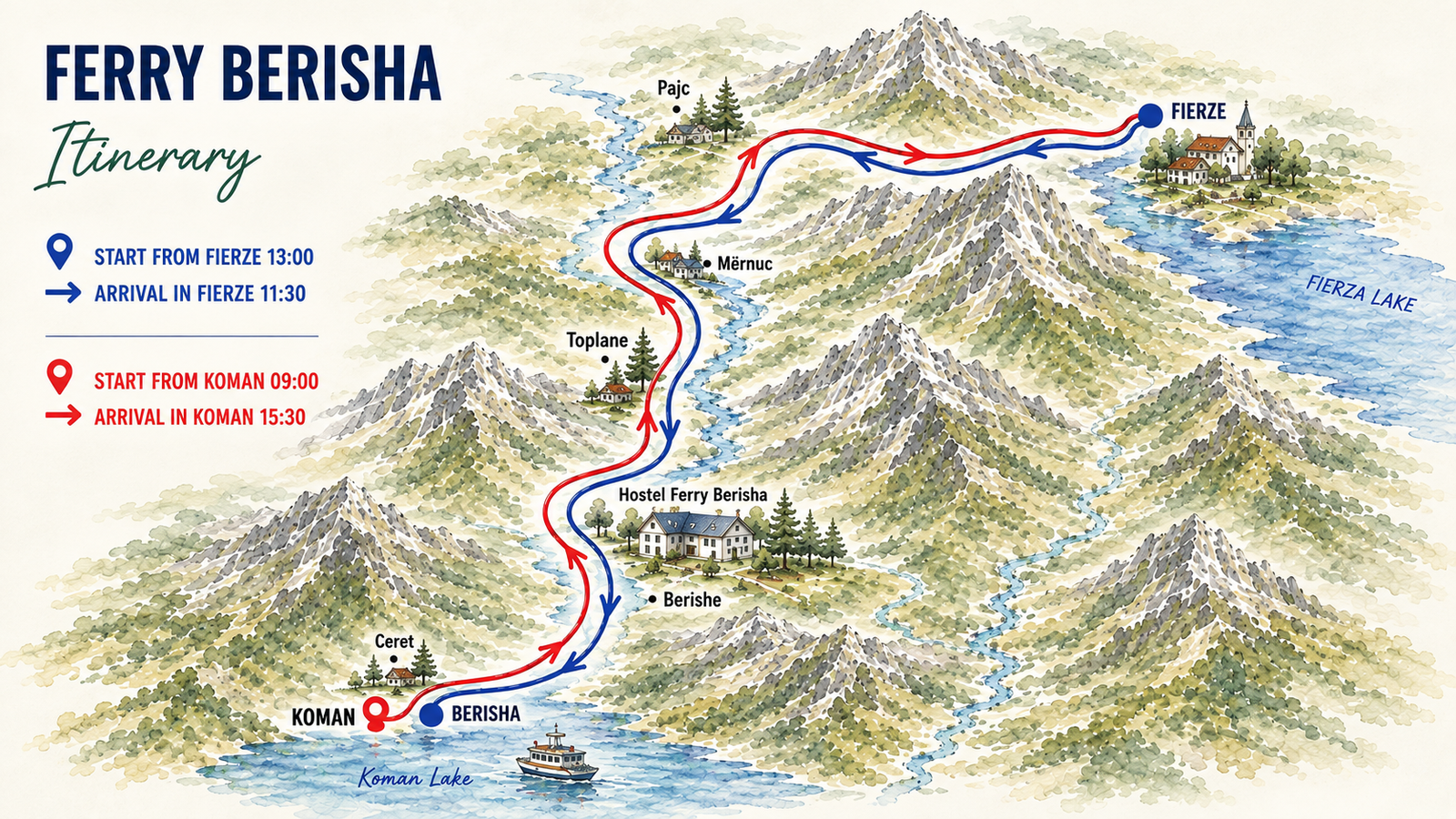
It is highly recommended to reserve both your passenger ticket and a space for your car in advance, especially during the busy summer months, as vehicle capacity on the ferry is limited. When making the reservation, you will need to provide details about your vehicle, including its type, dimensions and license plate. After arriving in Fierze, continue by car through Bajram Curri and into Valbona Valley, where the scenery becomes increasingly alpine, with high limestone peaks, forests and the turquoise waters of the Valbona River.
Travel Tip: Book your Koman–Fierze ferry and vehicle space in advance, particularly in July and August. Make sure your reservation includes the car, not only passenger tickets. Check Koman–Fierze ferry reservations
Explore Valbona Valley & the Valbona River
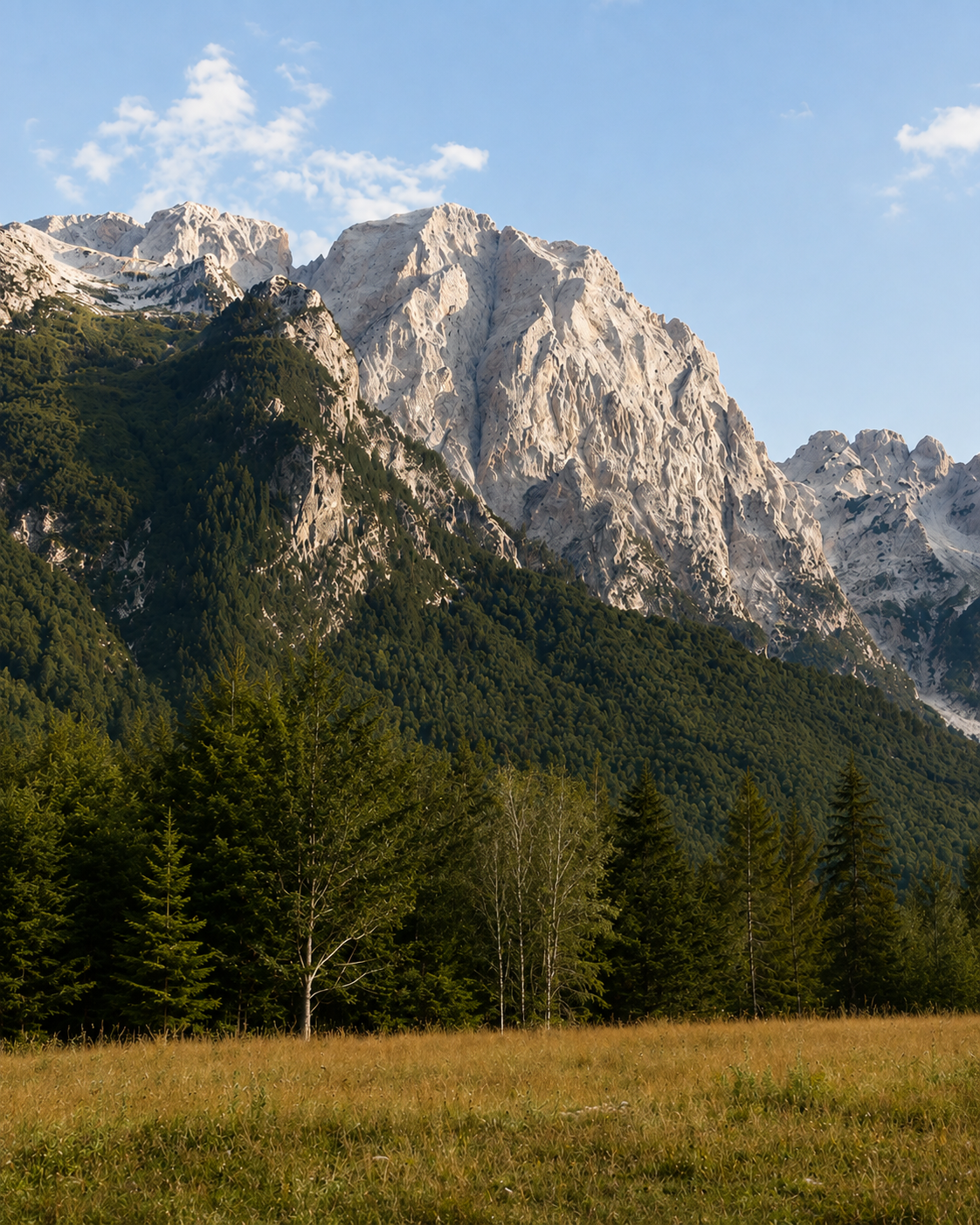
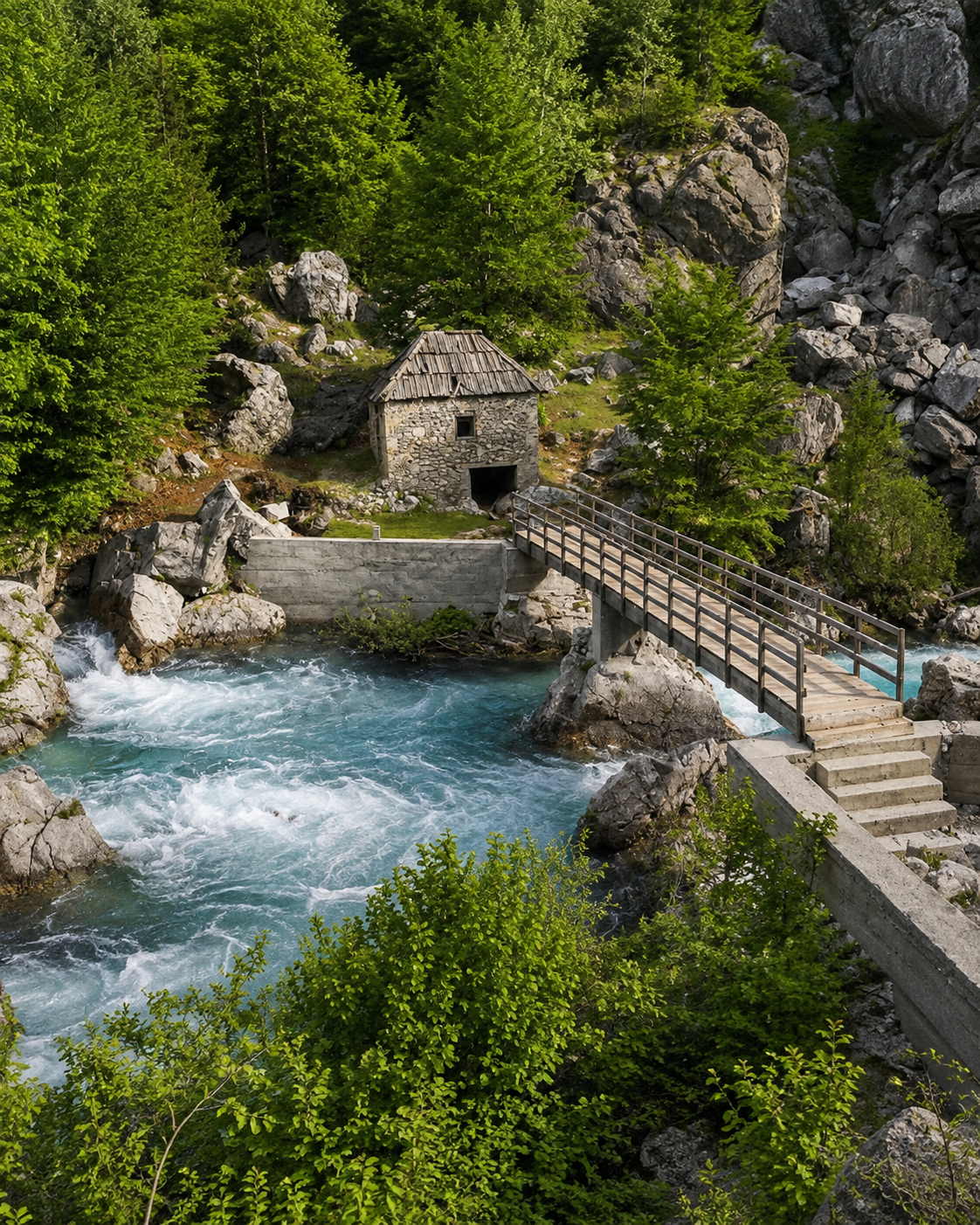
Once you arrive, spend the first part of your visit discovering the valley at a relaxed pace. The Valbona River runs through the heart of the landscape, carrying striking turquoise-blue water fed by snowmelt from the surrounding mountains. Forests of beech, pine, and spruce cover the slopes, while open alpine meadows provide beautiful views toward the surrounding peaks.
Walking beside the Valbona River is one of the easiest ways to experience the valley without committing to another demanding full-day hike. The distance is flexible, making it suitable for families, casual hikers, and travelers who simply want to enjoy the mountain scenery and stop for photography along the way.
Optional Hike to Kukaj Village
If you still have energy for hiking, continue toward Kukaj, a small mountain settlement above Valbona that offers a quieter alternative to the famous Theth–Valbona trail. The Kukaj Village Trail is approximately 4–6 km and is considered an easy hike, passing through traditional mountain landscapes while opening up excellent viewpoints across Valbona Valley.
This shorter route fits particularly well into this 10-day itinerary because you have already experienced several longer mountain hikes. Instead of spending another 6–8 hours crossing a high pass, Kukaj allows you to enjoy the landscapes and traditional character of Valbona while keeping enough time to relax in the valley.

Enjoy the Flavors and Fresh Air of Valbona
After exploring the valley, slow down and enjoy the peaceful atmosphere of Valbona, surrounded by mountains, forests, and fresh alpine air. Spend the evening relaxing at your guesthouse and tasting traditional local food such as fli, pasterma, gjize with peppers, homemade bread, and local honey. It is the perfect way to end the day, enjoying simple mountain flavors and the clean, refreshing air of the Albanian Alps.
Overnight: Valbona
Accommodation in the valley consists mainly of family-run guesthouses and alpine lodges surrounded by mountain scenery. For recommended options, explore our Top 5 Accommodations in Valbone | Where to Stay and choose the stay that best fits your trip.
Day 8 – Valbona to Kukes via Prizren
Day 8 takes you from the mountains of Valbona toward Kukes, with a scenic detour across the border into Kosovo and a stop in Prizren, one of the most beautiful historic cities in the region. This route adds a cultural break to the nature-focused itinerary, giving you the opportunity to explore a different city before returning to Albania.
Leave Valbona in the morning and drive toward Kosovo, continuing to Prizren. Since this route crosses an international border before returning to Albania, make sure you have the necessary travel documents and vehicle paperwork with you, particularly if you are using a rental car.
Stop for a Walk & Lunch in Prizren
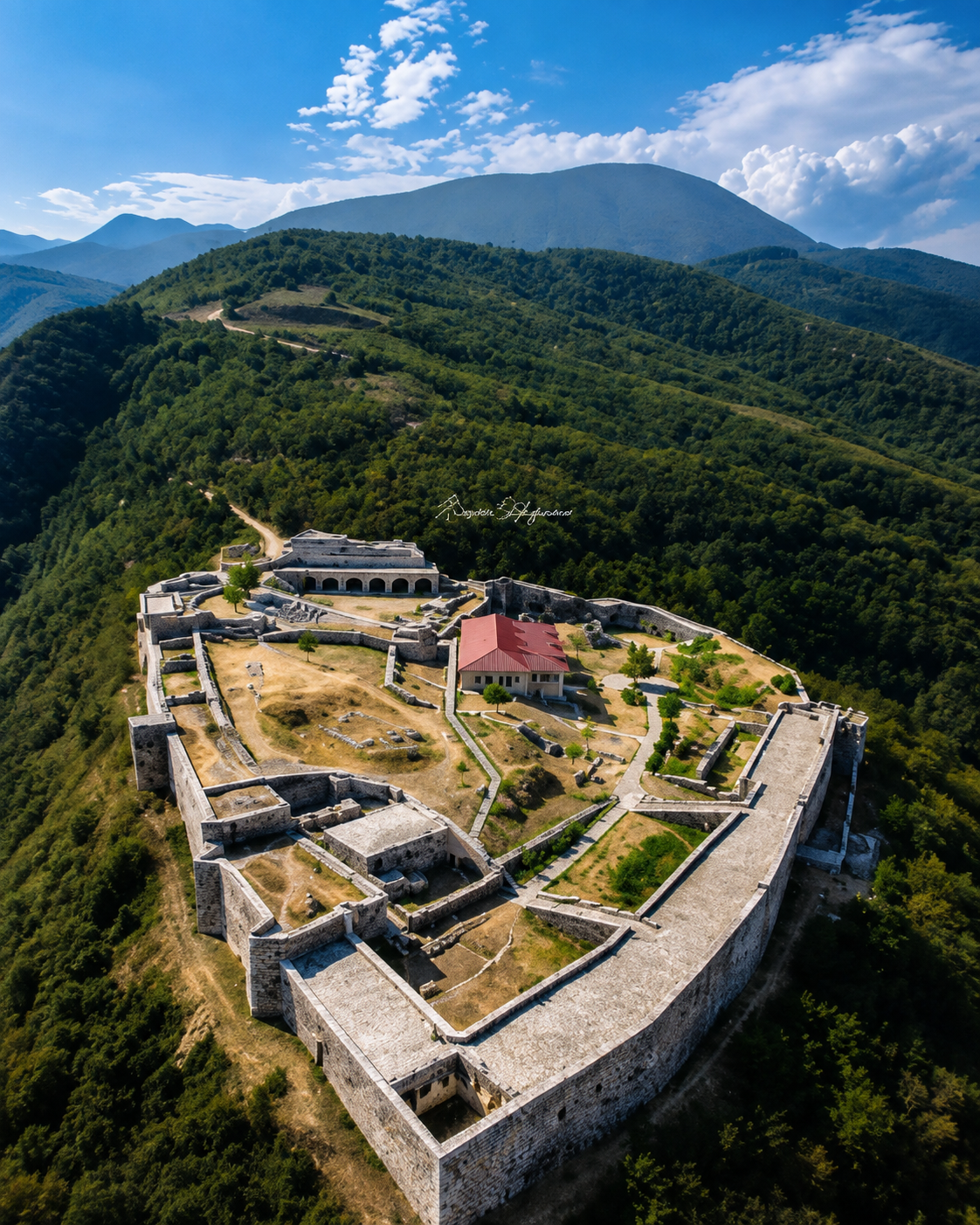
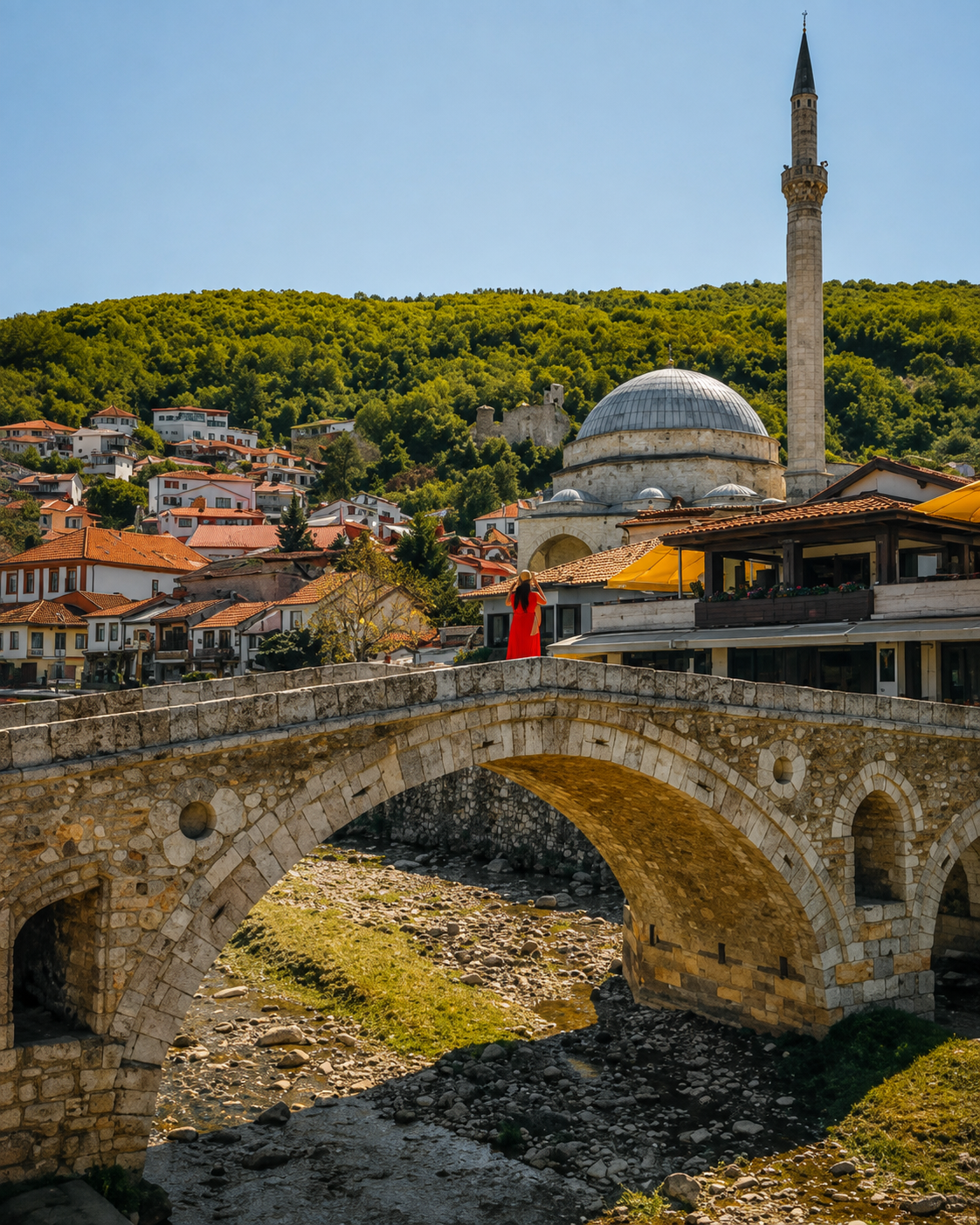
Take a few hours to explore the historic center of Prizren, a compact city that is easy to discover on foot. Walk through its old streets, cross the historic Stone Bridge, explore the area around Shadervan Square, and enjoy views of the traditional architecture, mosques, churches, and mountains surrounding the city.
Prizren is also an excellent place to stop for lunch. Take a break at one of the restaurants around the historic center and try traditional local dishes before continuing the journey. Rather than rushing through the city, allow yourself time for a coffee, a walk along the river, and a relaxed meal.
Continue to Kukes
After lunch, leave Prizren and cross back into Albania toward Kukes. The landscape gradually changes again as you enter northeastern Albania, with mountains, valleys, and the waters surrounding Kukes creating another scenic end to the day’s journey.
Once you arrive, keep the evening relaxed. Take a short walk around the city, enjoy the mountain air, and rest before the next day’s adventure toward Shishtavec and Guri i Mengjesit.
Overnight: Kukes or Shishtavec
Spend the night in Kukes for easier access to restaurants and city services, or continue to Shishtavec for a quieter stay surrounded by mountain landscapes. Staying in Shishtavec also puts you closer to the starting point for the next day’s hike to Guri i Mengjesit.
Day 9 – Shishtavec & High Scardus Trail
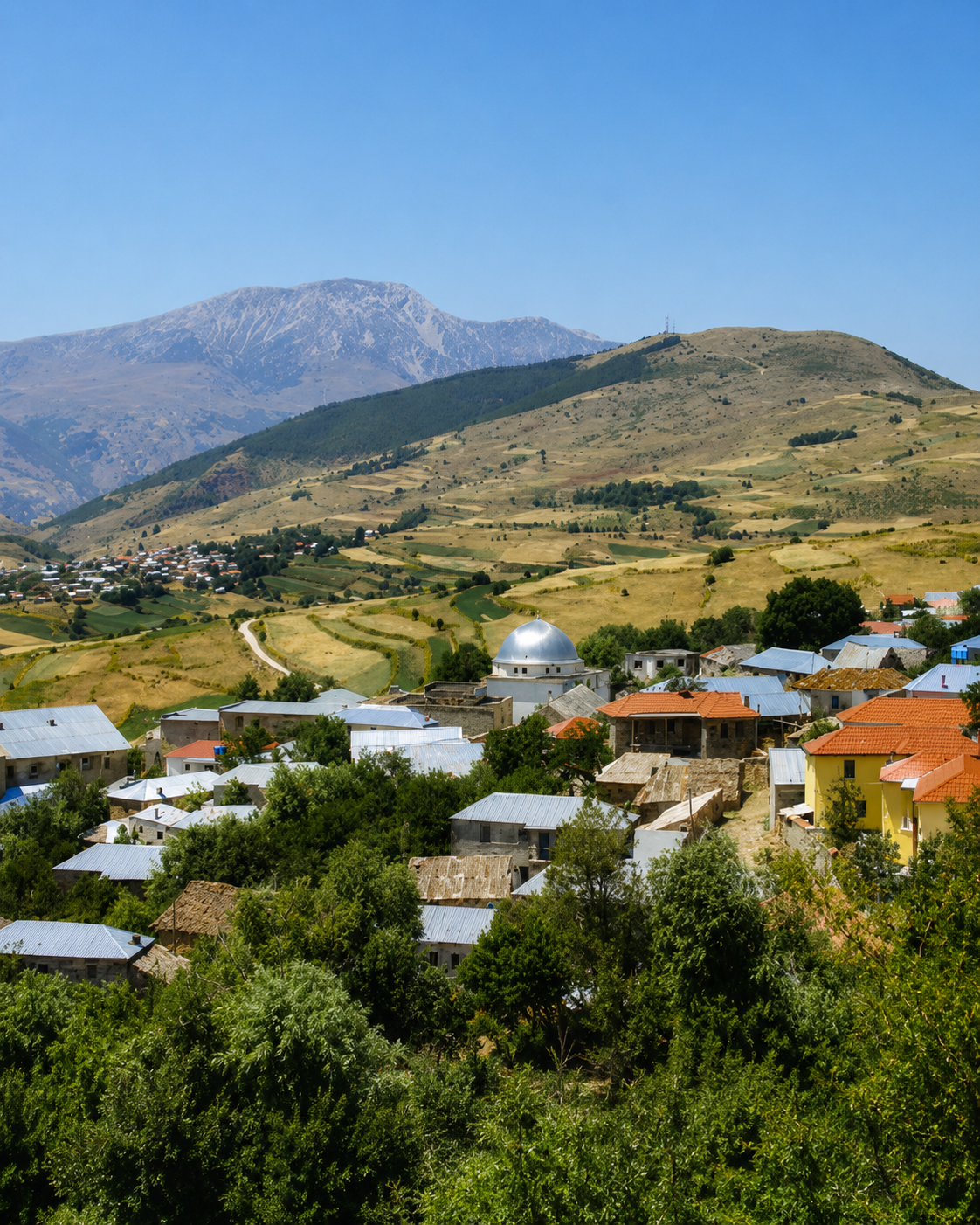
Day 9 takes you into a completely different mountain landscape around Shishtavec, where wide alpine meadows, wildflowers, high plateaus, glacial landscapes, and distant peaks replace the narrow valleys of the Albanian Alps. Located around 30 minutes from Kukes, Shishtavec is one of the main gateways to the High Scardus Trail, a cross-border mountain route connecting Albania with Kosovo and North Macedonia.
Today, you can explore part of this spectacular trail rather than completing the entire 17–21 km route. Starting from Shishtavec or nearby Novoseje, combine several of the area’s natural highlights into one hiking experience, including Guri i Mengjesit, Lake Novoseja, and Kallabak Peak. The route can be adapted according to your fitness level and available time before returning to Shishtavec.
Hike Through the Path of Colors
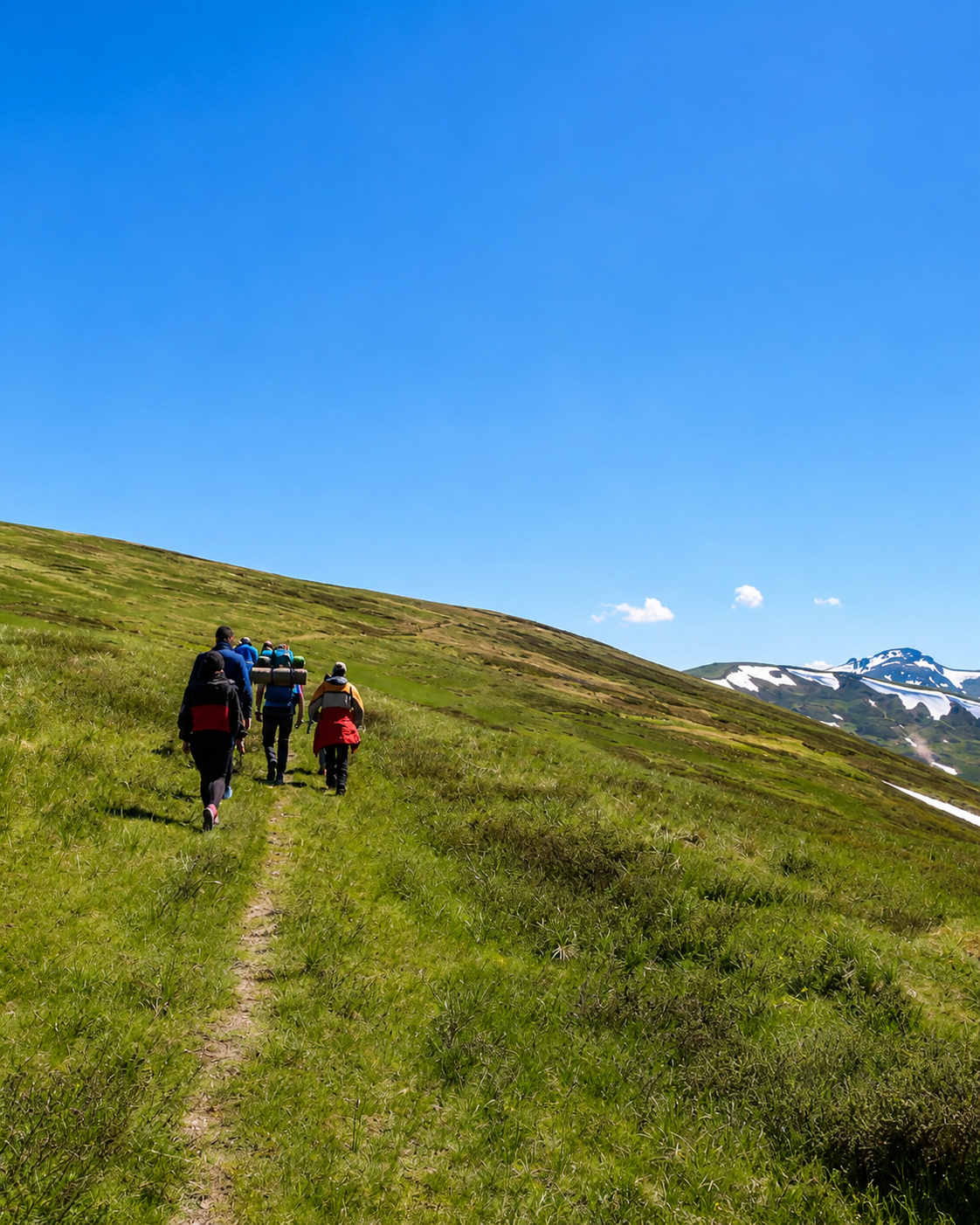
Begin your hike across the open alpine landscapes surrounding Shishtavec. This section of the High Scardus Trail is often known as the Path of Colors, and during spring and early summer the meadows become particularly beautiful, covered with wildflowers including white daffodils and the rare Albanian Lily (Lilium albanicum).
The landscape feels very different from Theth, Lepushe, and Valbona. Instead of deep valleys enclosed by limestone walls, here you walk through rolling mountain meadows with wide views toward Gjallica, Kallabak, and the Sharr Mountains.
Guri i Mengjesit & Lake Novoseja
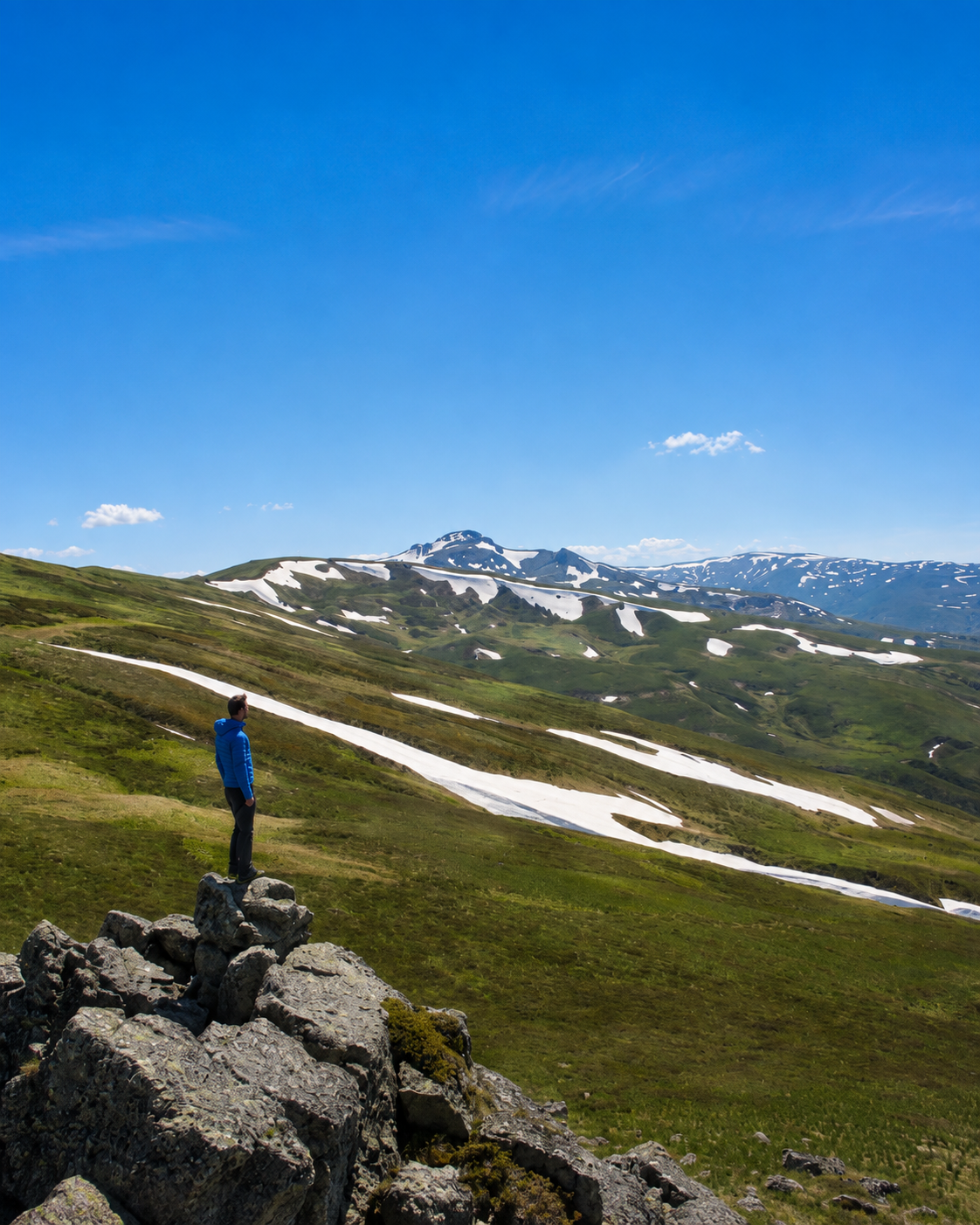
One of the first highlights to include is Guri i Mengjesit (Morning Rock), a distinctive rock formation and panoramic viewpoint overlooking the surrounding mountain landscape. Its elevated position makes it an excellent place to stop for photography and enjoy the vast scenery around Shishtavec.
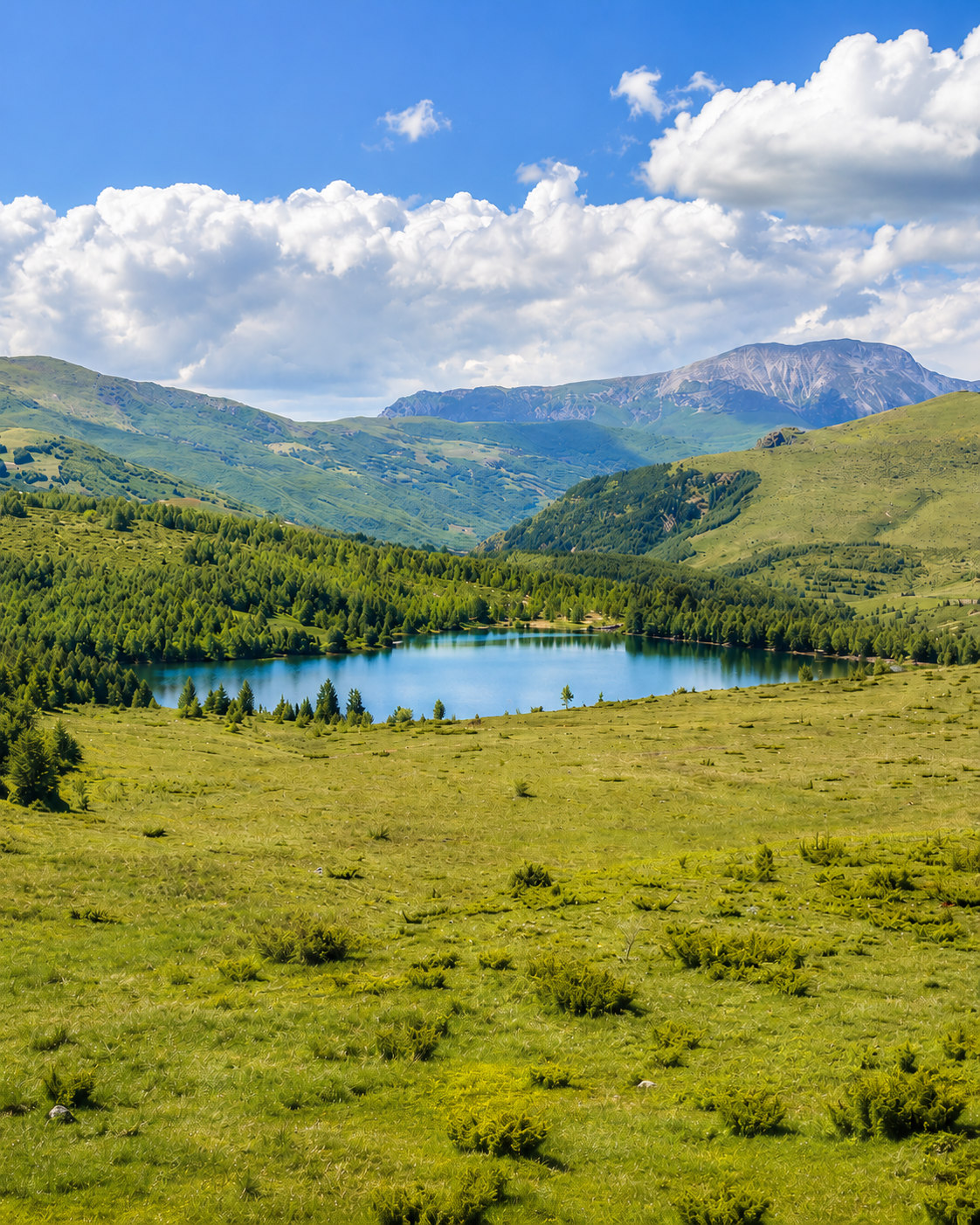
Continue toward Lake Novoseja, a peaceful mountain lake surrounded by alpine meadows. During the warmer months, the combination of green pastures, wildflowers, reflective water, and distant peaks makes this one of the most scenic sections of the hike.
Continue to Kallabak Peak – 2,174 m
Travelers with good fitness and enough time can continue toward Kallabak Peak, which rises to approximately 2,174 meters above sea level. As the trail climbs higher, the open meadows gradually give way to more exposed mountain terrain and increasingly impressive panoramas across the High Scardus range.
Reaching Kallabak turns the day into a much more demanding mountain adventure, so you do not need to complete the summit if time or weather conditions are not suitable. The complete High Scardus route in this area can involve 17–21 km and around 7–8 hours of hiking, with elevation gains reaching approximately 900 meters. Proper hiking shoes, sufficient water, snacks, layers, and weather protection are essential.
Hiking options: Explore Guri i Mengjesit and the surrounding meadows for a shorter experience, continue toward Lake Novoseja for a longer hike, or reach Kallabak Peak (2,174 m) for the most challenging version of the day.
Return to Shishtavec & Continue Toward Diber
After exploring the trail, return to Shishtavec and take some time to rest before continuing the road trip toward Diber. If you stayed overnight in Shishtavec, this is also your opportunity to collect your luggage and vehicle before leaving the Kukes region.
Before setting off, enjoy a traditional meal or a cup of local blueberry tea at one of the village guesthouses. Shishtavec remains closely connected to mountain traditions, and the combination of local hospitality, simple food, fresh air, and wide alpine landscapes makes it one of the most authentic stops on this 10-day Northern Albania adventure.
Day 10 – Diber & Rafting on the Black Drin River
The final day of your 10-day Northern Albania adventure takes you through Diber, where the landscape changes once again from high alpine trails to river valleys, traditional villages, and the relaxed atmosphere of northeastern Albania. After nine days of hiking, mountain roads, and outdoor exploration, keep the final day lighter and combine a few hours of adventure on the Black Drin River with local food and time to relax.
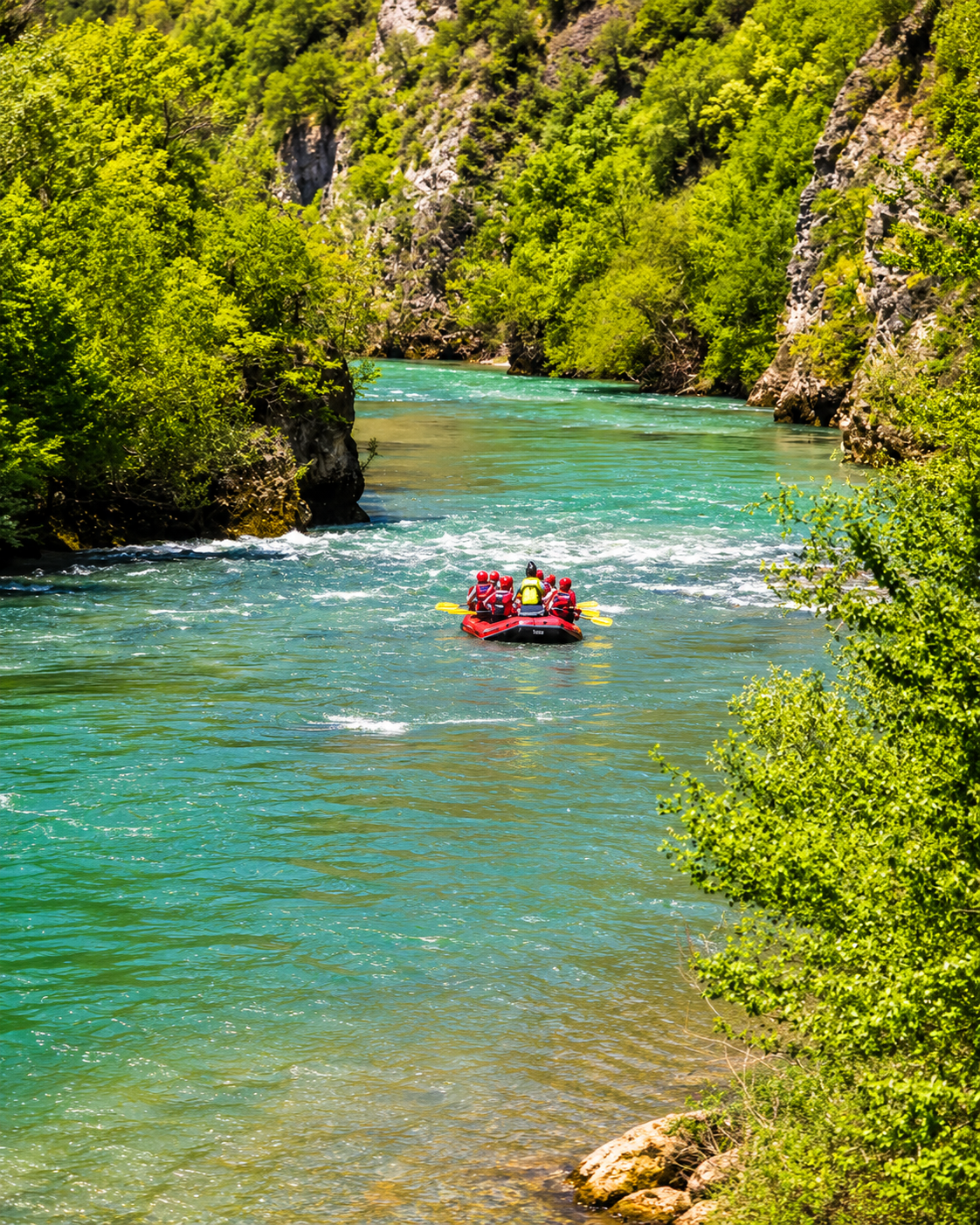
Flowing through the heart of Diber, the Black Drin River is surrounded by green hills, mountain landscapes, small riverside beaches, and peaceful countryside. It offers a different way to experience Albania’s nature and is a fitting final stop before completing the journey.
Rafting on the Black Drin River
Spend the morning or early afternoon on a guided rafting experience along the Black Drin River. Local operators organize trips that generally last around 2–4 hours, providing the necessary equipment, safety instructions, and experienced guides. Different sections of the river can accommodate both beginners and more experienced rafters, making this an accessible adventure even if rafting is not something you have tried before.
Between the more active sections, enjoy views of the surrounding river valley, canyon landscapes, clear water, and small beaches along the banks. Compared with the demanding mountain hikes earlier in this itinerary, rafting offers a more playful and refreshing final adventure, allowing you to enjoy nature without spending another full day on a mountain trail.
Finish the Trip with Traditional Dibran Food
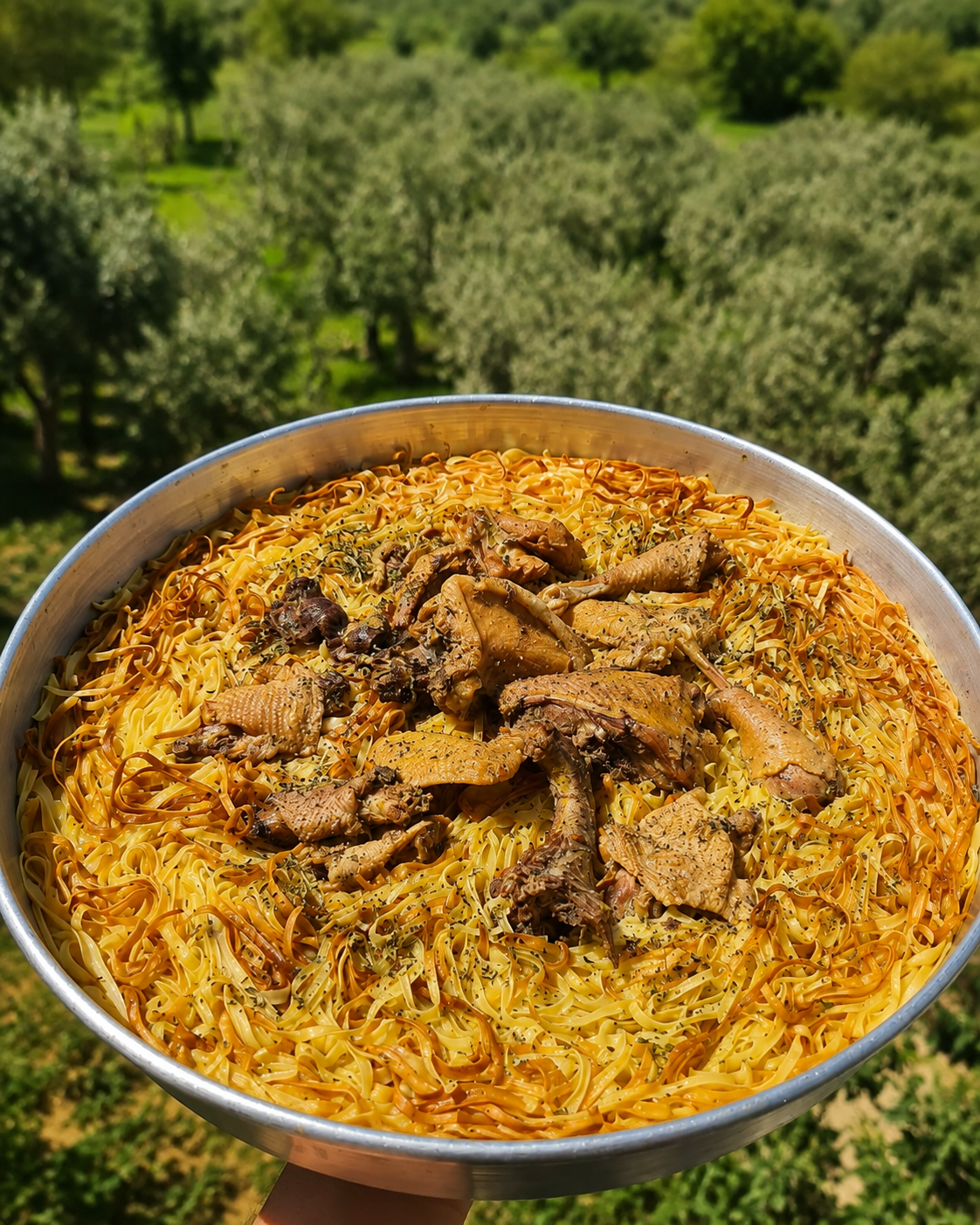
After rafting, head toward Peshkopi and celebrate the end of your road trip with a traditional Dibran meal. Local cuisine is built around fresh regional ingredients, homemade dairy products, meat dishes, pies, and recipes passed down through generations.
This is the perfect opportunity to try jufka, one of the foods most closely associated with Diber, alongside other local specialties. After lunch, slow things down with a coffee and something sweet. Look for traditional desserts such as sheqerpare, or stop at a local pastry shop for a slice of cake before beginning the journey back toward Tirana.
If you want a traditional restaurant experience, Nena Dashuri is one of the options highlighted in our Diber guide, while Restaurant Piazza and Restaurant Veri are additional choices in Peshkopi.
Planning Your 10-Day Northern Albania Tour
This 10-day Northern Albania itinerary is an active road trip, combining scenic drives, boat journeys, mountain villages, swimming, rafting, and several hiking opportunities. You do not need to complete every activity. Choose the hikes and experiences that match your fitness level, interests, weather conditions, and travel pace.
A car makes this route considerably easier, although some sections also require boats, ferries, and local transfers. Mountain roads can take longer than expected, so avoid planning the itinerary around driving times alone and always allow some flexibility.
Best Time for a Northern Albania Road Trip
The best time for this itinerary is generally June to September. June offers green landscapes and powerful waterfalls, while July and August are best for swimming, rafting, and long summer days. September is particularly attractive for hiking, with cooler temperatures and fewer visitors.
Weather can change quickly in the mountains, so always check local conditions before attempting higher-altitude hikes.
What to Pack?
For this trip, bring:
- Comfortable hiking shoes
- Waterproof jacket and warm layer
- Small hiking backpack
- Reusable water bottle
- Sunscreen, hat and sunglasses
- Swimwear
- Power bank
- Offline maps
- Basic first-aid supplies
- Cash in Albanian lek
10-Day Northern Albania Tour FAQ
Yes, but this is a relatively active itinerary. Ten days allows you to experience many of Northern Albania’s highlights, while travelers who prefer a slower pace can easily extend the route to 12–14 days.
For nature lovers, some of the highlights include Theth, the Albanian Alps, Lepushe, Lake Koman, Shala River, Valbona Valley, Shishtavec, and the Black Drin River.
Yes. Most destinations can be enjoyed without difficult hiking. Longer hikes such as Maja e Vajushes or Kallabak Peak are optional and can be replaced with easier walks and sightseeing.
Not for the entire route, but road conditions can vary in remote mountain areas. Check conditions before traveling and consider local transfers when necessary.
Yes. A combination of car travel, ferries, boats, and local services makes the route possible independently, but transportation and accommodation should be planned in advance during summer.
Back to Tirana: Completing the Northern Albania Loop
From Peshkopi, the journey back to Tirana takes around 2 hours, making Diber a convenient final stop on this Northern Albania road trip. After ten days of mountains, rivers, alpine villages, scenic roads, hiking trails, and local experiences, you can return to the capital and complete the loop.
This 10-day Northern Albania itinerary is intentionally packed with experiences, so you should not feel that every hike, stop, or activity has to be completed. Ten days can feel relatively tight for such a large and diverse region, especially if you prefer slow travel. Use this itinerary as a framework and choose the experiences that best match your interests, fitness level, weather conditions, and travel pace. You can skip a hike, spend longer beside a river, add an extra night in a mountain village, or simply enjoy the scenery without following a strict schedule.
What matters most is experiencing the extraordinary diversity of Northern Albania. From Shkoder and Lake Shkodra to Theth, Lepushe, the Accursed Mountains, Lake Koman, Shala River, Valbona, Kukes, Shishtavec, and Diber, this route brings together some of the most beautiful places you can visit in the north of the country.
Whether you complete the entire route in 10 days or extend it into a slower adventure, consider this itinerary a starting point for discovering the wildest and most spectacular side of Albania.