

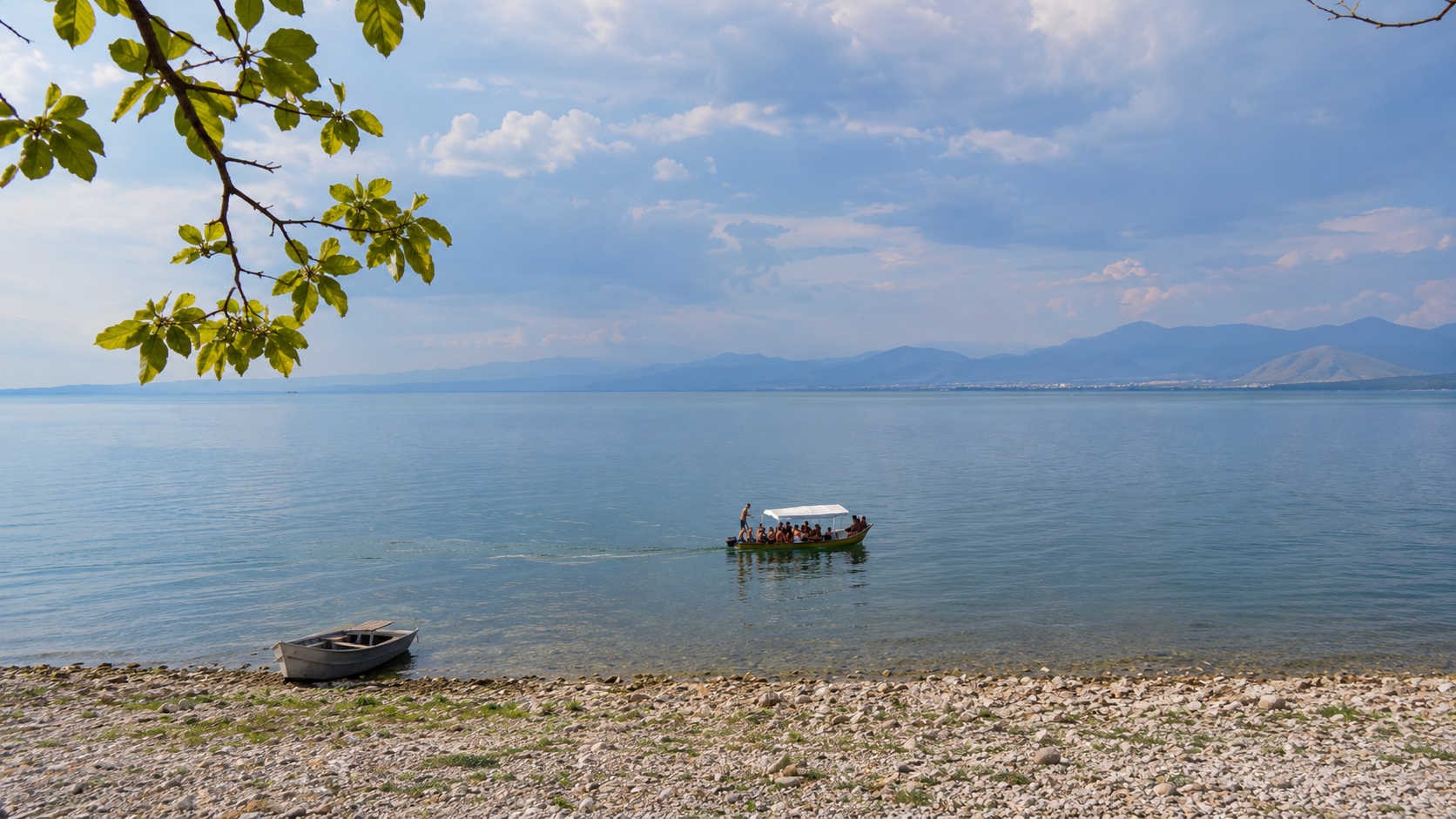
Lake Shkodra, known internationally as Lake Skadar, has officially entered a new chapter in its history. In 2026, UNESCO designated Lake Shkodra as a Transboundary Biosphere Reserve, recognizing its outstanding ecological importance and its role as one of the most valuable freshwater ecosystems in Southeast Europe.
Shared between Albania and Montenegro, Lake Shkodra is the largest lake in the Balkans and one of the oldest lakes in Europe. Beyond its impressive size, the lake is internationally known for its extraordinary biodiversity, rare bird species, unique wetlands, and centuries-old cultural heritage.
For Albania, this UNESCO recognition represents not only an environmental achievement but also an opportunity to promote sustainable tourism while protecting one of the country’s most important natural treasures.
Table of Contents
- What Is the UNESCO Biosphere Reserve Status?
- Where Is Lake Shkodra?
- Why Lake Shkodra Is So Important?
- Wildlife and Biodiversity
- Birdwatching Paradise of the Balkans
- Traditional Life Around the Lake
- Sustainable Tourism Opportunities
- Visiting Lake Shkodra
- Recommended Experience: Paddle Boarding Through the Water Lily Reserve
What Is the UNESCO Biosphere Reserve Status?
UNESCO Biosphere Reserves are areas recognized for their exceptional natural value and their ability to balance conservation, sustainable development, and local community involvement.
Unlike traditional protected areas that focus only on conservation, Biosphere Reserves promote a model where people and nature coexist. The designation encourages responsible tourism, scientific research, environmental education, and sustainable economic opportunities for local residents.
The inclusion of Lake Shkodra places it among some of the most important protected landscapes in Europe and highlights the successful cooperation between Albania and Montenegro in preserving a shared natural resource.
Where Is Lake Shkodra?
Lake Shkodra lies on the border between Albania and Montenegro and covers an area that varies seasonally due to natural water fluctuations. During wetter periods, the lake expands significantly, creating one of the largest wetland systems in the Balkans. The Albanian side includes vast reed beds, water lily fields, river deltas, and marsh habitats that support exceptional biodiversity.
The lake is connected to the Adriatic Sea through the Buna River, one of Albania’s most important waterways, creating a unique ecosystem where freshwater and wetland habitats coexist.
Why Lake Shkodra Is So Important?
Several factors contributed to UNESCO’s decision to recognize Lake Shkodra:
- Largest Lake in the Balkans
Lake Shkodra is the largest freshwater lake in the Balkans, making it a vital natural resource for both Albania and Montenegro.
- Exceptional Biodiversity
The lake contains a remarkable combination of wetlands, reed beds, underwater springs, and water lily habitats that support hundreds of species. This ecological diversity makes it one of the most important biodiversity hotspots in Southeastern Europe.
- Internationally Protected Wetlands
Lake Shkodra and the Buna River are already part of the internationally important Ramsar Convention network for wetland protection, further highlighting their ecological significance.
Wildlife and Biodiversity
Lake Shkodra is one of the most important freshwater ecosystems in Southeastern Europe and a true biodiversity hotspot. Its combination of open water, wetlands, reed beds, underwater springs, and extensive water lily fields creates ideal habitats for a remarkable variety of wildlife. The lake supports approximately 45 fish species and around 280 bird species, making it one of the richest natural areas in the Balkans.
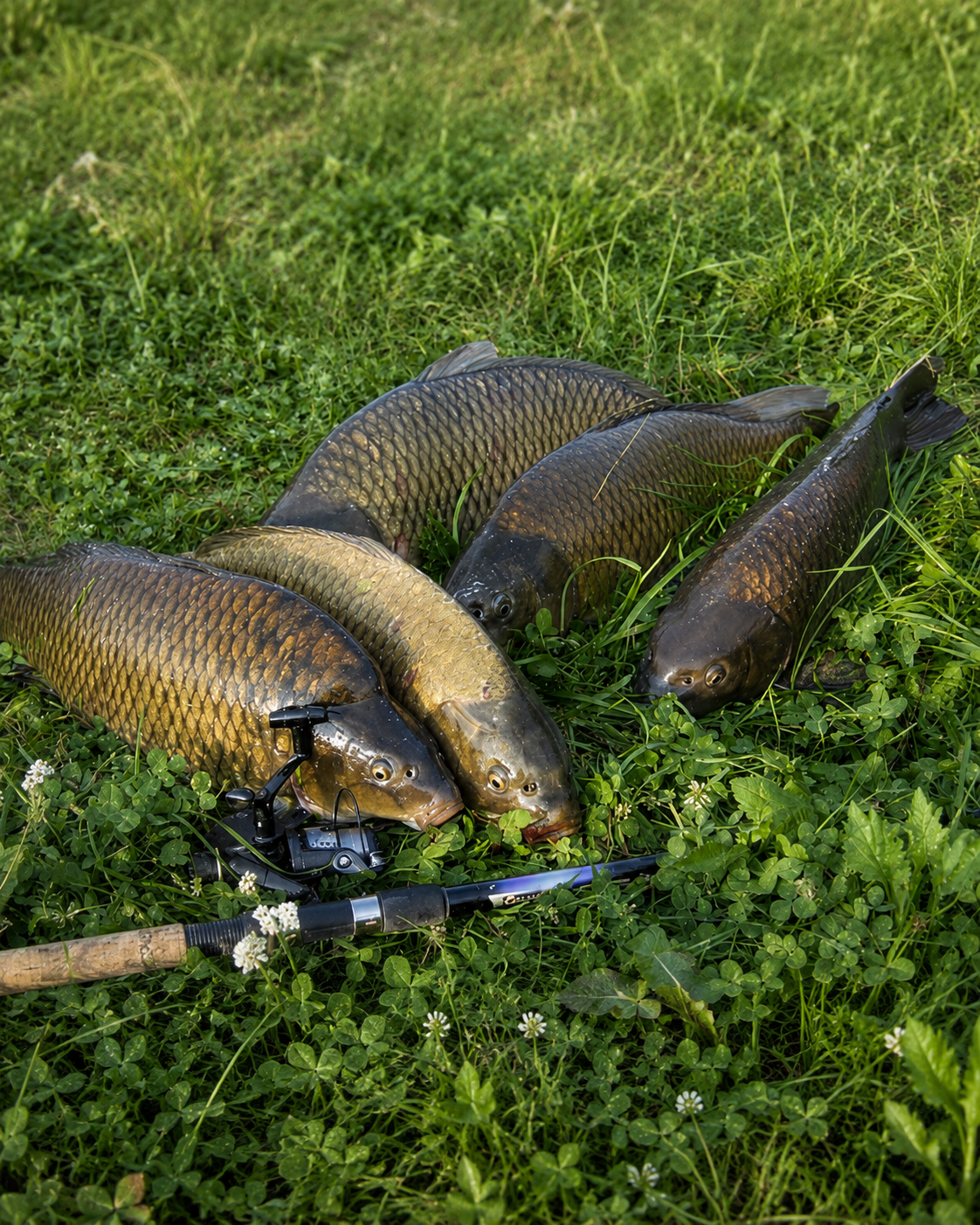
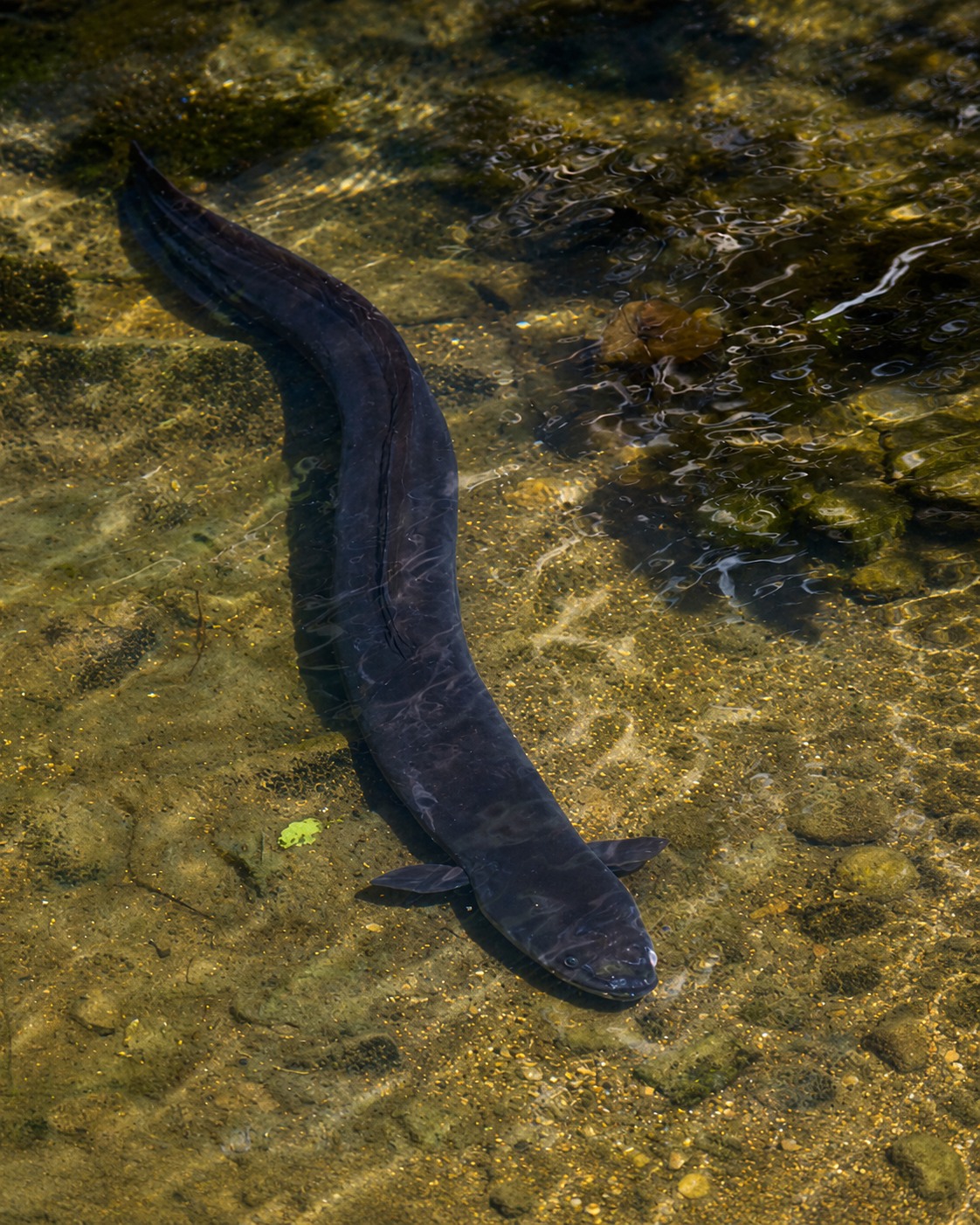
Among the most important fish species is the carp (Krapi), which has played a central role in the traditional cuisine of Shkodra for generations. The eel (Ngjala) is another fascinating resident of the lake, known for one of the longest migrations in the animal kingdom. After spending decades in freshwater, eels travel thousands of kilometers across the Atlantic Ocean to reproduce in the Sargasso Sea before a new generation returns to European waters.
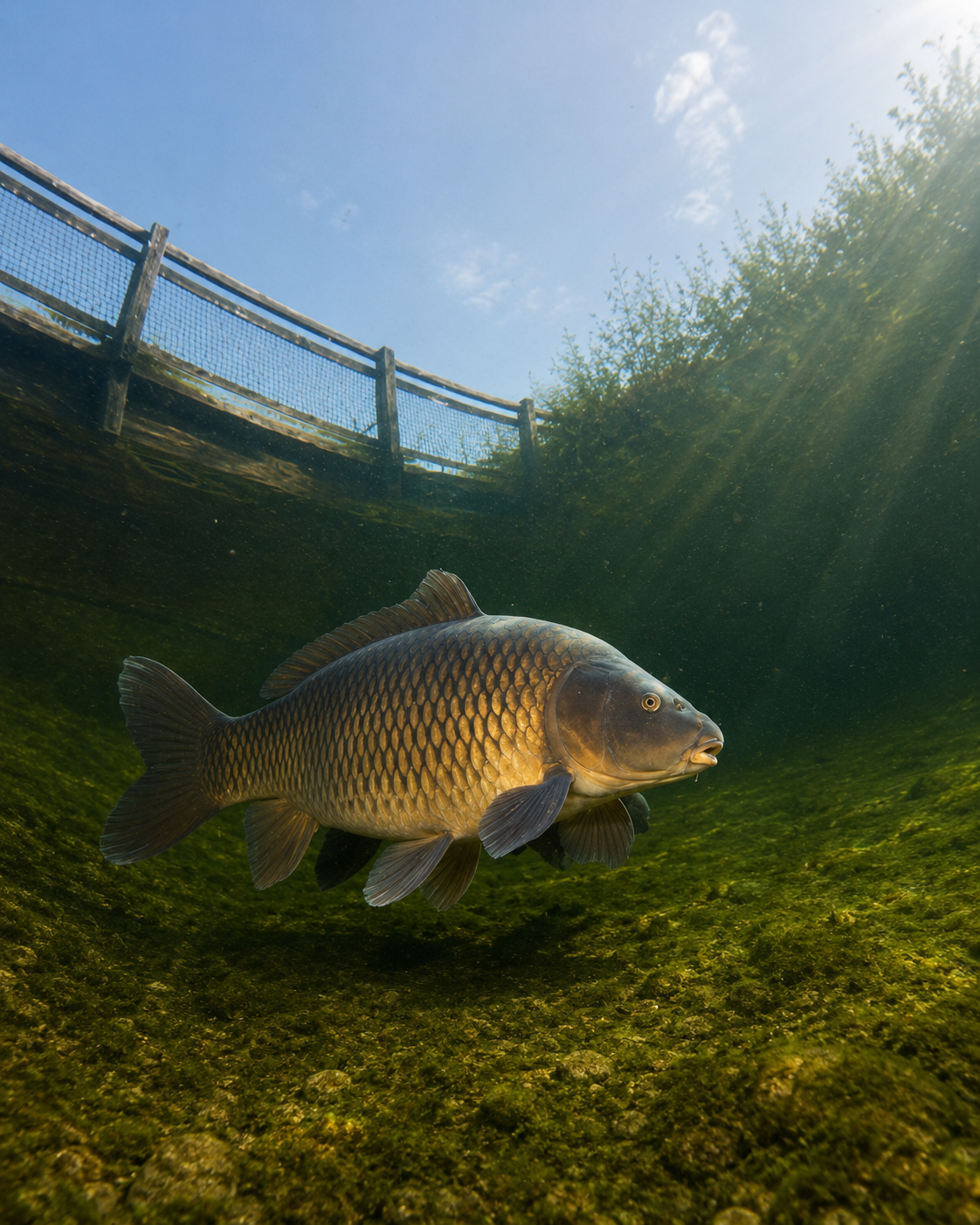
The lake is also home to the rare Blini fish, a species historically associated with caviar production and considered one of the most valuable fish species in the region. Unfortunately, overfishing has significantly reduced its population in recent decades.
What truly distinguishes Lake Shkodra, however, is its birdlife. The lake serves as a critical stopover and nesting site for both resident and migratory birds traveling along major European migration routes. Vast reed beds and floating vegetation provide safe breeding grounds, while the lake’s rich fish population offers an abundant food source throughout the year.
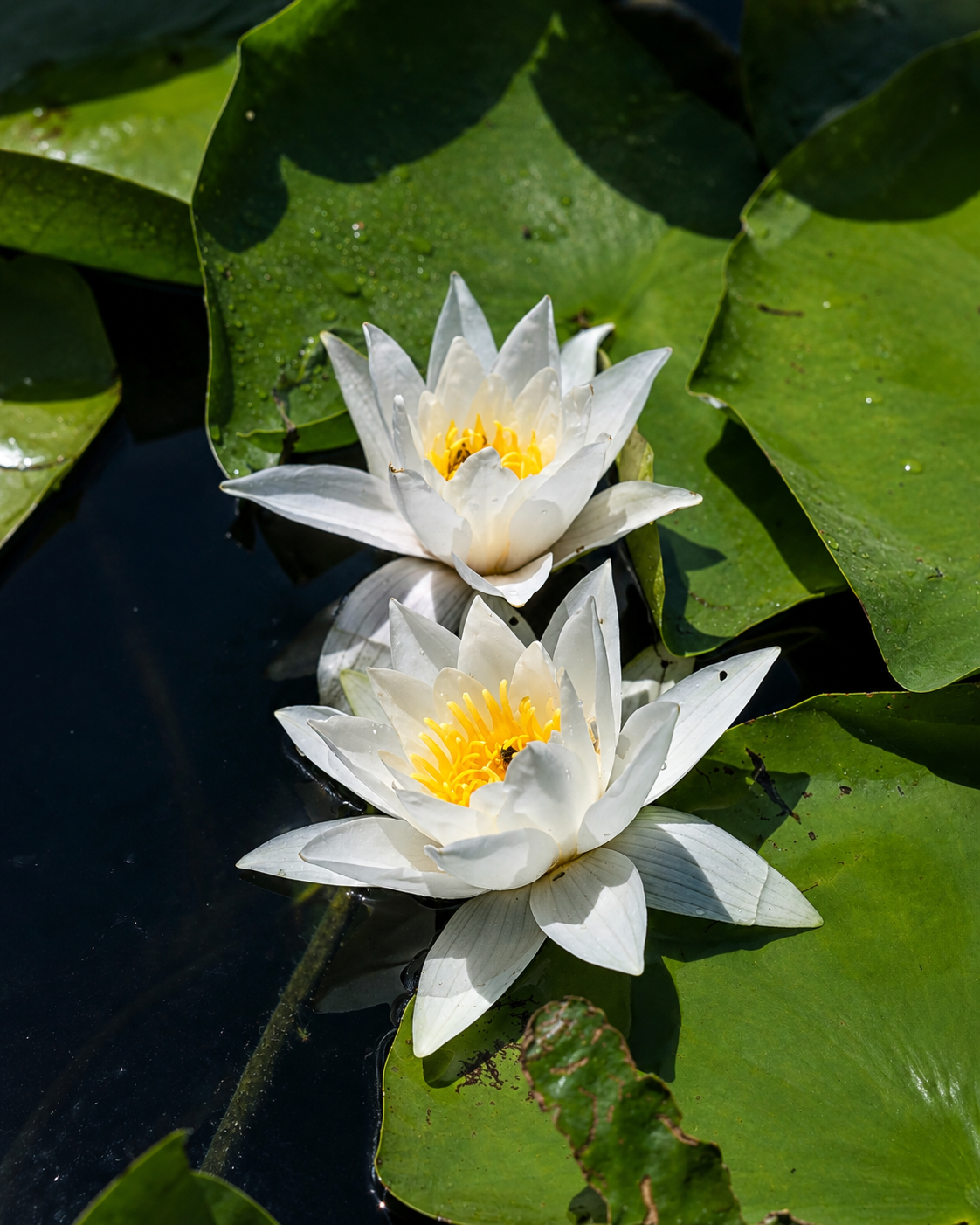
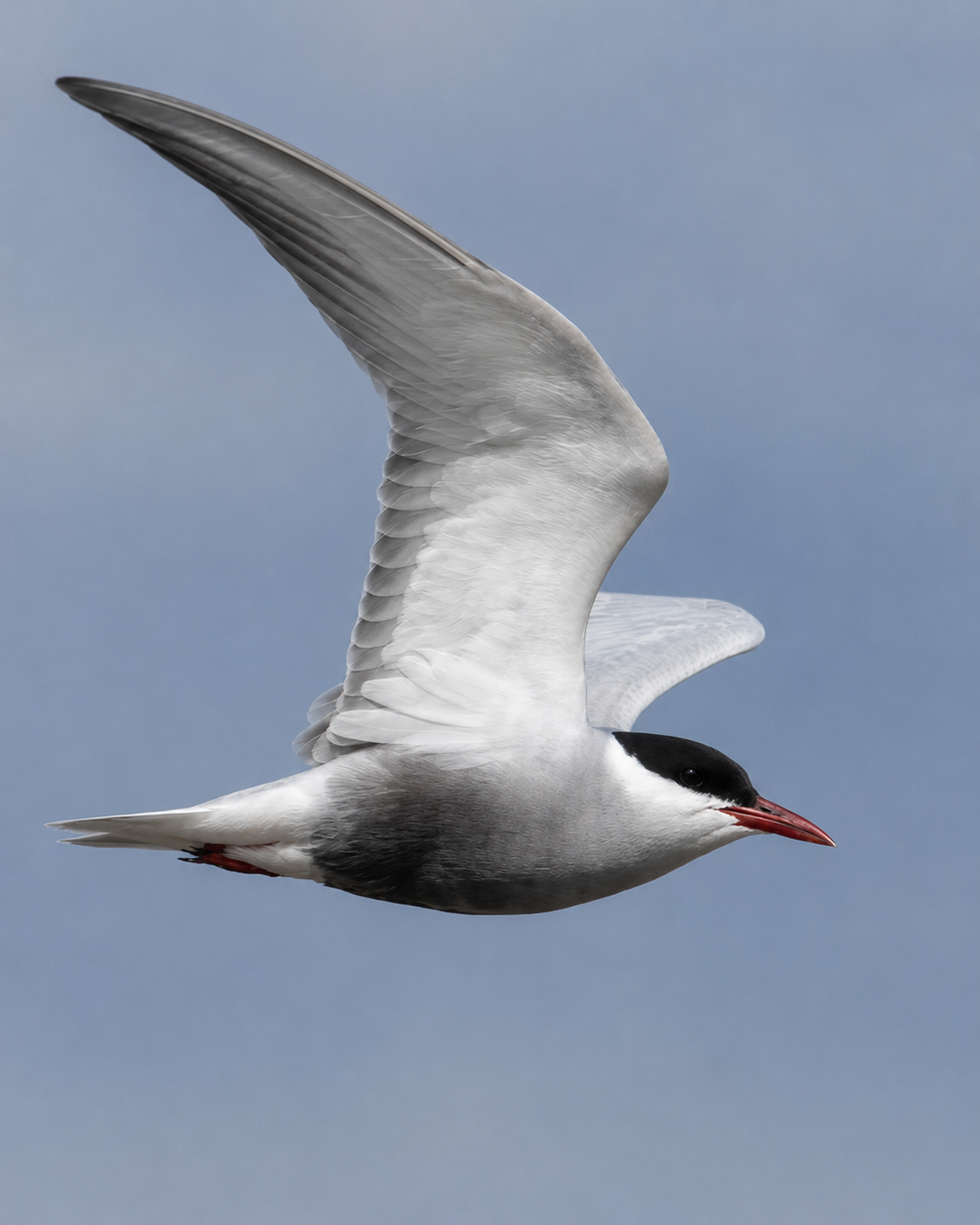
One of the most extraordinary species found here is the Whiskered Tern (Chlidonias hybrida), which nests directly on the floating leaves of white and yellow water lilies. These delicate nesting areas are among the most ecologically sensitive zones of the lake and are carefully protected.
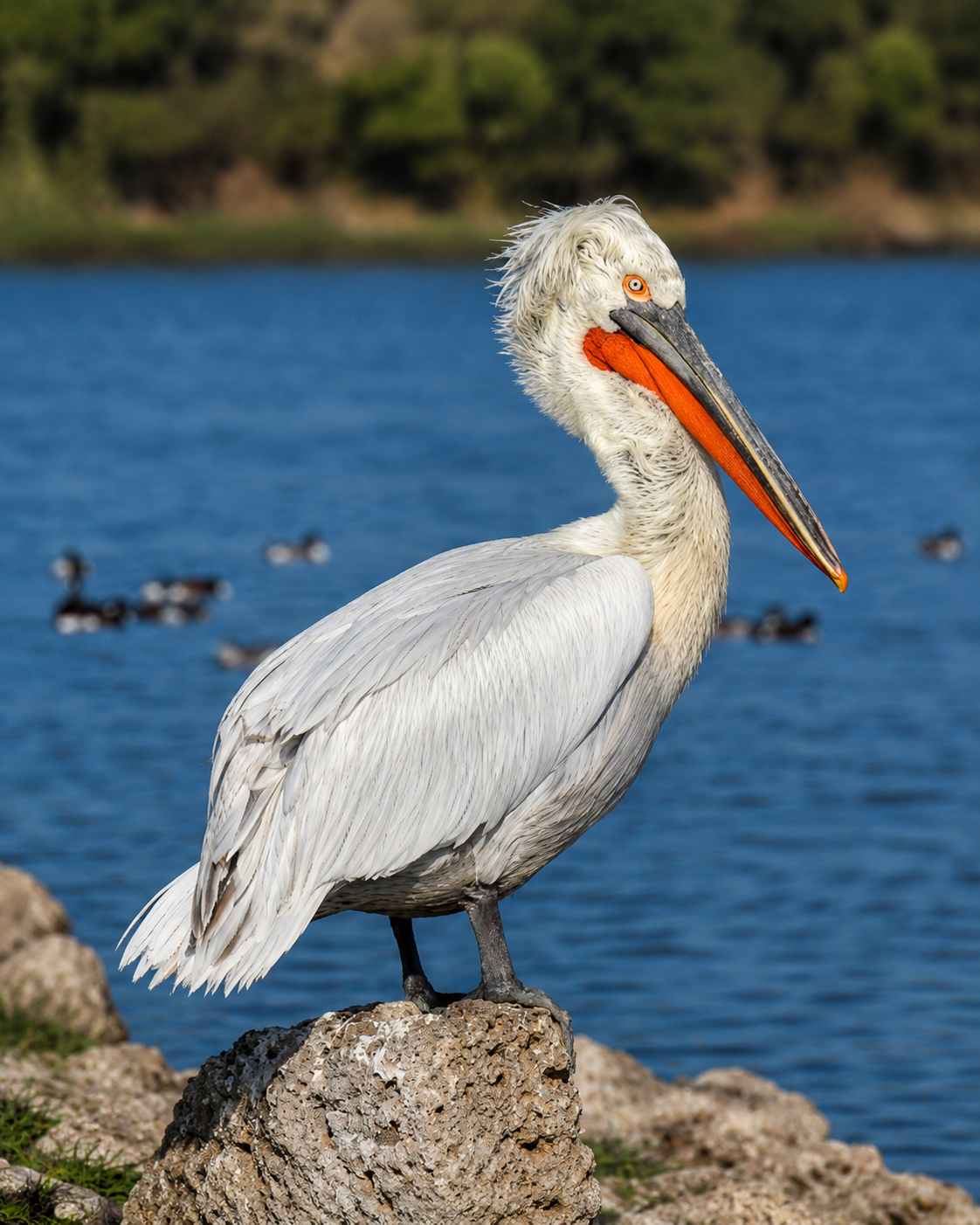
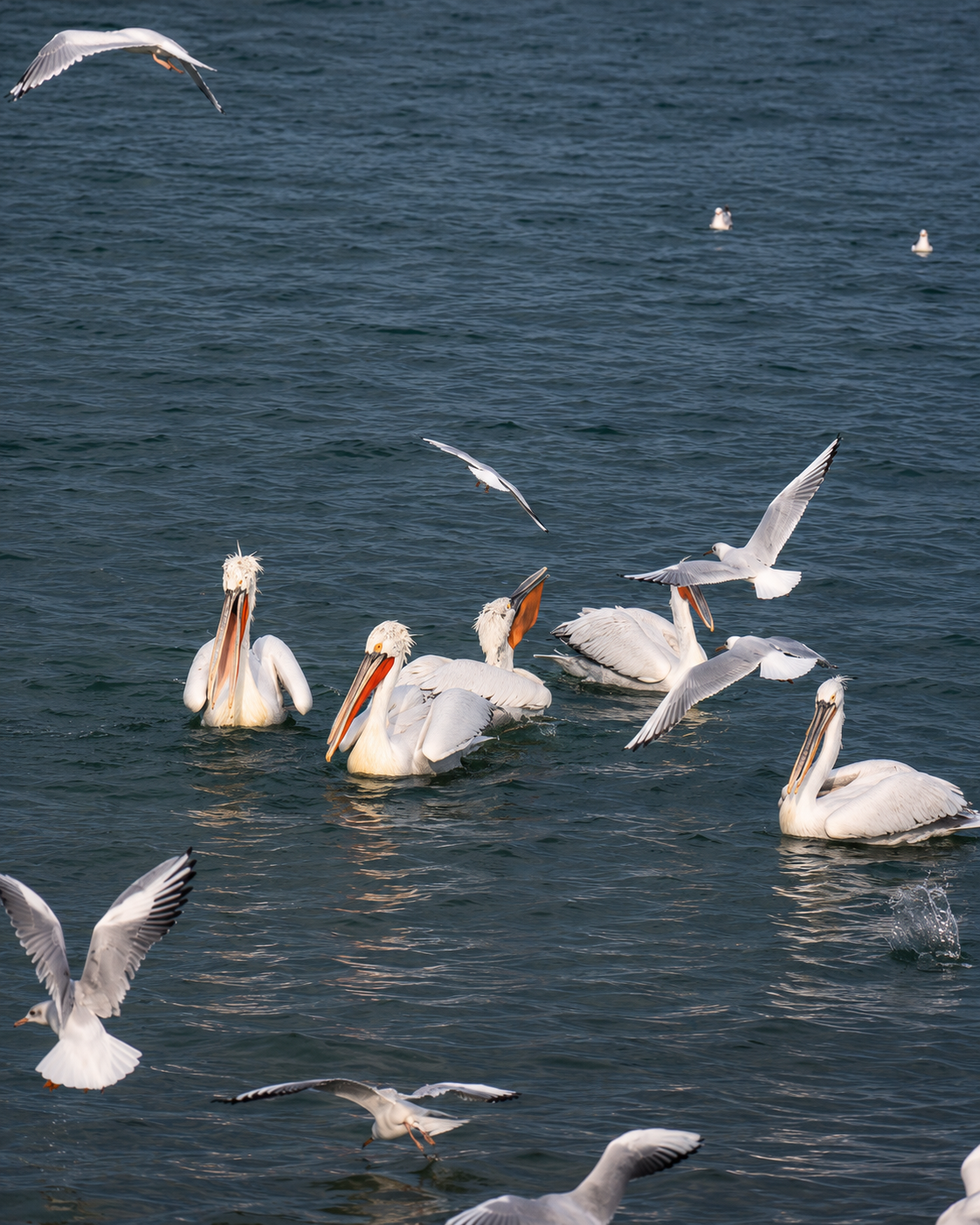
Another flagship species is the Dalmatian Pelican (Pelecanus crispus), one of the largest flying birds in Europe, with a wingspan reaching up to three meters. The presence of this globally important species highlights the international conservation value of Lake Shkodra and was one of the factors contributing to its UNESCO Biosphere Reserve designation.
For wildlife enthusiasts, photographers, and birdwatchers, Lake Shkodra offers one of the most rewarding nature experiences in the Balkans, with every season bringing different species, landscapes, and ecological phenomena to discover.
Birdwatching Paradise of the Balkans
For birdwatchers and wildlife enthusiasts, Lake Shkodra is widely considered one of the most important birdwatching destinations in the Balkans. Thanks to its extensive wetlands, reed beds, floating vegetation, and rich fish populations, the lake provides ideal conditions for hundreds of bird species throughout the year.
More than 280 bird species have been recorded in the Lake Shkodra basin, including approximately 160 migratory species that use the lake as a crucial resting and feeding point along major European migration routes. During spring and autumn, the landscape transforms into a natural sanctuary filled with thousands of birds arriving from different parts of Europe, Asia, and Africa.

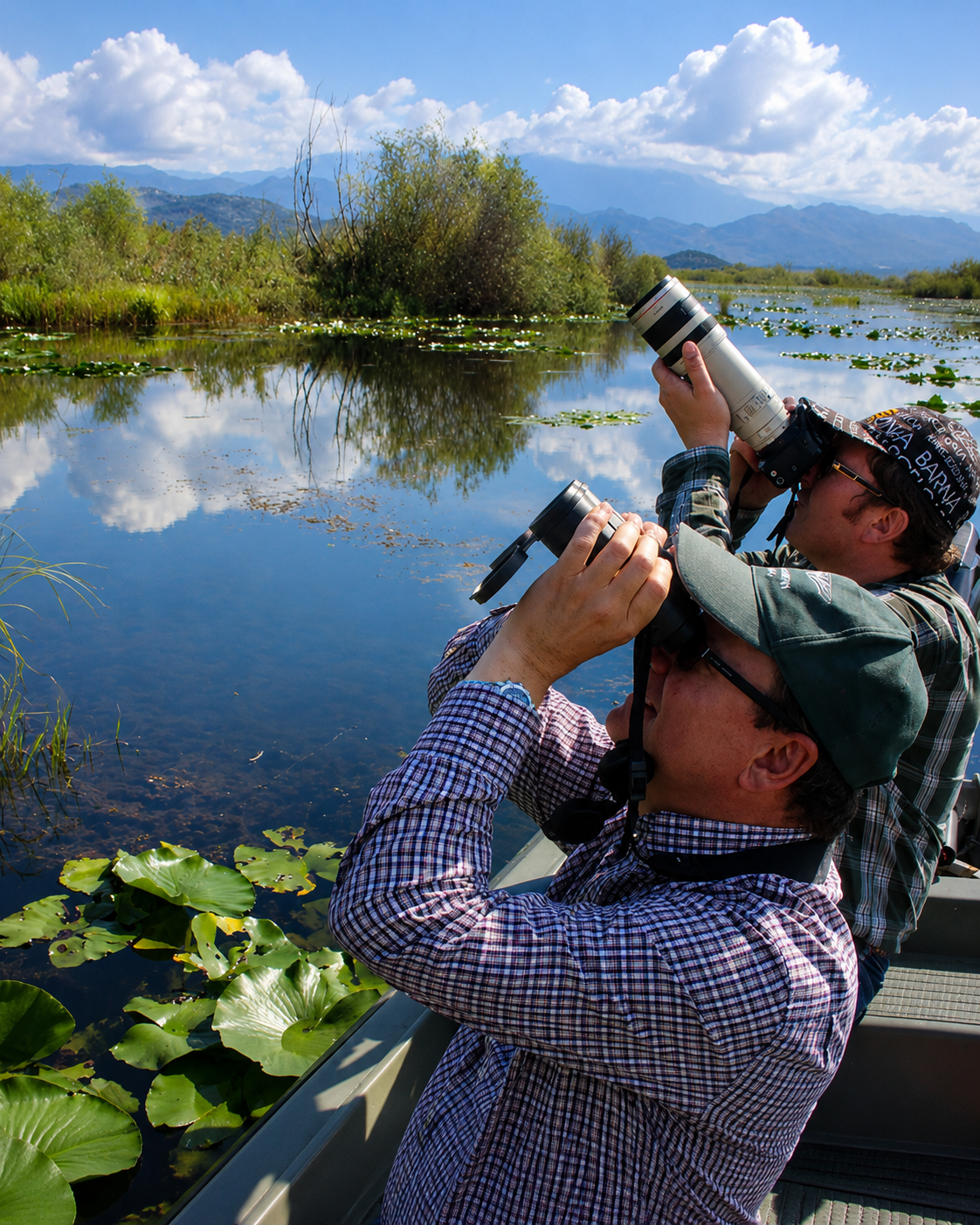
One of the lake’s most remarkable residents is the Whiskered Tern (Chlidonias hybrida). This elegant migratory bird is famous for nesting directly on the floating leaves of white and yellow water lilies found within the protected sections of the lake. Because these nesting areas are extremely sensitive, visitor access is often limited and best experienced through guided eco-tours that respect conservation rules.
Equally impressive is the Dalmatian Pelican (Pelecanus crispus), one of the largest flying birds in Europe. With a wingspan reaching nearly three meters and a weight that can exceed 12 kilograms, the species has become one of the most recognizable symbols of Lake Shkodra’s ecological importance. Spotting a Dalmatian Pelican gliding above the lake is considered one of the highlights of any wildlife excursion in the region.
The lake is also home to herons, cormorants, kingfishers, grebes, gulls, egrets, and numerous other waterbirds that thrive in the lake’s diverse habitats. The best birdwatching opportunities are usually found in the water lily reserve, the reed-covered wetlands, and the quieter northern sections of the lake where wildlife remains largely undisturbed.
Whether you are a professional wildlife photographer, an experienced birder, or simply a traveler who appreciates nature, Lake Shkodra offers one of the richest birdwatching experiences in Southeast Europe. Every season reveals a different side of the ecosystem, ensuring that no two visits are ever the same.
Traditional Life Around the Lake
Beyond its extraordinary natural value, Lake Shkodra has shaped the identity, economy, and traditions of local communities for centuries. Generations of families have depended on the lake for fishing, agriculture, transportation, and trade, creating a unique cultural landscape that remains alive today.
Fishing continues to be one of the most important traditions around the lake. Local fishermen still use techniques passed down through generations, while traditional dishes such as Tava e Krapit (baked carp) remain among the most famous specialties of the Shkodra region. Fresh fish from the lake, including carp, eel, and mullet, continues to play a central role in local cuisine.
Among the most picturesque settlements on the Albanian shore are Shiroka and Zogaj, two historic lakeside villages located at the foot of Mount Tarabosh. Once small fishing communities, both villages have preserved much of their traditional character while becoming popular destinations for visitors seeking authentic experiences away from crowded tourist areas.
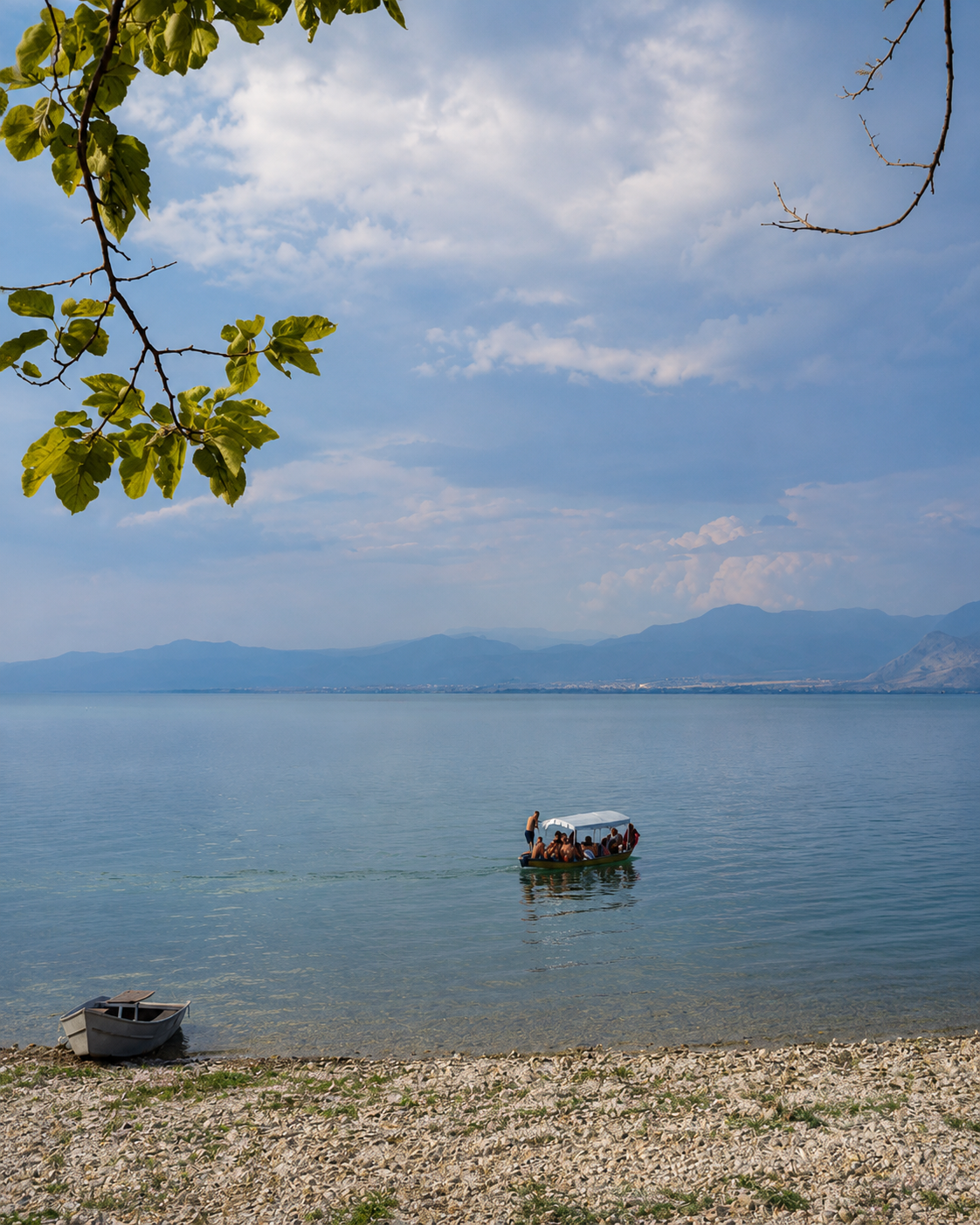

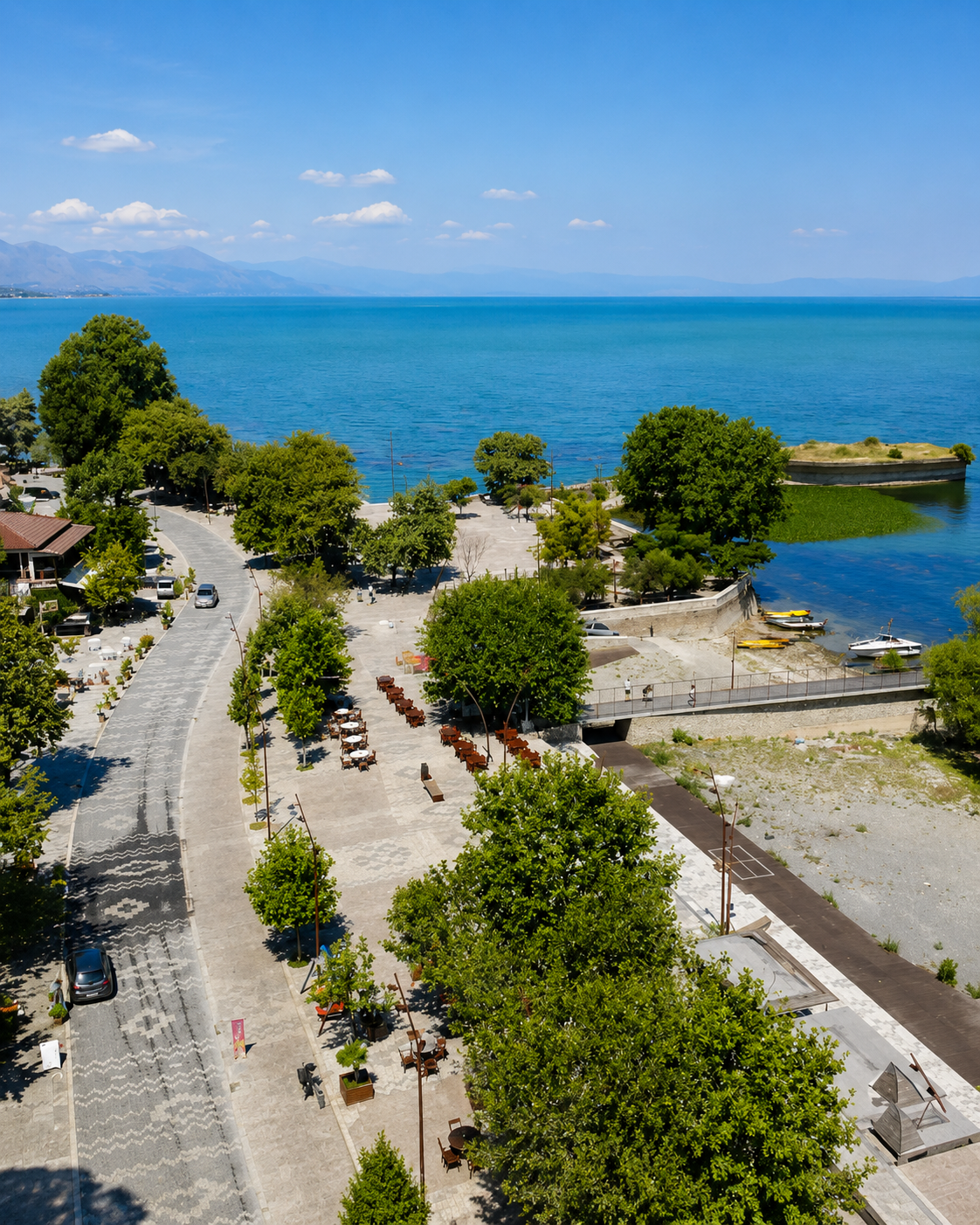
Shiroka is known for its scenic waterfront promenade, traditional stone houses, family-run restaurants, and long-standing fishing heritage. The village has historically been one of the main gateways to the lake and remains a favorite destination for locals who come to enjoy fresh fish, lake views, and beautiful sunsets over the water.
Further south lies Zogaj, a quieter village nestled between the mountains and the shoreline. Known for its peaceful atmosphere, traditional architecture, and stunning views across the lake toward Montenegro, Zogaj offers a glimpse into a slower way of life that has changed little over the decades. The village is also famous for its hospitality and for preserving many customs linked to lake life and fishing traditions.
The cultural importance of Lake Shkodra extends beyond its villages. For centuries, the Buna River connected the lake with important trading centers throughout the Adriatic region. Historic sites such as the medieval Shirgj Monastery, once one of the most significant Benedictine monasteries in northern Albania, and numerous ancient settlements along the river testify to the area’s strategic and economic importance throughout history.
Today, this blend of nature, gastronomy, history, and living traditions makes Lake Shkodra much more than a protected natural area—it is a cultural landscape where visitors can experience the authentic heritage of northern Albania while exploring one of the country’s most remarkable UNESCO-recognized destinations.
Sustainable Tourism Opportunities
UNESCO’s recognition is expected to encourage forms of tourism that have minimal environmental impact while supporting local communities.
Popular activities include:
- Birdwatching tours
- Kayaking and paddle boarding
- Cycling routes around the lake
- Nature photography
- Boat excursions
- Cultural heritage visits
- Traditional gastronomy experiences
These activities allow visitors to experience the lake while contributing to its long-term conservation.
Visiting Lake Shkodra
The most accessible starting points on the Albanian side are Shiroka and Zogaj, located just a few minutes from the city of Shkodra.
From here, visitors can explore the lake’s shoreline, enjoy local seafood restaurants, rent kayaks or paddle boards, and join guided eco-tours that venture into protected wetland areas rarely seen by ordinary tourists.
Spring and early summer are generally considered the best periods for birdwatching, while the warmer months are ideal for water activities.
Recommended Experience: Paddle Boarding Through the Water Lily Reserve
For travelers looking to experience the UNESCO-listed ecosystem firsthand, one of the most unique activities available is the paddle board and kayak tour organized by Drini Times.
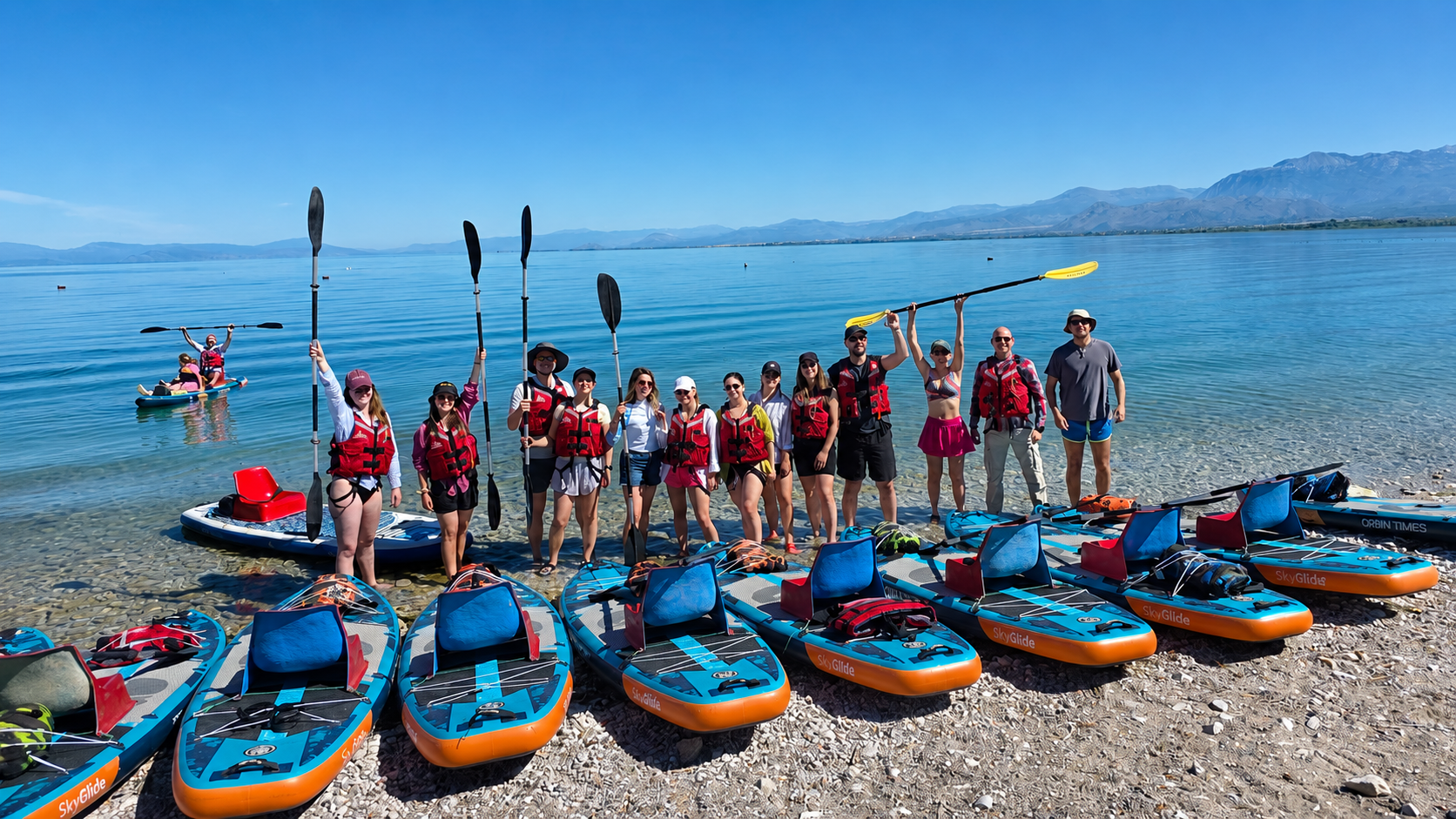
The route begins in Shiroka and takes visitors through the protected water lily fields of Lake Shkodra, an area known for its nesting Whiskered Terns, Dalmatian Pelicans, and spectacular wetland scenery. Along the way, participants paddle beneath the Buna bridges, pass beneath Rozafa Castle, and continue downstream through one of the most scenic river landscapes in northern Albania.
One of the highlights of the experience is a stop at the historic Church of Shirgj (Saint Sergius and Bacchus). Once considered one of the most important Benedictine monasteries in Albania and a major trading center during the medieval period, today only a section of its southern wall remains standing beside the Buna River. Despite its ruins, the site continues to tell the story of the region’s rich religious and commercial history.
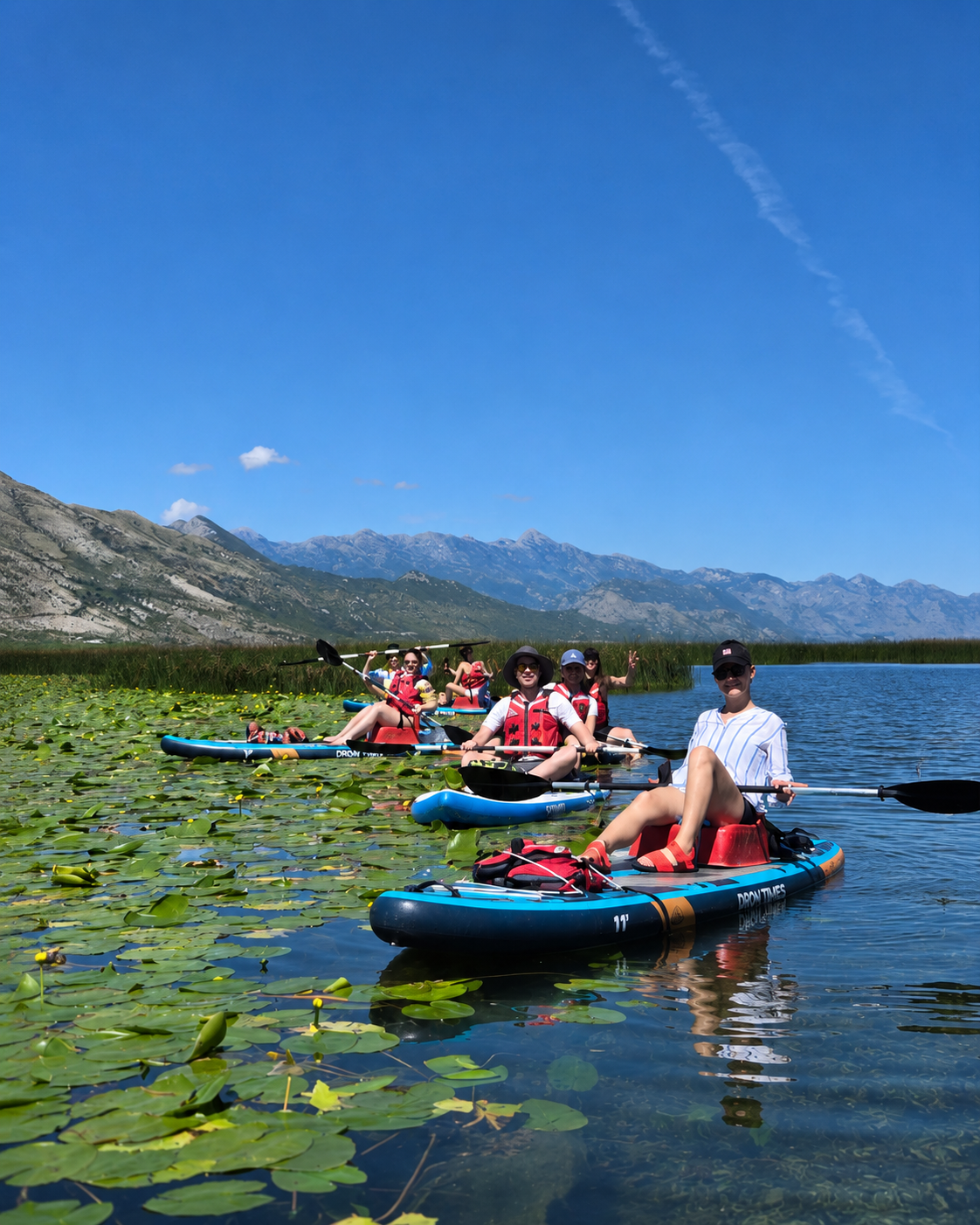
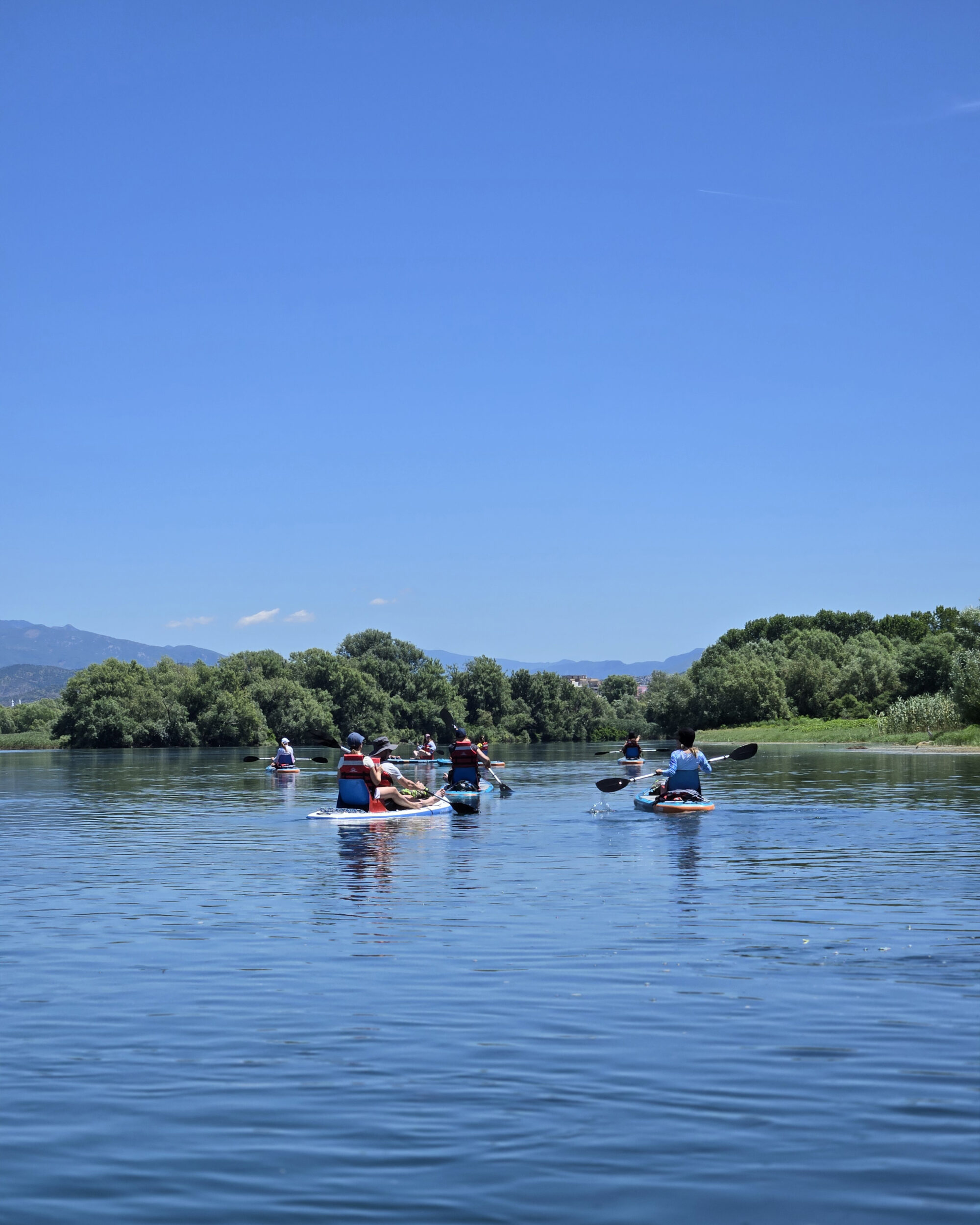
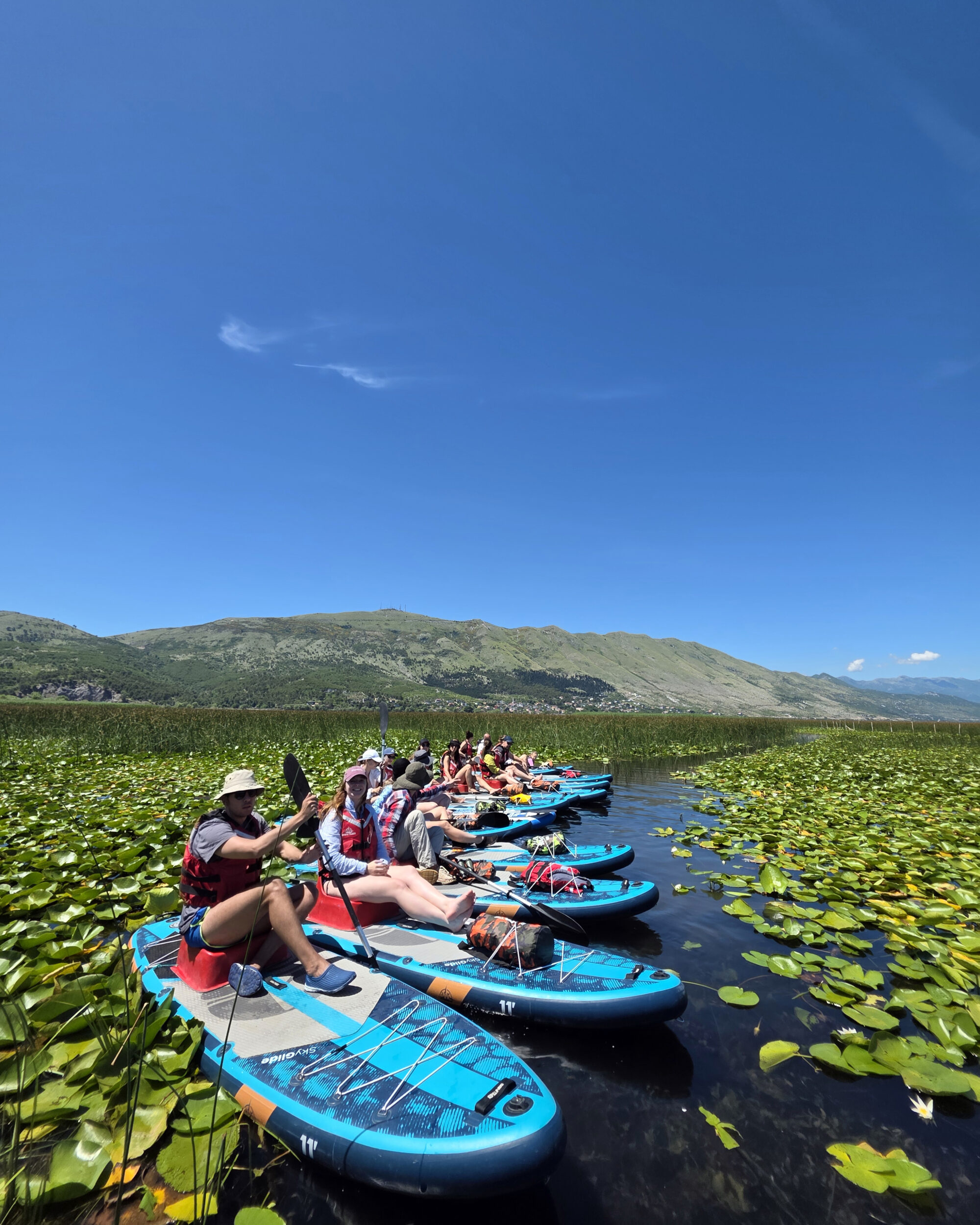
This combination of nature, wildlife, history, and adventure makes the tour one of the best ways to understand why UNESCO recognized Lake Shkodra as a landscape of global importance.
Contact: @drini_times
FAQ – Lake Shkodra UNESCO Biosphere Reserve
UNESCO designated Lake Shkodra as a Transboundary Biosphere Reserve because of its exceptional biodiversity, internationally important wetlands, and unique ecosystem shared between Albania and Montenegro. The recognition promotes conservation, sustainable tourism, and cooperation between local communities and environmental organizations.
Lake Shkodra is the largest freshwater lake in the Balkans and one of the most important biodiversity hotspots in Southeast Europe. It is home to hundreds of bird species, rare fish, extensive wetland habitats, and stunning natural landscapes that attract nature lovers from around the world.
Visitors can observe a wide variety of wildlife, including the Dalmatian Pelican, Whiskered Tern, herons, kingfishers, cormorants, and many migratory bird species. The lake also hosts around 45 fish species, making it one of the richest freshwater ecosystems in the region.
Popular activities include birdwatching, kayaking, paddle boarding, cycling, nature photography, boat tours, and exploring traditional lakeside villages. Guided eco-tours are highly recommended for discovering the lake’s protected areas and unique wildlife.
Yes. In addition to its natural beauty, the lake region is rich in cultural heritage. Visitors can explore historical landmarks such as Rozafa Castle and the medieval Church of Shirgj (Saint Sergius and Bacchus), one of the most important Benedictine monastery sites in northern Albania.
The UNESCO Biosphere Reserve designation confirms what locals and nature lovers have known for generations: Lake Shkodra is one of the most extraordinary natural areas in the Balkans. From its rich biodiversity and internationally important bird habitats to its centuries-old cultural landmarks and sustainable tourism potential, the lake represents a unique meeting point between nature and human history.
For anyone visiting northern Albania, Lake Shkodra is no longer just a beautiful destination—it is now one of the country’s most internationally recognized natural treasures.
Planning to continue exploring Shkodër? Check out our article for the Top 5 Restaurants in Shkoder: Best Places to Eat in 2026 and discover the city’s best local dining experiences.