

Hidden deep in the Albanian Alps, Theth National Park is one of Albania’s most breathtaking mountain destinations. Stone houses, dramatic peaks, waterfalls, crystal-clear springs, and powerful traditions make Theth a place where nature and history exist side by side.
If you’re planning a short escape to the north, this guide highlights what to do in Theth in 3 days, focusing on the most important sights, cultural landmarks, and natural wonders — all presented as recommendations, so you can build your own experience at your own pace.
Day 1 – Culture, History & The Journey North
Rozafa Castle (Shkodër)
Before heading into the Albanian Alps, many travelers stop in Shkodër, the gateway to Theth. One of its most iconic landmarks is Rozafa Castle, dramatically positioned above the Buna and Drin rivers and Lake Shkodra.
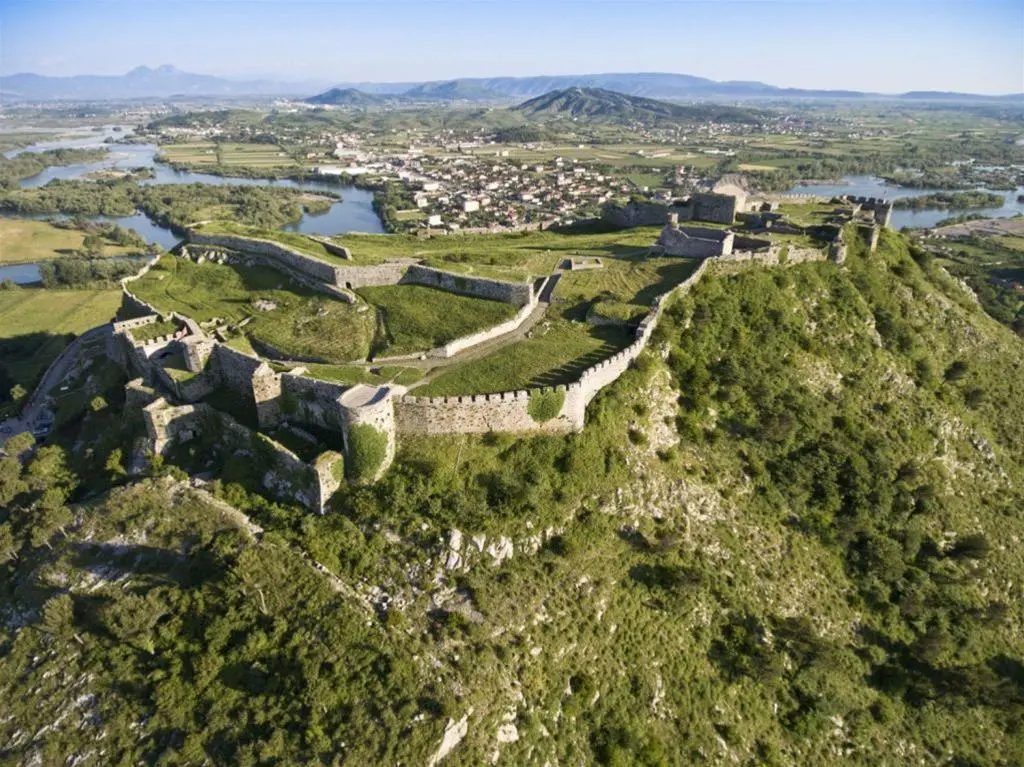

Founded in Illyrian times and later rebuilt by Venetians and Ottomans, Rozafa Castle rises on a rocky hill just outside Shkodër, surrounded by the Buna and Drin rivers. According to local legend, a woman named Rozafa was sacrificed within the walls so the fortress could stand — a story deeply rooted in Albanian oral tradition and still closely associated with the site today.
Located about 3 km from Shkodër’s city center, the castle is easily reached by car or taxi in around 10 minutes, or by a scenic uphill walk of 30–40 minutes. Inside, visitors explore massive stone walls and bastions, inner courtyards, a unique church–mosque monument, water cisterns, and a small historical museum that traces the site’s Illyrian, Venetian, and Ottoman past.
Beyond its historical importance, Rozafa Castle is best known for its 360-degree panoramic views over Lake Shkodra, the surrounding rivers, and the plains below — making it one of the most rewarding cultural stops in northern Albania.
Shirokë Village – Lakeside Lunch Stop
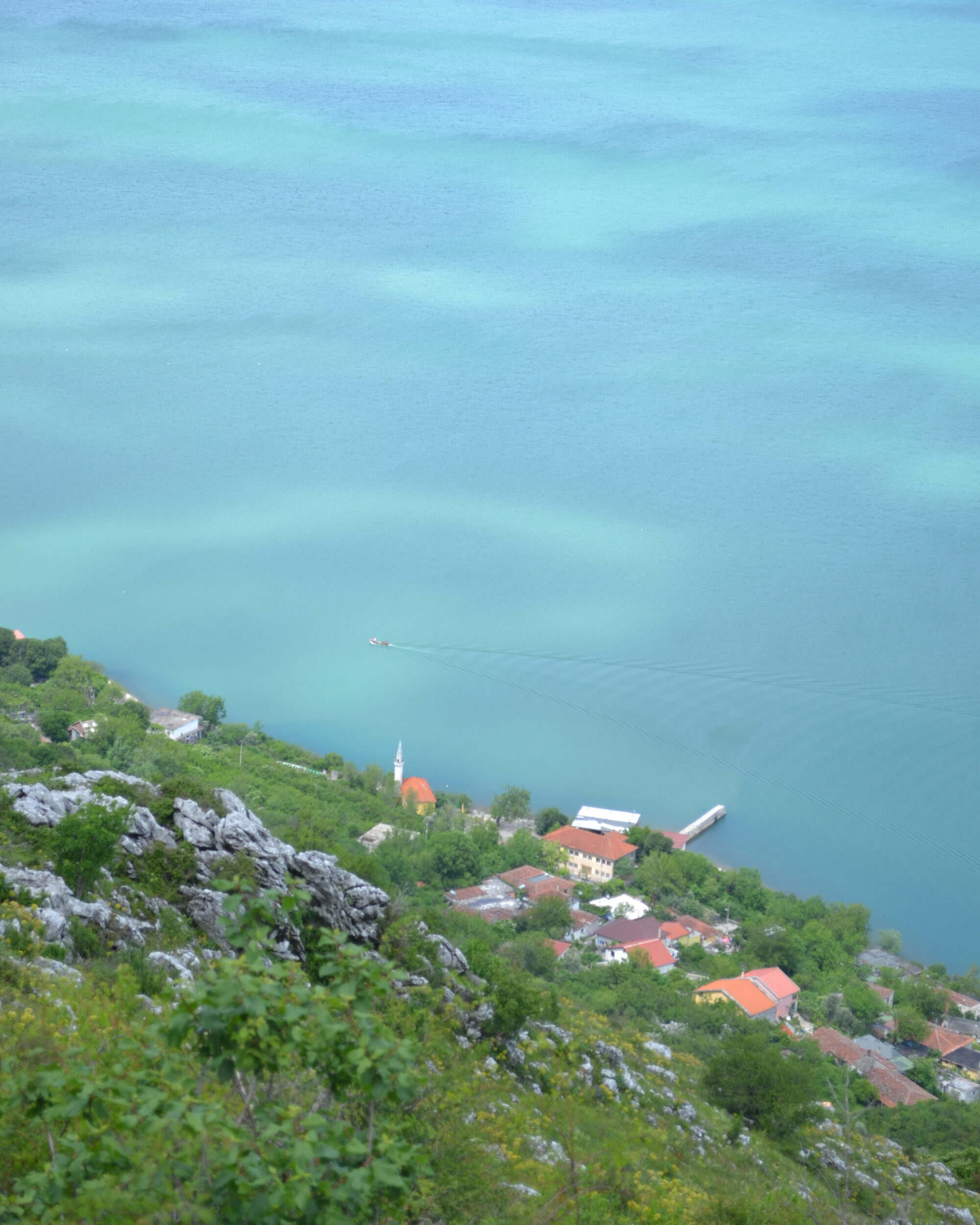
Near Shkodër, Shirokë is a peaceful lakeside village on the shores of Lake Shkodra, best known for its traditional fish-based cuisine, especially carp baked in a clay pot — a local specialty of the area. With its relaxed atmosphere and lakefront views, Shirokë is a popular stop for a leisurely lunch before continuing the journey toward the mountains.
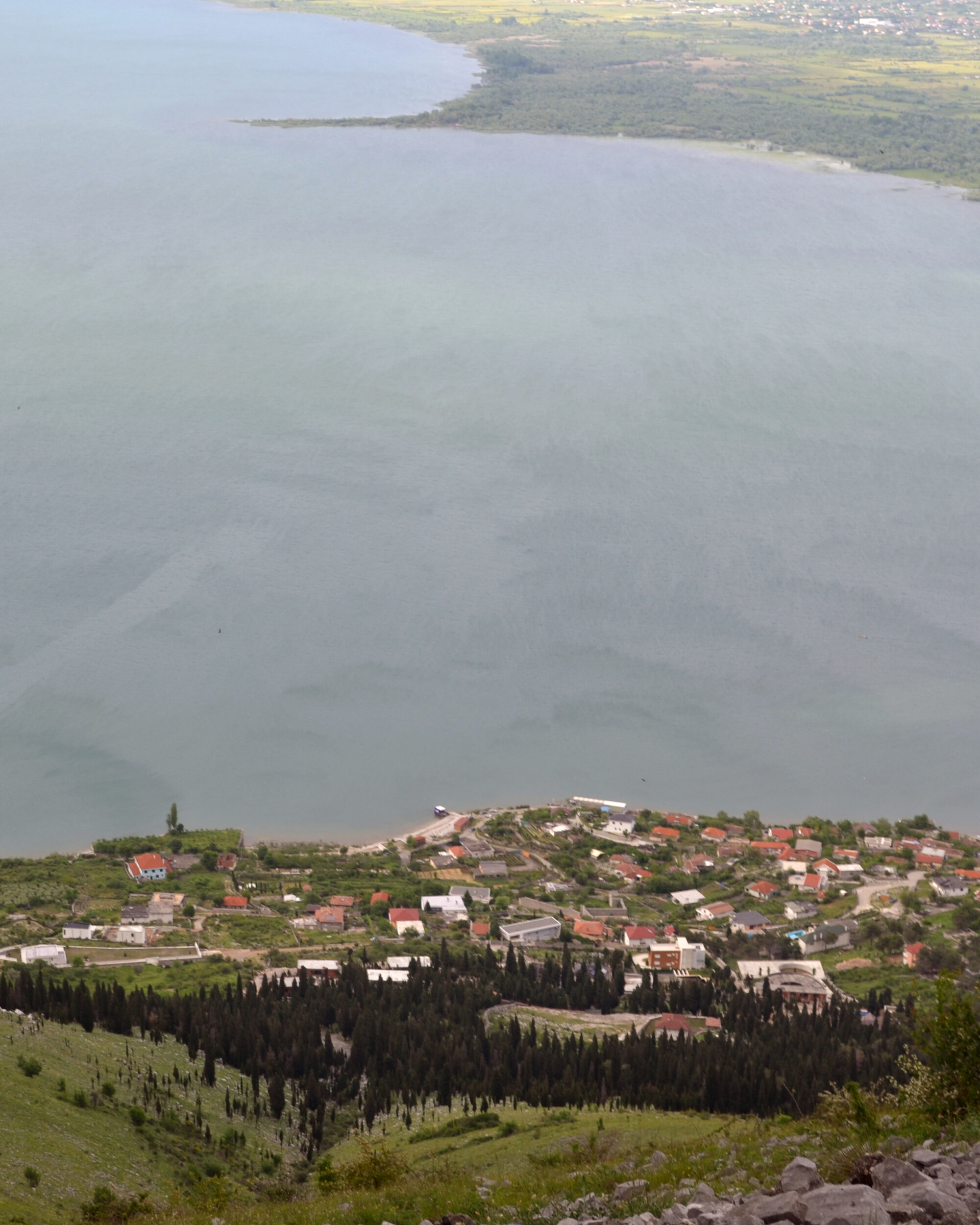
The village is also ideal for a short lakeside walk or cycling, and for those with extra time, an easy hike to Mount Tarabosh offers beautiful panoramic views over Lake Shkodra from above, just like the photos below.
Arrival in Theth Village
The road to Theth is part of the adventure itself, winding through dramatic alpine landscapes. Once in the village, most visitors choose to stay in traditional guesthouses, known for their warm hospitality and homemade food. The rest of the day is best spent relaxing and soaking in the calm mountain atmosphere.
For travelers looking for trusted places to stay, you can explore Love Albania’s curated list of the Top 5 Accommodations in Theth, based on location, comfort, and visitor experience.
Day 2 – Nature & Living Traditions of Theth
Grunas Waterfall
One of the easiest and most rewarding hikes in Theth leads to Grunas Waterfall, located about 2.5–3 km from the village center within Theth National Park. The trail takes around 45–60 minutes one way, following a peaceful river path before a slightly steeper final section.
The waterfall drops from a height of approximately 25–30 meters, forming a crystal-clear natural pool at its base, surrounded by dense alpine forest and limestone cliffs. On sunny days, light reflections often create rainbow effects in the mist, making it one of the most photogenic spots in Theth.
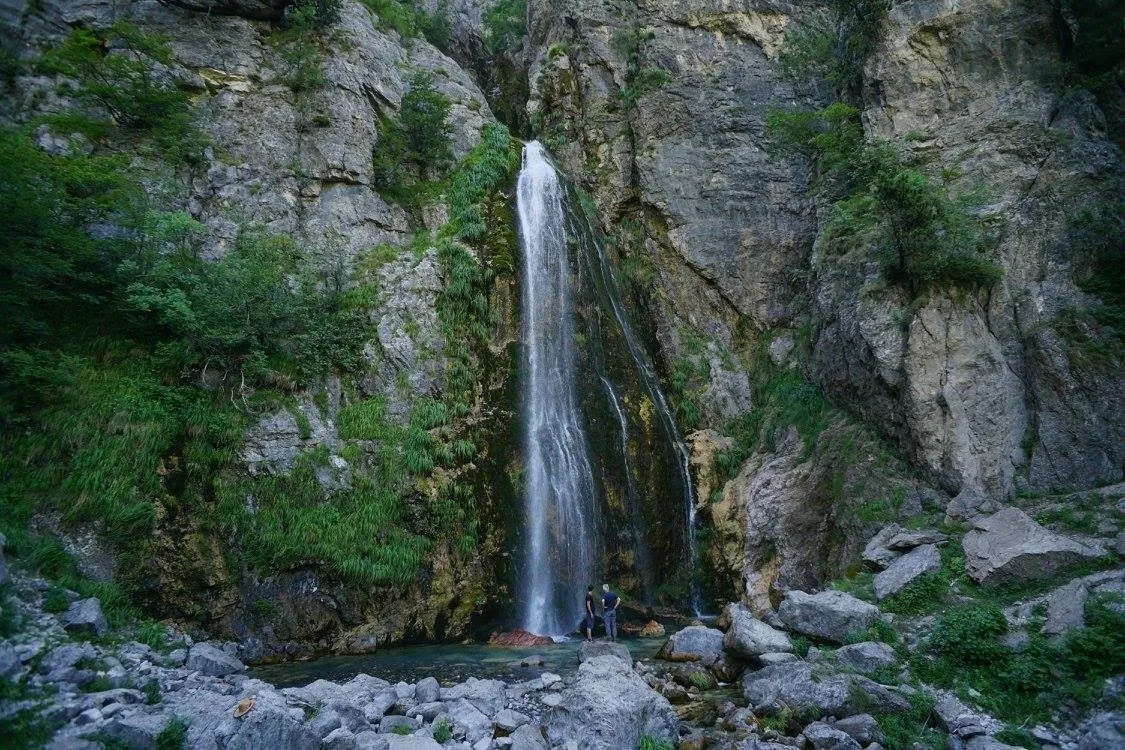
There is no entrance fee, and the hike is considered easy to moderate, suitable for most visitors with basic hiking shoes. Grunas Waterfall is an ideal introduction to Theth’s raw alpine nature — scenic, accessible, and perfect for photography or a short nature escape.
The Church of Theth
The Church of Theth, built in 1892, is a historic Catholic church located almost in the heart of the village, surrounded by the dramatic alpine landscape of Theth National Park. With its simple stone architecture and mountain backdrop, it is one of the most photographed landmarks in northern Albania and a strong symbol of the village’s cultural identity.
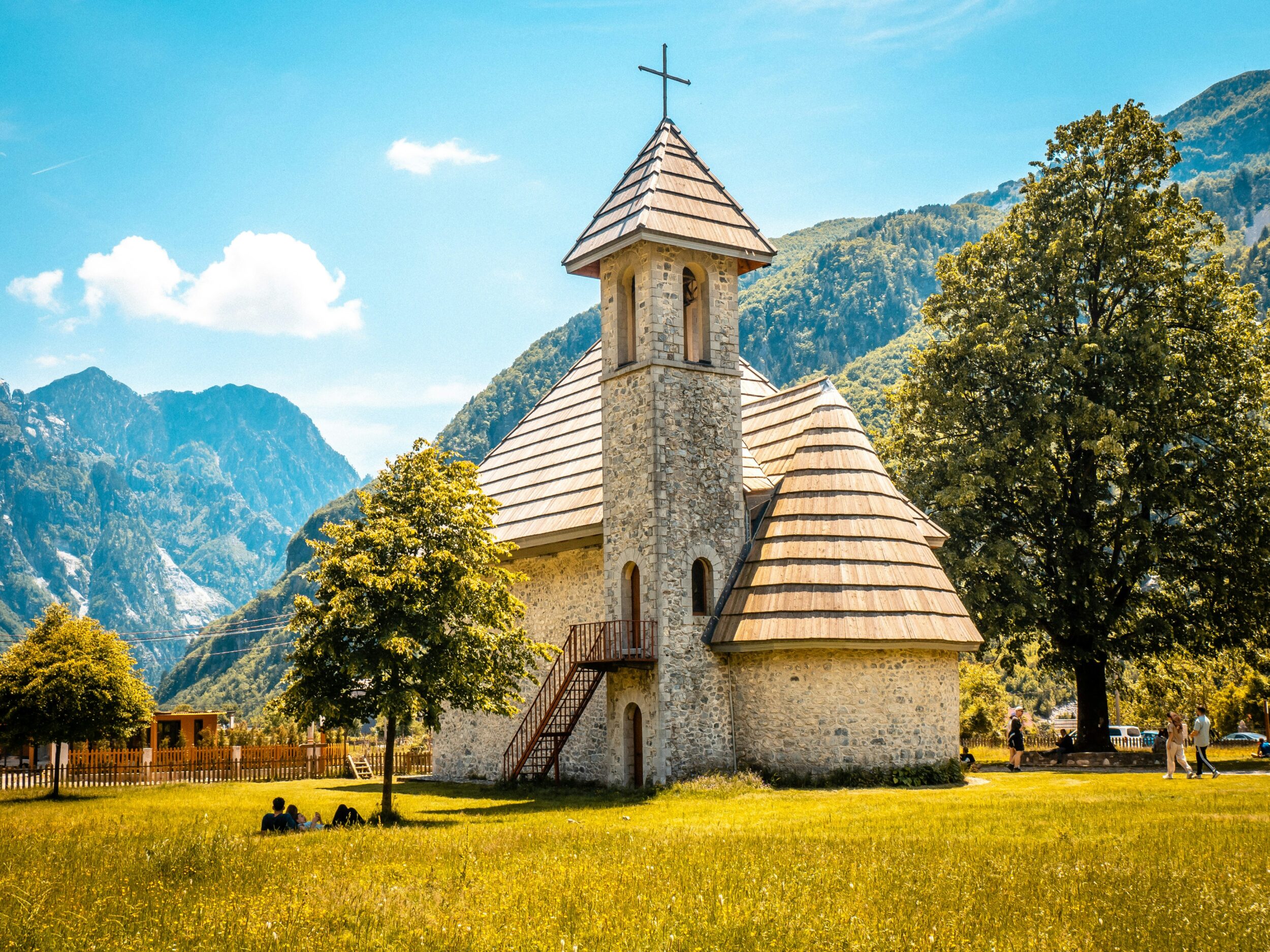
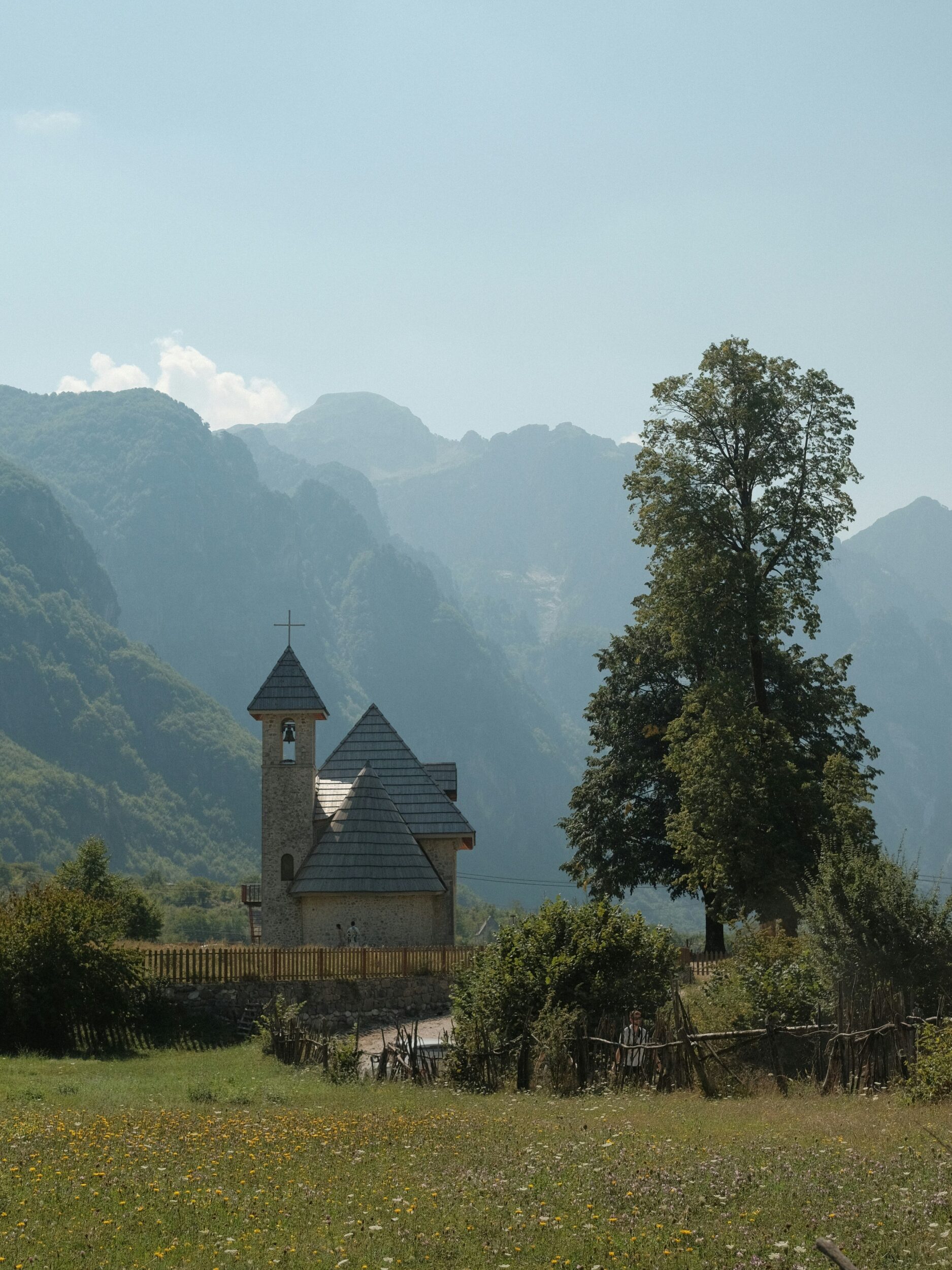
Beyond its religious role, the church has long been a center of community life in Theth. In the early 20th century, it played an important educational role, hosting the area’s first school, and despite being closed during the communist period, it regained its spiritual function after the 1990s.
Modest in size but rich in meaning, the Church of Theth reflects the resilience, traditions, and quiet spirituality of the mountain communities. It is easily reached on foot from anywhere in the village and is well worth a short stop for photos and a moment of calm.
The Lock-In Tower (Reconciliation Tower)
Known as Kulla e Ngujimit or Kulla e Pajtimit, this stone tower offers deep insight into Albania’s traditional legal system, the Kanun of Lekë Dukagjini.
Historically, the tower functioned as a place where blood feuds were investigated and reconciled by village elders. Rather than encouraging violence, the Kanun acted as a social code in times when no formal state justice existed. Inside the tower, elders examined cases, protected those involved, and worked toward reconciliation — making it an important symbol of conflict resolution and community authority.
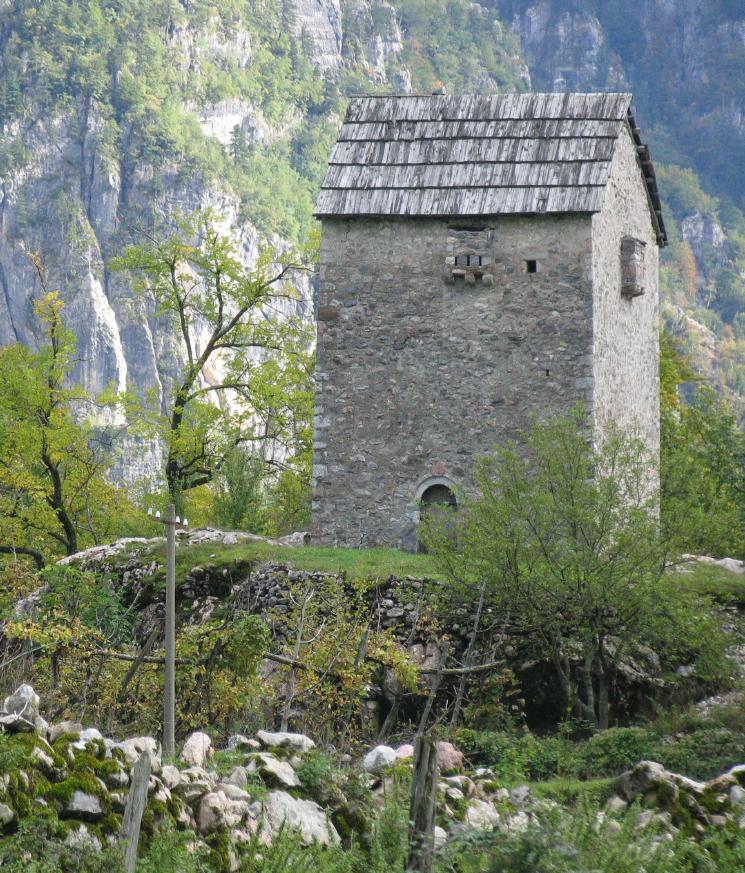

Visiting the tower helps travelers understand Theth beyond landscapes, revealing the strong moral and social structures that shaped mountain life.
Day 3 – Blue Waters & Alpine Landscapes
Blue Eye of Theth & Nderlysa Pools
One of the most stunning natural attractions in northern Albania, the Blue Eye of Theth is a crystal-clear spring fed by icy mountain waters, glowing in deep blue and turquoise shades. Located in the Kaprre area of Theth National Park, it lies around 7 km from Theth village and is reached via a scenic hike.
The visit typically starts at Nderlysa Pools, where the main parking area is located. Reaching Nderlysa usually requires a car from Theth, making the experience easier and more suitable for families. From there, visitors follow a pleasant riverside trail for about 40–60 minutes to reach the Blue Eye. The walk is generally family-friendly, including for children who are used to light hiking, with only a slightly steeper section near the end.
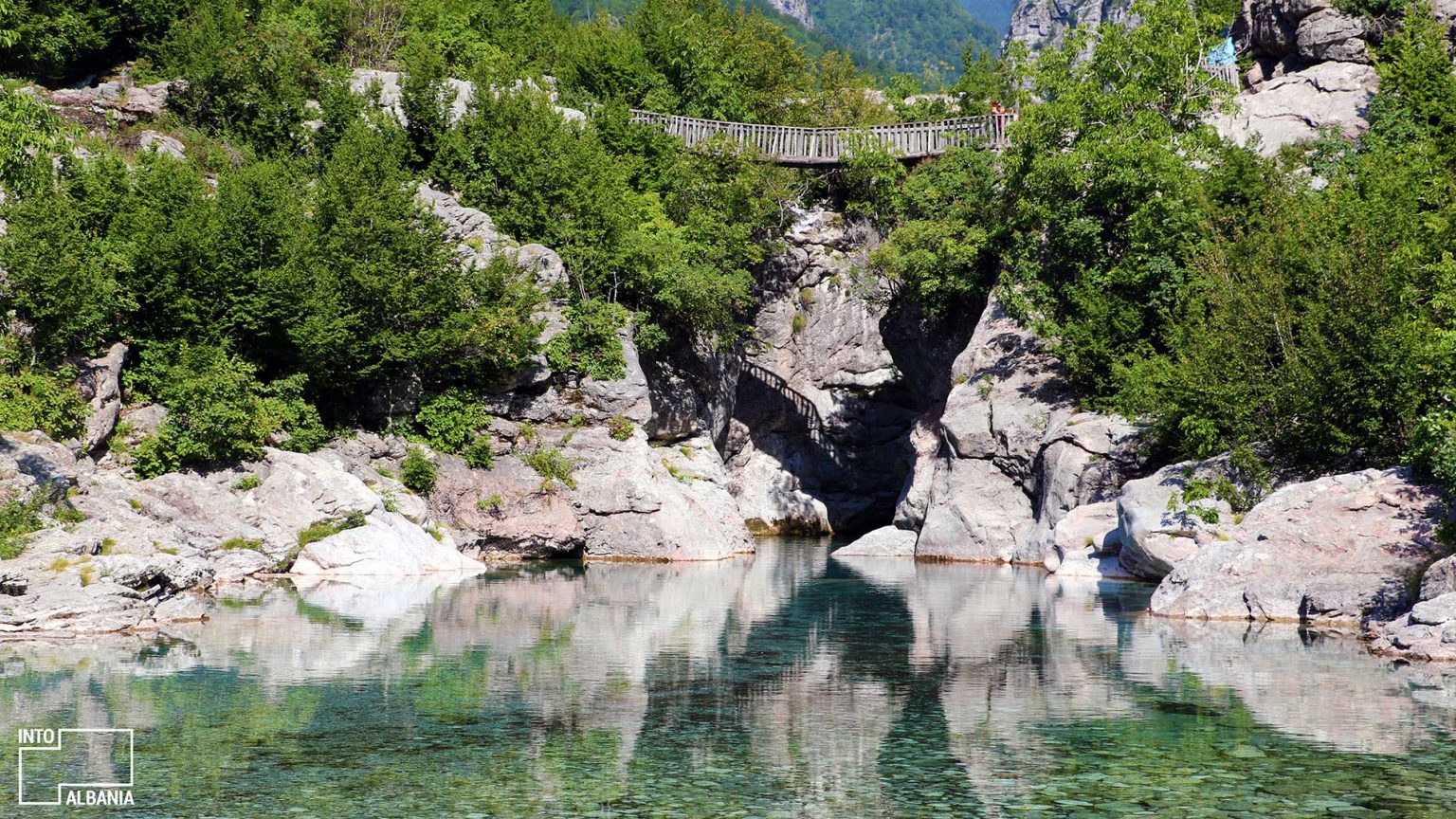
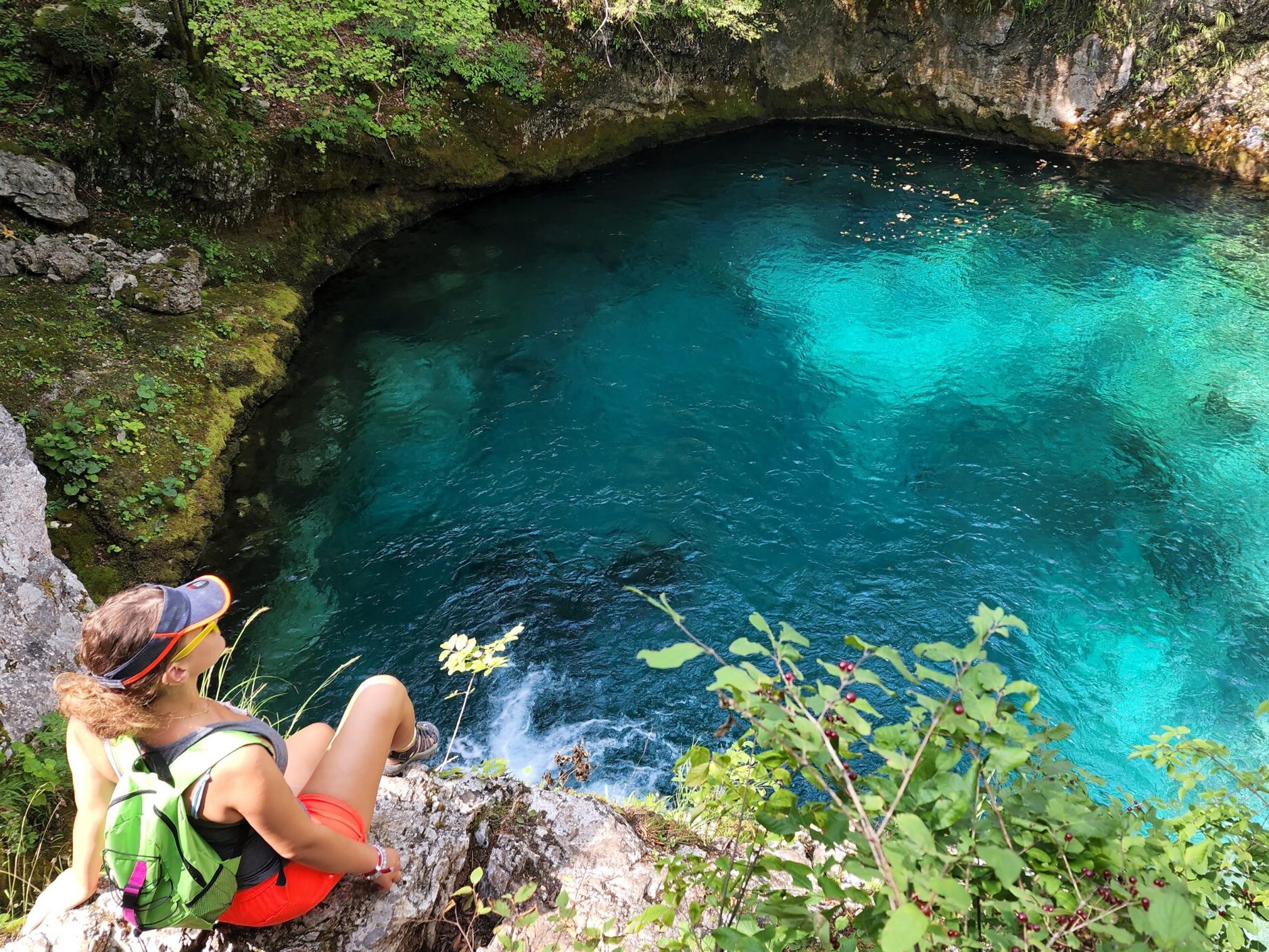
For travelers who enjoy longer walks, it is also possible to hike all the way from Theth to Nderlysaj, turning the visit into a full-day nature experience. At Nderlysa Pools, visitors can swim in the natural limestone pools, relax by the river, and even stop for lunch at local guesthouses or restaurants nearby.
There is no entrance fee, and while the water at the Blue Eye is extremely cold, both Nderlysa Pools and the Blue Eye offer a safe, scenic, and rewarding nature experience for visitors of all ages.
Theth–Valbona Trail (Optional Extension)
For travelers who have more time and enjoy hiking, the Theth–Valbona Trail is one of the most beloved and iconic routes in Albania. Part of the Via Dinarica network, this trail is among the most visited and scenic hiking paths in the country, attracting both local and international nature lovers.
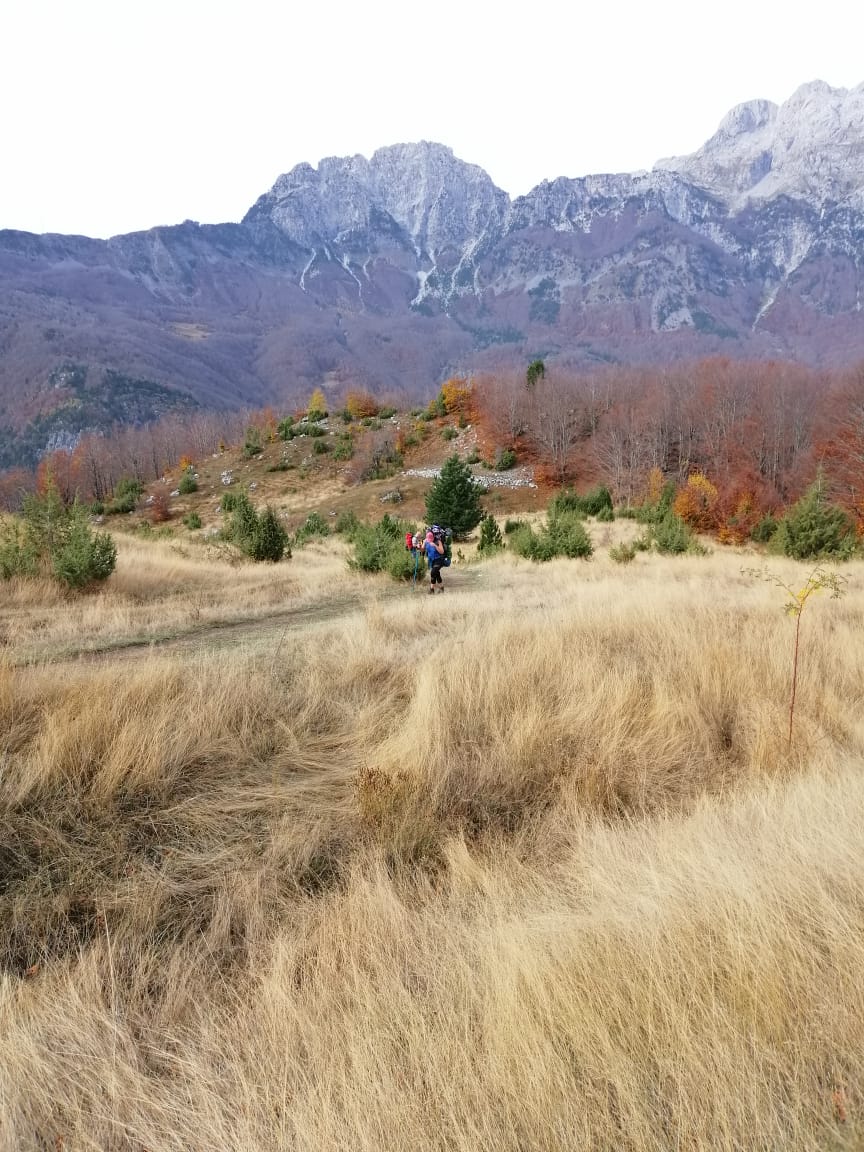

The hike takes approximately 5–6 hours one way, crossing high alpine terrain with spectacular mountain views, open valleys, and panoramic passes. Along the way, hikers will find natural water springs, shaded rest areas, and small mountain stops where it’s possible to rest and enjoy a tea. The trail can be completed in a single day, or combined with an overnight stay in Valbona, depending on personal preference and physical preparation.
This route is a perfect option for those who wish to extend their stay in Theth and experience the Albanian Alps at their most dramatic and rewarding.