

Albania may be small, but its cultural heritage is remarkably rich. From stone cities and ancient ruins to traditions that are still alive today, the country is home to several UNESCO World Heritage Sites and Intangible Cultural Heritage elements.
In this guide, you’ll find all UNESCO-listed sites in Albania, explained clearly and practically — what they are, where they’re located, and why they’re worth visiting.
UNESCO World Heritage Sites in Albania (Tangible Heritage)
🏛️ Butrint – A Journey Through 3,000 Years of History
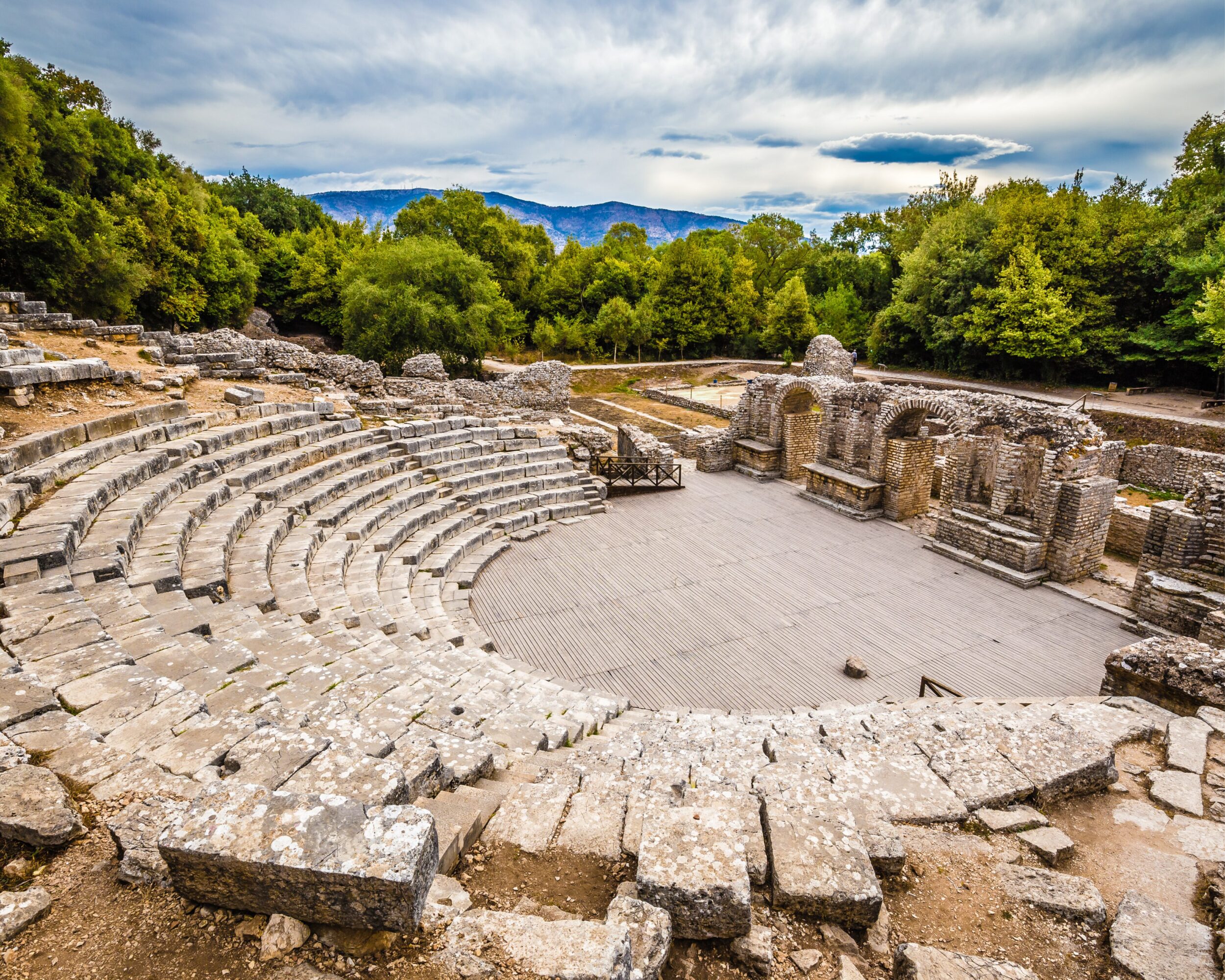
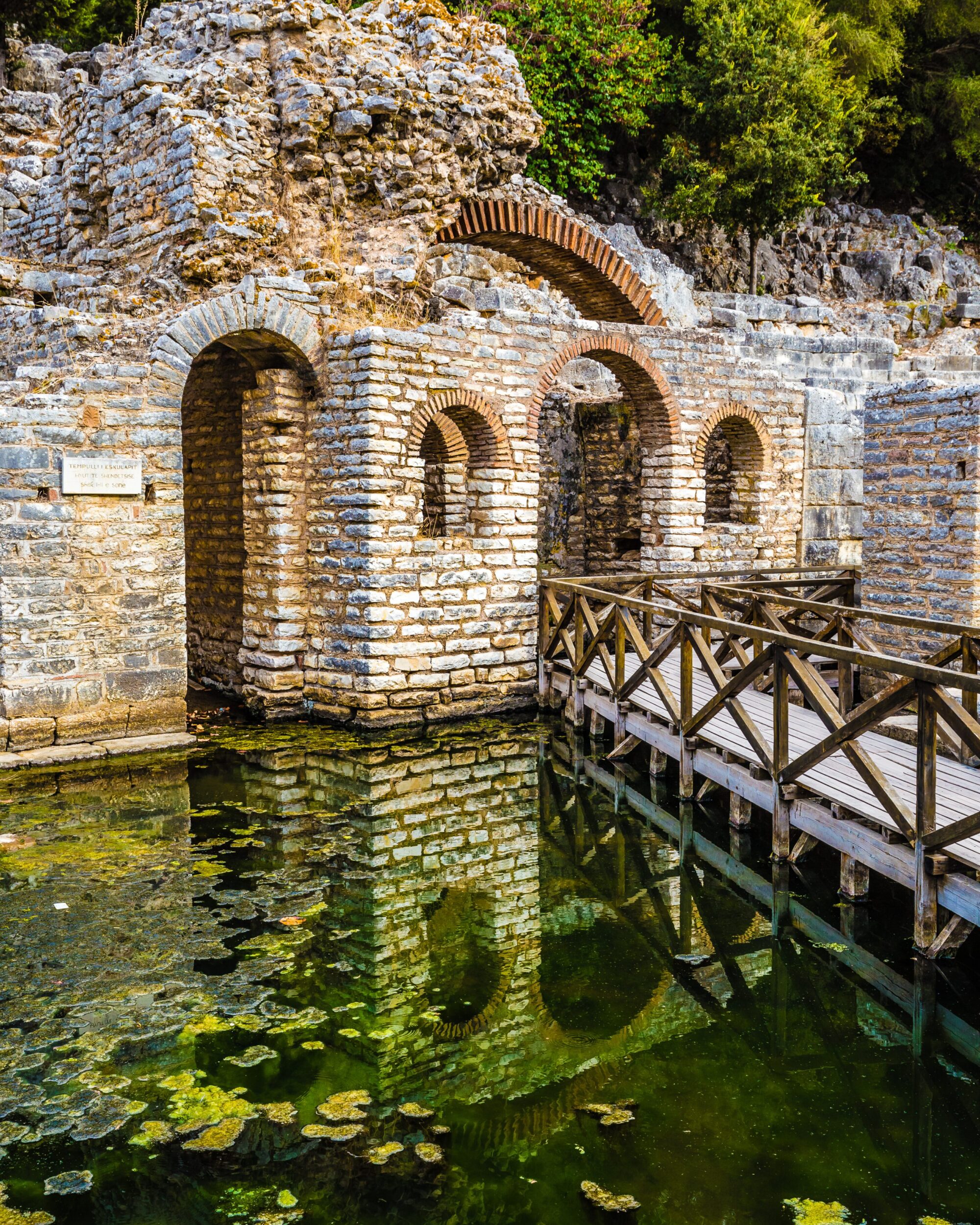
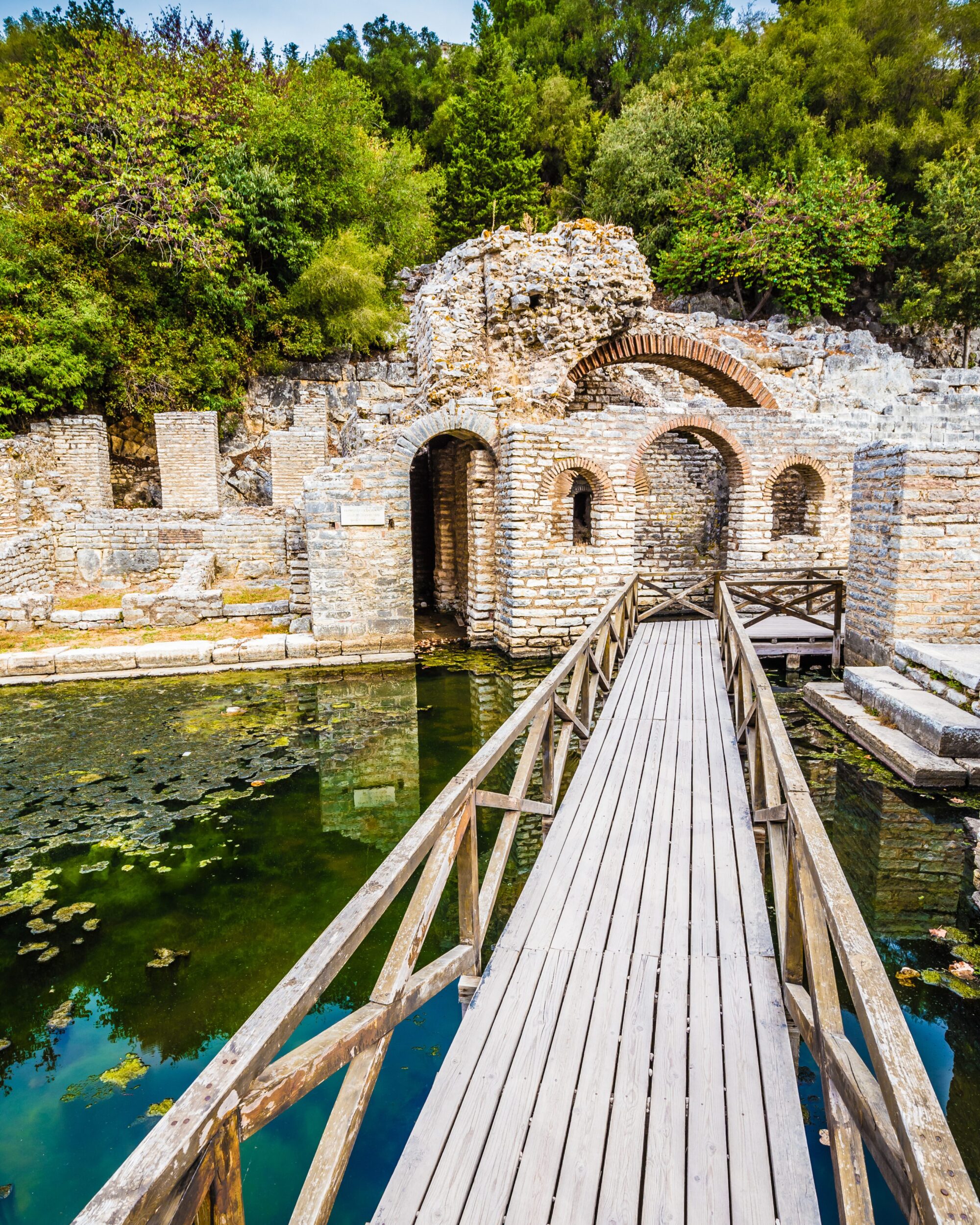
If you’re planning a trip to southern Albania, Butrint is a destination you simply can’t miss. Surrounded by Mediterranean forest, wetlands, and the calm waters of Lake Butrint, this UNESCO archaeological park is an open-air history book where every step leads you deeper into the past.
From its origins as an Illyrian settlement to its development as a Greek colony, Roman city, Byzantine center, and Venetian fortress, Butrint reflects the entire Mediterranean story in one place. Listed as a UNESCO World Heritage Site in 1992, the area was later expanded to include its surrounding ecosystem, forming a protected National Park.
Highlights inside Butrint include:
- The Ancient Theatre (3rd century BC), dramatically set on a hillside
- The Baptistery, one of the largest in the Mediterranean, with rare mosaics
- The Great Basilica, a monumental early Christian structure
- The iconic Lion Gate, carved with symbolic reliefs
- The Venetian Castle, now housing the Archaeological Museum
Butrint is more than ruins—it is a cultural landscape where archaeology, nature, and silence coexist.
👉 Read the full guide: https://lovealbania.al/butrint-travel-guide/
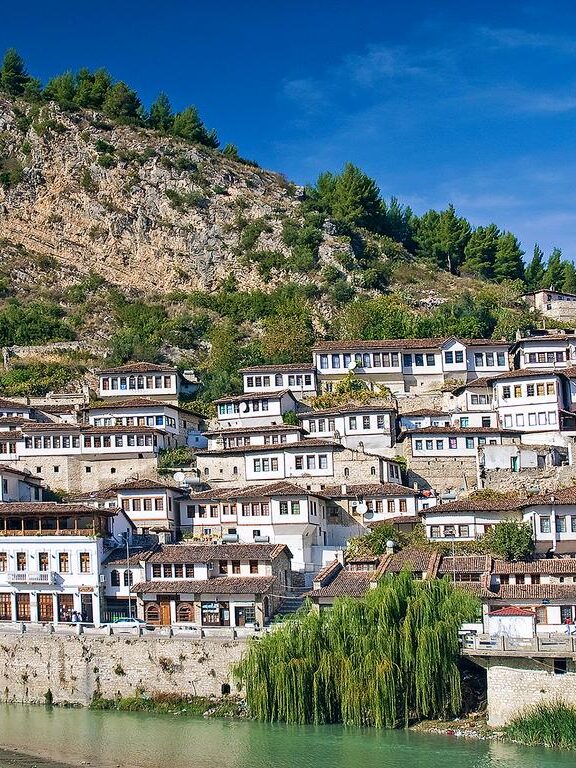
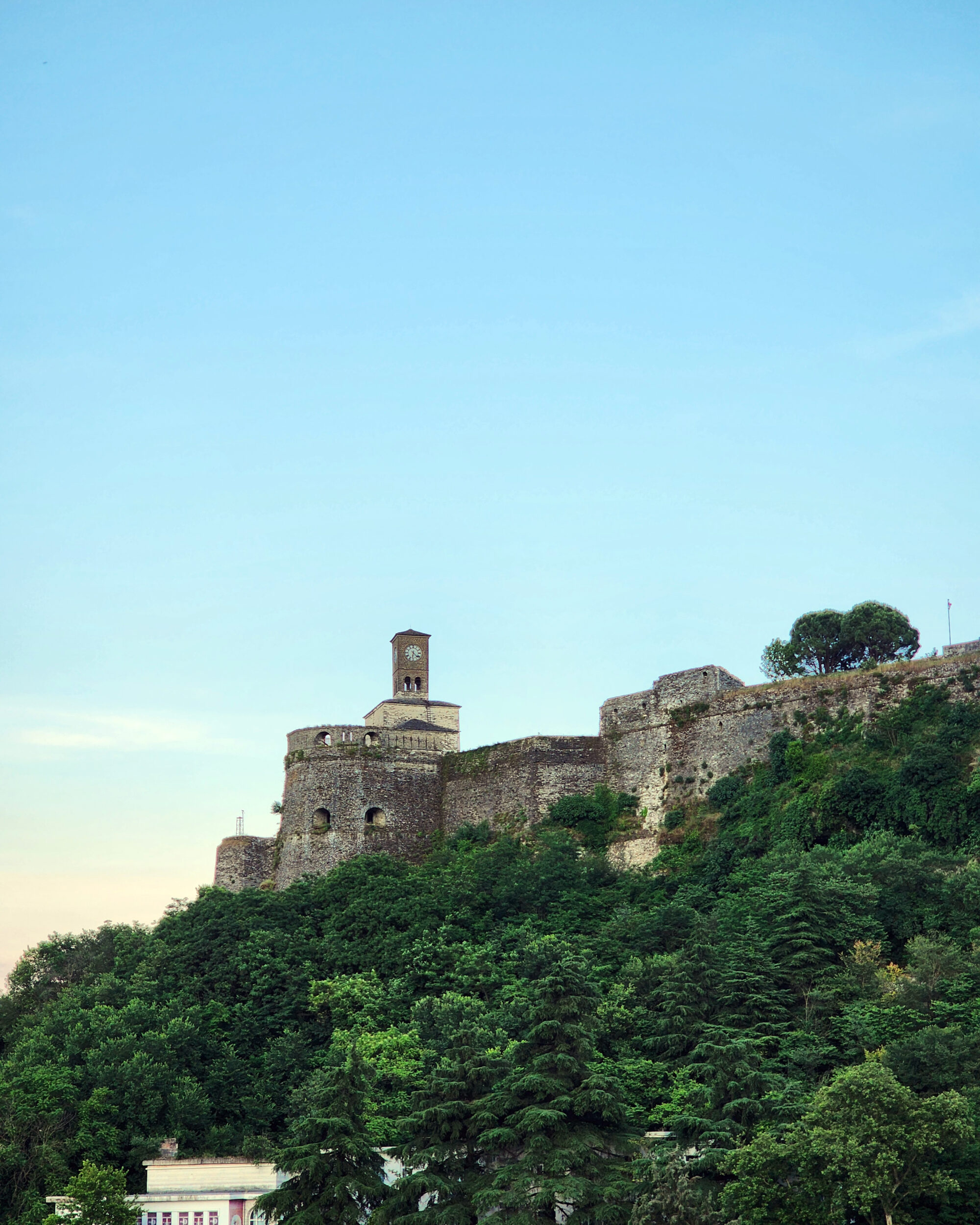
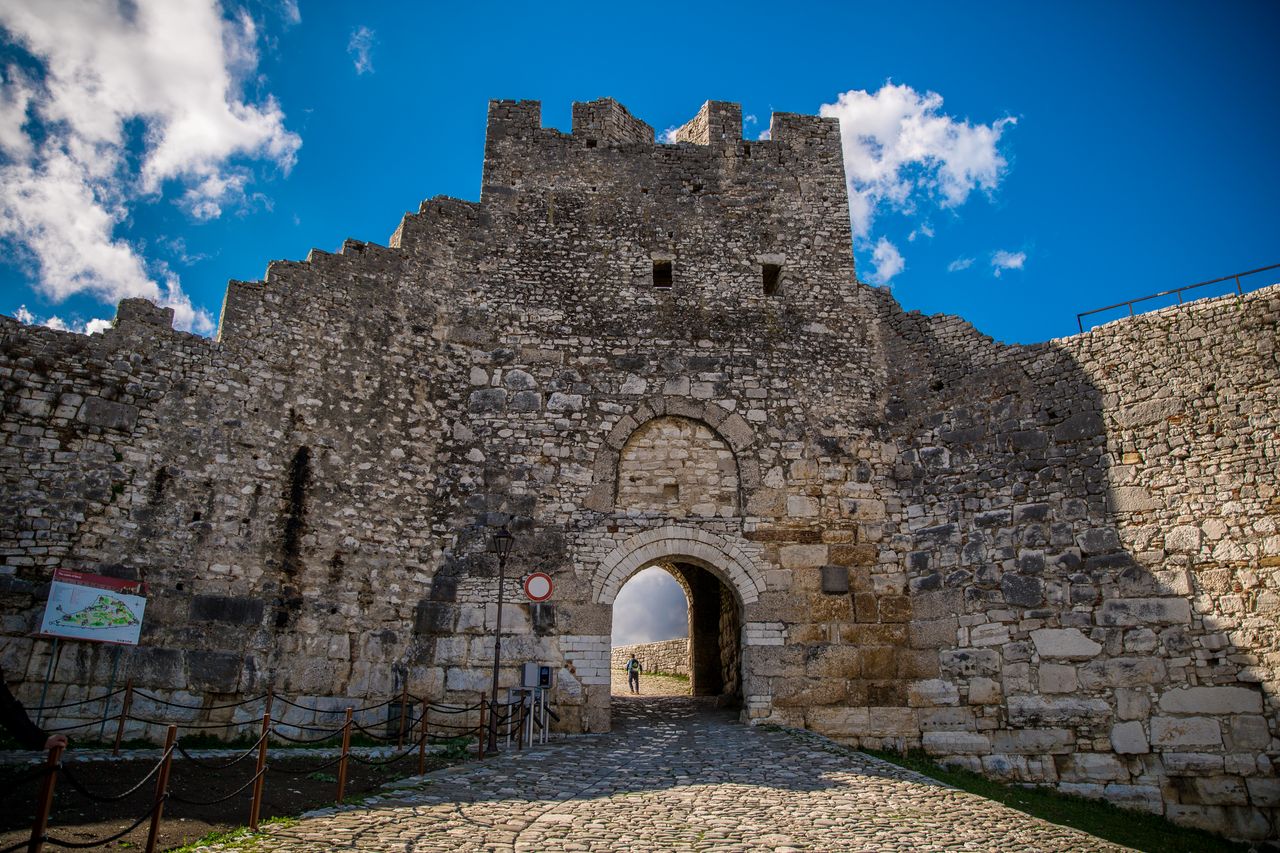
🏙️ Berat & Gjirokastër – Albania’s Living Museum Cities
Albania is home to two historic cities inscribed together on the UNESCO World Heritage List: Berat and Gjirokastër. These cities are not preserved as frozen monuments—they are living communities where heritage and everyday life intertwine.
Berat, known as the “City of Windows Built One Above the Other,” stands out for its white Ottoman-era houses and the characteristic neighborhoods of Mangalem, Gorica, and the Castle
Gjirokastër, nicknamed “The Stone City,” is defined by its fortress-like houses with slate roofs, narrow cobbled streets, and one of the Balkans’ largest castles overlooking the Drino Valley.
UNESCO recognized these cities for:
- Exceptional Ottoman-era urban architecture
- Continuous traditional habitation
- A rare blend of Byzantine, Ottoman, and Albanian cultural elements
For cultural travelers, Berat and Gjirokastër offer history you can walk through—and hospitality you can feel.
👉 Read more: https://lovealbania.al/berat-gjirokaster-unesco-albania/

UNESCO Intangible Cultural Heritage of Albania (Living Traditions)
Unlike monuments, intangible heritage is alive. Albania’s UNESCO-listed traditions are practiced, taught, and experienced within communities—and they tell powerful stories about identity, memory, and resilience.
🎶 The Albanian Lahuta – Epic Songs Recognized by UNESCO (2025)
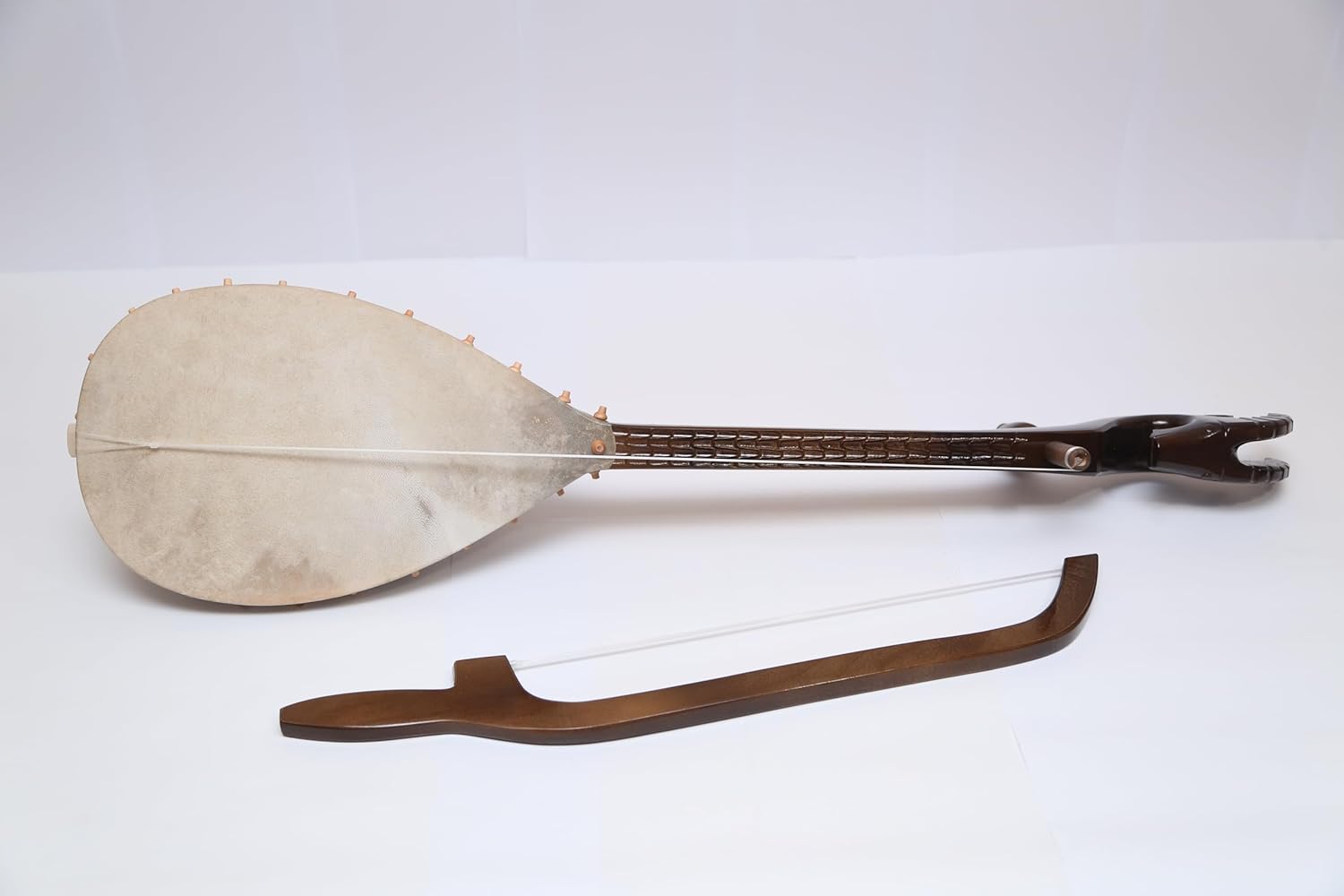
The UNESCO inscription of the Albanian lahuta in 2025 marks one of the most meaningful cultural milestones in Albania’s modern history. By recognizing “The art of playing, singing, and making the lahuta,” UNESCO acknowledged not just an instrument, but a complete living tradition.
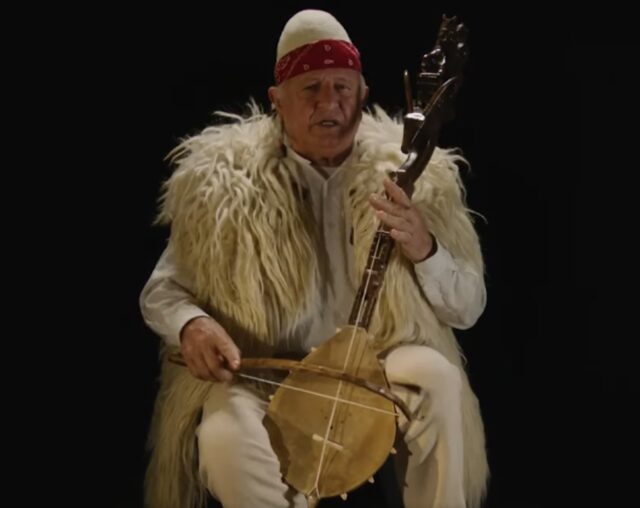
The lahuta is a single-stringed wooden lute, carved from maple or walnut and covered with stretched animal skin. Its neck is often decorated with symbolic carvings—eagles, goat heads, or geometric motifs—making each instrument a unique artistic object.
But the lahuta is inseparable from the epic songs it carries. Through the Epic of the Highlanders (Eposi i Kreshnikëve), generations of lahutarë have preserved stories of bravery, honour, loyalty, and resistance. The instrument became a vessel of collective memory, echoing through mountain “odas,” weddings, and communal gatherings.
UNESCO placed the lahuta on the List of Intangible Cultural Heritage in Need of Urgent Safeguarding, highlighting both its value and fragility. Rural depopulation, migration, and changing musical preferences threaten its transmission.
This recognition is not only an honour—it is a responsibility. Albania is now committed to safeguarding the tradition through:
- Supporting master craftsmen and performers
- Organizing youth workshops
- Documenting epic repertoires
- Ensuring the continuity of both instrument-making and performance
The world has heard the lahuta’s voice. Now it must not be allowed to fade.
👉 Read the full story: https://lovealbania.al/albanian-lahuta-unesco-recognition/

🐑 Albanian Transhumance – A Way of Life Recognized by UNESCO
Transhumance, the seasonal movement of shepherds and livestock through mountain pastures, is one of Europe’s oldest living traditions—and Albania remains one of the places where it still survives authentically.
Every summer, Albanian shepherds guide their herds to highland pastures, following ancestral routes shaped by geography, weather, and communal knowledge. This movement is not only agricultural—it includes songs, rituals, seasonal food, and social cooperation.
UNESCO officially recognized Albanian Transhumance as part of the Intangible Cultural Heritage of Humanity, through a joint application with several European countries. The decision confirmed its cultural, historical, and ecological significance.
This recognition:
- Preserves the tradition for future generations
- Raises awareness of sustainable pastoral life
- Encourages local and international safeguarding efforts
For travelers, transhumance offers a rare glimpse into a rhythm of life unchanged for centuries.
👉 Read more: https://lovealbania.al/albanian-transhumance-unesco/


Albanian Xhubleta – A 4,000-Year-Old Dress Protected by UNESCO
The Albanian Xhubleta, one of Europe’s oldest traditional garments, has been officially recognized and protected by UNESCO—securing its place as a treasure of global cultural heritage.
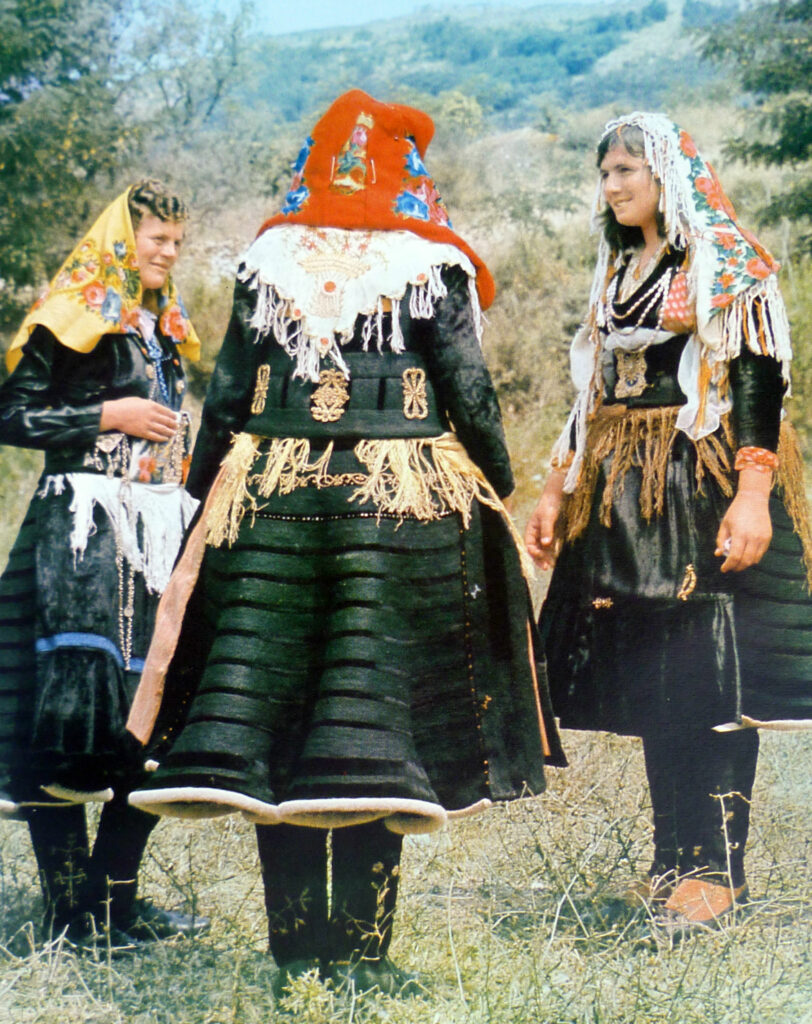
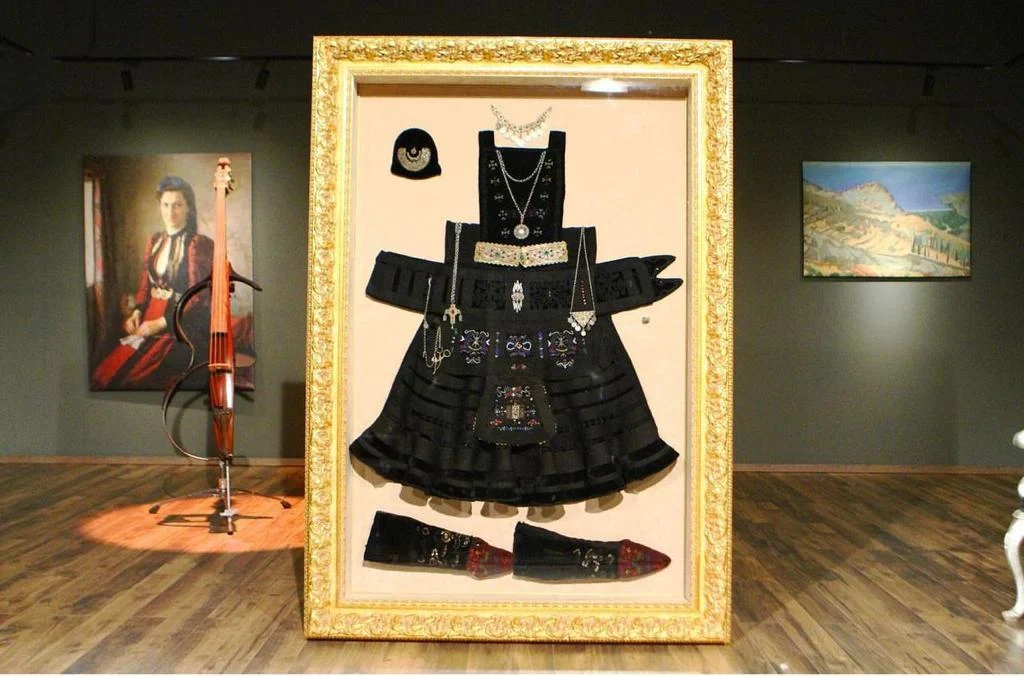
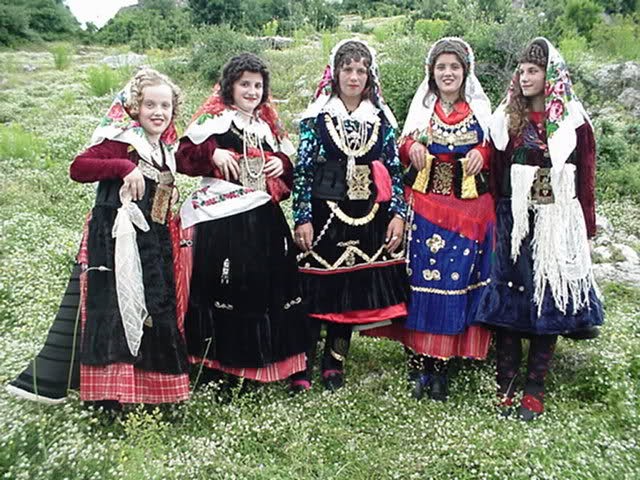
Dating back nearly 4,000 years, the xhubleta is a bell-shaped skirt traditionally worn by women in northern Albania. Its intricate embroidery, symbolic motifs, and complex construction reflect deep layers of cultural identity.
At risk of disappearing due to modernization, the xhubleta is now protected through UNESCO recognition, which supports:
- Preservation of traditional craftsmanship
- Research and documentation
- Revival of artisanal production
- Cultural education and exhibitions
The recognition ensures that this ancient attire will not be lost to history—but passed forward.
👉 Read more: https://lovealbania.al/albanian-xhubleta-recognized-by-unesco/
Albanian folk iso-polyphony (Inscribed 2008 – Representative List)
Iso-polyphony is one of Albania’s most powerful musical identities. UNESCO describes it as songs built around two solo parts (melody and countermelody) with a choral drone (“iso”), with variation across regions and styles. UNESCO Intangible Cultural Heritage
For travelers: when you hear iso-polyphony live—especially in southern Albania—you’re not just hearing music; you’re hearing community memory and emotion carried through voice.
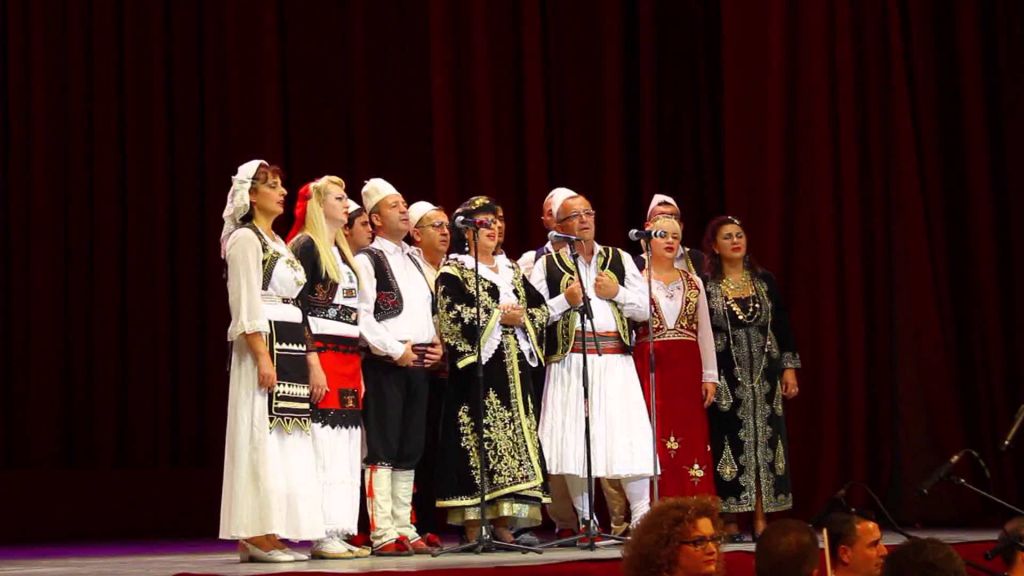
K’cimi dancing of Tropojë (Inscribed 2024 – Representative List)
K’cimi i Tropojës is a distinctive dance tradition from northern Albania, now part of UNESCO’s Representative List for Albania. UNESCO Intangible Cultural Heritage
For visitors, it’s a chance to witness how rhythm, community gatherings, and regional pride become cultural heritage—especially during local celebrations and folklore events.

Why UNESCO Heritage in Albania Matters
Albania’s UNESCO heritage reveals a country where ancient civilizations and living traditions coexist. For visitors, it offers authenticity beyond mass tourism. For Albanians, it affirms cultural pride and responsibility.
Whether you’re exploring stone cities, listening to epic songs, or walking ancient paths, UNESCO heritage in Albania is not something you simply visit—it is something you experience.