

Lezha Castle is one of Albania’s most fascinating historical landmarks, standing proudly above the city of Lezhë for more than two thousand years. Built on the ruins of the ancient Illyrian city of Lissus, this hilltop fortress has witnessed the rise and fall of empires, the legendary League of Lezhë led by Skanderbeg, Venetian rule, Ottoman occupation, and centuries of Albanian history.
Today, Lezha Castle offers visitors a unique combination of archaeology, history, breathtaking views, and cultural heritage. Whether you are interested in ancient civilizations, medieval fortresses, or simply looking for one of the best viewpoints in northern Albania, Lezha Castle deserves a place on your itinerary.
Table of contents
- Where is Lezha Castle?
- The Origins of Lezha Castle
- Lezha Castle Through the Ages
- Archaeological Discoveries at Lezha Castle
- What Can You See at Lezha Castle Today?
- Legends and Local Stories
- Visiting Lezha Castle
- Nearby Attractions
- Why Visit Lezha Castle?
Where is Lezha Castle?
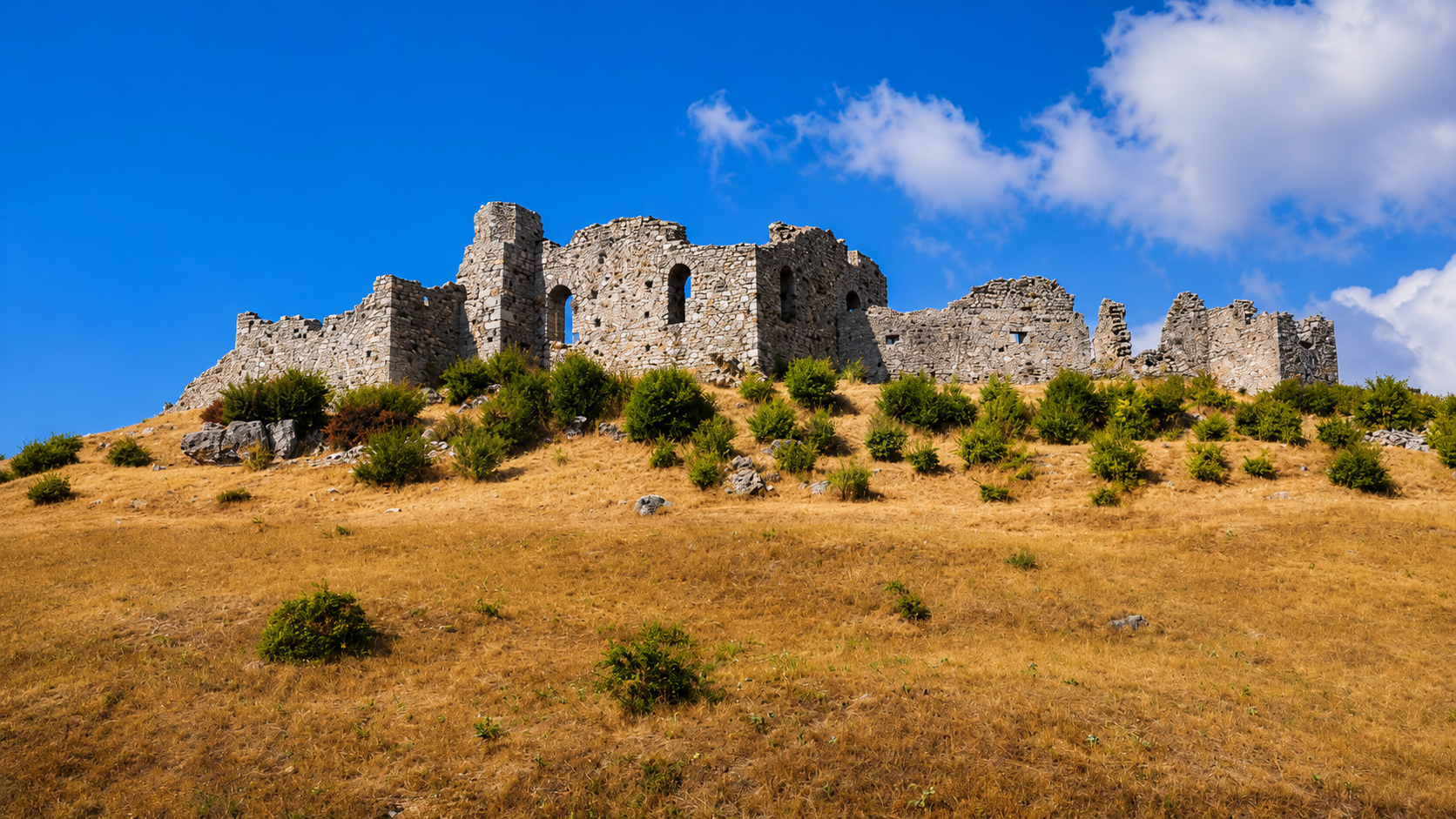
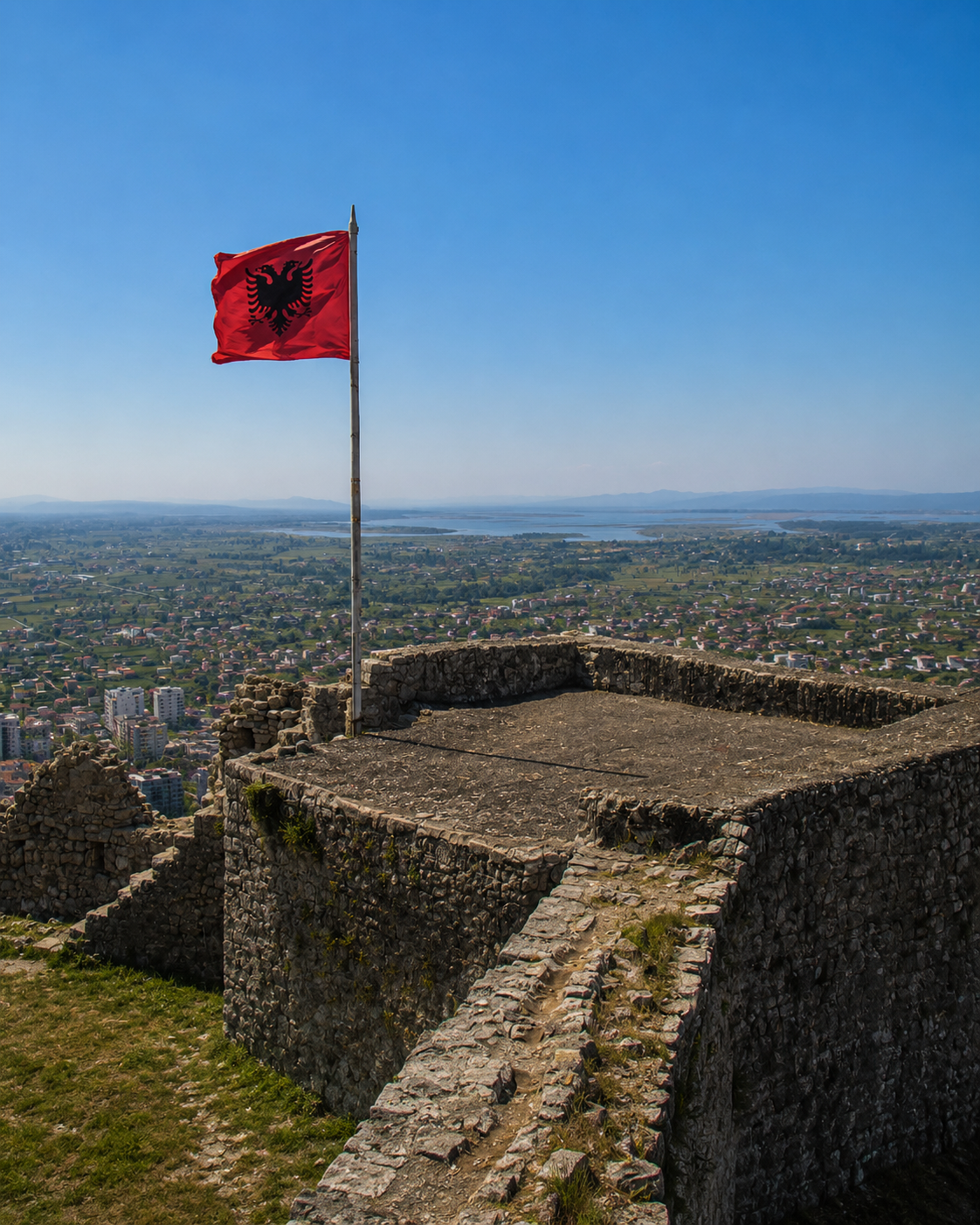
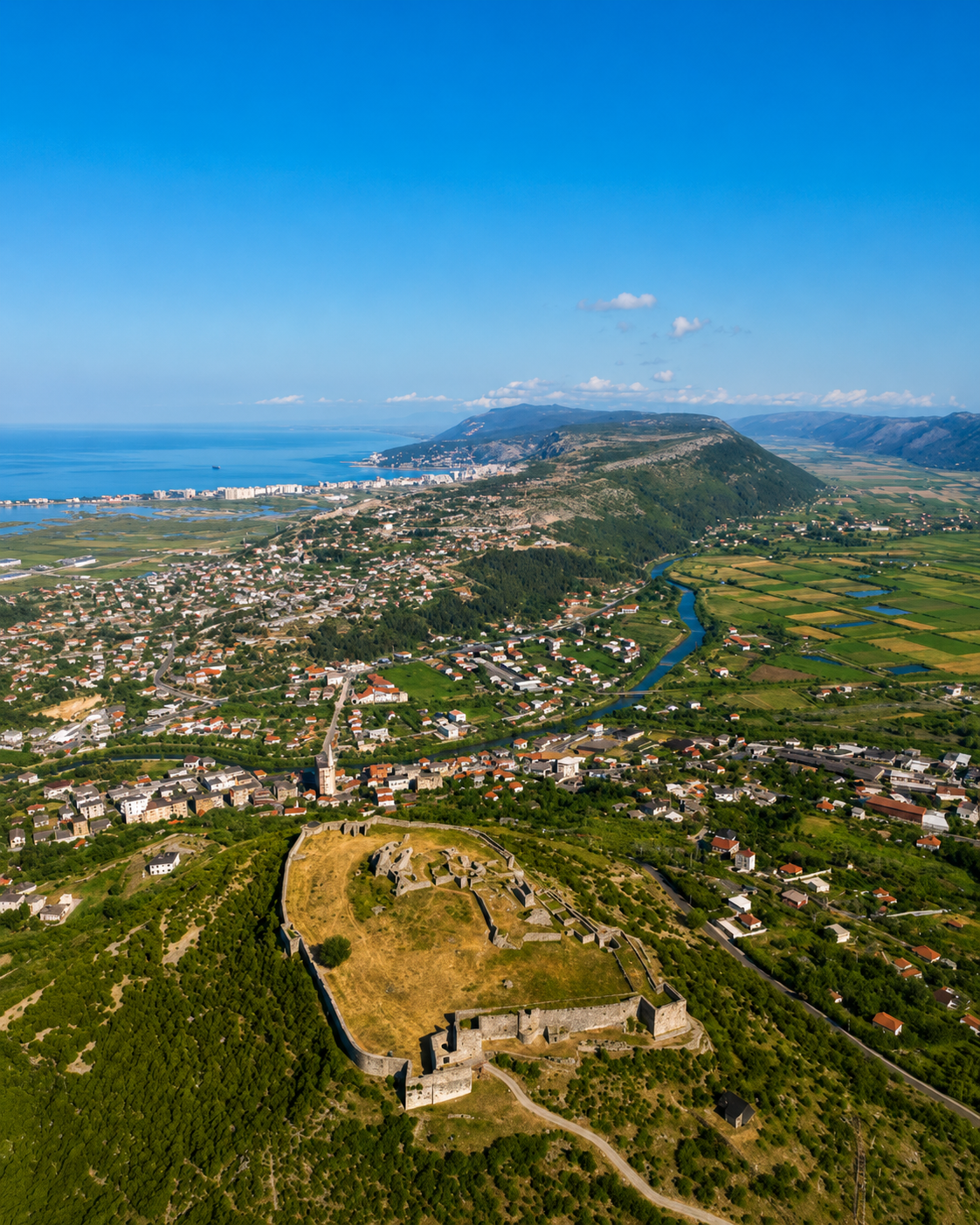
Lezha Castle is located on a hill approximately 186 meters above sea level, overlooking the city of Lezhë in northwestern Albania. From its strategic position, the fortress controls views of the Drin River, the fertile Lezha plain, and the Adriatic coastline near Shëngjin.
The castle is situated around 50 kilometers north of Tirana and can easily be reached by car within one hour.
The Origins of Lezha Castle
The history of Lezha Castle begins long before the medieval period. The fortress was built above the ancient city of Lissus, one of the most important Illyrian settlements in the region.
Perched 186 meters above the city of Lezhë, the castle occupies a naturally strategic position between the mountains and the Drin River valley. Archaeological evidence suggests that the hill was inhabited as early as the mid-first millennium BC, while traces of fortifications from the 4th and 3rd centuries BC are still visible today.
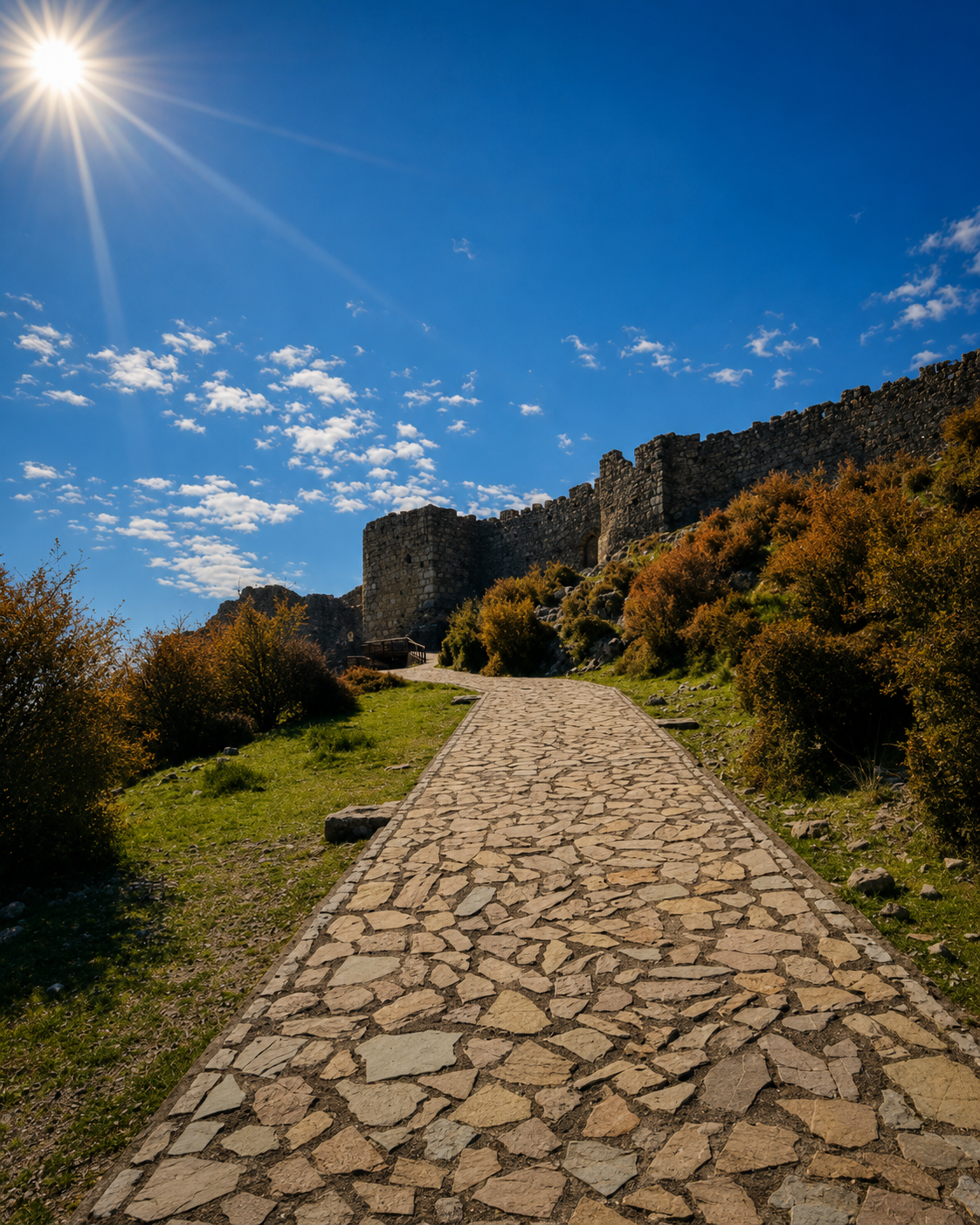
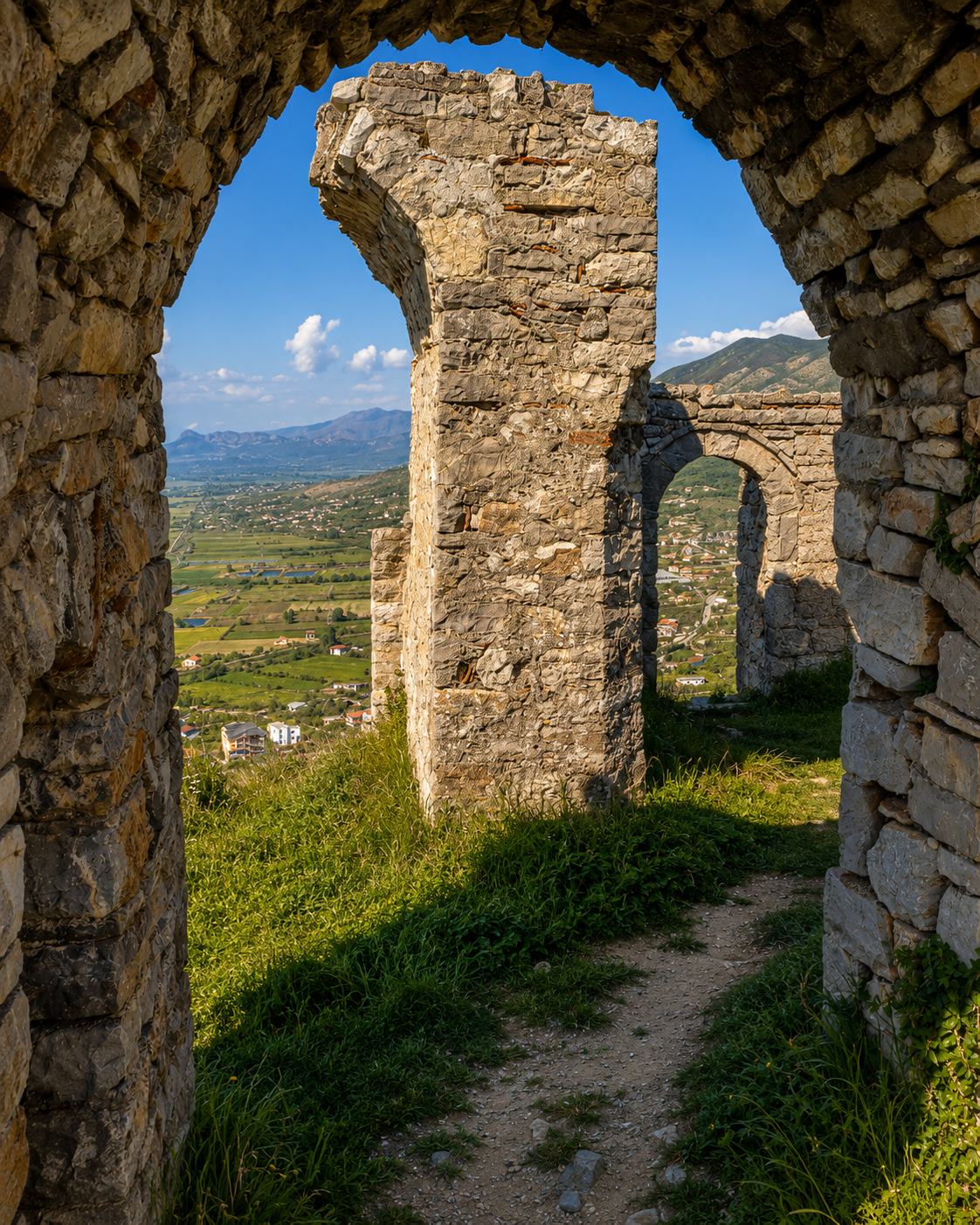
Historical sources suggest that Lissus was founded during the 4th century BC and quickly became an important military and trading center. The massive defensive walls of the ancient city were among the strongest in Illyria, reaching thicknesses of more than four meters in some sections.
Thanks to its commanding location overlooking important trade and military routes, the site evolved into one of the most significant fortified settlements in northern Albania. Due to its strategic position between the Adriatic coast and the Balkan interior, the settlement attracted the attention of several major powers throughout history.
Lezha Castle Through the Ages
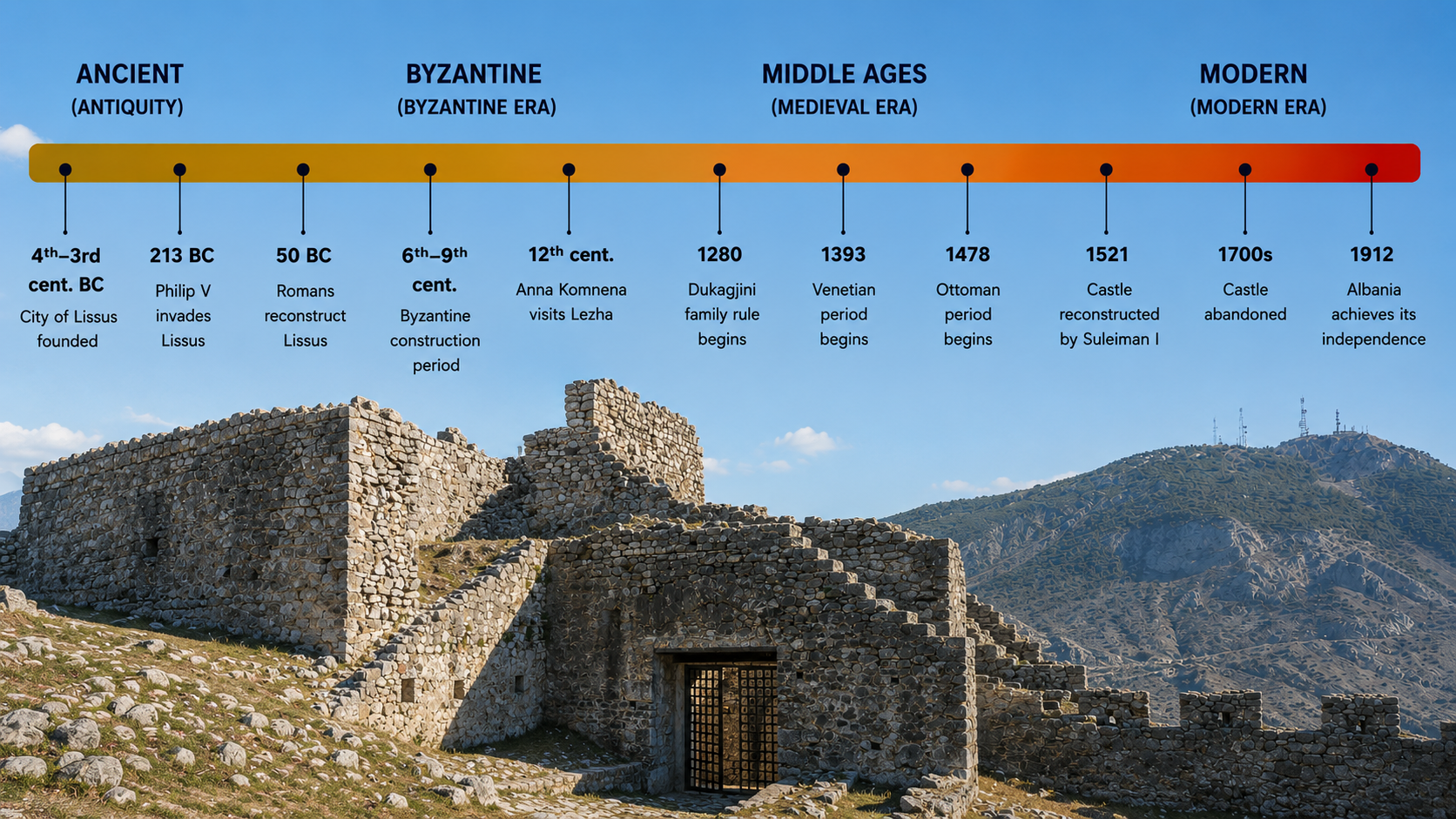
The Illyrian Period
The earliest fortifications were built by the Illyrians, who recognized the military value of the hill overlooking the surrounding plains. Lissus became one of the key urban centers of ancient Illyria and played an important role in regional trade and defense.
Roman and Byzantine Rule
Following the Roman conquest, the settlement continued to flourish. The Romans strengthened existing fortifications, while later Byzantine rulers expanded and rebuilt sections of the castle to protect the region from invasions.
Archaeological evidence found within the fortress reveals construction phases dating back to both Roman and Byzantine periods. During the Byzantine era, the castle became an important administrative and military center in the region.
Historical records mention the fortress as “Elission”, a name believed to derive from the ancient city of Lissus. The renowned Byzantine historian Anna Komnene famously described it as a “castle in the air”, a reference to its elevated position above the surrounding landscape and its strategic importance along the Adriatic frontier.
Venetian Control
By the late 14th century, the growing Ottoman threat pushed local Albanian noble families to seek protection from the Republic of Venice.
In 1393, the Dukagjini family transferred control of Lezha to Venice. The Venetians reconstructed large parts of the fortress and transformed it into an important defensive stronghold along the Adriatic frontier.
Many of the castle walls visible today contain elements dating from this Venetian period. Under Venetian rule, Lezhë also developed as an important economic and administrative center. Historical agreements allowed local rulers to retain part of the city’s revenues, reflecting the strategic and commercial value of the region during the late Middle Ages.
The combination of military strength, political influence, and trade connections helped Lezhë remain one of the most significant settlements in northern Albania until the Ottoman conquest.
The League of Lezhë and Skanderbeg
Perhaps the most significant chapter in the castle’s history occurred in 1444.
In Lezhë, Albanian noble families gathered under the leadership of Gjergj Kastrioti Skanderbeg to form the League of Lezhë, a historic alliance against the Ottoman Empire.
This event marked one of the most important moments in Albanian history and established Lezhë as a symbol of national unity and resistance.
Although the assembly itself took place within the city, the fortress overlooking Lezhë played a crucial role in the defense of the region during this turbulent period.
Ottoman Era
Following Skanderbeg’s death in 1468, Ottoman forces gradually consolidated control over the region.
The fortress was eventually captured and later rebuilt during the reign of Sultan Suleiman the Magnificent in the early 16th century. Ottoman additions included military structures and a mosque within the castle grounds.
Over time, however, the strategic importance of the fortress declined, and it was gradually abandoned.
Archaeological Discoveries at Lezha Castle
Recent archaeological excavations have revealed that Lezha Castle still hides many secrets beneath its surface.
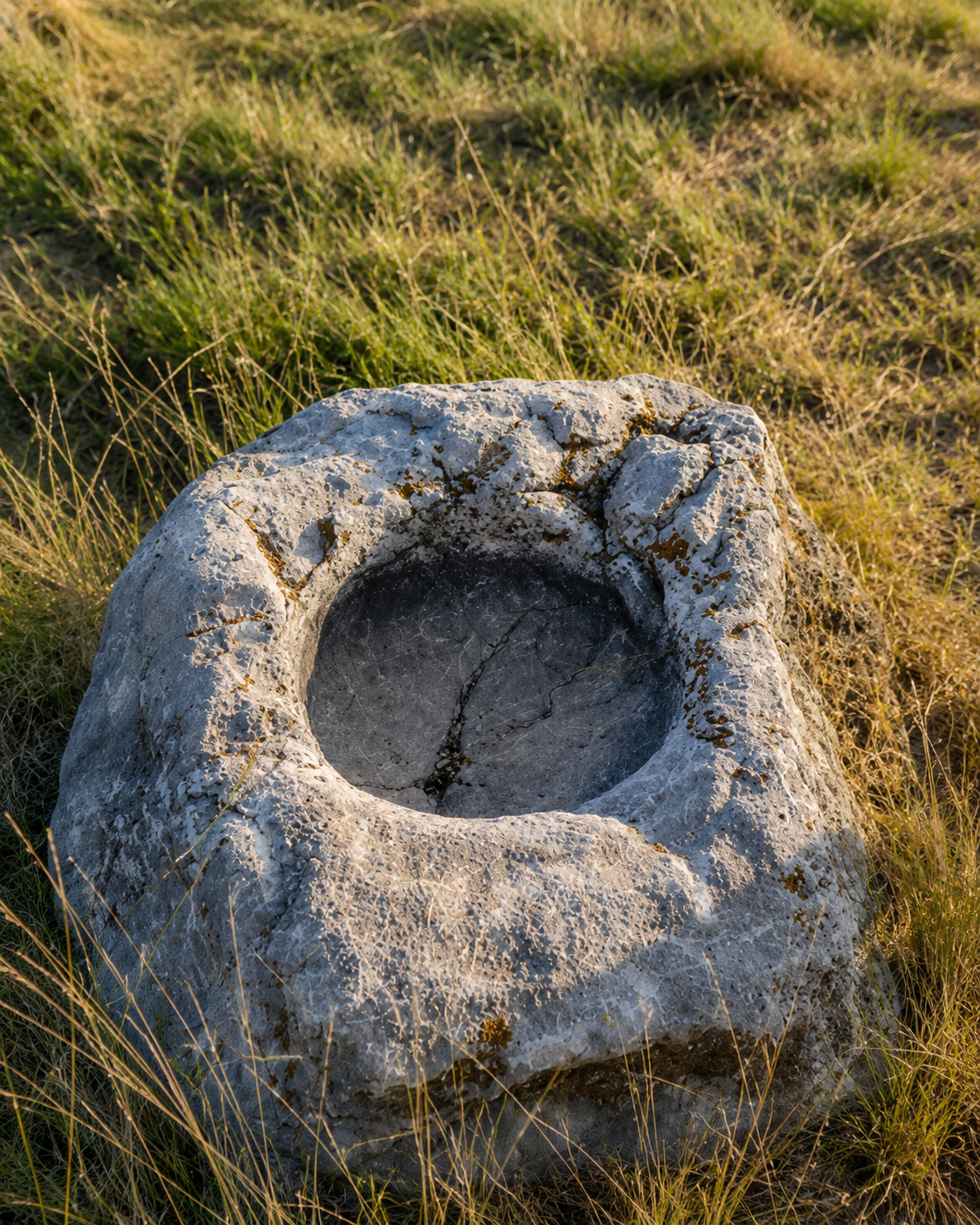
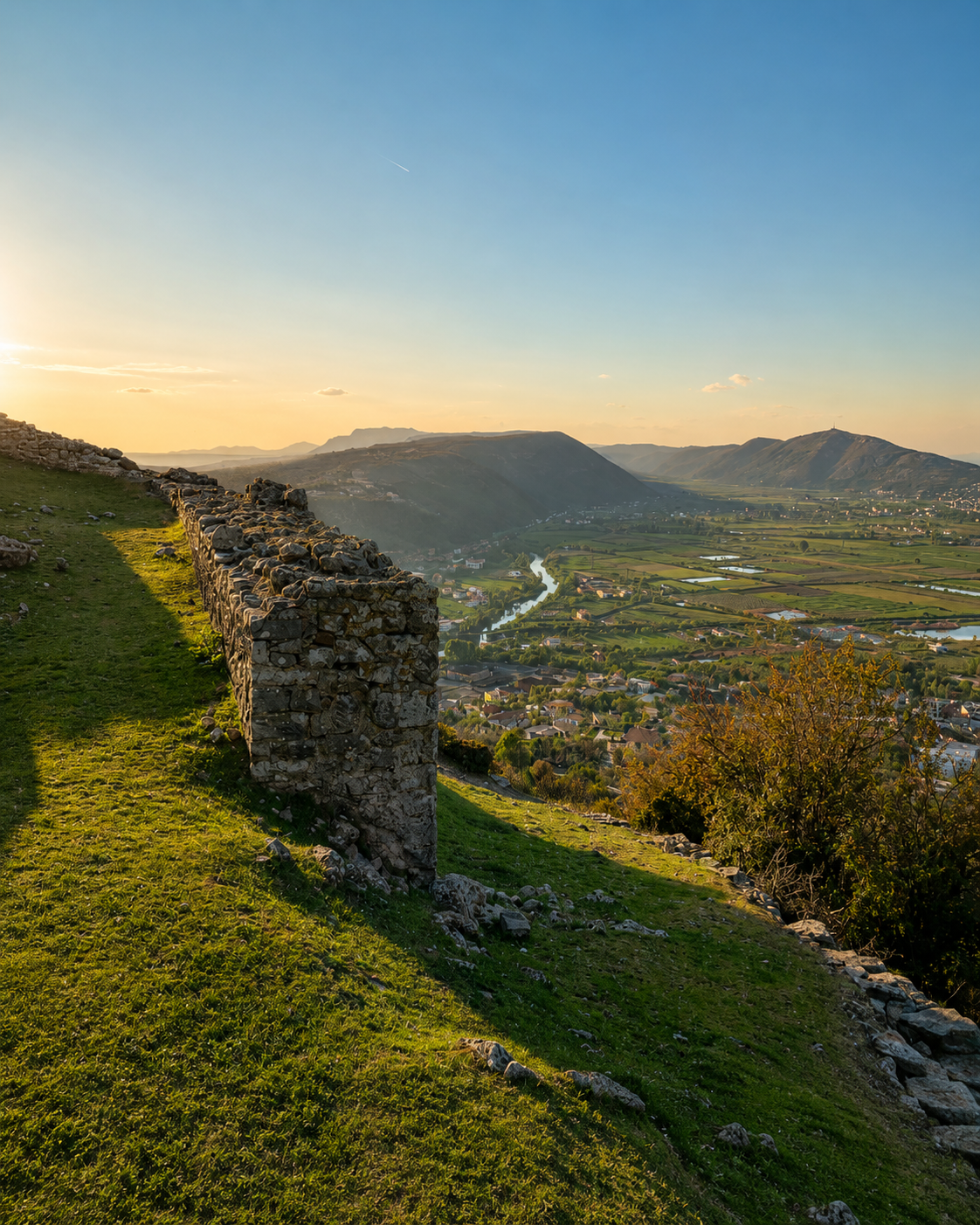
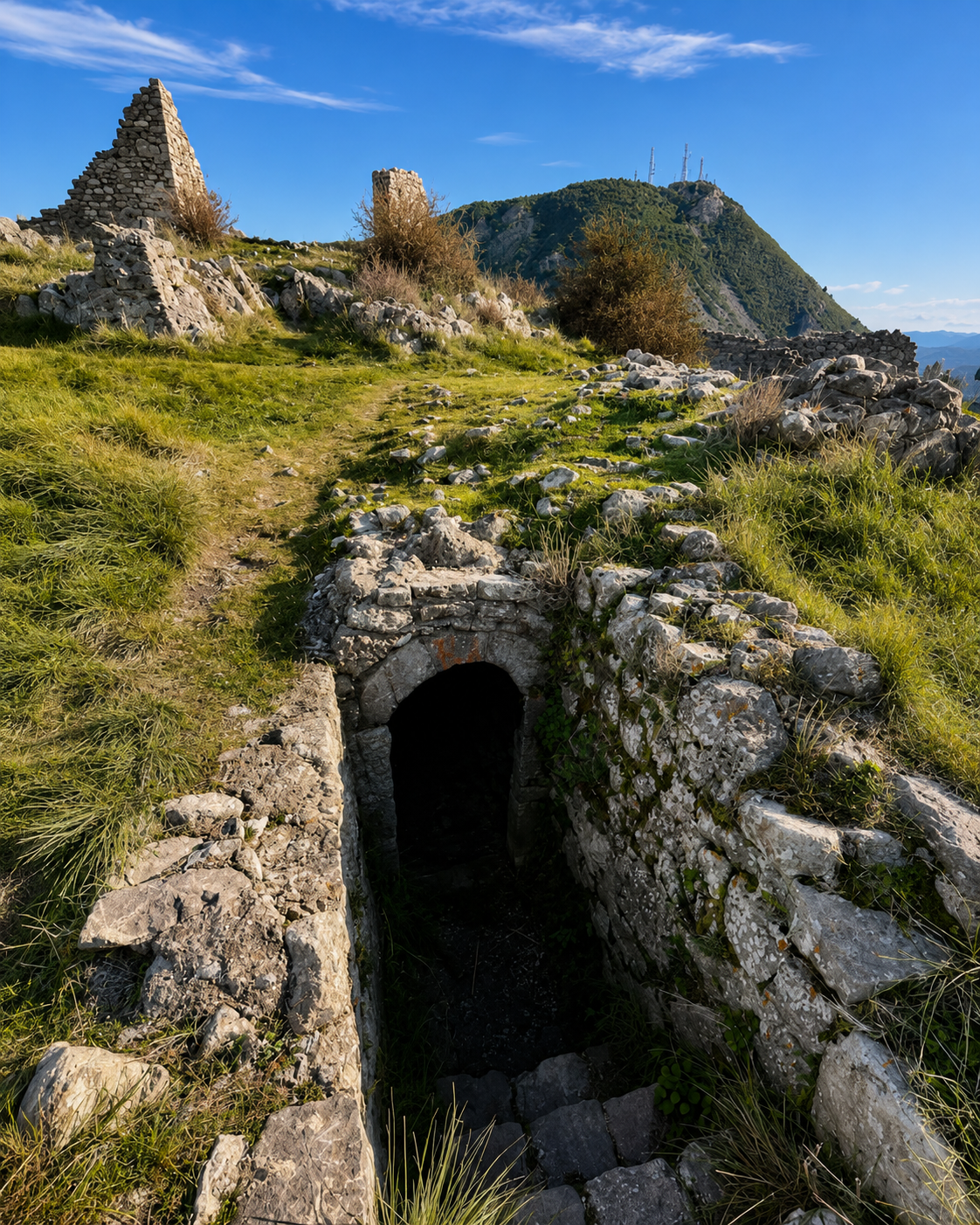
Researchers have uncovered:
- Medieval cemeteries with monumental tombs.
- Remains of an early Christian church dating to the 8th century.
- Previously unknown structures beneath the Ottoman mosque.
- Ancient defensive towers and gateways.
- Evidence of multiple construction phases spanning more than 2,000 years.
These discoveries confirm that the site contains archaeological layers from Illyrian, Roman, Byzantine, Venetian, and Ottoman periods, making it one of the most historically diverse fortifications in Albania.
What Can You See at Lezha Castle Today?
Although parts of Lezha Castle have suffered damage from earthquakes, weather exposure, and centuries of abandonment, the fortress still preserves many remarkable elements that reveal its long and complex history. Walking through the site today feels like traveling through different historical eras, from the ancient Illyrian period to the Ottoman Empire.
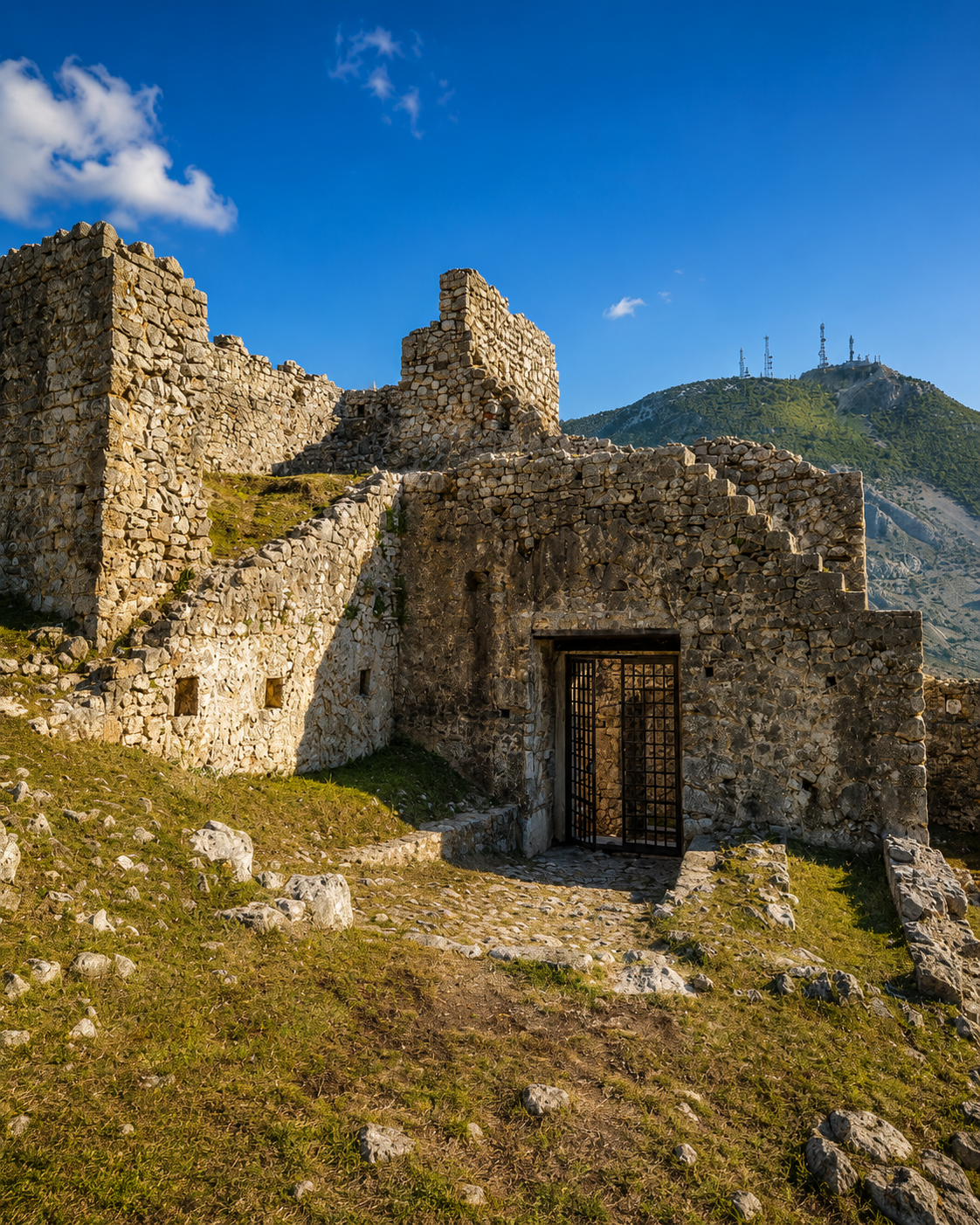
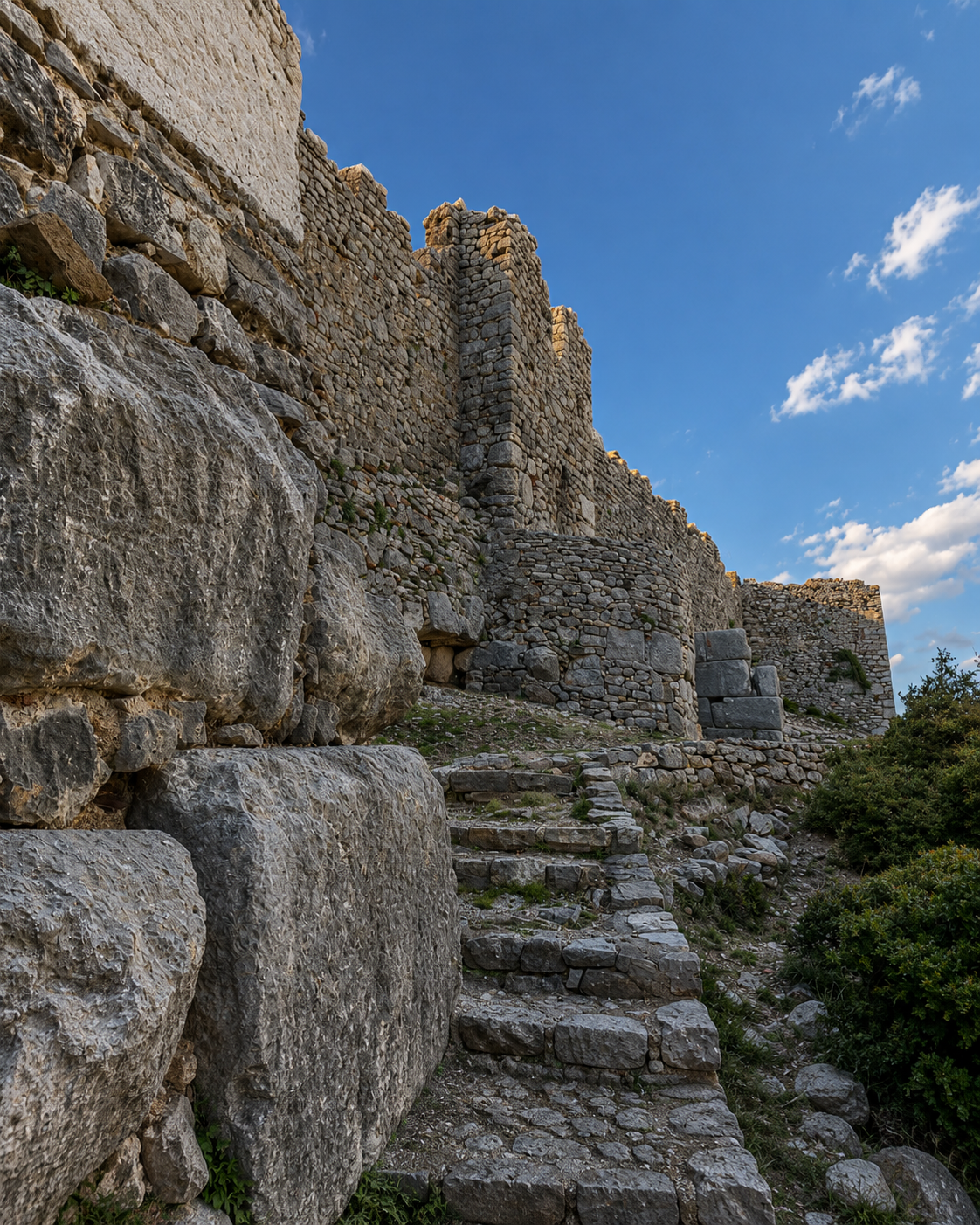
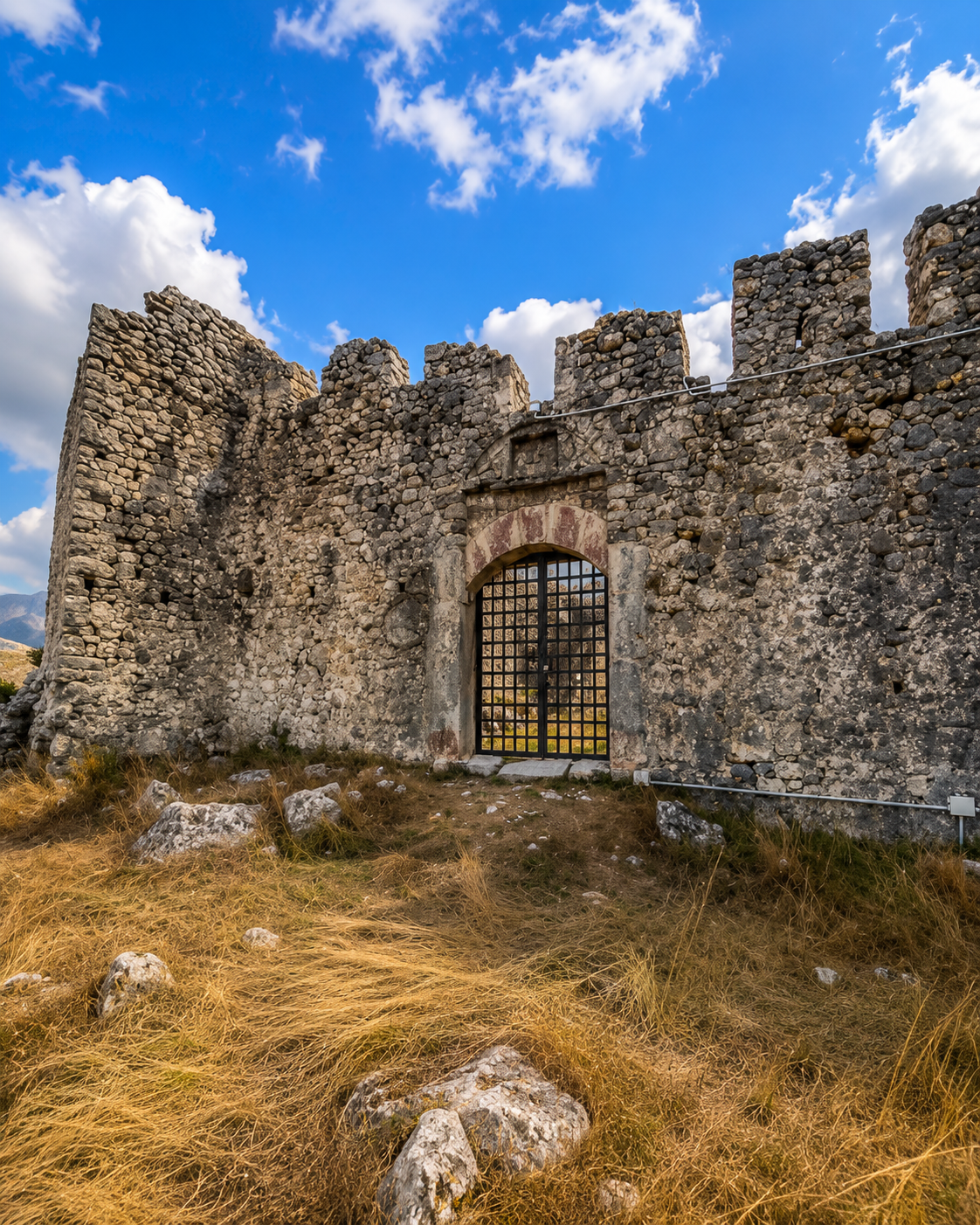
Ancient Defensive Walls
One of the most impressive features visitors notice immediately is the network of massive defensive walls that surround the hilltop fortress. Built and rebuilt over centuries, these stone fortifications showcase the advanced engineering techniques used by the Illyrians, Romans, Byzantines, Venetians, and Ottomans. In some sections, the walls reach more than four meters in thickness, highlighting the strategic importance of Lezha throughout history. As you walk alongside these ancient structures, it is easy to imagine how soldiers once defended the fortress while monitoring movement across the surrounding plains and waterways.
Ottoman Mosque Ruins
Inside the castle grounds, visitors can also explore the remains of an Ottoman-era mosque. Although much of the structure survives only in ruins, it remains one of the most important historical features of the site. Archaeological investigations conducted in recent years have revealed evidence of even older constructions beneath the mosque, demonstrating how each civilization built upon the foundations of previous generations. These discoveries continue to deepen our understanding of the castle’s evolution over more than two millennia.
Medieval Towers
Scattered throughout the fortress are the remains of defensive towers that once protected the main entrances and vulnerable sections of the walls. Some of these towers date back to medieval periods, while others contain architectural elements from earlier eras. Their varying construction styles provide valuable insight into how the castle was continuously adapted to meet changing military needs and new warfare techniques. While many sections have been affected by time, the surviving towers still offer a glimpse into the castle’s military significance and strategic design.
Panoramic Views
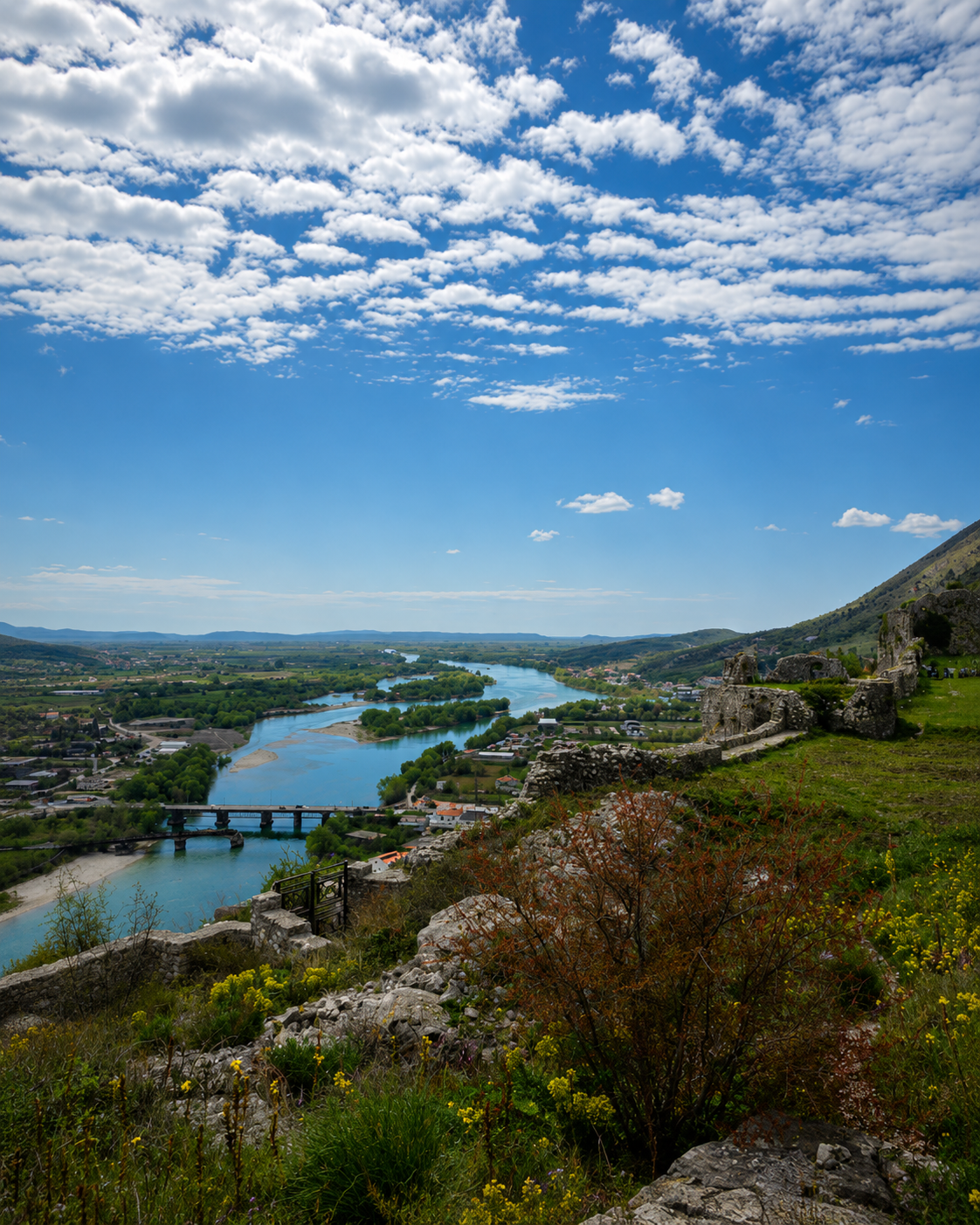
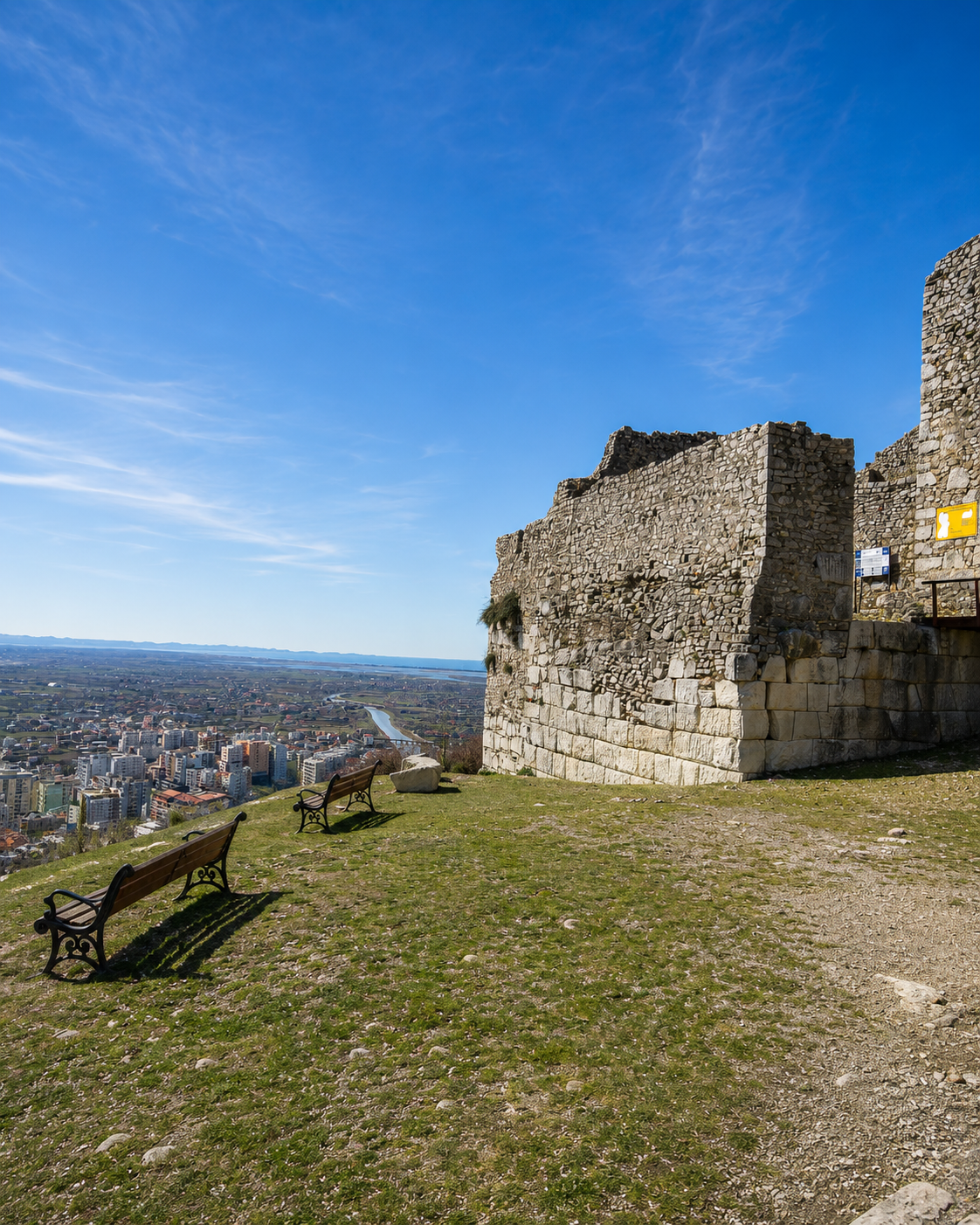
Beyond its historical significance, Lezha Castle is also famous for its breathtaking panoramic views. Perched high above the city, the fortress offers one of the most spectacular viewpoints in northern Albania. From the castle walls, visitors can admire the city of Lezhë stretching below, the winding course of the Drin River, the fertile plains that surround the region, and the sparkling waters of Shëngjin Bay meeting the Adriatic Sea. On clear days, the surrounding mountains and countryside create a stunning natural backdrop that makes the castle a favorite destination for photographers and nature lovers alike.
Many visitors choose to arrive in the late afternoon, when the golden light of sunset transforms the landscape into one of the most beautiful scenes in northern Albania. Watching the sun slowly disappear over the Adriatic while standing among the ancient ruins is an unforgettable experience and one of the highlights of any visit to Lezha Castle.
Legends and Local Stories
Unlike some Albanian castles that are associated with famous legends and folklore, Lezha Castle is primarily remembered for the real historical events that shaped Albania’s past.
Its strongest symbolic connection is with Gjergj Kastrioti Skanderbeg and the League of Lezhë, the historic alliance formed in 1444 that united Albanian noble families against the Ottoman Empire. Because of this, the castle and the surrounding city have become powerful symbols of Albanian unity, resistance, and national identity.
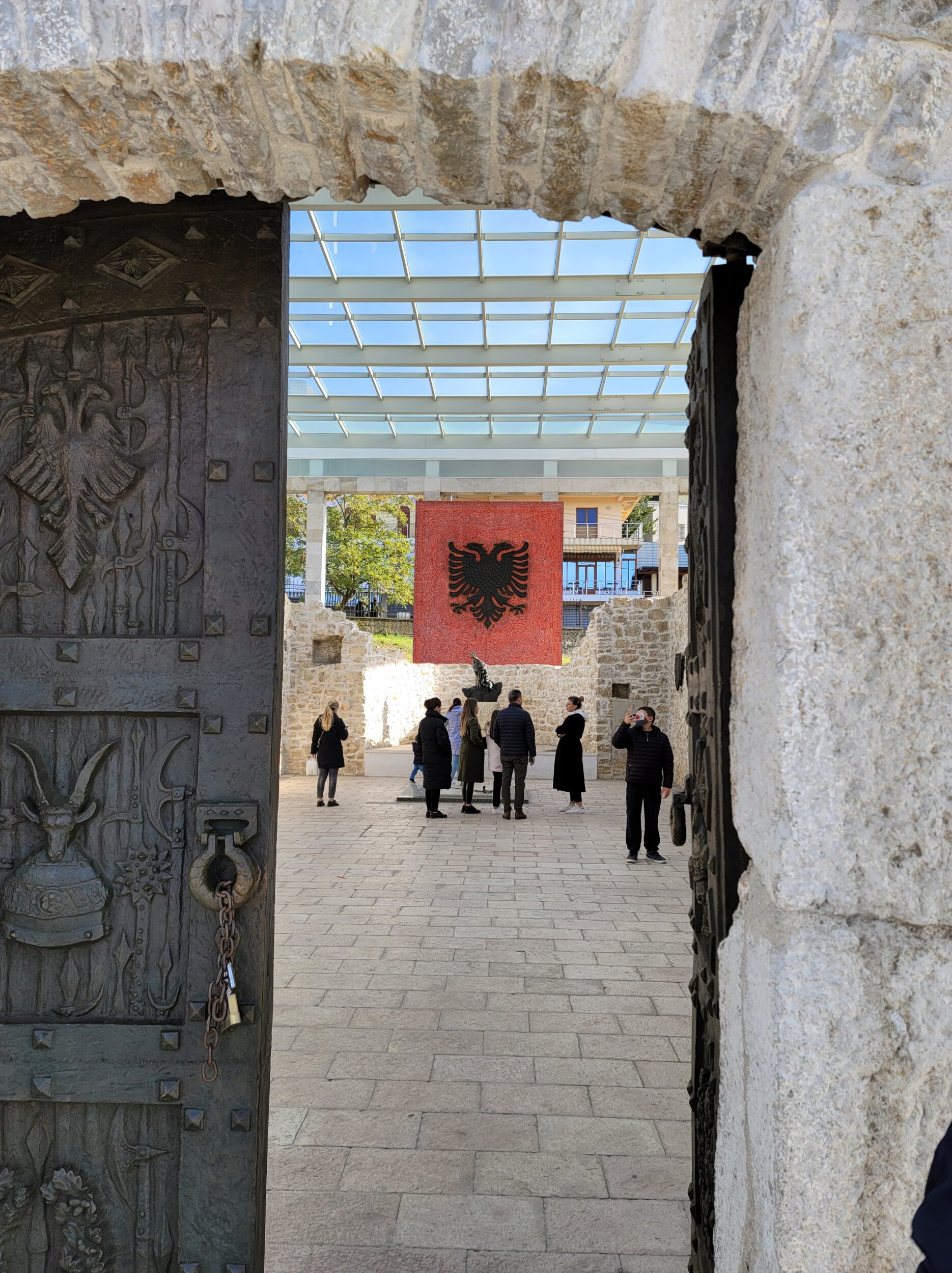
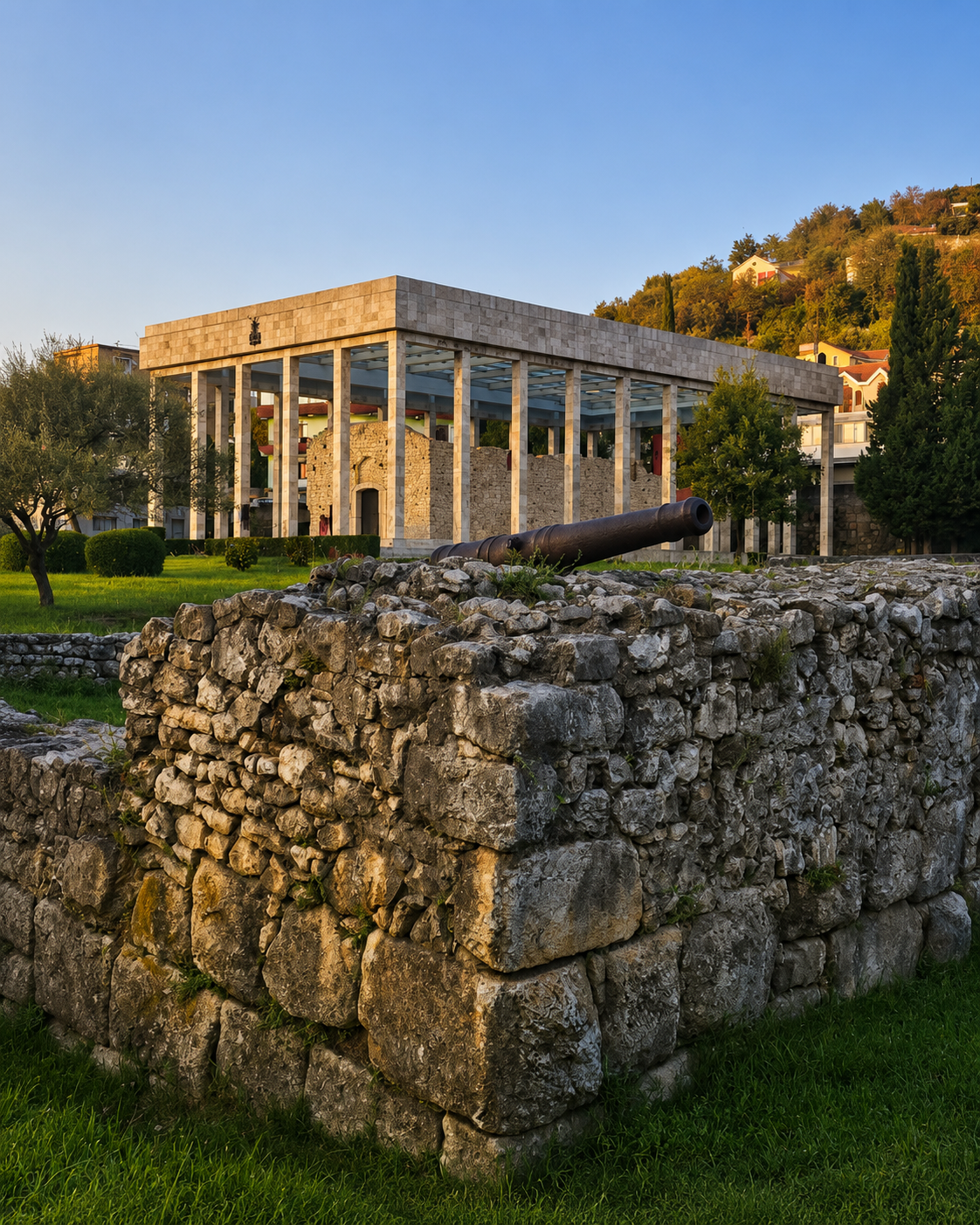
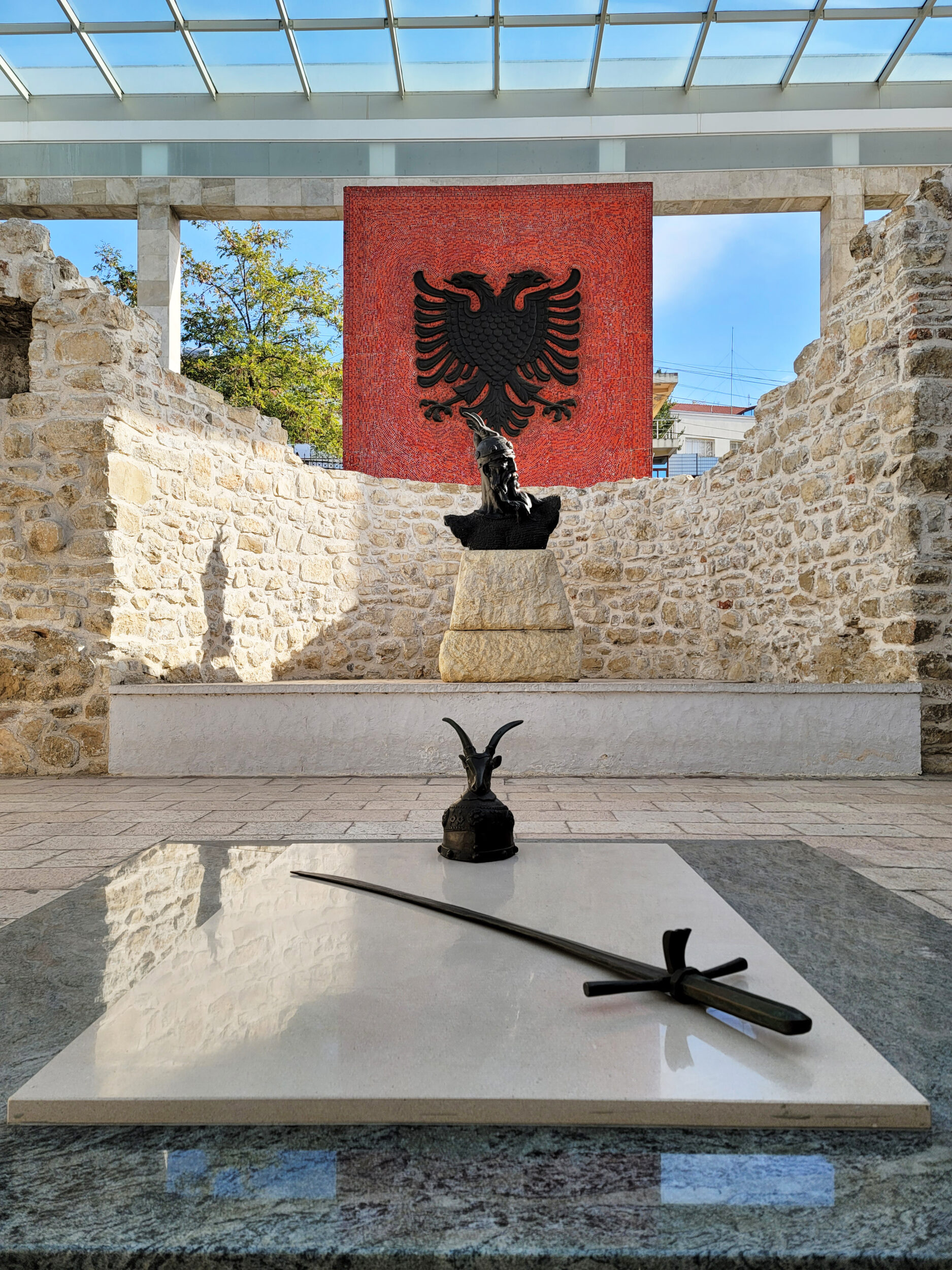
Adding to its historical importance, one of Albania’s most significant landmarks is located just a few minutes away from the castle: Skanderbeg’s Memorial and Tomb. Situated in the center of Lezhë, the memorial marks the burial place of Albania’s national hero and is considered a must-visit destination for anyone interested in the country’s history. Many visitors combine a trip to Lezha Castle with a visit to the memorial, creating a complete journey through the legacy of Skanderbeg and medieval Albania.
Local stories occasionally mention hidden treasures, secret underground passages, and Ottoman soldiers guarding the fortress, but these tales remain part of oral tradition rather than documented history. Even without famous legends, the castle’s authentic connection to Albania’s most important historical figures and events makes it one of the country’s most meaningful cultural landmarks.
Visiting Lezha Castle
How to Get There
Lezha Castle is located on a hill above the city of Lezhë, about one hour from Tirana and 40 minutes from Shkodër. The easiest way to reach it is by car, following the road that climbs up to the fortress from the city center.
Entrance Fee
Access to Lezha Castle is generally free of charge, making it an excellent stop for travelers exploring northern Albania. It is still advisable to check for any updates before your visit.
Best Time to Visit
The best times to visit are spring and autumn, when temperatures are pleasant and visibility is excellent. For the most beautiful views and photos, consider visiting during the early morning or around sunset.
Recommended Visit Duration
Most visitors spend 1–2 hours exploring the castle and enjoying the panoramic views. If you also plan to visit Skanderbeg’s Memorial, allow extra time to experience both of Lezhë’s most important historical landmarks.
Nearby Attractions
Lezha Castle can easily be combined with other attractions in the area:
- Skanderbeg Memorial: Located in the center of Lezhë, this memorial marks the burial place of Albania’s national hero.
- Shëngjin Beach: One of the most popular beach destinations in northern Albania.
- Kune-Vain Lagoon: A protected natural area known for birdwatching and biodiversity.
- Historic Lezhë: The city itself offers museums, churches, and important historical monuments connected to Albania’s medieval past.
Why Visit Lezha Castle?
Lezha Castle is far more than a collection of ancient ruins. Built on the foundations of the ancient Illyrian city of Lissus, the fortress brings together over two thousand years of history, from Illyrian and Roman times to the Byzantine, Venetian, and Ottoman periods. Its connection to Skanderbeg and the League of Lezhë makes it one of Albania’s most significant historical landmarks, while its hilltop location offers spectacular views of the city, the Drin River, Shëngjin Bay, and the Adriatic coast. For travelers seeking to explore Albania’s rich cultural heritage, Lezha Castle provides a unique journey through the country’s past and remains one of the most rewarding places to visit in northern Albania.
If you are exploring the region, be sure to include it as part of our guide to Weekend Trip from Tirana to Shkoder: Must-See Stops, where Lezhë stands out as one of the most important historical destinations along the route.