

If you’re staying in Gjirokaster for more than a day, you’re perfectly positioned to discover some of southern Albania’s most fascinating destinations. From UNESCO heritage sites and ancient archaeological parks to mountain landscapes, traditional villages, spiritual monuments, and scenic hiking routes, the area surrounding Gjirokaster offers incredible diversity within a short drive.
Whether you’re interested in history, nature, culture, or outdoor adventures, these day trips allow you to experience a completely different side of Albania beyond the famous Stone City.
Table of Contents
- Explore Gjirokaster’s Historic Center, Castle & Museums
- Nepravishte Village & Melan Tekke
- Antigonea Archaeological Park
- Labova e Kryqit, Caravan Horse Riding & Spile Monastery
- Çajupi Pass & Mount Çajupi
- Libohova
- Selckë Village & Selckë Waterfall
- Sotirë Village

1. Explore Gjirokaster’s Historic Center, Castle & Museums
No visit to Gjirokaster is complete without exploring its UNESCO-listed historic center, where centuries of history, Ottoman architecture, and Albanian culture come together within walking distance. This itinerary is perfect for your first day in the city, allowing you to discover its most iconic landmarks while wandering through the charming cobblestone streets of the Stone City.
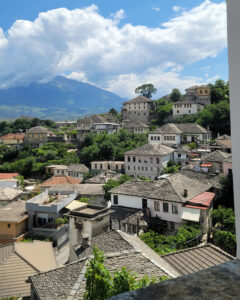
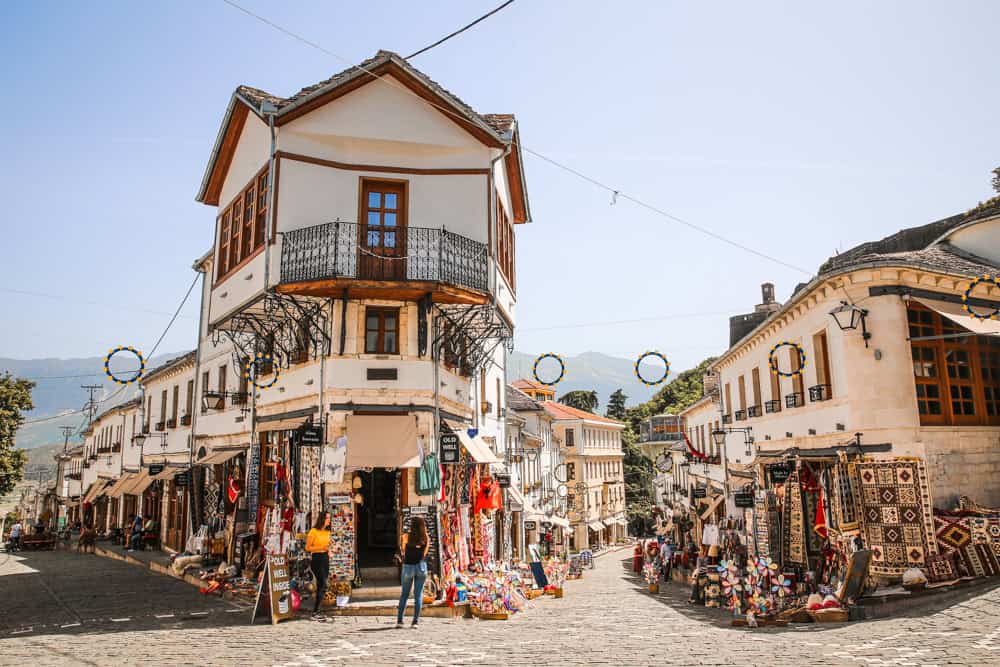
Begin your visit at the impressive Gjirokaster Castle, one of the largest fortresses in the Balkans, where panoramic views over the Drino Valley, military exhibits, and centuries of history await. From the castle, continue downhill into the vibrant Old Bazaar, the heart of the city, lined with traditional stone buildings, artisan workshops, souvenir shops, cafés, and restaurants serving local specialties.
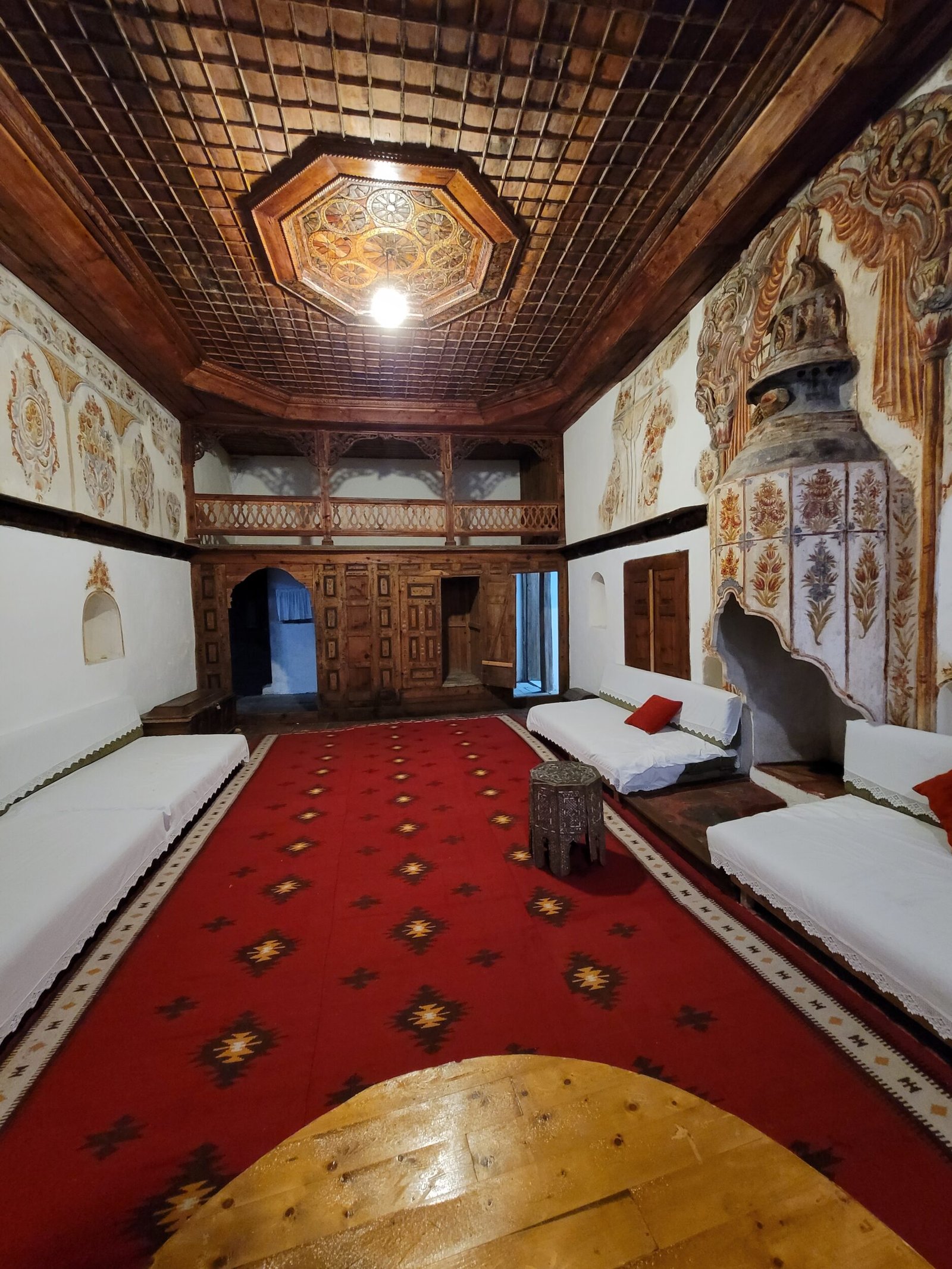
As you stroll through the historic neighborhoods, visit some of Gjirokaster’s best-preserved Ottoman houses, including the elegant Zekate House and the beautifully restored Skenduli House, both offering a fascinating glimpse into the lifestyle of wealthy Albanian families during the Ottoman period.
Literature lovers should also stop at the Ismail Kadare House Museum, the childhood home of Albania’s most internationally acclaimed writer. The museum preserves the atmosphere that inspired many of Kadare’s novels and provides insight into the city’s cultural heritage.
Complete your walking tour at the Ethnographic Museum, housed in a traditional Ottoman residence, where exhibitions of traditional costumes, handcrafted objects, household items, and local customs help visitors better understand the daily life and traditions of southern Albania.
Together, these landmarks create the perfect introduction to Gjirokaster, combining history, architecture, museums, local culture, and unforgettable views in a single day.
Highlights of this itinerary:
- Gjirokaster Castle
- Old Bazaar
- Skenduli House
- Zekate House
- Ismail Kadare House Museum
- Ethnographic Museum
Read more: Things to Do in Gjirokaster
2. Nepravishte Village & Melan Tekke
Nepravishte is one of the most authentic villages near Gjirokaster, combining rural traditions, breathtaking landscapes, local hospitality, and one of the most unique spiritual sites in southern Albania.
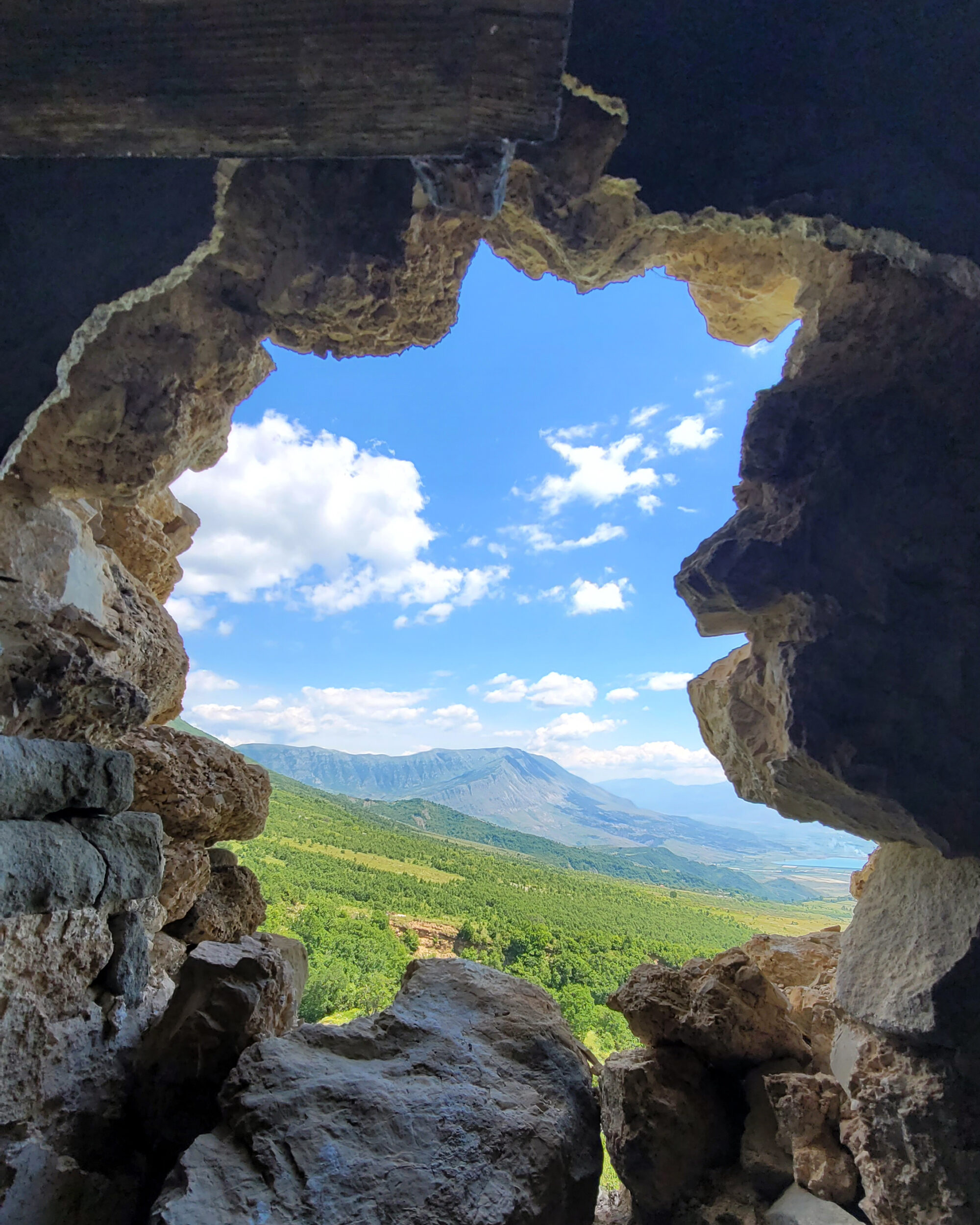
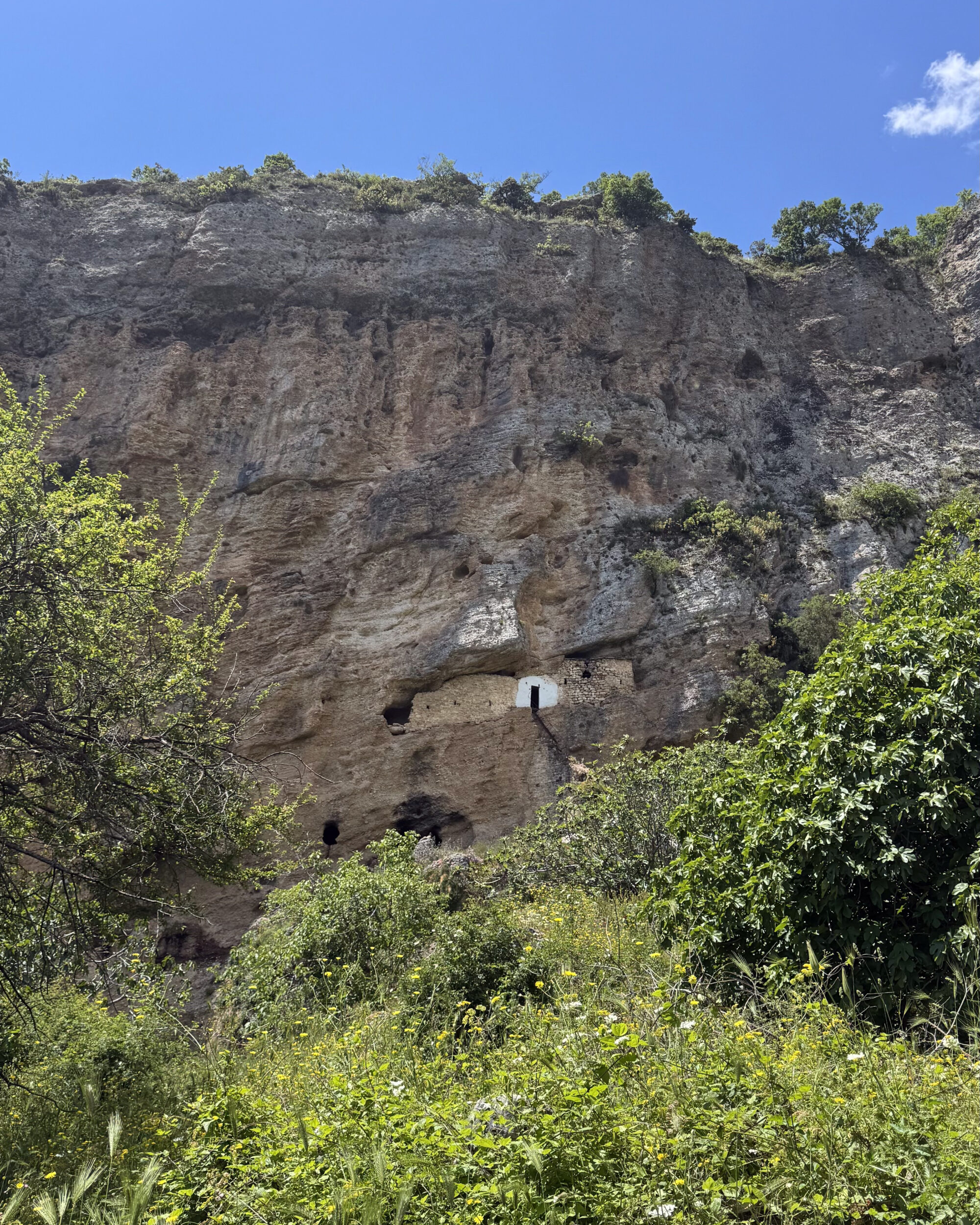
We went there not on foot, but by buggy, thanks to Caravan Horse Riding Albania, who also offer off-road tours. The road itself was part of the experience — through fields, olive groves, and village tracks — until the monastery appears, half-hidden in the rock.
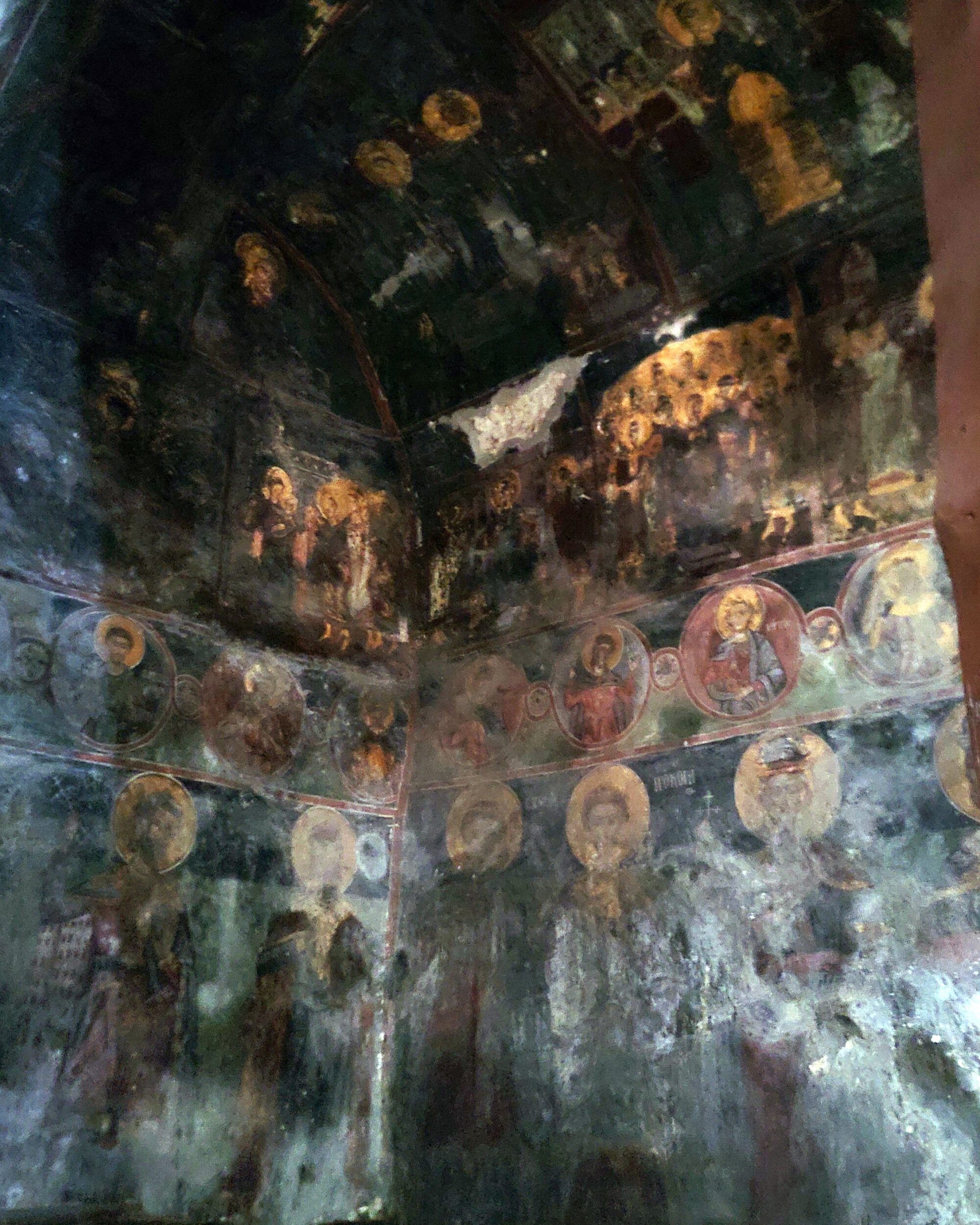
Fragments of saints in red and blue are still visible on the walls. Very close by there is also a narrow cave in the rock, reached by climbing a few short stone steps. It once served as shelter for the monks. No ticket, no guard — only time, stone, and your own breath.
Visitor tip: There is no ticket, no guide, and no signage — wear proper shoes, bring water, and come with an explorer’s mindset. You can hike from Saraqinisht (about 1–2 hours round trip), or join a tour with local operators who offer excursions in the “Drino Valley”.
- Melan Tekke – Hospitality and spiritual wisdom
Perched on a hill above the quiet village of Nepravishtë, Melan Tekke is not simply a Bektashi pilgrimage site — it is a spiritual experience. We arrived without many expectations and left with a deep sense of calm, connection, and gratitude.
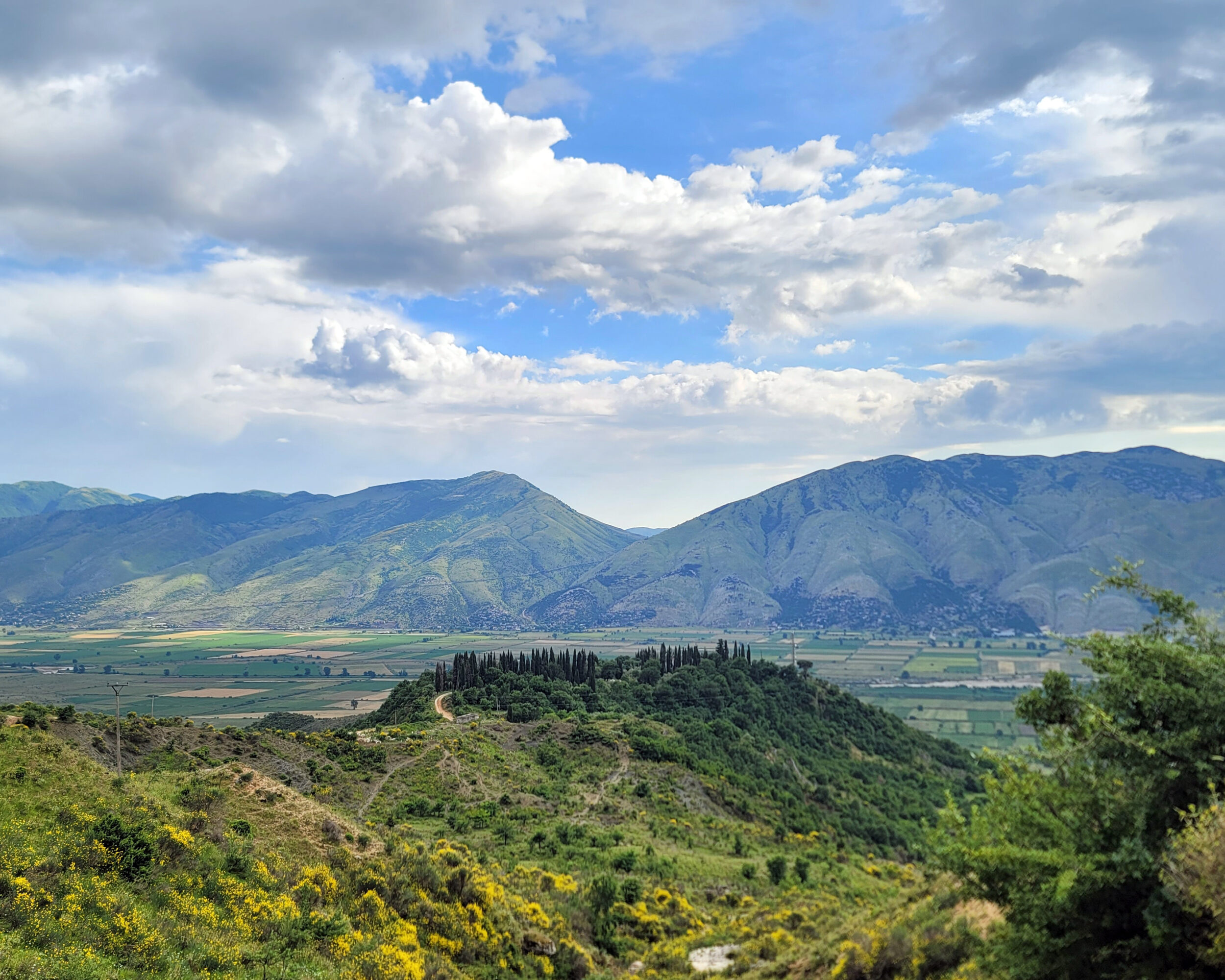
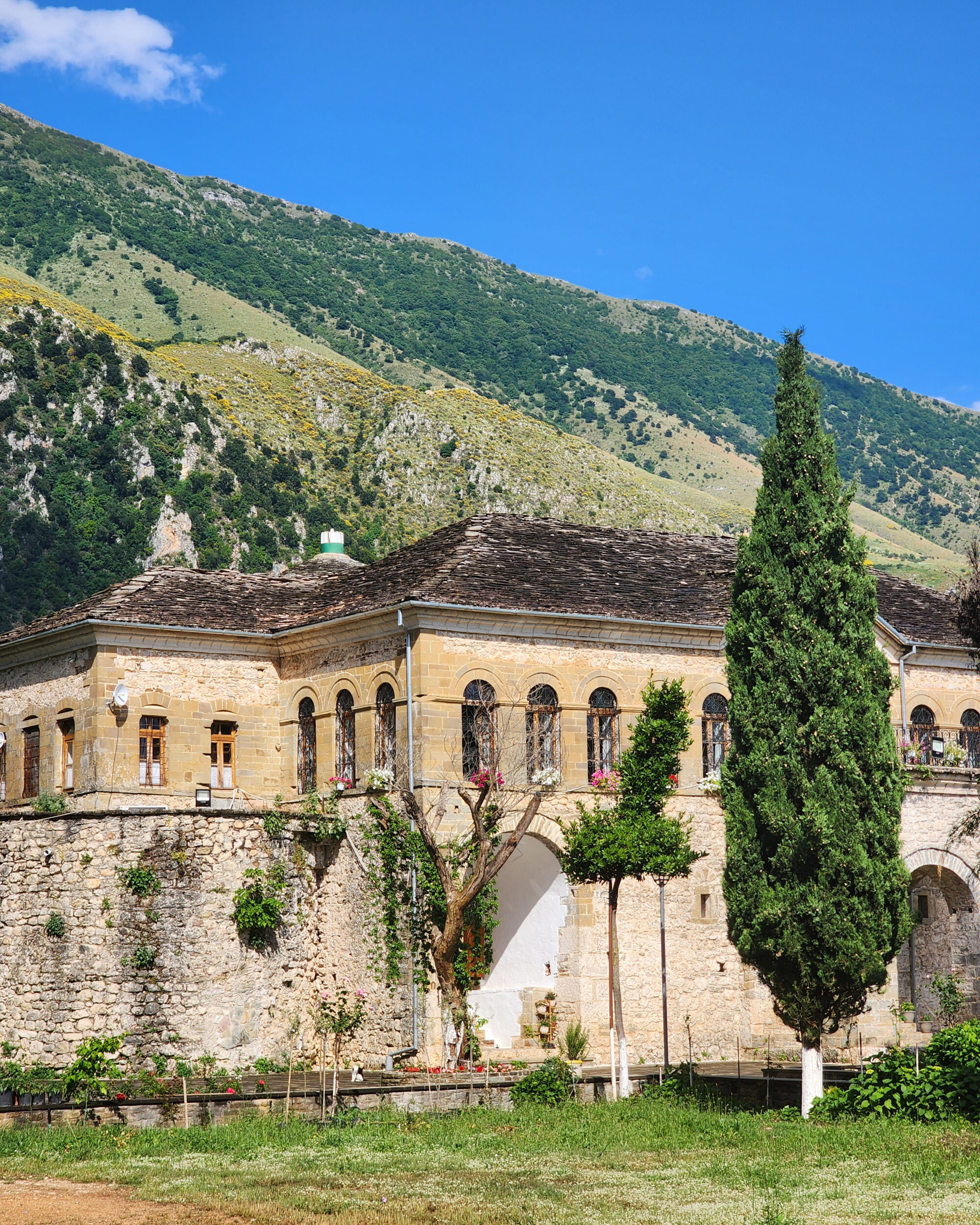
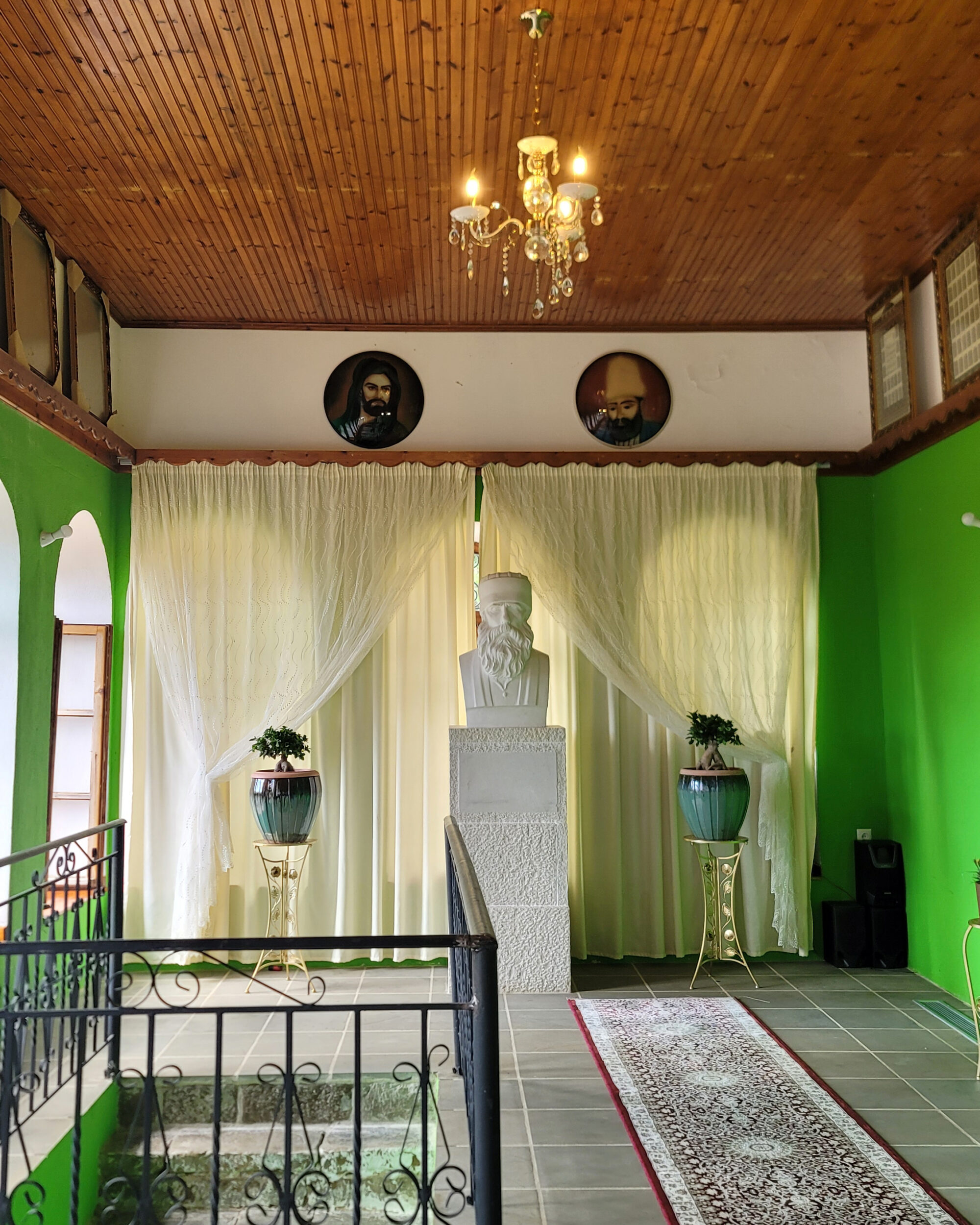
Visitors can walk through traditional stone streets, enjoy panoramic viewpoints overlooking the Drino Valley, and experience authentic village life that remains largely untouched by mass tourism.
One of the highlights of this route is Melan Tekke, an important Bektashi sanctuary located on a hill above the village. Beyond its religious significance, visitors often remember the peaceful atmosphere, the warm hospitality of the resident dervish, and the spectacular panoramic views.
If time allows, this itinerary can also include Adrianopoli Archaeological Park, located only a short drive away.
Read more: Nepravishte Village
3. Antigonea Archaeological Park
Antigonea is one of Albania’s most impressive archaeological parks and one of the easiest historical day trips from Gjirokaster. Founded by King Pyrrhus of Epirus in the 3rd century BC and named after his wife Antigone, the ancient city sits high above the Drino Valley, offering spectacular panoramic views alongside remarkably preserved ruins.
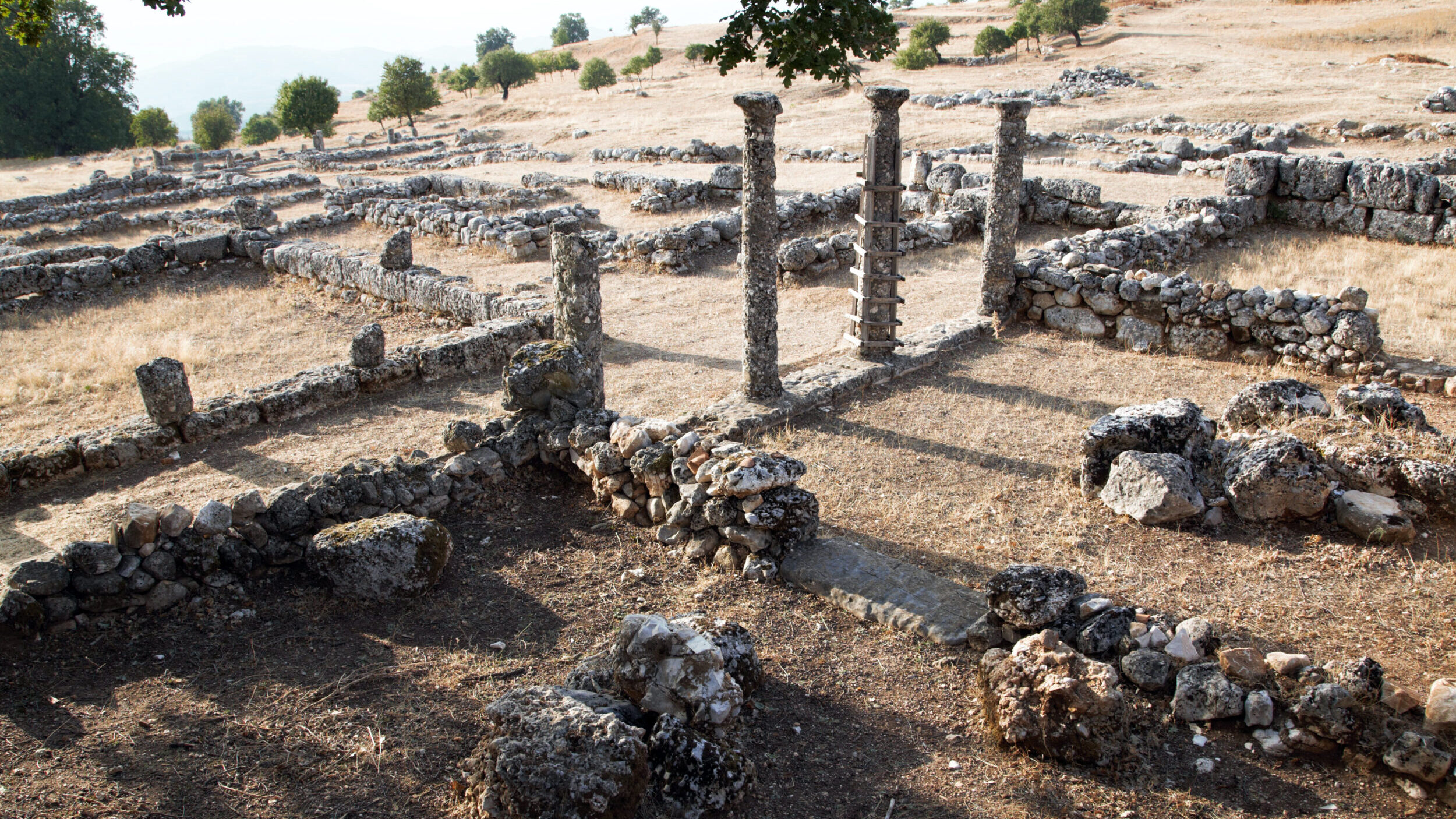

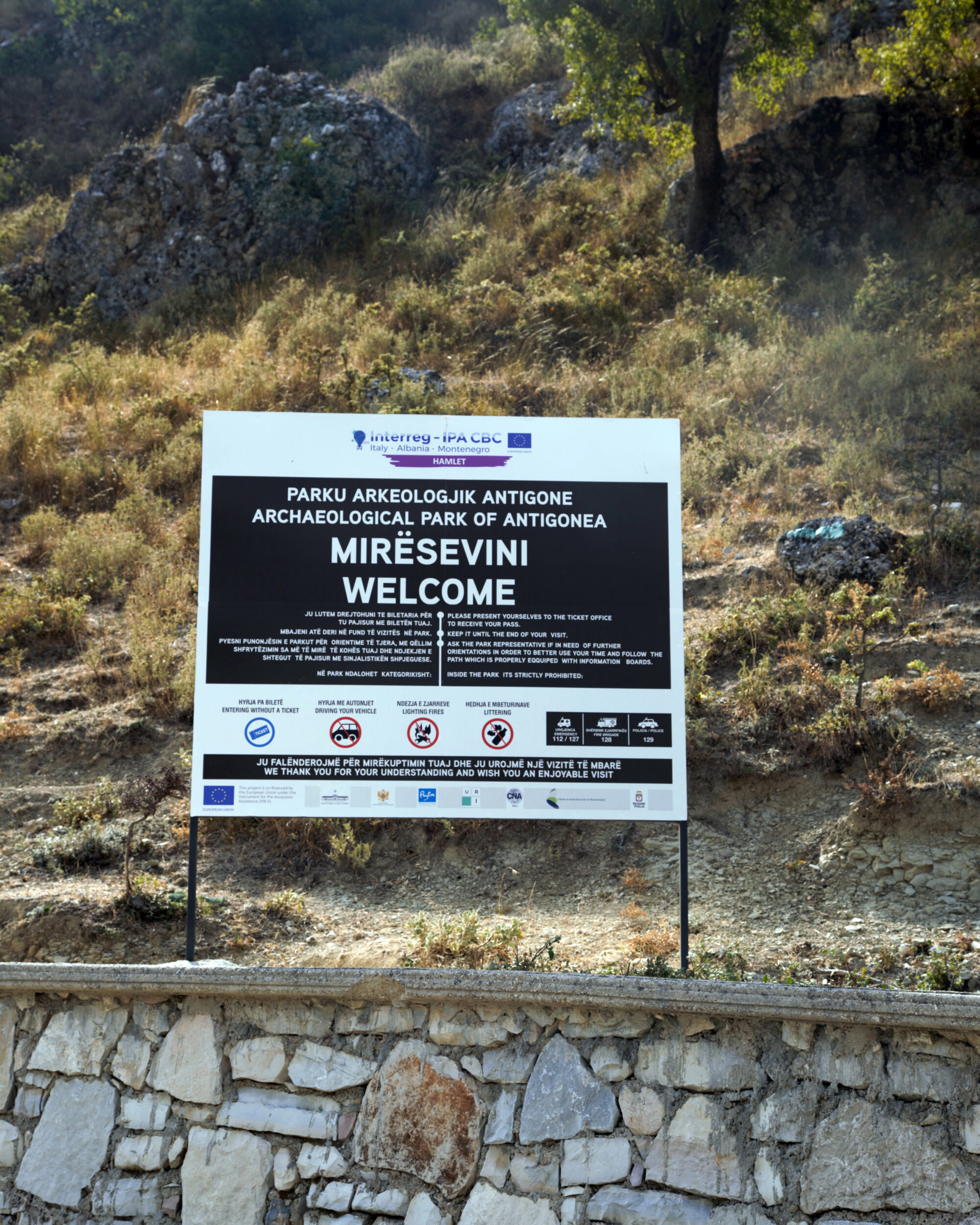
Visitors can explore the remains of the ancient streets, fortification walls, residential quarters, churches, and public buildings while learning about one of the region’s most important Hellenistic settlements.
For a more adventurous experience, Antigonea can also be reached through guided horseback tours organized by Caravan Horse Riding Albania.
Read more: Antigonea Archaeological Park
4. Labova e Kryqit, Caravan Horse Riding & Spile Monastery
This itinerary combines one of Albania’s oldest churches, an unforgettable horseback adventure, and one of the country’s most hidden monasteries.
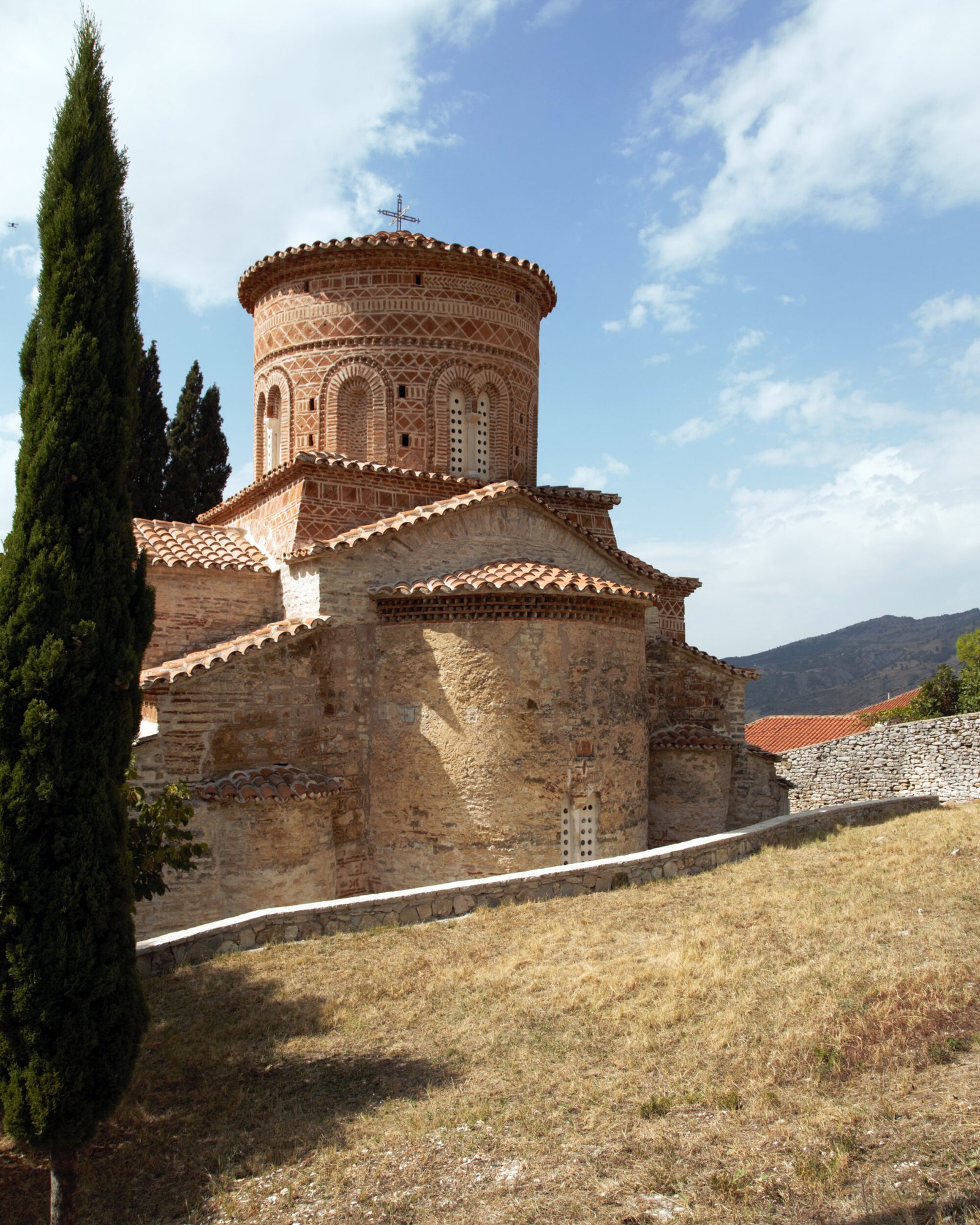
The journey begins in Labova e Kryqit, a peaceful mountain village home to one of the oldest Byzantine churches in the Balkans. Built in 554 AD by Emperor Justinian, the church is believed to be among the first forty churches ever constructed in the Christian world and preserves centuries of history, architecture, and religious significance.
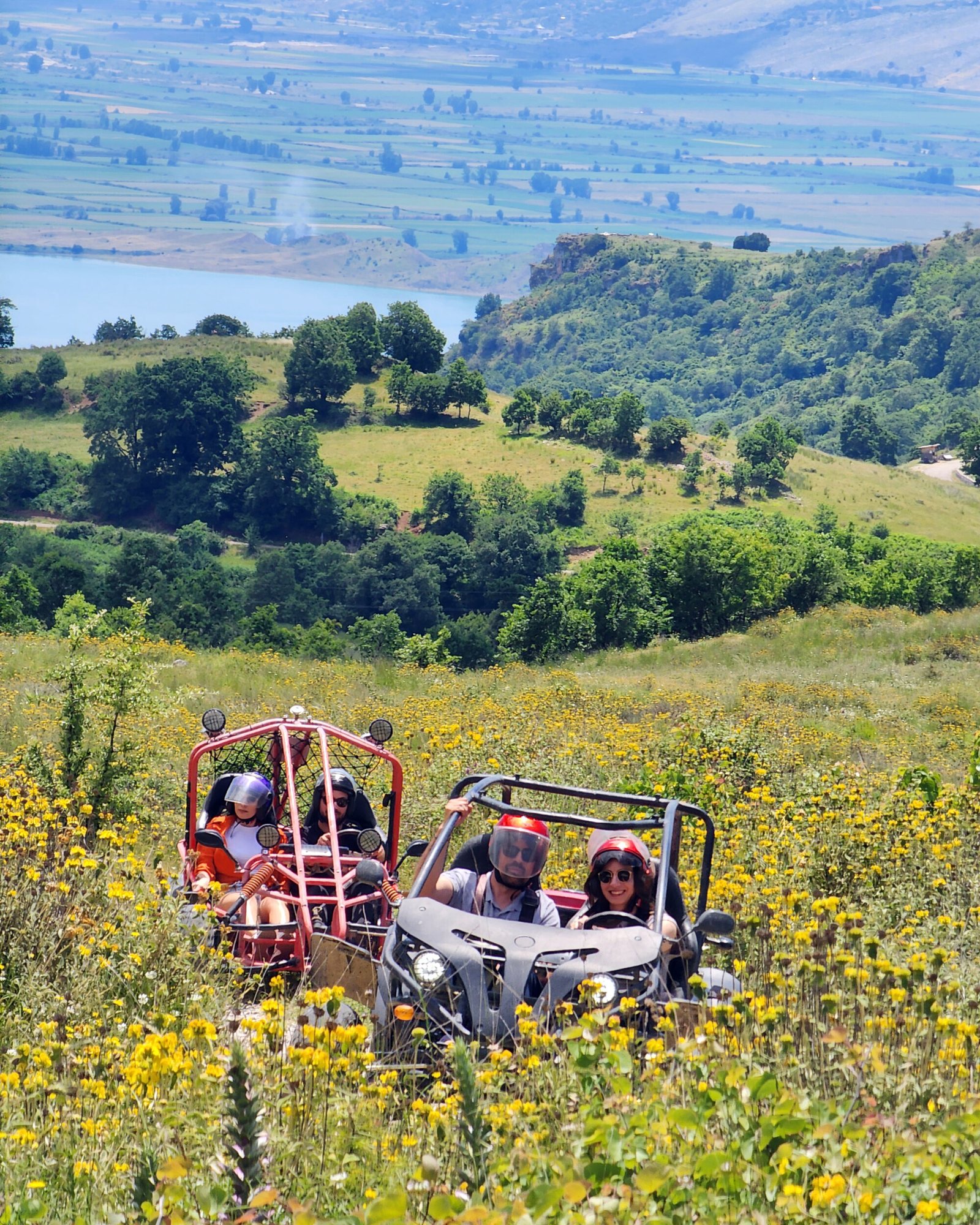
From here, visitors can continue their adventure with Caravan Horse Riding Albania, which offers horseback riding, buggy tours, and multi-day experiences through the beautiful landscapes surrounding Gjirokaster. Their routes pass through traditional villages, forests, archaeological sites, and mountain trails, creating one of the most authentic outdoor experiences in southern Albania.
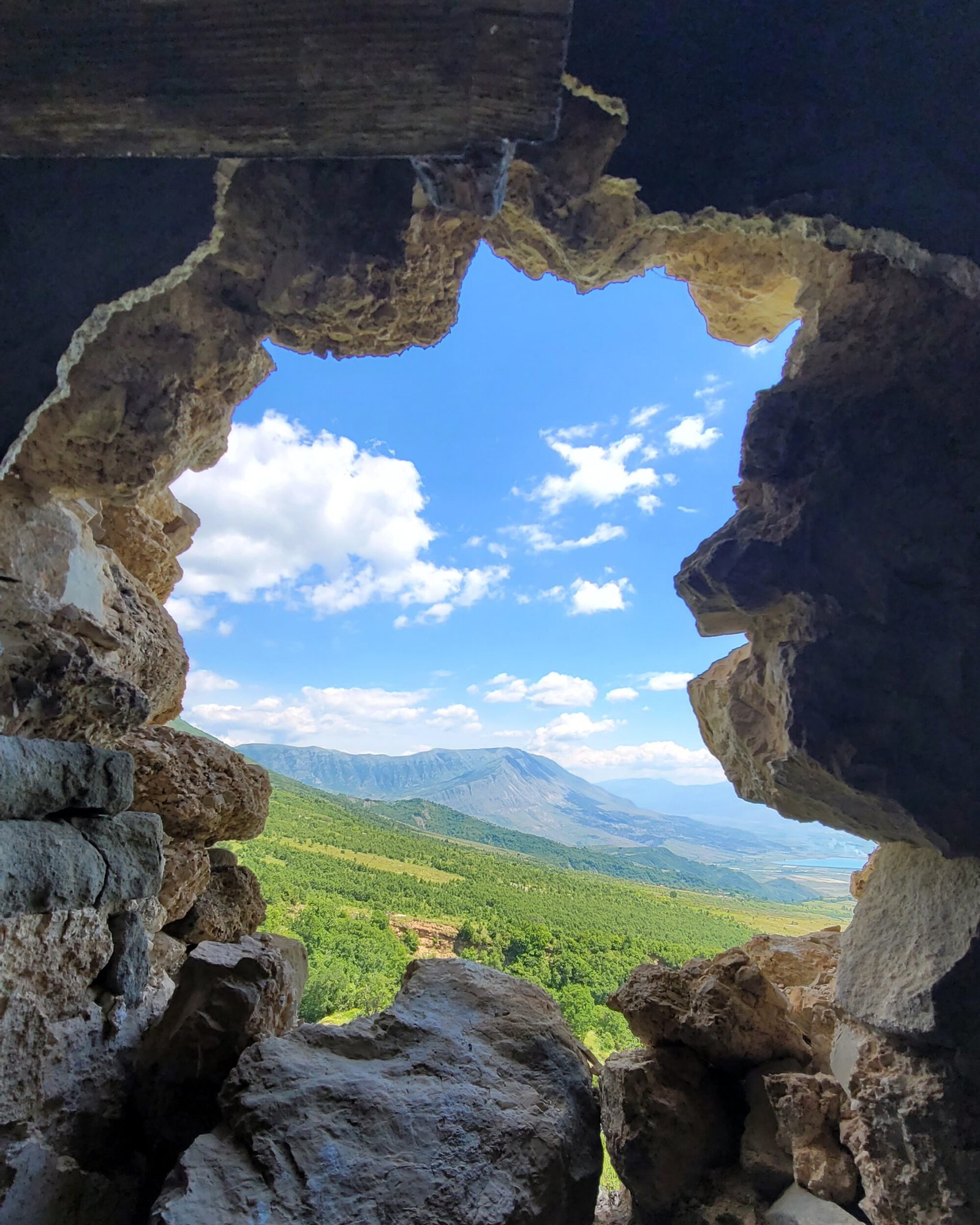
One of the highlights of these excursions is Spile Monastery, a hidden Orthodox monastery built into the limestone cliffs above Saraqinisht. Reaching the monastery—either by hiking or by buggy—is part of the adventure itself, rewarding visitors with breathtaking scenery, ancient frescoes, and a peaceful atmosphere far from the tourist crowds.
Read more: Labova e Kryqit
5. Çajupi Pass & Mount Çajupi
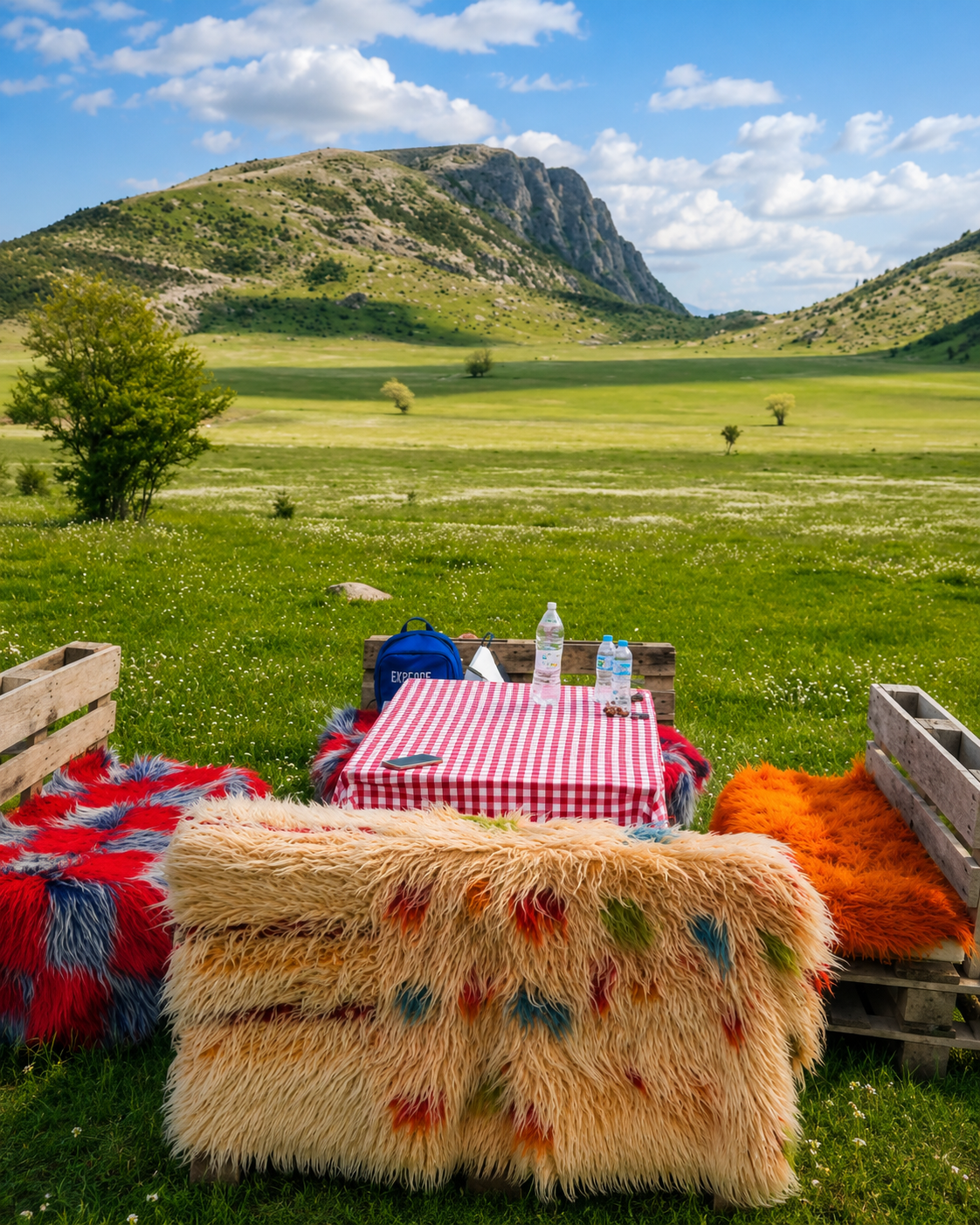
If you’re looking to escape the city and experience the mountain landscapes surrounding Gjirokaster, Çajupi Pass and Mount Çajupi make an excellent day trip. Located around 25 km from Gjirokaster in the Lunxhëria mountain range, the area is known for its wide alpine plateau, fresh mountain springs, traditional shepherd huts, and panoramic views.
The Çajupi Plateau, at around 1,200 meters above sea level, is perfect for a relaxing picnic, short walks, or simply enjoying the cooler mountain air. Visitors can also discover the traditional shepherd huts (stanet) and taste local products such as cheese, mountain tea, and other specialties from the Lunxhëria region.
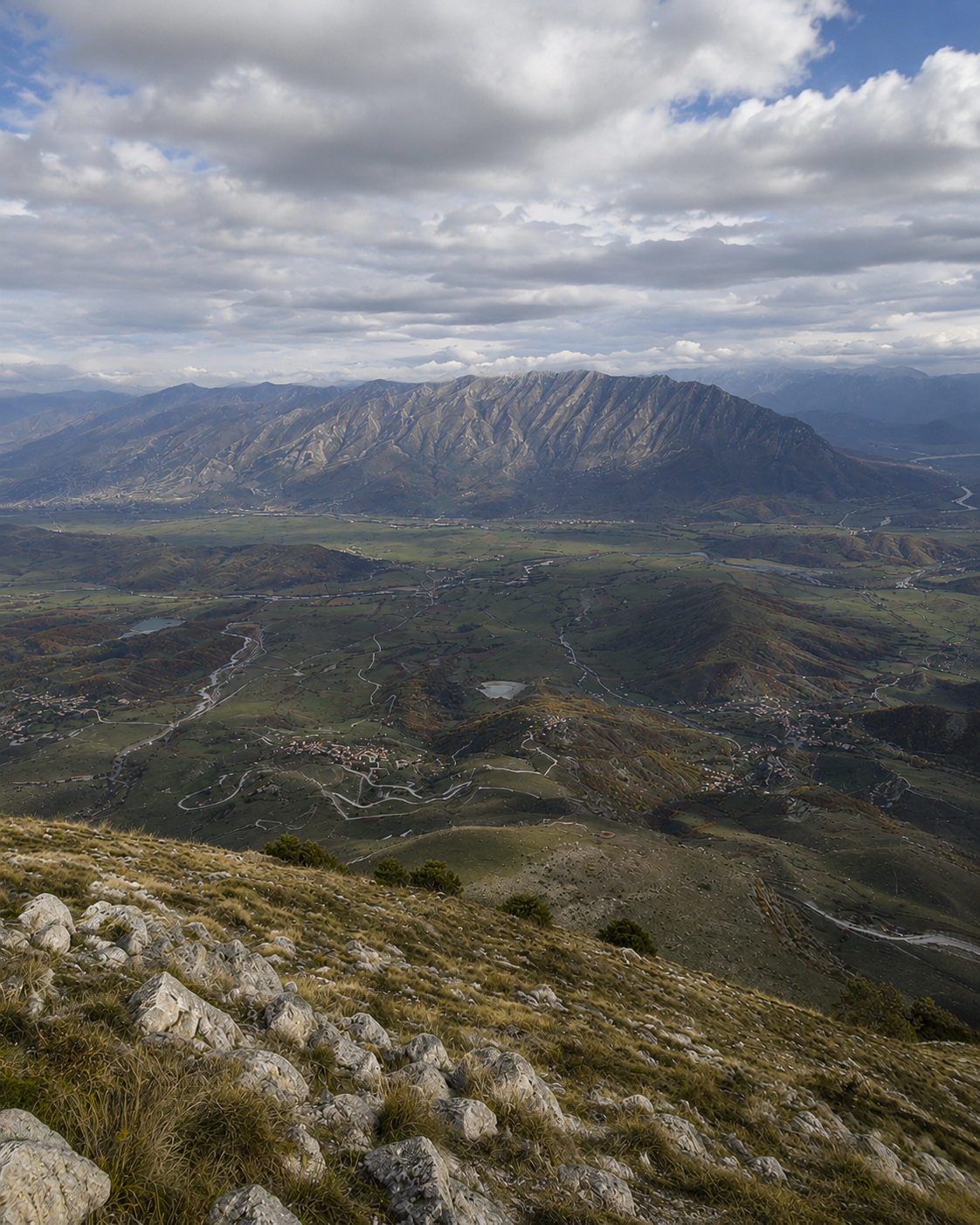
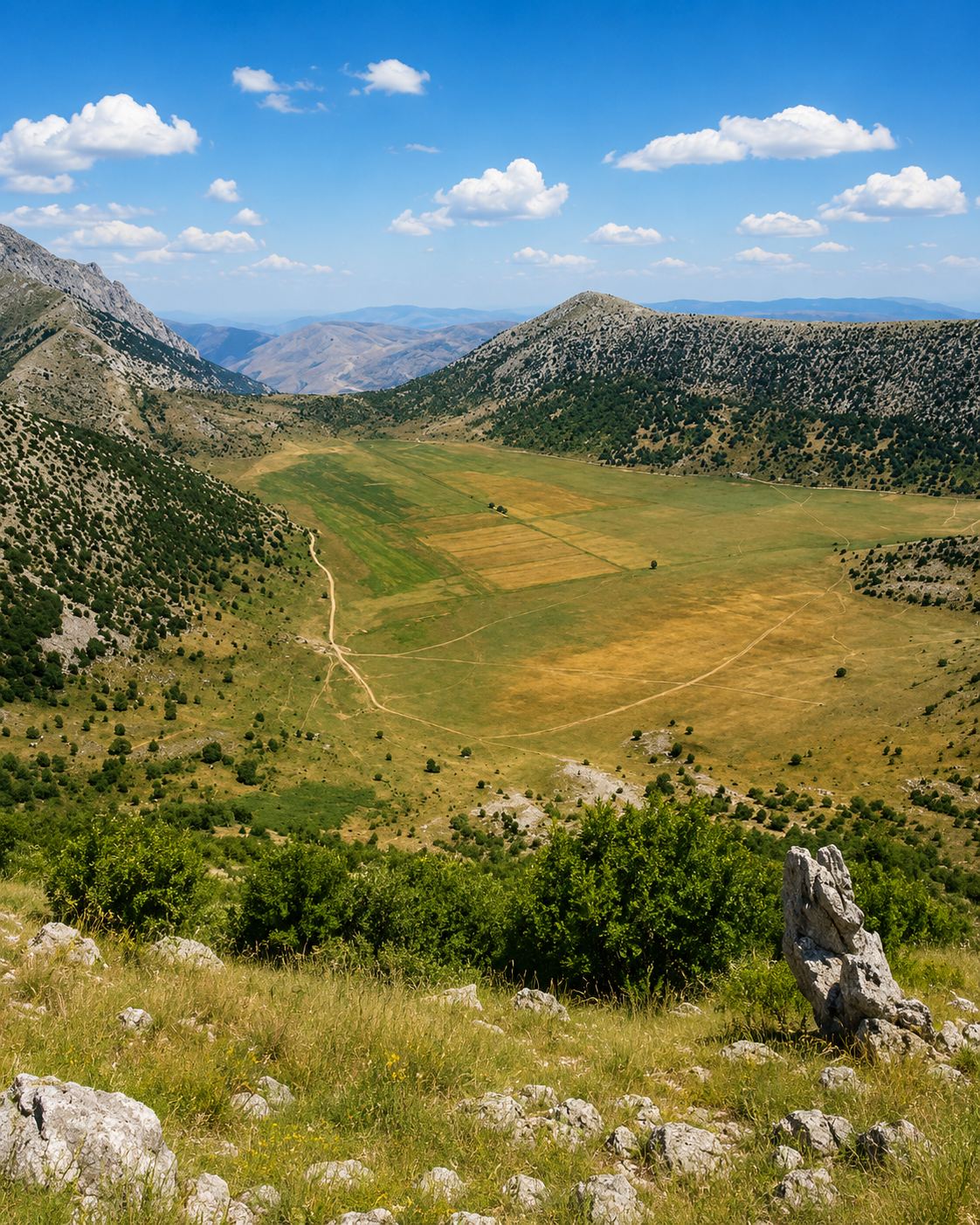
For a more active experience, several hiking routes lead higher into the mountains, including trails toward Skafedo Peak, with impressive views over the Drino Valley and surrounding peaks. You don’t need to complete a long summit hike to enjoy Çajupi — shorter walks around the plateau make it accessible for travelers looking for a more relaxed day in nature.
The drive from Gjirokaster takes approximately 45–60 minutes, passing through traditional Lunxhëria villages and increasingly dramatic mountain scenery.
Tip: Even in summer, temperatures can be noticeably cooler than in Gjirokaster, so bring a light jacket and comfortable walking shoes. Road conditions can vary, and a higher-clearance vehicle is useful if you plan to explore beyond the main plateau.
6. Libohova Castle & the Historic Town of Libohova
Just a short drive from Gjirokaster, Libohova is a peaceful historic town set on the slopes of Mount Bureto, surrounded by greenery and overlooking the Drino Valley. Less crowded than Gjirokaster, it offers an interesting combination of history, traditional architecture, and authentic small-town atmosphere.
The main landmark is Libohova Castle, a late 18th-century fortress closely associated with Ali Pasha Tepelena. Built in a strategic position above the town, the castle is traditionally linked to his sister Shanisha, who lived there after her marriage. Today, visitors can explore the surviving stone walls and enjoy panoramic views across Libohova and the surrounding valley.
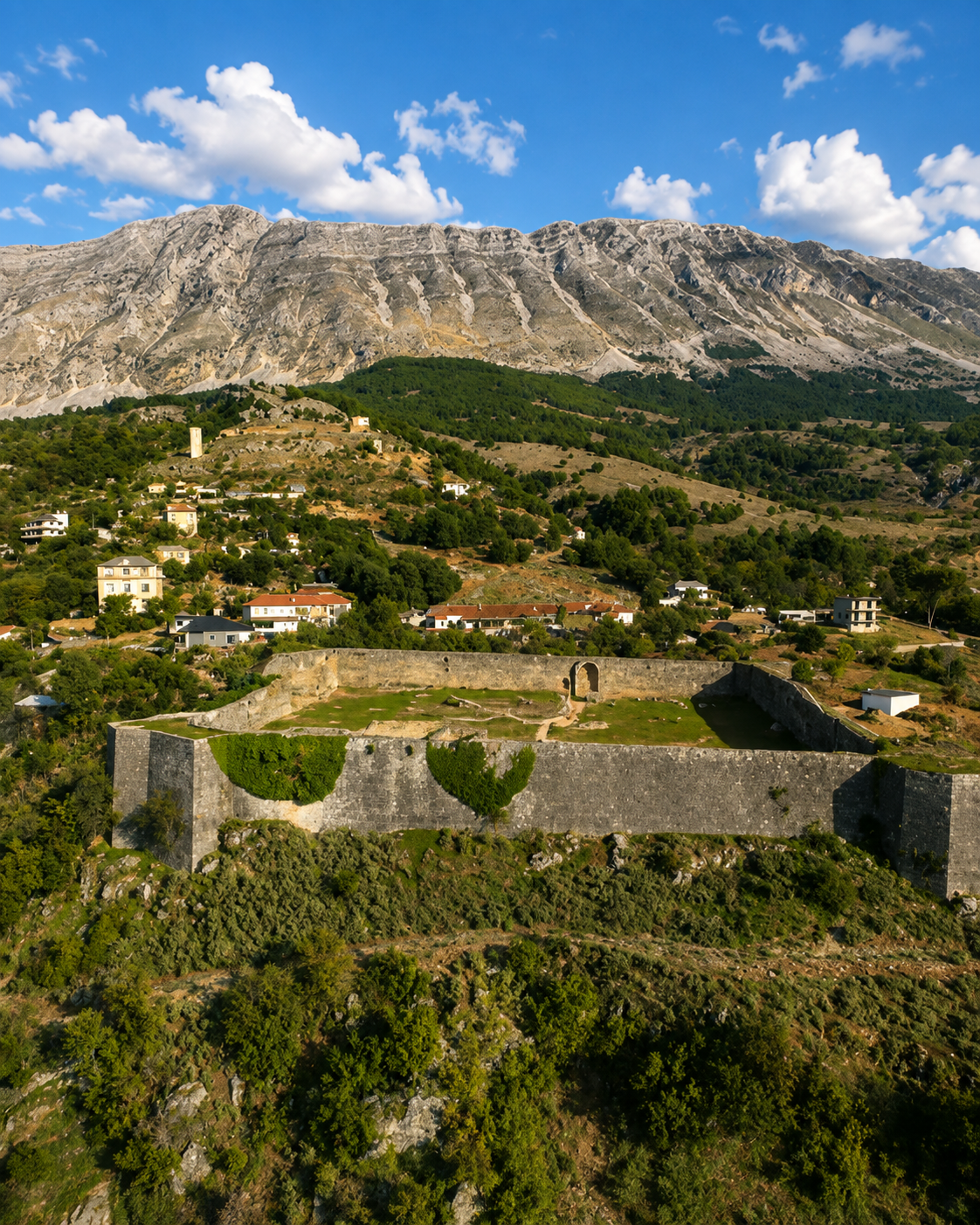
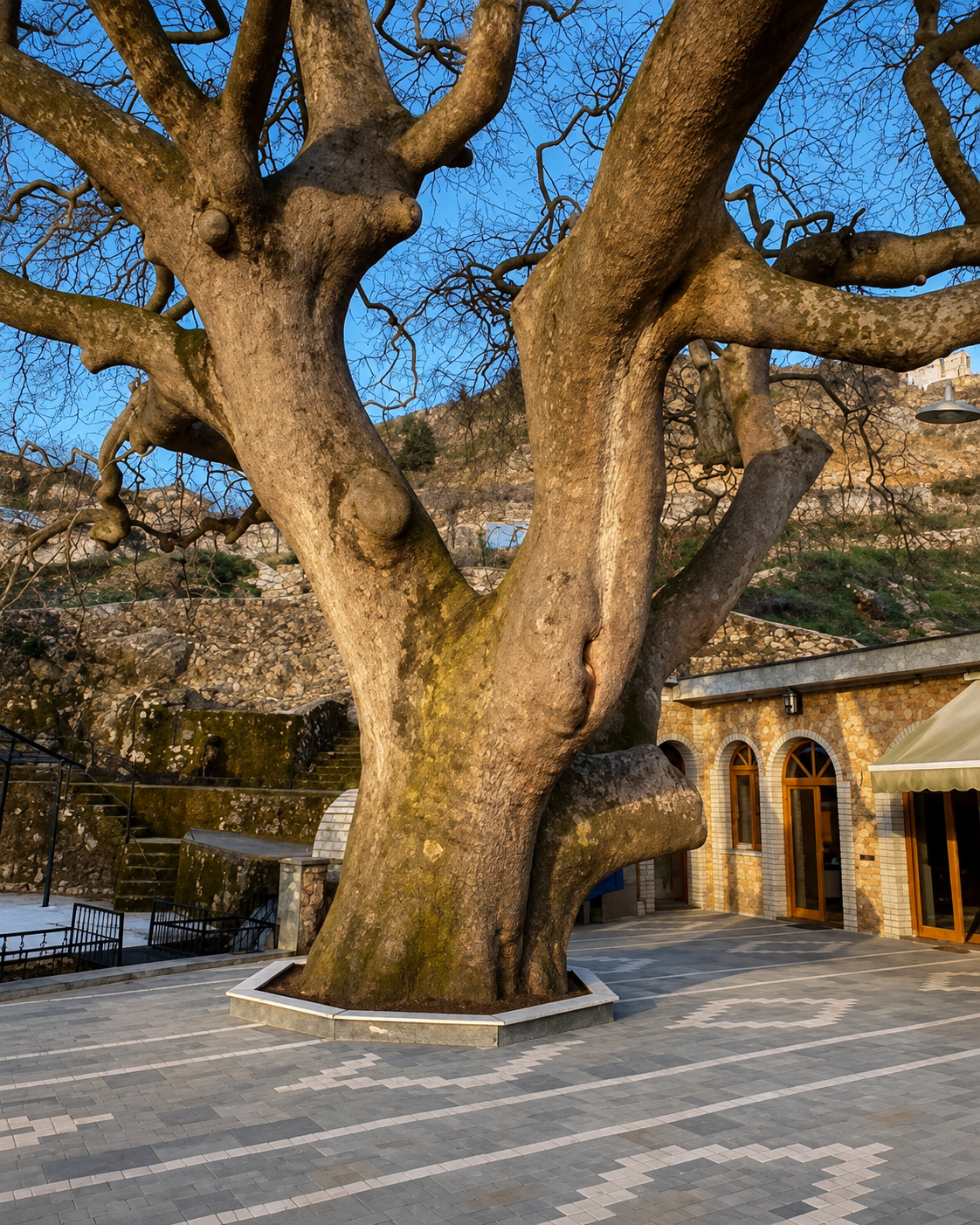
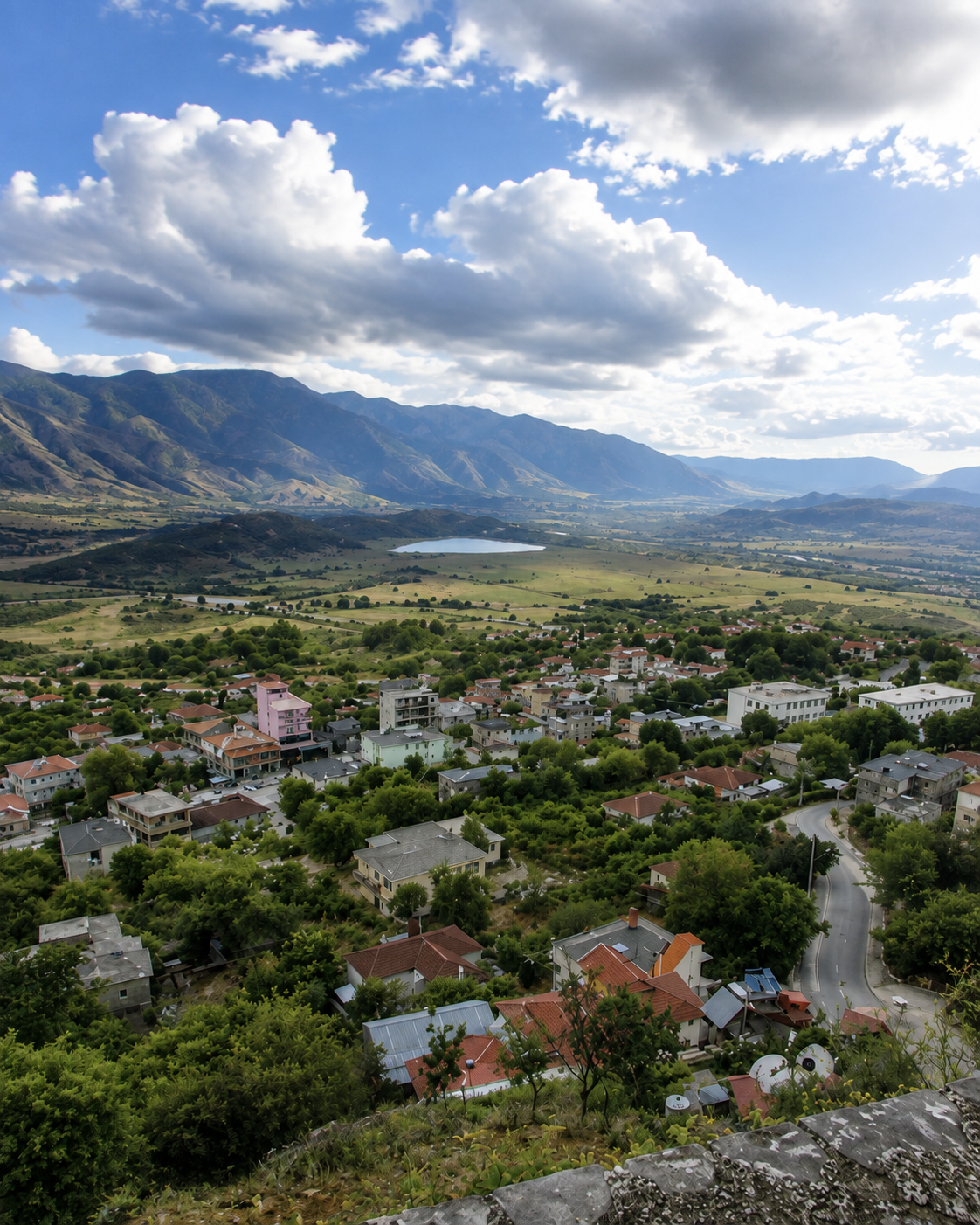
After the castle, continue through the historic town, where traditional stone houses and old streets reflect Libohova’s past. Another notable stop is the Sarajet of Myfit Bey Libohova, built toward the end of the 19th century as a residence for the influential Libohova family.
With its castle, architecture, views, and relaxed atmosphere, Libohova is an excellent half-day trip from Gjirokaster, especially for travelers looking to discover a quieter side of southern Albania.
Tip: Start at Libohova Castle for the panoramic views, then continue on foot through the historic center and its traditional neighborhoods.
7. Selckë Village & Selckë Waterfall
For a nature-focused day trip from Gjirokaster, Selckë Village and Selckë Waterfall offer a beautiful escape into the mountains of southern Albania. Located around 25 km southeast of Gjirokaster, the area combines traditional village life, dramatic landscapes, a narrow gorge, and crystal-clear mountain water.
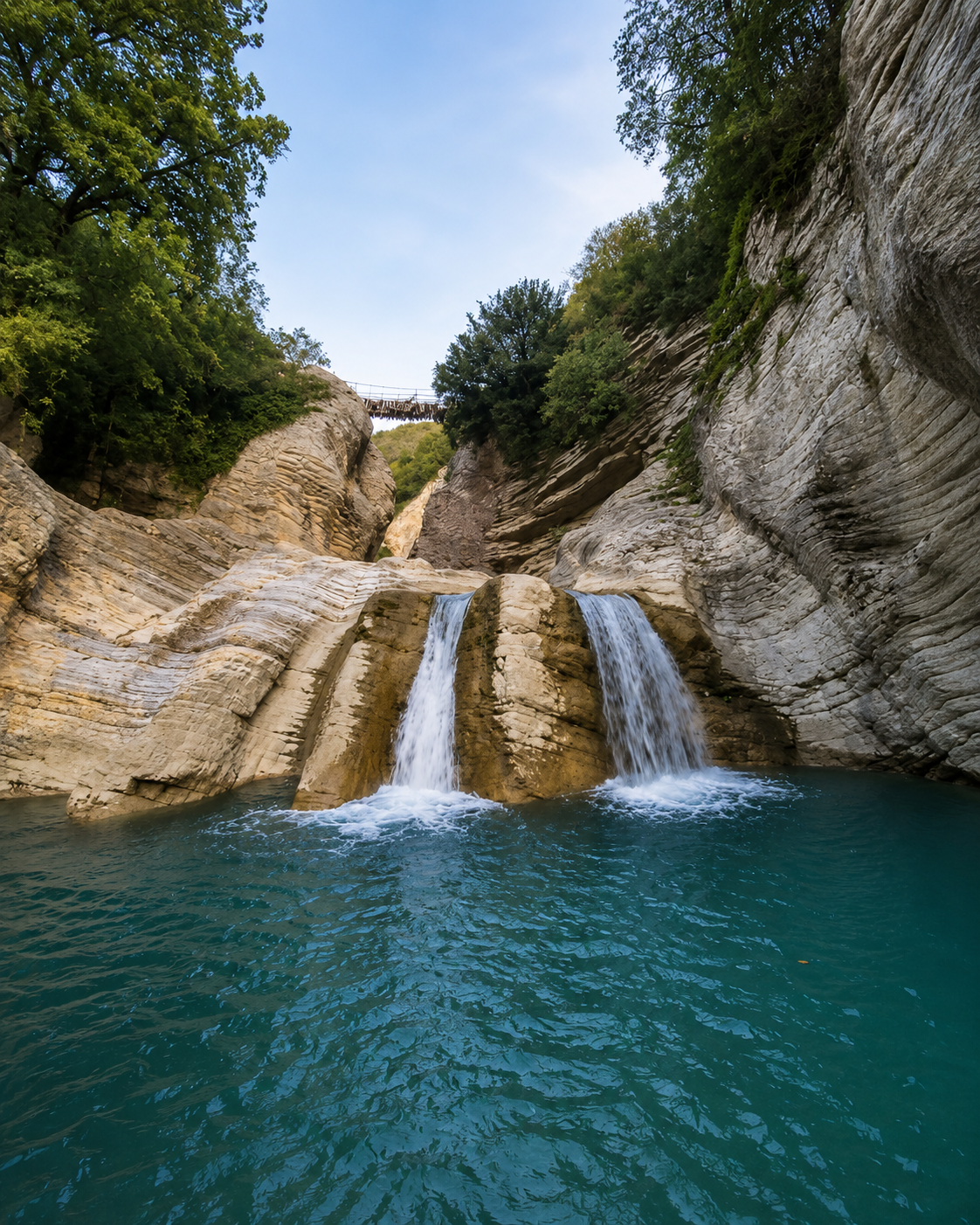
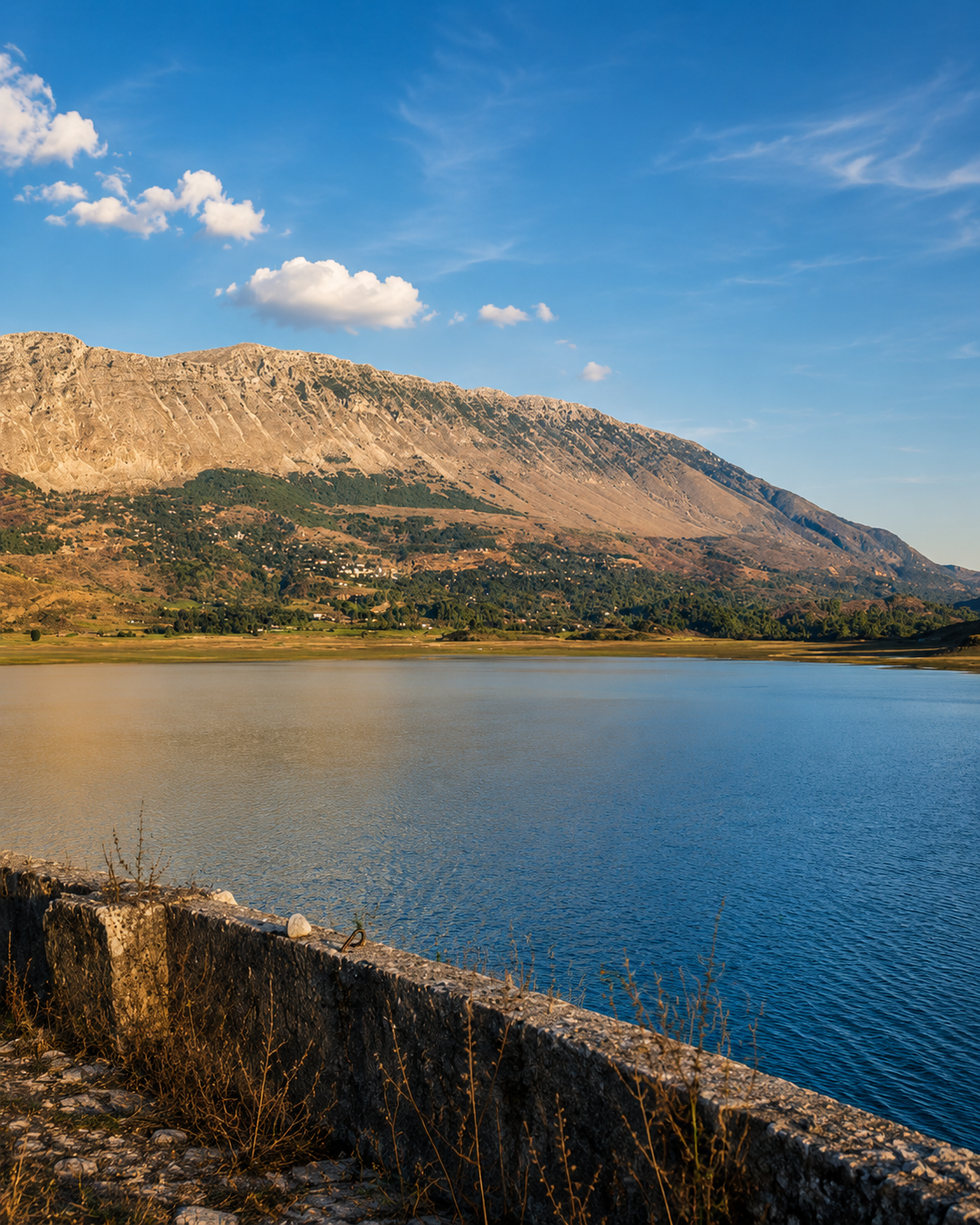
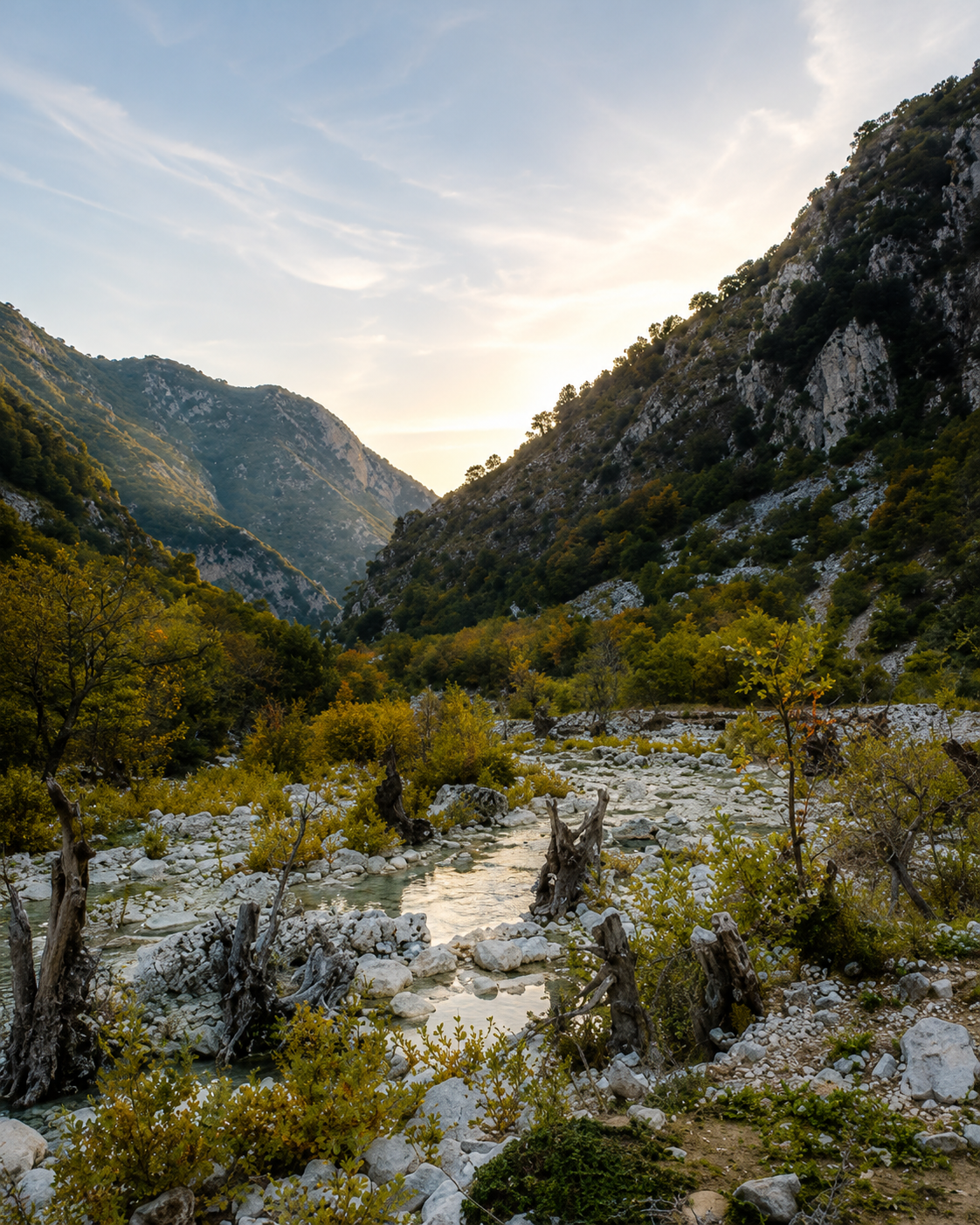
The highlight is Selckë Waterfall, hidden within the Selckë Gorge, between the Lunxhëria and Bureto mountain ranges. A series of small waterfalls flows between the rocks before reaching a natural pool with clear, cold water, making it an especially refreshing destination during the warmer months.
The waterfall can be reached with a short walk from the road, while those looking for more adventure can explore further into the gorge. The surrounding area is also ideal for short hikes, photography, and enjoying the peaceful mountain scenery.
Before returning to Gjirokaster, take some time to explore Selckë Village, where traditional stone houses, old fountains, and historic churches offer a glimpse into the rural heritage of the region.
Tip: Wear shoes with good grip, especially if you plan to explore deeper into the gorge, as the rocks around the water can be slippery.
8. Sotire Village – Nature & Rural Heritage
Around 25 km from Gjirokaster, Sotire is a remote mountain village in Dropull and a great day-trip option for travelers looking for nature, hiking, and authentic rural landscapes. Surrounded by forests, natural springs, chestnut trees, and high mountain peaks, the village feels far removed from the busier tourist routes of southern Albania.
The main natural attraction is Bredhi i Sotires, a protected Natural Monument covering a landscape of forests and alpine pastures that extend toward the Stugara and Mourgana mountains. The area is particularly beautiful for walking, photography, picnics, and exploring the surrounding countryside.
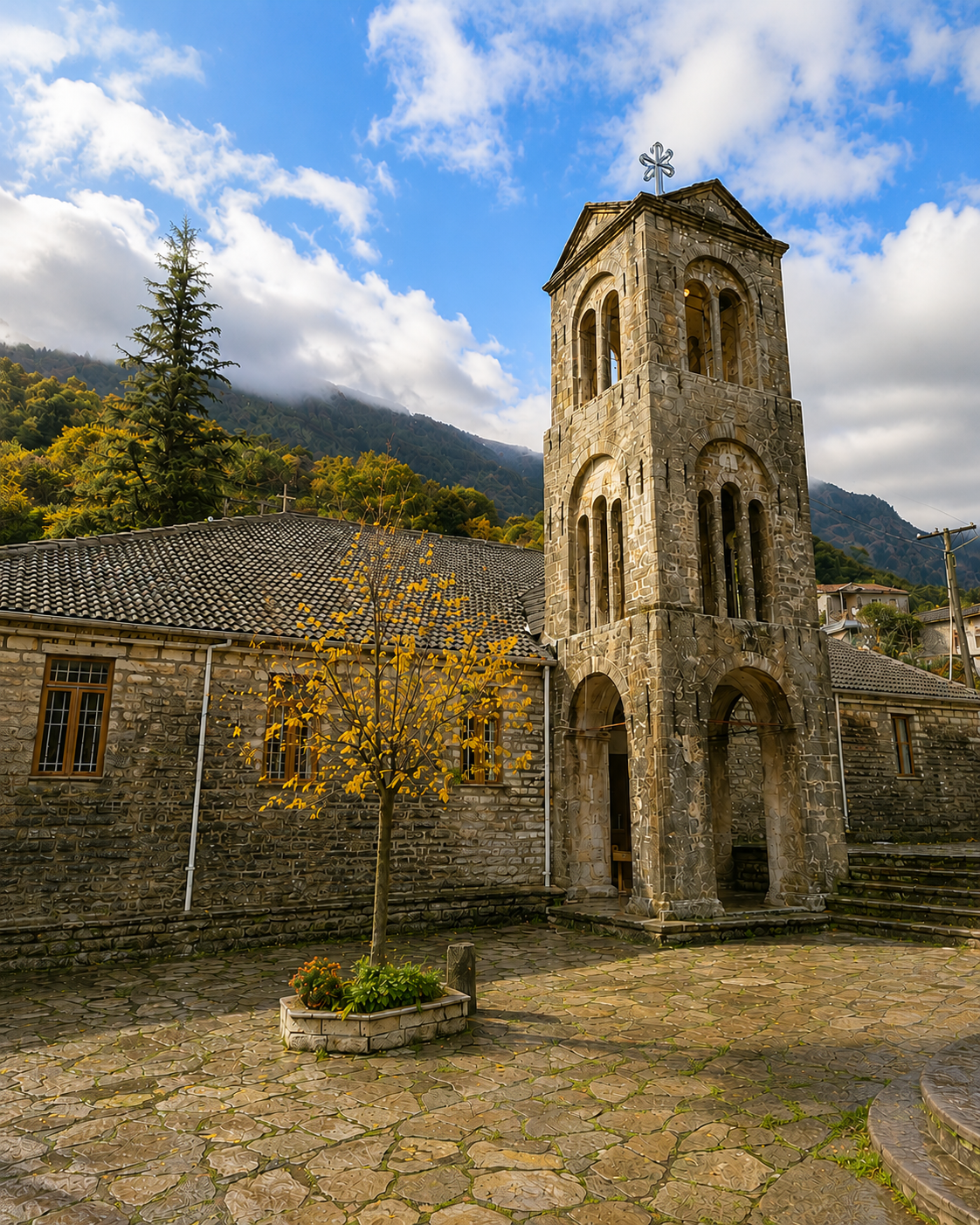
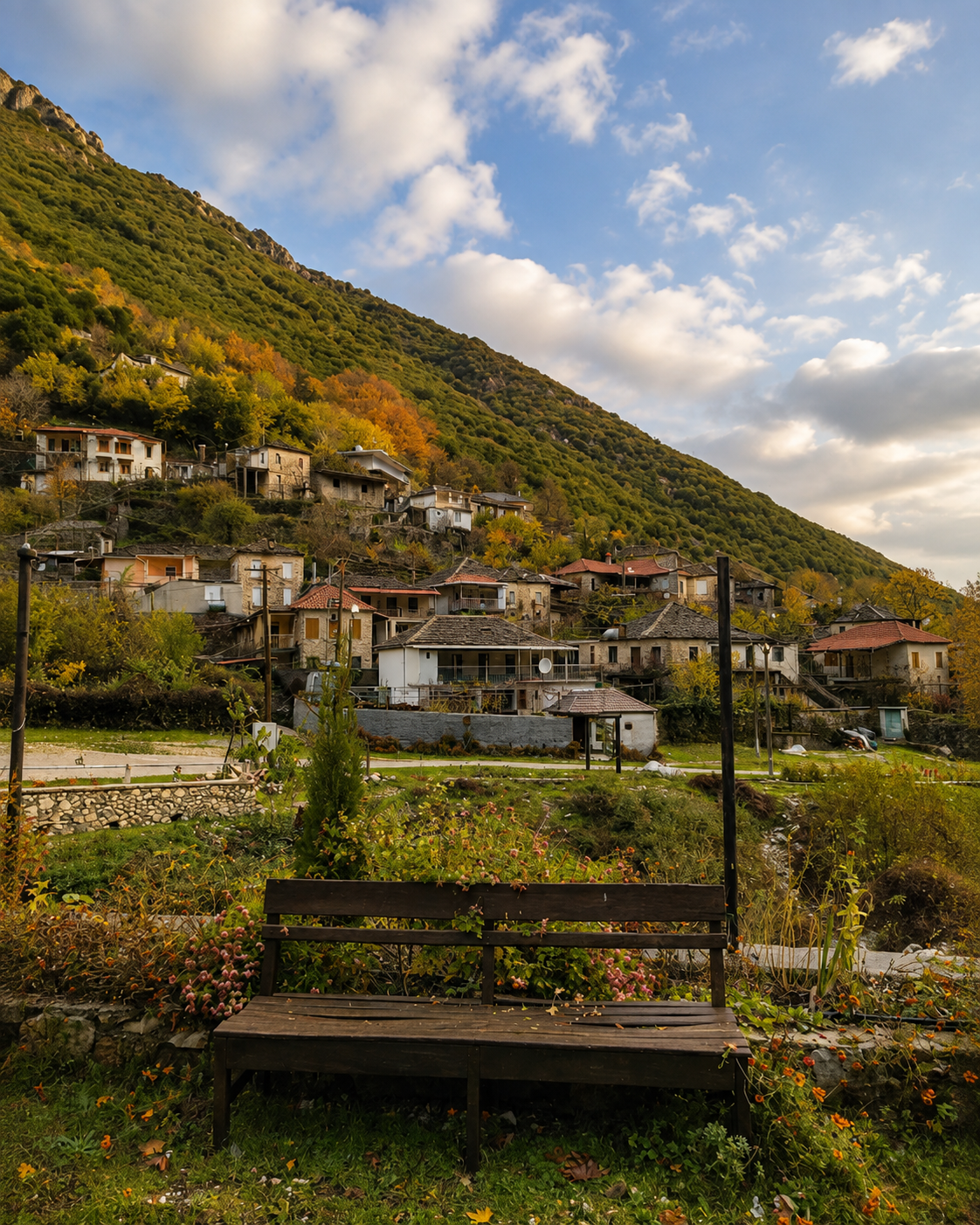
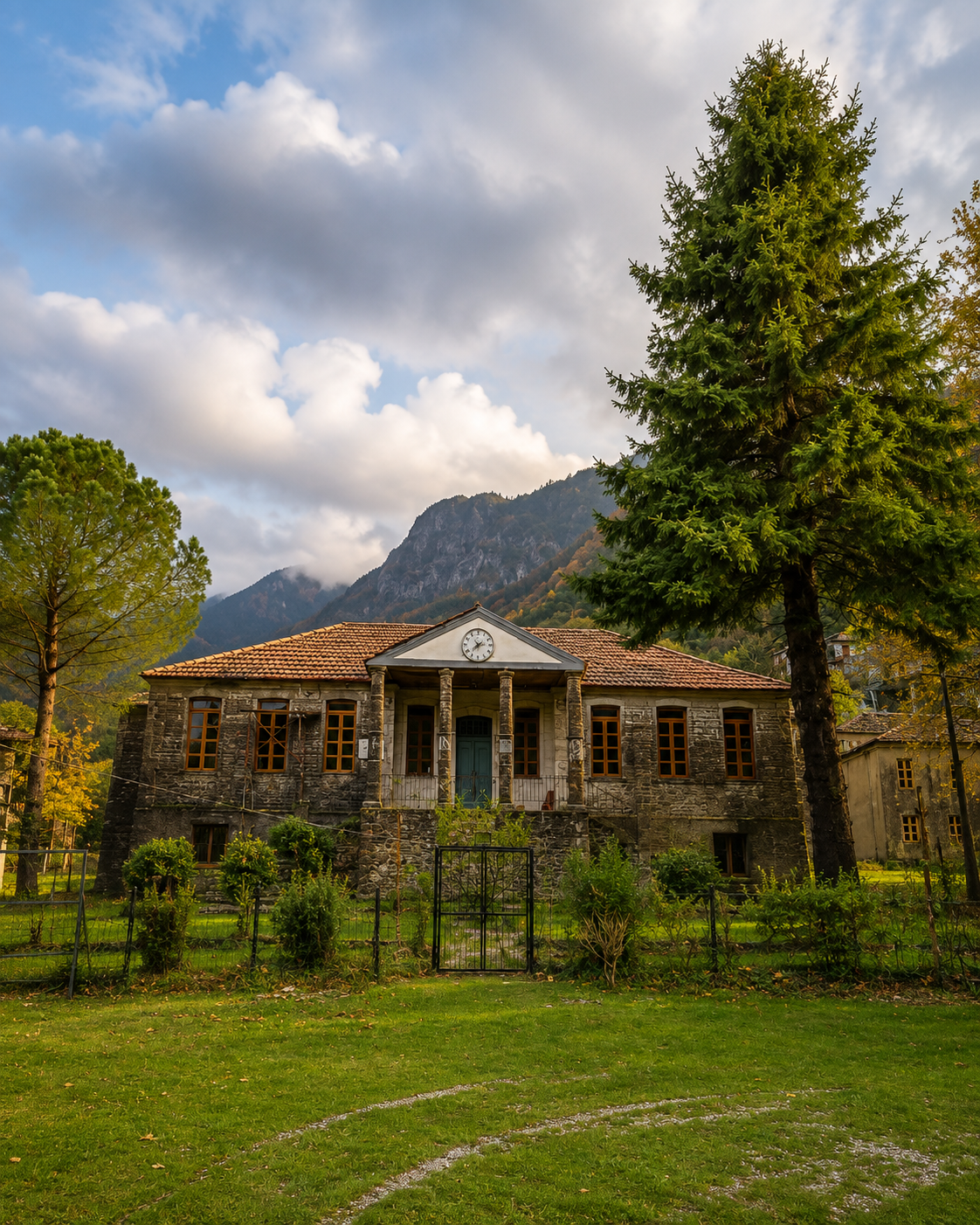
More experienced hikers can follow mountain routes starting from Sotire toward Mourgana, while visitors looking for a more relaxed experience can simply explore the village, its stone houses, old fountains, and natural surroundings. One of its most interesting historic landmarks is the old village school, built in 1928, which once educated generations of local children and today stands as a reminder of a much more populated Sotire.
The village also preserves strong local traditions. Every August 6, families return to celebrate the feast of Saint Sotir with traditional music, dancing, and community gatherings.
Tip: For a day trip, combine a walk through Sotirë with the Bredhi i Sotires protected area. The hike toward Mourgana is considerably more demanding and should be planned separately with proper equipment and navigation.
Gjirokaster is much more than its famous Stone City. From ancient ruins and historic villages to waterfalls, mountain landscapes, and hidden cultural sites, these day trips reveal the diversity of southern Albania. Whether you choose Antigonea, Çajupi, Libohova, Selckë, or Sotirë, each route offers a different reason to stay a little longer and explore beyond Gjirokaster.
Planning to spend a few nights in the city? Discover our Top 5 Accommodations in Gjirokaster: Where to Stay in 2026 and find the right base for exploring Gjirokaster and its surroundings.