Practical travel tips for Albania, including transportation, accommodation, local culture, seasonal advice, and essential information for travelers.
If you are planning to visit Albania, understanding local customs and etiquette will make your trip smoother, more respectful, and more enjoyable. Albania is one of Europe’s most welcoming destinations, but like every country, it has its own social norms and cultural sensitivities.
If you’re planning a trip to Albania in 2026, staying connected is easier than ever. Whether you need Google Maps for mountain roads, WhatsApp for your guesthouse, or Instagram for those Riviera sunsets, this guide explains everything tourists need to know about internet access and SIM cards in Albania.
Albania continues to be one of Europe’s most accessible destinations for international travelers. With visa-free access for most European countries and many global passport holders, visiting Albania in 2026 is straightforward for tourism, leisure, cultural trips, and short-term stays.
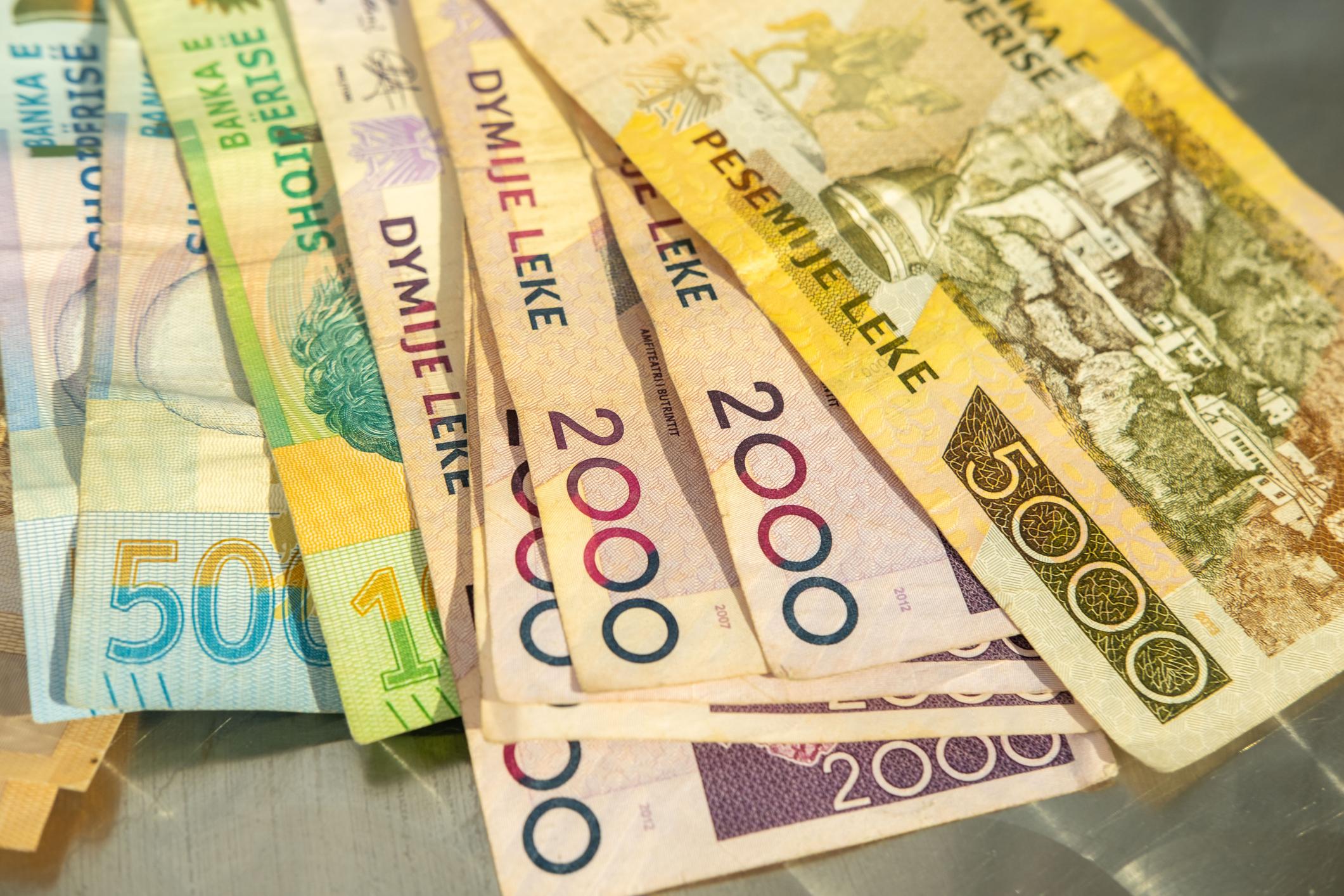
Understanding how money works in Albania will make your trip smoother, cheaper, and stress-free. While the country is modernizing fast, cash is still king in many everyday situations. This guide explains how to use the Albanian Lek, when cards work, how ATMs operate, and what foreign tourists should know in 2025–2026.
Driving in Albania can be one of the best ways to explore the country — from dramatic mountain roads and rural villages to hidden beaches along the coast. While Albania’s road culture may feel different from Western Europe, thousands of travelers safely drive here every year.
Albanian (Shqip) is much more than a small Balkan language — it is one of Europe’s most fascinating linguistic stories. What makes it truly unique is the fact that Albanian forms its own independent branch within the Indo-European language family, meaning it is not derived from any other modern European language.

The well-preserved ruins of Antigonea, revealing the architectural legacy of this ancient Illyrian city.
Nestled in the heart of southern Albania, just a 30-minute drive from Gjirokastër, lies the breathtaking Archaeological Park of Antigonea. This ancient city, built on two scenic hills overlooking the Drino Valley, is not only a treasure trove of history but also a testament to one of the greatest love stories of antiquity. Founded in the early 3rd century BC by Pyrrhus of Epirus, Antigonea was named in honor of his beloved wife, Antigone—a symbol of devotion that still resonates today.