

Albania is no longer the hidden corner of Europe it was a few years ago. More travelers are discovering its turquoise coastline, dramatic mountains, historic cities, food culture, and energetic capital. Yet despite its growing popularity, Albania still offers something increasingly difficult to find around the Mediterranean: variety, spontaneity, and the feeling that there is much more left to discover. You can wake up in a mountain village in the Albanian Alps, spend the next day walking through a UNESCO-listed Ottoman town, and finish your trip beside the Ionian Sea. You can explore ancient ruins, eat in a family-run restaurant, hike through remote valleys, discover wineries and agrotourism farms, or spend a weekend between cafes, museums, restaurants, and nightlife in Tirana.
And Albania is not only about July and August. September can still feel like summer on the coast, while October brings road trips, vineyards, autumn landscapes, and comfortable temperatures for exploring. November is ideal for slower cultural and food-focused journeys, while December gives cities such as Tirana and Korce a completely different atmosphere. That versatility is one of the biggest reasons Albania deserves a place on your 2026 travel list. Here is what makes the country worth discovering — and where you should go depending on the kind of trip you want.
1. One Small Country, Many Different Trips
One of Albania’s greatest advantages is how much its landscape changes over relatively short distances.
Travel north and you reach the dramatic peaks and valleys of the Albanian Alps. Head south and the road eventually meets the turquoise waters of the Albanian Riviera. Between them are lakes, Ottoman towns, archaeological sites, vineyards, canyons, hot springs, villages, and a rapidly changing capital.
This makes Albania particularly interesting for travelers who do not want to choose between a beach holiday, cultural trip, or outdoor adventure.
Where to go depending on your travel style
| If you’re looking for… | Consider… |
|---|---|
| Beaches & Mediterranean atmosphere | Himare, Dhermi, Borsh, Ksamil |
| Mountains & hiking | Theth, Valbone, Kelmend |
| History & architecture | Berat, Gjirokaster, Butrint |
| Food & wine | Berat, Permet, Korçe |
| City life | Tirana |
| Lakes & slower travel | Shkodër, Pogradec |
| Road trips | Llogara Pass, Malesia e Madhe, Central Albania, southern Albania |
For a first trip, combining two or three regions is often better than trying to see the entire country at once. Looking for a road trip near Tirana?
he route through Fushe Studen, Borove, and Diber is one of Albania’s most underrated day trips, combining mountain roads, forests, villages, and beautiful landscapes just a few hours from the capital.
Read more: One Day Road Trip from Tirana: Exploring Fushe Studen, Borove and Diber
2. The Albanian Riviera Is Entering a New Era
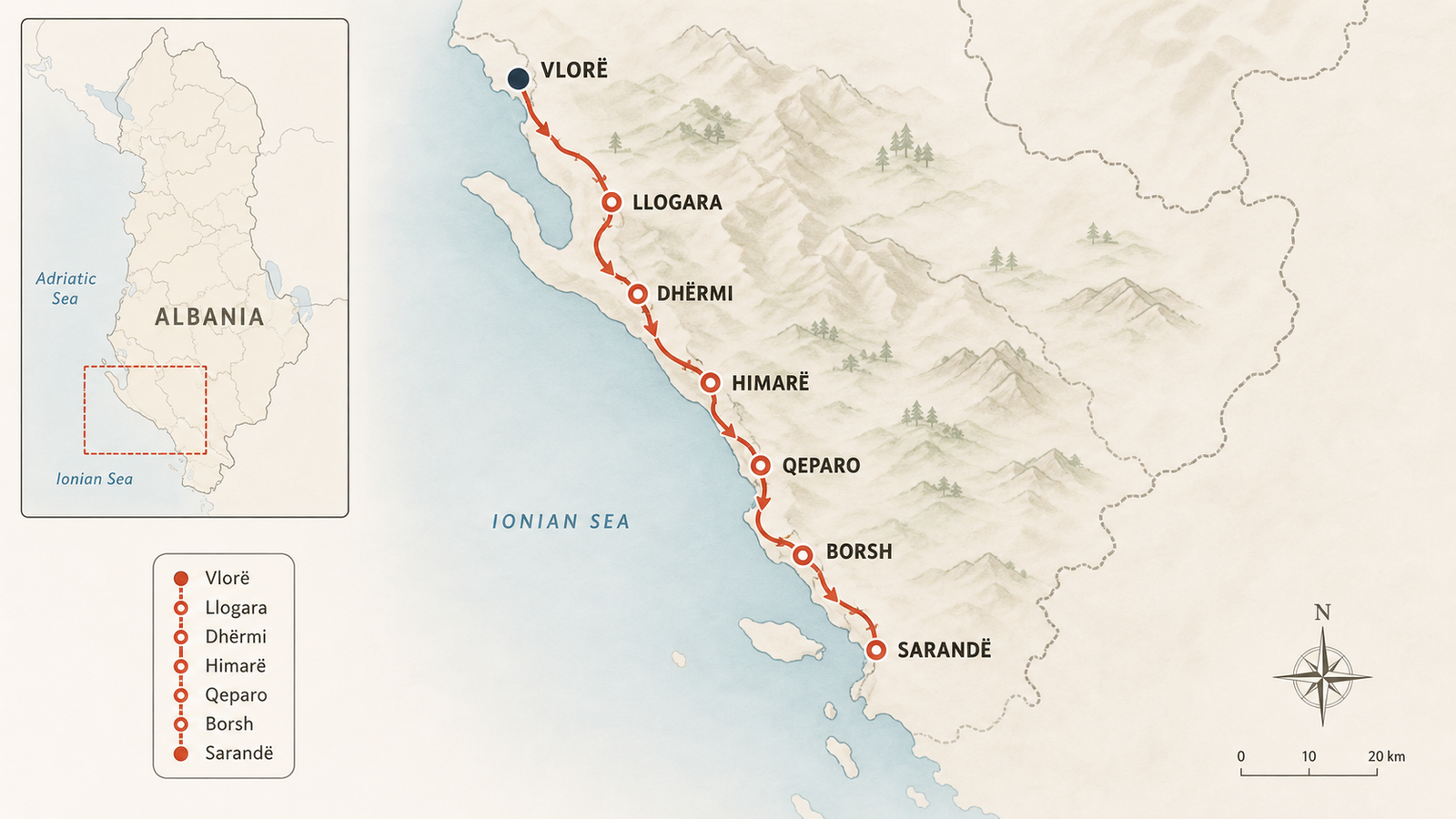
The Albanian Riviera remains one of the country’s biggest attractions — and for good reason. The drive south from Vlore takes travelers between mountains and the Ionian Sea, passing some of Albania’s most recognizable coastal destinations. Dhermi combines clear water, dramatic mountains, beach clubs, restaurants, and nearby coves, while Himare offers a more relaxed coastal atmosphere with beaches, a promenade, traditional villages, and Himare Castle overlooking the coast. Further south, Borsh provides a long stretch of coastline backed by mountains, while Qeparo combines the sea with an atmospheric old village above it.
For travelers looking for something more adventurous, Gjipe Beach sits between towering canyon walls and remains one of the Riviera’s most distinctive natural settings. And then there is Ksamil, whose turquoise water and small islands have made it one of Albania’s most internationally recognized destinations. But there is an important difference when planning Albania in 2026: the Riviera is no longer a secret. July and August can be extremely busy, particularly in the most popular coastal areas. Travelers looking for a calmer experience should consider June or September, when many coastal destinations are still active but the peak-season intensity begins to ease.
Want to explore beyond the beaches? September and early autumn are also a great time to discover the traditional villages of the Albanian Riviera, when temperatures are more comfortable for walking and exploring. Instead of spending your entire trip by the sea, head inland and discover stone villages, old churches, mountain views, and a quieter side of southern Albania.
Read more: Villages You Must Visit in the Albanian South Riviera
Why September deserves special attention?
September may be one of the most interesting months for combining the Albanian coast with the rest of the country. In southern Albania, Mediterranean conditions can continue well beyond August, making it possible to combine beach days with road trips, historical sites, and inland destinations.
Instead of building an entire holiday around one resort, consider a route such as:
- Vlorë → Llogara → Dhërmi → Himarë → Qeparo → Borsh → Sarandë
It is one of the best ways to understand why Albania has become such a talked-about Mediterranean destination.
3. The Albanian Alps Show a Completely Different Side of the Country
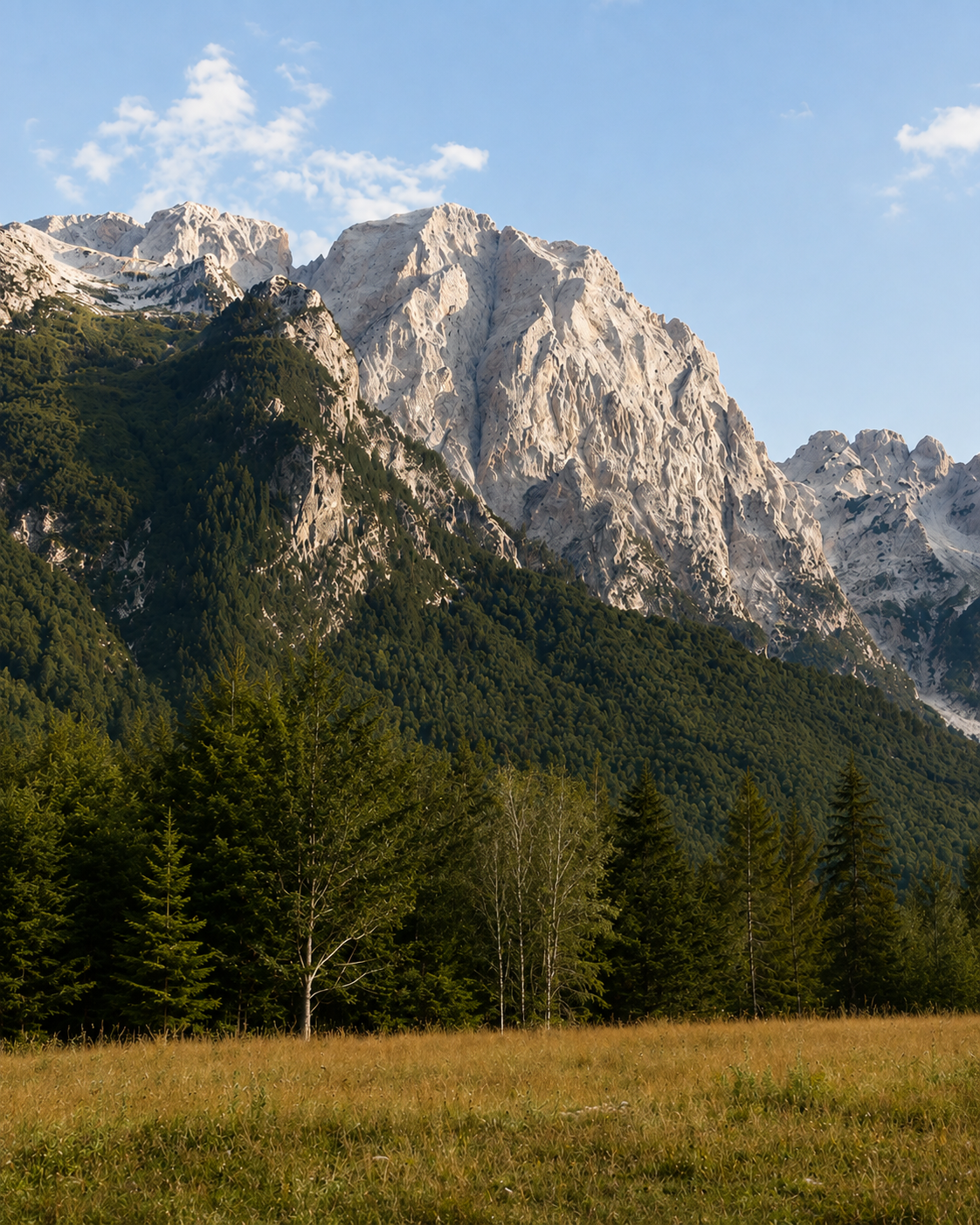
Travel north and Albania changes dramatically. The beaches disappear. Roads climb into mountain valleys. Stone houses, rivers, forests, and limestone peaks replace the Mediterranean coastline. The Albanian Alps are the heart of adventure travel in the country.
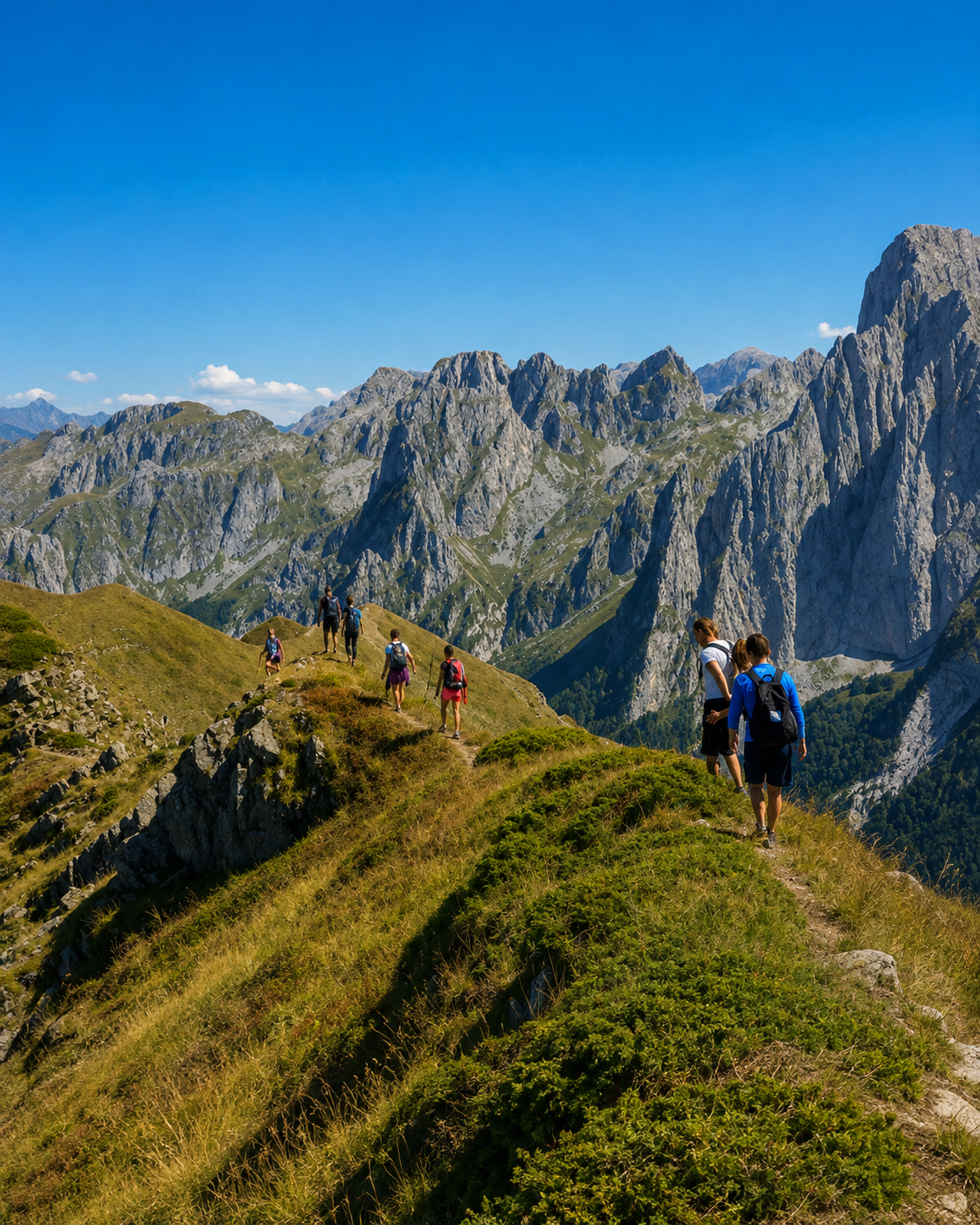
- Theth
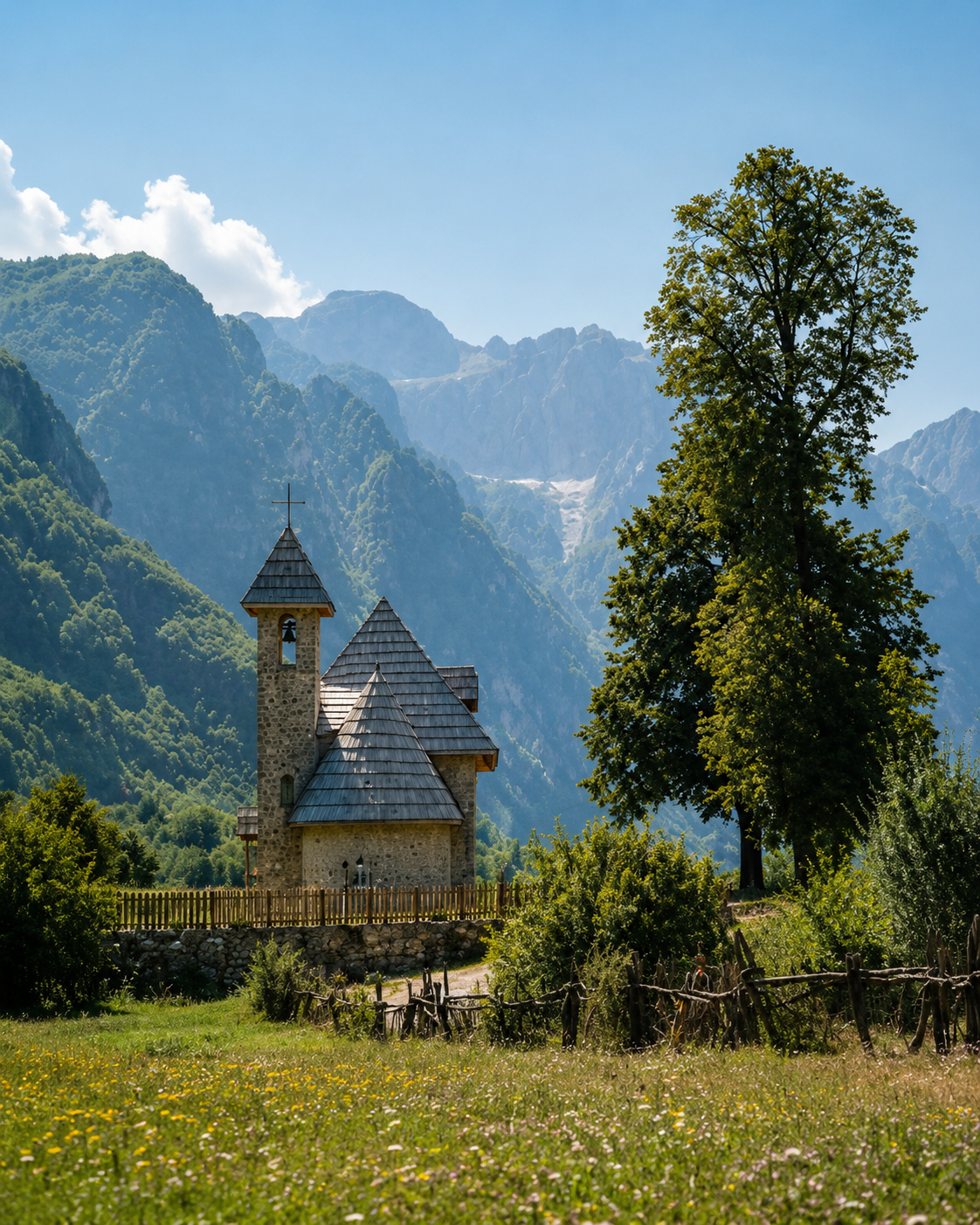
Theth is one of Albania’s best-known mountain villages and an excellent base for exploring the surrounding valley. Travelers come for hiking, waterfalls, traditional guesthouses, mountain scenery, and landmarks such as the Church of Theth and the Lock-in Tower.
- Valbonë
Across the mountains, Valbonë Valley offers another spectacular landscape surrounded by some of Albania’s highest peaks. The famous Theth–Valbonë trail connects the two valleys and has become one of the country’s signature hiking experiences.
- Lake Koman
he journey north can also include Lake Koman, where ferries travel through steep mountain walls and narrow stretches of turquoise water. For travelers with more time, northern Albania extends beyond the best-known stops. Lepushe, Vermosh, and the wider Kelmend region offer another opportunity to experience mountain landscapes and rural Albania away from the busiest routes.
For those looking for a more challenging mountain adventure, the Accursed Mountains also offer spectacular hiking routes and lesser-known peaks.
Read more: Accursed Mountains: Hiking Vajusha & Berizhdoli Peaks
When should you visit?
Late spring, summer, and early autumn are generally the most practical periods for mountain travel. September can be particularly attractive for hiking, with cooler temperatures and fewer peak-summer visitors. Later in autumn, however, weather at high elevation becomes less predictable, so mountain routes should always be planned according to current conditions.
4. Albania Has More History Than Many First-Time Visitors Expect
Albania’s landscapes often dominate travel photos, but some of the country’s most memorable experiences are found inside its historic cities and archaeological sites. Different civilizations have left traces across the country — from ancient Greek and Roman settlements to Byzantine churches, Ottoman neighborhoods, castles, mosques, and communist-era architecture.
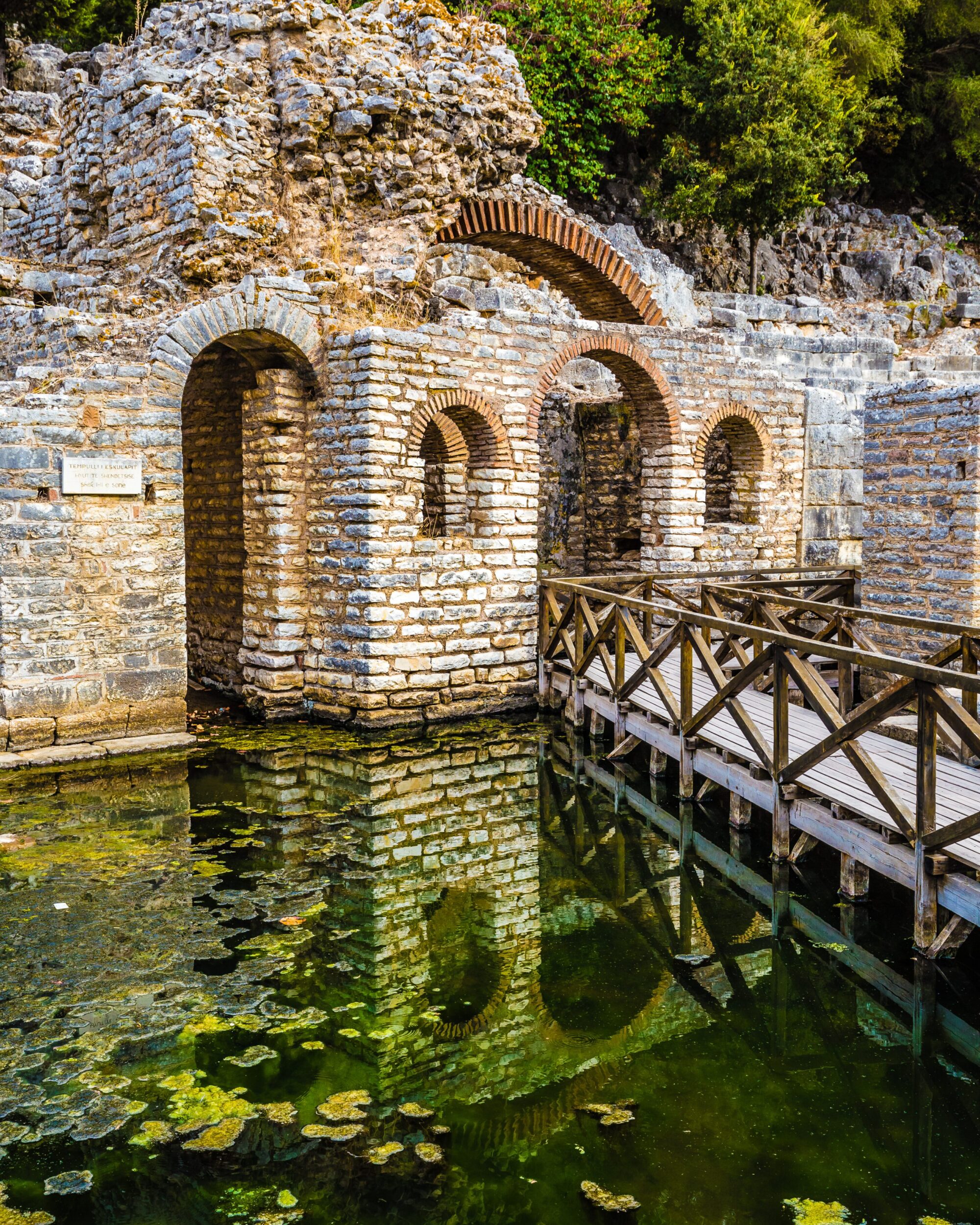
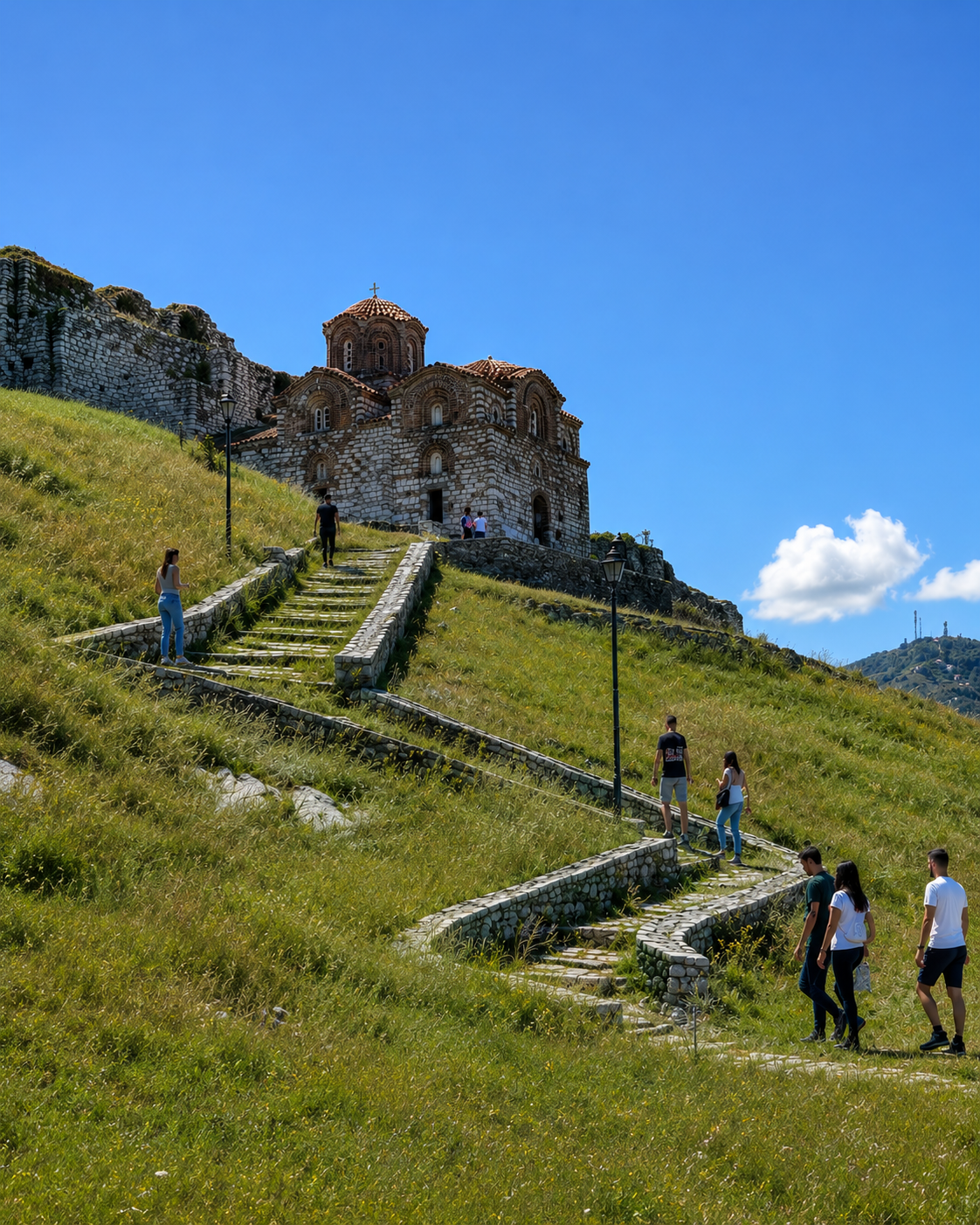

Three places should be particularly high on a first-time itinerary.
- Berat
Known for its white Ottoman-era houses climbing the hillside, Berat is one of Albania’s most recognizable historic cities.Walk through Mangalem and Gorica, cross the river, explore traditional streets, and climb to Berat Castle. Unlike many European castles, the citadel remains a living part of the city, with homes, churches, viewpoints, and small businesses within its walls. Berat is also increasingly interesting for travelers exploring Albanian food, wine, and countryside experiences.
- Gjirokastër
Further south, Gjirokastër has a completely different character. Stone-roofed houses cover the hillside beneath an enormous fortress, while the historic bazaar has become one of southern Albania’s most atmospheric areas to explore. Stay overnight rather than treating Gjirokastër as a quick stop. Early mornings and evenings reveal a quieter side of the old city.
- Butrint
Near Sarandë and Ksamil lies Butrint, Albania’s most famous archaeological site. Its ruins reflect multiple periods of Mediterranean history and are surrounded by a landscape of wetlands and vegetation. That combination of archaeology and nature makes Butrint especially easy to include in a southern Albania road trip.
Krujë and Apollonia are also worthwhile additions for travelers with more time. And these are only a few of the ancient sites you can explore across the country, with archaeological parks revealing different layers of Albania’s Greek, Roman, and Illyrian past.
Discover more: Top Archaeological Parks in Albania (2026) – Ancient Cities You Can Visit Today
5. Tirana Is No Longer Just Where You Land
Many travelers once treated Tirana as little more than the entry point to Albania.
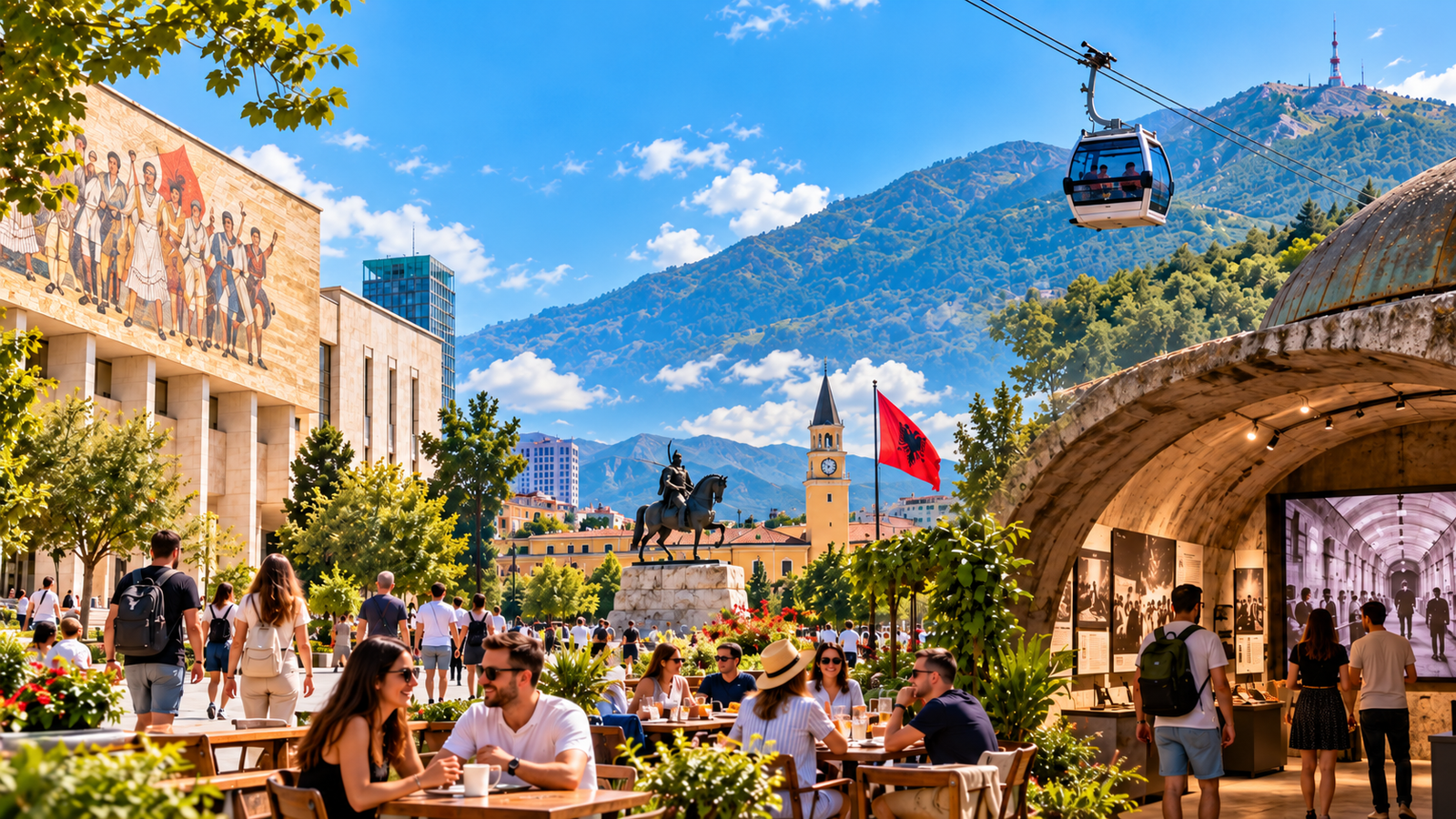
That is changing. The capital has developed into one of the most energetic city-break destinations in the region, combining Albania’s complicated history with a young café culture, restaurants, nightlife, public spaces, and contemporary development.
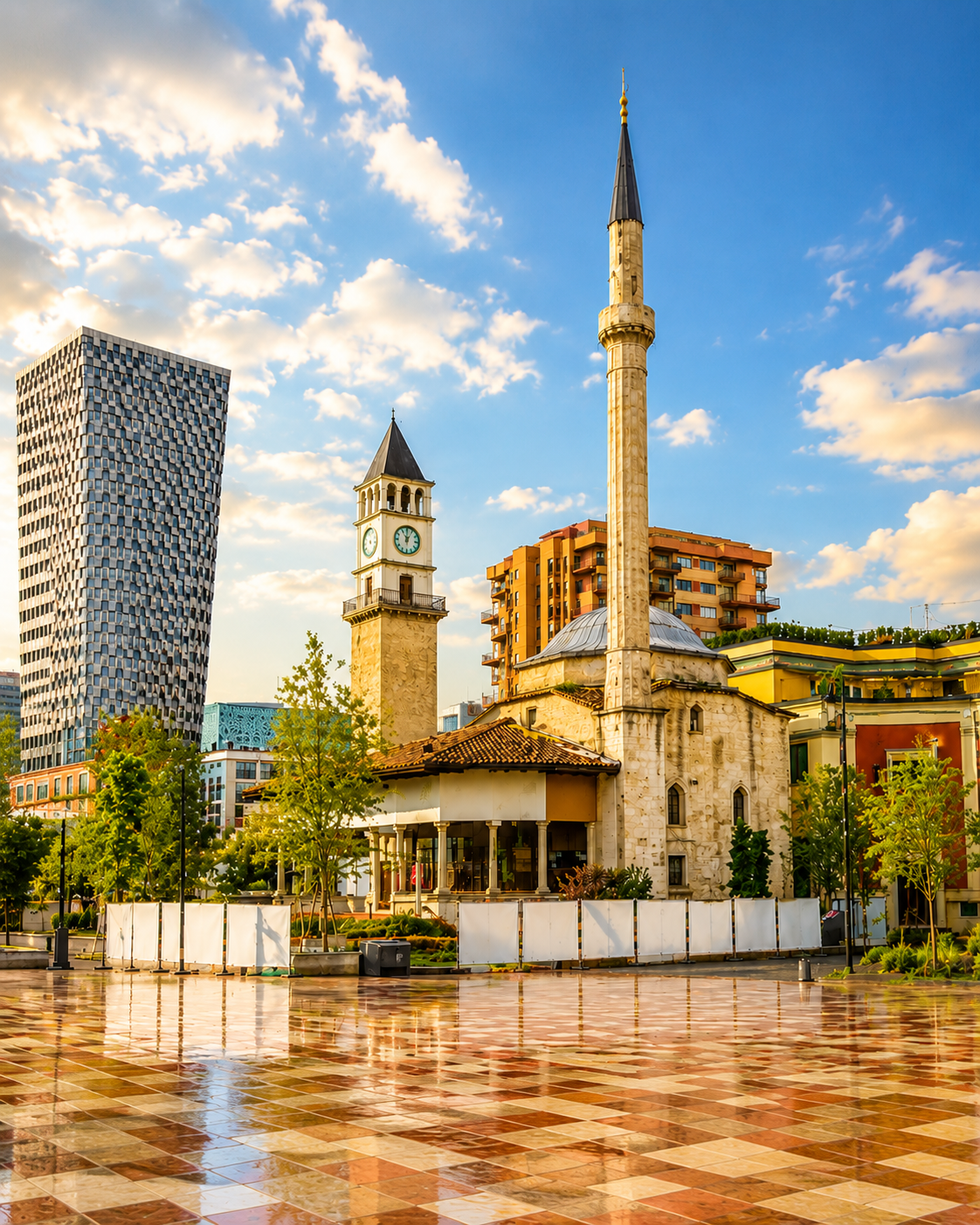
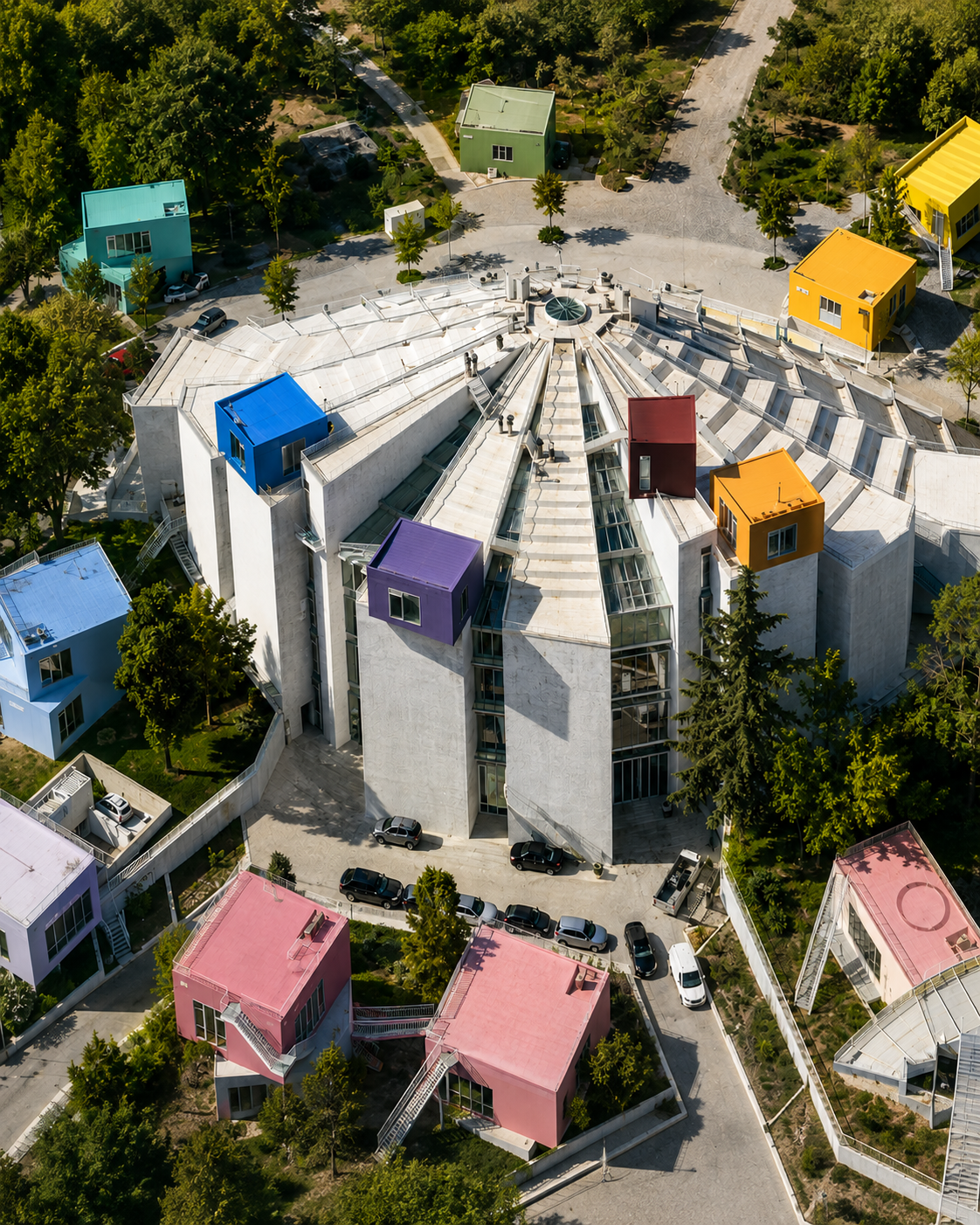
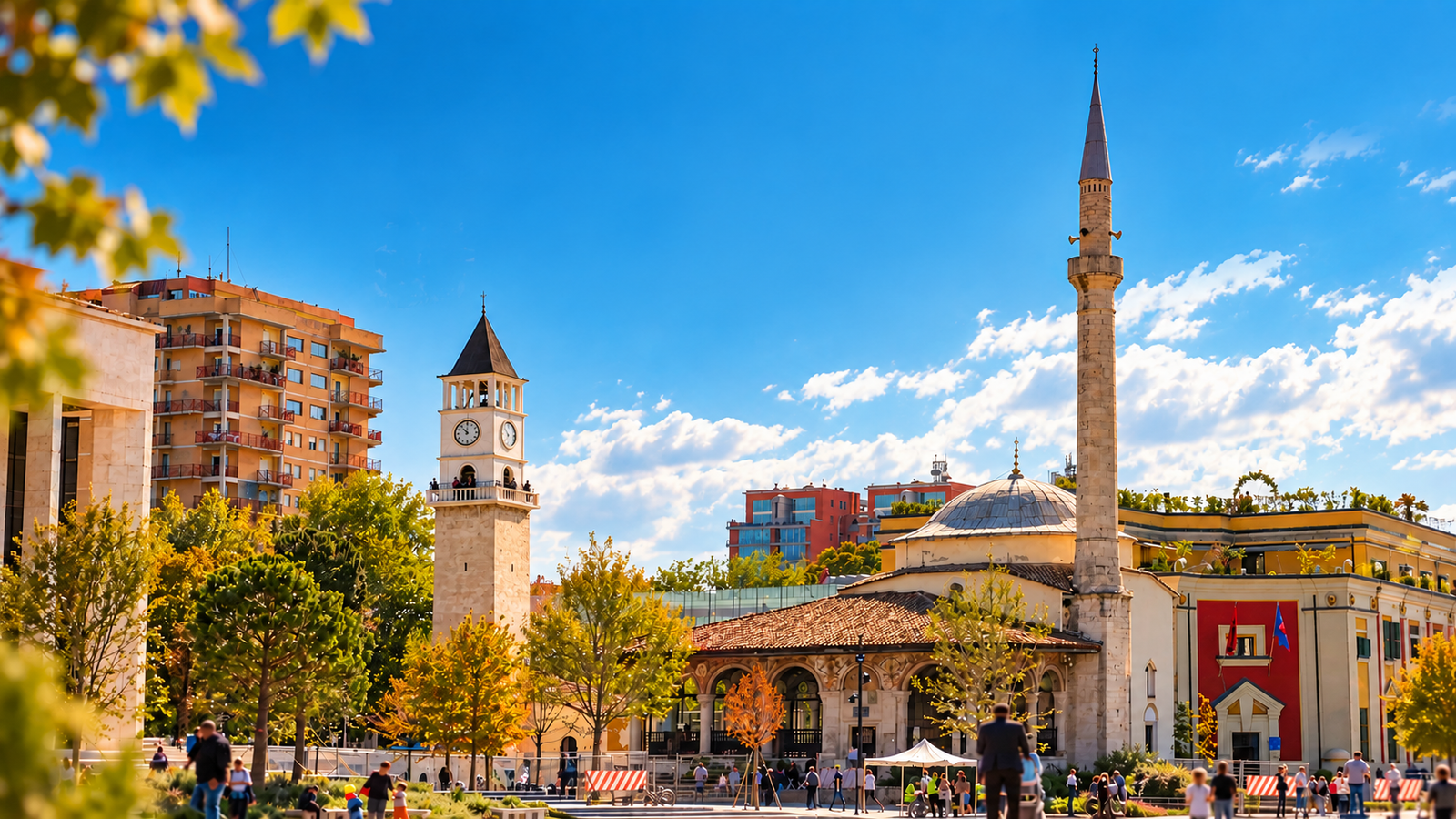
Start at Skanderbeg Square, surrounded by some of the city’s most important cultural institutions. Then explore Albania’s recent history through places such as Bunk’Art and the House of Leaves. The Pyramid of Tirana, once one of the most controversial remnants of the communist period, has been transformed into a contemporary public and educational space and has become one of the city’s most recognizable landmarks.
But Tirana is not only about sightseeing. Spend time around the New Bazaar, explore cafés and restaurants, walk through Blloku, or escape the center at the Grand Park of Tirana.
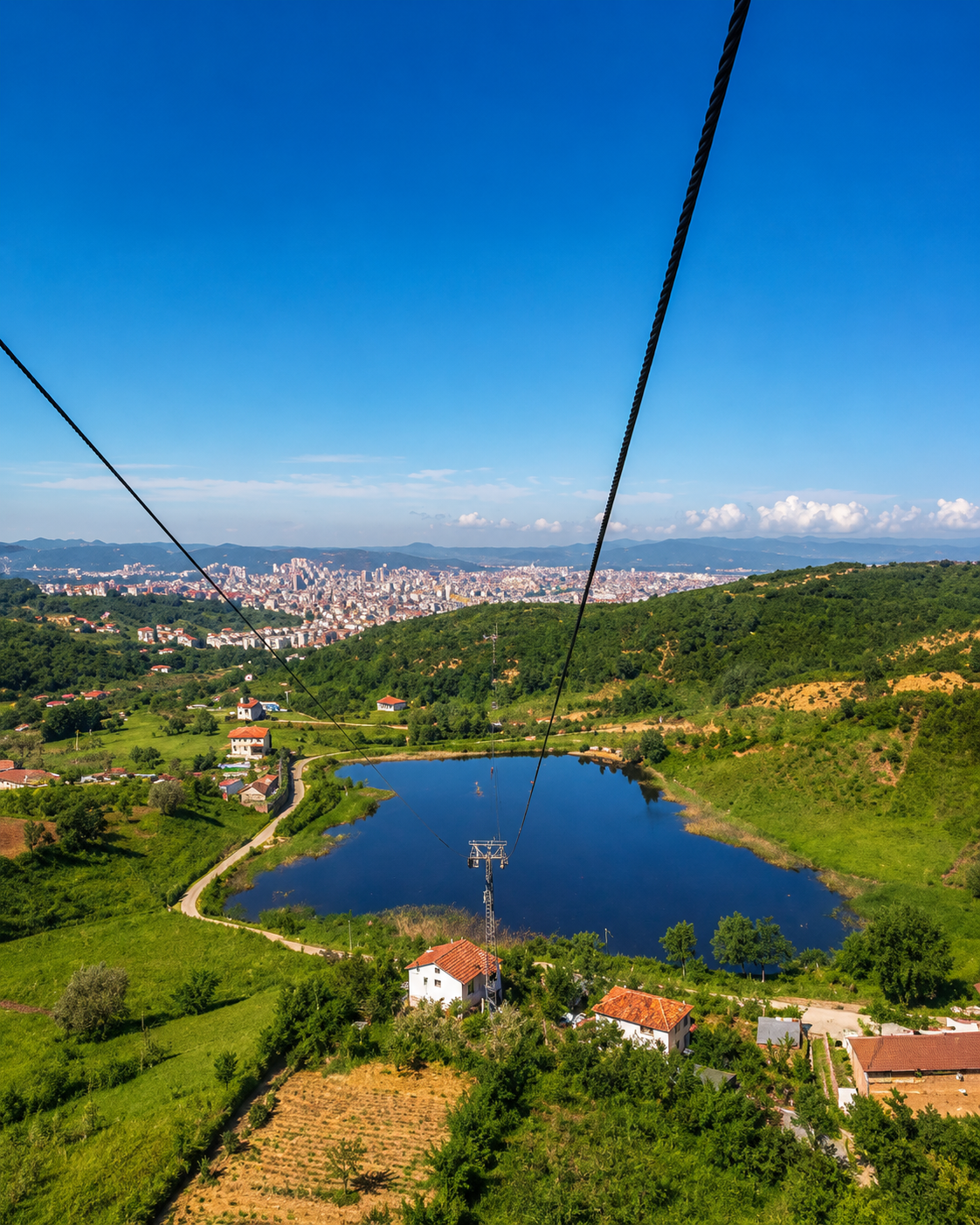
For views over the capital, head toward Dajti Mountain. Tirana also becomes increasingly important when traveling outside summer. Museums, restaurants, nightlife, events, cafés, and nearby day trips make it one of Albania’s strongest year-round destinations.
Want to explore Tirana in more detail? From must-see attractions and museums to neighborhoods, food, nightlife, and local experiences, our complete Tirana guide will help you plan your time in the capital.
Read the full guide: Best Things to Do in Tirana, Albania (2026 Travel Guide)
6. Autumn Might Be Albania’s Most Underrated Travel Season
Summer receives most of the international attention, but travelers arriving between September and November experience a very different Albania.
- September: summer isn’t quite over
September is ideal for travelers who want a little of everything. The southern coast can still offer beach weather, while cooler temperatures make road trips, city exploration, and hiking more comfortable.
Consider combining: Himare – Gjirokaster – Berat or Theth – Shkoder – Tirana instead of staying in a single destination.
- October: road-trip season
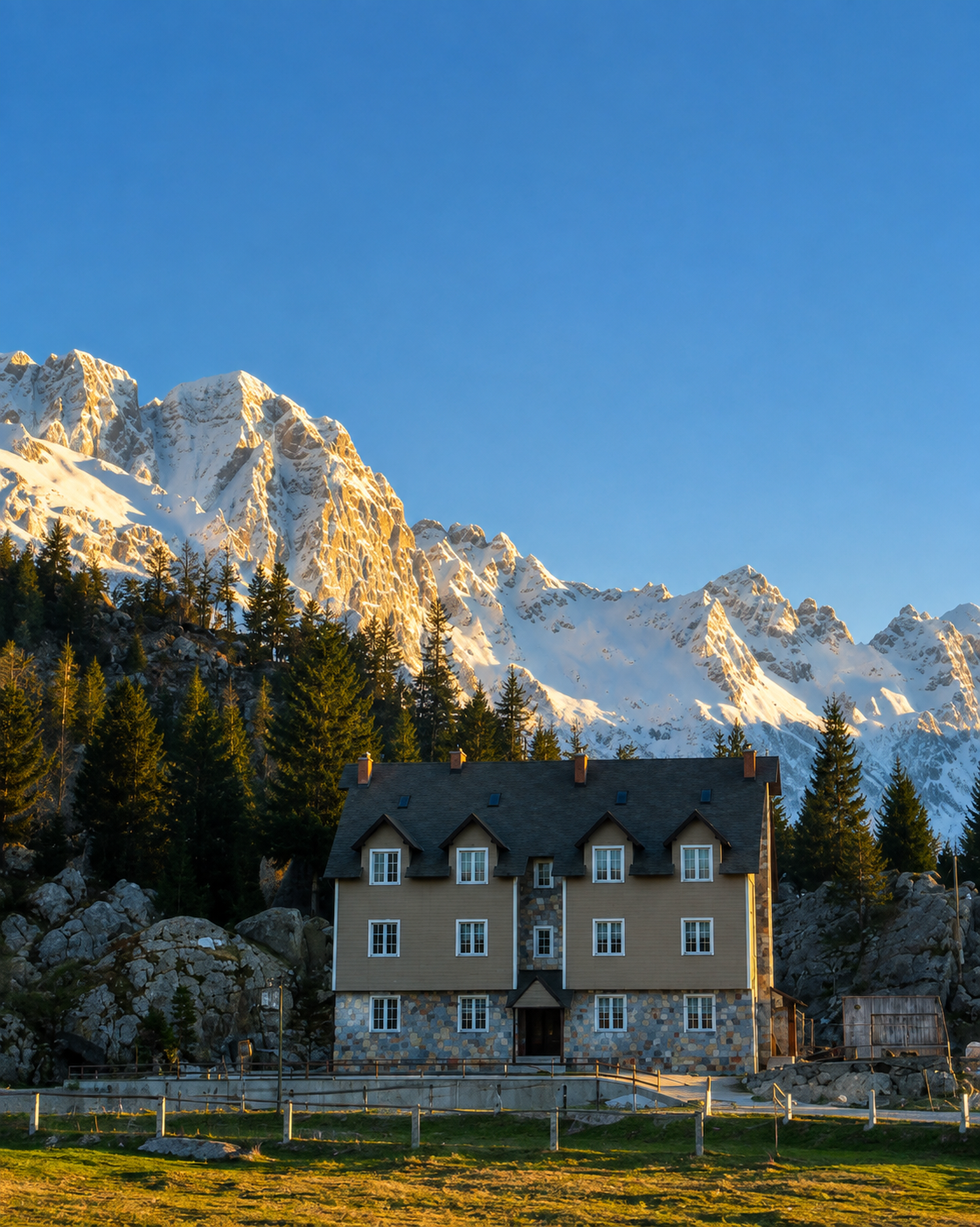
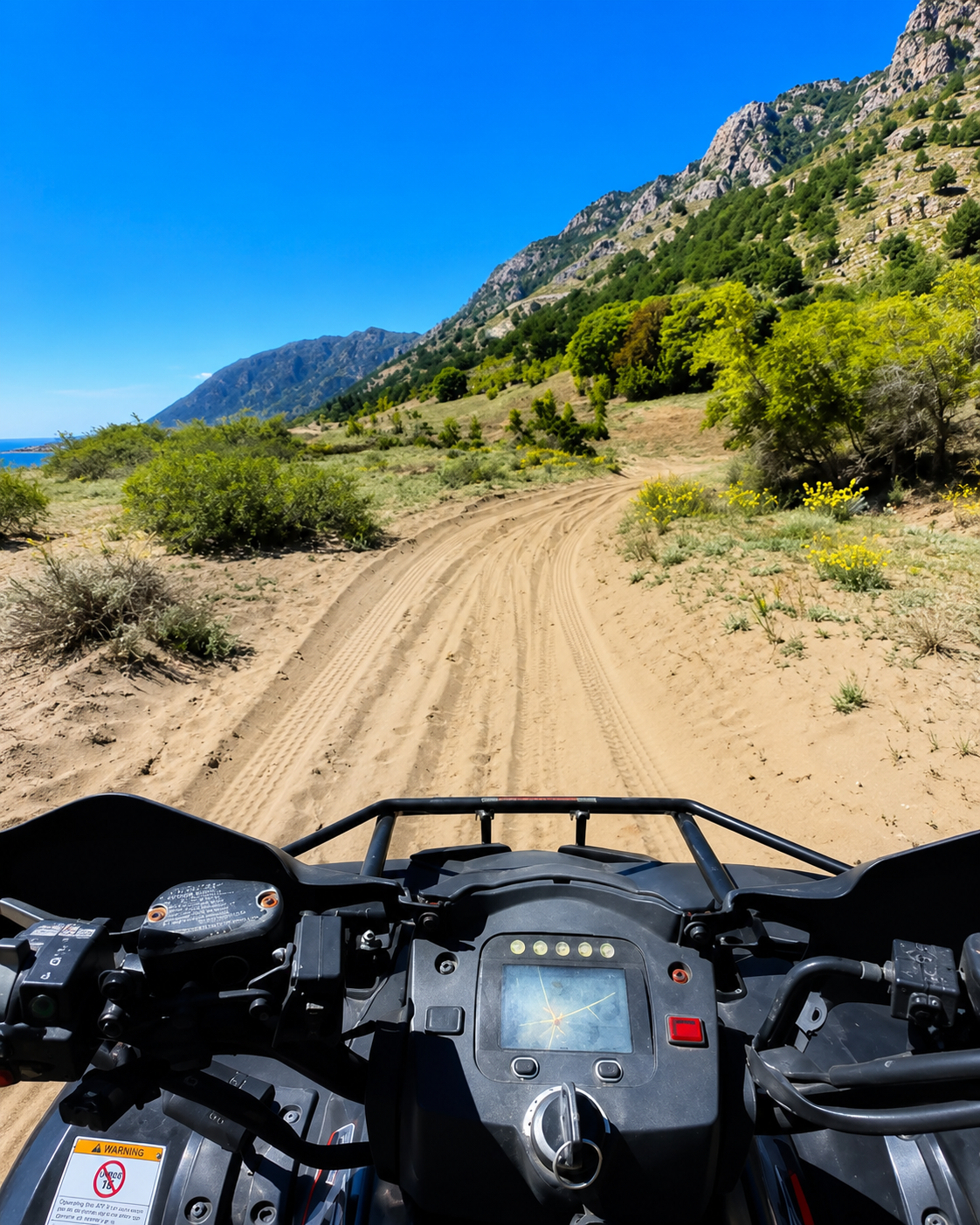
By October, Albania begins transitioning into autumn. This is when the journey itself becomes part of the experience.
Drive through mountain passes, visit historic towns without the intensity of summer heat, explore wineries around Berat, walk through Korçë, or combine Pogradec and Lake Ohrid with southeastern Albania.
The colors begin changing in mountainous and forested areas, while cultural destinations become increasingly appealing.
For travelers interested in food, photography, culture, and road trips, October deserves far more attention than it usually receives.
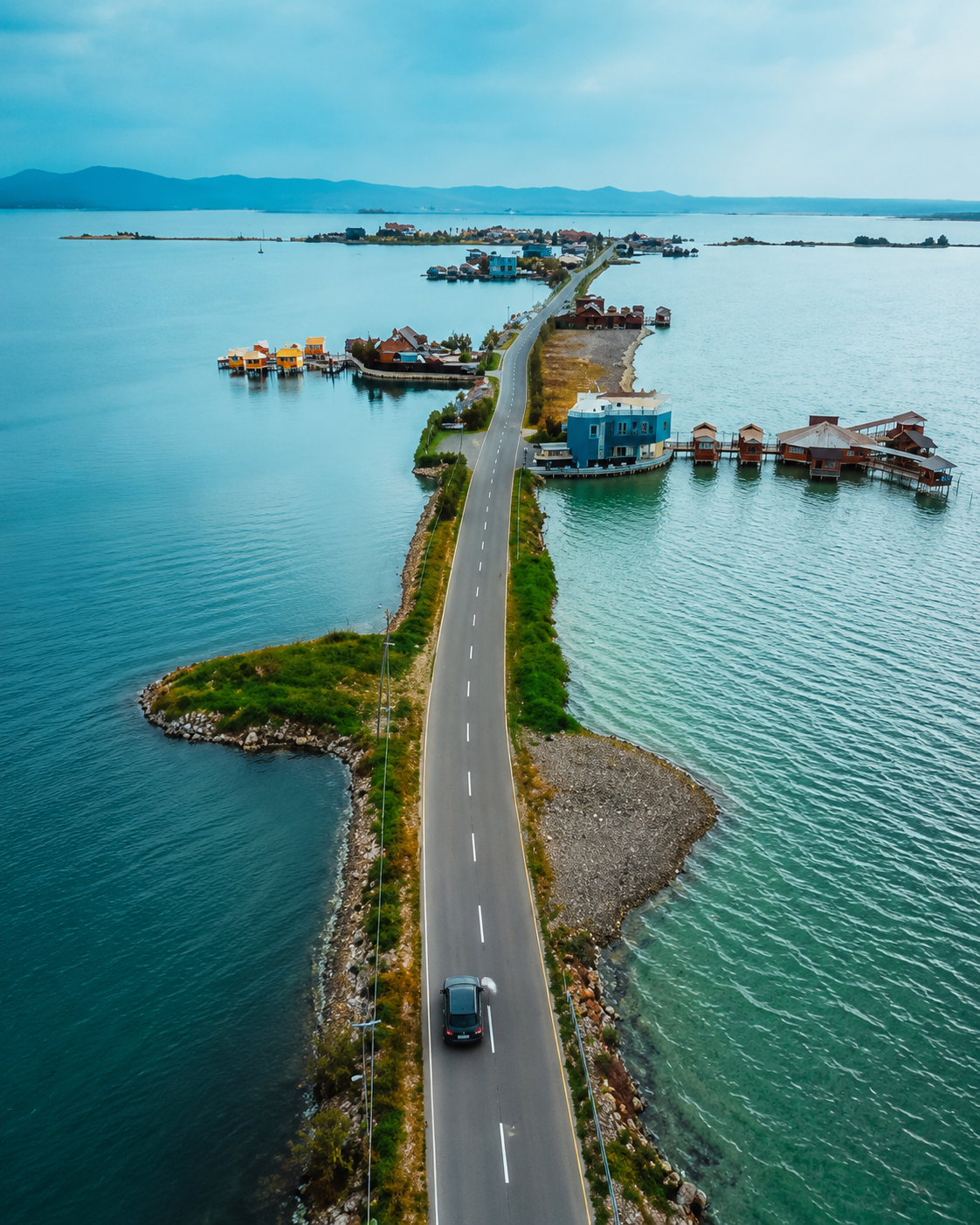
- November: discover slow Albania
November requires a different itinerary. Instead of chasing beaches, focus on food, history, nature, thermal experiences, museums, and local life. Consider Përmet, where traditional food and the nearby Benjë thermal springs can form part of a slower southern journey. Or spend more time in Berat, Korçë, Tirana, and Shkodër, where the trip becomes less about ticking off attractions and more about experiencing everyday Albania.
- December: cities, food and winter atmosphere
December brings another shift. Tirana and Korçë become particularly interesting for city breaks, cafés, food, festive atmosphere, and cultural experiences. Higher elevations may bring snow and dramatic winter landscapes, although conditions vary considerably from year to year. Albania in December is not the same trip as Albania in July — and that is exactly the point.
7. Food Is Becoming a Reason to Travel Around Albania
Albanian food cannot really be understood through a single list of national dishes. Cuisine changes as you move around the country.
Along the coast, seafood dominates many menus. In mountain regions, meals become heartier and are often built around meat, dairy products, vegetables, preserves, and locally produced ingredients.
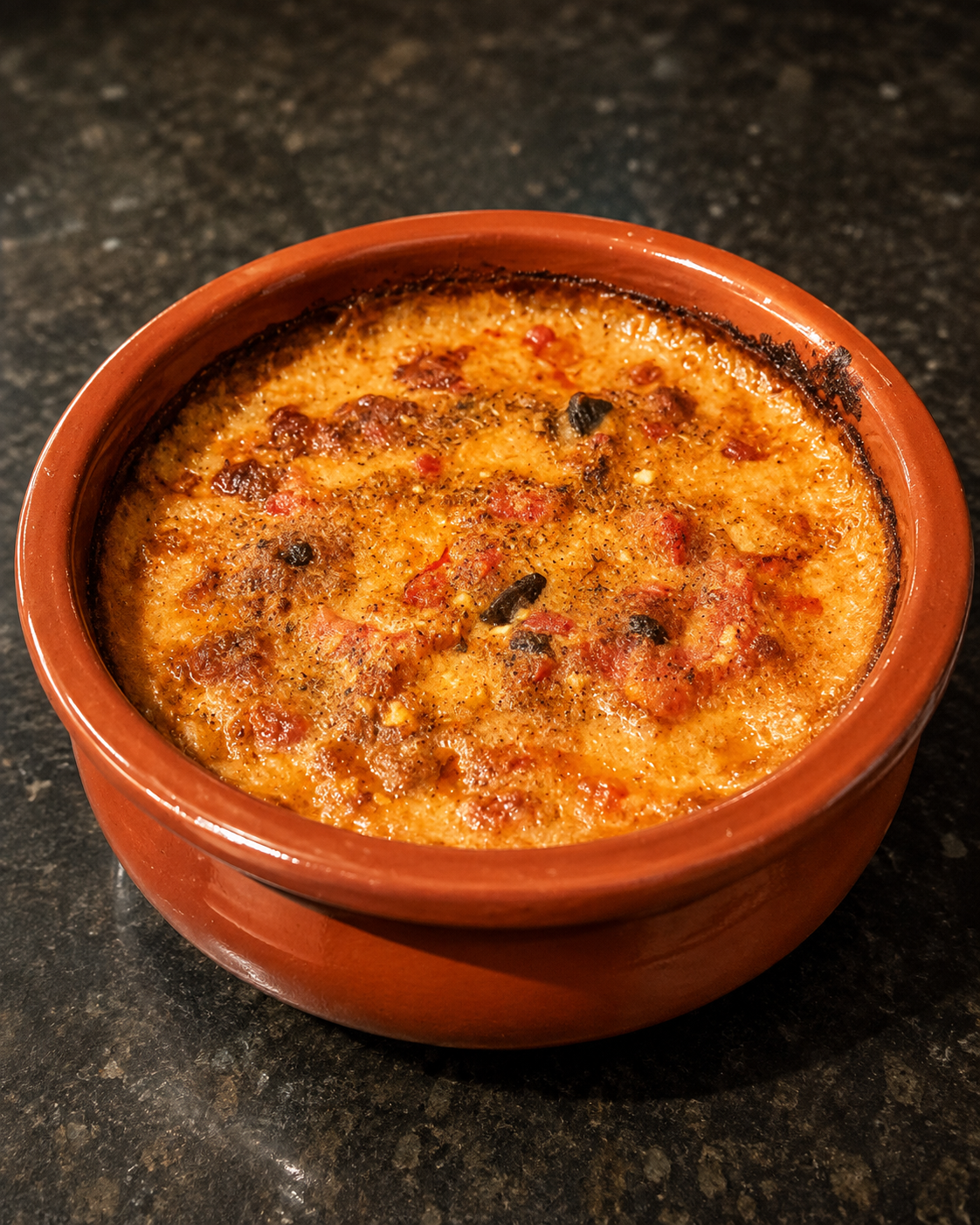
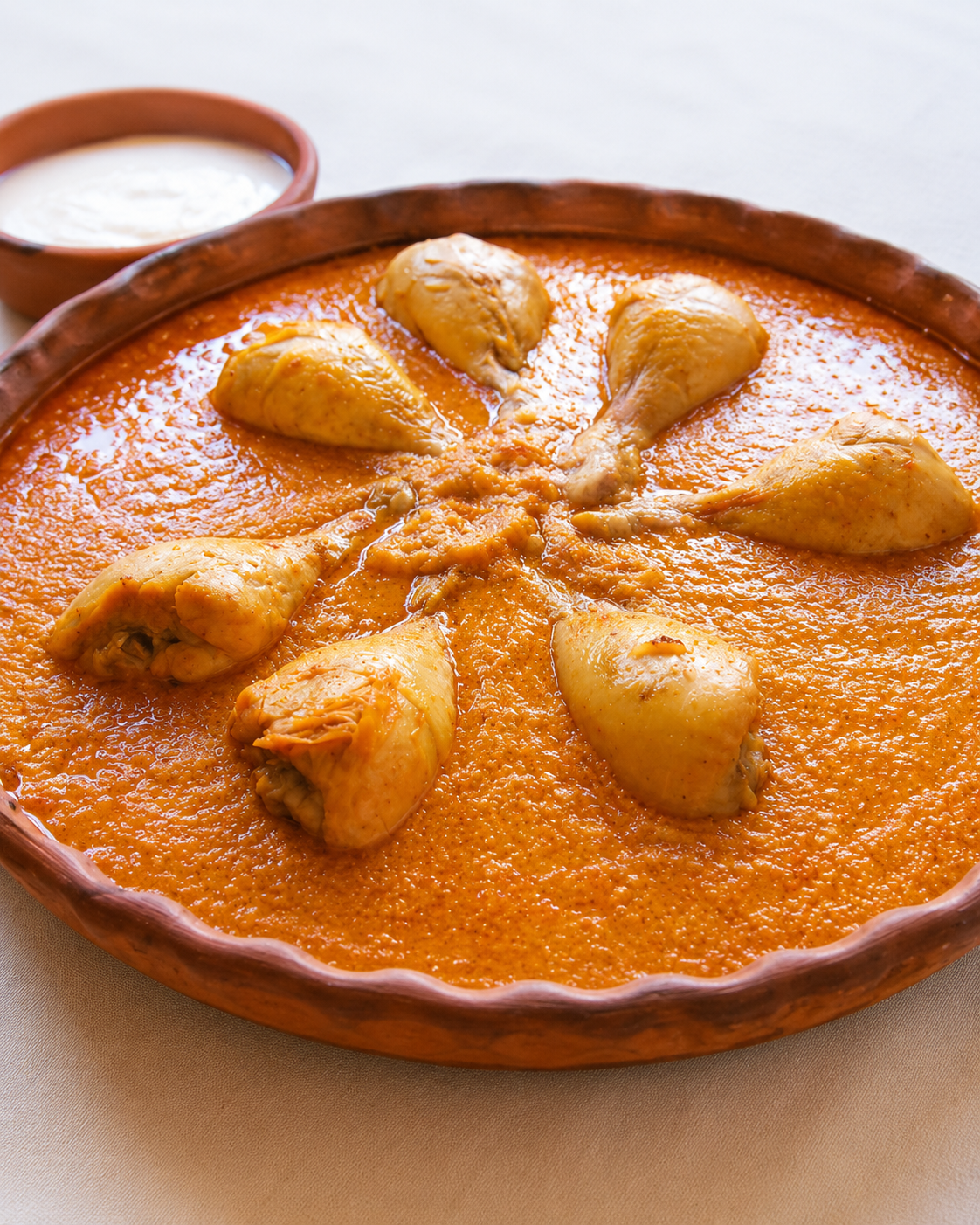
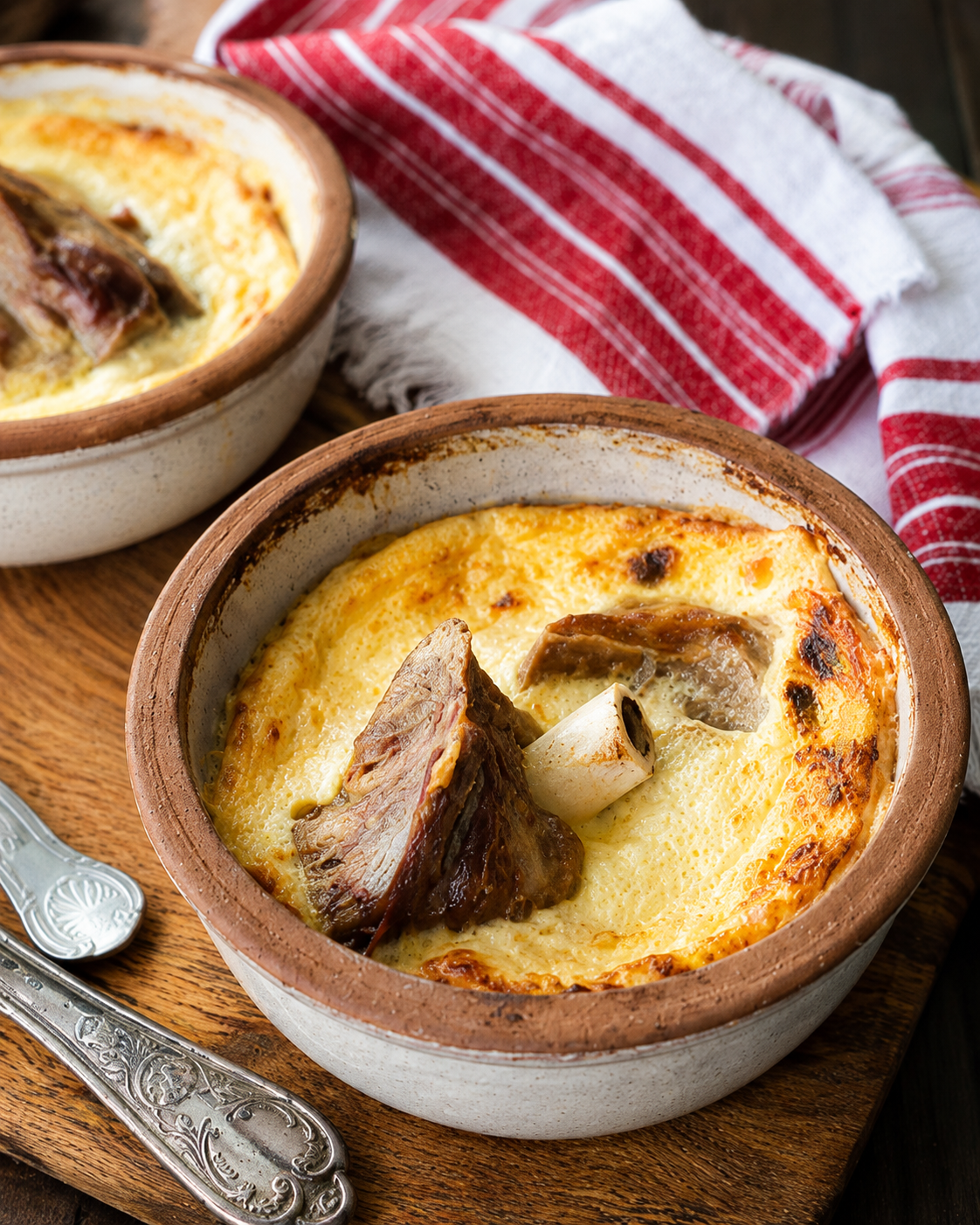
Traditional dishes such as byrek, tave kosi, fergese, qofte, petulla, and stuffed vegetables are still worth trying, but the more interesting experience is often discovering how food changes from one region to another.
There is also a growing agrotourism and farm-to-table scene. Travelers can visit farms, vineyards, family restaurants, and rural properties where the experience is built around local products rather than simply ordering from a restaurant menu.
Where should food lovers go?
- Berat – wine, traditional cuisine, countryside experiences
- Permet – gliko, local products, traditional cooking and raki
- Korçe – southeastern cuisine and a strong restaurant culture
- Shkoder & northern Albania – distinctive northern dishes and mountain food
- Albanian Riviera – seafood and Mediterranean-influenced cuisine
For wine lovers, Albania’s emerging wine scene is another reason to travel inland instead of spending an entire trip on the coast.
For a deeper look at the country’s regional cuisine, traditional dishes, and where to try them, explore our guide Traditional Albanian Food: What to Eat & Where to Try It (2026).
8. Albania Rewards Travelers Who Look Beyond the Famous Places
Theth, Ksamil, Berat, and Gjirokaster deserve their popularity, but Albania becomes even more interesting when you begin adding places that are not on every first-time itinerary. Spend a quiet morning beside Lake Ohrid in Pogradec, explore Permet and the Vjosa Valley, drive into Kelmend, or visit Karavasta Lagoon and look for Dalmatian pelicans.
Walk through old Qeparo above the Ionian Sea, explore villages surrounding Korce, and stop at roadside restaurants and family-run businesses instead of planning every meal in advance. These experiences are harder to package into a “Top 10 Albania” list — but they are often what travelers remember most.
9. Albania Is Easier to Combine Into a European Trip
Another reason Albania continues to grow as a destination is accessibility. Tirana International Airport is the country’s main gateway, with connections to an expanding range of European cities.
Travelers arriving from Italy can also use ferry connections across the Adriatic, while Albania’s location makes it possible to combine the country with neighboring destinations in Montenegro, Kosovo, North Macedonia, and Greece. Once inside Albania, buses and minibuses connect most major destinations, although travelers planning multi-stop itineraries often prefer renting a car.
A car is particularly useful for:
- the Albanian Riviera
- rural areas
- archaeological sites
- southeastern Albania
- multi-day road trips
Public transport can work well for straightforward routes between major cities, but schedules and departure points can sometimes require more flexibility than travelers may be accustomed to elsewhere in Europe.
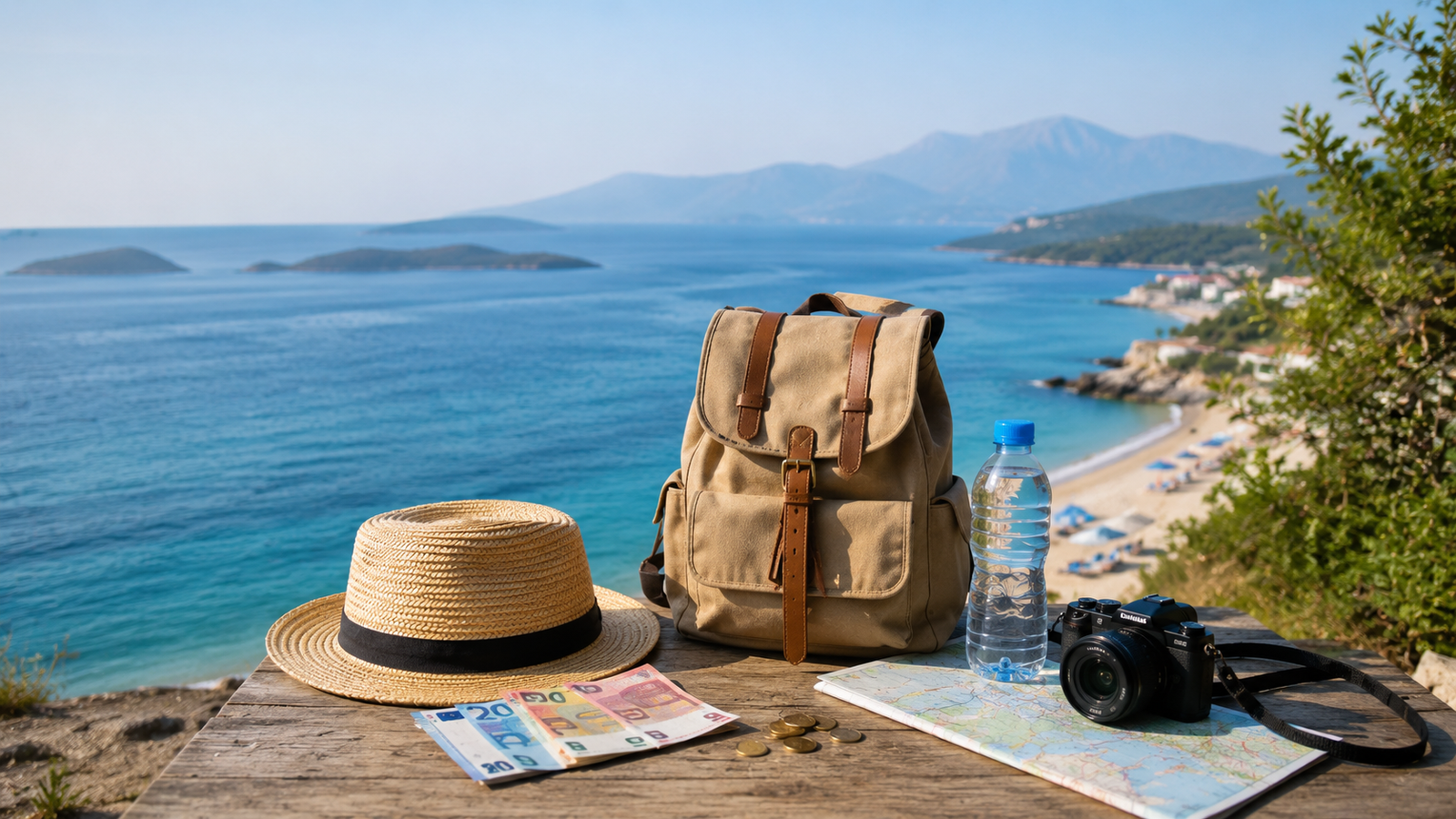
Planning to explore Albania by car? Renting a car can make it much easier to reach beaches, mountain villages, archaeological sites, and destinations that are less convenient by public transport.
Read the full guide: Car Rental in Tirana (2026 Guide) – Best Companies & Tips
10. Is Albania Still Affordable in 2026?
Albania’s reputation as an extremely cheap European destination needs some updating. Prices have increased in popular destinations, particularly during July and August, and places such as Ksamil, Dhermi, and parts of Tirana can be more expensive than travelers expecting the old “budget Albania” might assume.
However, Albania can still offer good value compared with many Mediterranean destinations, especially outside peak season. A single trip can combine guesthouses, boutique hotels, local restaurants, mountain hikes, archaeological sites, beaches, wineries, and city experiences without requiring flights between destinations. For value-conscious travelers, May, June, September, and October are particularly interesting months to consider.
Want a clearer idea of what your trip will actually cost? From budget travel to more comfortable stays, check our detailed breakdown of accommodation, food, transport, and daily expenses.
Read the full guide: How Much Does Albania Cost in 2026? (€25–€180 per Day Guide)
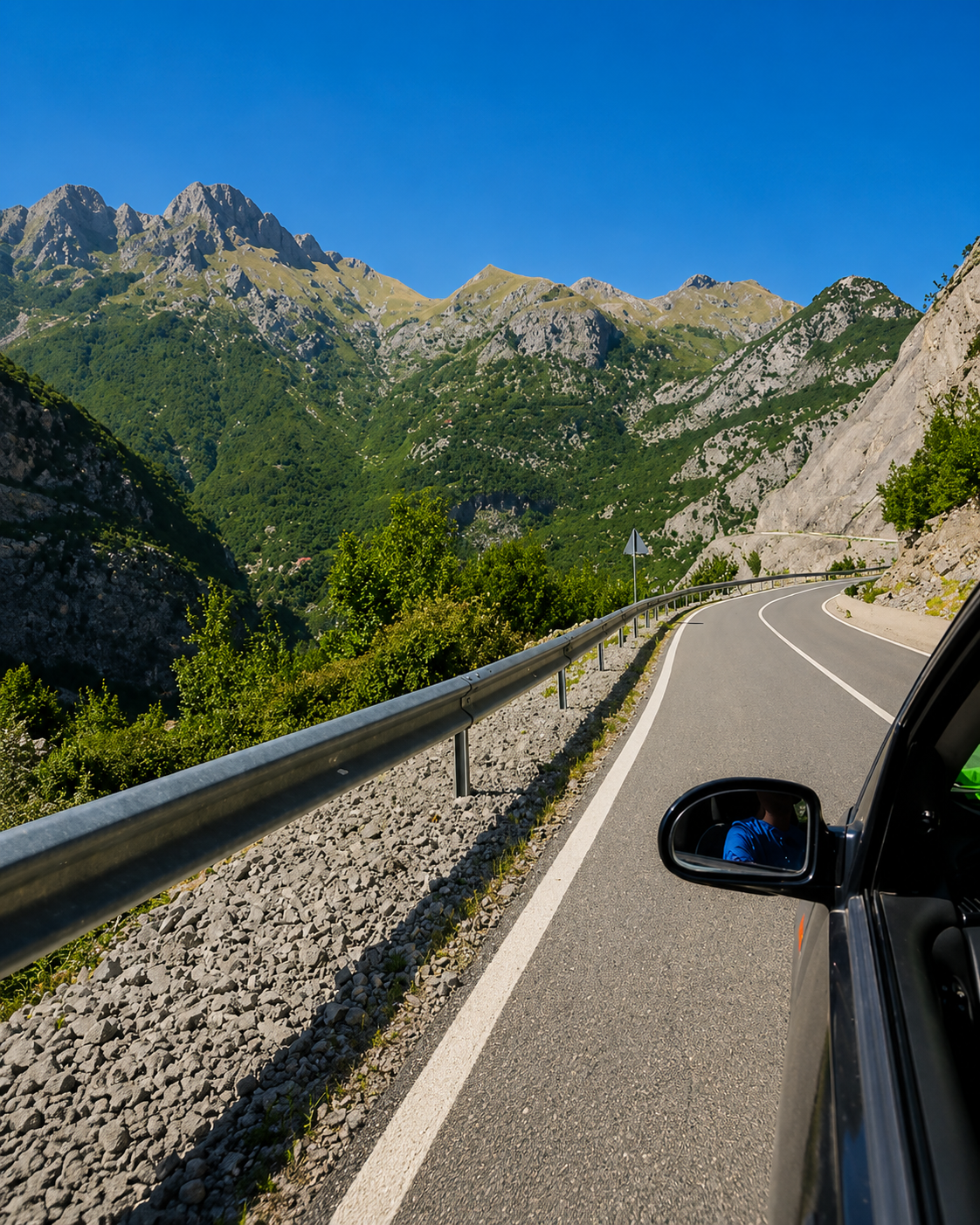
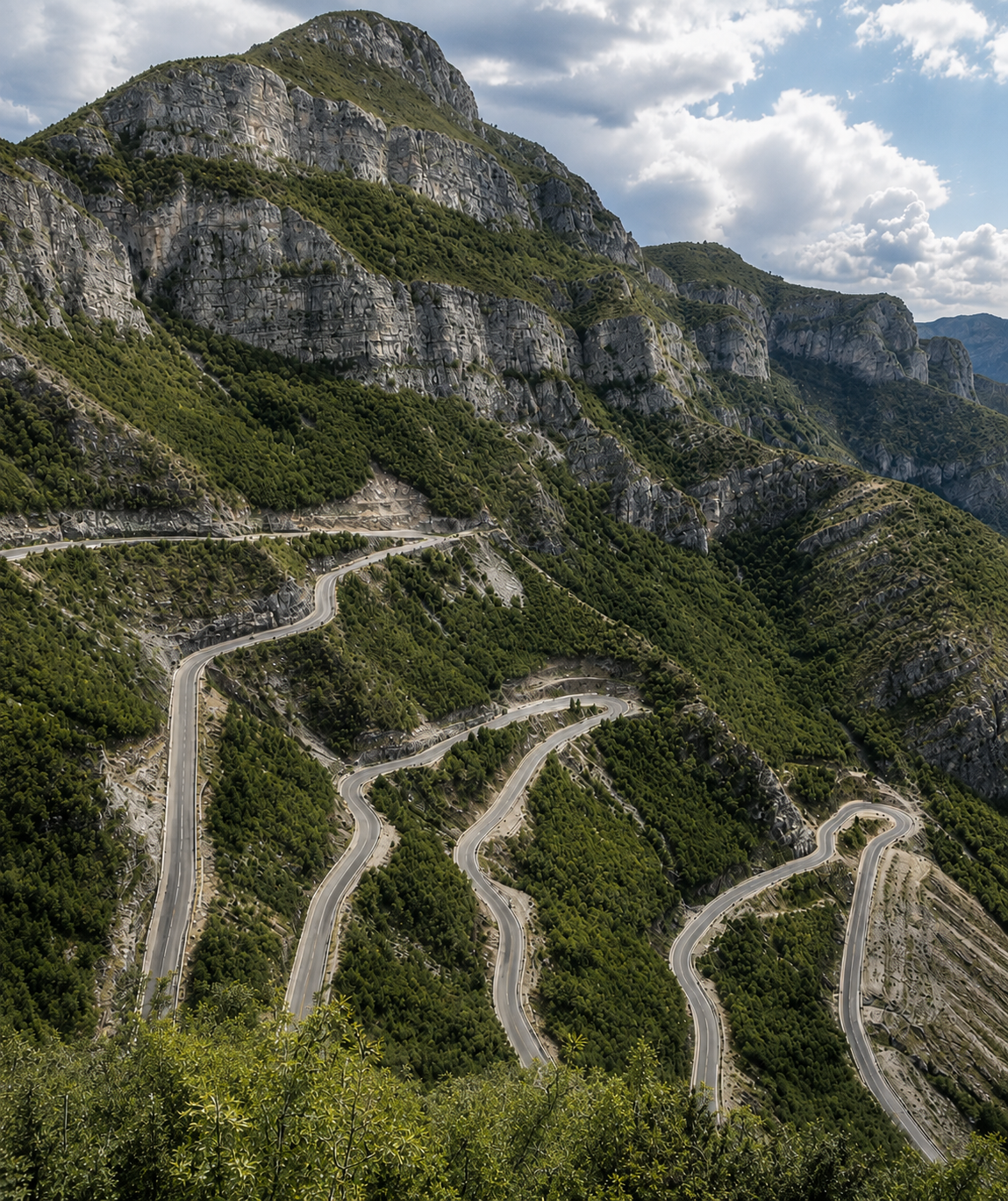
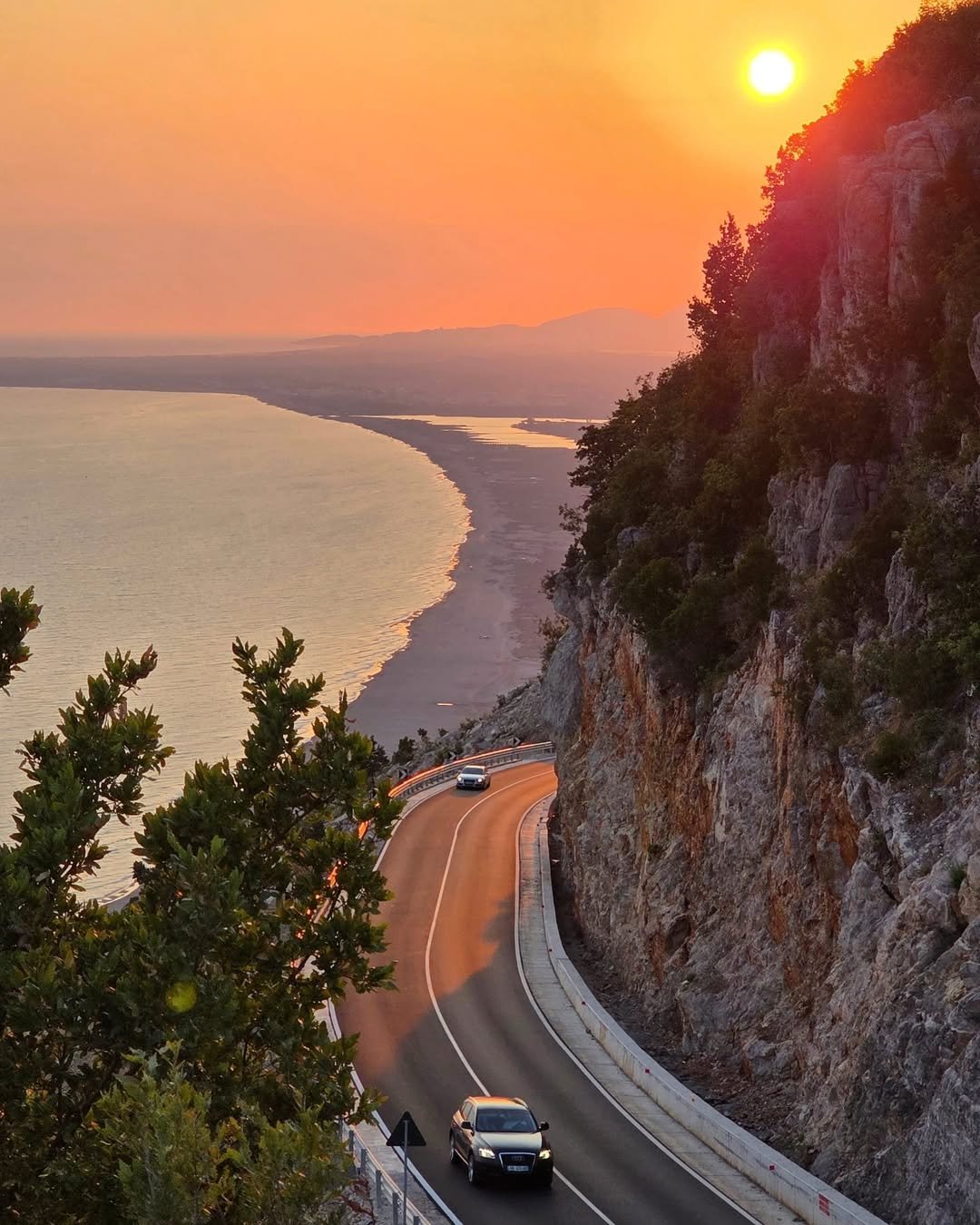
11. Albania Is a Country Made for Road Trips
Some destinations are best experienced from one base. Albania is not one of them. The country’s compact geography and dramatic changes in landscape make road trips one of the best ways to travel.
- A first-time Albania route
For travelers with around 7–10 days: Tirana → Berat → Gjirokastër → Sarandë → Himarë → Llogara → Vlorë → Tirana
This route combines: history + food + UNESCO cities + beaches + mountains + road-trip scenery.
- A northern Albania route
For nature-focused travelers: Tirana → Shkodër → Lake Koman → Valbonë → Theth
- A slower autumn route
For September or October: Tirana → Berat → Permet → Gjirokaster → Korçe → Pogradec. The best itinerary depends less on how many famous attractions you can fit in and more on what kind of Albania you want to experience.
Want to make the journey part of the experience? Albania has some spectacular panoramic roads, crossing mountain passes, valleys, lakes, and coastal landscapes that can easily become highlights of the trip.
Discover more: Best Panoramic Roads in Albania (2026 Guide)
12. Best Time to Visit Albania in 2026
There is no single best month to visit Albania because different seasons create completely different trips.
| Period | Best for |
|---|---|
| April–May | Nature, cities, culture & road trips |
| June | Beaches, hiking & sightseeing |
| July–August | Beach holidays, nightlife & summer atmosphere |
| September | Coast + hiking + road trips |
| October | Culture, food, wine & autumn landscapes |
| November | Slow travel, cities, gastronomy & thermal experiences |
| December | City breaks, festive atmosphere & winter landscapes |
If your priority is the sea and nightlife, July and August remain peak season. But if you want to combine several sides of Albania in one trip, June and September may offer a better balance. For cultural travel and road trips, spring and autumn deserve serious consideration.
13. Which Albania Is Right for You?
If you only have a few days, don’t try to see everything. Choose your Albania.
- For beaches: Himarë → Dhërmi → Borsh → Ksamil
- For adventure: Theth → Valbonë → Lake Koman → Kelmend
- For history: Berat → Gjirokastër → Butrint → Krujë
- For food & wine: Berat → Përmet → Korçë
- For a first road trip: Tirana → Berat → Gjirokastër → Riviera
- For slow travel: Pogradec → Korçë → Përmet → Berat
- For a city break: Tirana + Krujë or Dajti
This is perhaps Albania’s biggest strength in 2026: there isn’t just one way to experience it.