

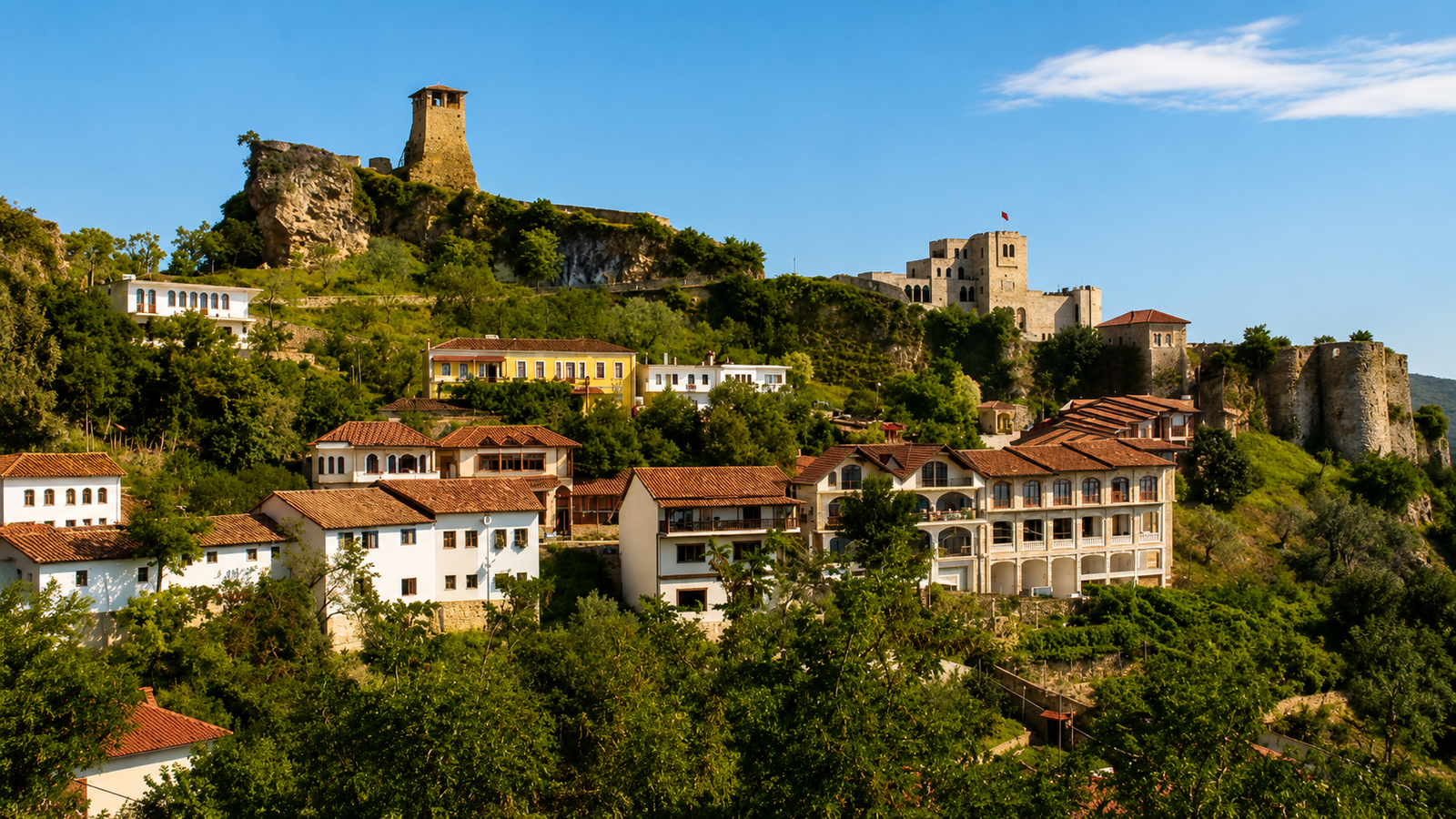
If you want to understand Albanian history beyond the pages of a guidebook, Kruje is one of the best places to start. Located around an hour from Tirana, this historic mountain town is closely connected with Albania’s national hero, Gjergj Kastrioti Skanderbeg, but its cultural heritage extends far beyond his story.
The main museums in Kruje are concentrated around Kruja Castle, making it easy to explore centuries of Albanian history in just a few hours. Here, you can learn about Skanderbeg’s resistance against the Ottoman Empire, step inside a traditional Albanian home, discover centuries-old crafts, and explore religious and architectural monuments from different periods.
There are two major museums that should be at the top of your list: the Gjergj Kastrioti Skanderbeg National Museum and the Ethnographic Museum of Kruja. However, several other historical sites around the castle make the experience much more complete.
Here are the best museums and historical places to visit in Kruje.
Table of Contents
- 1. Gjergj Kastrioti Skanderbeg National Museum
- 2. Ethnographic Museum of Kruja
- 3. Kruja Castle
- 4. Kruja Castle Hammam
- 5. Dollma Tekke
- 6. Old Bazaar of Kruja
- Quick Guide to Museums in Kruje
- Best Route for Visiting Kruje’s Museums
- Which Museum Should You Visit If You Have Limited Time?
- Practical Tips for Visiting Museums in Kruje
- Frequently Asked Questions
1. Gjergj Kastrioti Skanderbeg
If you visit only one museum in Kruje, make it the Gjergj Kastrioti Skanderbeg National Museum.
Located inside Kruja Castle, the museum is dedicated to Albania’s national hero, Gjergj Kastrioti Skanderbeg, and the resistance he led against the Ottoman Empire during the 15th century.
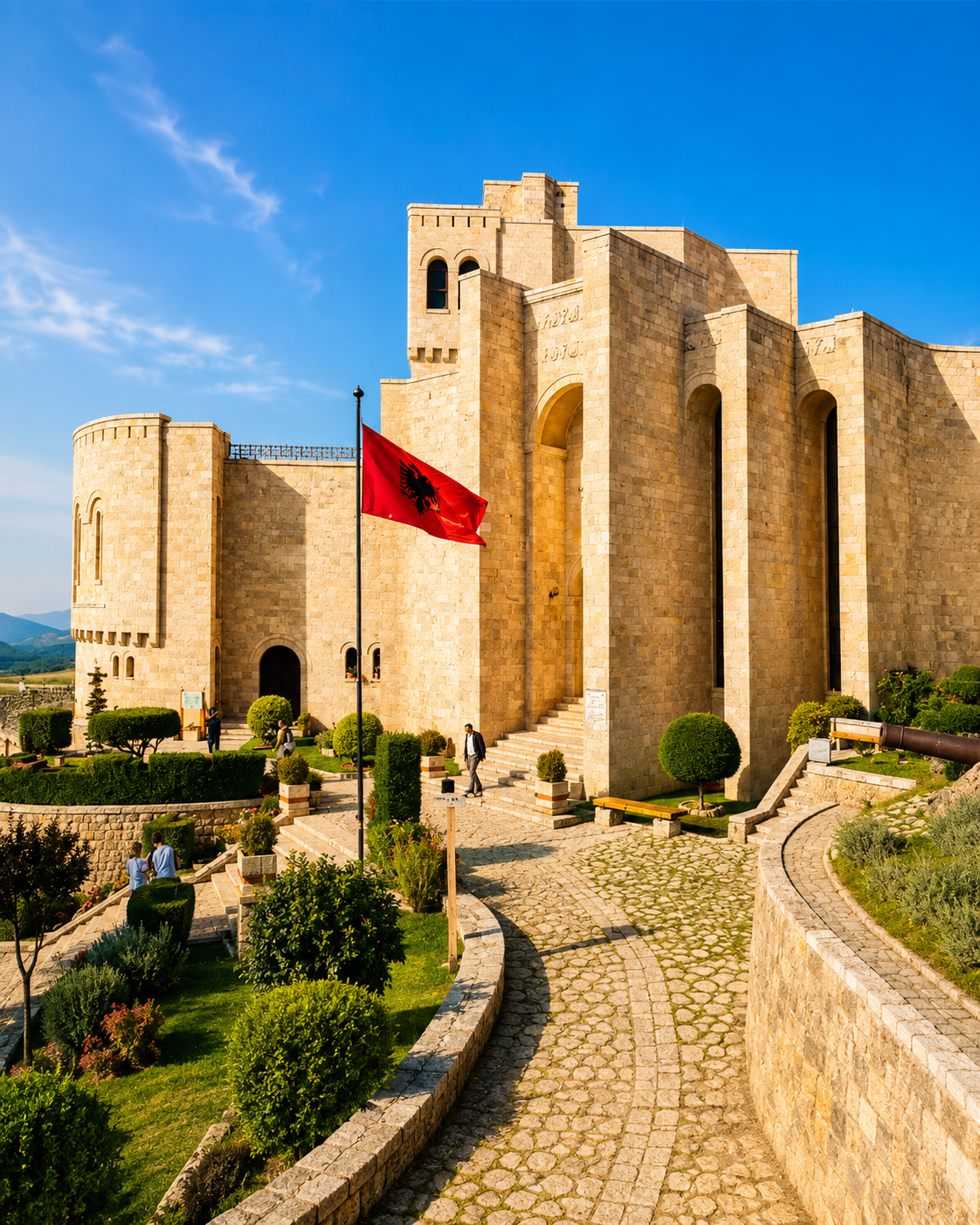
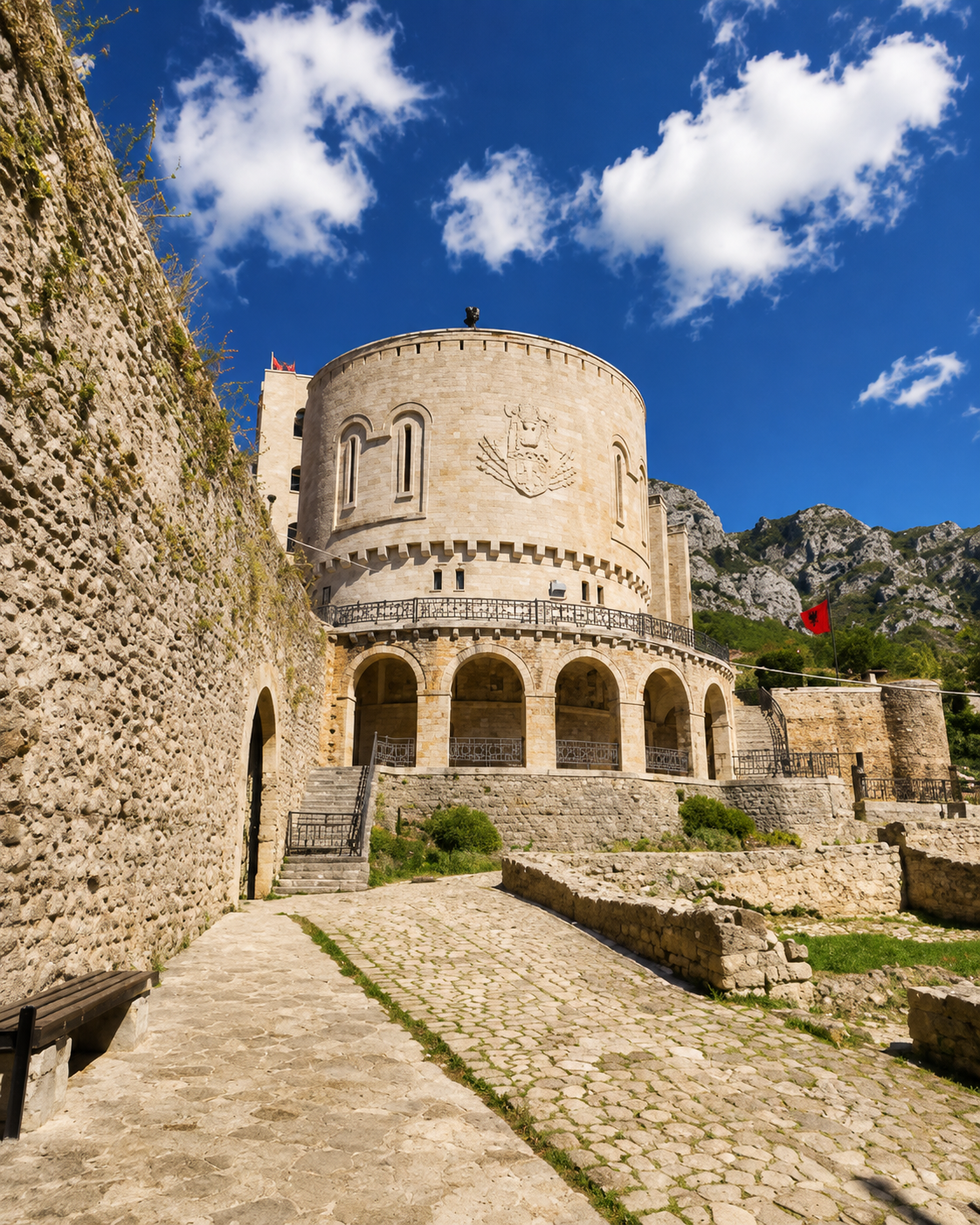
Opened on 1 November 1982, the museum building itself immediately stands out. Its monumental architecture draws inspiration from traditional Albanian stone towers and medieval fortifications, helping it blend into the historic setting of the castle.
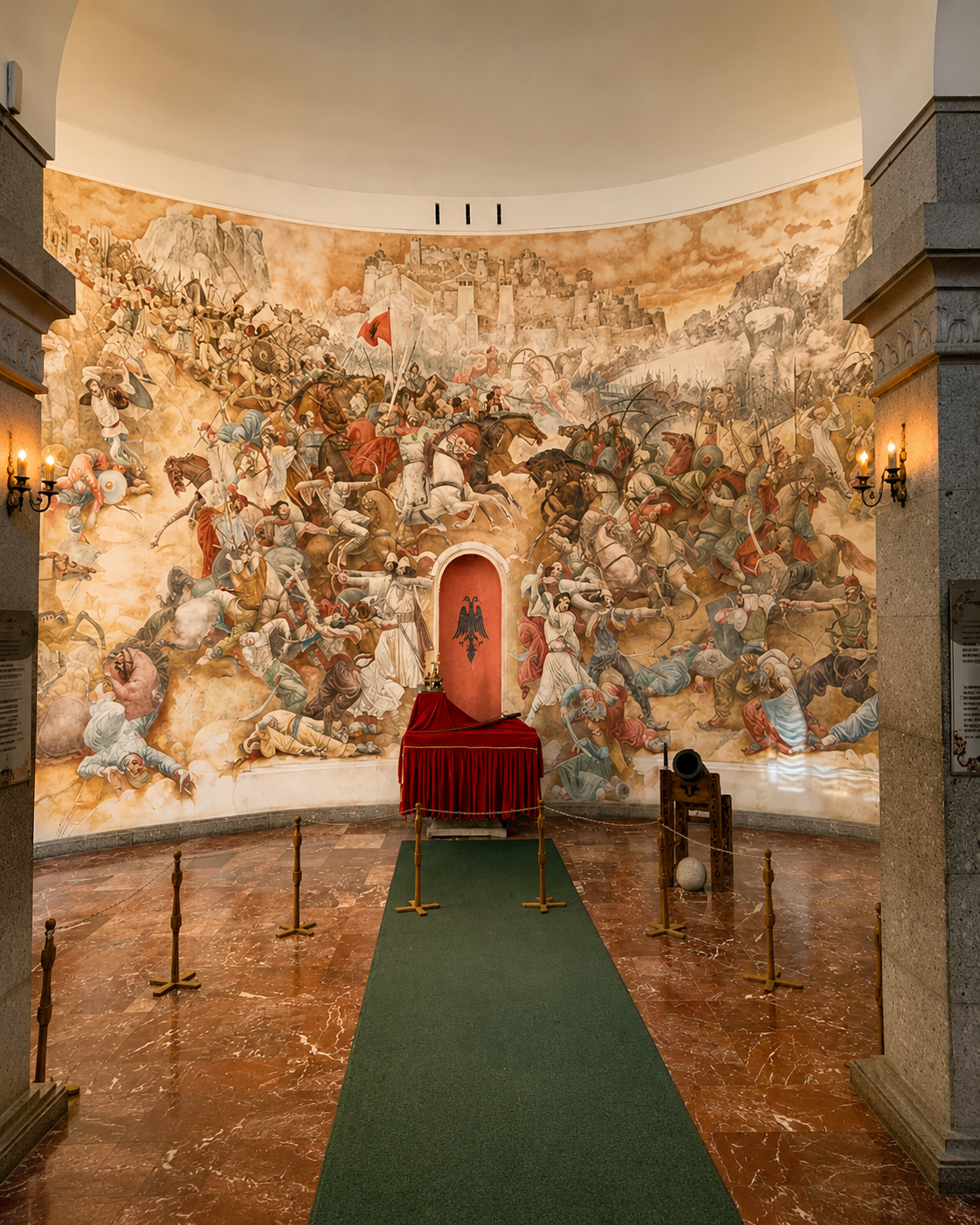
Inside, the exhibition follows the story of Skanderbeg and his period through historical objects, weapons, documents, paintings, sculptures, maps, and reproductions.
Rather than focusing exclusively on military battles, the museum also provides context for the political organization and alliances of the period, helping visitors understand why Kruje became such an important symbol in Albanian history.
What to See Inside
One of the most recognizable objects associated with Skanderbeg is his distinctive helmet.
However, visitors should know that Skanderbeg’s original helmet is not kept in Kruje. The original is part of the collection of the Kunsthistorisches Museum in Vienna, while the Kruje museum displays a reproduction.
The museum’s collection and visual displays nevertheless make it one of the best places in Albania to learn about Skanderbeg’s life and the historical importance of Kruje.
Recommended visit: 60–90 minutes
Best for: First-time visitors, Albanian history, Skanderbeg, families and cultural travelers
💡 Love Albania Tip: Visit the museum early in your Kruje itinerary. Understanding Skanderbeg’s story first will give much more context to the castle and the other historical sites you explore afterward.
2. Ethnographic Museum of Kruja
While the Skanderbeg Museum tells the story of rulers, battles and resistance, the Ethnographic Museum of Kruja offers something completely different: a look at how people actually lived.
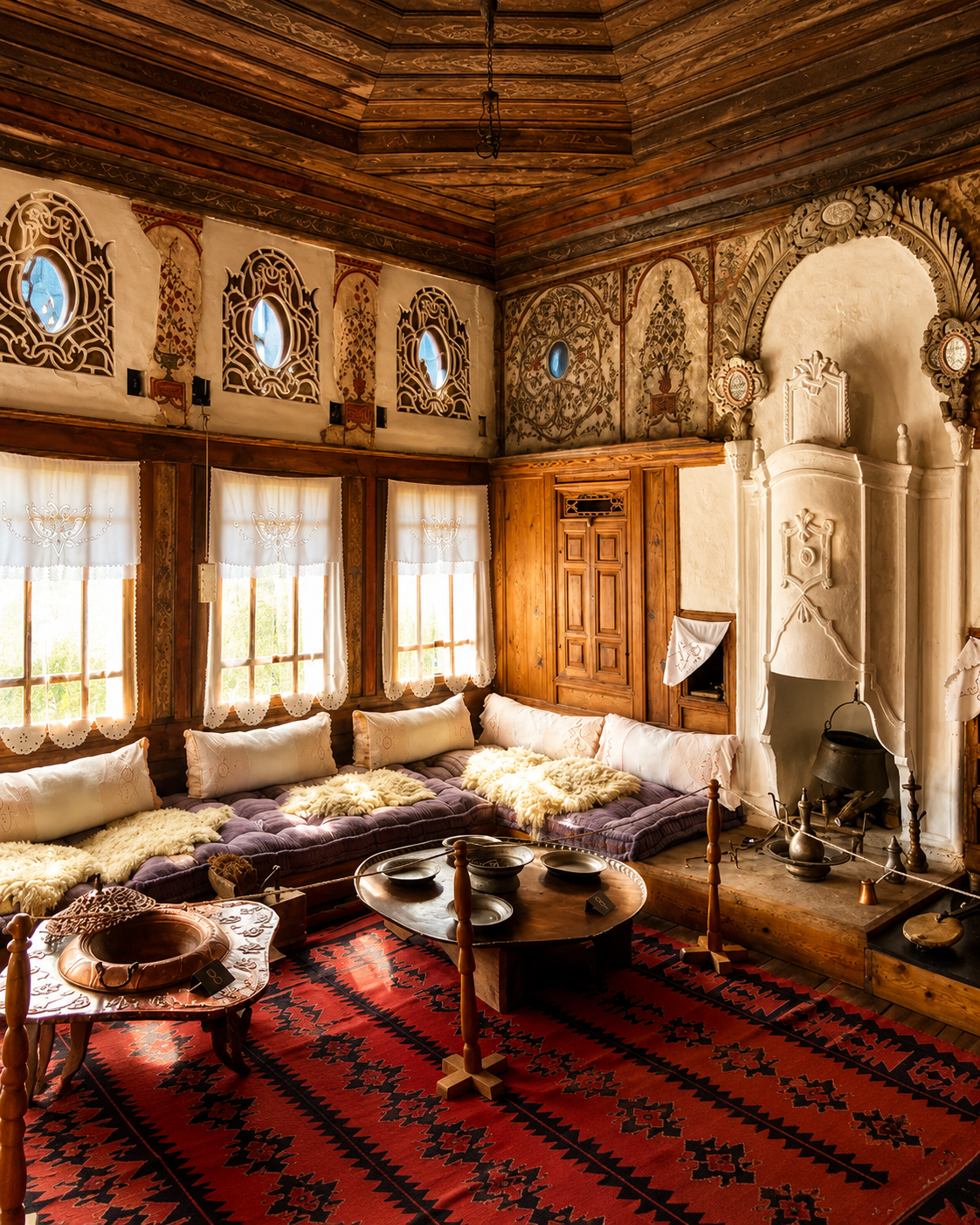
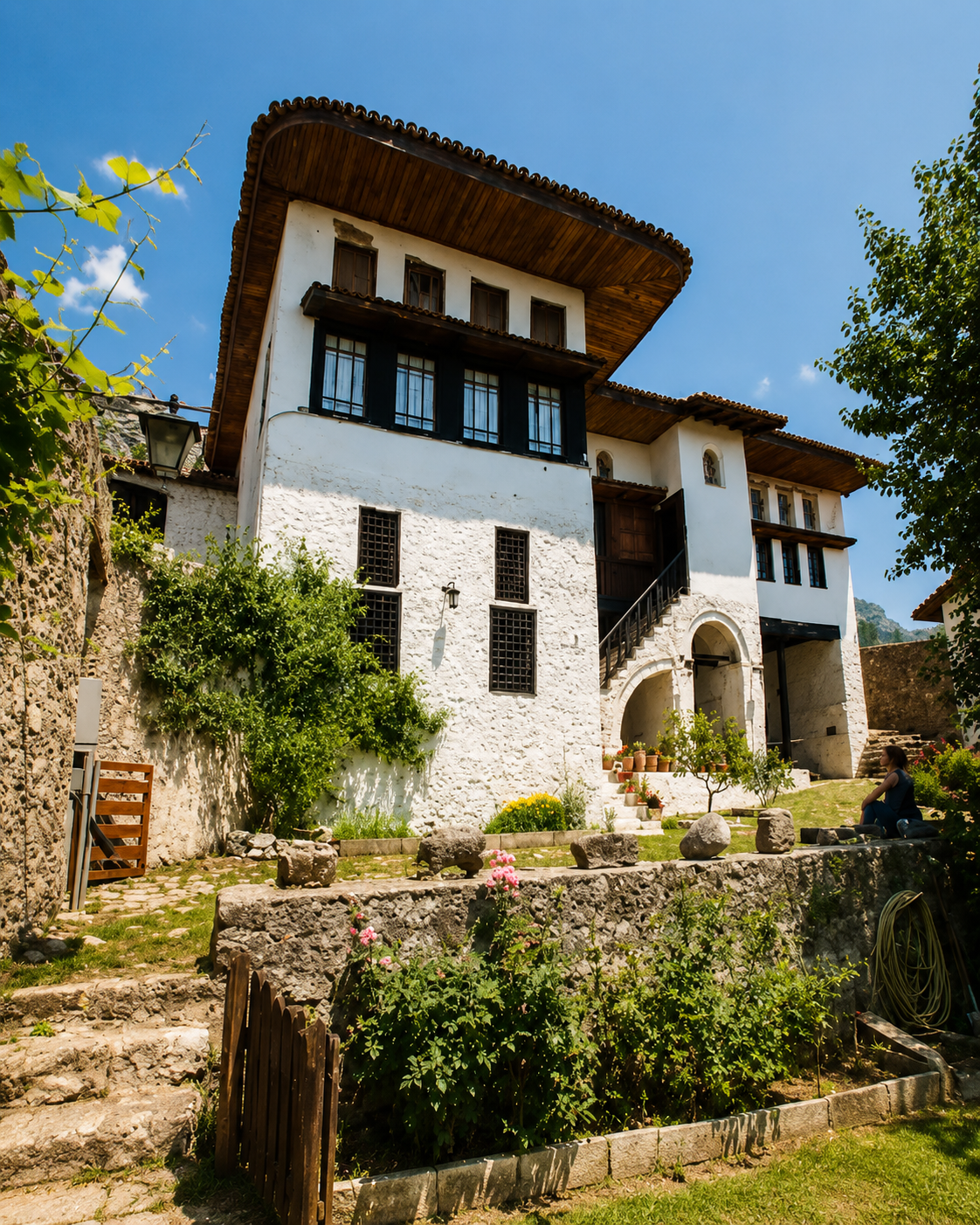
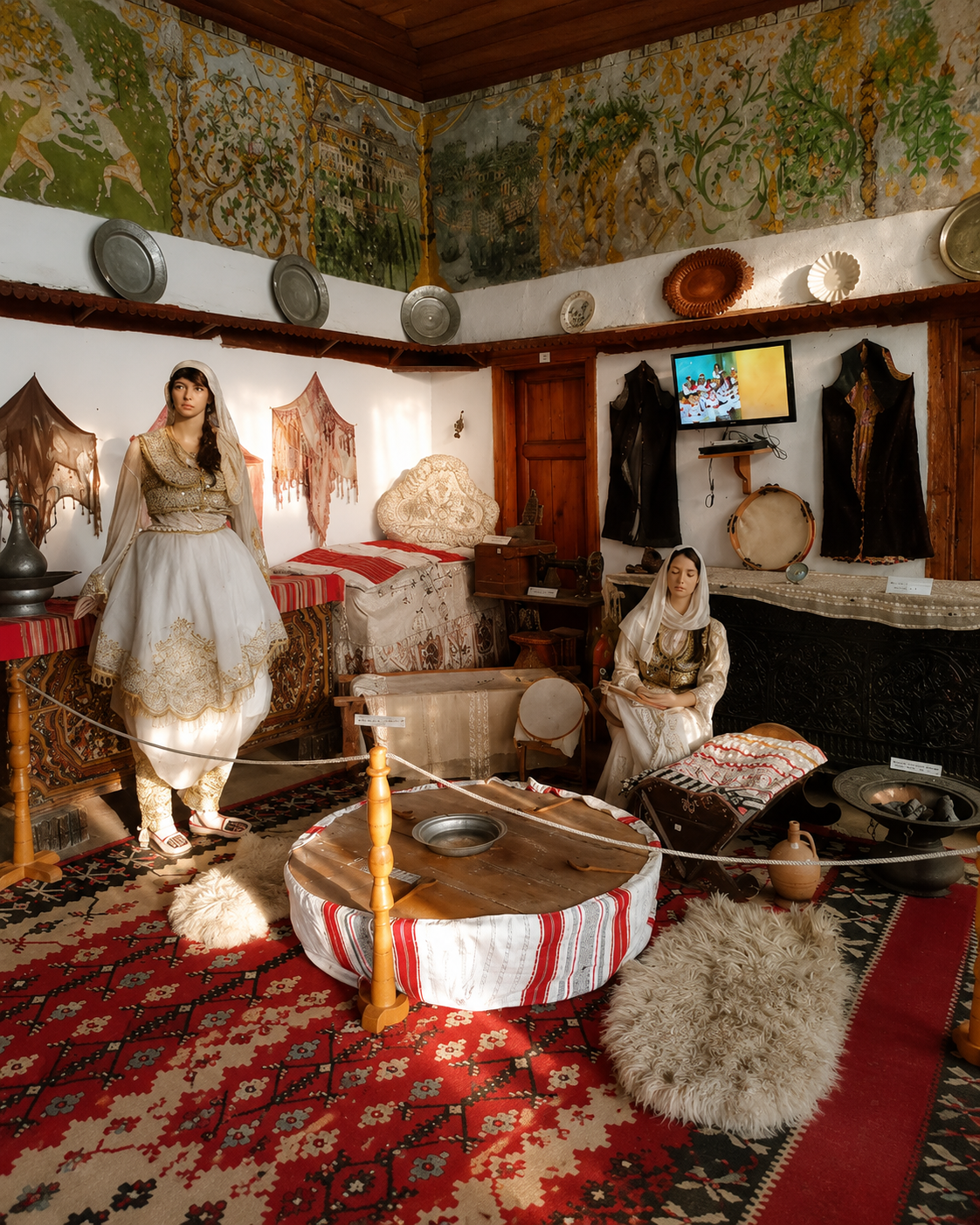
This makes the two museums perfect complements to each other. The museum is housed inside a historic traditional residence and opened to the public on 20 November 1989. Its collection includes around 1,000 authentic objects, with some pieces reported to be several centuries old.
But one of the most interesting things about this museum is that the house itself is part of the exhibition. Visitors move through traditional rooms and spaces that reveal how an Albanian household once functioned, from food preparation and storage to craftsmanship and family life.
What You’ll Find Inside
The collection includes:
- traditional clothing and textiles;
- household furniture and utensils;
- agricultural and working tools;
- traditional craft equipment;
- historical weapons;
- objects connected with local customs;
- reconstructed domestic spaces.
The museum provides an especially valuable introduction to traditional crafts and everyday life in central Albania. After undergoing an important restoration and revitalization process, the museum offers visitors a renewed cultural experience while preserving the character of the historic residence.
For travelers interested in Albanian culture rather than only major historical events, this can easily become one of the highlights of Kruje.
Recommended visit: 30–60 minutes
Best for: Albanian culture, traditional architecture, craftsmanship, photography and social history
💡 Love Albania Tip: Visit the Ethnographic Museum before walking through the Old Bazaar. Many of the traditional crafts and objects you see inside the museum will help you better understand Kruje’s continuing artisan traditions.
Beyond the Museums: More Historical Places to Visit in Kruje
Kruje does not have a large number of conventional museums. Instead, much of its history can be experienced directly through the castle, religious monuments, traditional architecture and centuries-old bazaar.
For that reason, don’t stop exploring after visiting the two main museums.
3. Kruja Castle
Surrounding both museums is one of Albania’s most historically important landmarks: Kruja Castle. Perched above the town, the fortress became closely associated with Skanderbeg during the 15th century and played a major role in the resistance against Ottoman forces.
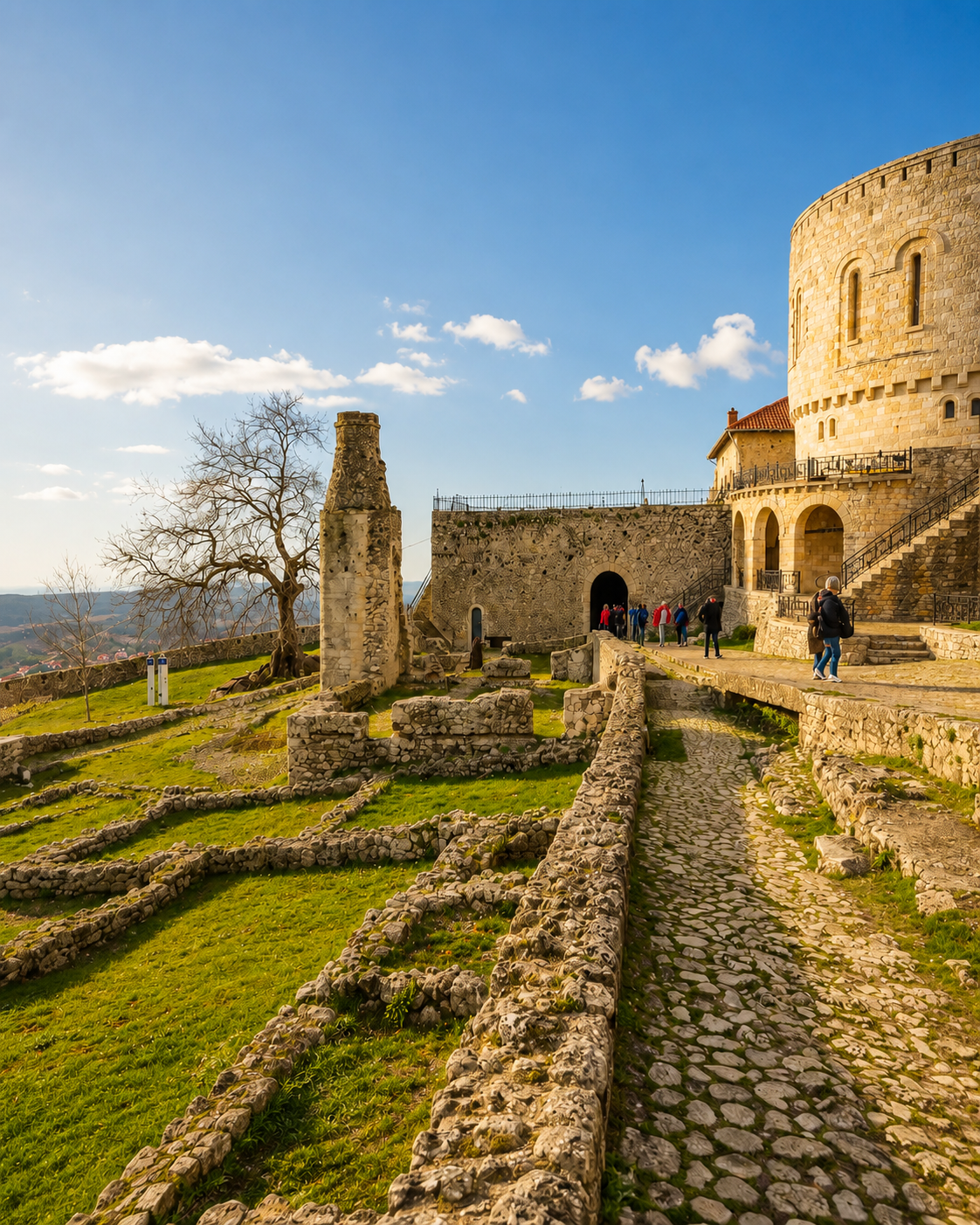
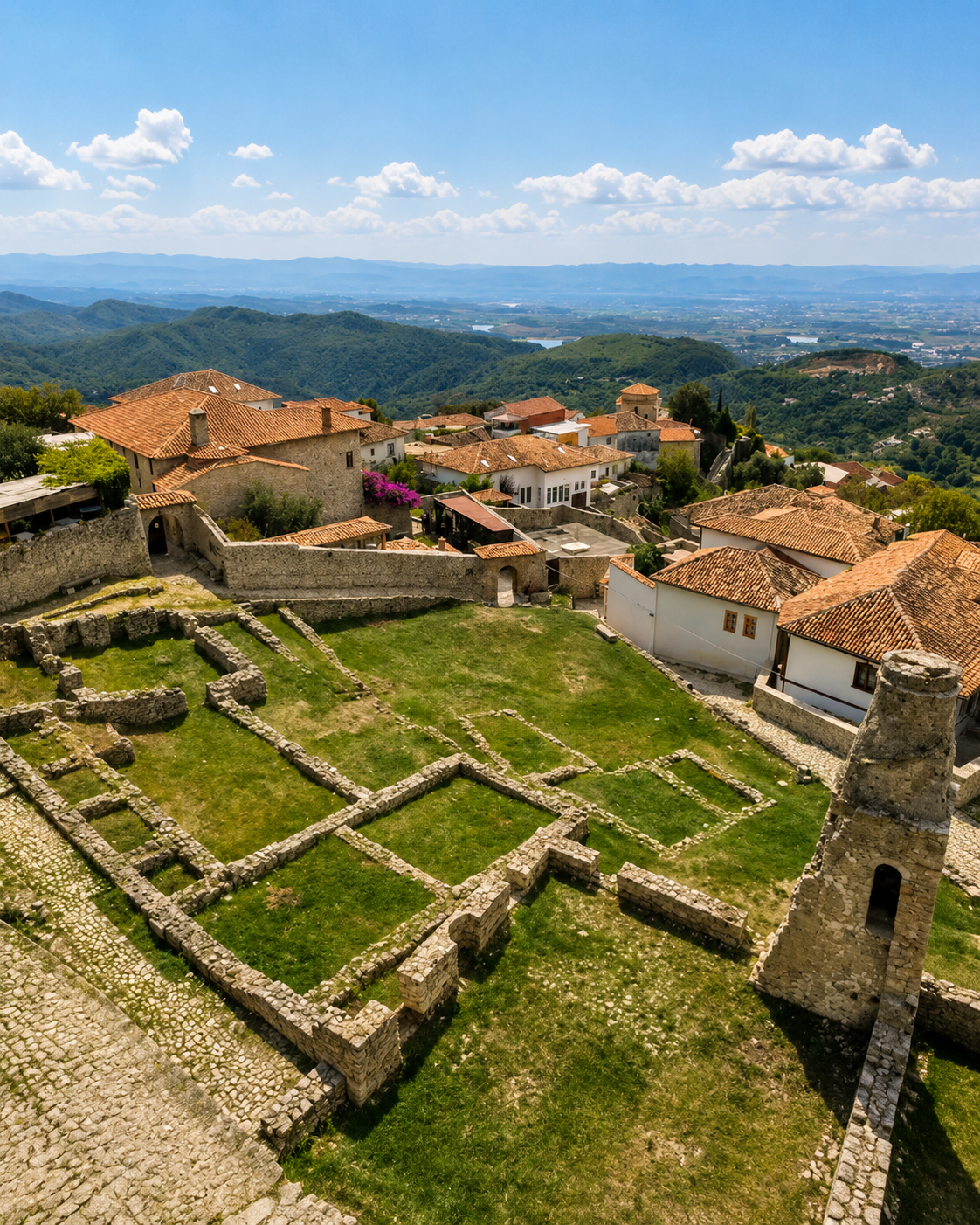
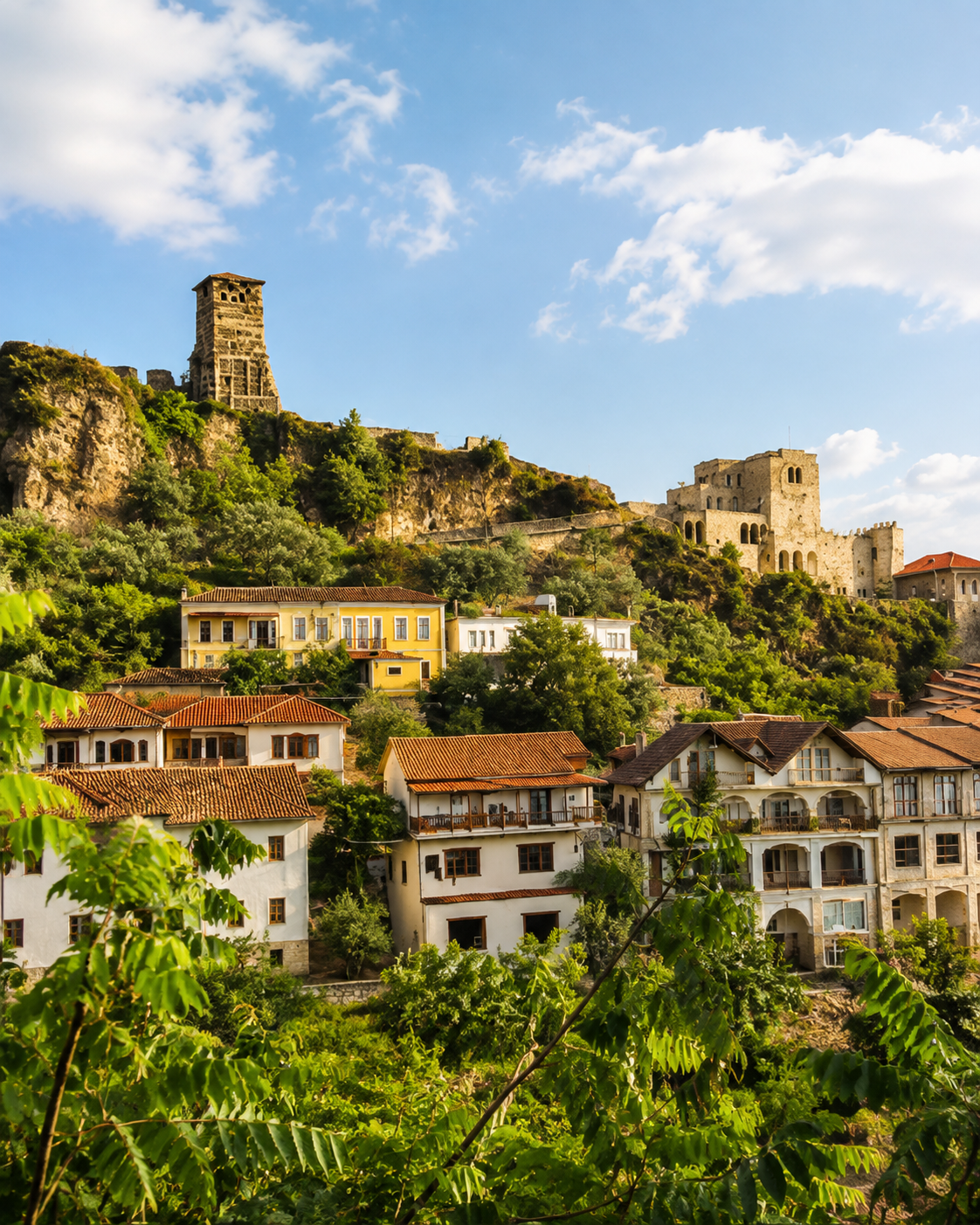
Today, the castle is not simply one monument. It is an entire historical complex. Walking around its grounds reveals stone pathways, defensive structures, traditional houses and cultural monuments, while elevated areas offer wide views over Kruje and the landscape below.
The Skanderbeg National Museum and Ethnographic Museum are both located within the castle area, alongside several smaller historical sites. This makes the castle the natural center of any cultural itinerary in Kruje.
Recommended visit: 30–60 minutes, excluding museums
Best for: History, architecture, photography and panoramic views
💡 Love Albania Tip: Don’t leave immediately after visiting the museums. Spend some time walking through the quieter parts of the castle complex, where the atmosphere can be just as memorable as the major attractions.
4. Kruja Castle Hammam
Hidden within the historical complex is another reminder of Kruje’s layered past: the Kruja Castle Hammam, a 15th-century Ottoman bath located inside the castle.
Public baths historically played a much broader role than simply providing a place for washing. During the Ottoman period, hammams were important social spaces where people could meet, relax and spend time together. The Kruja Hammam is part of this wider bathing tradition and offers visitors a glimpse into everyday social life during a very different period of the town’s history.
For many years, the hammam remained a largely forgotten cultural monument. That changed with an extensive restoration and revitalization project carried out between 2013 and 2015 by Cultural Heritage without Borders Albania, in cooperation with the Institute of Monuments of Culture and with funding from the Government of Sweden.
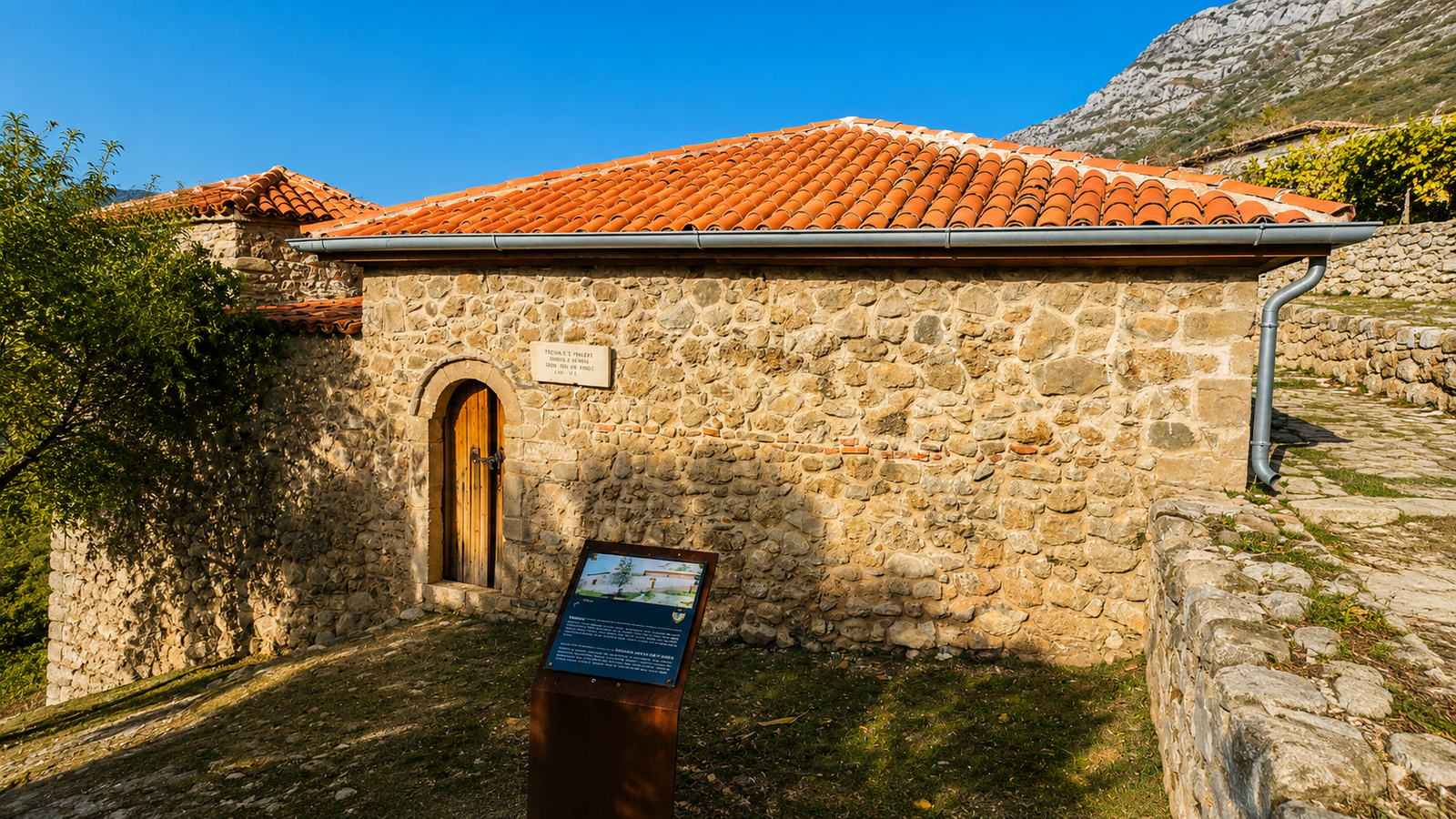
Importantly, the project aimed to do more than preserve the building. Its objective was to restore the monument to its original function while using cultural heritage as a way to support tourism, generate local economic opportunities and contribute to the revitalization of the surrounding neighborhood. The project was also envisioned as part of a broader effort to create a network of functional traditional hammams in Albania.
Today, the hammam adds another historical layer to a castle most visitors primarily associate with Skanderbeg. While the Skanderbeg Museum explores the medieval resistance that made Kruje famous, the hammam helps tell the story of how life inside and around the castle continued to evolve in later periods.
The structure is much smaller than Kruje’s main museums, so you don’t need to dedicate a long visit to it. Instead, include it naturally while walking through the wider castle complex.
Recommended visit: 15–20 minutes
Best for: Architecture and Ottoman-era history
💡 Love Albania Tip: Think of the hammam as part of the wider castle walk rather than a separate destination. Its story becomes much more interesting when viewed alongside the other historical layers found within Kruja Castle.
5. Dollma Tekke
Another fascinating site within the Kruja Castle area is the Dollma Tekke, which introduces visitors to an entirely different aspect of the town’s heritage. Associated with the Bektashi tradition, the tekke dates to the late 18th century, with its construction generally placed around 1789–1799.
Its presence inside the castle complex demonstrates how Kruje’s history continued to develop long after the medieval period associated with Skanderbeg. For travelers interested in Albania’s religious history, the Dollma Tekke is particularly valuable because it adds another dimension to the story of the city.
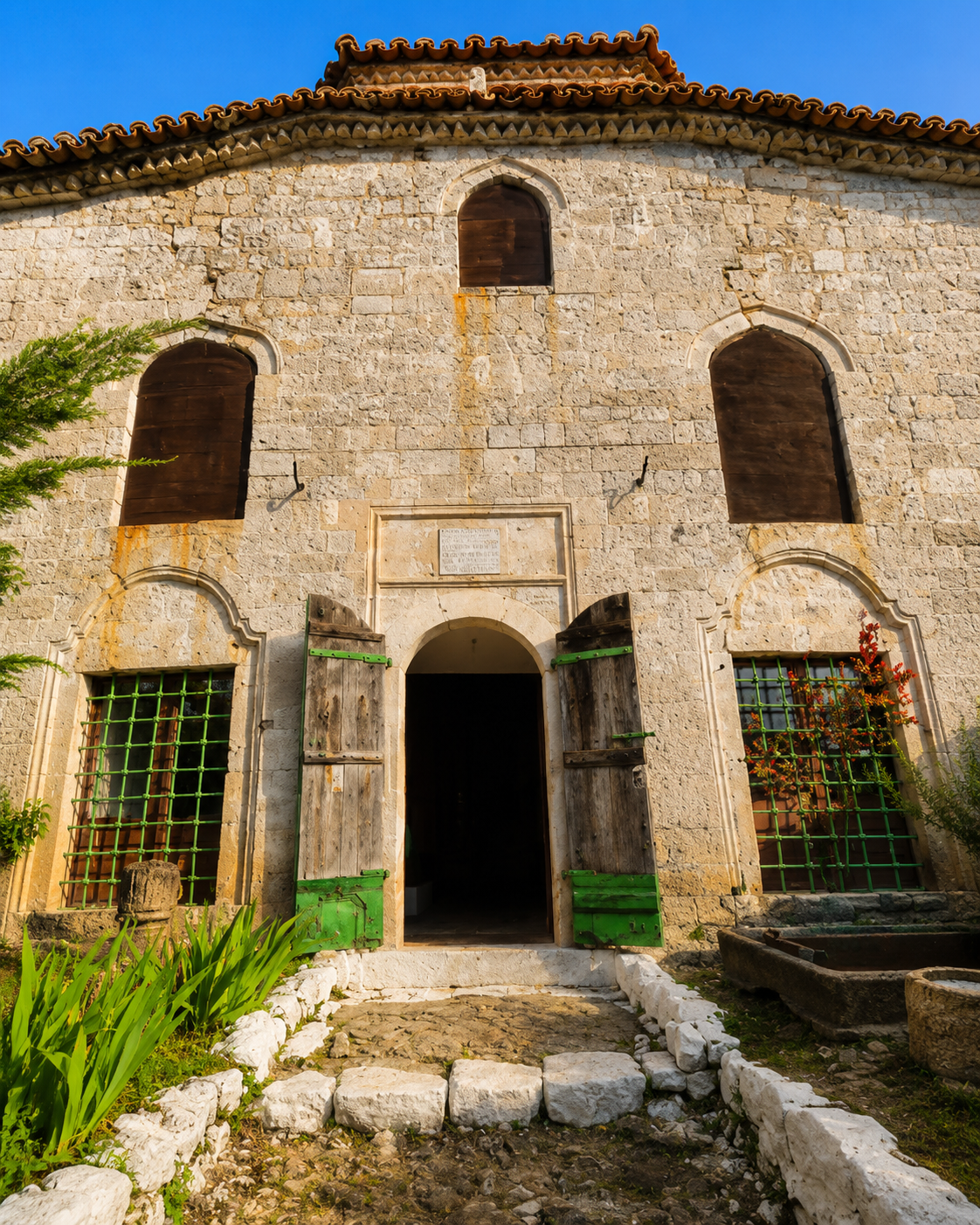
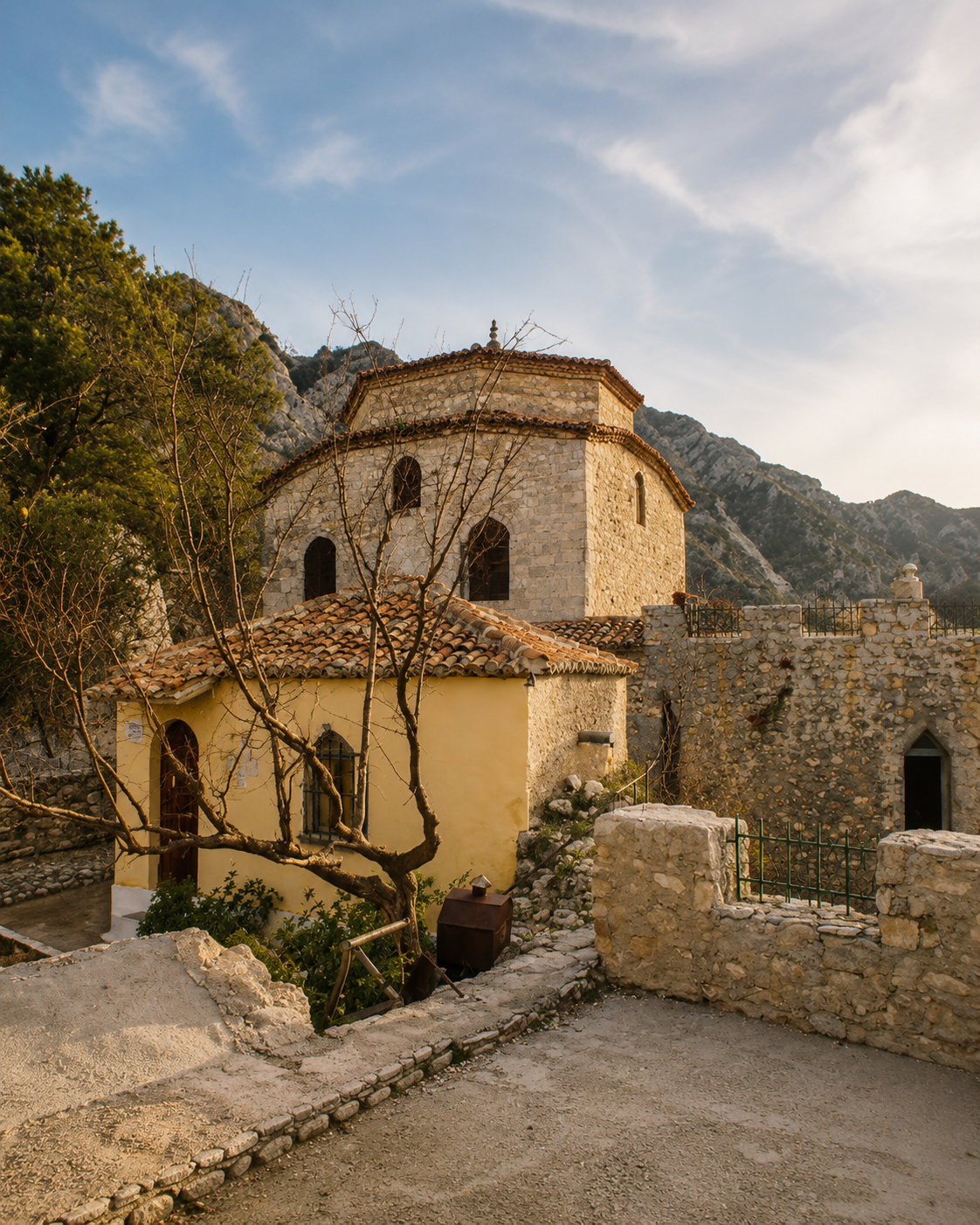
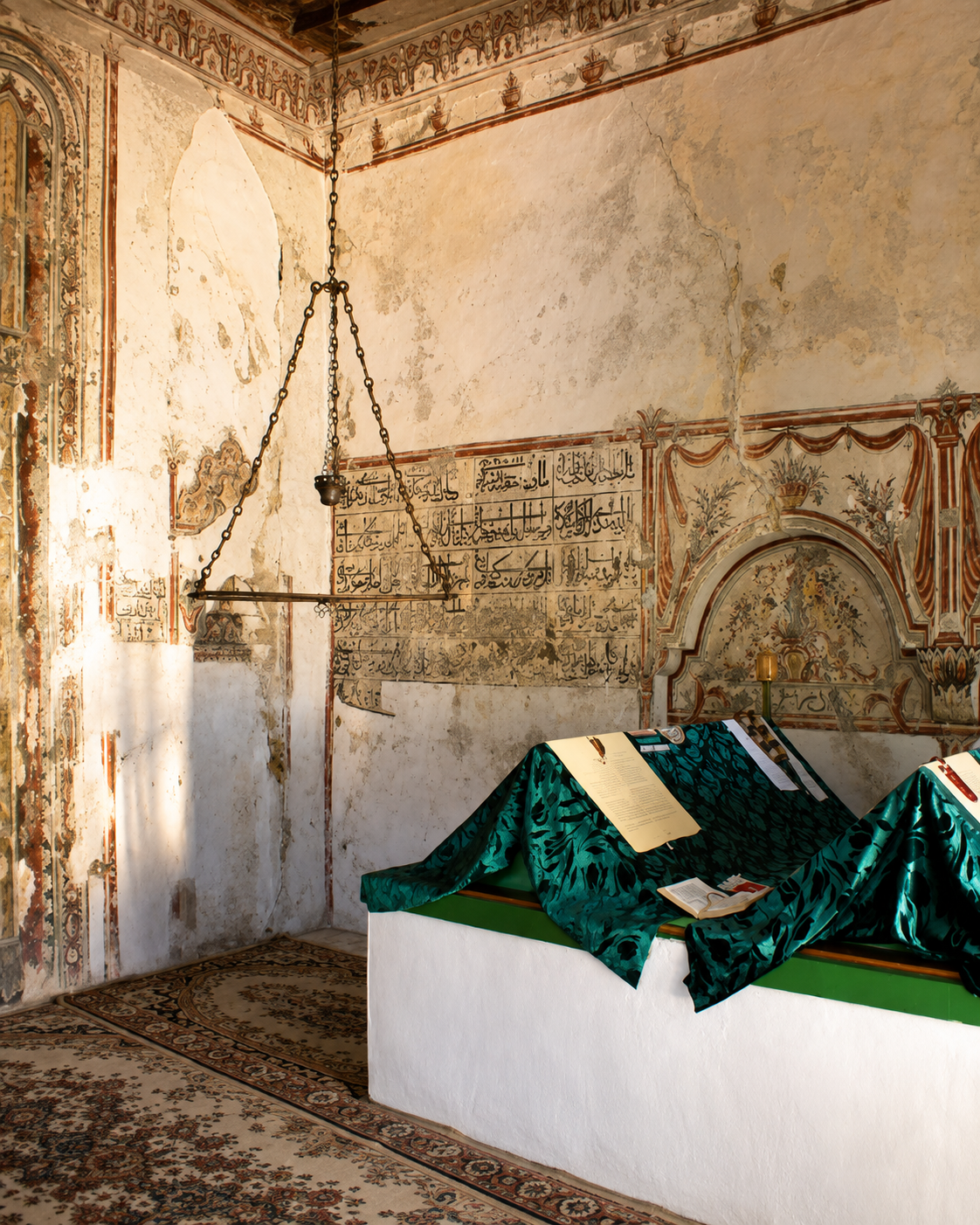
Instead of seeing Kruje exclusively through military history, visitors can begin to understand the different communities, traditions and cultural influences that shaped the town over the centuries.
Recommended visit: 15–30 minutes
Best for: Religious heritage, architecture and Albanian cultural history
💡 Love Albania Tip: When visiting religious heritage sites, dress respectfully and remember that these places have cultural and spiritual importance beyond their value as tourist attractions.
6. Old Bazaar of Kruja
Finish your cultural journey with one of the most atmospheric places in the town: the Old Bazaar of Kruja. Technically, the bazaar is not a museum. But walking along its cobbled street can sometimes feel like exploring an open-air museum of Albanian craftsmanship.
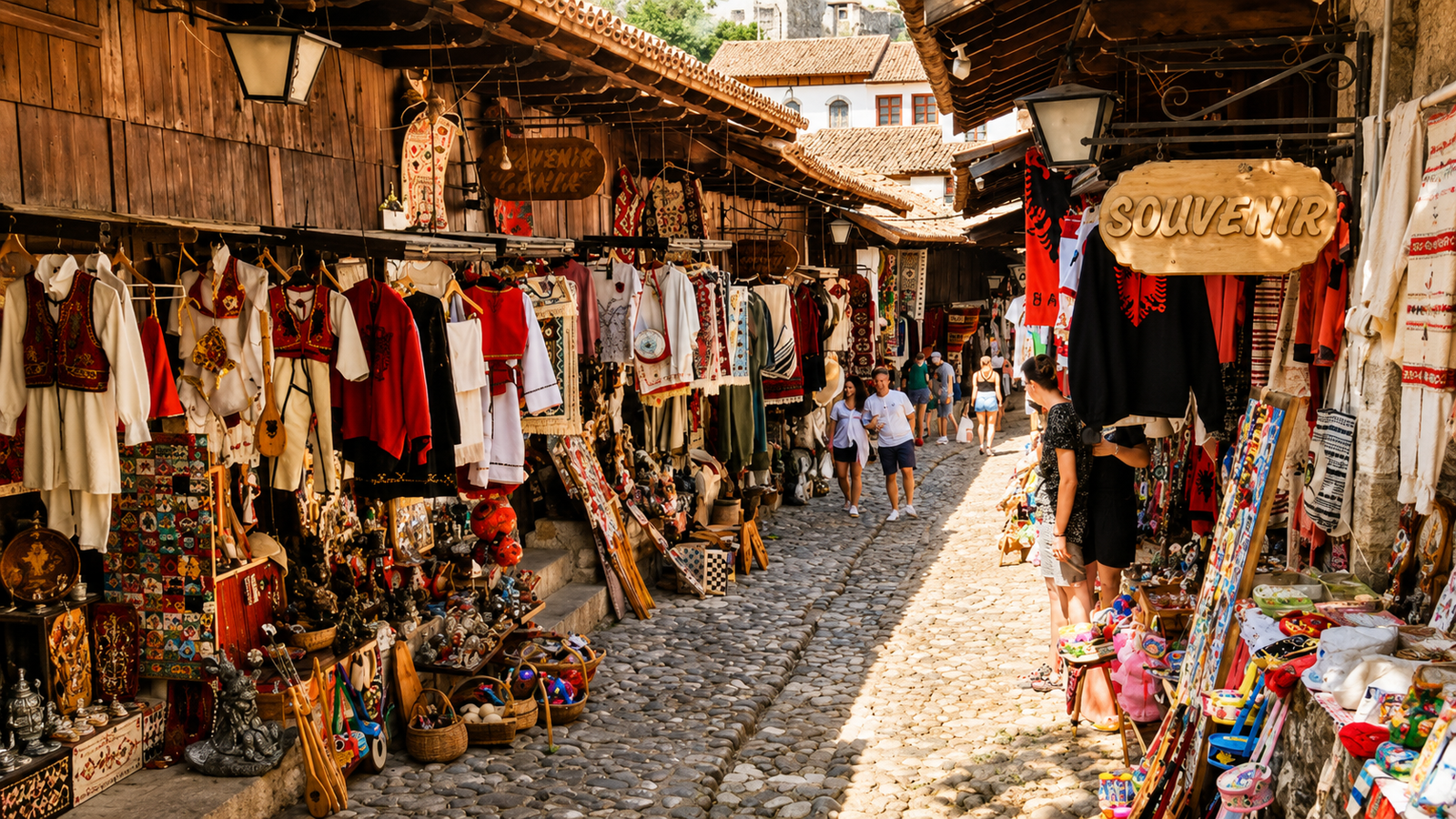
Traditional wooden storefronts line the street leading toward the castle, with shops displaying handmade carpets, woven textiles, traditional clothing, copper objects, woodwork, antiques and souvenirs. The bazaar is particularly interesting after visiting the Ethnographic Museum.
Inside the museum, you learn how crafts and household objects were traditionally produced and used. In the bazaar, you can see how some of these traditions continue to influence local artisans and souvenir makers today. It is also one of the best places to slow down after exploring the museums, browse local products and experience the livelier side of Kruje.
Recommended visit: 30–60 minutes
Best for: Traditional crafts, shopping, photography and local atmosphere
💡 Love Albania Tip: Look beyond mass-produced souvenirs. Take time to explore smaller workshops and ask sellers about locally handmade pieces and the techniques used to create them.
Quick Guide to Museums in Kruje
| Place | Best For | Recommended Time |
|---|---|---|
| Skanderbeg National Museum | Albanian history & Skanderbeg | 60–90 min |
| Ethnographic Museum of Kruja | Traditional Albanian life | 30–60 min |
| Kruja Castle | History & panoramic views | 30–60 min |
| Kruja Castle Hammam | Ottoman heritage | 15–20 min |
| Dollma Tekke | Religious & cultural heritage | 15–30 min |
| Old Bazaar of Kruja | Crafts, souvenirs & local culture | 30–60 min |
Best Route for Visiting Kruje’s Museums
One of the biggest advantages of visiting Kruje is how close its main cultural attractions are to one another.
You don’t need a car to move between the main museums and historical sites once you reach the historic center.
A practical walking route is:
- Old Bazaar → Kruja Castle → Skanderbeg National Museum → Ethnographic Museum → Kruja Castle Hammam → Dollma Tekke
Allow approximately 3–4 hours if you want to explore everything without rushing. If you also plan to stop for lunch, shop in the bazaar and enjoy the views, Kruje can easily become a half-day or full-day trip from Tirana.
If you’re turning your visit into a half-day or full-day trip, leave some time for lunch after exploring the castle. Kruje has several restaurants serving traditional Albanian dishes, local specialties and meals with views over the surrounding landscape. See our guide to the Top 10 Restaurants in Kruje: Where to Eat in 2026 to find the best places for lunch or dinner during your visit.
Which Museum Should You Visit If You Have Limited Time?
If you only have time for one museum, choose the Skanderbeg National Museum. It provides the strongest introduction to Kruje’s historical importance and explains why the town occupies such a special place in Albanian history.
If you have time for two museums, add the Ethnographic Museum of Kruja.
Together they tell two very different stories:
- Skanderbeg Museum → Albania’s political and military history
- Ethnographic Museum → traditional family life, crafts and everyday culture
Visiting both gives you a much more complete understanding of Kruje.
Practical Tips for Visiting Museums in Kruje
Most of Kruje’s main attractions are within walking distance once you reach the Old Bazaar and castle area. However, the historic center includes cobbled streets, stone surfaces and some uphill sections, so comfortable shoes are recommended.
During summer, visiting earlier in the morning can make exploring the castle more comfortable. Kruje is also a popular day trip from Tirana, so the main attractions can become busier later in the day.
Allow enough time to explore the castle rather than visiting only the museums and leaving immediately. Some of Kruje’s most interesting details are found simply by walking through the historic complex.
Museum opening hours and admission conditions can change seasonally, so it is worth checking the latest information before your visit.
Frequently Asked Questions About Museums in Kruje
The two main museums visitors should prioritize are the Gjergj Kastrioti Skanderbeg National Museum and the Ethnographic Museum of Kruja. Several additional historical monuments within Kruja Castle complement the museum experience.
For first-time visitors, the Skanderbeg National Museum is the most important museum in Kruje because it explains the history of Gjergj Kastrioti Skanderbeg and the town’s role in Albania’s past.
Yes. It offers a completely different experience from the Skanderbeg Museum, focusing on traditional Albanian homes, crafts, clothing, tools and everyday life.
Allow around 2 hours for the two main museums. To explore the museums, castle, bazaar and surrounding historical monuments comfortably, plan approximately 3–4 hours.
Yes. Kruje is one of the most popular and practical day trips from Tirana, particularly for travelers interested in Albanian history, traditional culture and local crafts.
Yes. The main museums are located within the Kruja Castle area, while the Old Bazaar is immediately nearby. All of the places in this guide can easily be combined into one visit.