

Nestled in the historic heart of Vlora near Flag Square, the Vlora Historical Museum is one of the city’s most important cultural landmarks. Established in 1962 and housed in a protected historic building, the museum takes visitors on a journey through the region’s rich past, from ancient Illyrian settlements and archaeological treasures to Albania’s struggle for independence and key events of the twentieth century. Whether you are a history enthusiast or simply looking to discover the story behind one of Albania’s most significant cities, the museum offers a fascinating glimpse into the heritage that shaped Vlora and southern Albania.
Table of Contents
- Why Visit the Vlora Historical Museum?
- History of the Museum
- What Can You See Inside?
- The Archaeological Collection
- The Independence and Modern History Exhibits
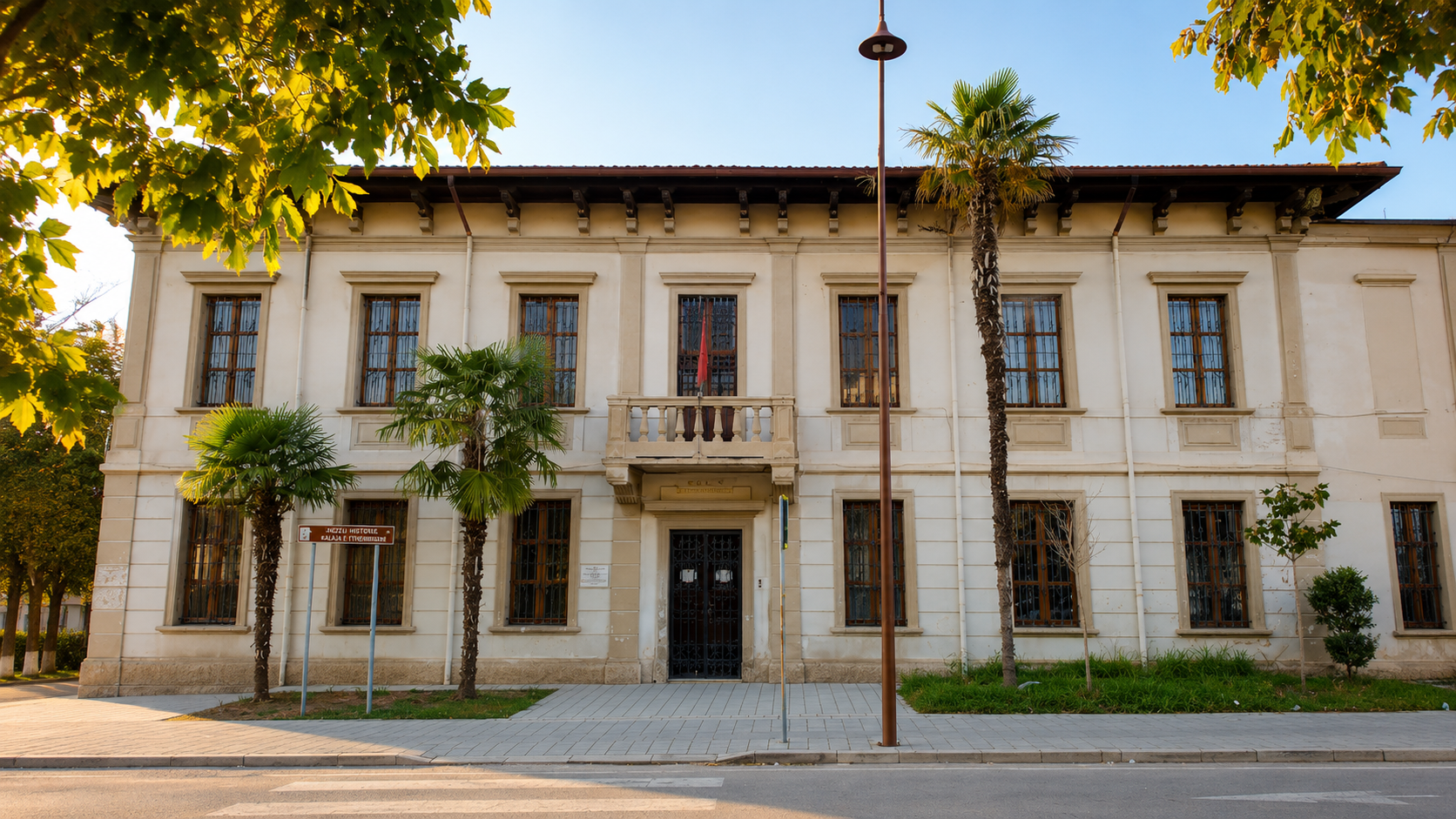
- The Historic Building
- Visitor Information
- How to Get There
- Nearby Attractions
- Frequently Asked Questions
Why Visit the Vlora Historical Museum?
When most travelers think of Vlora, they immediately picture beautiful beaches, crystal-clear waters, and the stunning Albanian Riviera. However, long before becoming one of Albania’s leading coastal destinations, Vlora played a central role in shaping the country’s history.
The Vlora Historical Museum offers visitors a fascinating introduction to this rich heritage. Located in the heart of the historic city center, the museum tells the story of the region from ancient Illyrian settlements and classical civilizations to Albania’s struggle for independence and the political movements of the twentieth century.
Unlike large national museums, this museum provides a compact yet comprehensive overview of Vlora’s past. It serves as an ideal starting point for anyone wanting to understand the cultural and historical significance of one of Albania’s most important cities.
History of the Museum
The museum was officially established in 1962, making it one of the oldest local museums in Albania. Since its creation, it has preserved and showcased historical artifacts representing different periods of the region’s development.
Its mission has always been to document the history of Vlora and its surrounding territories while protecting valuable archaeological discoveries, historical documents, weapons, photographs, and cultural relics. Over the decades, the museum has become one of the most important repositories of local historical memory in southern Albania.
Today, it remains a key cultural institution for both visitors and local educational programs, frequently welcoming students, researchers, and international tourists interested in Albanian history.
What Can You See Inside?
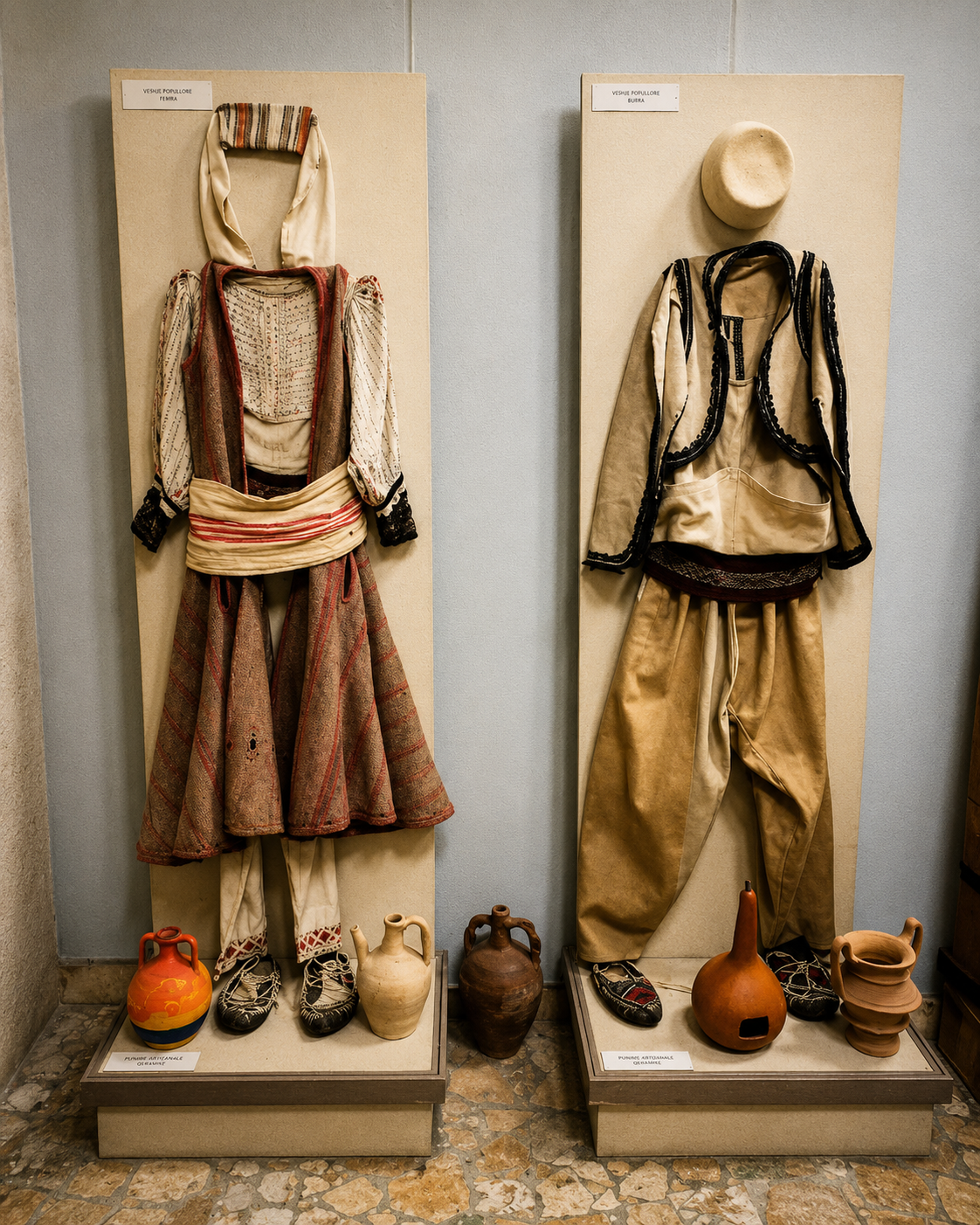
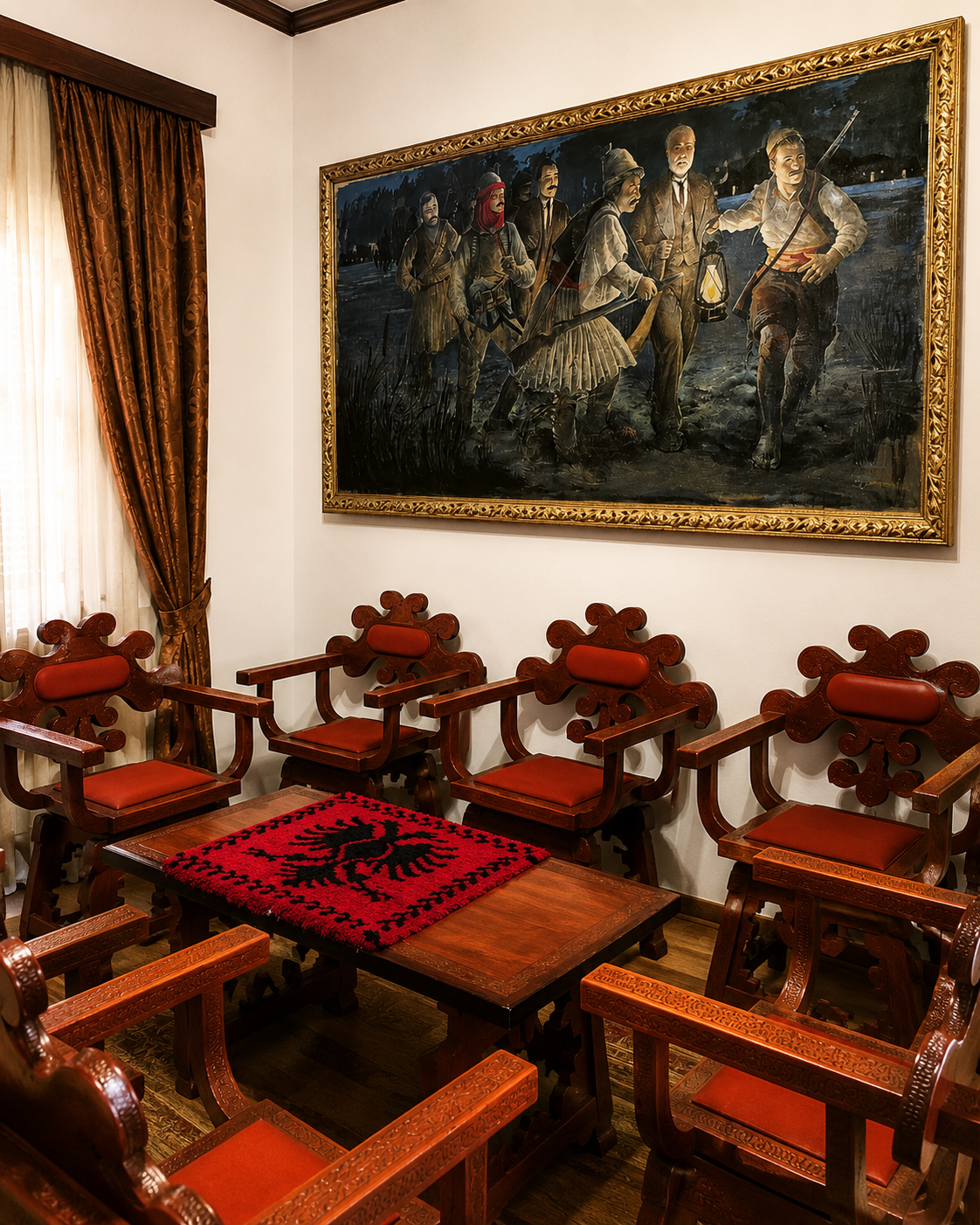
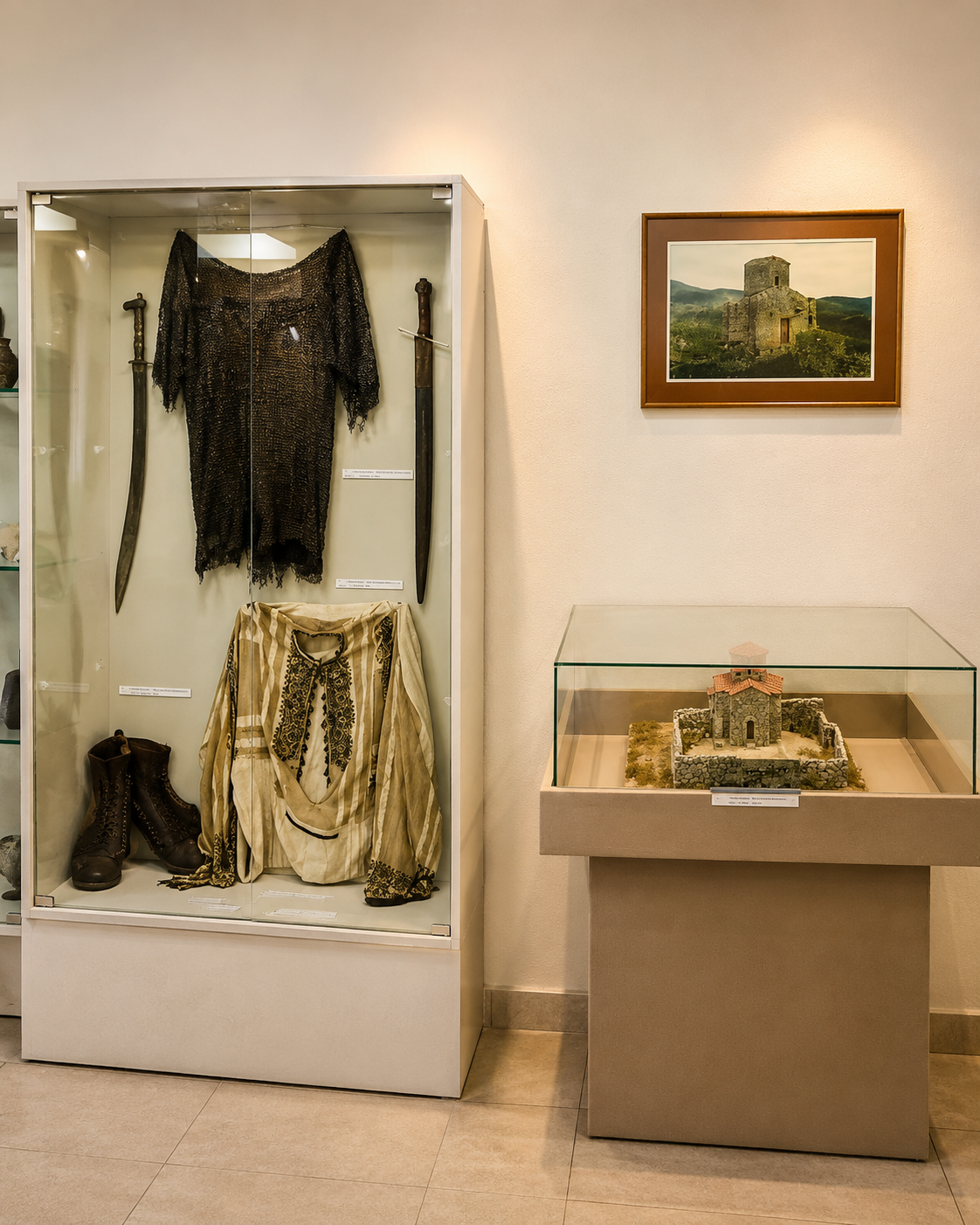
The museum’s collection covers a remarkably wide historical timeline, allowing visitors to explore the evolution of Vlora and its surrounding region from antiquity to the modern era. Ancient archaeological discoveries from important sites such as Orikum, Amantia, Kanina, and Mavrova reveal the rich heritage of the region, while medieval relics and historical documents provide insight into centuries of political, cultural, and social development. The museum also preserves traditional weapons, personal belongings of notable figures, and original materials connected to some of Albania’s most significant historical events.
Highlights of the Collection
- Ancient archaeological artifacts from Orikum, Amantia, Kanina, Ploça, and Mavrova.
- Historical documents and archives related to the city of Vlora.
- Traditional weapons and military objects from different historical periods.
- Personal belongings and relics of important Albanian historical figures.
- Exhibits dedicated to Albania’s Independence and Vlora’s contribution to the national movement.
- Displays about the Vlora War of 1920, one of the defining moments of Albanian sovereignty.
- Materials from the Democratic Movement of June 1924 and Albania’s early political history.
- The original coffin of Avni Rustemi, one of the museum’s most remarkable historical exhibits.
Together, these collections create a comprehensive historical narrative that connects ancient civilizations, medieval communities, and modern national movements, making the Vlora Historical Museum one of the best places to understand the rich heritage and identity of southern Albania.
The Archaeological Collection
One of the most fascinating sections of the Vlora Historical Museum is its archaeological collection, which showcases the rich history of the region from the Illyrian period through the Greek, Roman, and Byzantine eras. The artifacts on display were discovered in some of the most important archaeological sites of southern Albania, offering visitors a unique opportunity to explore thousands of years of human settlement, trade, culture, and daily life. Through pottery, coins, inscriptions, tools, architectural fragments, and ceremonial objects, the collection reveals how the Vlora region developed as a strategic crossroads connecting the Adriatic and Ionian worlds.
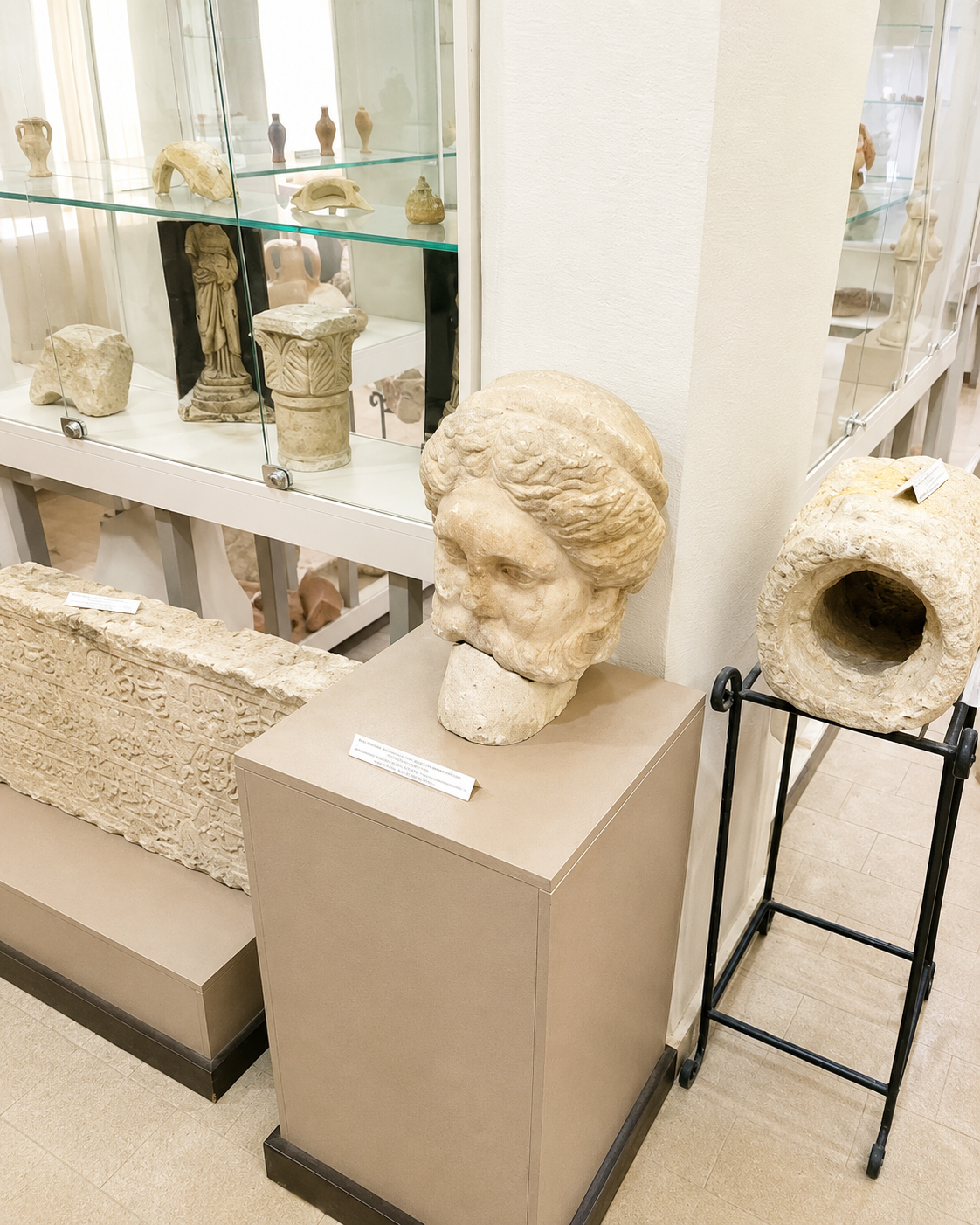
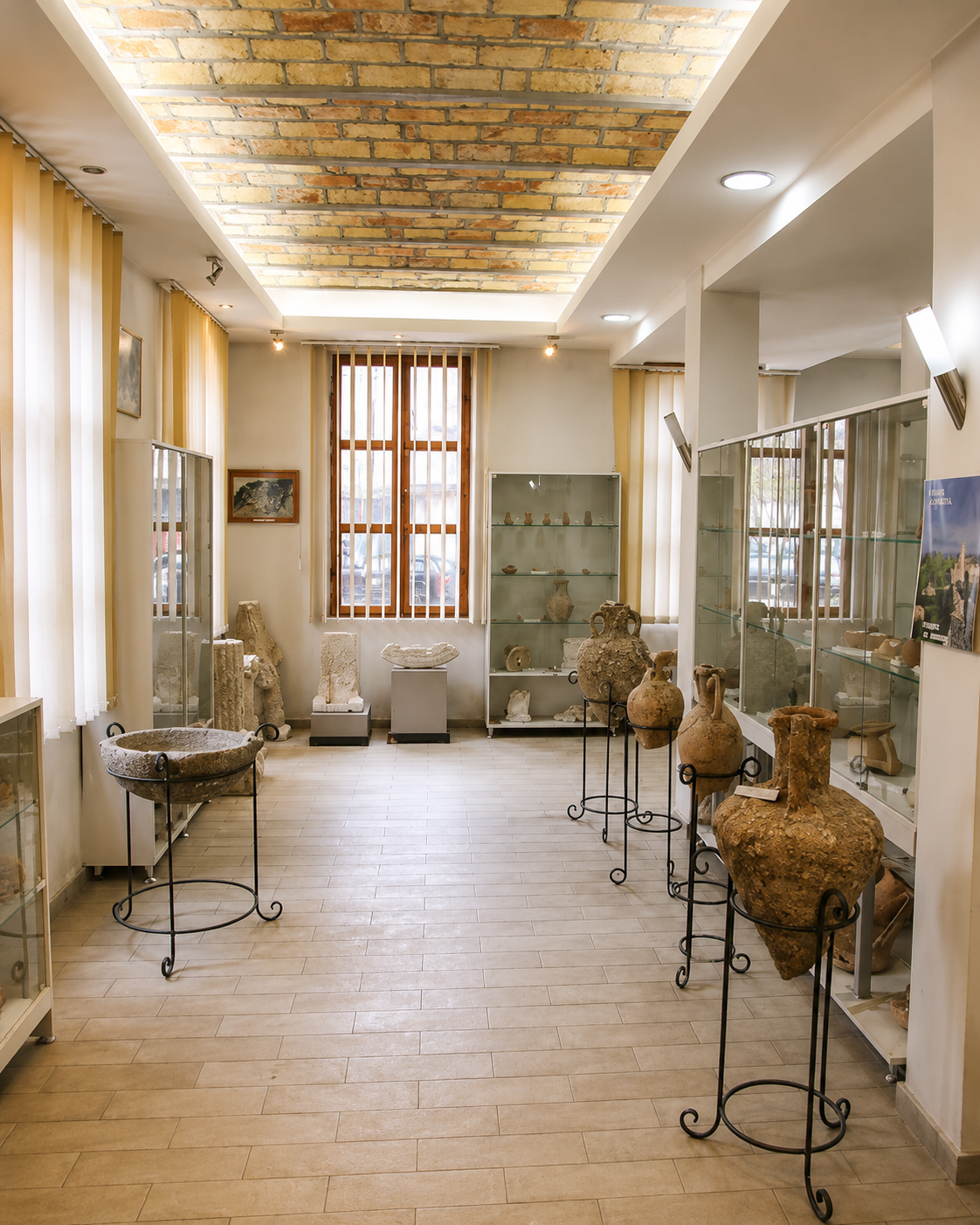
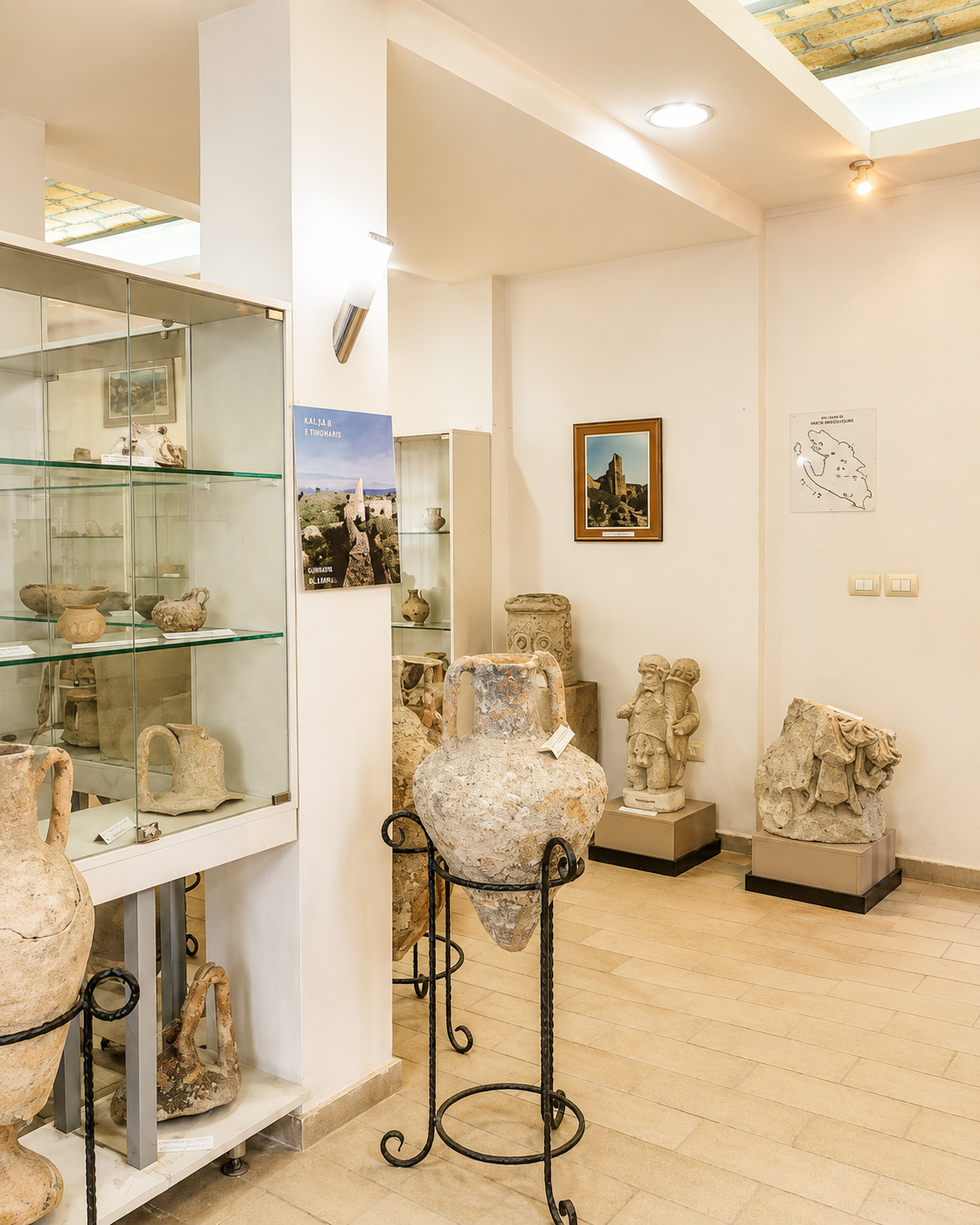
Among the most significant archaeological sites represented in the museum are:
- Orikum (Oricum) – One of the most important ancient ports on the Adriatic and Ionian coasts. The artifacts discovered here illustrate the city’s strategic role in maritime trade, military operations, and cultural exchanges during classical antiquity. Visitors can learn how Orikum became a vital center connecting the Balkans with the wider Mediterranean world.
Those interested in discovering the site beyond the museum can continue their journey with our detailed guide to Orikum Archaeological Park – The Ancient Coastal City of Albania, where you will find its history, main attractions, archaeological discoveries, and practical travel information.
- Amantia – An important Illyrian city later influenced by Greek and Roman civilizations. The findings from Amantia include pottery, coins, inscriptions, and everyday objects that provide valuable insight into urban life, commerce, religion, and local governance in ancient southern Albania. These artifacts help reconstruct the story of one of the region’s most significant ancient settlements.
For a deeper exploration of this remarkable archaeological site, read our guide Amantia Archaeological Park – A Hidden Illyrian City Above Vlore, where you can discover its ancient stadium, impressive fortifications, historical significance, and practical visitor information.
- Kanina – Located on a hill overlooking modern Vlora, Kanina has been continuously inhabited for centuries. Archaeological materials from this area reveal its importance as a fortified settlement and strategic military center. The exhibits highlight the site’s role in controlling trade routes and defending the surrounding territory throughout different historical periods.
To learn more about the fortress itself, its panoramic views, legends, and centuries of history, explore our complete guide: Kanina Castle Albania: The Historic Fortress Above Vlora.
- Ploça – Artifacts from Ploça contribute to a broader understanding of settlement patterns and cultural development in the Vlora region. These discoveries help historians trace the evolution of local communities and their connections with neighboring civilizations.
- Olympia of Mavrova – This lesser-known but historically significant site enriches the museum’s collection with objects that reflect the cultural and economic life of the wider Vlora territory. The findings demonstrate the diversity of settlements that flourished in the region and their contribution to Albania’s ancient heritage.
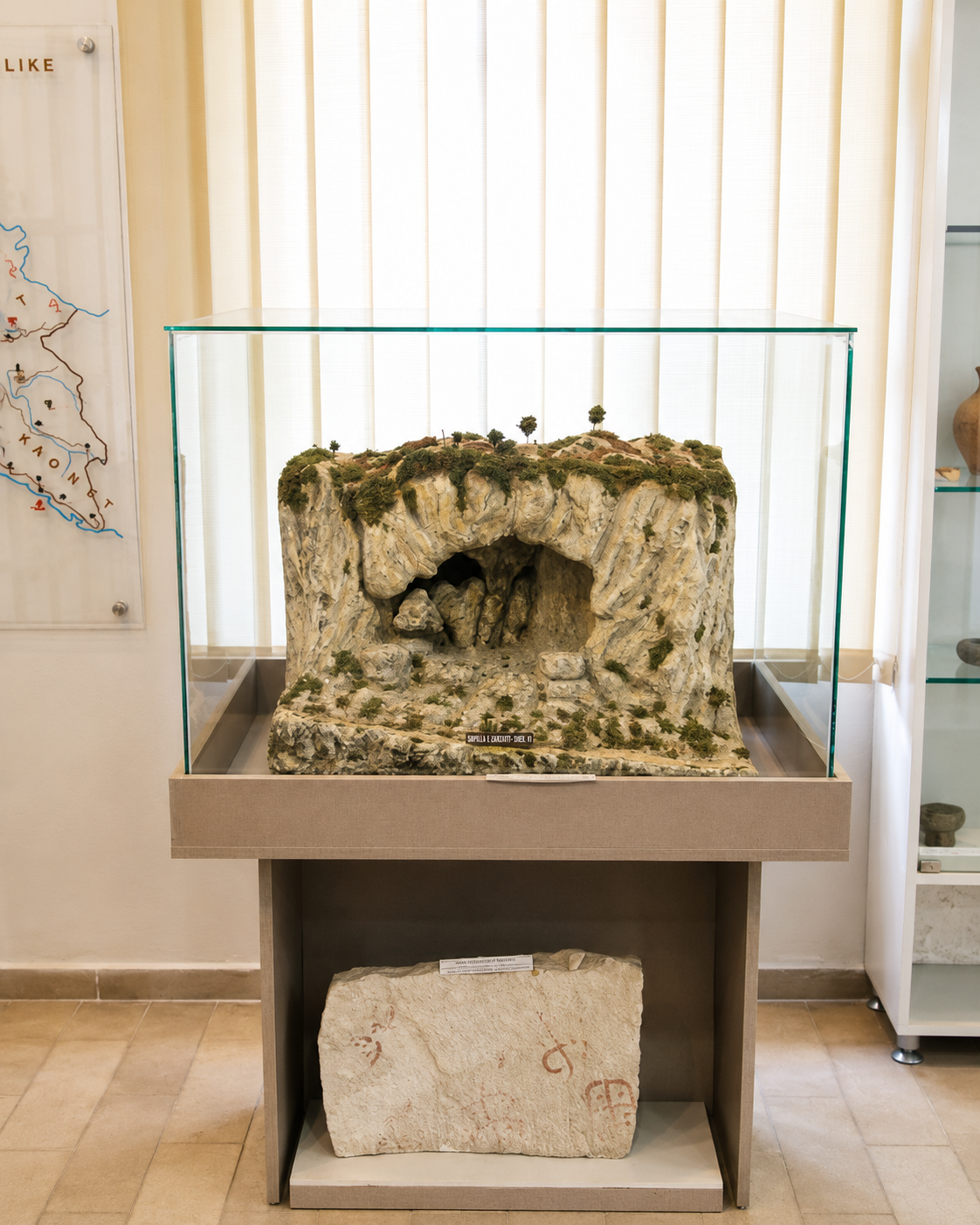
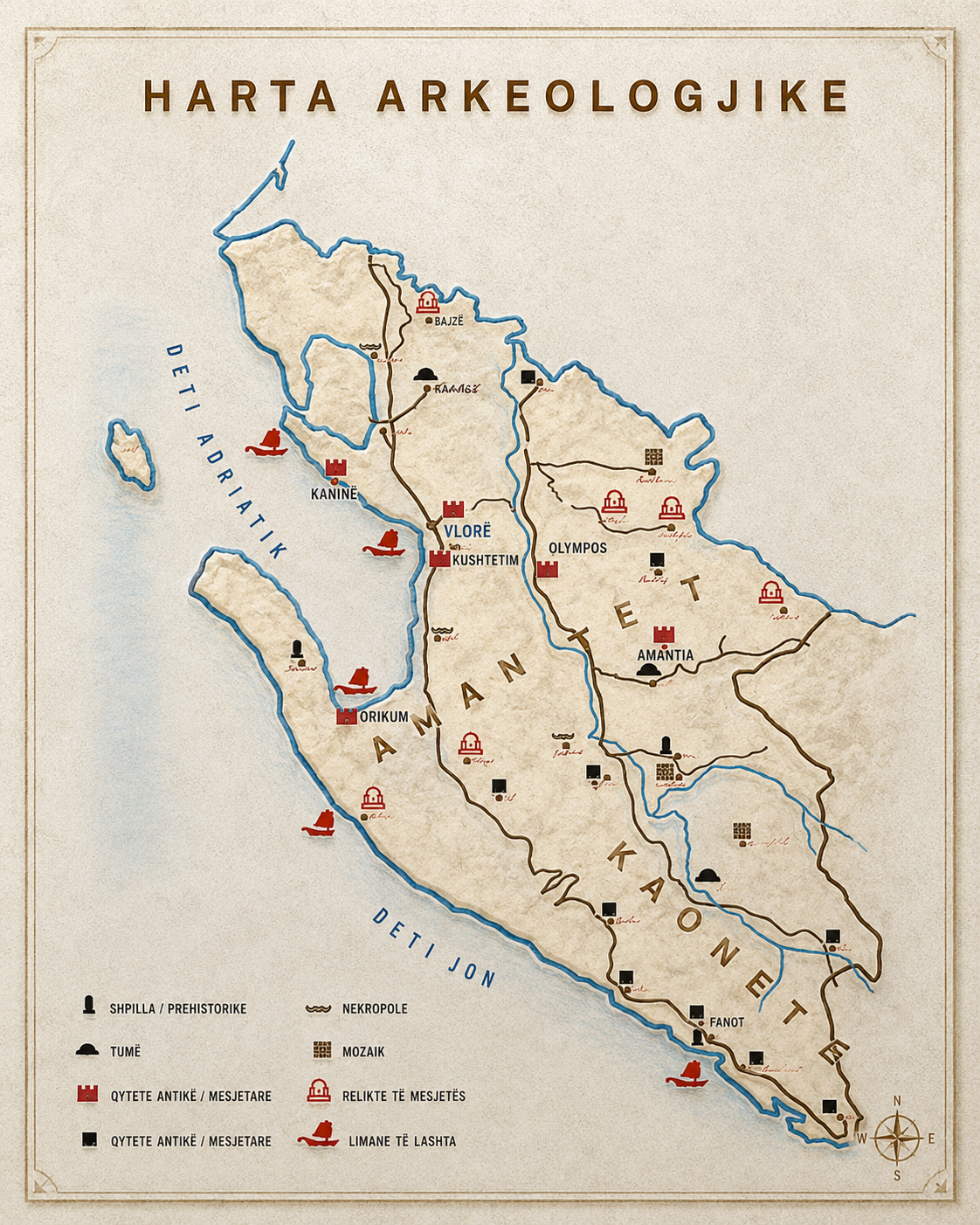
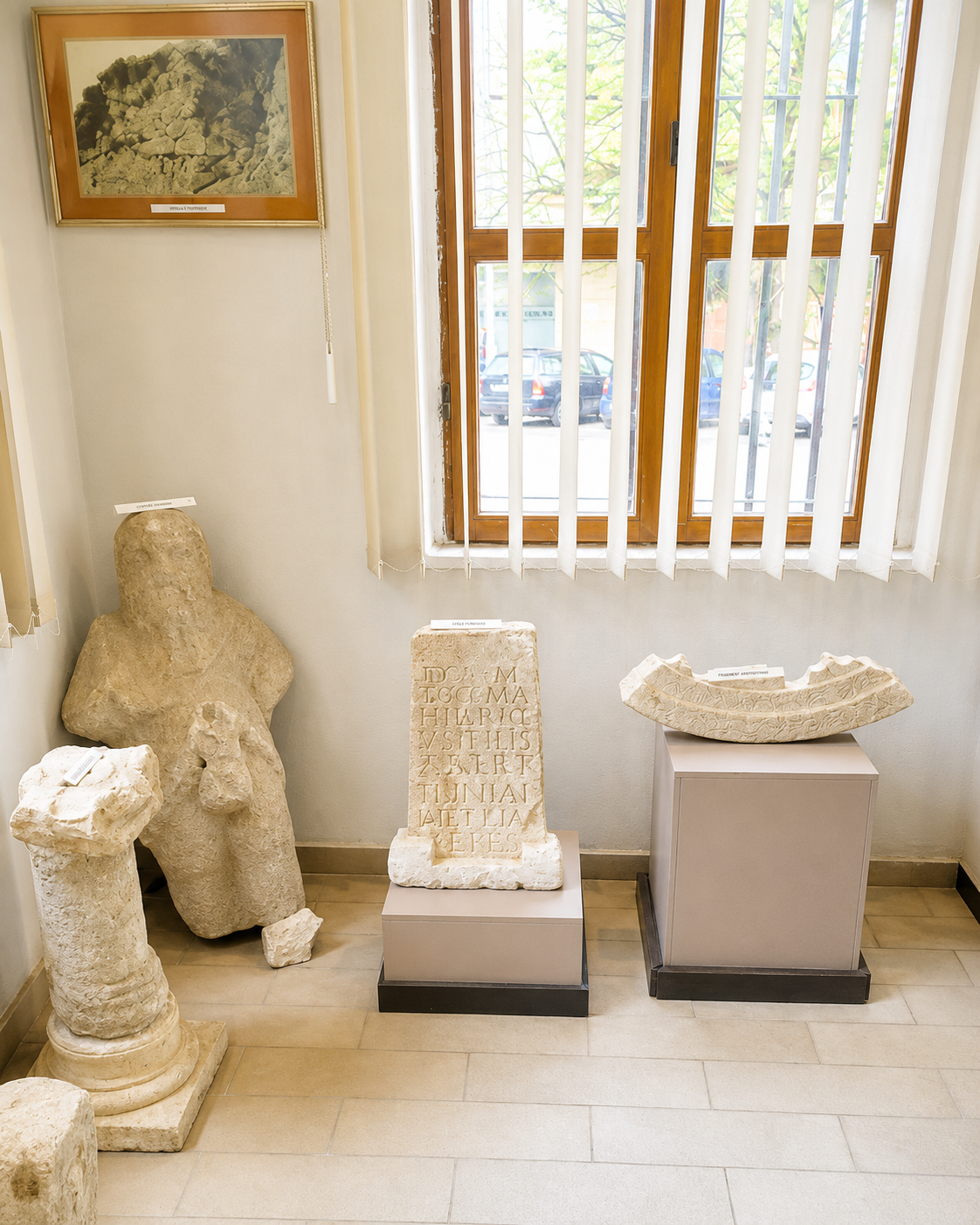
Together, these collections transform the museum into a gateway to the ancient world of southern Albania. Rather than presenting isolated objects, the archaeological exhibits tell a continuous story of human activity, cultural interaction, and regional development spanning several millennia. For visitors planning to explore sites such as Amantia, Orikum, or Kanina Castle, the museum provides valuable historical context that makes those archaeological destinations even more meaningful to visit.
The Independence and Modern History Exhibits
Beyond archaeology, the museum is particularly important for understanding Albania’s modern history.
A dedicated section highlights the contribution of the people of Vlora to the Declaration of Albanian Independence in 1912, one of the most significant events in the nation’s history. Visitors can examine documents, photographs, and historical materials that illustrate the city’s role during this transformative period.
Additional galleries focus on:
- The Vlora War of 1920: This conflict represented a decisive moment in Albania’s efforts to secure sovereignty following World War I. The exhibits showcase documents, weapons, and historical accounts connected to the struggle.
- The Democratic Movement of June 1924: Another section explores Albania’s political developments during the early twentieth century, providing context for one of the country’s most significant democratic movements.
- Avni Rustemi’s Original Coffin: Among the museum’s most remarkable exhibits is the original coffin of Avni Rustemi, preserved as a rare and powerful historical relic connected to Albania’s political history.
The Historic Building
The museum itself is part of the historical experience. The building originally served as the headquarters of Vlora’s local administration and was documented as the city’s old municipality building as early as 1938.
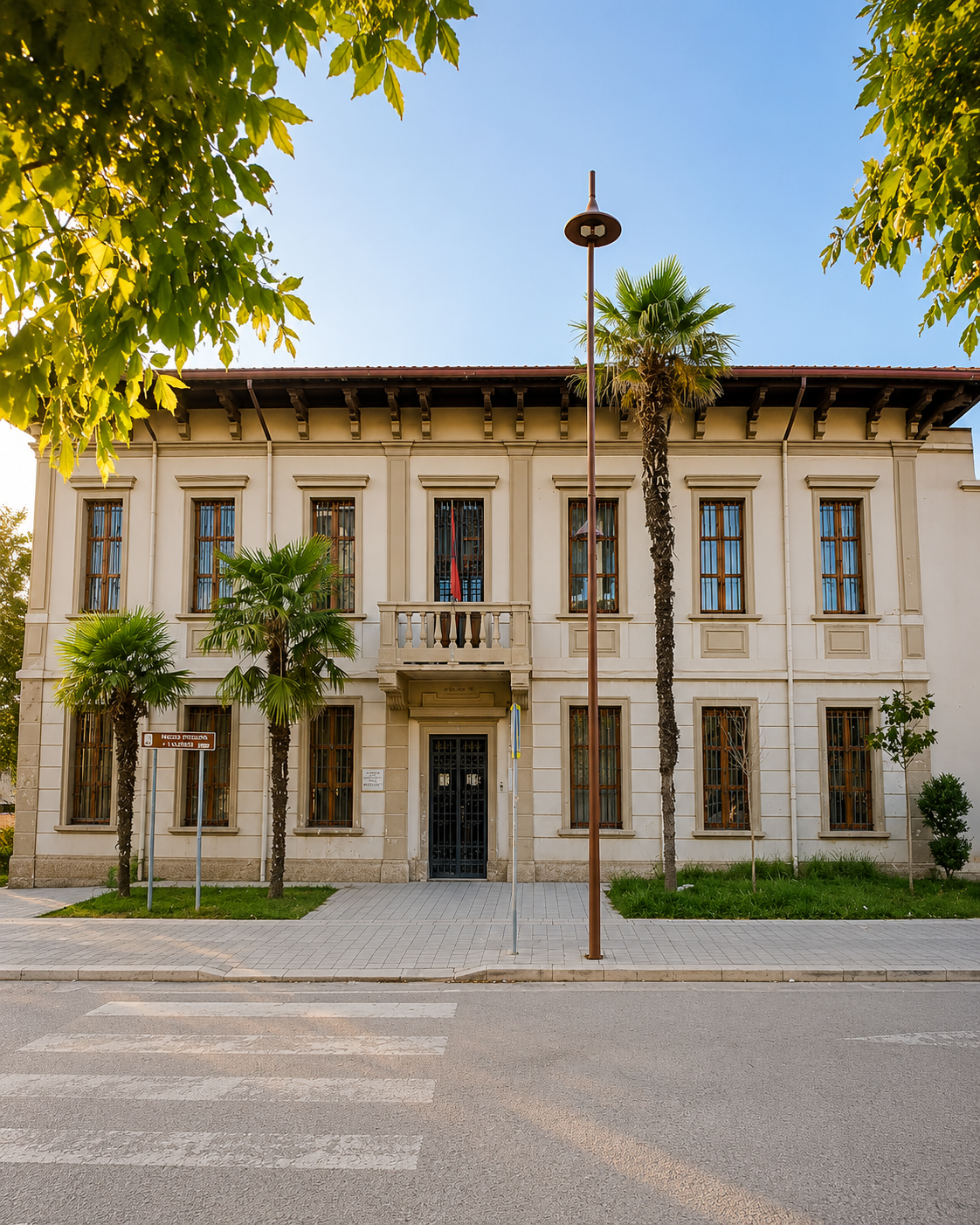
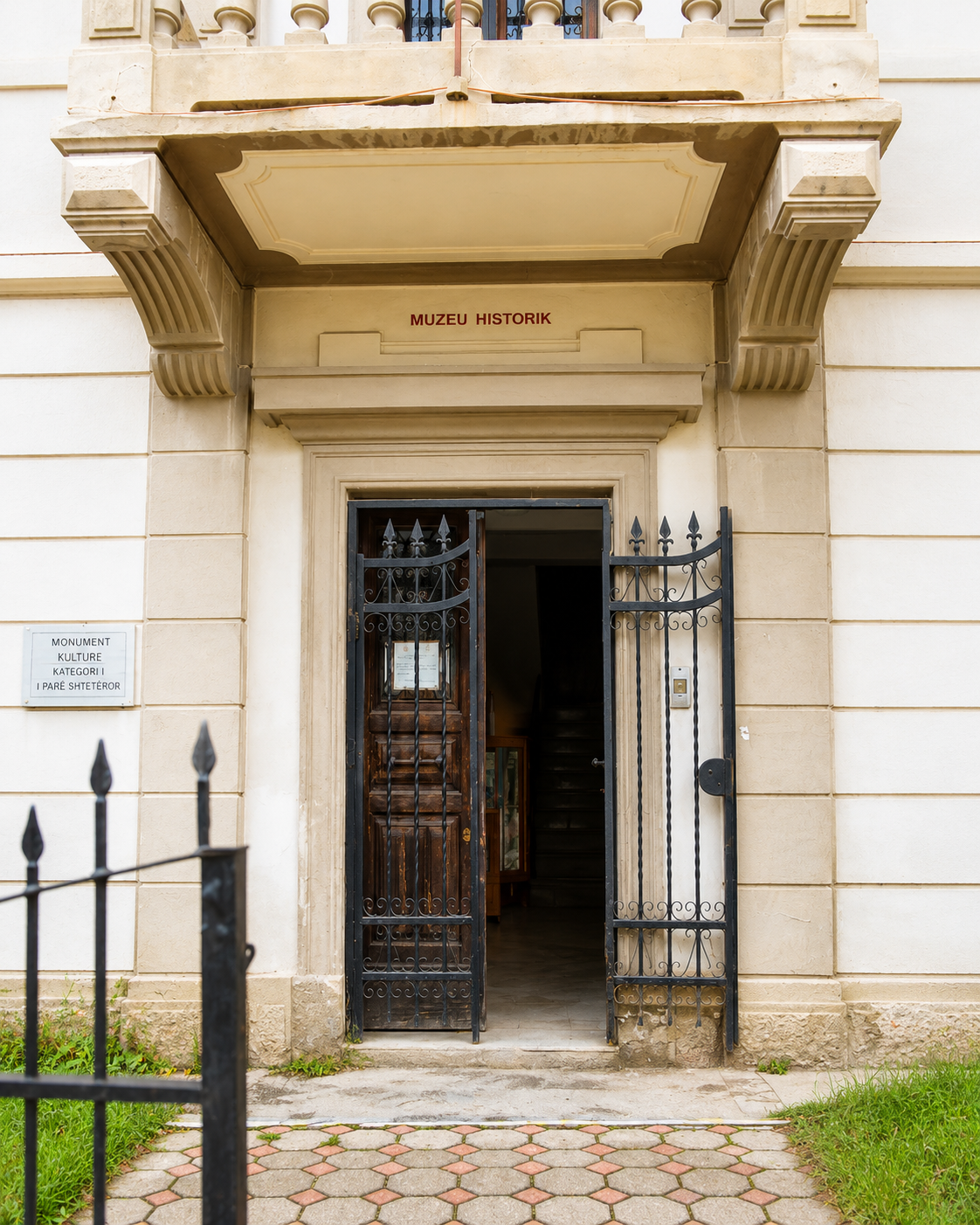
Recognizing its architectural and cultural significance, the structure was officially designated a cultural monument in 2006. Conservation projects approved in later years ensured the preservation of its architectural integrity while maintaining its museum function.
As a result, visitors are not only exploring museum galleries but also entering an important historic building that forms part of Vlora’s protected urban heritage zone.
Visitor Information
Opening Hours
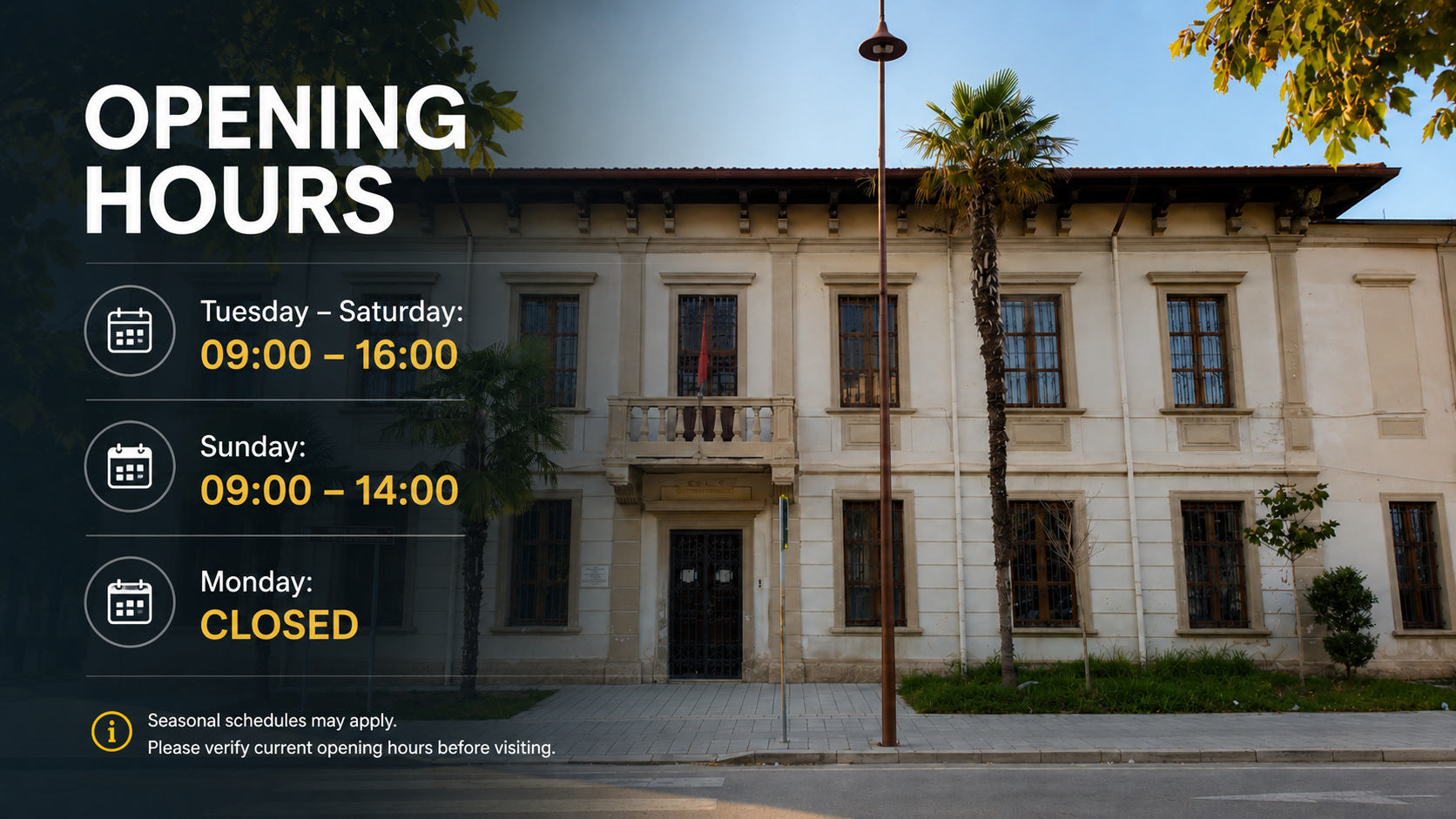
Publicly available sources provide varying schedules. The most commonly cited visiting hours are:
- Tuesday – Saturday: 09:00–16:00
- Sunday: 09:00–14:00
- Monday: Closed
However, seasonal schedules may apply, and visitors should verify current opening hours before visiting.
Ticket Prices
Available sources indicate an entrance fee generally ranging between:
- 100–200 Albanian Lek
Reduced or free admission may be available for students, children, pensioners, veterans, researchers, and organized educational groups, according to national museum policies.
Photography
Photography policies are not clearly published online. Some visitors report restrictions on photography inside the museum, so it is advisable to ask staff before taking pictures.
How to Get There
The museum is located in the historic center of Vlora, close to Flag Square, making it easy to reach on foot while exploring the city.
Most visitors can conveniently walk from:
- Flag Square
- Vlora Old Town
- Jews’ Street (Rruga e Hebrenjve)
- Clock Tower area
Its central location makes it one of the easiest cultural attractions to include in a walking tour of the city.
Nearby Attractions
To get the most from your visit, combine the museum with several nearby attractions:
- Ethnographic Museum of Vlora – Located very close to the Historical Museum, it showcases traditional Albanian lifestyles, household objects, and local customs.
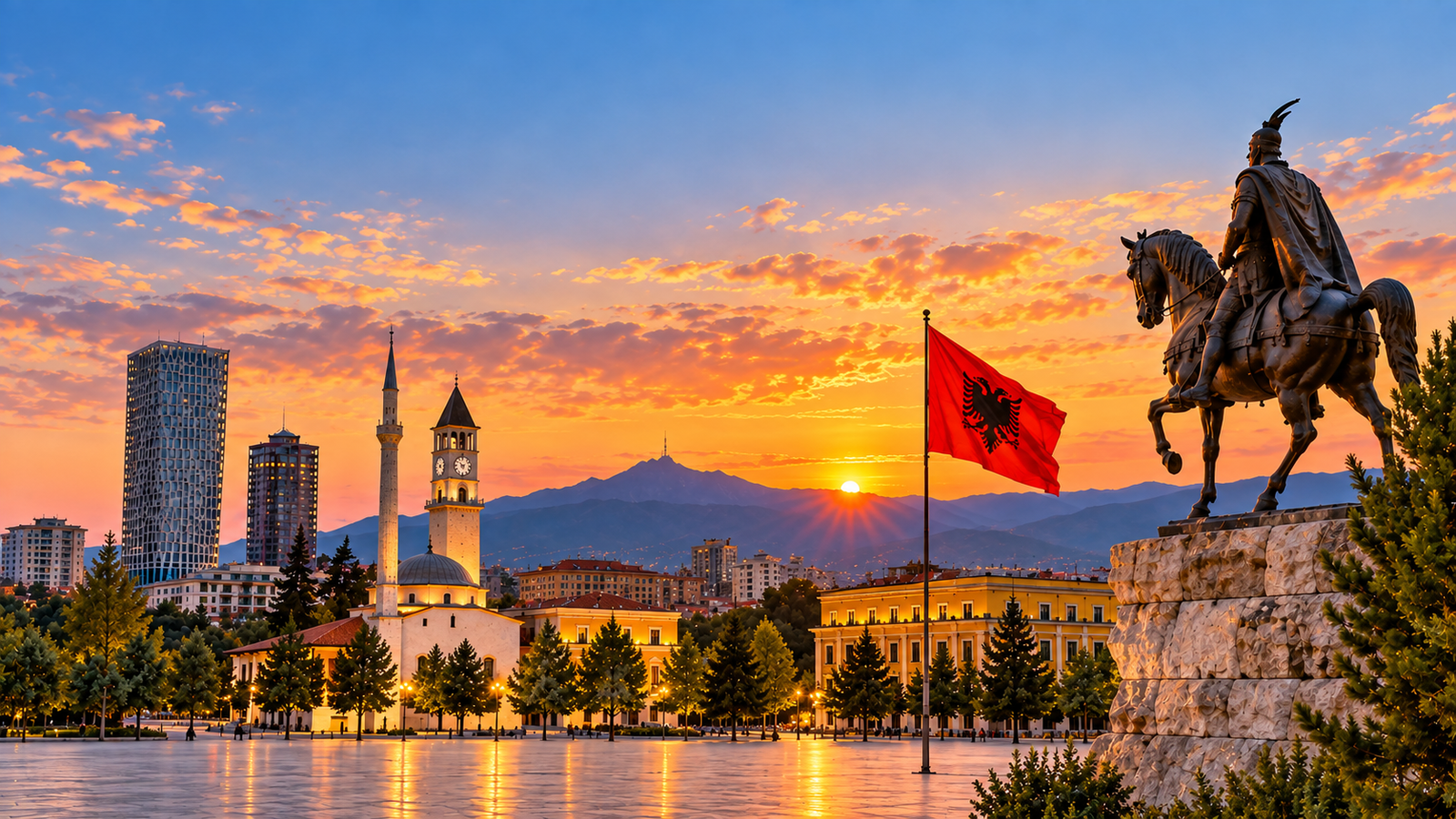
- Flag Square – The symbolic heart of the city and one of Albania’s most important historical landmarks.
- Independence Museum – A must-visit attraction for anyone interested in Albania’s independence movement and modern history.
- Vlora Old Town – Explore restored historic streets, local cafés, and architectural landmarks while learning more about the city’s cultural heritage.
Frequently Asked Questions
Yes. It offers an excellent overview of Vlora’s history, from ancient civilizations to Albania’s modern independence movement, making it one of the city’s most valuable cultural attractions.
Most visitors spend between 45 and 60 minutes exploring the museum’s permanent exhibitions.
One of the museum’s most notable artifacts is the original coffin of Avni Rustemi, alongside important archaeological collections from Orikum, Amantia, Kanina, and other historic sites.
Yes. The museum is compact, educational, and easy to visit with children interested in history and culture.
Absolutely. The museum is ideally paired with the Ethnographic Museum, Flag Square, Vlora Old Town, and the Independence Museum.
The Vlora Historical Museum offers a fascinating journey through the history of southern Albania, bringing together archaeological treasures, medieval relics, historical documents, and exhibits dedicated to Albania’s Independence and key twentieth-century events. Located in the heart of the city’s historic center, the museum provides valuable insight into the civilizations, cultures, and historical moments that shaped Vlora and the wider region. Whether you are passionate about history or simply want to discover a different side of the city beyond its coastline, the museum is a rewarding stop that adds depth and context to any visit to Vlora.
After exploring the city’s rich heritage, don’t miss our guide to Best Beaches in Vlora (2026 Guide) – Top 8 Must-Visit Spots to discover the stunning coastline that has made Vlora one of Albania’s most popular seaside destinations.