

For more than 2,700 years, Durrës has stood at the crossroads of civilizations. Long before it became Albania’s largest port and one of its most popular seaside destinations, it was known as Dyrrhachium, one of the most important cities of the ancient Adriatic world. Greeks, Illyrians, Romans, Byzantines, Venetians, and Ottomans all left their mark here, creating a unique urban landscape where traces of multiple civilizations can still be discovered today.
While modern Durrës continues to grow around its coastline, the historic heart of the city preserves remarkable monuments that tell the story of its extraordinary past. From the largest Roman amphitheatre in the Balkans to medieval fortifications and archaeological treasures, Old Durrës offers visitors a rare opportunity to walk through more than two millennia of history in a single day.
Whether you are passionate about archaeology, architecture, or cultural heritage, exploring Old Durrës is one of the best ways to understand why this city became one of the most influential centers of the Adriatic region.
Table of Contents
- Durrës Amphitheatre: The Largest Roman Amphitheatre in the Balkans
- The Byzantine Walls: Guardians of the Adriatic
- The Venetian Tower: A Medieval Landmark
- The Ancient Forum (Macellum): The Commercial Heart of Roman Durrës
- Roman Baths: A Window into Everyday Life
- Archaeological Museum of Durrës
- Via Egnatia: The Road That Connected Empires
- Why Old Durrës Matters
- FAQ – Old Durrës
Durrës Amphitheatre: The Largest Roman Amphitheatre in the Balkans
The most impressive monument of Old Durrës is undoubtedly the Durrës Amphitheatre, one of Albania’s most important archaeological sites and the largest Roman amphitheatre ever built in the Balkans. Hidden among modern buildings in the city center, this extraordinary structure reminds visitors of a time when Durrës was one of the Roman Empire’s most significant ports on the Adriatic Sea.
Constructed during the reign of Emperor Trajan at the beginning of the 2nd century AD, the amphitheatre was designed in an elliptical shape measuring approximately 136 meters in diameter and reaching around 20 meters in height. Historical estimates suggest it could accommodate between 15,000 and 20,000 spectators, making it one of the largest entertainment venues in the region.
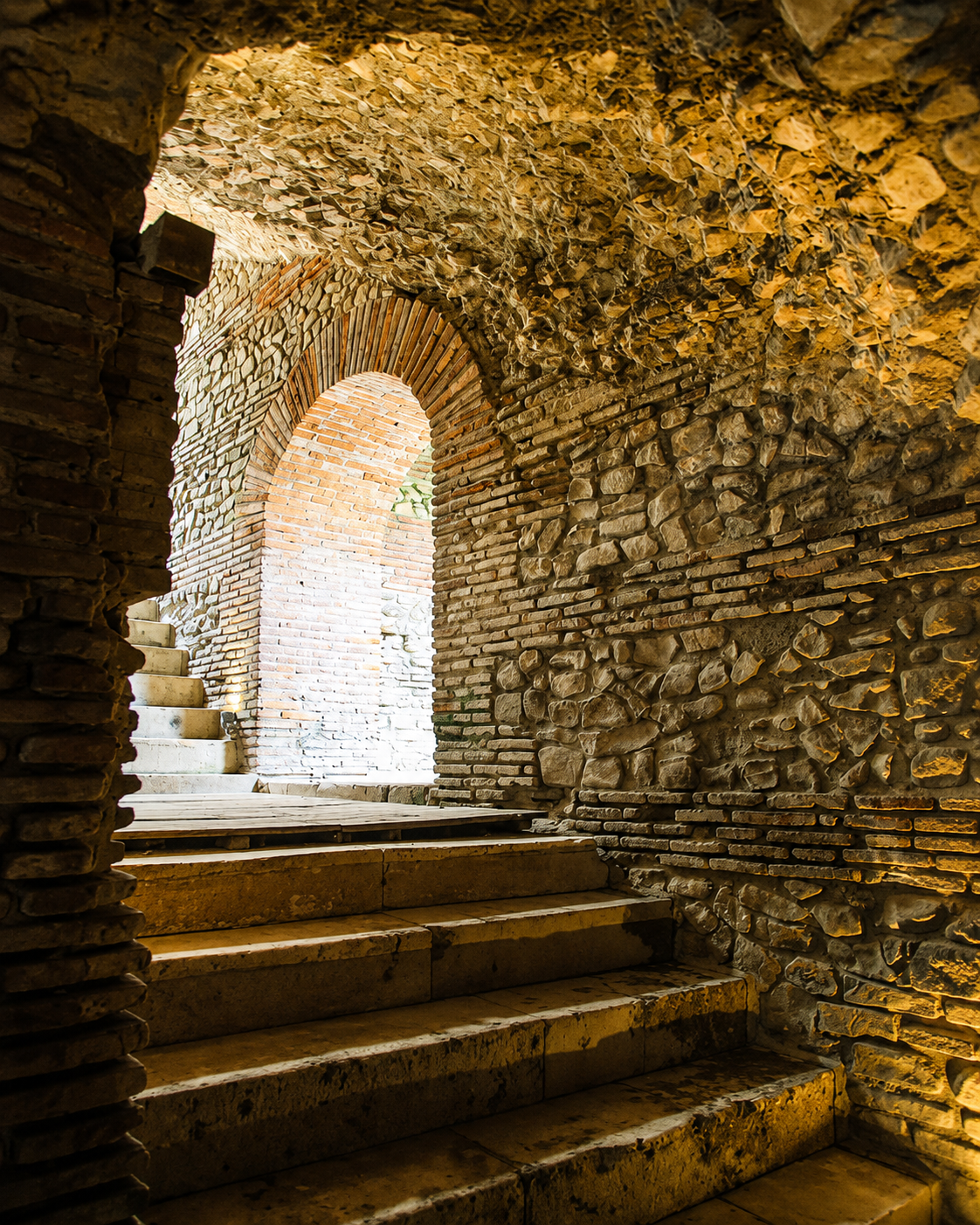
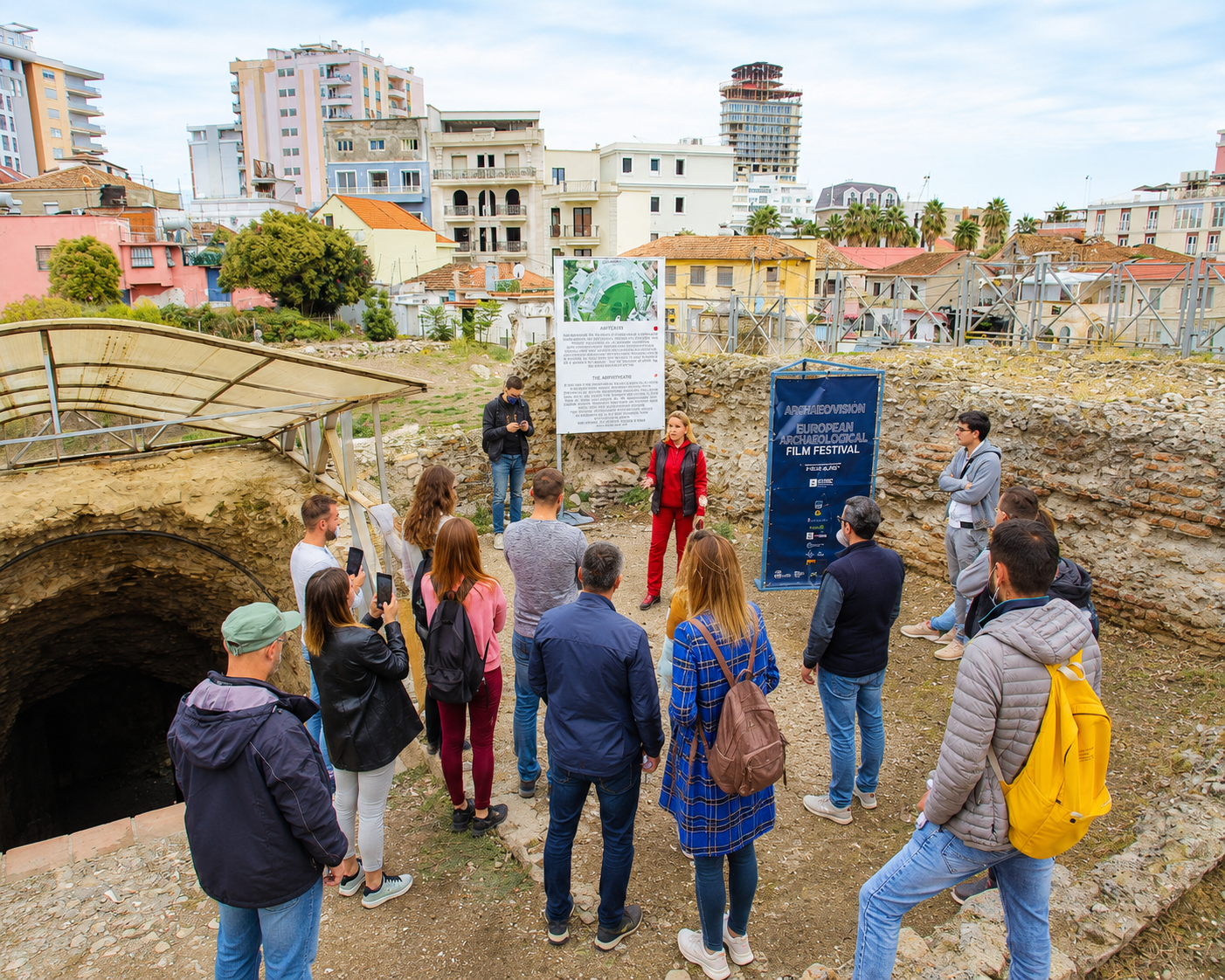
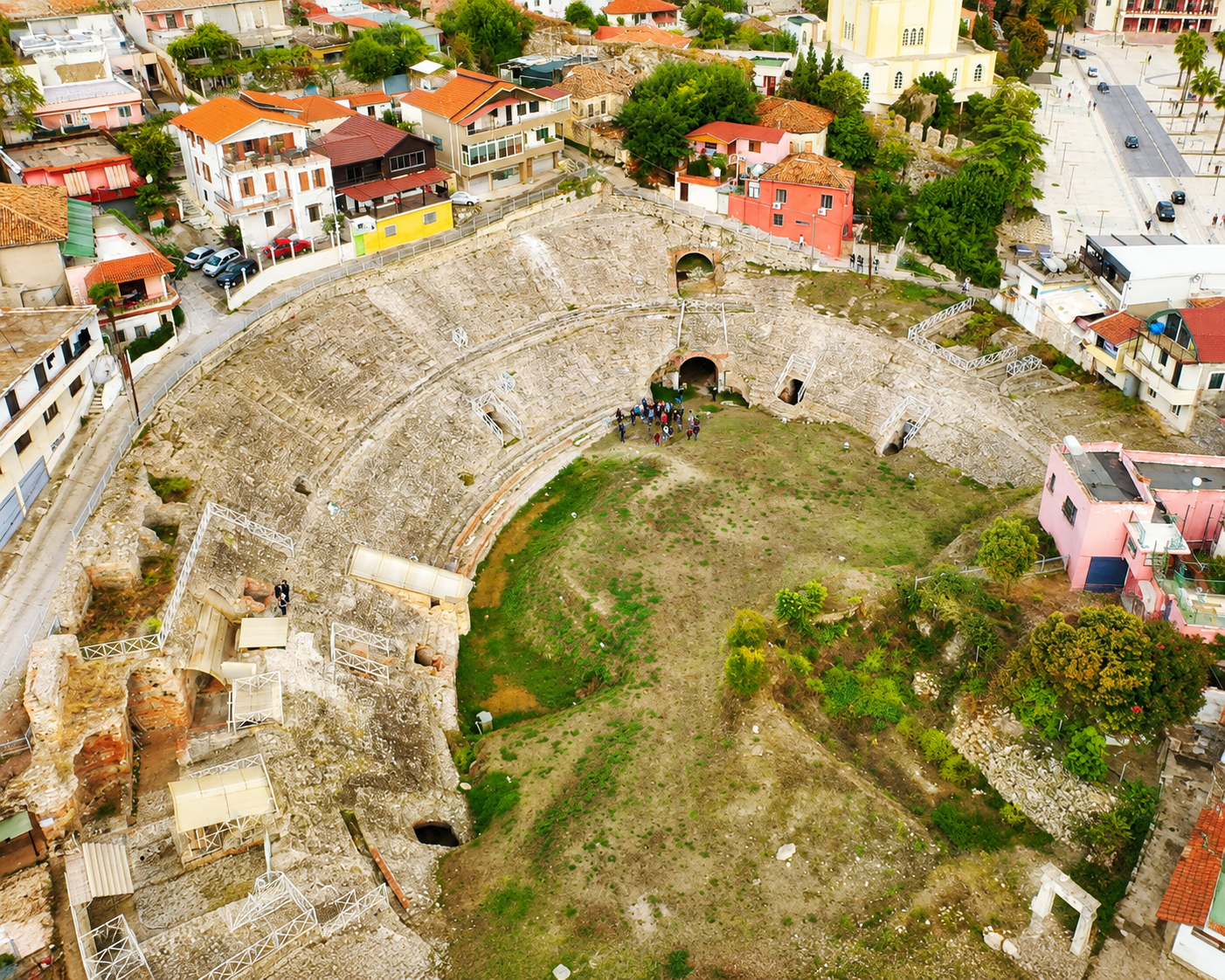
The arena hosted gladiatorial contests, public ceremonies, theatrical performances, and various spectacles that attracted audiences from across ancient Dyrrhachium. The main entrance was located on the northern side, with a secondary entrance to the south, both connected through a sophisticated network of corridors and passages designed to move crowds efficiently throughout the structure.
One of the most remarkable aspects of the monument is the presence of an Early Christian chapel constructed within the amphitheatre after the decline of the Roman Empire. Decorated with rare Byzantine mosaics and frescoes, this chapel illustrates how the monument evolved over centuries, reflecting the transition from the pagan Roman world to the Christian Byzantine era.
For centuries much of the amphitheatre remained buried beneath houses and urban development. It was only rediscovered in 1966, when archaeological excavations revealed one of Albania’s greatest historical treasures. Later excavations uncovered medieval tombs within the arena itself, proving that the site continued to be used long after gladiatorial games had disappeared from Roman society.
Today, visitors can walk through the underground galleries, stand in the ancient arena, and admire the surviving architecture while imagining the atmosphere that once filled this monumental structure nearly two thousand years ago.
The Byzantine Walls: Guardians of the Adriatic
Throughout its history, Durrës occupied one of the most strategic positions on the Adriatic coast. Its location made it an important center for trade and communication, but it also exposed the city to frequent invasions and military threats. To protect this valuable gateway, powerful defensive walls were constructed around the city.
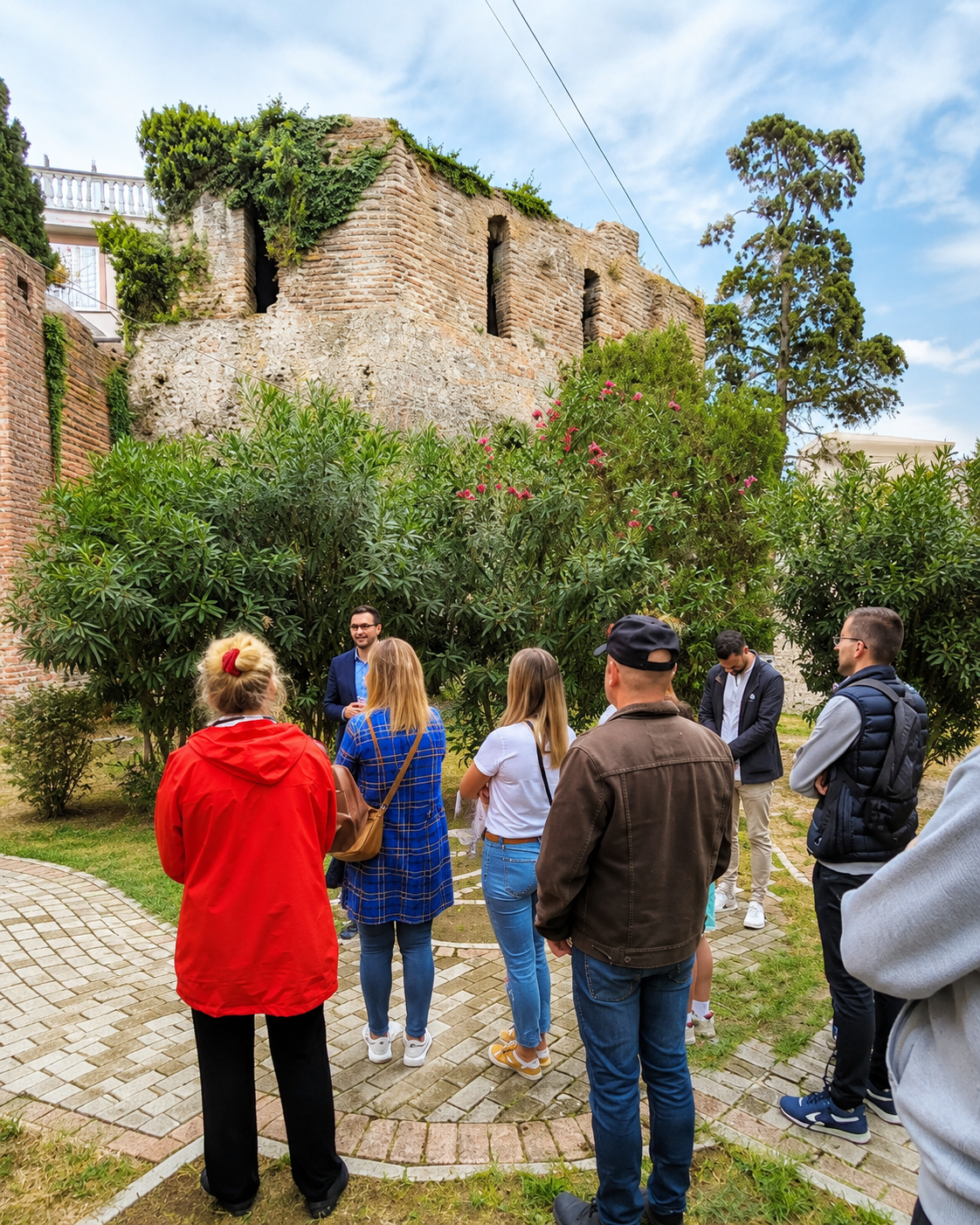
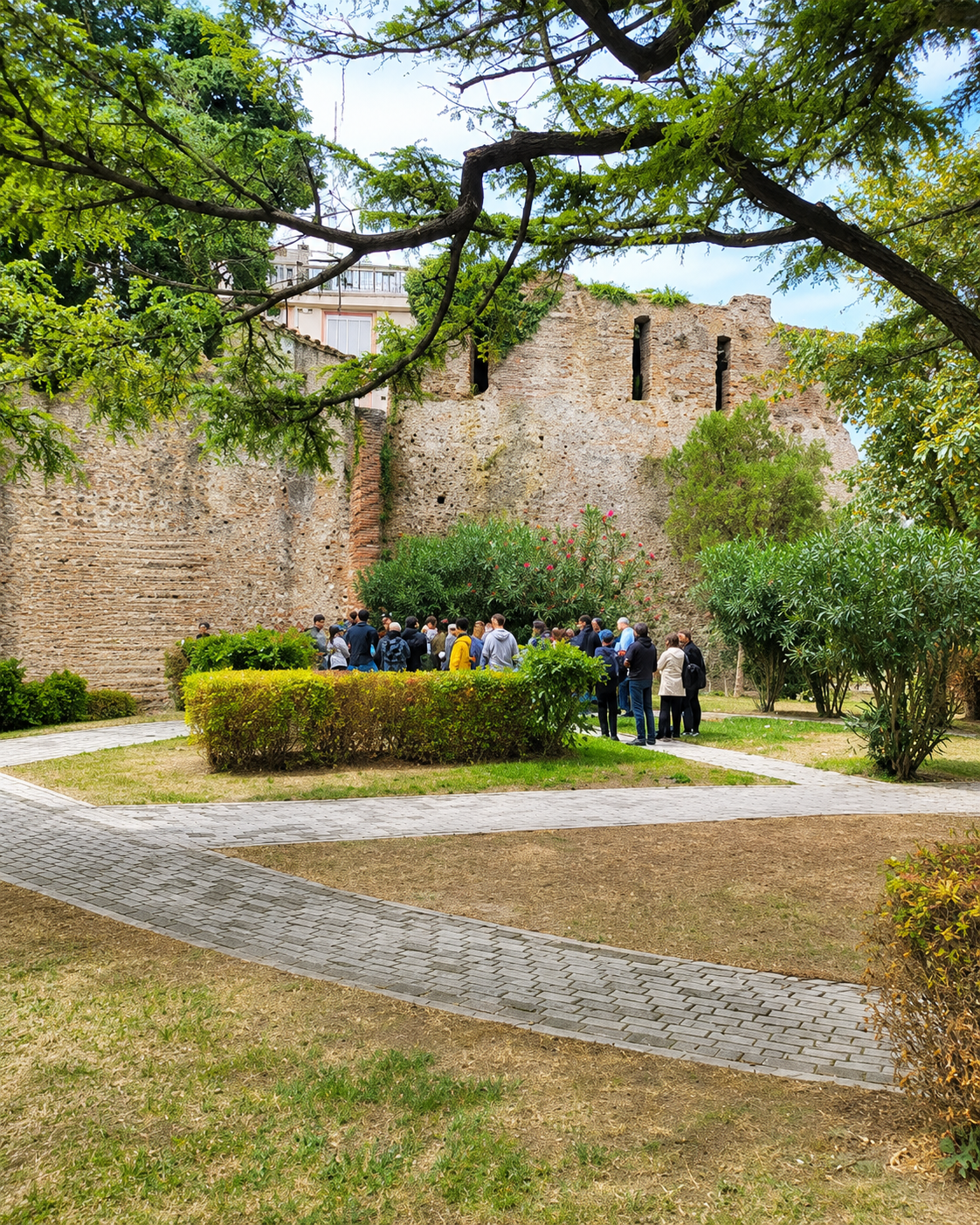
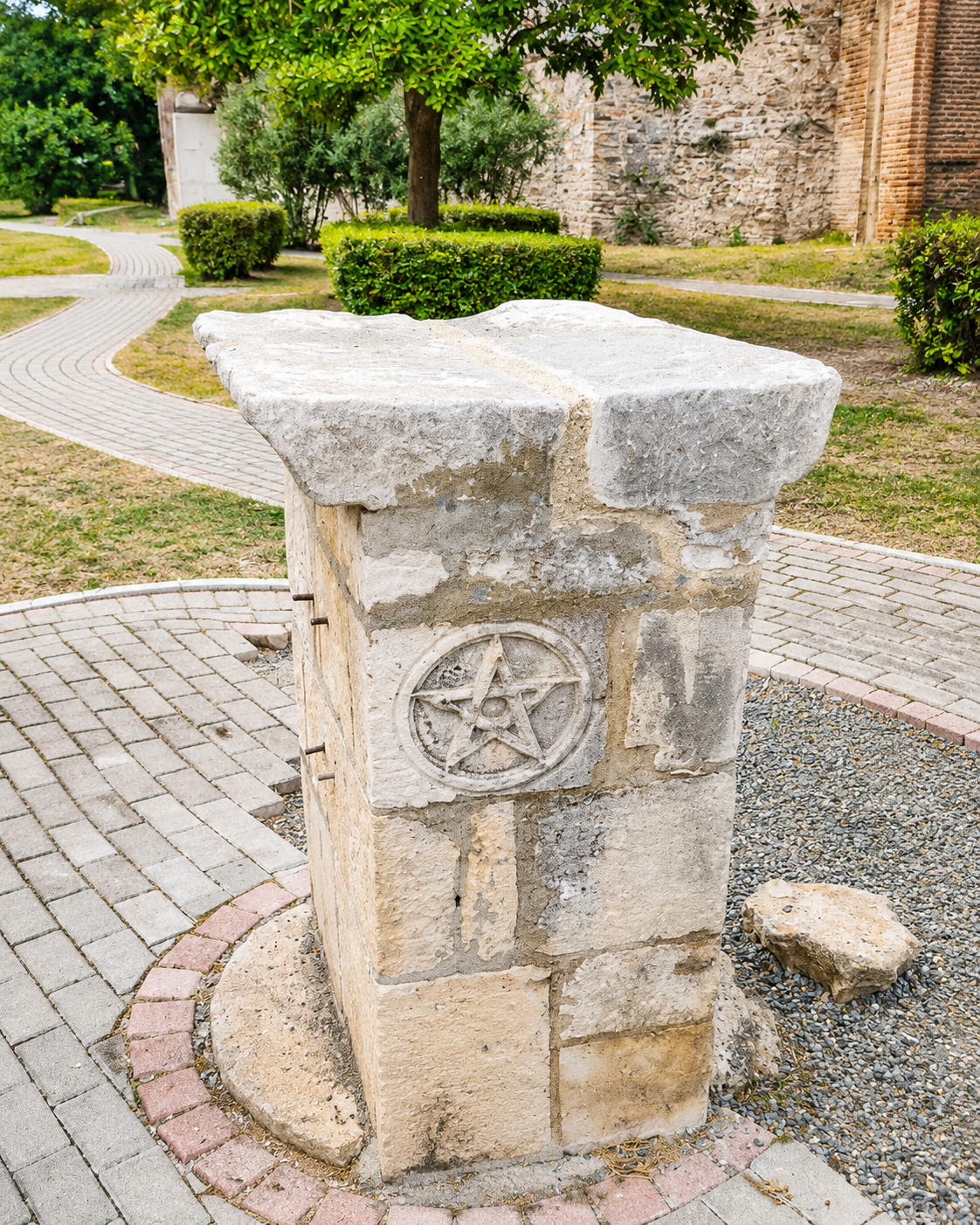
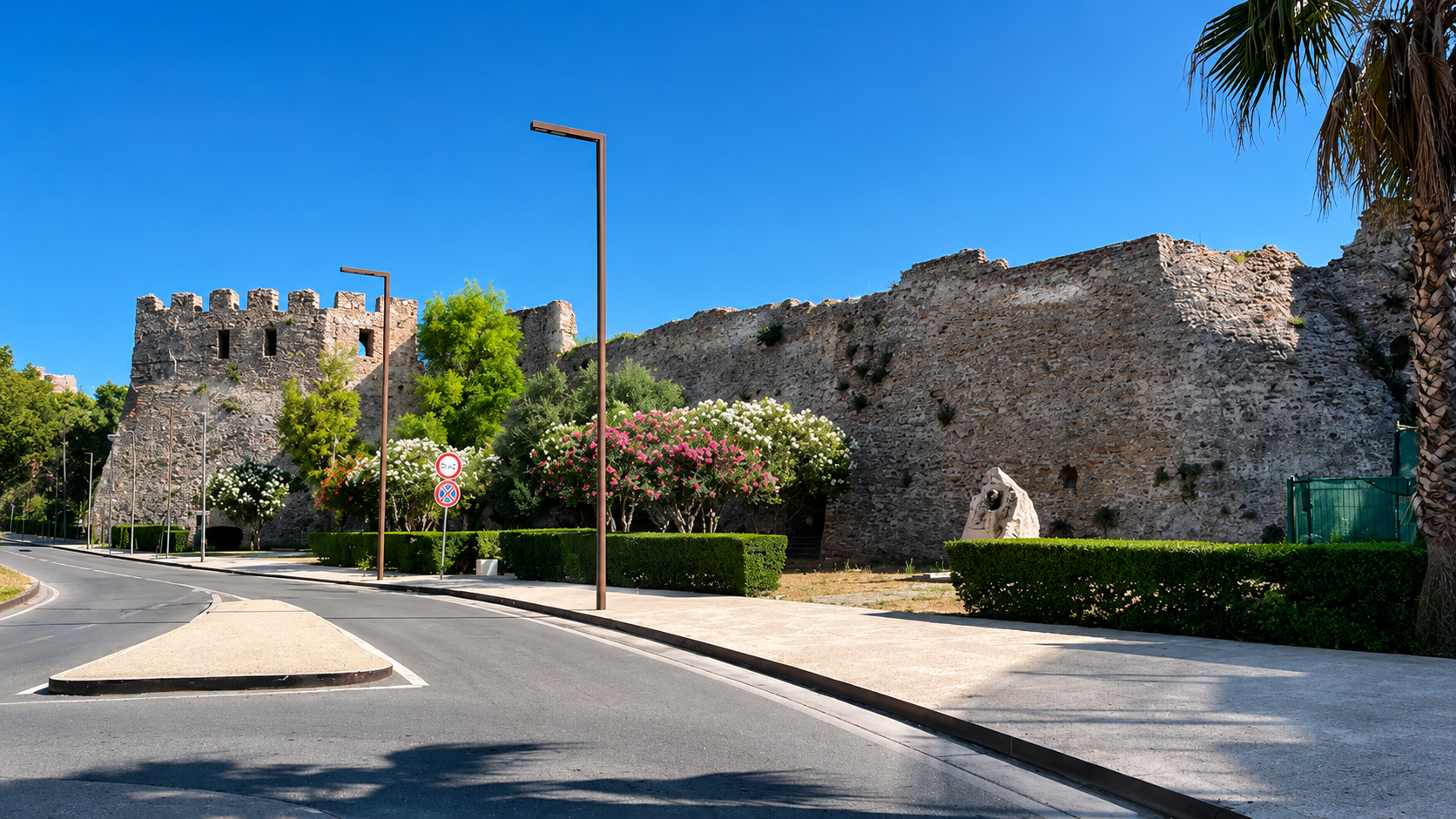
The surviving Byzantine Walls of Durrës date largely to the reign of Emperor Anastasius I, who ruled the Byzantine Empire from 491 to 518 AD and was born in Durrës itself. Under his rule, the city received some of the strongest fortifications in the Mediterranean world. Contemporary descriptions suggest that the walls were so wide that multiple horsemen could ride side by side along their upper sections.
Although only portions of the original fortifications remain visible today, their scale still impresses visitors. Massive stone blocks, defensive towers, and surviving stretches of wall provide a glimpse into the military engineering that protected one of the empire’s most important ports.
Walking alongside these ancient defenses offers a powerful reminder of Durrës’ strategic importance and the countless historical events that unfolded around its walls over the centuries.
The Venetian Tower: A Medieval Landmark
Standing proudly beside the old fortifications, the Venetian Tower represents another chapter in the long history of Durrës. During the late Middle Ages, Venice gained control of the city and invested heavily in strengthening its defenses to protect trade routes across the Adriatic Sea.
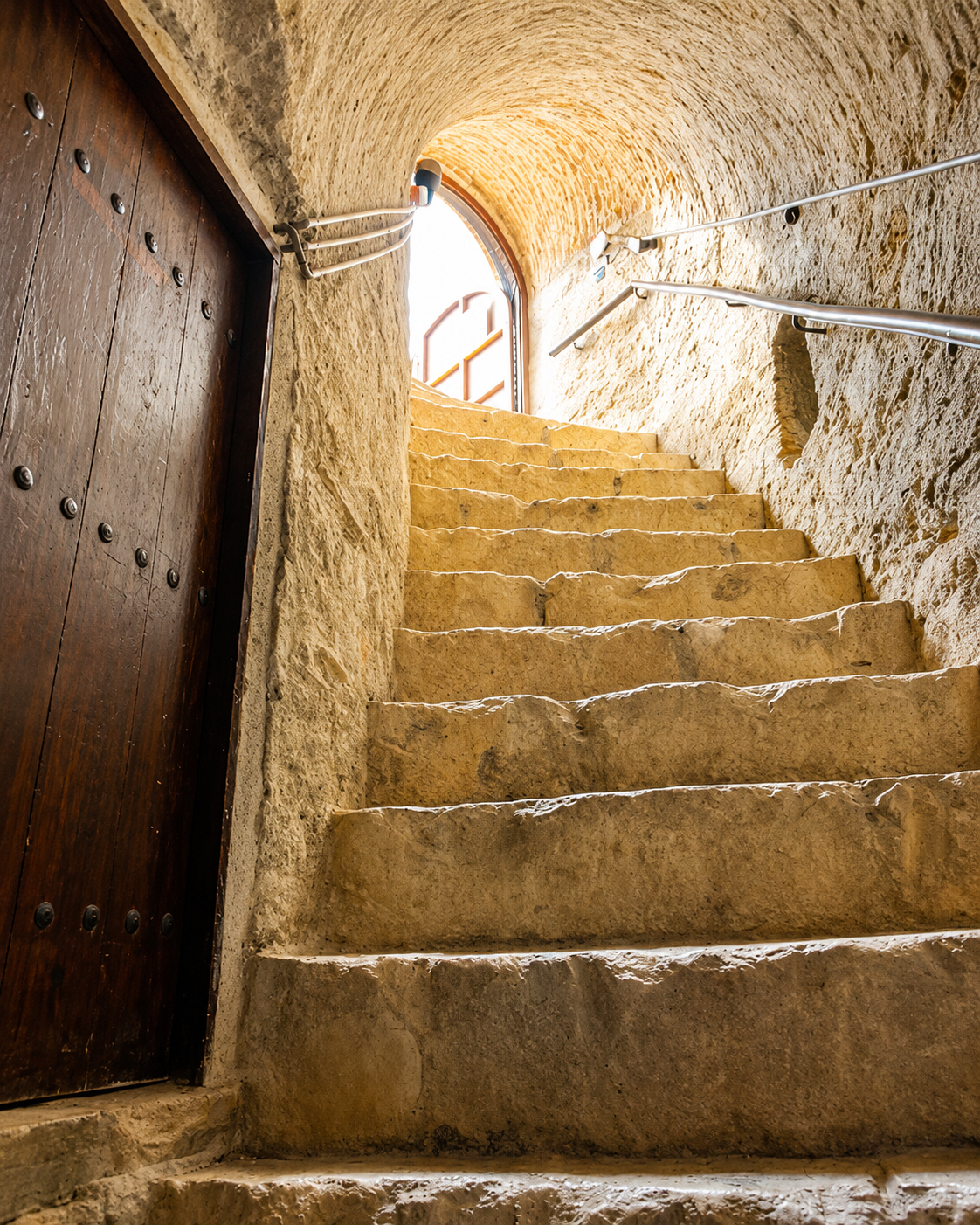
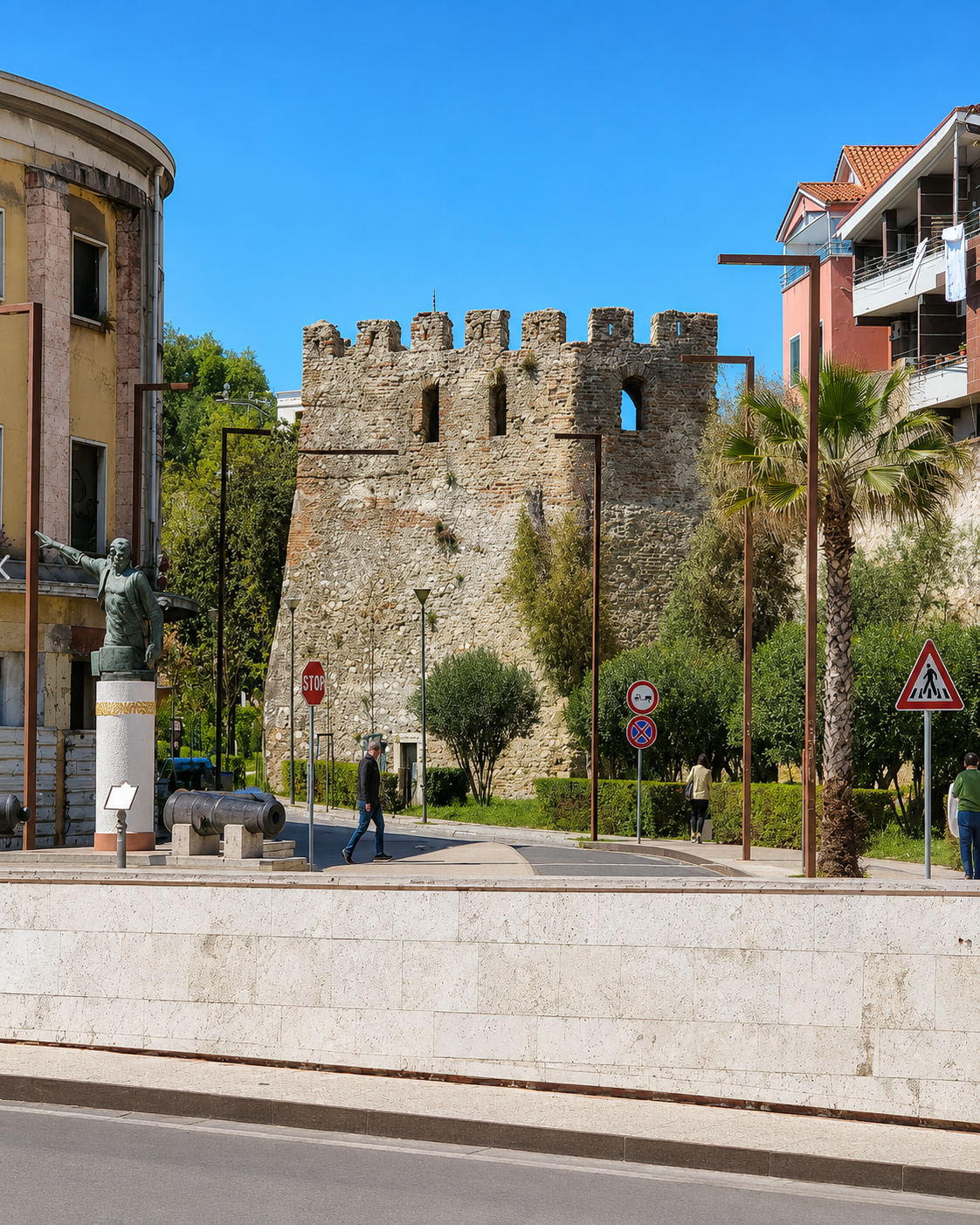
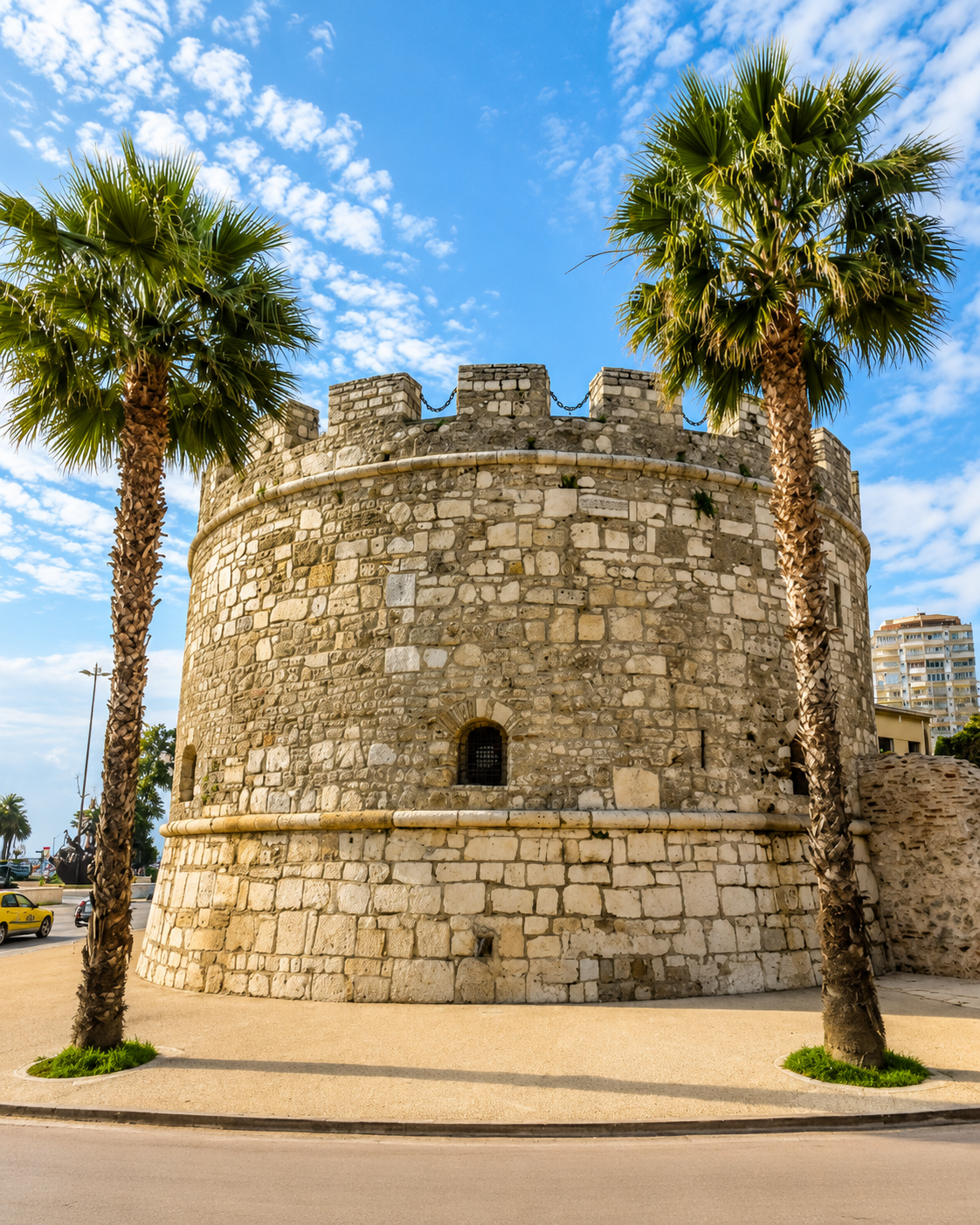
The tower formed part of a larger defensive network and served as one of the strongest points of the city’s fortification system. From here, guards could monitor movement around the harbor and respond quickly to potential threats approaching from land or sea.
Following restoration works, the tower has become one of the most recognizable landmarks in Durrës. Visitors can explore the structure while enjoying panoramic views of the surrounding city and historic walls. The contrast between the medieval architecture and the modern urban landscape highlights the many layers of history that define Old Durrës.
The Byzantine Market Square (Macellum): The Commercial Heart of Ancient Durrës
While monuments such as the amphitheatre showcase the grandeur of imperial Durrës, the Byzantine Market Square, often associated with the ancient Macellum area, offers a fascinating glimpse into the city’s commercial and social life.
Located near the historic center of ancient Dyrrhachium, this circular public complex occupied a strategic position among the city’s most important public and religious buildings. Archaeological evidence indicates that the site functioned as an open marketplace surrounded by a portico of columns, creating a vibrant space where merchants, craftsmen, and residents gathered to trade goods arriving through one of the Adriatic’s busiest ports.
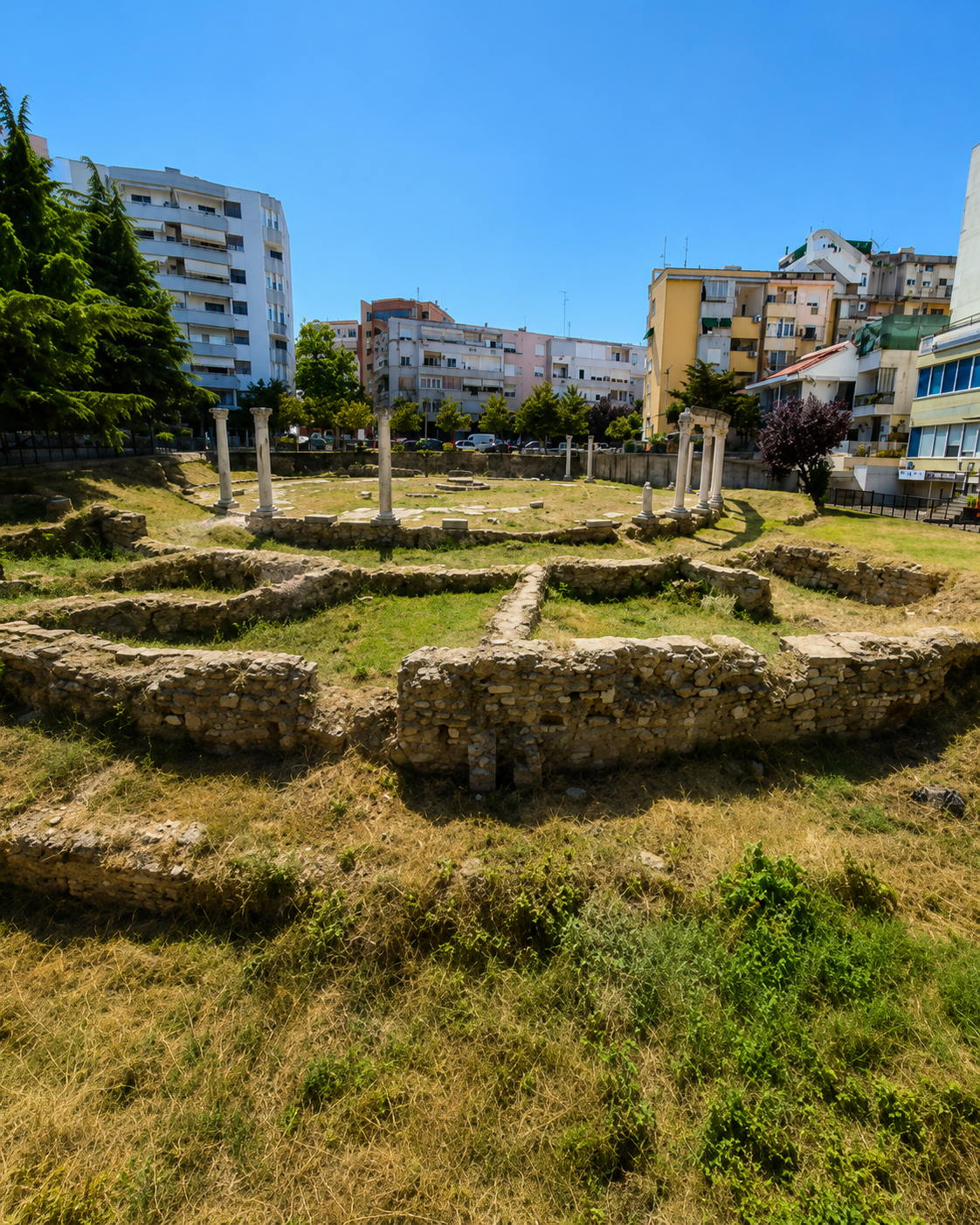
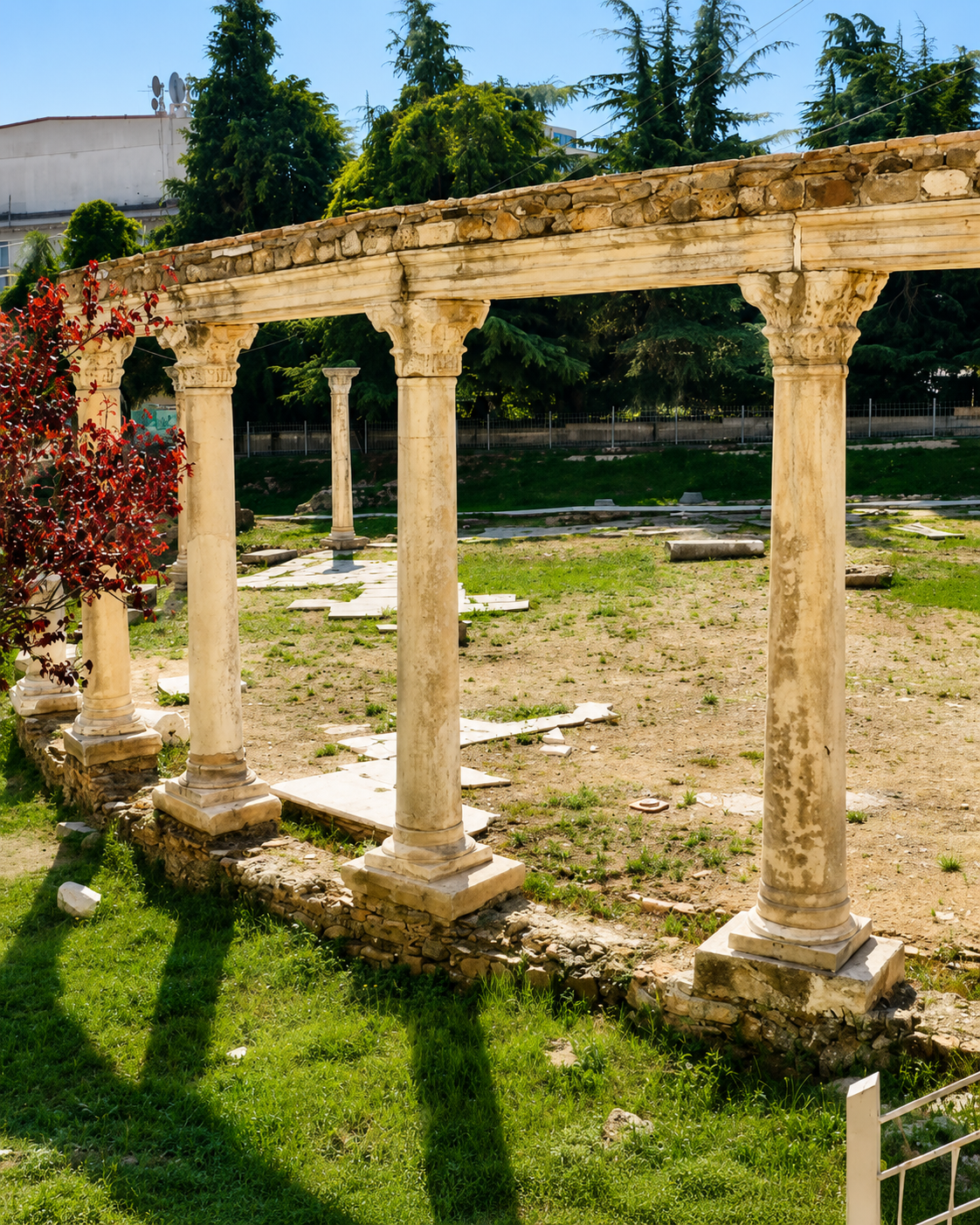
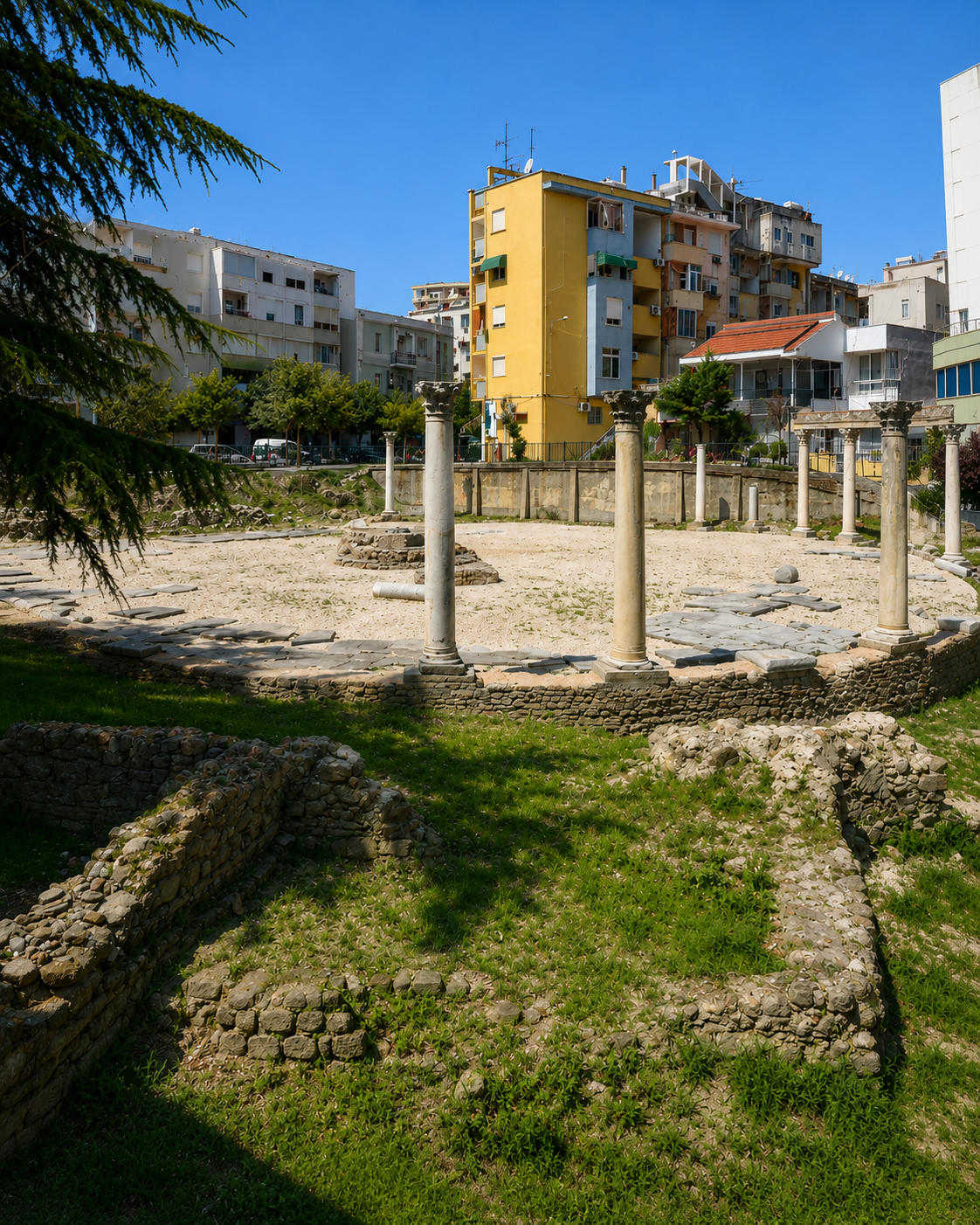
The market square was designed around a circular layout measuring approximately 40 meters in diameter. At its center stood a podium and a well, while a ring of columns enclosed the public space. Around this central area were rooms and service spaces that supported commercial activities and daily urban life. The architectural remains reveal the sophisticated planning that characterized Durrës during the Byzantine period.
Most of the visible structures date to the early 6th century AD, during the reigns of Emperor Anastasius I, who was born in Durrës, and Emperor Justinian I, two rulers who invested heavily in the city’s development and fortifications. The site demonstrates how Durrës remained an important economic and administrative center even after the decline of Roman rule.
Although only fragments of the original marketplace survive today, visitors can still see columns, foundations, and traces of the circular layout. Together, these remains help reconstruct the atmosphere of a thriving commercial center that connected local communities with trade networks stretching across the Mediterranean world.
Roman Baths: A Window into Everyday Life
The Romans were renowned for their public bath complexes, and Durrës was no exception. Archaeological discoveries throughout the city have revealed the remains of Roman baths, offering valuable insights into the lifestyle of ancient residents.
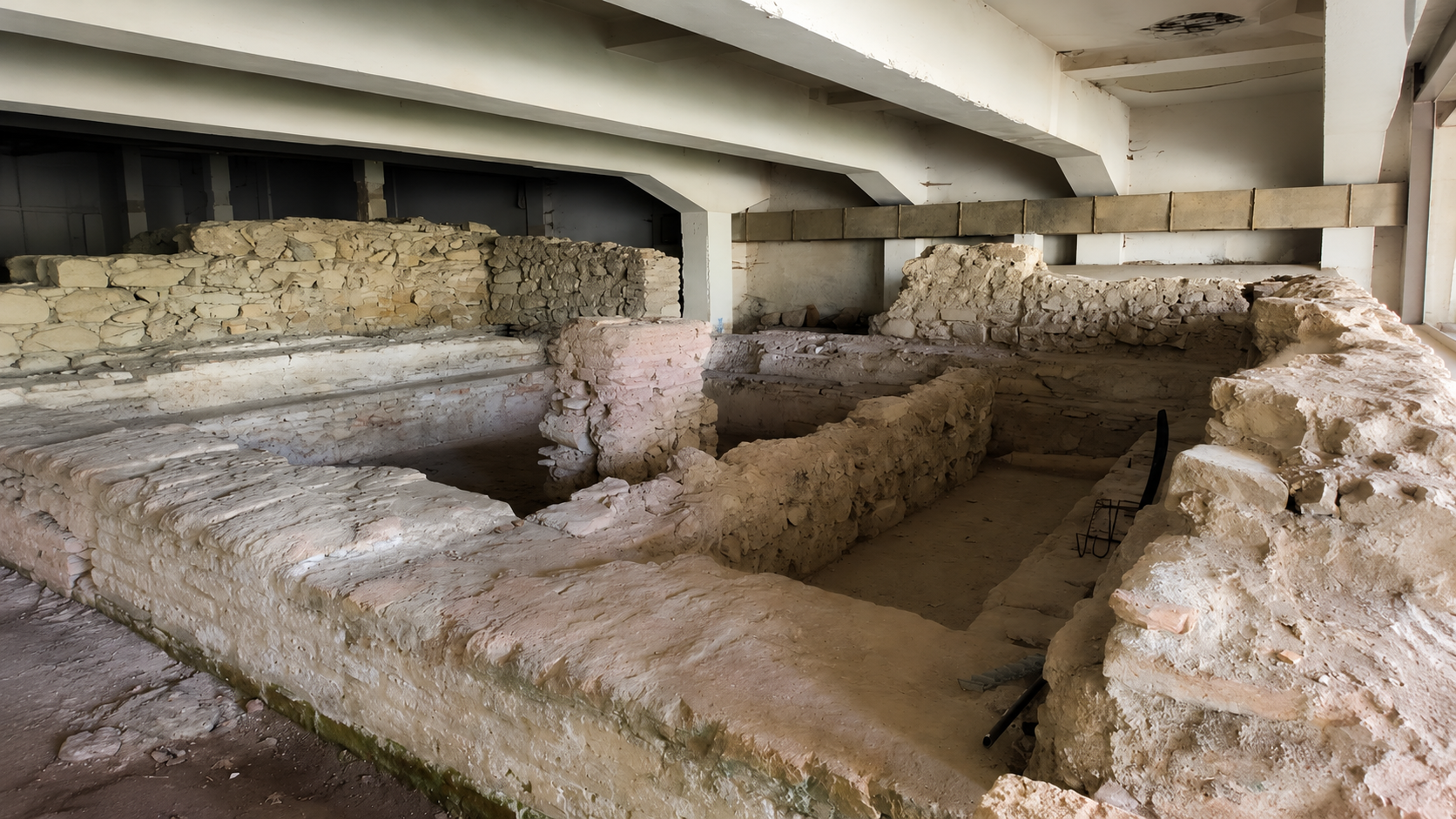
Public baths served multiple purposes beyond personal hygiene. They functioned as social centers where people met friends, discussed business, exercised, and relaxed. Sophisticated heating systems, water channels, and bathing chambers demonstrated the advanced engineering skills of Roman builders.
Although only fragments of these structures survive today, they help visitors understand how ordinary citizens lived and interacted within one of the most important urban centers of the Adriatic coast.
These remains provide another fascinating layer to the story of Old Durrës and the daily routines that shaped life within the Roman Empire.
Archaeological Museum of Durrës
No exploration of Old Durrës is complete without visiting the Archaeological Museum of Durrës, the largest archaeological museum in Albania. Located near the waterfront, the museum houses thousands of artifacts recovered from Durrës and surrounding archaeological sites.
The collections cover a wide range of historical periods, including Illyrian, Greek, Hellenistic, Roman, Byzantine, and Medieval civilizations. Visitors can admire sculptures, mosaics, pottery, coins, inscriptions, funerary monuments, and architectural fragments that collectively tell the story of the city’s evolution over more than two millennia.
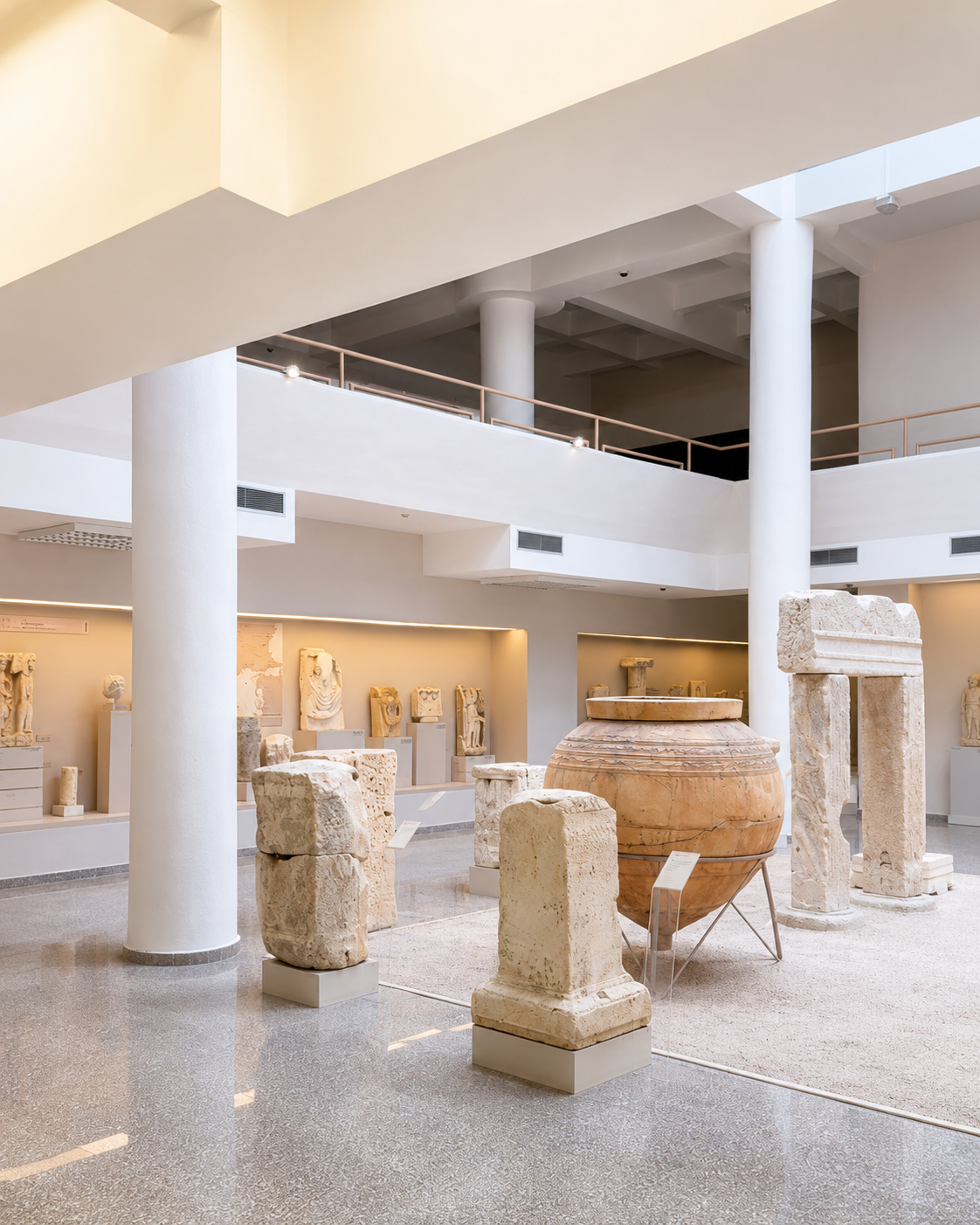
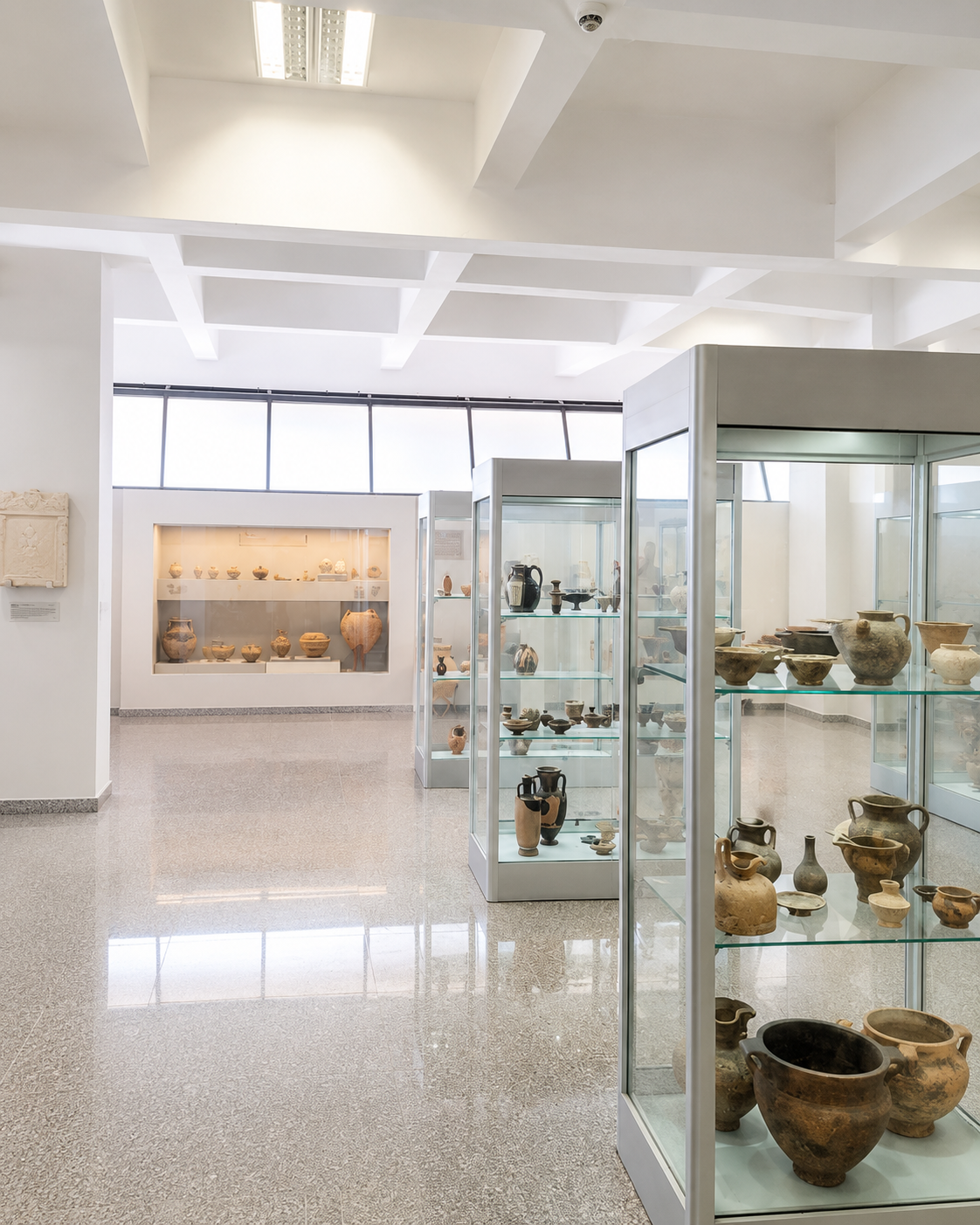
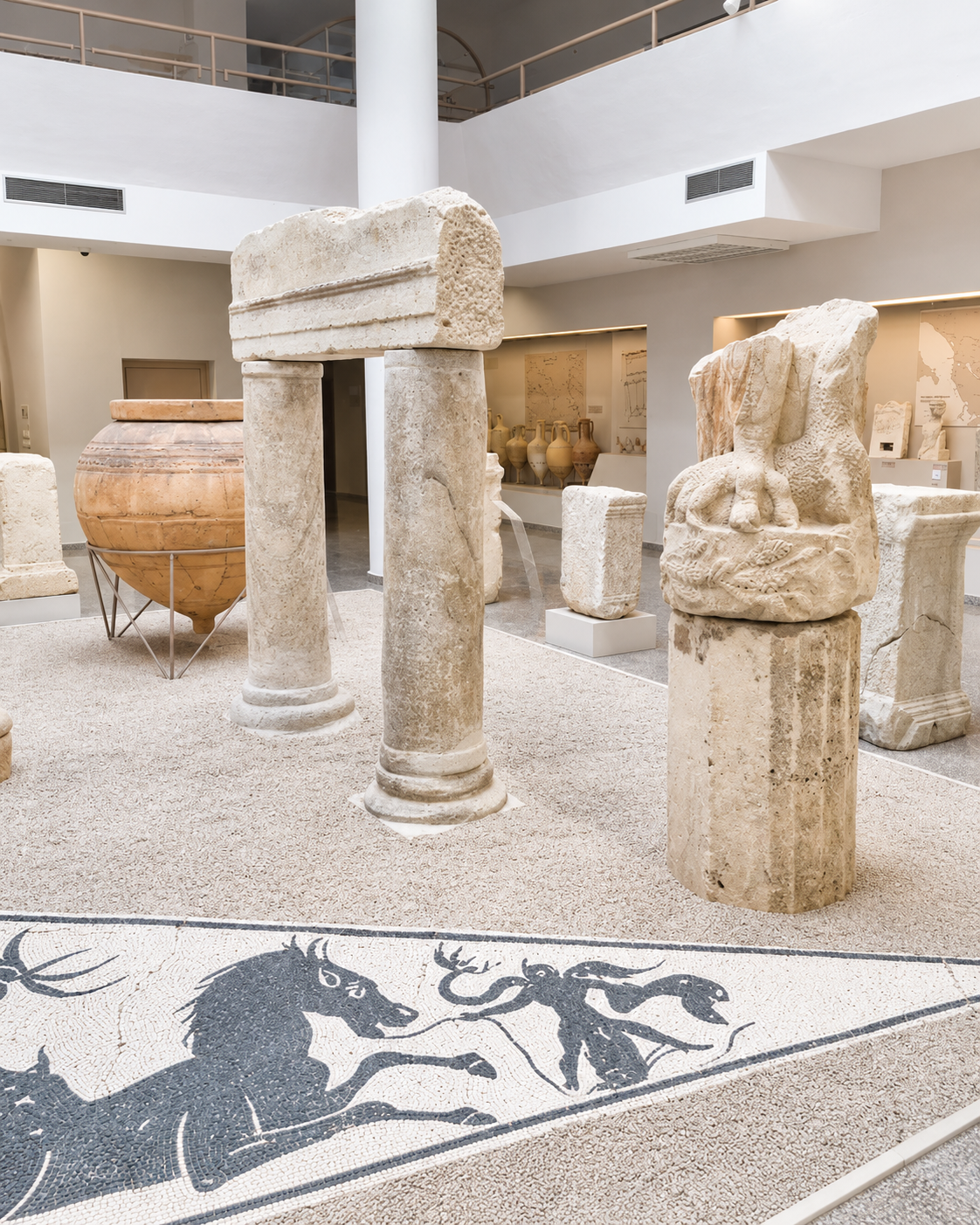
Among the museum’s most famous treasures is the celebrated Beauty of Durrës, one of Albania’s finest ancient mosaics. Together with numerous Roman statues and Byzantine artifacts, it demonstrates the cultural richness that characterized the city throughout its long history.
The museum serves as the perfect introduction to the monuments scattered across Old Durrës, helping visitors understand the broader historical context behind each archaeological site.
For a deeper look into the museum’s collections, opening hours, ticket prices, and must-see exhibits, read our complete guide: Archaeological Museum of Durres: History, Tickets & What to See.
Via Egnatia: The Road That Connected Empires
One of the main reasons Durrës became so influential was its position as the western starting point of Via Egnatia, one of the Roman Empire’s most important roads.
Constructed during the 2nd century BC, Via Egnatia connected the Adriatic coast with Thessaloniki and eventually Constantinople, linking western and eastern parts of the empire. Merchants, soldiers, emperors, diplomats, and pilgrims all passed through Durrës before continuing their journey across the Balkans.
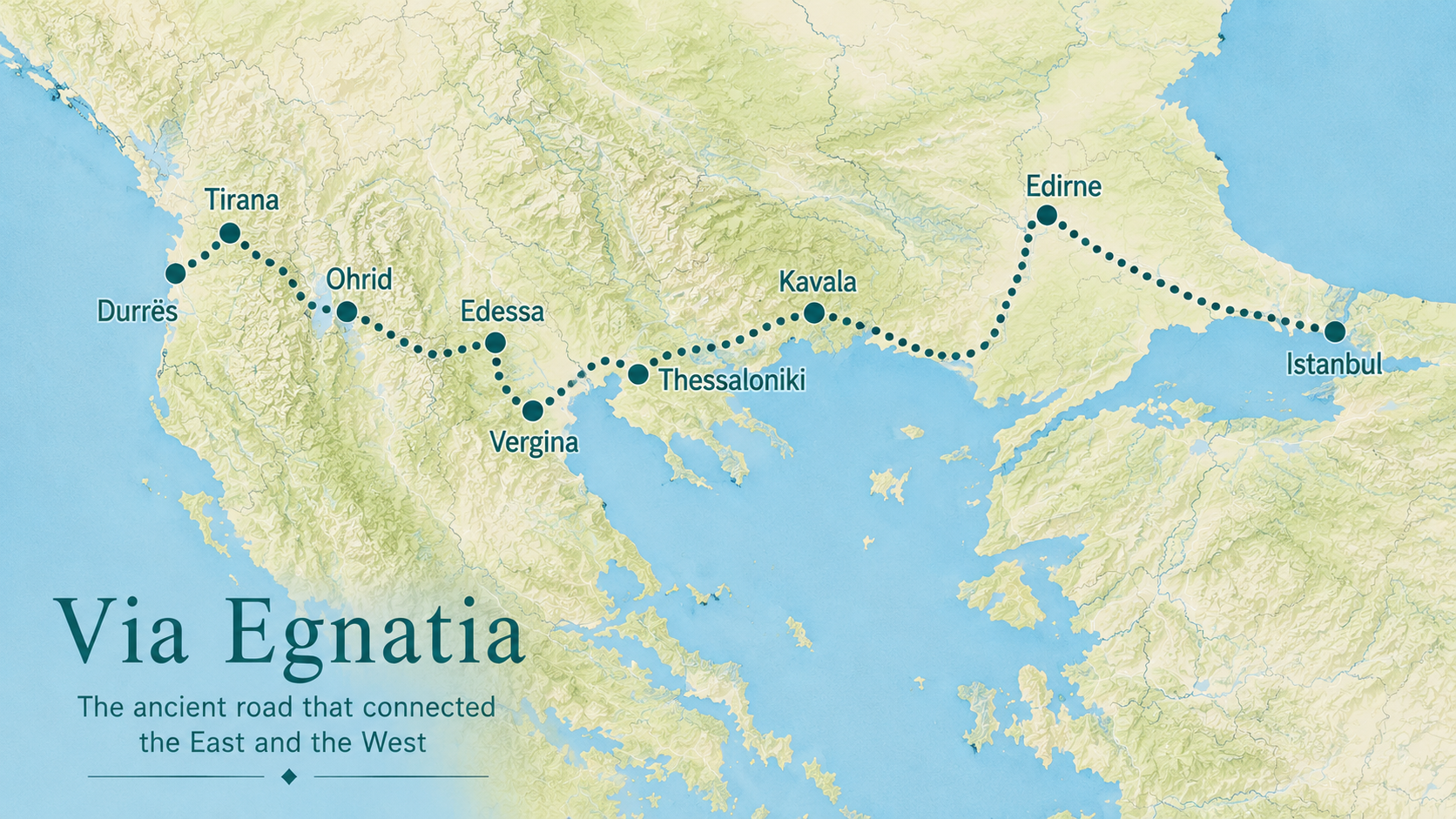
Although the original road is no longer fully visible within the city, its historical significance remains fundamental to understanding the rise of Durrës as a major commercial and political center. The route transformed the city into a gateway between Europe and Asia and contributed significantly to its prosperity for centuries.
Today, the legacy of Via Egnatia remains deeply connected to the identity of Old Durrës and its role in Mediterranean history.
Why Old Durrës Matters?
Few cities in Albania preserve such a remarkable concentration of historical monuments within a relatively small area. Old Durrës is not simply an archaeological destination—it is a living record of the civilizations that shaped the Adriatic world.
Here, visitors can explore a Roman amphitheatre, walk beside Byzantine fortifications, climb a Venetian tower, discover ancient marketplaces, and admire priceless museum collections spanning thousands of years. Each site reveals a different chapter of the city’s fascinating story.
While modern Durrës continues to evolve as Albania’s largest port and one of its leading tourist destinations, the surviving monuments of Old Durrës preserve the memory of a city that once stood among the most influential urban centers of the ancient Mediterranean.
For travelers seeking a deeper understanding of Albania’s history, Old Durrës offers one of the country’s most rewarding cultural experiences.
FAQ – Old Durrës
The Durrës Amphitheatre is considered the city’s most important archaeological monument and the largest Roman amphitheatre in the Balkans.
Durrës was founded in the 7th century BC, making it one of the oldest continuously inhabited cities in the Adriatic region.
Yes. Several preserved sections remain accessible in the city center and can be visited throughout the year.
Absolutely. It contains the largest archaeological collection in Albania and provides essential context for understanding the city’s history.
Most visitors can see the main historical attractions in half a day, although a full day allows a more relaxed and complete experience.
Old Durrës is more than a collection of ancient ruins—it is a journey through over 2,700 years of history. From the impressive Roman Amphitheatre and Byzantine Walls to the Archaeological Museum and the remains of the Byzantine Market Square, each site reveals a different chapter of the city’s remarkable past. Exploring these landmarks offers a unique opportunity to understand why Durrës became one of the most important cities of the Adriatic and remains one of Albania’s richest cultural destinations today.
Looking for more inspiration? Explore our Top Things to Do in Durres, Albania (2026 Travel Guide) for the city’s best attractions, experiences, beaches, and hidden gems.