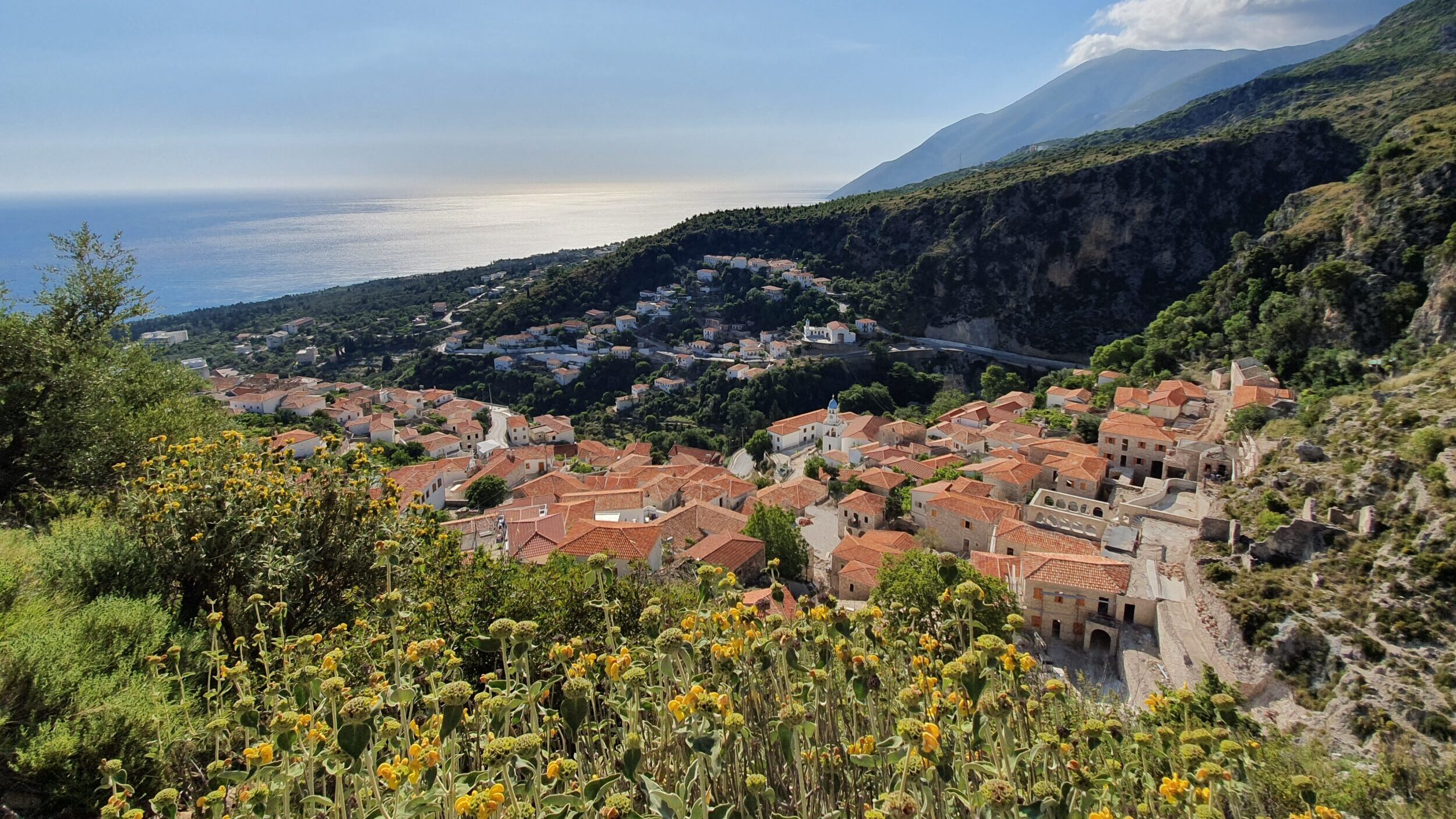


Tucked away in the mountains southeast of Korçë, the village of Vithkuq is one of those places in Albania that still feels untouched by mass tourism. Surrounded by forests, fresh mountain air, old stone churches, and traditional villages, Vithkuq offers a completely different side of the country compared to the Albanian Riviera or the busy cities.
For travelers searching for authentic experiences, local food, hiking trails, and cultural heritage, Vithkuq is becoming one of the most interesting hidden destinations in southeastern Albania. Whether you visit for a weekend escape, a road trip from Korça, or a deeper exploration of Albania’s mountain villages, this area combines history, spirituality, nature, and hospitality in a way that feels genuinely authentic.
📑 TABLE OF CONTENTS
- The History of Vithkuq
- Why Is Vithkuq Famous?
- How to Visit Vithkuq
- What to See in Vithkuq Today
- The Historic Churches of Vithkuq
- Nature & Hiking Around the Village
- Traditional Food in Vithkuq
- Local Culture & Village Life
- Best Time to Visit Vithkuq
The History of Vithkuq
Vithkuq has a surprisingly rich and important history for such a small mountain village. During the 17th and 18th centuries, it was considered one of the most developed settlements in the region and reportedly had thousands of inhabitants. At its peak, Vithkuq became an important religious, educational, and economic center connected to the wider Balkan trade routes.
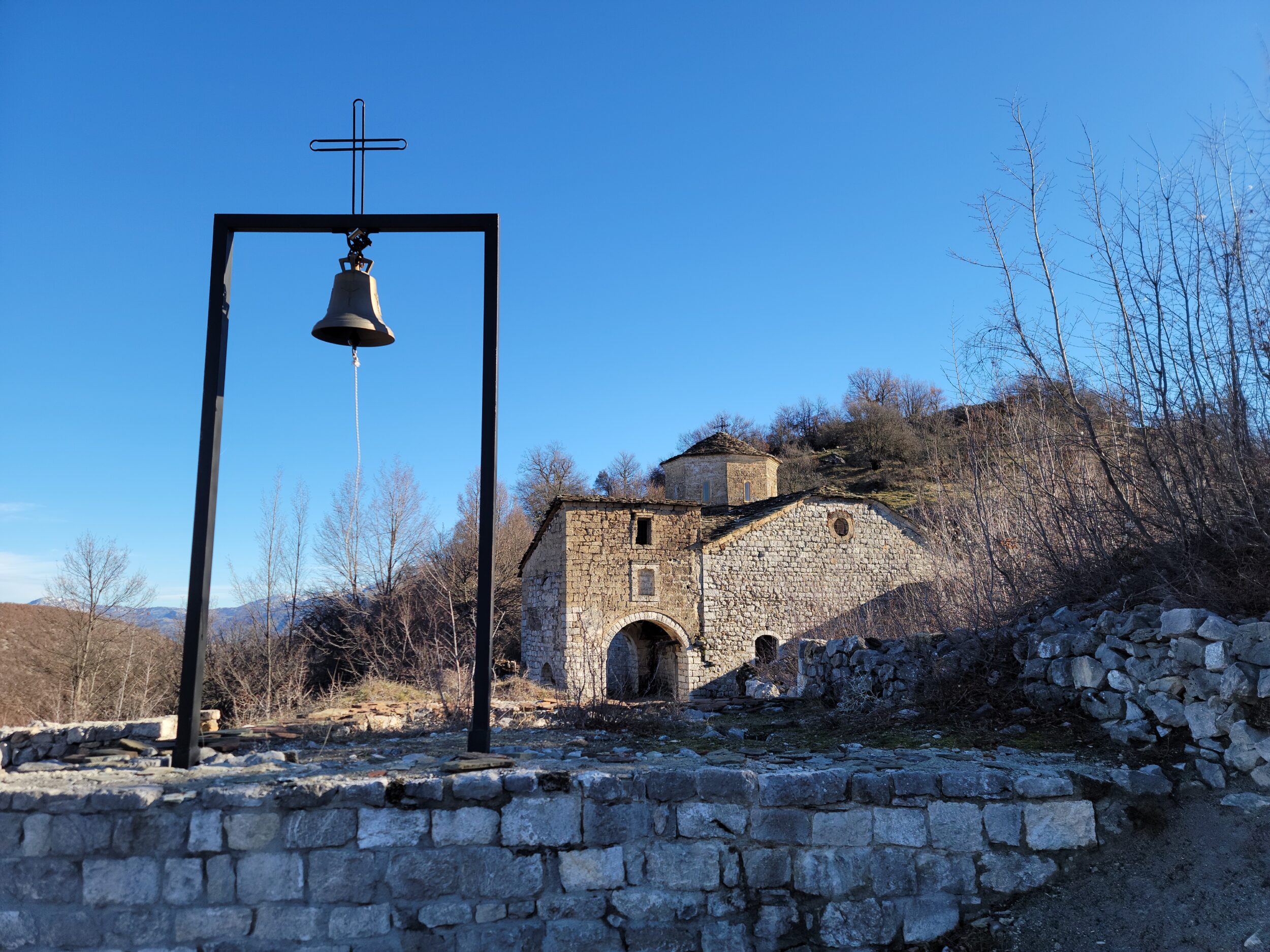
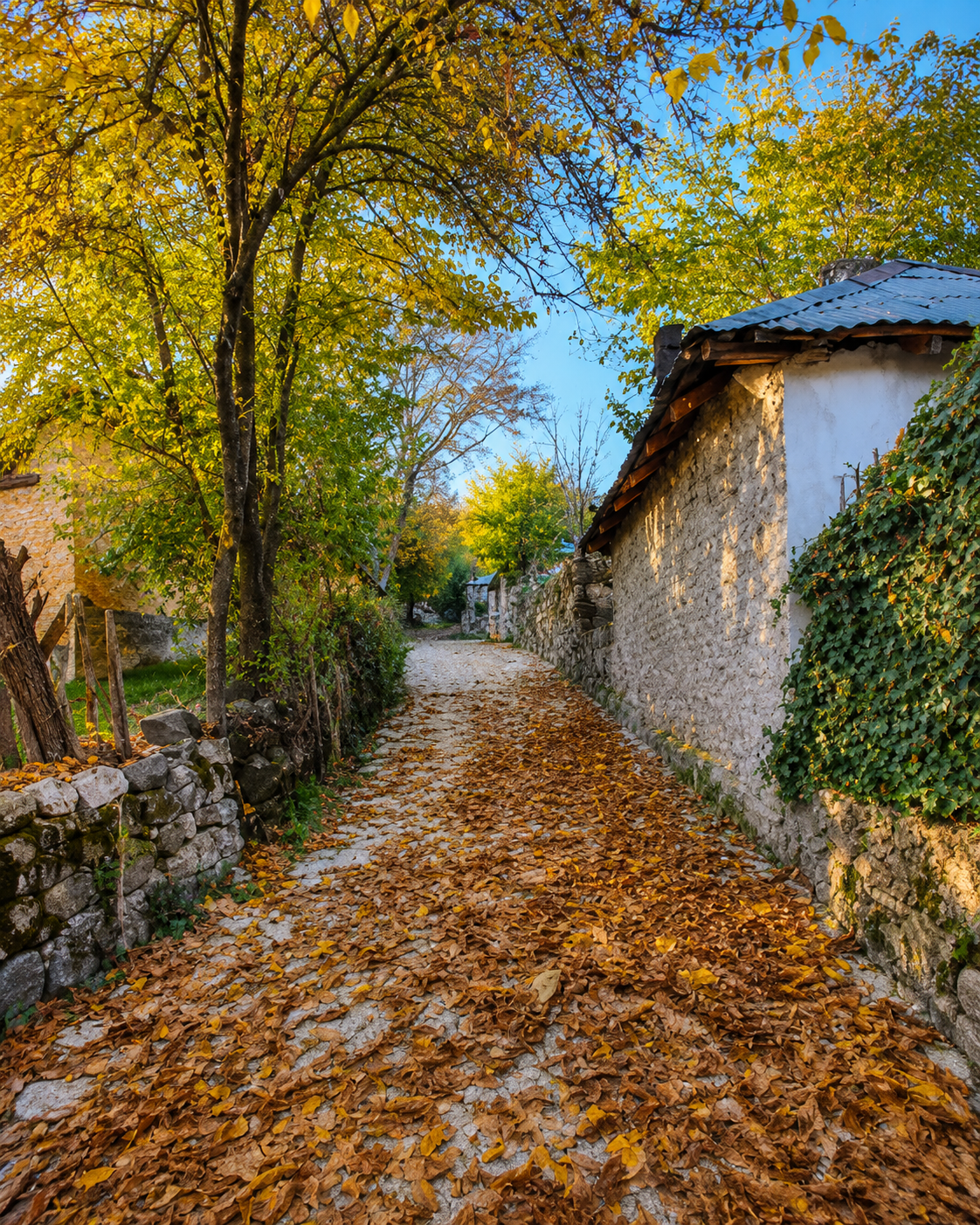
The village was especially known for its Orthodox culture and its many churches and monasteries. Historical sources mention that Vithkuq once had more than 20 churches, making it one of the most significant religious centers in southeastern Albania during the Ottoman period.
Like many Balkan settlements, Vithkuq went through difficult periods because of invasions, fires, migrations, and economic decline. Over time, many residents moved toward Korça or abroad, leaving behind quiet stone neighborhoods and historical ruins that still carry the atmosphere of another era.
Today, this history gives the village a very unique identity. Walking through Vithkuq feels less like visiting a tourist attraction and more like discovering a forgotten chapter of Albanian history hidden in the mountains.
Why is Vithkuq Famous?
Vithkuq is mainly known for three things: its historical churches, its beautiful mountain nature, and its traditional atmosphere.
Unlike many villages that have modernized quickly, Vithkuq has preserved much of its old character. The roads passing through forests, the stone architecture, the cold mountain water, and the peaceful silence all create an experience that feels far removed from crowded destinations.
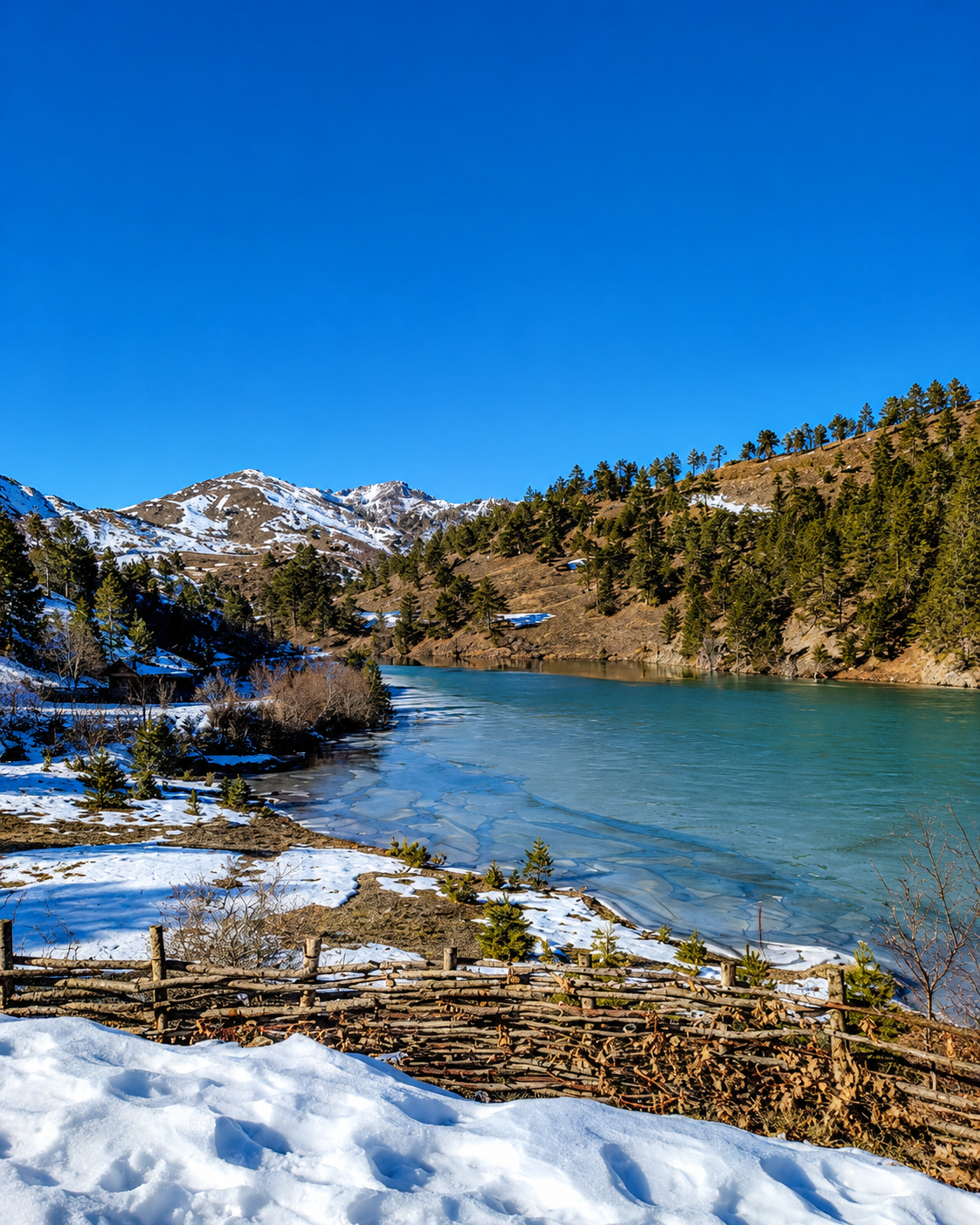
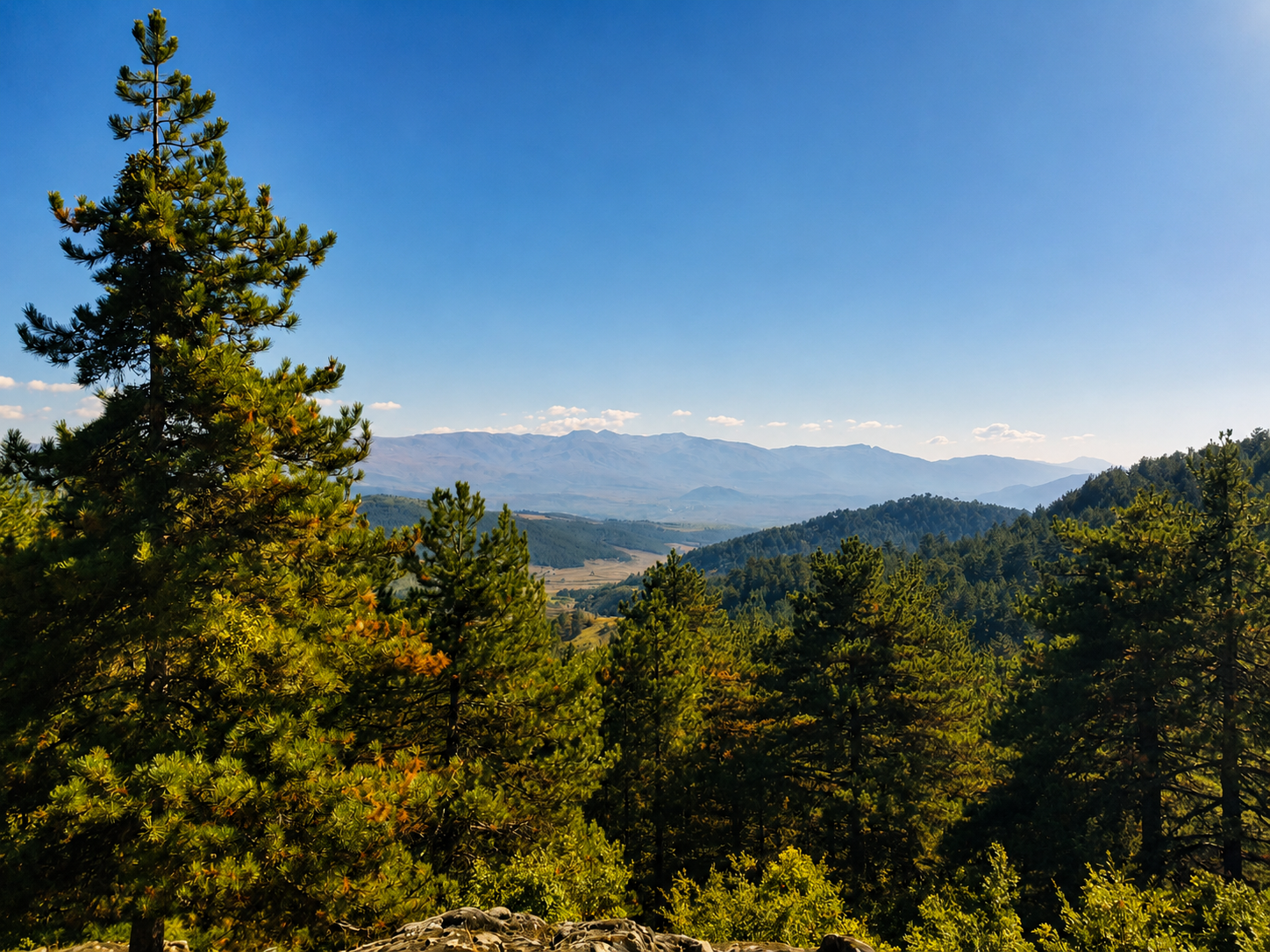
The village is also becoming increasingly popular among Albanian travelers looking for cooler temperatures during summer and authentic local experiences. Many visitors come for hiking, photography, off-road trips, or simply to enjoy traditional food in a quiet mountain environment.
Another reason Vithkuq stands out is its strong connection with religion and spirituality. The old Orthodox churches scattered around the area remain some of the village’s most important cultural treasures.
How to Visit Vithkuq?
The easiest way to visit Vithkuq is from Korçë. The drive takes around 45 minutes to 1 hour depending on road conditions and the exact route you choose.
The road toward Vithkuq passes through beautiful mountain landscapes and small rural villages, making the journey itself part of the experience. While regular cars can usually reach the village during good weather conditions, winter snow or heavy rain can make some sections more difficult.
Most travelers combine Vithkuq with a stay in Korça, since the city offers hotels, restaurants, and easier access to transportation. Day trips are common, but spending one or two nights in the area allows visitors to truly experience the calm atmosphere of the mountains.
For travelers interested in road trips around southeastern Albania, Vithkuq can also be combined with destinations like Dardhë, Voskopojë, and the natural areas surrounding Korça.
What to see in Vithkuq today?
One of the best things about Vithkuq is that the village itself is the attraction. There is no single “main monument” — instead, the experience comes from exploring slowly.
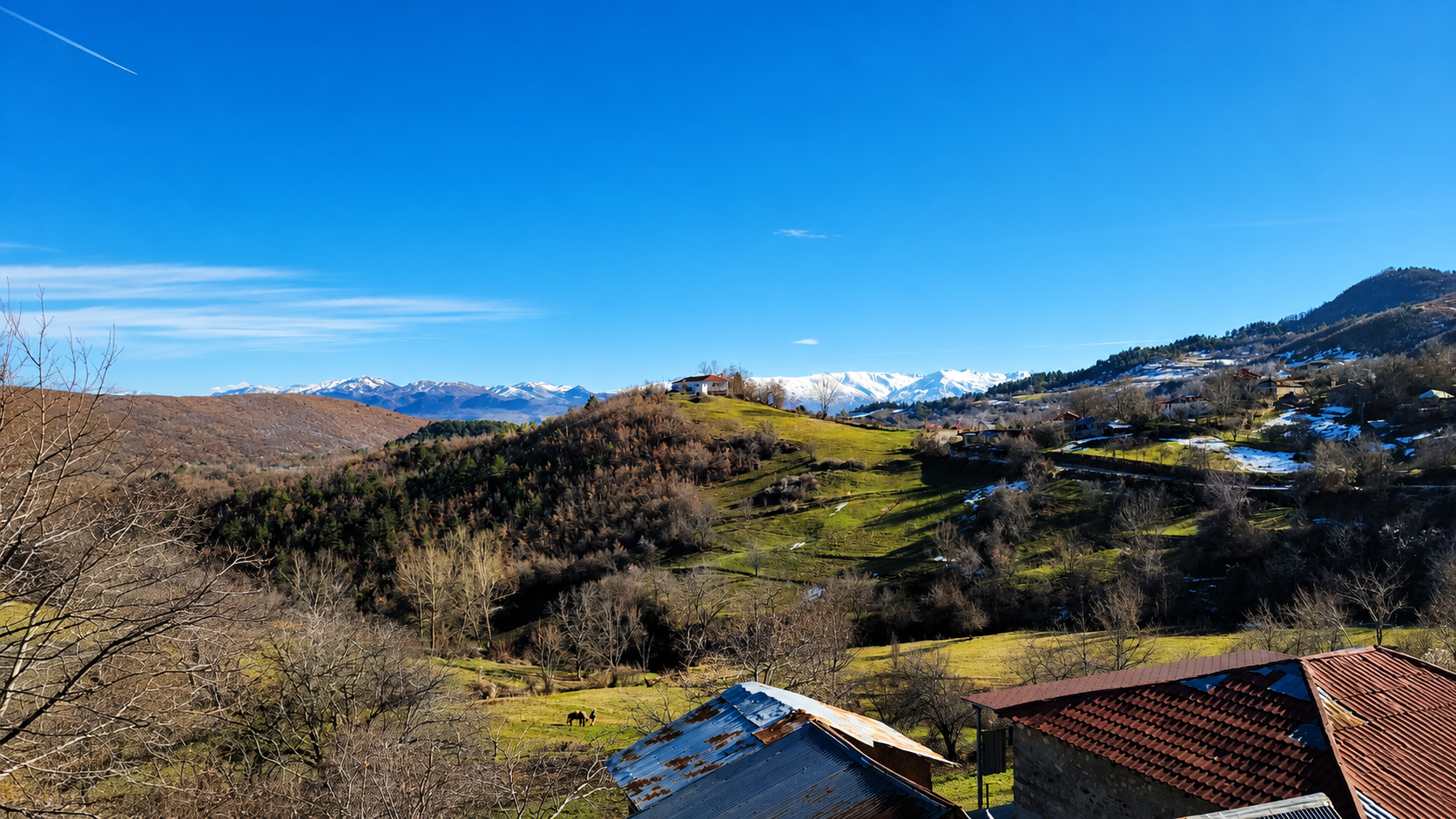
Visitors can walk through old stone neighborhoods, discover small churches hidden between trees, relax near natural springs, and enjoy panoramic mountain views. The peaceful atmosphere is one of the village’s greatest strengths.
The area around Vithkuq is especially beautiful during spring and autumn, when the forests become green or golden and the mountain air feels incredibly fresh.
Photographers often visit for the dramatic landscapes, especially early in the morning when fog moves through the valleys and forests.
The Historic Churches of Vithkuq
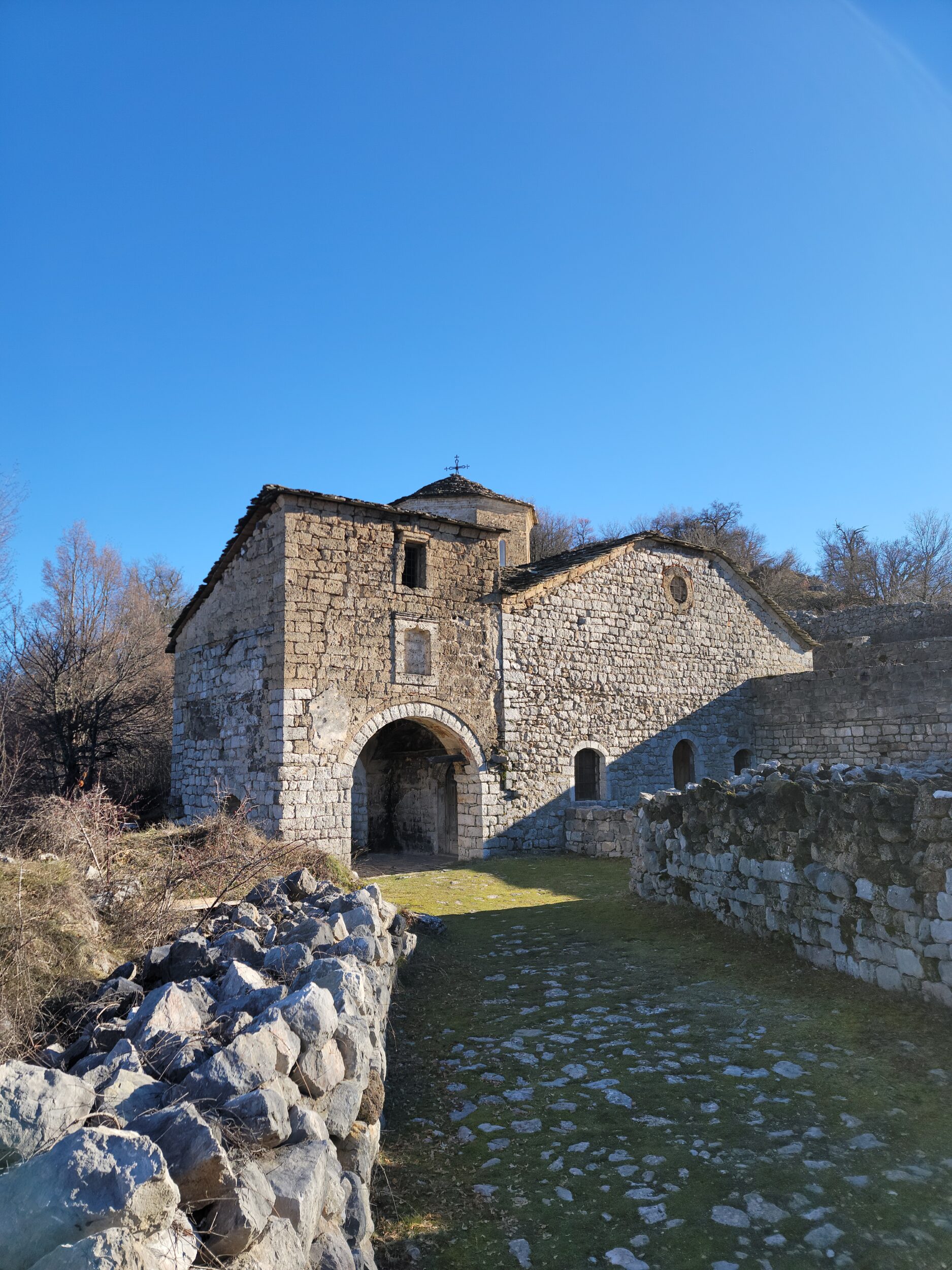
The churches of Vithkuq are among the village’s most important historical and cultural attractions, reflecting the period when Vithkuq was one of the major Orthodox centers in southeastern Albania. Many of these churches date back several centuries and still preserve the atmosphere of the village’s rich religious heritage, surrounded today by forests, mountains, and peaceful landscapes that make the area feel timeless.
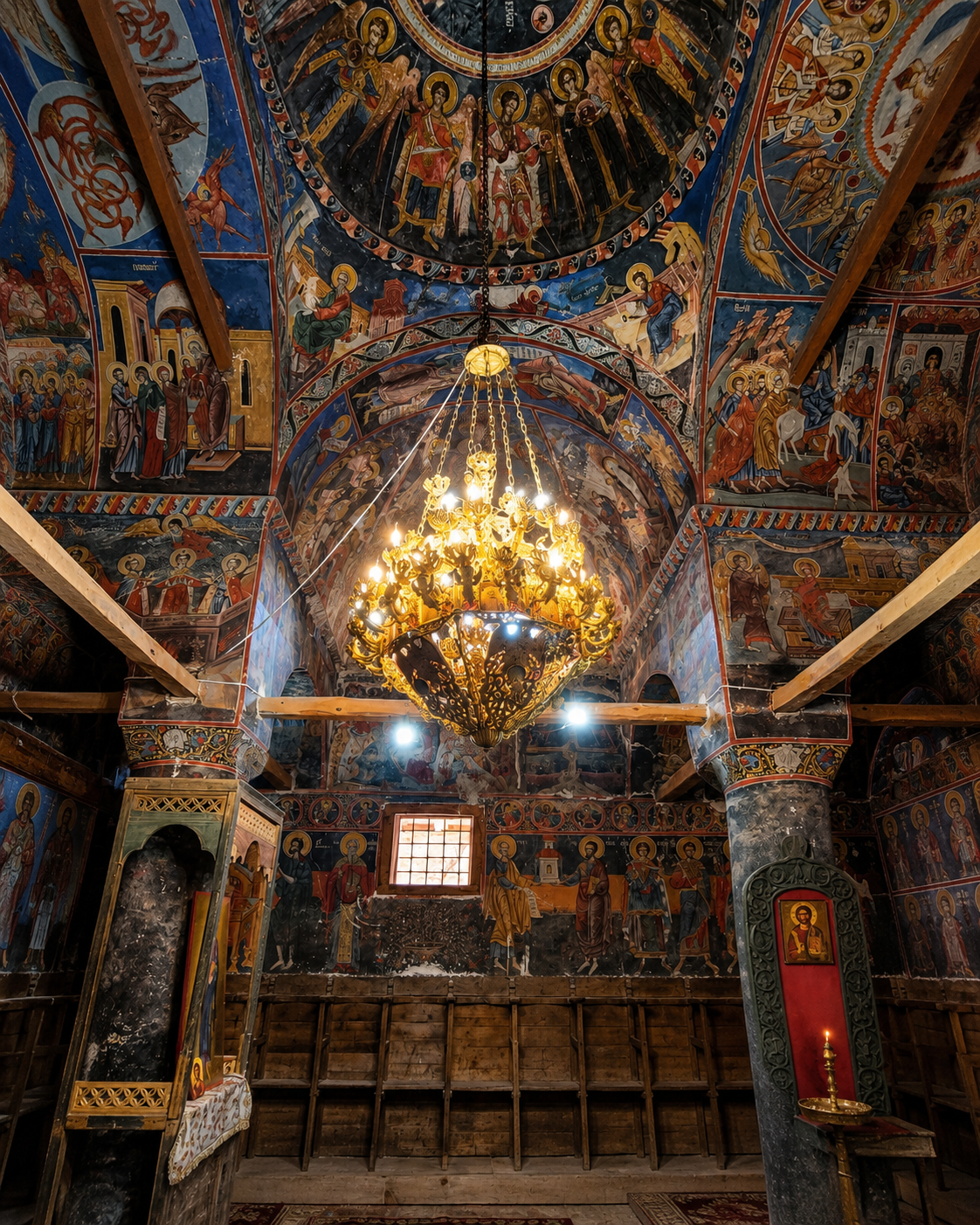
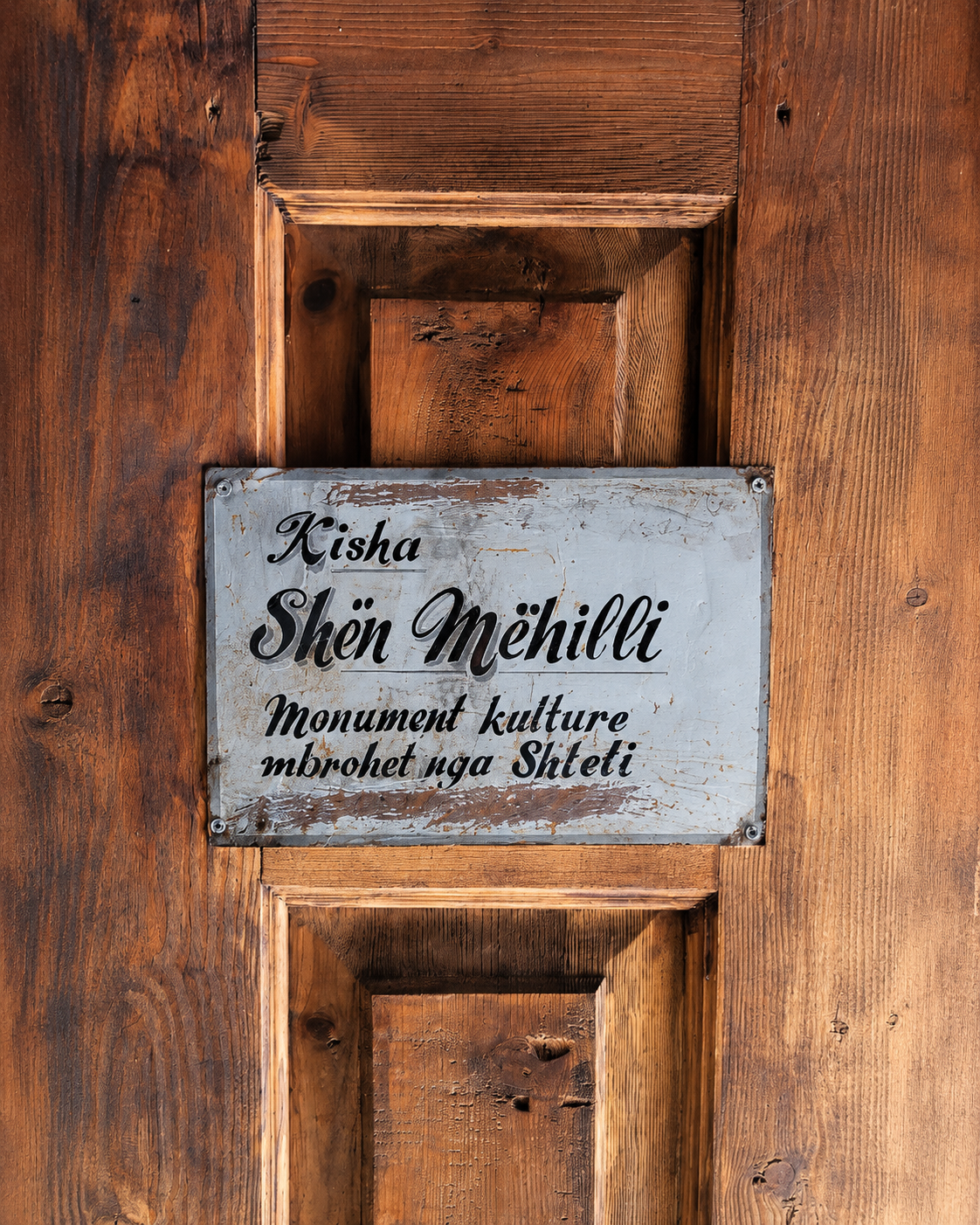
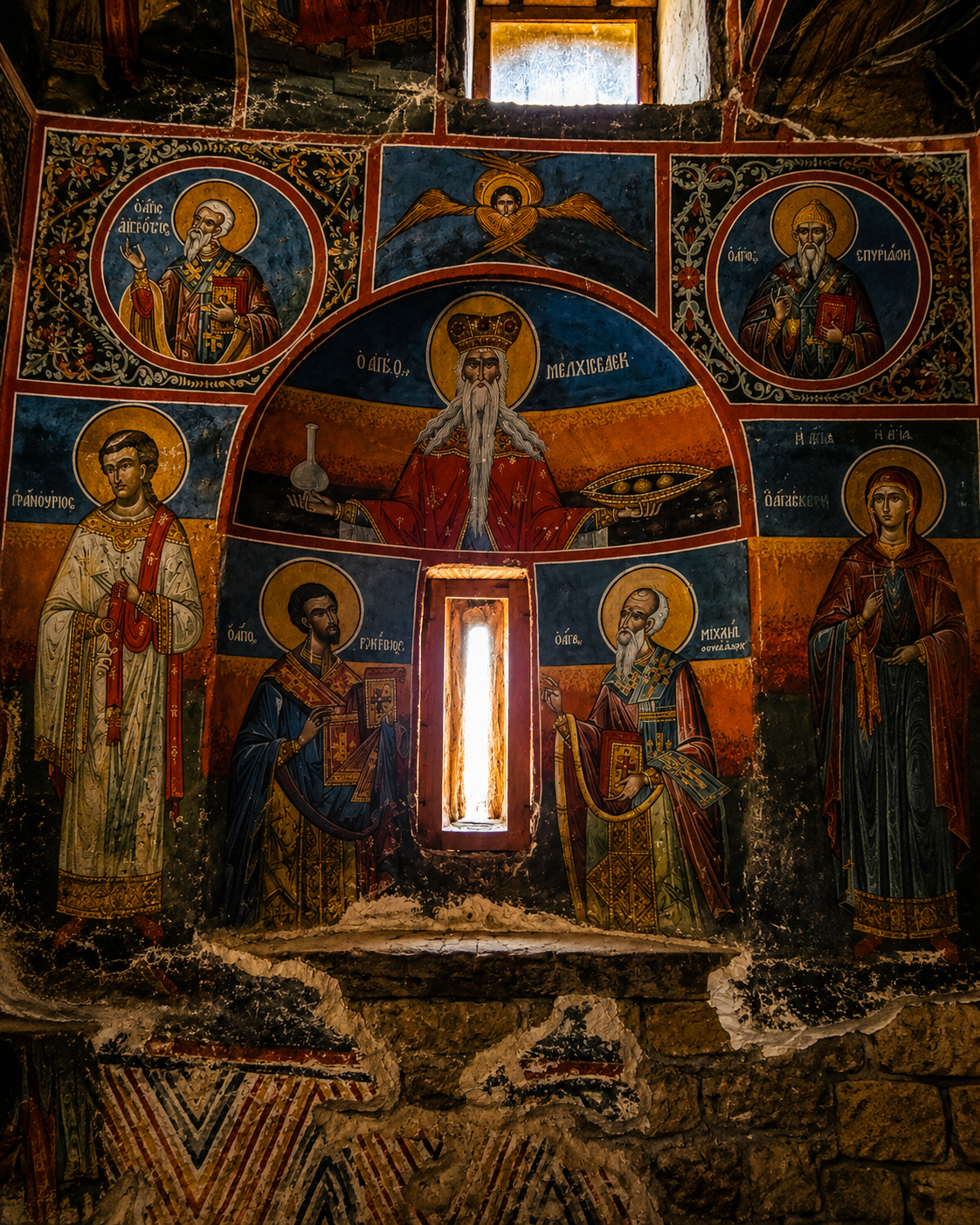
One of the most significant monuments is the Church of Archangel Michael, a protected cultural monument and one of the best-preserved churches in Vithkuq. Built as a large three-aisled basilica with domes, vaults, and traditional Orthodox stone architecture, the church is especially known for its impressive frescoes and mural paintings. According to cultural heritage information displayed at the site, the paintings show similarities with works created by masters from Linotopi during the post-Byzantine period. The church also contains one of the earliest known depictions of Saint John Vladimir represented as cephalophoros — carrying his own head — a rare and historically important detail in Balkan Orthodox art.
Another important religious site is the Monastery of Saints Peter and Paul, a historic monastic complex that includes the main church, the Chapel of Saints Cosmas and Damian, and former monastery buildings. Construction of the complex began in 1709 and continued in different phases during the 18th century. The monastery is known not only for its architecture, but also for its valuable frescoes, icons, and artistic influence connected to the Orthodox painting traditions of Korça and Mount Athos.
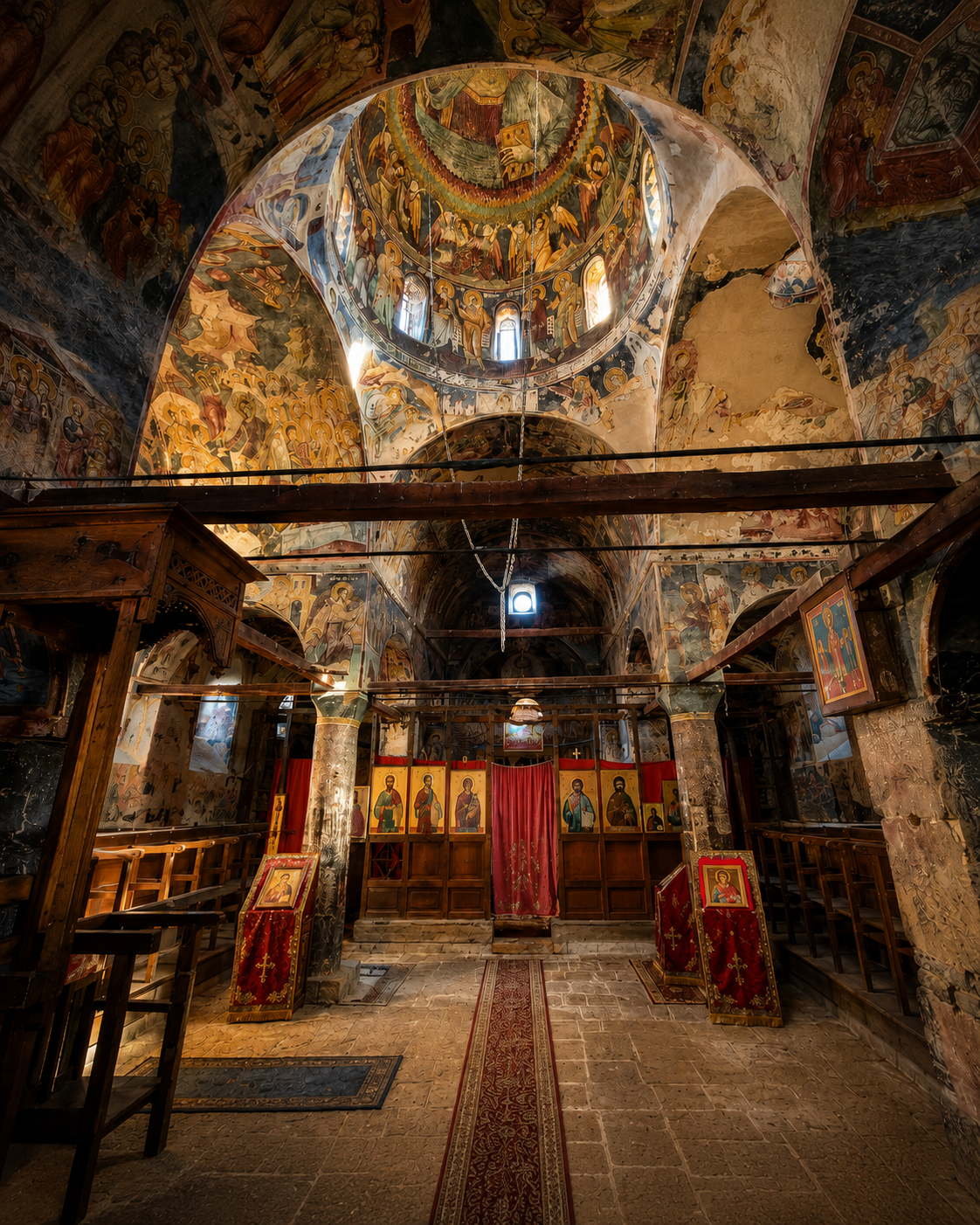
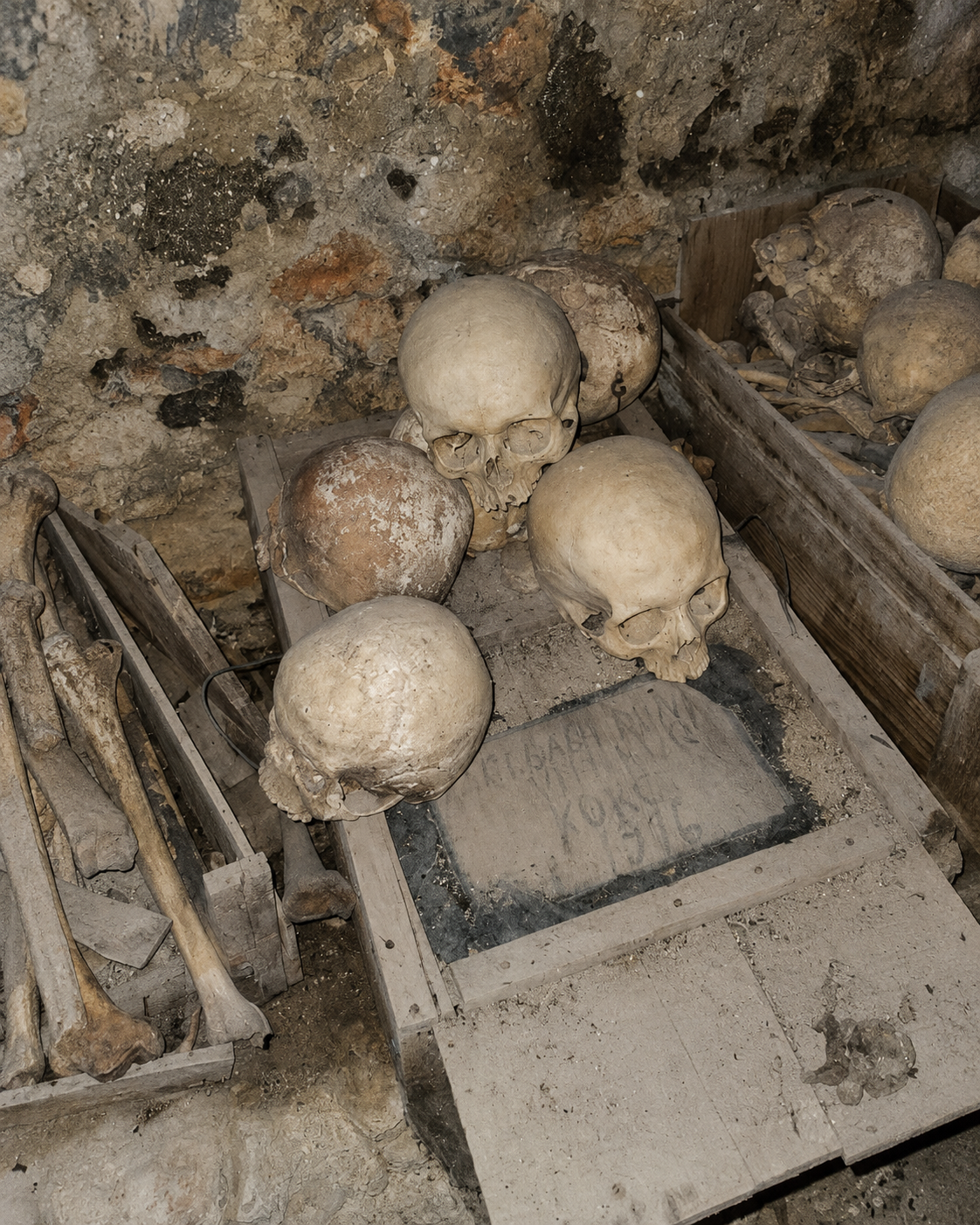
One of the most unusual and fascinating elements inside the monastery is the preserved collection of monks’ skeletal remains and skulls, believed to belong to monks who once lived and served there centuries ago. Seeing these remains in person creates a powerful and almost surreal atmosphere, offering visitors a rare glimpse into the spiritual and monastic life that once existed in Vithkuq. Unlike museum displays, the bones remain preserved in a simple and authentic setting inside the monastery, making the experience feel deeply historical, mysterious, and emotional. This is one of the rarest and most distinctive details visitors can encounter in Albania’s religious heritage sites.
Together with smaller chapels and old monasteries scattered throughout the hills around the village, these churches create a unique cultural landscape where history, spirituality, architecture, and nature blend naturally together. Even for travelers who are not religious, visiting these places offers a rare sense of silence, authenticity, and history that makes Vithkuq feel unlike almost anywhere else in Albania.
Nature & Hiking Around the Village
Vithkuq is surrounded by mountains, forests, rivers, and hiking routes that make it ideal for outdoor lovers.
The area is especially attractive for:
- Hiking
- Mountain biking
- Off-road adventures
- Camping
- Nature photography
- Birdwatching
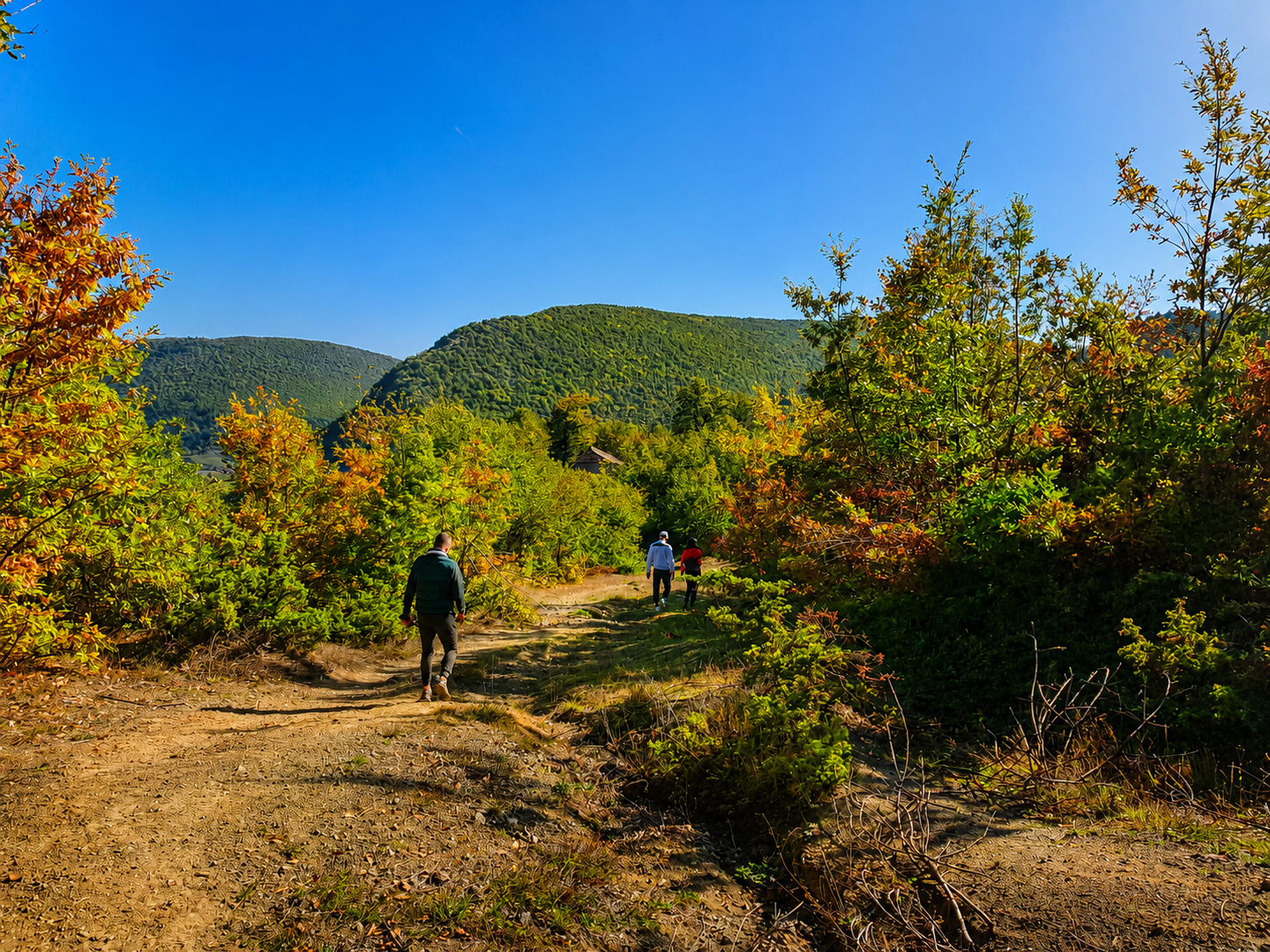
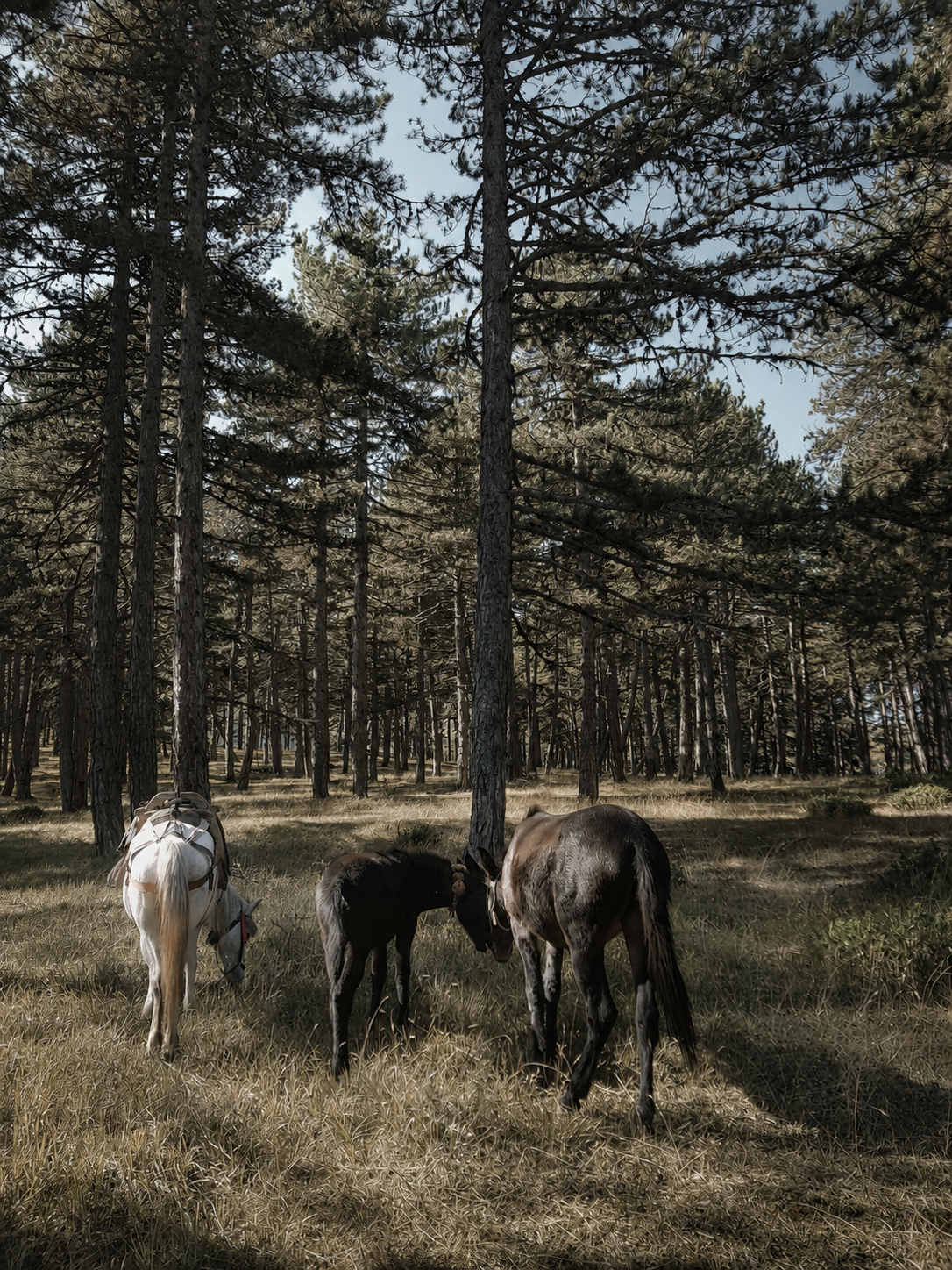
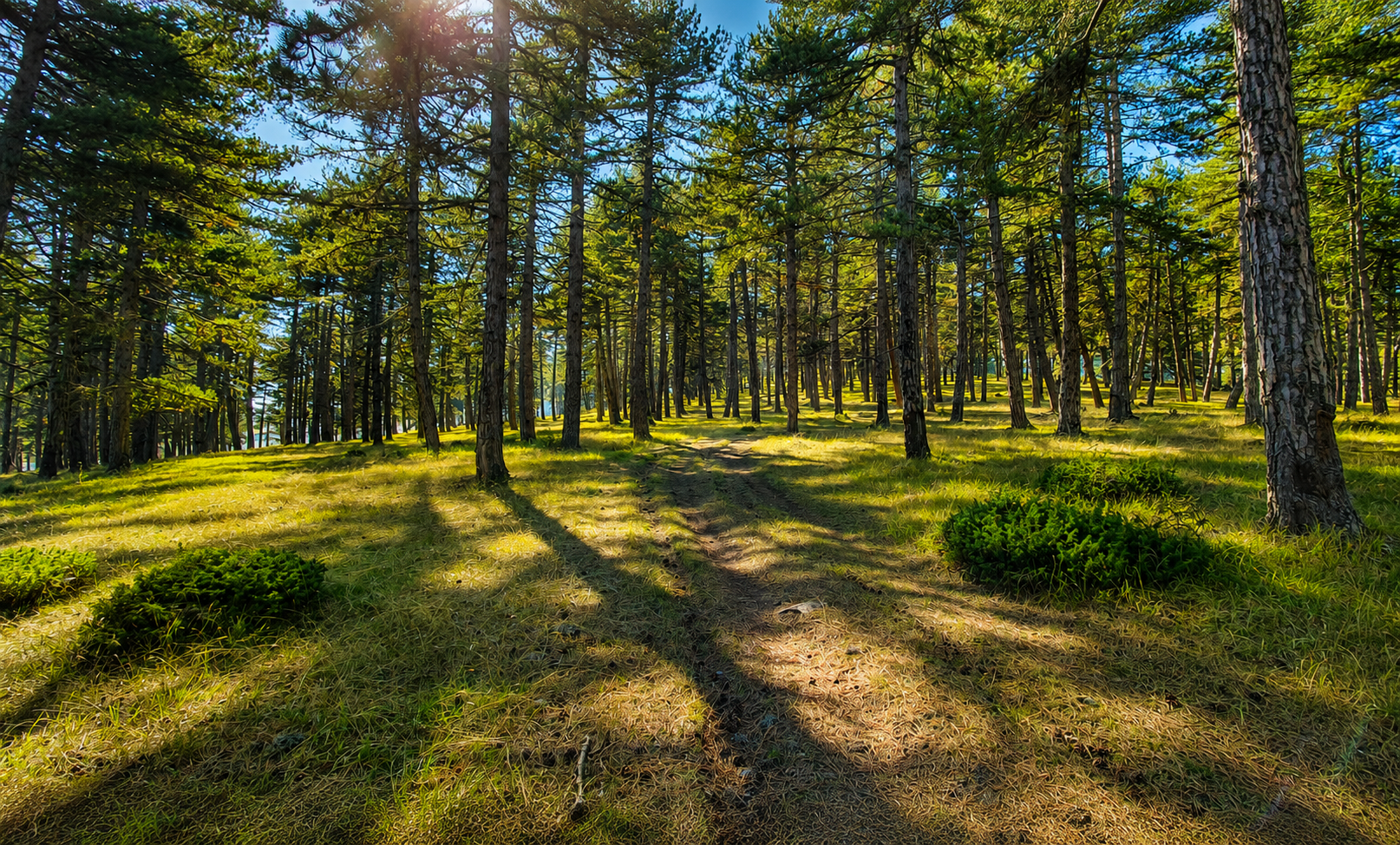
Several trails connect the village with nearby forests and mountain areas, offering panoramic views over southeastern Albania.
Because the region is still relatively unexplored compared to northern Albania, hiking here feels much quieter and more authentic. Travelers often describe the experience as peaceful and raw, without large tourist crowds or commercial tourism infrastructure.
During summer, the cool mountain climate also makes Vithkuq an excellent escape from the heat.
Traditional Food in Vithkuq
Food is one of the highlights of visiting Vithkuq and an important part of the village’s authentic mountain experience.
Like many villages around Korça, the local cuisine focuses on fresh ingredients, homemade dairy products, mountain herbs, and slow-cooked traditional recipes prepared with methods passed down through generations.
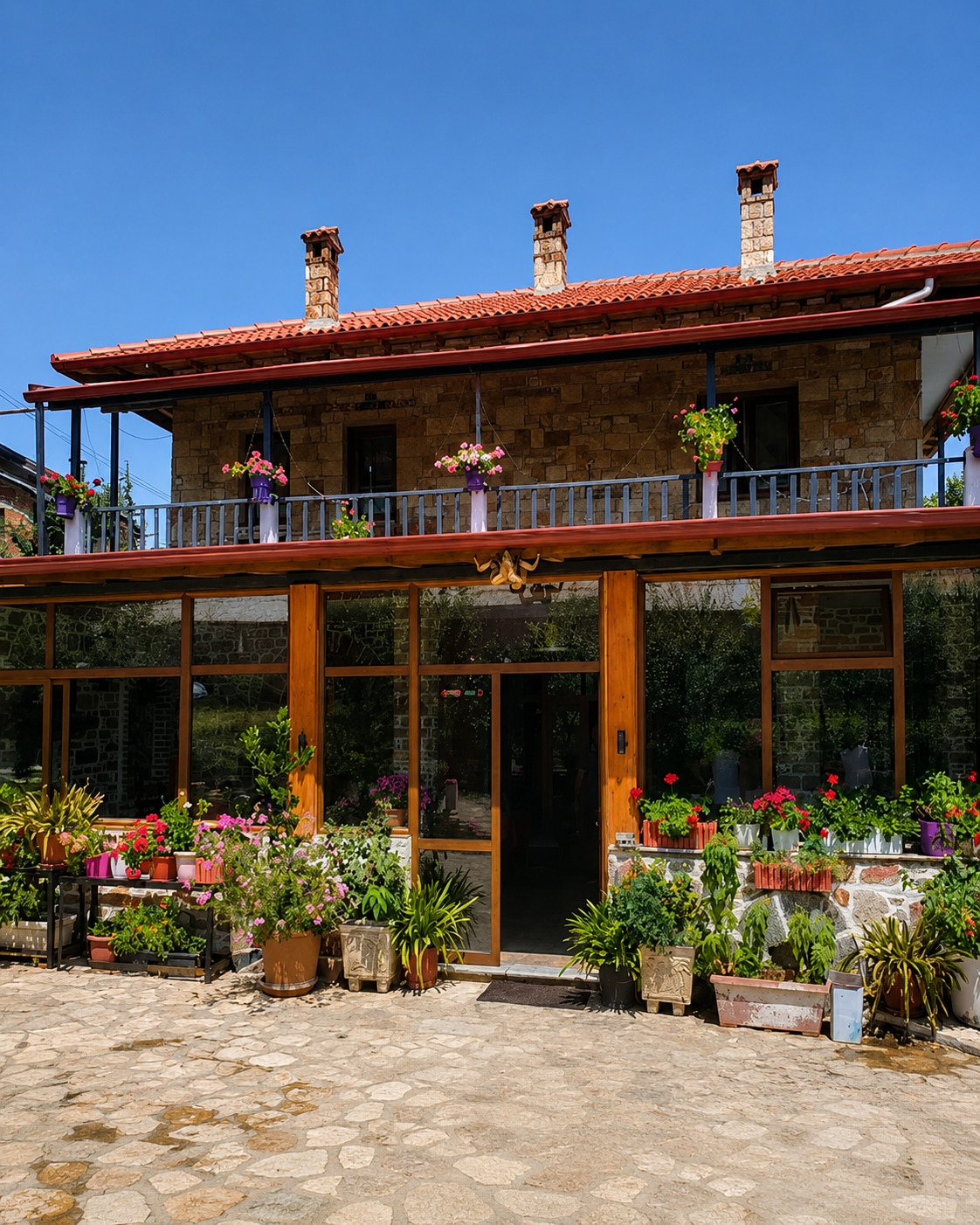
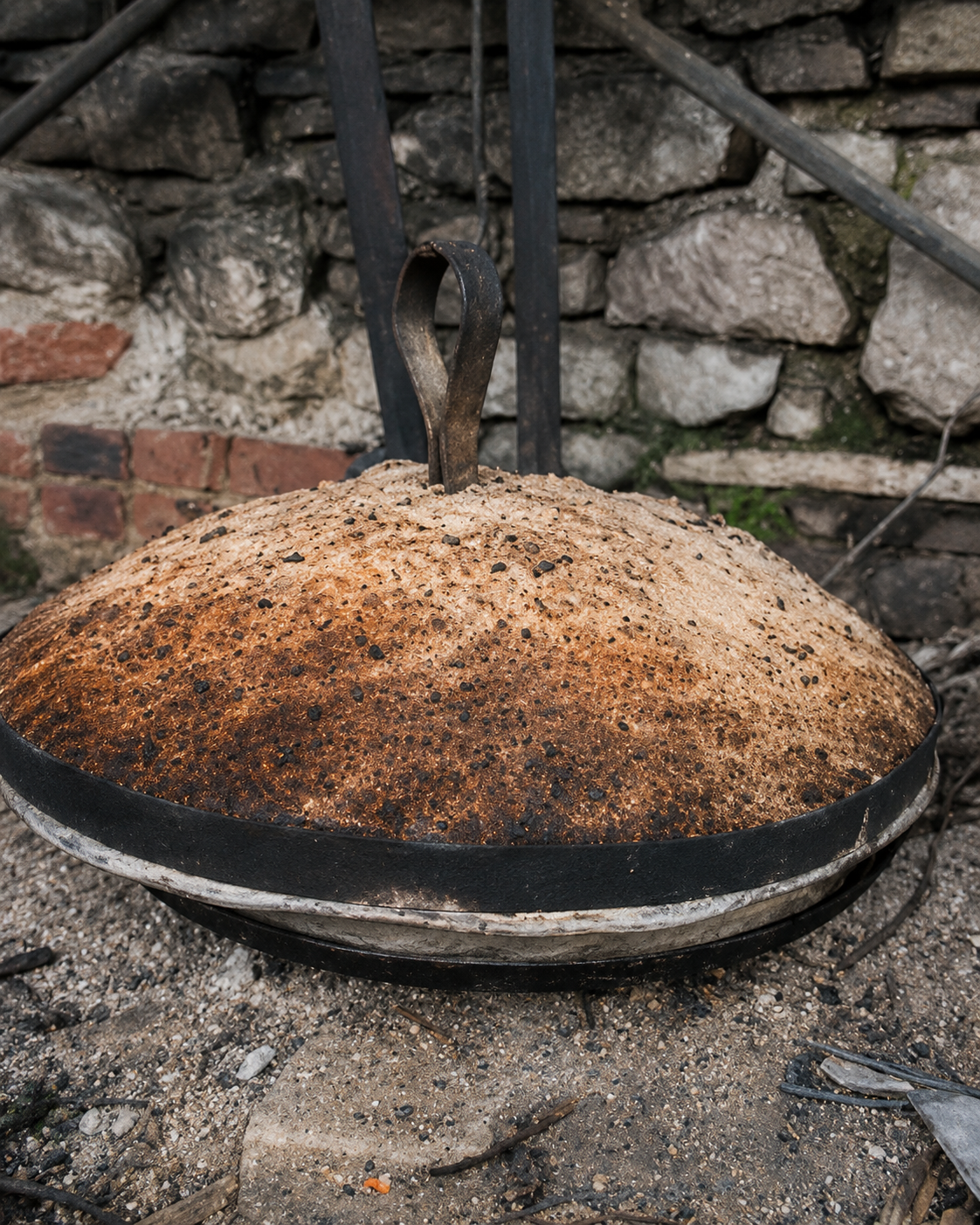
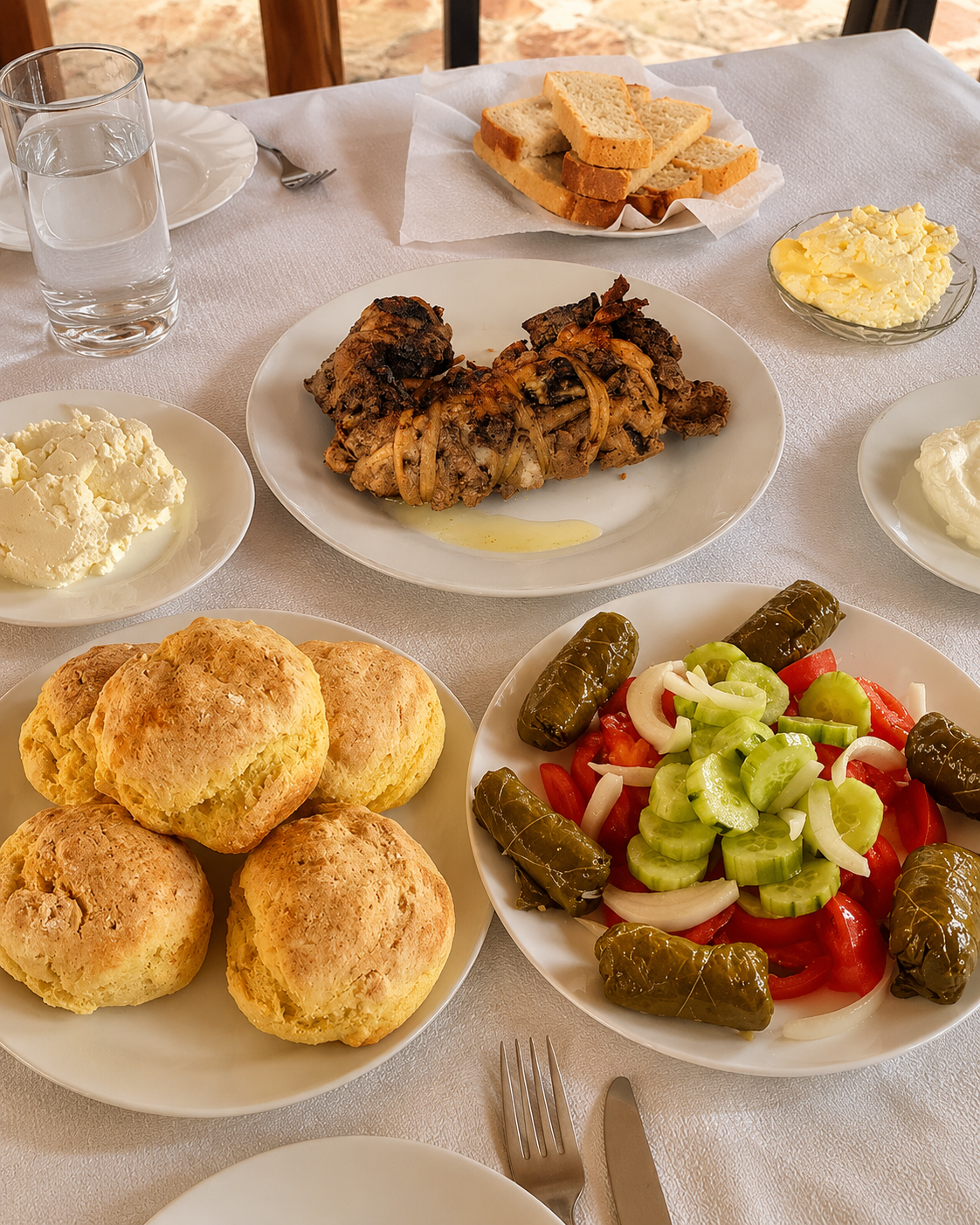
One of the most famous dishes you can try is Lakror — a traditional Albanian pie usually prepared with layers of dough and filled with ingredients like cheese, herbs, or vegetables. The area is also known for homemade white cheese and kaçkavall, grilled lamb and mountain meat dishes, fresh yogurt, traditional soups, homemade bread cooked in wood ovens, and local raki.
Although Vithkuq remains a quiet mountain destination, visitors can still find a few family-run restaurants and guesthouses serving traditional food in a warm and authentic atmosphere, including:
- Taverna Ladi – Known for traditional grilled dishes and homemade cuisine
- Bar Restaurant Andoni – A small family-style restaurant in the village center
- Restaurant – Hotel Kostika – Offers local meals together with accommodation for visitors staying overnight
Meals in Vithkuq are usually simple, generous, and deeply connected to local traditions, making food an essential part of the overall experience of visiting the village.
Local Culture & Village Life
One of the most beautiful aspects of Vithkuq is its slow pace of life.
Unlike heavily commercial tourist destinations, daily life here still revolves around agriculture, family traditions, and local community life. Visitors often encounter shepherds in the mountains, locals collecting herbs, or families preparing traditional foods outdoors.
Hospitality remains a very important part of the culture. Travelers who stay overnight in guesthouses often describe the experience as warm and personal rather than touristic. This authenticity is exactly what makes Vithkuq special.
Best Time to Visit Vithkuq
The best months to visit are from May to October.
Spring brings green landscapes, flowers, and flowing mountain water. Summer offers cool temperatures and ideal hiking conditions, while autumn transforms the forests into beautiful orange and golden colors.
Winter can also be beautiful, especially after snowfall, but road conditions may become more difficult. For photography and outdoor activities, early autumn is often considered one of the most scenic periods.
Vithkuq is one of Albania’s most authentic mountain villages, offering a peaceful mix of history, traditional food, old churches, and untouched nature far from the usual tourist crowds.
Want to explore more from the region? What to Do in Korça, Albania – Complete Travel Guide