

If you’re looking for meaningful tour ideas to explore UNESCO heritage sites in Albania, this five-day cultural route offers one of the most complete introductions to the country’s identity. Albania is not a place of massive distances or overwhelming scale — it’s a country where layers of civilization are compact, visible, and deeply intertwined with daily life.
In just five days, you can walk through two perfectly preserved Ottoman towns, stand inside a Roman theater that once echoed with ancient voices, climb medieval fortresses overlooking the Ionian Sea, and understand how Albania’s past continues to shape its present.
This is not a fixed package tour. It’s a thoughtfully designed itinerary idea for independent travelers who want to experience Albania’s UNESCO cultural heritage at their own rhythm.
Day 1 – Understanding Albania Through Tirana
Your cultural journey through Albania’s UNESCO heritage naturally begins in Tirana, the country’s dynamic capital, located just 25 minutes from Tirana International Airport. While Tirana itself is not a UNESCO site, it provides essential historical and political context before you explore Albania’s protected heritage towns.
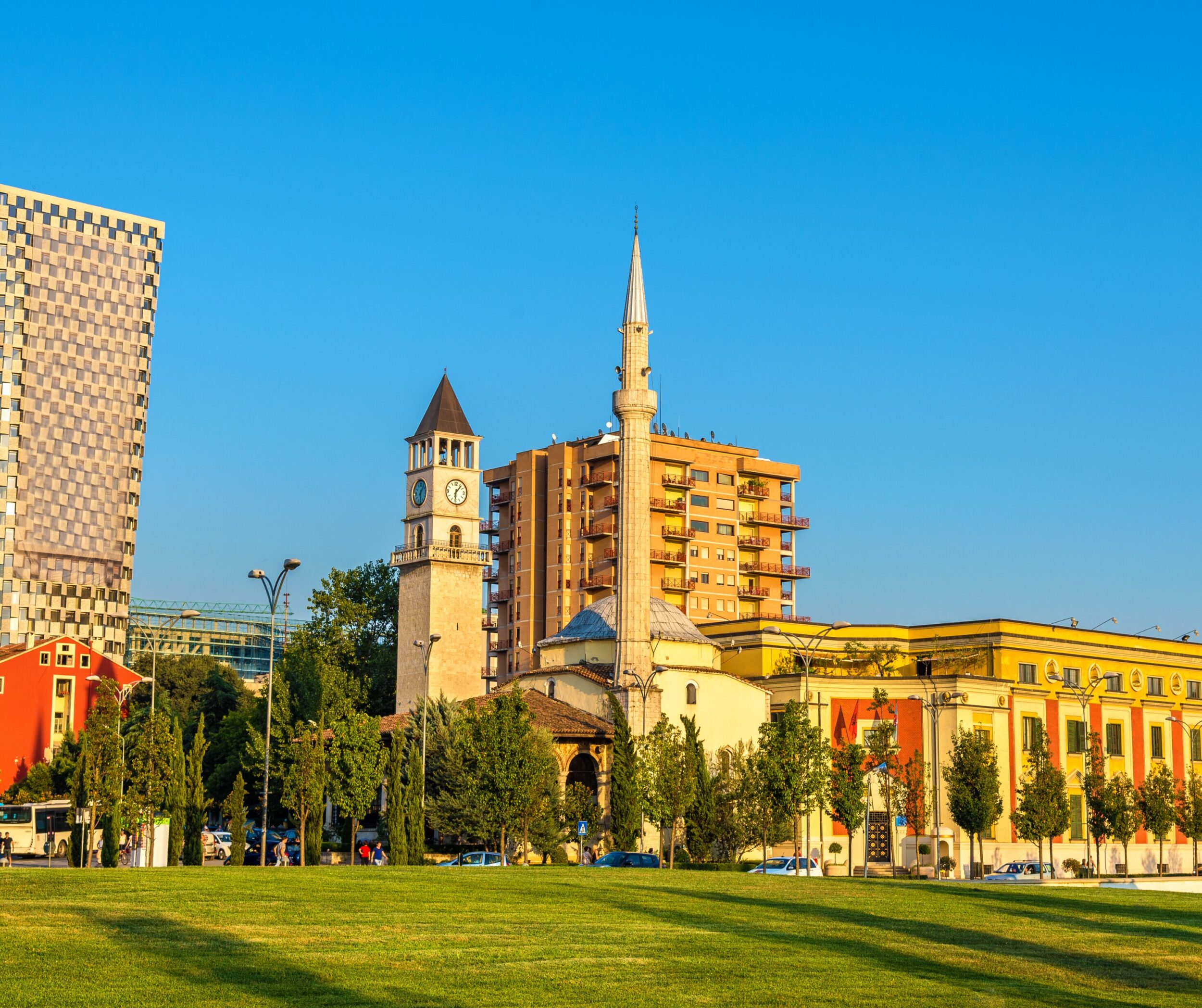
Start your afternoon in Skanderbeg Square, where Ottoman, Italian and communist-era architecture coexist within a few hundred meters. The elegant Et’hem Bey Mosque, the Clock Tower, and the surrounding ministries reflect the country’s layered identity.
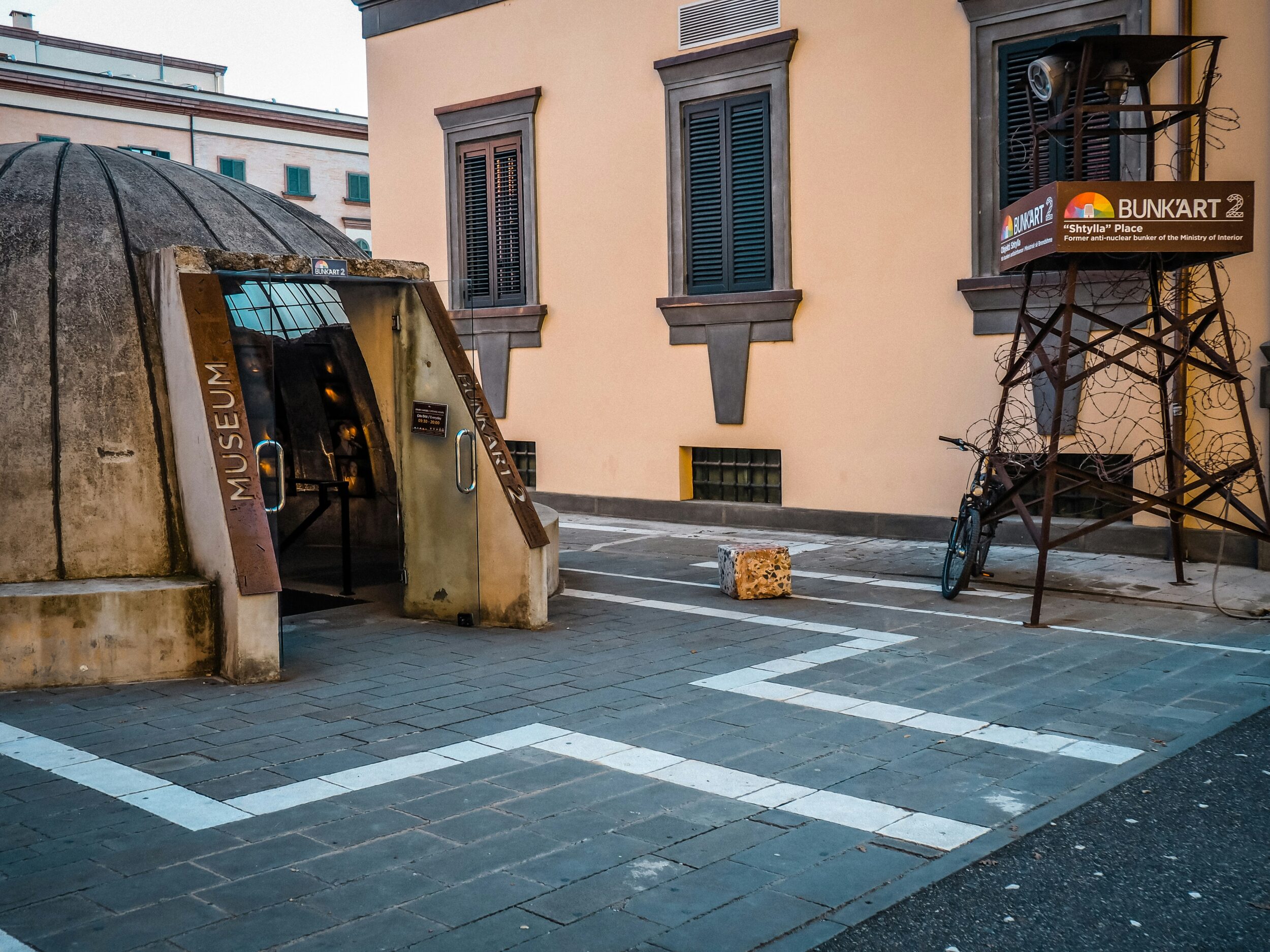
To better understand Albania’s 20th-century isolation, a visit to Bunk’Art 1 or Bunk’Art 2 is highly recommended. These former anti-nuclear bunkers have been transformed into immersive museums that explore life under the communist regime. If you want detailed practical information, exhibitions explained, and tips on which one to choose, you can read our full guide: 👉 Bunk’Art 1 & Bunk’Art 2 in Tirana – Communist History Museums Guide
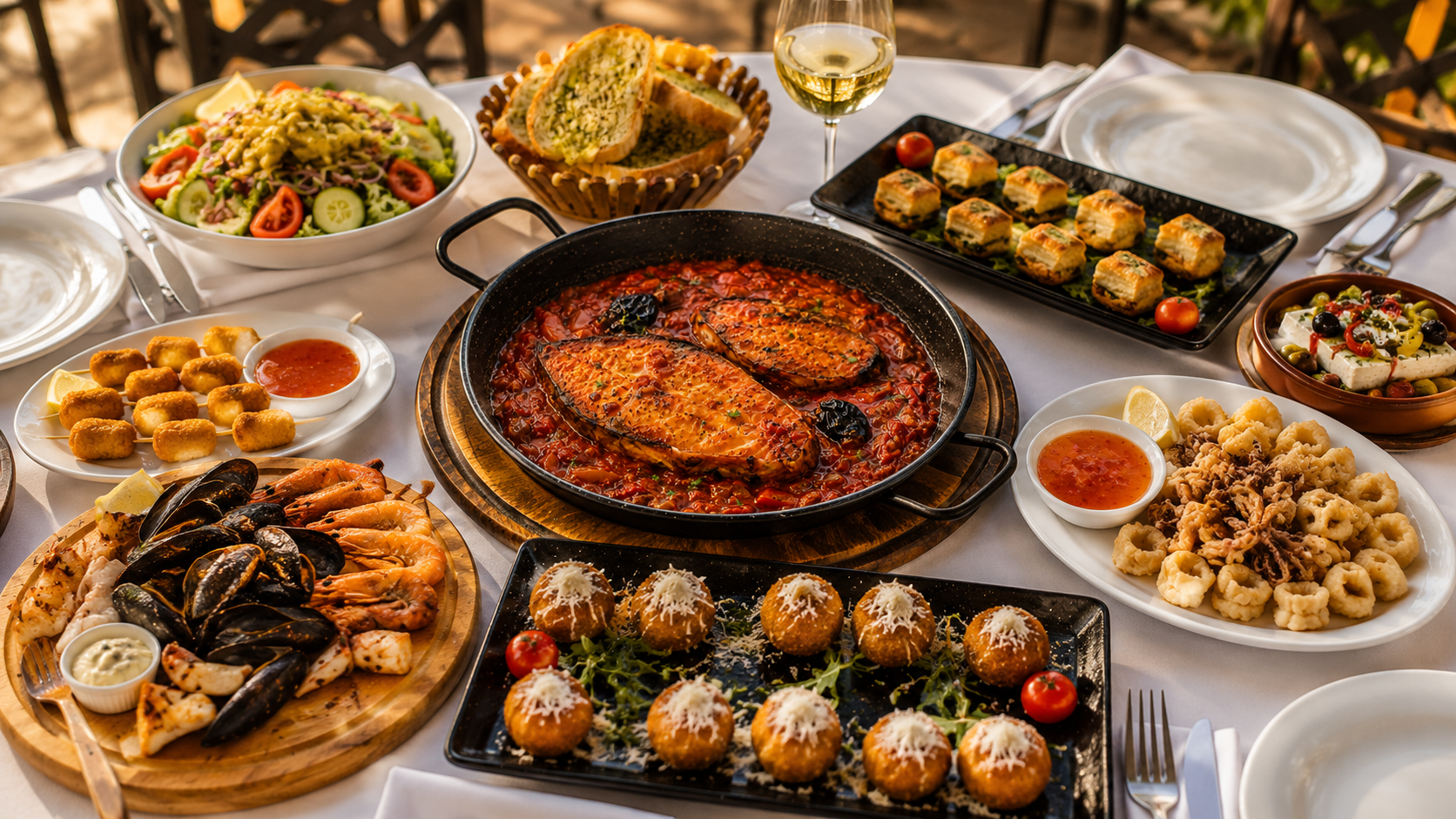
By late afternoon, shift your focus from history to everyday life. Tirana’s energy is best experienced through its streets — especially through its food. Instead of heading straight to a formal restaurant, consider exploring the city’s casual culinary scene. From byrek bakeries and qofte grills to modern street-food reinterpretations, the capital’s informal dining culture tells its own story of resilience and creativity.
For curated recommendations and locations, explore: 👉 Tirana’s 11 Best Street Food & Takeaway Spots
In the evening, walk through Blloku, once the restricted neighborhood of communist leaders and today the most vibrant nightlife area in Albania. The transformation of Blloku perfectly symbolizes the country’s broader evolution — from isolation to openness.
Spending your first night in Tirana allows you to absorb Albania’s recent history before moving into its UNESCO-listed medieval towns the following day.
Day 2 – Berat and Gjirokastër: The Living UNESCO Cities
The heart of any UNESCO heritage site tour in Albania lies in its two extraordinary Ottoman towns: Berat and Gjirokastër.
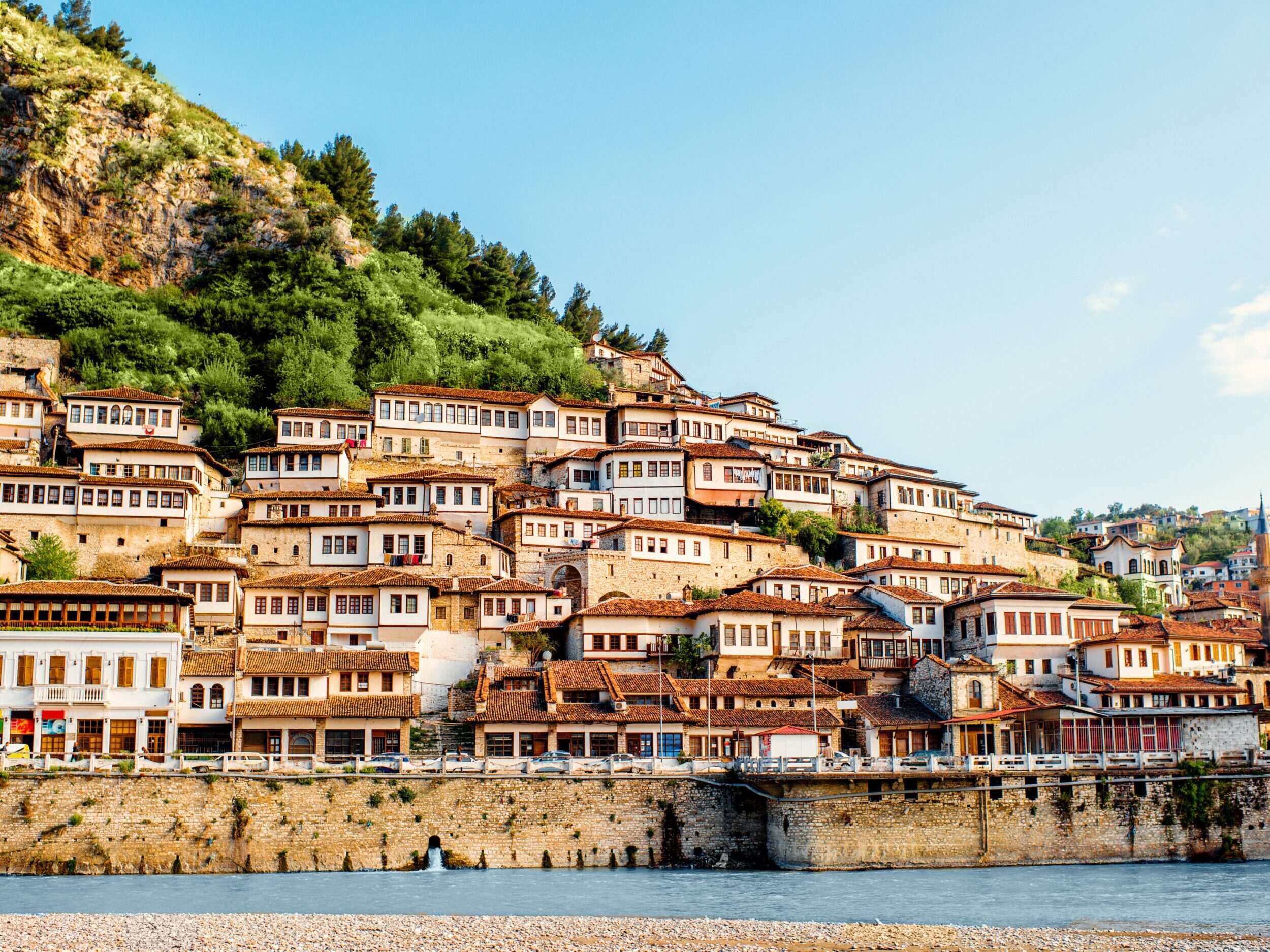
Berat feels like a painting suspended in time. The white Ottoman houses climb the hillside in harmonious symmetry, facing the river below. Inside Berat Castle, life continues much as it has for centuries — families still reside within the fortified walls. Walking through narrow stone paths, you sense continuity rather than reconstruction. The Onufri Museum adds another dimension, showcasing 16th-century iconography and the vibrant red tones that made Onufri’s work distinctive across the Balkans.
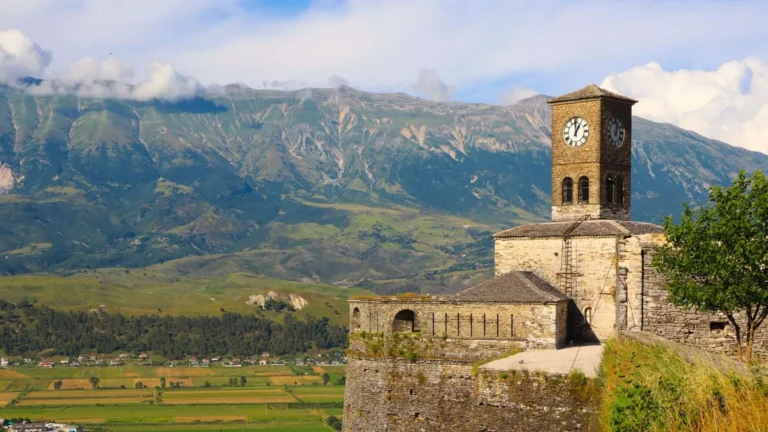
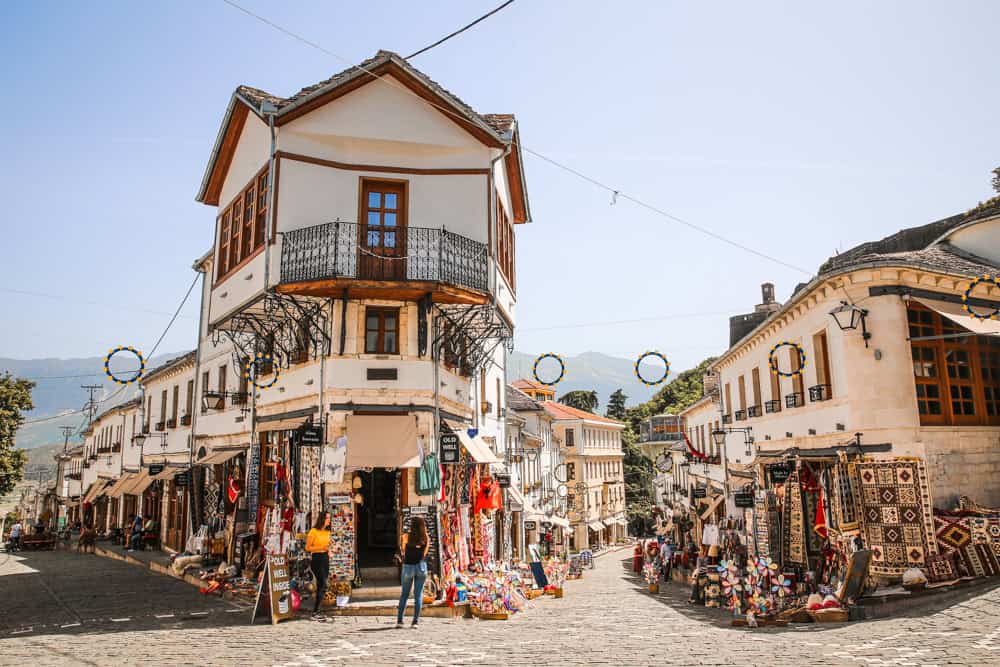
Further south, Gjirokastër introduces a different atmosphere. Known as the “Stone City,” its dramatic skyline of slate roofs and fortified tower houses creates one of the most authentic architectural landscapes in Europe. The imposing Gjirokastër Castle dominates the valley, offering panoramic views that explain why the location was strategically vital for centuries. Here, history feels both grand and personal — this is also the birthplace of Ismail Kadare, Albania’s most internationally recognized writer.
Spending the night in Gjirokastër allows you to experience its quiet beauty once day visitors depart and the stone streets soften under evening light.
Day 3 – Nature Meets Heritage: Blue Eye and the Ionian Coast
Cultural exploration in Albania rarely exists without nature close by. On your way toward the coast, a stop at Blue Eye (Syri i Kalter) introduces a completely different dimension of the country. The spring’s vivid turquoise water emerges from unknown depths, surrounded by lush greenery — a reminder that Albania’s landscapes are as dramatic as its history.
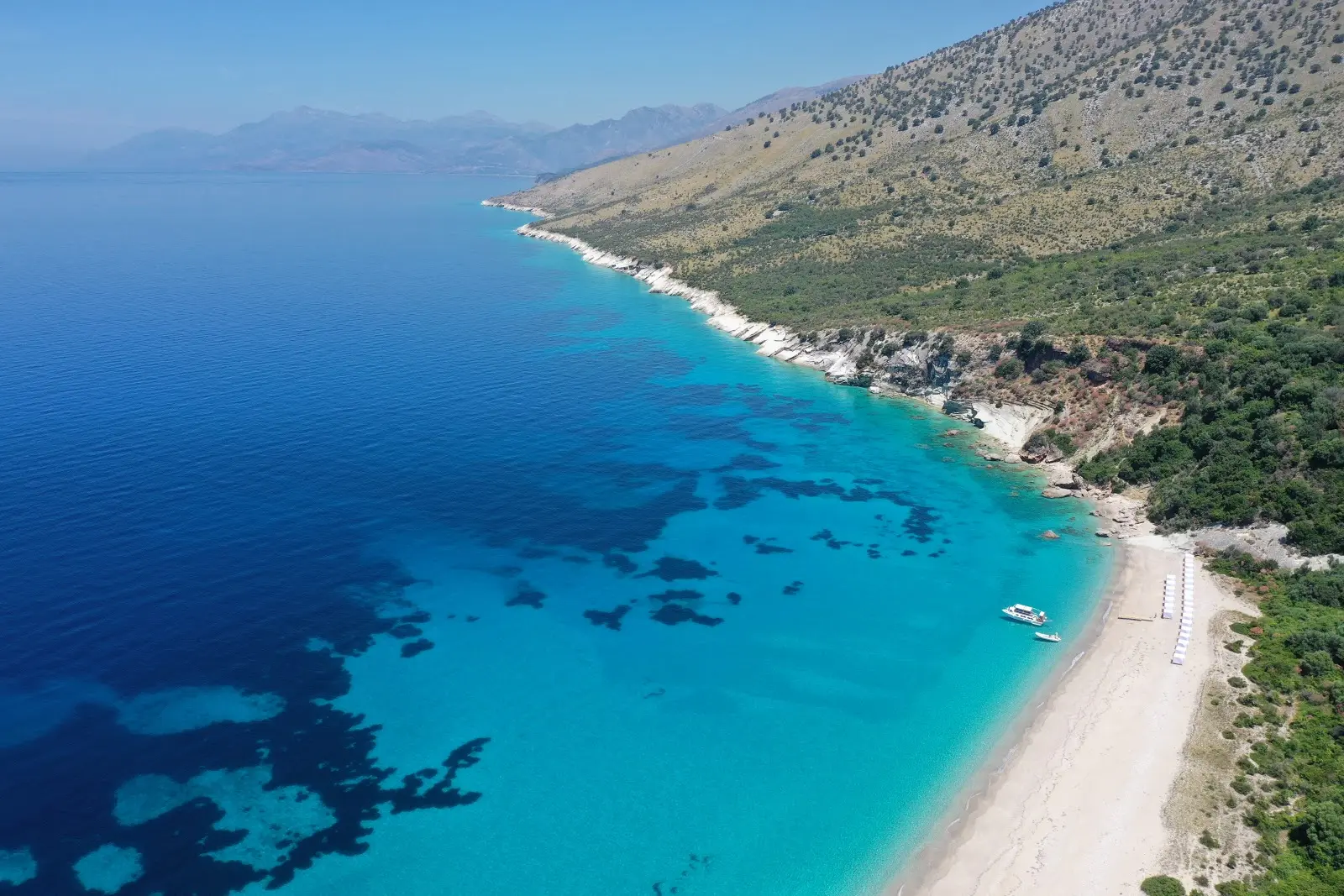
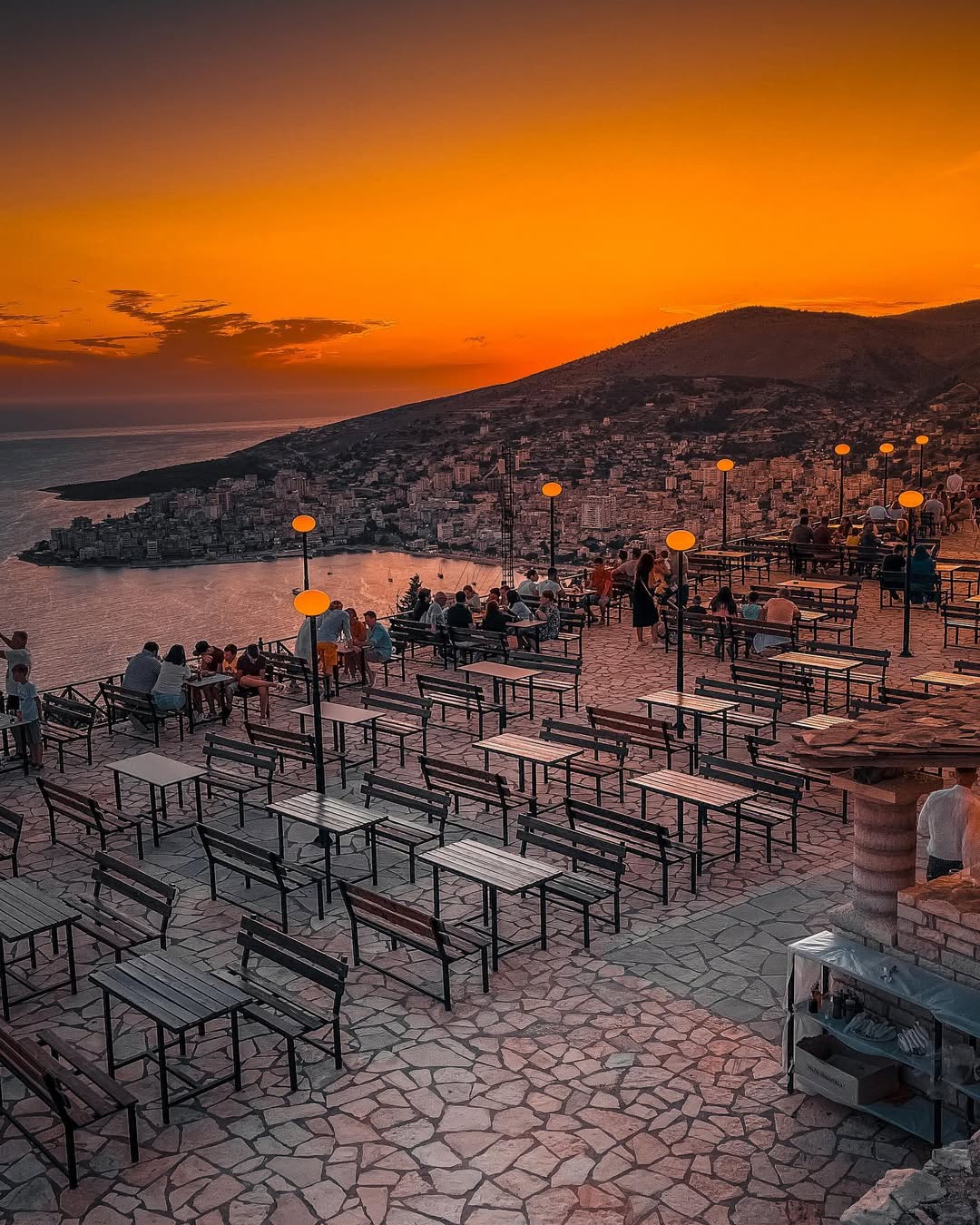
Arriving in Sarandë, the atmosphere shifts again. The Ionian Sea, Mediterranean light, and relaxed coastal energy prepare you for the next UNESCO site. A sunset stop at Lëkurësi Castle offers sweeping views across the bay and toward Corfu, illustrating Albania’s historical maritime connections.
If you have extra time along this stretch of coast — even half a day — it’s worth exploring some of the region’s famous turquoise bays. For curated recommendations and practical tips, see our guide: 👉 Top 10 Beaches You Must Visit in the Albanian Riviera
It’s an ideal extension for travelers who want to balance UNESCO heritage with some of the most photogenic coastline in the Mediterranean.
Day 4 – Butrint: Albania’s Ancient Civilization Layered in Stone
Among all UNESCO sites in Albania, Butrint stands as the most archaeologically significant. Listed on the UNESCO World Heritage List since 1992, Butrint is not a single monument but an entire ancient city layered with Greek, Roman, Byzantine, and Venetian influence.
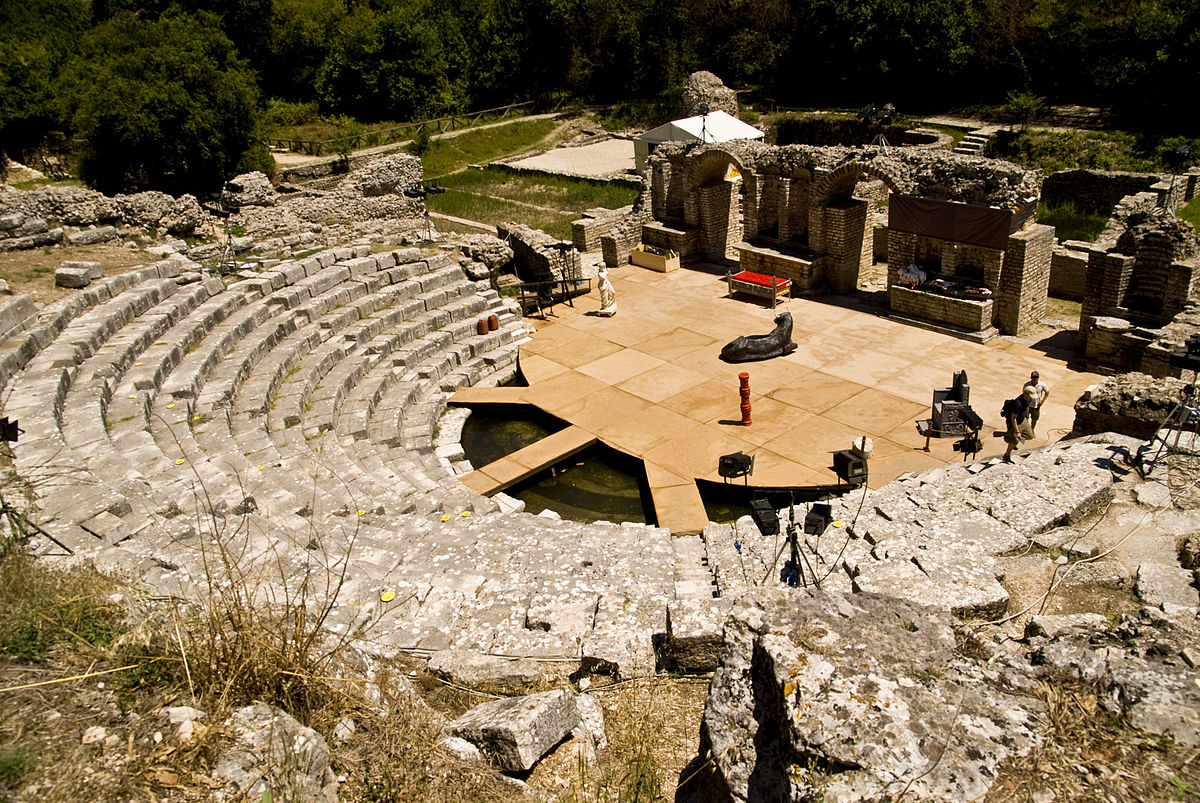
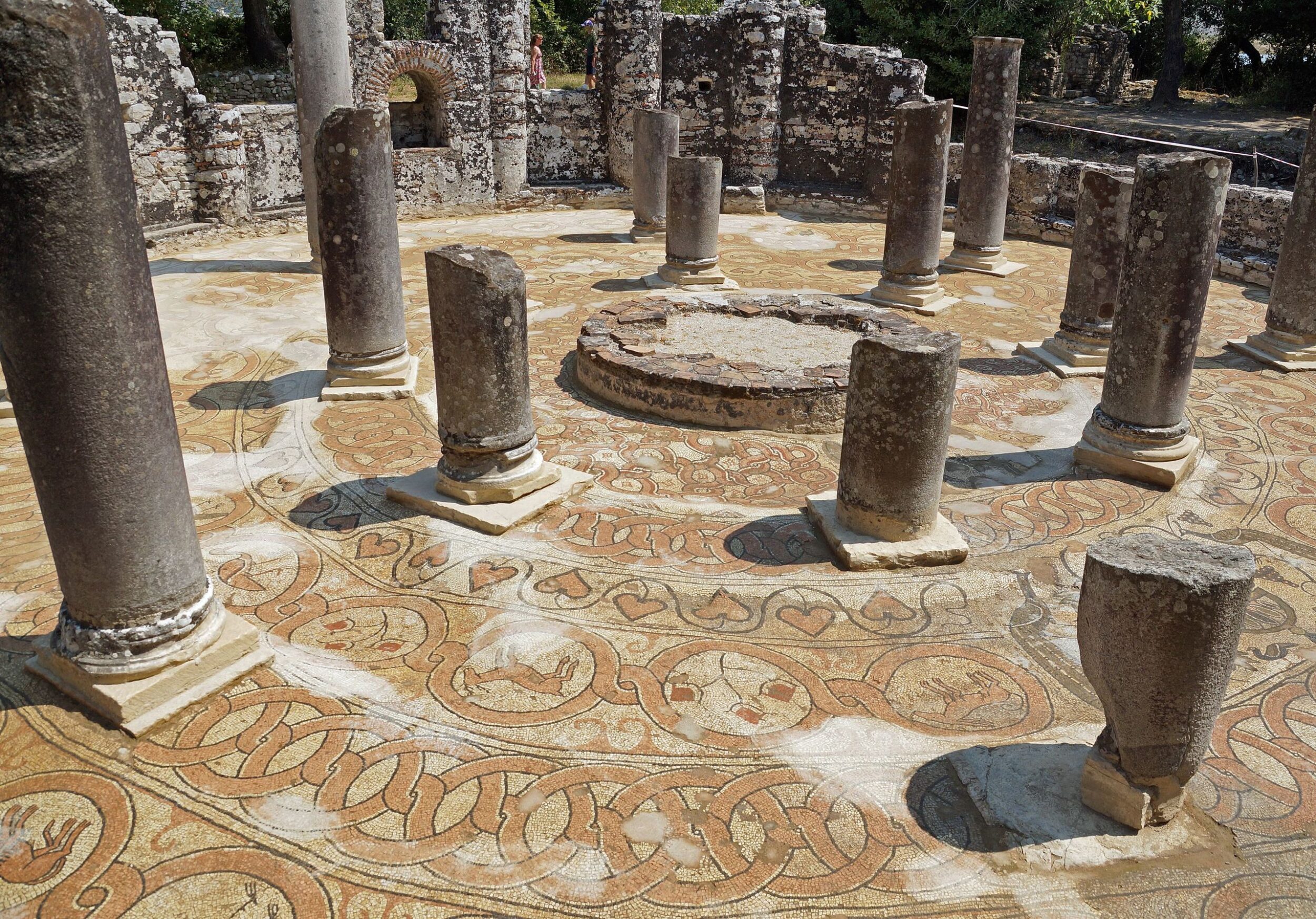
Walking through Butrint feels immersive rather than observational. You move from the Roman theater to the intricate baptistery mosaics, from temple ruins to defensive walls, all surrounded by wetlands and forest. The ecosystem itself is protected, making the experience both cultural and environmental at the same time.
If you’re planning your visit independently and want detailed information about tickets, opening hours, walking routes, and what not to miss inside the park, you can read our full breakdown here: 👉 Butrint – A practical guide to visiting this UNESCO treasure (2025)
After exploring Butrint, the drive north along the Ionian Riviera becomes part of the journey itself. The road climbs into Llogara National Park, where mountains drop dramatically toward the sea. It’s one of the most scenic stretches in the Balkans and provides a striking contrast to the ancient ruins you’ve just visited.
Return to Tirana in the evening.
Day 5 – Final Reflections Before Departure
Your final morning in Tirana offers time to revisit areas you may have missed or simply enjoy a relaxed coffee in one of the capital’s vibrant neighborhoods. By this point, the story of Albania — from antiquity to Ottoman heritage to communist isolation and modern revival — feels more cohesive.
If your flight allows a slower start, consider turning your last hours into a small culinary experience. Tirana’s brunch culture has grown rapidly in recent years, blending Mediterranean flavors with modern café aesthetics. For curated recommendations and local favorites, you can explore our guide: 👉 Where to eat brunch in Tirana? 15 fantastic places you need to try


It’s a relaxed and fitting way to conclude your UNESCO heritage journey — reflecting on five days of history over a good coffee and a well-prepared breakfast.
Why This 5-Day Route Works?
What makes this itinerary powerful is its balance. In five days, you explore:
- Two UNESCO-listed Ottoman towns
- One major UNESCO archaeological park
- Key historical landmarks in the capital
- Coastal and mountain landscapes
- Distinct regional culinary traditions
Few countries allow you to experience such varied cultural depth within approximately 700 km of driving.
A UNESCO heritage site tour in Albania is not about ticking off monuments — it’s about understanding how civilizations overlap in a compact yet deeply layered landscape. Albania remains one of Europe’s least saturated cultural destinations, which means the experience feels authentic, accessible, and personal.
For travelers seeking history without crowds, architecture without over-restoration, and cultural depth without overwhelming logistics, this five-day route offers one of the most rewarding heritage journeys in the Balkans.