

Perched high above Albania’s UNESCO stone city, Gjirokastra Castle is one of the most impressive fortresses in the Balkans. From Cold War tunnels and prison cells to panoramic views over the Drino Valley, this legendary fortress offers far more than just history. Whether you are visiting Gjirokaster for a cultural trip, a photography adventure, or a day exploring southern Albania, the castle is one of the most unforgettable places to experience in the country.
In this 2026 guide, you will discover the history of Gjirokastra Castle, ticket prices, opening hours, the best things to see inside, travel tips, legends, and why this fortress remains one of Albania’s most iconic landmarks.
Quick Guide – Gjirokastra Castle (2026)
📍 Location: Gjirokaster, Southern Albania
🏛️ Type: Historic Fortress & Museum Complex
🎟️ Castle Ticket: 400 ALL
⏰ Opening Hours: 09:00 – 19:00 (summer)
📸 Best for: History lovers, photographers, cultural travelers
🚶 Visit Duration: 1–2 hours
🌄 Highlight: Panoramic views over the UNESCO stone city
🧱 Famous for: Cold War tunnels, prison museum, folklore festival
📑 Table of Contents
- History of Gjirokastra Castle
- Why Gjirokastra Castle is Special
- Legends and Stories of the Castle
- Best Things to See Inside Gjirokastra Castle
- National Folklore Festival
- Ticket Prices and Opening Hours
- How to Visit Gjirokastra Castle
- Best Time to Visit Gjirokastra Castle
- Travel Tips for Visitors
- FAQ – Gjirokastra Castle
History of Gjirokastra Castle
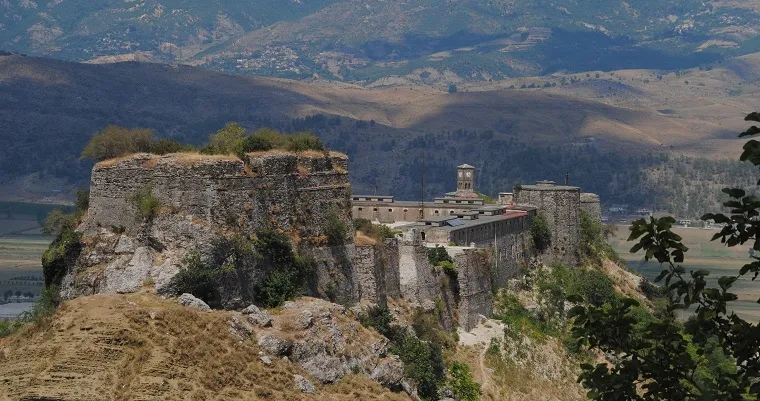
Gjirokastra Castle has watched over the Drino Valley for centuries, standing as a symbol of Albania’s layered and often dramatic history. The fortress is first mentioned in Byzantine chronicles from 1336, although historians believe parts of the original structure date back to the 3rd or 4th century BC.
Over time, the castle passed through the hands of Byzantine rulers, the Despotate of Epirus, Ottoman governors, and Ali Pasha of Tepelena, who transformed it into one of the strongest fortifications in the Balkans during the early 19th century.
During King Zog’s reign, sections of the castle were turned into a military prison, while under the communist regime it became associated with political imprisonment and Cold War paranoia. Today, the fortress preserves traces of every historical period that shaped Albania. Walking through the stone corridors and massive defensive walls feels like traveling through multiple centuries at once.
Why Gjirokastra Castle is special
Unlike many castles in the Balkans that are mostly ruins, Gjirokastra Castle remains incredibly well preserved and offers a complete experience for visitors.
It is not only a fortress, but also:
- a museum complex
- a cultural event space
- a panoramic viewpoint
- a Cold War site
- a symbol of Albanian identity
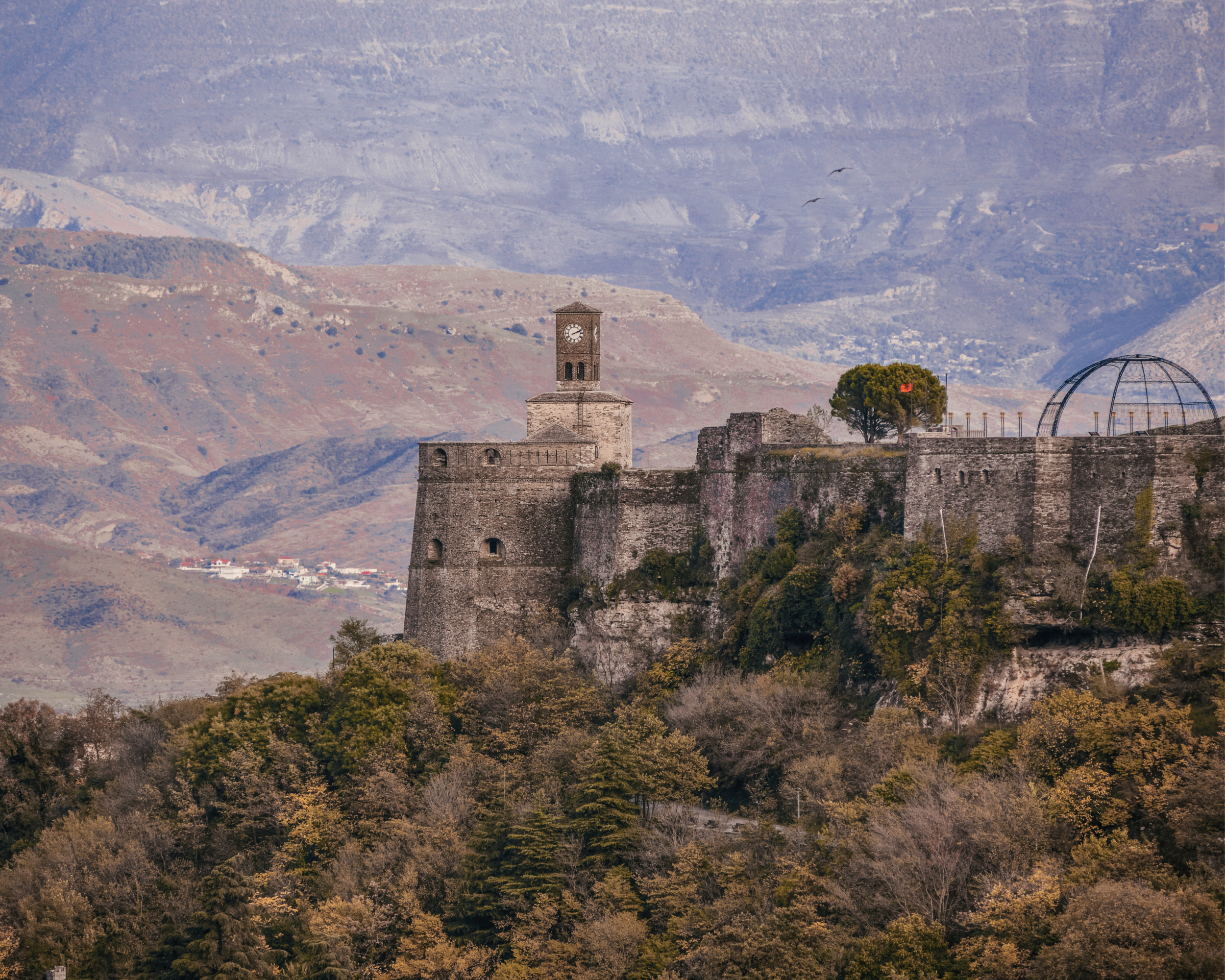
The castle dominates the skyline of Gjirokastra and creates one of the most recognizable landscapes in Albania. From the top, visitors can admire the UNESCO-listed stone houses below and the mountains surrounding the Drino Valley.
At sunset, the entire city glows with warm golden colors, making this one of the best photography spots in southern Albania.
Legends and stories of the castle
One of the most famous legends connected to Gjirokastra Castle is the story of Princess Argjiro.
According to local folklore, she threw herself from the castle walls with her child in her arms rather than surrender to invading Ottoman forces. This story became deeply rooted in local identity and is often associated with the origin of the city’s name.
Other theories connect the name Gjirokastra to the Greek word “Argyrokastron,” meaning “silver fortress,” inspired by the way the stone city shines under the southern Albanian sun.
Whether legend or history, these stories add another layer of mystery and emotion to the fortress.
Best things to see inside Gjirokastra Castle
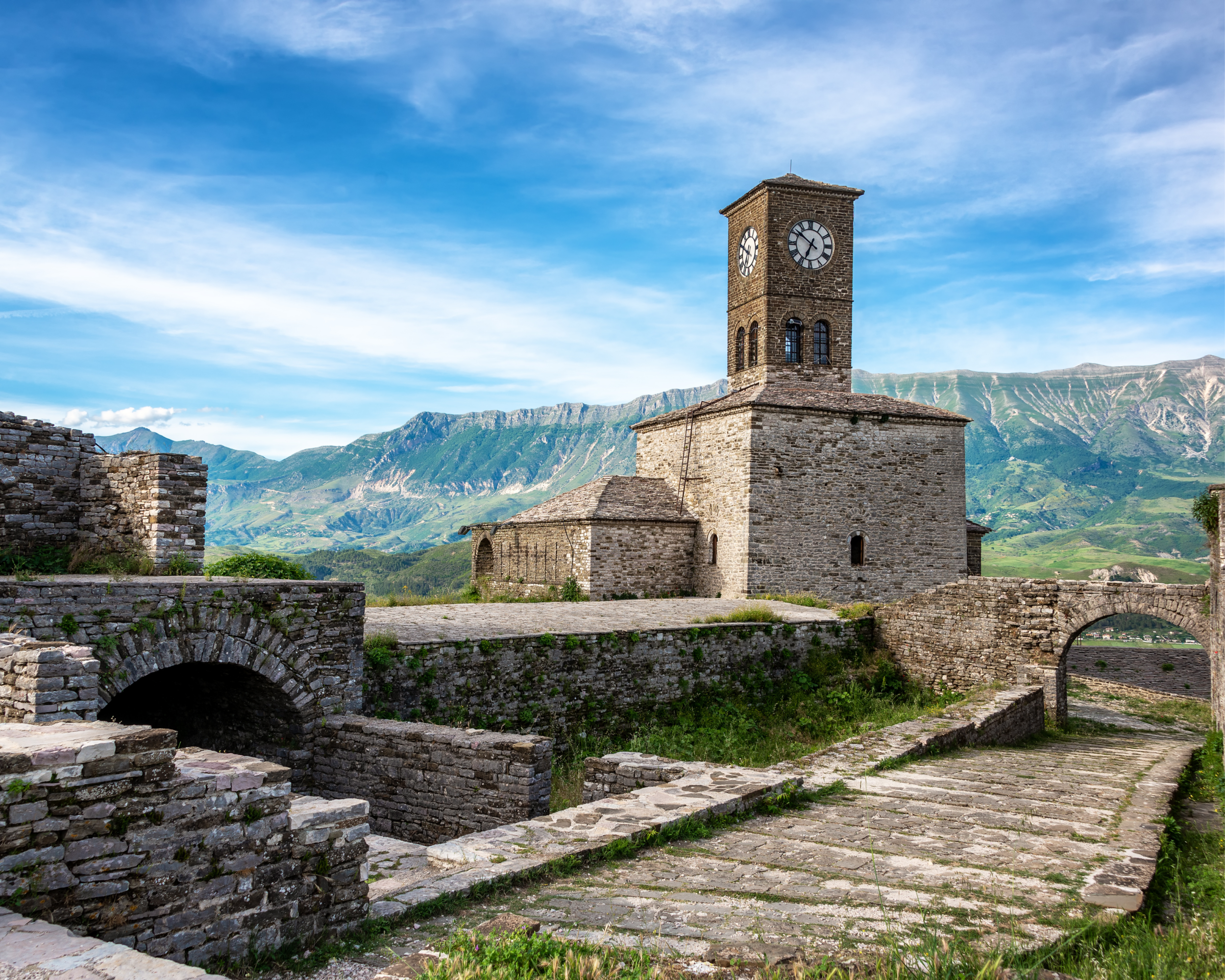
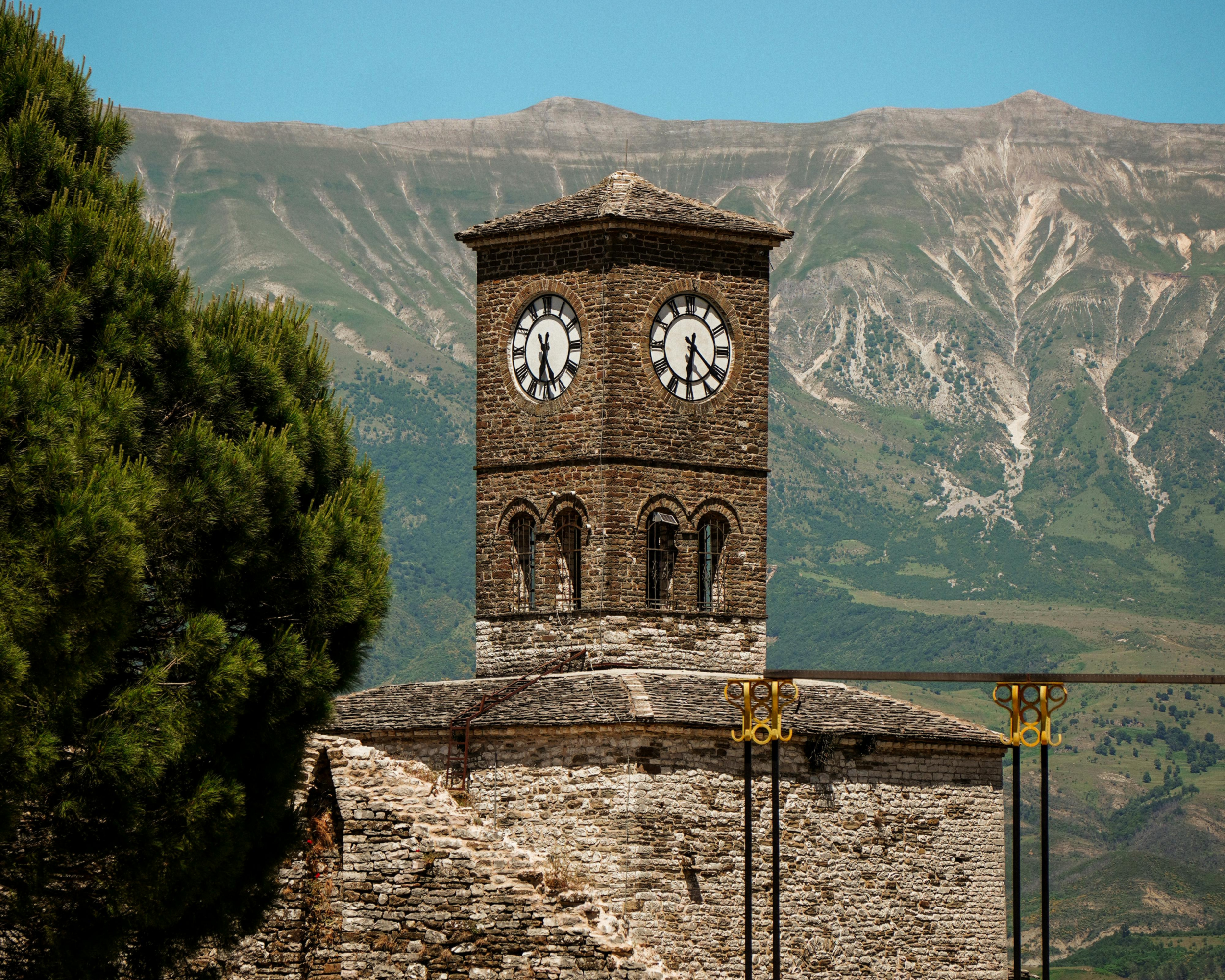
There is much more inside the fortress than most travelers expect. Exploring the castle is a combination of history, architecture, museums, and hidden underground spaces.
- Clock Tower – One of the most recognizable elements of the fortress is the Clock Tower, rebuilt by Ali Pasha during the 19th century. It remains one of the iconic symbols of Gjirokastra Castle.
- Panoramic Courtyard – The castle courtyard offers breathtaking panoramic views over Gjirokaster’s stone rooftops and the Drino Valley. This is one of the best places in Albania for panoramic photography.
- Weapons Museum – Inside the castle, visitors can explore the National Weapons Museum, which displays artillery, cannons, rifles, and military artifacts from different historical periods.
- The American Aircraft – One of the most curious attractions inside the fortress is the American military aircraft displayed near the walls. According to Albania’s communist-era narrative, the plane was forced to land during the Cold War and later became a propaganda symbol.
- Stone Pathways and Towers – The castle’s tunnels, towers, defensive walls, and stone walkways create an immersive historical atmosphere that makes the visit feel far more authentic than a traditional museum.
- Cold War Tunnels and Prison – One of the most fascinating parts of Gjirokastra Castle lies beneath the surface. During Albania’s communist period, a massive underground bunker with 59 rooms was constructed beneath the fortress to protect political and military leaders in case of war. Today, visitors can walk through parts of these tunnels and experience the atmosphere of Cold War Albania firsthand. The former prison section of the castle is equally powerful. Originally expanded during King Zog’s reign and later used by the communist regime, the prison preserves original cells and interiors that reveal the harsh reality of political imprisonment in Albania. These darker sections of the castle transform the experience from simple sightseeing into something emotional and deeply educational.
National Folklore Festival
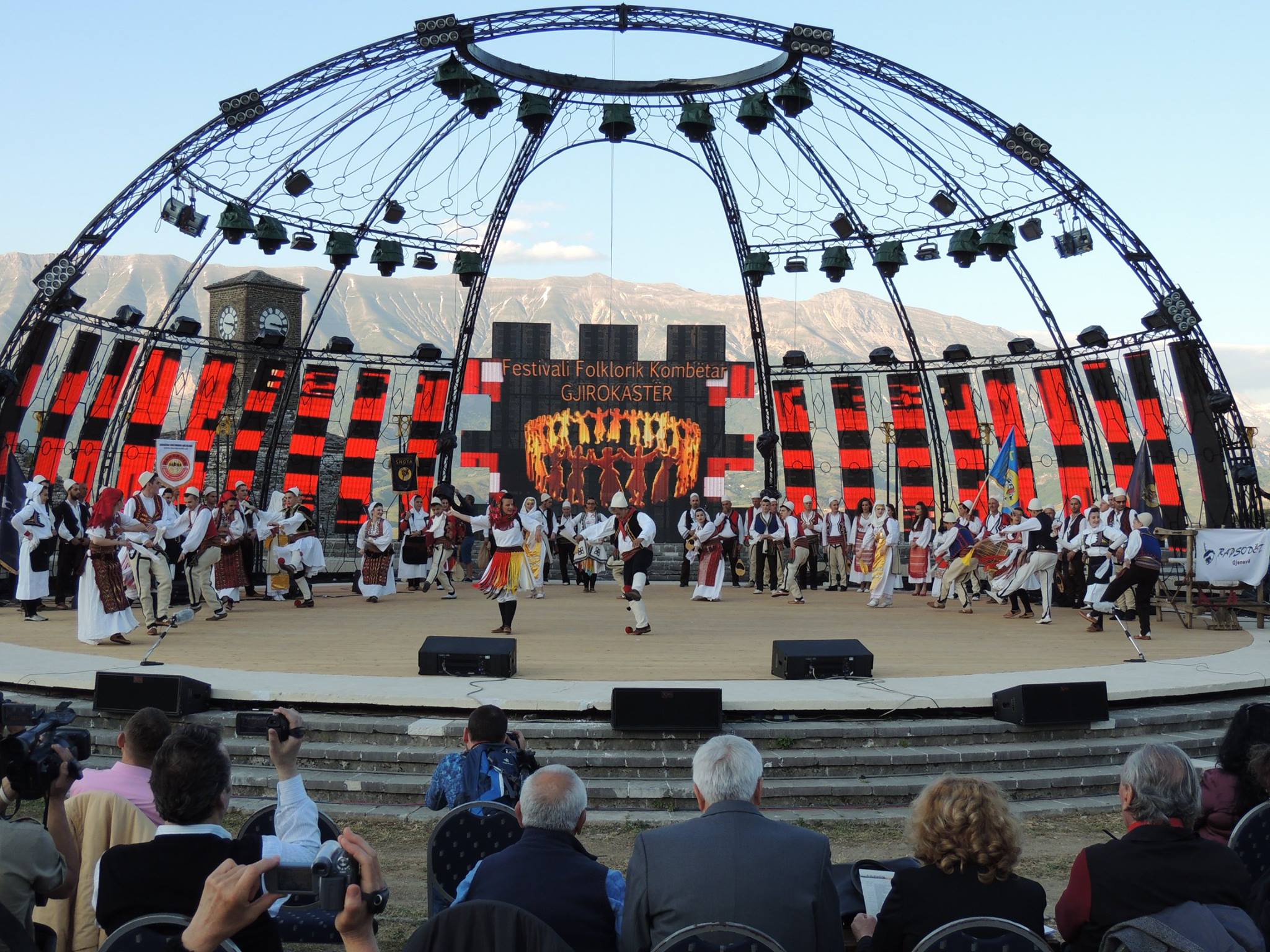
Gjirokastra Castle is not only a historical monument it is also a living cultural center hosting major events that bring Albanians together from all regions. The National Folklore Festival, held every 4–5 years in the castle courtyard, is one of the most important cultural heritage events in Albania. Over 1,200 performers from across the Albanian world including Kosovo, North Macedonia, the Arbëresh communities of Italy, and the diaspora — participate with traditional songs, dances, and costumes.
The magical atmosphere of the festival, set against the stone walls of the castle and the panoramic city backdrop, makes it a truly unique experience. In addition to the folklore festival, during the summer months the castle also hosts concerts, cultural events, and exhibitions, maintaining its role as the artistic heart of Gjirokastra.
Ticket prices and opening hours
If you’re planning to visit Gjirokastra Castle, here’s what you need to know:
- ⏰ Opening hours
- Summer (April – October): 09:00 – 19:00
- Winter (November – March): 09:00 – 17:00
- 🎟️ Ticket prices
- Castle entrance: 400 ALL per person
- Additional ticket for the Weapons Museum: 200 ALL
- Discounted prices for groups and students
- 🧭 How to Visit Gjirokaster Castle
- Gjirokastra is located in southern Albania, about 232 km from Tirana and 56 km from Saranda
- From Tirana: 3–4 hours by car or bus
- From Saranda: 1.5 hours by car heading northeast
- Public transport (buses) operates regularly from major cities
- 🥾 Visiting tips
- Wear comfortable shoes — the terrain is rocky with stairs
- Allow at least 1–2 hours to explore everything at a relaxed pace
- Don’t forget your camera — the views are spectacular!
Best time to visit Gjirokastra Castle
The best months to visit are:
- April
- May
- June
- September
- October
These periods offer pleasant temperatures, fewer crowds, and ideal lighting for photography.
If possible, visit early in the morning or during sunset hours for the most beautiful atmosphere and softer light across the stone city.
Summer afternoons can become very hot, especially inside the exposed stone areas of the fortress.
Travel tips for visitors
Before visiting Gjirokastra Castle, keep these tips in mind:
- Wear comfortable shoes because the terrain is uneven and rocky
- Bring water during summer months
- Allow at least 1–2 hours for the visit
- Visit during golden hour for the best photos
- Combine the castle visit with the Old Bazaar and traditional restaurants nearby
- Bring a camera because the panoramic views are spectacular
FAQ – Gjirokastra Castle
The main entrance ticket costs approximately 400 ALL per person.
Most visitors spend between 1 and 2 hours exploring the fortress.
Yes, parts of the Cold War tunnels and underground bunker are open to visitors.
Absolutely. It is one of the most important historical attractions in Albania and offers incredible panoramic views.
Spring and autumn are ideal because temperatures are pleasant and crowds are smaller.
A treasure meant to be shared
Gjirokastra Castle is not just a monument of the past it is a living part of Albanian identity. With a history spanning centuries, legends that inspire, and cultural events that bring its walls to life, this castle is a must-see for every traveler passionate about history and culture. If you’ve already had the chance to visit, share your experience with others. And if you haven’t yet, make sure to add it to your travel list.
📣 Share this article with friends and family let them discover the magic of the “castle that watches over centuries.”