

Planning a trip to Kruja, Albania? Located around 32 km from Tirana, this historic mountain town is one of the most rewarding cultural destinations and day trips from the Albanian capital. Kruja (Krujë) is best known for its connection to Gjergj Kastrioti Skanderbeg, Albania’s national hero, who used Kruja Castle as a stronghold during the resistance against the Ottoman Empire in the 15th century. But there is much more to discover beyond the castle.
The best things to do in Kruja include walking through the centuries-old Old Bazaar, visiting the Skanderbeg Museum and Ethnographic Museum, discovering Bektashi heritage, trying traditional Albanian food, and enjoying the mountain scenery surrounding the town.
Most travelers can explore the main attractions in half a day, but spending a full day gives you time to experience Kruja at a slower pace and discover some of the natural and historical sites beyond the town center. In this 2026 Kruja travel guide, you’ll find the best places to visit, what to eat, how to get there from Tirana, itinerary ideas, and practical tips for planning your trip.
Table of Contents
- Kruja at a Glance
- Best Things to Do in Kruja, Albania
- What to Eat in Kruja
- Where to Stay in Kruja
- How to Get to Kruja from Tirana
- How Much Time Do You Need in Kruja?
- Kruja Half-Day Itinerary
- One Day in Kruja
- Best Time to Visit Kruja
- Practical Tips for Visiting Kruja
- FAQ

Kruja at a glance
📍 Location: Central Albania, around 32 km from Tirana
⏱ Time needed: Half day to one full day
🏰 Must-see: Kruja Castle
🛍️ Don’t miss: Old Bazaar
🏛️ Best museums: Skanderbeg Museum & Ethnographic Museum
🥘 Try: Traditional Albanian and Kruja cuisine
🥾 For nature: Sari Salltik & Qafe Shtama
⭐ Best for: History, culture, local crafts and day trips
Best Things to Do in Kruja, Albania
Explore Kruja Castle

Kruja Castle (Kalaja e Krujes) is the town’s most important landmark and the best place to begin your visit. Standing above the surrounding landscape, the fortress is closely associated with Skanderbeg, who used Kruja as the center of Albanian resistance against the Ottoman Empire during the 15th century.
Today, visitors can walk through the castle complex, explore its historic structures and enjoy panoramic views stretching across the plains toward the Adriatic coast on clear days. Unlike many European castles, Kruja Castle is not simply an isolated monument. People still live and work within the historic area, and you’ll find museums, restaurants, traditional houses and small shops inside and around the fortress.
Good to know: Access to the castle grounds is free. The museums inside require separate entrance tickets.
Visit the Skanderbeg Museum
Inside Kruja Castle you’ll find the National Museum “Gjergj Kastrioti Skanderbeg”, one of the most important museums for understanding Albanian history. The museum is dedicated to the life of Skanderbeg and the resistance he led against the Ottoman Empire in the 15th century. Its exhibitions explore medieval Albania, Skanderbeg’s military campaigns, diplomacy, battles and the role Kruja played during this period.
Even if you arrive in Kruja knowing little about Albanian history, visiting the museum provides useful context for everything else you’ll see around the castle. 2026 opening hours: The Kruja Museum Centre announced that from May 1, 2026, both the Skanderbeg Museum and Ethnographic Museum are open daily from 09:00 to 19:00. Opening hours may change seasonally or on public holidays, so check before visiting.
Walk through the Old Bazaar of Kruja
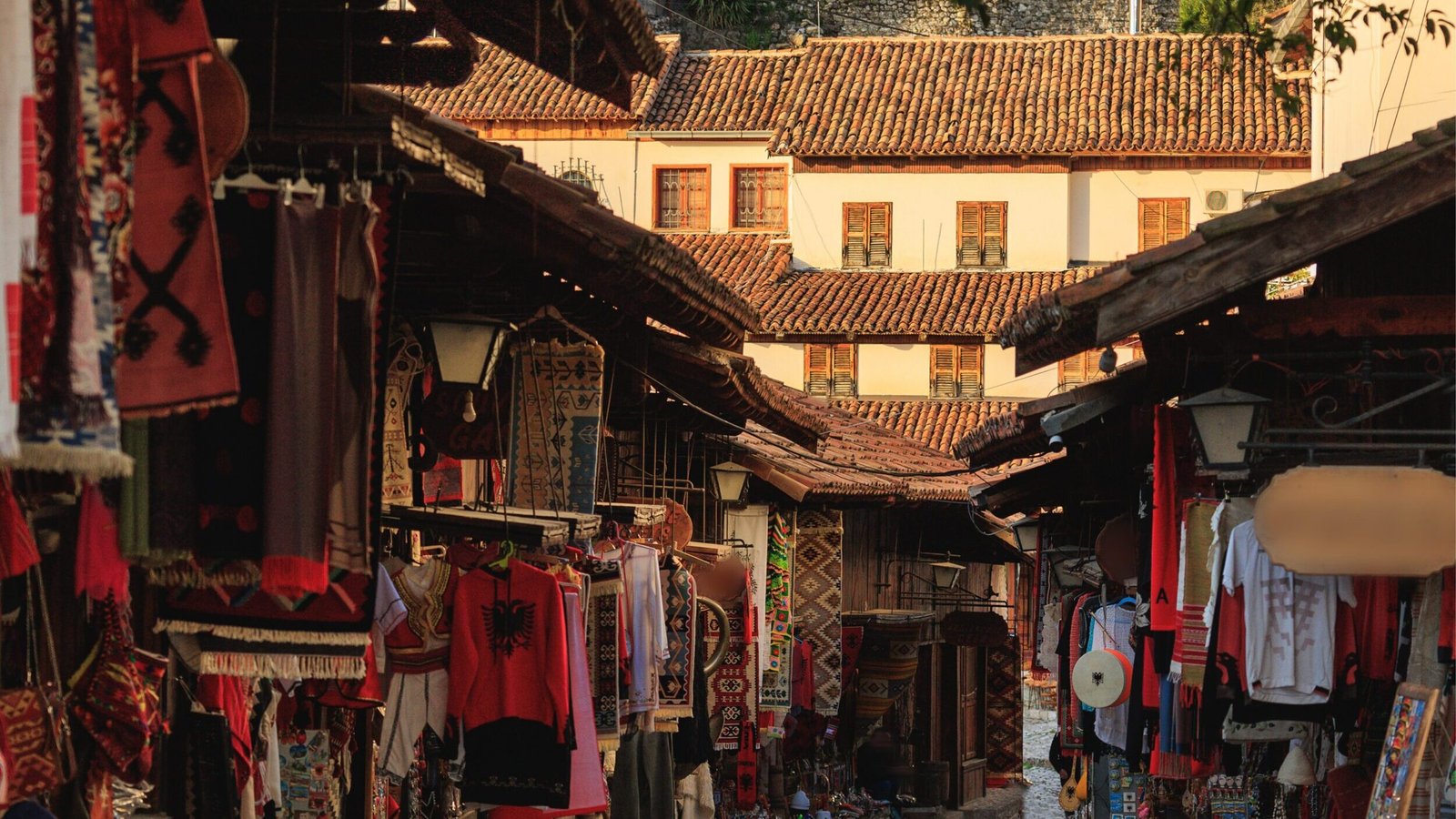
One of the most enjoyable things to do in Kruja is simply walking through its historic bazaar. Known locally as the Old Bazaar (Pazari i Vjetër), the cobbled street leading toward the castle is lined with traditional wooden shops selling handicrafts and souvenirs.
Look out for:
- Handwoven carpets and rugs
- Traditional textiles
- Embroidery
- Copperware
- Silver filigree jewelry
- Wooden crafts
- Antiques
- Traditional Albanian clothing
- Locally made souvenirs
Some shops also function as small workshops, giving visitors the chance to see traditional crafts being made. Even if you’re not planning to buy anything, the bazaar is worth exploring for its atmosphere and architecture.
Tip: Take your time and look inside several shops before buying. The bazaar is also one of the most photogenic areas of Kruja, especially early in the morning before larger tour groups arrive.
Visit the Dollma Tekke
Near the castle stands the Dollma Tekke, an important site connected to Albania’s Bektashi tradition. Built in the late 18th century, the tekke is known for its decorative interior, frescoes and peaceful atmosphere.
It provides another perspective on Kruja’s history, showing that the town’s heritage extends beyond military history and Skanderbeg. The surroundings are quiet, making this an easy stop while exploring the castle complex.
See the Historic Clock Tower
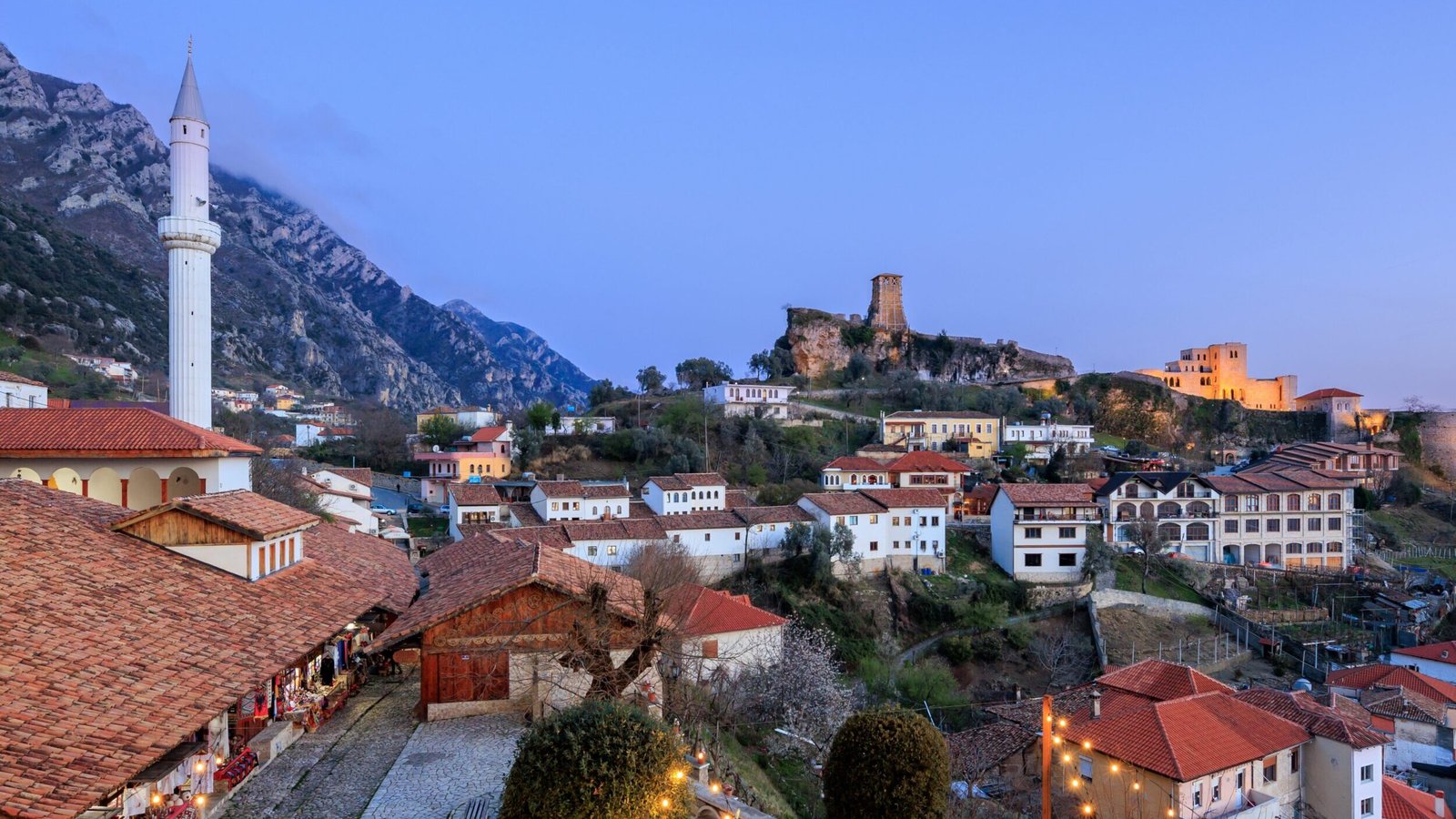
Another recognizable feature of the Kruja Castle complex is its historic Clock Tower. The stone tower rises above the castle and has become one of the symbols of the old town.
Although most visitors come primarily for the Skanderbeg Museum, walking around the tower and surrounding ruins gives you a better sense of the scale and historic layout of the fortress.
It is also an excellent area for panoramic photographs of Kruja and the landscape below.
Head Up to Sari Salltik
If you have more time, continue higher into the mountains toward Sari Salltik. Located above Kruja on Mount Kruja, this sacred site is associated with the Bektashi tradition and is visited both for its spiritual importance and its dramatic location.
The journey itself is part of the experience. As you climb above the town, the views become increasingly impressive, stretching across central Albania and toward the Adriatic on clear days.
Sari Salltik is particularly interesting for travelers who want to combine Kruja’s history with nature and local spiritual traditions. Because it sits high above the town, allow extra time for the journey rather than trying to squeeze it into a short visit.
Experience Nature Around Kruja
Kruja is surrounded by mountains, forests and historic landscapes. If you have your own car and more than one day in the area, several nearby places are worth exploring.
Explore Qafe Shtama National Park
Around 25 km northeast of Kruja, Qafe Shtama National Park offers a completely different atmosphere from the busy castle and bazaar. The protected mountain landscape is known for its forests, fresh air, hiking opportunities and natural springs.
One of the best-known locations is the Mother Queen spring (Kroi i Nënës Mbretëreshë), named in connection with Albania’s former royal family. Qafe Shtama is a good addition to your itinerary if you are traveling by car and want to combine history with a quieter outdoor experience.
Discover the Gorge of Vaja
Adventure travelers can also explore the Gorge of Vaja, an impressive natural area characterized by steep limestone formations and rugged mountain scenery.
This part of the Kruja region is better suited to travelers interested in hiking and outdoor exploration than those visiting only for a quick day trip. Wear suitable footwear and check local conditions before heading into less-developed natural areas.
Visit the Ancient Site of Zgerdhesh
Near Kruja lies Zgerdhesh, an important archaeological site connected with the ancient Illyrian history of the region. The settlement flourished particularly during the Hellenistic period, and remains of fortification walls and other structures can still be found across the hillside.
Zgerdhesh has often been proposed as the location of ancient Albanopolis, mentioned by the geographer Ptolemy. However, this identification remains debated among scholars, so it is more accurate to describe Zgerdhesh as a possible location of Albanopolis rather than presenting the connection as certain. The site receives far fewer visitors than Kruja Castle, making it an interesting stop for travelers particularly interested in archaeology and ancient history.
What to Eat in Kruja

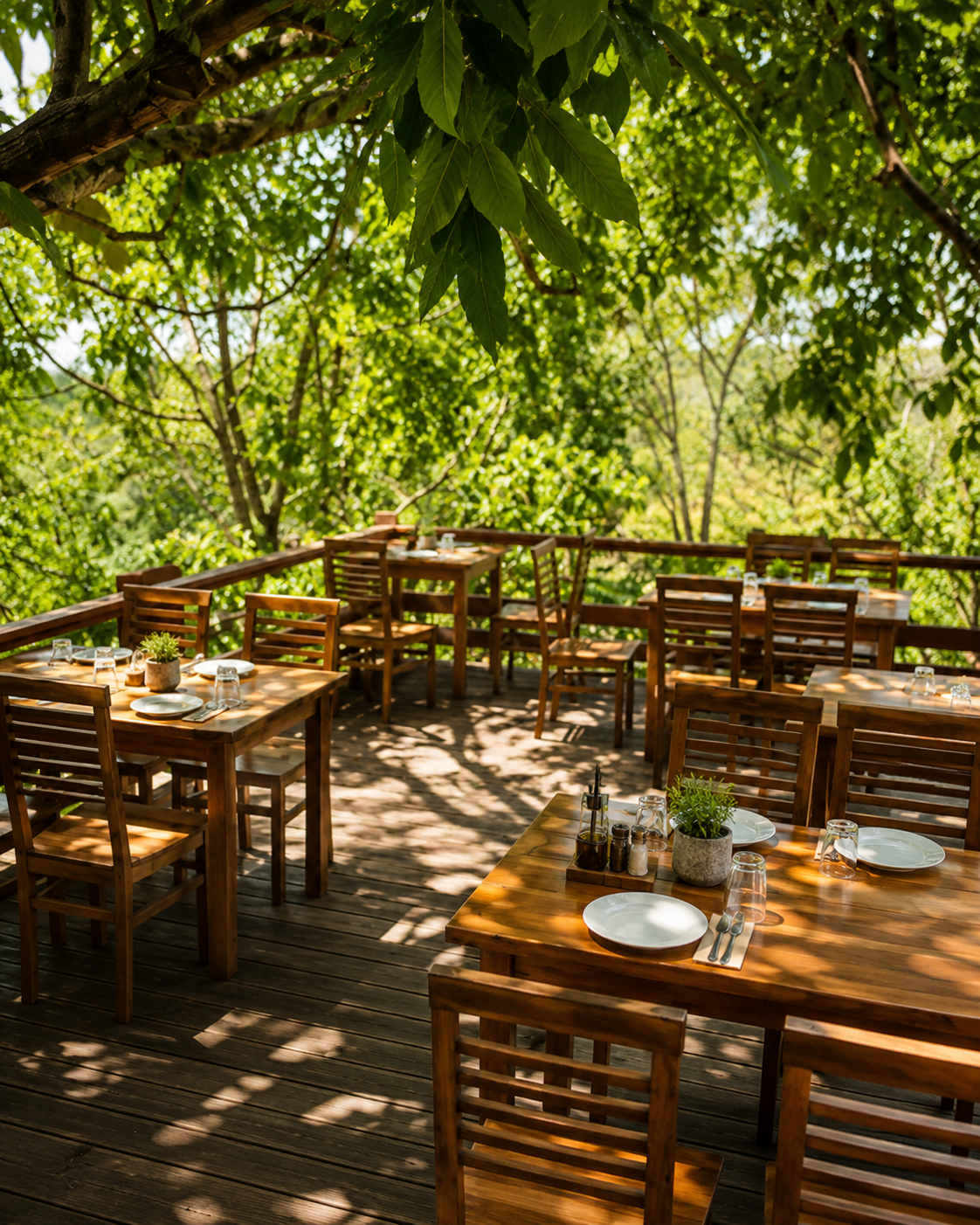
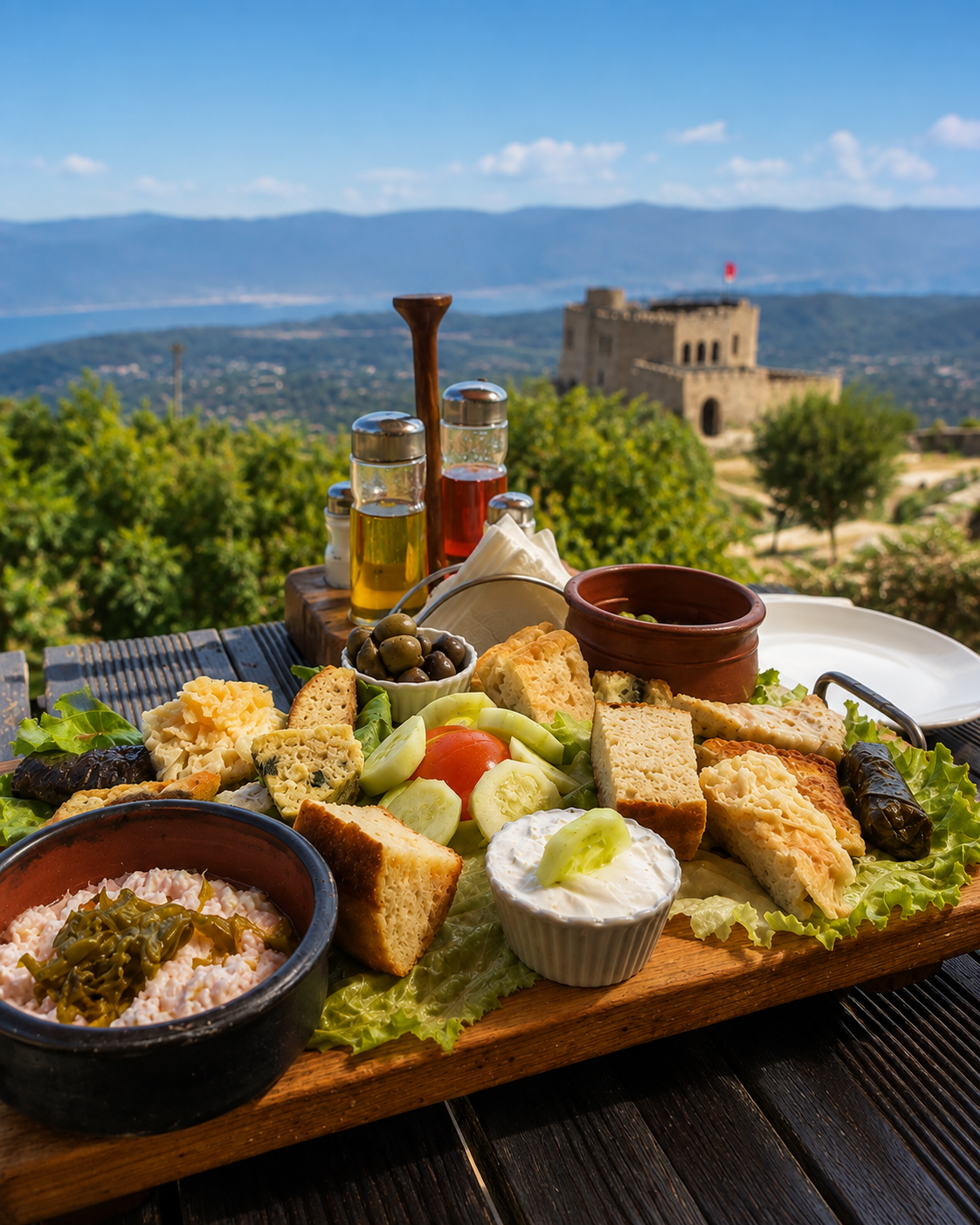
Food is another reason to spend a little longer in Kruja. Traditional restaurants around the castle and surrounding countryside serve Albanian dishes based on meat, dairy products, seasonal vegetables and recipes passed down through generations.
One local specialty worth looking for is Kabuni, a traditional sweet rice dish associated with Kruja and central Albania. Depending on the restaurant, you may also find dishes such as fërgesë, slow-cooked meat, grilled meat, homemade pies and other traditional Albanian recipes.
A meal on one of Kruja’s panoramic terraces can be just as memorable as visiting the castle itself, particularly around sunset.
👉 Looking for somewhere to eat? Read our guide to the Best Restaurants in Kruja for our latest recommendations.
Where to Stay in Kruja

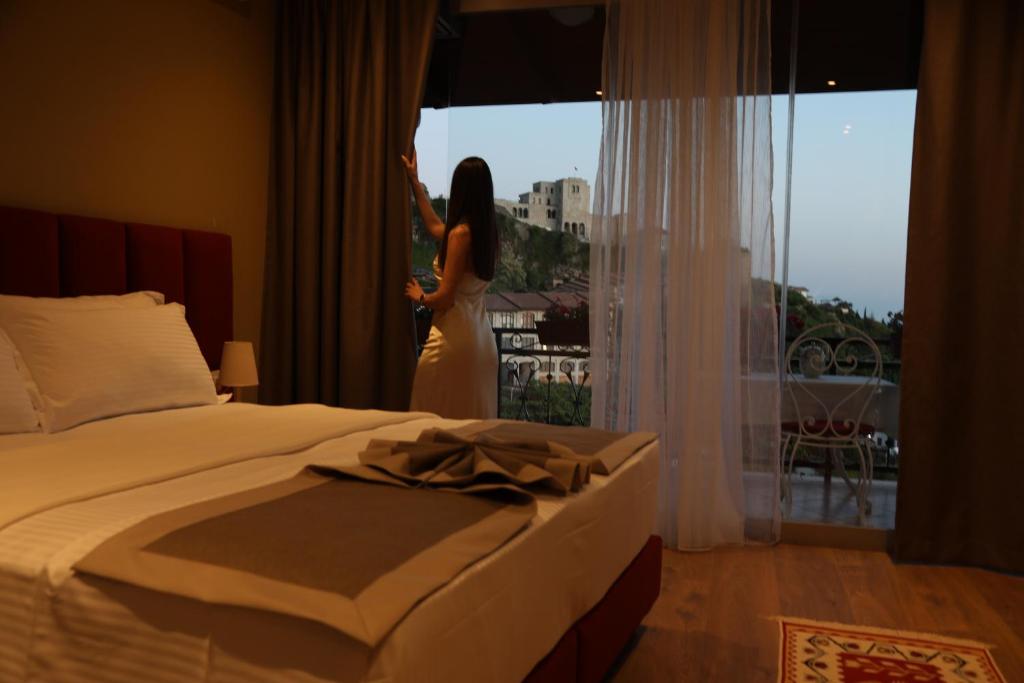

Although many visitors experience Kruja as a day trip from Tirana, staying overnight has some advantages. After day-trippers leave, the Old Bazaar and castle area become considerably quieter, allowing you to experience a different side of the town.
Kruja offers traditional guesthouses, small hotels and properties with panoramic views over the surrounding landscape. One option near the historic center is Guesthouse Dollma, known for its traditional atmosphere and convenient location near the castle and Old Bazaar.
For a wider selection, see our guide to the best accommodations in Kruja.
How much time do you need in Kruja?
For most travelers, half a day is enough to see the main attractions in central Kruja.
In around 4–5 hours you can comfortably visit:
- Kruja Castle
- Skanderbeg Museum
- Ethnographic Museum
- Old Bazaar
- Dollma Tekke
- Have lunch or coffee with a view
However, a full day in Kruja is a better option if you prefer traveling slowly or want to include Sari Salltik.
If you also want to explore Qafe Shtama or archaeological and natural attractions around Kruja, consider staying overnight or dedicating a second day to the region.
Kruja Half-Day Itinerary
If you only have a few hours, keep your itinerary focused on the historic center.
- Morning: Start at the Old Bazaar and walk uphill toward Kruja Castle before the busiest part of the day. Visit the Skanderbeg Museum, explore the castle grounds and continue to the Ethnographic Museum.
- Lunch: Stop at one of the traditional restaurants around the castle or choose a panoramic restaurant overlooking the valley.
- Early afternoon: Visit the Dollma Tekke, browse the Old Bazaar for souvenirs and enjoy a final coffee before returning to Tirana.
One day in Kruja
With a full day, you can explore the town at a much more relaxed pace.
- Morning: Old Bazaar → Kruja Castle → Skanderbeg Museum → Ethnographic Museum.
- Lunch: Try traditional Albanian food at one of Kruja’s restaurants.
- Afternoon: Explore the castle area and Dollma Tekke before heading toward Sari Salltik for mountain views.
- Evening: Return to Kruja for dinner or continue back to Tirana.
Travelers with a car can alternatively use the afternoon to explore the surrounding countryside.
Best time to visit Kruja
Kruja can be visited throughout the year, but spring and autumn offer some of the most pleasant conditions for exploring the castle, bazaar and surrounding mountains.
- Spring: Mild temperatures and green landscapes make spring ideal for combining sightseeing with outdoor activities.
- Summer: Summer is the busiest period, particularly during the middle of the day when organized tours arrive. If you’re visiting in July or August, arrive early in the morning or stay into the late afternoon for a more relaxed experience.
- Autumn: Autumn brings comfortable temperatures and fewer visitors, making it another excellent time for exploring Kruja.
- Winter: Kruja remains accessible in winter, but mountain conditions can be colder and less predictable, especially if you plan to travel toward Sari Salltik or Qafe Shtama.
Practical tips for visiting Kruja
- Wear comfortable shoes: The Old Bazaar and castle have cobbled and uneven surfaces.
- Carry some Albanian lek: Smaller shops and local businesses may prefer cash.
- Arrive early: Morning is one of the best times to photograph the Old Bazaar without large crowds.
- Allow time for the museums: Don’t visit the castle only for the views; the museums provide important historical context.
- Check museum hours: Opening times can change depending on season and public holidays.
- Don’t rush the bazaar: Some of the most interesting shops are small artisan workshops.
- Stay for lunch: Kruja is a good place to combine sightseeing with traditional Albanian food.
- Consider a car: It makes visiting Sari Salltik, Qafe Shtama and other places outside the historic center much easier.
FAQ
Yes. Kruja is one of Albania’s most important historical destinations and combines a medieval castle, museums, a traditional bazaar, local cuisine and mountain scenery in a compact area. Its proximity to Tirana also makes it one of the easiest cultural day trips from the capital.
Kruja is most famous for Skanderbeg, Albania’s national hero, and the 15th-century resistance against the Ottoman Empire. The town is also known for Kruja Castle, the Old Bazaar and traditional Albanian crafts.
Kruja is approximately 32 km from Tirana. Travel time varies depending on traffic and your mode of transport.
Yes. Kruja is one of the best day trips from Tirana. The main castle, museums and Old Bazaar can be explored in half a day, while a full day gives you time for lunch and additional attractions.
Plan at least 4–5 hours for the main attractions. A full day is better if you want a relaxed visit, traditional lunch and a trip toward Sari Salltik.
The castle grounds can be explored without an entrance ticket, but the Skanderbeg Museum and Ethnographic Museum require separate paid tickets.
The top things to do in Kruja are visiting Kruja Castle, exploring the Skanderbeg Museum and Ethnographic Museum, walking through the Old Bazaar, seeing Dollma Tekke and visiting Sari Salltik.
The historic center is compact and can easily be explored on foot. However, the streets around the Old Bazaar and castle are steep and cobbled, so comfortable footwear is recommended.
Is Kruja worth adding to your Albania itinerary?
Absolutely. Kruja offers something that is increasingly difficult to find in popular destinations: a large amount of history and culture concentrated within a small, walkable town.
You can stand inside the fortress associated with one of the most important figures in Albanian history, browse traditional crafts in a centuries-old bazaar, discover everyday Albanian life inside the Ethnographic Museum and finish your visit with traditional food overlooking the surrounding landscape.
And because Kruja is so close to Tirana, you don’t need to reorganize your entire Albania itinerary to experience it. Whether you have half a day, a full day or an overnight stay, Kruja deserves a place on your Albania travel itinerary.
Continue exploring Kruja: Read our guides to Kruja Castle, the Best Restaurants in Kruja, Museums in Kruja, and the Best Places to Stay in Kruja to plan the rest of your visit.