

Via Dinarica in Albania is not just a hiking trail; it is a journey through some of the most remote and untouched landscapes in the Balkans. This iconic long-distance route, stretching across the Dinaric Alps, finds one of its most authentic expressions in Northern Albania, where wild nature, mountain traditions, and silence still define the experience.
Unlike many European hiking destinations, the Albanian section remains largely undiscovered. Travelers don’t come here for crowds or luxury, but for raw alpine beauty, high passes, and genuine encounters with nature and local life.
Where Via Dinarica Passes in Albania?
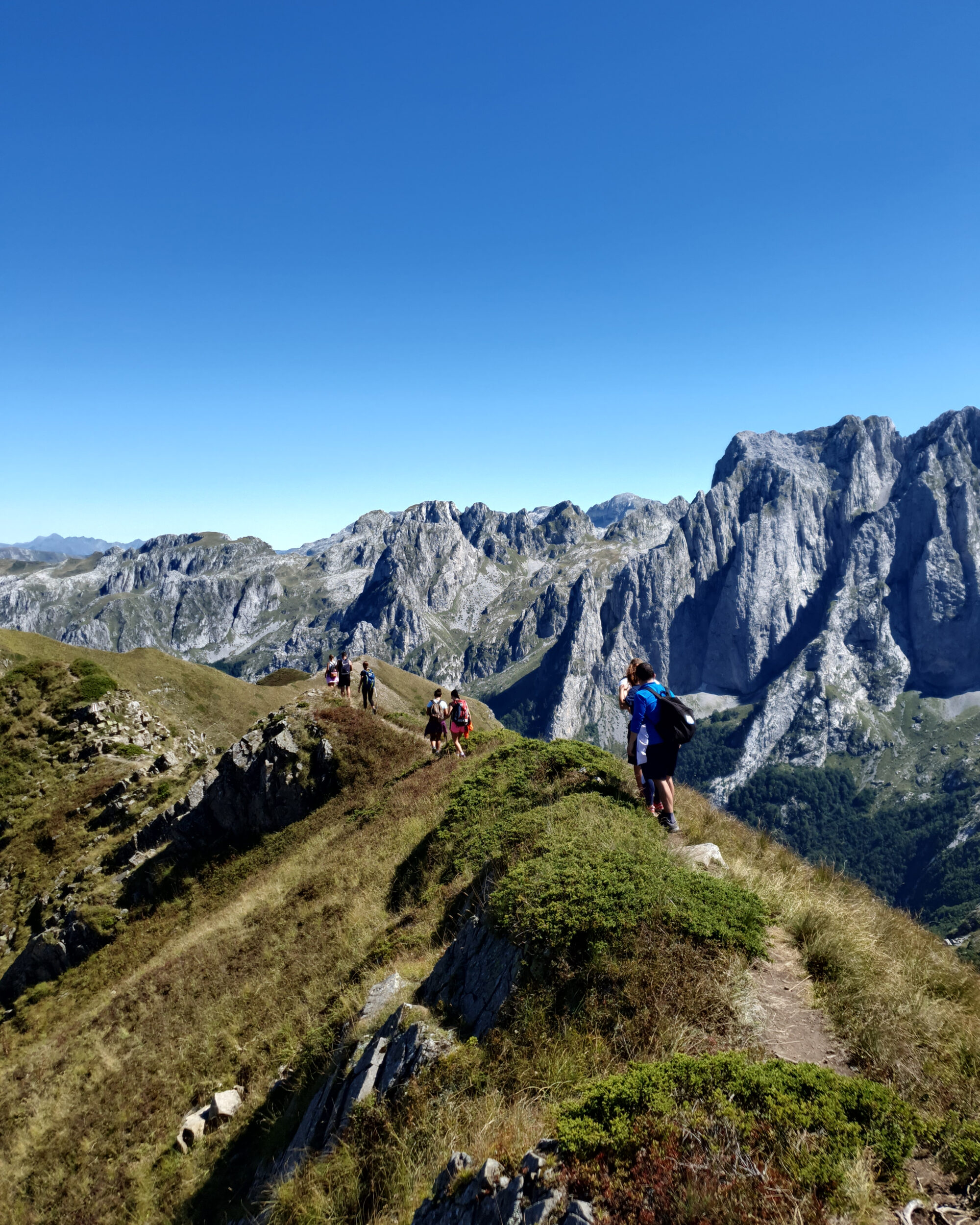
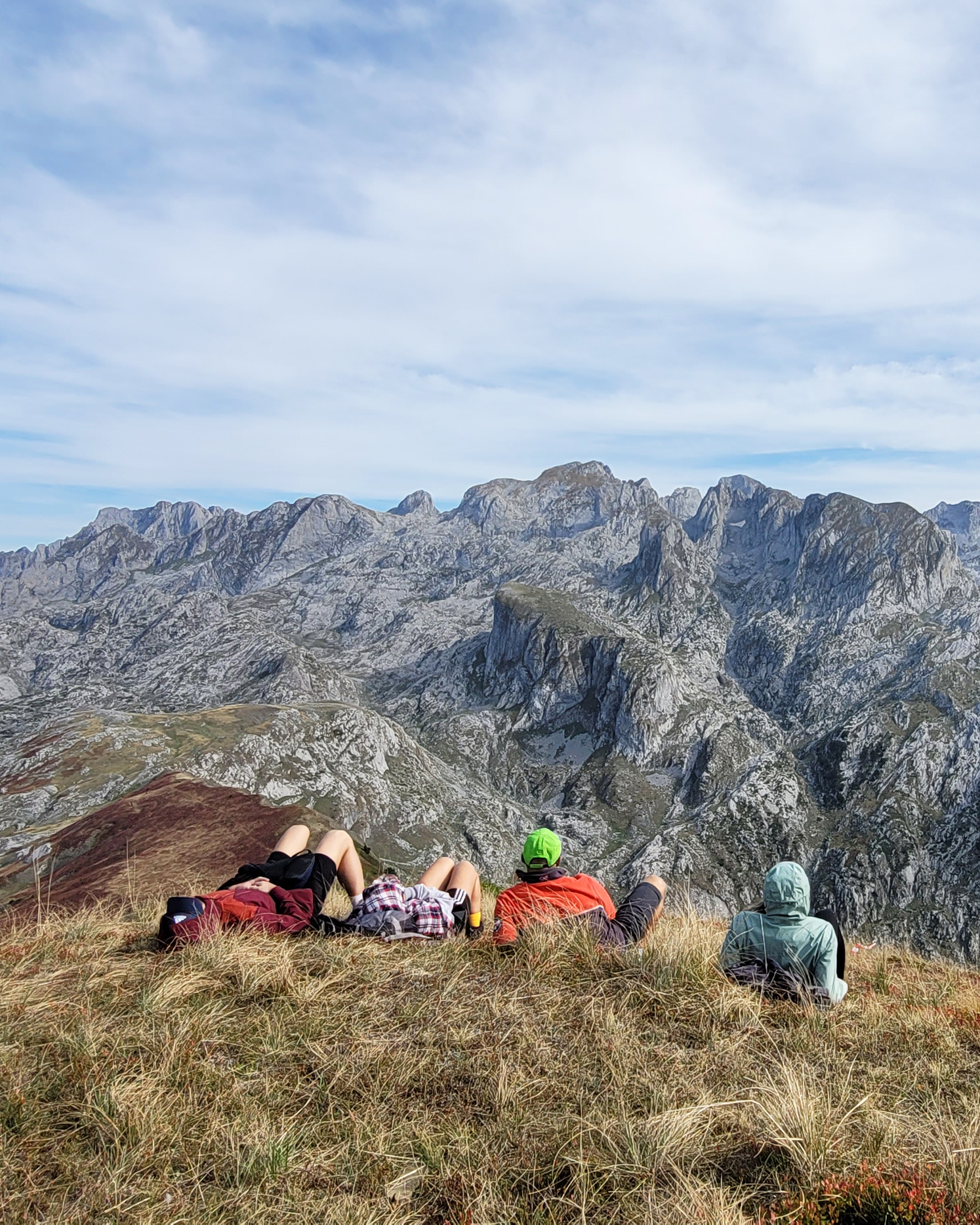
In Albania, Via Dinarica crosses the heart of the Albanian Alps, connecting valleys, glacial landscapes, and high mountain passes close to the borders with Kosovo and Montenegro. The trail runs through areas of exceptional natural value, including Valbona Valley National Park, the Gashi River Valley, and the high-altitude plateaus of Dobërdol and Sulbica.
Altitudes vary dramatically, from green valleys at around 600 meters to alpine terrain rising above 2,600 meters, offering constant changes in scenery and climate.
Valbona Valley National Park – The Gateway to Via Dinarica
Valbona Valley is often the first and most memorable stop for hikers exploring Via Dinarica in Albania. Known for its wide meadows, dense forests, and the powerful Valbona River, the valley offers a perfect balance between wild landscapes and human presence.
Traditional stone houses and family-run guesthouses line the valley, providing accommodation, warm hospitality, and local food. From Valbona, hikers can continue toward Dobërdol, Cerem, Dragobi, or follow classic crossings such as Valbona–Theth, one of Albania’s most famous mountain routes.
Gashi River Valley – A Strictly Protected Wilderness
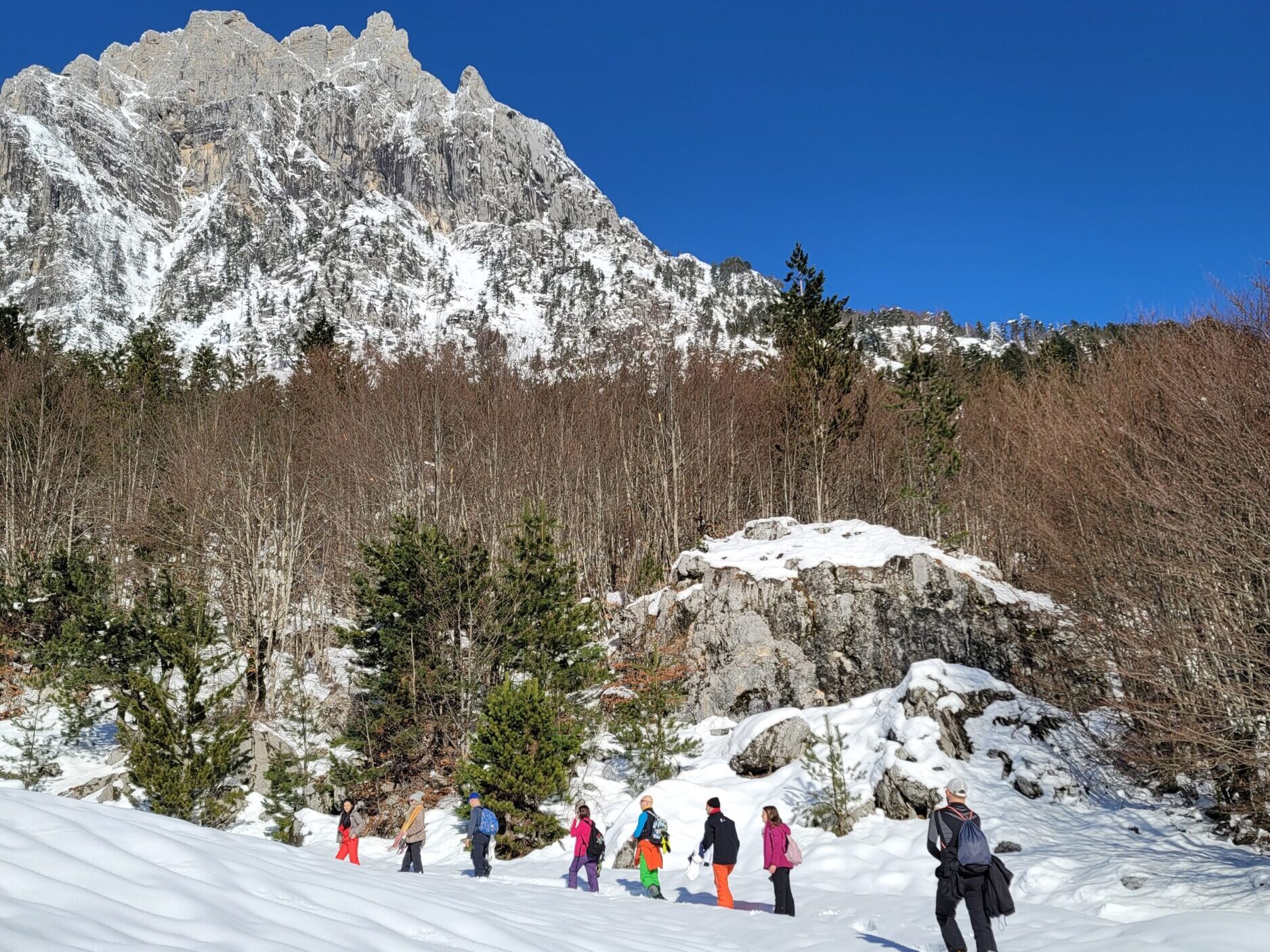
One of the most unique sections of Via Dinarica in Albania is the Gashi River Valley, a strictly protected nature reserve and part of the UNESCO Primeval Beech Forests of Europe. This area represents the purest form of wilderness along the route.
Access is possible only on foot, and tourism infrastructure is extremely limited. Ancient beech forests over 300 years old, glacial lakes like Dashi Lake and Sulbica Lake, and a high number of endemic plant species make this valley a rare and fragile ecosystem.
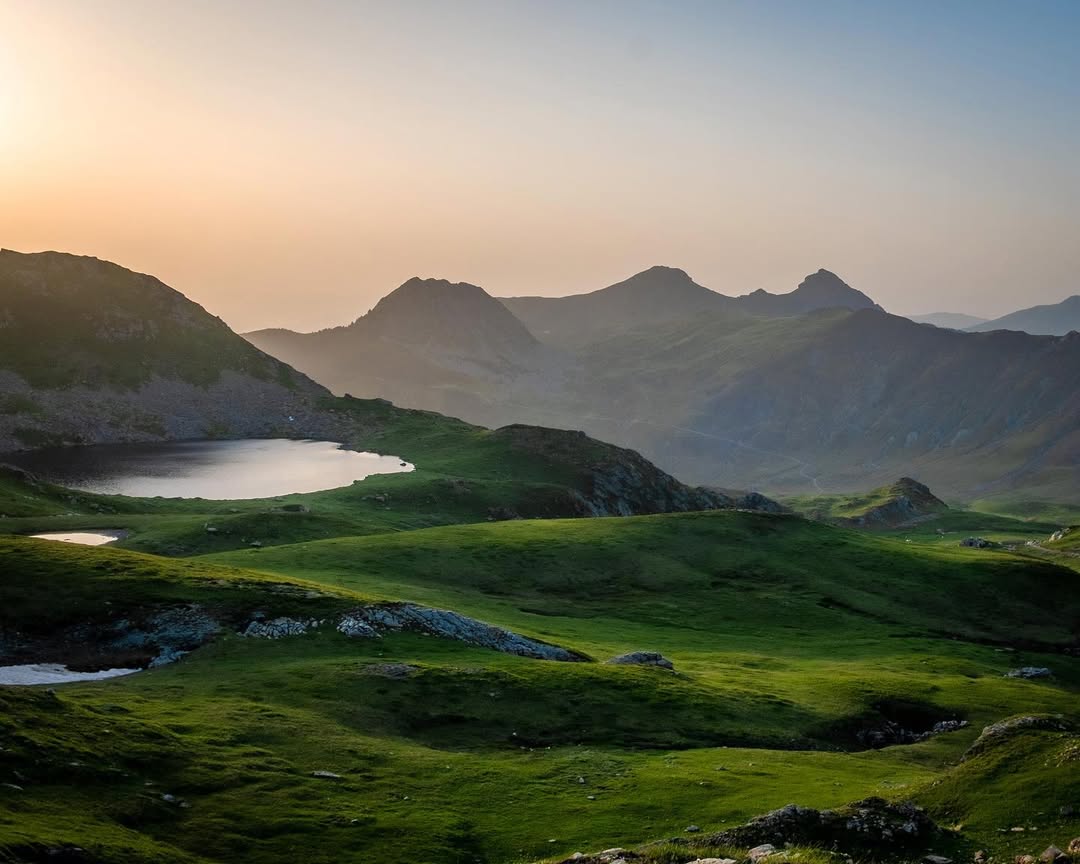

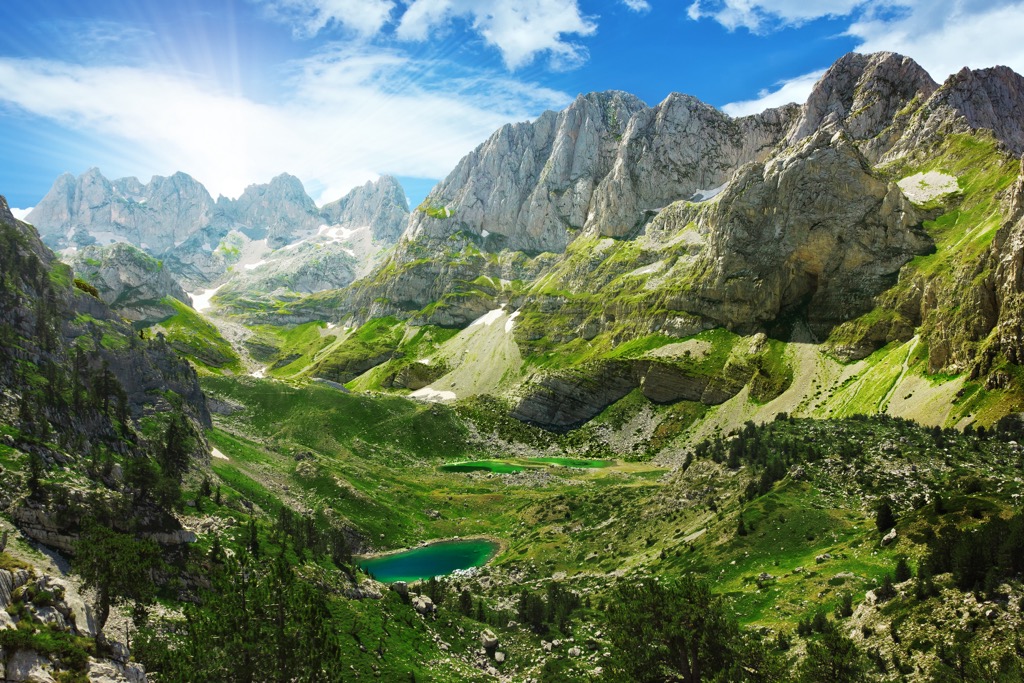
Landscape, Climate, and Natural Diversity
Via Dinarica in Albania is shaped by glacial and tectonic forces, resulting in alpine meadows, hanging valleys, deep canyons, and crystal-clear lakes. The climate changes with altitude, ranging from Mediterranean mountain conditions in lower areas to harsh alpine environments at higher elevations.
Summers are generally cool and ideal for hiking, while winters are long and severe, with snow covering higher passes for several months. This climatic diversity contributes to the rich vegetation zones, from oak and beech forests to alpine pastures.
What hikers should know before visiting Via Dinarica in Albania
Travelers should be aware that Via Dinarica in Albania is not a commercial hiking trail. Trail markings can be partial, and some sections require good navigation skills and physical preparation. Most accommodation options are small, family-run guesthouses or mountain huts, offering simple but authentic stays.
The best period to hike is from June to September, when mountain passes are accessible and weather conditions are more stable. Respect for nature is essential, as many sections of the trail pass through protected and strictly protected areas.
Why choose Via Dinarica in Albania?
For hikers seeking an authentic mountain experience, Via Dinarica in Albania offers something rare in today’s travel world: silence, wilderness, and cultural depth. It is a destination for those who value untouched landscapes, slow travel, and meaningful encounters with nature and local communities.