

Tucked deep in the northernmost corner of Albania, surrounded by the dramatic peaks of the Albanian Alps, Valbona is not just a mountain village — it is one of the most important tourist villages in Albania and the heart of Valbona National Park. For travelers searching for raw alpine beauty, authentic culture, and unforgettable hiking experiences, Valbona has become a must-visit destination.
Known as the “Heart of the Accursed Mountains,” Valbona offers a rare combination of untouched landscapes, traditional hospitality, and adventure. Whether you are planning a hiking trip, a weekend escape from Tirana, or a longer exploration of northern Albania, this Valbona travel guide will help you understand why this valley has captured the attention of nature lovers from around the world.
Top Things to Do in Valbona (Quick List)
- Where is Valbona and how to get there?
- Valbona National Park: Natural Highlights
- Best Things to Do in Valbona
- Culture & Traditions in Valbona
- Traditional Food in Valbona
- Where to Stay in Valbona
- Sustainable Tourism in Valbona
- FAQ – Valbona National Park
- Why Visit Valbona
Where is Valbona and how do you get there?
Valbona is located in the Tropoja district in northern Albania, about 25 km from Bajram Curri and roughly 4.5 hours from Tirana by car. The road to Valbona is fully paved and accessible, making it much easier to reach than it once was.
One of the most popular and scenic ways to travel to Valbona is via the Komani Lake ferry. The ferry operates on the route Koman → Fierze, with a journey time of approximately 2.5 to 3 hours. This inland boat crossing is often compared to the dramatic Norwegian fjords due to its narrow gorges, steep mountain cliffs, and striking turquoise waters. For many travelers, the Komani Lake ferry is not just transportation — it is one of the highlights of visiting northern Albania.
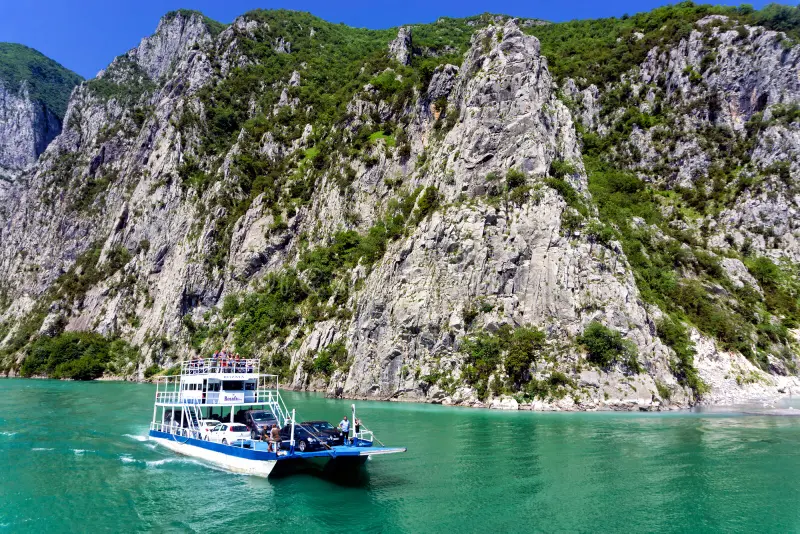
The ferry can carry both passengers and vehicles, making it a practical option for those traveling with cars or camper vans toward Valbona Valley. Ticket prices are generally affordable, usually ranging between €8 and €15 per person, with an additional fee for vehicles depending on size. During the peak summer months, especially July and August, ferries often sell out quickly, so booking in advance is strongly recommended.
After arriving in Fierze, the drive continues toward Bajram Curri and then into Valbona National Park. Many travelers combine the ferry ride with a multi-day itinerary that includes Komani Lake, Valbona, and the famous Theth–Valbona hike.
The village itself lies at around 900 meters above sea level, surrounded by towering peaks rising above 2,000 meters. Its geographical position, close to the borders of Kosovo and Montenegro, makes Valbona an important crossroads within the broader Peaks of the Balkans region.
Valbona National Park: One of Albania’s Greatest Natural Treasures
Valbona National Park is the protected area that encompasses the entire valley and its surrounding mountains. This park is one of the crown jewels of Albania’s natural heritage and plays a key role in sustainable mountain tourism.
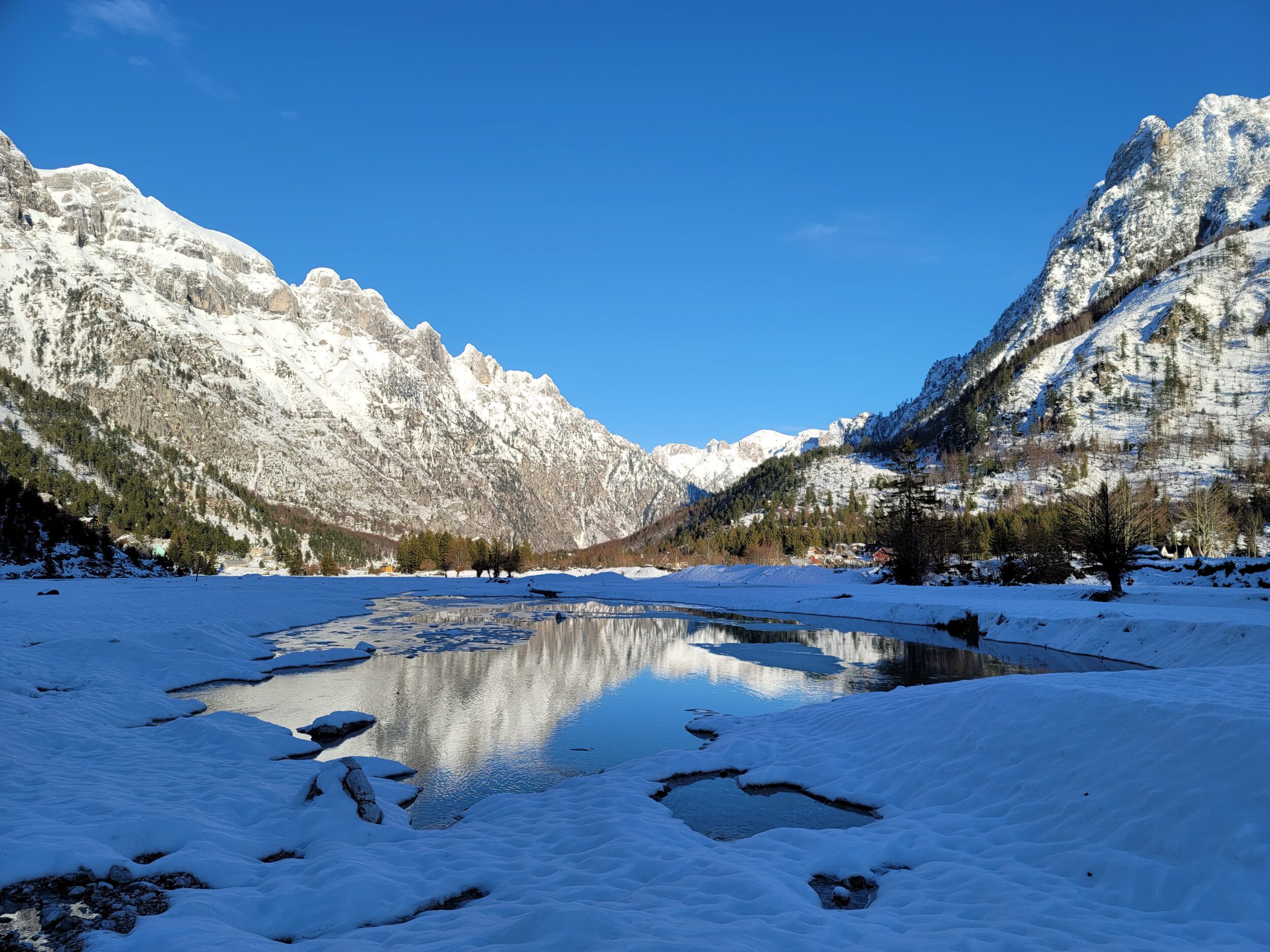
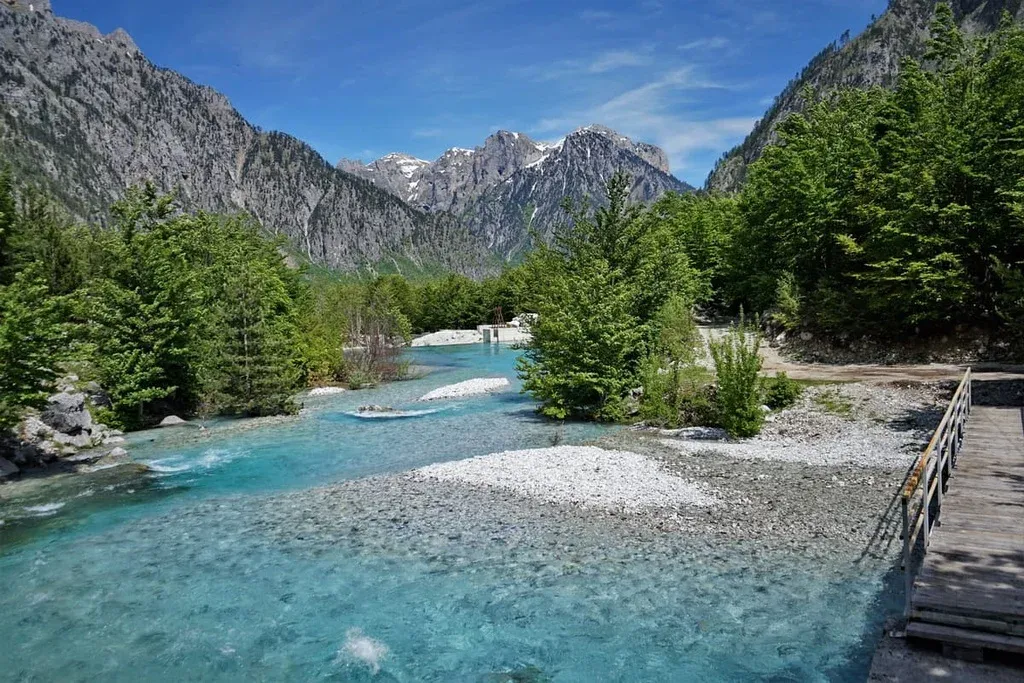
The landscape here feels almost cinematic. The Valbona River flows through the valley with its striking turquoise-blue waters, fed by snowmelt from the high peaks. Dense forests of beech, pine, and spruce cover the slopes, while alpine meadows open up into breathtaking panoramic viewpoints.

The biodiversity of Valbona is remarkable. The area is home to brown bears, wolves, golden eagles, and even the rare Balkan lynx, one of Europe’s most endangered species. More than 900 medicinal plant species grow in the valley, giving Valbona a long tradition of herbal knowledge and natural remedies.
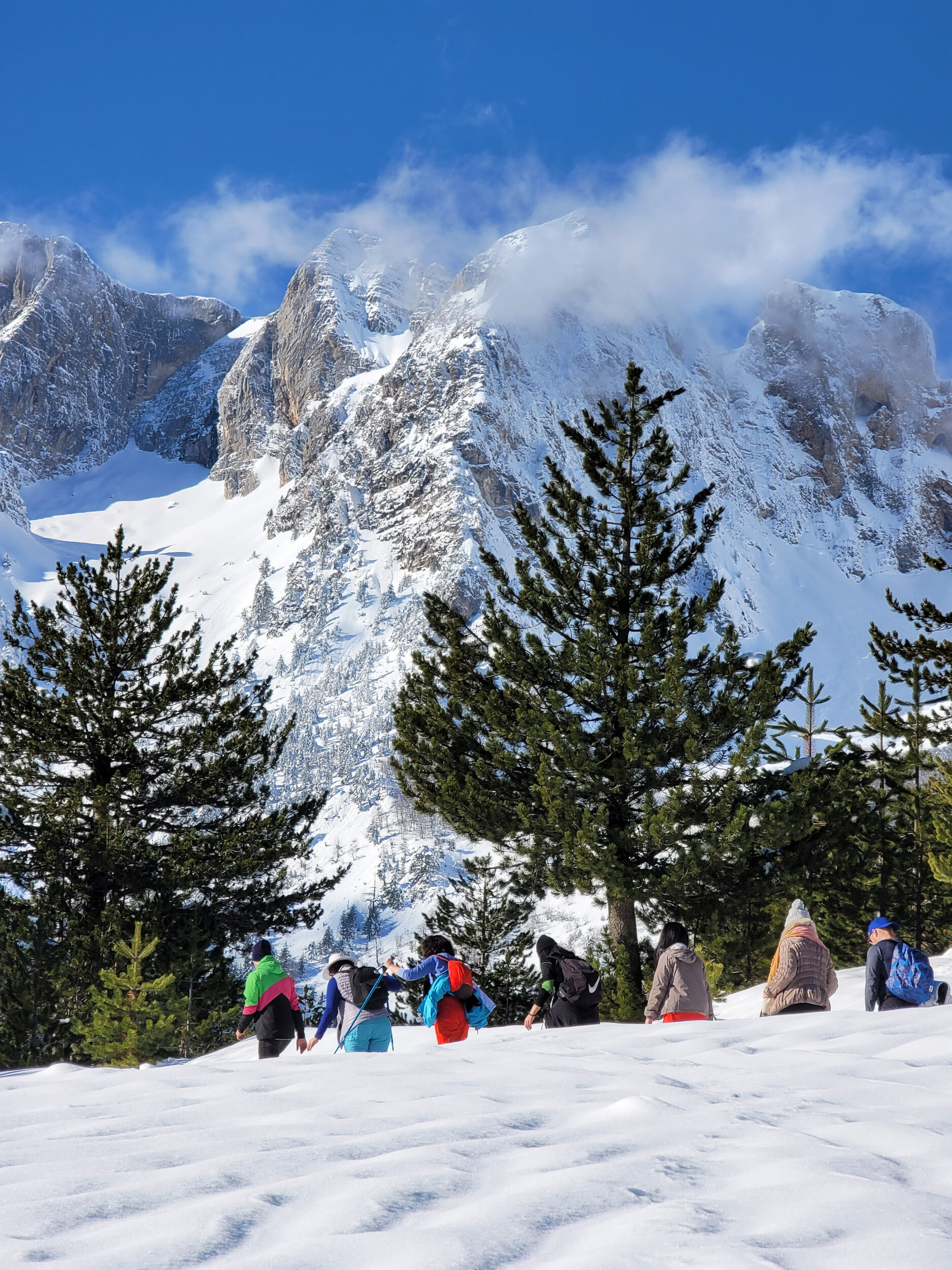
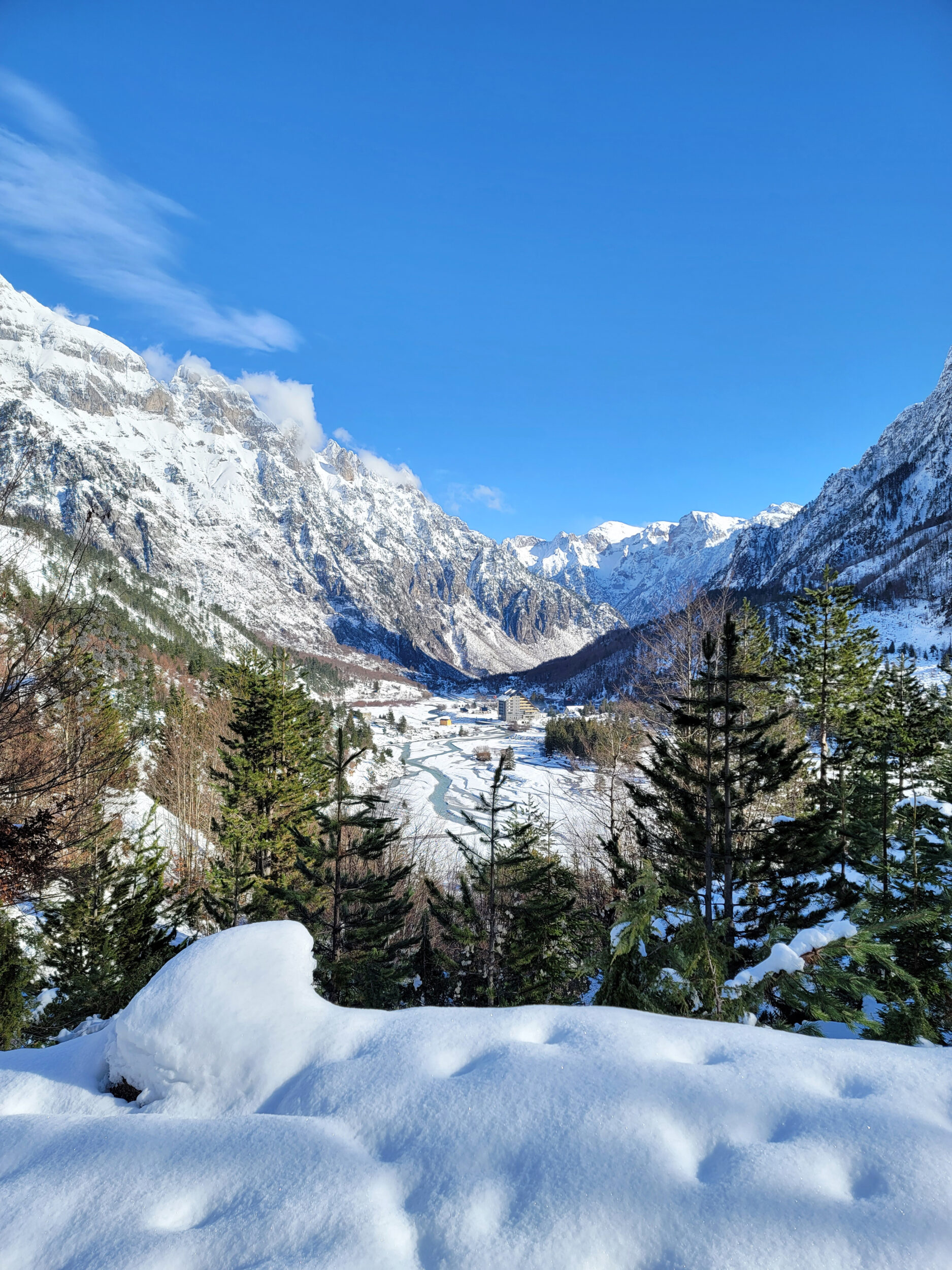
In winter, Valbona transforms into a snowy alpine wonderland. Snow can last for months, turning the valley into a quiet, white landscape ideal for backcountry skiing and winter trekking. In summer, the climate remains refreshingly cool, making it one of the best mountain escapes in Albania.
Things to Do in Valbona: Hiking, Adventure, and Exploration
If you’re searching for the best things to do in Valbona, outdoor adventure is at the heart of the experience. Here are the top activities you shouldn’t miss:
- Theth to Valbona Hike
This is the most famous hiking trail in Albania and one of the most iconic routes in the Balkans. The full-day trek crosses a dramatic mountain pass, connecting the alpine villages of Theth and Valbona. Along the way, hikers are rewarded with sweeping panoramic views, steep rocky landscapes, and unforgettable photo spots. It’s a must for anyone visiting Valbona National Park.


- Jezerca Lakes (Liqenet e Jezercës)
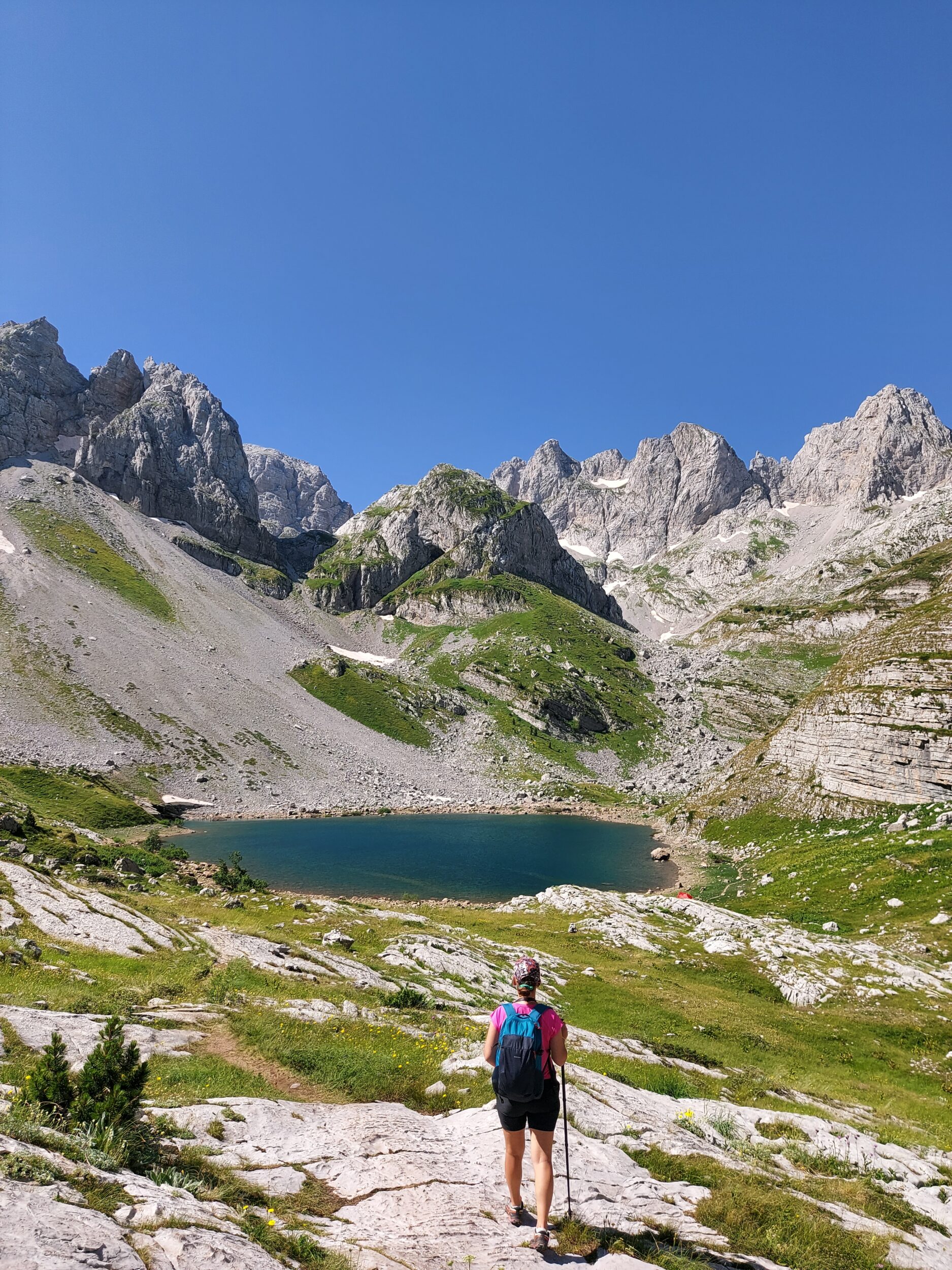
Perfect for experienced hikers, this challenging route leads to a group of glacial lakes located at around 1,800 meters above sea level. Sitting beneath Maja e Jezercës — the highest peak in the Albanian Alps — the scenery feels wild and untouched. The hike is demanding, but the crystal-clear waters and alpine silence make it worth every step.

- Dragobia Cave (Bajram Curri Cave)
This natural cave is not only impressive from a geological perspective but also holds historical significance, as Albanian national hero Bajram Curri once took refuge here. Visiting Dragobia Cave combines light hiking with cultural exploration, making it ideal for travelers interested in both nature and history. - Walks Along the Valbona River
For a more relaxed experience, gentle walks along the turquoise Valbona River offer stunning scenery without intense physical effort. These trails are perfect for families, photographers, or visitors looking to enjoy the peaceful side of Valbona hiking. - Exploring Remote Villages like Kukaj
Hiking toward small, nearly abandoned hamlets such as Kukaj gives you a glimpse into traditional mountain life. These quieter trails provide solitude, authenticity, and breathtaking views over the valley.
- Horseback Riding and Mountain Biking
Adventure lovers can explore Valbona National Park on horseback or by mountain bike. These activities allow you to cover more ground while still immersing yourself in the alpine landscape. - Wildlife Observation and Nature Photography
Valbona is home to diverse wildlife, including golden eagles, wild goats, and the rare Balkan lynx. While sightings are never guaranteed, the valley offers excellent opportunities for nature photography and birdwatching.
Valbona is not a mass-tourism resort. It remains a place where adventure feels genuine, landscapes remain untouched, and every trail leads to something unforgettable.
A Living Culture: Traditions, Music, and Folk Heritage
Valbona is not only about dramatic landscapes and alpine adventure — it is also about people, memory, and living tradition.
The village preserves strong cultural roots that are deeply connected to the wider Tropoja region. Traditional garments such as the xhubleta for women and the tirq for men remain powerful symbols of identity and pride. These are not simply costumes displayed for visitors; they are still worn during weddings, festivals, and important community gatherings, keeping centuries-old craftsmanship alive.
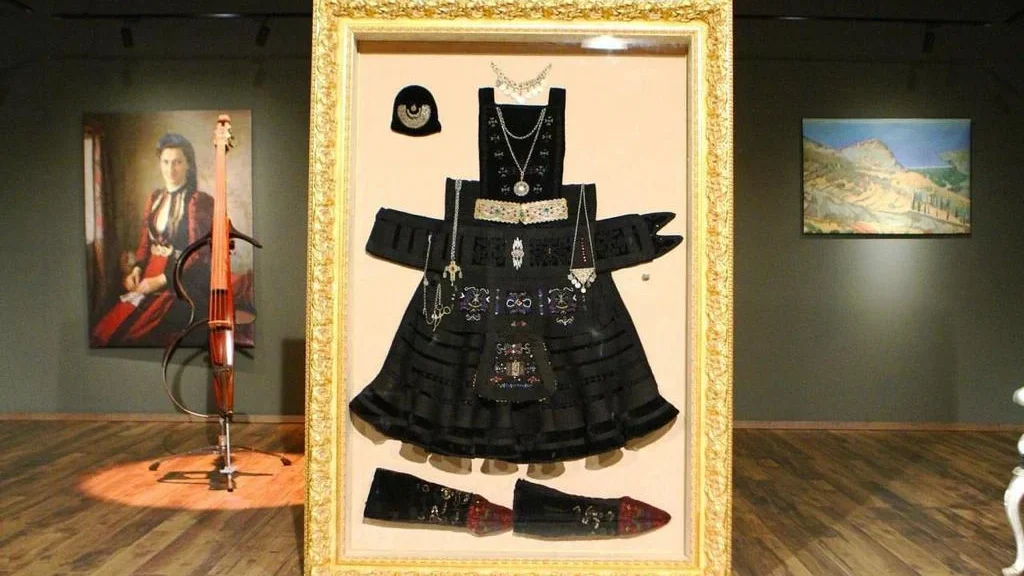
Dance plays an essential role in this cultural expression. Locally, it is called “kcim” rather than simply “dance,” reflecting its unique structure and energy. In December 2024, the traditional Tropoja dance, Vallja e Tropojës, was officially inscribed on UNESCO’s Representative List of the Intangible Cultural Heritage of Humanity. This recognition underscored the dance’s importance in preserving Albania’s folkloric traditions and confirmed its value not only nationally but globally. For Valbona and the surrounding region, this moment was a powerful affirmation that their heritage is part of a wider human story.
Music accompanies nearly every celebration. The sound of the lahuta, çiftelia, and traditional drums fills the air during summer events and village gatherings, creating an atmosphere that feels genuine rather than staged. Weddings, in particular, remain deeply ritualistic occasions, blending ceremony, emotion, and collective participation in a way that few places in Europe still preserve.


If you want to explore more about Albania’s cultural landmarks and living heritage, you can discover our full guide to UNESCO Sites in Albania (2026) – World Heritage Places & Living Traditions, which highlights both historic monuments and traditions like Vallja e Tropojës that continue to thrive today.
Traditional Food in Valbona: Alpine Flavors
No Valbona travel experience is complete without tasting its traditional cuisine. Food here is based on local livestock products, seasonal ingredients, and recipes passed down through generations.
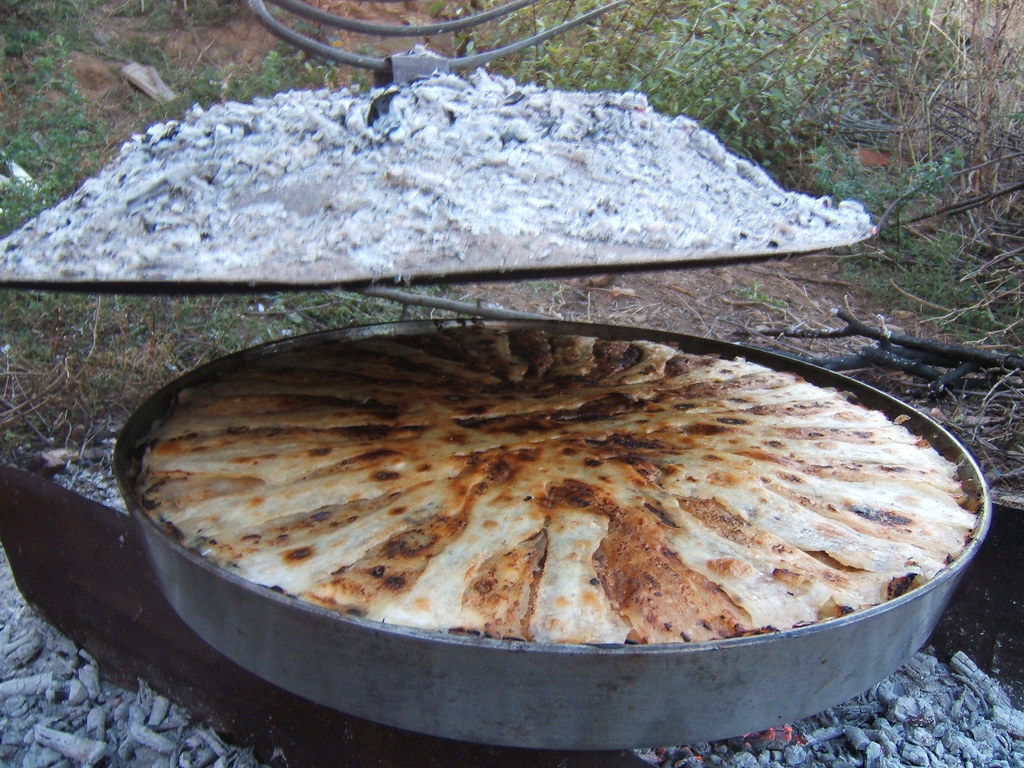
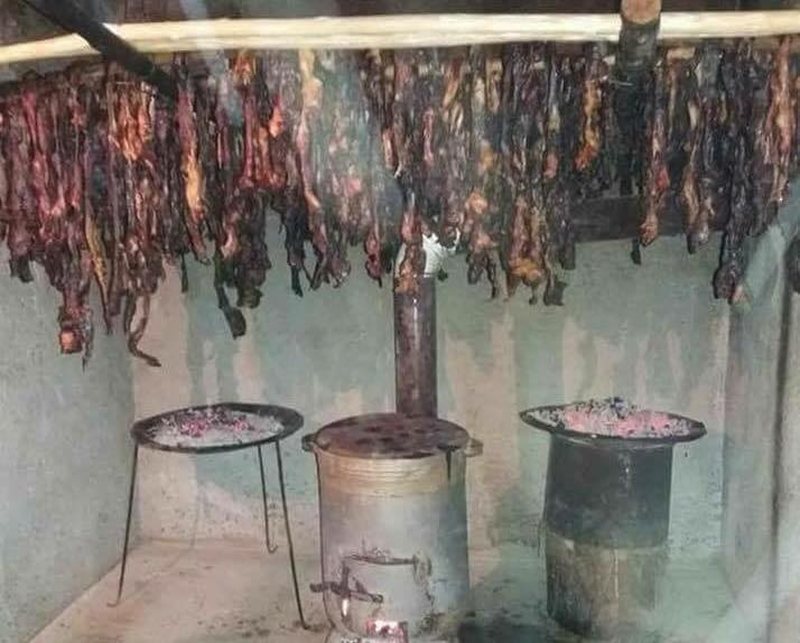
One of the most iconic dishes is fli, a layered pancake-like dish baked slowly under a traditional metal lid called a “sac.” Pastërma (air-dried meat) is another regional specialty, prepared using traditional preservation techniques. Gjizë with spicy peppers, homemade bread made from locally milled corn or wheat, and chestnut honey are also widely enjoyed.
Plum raki, distilled in copper kettles over wood fire, remains a strong symbol of northern Albanian hospitality. In Valbona, meals are not rushed — they are shared, generous, and deeply rooted in mountain culture.
Where to Stay in Valbona?
After exploring hiking trails, rivers, and alpine landscapes, the next important question is where to stay in Valbona.
Unlike large resorts, accommodation in Valbona is based mainly on family-run guesthouses and wooden alpine lodges that reflect the valley’s traditional character. Hospitality here is personal, warm, and deeply rooted in local culture.
To help travelers choose the best option, Love Albania has created a data-driven ranking of the Top 5 Accommodations in Valbona for 2025, based on real guest reviews from Google and Booking over the past 12 months.
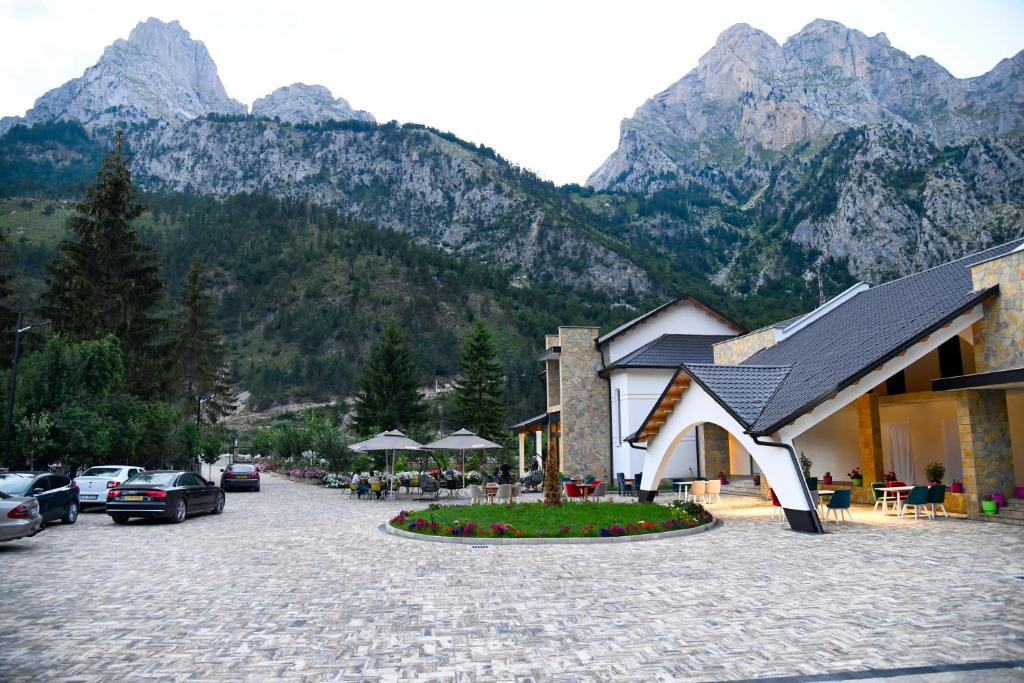
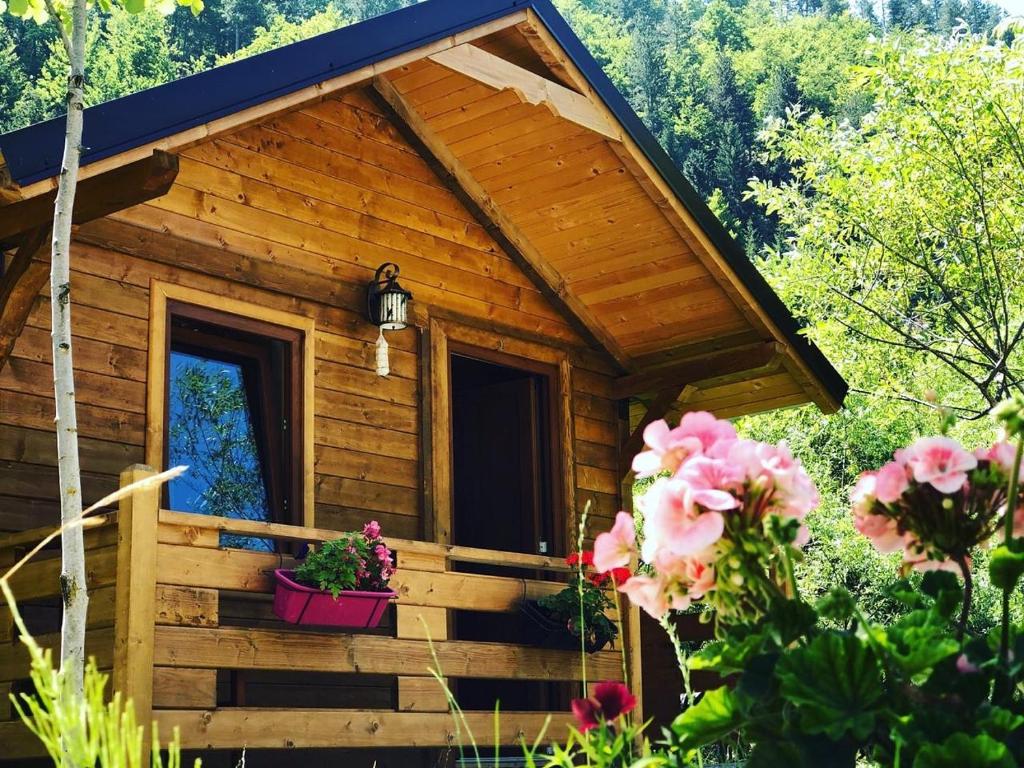
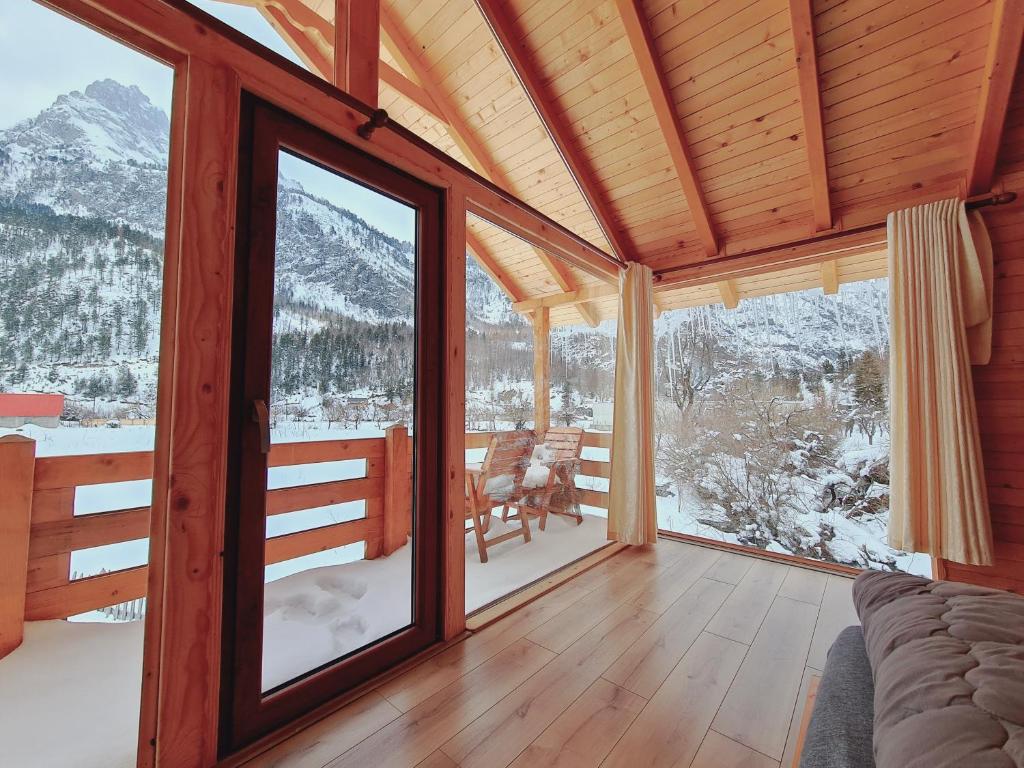
Here are the Top 5 places to stay in Valbona:
#1 Lazer Çardaku Guest House
#2 Bujtina Malaj
#3 Villas Jezerca
#4 Breezy Hotel
#5 Guesthouse Demushi
For full details, photos, booking links, and the extended ranking from #6–#10, read our complete guide:
Sustainable Tourism in Valbona National Park
As Valbona continues to grow in popularity, the future of the valley depends on careful and responsible development. Unlike many alpine destinations that have been overbuilt and commercialized, Valbona National Park still retains its authenticity — and protecting that character is essential.
Tourism has already reshaped the local economy. What was once a community largely dependent on agriculture and livestock has gradually transitioned toward family-run guesthouses, mountain lodges, guided hiking services, and small local restaurants. This shift has helped revive the village, encouraging younger generations to stay or return home.
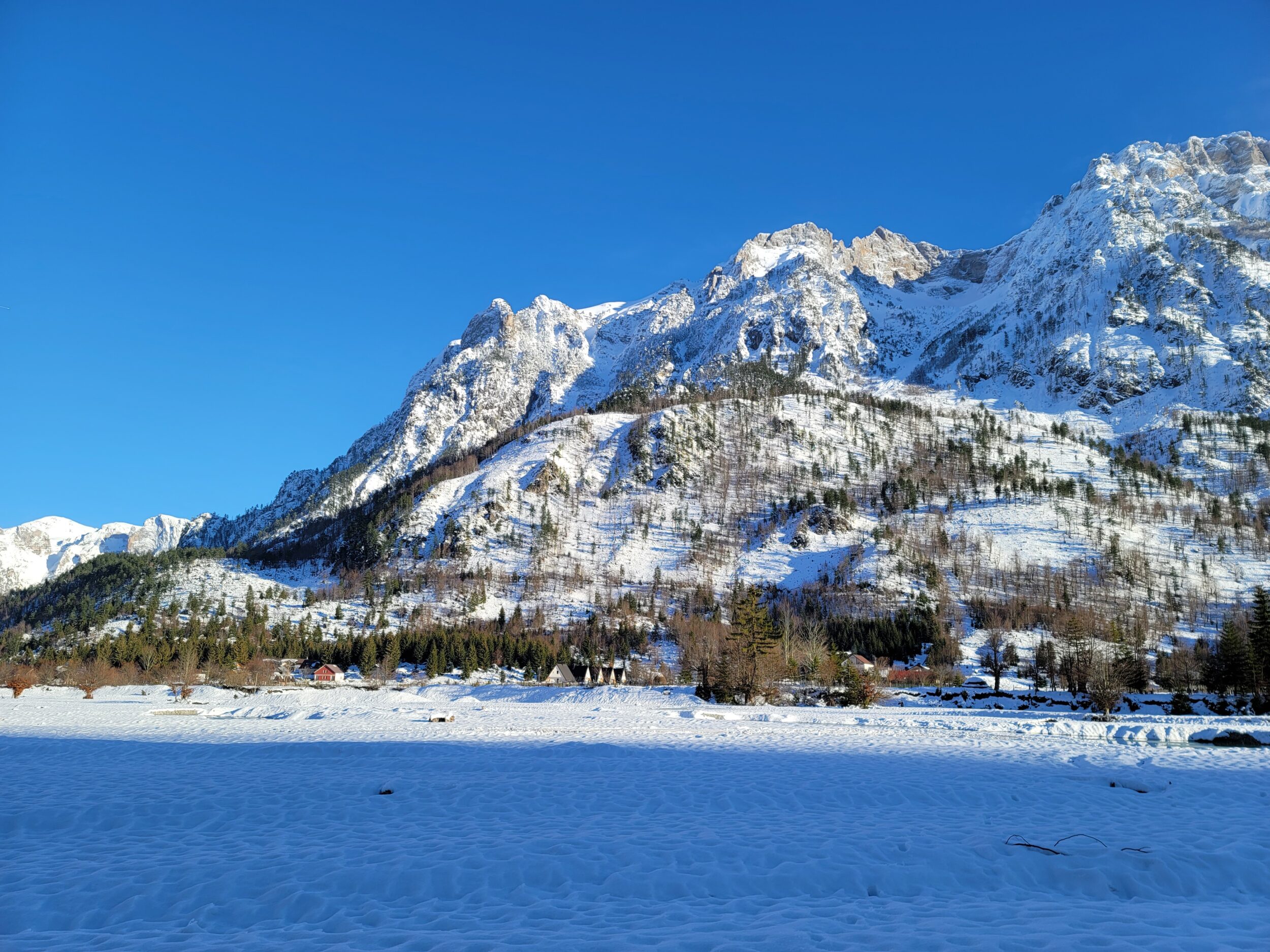
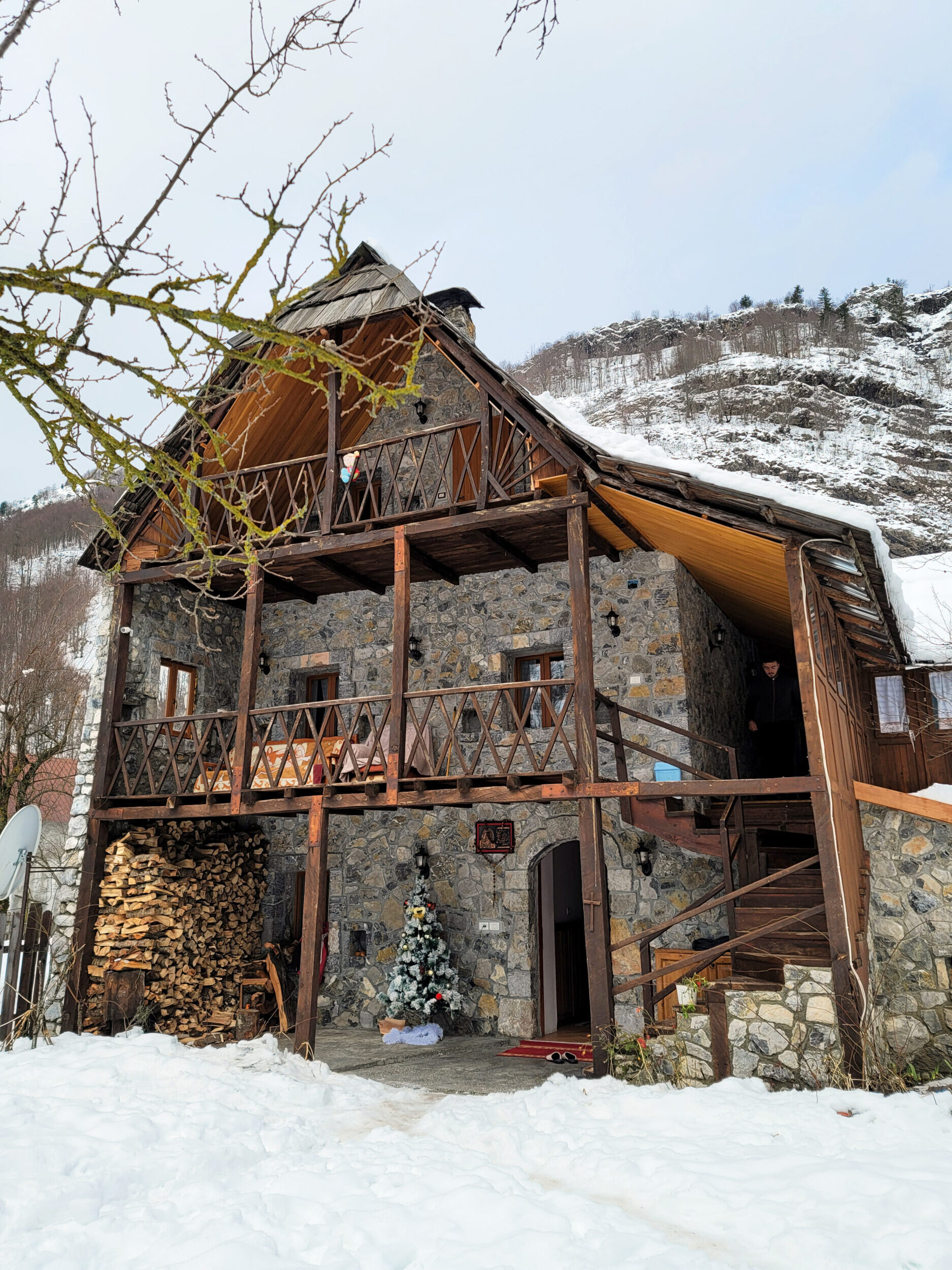
However, sustainable tourism in Valbona means more than economic growth. It requires maintaining hiking trails, protecting forests and wildlife, managing waste responsibly, and preserving traditional architecture. The balance between development and conservation is delicate, especially in a protected alpine ecosystem.
Visitors also play an important role. Respecting marked trails, reducing plastic use, supporting local businesses, and understanding the cultural traditions of the region all contribute to preserving Valbona’s identity. The goal is not to turn Valbona into a luxury resort destination, but to keep it a living, breathing mountain village where nature and culture coexist.
If managed carefully, Valbona can remain one of the most important examples of sustainable mountain tourism in Albania.
FAQ – Valbona National Park
Yes, Valbona National Park is one of the most beautiful destinations in Albania, known for its alpine landscapes, hiking trails, and authentic mountain culture. It is ideal for nature lovers and adventure travelers.
2–3 days are enough to explore Valbona, including hiking, river walks, and local experiences. If you plan to hike from Theth to Valbona, consider staying 3–4 days.
The best time to visit Valbona is from May to October. Summer is perfect for hiking, while autumn offers beautiful colors and fewer crowds.
You can reach Valbona by car via Bajram Curri, or by taking the Komani Lake ferry from Koman to Fierze, followed by a short drive.
Both are incredible destinations in the Albanian Alps. Valbona offers wider valleys and easier access, while Theth is known for more dramatic and rugged landscapes.
Yes, Valbona has trails for all levels. There are easy walks along the river, as well as more challenging hikes like the Theth–Valbona trail.
Why Valbona should be on your travel list?
Valbona is more than a beautiful mountain valley — it is one of the most important tourist villages in Albania and the heart of Valbona National Park. With dramatic alpine peaks, crystal-clear rivers, authentic guesthouses, and living cultural traditions, it offers a travel experience that feels both wild and welcoming.
Whether you come for the famous Theth–Valbona hike, peaceful river walks, or a quiet escape in the Albanian Alps, Valbona delivers something rare: space, authenticity, and genuine mountain hospitality.
If you are planning a trip to northern Albania or searching for the best hiking destinations in Albania, Valbona deserves a place at the top of your list.