

Shkoder is one of Albania’s most atmospheric cities — calm, authentic, and deeply connected to history and nature. With its bicycle-filled streets, cultural landmarks, and stunning landscapes, it’s an ideal destination for a 2-day getaway in Northern Albania.
This itinerary is designed for travelers who want to experience the essence of Shkoder: history, local life, food, and nearby nature — without rushing.
Day 1 – History, Culture & City Life
Morning: Rozafa Castle & Panoramic Views
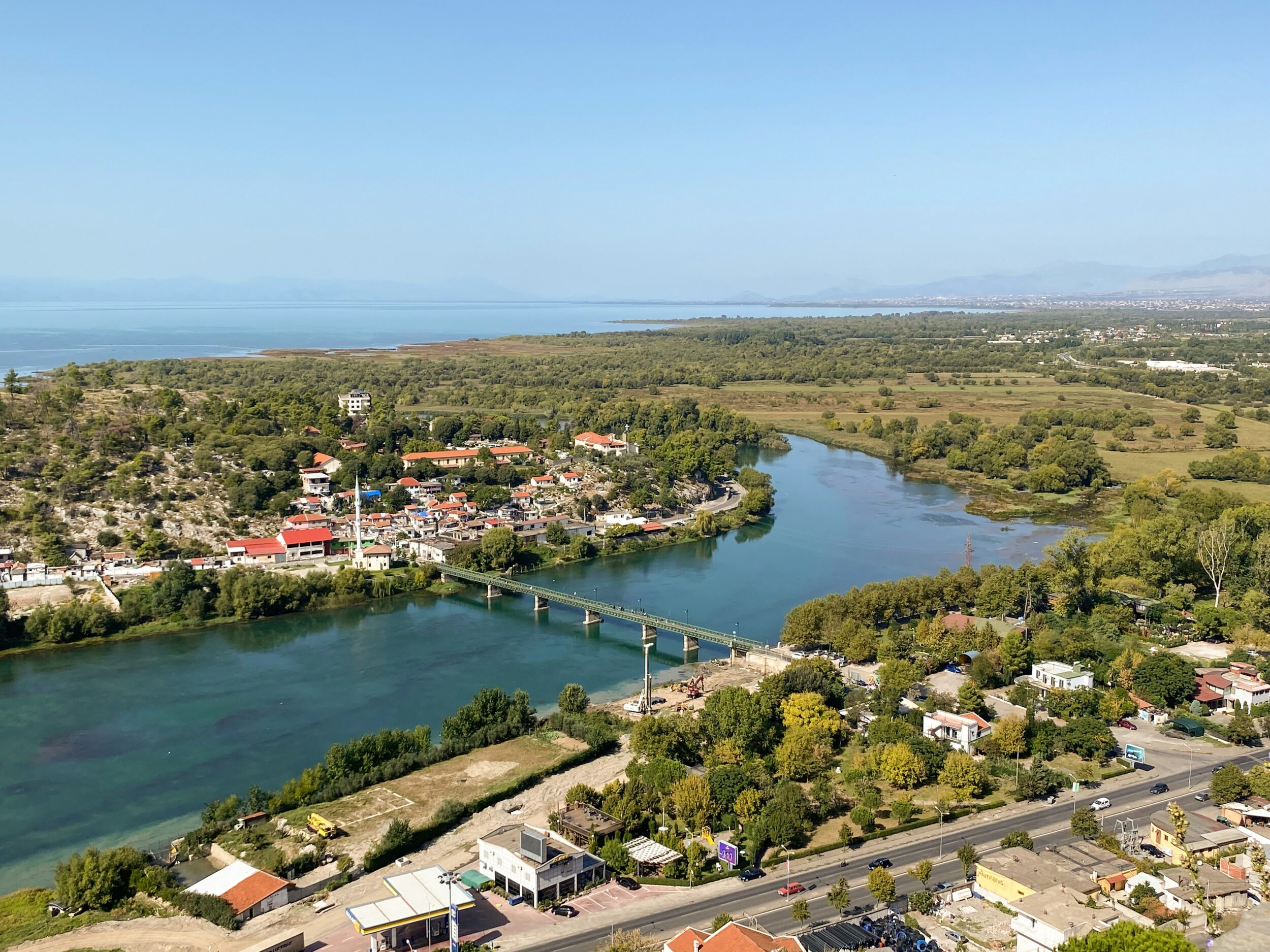
Start your first day at Rozafa Castle, Shkoder’s most iconic landmark and one of the most important castles in Albania. Rising on a rocky hill where the Buna, Drin, and Kir rivers meet, the fortress offers breathtaking panoramic views over Lake Shkoder, the surrounding plains, and the distant mountains.
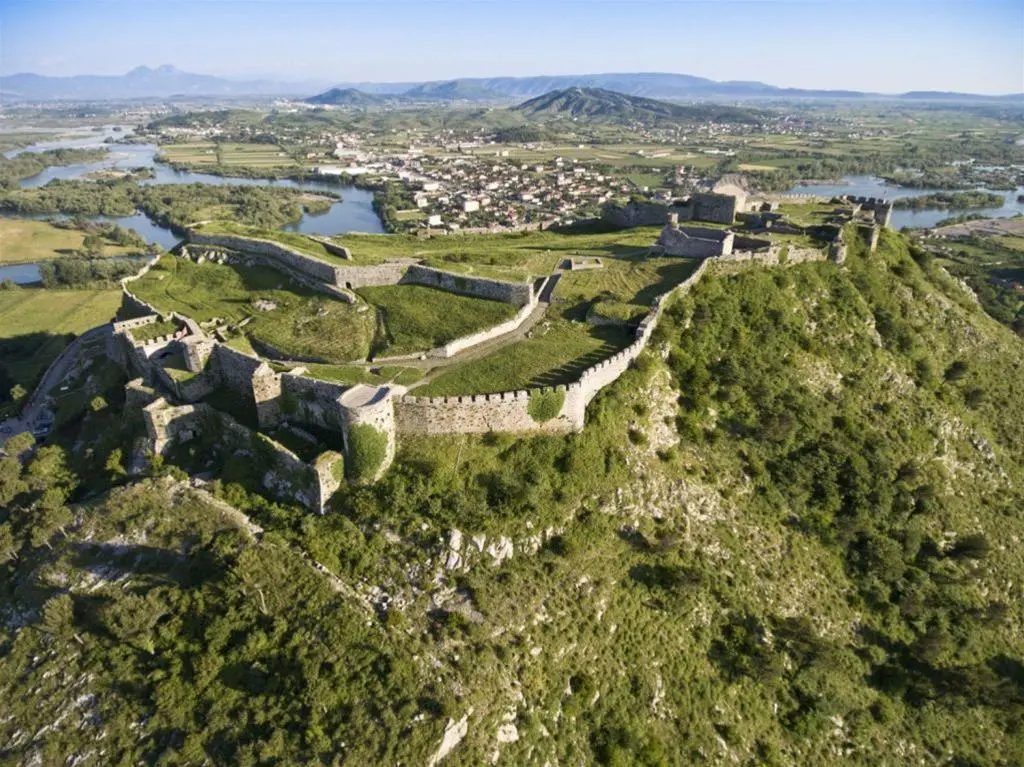

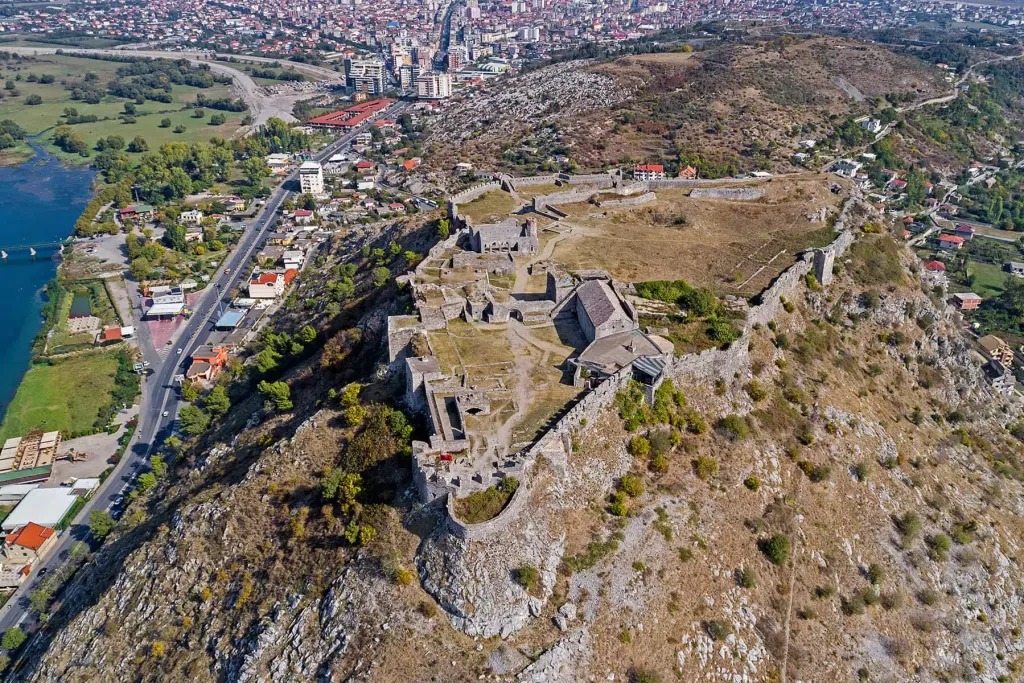
Beyond its impressive scenery, Rozafa Castle tells a story that spans centuries. Built on ancient Illyrian foundations and later shaped by Roman, Byzantine, and Ottoman rule, the site reflects the many civilizations that have passed through northern Albania. Adding to its power is the legendary story of Rozafa — a tale of sacrifice and devotion that has become one of the most enduring myths in Albanian folklore.
Walking through the castle walls in the early morning or late afternoon, when the light is soft and the air is calm, allows you to fully absorb the atmosphere and understand why this place holds such deep meaning for the city and its people.
Best time to visit: Morning or late afternoon
Entrance fee: €2–€3
Late Morning: Photography & Cultural Heritage
ontinue toward the city center and visit the Marubi National Museum of Photography, home to one of the most important photographic archives in the Balkans and considered a true World Heritage treasure. The collection documents Albanian life from the 19th century onward, offering an intimate visual journey through the country’s social, cultural, and historical evolution.
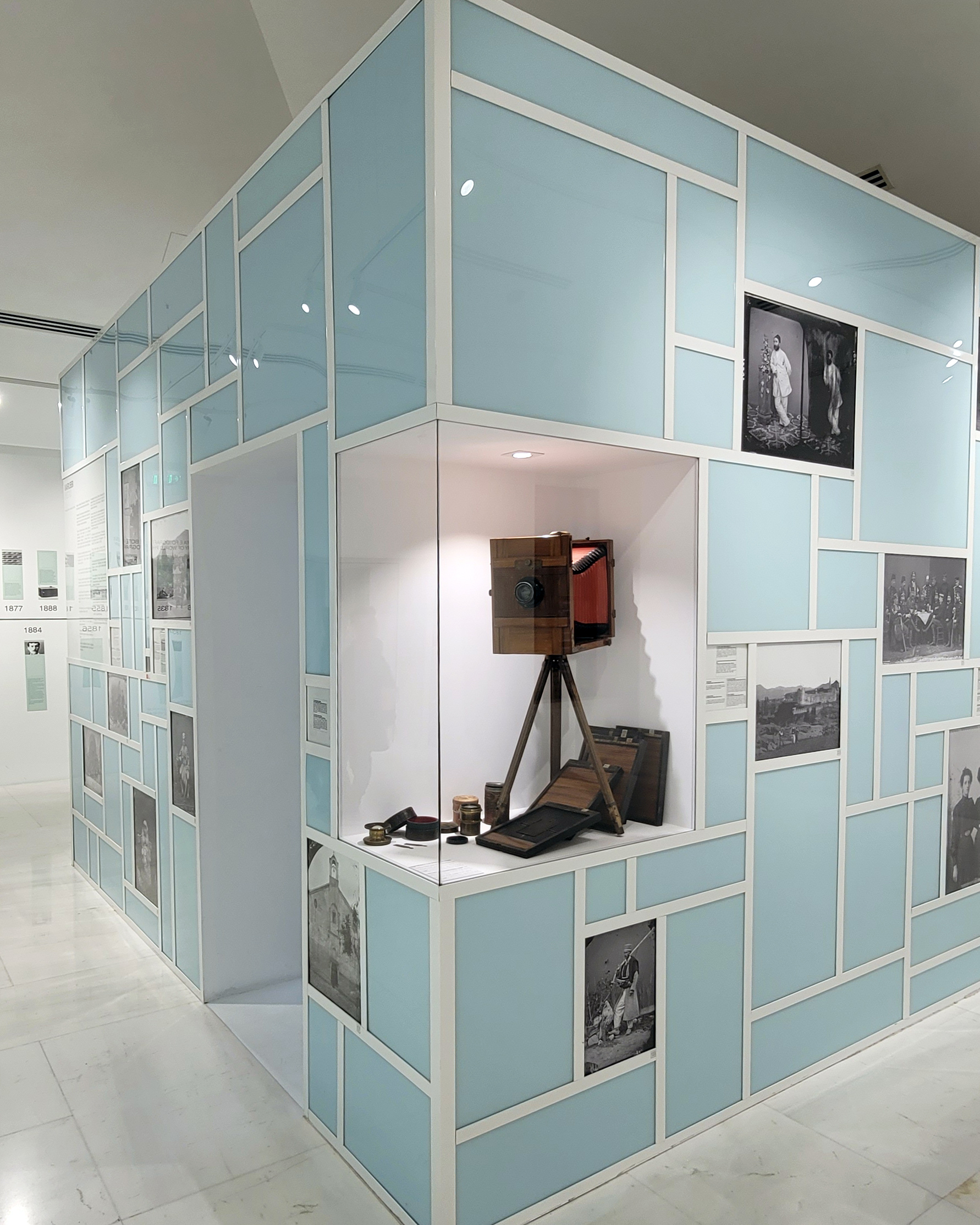
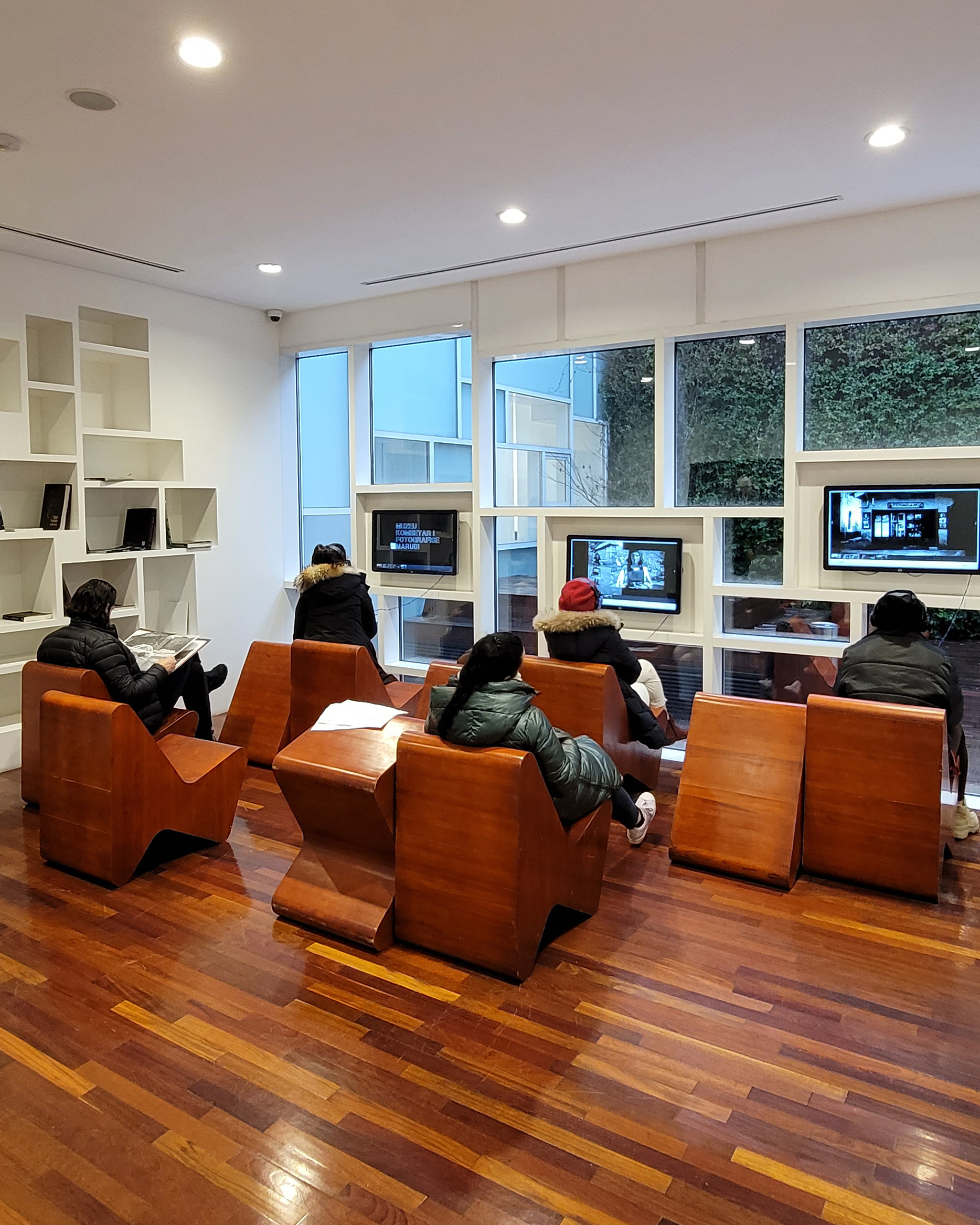

Just a short walk away, you’ll find cultural institutions and historic buildings that reflect Shkoder’s long-standing artistic spirit and creative identity.
For those who wish to explore the story behind this extraordinary archive and the legacy of the Marubi dynasty, you can read more here: Marubi: A UNESCO World Heritage Treasure
Lunch: Taste Traditional Shkoder Cuisine
For lunch, choose a traditional restaurant where local recipes are still prepared with care. Shkoder’s cuisine is simple yet deeply flavorful, shaped by northern Albanian traditions and the presence of Lake Shkoder.
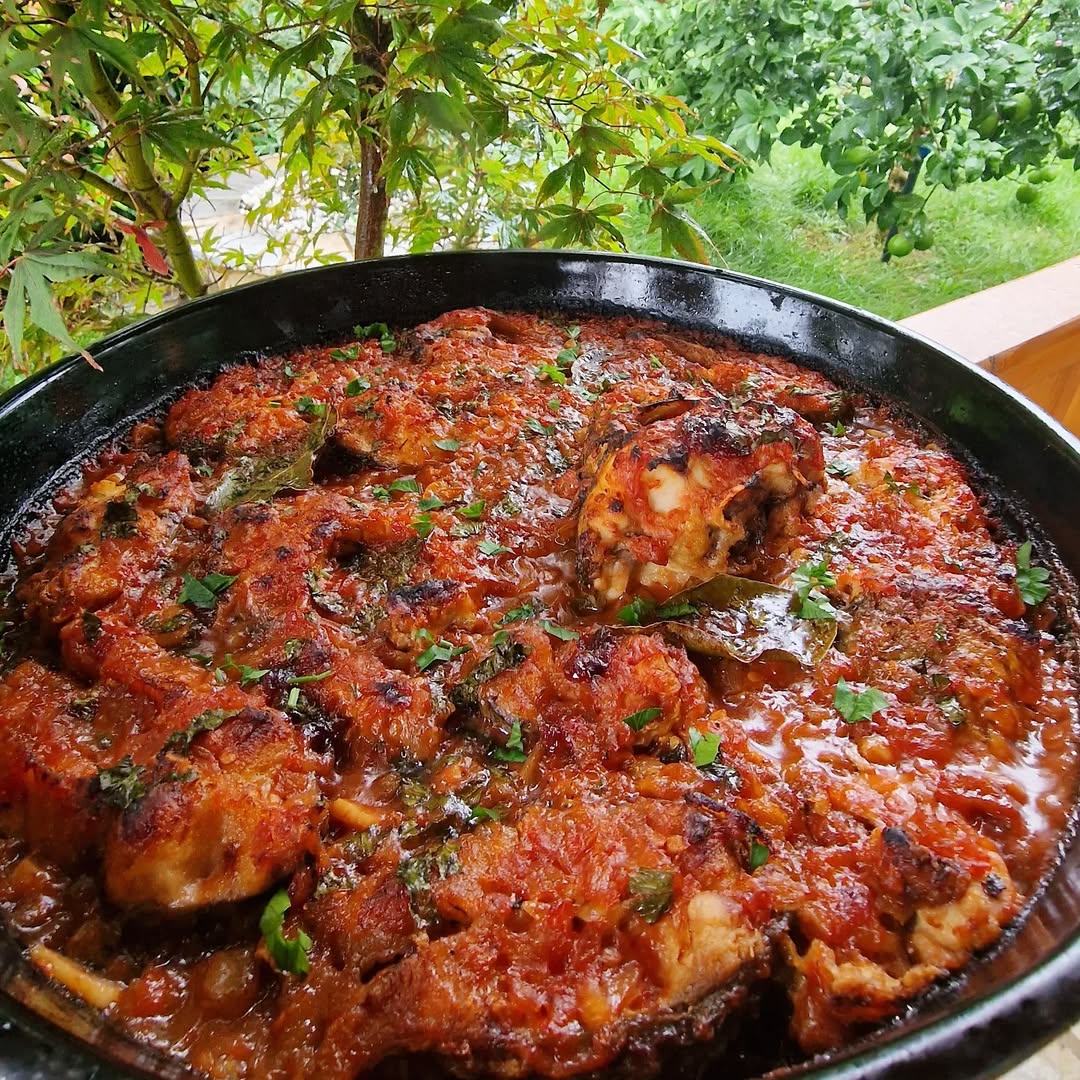


The city is especially known for karp stew (tavë krapi) — one of Shkoder’s most emblematic dishes — prepared with lake carp, onions, aromatic herbs, and slow cooking. This specialty is best enjoyed in the lakeside villages of Shiroka and Zogaj, two charming settlements along the shore that are visited daily by travelers walking or cycling by the lake to experience authentic local flavors.
Beyond fish dishes, Shkoder’s traditional cuisine includes historic recipes such as Shkodran-style jahni with dried plums, a slow-cooked stew with a distinctive sweet-and-sour note, lamb with mint (qingj me mendër), and simple seasonal dishes like lakuriq with pumpkin, a traditional oven-baked specialty without pastry layers.
To finish the meal, don’t miss classic local desserts such as tespixhe, haxhimakulle, or the traditional trung, all deeply rooted in Shkoder’s culinary memory and often prepared following family recipes passed down through generations.
If you want a full culinary guide, you can explore our curated selection here: Top 5 Restaurants in Shkoder – Best Places to Eat in 2025
Afternoon: Walk the Pedestrian Street
After lunch, slow down and enjoy a walk along Rruga Kole Idromeno, the city’s main pedestrian street. Lined with cafés, restaurants, and historic facades, this is where Shkoder’s daily life unfolds.
Grab a coffee, sit outside, and observe the relaxed rhythm that makes this city so distinctive.
Golden Hour: The Lead Mosque
As the afternoon light softens, head toward the Lead Mosque of Shkoder (Xhamia e Plumbit), one of the most important Ottoman-era monuments in Albania. Built between 1773 and 1774 by Mehmet Pashë Bushati, the mosque takes its name from the original lead-covered roof that still defines its identity today.
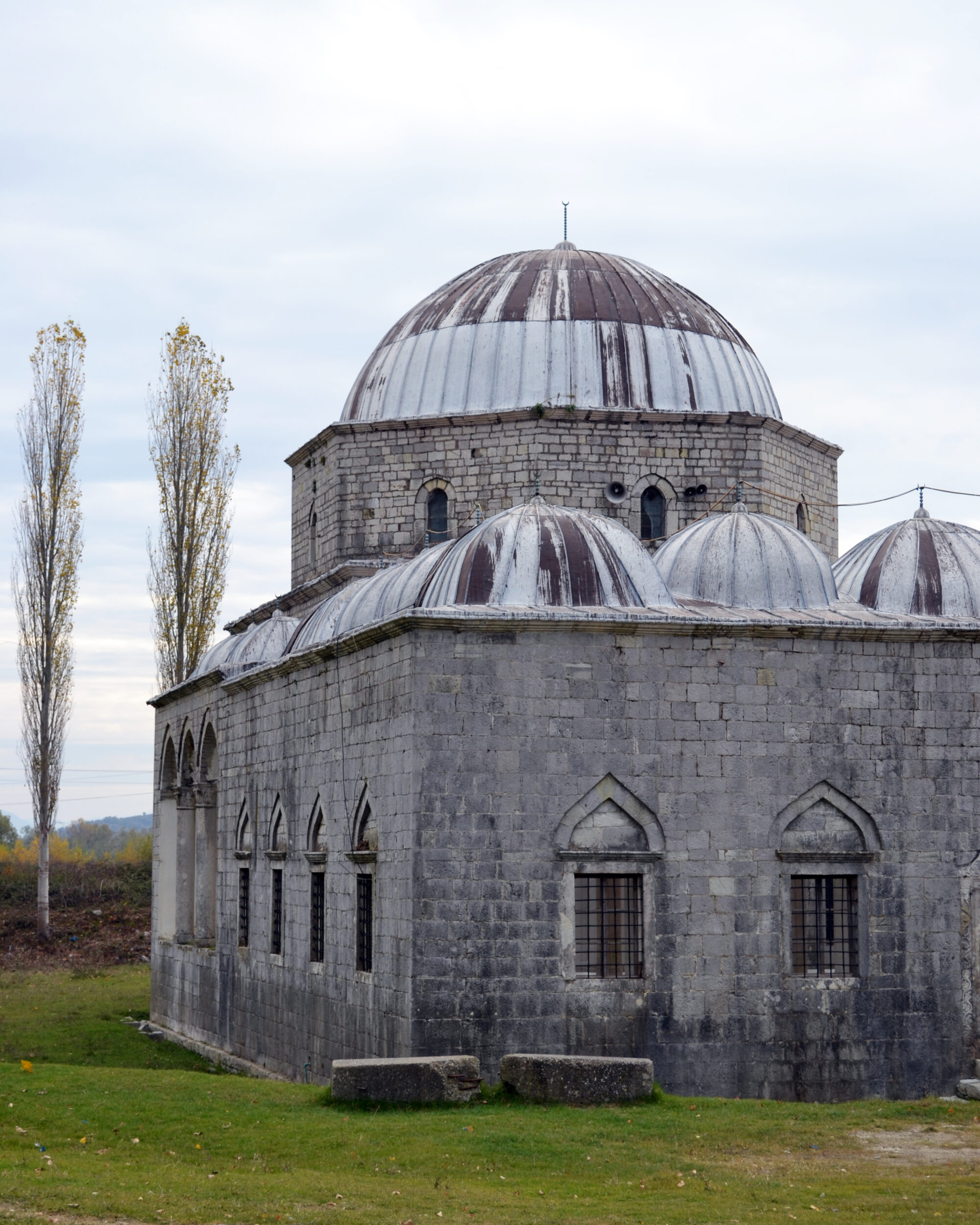
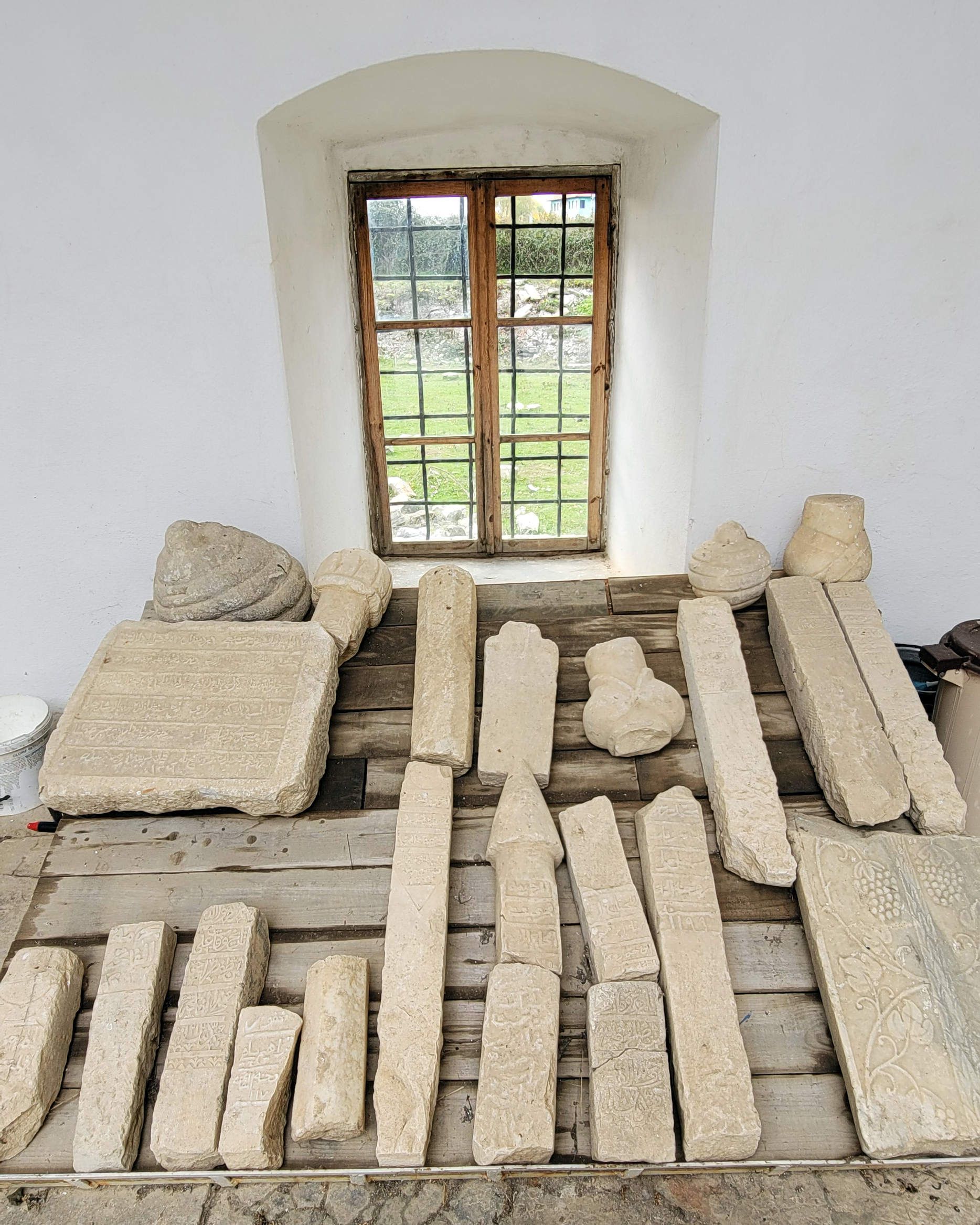
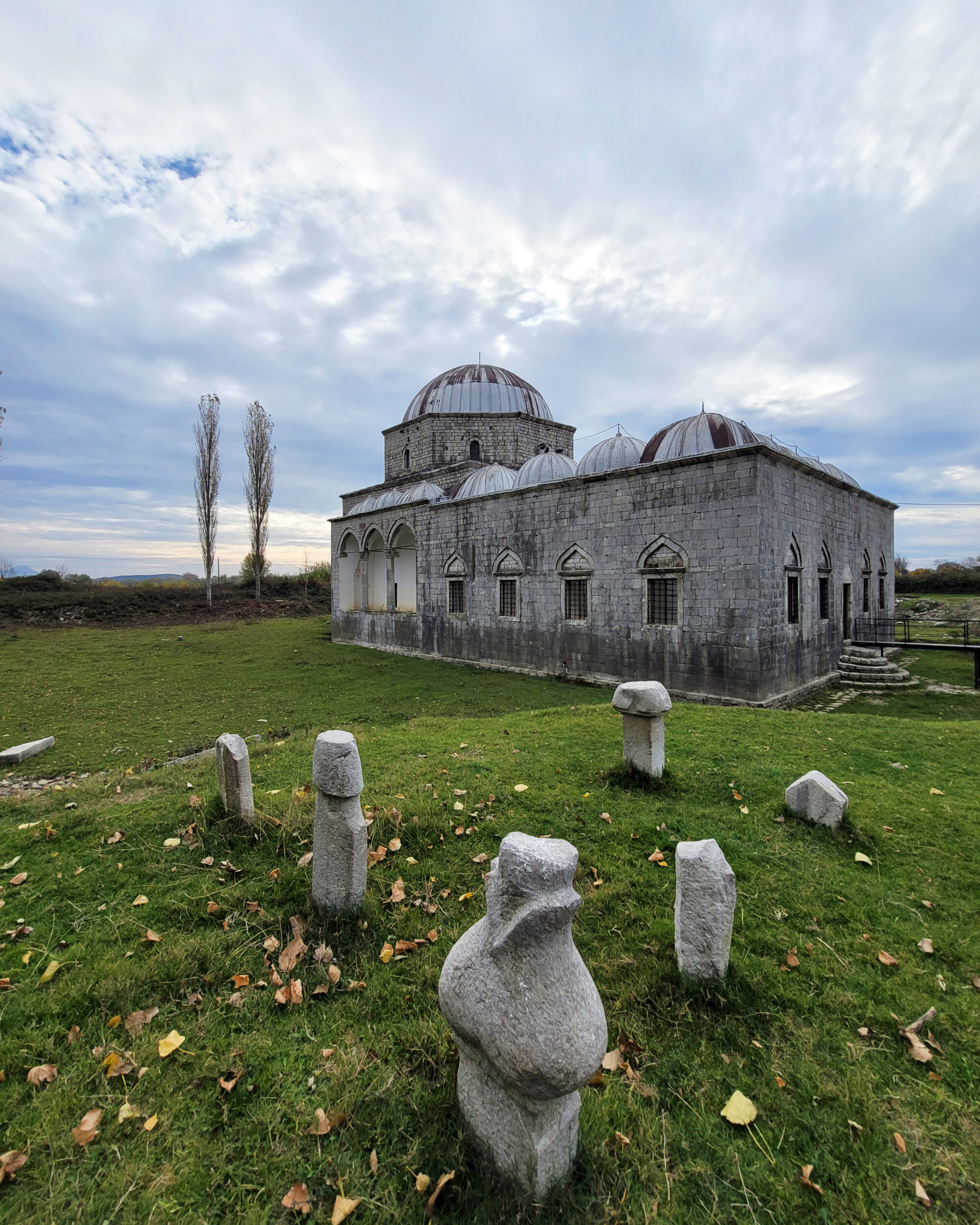
Its wide courtyard and distinctive stone columns create a rare architectural layout, unique in Albania and uncommon even within the Balkans. Despite its historical and cultural importance, the Lead Mosque remains surprisingly under-visited, offering a peaceful atmosphere that contrasts beautifully with the busier city center. During golden hour, the warm light highlights the mosque’s stone structure and surrounding landscape, making it one of the most photogenic spots in Shkoder.
For those who wish to explore its history and architecture in greater depth, you can read more here: The Lead Mosque of Shkoder: A Hidden Architectural Gem
Evening: Dinner & Easy Nightlife
End your first day with dinner in the city. Shkoder evenings are calm and social — perfect for a slow meal, a walk through the center, or a quiet drink.
Day 2 – Nature & Surroundings
Morning: Lake Shkoder & Lakeside Villages
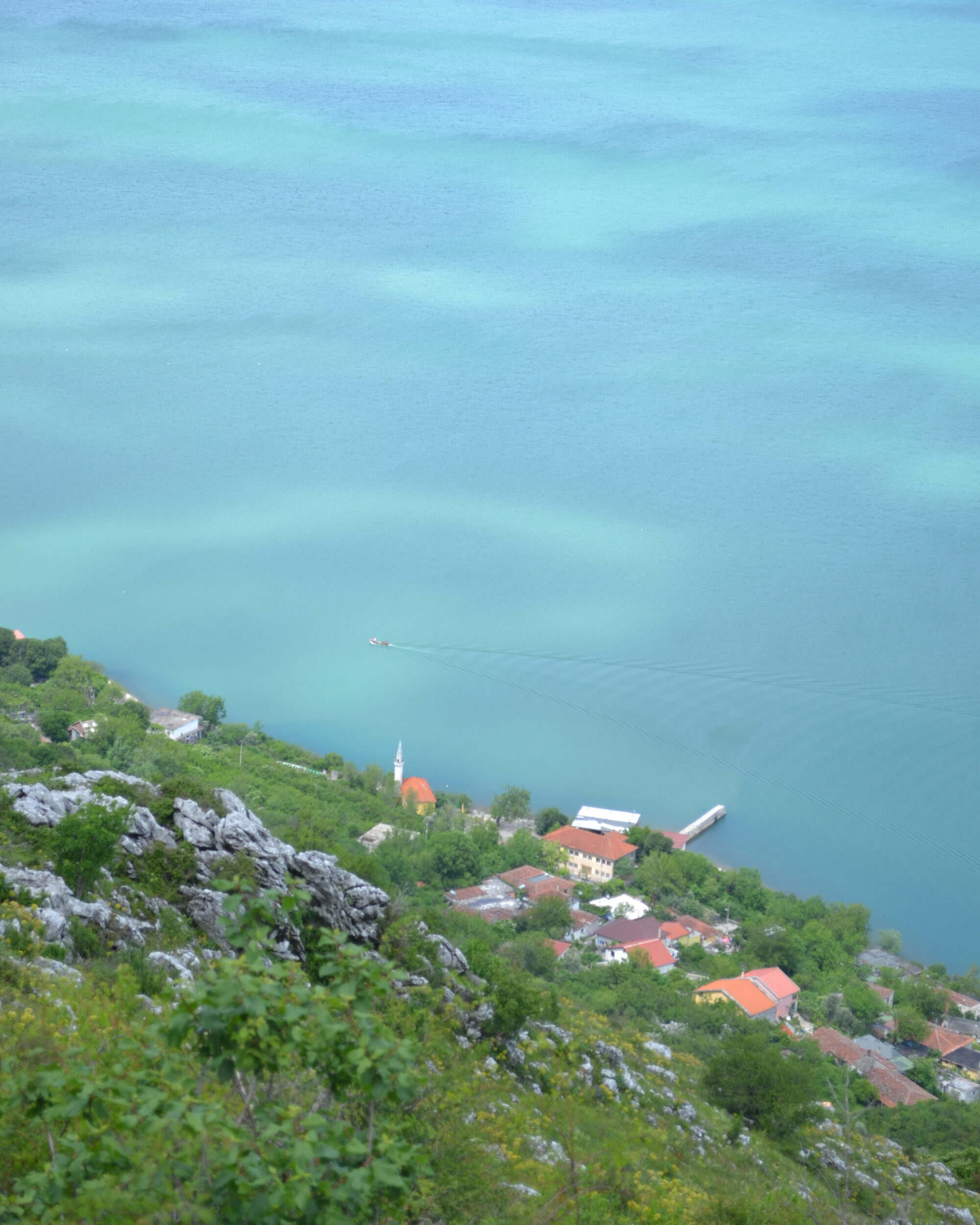
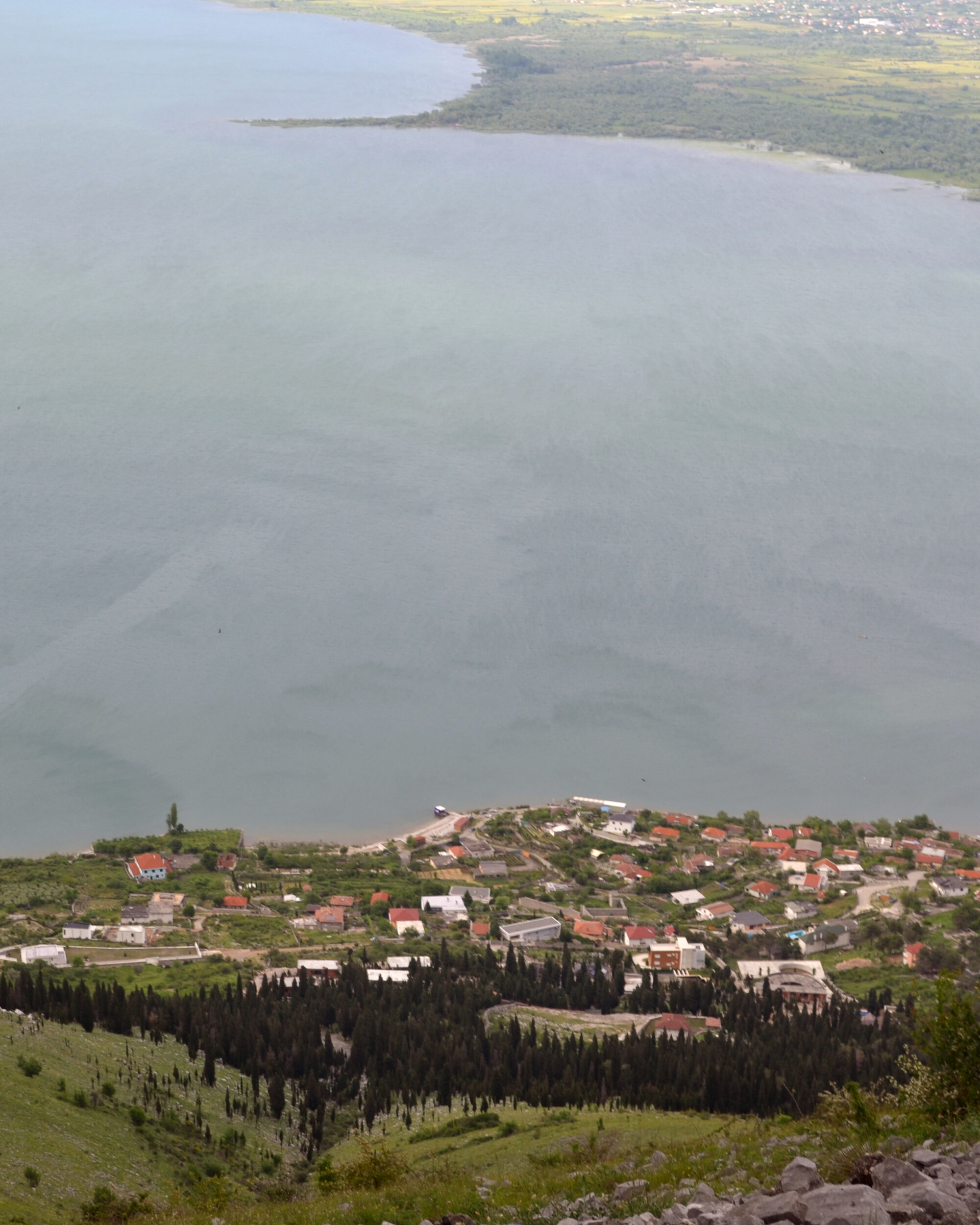
Begin your second day at Lake Shkoder, the largest lake in the Balkans and one of the city’s greatest natural treasures.
You can enjoy:
- A boat trip or kayaking experience
- A visit to nearby lakeside villages like Shiroka or Zogaj
- Fresh fish dishes with a view of the water
This area offers a peaceful contrast to the city and is ideal for a slow morning surrounded by nature.
Late Morning: Mesi Bridge – A Scenic Escape Just Outside Shkoder
Just outside Shkoder lies Mesi Bridge, a beautifully preserved Ottoman stone bridge built in 1768 by Mehmet Pashë Bushati. Stretching 108 meters across the Kir River, the bridge once served as an important connection between Shkoder and the village of Drisht.
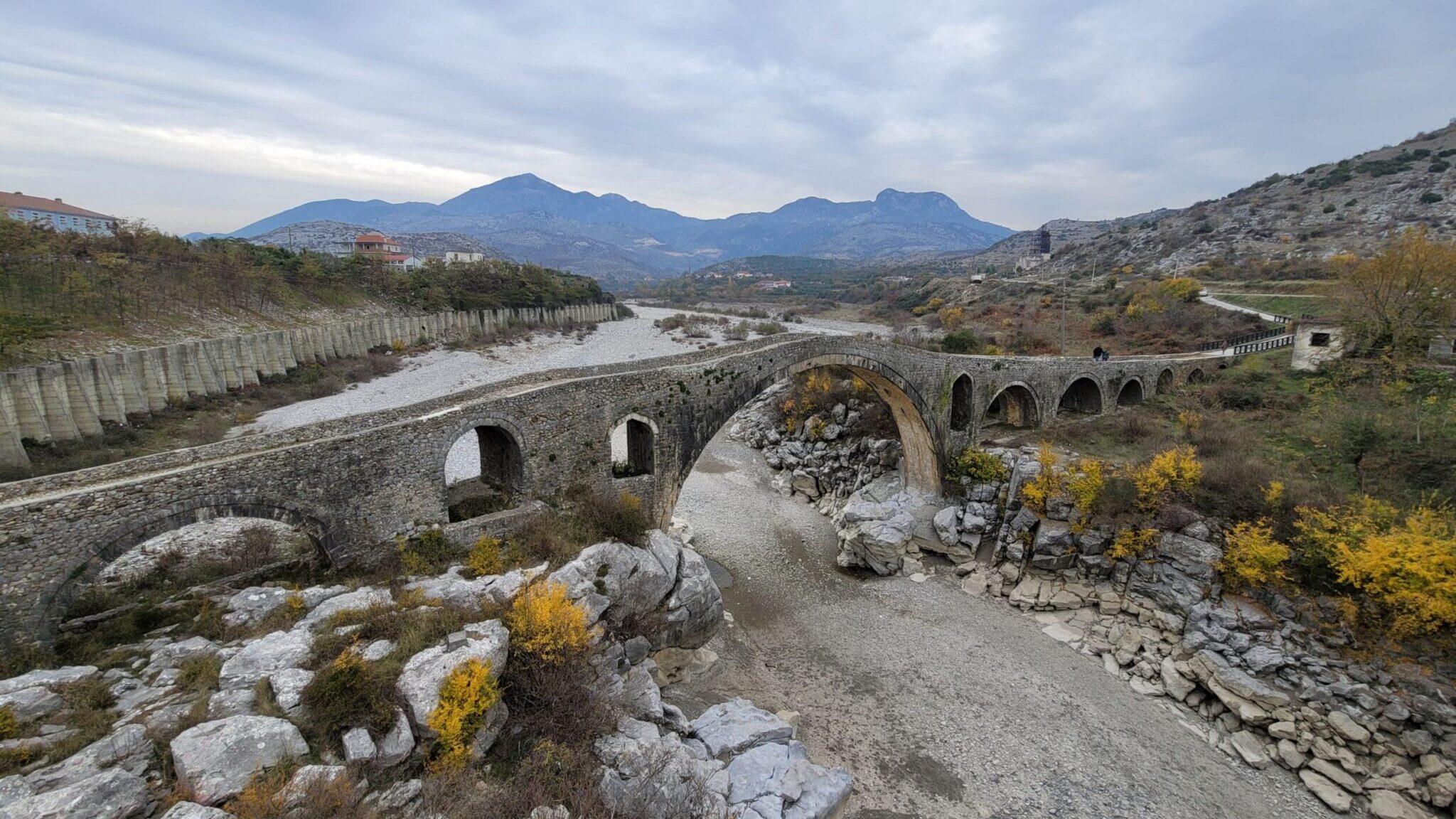
Surrounded by lush greenery and crystal-clear waters, Mesi Bridge offers a peaceful natural setting that feels far removed from the city. It’s an ideal stop for a short walk, quiet reflection, and scenic photography, while also providing a glimpse into the elegance and durability of Ottoman-era engineering.
Visiting in the morning allows you to enjoy the bridge in softer light and with fewer visitors, making it a perfect moment to slow down and connect with the landscape.
Best time to visit: Morning, for fewer visitors and softer light
Afternoon Option 1: Drisht Village (Half-Day Trip)
After visiting Mesi Bridge, continue toward Drisht, one of Albania’s best-preserved historical settlements and a quiet cultural gem just outside Shkoder. Set among rolling hills and valleys, the village offers a glimpse into traditional life shaped by centuries of history.
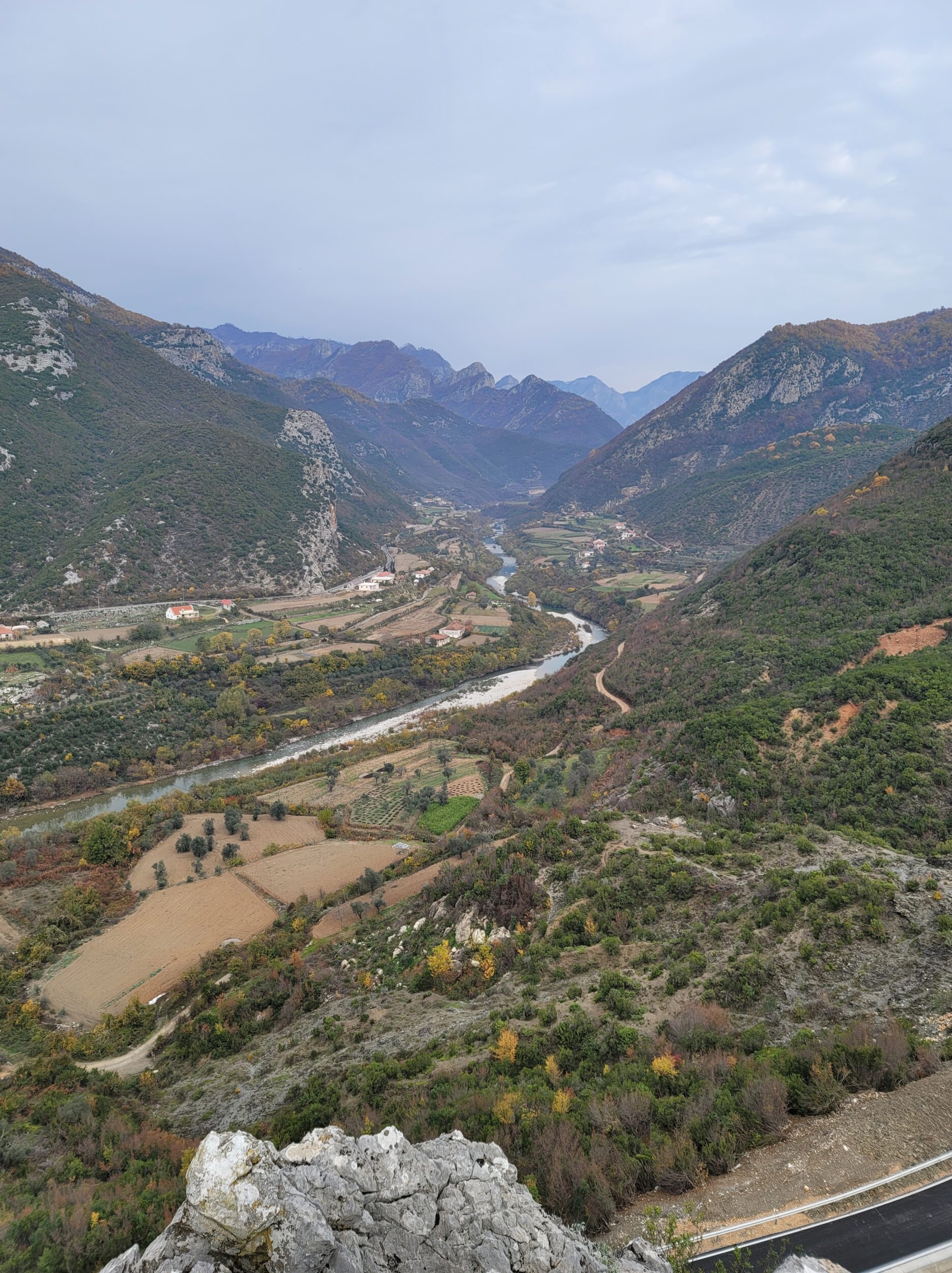
One of its main highlights is the Drisht Castle, a Roman-era fortress perched above the village, offering panoramic views over the surrounding valleys. Historically, the castle played a strategic role in protecting the Shkoder–Kosovo trade route, making it an important defensive and commercial point in the region.
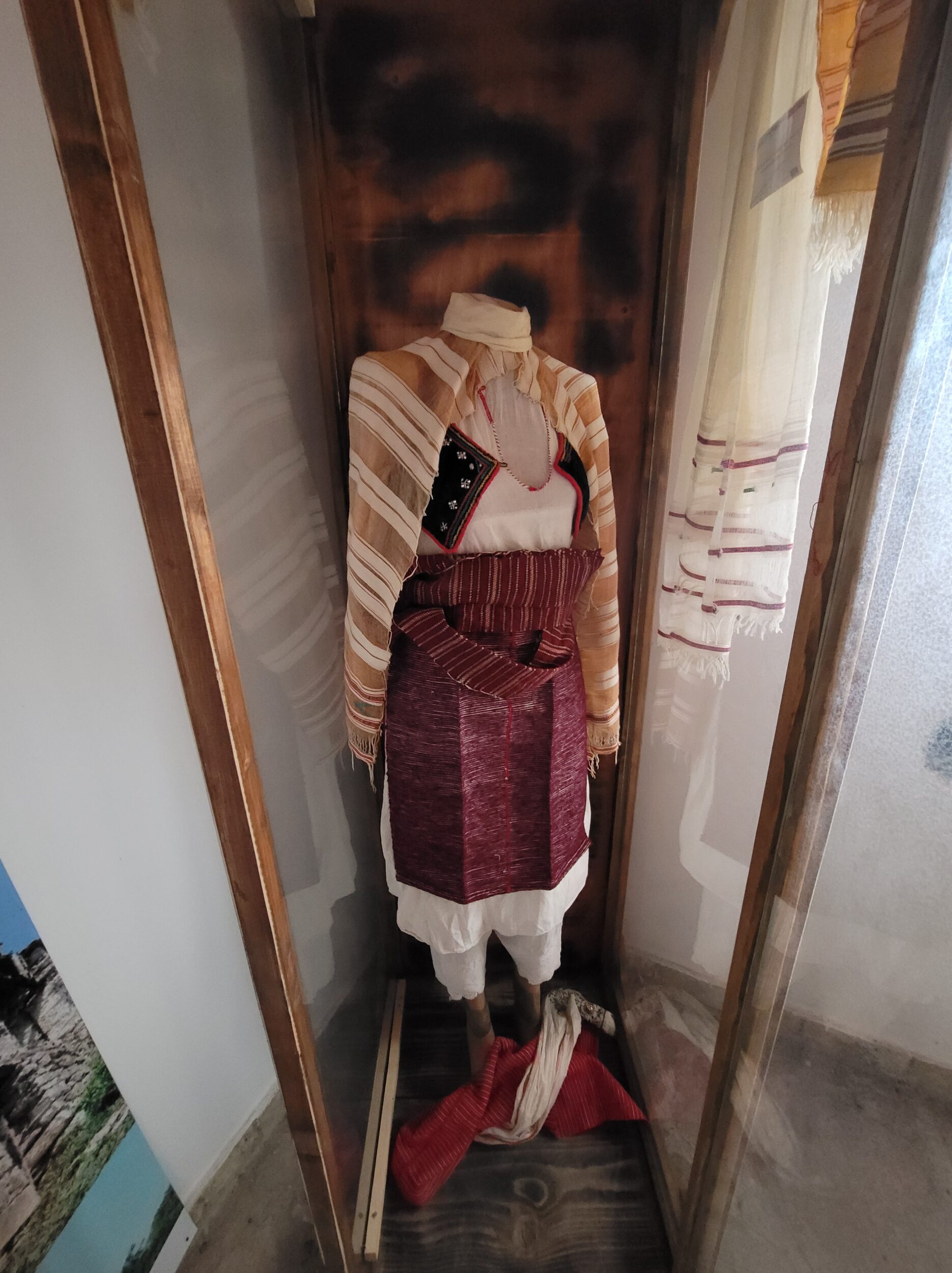
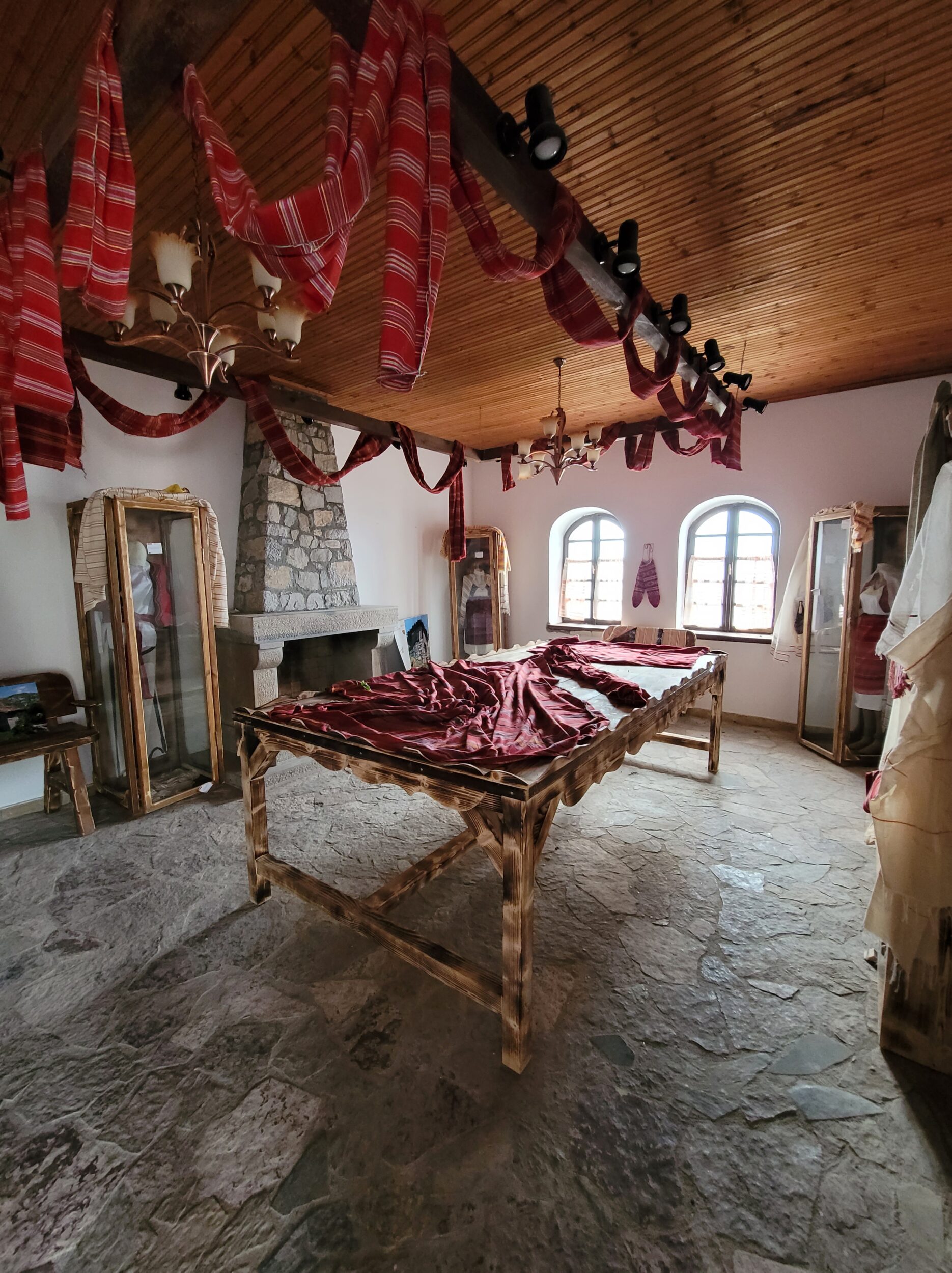
Another key stop is the Drisht Ethnographic Museum, a small but meaningful collection showcasing traditional clothing, everyday objects, and elements of local history. While modest in size, the museum provides valuable insight into the cultural identity and way of life that has endured here for generations.
Wandering through Drisht’s stone houses and quiet streets completes the experience, making this village an ideal half-day trip for travelers seeking history, authenticity, and a slower pace away from the city.
Afternoon Option 2: Theth National Park (Full-Day Alternative)
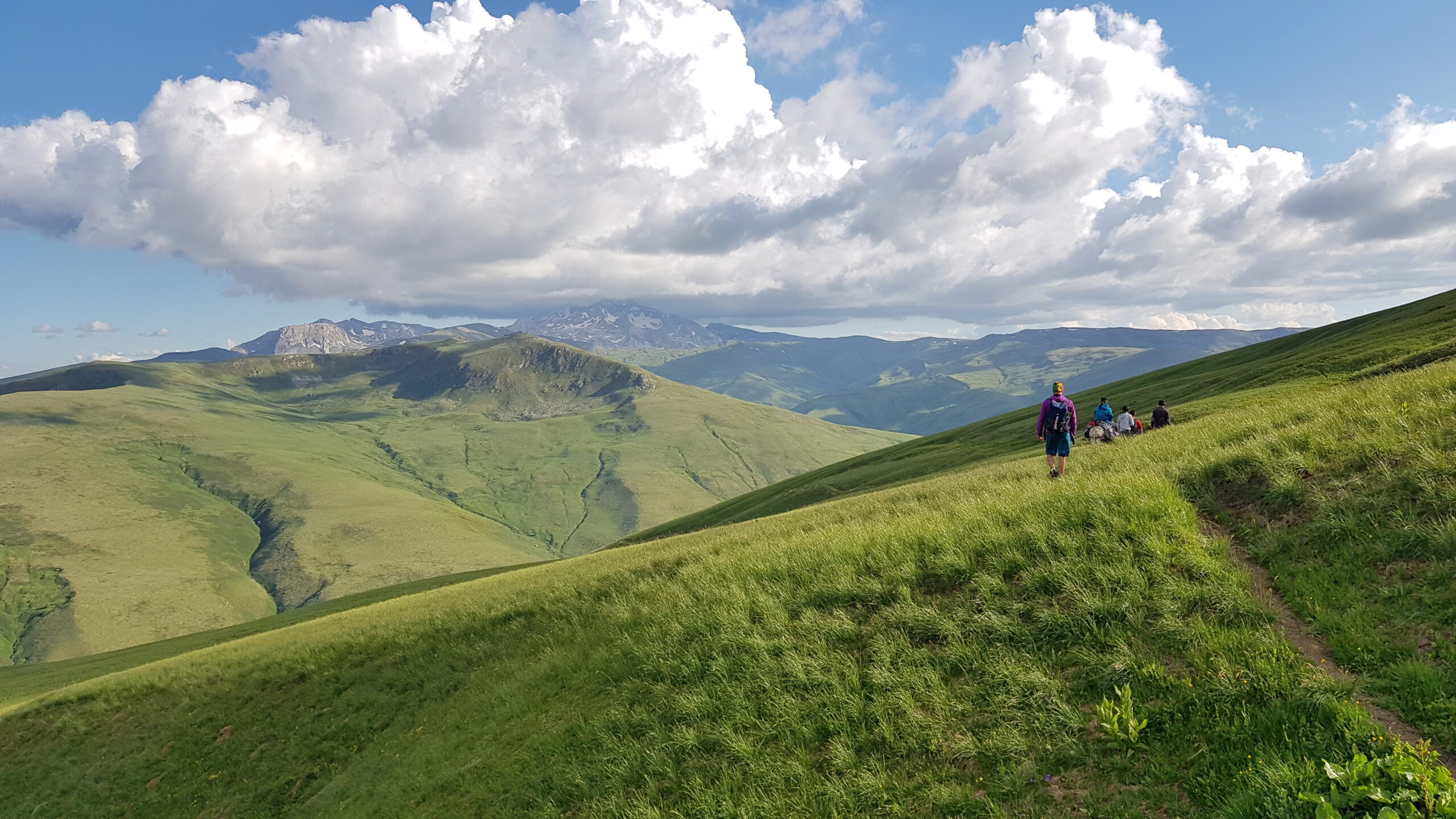
For adventure lovers, dedicate your second day to Theth National Park, located deep in the Albanian Alps. While the journey requires more time and planning, the reward is an unforgettable immersion into some of Albania’s most dramatic and untouched landscapes.

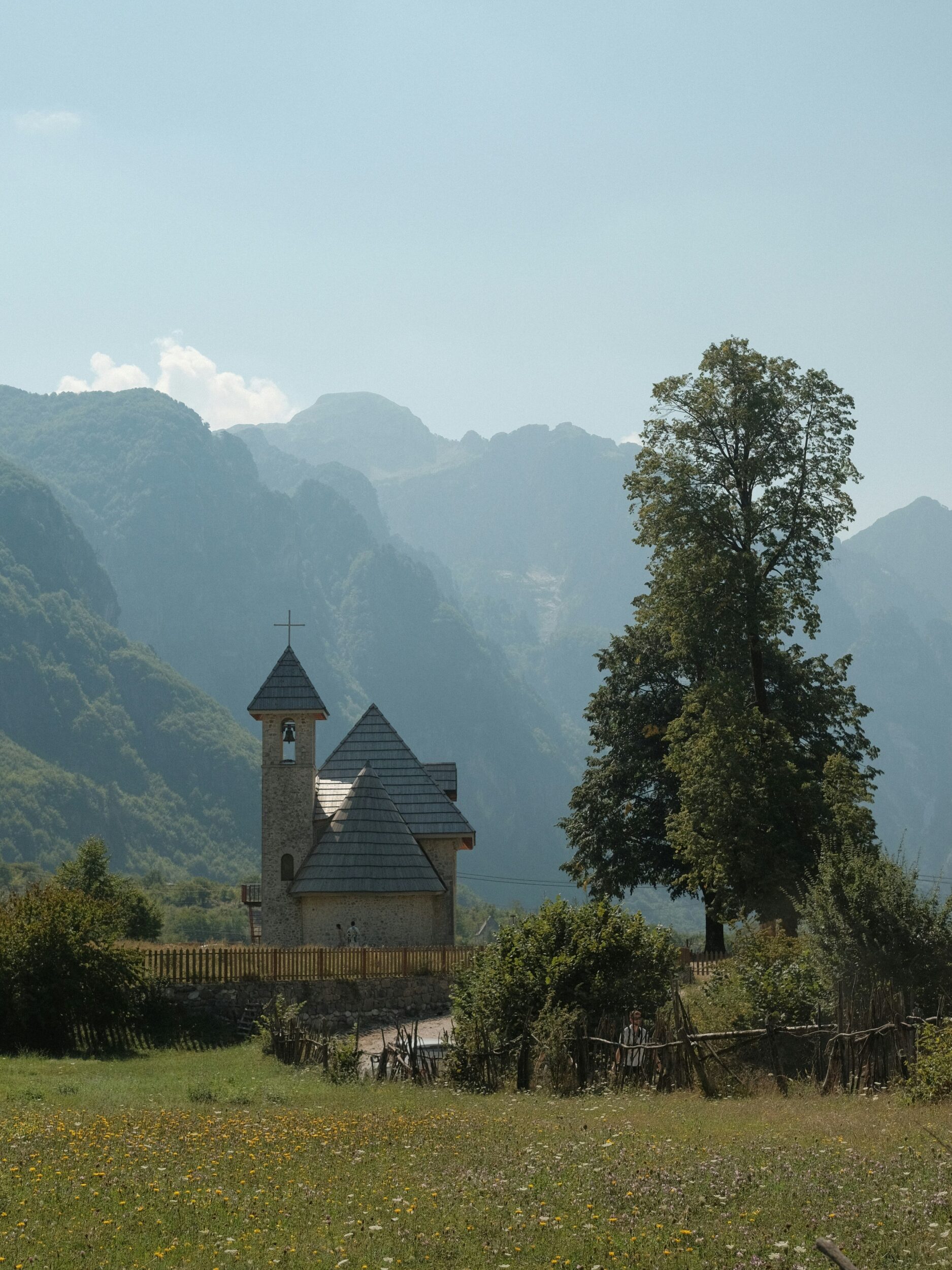
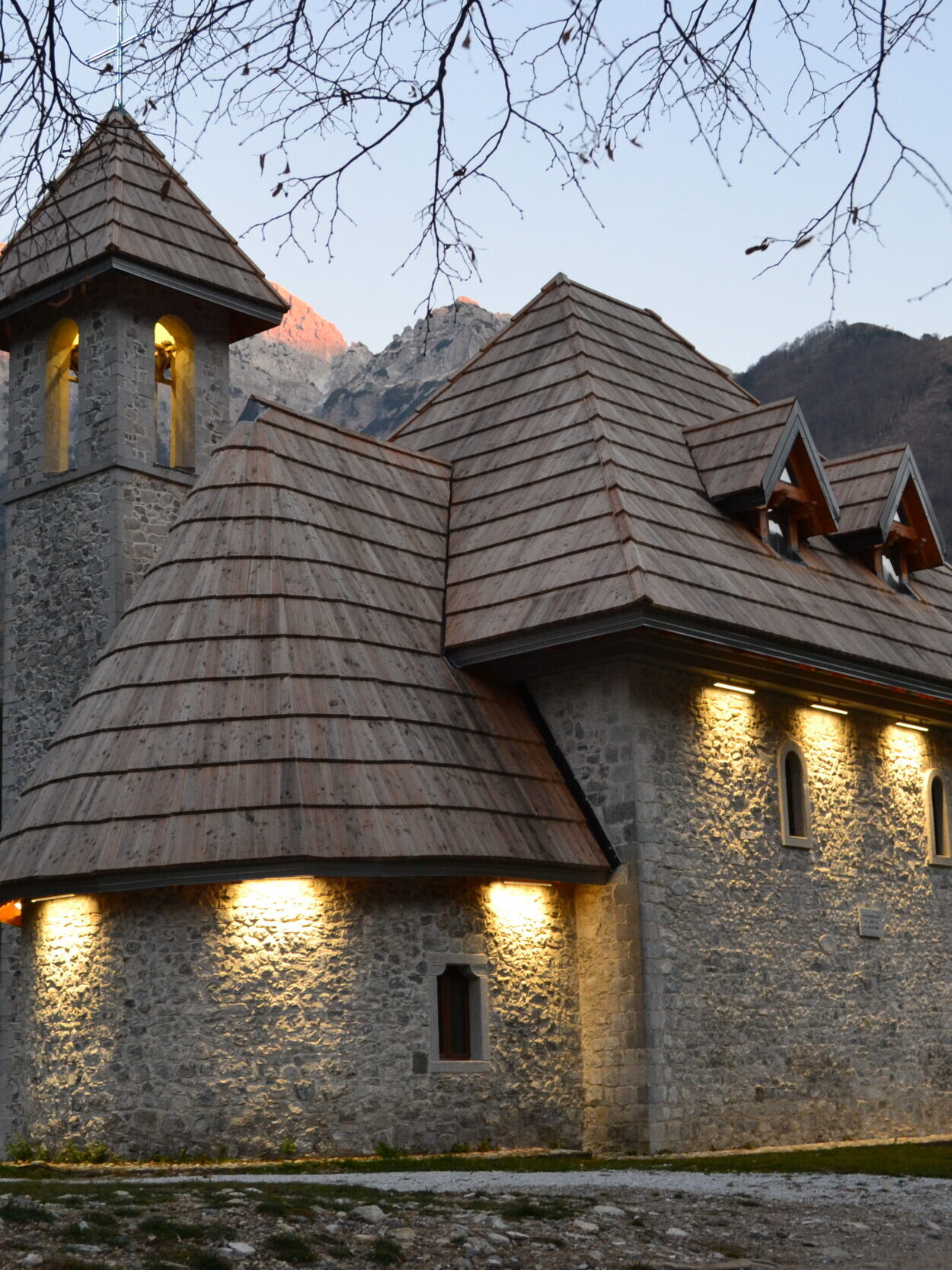
Highlights include the crystal-clear Blue Eye of Theth, scenic waterfalls, alpine meadows, and traditional mountain villages where life continues at a slow, authentic pace. Surrounded by towering peaks and fresh mountain air, Theth offers a powerful contrast to the calm rhythm of Shkoder and is perfect for hiking, photography, and nature-focused exploration.
This option is ideal if you’re extending your stay or planning a trip centered around outdoor adventure and natural beauty.
Where to Stay in Shkoder
From boutique hotels to family-run guesthouses, Shkoder offers accommodation options for every travel style and budget.
To choose the best option for your stay, read our full guide here: Top 5 Accommodations in Shkoder | Where to Stay in 2026
Is Two Days Enough in Shkoder?
Yes. Two days are perfect to experience:
- The city’s historical landmarks
- Local food and culture
- Natural attractions around Shkoder
If you enjoy slow travel, you may find yourself wanting to stay longer. Shkoder is not a city you rush through — it’s a place you feel. With its blend of history, calm streets, rich culture, and access to nature, it remains one of Albania’s most rewarding destinations.
This 2-day itinerary gives you a balanced and authentic experience, making Shkoder an essential stop on any trip to Northern Albania.