

Tucked away in the hills just outside Berat, Roshnik Village is one of Albania’s most authentic rural destinations and proudly part of the national “100 Tourist Villages” initiative. While many travelers focus only on Berat’s UNESCO-listed old town, those who continue their journey into Roshnik discover a completely different side of Albania—one defined by nature, agriculture, and a deeply rooted local identity.
Here, life moves at a slower pace. Vineyards stretch across rolling hills, olive trees shape the landscape, and traditions are not preserved for tourism—they are simply part of everyday life. Roshnik is not just a place to visit; it is a place to experience.
📑 Table of Contents
- Where is Roshnik and Why It Matters
- What is Roshnik Known For?
- Top Things to Do in Roshnik
- Culture and Historical Identity
- Food and Local Products
- Why Roshnik is One of Albania’s Top Tourist Villages
- Best Time to Visit & Travel Tips
Where is Roshnik and why it matters?
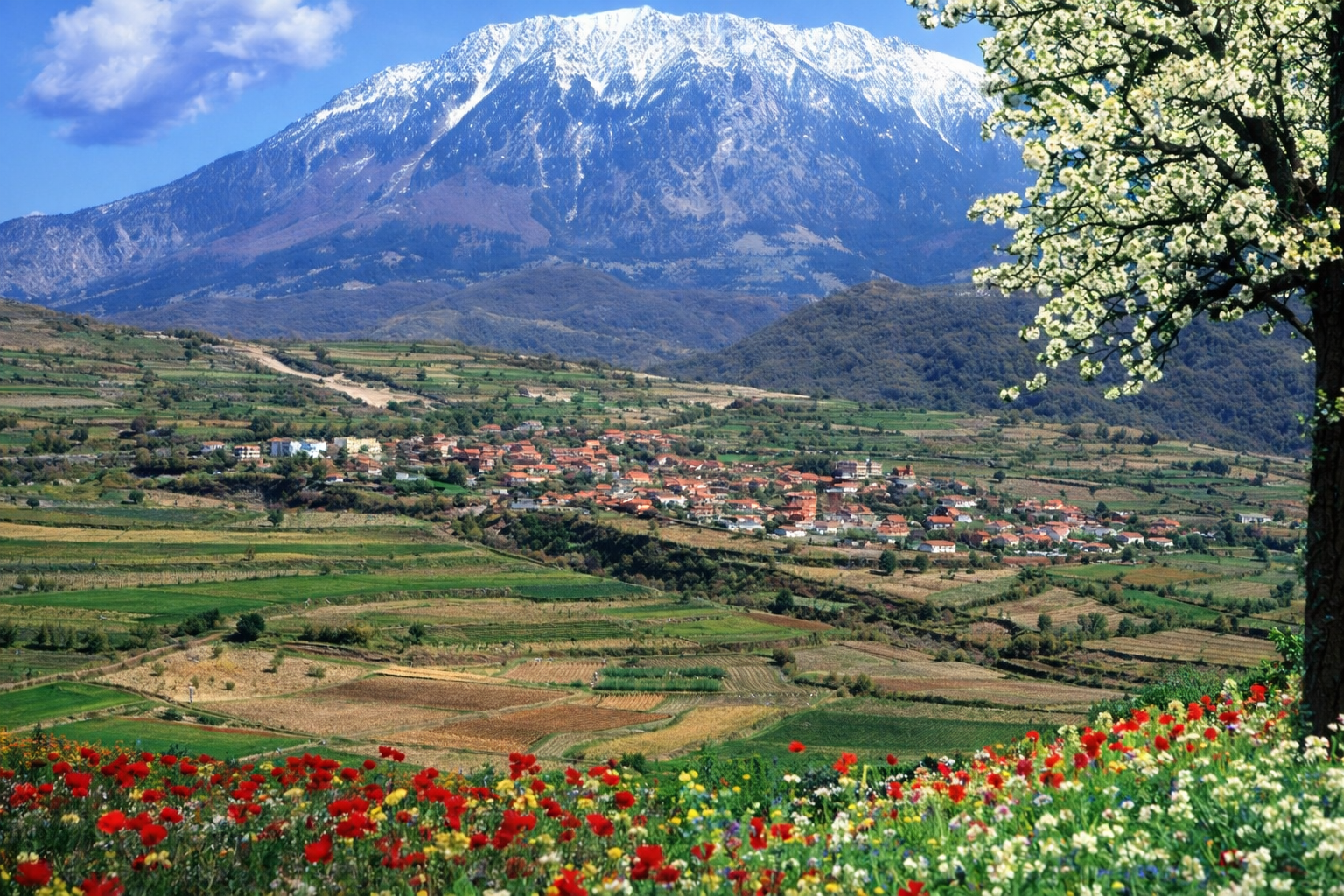
Roshnik is located about 15 kilometers from Berat, at the foothills of the majestic Mount Tomorr, one of Albania’s most iconic natural landmarks. The short drive from the city quickly transforms from urban scenery into a peaceful rural landscape, making it one of the easiest and most rewarding day trips in the region.
What makes Roshnik particularly important in Albania’s tourism development is its balance between accessibility and authenticity. Unlike more commercialized destinations, Roshnik has managed to preserve its identity while gradually opening up to visitors. This makes it a key example of how rural tourism can develop sustainably, without losing its essence.
What is Roshnik known for?
1. The Famous Roshnik Fig
One of the strongest elements of Roshnik’s identity is its connection to agriculture, and especially to its most iconic product—the fig. Known across Albania as “Fiku i Roshnikut,” this fruit has become synonymous with the village itself.
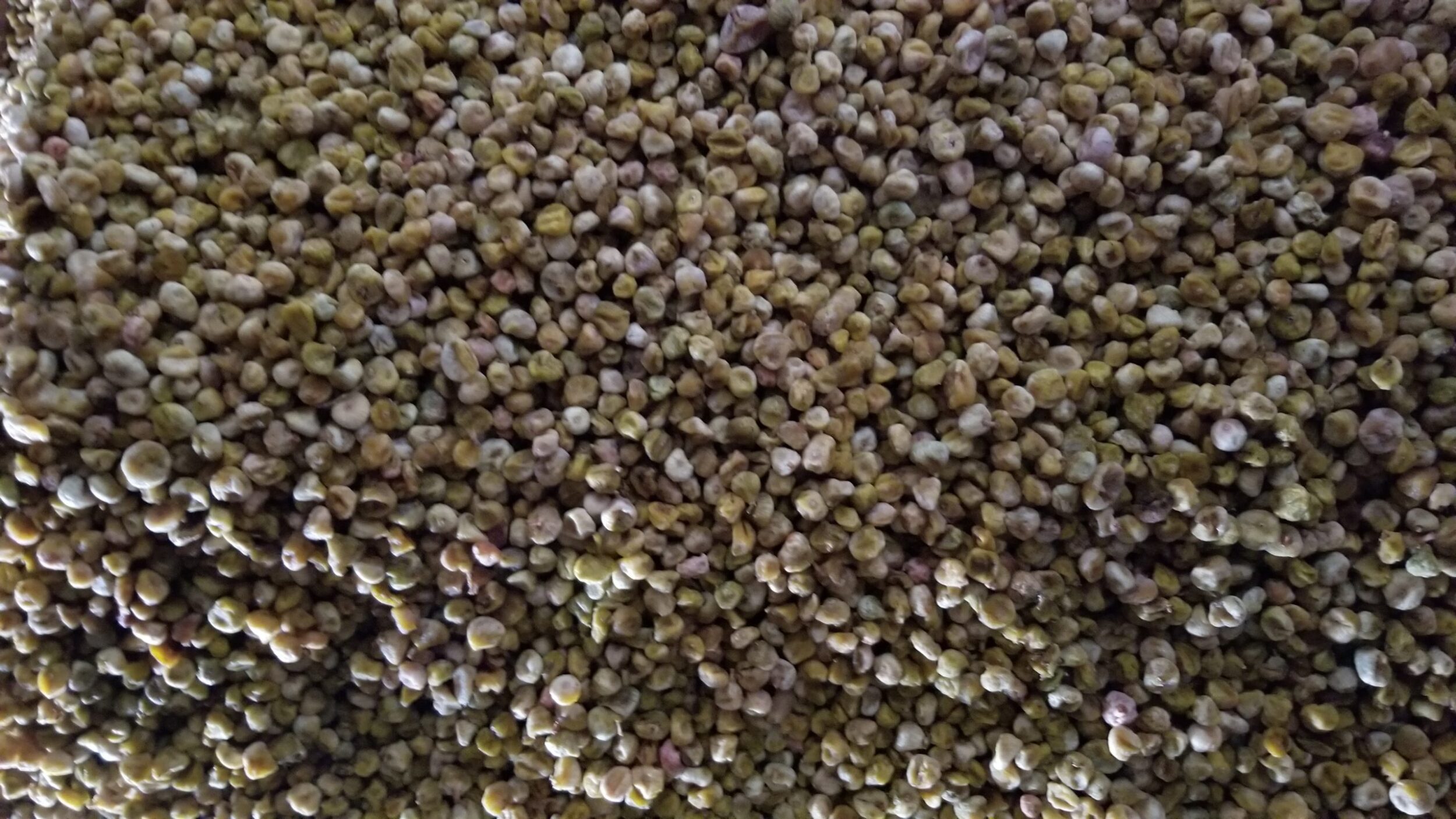
With tens of thousands of fig trees cultivated in the area, fig production is not just an economic activity but a cultural tradition passed down through generations. The traditional drying process, known locally as palafik, is still practiced today and represents a rare example of preserved agricultural heritage. For visitors, this means more than just tasting a product—it means connecting with a tradition that defines the village.
2. Alpeta Agrotourism – A Pioneer Experience
Roshnik is also home to one of Albania’s most important agrotourism initiatives: Alpeta Winery & Agrotourism. Often recognized as one of the first structured agrotourism models in the country, Alpeta has played a key role in putting Roshnik on the tourism map.
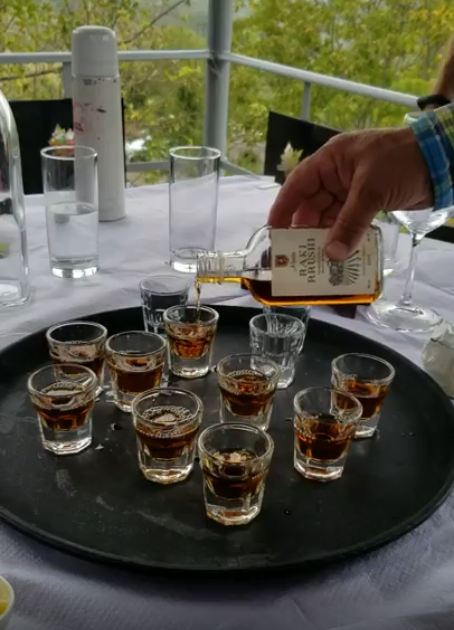
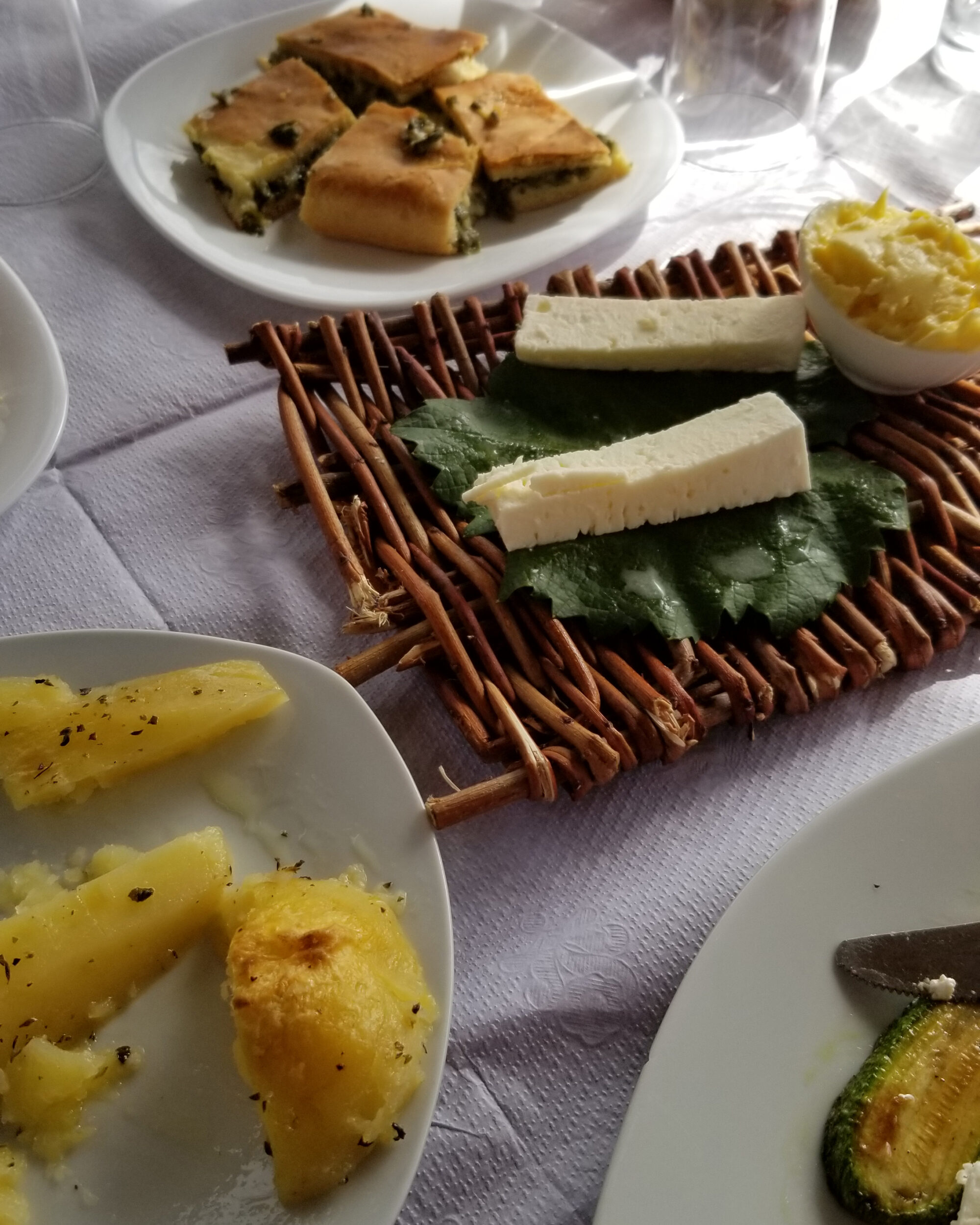
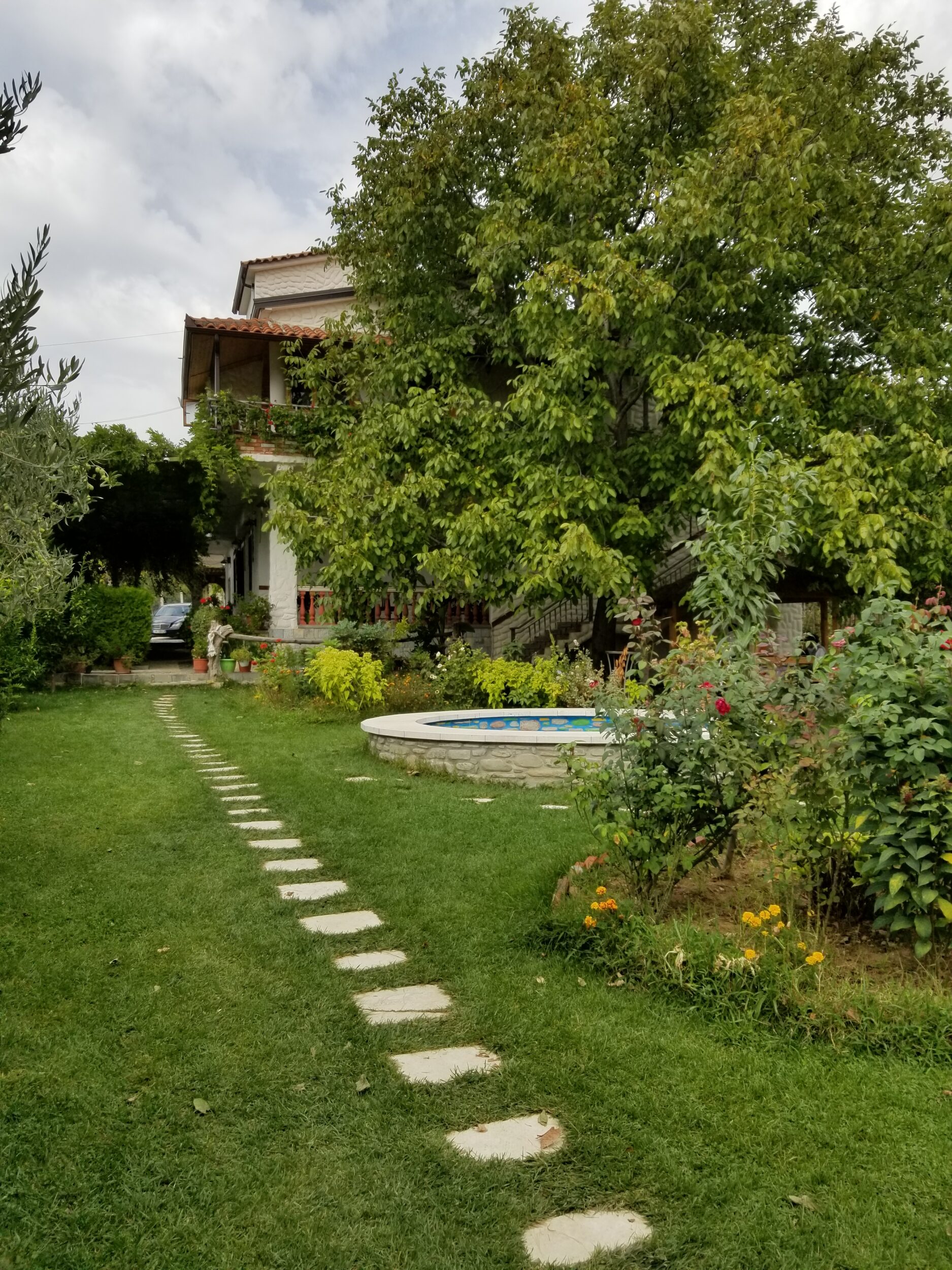
The experience here goes far beyond a typical restaurant visit. Guests are invited to explore vineyards, taste locally produced wine and raki, and enjoy traditional dishes made entirely from local ingredients. The atmosphere is warm and authentic, reflecting the true spirit of Albanian hospitality.
Alpeta represents a turning point—not only for Roshnik, but for how Albania began to rethink rural tourism as an experience rather than just a location.
3. A Landscape Shaped by Nature
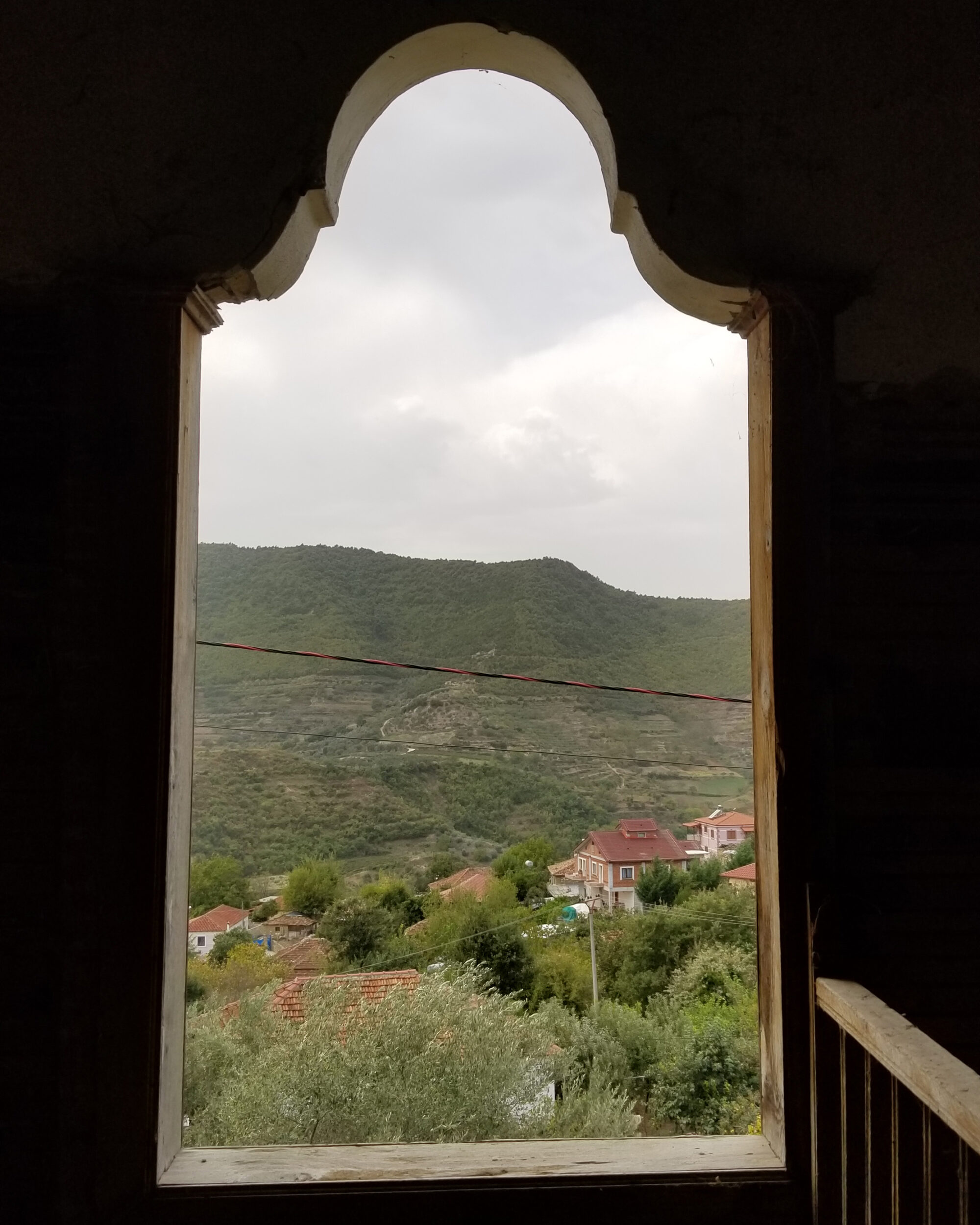
The natural setting of Roshnik is one of its most captivating features. Surrounded by hills, forests, and the dramatic presence of Mount Tomorr, the village offers a landscape that changes beautifully with the seasons.
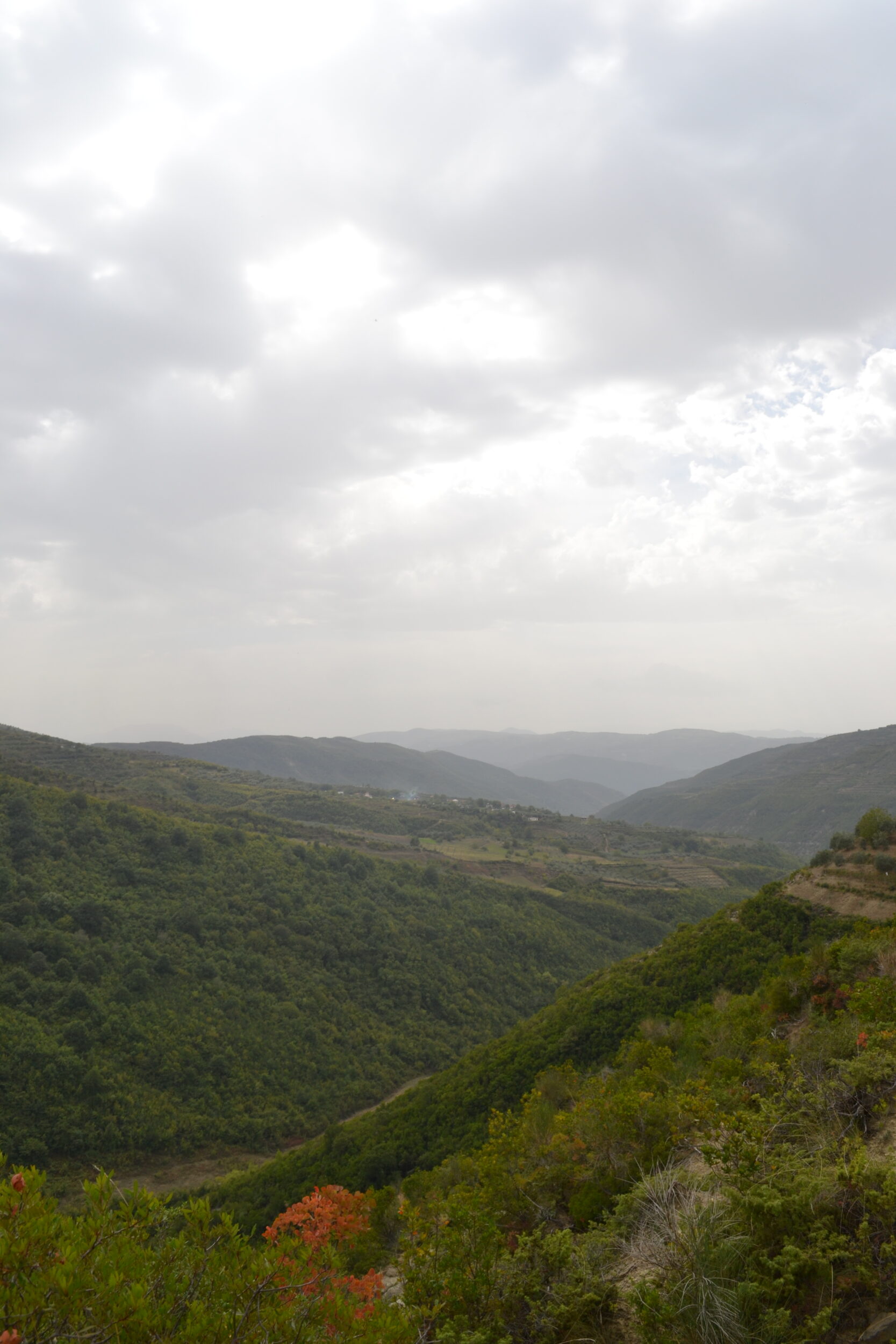
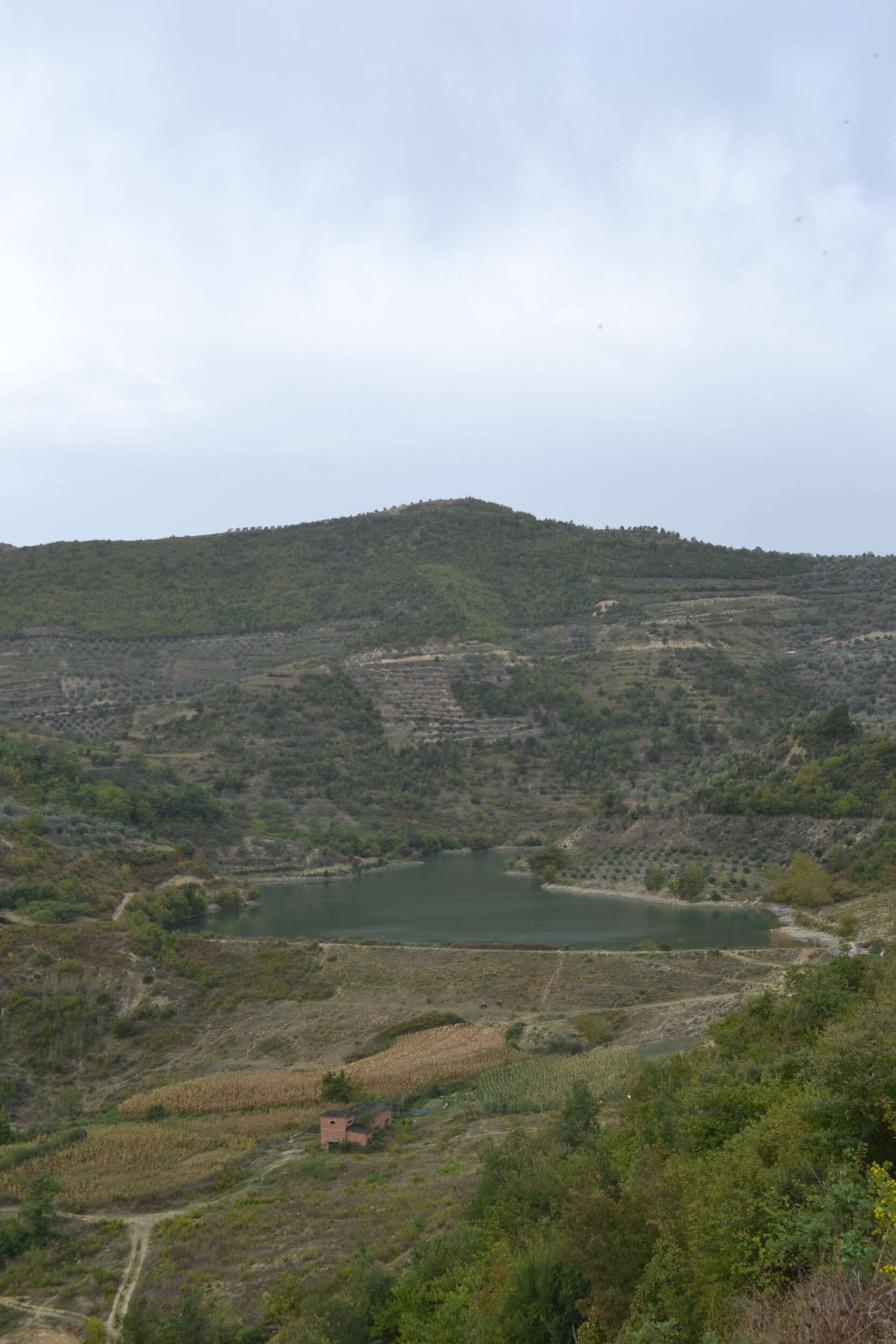
In spring, the area comes alive with greenery and blossoms. In summer, it becomes a cool escape from the heat of the city. Autumn, however, is perhaps the most magical time to visit, when the vineyards turn golden and the harvest season fills the village with activity and color.
This connection between land, season, and lifestyle is what gives Roshnik its unique character.
Top Things to Do in Roshnik
1. Explore the Surrounding Nature and Tomorr Region
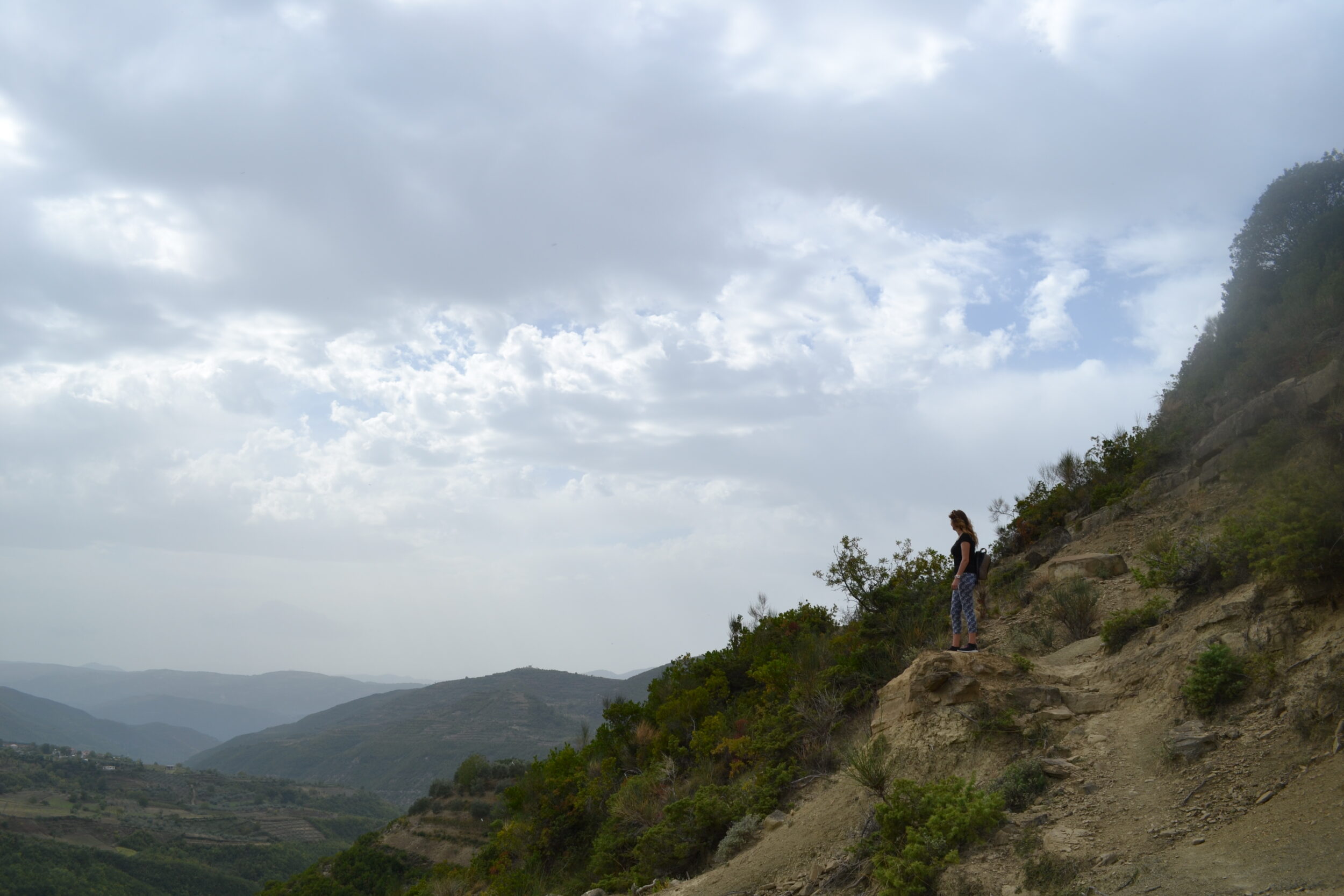
One of the main reasons to visit Roshnik is its proximity to Mount Tomorr, a destination that combines natural beauty with spiritual significance. The area offers opportunities for hiking, exploring remote landscapes, and discovering one of Albania’s most sacred mountains.
For nature lovers, Roshnik serves as an ideal base to explore this region without the need for long travel distances.
2. Discover Waterfalls and Hidden Natural Spots
Beyond the main village, Roshnik offers access to several lesser-known natural attractions such as waterfalls, reservoirs, and open green landscapes. These places are still relatively untouched, making them perfect for travelers looking for something beyond the typical tourist routes.
Exploring these areas gives visitors a sense of discovery, something that is becoming increasingly rare in modern travel.
3. Experience Local Life Through Agrotourism
Perhaps the most meaningful experience in Roshnik is simply spending time in the village and engaging with local life. Whether it’s sharing a meal, tasting homemade wine, or walking through vineyards, every moment feels genuine. This is where Roshnik truly stands out—it doesn’t try to impress, it simply invites you in.
4. Join the Roshnik Festival
If you visit in September, you may have the chance to experience the Roshnik Festival, a celebration of local products, traditions, and community life. The festival brings together farmers, artisans, and visitors in a lively atmosphere filled with music, food, and cultural expression. It is one of the best moments to understand the spirit of the village.
Culture and Historical Identity
Roshnik also carries historical significance that adds depth to its identity. It is known as the origin of the Köprülü (Qyprilinj) family, one of the most influential families in the Ottoman Empire.
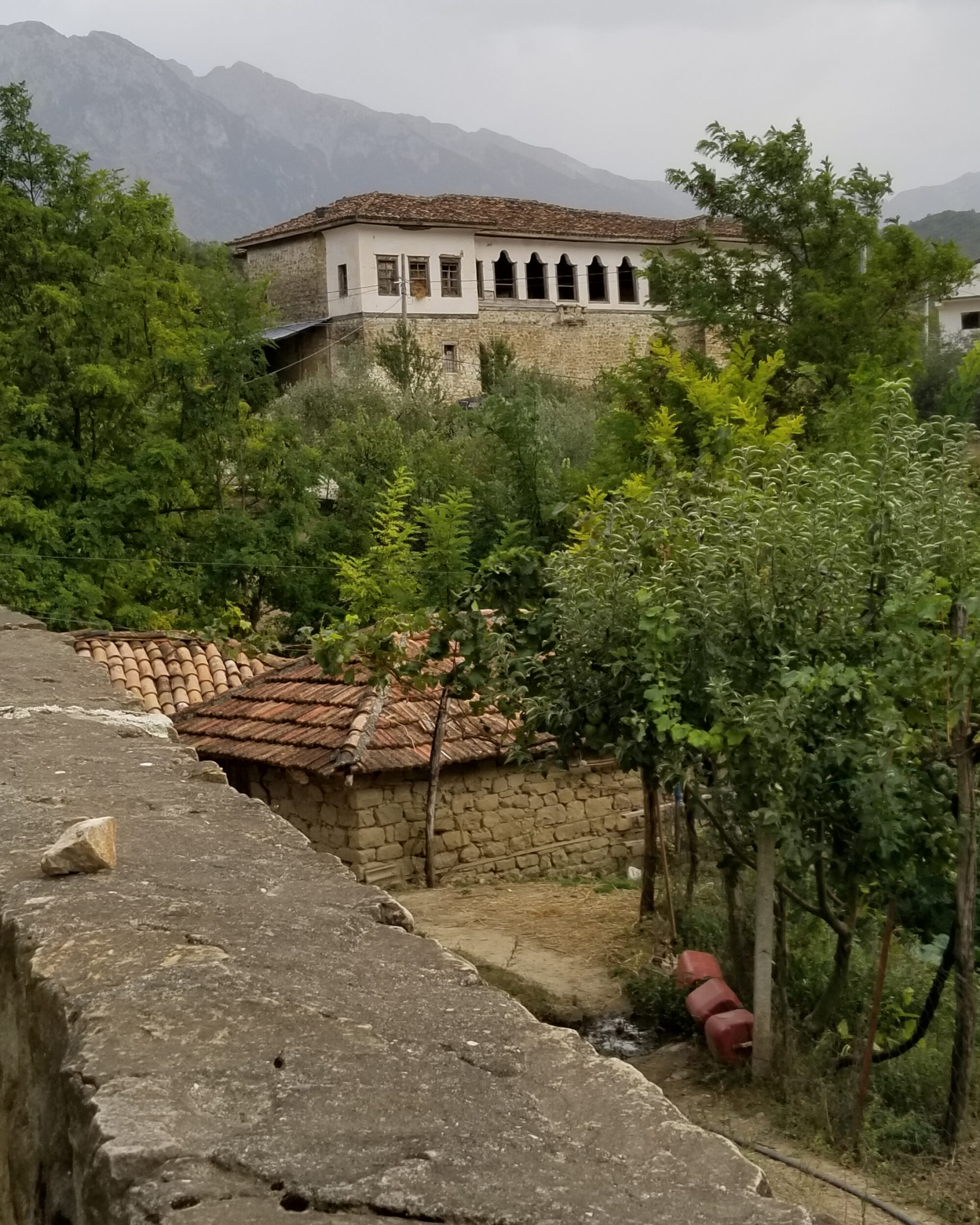
In the village, you can still find traditional houses, historical buildings, and cultural elements that reflect centuries of history. These are not preserved as museum pieces—they are part of a living heritage.
Food and Local Products
Food in Roshnik is deeply connected to the land. Meals are prepared using ingredients that are grown, produced, or sourced locally, creating a true farm-to-table experience.
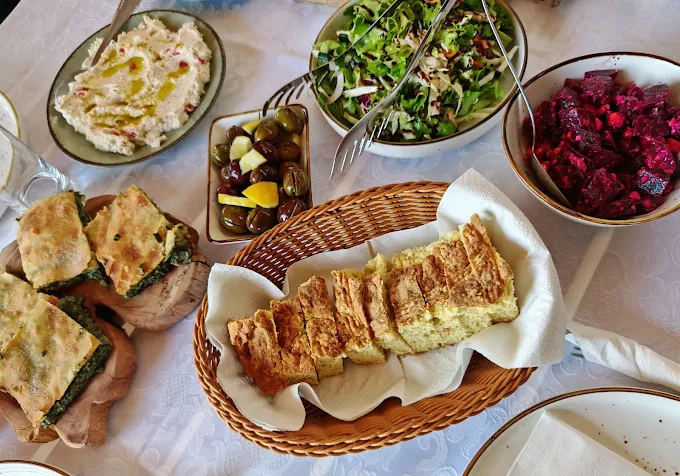
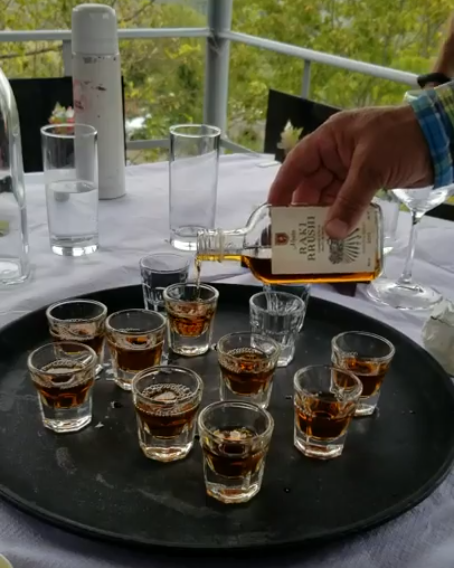
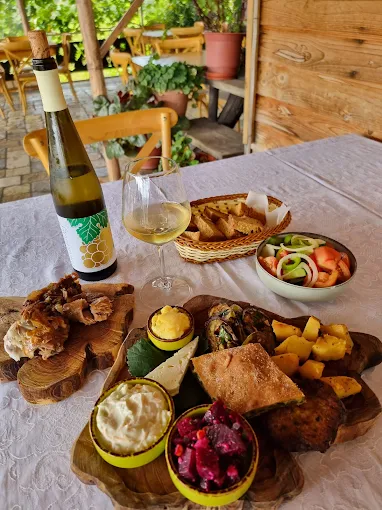
Visitors can expect to taste fresh figs, local wines, homemade raki, olive oil, dairy products, and traditional dishes that reflect the culinary identity of the region. The simplicity of the food is exactly what makes it so memorable.
For those looking to fully experience this side of Roshnik, besides the well-known Alpeta Agrotourism, you also have Restaurant Roshniku, one of the best local spots to enjoy authentic Albanian cuisine.
With a rating of 4.7 from over 300 reviews, it has become a trusted place for both locals and visitors seeking traditional food in a warm and welcoming setting. The restaurant reflects the essence of the village, offering homemade dishes prepared with fresh, locally sourced ingredients and served in a relaxed countryside atmosphere.
Why Roshnik is One of Albania’s Top Tourist Villages
Roshnik represents a model for rural tourism in Albania. It offers a combination of natural beauty, cultural heritage, and authentic experiences, all within a short distance from a major tourist city like Berat. What makes it truly special is not just what it offers, but how it offers it—without losing its identity.
The best time to visit Roshnik is during spring and autumn, when the landscape is at its most beautiful and the village is full of life. Having a car is recommended, especially if you want to explore surrounding natural attractions. Take your time here—Roshnik is not a place to rush through.