

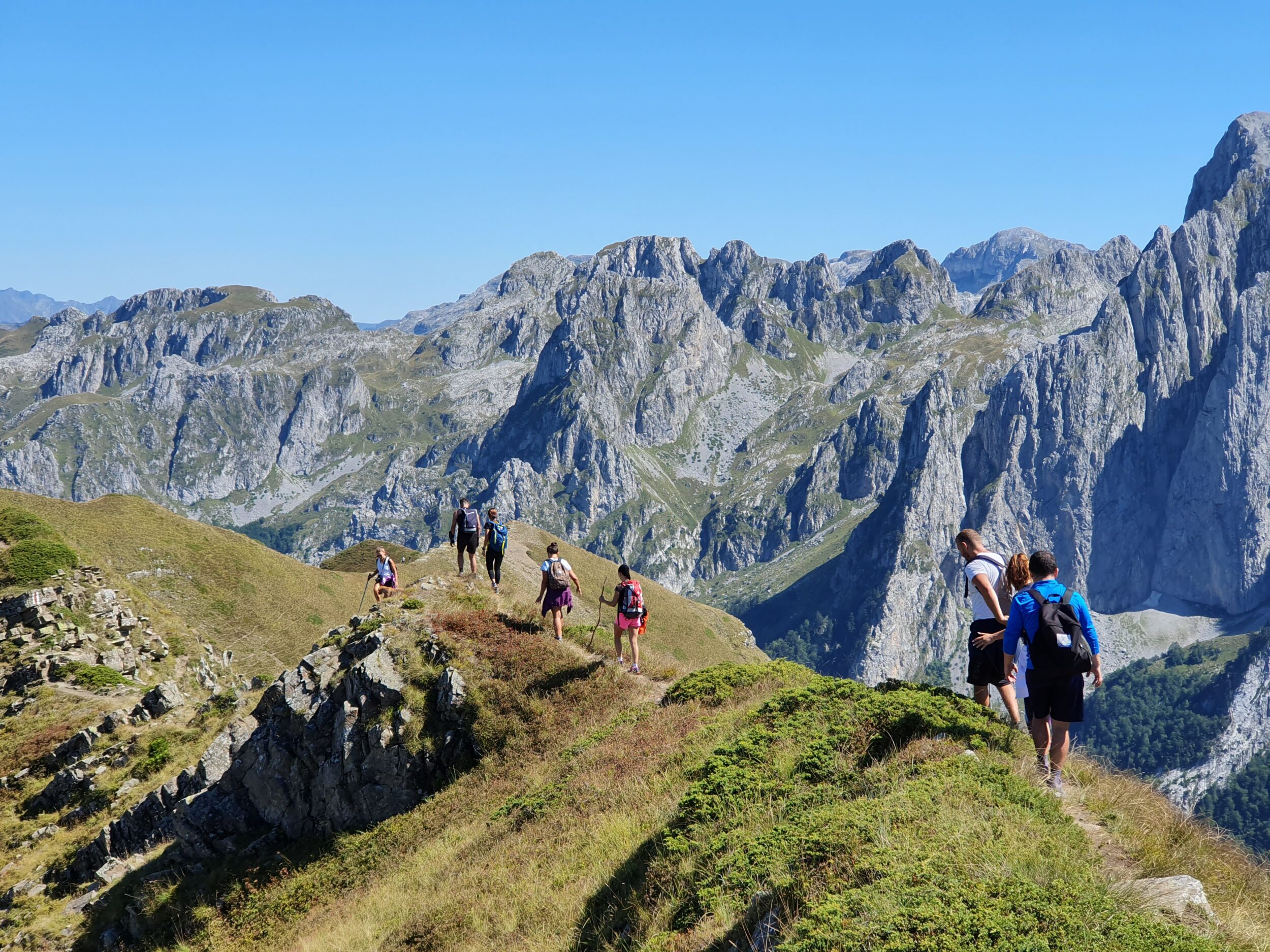
Hidden among the sharp limestone ridges of the Albanian Alps, Lepushë is one of the most remarkable yet understated mountain villages in northern Albania. Located in the Kelmend administrative unit within Malësi e Madhe Municipality, this small alpine settlement sits at approximately 1,260 meters above sea level and stretches toward peaks that rise beyond 2,600 meters.
Often described as the “pearl” of the Malësia e Madhe region, Lepushë combines dramatic alpine scenery, traditional pastoral life, and a powerful sense of isolation that defines the experience of the Accursed Mountains.
Where Is Lepushë?
Lepushë lies in the northernmost part of Albania, between the villages of Tamarë and Vermosh, near the border with Montenegro. It is part of the protected area of the Albanian Alps National Park, which preserves its biodiversity and natural landscapes.
The village is approximately:
- 183 km from Tirana
- 70 km from Koplik
- Accessible via the scenic Kelmend road
Despite its remote feel, Lepushë is reachable by car, making it one of the most accessible high-alpine destinations in Albania.
The Scenic Drive to Lepushë – Summer Stops Along the Way
Reaching Lepushë is not just about arrival — the road itself is part of the experience. From Shkodër, the route follows the turquoise waters of the Cemi River, cutting through dramatic canyon landscapes before climbing toward the alpine valley.
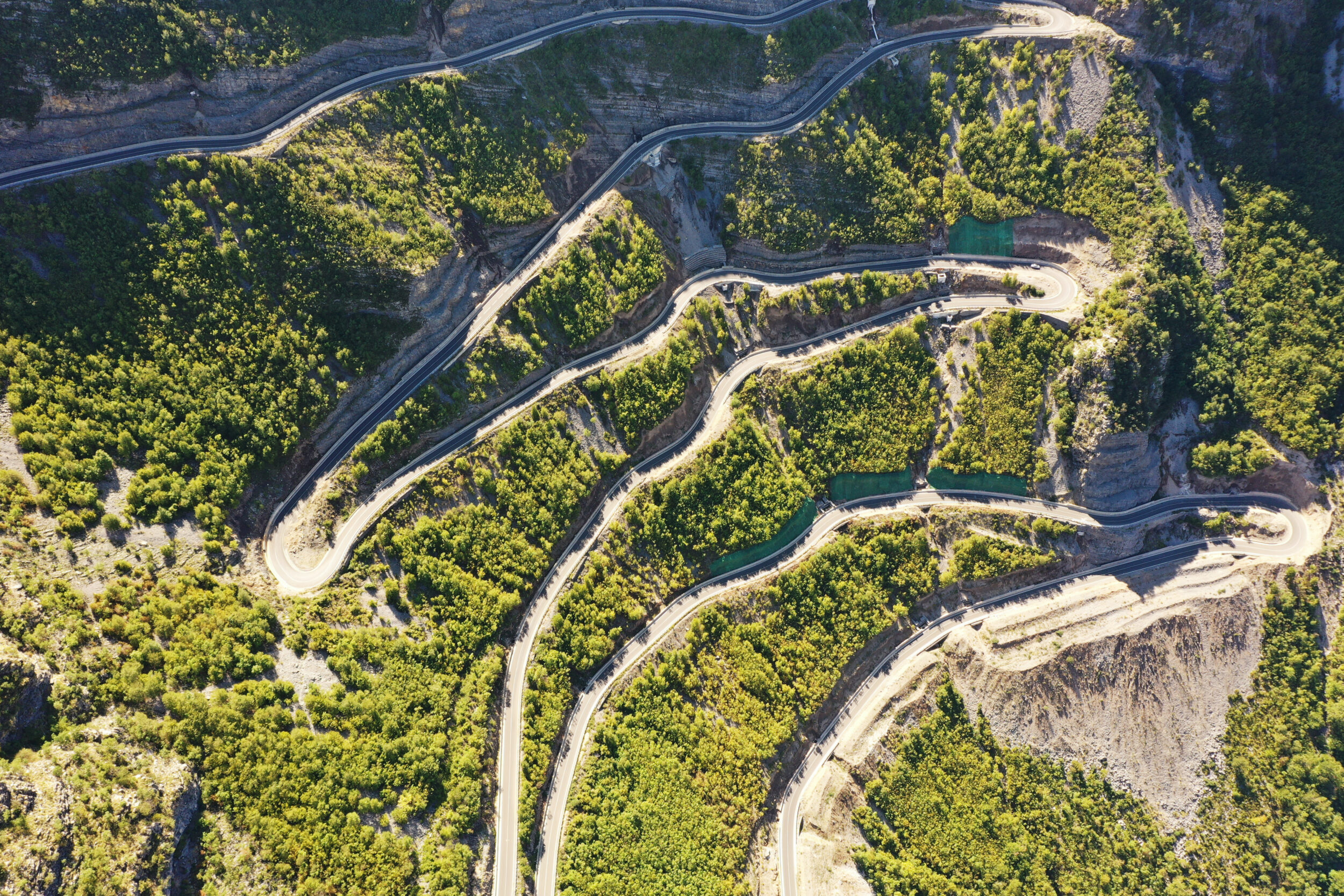
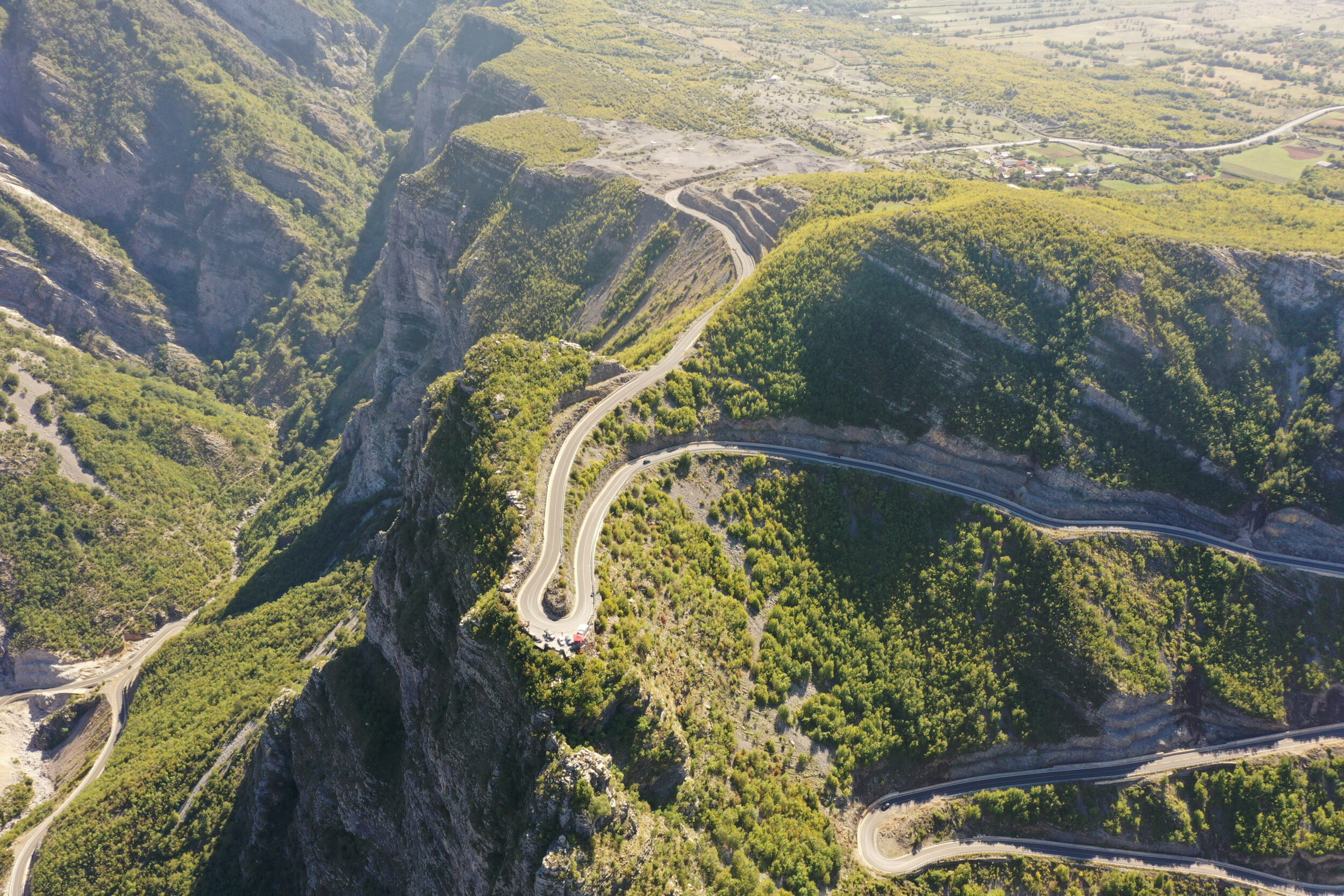
One of the most spectacular sections of this journey is known as Leqet e Hotit — a serpentine mountain road carved into steep limestone cliffs. Considered one of the most beautiful and unique roads in Albania, this winding stretch offers panoramic views over deep valleys and rugged peaks. As the road twists and climbs between towering mountains, every turn reveals a new perspective of northern Albania’s wild landscape. For photographers, cyclists, and road-trip lovers, this section alone is worth the journey.
During summer, the drive becomes even more rewarding. The lower elevations along the Cemi River offer refreshing swimming stops, making the trip both scenic and revitalizing before reaching the cool alpine air of Lepushë.
Tamarë & the “Beach” of the Cemi River
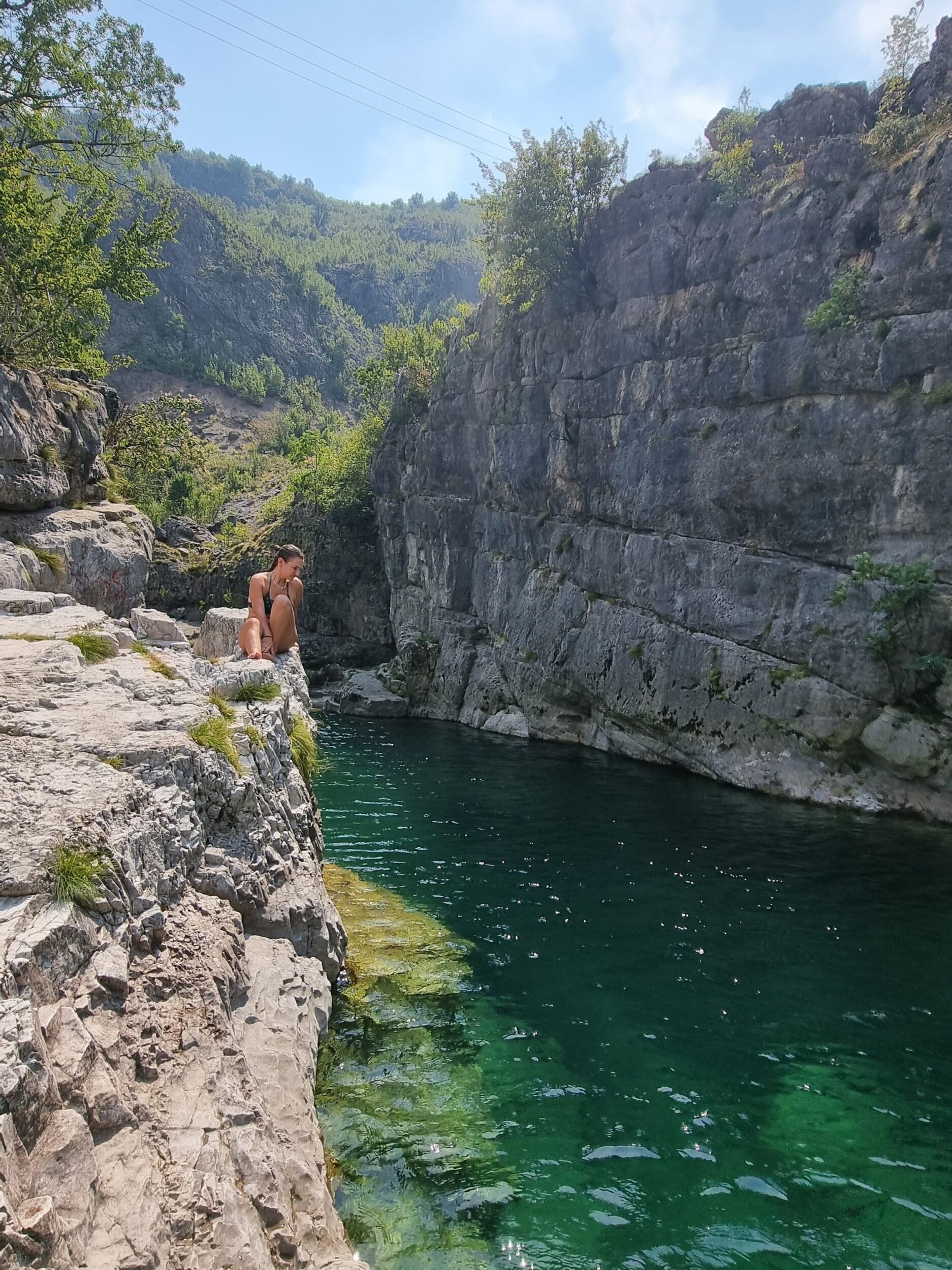
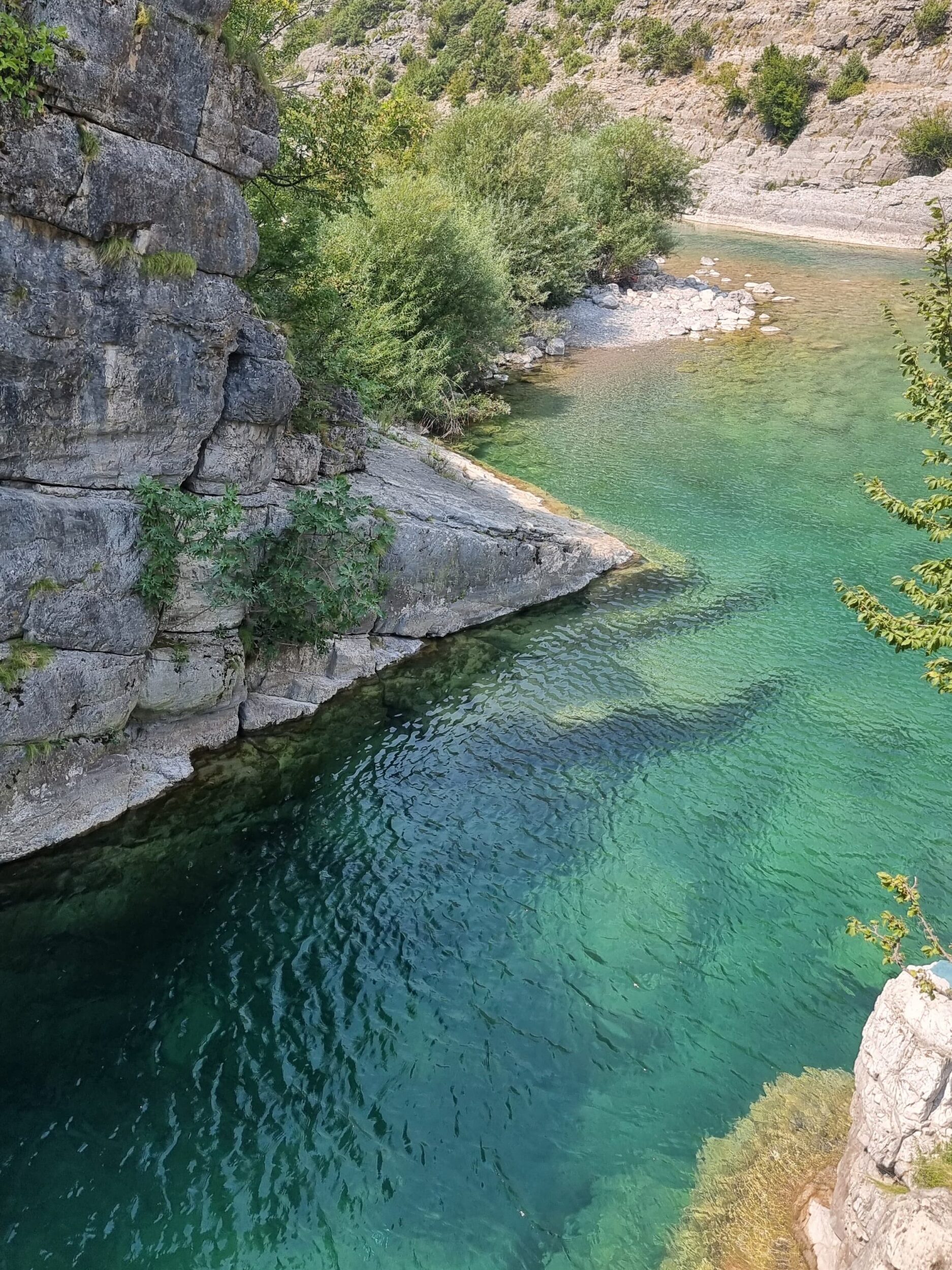
The village of Tamarë serves as the gateway to Kelmend. Recently renovated, Tamarë is known for its picturesque setting along the Cemi River. In warm months, visitors gather at what locals call the “Tamarë beach” — a calm riverside area perfect for cooling off in crystal-clear mountain water.
It’s not a sandy beach, but a natural freshwater swimming spot surrounded by towering canyon walls.
Selca Water Pools (Gropat e Selcës)
Further along the road, near Selcë, travelers can stop at the famous Selca water pools. These natural limestone basins carved by centuries of flowing water create one of the most photogenic freshwater swimming spots in northern Albania.
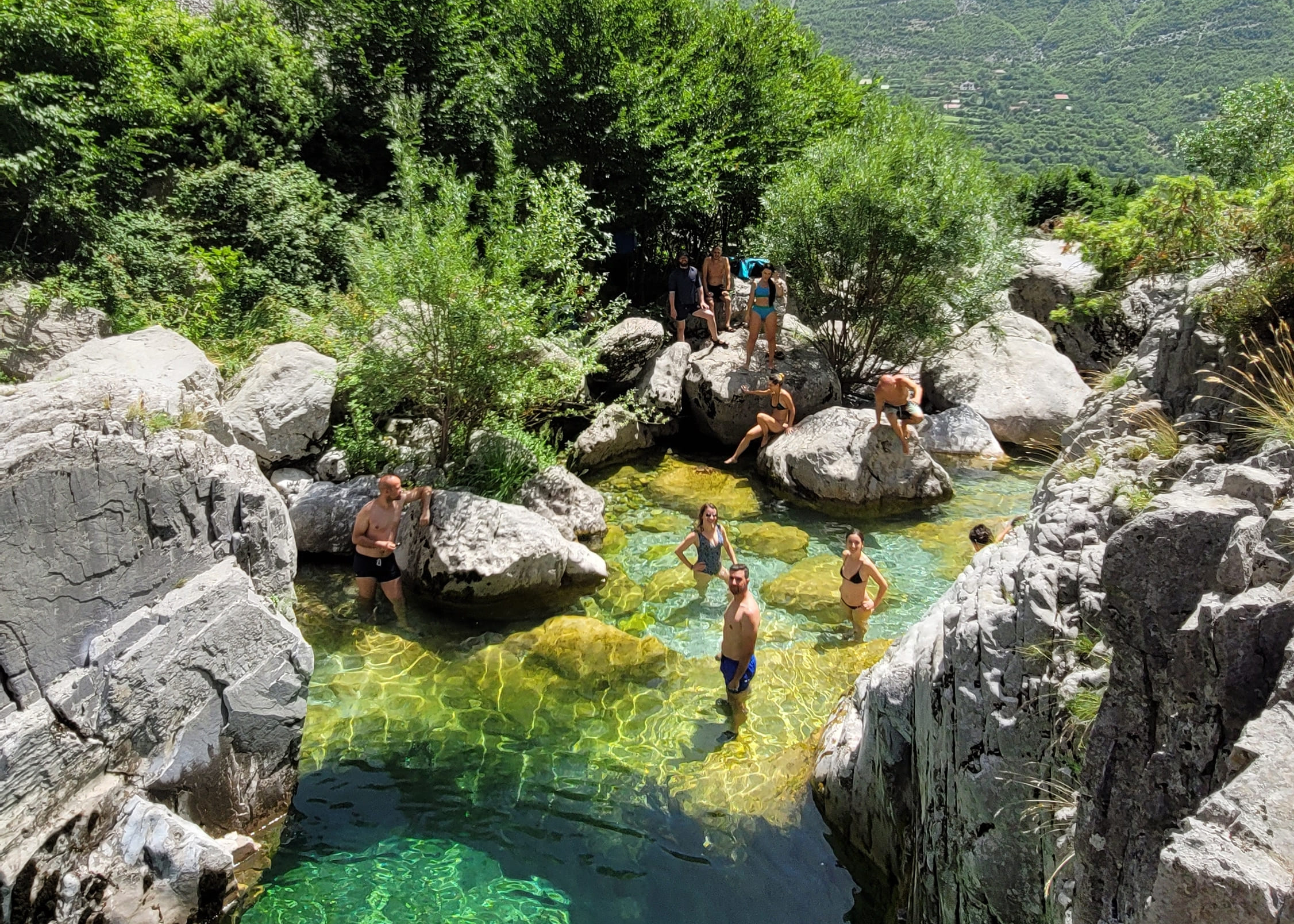
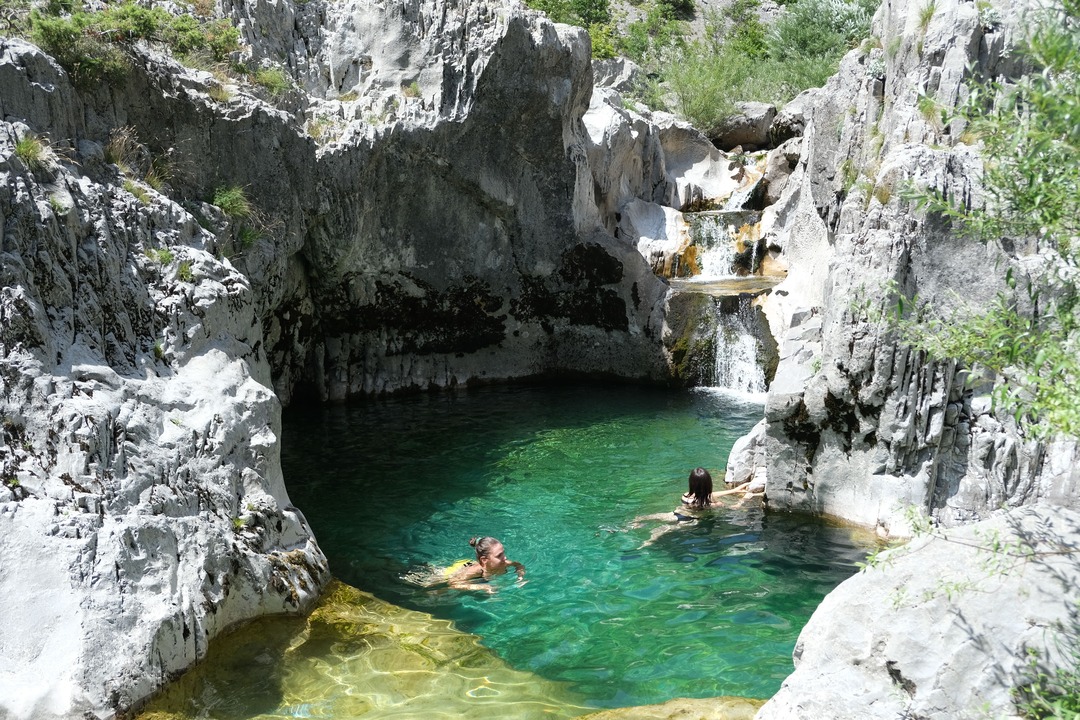
In summer, combining Tamarë, the Cemi River, and Selca pools with a stay in Lepushë creates a complete mountain road-trip experience. For travelers interested in discovering more freshwater swimming destinations in the mountains, you can explore our guide: Alpine Beaches in Albania: 9 Magical Mountain Spots to Swim
Geography and Landscape
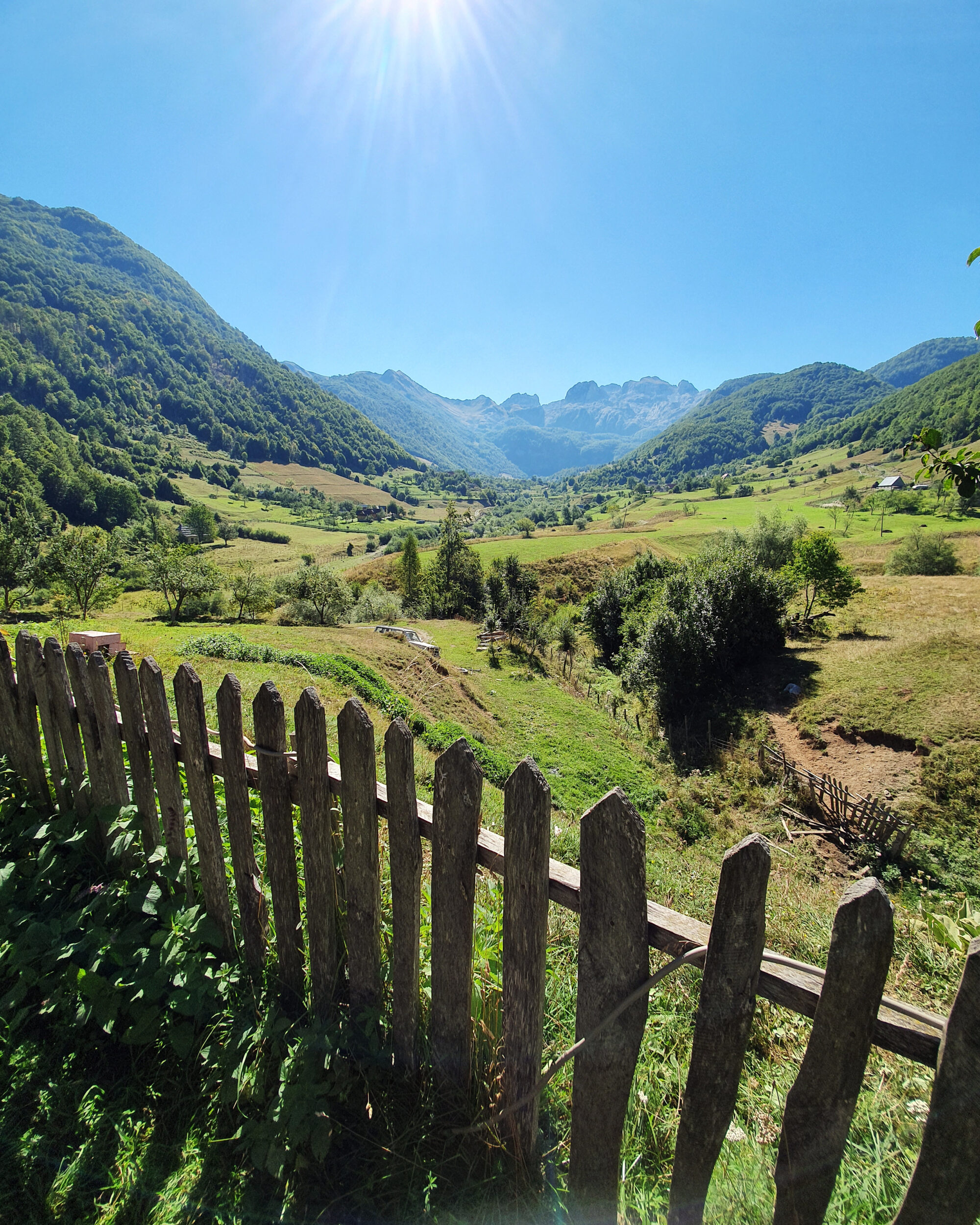
The surrounding landscape is dominated by the massif of the Accursed Mountains (Bjeshkët e Namuna). Heavy snowfall defines the winter season, with snow thickness historically reaching extreme levels, making it one of the snowiest inhabited areas in Albania. Summers, in contrast, are cool and refreshing, offering relief from lowland heat.
The valley itself consists of alpine pastures, dense forests, mountain streams, and steep limestone walls that create a dramatic and almost cinematic natural setting.
Guesthouses and Rural Hospitality
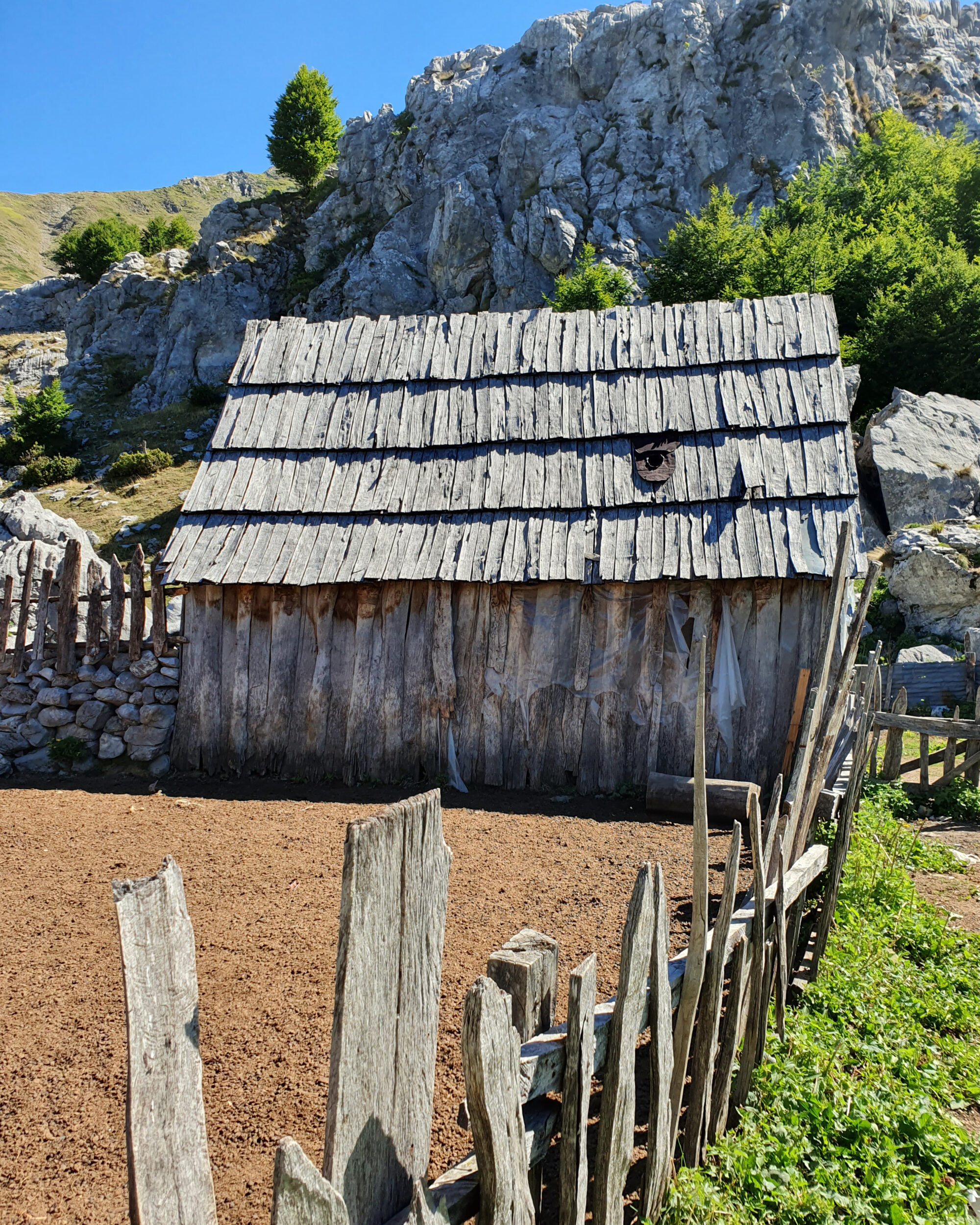
Guesthouses in Lepushë are family-run and deeply rooted in traditional mountain hospitality. Accommodation is simple but comfortable, often built with local stone and wood. Heating is essential during colder months, and many properties maintain traditional interior elements that reflect highland architecture.
Hospitality in Lepushë is personal rather than commercial. Visitors are treated as guests of the household, often sharing meals prepared from locally sourced products. Tourism is viewed as a key opportunity for economic growth in the village, and municipal development strategies emphasize strengthening this sector.
Traditional Food and Local Products
Due to the harsh climate and mountainous terrain, agriculture is limited. Livestock farming remains the backbone of the local economy.
Typical traditional products include:
- Boiled mountain cheese
- Smoked pork prosciutto
- Fresh milk and butter
- Mountain potatoes and beans
- Wild blueberry jam
- Homemade plum rakia
- Dried mushrooms and forest herbs
Food in Lepushë is simple, natural, and deeply connected to pastoral life.
Culture and Traditions
Although Lepushë is relatively young as a permanent settlement (with permanent habitation beginning in the late 1930s), its cultural identity is deeply rooted in highland traditions.
One of the most important events held in the village is “Logu i Bjeshkëve” (The Mountain Log), a cultural celebration that showcases traditional dress, folklore, and highland heritage. Women dressed in traditional costumes, including the iconic xhubleta, participate in parades and competitions.
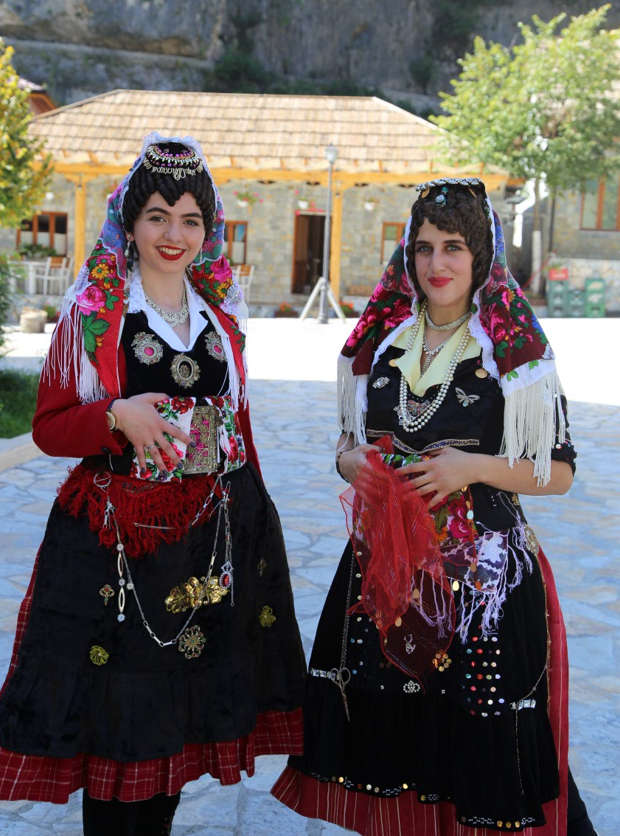
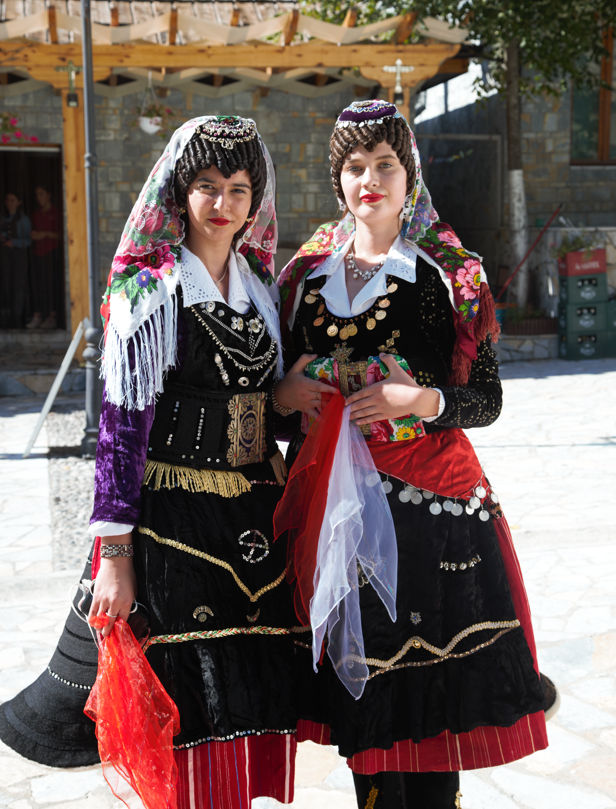
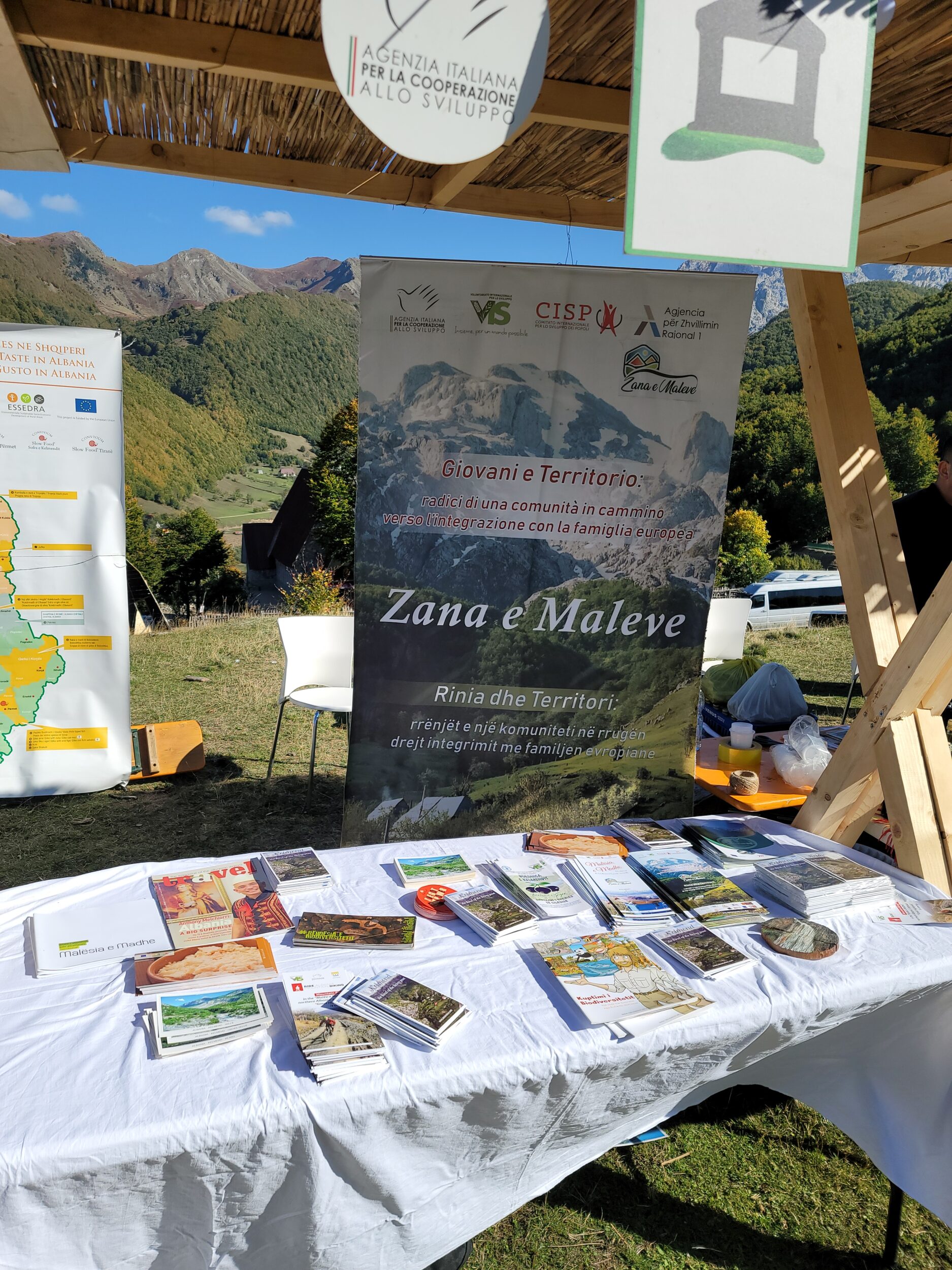
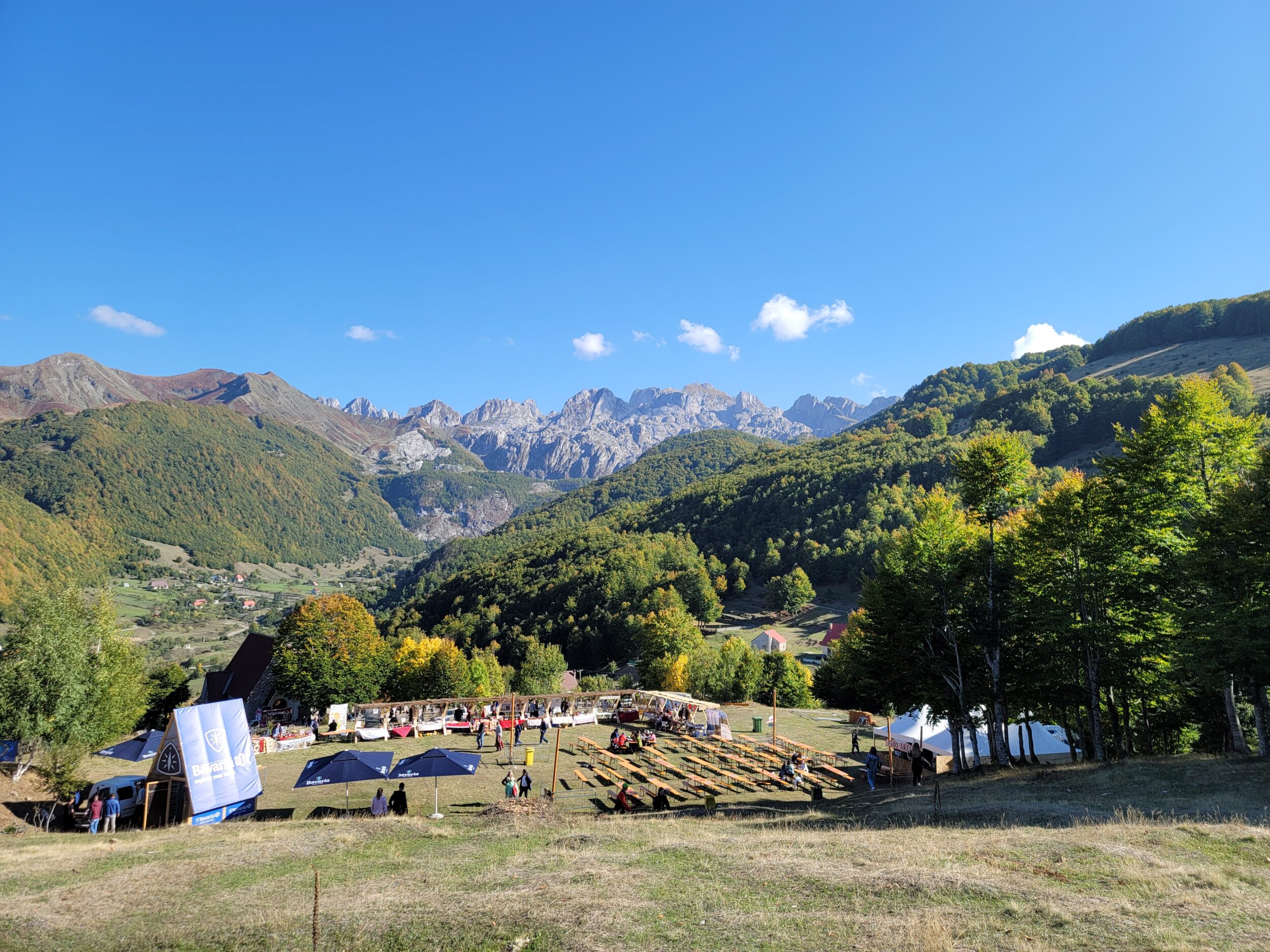
Another cultural initiative is “Dita e Alpeve” (Day of the Alps), created to promote Albanian alpine folklore, handicrafts, traditional food, and mountain tourism. During these celebrations, visitors experience folk music, local legends, artisanal clothing, and guided walks through flower-covered meadows.
Legends of Muji and Halili — epic heroes of Albanian folklore — remain part of the oral storytelling tradition in the region.
Biodiversity and Natural Heritage
As part of a protected national park, Lepushë hosts significant biodiversity. The document highlights various flora and fauna species native to the region, including:
- Brown bear (Ursus arctos)
- Lynx (Lynx lynx)
- Capercaillie (Tetrao urogallus)
- Rare butterflies and mollusks
- Medicinal and endemic alpine plants
Environmental protection and habitat preservation are emphasized throughout the development strategy, underscoring the ecological importance of the area.
Tourism and Outdoor Activities
Lepushë supports multiple types of tourism:
- Alpine hiking and mountaineering
- Winter snow activities and ski touring
- Cycling along scenic mountain roads
- Nature retreats and meditation
- Culinary tourism
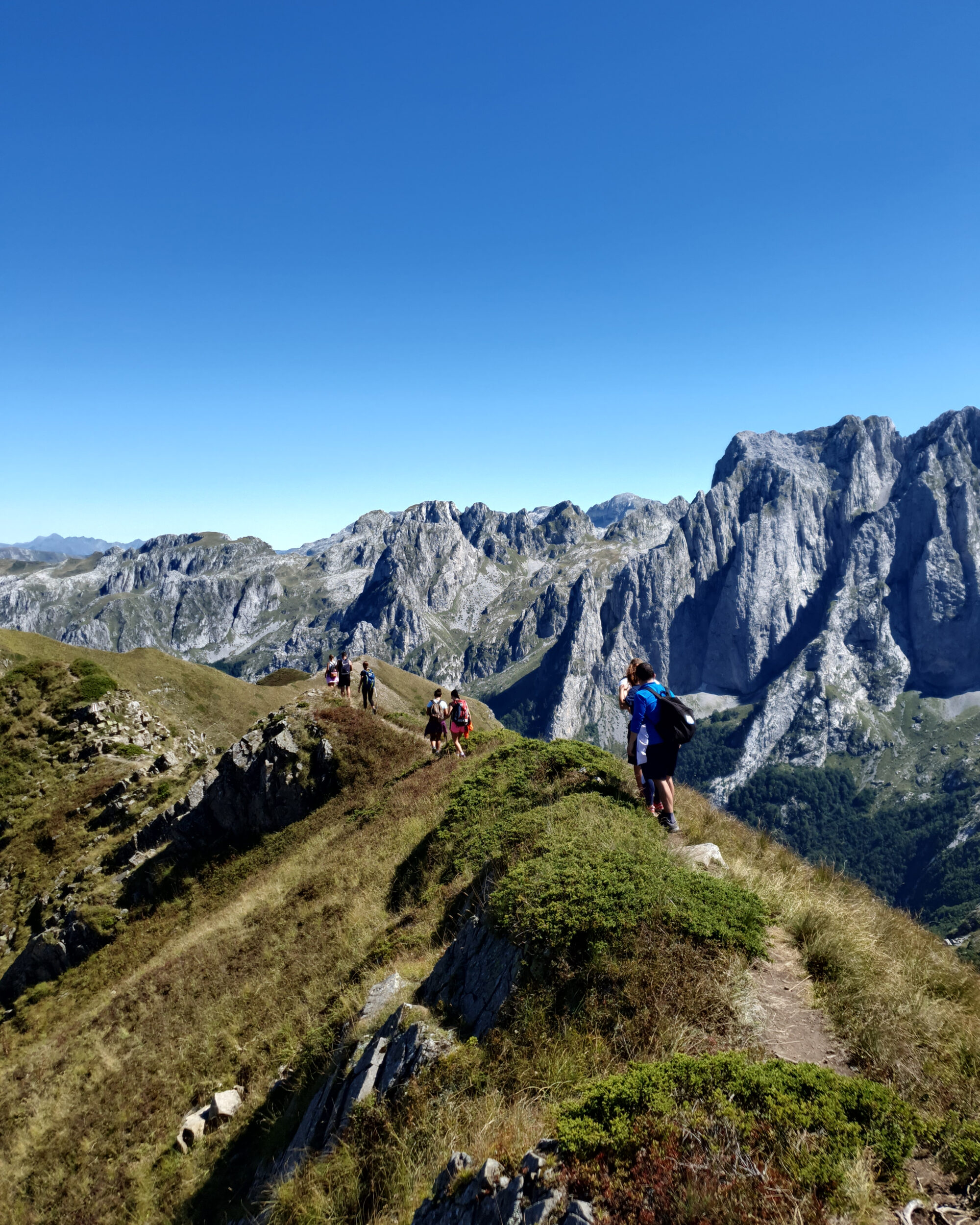
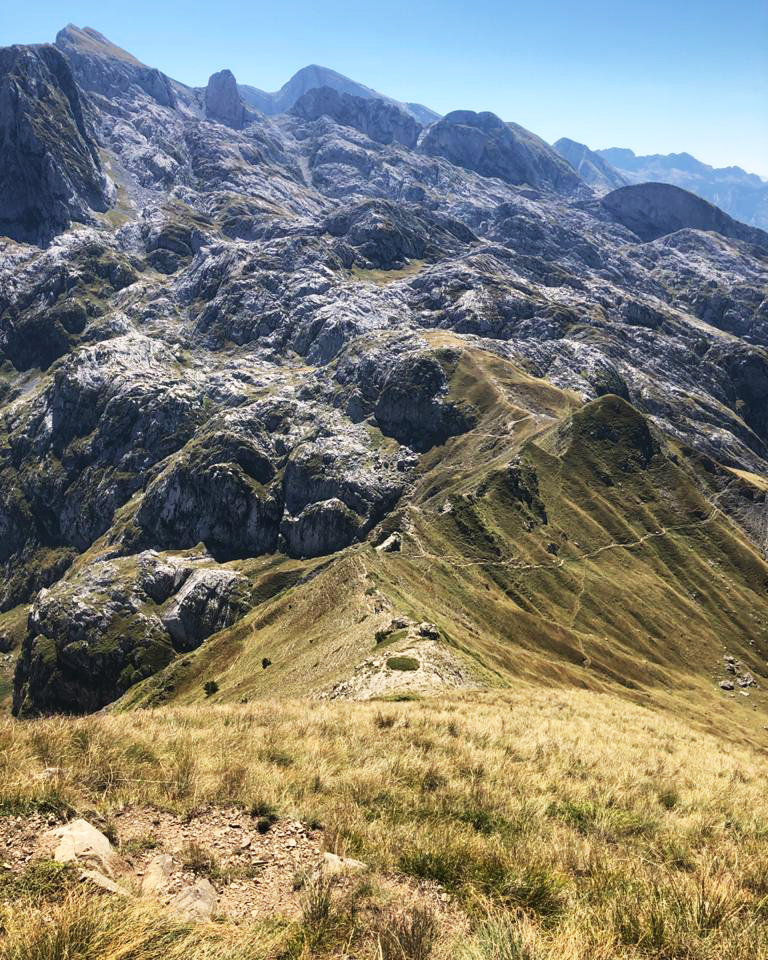
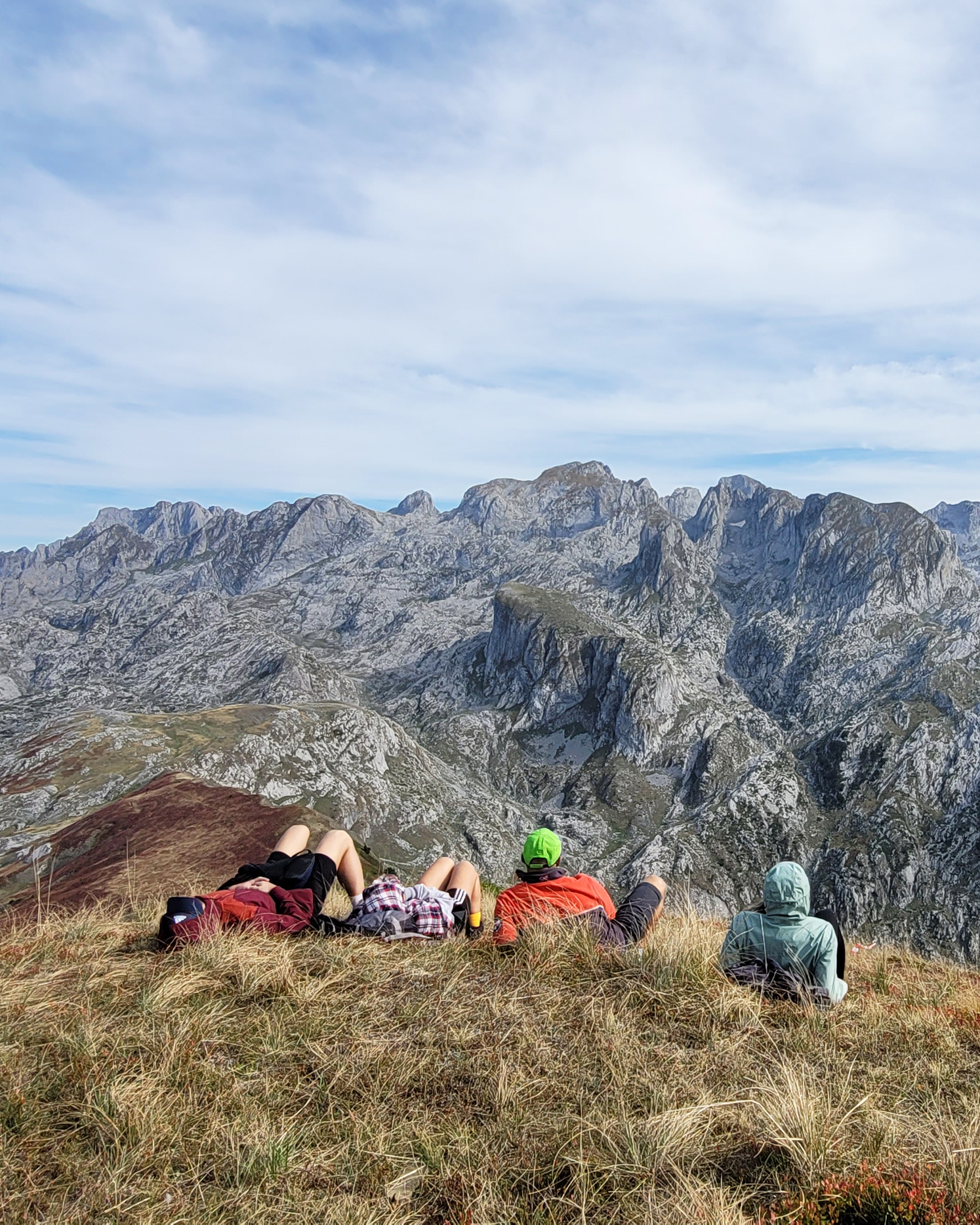
The village serves as a base for several hiking routes. Two of the most popular summits are Vajusha Peak (2,056 m) and Berizhdoli Peak (1,977 m), both starting directly from the village.
For readers who want detailed information about these routes, difficulty levels, and summit views, you can read our full guide here: Accursed Mountains: Hiking Vajusha & Berizhdoli Peaks
Infrastructure and Accessibility
Lepushë is approximately 183 km from Tirana and around 70 km from Koplik. The road connection from Koplik through Tamarë and Selcë leads directly to the village. While largely accessible, certain sections remain gravel-based.
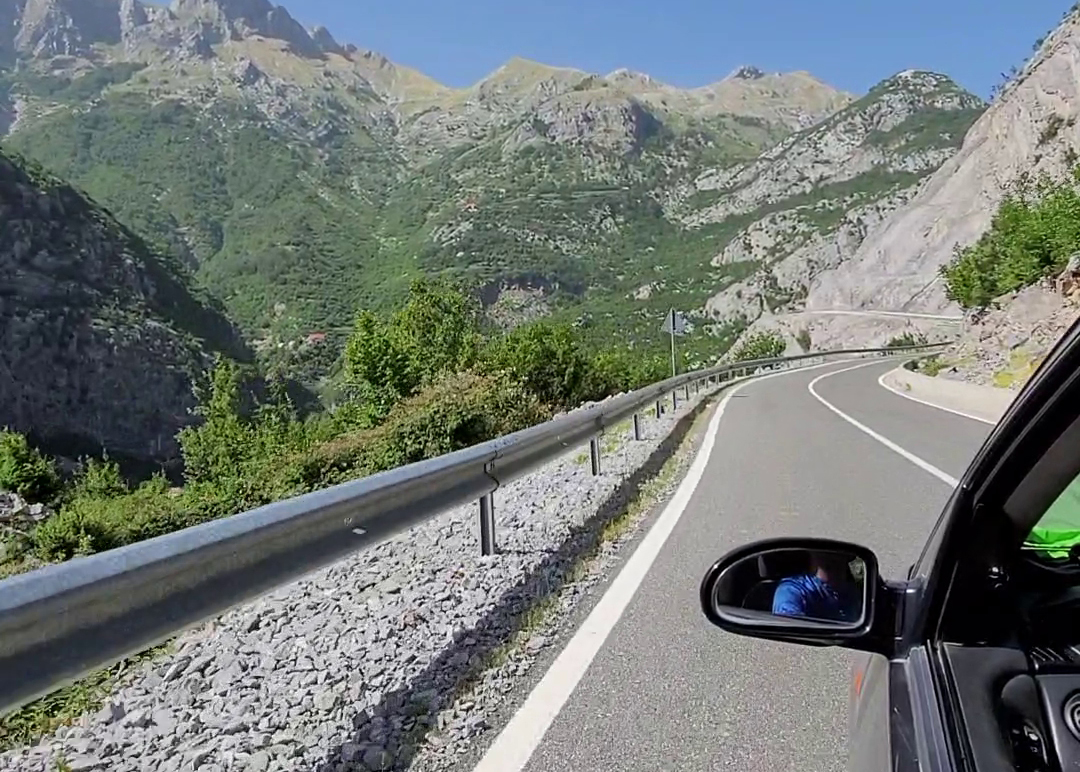
Urban infrastructure is limited. Some public services are minimal, and further development is planned to strengthen tourism and economic opportunities. This relative isolation contributes to the village’s preserved character.
Why Lepushë Matters?
Lepushë is not a mass-tourism destination. It is a place where silence dominates, where alpine pastures replace city noise, and where hospitality is still personal.
Its strength lies in:
- Authentic rural life
- Dramatic alpine scenery
- Rich biodiversity
- Traditional festivals and folklore
- Locally sourced mountain cuisine
- Sustainable tourism potential
In an era of rapid tourism expansion in Albania, Lepushë stands as a reminder of what makes mountain travel meaningful: space, simplicity, and connection to nature.