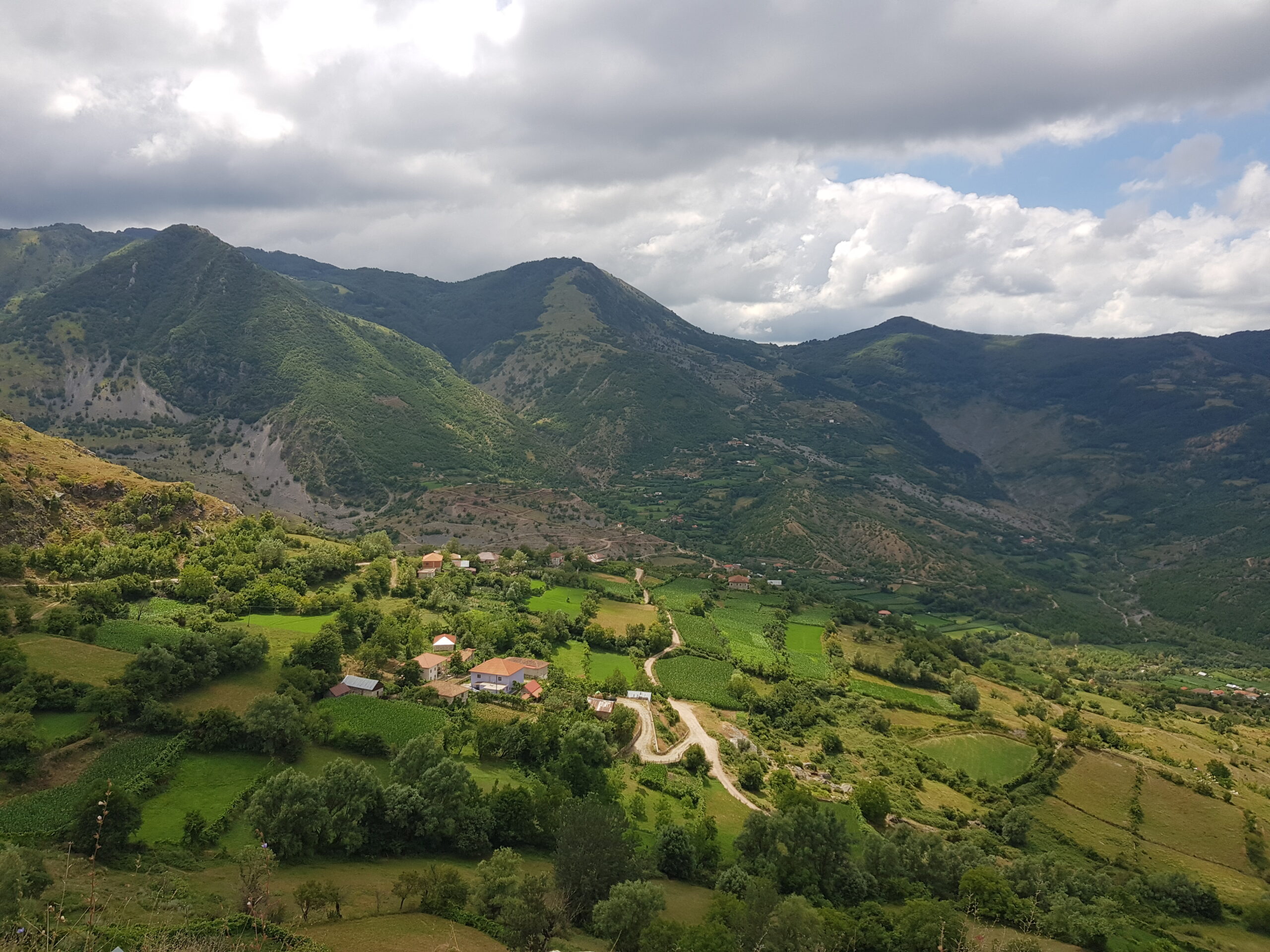


Known as the City of Stone and part of UNESCO World Heritage, Gjirokastra is a destination that never loses its charm—even during the colder months. Winter gives the city a calmer, more authentic, and often more poetic atmosphere, with rain-soaked stone rooftops, light mist hovering over the Drino Valley, and cobbled alleys that invite slow, unhurried walks.
This complete travel guide is designed to help you plan a balanced winter visit to Gjirokastra, combining culture, history, nature, traditional food, and practical tips.
Why visit Gjirokastra in winter?

Visiting Gjirokastra in winter offers a very different experience compared to the summer months. The city is quieter, museums are less crowded, and interaction with locals feels more direct and genuine. Stone architecture, characteristic rooftops, and steep alleys take on a dramatic look under rain or mist, turning every walk into a photographic scene.
Winter is ideal for:
- cultural and historical tourism
- peaceful travel without crowds
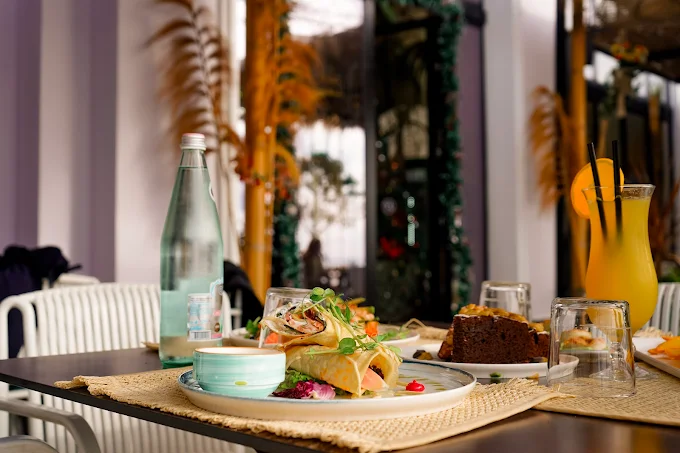
- traditional gastronomy
- urban and atmospheric photography
Main winter attractions in Gjirokastra

Even though winter brings lower temperatures and more frequent rainfall, Gjirokastra’s cultural attractions remain accessible year-round.
- Gjirokastra Castle dominates the city from above and is one of Albania’s most impressive fortresses. In winter, visiting the castle feels different: cold air, silence, and wide views over the stone city and surrounding mountains create a sense of grandeur and historical isolation. Inside the castle you’ll find several museums, including the Weapons Museum, and exhibition spaces that make the visit worthwhile even on rainy days.
- The Old Bazaar of Gjirokastra remains the social and cultural heart of the city even in winter. Small craft shops, traditional cafés, and cozy indoor restaurants create a slower rhythm, far from the noise of the summer season. Winter strolls through the bazaar feel more reflective and personal—ideal for sensing the city’s true spirit.
- Ethnographic Museum: Located in the former birthplace of Enver Hoxha, this museum is a perfect stop on cold days. Its interiors, traditional furniture, and everyday objects offer a detailed glimpse into the lifestyle of wealthy southern Albanian families in the 19th century.
- Skenduli House: One of the finest examples of traditional Gjirokastër architecture. Built in 1705, this house-museum preserves authentic furniture, original architectural elements, and family stories, making the visit intimate and highly educational—especially in winter when visitor numbers are lower.
- Ali Pasha Bridge, built during the Ottoman period, is located just outside the city and is suitable for a scenic walk if weather conditions allow.
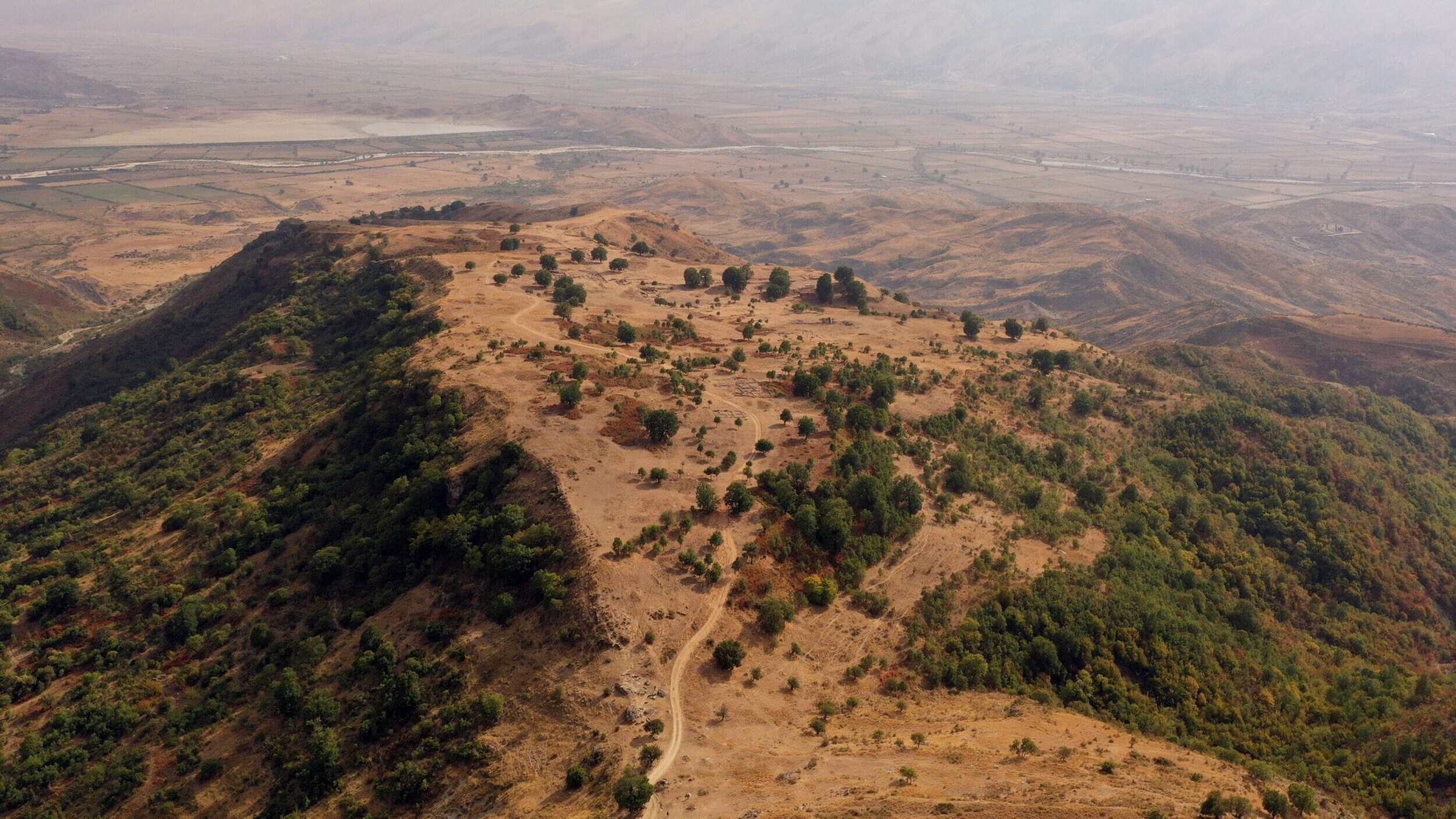
- Antigonea is the ancient city founded by Pyrrhus of Epirus. Even in winter, its hilltop ruins offer a special cultural experience for history lovers.
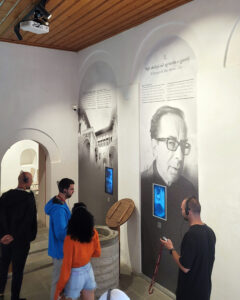
- Ismail Kadare House: A museum dedicated to the great writer Ismail Kadare, located in a typical stone house—ideal for literature and culture enthusiasts.
Winter activities worth experiencing
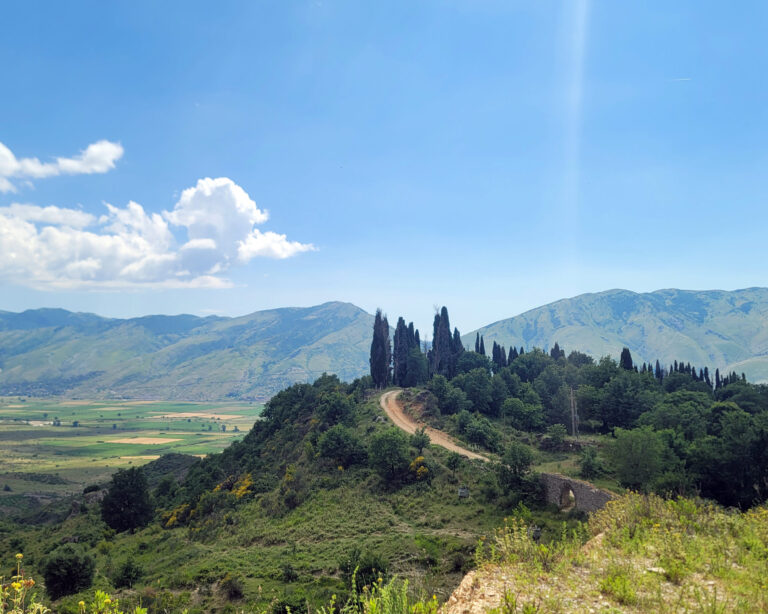
Winter in Gjirokastra doesn’t limit the travel experience—it shifts the focus toward cultural discoveries and quieter moments. This is the ideal season to explore the old town with a guide, visit museums and historic houses without crowds, and gain a deeper understanding of the city’s history and architecture. Winter evenings, when lights reflect on wet cobblestones, make urban photography especially captivating. When weather permits, walks in the surrounding nature and day trips to the Blue Eye or nearby villages enrich the experience, while visits to artisan workshops offer direct contact with local life and traditions.
Winter weather and climate
Gjirokastra has a humid Mediterranean climate in winter.
- Average temperatures: 3–5°C
- Frequent rainfall, occasional snow
- High humidity and shorter days (5–6 hours of daylight)
This makes winter ideal for cultural tourism, and less suitable for intensive outdoor activities.
Accommodation in winter
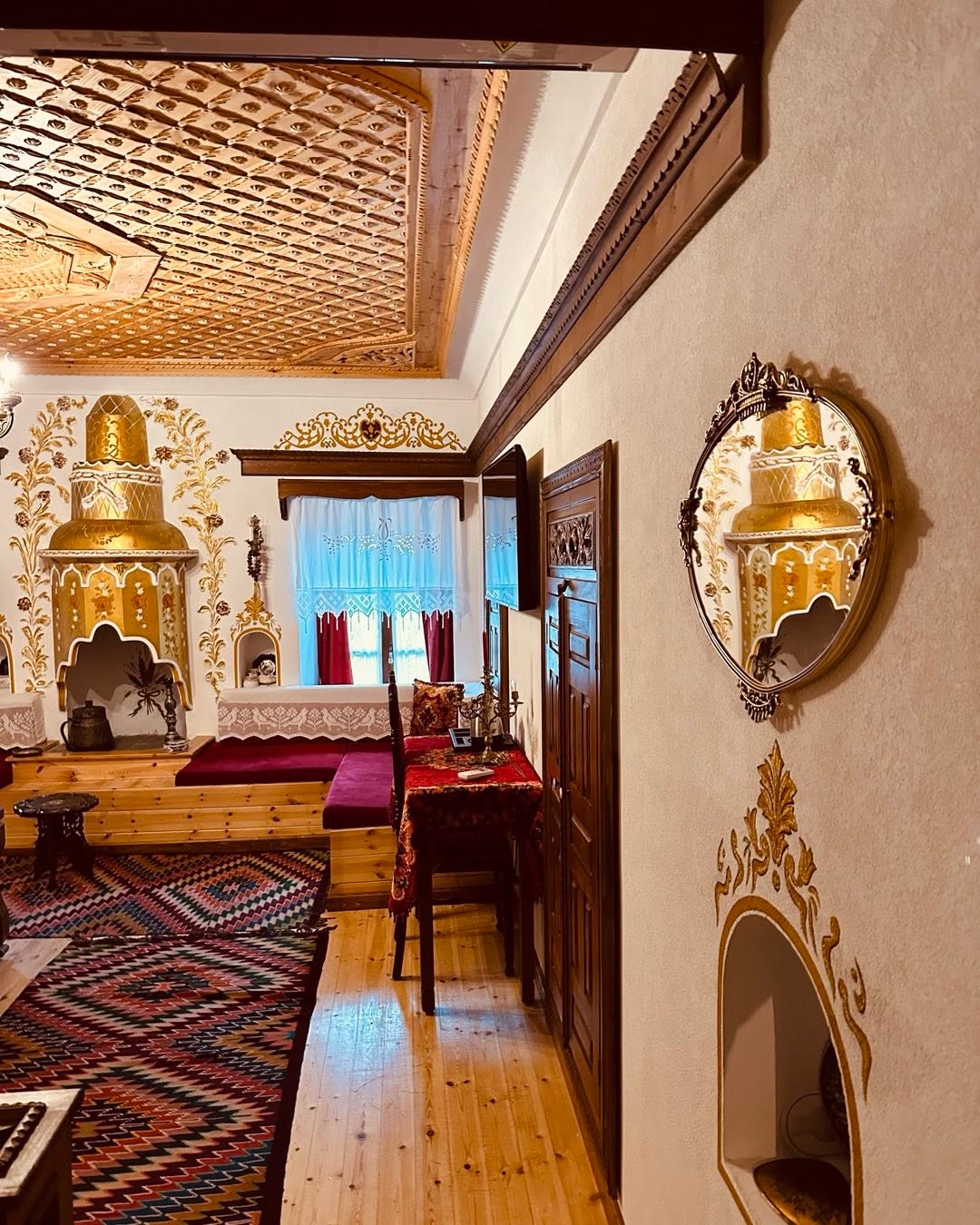
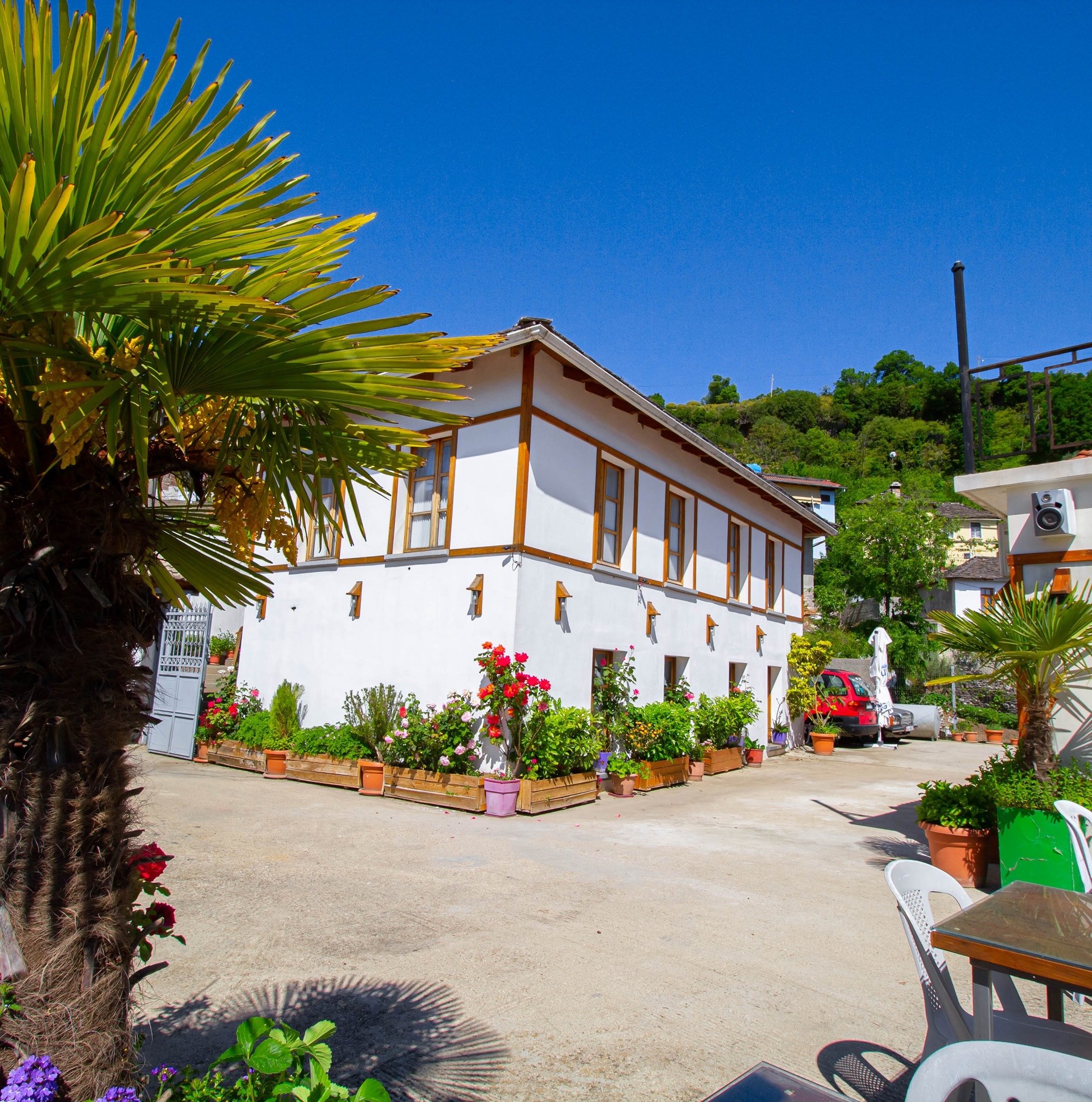
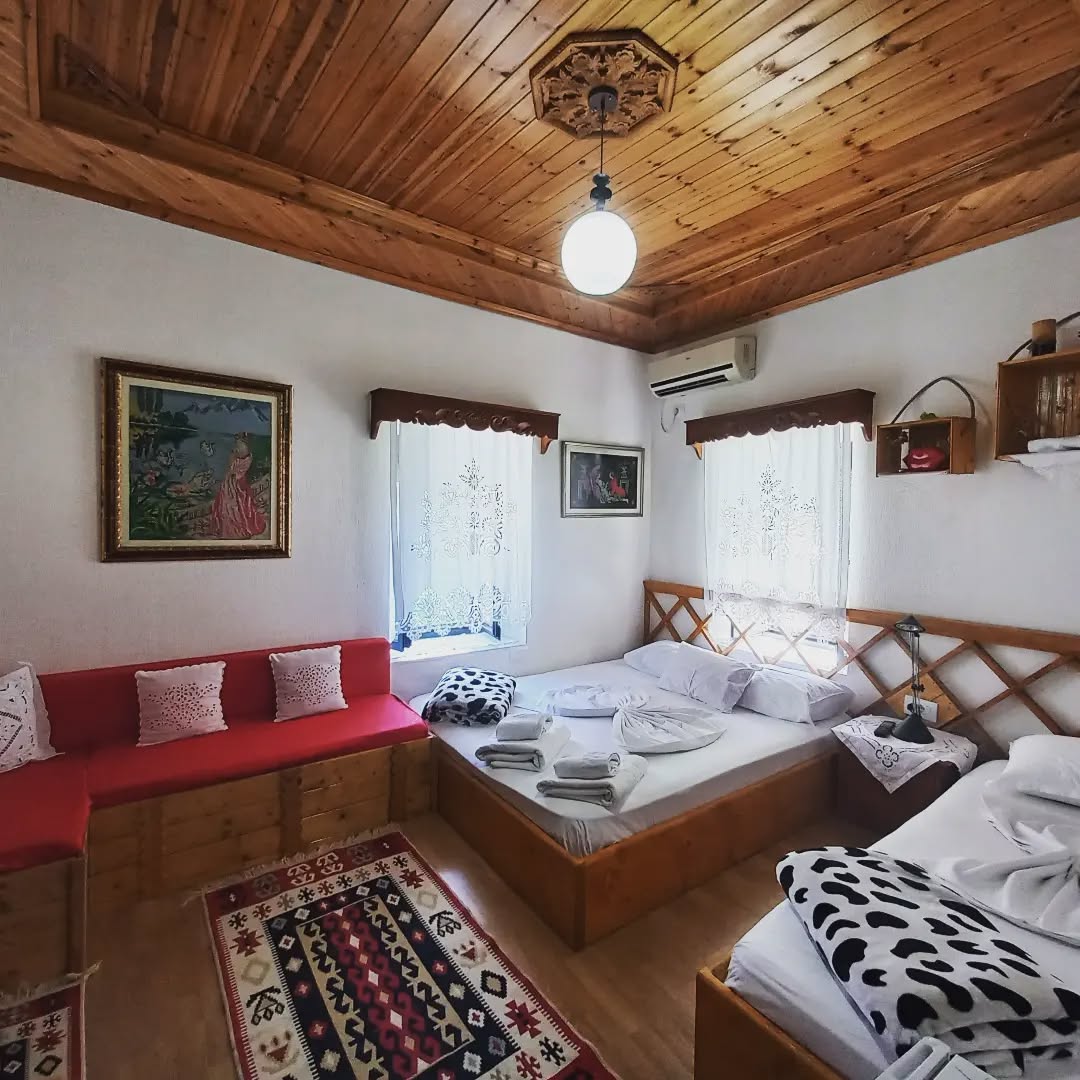
One of the main advantages of visiting in winter is more affordable and quieter accommodation. Traditional guesthouses, family-run hotels, and hostels usually remain open and offer warm interiors, often with wood stoves or central heating. Prices are noticeably lower than in summer, making winter ideal for longer stays or budget-conscious trips.
Most accommodations provide central heating or wood stoves, ensuring a comfortable stay even on the coldest days.
Traditional winter dishes
Winter is the perfect season to enjoy local cuisine:
- Qifqi – a unique local specialty made with rice and herbs
- Hoshaf – a traditional winter dessert
- Lakrori with meat – a warm and filling baked dish
- Byrek qahi – traditionally served with yogurt
Events and festive atmosphere
- During December and early January, the city comes alive with:
- Small local cultural events in museums and public spaces
- Year-end celebrations in Çerçiz Topulli Square
- Craft markets, festive lights, and music
Practical tips for winter visitors
- Plan activities during daylight hours
- Dress in layers and waterproof footwear
- Confirm heating availability at your accommodation
- Check winter opening hours of museums
- Travel carefully on mountainous roads
Gjirokastër in winter is the ideal choice for travelers seeking a quieter, more cultural experience away from crowds. During this season, the City of Stone reveals its history, architecture, and traditions in the most authentic way—from the castle and old bazaar to museums, traditional cuisine, and characteristic guesthouses. Winter makes Gjirokastra more intimate, reflective, and easy to explore at a human pace.
If you’re searching for what to visit in Gjirokastra in winter, this guide helps you plan every step of your journey—from top attractions to food, accommodation, and practical advice.
👉 Discover more detailed guides about Gjirokastra and other winter destinations in Albania on LoveAlbania.al, where you’ll find recommendations for traditional restaurants, authentic guesthouses, and local experiences worth enjoying year-round.
📌 Save this article for later
📌 Share it with friends planning a winter trip
📌 Continue exploring with more related guides for Southern Albania