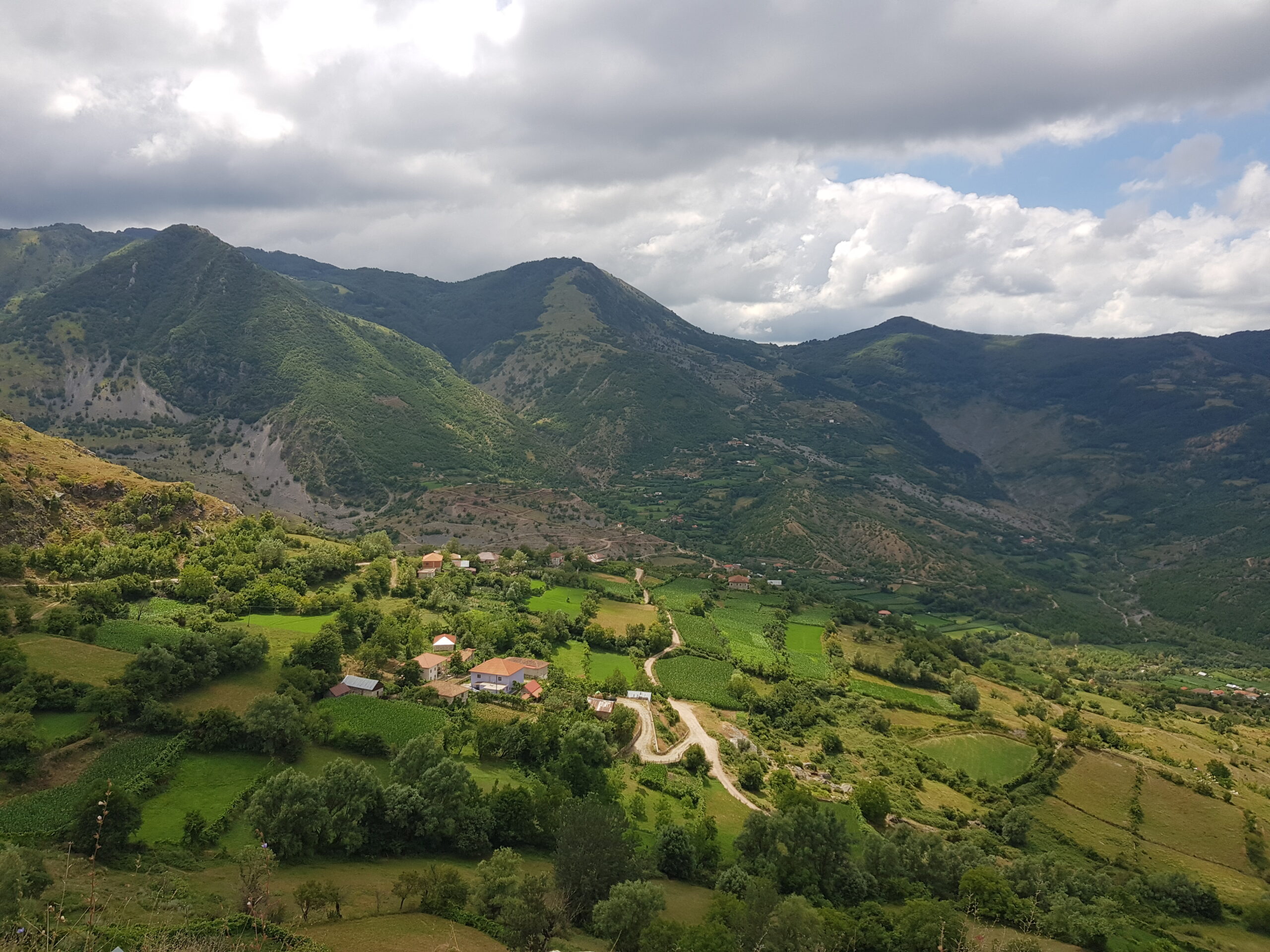


Driving in Albania can be one of the best ways to explore the country — from dramatic mountain roads and rural villages to hidden beaches along the coast. While Albania’s road culture may feel different from Western Europe, thousands of travelers safely drive here every year.
This guide is written for foreign tourists planning to visit Albania by car or rent a vehicle, and covers everything you need to know in 2026: road rules, driving culture, traffic in Tirana, rural and mountain roads, winter conditions, police checks, and practical tips — all in one place.

Is It Safe to Drive in Albania?
Yes — driving in Albania is generally safe, but it requires attention and defensive driving.
Road infrastructure has improved significantly over the last decade, especially on main routes connecting cities and tourist destinations. However, driving habits can be unpredictable, particularly in busy urban areas.
What to expect:
- Sudden lane changes
- Limited use of indicators
- Cars stopping unexpectedly
- Pedestrians crossing anywhere
👉 The key is to stay calm, drive defensively, and avoid aggressive reactions.
Key Road Rules in Albania (2026)
Understanding the basic road rules is essential when driving in Albania.
Speed Limits in Albania
| Road Type | Speed Limit |
|---|---|
| Urban areas | 40 km/h |
| Rural roads | 80–90 km/h |
| Motorways | 110 km/h |
⚠️ Speed cameras and police checks are common on main roads.
Alcohol Limits
Albania applies an almost zero-tolerance policy:
- Maximum BAC: 0.01%
👉 If you plan to drive, do not drink alcohol at all.
Seat Belts, Phones & Lights
- Seat belts are mandatory for all passengers
- Using a phone while driving is illegal
- Headlights must be used in poor visibility and tunnels
Documents You Need to Drive in Albania
Tourists driving in Albania should carry:
- Passport or ID
- Valid driving license
- International Driving Permit (IDP) – strongly recommended, especially for non-EU licenses
- Vehicle registration (if renting, provided by the company)
- Insurance documents
💡 Even if not always requested, an IDP avoids problems during police checks.

Renting a Car in Albania
Renting a car is one of the most popular ways to travel around Albania.
General requirements:
- Minimum age: usually 21–23
- Driving license held for at least 1 year
- Passport + credit/debit card
Before driving off:
- Check the condition of tires (especially in winter)
- Take photos of any existing damage
- Confirm insurance coverage
If you’re planning to rent a vehicle, check out our complete guide: Car Rental in Tirana (2026 Guide) – Best Companies & Tips, where we compare trusted rental companies and share practical advice for tourists driving in Albania.
Driving in Tirana and Busy Cities
Tirana is Albania’s busiest city and can feel chaotic for first-time visitors.
What to know about driving in Tirana:
- Heavy traffic during rush hours (08:00–10:00, 16:30–18:30)
- Double parking is common
- Scooters and pedestrians appear suddenly
- Roundabouts can be confusing
Parking tips:
- Use paid parking zones or private parking
- Avoid blocking sidewalks or driveways
- Expect fines for illegal parking
👉 If you’re uncomfortable, consider parking outside the center and walking.
Driving Outside Cities: Rural & Mountain Roads
Outside urban areas, driving in Albania becomes more scenic — and more challenging.
Common conditions:
- Narrow roads
- Sharp curves
- Potholes on secondary roads
- Livestock crossing freely
- Limited street lighting at night
Fuel stations can be far apart in rural areas, so never let the tank drop too low.

Winter Driving in Albania (Very Important)
From November to March, mountain regions can become difficult or dangerous.
What you must have in winter:
- Winter tires
- Snow chains (carry them in the car)
- Ice scraper and warm clothing
In mountainous areas, chains may be required by road signs or weather conditions. Without them, you may not be able to pass.
⚠️ Roads to places like Theth, Valbona, Llogara Pass, or remote villages can be blocked after heavy snowfall.
Tolls and Road Payments
Albania has very few toll roads, but some exist on major routes.
- The main toll is on the A1 highway (Milot–Morinë / Kalimash Tunnel), Llogora Tunnel and Thumanë-Fushë Krujë-Kashar Highway
- Payment is made on-site
- Cash is often accepted, but carry small amounts
Police Checks, Fines & the Bribery Myth
You may hear stories about bribing police — do not attempt it.
- Offering or giving a bribe is a criminal offense
- Foreign drivers can face serious consequences
- Police are stricter than in the past
If stopped:
- Stay calm and polite
- Ask for the official ticket or receipt
- Follow the legal procedure for fines
👉 Trying to “solve it on the spot” can result in detention or police station procedures.
Driving Etiquette & Safety Tips
- Avoid driving at night in rural areas
- Do not assume others will follow rules
- Use your horn sparingly
- Give way even if you technically have priority
- Always expect the unexpected
Frequently Asked Questions About Driving in Albania
- Is driving in Albania difficult? It can be challenging at first, but most travelers adapt quickly.
- Do I need an International Driving Permit? It’s not always mandatory, but highly recommended.
- Are Albanian roads good? Main roads are generally good; secondary and rural roads vary.
- Is winter driving dangerous? Yes, without proper equipment in mountain areas.
Driving in Albania offers freedom, flexibility, and access to places public transport simply doesn’t reach. With the right preparation, realistic expectations, and respect for local driving culture, it can be a rewarding part of your journey.
Whether you’re navigating Tirana’s traffic or climbing scenic mountain roads, being informed is the key to driving safely in Albania.