

When thinking about Albania, the first images that often come to mind are crystal-clear seas, dramatic mountains, or a rich and flavorful cuisine. Yet one of the country’s most remarkable treasures often remains hidden: its historic churches, which tell millennia-old stories through stone, frescoes, and sacred silence. From ancient Byzantine temples in the south to small mountain churches nestled among the northern Alps, Albania is a true treasure for those seeking cultural, spiritual, and architectural experiences through a different kind of journey.
In this article, we have selected 10 churches you should not miss visiting—each with its own unique history, style, and atmosphere. Whether you are a foreign visitor or an Albanian rediscovering your roots, these places are sure to leave you speechless.
1. Church of St. Mary in Apollonia – Harmony between East and West

Located within the Archaeological Park of Apollonia, this 13th-century church is one of the most important monuments of Byzantine heritage in Albania. Once part of a monastery complex, the Church of St. Mary has preserved its original “cross-in-square” structure, featuring an elegant dome and ancient inscriptions that reflect the interaction between Eastern Orthodox and Western Catholic influences.
What makes this church truly special is its surrounding setting: the classical ruins of Apollonia, olive groves, and an impressive sense of tranquility turn every visit into both a spiritual and historical experience. The faded frescoes and medieval structure stand as evidence of a time when art and faith were deeply intertwined.
📍 Location: Church of St. Mary in Apollonia – Google Maps
2. Theth Church – A symbol of faith in the heart of the Alps
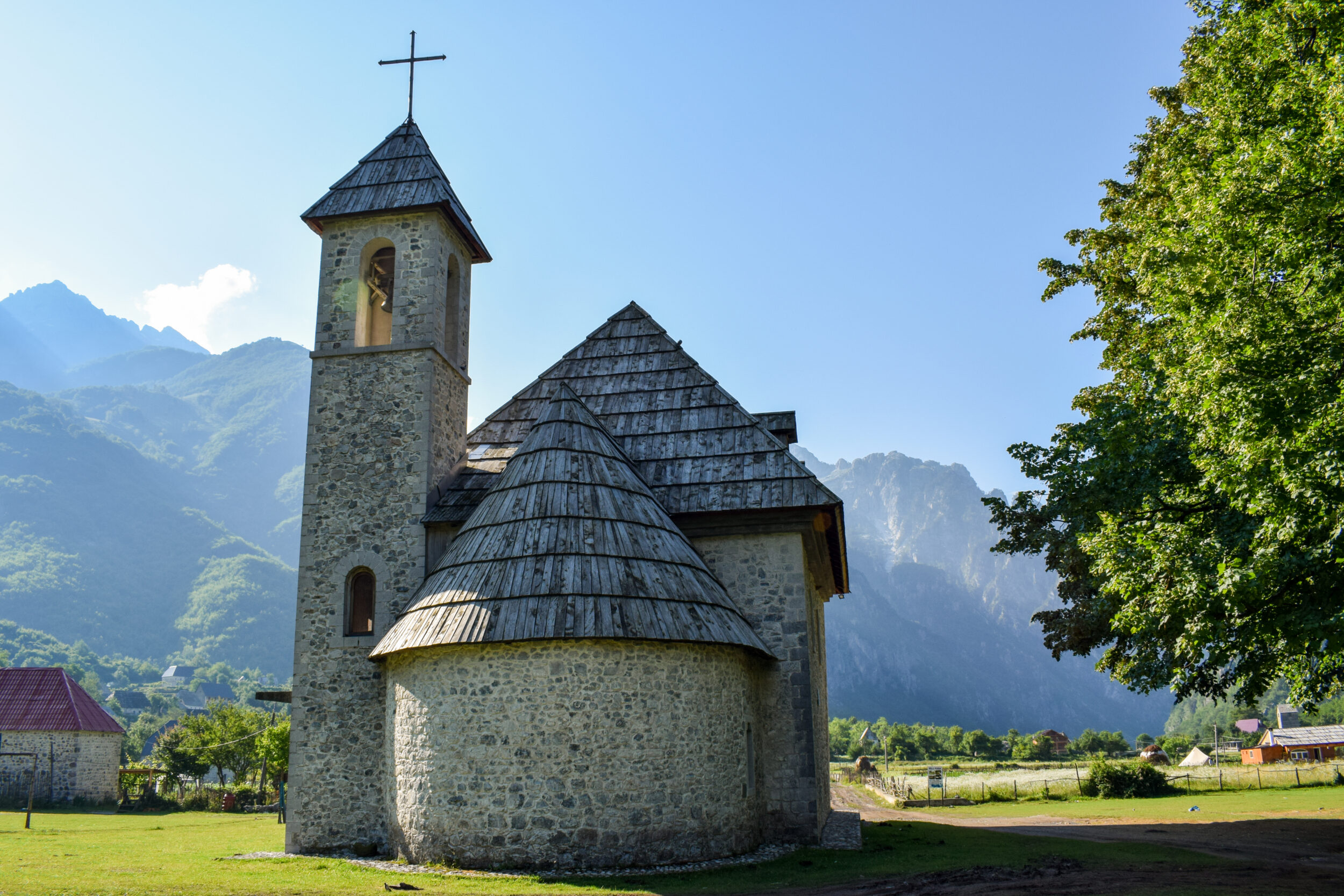
Built in 1892, Theth Church is one of the most iconic symbols of the Albanian Alps and a spiritual landmark in this remote yet breathtaking area. Set in an open field with dramatic mountain scenery as its backdrop, this Catholic church—built of stone and painted white—is as photogenic as it is meaningful to the local community.
Despite its architectural simplicity, Theth Church conveys a profound sense of peace and calm that touches every visitor. It welcomes pilgrims, travelers, and those seeking a moment of reflection while exploring Theth National Park. During the summer, it often becomes part of travelers’ itineraries in search of authentic experiences, beyond just beautiful landscapes.
📍 Location: Theth Church – Google Maps
3. Church of Laç (Shna Ndou) – The largest pilgrimage site in Albania
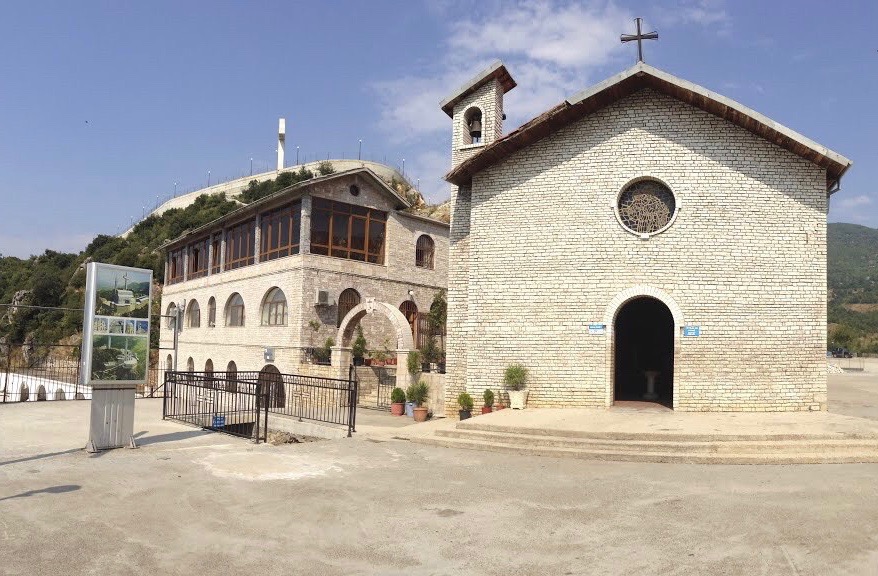
Located atop a hill overlooking the town of Laç, the Church of St. Anthony of Padua—also known as Shna Ndou—is one of the most important pilgrimage sites in Albania. Originally built around the 14th century and reconstructed after being destroyed during the communist regime, this church attracts thousands of believers each year, regardless of their faith.
The ritual of walking up the steep path toward the church has become an integral part of the spiritual and cultural experience for many Albanians. Legends of miracles and fulfilled wishes have turned this place into a center of hope and reflection. During pilgrimage months, the atmosphere is unique—filled with prayers, candles, and a sense of unity that transcends religious boundaries.
📍 Location: Shna Ndou Church – Google Maps
4. Church of St. Mary in Labove – A Byzantine treasure of the south

Known as Labovë e Kryqit, this church is one of the oldest and most impressive in Albania. Built between the 12th and 13th centuries, it is located just 20 minutes from the historic city of Gjirokastër, in a quiet mountainous area surrounded by untouched nature and stunning landscapes.
The church represents one of the purest examples of Byzantine architecture in the country, with Romanesque influences visible in its structural elements. Its cross-shaped plan and elegant dome convey a sense of solemn grandeur. Visiting this church is not only a religious journey but also a deep historical experience that connects you with Albania’s ancient roots.
📍 Map location: Church of St. Mary in Labove – Google Maps
5. Church of St. George in Berat – A window into the 13th century
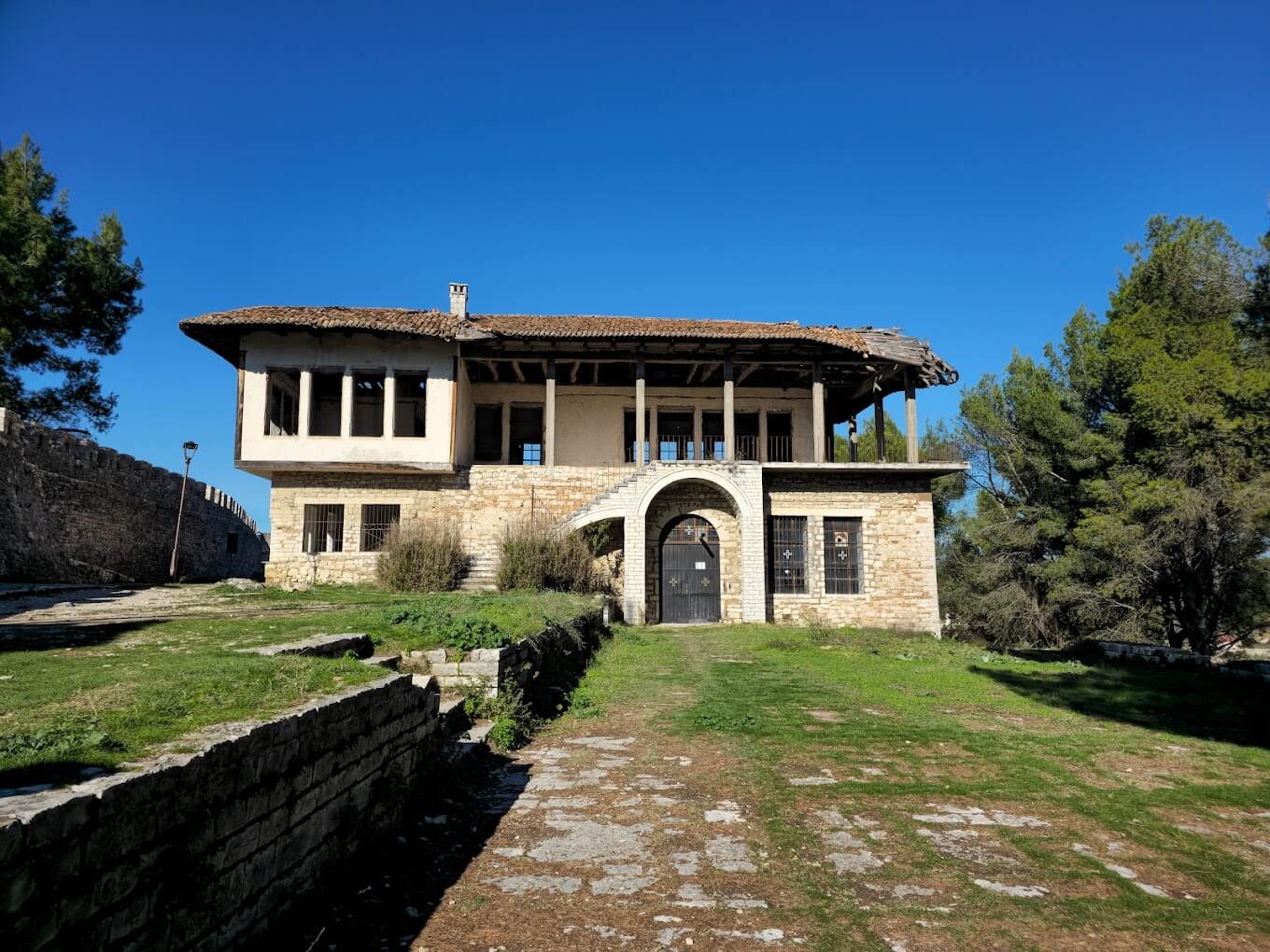
Located within the walls of Berat Castle, the Church of St. George is one of the many Byzantine churches that give the city its nickname, “The City of a Thousand Windows.” Built in the 13th century, the church reflects classic Byzantine style, with walls combining red bricks and white stone to create a warm and harmonious aesthetic.
It preserves fragments of mosaics and frescoes from its era, showcasing the artistic and spiritual mastery of the period. The atmosphere inside the castle—with its cobbled streets and panoramic views over the Osum River—makes visiting this church a truly memorable experience.
📍 Map location: Church of St. George in Berat – Google Maps
6. Shkoder Cathedral – The Catholic heart of the north
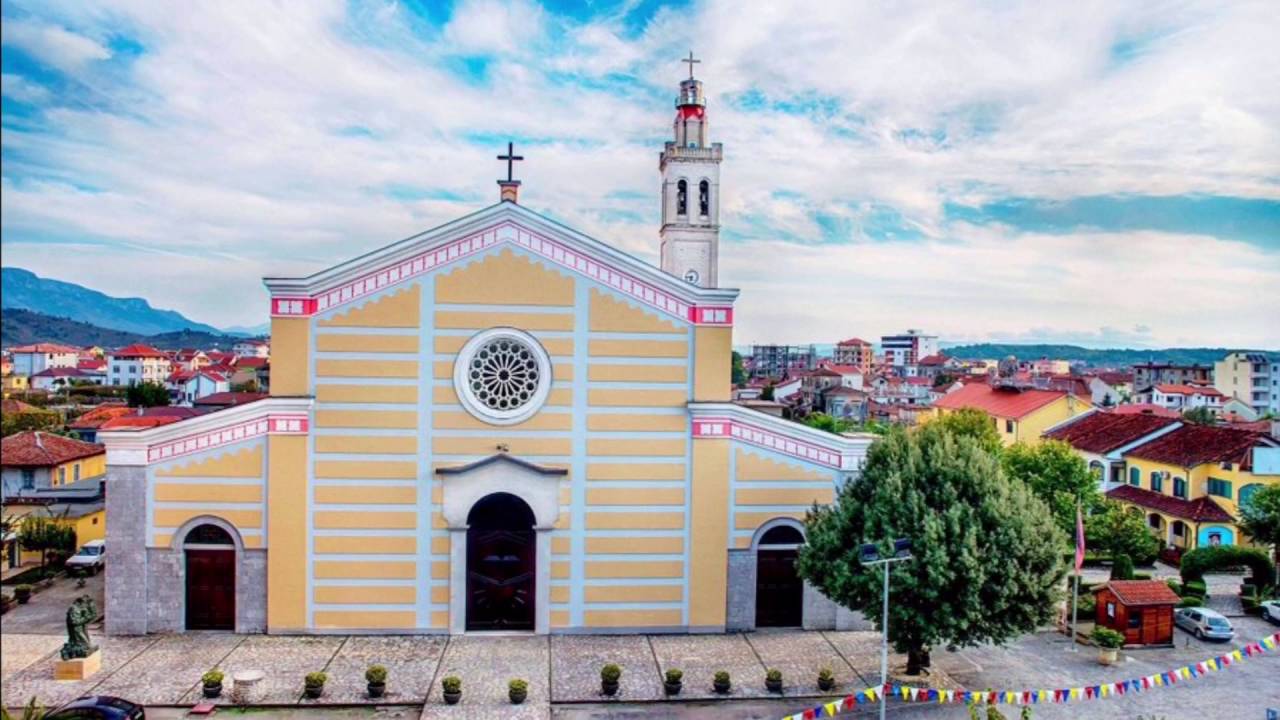
Officially known as the Cathedral of St. Stephen, this majestic building stands in the center of Shkoder and is one of the largest cathedrals in the Balkans. Completed in the late 19th century with the support of the local community and international aid, the cathedral was built in a neoclassical style with baroque elements, marking a strong symbol of Catholic identity in the city.
Inside, visitors encounter an atmosphere of solemnity and art: high ceilings, stained-glass windows, and the central altar make this place a powerful sensory experience. Beyond its liturgical role, the cathedral is also a historical reference point of spiritual resilience during difficult times.
📍 Map location: Shkodër Cathedral – Google Maps
8. Mesopotam Church – An architectural gem of Romano-Byzantine style
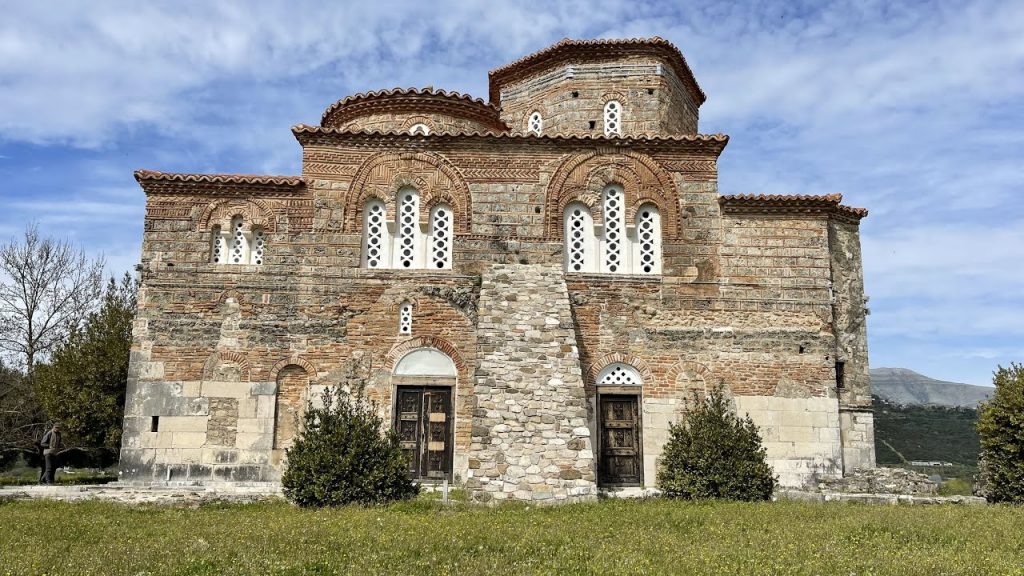
Located in the village of Mesopotam near Sarandë, the Church of St. Nicholas is one of the earliest and best-preserved examples of Romano-Byzantine architecture in Albania. Built in the 11th century, the church is unique for its architectural form, medieval frescoes, and the reuse of ancient stones from nearby pagan ruins.
The structure follows a basilica plan with three naves and a central dome, blending Byzantine style with local influences. Declared a cultural monument, this church is less known among tourists but absolutely worth visiting for those seeking authentic and in-depth experiences.
📍 Map location: Mesopotam Church – Google Maps
9. Church of St. Sergius and Bacchus in Himarë – A hidden treasure between history and sea
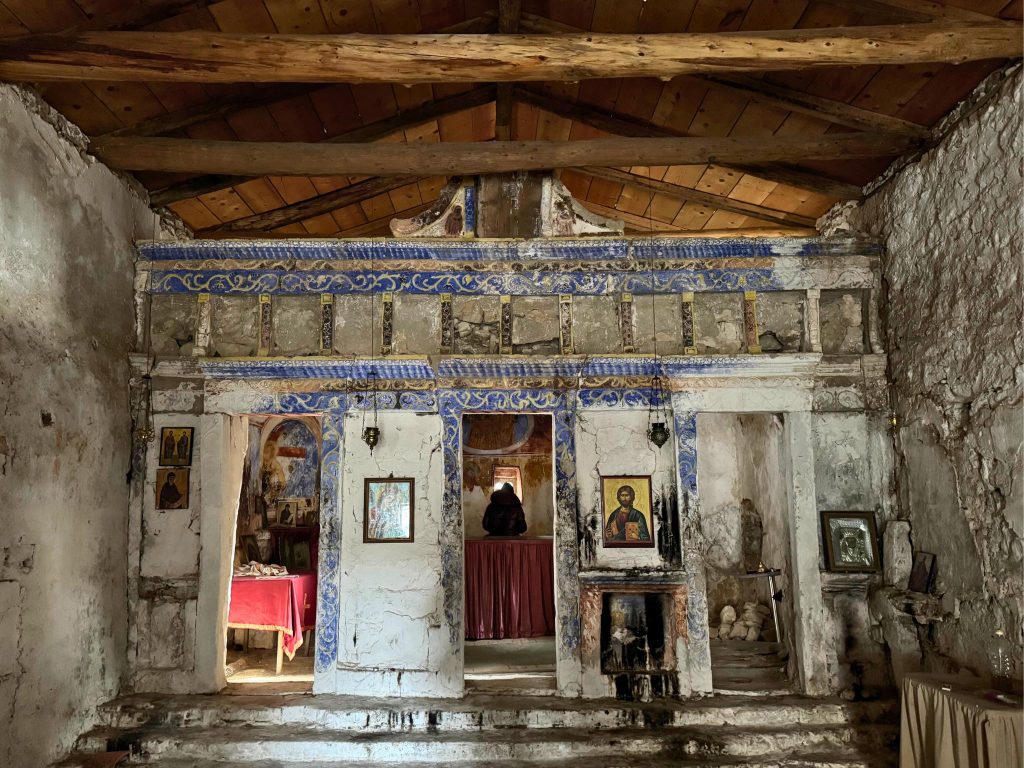
Situated on a hill near Himarë Castle, the Church of St. Sergius and Bacchus is one of the earliest Christian worship sites along Albania’s southern coast. Built in the 11th century, it represents post-Byzantine style with simple architectural elements but great historical and artistic value.
The interior wall paintings are partially preserved and serve as important evidence of medieval Albanian iconography. Its location—surrounded by greenery and overlooking the sea—makes this church a peaceful and spiritual stop for visitors exploring Himarë’s history and natural beauty.
📍 Map location: Church of St. Sergius and Bacchus – Google Maps
10. Resurrection of Christ Cathedral in Tirana – Modern brilliance with ancient roots
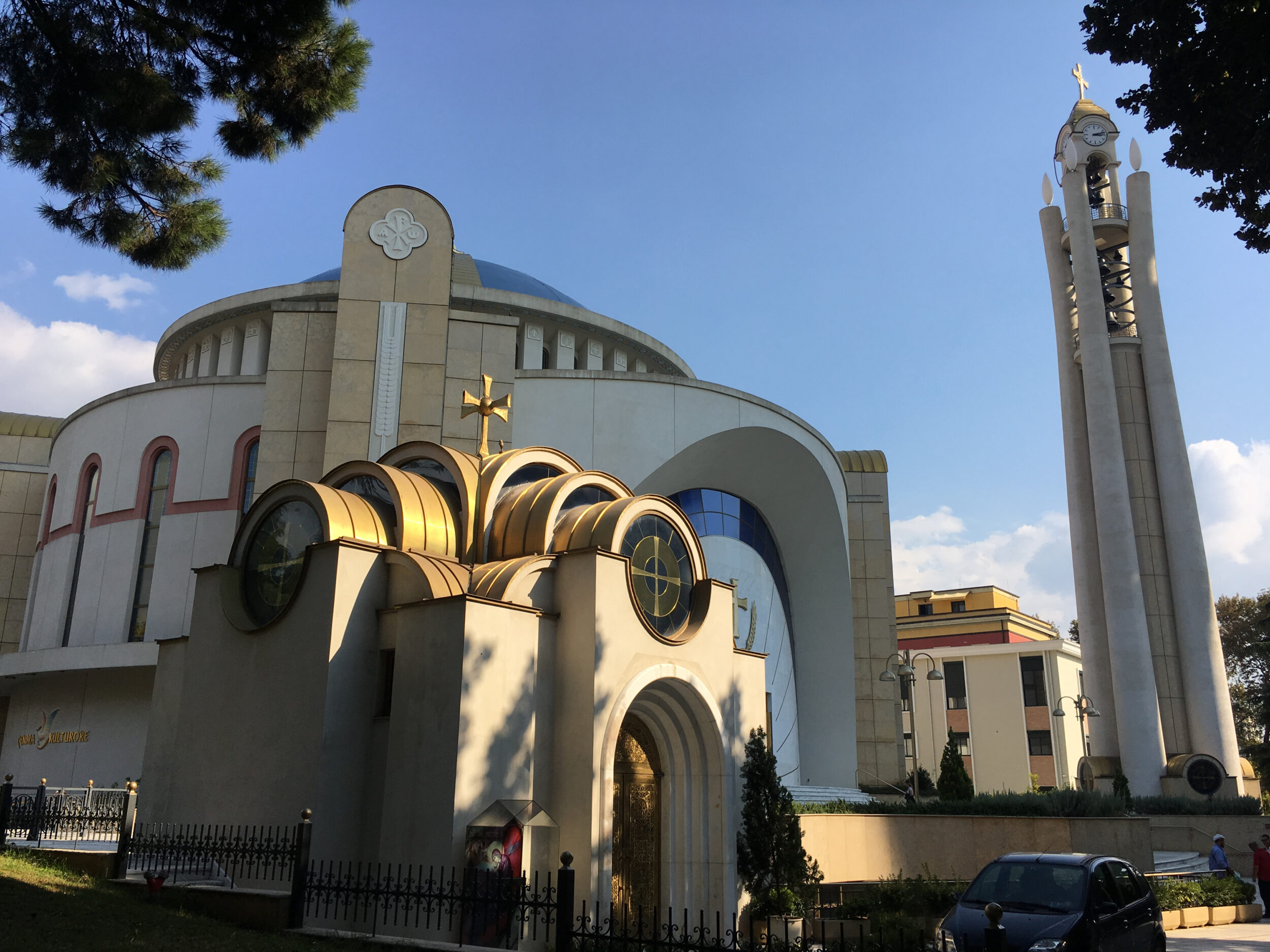
Inaugurated in 2012, the Resurrection of Christ Cathedral in Tirana is one of the newest yet most impressive religious buildings in Albania. This Orthodox cathedral serves as the main seat of the Autocephalous Orthodox Church of Albania and stands as a symbol of the revival of faith after decades of communist repression.
The building combines contemporary architecture with traditional Byzantine elements—majestic domes, masterfully painted icons, and a luminous interior that creates a sense of solemnity and peace. Located in the heart of the capital, near Skanderbeg Square, the cathedral is easily accessible and increasingly becoming part of the cultural itinerary for both local and international visitors.
📍 Map location: Resurrection of Christ Cathedral – Google Maps
A spiritual journey worth sharing
The churches of Albania are not merely places of worship—they are living monuments of history, works of art, and testimonies of spiritual resilience of a people who have endured centuries of change. From ancient stone-carved structures to modern churches radiating hope and renewal, each sacred site mentioned in this list offers a unique and unforgettable experience.
If this journey through the 10 most remarkable churches in Albania has inspired you, don’t keep it to yourself—
📣 share this article with friends, fellow travelers, or anyone eager to discover a different Albania: deeper, calmer, and spiritually richer.