


The Albanian lahuta UNESCO inscription in 2025 marks one of the most meaningful cultural milestones for Albania. When UNESCO officially added the “Art of playing, singing and making the lahuta” to its heritage list, it acknowledged not only the instrument itself but an entire living tradition of craftsmanship, performance, and epic storytelling that has shaped Albanian identity for centuries.
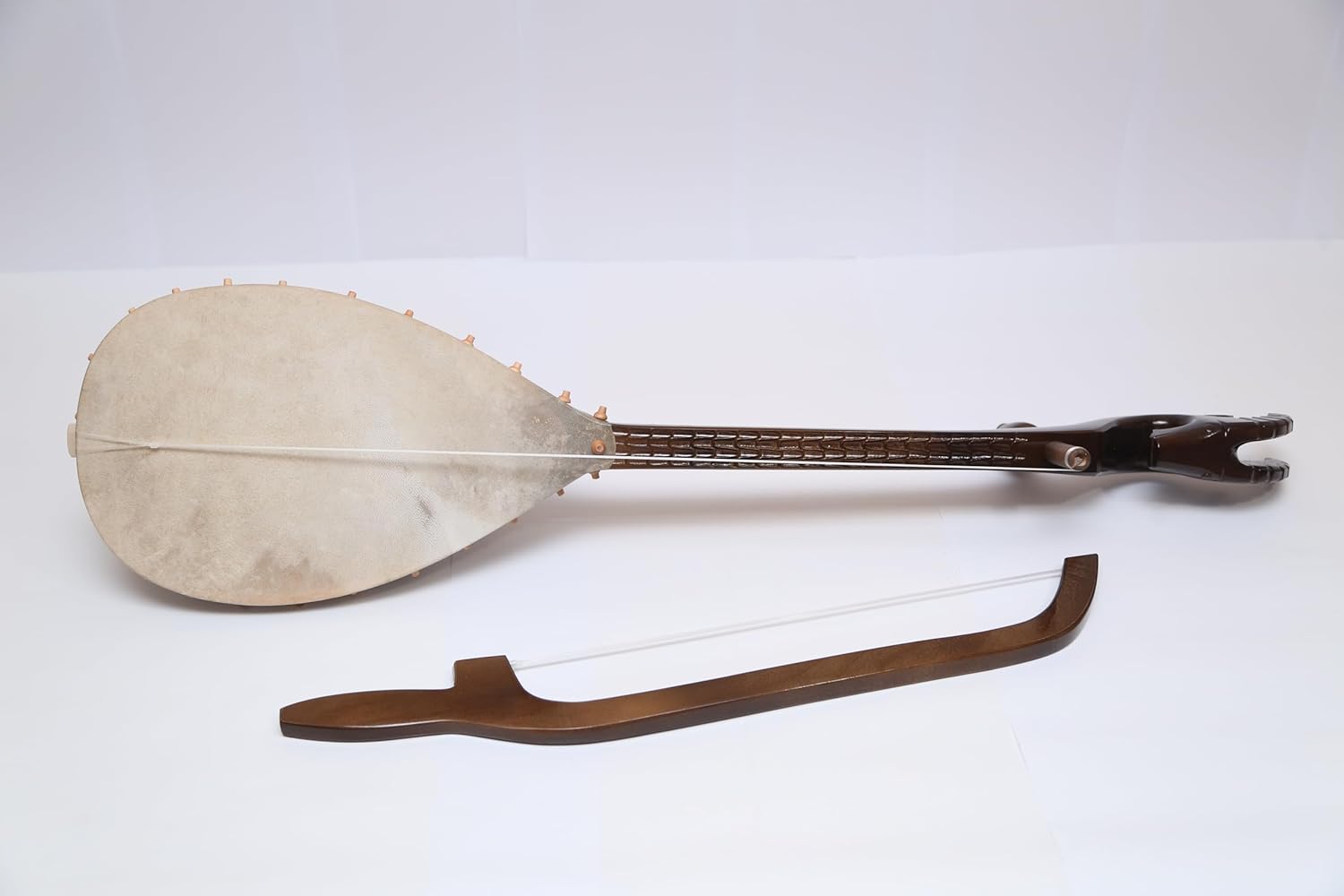
What is Lahuta?
Lahuta is a single-stringed wooden lute, crafted from a solid block of maple or walnut and covered with stretched animal skin. Its long neck is often carved with symbolic figures—an eagle, a goat’s head, or traditional geometric motifs—making each instrument a unique expression of local artistry. Played with a curved bow, the lahuta produces a raw, resonant tone that accompanies the voice of the lahutar, the traditional performer.
But the instrument is inseparable from the epic songs it carries. Through the legendary Epic of the Highlanders, lahutarë have preserved stories of bravery, loyalty, honour and resistance—transforming the lahuta into a vessel of collective memory.
Why the UNESCO recognition matters
By placing this tradition on the List of Intangible Cultural Heritage in Need of Urgent Safeguarding, UNESCO signals both its cultural importance and its fragility. Rural depopulation, migration, and changing musical preferences mean fewer active performers and fewer young people learning the art in its authentic setting. What once echoed naturally in mountain “oda,” at weddings and communal gatherings, now risks surviving only on staged occasions.
The Albanian Lahuta UNESCO status requires Albania to implement a concrete safeguarding plan: supporting master craftsmen and performers, organising youth workshops, documenting the repertoire, and ensuring that both the instrument-making and performance practices remain alive. It is not just a recognition, but a responsibility.
This inscription also elevates the lahuta alongside other Albanian cultural treasures recognised by UNESCO, reinforcing the country’s presence on the global cultural map.
What makes the tradition unique?
- It is a complete art form
UNESCO recognises the lahuta as a unified tradition—instrument making, singing, and playing belong together and cannot be separated. - It preserves an epic oral heritage
For generations, the lahuta has served as a guardian of the Eposi i Kreshnikëve, transmitting values, myths, and historical memory. - It is rooted locally but speaks universally
Born in the mountains of northern Albania, its themes—honour, sacrifice, identity—resonate far beyond regional borders. - It continues to evolve
Today, young performers and even women lahutarë are reviving the tradition, proving that this heritage is still living and adaptable.

A new chapter for an ancient sound
The Albanian lahuta UNESCO recognition feels deeply symbolic for Albanians—an affirmation of a sound that has travelled through centuries of struggle, storytelling, and cultural pride. Now, the challenge is to turn global acknowledgement into local action: more stages for lahutarë, more apprentices, more documentation, and more opportunities for communities to reconnect with their musical roots.
UNESCO has recognised the lahuta as a treasure in need of urgent safeguarding. The world has heard its voice—now it must not be allowed to fade.
For readers interested in exploring more Albanian traditions recently recognised by UNESCO, visit: Albanian Transhumance Gains Recognition from UNESCO