

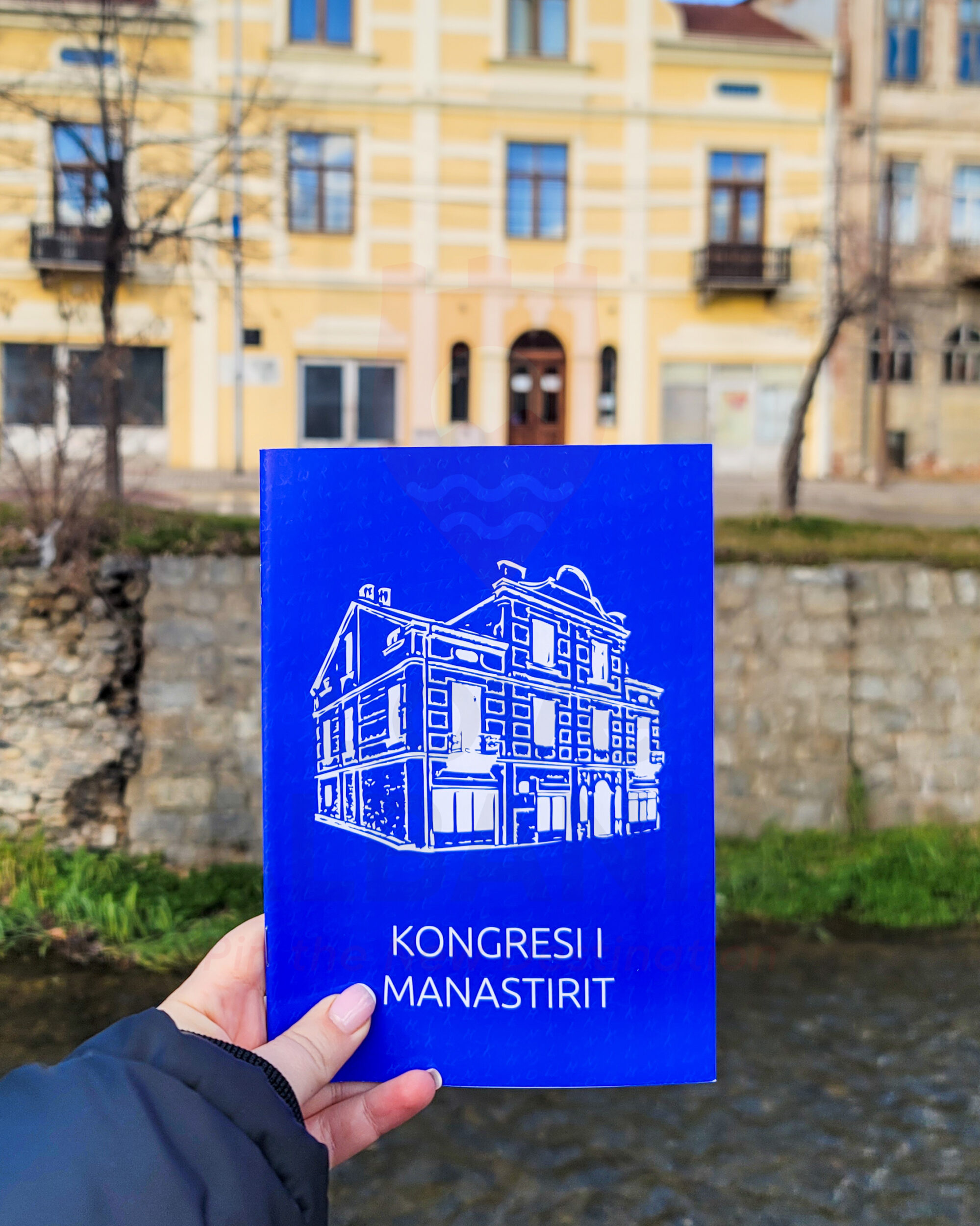
There are moments in the history of a nation that change everything. For Albanians, one of those defining moments was November 22, 1908 — the day when, in Manastir, after fiery debates, ideological clashes, political risks, and courageous decisions, the alphabet of the Albanian language was chosen.
This decision was not merely linguistic or technical. It was a political act, a cultural act, and an act of national survival. It was the moment when Albanians told themselves and the world:
We will have one common alphabet.
We will have one unified language.
We will have one nation.
The Congress of Manastir became a cornerstone of the Albanian National Awakening and one of the most important events in modern Albanian history.
Why was a single alphabet necessary?
Albanians at the time faced a fundamental problem: they did not write the same way. The Albanian language lacked a unified, standardized system of writing.
Several parallel alphabets were in use:
- The Istanbul Alphabet (with Latin and Greek elements)
- The Bashkimi Alphabet (fully Latin, widely used in the north)
- The Agimi Alphabet (phonetic but less practical)
- Various local variants based on Greek or Arabic characters
This diversity harmed Albanian schooling, publications, journalism, and literature. Teachers used one system, while books were printed in another. A child might learn one alphabet in Shkodër and a completely different one in Korçë.
And above all: fragmentation benefited the enemies of the Albanian language.
Neighboring powers feared a unified Albanian alphabet, because an alphabet is the foundation of a nation.
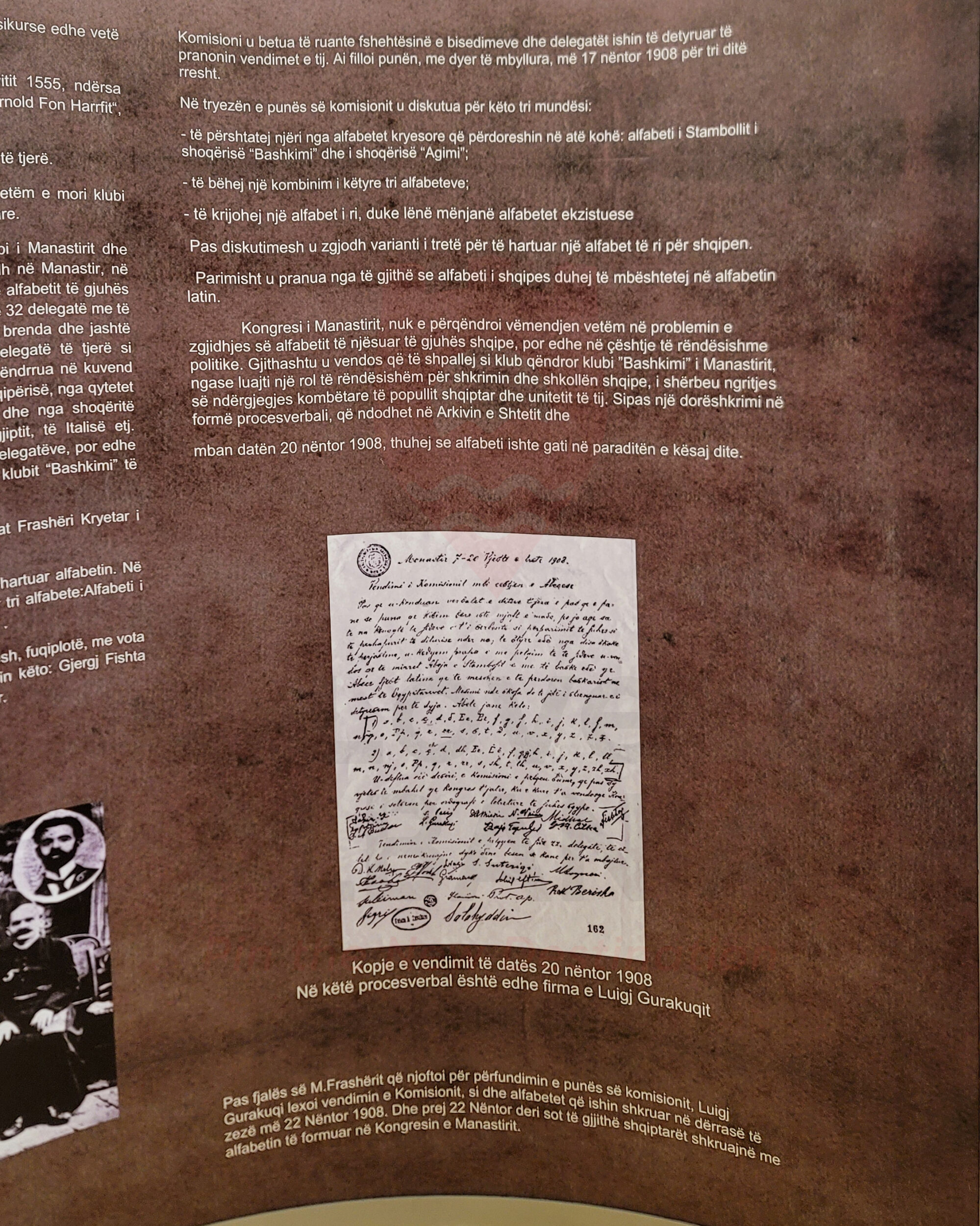
Who participated – a panorama of great figures
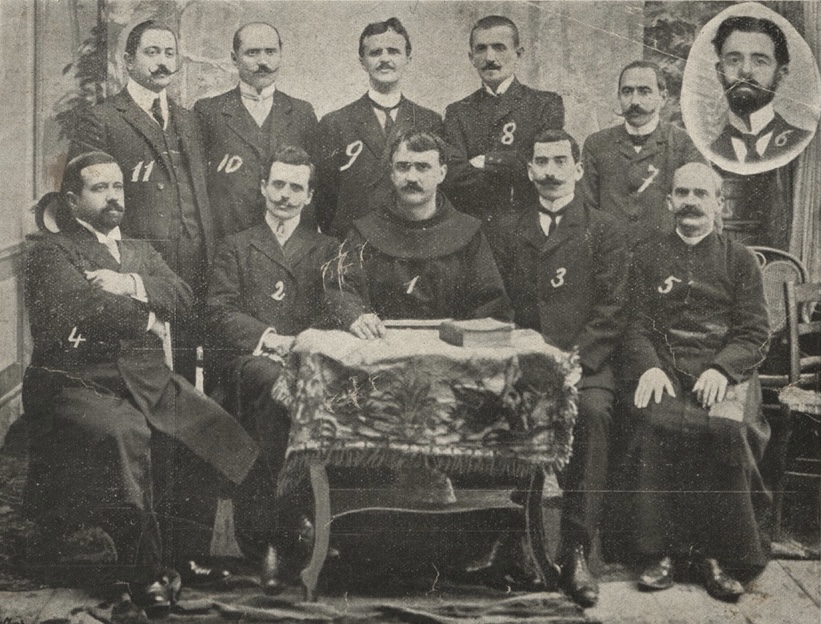
The Congress gathered an extraordinary mosaic of personalities:
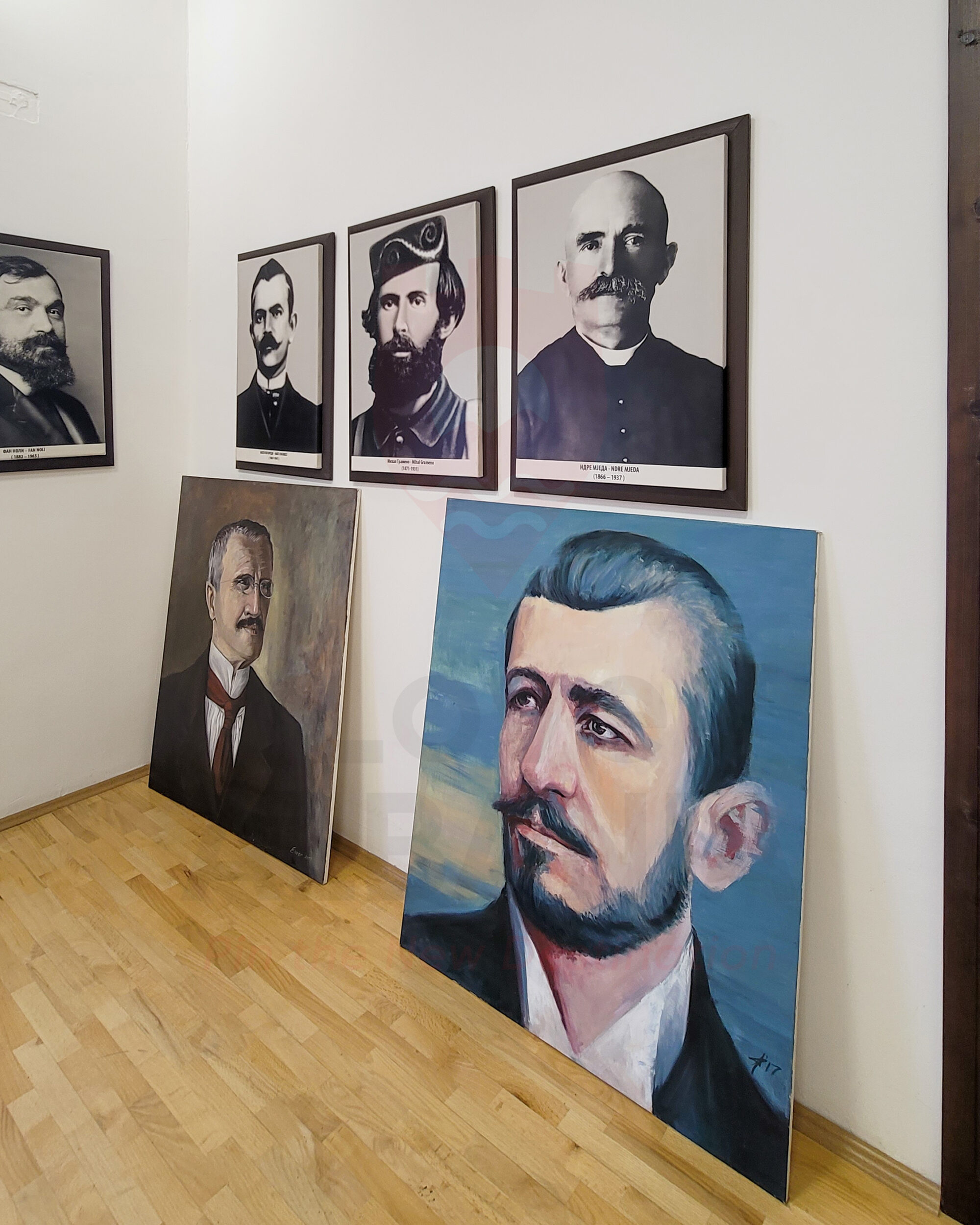
- Gjergj Fishta – the great orator
- Luigj Gurakuqi – the organizational mind
- Mithat Frashëri – the calm diplomat and strategist
- Ndre Mjeda – the linguistic poet
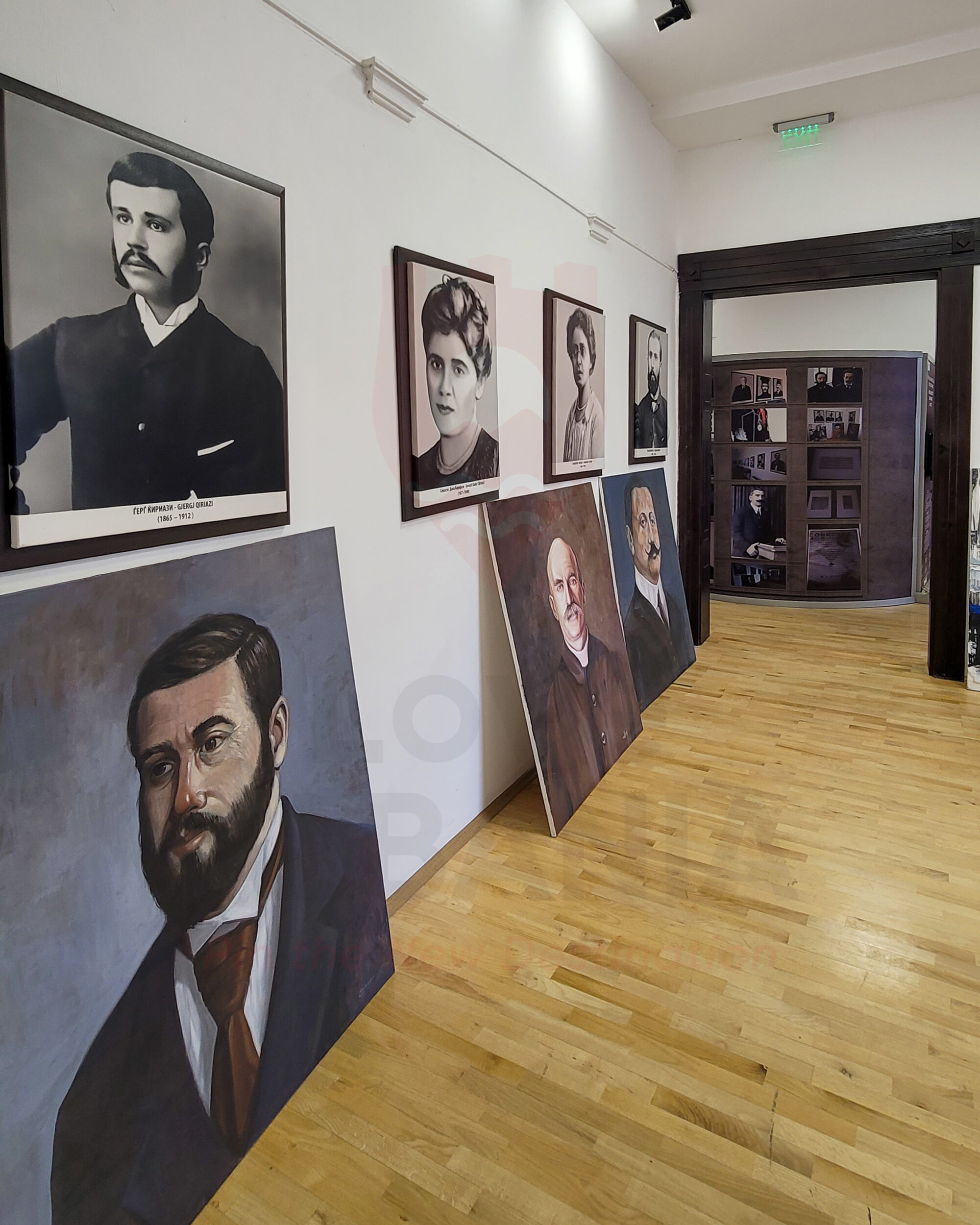
- Gjergj Qiriazi – the missionary of education
- Dom Nikollë Kaçorri – the courageous priest
- Delegates from Janina, Vlora, Prizren, Shkodra, Gjakova, Tetova, Elbasan, Manastir, Struga, Gjirokastra, and more
The greatest novelty was this: All — Catholics, Muslims, and Orthodox — sat at the same table without prejudice.
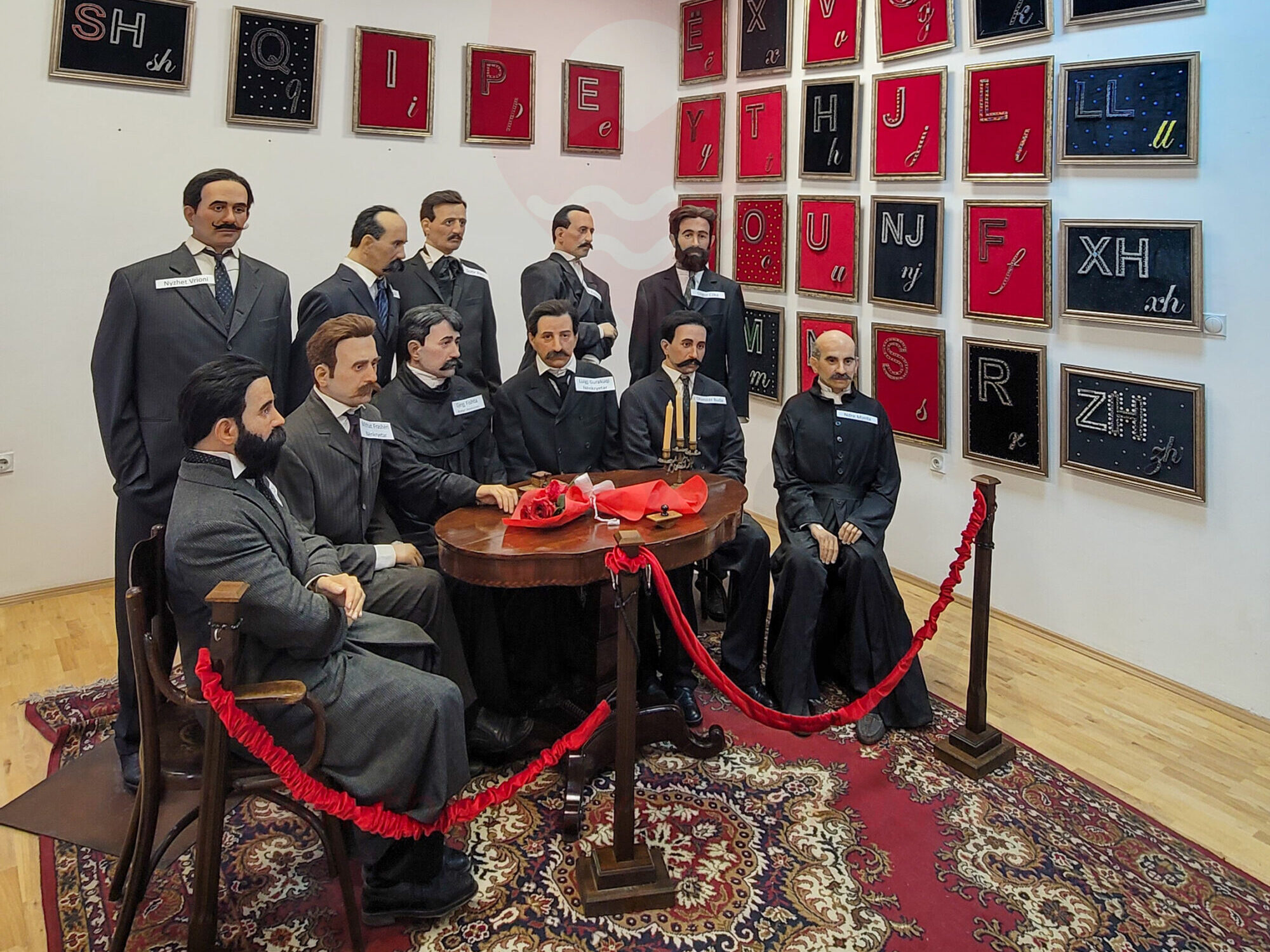
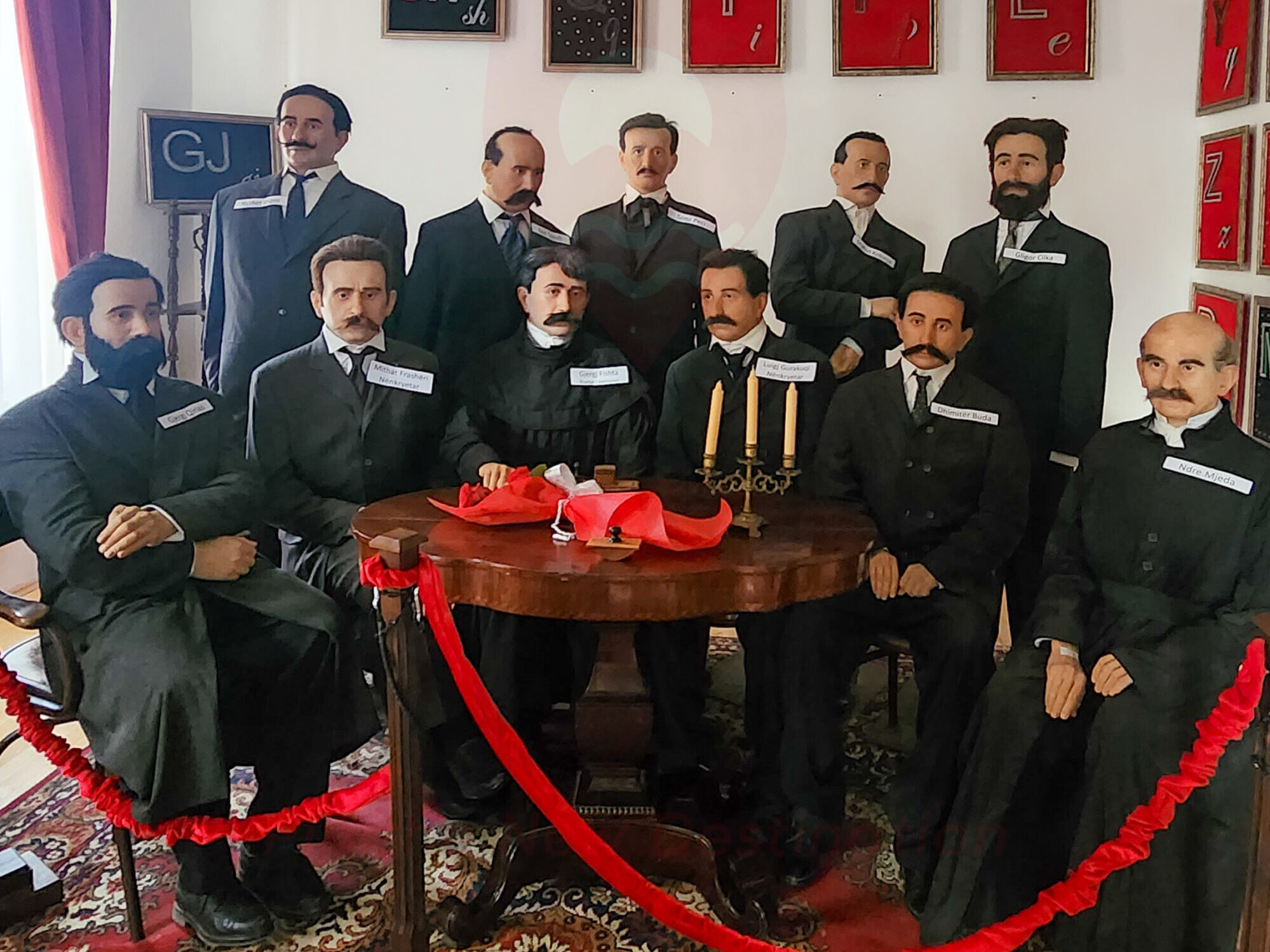
The atmosphere of debate – tense but visionary
The Congress lasted from November 14 to 22. The days were filled with heated yet respectful debates.
A historical curiosity: during the most intense moments, Fishta stood up and said:
“Albanians do not have two languages. Albanians must have only one alphabet!”
His words became the rallying cry that united the assembly.
Delegates faced several dilemmas:
- Should tradition be preserved?
- Should a completely new alphabet be created?
- Would all Albanians accept a Latin-based alphabet?
- Would religious differences be affected?
Yet in every debate, one idea acted as a compass: national unity.
The decisive commission – the 11 men who sealed the alphabet
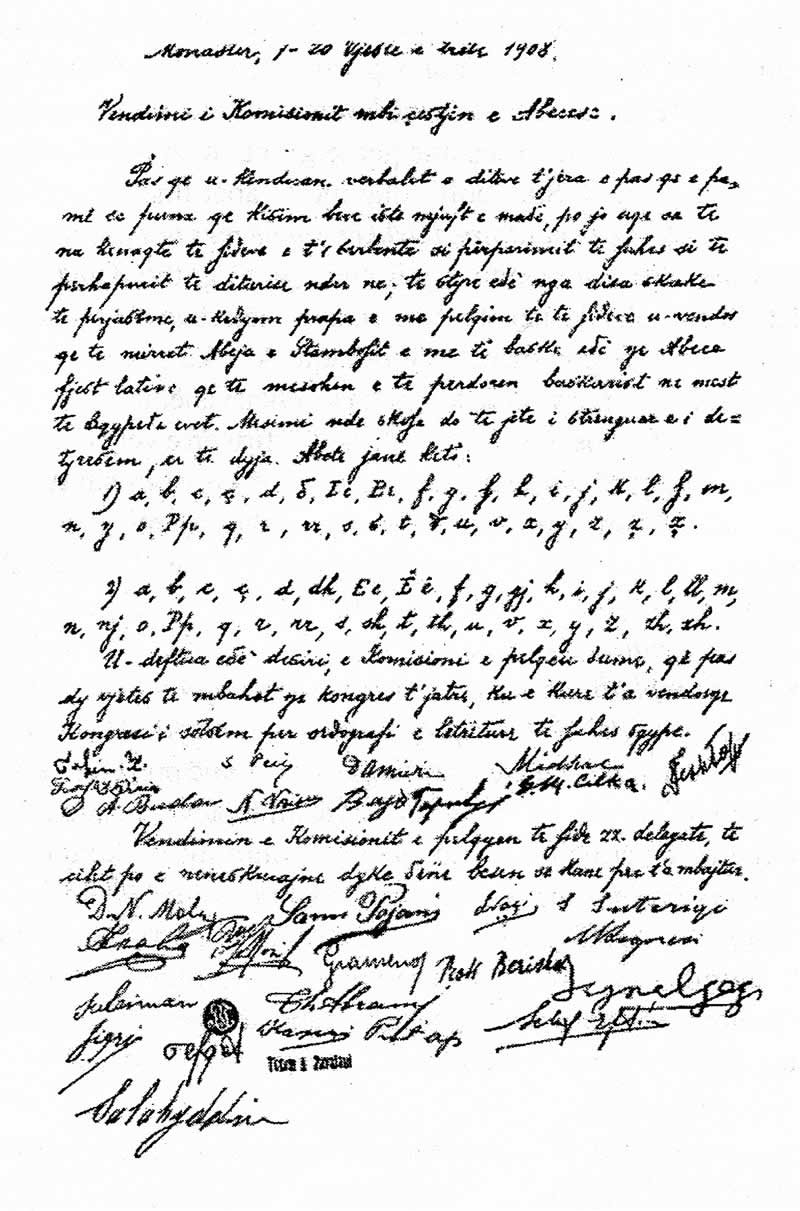
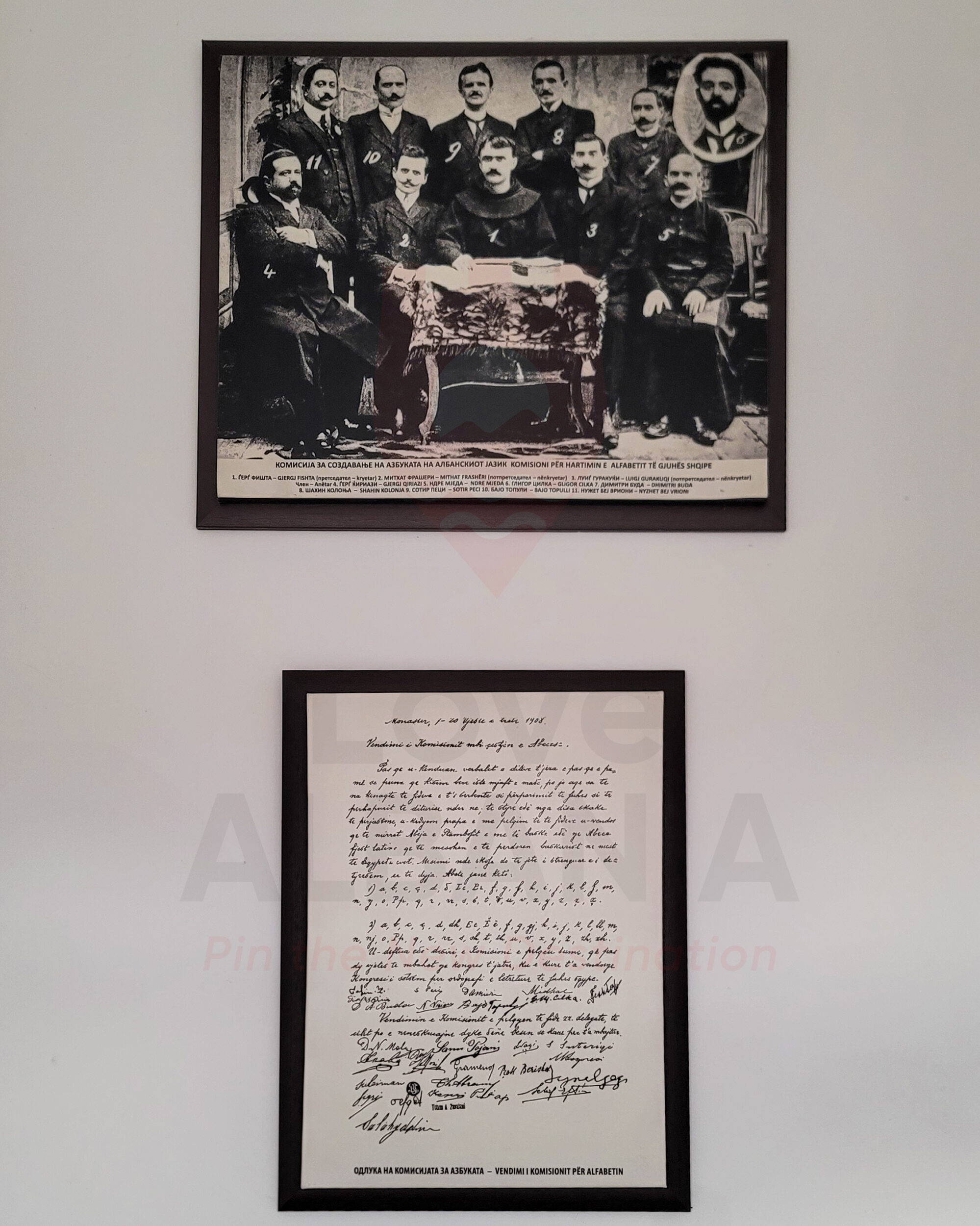
Midway through the Congress, a commission of 11 members was formed. They worked tirelessly to identify the most suitable alphabet.
They compared:
- the simplicity of letters
- unique Albanian sounds (q, gj, xh, ll, rr, etc.)
- printing practicality
- use in schools
- acceptance among the population
The commission ultimately proposed: the adoption of the Latin alphabet as the basis for Albanian writing, allowing two versions (Bashkimi + a reformed Istanbul version). This decision was accepted enthusiastically. The shout “Long live the alphabet!” became the most emotional moment of the Congress.
True historical curiosities
1. The Congress was held in modest conditions
The hall lacked proper heating; delegates often wore heavy coats. Yet no one complained — ideals kept them warm.
2. Fishta and Mjeda defended different alphabets
Although both were great poets, Fishta supported the Bashkimi alphabet, while Mjeda defended Agimi. Both, however, agreed to adopt Latin.
3. Delegates were monitored by Ottoman authorities
The Young Turks allowed the Congress but supervised it closely. Still, internal decisions remained free from interference.
4. Delegates from the diaspora
Arbëresh from Italy, Albanian colonies in Bucharest and Sofia, and even associations from America sent representatives or letters of support.
5. The only woman involved — indirectly
Parashqevi Qiriazi was not a delegate, but she wrote the first primer using the new alphabet only months later.
Why the Latin alphabet was the best solution
The delegates chose the Latin alphabet because it best matched Albanian phonetics, was easy to learn, practical for printing, avoided religious influence, and unified the nation. Albanian has many unique sounds (ë, ç, q, gj, dh, rr, ll), which the Latin system adapted to more naturally than any alternative.
After the Congress – a new era
The decision of Manastir triggered a wave of transformation across Albanian society. Schools began opening throughout the country, teaching a unified writing system for the first time. The first unified primer was published, becoming the foundation of modern education and a symbol of linguistic identity.
This linguistic standardization shaped not only education but strengthened the national spirit. A modern, organized schooling system emerged, and Albanians began to feel part of a shared cultural space, speaking and writing with the same alphabet. The Manastir decision paved the way for the Declaration of Independence in 1912 — today it is widely accepted that without a unified alphabet, independence would have been far more difficult.
Why November 22 is celebrated today
The date symbolizes three core values cherished by Albanians:
- National unity
- Linguistic identity
- European orientation of Albanian culture
The 36-letter alphabet is today the bridge that connects Albanians everywhere. From Tirana to Prishtina, Ulqin to Preshevë, Skopje to the Arbëresh of Italy — we all write the same.
Language is our shared homeland.
The alphabet is its home.