

Ardenica Monastery is one of those places in Albania that doesn’t try to impress you at first glance — and yet, it stays with you long after you leave. Located on a quiet hill between Fier and Lushnjë, this centuries-old monastery offers a completely different kind of travel experience. It’s not about crowds, activities, or fast-paced sightseeing, but about atmosphere, history, and the feeling of stepping into a place where time has slowed down. As you walk through its stone courtyard and look out over the vast plains below, Ardenica reveals itself gradually — making it one of the most authentic cultural sites to visit in Albania.
📑 Table of Contents
- Where is Ardenica Monastery & How to Get There
- The History of Ardenica Monastery
- Architecture & Frescoes – What Makes It Unique
- What to Expect When Visiting Ardenica
- Best Time to Visit Ardenica Monastery
- Practical Tips Before You Go
- FAQ – Ardenica Monastery Albania
📍 Where is Ardenica Monastery & How to Get There
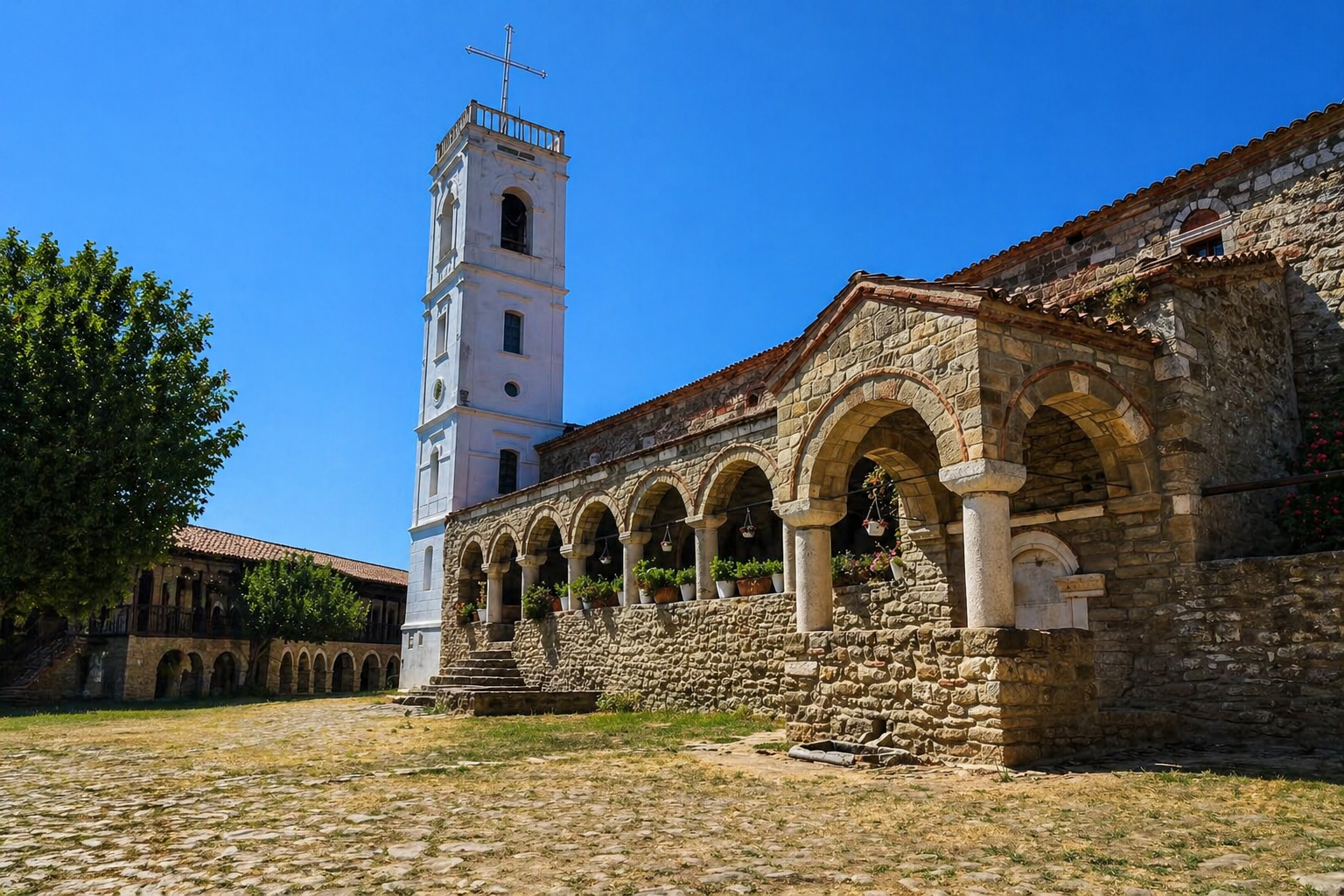
The Ardenica Monastery is located in central Albania, surrounded by the wide agricultural plains of Myzeqe. Its position on a hill gives it a strategic and scenic advantage, offering panoramic views that stretch far into the horizon.
Getting there is relatively straightforward. From Tirana, the drive takes around 1.5 hours, while from Lushnjë it’s just a short 10-minute ride. The road leading up to the monastery is fully accessible by car, and the gradual ascent builds anticipation as the surroundings become quieter and more open. Many travelers choose to combine this visit with Apollonia Archaeological Park, creating a well-balanced cultural itinerary in this part of Albania.
🏛️ The History of Ardenica Monastery
The monastery was built in 1282 during the reign of Byzantine Emperor Andronikos II Palaiologos, at a time when the region was under strong Byzantine cultural and religious influence. From its early days, Ardenica played an important role as a center of Orthodox spirituality and education.
What makes it particularly significant in Albanian history is its connection to Gjergj Kastrioti Skanderbeg. According to historical accounts, Skanderbeg celebrated his wedding here, adding a national symbolic value to the monastery beyond its religious importance.
Throughout centuries of political and cultural changes, Ardenica managed to preserve its identity. It functioned not only as a place of worship but also as a center for learning, manuscript preservation, and cultural continuity.
🎨 Architecture & Frescoes – What Makes It Unique
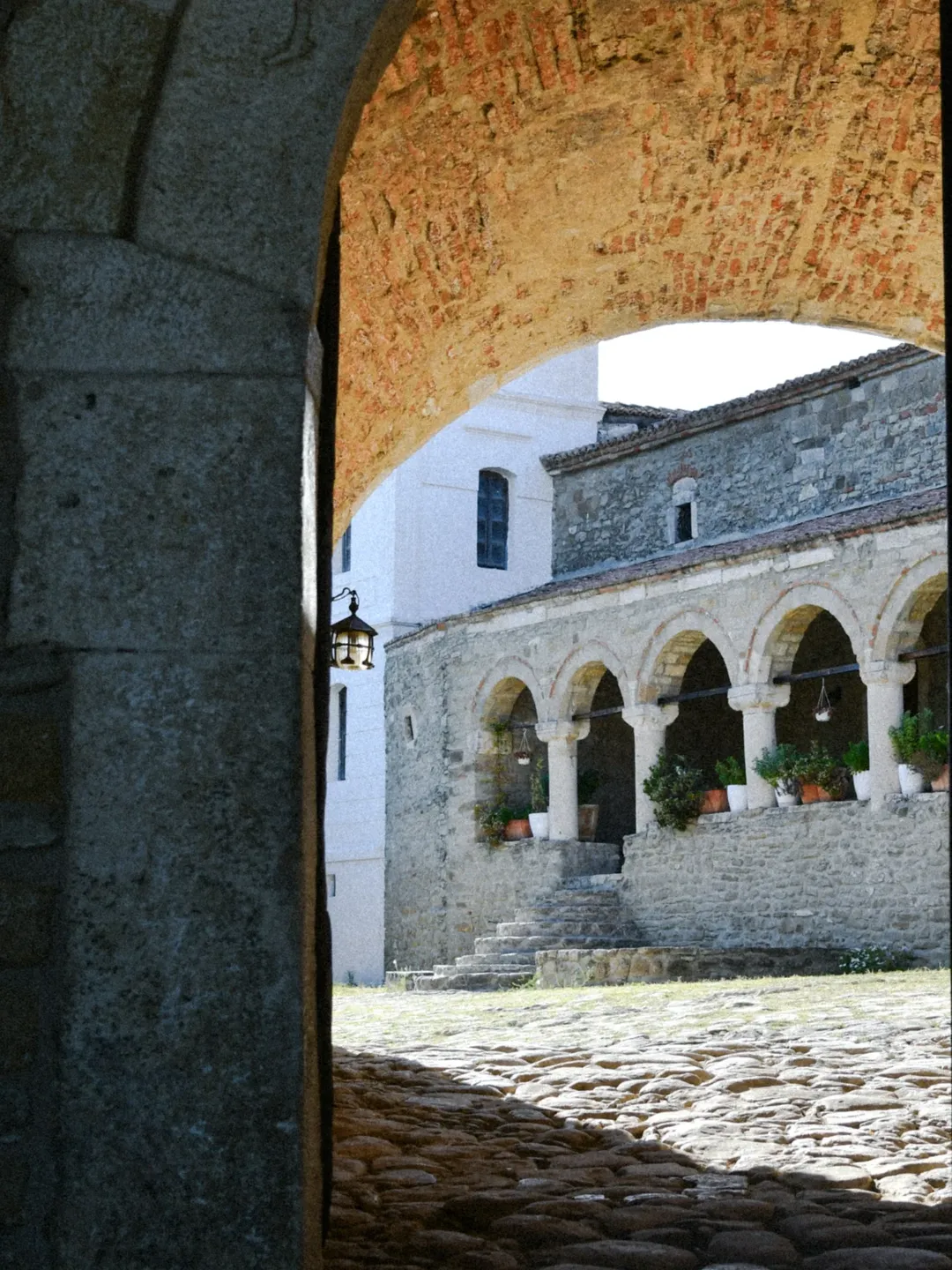
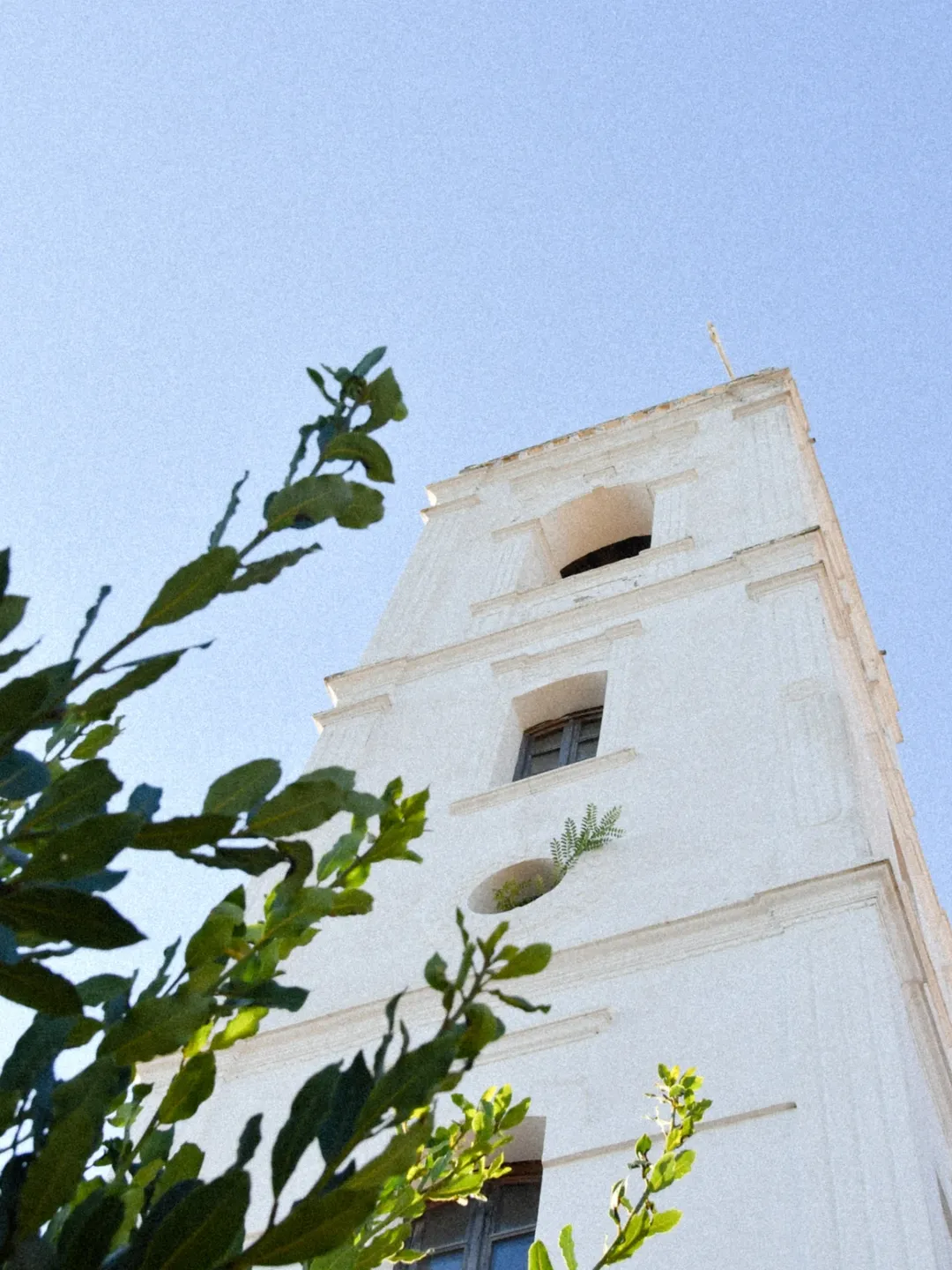
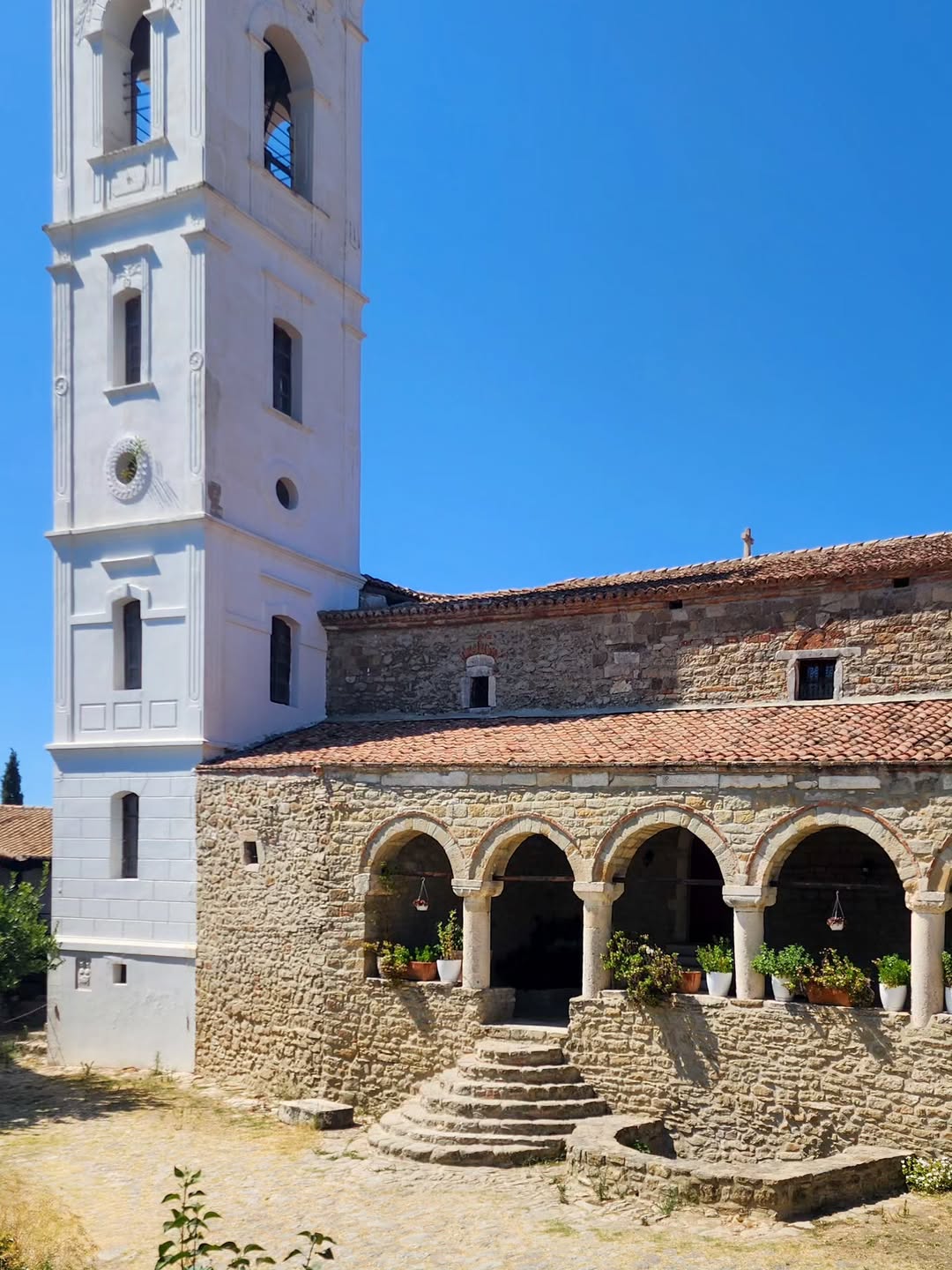
One of the most remarkable aspects of Ardenica Monastery is how its architecture and artistic elements have been preserved over time. The complex is organized around a quiet inner courtyard, surrounded by stone structures that create a sense of enclosure and tranquility.
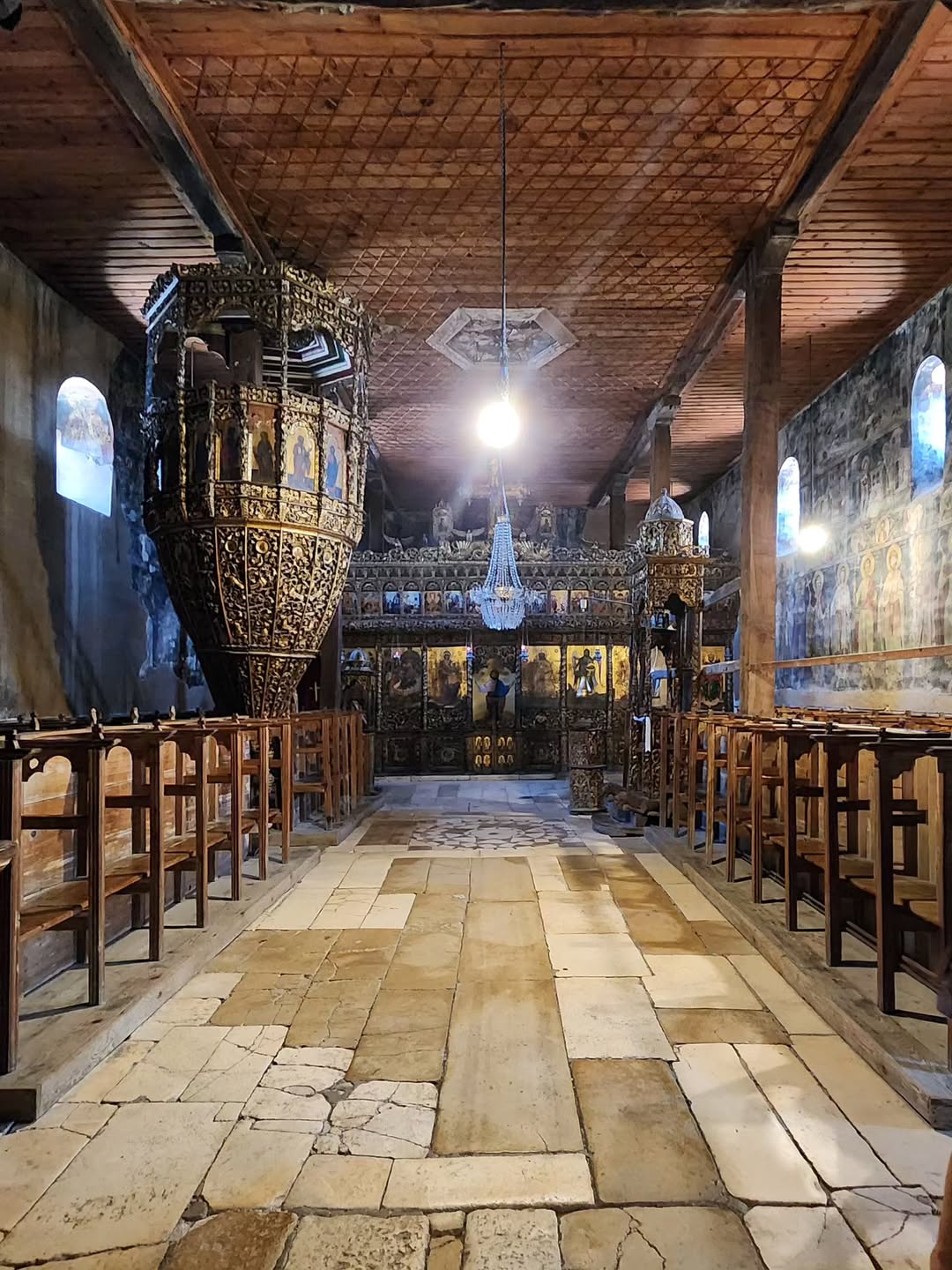
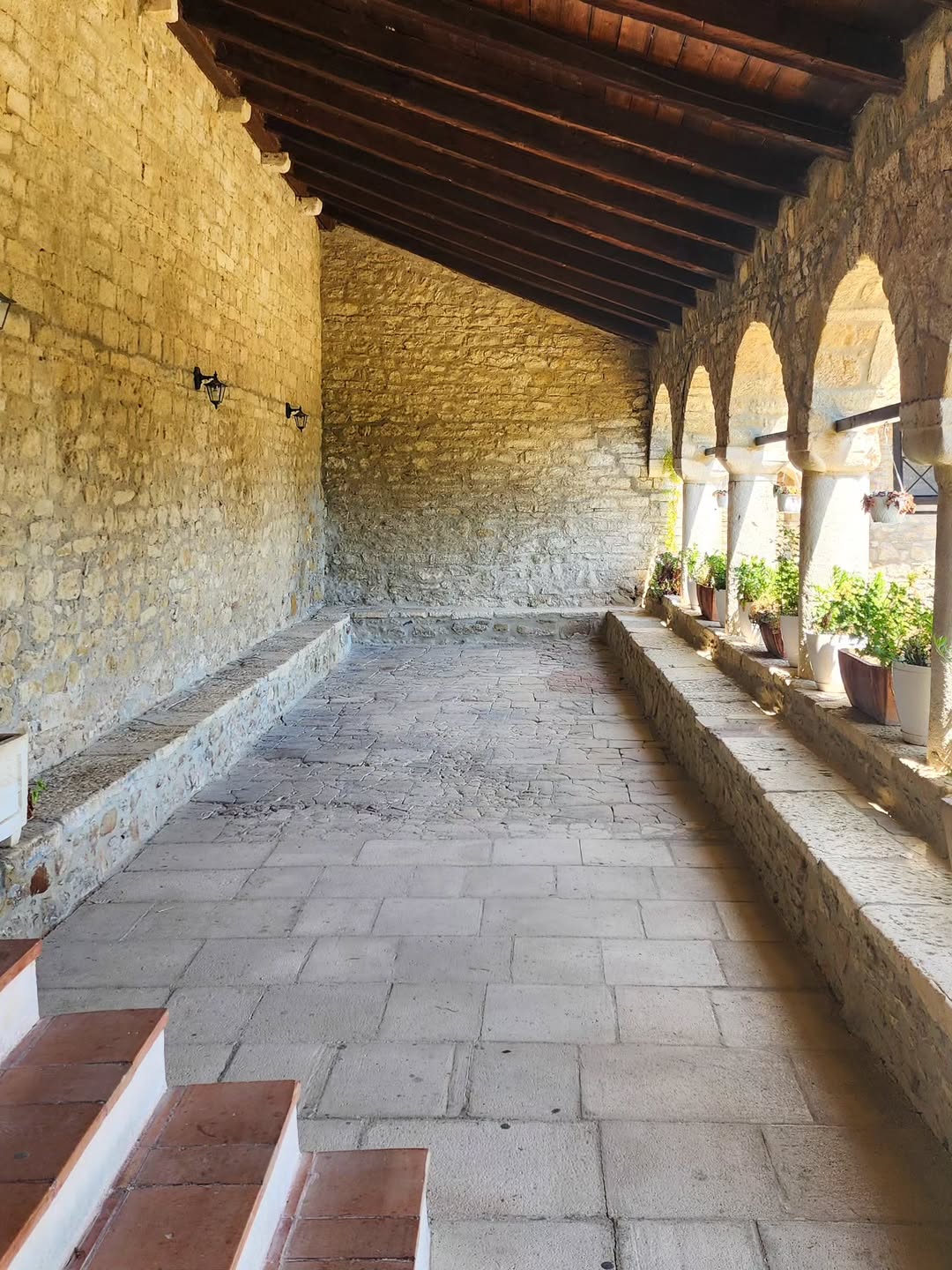
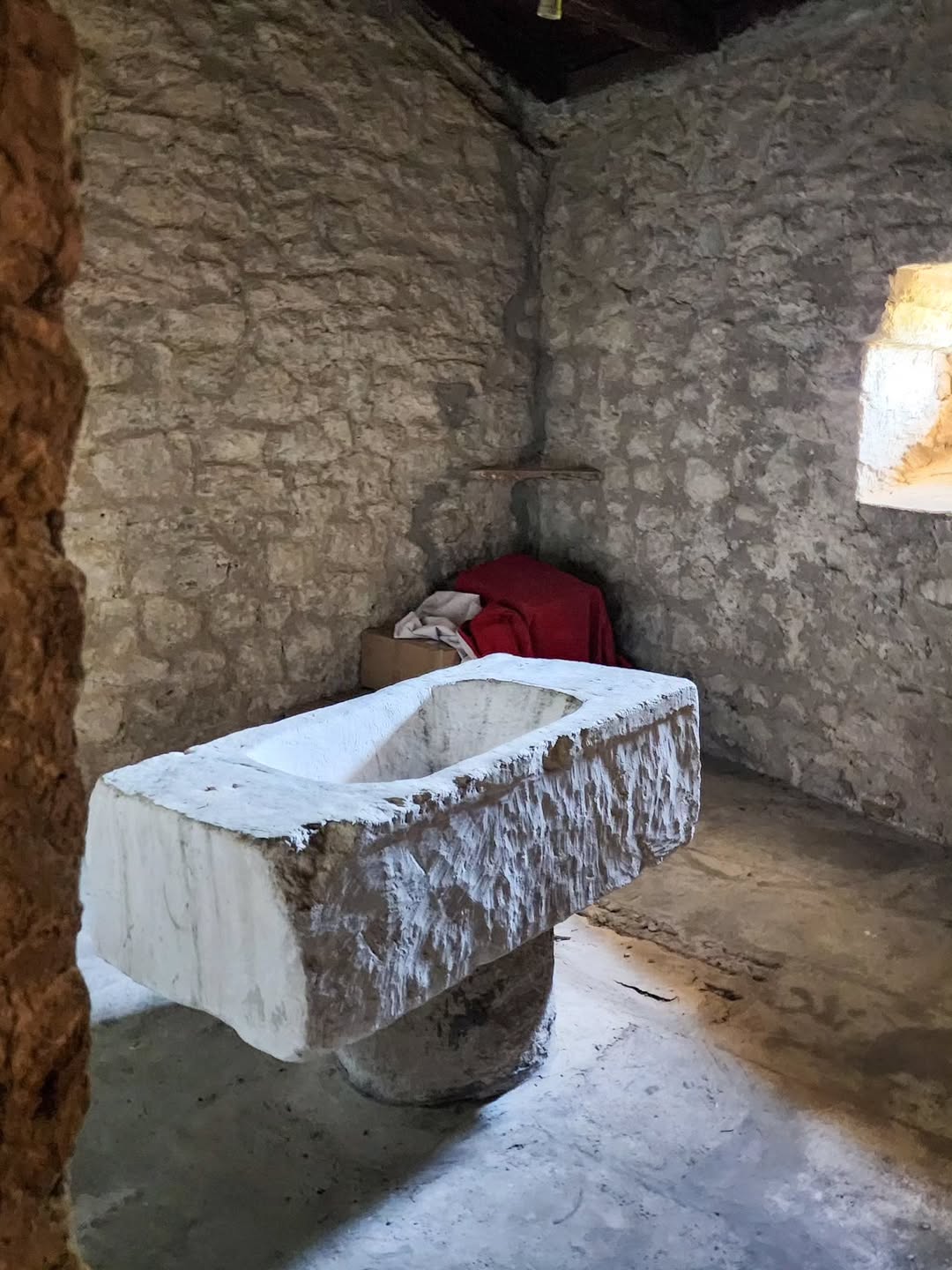
Inside the Church of Saint Mary, the atmosphere changes immediately. The walls are covered with Byzantine frescoes that still retain their depth and expression despite their age. These paintings are not just decorative; they represent a visual narrative of religious life and artistic tradition.
The iconostasis, intricately carved and richly detailed, stands out as one of the highlights of the interior. Influences from artists such as Konstantin Shpataraku and the Zografi Brothers can be seen in the stylistic elements, adding another layer of cultural depth to the visit.
🌄 What to Expect When Visiting Ardenica
Visiting Ardenica is less about following a structured itinerary and more about immersing yourself in the atmosphere of the place. There are no crowds pushing you forward, no guided paths dictating your movement, just space to explore at your own pace. The silence is one of the most noticeable elements. It allows you to focus on details that might otherwise go unnoticed: the texture of the stone walls, the fading colors of the frescoes, the way light enters the church at different angles.
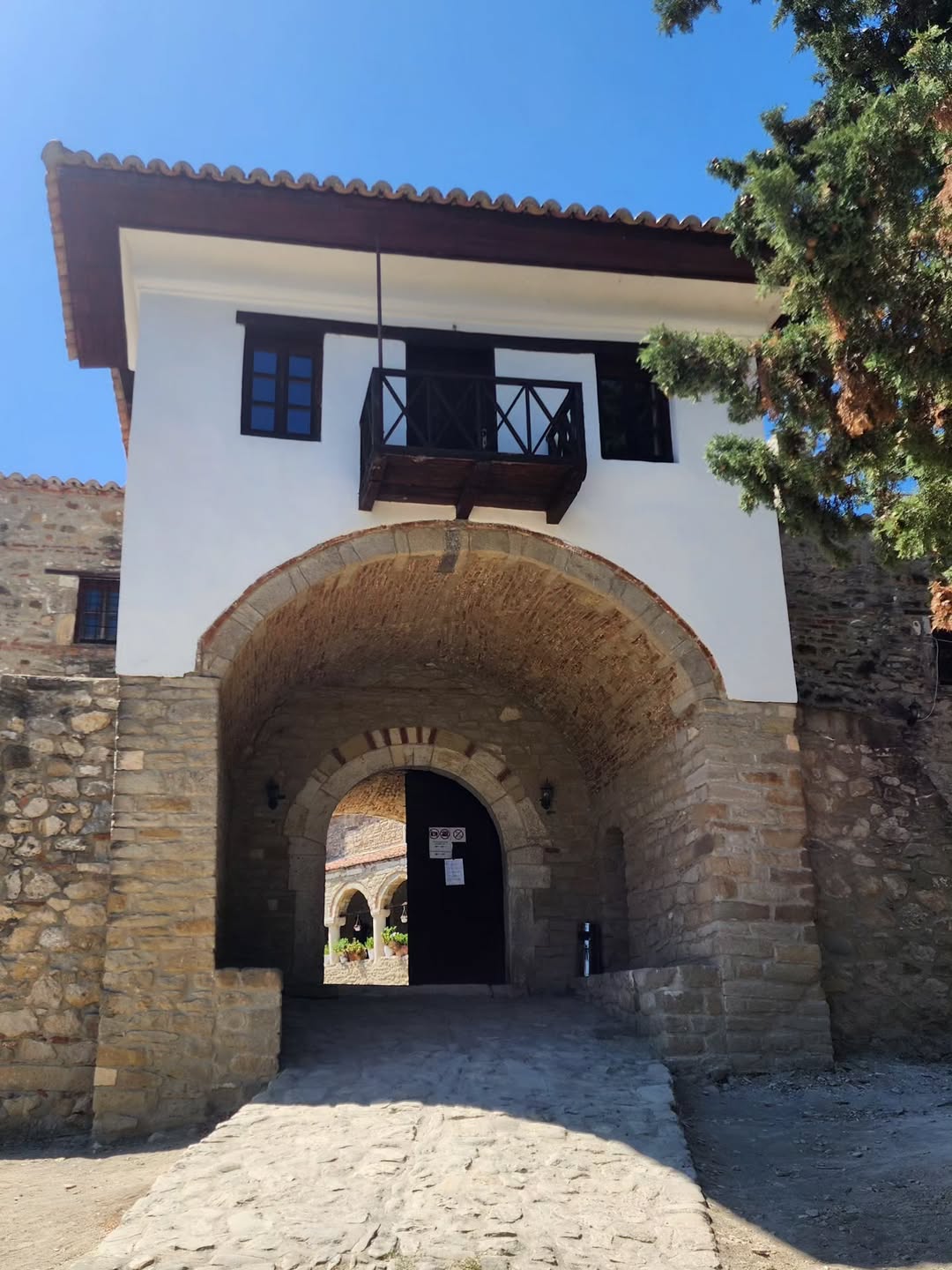
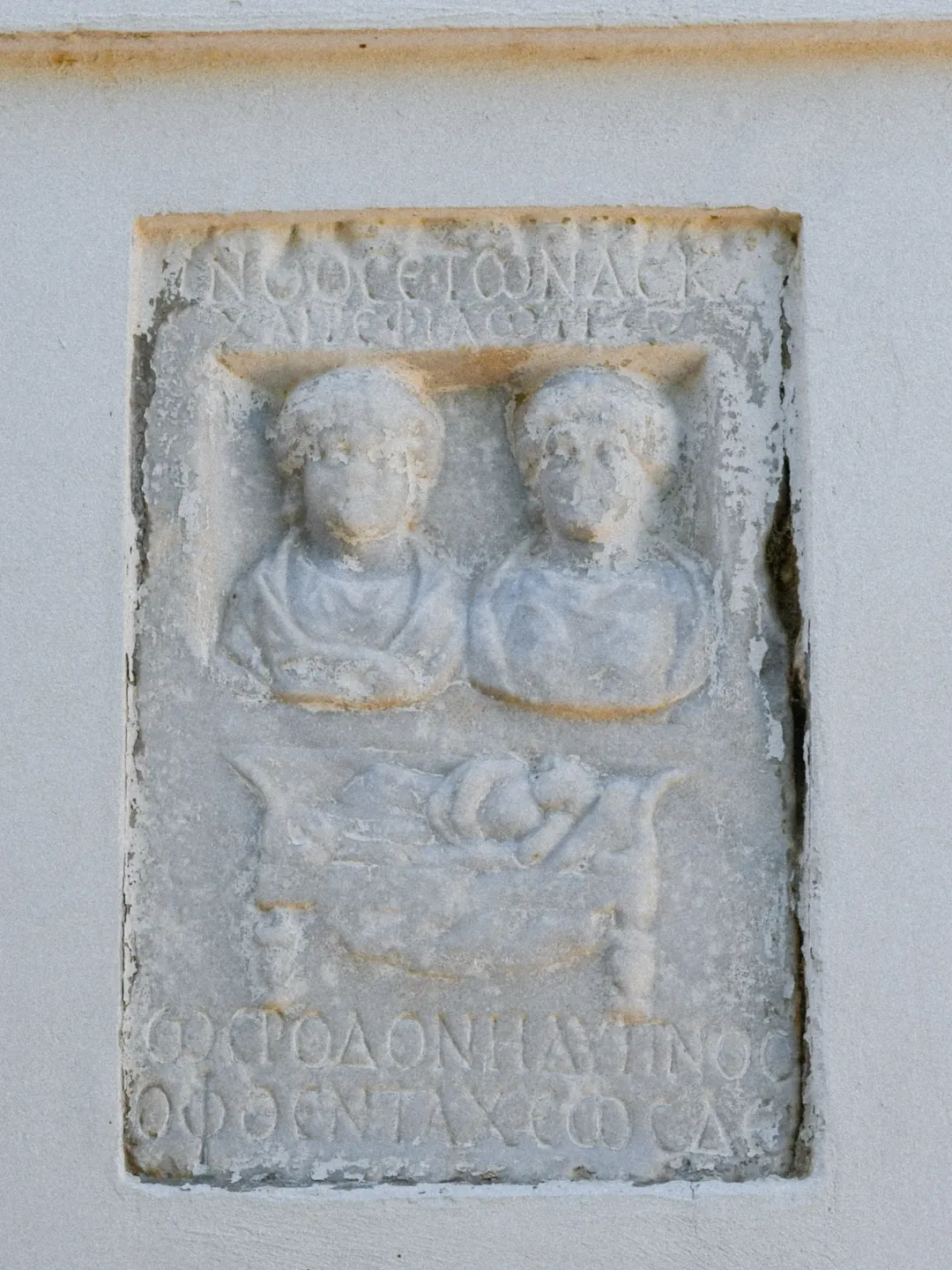
At the same time, the open views over the Myzeqe plains create a contrast that enhances the experience. The monastery feels both grounded and expansive, offering a balance between introspection and openness.
⏰ Best Time to Visit Ardenica Monastery
The best time to visit Ardenica depends on the type of experience you’re looking for. Spring brings fresh greenery and mild temperatures, making the landscape feel alive and vibrant. Autumn, on the other hand, offers warmer tones and softer light, which is ideal for photography.
During summer, visiting early in the morning or later in the afternoon is recommended to avoid the heat. Sunset is particularly special, as the changing light transforms both the monastery and the surrounding plains into a more dramatic scene.
🧭 Practical Tips Before You Go
Since Ardenica is not a heavily commercialized destination, it’s important to plan ahead. Facilities are limited, so bringing water and essentials can make your visit more comfortable.
As an active religious site, modest clothing is recommended, especially when entering the church. Taking your time is key here — this is not a place to rush, but one to experience slowly.
❓ FAQ – Ardenica Monastery Albania
- Is Ardenica Monastery worth visiting? Yes, especially if you’re interested in history, culture, and peaceful destinations away from crowds.
- How long does a visit take? Most visits last between one and two hours.
- Is there an entrance fee? Entry is usually free, but donations are welcome.
- Can you visit year-round? Yes, although spring and autumn offer the best conditions.
Ardenica Monastery is not just defined by its architecture or history, but by the way everything comes together into a single, cohesive experience. Set high above the Myzeqe plains, surrounded by quiet natural landscapes and shaped by centuries of cultural influence, it offers a rare sense of balance between isolation and connection. It’s a place where history feels present, where the views stretch endlessly, and where the atmosphere invites you to slow down and reflect. Rather than overwhelming visitors with scale or crowds, Ardenica leaves a lasting impression through its simplicity, authenticity, and the subtle depth of its surroundings.
For more similar destinations, explore: Monasteries in Albania: History, Architecture & Spiritual Travel