

Most travelers visiting southern Albania head straight to the beaches. They follow the coastline, stop in Vlore, and continue toward the Riviera without ever realizing that just inland, above a quiet valley, lies one of the most fascinating ancient cities in the country.
Amantia is not a place you stumble upon. It is a place you intentionally go to discover.
Perched on a hill over 600 meters above sea level, overlooking the Shushicë valley, this ancient Illyrian city offers something rare: a complete sense of isolation, history, and authenticity. No crowds, no noise — just ruins, wind, and the feeling that time has paused.
Table of Contents
- Where is Amantia & How to Get There
- The Ancient City of Amantia – A Civilization Above the Valley
- What You’ll Find Inside the Archaeological Park
- The Temple of Aphrodite – A Sacred Presence
- The Palaeochristian Basilica – A Shift in Belief
- The Stadium – One of the Most Unique in Albania
- The Arched Gate – A Symbol of Ancient Amantia
- Why Amantia Feels Different & Best Time to Visit
- Practical Tips Before You Go
- What to Visit Near Amantia
- FAQ – Amantia Archaeological Park
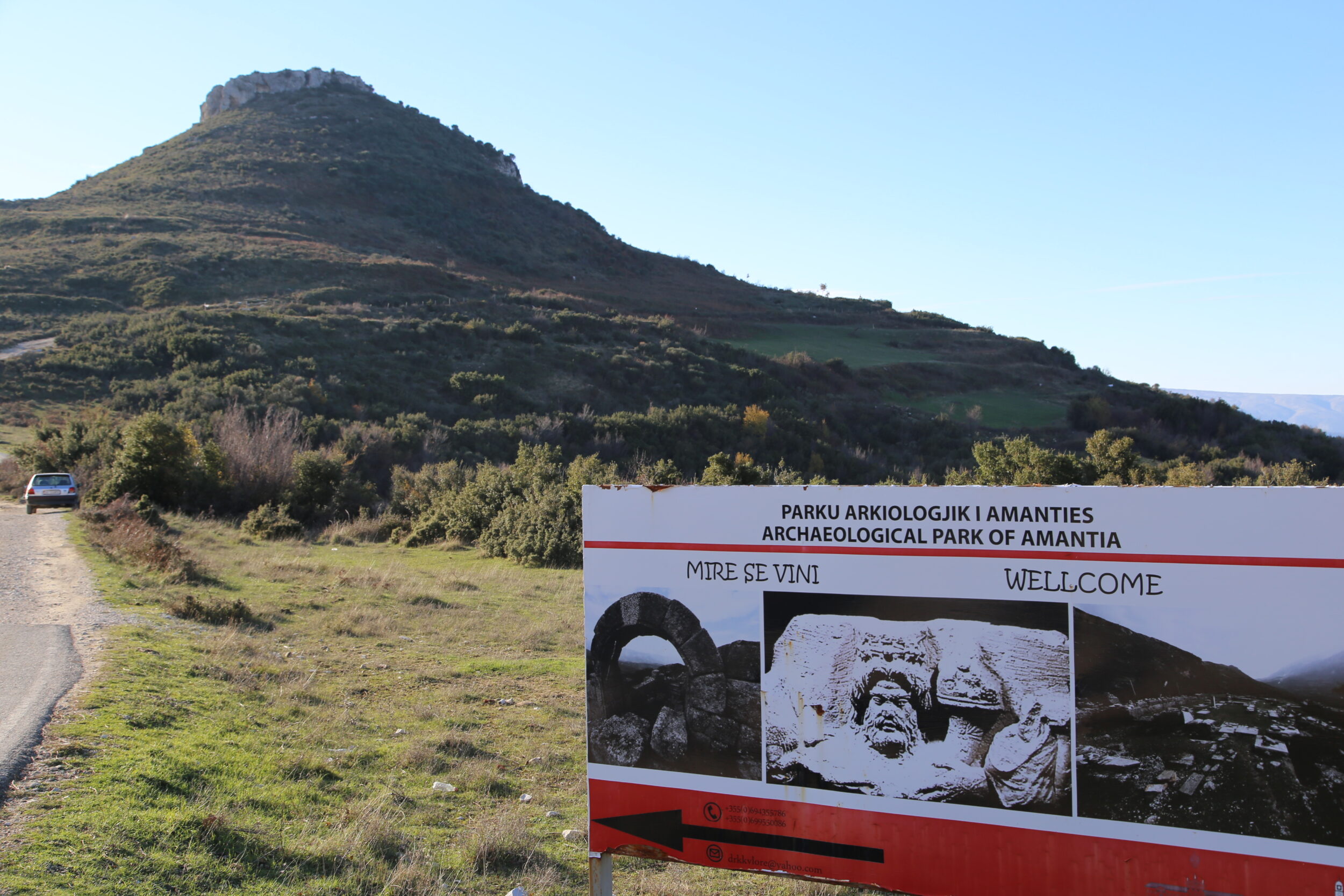
📍 Where is Amantia & How to Get There
Amantia is located about 35 km from Vlore, near the village of Ploçë, in a remote and elevated part of the region.
The drive itself is part of the experience. As you leave the coastal atmosphere behind and move inland, the landscape changes quickly. The terrain becomes more rugged, the air cooler, and the views wider. The final stretch of the road is rural, sometimes rough, but manageable and worth every second.
When you arrive, there is no dramatic entrance or tourist infrastructure. Just a quiet archaeological site, open to exploration.
🏛️ The Ancient City of Amantia – A Civilization Above the Valley
Amantia is believed to have been established as early as the 4th century BC, making it one of the important urban centers of southern Illyria. Its strategic position allowed it to control the surrounding territory between the Vjosa and Shushicë rivers, while also connecting inland regions with the coast.
Historical sources mention Amantia in connection with the Delphi competitions (220–189 BC), where the Amantians were invited to participate — a sign of its cultural integration into the wider Hellenistic world. The city was not only politically relevant but also economically active, even minting its own coins during its peak.
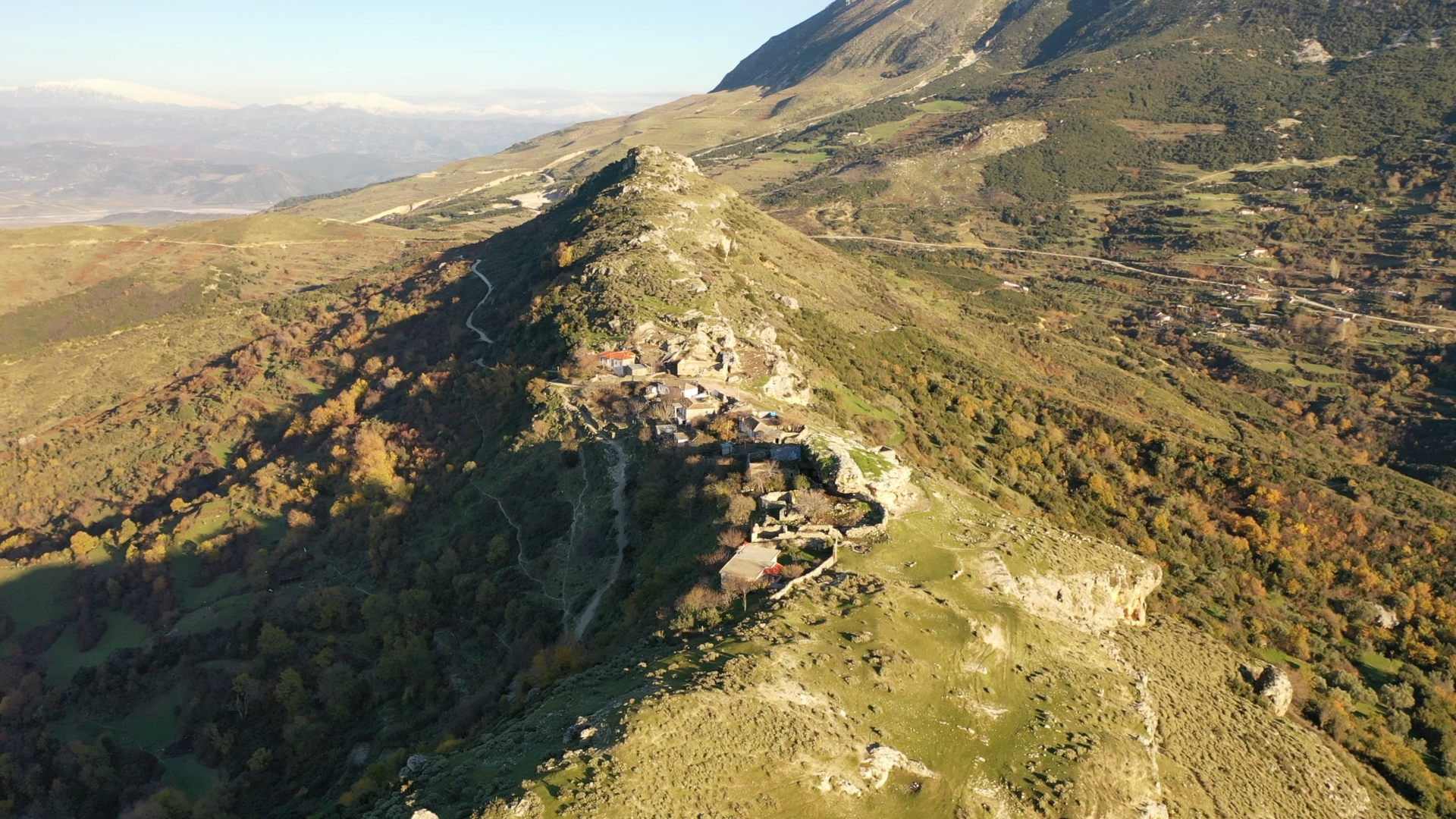
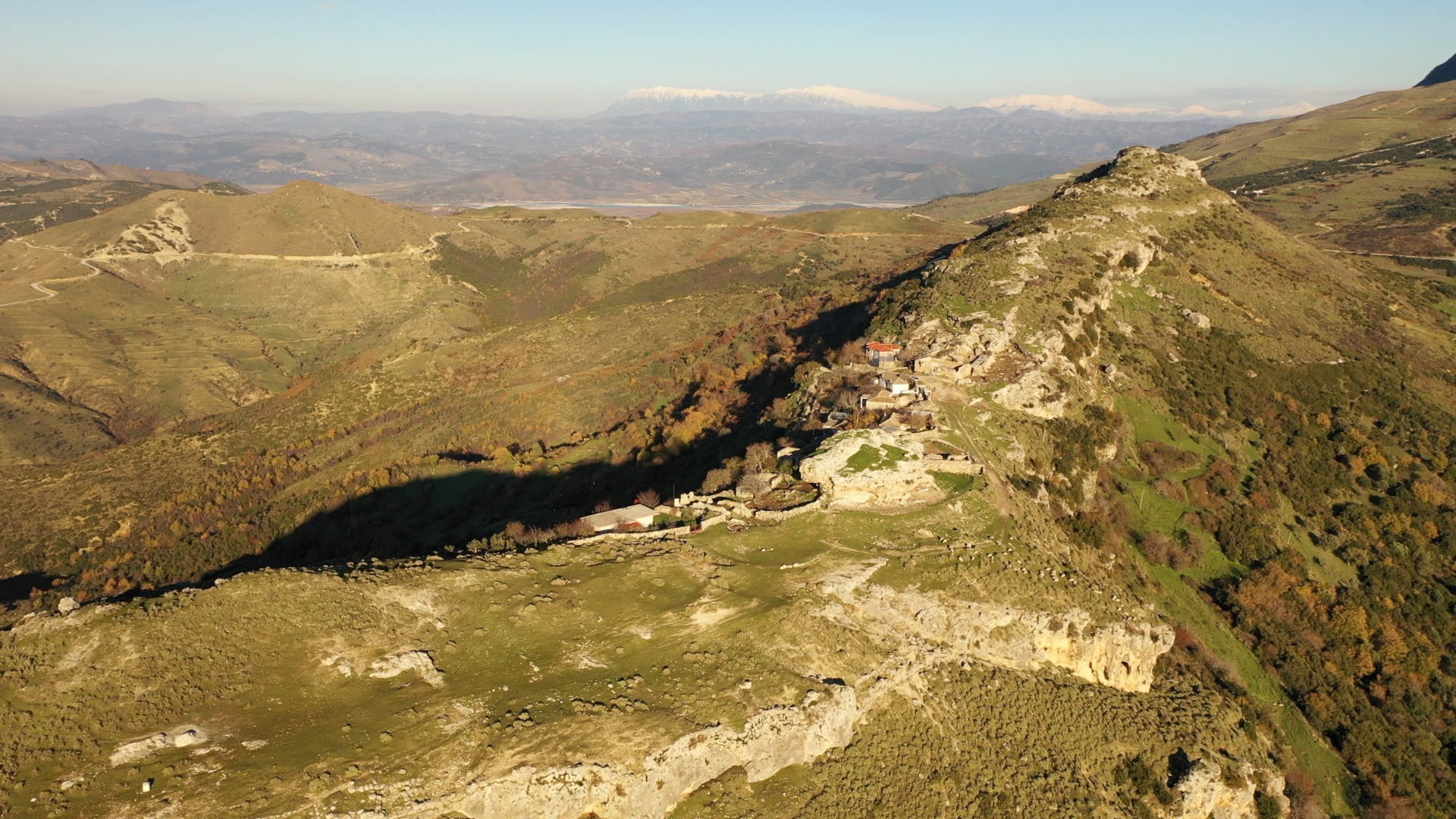
During Roman times, the city aligned with Julius Caesar, and later, in Late Antiquity, it evolved into an important religious center. By the Byzantine period, Amantia had become an episcopal seat, and traces of early Christian architecture began to define its landscape.
Walking through the site today, you are not just seeing ruins. You are walking through layers of civilizations — Illyrian, Hellenistic, Roman, and Byzantine — all existing in the same space.
🗺️ What You’ll Find Inside the Archaeological Park
The layout of Amantia reveals a structured and organized city. Based on archaeological findings and the planimetry displayed at the site, the main elements include:
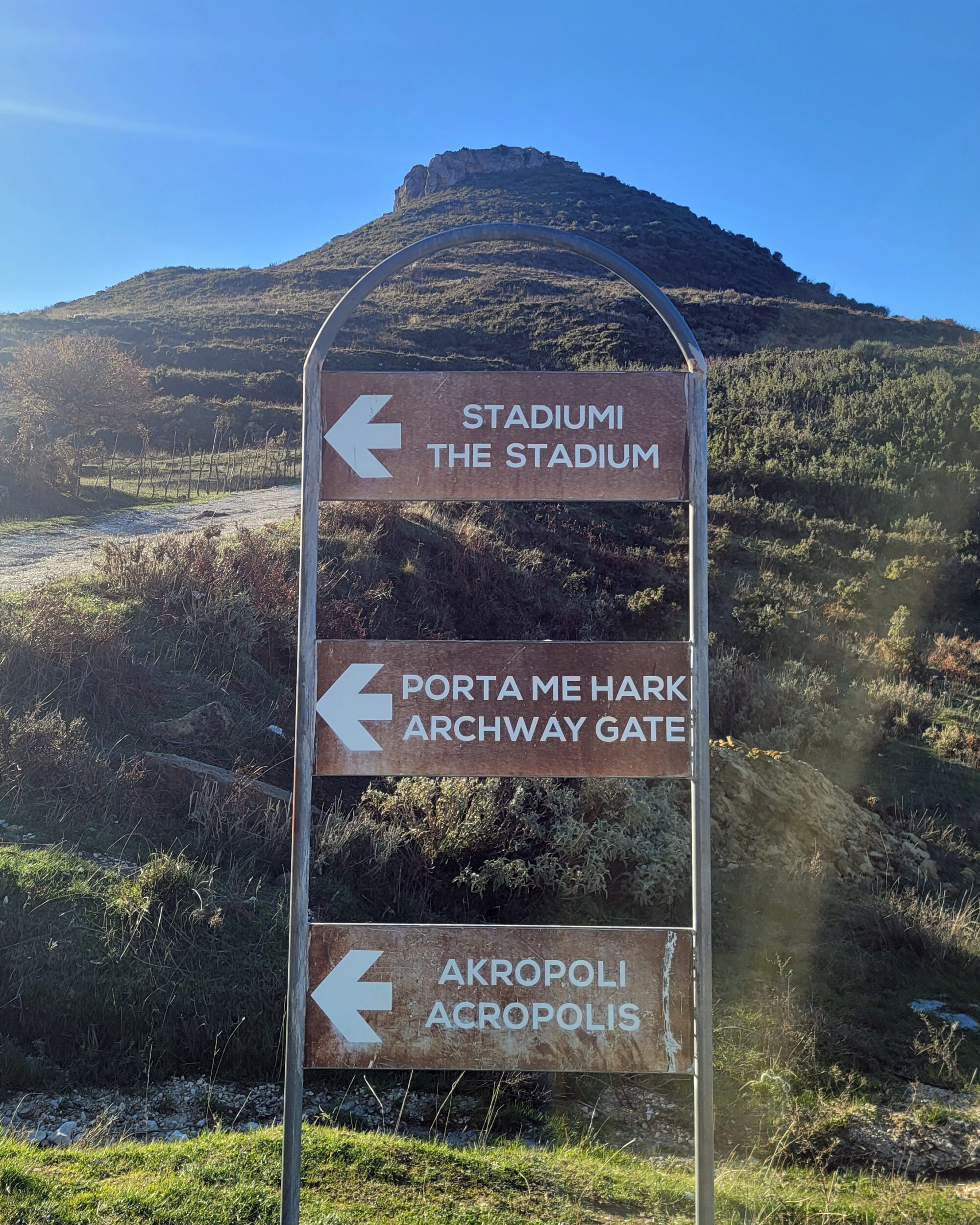
- The Agora, once the social and political center
- Fortified city walls and gates
- A unique Illyrian stadium
- The Temple of Aphrodite
- A Palaeochristian Basilica
- Necropolis areas surrounding the city
But unlike more “restored” sites, Amantia remains raw. The ruins are not over-polished or heavily reconstructed. This gives you a more genuine connection to the past — you have to imagine the city as it once was.
🏛️ The Temple of Aphrodite – A Sacred Presence
On the southern side of the city, about 200 meters outside the surrounding walls, archaeologists uncovered the remains of an ancient temple believed to be dedicated to Aphrodite.
Built in the 3rd century BC, the temple followed a Doric architectural style and measured approximately 12.5 by 6.75 meters. Even in its current fragmented state, you can still sense its importance.
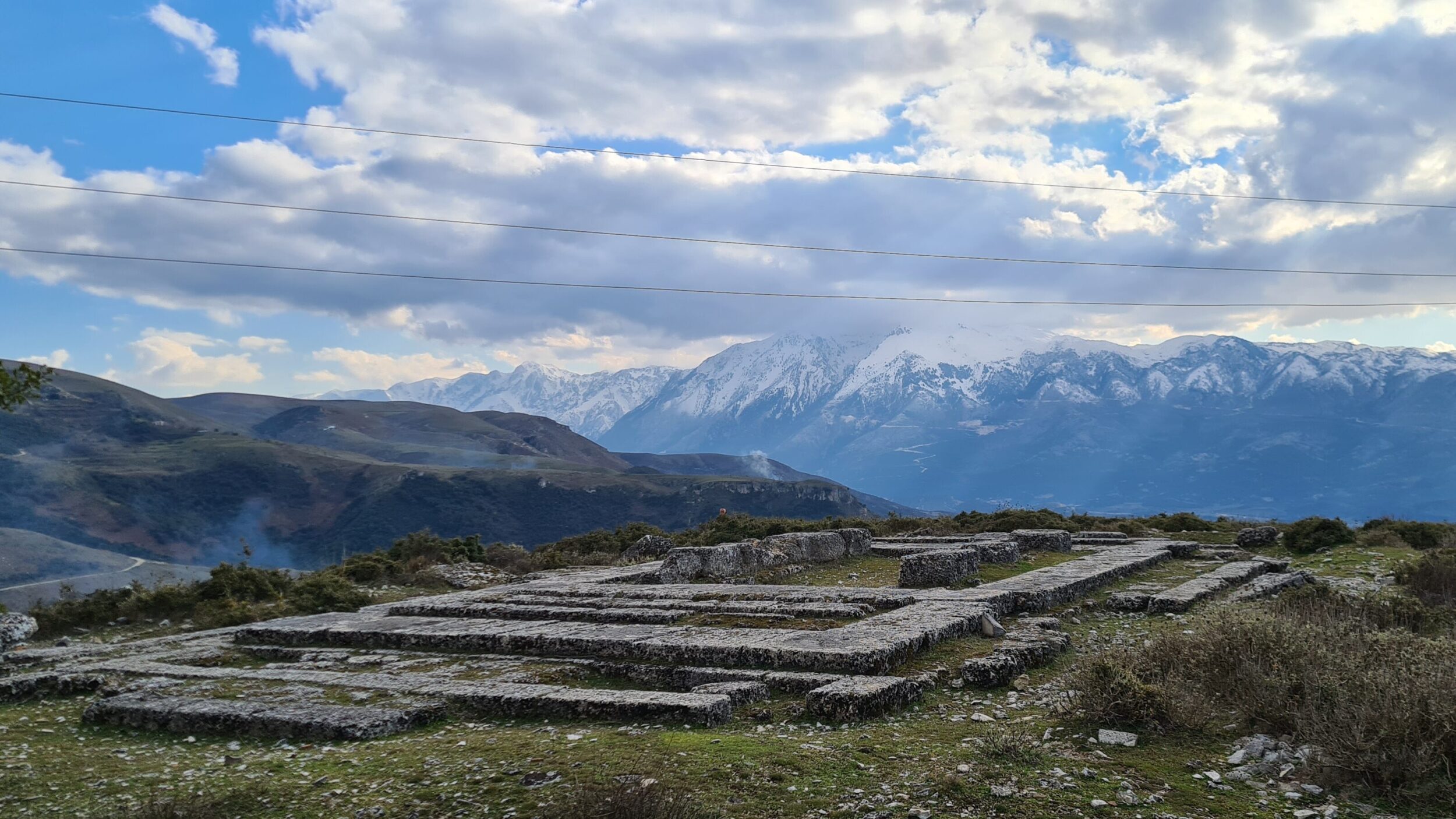
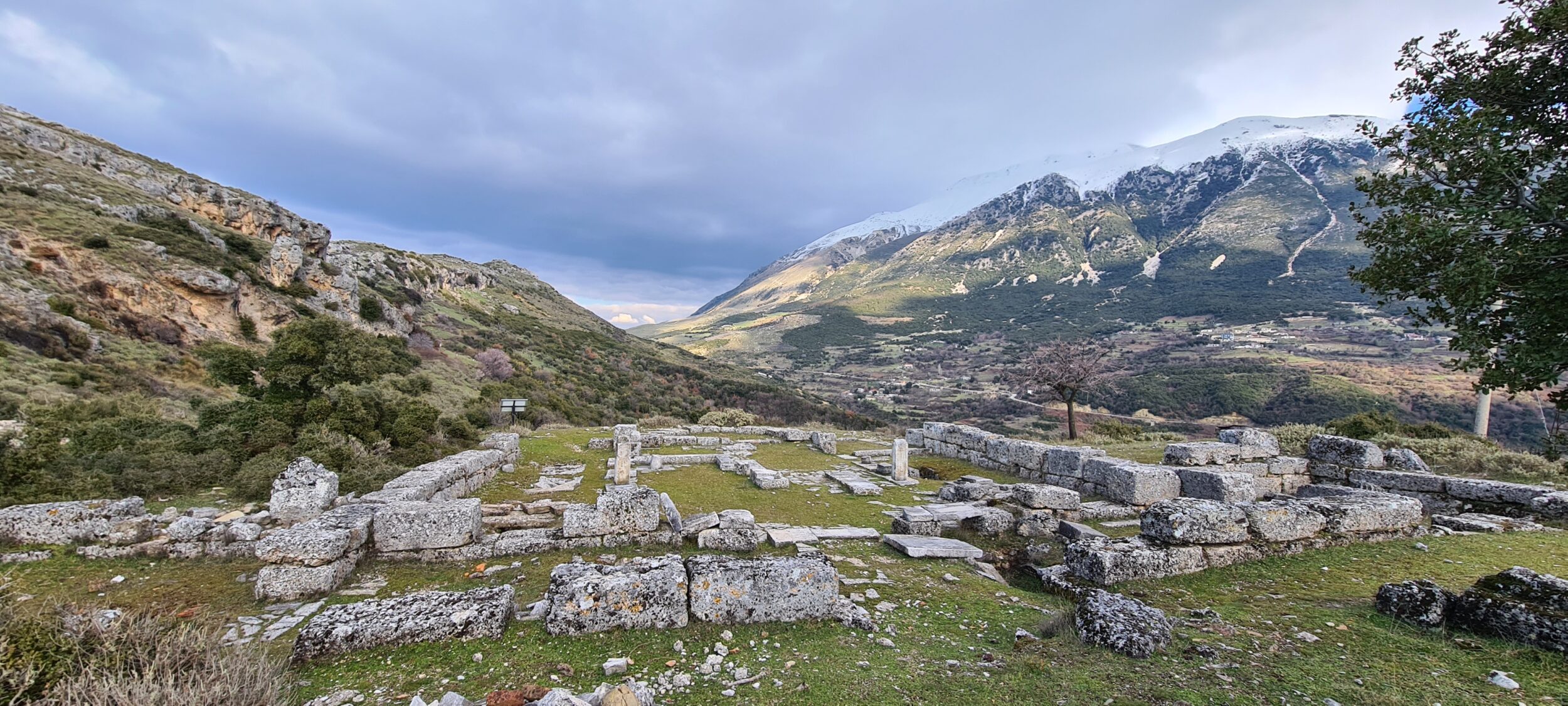
Inscriptions found at the site suggest that the temple played a central role in the religious life of the city. A sculptural figure — possibly symbolizing the river Aoos (today’s Vjosa) — is thought to have been part of its facade.
Standing here, with nothing but stones and landscape around you, it is easy to imagine rituals, offerings, and a completely different world.
⛪ The Palaeochristian Basilica – A Shift in Belief
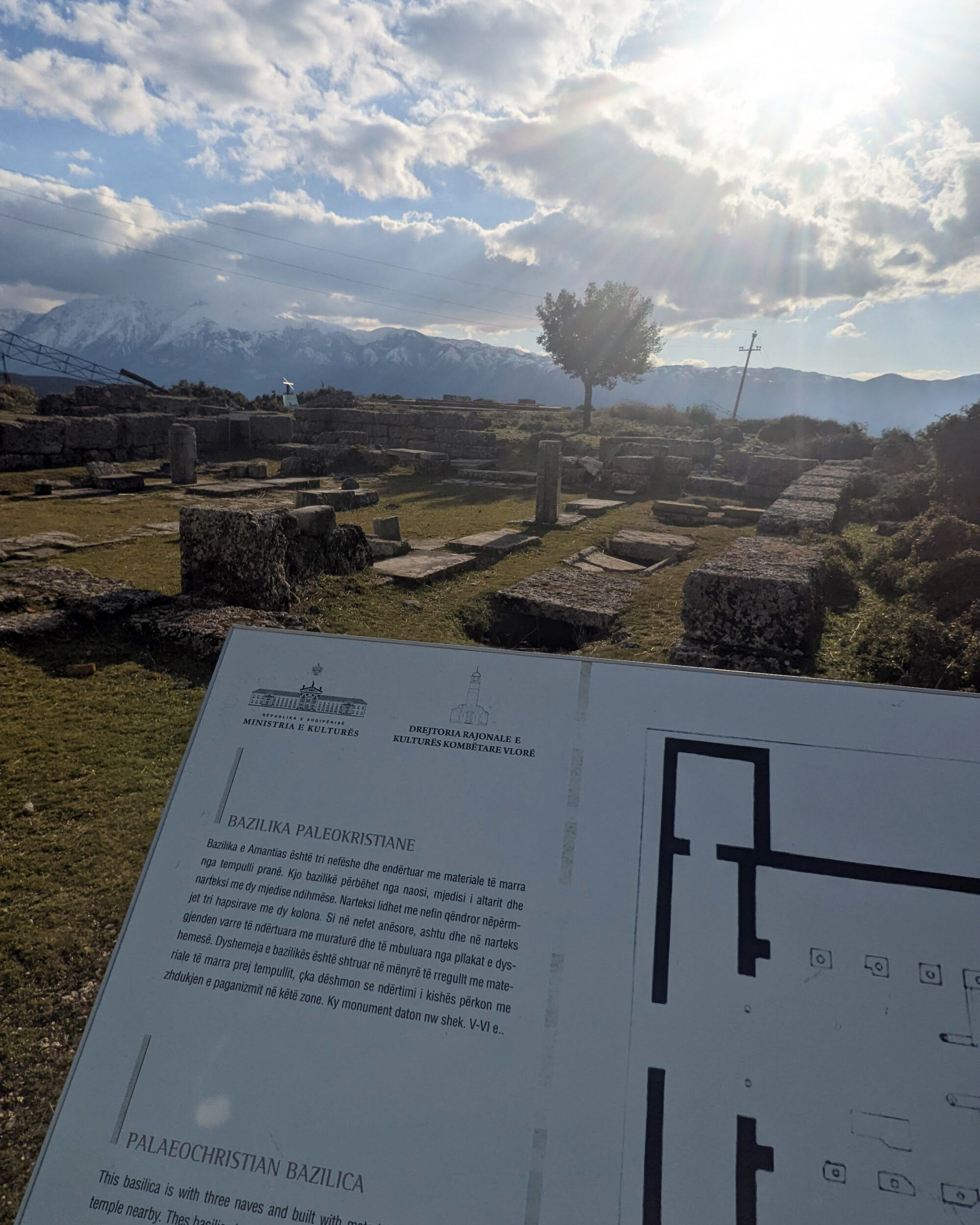
One of the most powerful elements of Amantia is the Palaeochristian Basilica, which dates back to the 5th–6th century AD.
The structure features:
- Three naves (aisles)
- A central nave connected through columns
- A narthex (entrance space) with additional rooms
- Tombs built within the structure, covered with stone slabs
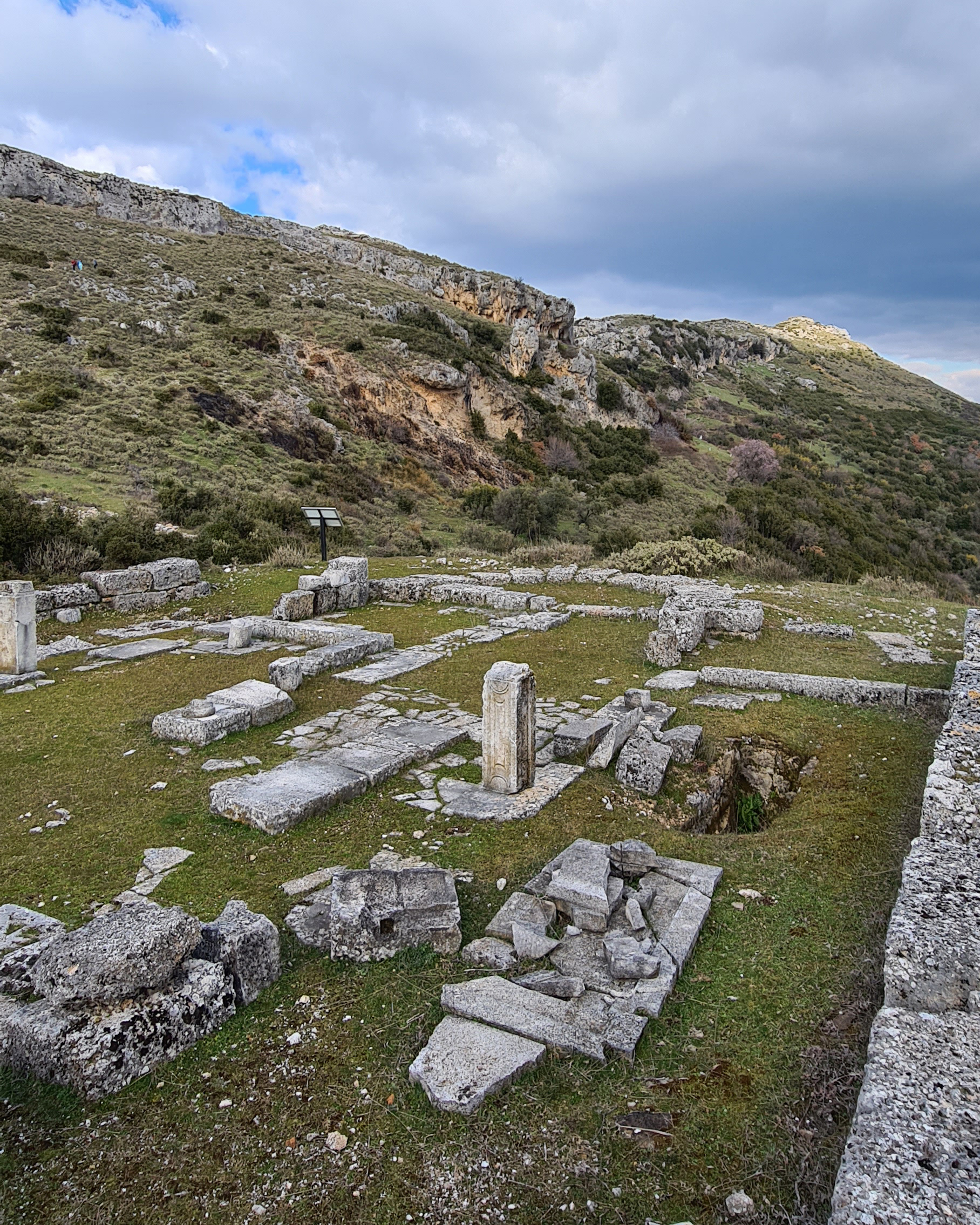
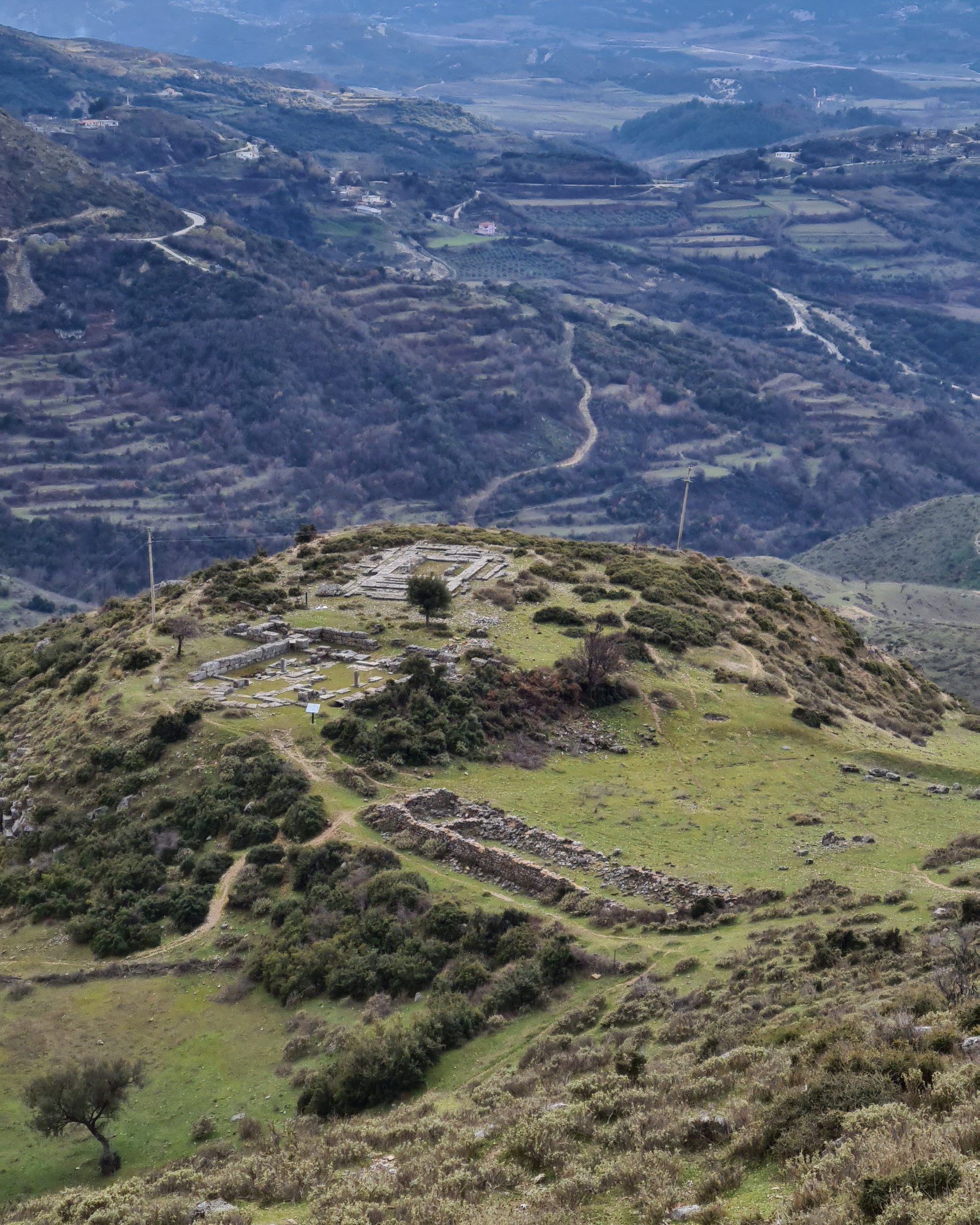
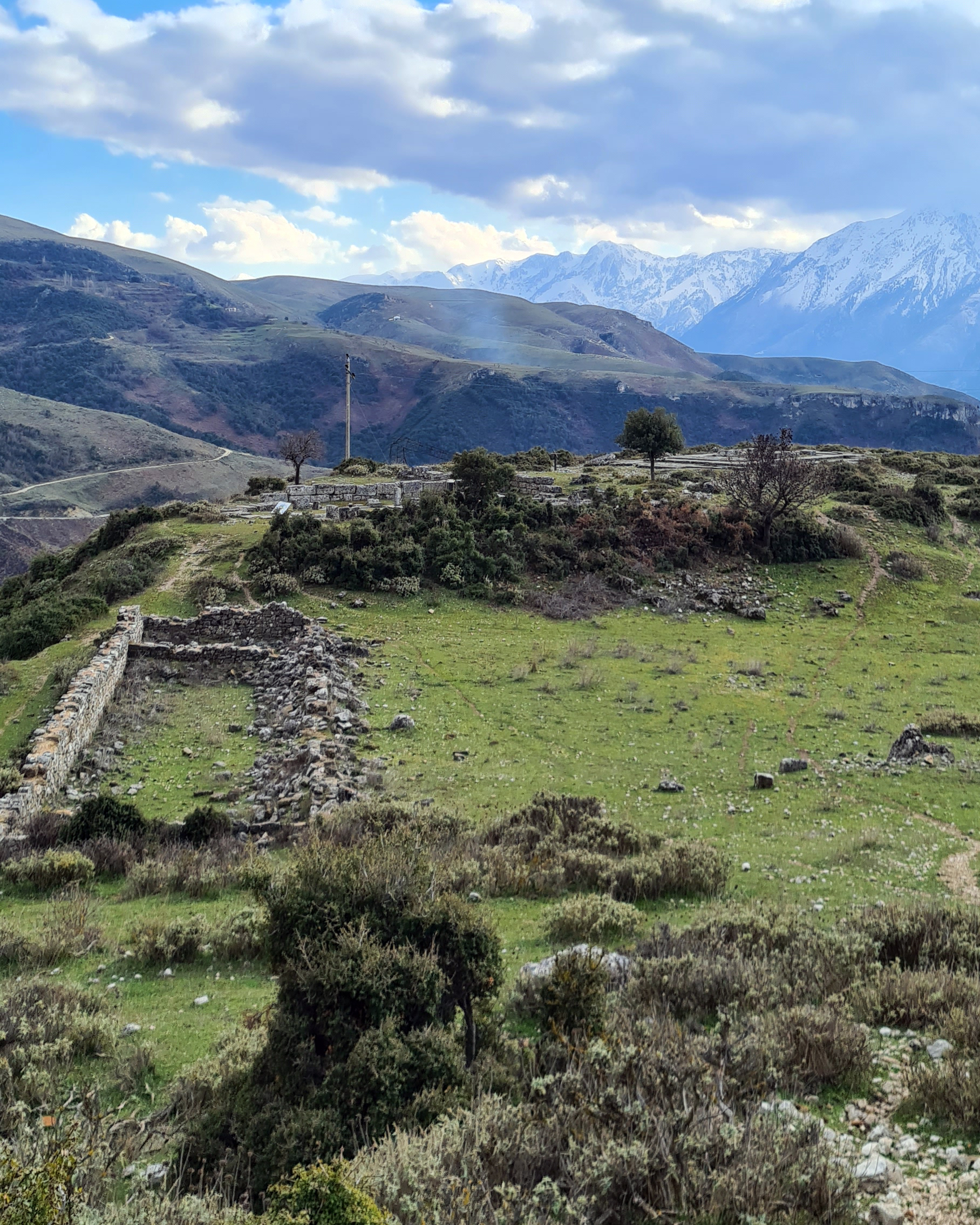
What makes this basilica especially meaningful is how it was built. The floor and materials were taken from the earlier pagan temple nearby. This is not just architecture — it is evidence of a transition from paganism to Christianity in the region.
You can literally see history layered on top of itself.
🏟️ The Stadium – One of the most unique in Albania
The stadium of Amantia is one of the most unique structures you’ll find in Albania. Instead of being built as a separate monument, it is carved directly into the slope of the hill, following the natural terrain and blending seamlessly with the landscape.
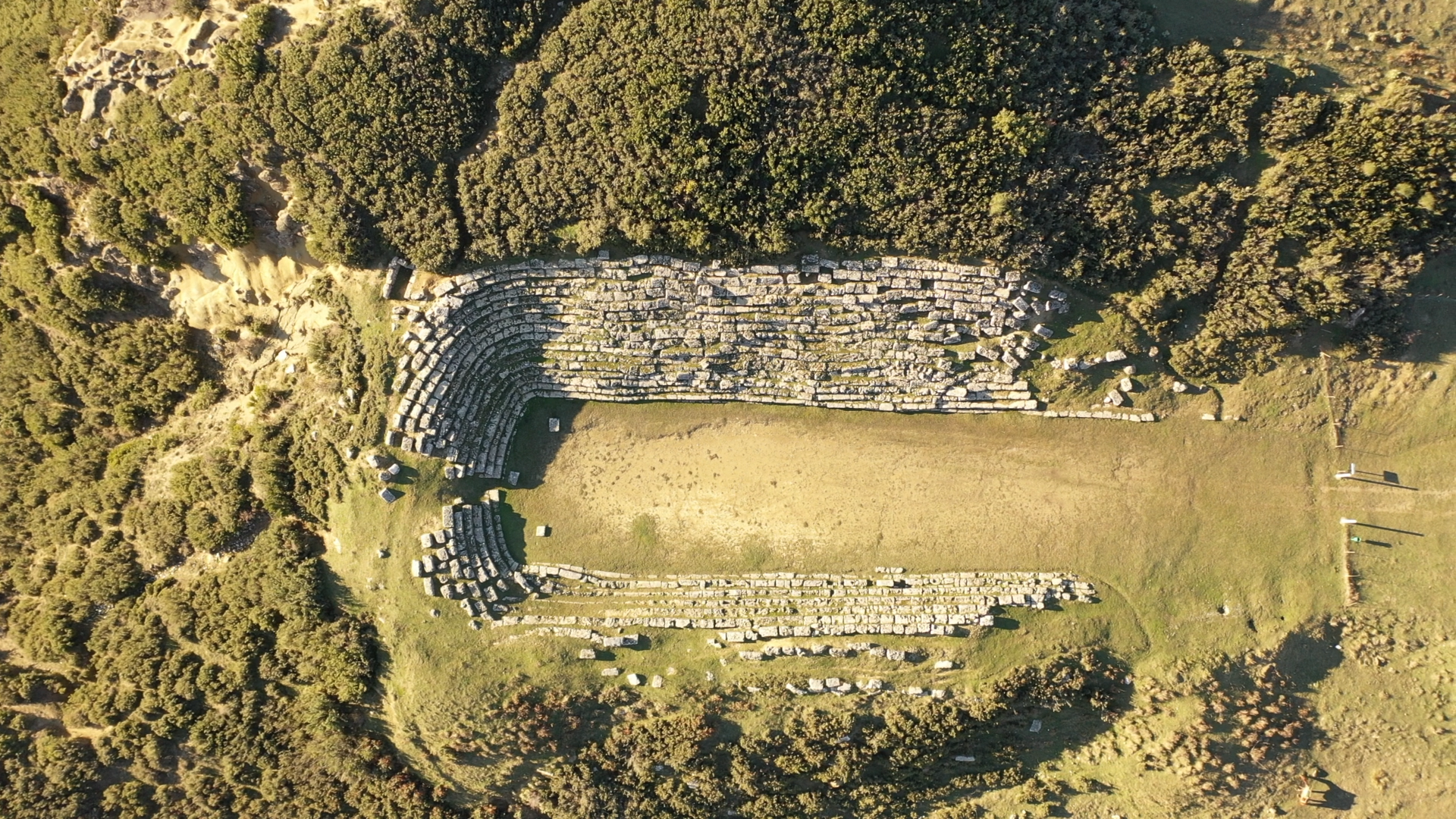
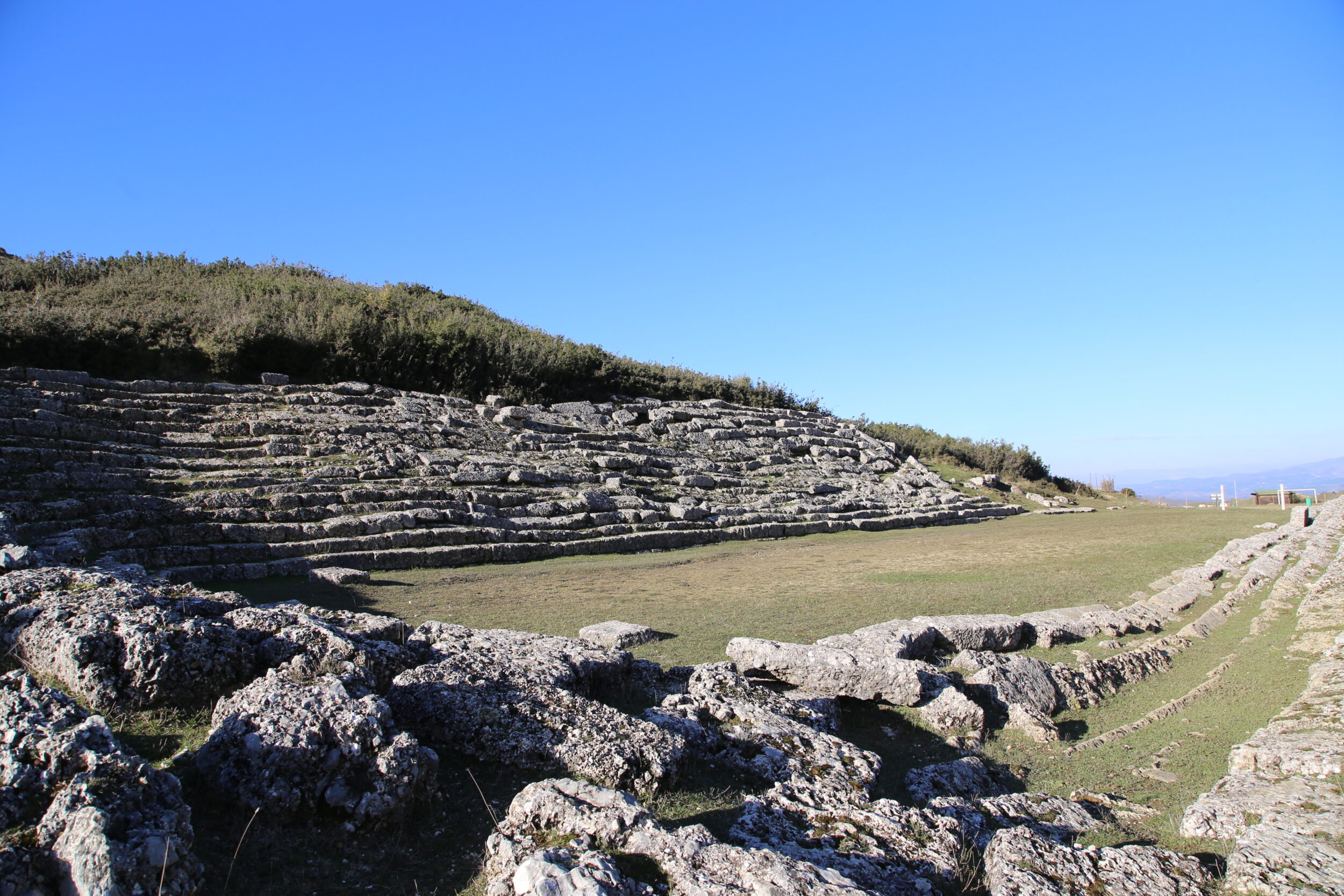
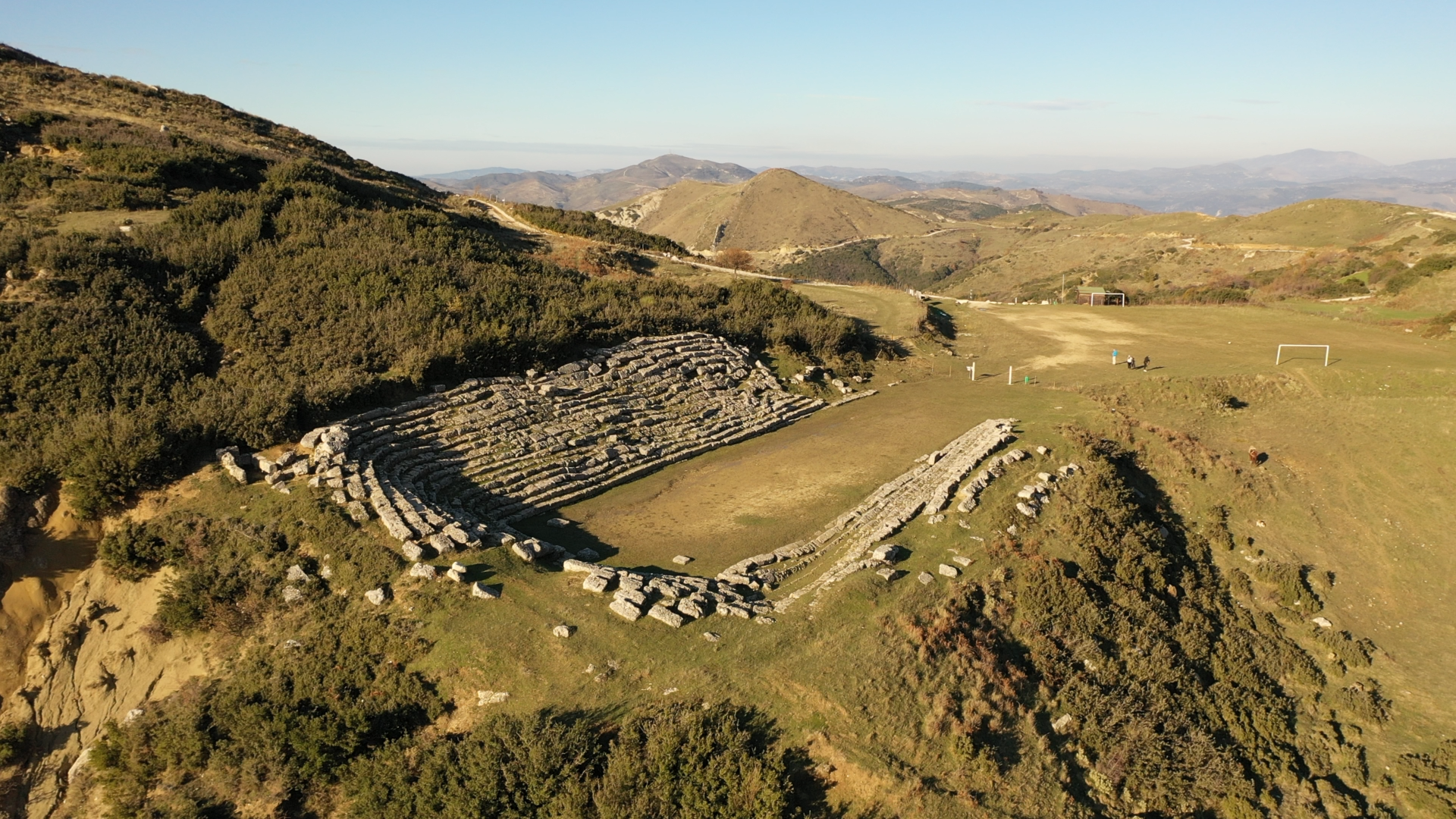
Stone seating rows are still visible today, giving a clear idea of its original form. The stadium was likely used for athletic events, public gatherings, and social activities, reflecting the importance of organized life in the city. Historical sources also suggest that the people of Amantia were connected to wider Greek traditions, even participating in events like the Delphi games.
What makes the experience special today is how open and untouched it feels. You can walk along the stone tiers, sit where spectators once gathered, and enjoy a wide view over the valley — a quiet but powerful reminder of the city’s past.
🏛️ The Arched Gate – A Symbol of Ancient Amantia
Among the ruins of Amantia, one structure immediately captures your attention — the arched gate, one of the most distinctive and well-preserved elements of the site.
Constructed with carefully placed stone blocks, the arch reflects a level of architectural skill that goes beyond simple fortification. It likely formed part of an internal passage or entrance, connecting key areas of the city rather than serving as a massive defensive gate. Its curved form, rare for Illyrian structures, also shows the influence of later Hellenistic and Roman building techniques.
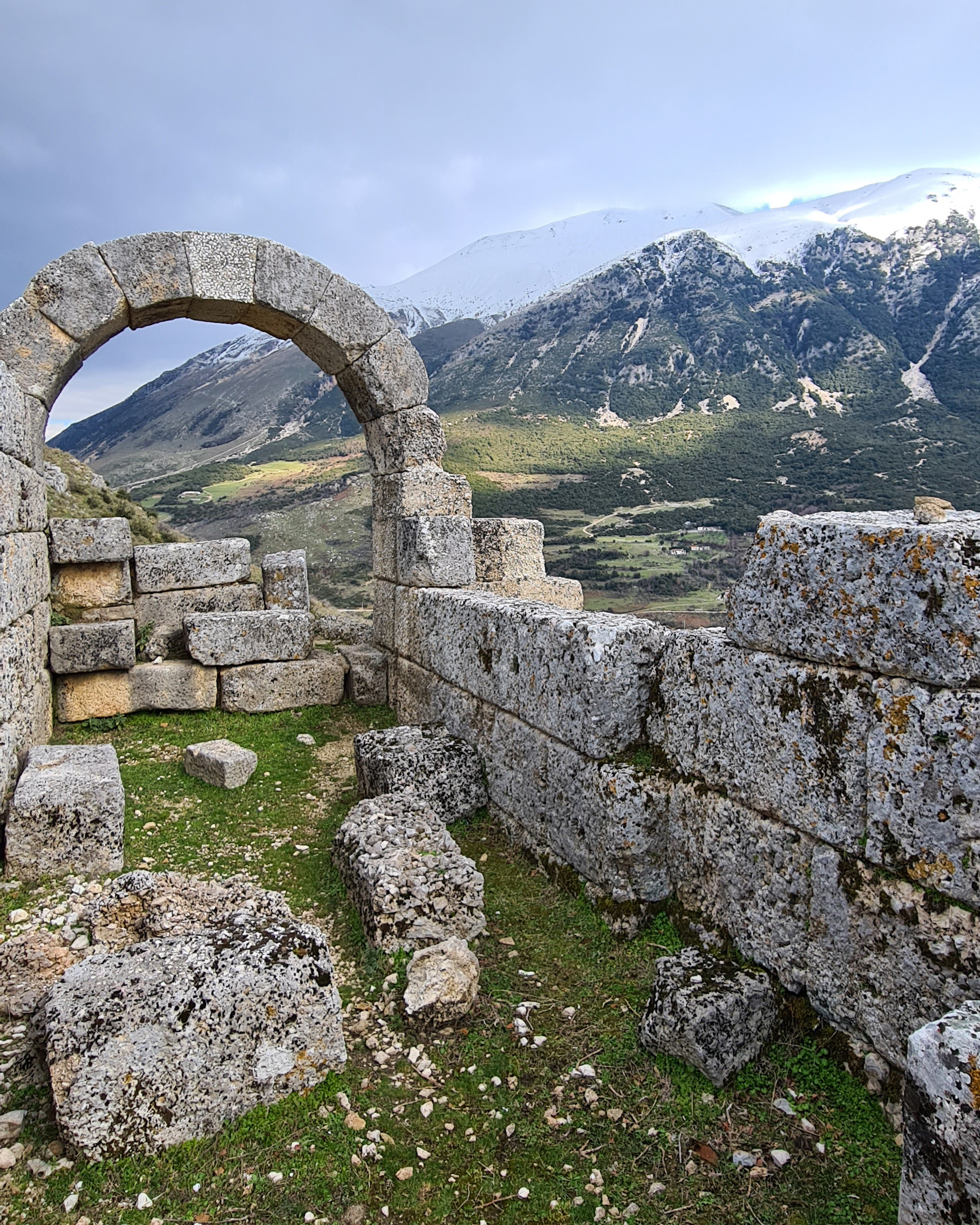
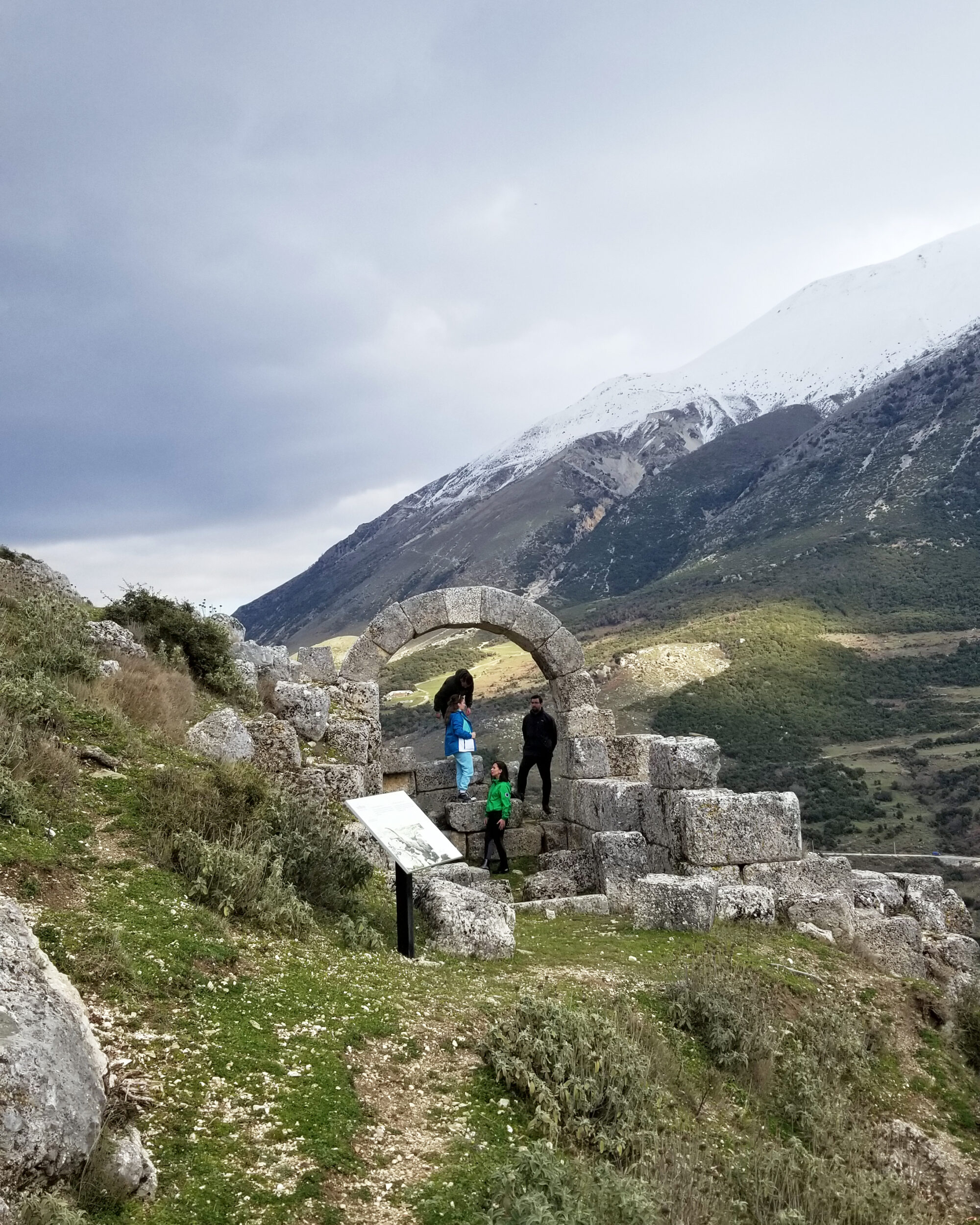
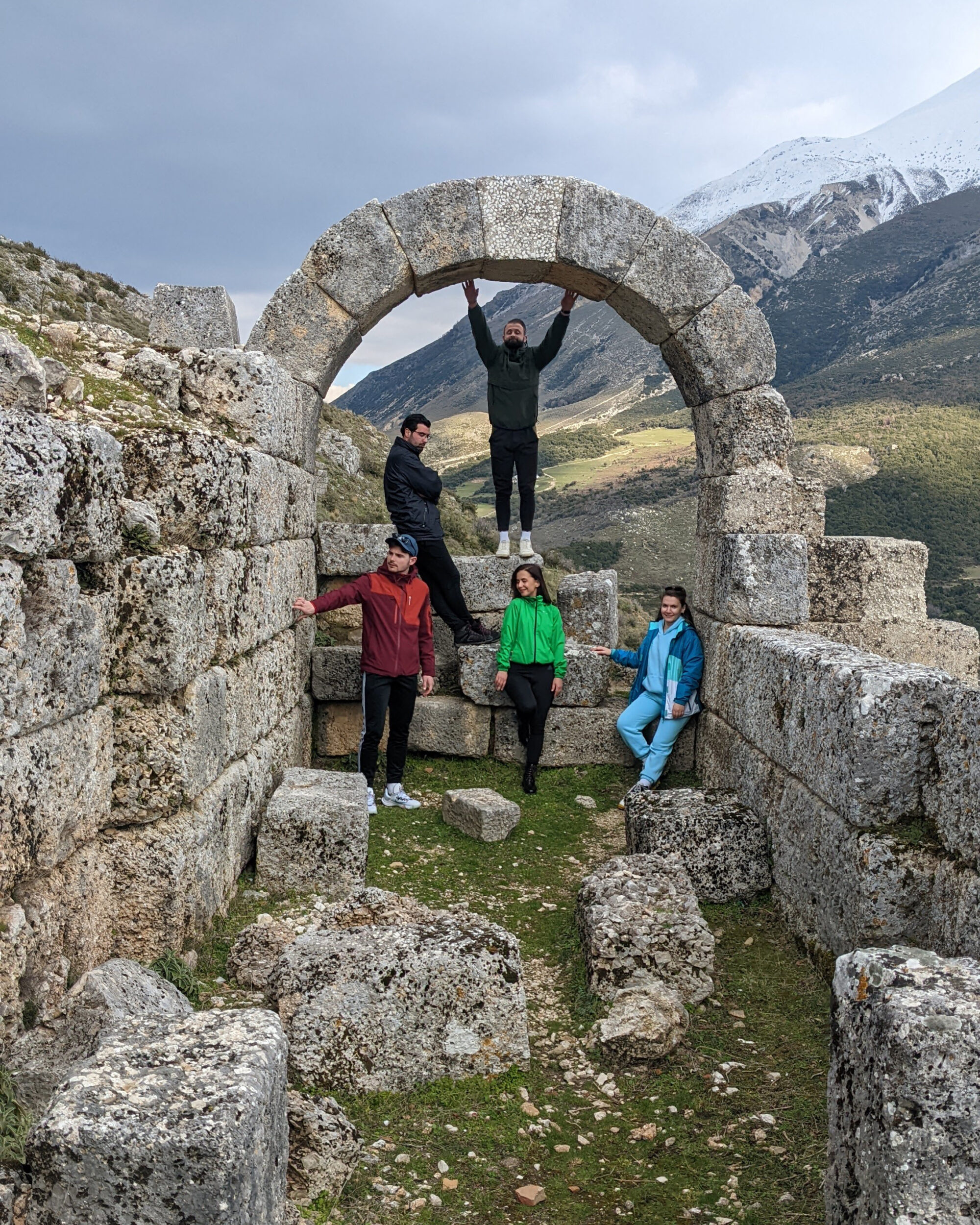
What makes this gate especially striking is its setting. Isolated against the open landscape, it stands almost like a frame — capturing the sky, the mountains, and the silence around it. Over time, it has become one of the most iconic and photographed spots in Amantia, not just for its shape, but for the atmosphere it creates.
Standing beneath the arch, you don’t just see a structure — you feel the passage of time. It’s a simple construction, yet one that connects the everyday life of an ancient city with the experience of modern visitors exploring it today.
🌄 Why Amantia Feels Different & Best Time to Visit
What makes Amantia truly special is not just its history — it’s the atmosphere. From the moment you arrive, you realize this is not a typical archaeological site. There are no crowds guiding your path and no barriers telling you where to stand. Instead, the experience feels slow, personal, and deeply immersive.
You move freely among the ruins, surrounded by silence, open landscapes, and uninterrupted views over the Shushicë valley. It’s this sense of space and isolation that sets Amantia apart from more visited sites like Butrint or Apollonia. Here, you don’t feel like a tourist — you feel like an explorer discovering something on your own.
To fully experience this atmosphere, timing matters. The best time to visit Amantia is during spring and autumn, when the weather is mild and the landscape is at its most vibrant. During these seasons, the combination of greenery, light, and temperature makes the entire site feel even more alive.
Summer, on the other hand, can be quite intense due to the lack of shade, so visiting early in the morning or later in the afternoon is highly recommended. At those hours, the light is softer, the temperatures are lower, and the overall experience becomes much more enjoyable.
⚠️ Practical Tips Before You Go
Visiting Amantia requires a bit of preparation, but that’s part of its charm.
There are limited facilities, so bringing water and comfortable walking shoes is essential. The terrain is uneven in places, and exploring the site involves a fair amount of walking.
There is no heavy infrastructure, which means no crowds but also no convenience. This is a place for travelers who enjoy exploration over comfort.
🧭 What to Visit Near Amantia
If you’re planning a broader trip around Vlore, Amantia fits perfectly into a cultural and nature-based itinerary.
The surrounding region includes the Shushicë valley, the Vjosa river, and several lesser-known villages that still preserve traditional life. It’s a different side of Vlorë — one that most travelers miss.

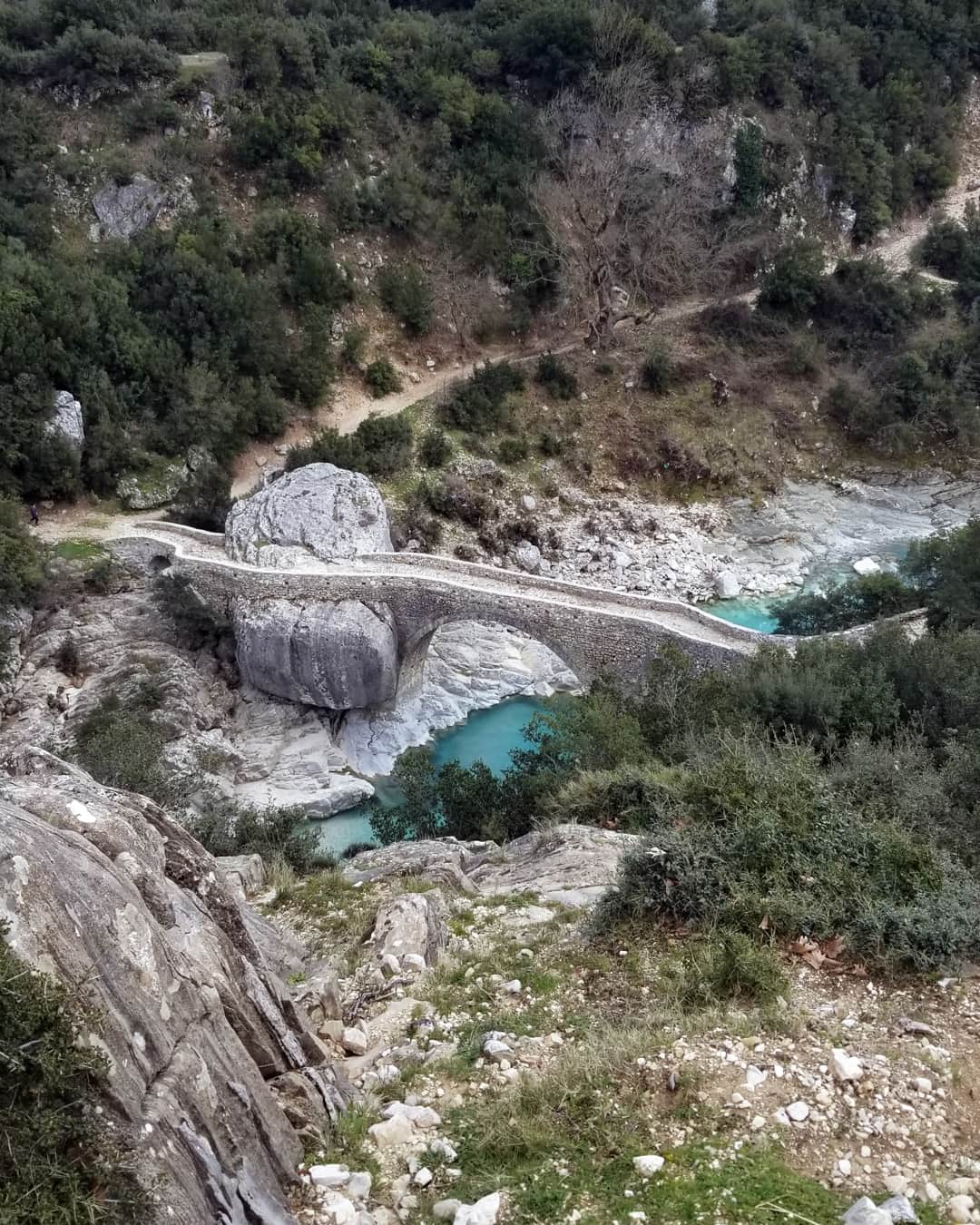

One of the most interesting stops nearby is Brataj Bridge (Ura e Bratit), a beautiful Ottoman-era stone bridge hidden deep in the Shushicë Valley. Built in the 16th century, it once served as an important crossing point along old caravan routes connecting inland villages with the coast. Today, it stands as a cultural monument surrounded by untouched nature, with crystal-clear waters and natural pools nearby — making it a perfect stop for both history lovers and adventure seekers.
Read more about it here: Brataj Bridge – A Hidden Gem in Vlora
❓ FAQ – Amantia Archaeological Park
- Is Amantia worth visiting? Yes — especially if you’re interested in history, archaeology, or off-the-beaten-path destinations.
- How long does a visit take? Around 1.5 to 3 hours, depending on how much you explore.
- Is there an entrance fee? Usually free or minimal, depending on site management.
Amantia is not the kind of destination that impresses you instantly — but that’s exactly what makes it special. As you walk through the ruins, sit in the ancient stadium, and take in the silence of the surrounding valley, the history slowly begins to unfold around you. It’s a place where time feels distant, and the experience becomes personal, almost reflective. More than just an archaeological site, Amantia is one of those rare places that stays with you long after you leave, offering a deeper and more authentic connection to Albania’s past.
If you’re exploring more unique places in the area, don’t miss: Zvernec Albania: What to Do, Beaches, Monastery & Narta Lagoon Experience