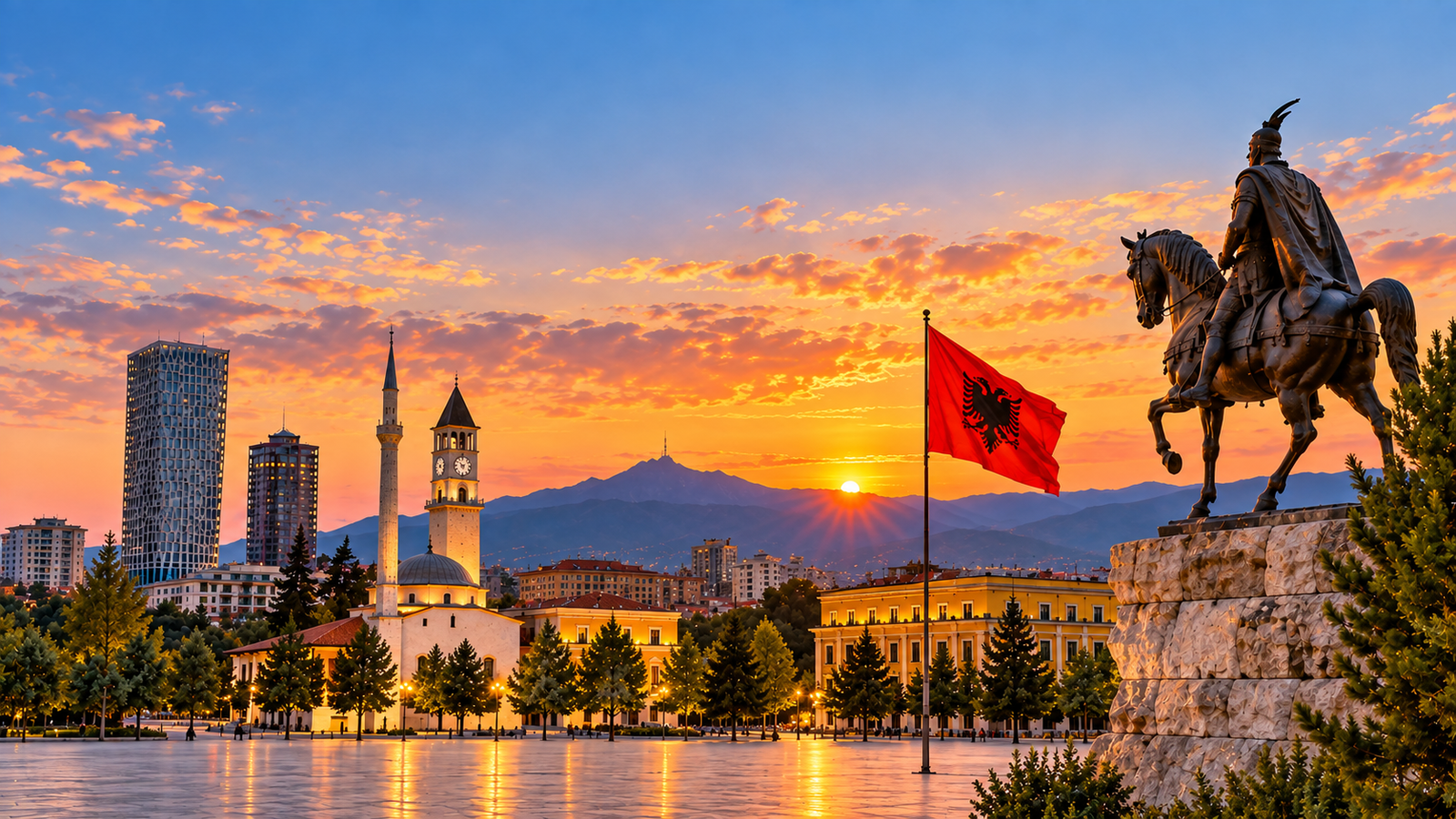


If you’re searching for the most complete guide to castles in Tirana, you’re not just looking for a list, you’re looking to understand the history behind them. Tirana may not be famous for castles in the traditional sense, but the region holds a fascinating network of fortresses, archaeological sites, and defensive structures that date from the Illyrian era to the Byzantine Empire and Ottoman period. Some are fully restored and accessible, while others remain as quiet ruins hidden in the landscape.
What makes Tirana unique is that its history is not concentrated in one monument, it is spread across hills, villages, and mountains, each site telling a different part of the story.
Table of Contents
- Main Castles in Tirana (Must Visit)
- Secondary Castles & Ruins (Hidden Gems)
- Fortifications & Historical Structures (Extended List)
- FAQ – Castles in Tirana
Main Castles in Tirana (Must Visit)
Tirana Castle
The Castle of Tirana is one of the most unique historical sites in Albania—not because of its size or defensive structure, but because of how it has evolved.
Today, within its ancient walls, you’ll find a new pedestrian area transformed into a recreational and cultural space. The castle has become a place where local traditions are actively promoted, with artisans, traditional cuisine, and art shaping the experience.
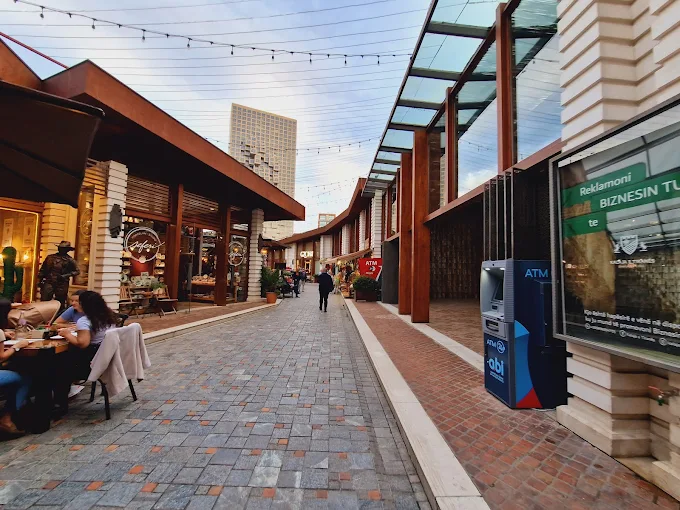
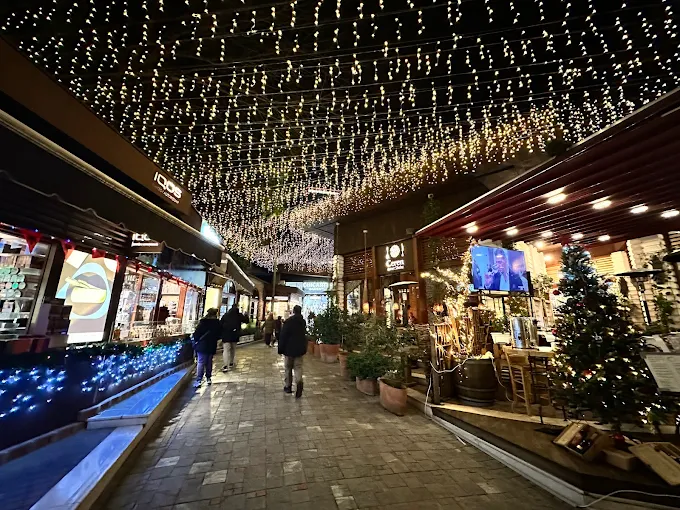
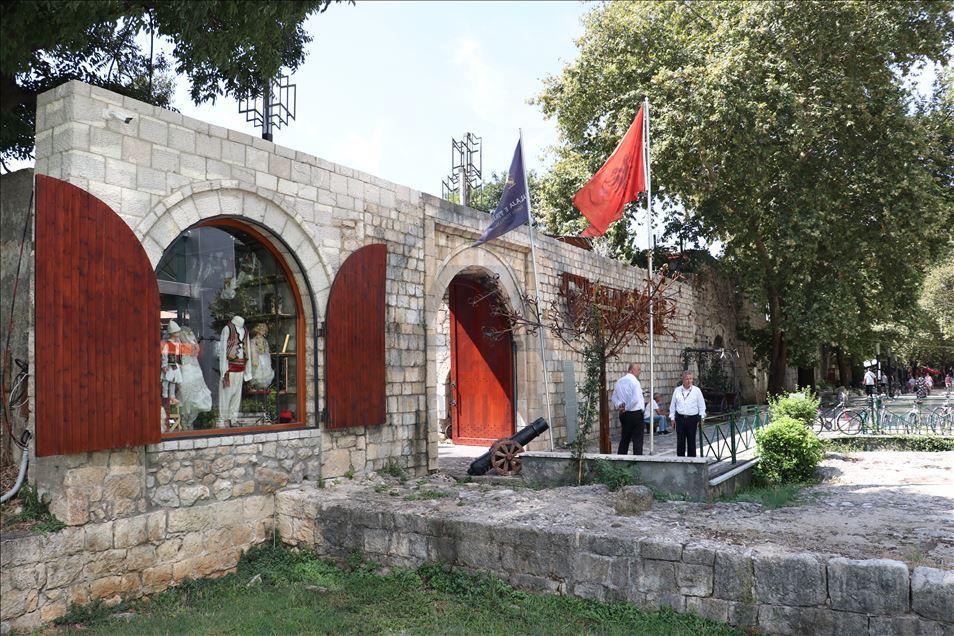
Historically, the site dates back to the Byzantine period and later developments during the Ottoman era. While much of the original fortress structure has changed, the remaining walls still define the space and preserve its identity.
Visiting Tirana Castle is less about exploring ruins and more about experiencing how history has been integrated into modern city life.
Petrela Castle
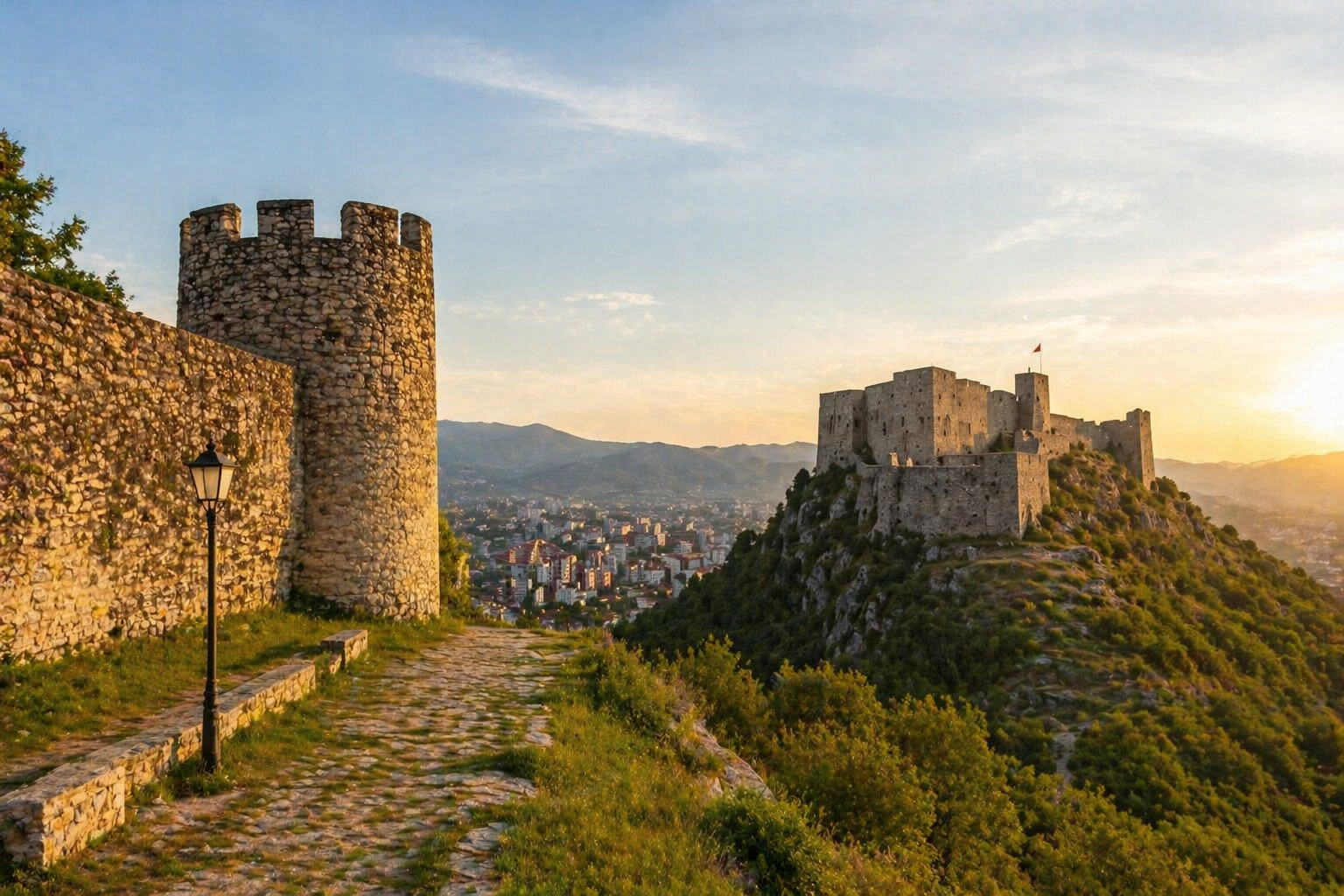
The Castle of Petrela is one of the most historically significant and visually striking castles near Tirana. Built during late antiquity (3rd–4th century AD) and later reconstructed under Byzantine Emperor Justinian I in the 6th century, it was an essential part of the empire’s defense system.
Its location is not accidental. Built on a rocky hill about 400 meters above sea level, the castle controlled both the Erzen River valley and the important Via Egnatia route connecting Durrës, Tirana, and Elbasan—one of the most strategic roads of the time.
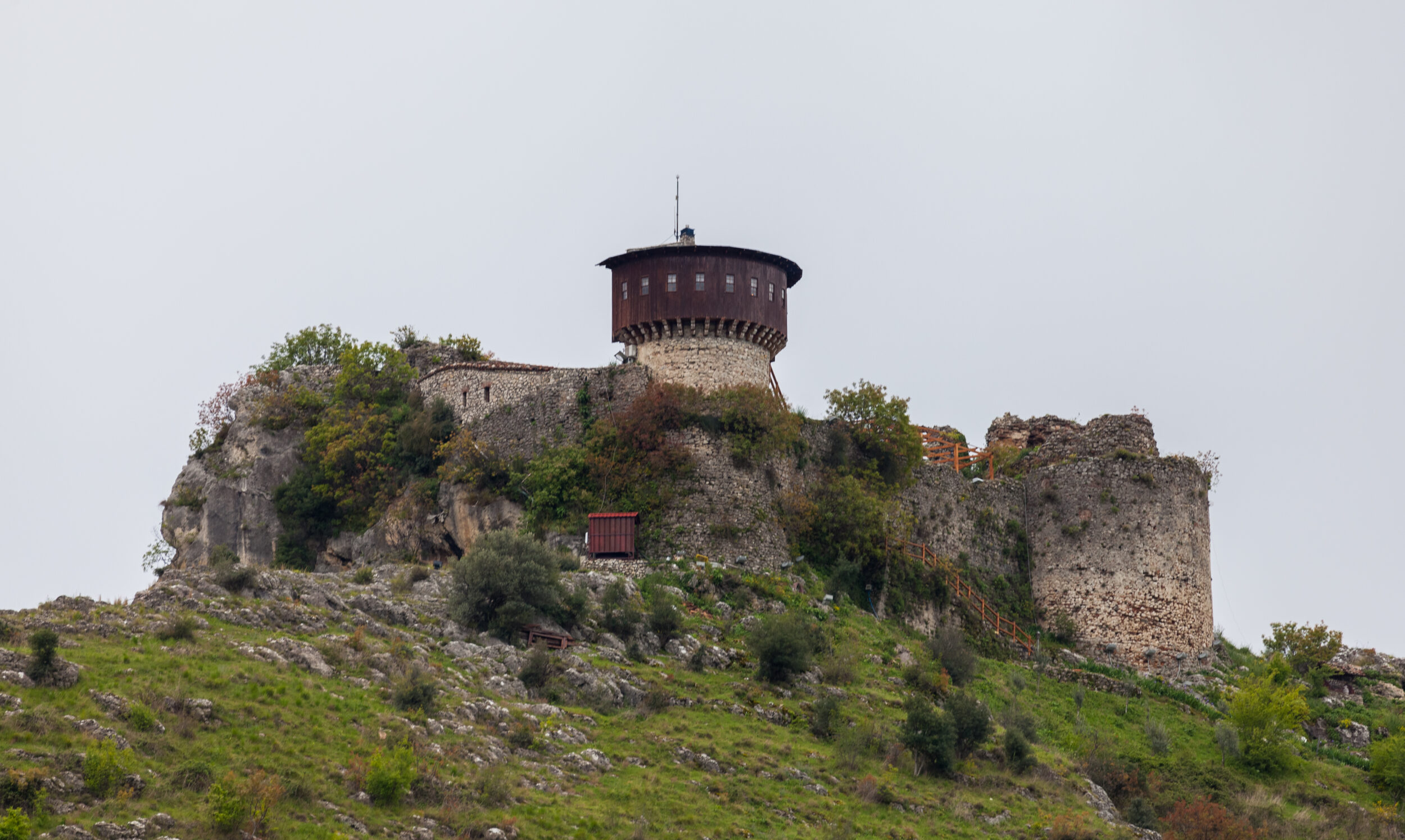
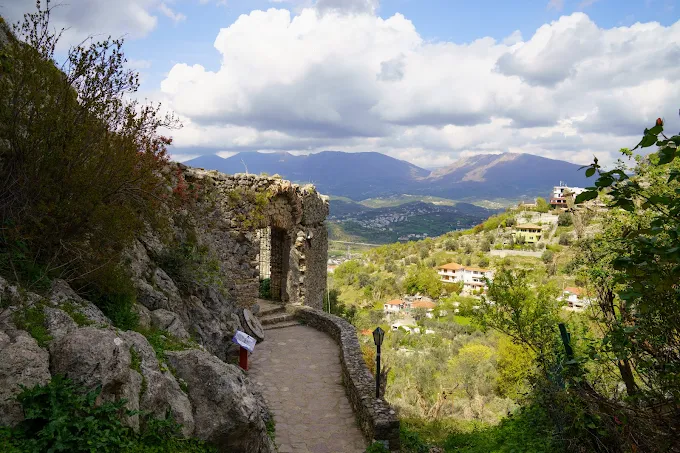
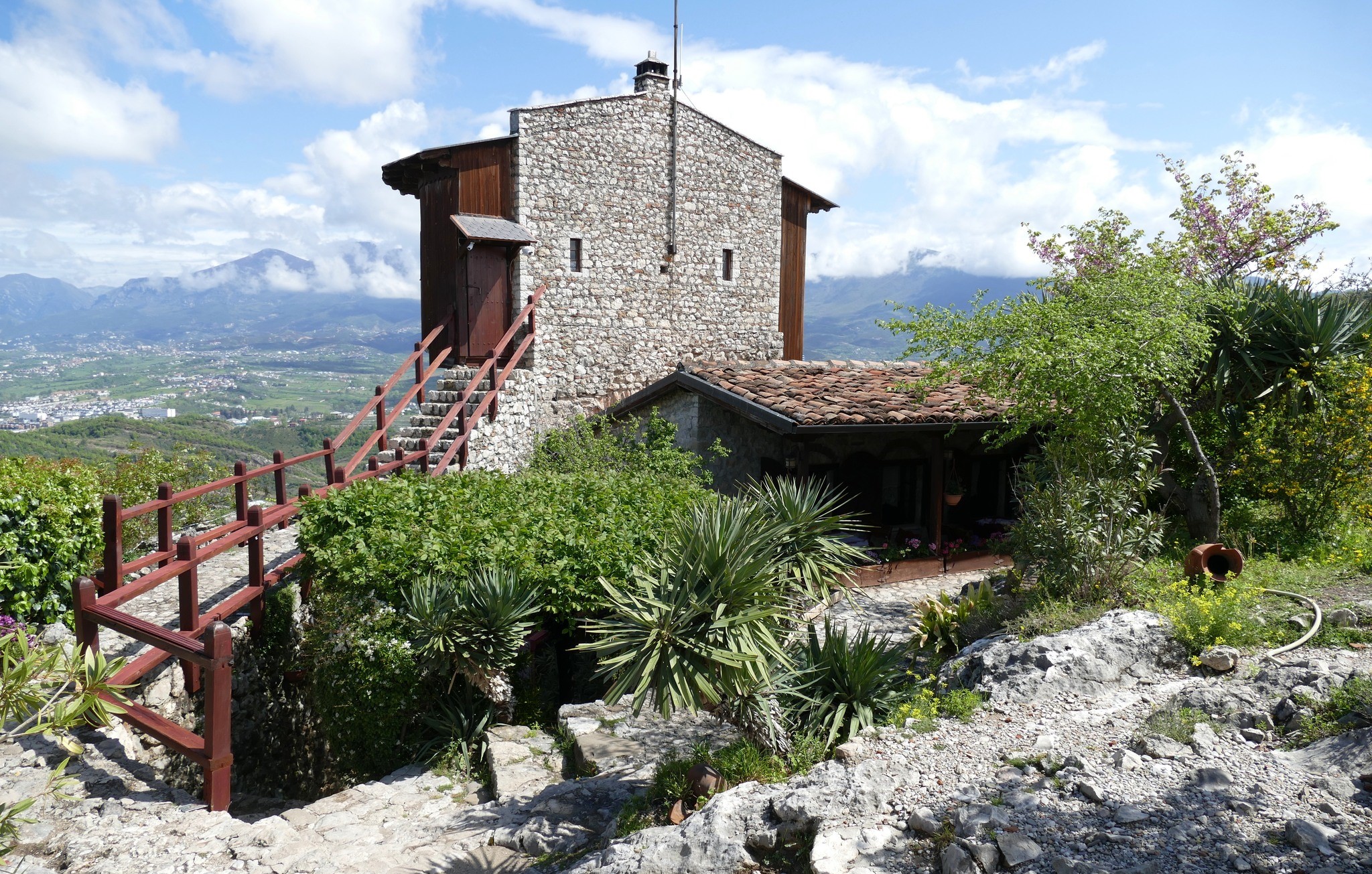
The structure itself reflects its military purpose. With steep natural slopes on the southern side and a double fortification system, including an inner keep and an outer defensive wall, Petrela was designed for protection and control.
Later, in the 14th century, it came under the rule of the powerful Topia family, whose emblem can still be seen on the castle walls.
Today, reaching the castle requires a short climb up stone steps—but once you arrive, the views and the atmosphere make it one of the most rewarding experiences near Tirana. Inside the castle, there is also a traditional restaurant, allowing visitors to enjoy local Albanian cuisine while surrounded by centuries-old stone walls, making the experience even more memorable.
Preza Castle
Preza Castle is where history, culture, and landscape come together in a balanced and authentic way.
The earliest historical reference to Preza appears in the writings of Marin Barleti, who mentions it as a settlement of the Parthini tribe. The castle itself was constructed during the 14th century and completed in the early 15th century, under the rule of the feudal Topia family.
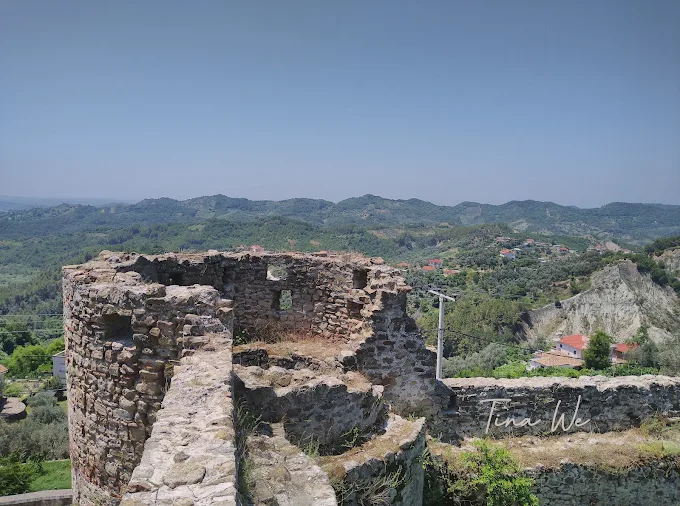
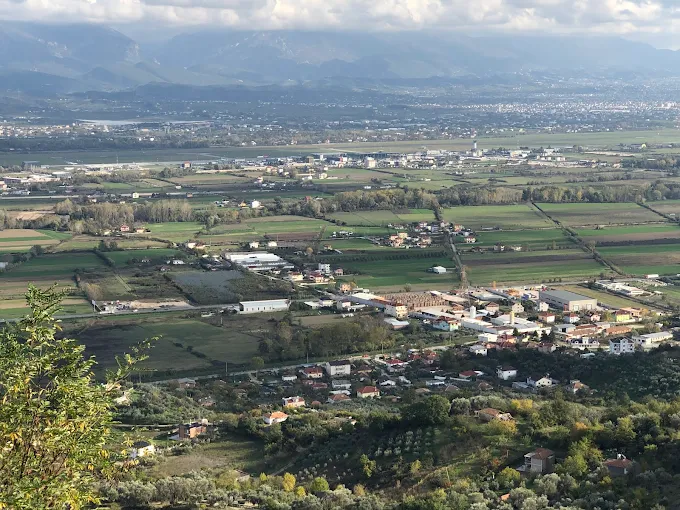
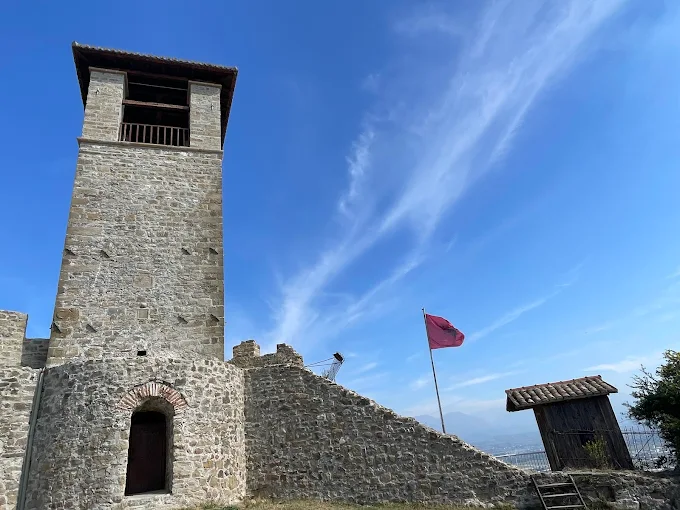
Architecturally, the castle is unique. It has an irregular pentagonal shape, with four round towers and one rectangular tower that also served as the main entrance. Its design reflects both defensive needs and control over strategic routes, including connections between Shkodër, Durrës, and Krujë.
During the Ottoman period, the castle was repaired, and a mosque was added above the entrance. Later, a clock tower was built, further shaping its identity.
Today, Preza is a protected cultural monument. Inside the castle, visitors can find traditional restaurants and open green spaces, while outside, the surrounding landscape creates one of the most beautiful sunset spots in the Tirana region.
If you want to explore more about the village, its history, and what to do beyond the castle, check out our full guide: Prezë – Preze Albania Travel Guide 2026 – Castle, History & Things to Do Near Tirana.
Secondary Castles & Ruins (Hidden Gems)
Ndroq Castle
Ndroq Castle represents a quieter, less explored part of Tirana’s history. Today, only ruins remain, but their position on elevated terrain suggests their importance in controlling the surrounding area.
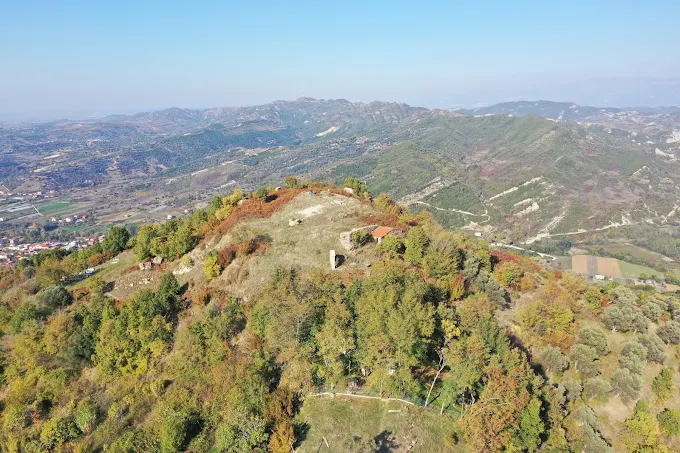
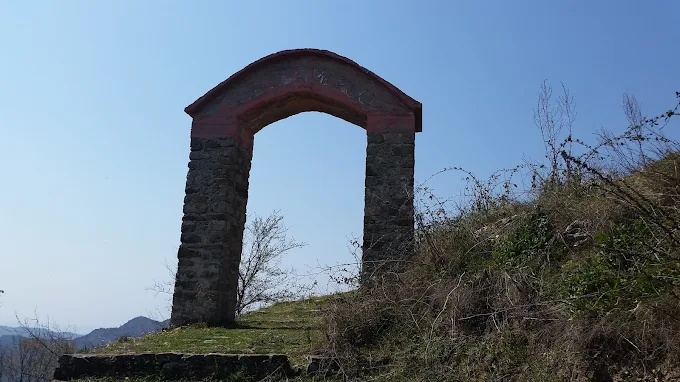
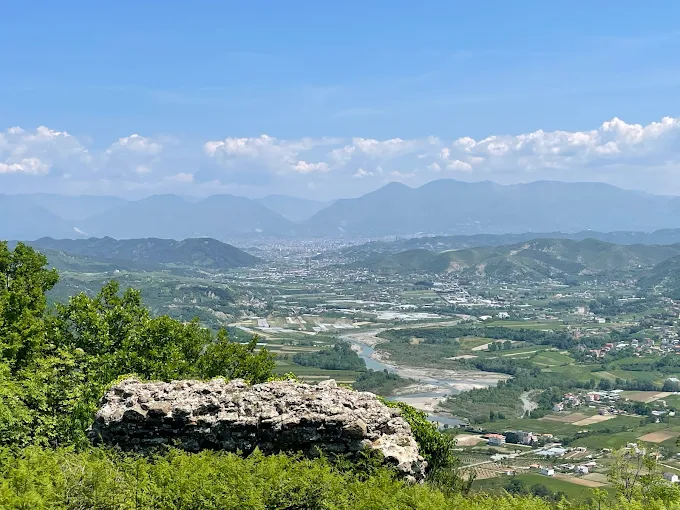
Visiting Ndroq is more about the journey than the destination. As you move away from the city, the landscape becomes more rural and untouched, offering a completely different perspective of the region.
Dorëz Castle
The ruins of the Ancient City of Dorëz are among the oldest archaeological sites in the Tirana region, dating back to the Iron Age (12th–11th century BC). Some researchers believe this site may be linked to the ancient city of Dimal.
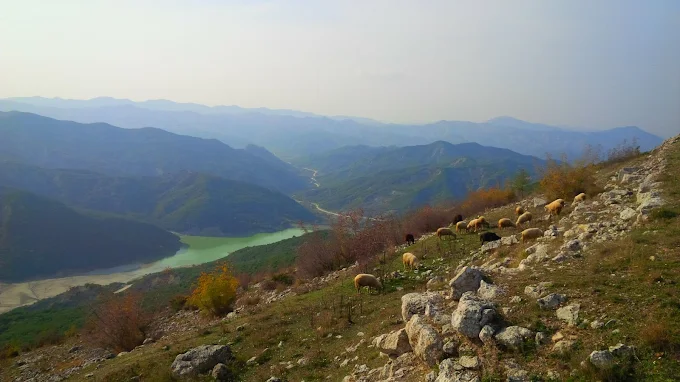
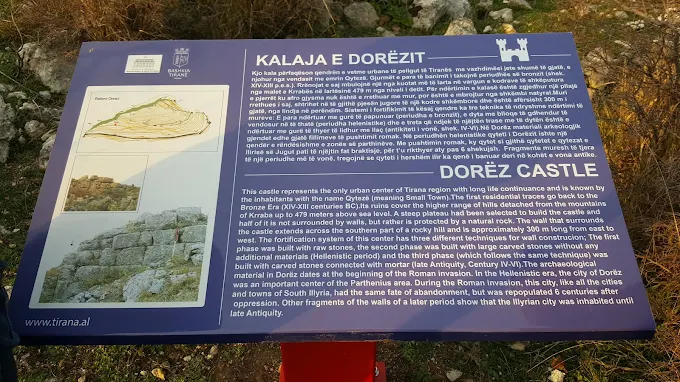
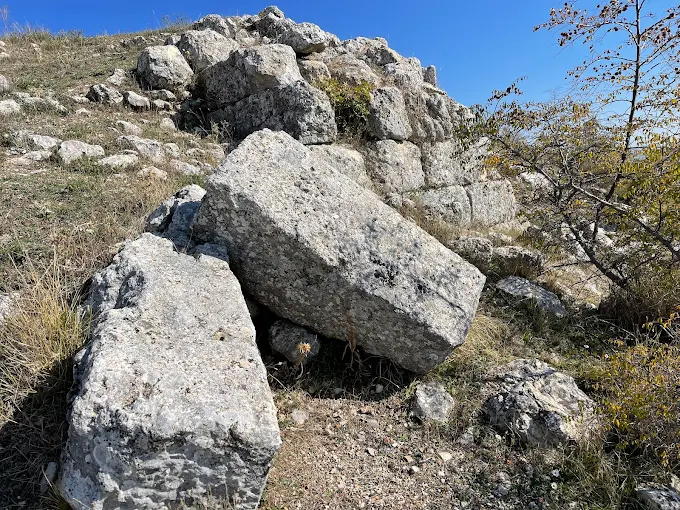
Located about 480 meters above sea level, the site was naturally protected by cliffs on one side, while the rest was surrounded by defensive walls extending up to 300 meters.
What makes Dorëz particularly important is the evidence of multiple construction phases, from proto-Illyrian stone structures to Hellenistic and late antiquity fortifications. This shows that the site was continuously inhabited and adapted over centuries.
Reaching Dorëz requires a short hike, but it offers one of the most authentic historical experiences near Tirana.
Fortifications & Historical Structures (Extended List)
Persqop Castle
Persqop is one of the most important yet least explored historical sites near Tirana. Known as the Ancient Settlement of Persqop, this site dates back to ancient times and is believed to have been an important Illyrian center in the region.
Archaeological findings suggest that Persqop was strategically positioned to control surrounding territories and routes. The remains of ancient walls and structures indicate that the settlement was fortified and inhabited over different historical periods, reflecting continuous development from early Illyrian times through later eras.
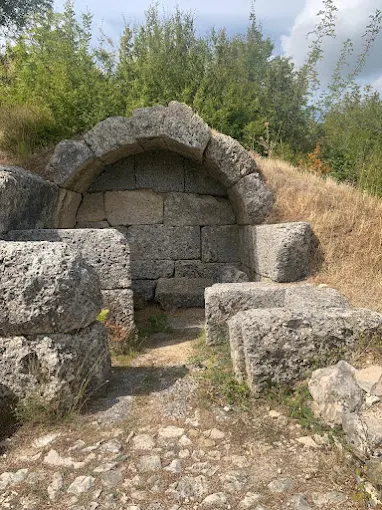
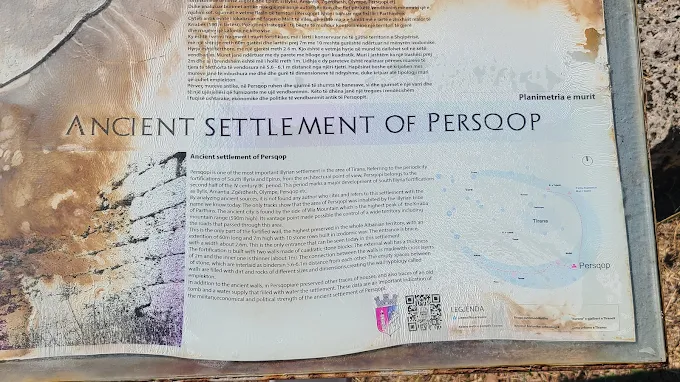
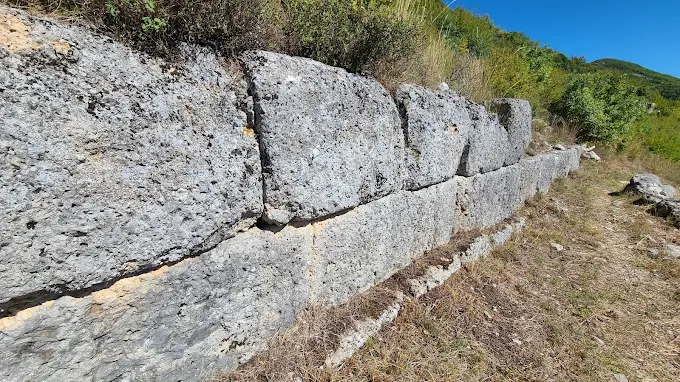
Its elevated position on a hill provided natural protection, while the constructed defensive walls reinforced its role as a secure settlement. Today, although only fragments remain, the site still gives a clear sense of its former importance.
What makes Persqop especially interesting is that it represents a much older layer of history compared to the medieval castles in Tirana. Visiting it is less about seeing a preserved monument and more about understanding the origins of settlement and defense in the region.
Reaching Persqop requires a bit of exploration, but for those interested in archaeology, history, and untouched locations, it is one of the most unique experiences near Tirana.
Mount Dajti Fortifications
While Mount Dajti is mostly known for its natural beauty, it also hides lesser-known historical elements, including the remains often referred to as Kalaja e Dajtit. These are not large, fully preserved castle structures, but rather traces of fortifications that reflect the strategic importance of the mountain over time.
The route leading to this area typically starts from the Visitor Center of Dajti National Park and follows a marked trail along the ridge. The hike takes around 2–3 hours, depending on the path and pace, and is considered of moderate difficulty. Along the way, the landscape shifts from dense forest to open panoramic viewpoints overlooking Tirana and the surrounding valleys.
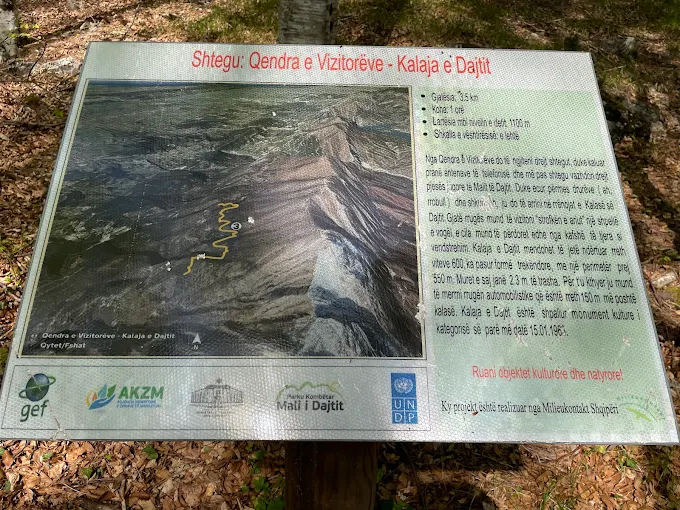
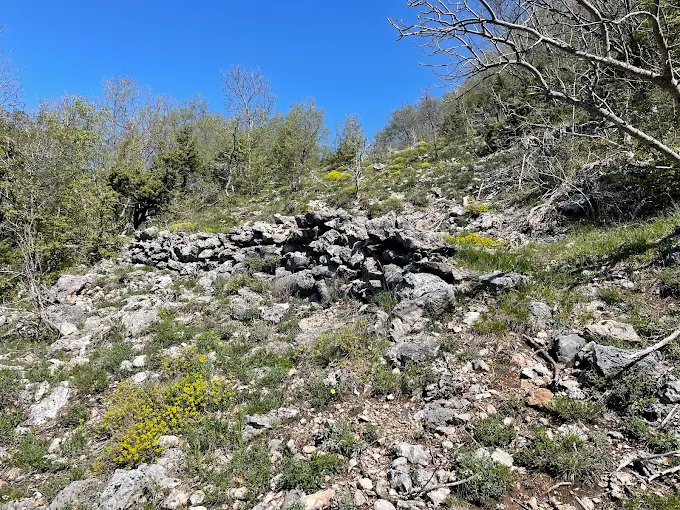
The elevated position of Dajti made it a natural defensive point, and although only fragments remain today, the location itself explains its historical role. At approximately over 1000 meters above sea level, the site offered visibility and control over a wide territory, making it valuable in different periods.
Today, visiting Kalaja e Dajtit is less about exploring a traditional fortress and more about combining history, hiking, and nature into one experience. It is ideal for travelers who want to go beyond typical tourist attractions and discover a more adventurous side of Tirana.
👉 If you want to explore hiking trails, panoramic views, and everything this area has to offer, check out our full guide: Mount Dajti 2026: The Ultimate Nature Escape Near Tirana.
FAQ – Castles in Tirana
- How many castles are there in Tirana? Tirana has 3 main castles open to visitors: Tirana Castle, Petrela Castle, and Preza Castle. Including ruins and historical sites, the total reaches 6–7 locations.
- Which is the best castle to visit near Tirana? The most popular is Petrela Castle due to its views and historical importance, while Preza Castle offers a quieter and more authentic experience.
- Is Tirana Castle worth visiting? Yes, Tirana Castle is worth visiting, especially for its central location and unique mix of history, restaurants, and artisan spaces.
- Can you visit castles in Tirana without a car? You can easily visit Tirana Castle on foot, but for castles like Petrela Castle and Preza Castle, a car or taxi is recommended.
- What is the best time to visit castles near Tirana? The best time is spring and autumn for comfortable weather, while summer is ideal for sunset visits, especially at Petrela Castle and Preza Castle.
The castles in Tirana are not defined by quantity, but by diversity. From ancient Illyrian settlements to Byzantine fortresses and Ottoman reconstructions, each site reflects a different chapter of Albania’s history. Exploring them offers a deeper perspective on Tirana, not just as a vibrant modern capital, but as a region shaped by centuries of transformation, culture, and strategic importance.
If you want to explore more beyond castles, check out our full guide: Top Attractions in Tirana (2026) – Must-See Places & Travel Guide.