

Hidden among the mountains of northeastern Albania, Lura National Park is one of the country’s most remarkable natural destinations. Known for its glacial lakes, alpine forests, and dramatic mountain landscapes, the park offers visitors a rare opportunity to explore one of the most pristine environments in the Balkans. Far from mass tourism and surrounded by untouched wilderness, Lurë represents a peaceful alpine retreat where nature, tradition, and mountain culture come together.
Located in the Diber region, near the village of Fushe-Lure, the park forms part of Albania’s efforts to promote sustainable rural tourism through initiatives such as the “100 Tourist Villages” program. For travelers searching for authentic nature experiences beyond the more famous destinations of the Albanian Alps, Lurë National Park is an extraordinary place to discover.
📑 Table of Contents
- Where is Lura National Park?
- Protected Landscape of Lura
- Lura Glacial Lakes
- Lake of Flowers
- The Great Lake
- Black Lake
- Hiking in Lura National Park
- Cultural Heritage Around Lura
- Local Life and Traditions
- Best Time to Visit Lura National Park
- Where to Stay in Lura
- Where to Eat in Lura
- FAQ – Lura National Park
- Why Visit Lura National Park?
Where is Lura National Park?
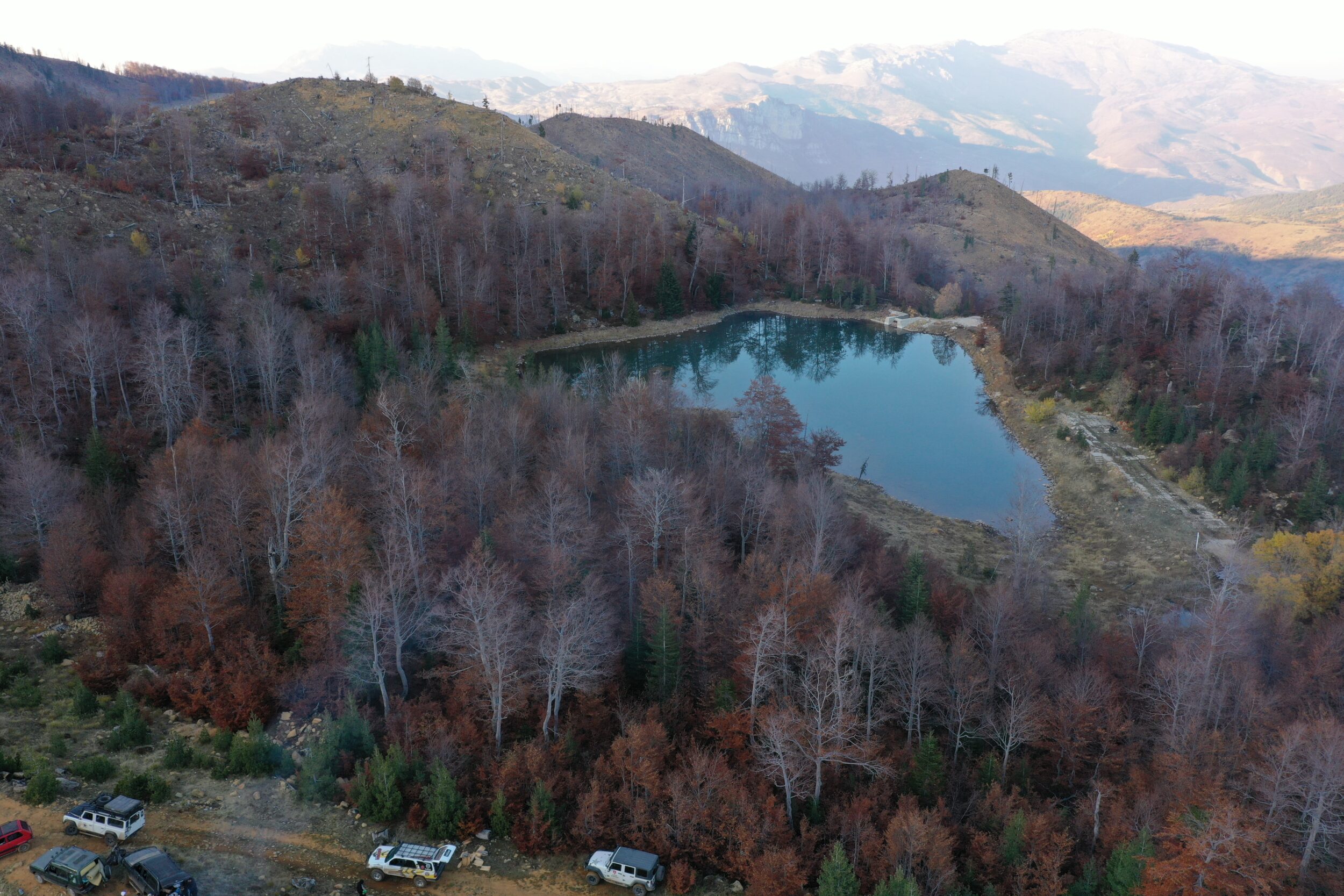
Lura National Park is situated in north-eastern Albania, within Diber County, surrounded by the rugged peaks of the Lura Mountains. The region lies between several important mountainous areas of northern Albania and is characterized by dramatic landscapes shaped by glaciers, rivers, and centuries of natural evolution.
The main gateway to the park is the village of Fushe-Lure, a small mountain settlement that serves as the administrative and social center of the region. From here, visitors can access the network of trails leading into the national park and the famous glacial lakes.
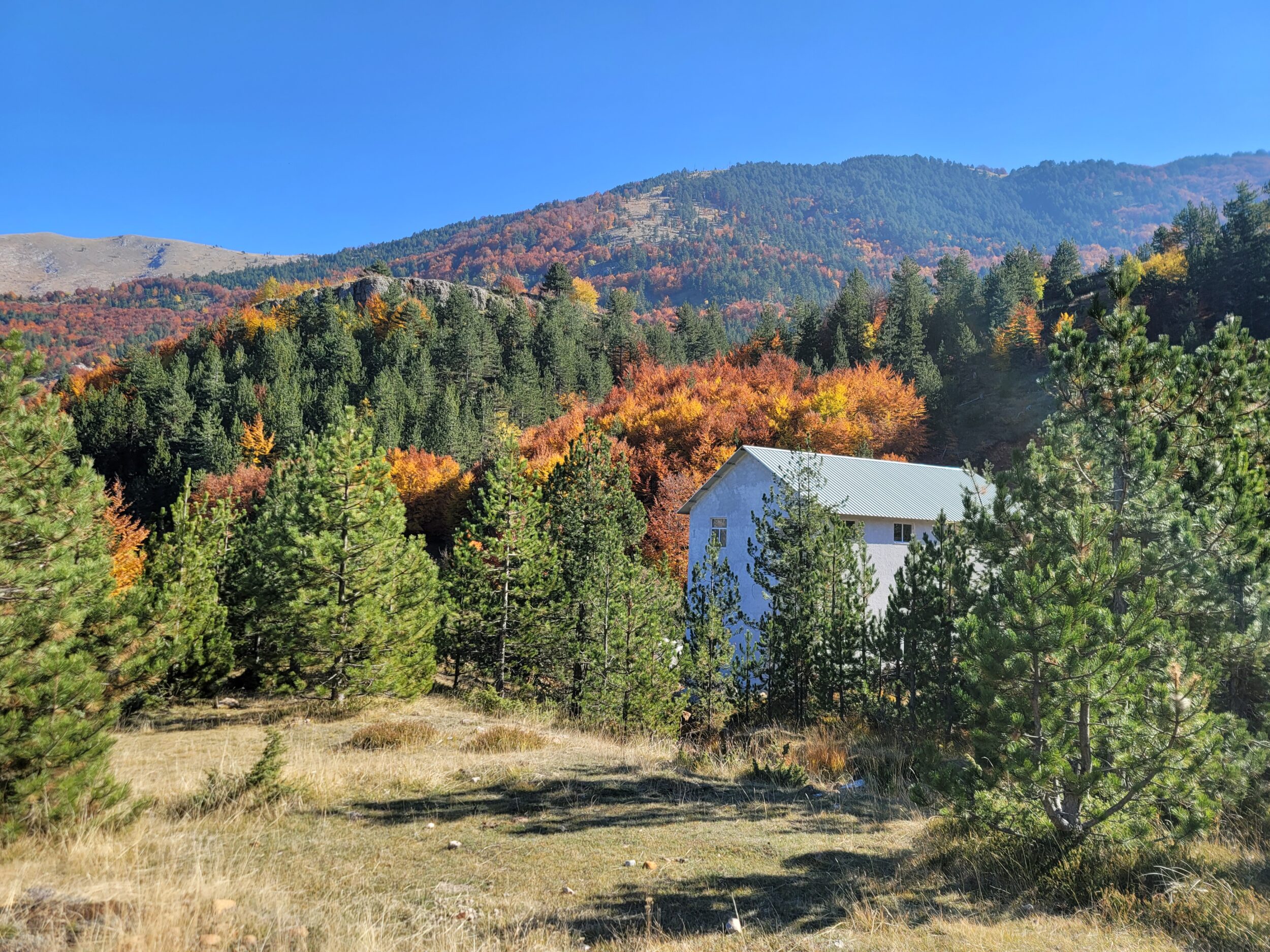
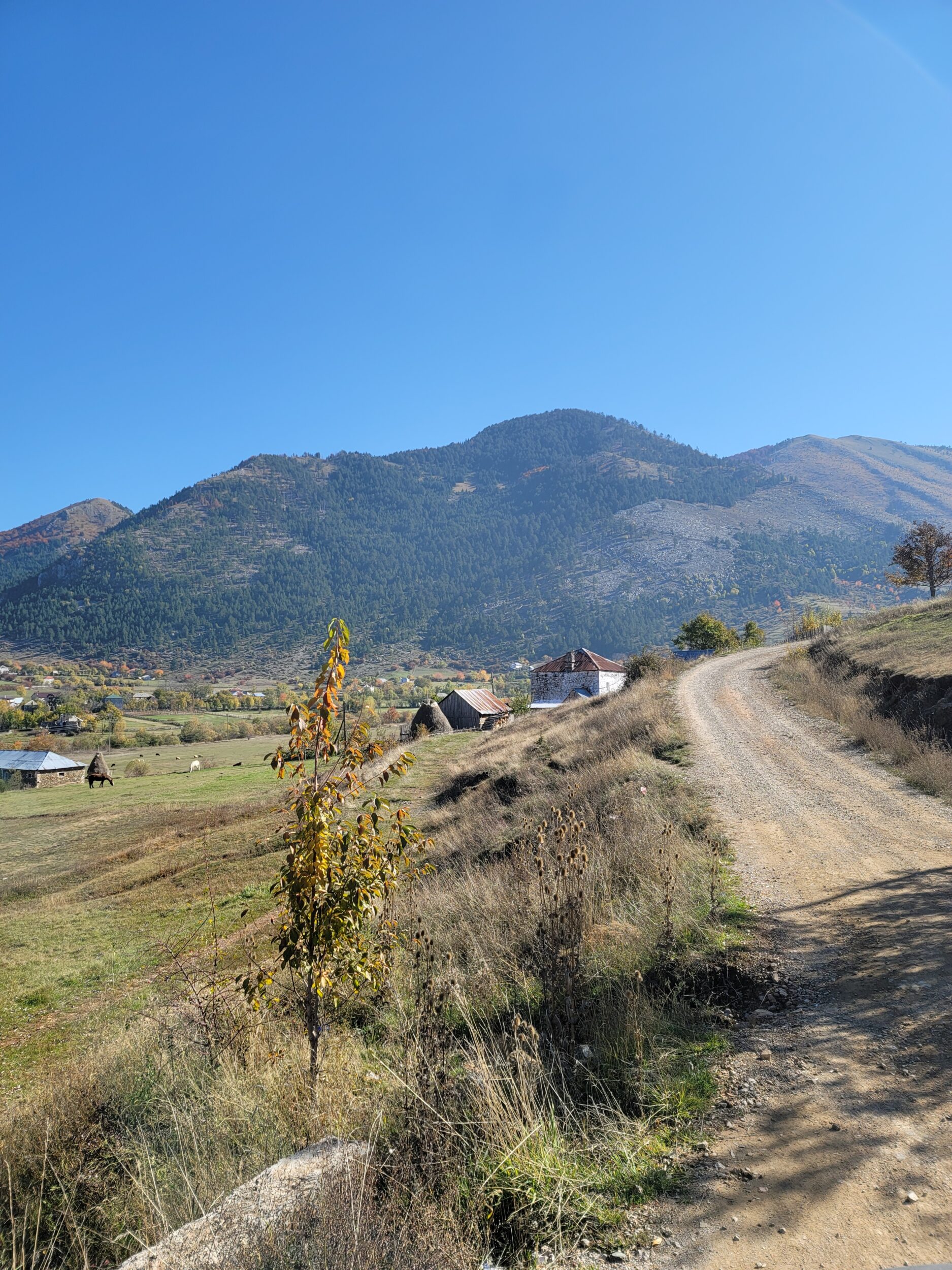
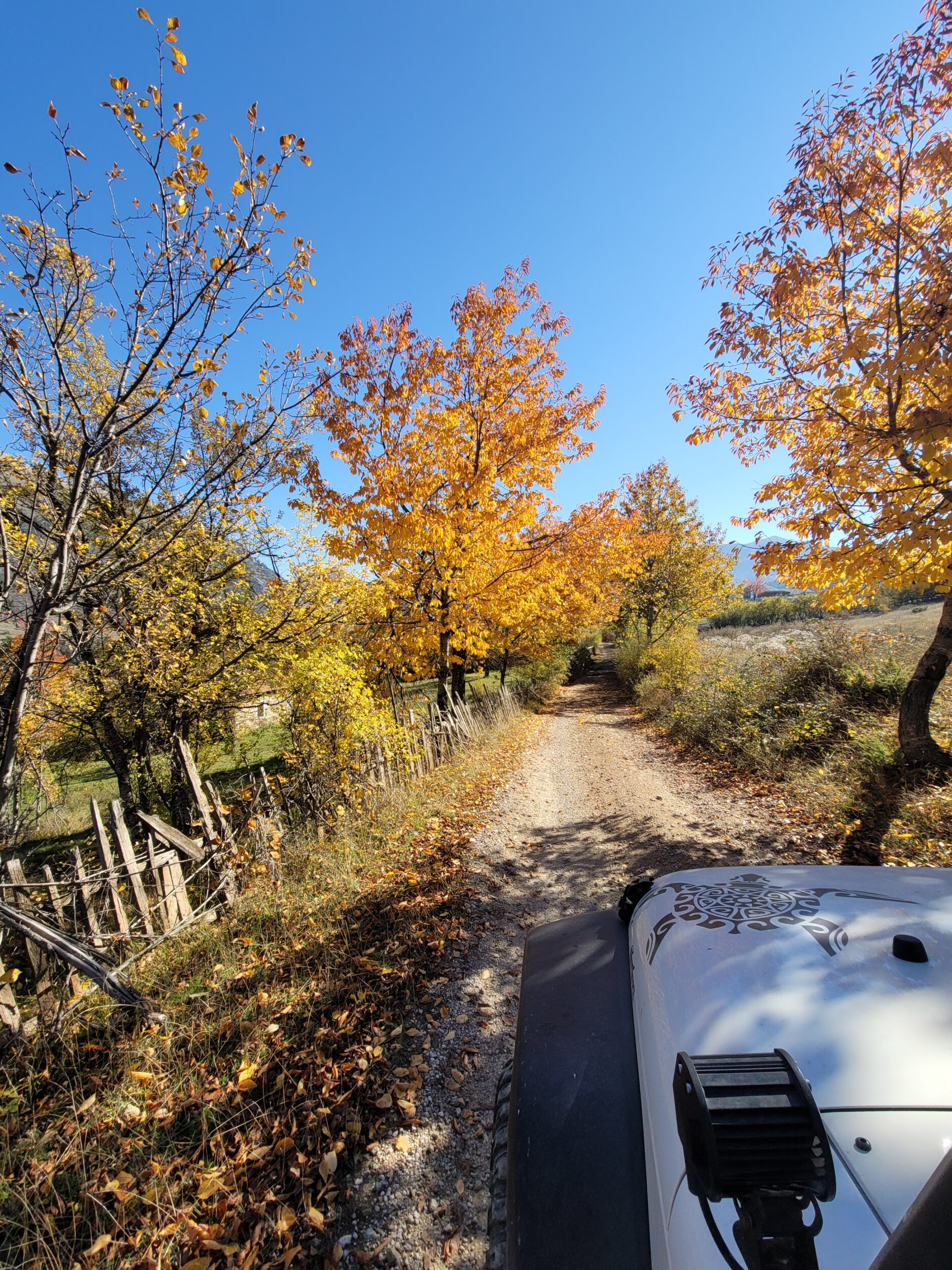
Although the area feels remote, it is relatively accessible by road. Lurë lies approximately 30 kilometers from Peshkopi, about 134 kilometers from Tirana, and around 64 kilometers from Rrëshen. The terrain ranges from 550 meters to over 2,500 meters above sea level, creating a rich diversity of ecosystems and landscapes. This variation in altitude is one of the reasons why Lurë offers such spectacular natural scenery throughout the year.
A Protected Alpine Landscape
Lura National Park was officially declared a protected area in 1966, making it one of the earliest national parks established in Albania. The park covers approximately 1,280 hectares of protected land, consisting primarily of dense forests, alpine meadows, and glacial formations.
The natural environment of Lurë is defined by its impressive forests of pine, fir, and beech, which once covered vast areas of the region. These forests provide habitat for numerous plant and animal species and play a crucial role in maintaining the ecological balance of the mountainous landscape.
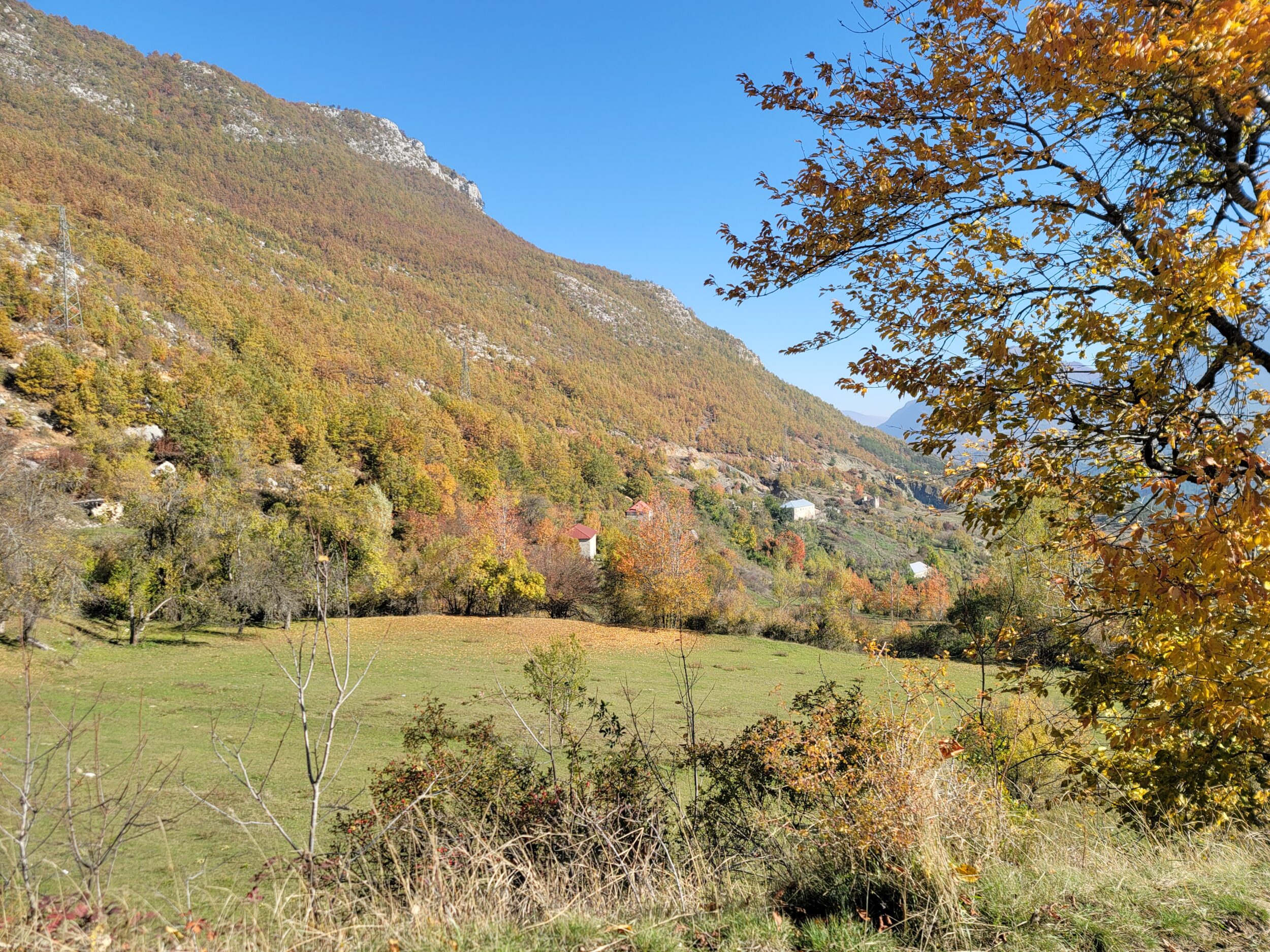
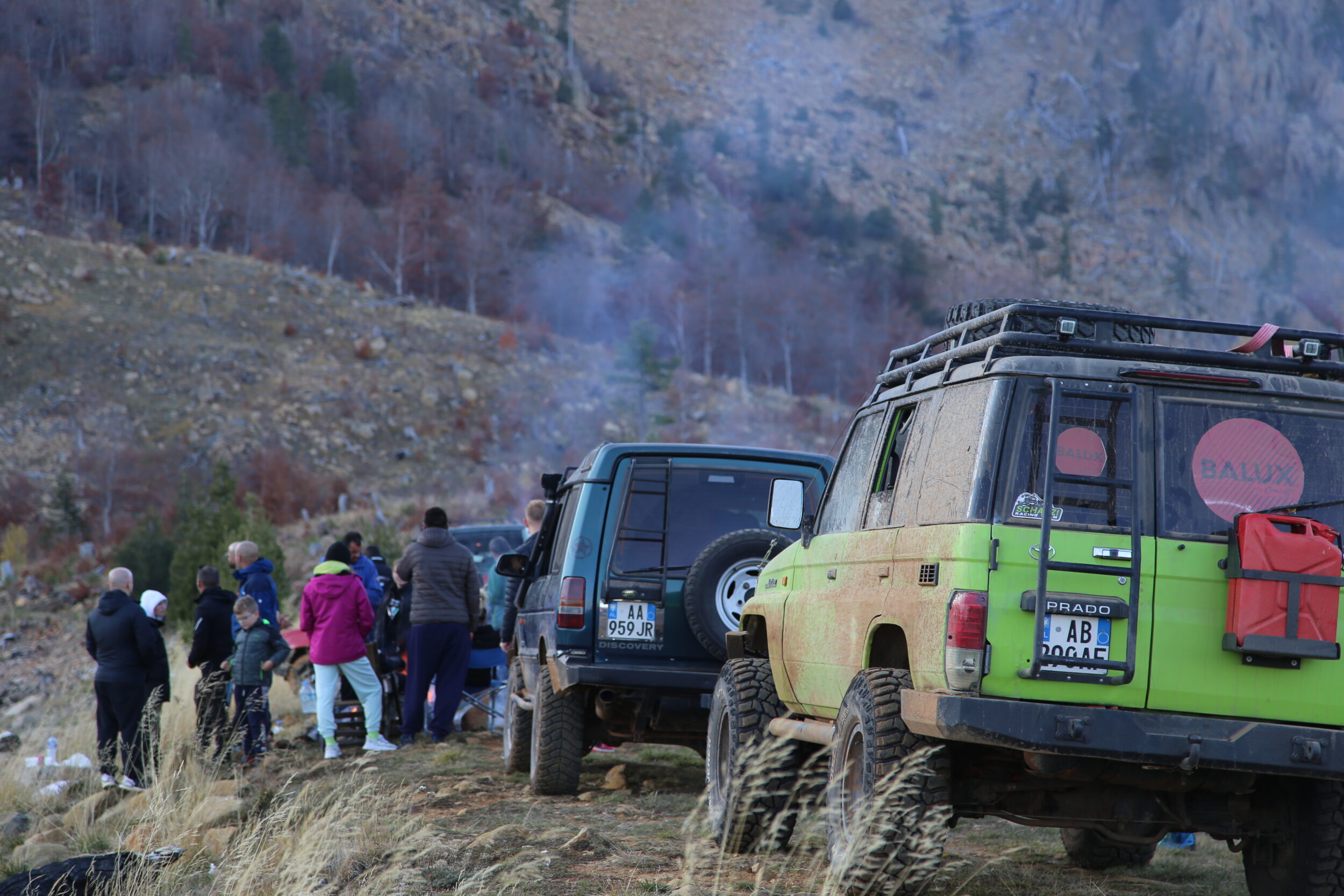
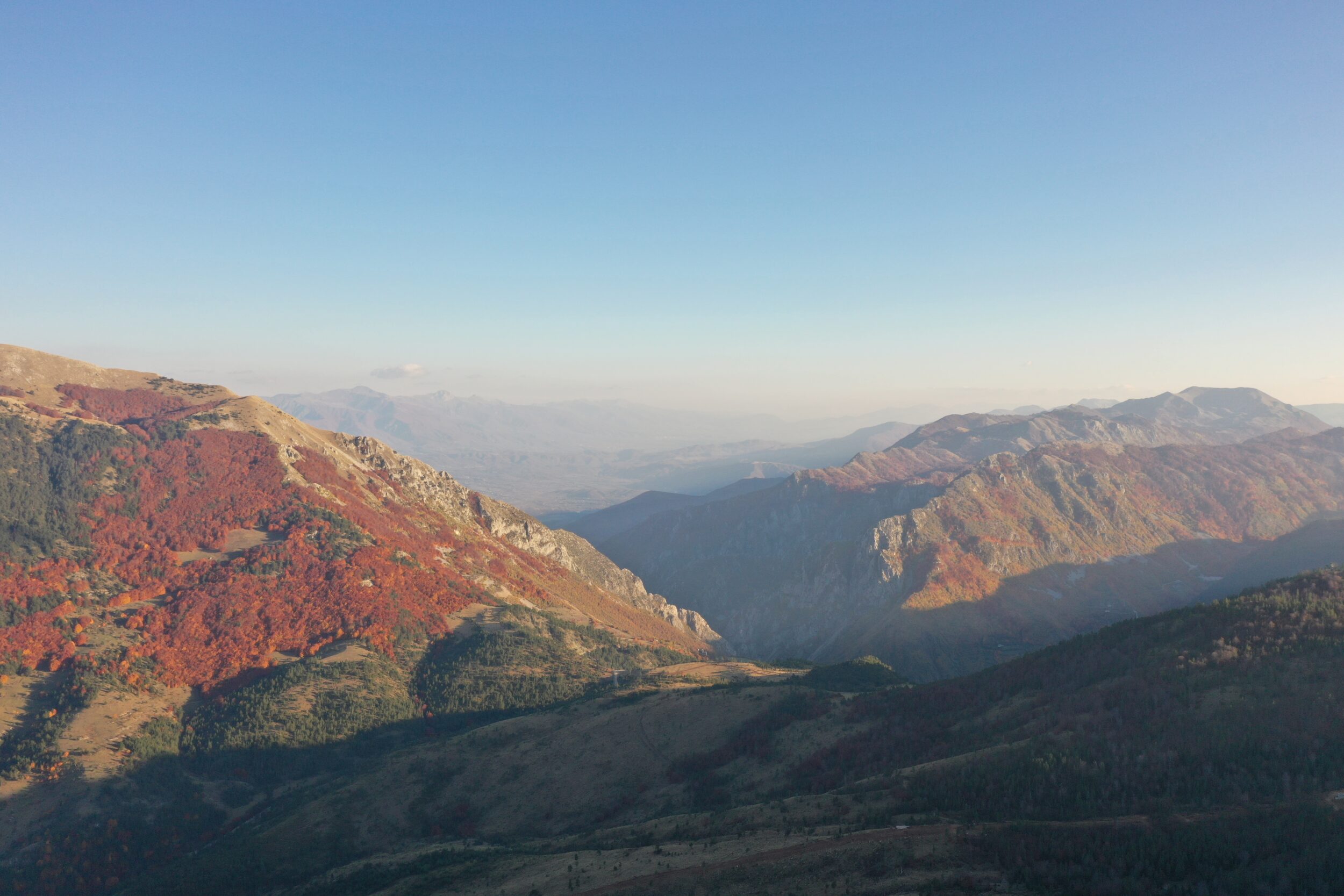
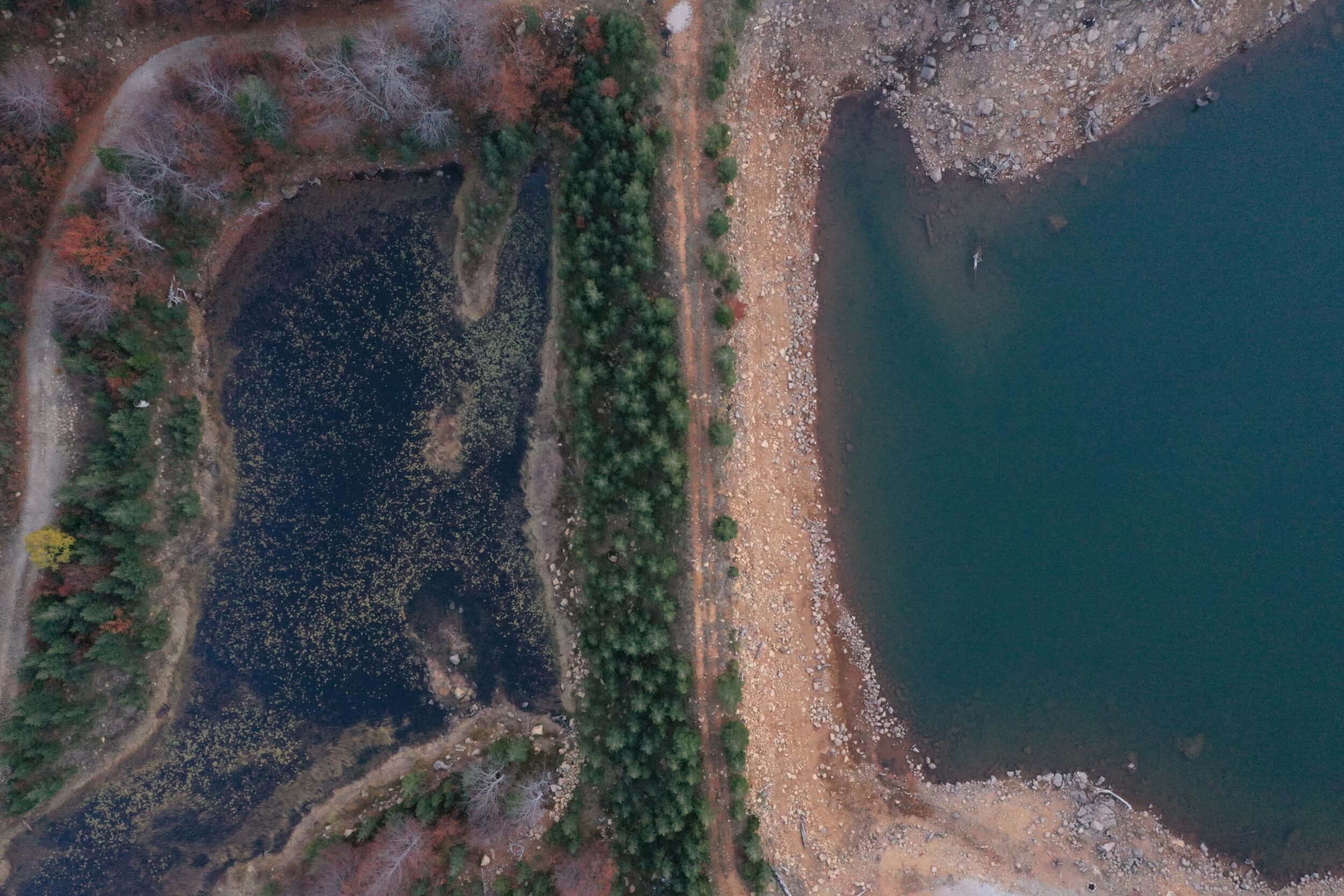
Beyond its forests, the park also contains several glacial cirques, moraines, and alpine basins that were formed during the Ice Age. These geological formations give Lurë a unique scientific and environmental importance, and many of its landscapes are recognized as geo-monuments within Albania’s natural heritage.
The combination of mountains, forests, lakes, and alpine meadows creates a landscape that is both visually dramatic and ecologically valuable.
The Glacial Lakes of Lure
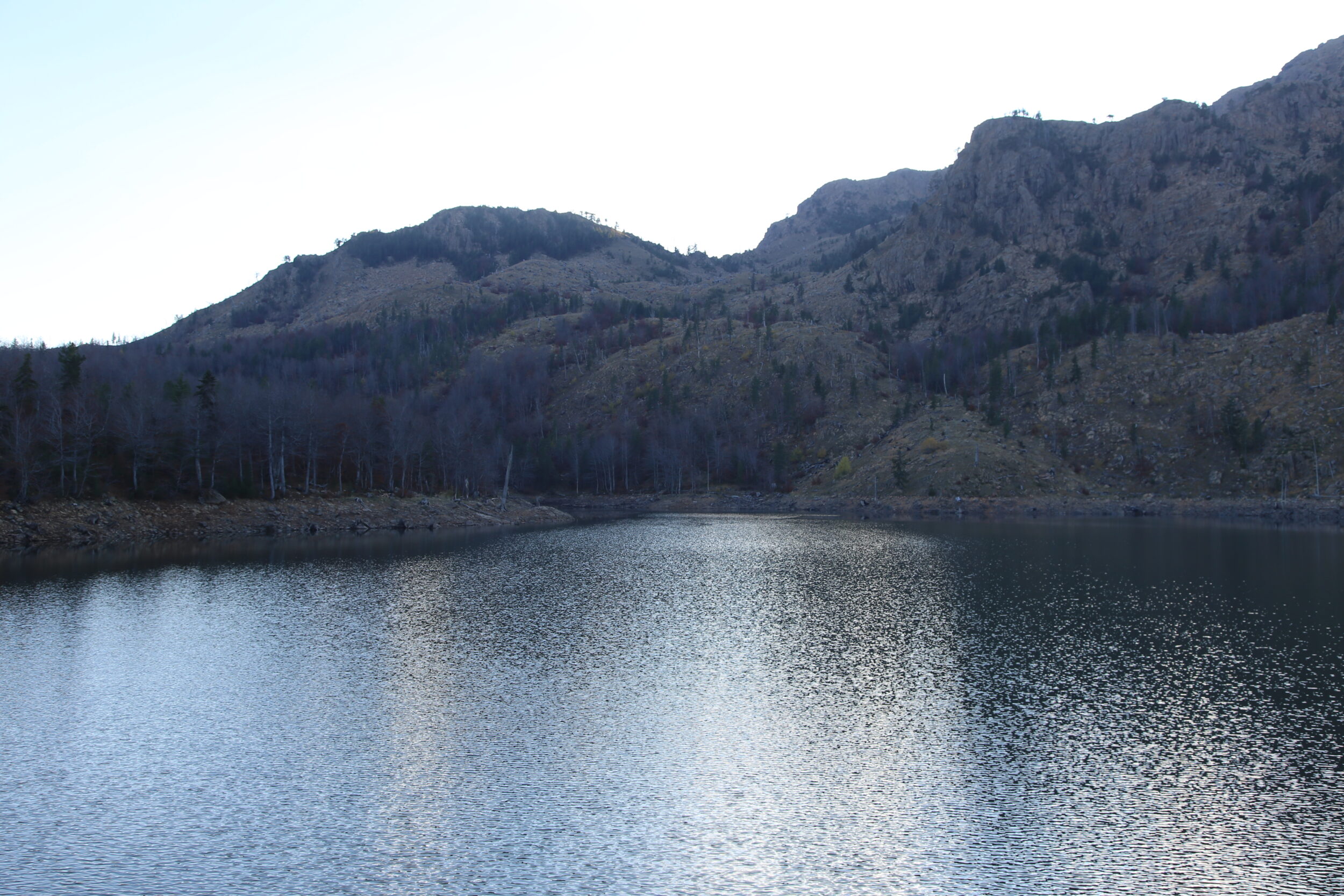
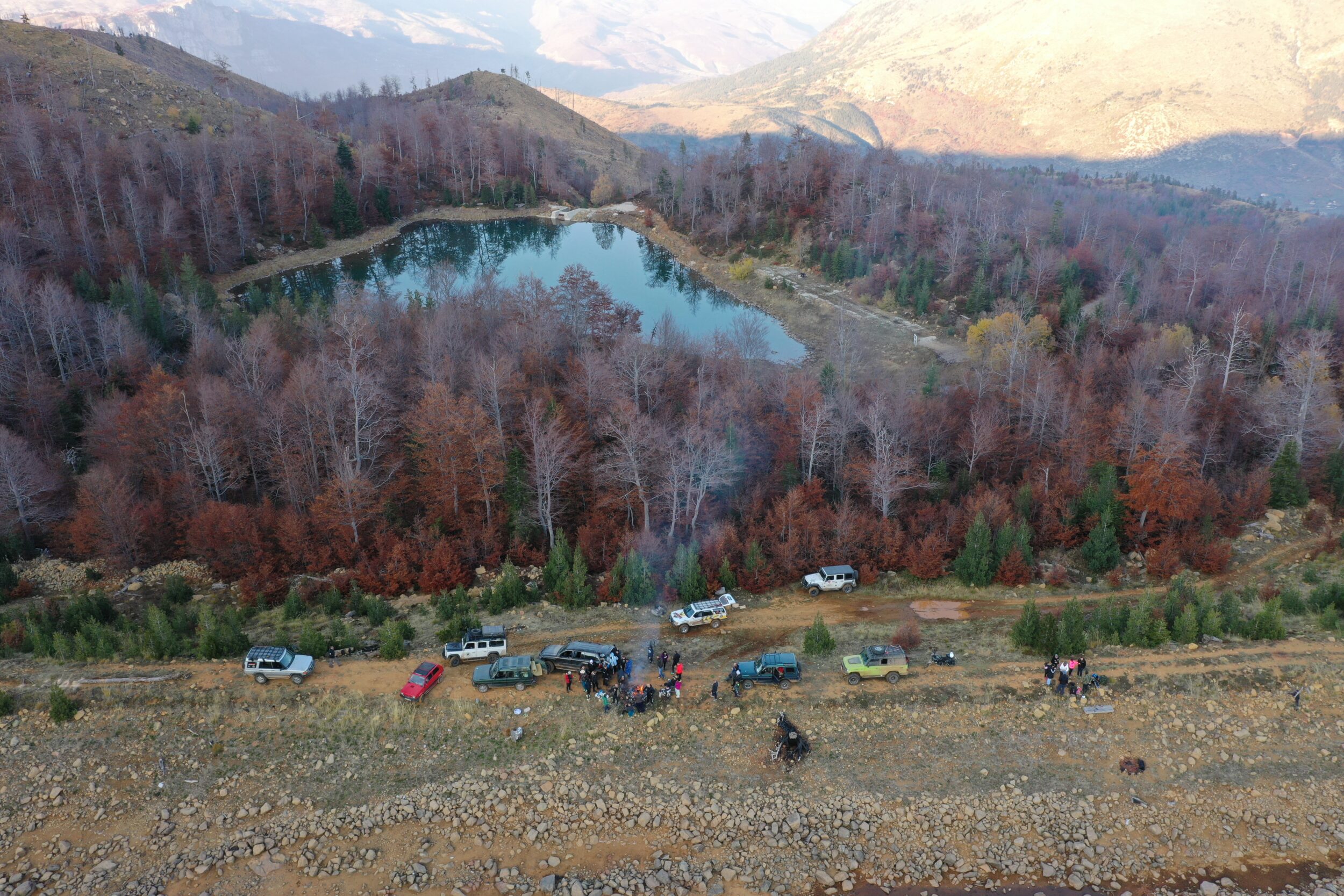
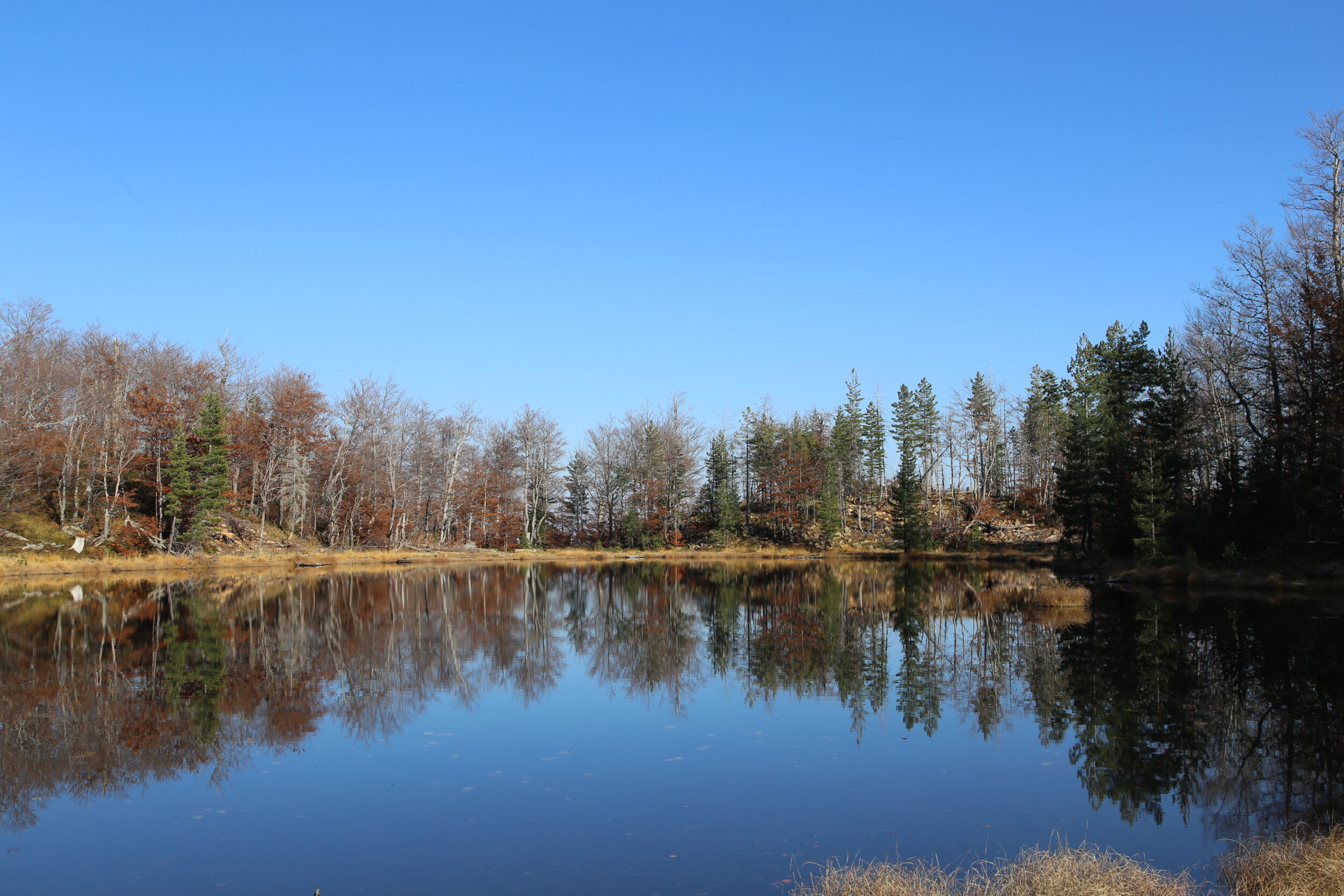
Perhaps the most iconic feature of Lura National Park is its group of glacial lakes, which were formed thousands of years ago when glaciers retreated from the Lura Mountains. These lakes are scattered across the high plateau of the park, generally located at around 1,600 meters above sea level, and are surrounded by forests and rocky alpine slopes.
Together they create one of the most beautiful alpine landscapes in Albania. During different seasons, the lakes change dramatically in appearance. In winter they freeze and become covered with snow, while in spring and summer they transform into vibrant natural ecosystems full of life and color.
Among the most famous lakes in the park are Lake of Flowers, The Great Lake, and Black Lake, each offering a different landscape and atmosphere.
Lake of Flowers
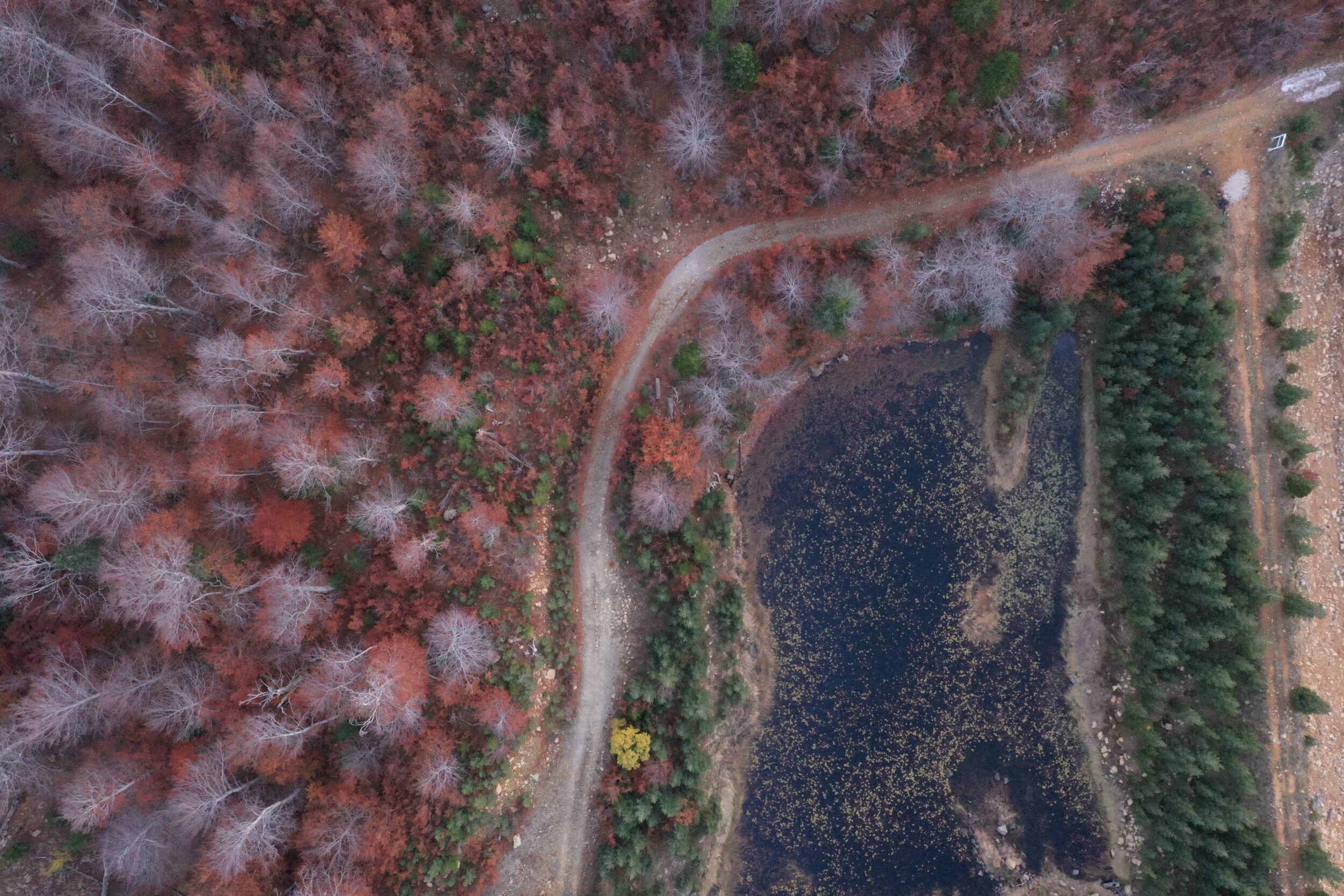
One of the most unique lakes in the park is Lake of Flowers (Liqeni i Luleve). Located high in the mountains, the lake is particularly famous for the white water lilies that bloom on its surface during early summer.
In June, the lake becomes covered with these large lilies, turning the water into what appears to be a floating garden surrounded by alpine forests. The contrast between the green mountains, the blue sky, and the white flowers creates a landscape that is both peaceful and visually stunning.
Because of its ecological importance and beauty, Lake of Flowers is considered one of the most remarkable natural attractions in the region.
The Great Lake
The Great Lake (Liqeni i Madh) is the largest lake within Lura National Park. With a surface area of approximately 50 hectares, it occupies a large glacial basin formed during the Ice Age.
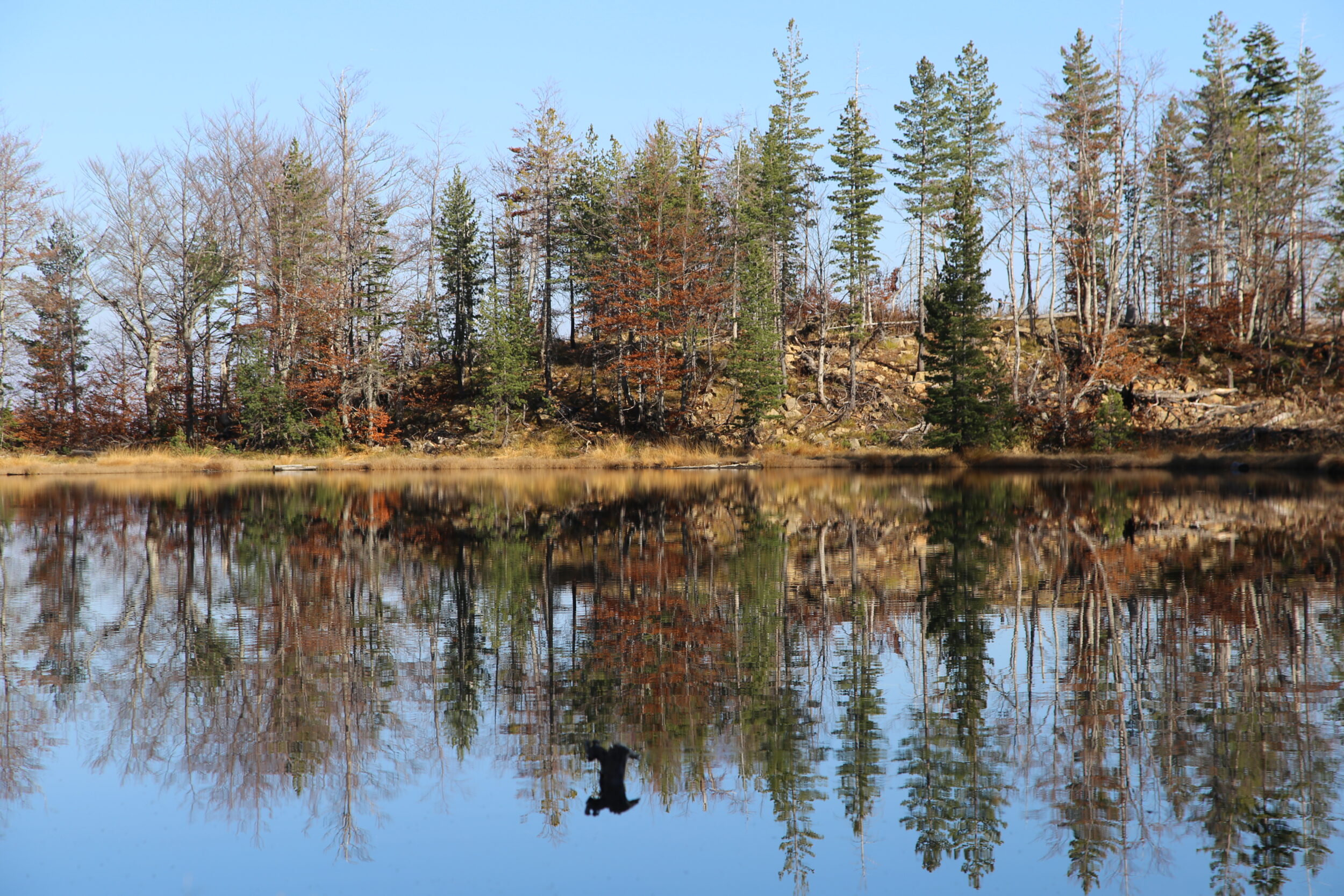
The lake is surrounded by forests and open mountain slopes, creating panoramic views that extend across the surrounding peaks. On calm days, the lake reflects the surrounding mountains like a mirror, making it a favorite location for photographers and hikers.
During winter, the surface of the lake freezes completely, transforming the landscape into a silent alpine wilderness. In summer, the lake becomes part of a vibrant ecosystem filled with alpine vegetation and wildlife.
Black Lake
Another fascinating glacial lake in the park is Black Lake (Liqeni i Zi). Despite being smaller than the Great Lake, it is known for its darker waters and its impressive depth.
Surrounded by forests and alpine vegetation, the lake forms part of a delicate ecosystem that supports numerous plant and animal species. The calm atmosphere and remote location make it one of the most peaceful places in the park.
Hiking and Outdoor Exploration
For many visitors, the greatest attraction of Lura National Park is the opportunity to explore its landscapes on foot. The park offers a variety of hiking routes that pass through forests, across alpine meadows, and between the glacial lakes.
These trails allow visitors to experience the park’s natural diversity while enjoying spectacular views of the surrounding mountains. Some routes lead to the peaks of the Lure mountain range, including the famous Kurora e Lures (Crown of Lurë), which dominates the skyline of the region.
Hiking in Lura is not only about reaching destinations but also about experiencing the silence and beauty of the mountains. Along the way, visitors often encounter alpine flora, birds, and other wildlife that inhabit the forests and highland meadows.
Cultural Heritage Around Lure
Although Lura is primarily known for its natural beauty, the region also preserves several important cultural and historical landmarks that reflect the traditions of northern Albania.
One of the most significant monuments is the Tower of Dom Nikoll Kaçorri, a historical building associated with one of Albania’s important national figures. The tower has been declared a cultural monument and today represents an important symbol of the region’s history.
Another notable building is the Tower of Zef Doci, a traditional stone tower located in the village of Fushë-Lurë. The tower is over a century old and is known for symbolizing the religious harmony of the region, as it once housed two brothers from different religious backgrounds.
Nearby stands the Tower of Selman Tolla, another impressive example of traditional northern Albanian architecture. These towers illustrate the defensive and residential architecture typical of mountain communities in northern Albania.
Local Life and Traditions
The people of Lure have preserved a strong connection with their traditions and natural environment. Historically, the region’s economy has been based on livestock farming, forestry, and the collection of medicinal plants.
Many families still raise cattle, sheep, and goats in alpine pastures, producing dairy products and traditional foods typical of the Dibër region. Beekeeping is also common, and the mountain honey produced in the area is highly valued.
Visitors often experience the warm hospitality of local residents, who welcome travelers with homemade food, stories about the mountains, and a glimpse into the traditional lifestyle of Albania’s highland communities.
Best time to visit Lura National Park
Lura National Park can be visited throughout the year, but each season offers a different experience.
Spring brings the first wildflowers and the awakening of nature after the long mountain winter. Summer is the most popular season for hiking and exploring the lakes, as the weather is mild and the trails are accessible.
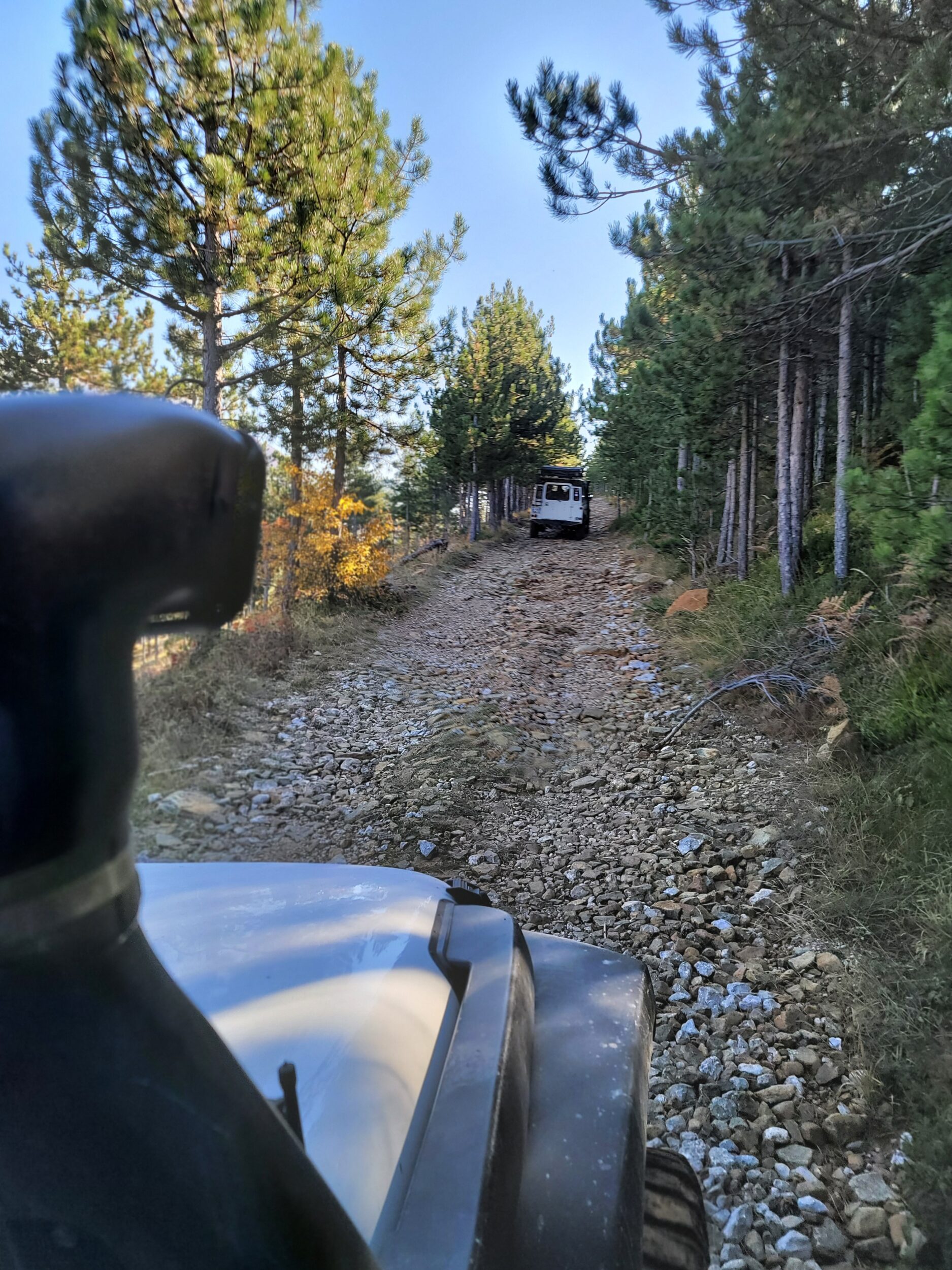
Autumn transforms the forests into a spectacular palette of colors, while winter covers the mountains in deep snow, creating a quiet and dramatic alpine landscape.
Because of heavy snowfall and limited infrastructure, winter access can sometimes be challenging, but for experienced travelers it offers a unique mountain experience.
Where to stay in Lura National Park?
Accommodation options in Lura are still limited, which is part of what makes the area feel so authentic and untouched. Most visitors stay in family-run guesthouses in the village of Fushe-Lure, the main settlement near the national park. These small accommodations provide a simple but warm mountain experience where travelers can enjoy local hospitality and traditional food.
Because tourism is still developing in the region, guesthouses are usually run by local families who welcome visitors into their homes. Rooms are typically modest but comfortable, and many offer beautiful views of the surrounding mountains and forests.
Staying in a guesthouse in Lurë allows travelers to experience daily life in a mountain village, far from the crowds of Albania’s more popular destinations.
For visitors looking for more comfort or a wider range of hotels, the city of Peshkopi, about an hour away, offers several hotels and guesthouses that can serve as a base for day trips to the park.
Where to Eat in Lura?
Restaurants in Lura are generally found inside guesthouses or small family-run establishments. Instead of large commercial restaurants, visitors will usually enjoy home-cooked traditional dishes prepared by local families.
The cuisine of the Lurë region reflects the agricultural traditions of Dibër and the Albanian highlands. Meals are typically prepared with locally sourced ingredients such as fresh dairy products, mountain herbs, and meat from livestock raised in alpine pastures.
Visitors can expect to try traditional Albanian dishes such as:
- slow-cooked lamb or beef
- homemade cheese and dairy products
- fresh bread baked in traditional ovens
- mountain honey from local beekeepers
Sharing a meal in a guesthouse is often one of the most memorable parts of visiting Lurë, as it offers a genuine experience of the region’s hospitality and rural lifestyle.
FAQ – Lura National Park
Lura National Park is located in northeastern Albania near the village of Fushe-Lure in Diber County.
The park is famous for its glacial lakes, alpine landscapes, and hiking trails.
The most famous lakes are Lake of Flowers, The Great Lake, and Black Lake.
Yes. It is one of Albania’s most beautiful hidden mountain destinations.
The best time to visit is between June and September.
Why visit Lura National Park?
Lura National Park remains one of Albania’s most underrated natural destinations. Unlike more famous mountain areas, it still retains a sense of wilderness and authenticity that is increasingly rare in Europe.
Visitors come to Lurë for its glacial lakes, peaceful forests, traditional villages, and breathtaking alpine scenery. The park offers a unique opportunity to experience Albania’s natural heritage while supporting the development of sustainable rural tourism.
For those willing to venture beyond the usual tourist routes, Lura National Park reveals one of the most beautiful and untouched landscapes in the Balkans.
If you love exploring nature and want to discover more breathtaking landscapes across the country, you can also read our guide National Parks in Albania – Top Must-Visit Destinations. The article highlights some of the most beautiful national parks in Albania and offers inspiration for travelers interested in hiking, nature, and outdoor adventures.