

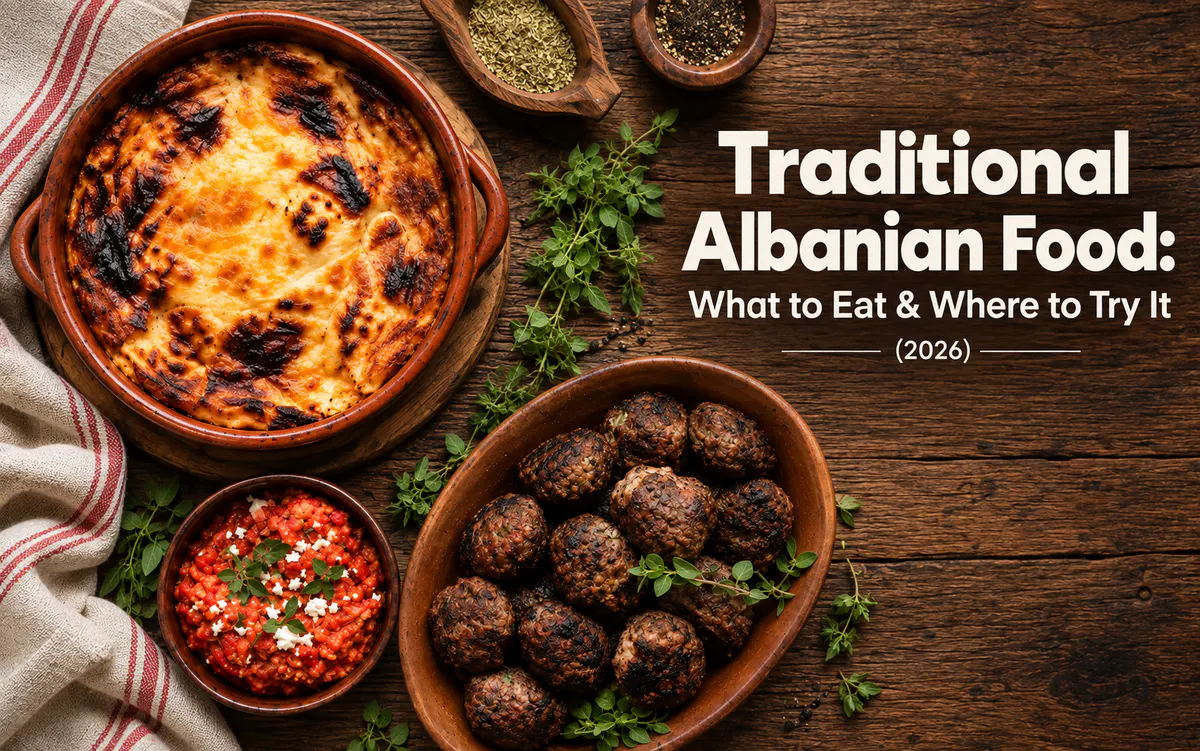
Albanian cuisine changes remarkably as you travel across the country. In the north, mountain cooking relies heavily on dairy products, corn, meat, and slow-cooked dishes; around the lakes, freshwater fish shape local menus; while central and southern Albania bring together baked dishes, seasonal produce, olive oil, herbs, and seafood. These regional differences reflect Albania’s varied landscapes, local ingredients, and culinary traditions passed down through generations.
Some dishes are enjoyed throughout Albania, while others are closely connected to a particular city or region. From jufka and chicken with qull in Dibër and qifqi in Gjirokastër to tavë kosi in Elbasan, rosnica in Myzeqe, and mussels from Butrint, this guide explores what to eat in Albania through the places where these flavors belong — a culinary map of the country, one region at a time.
Table of Content
- Pogradec – Koran and Belushka from Lake Ohrid
- Diber – Jufka, Chicken with Qull and Traditional Sweets
- The Albanian Alps and the North – Fli, Kaçamak and Mountain Food
- Shkoder – Tave Krapi and the Flavors of Lake Shkodra
- Lezhe – Rural Cooking Between the Mountains and the Adriatic
- Patok – Lagoon Fish and Eel
- Kruje – Kabuni and Traditional Krutan Flavors
- Tirana – Fergese and Tave Dheu
- Elbasan – Tave Kosi, Ballokume and Bugaçe
- Berat – Pershesh and Pispili
- Myzeqe – Rosnica with Village Chicken
- Divjake and Karavasta – Food from the Lagoon
- Korçe – Lakror, Kernacka, Petanik and Petulla te Fshira
- Permet – Gliko and the Tradition of Preserving Fruit
- Gjirokaster – Qifqi, Qahi and the Cuisine of the Stone City
- Laberia – Harapash, Meat and Pastoral Traditions
- Sarande and Butrint – Mussels from the Lagoon
Pogradec – Koran and Belushka from Lake Ohrid
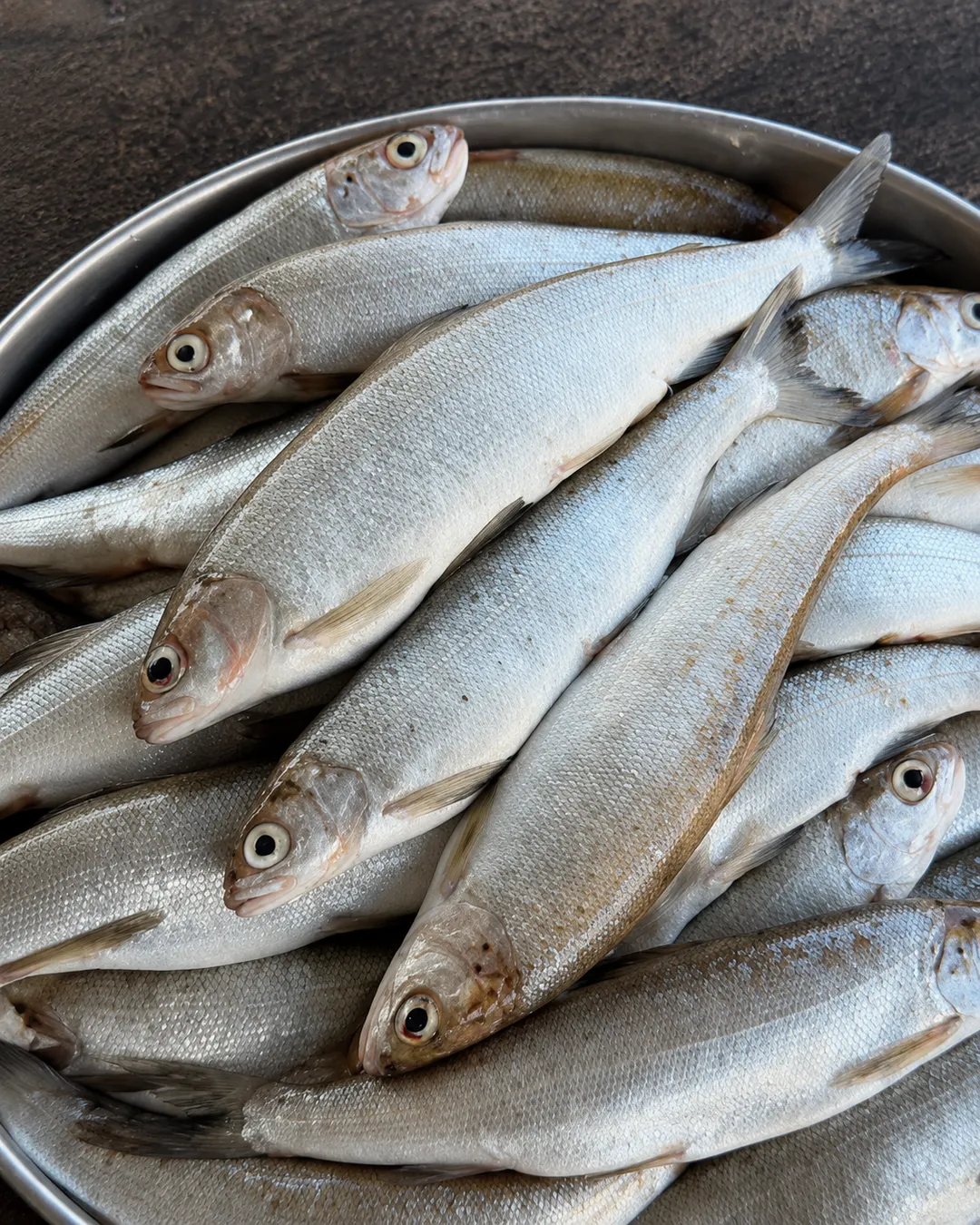
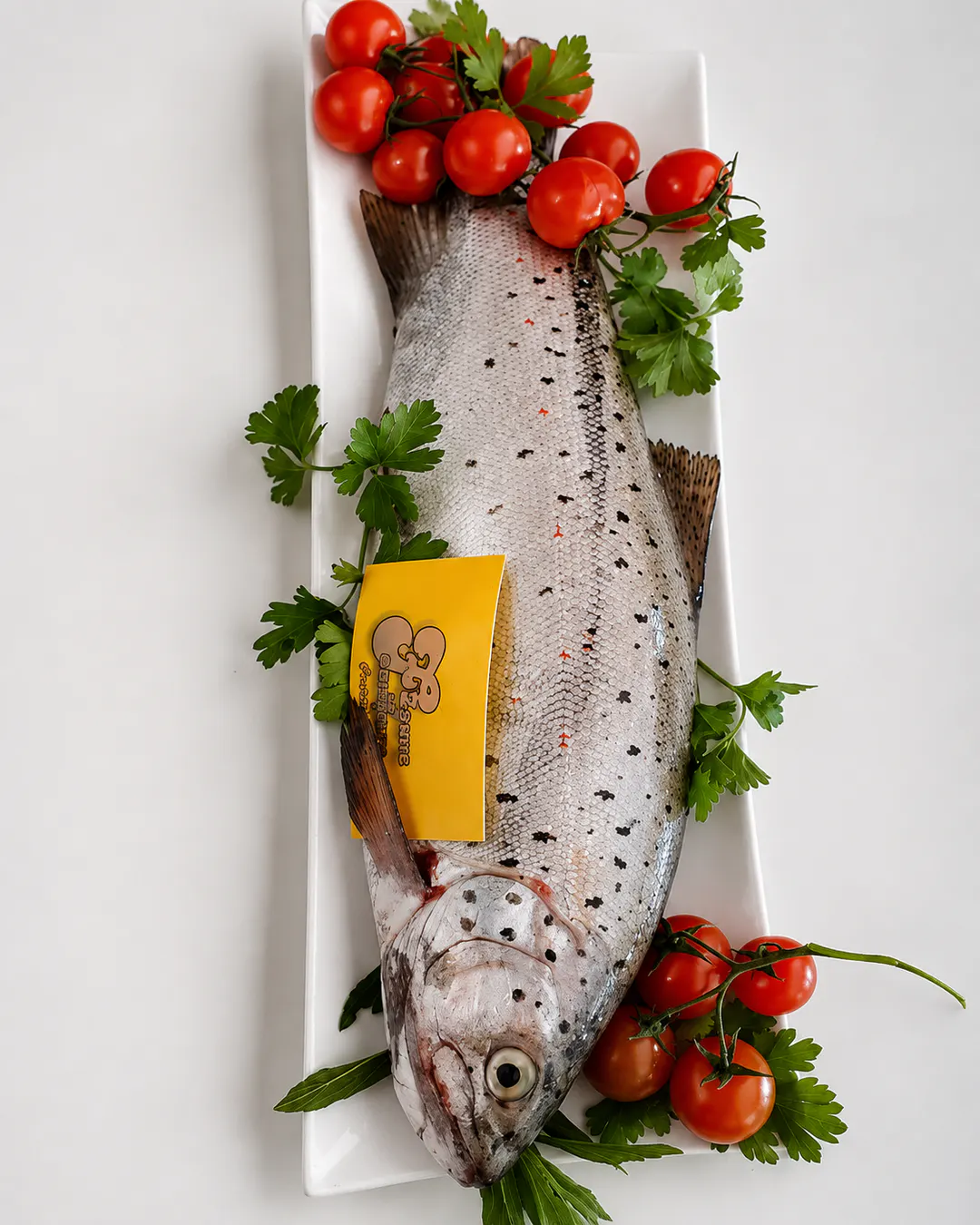
he cuisine of Pogradec is inseparable from Lake Ohrid, with freshwater fish at the heart of its culinary identity. The most famous is koran, one of the lake’s most prized fish, alongside belushka, another characteristic species connected with the area’s long fishing tradition.
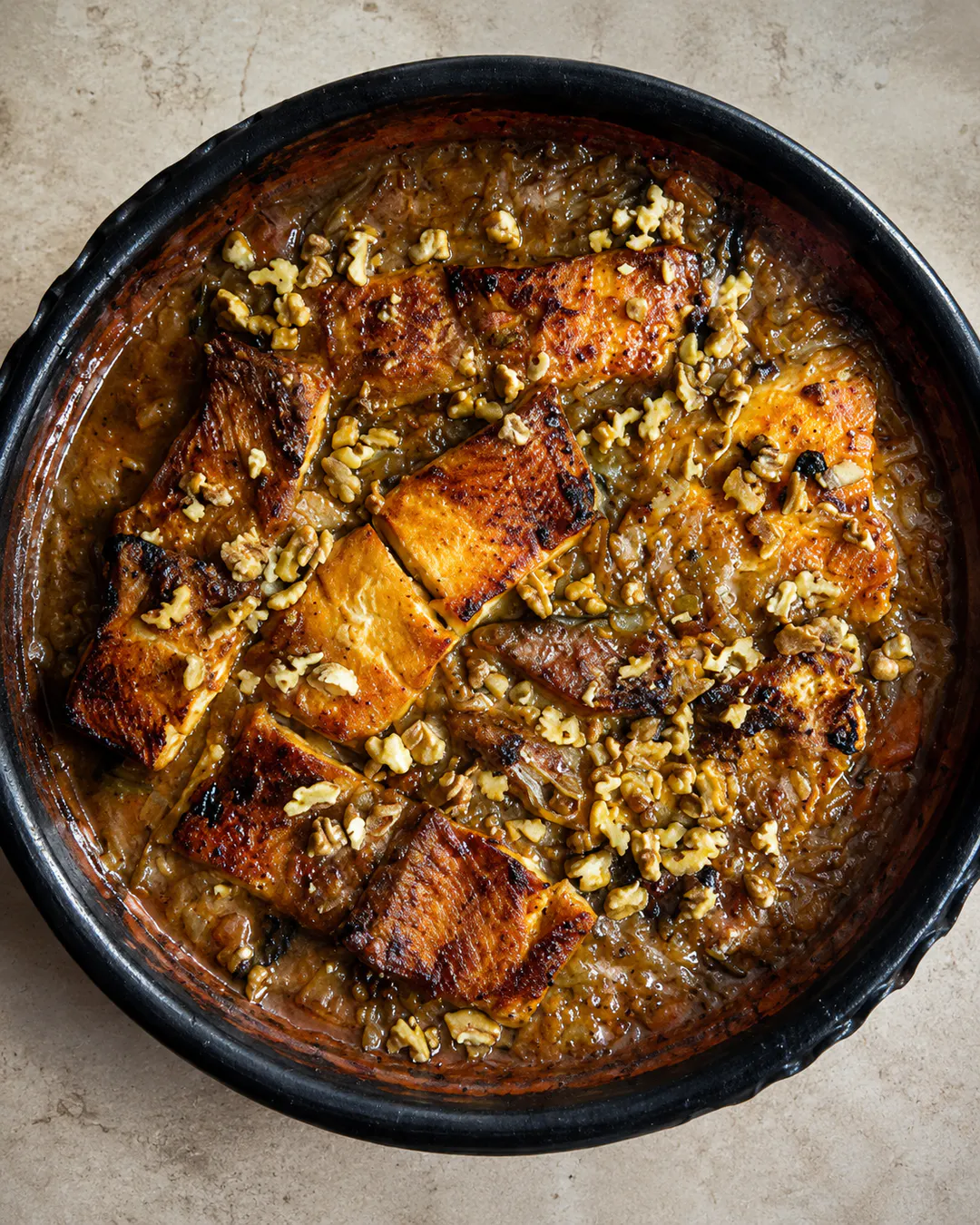
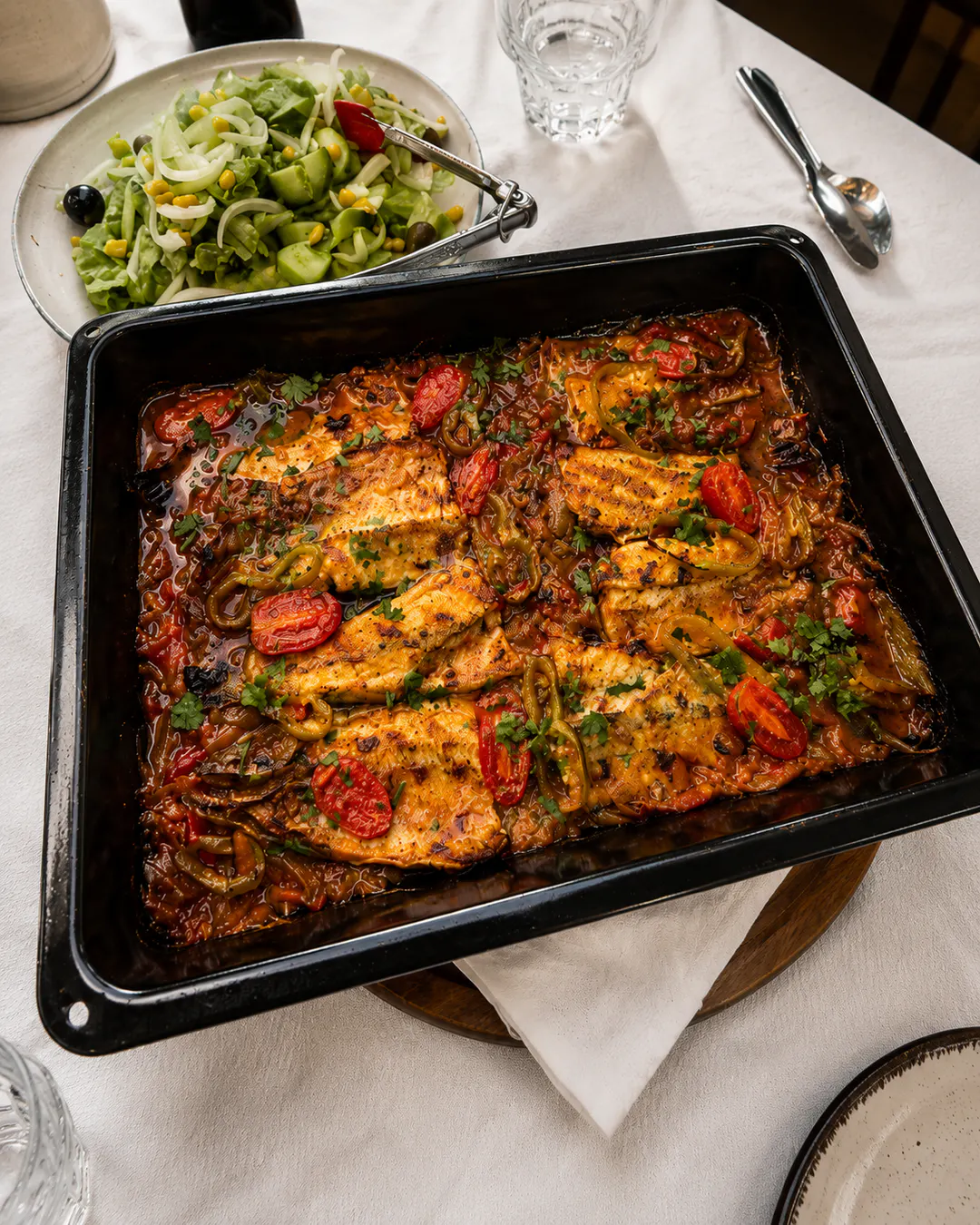
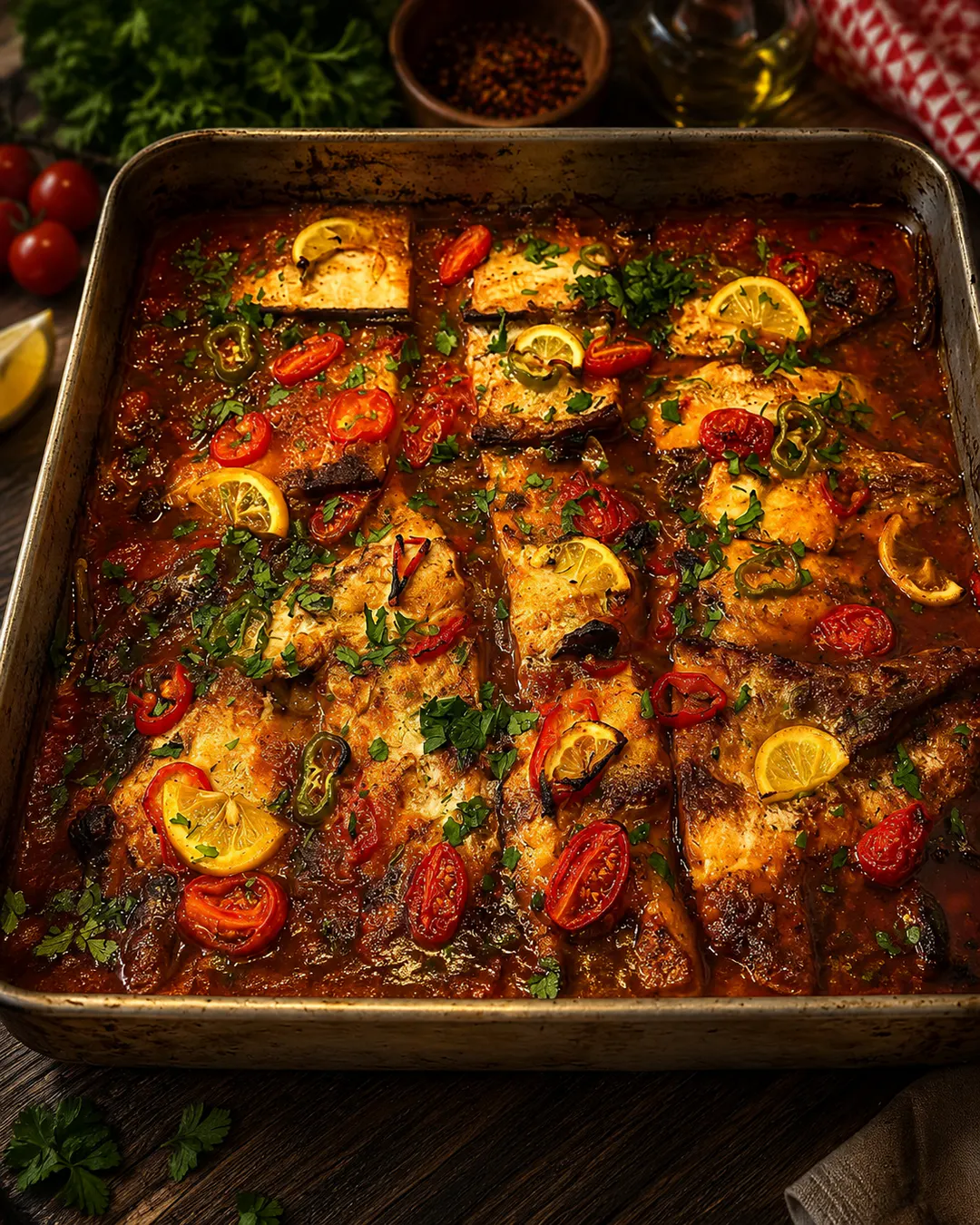
One of the most traditional ways to prepare koran is tavë korani me arra (baked koran with walnuts), an old Pogradec recipe in which the fish is baked with walnuts. This distinctive preparation represents an important part of the city’s culinary heritage and offers a more traditional alternative to simply grilled or baked koran.
What to try in Pogradec:
- Koran, especially tavë korani me arra
- Belushka
- Traditional Lake Ohrid fish dishes
⭐ Love Albania Recommended: Where to Try Tave Korani in Pogradec
For travelers looking to experience one of Pogradec’s signature fish dishes, Love Albania recommends Restorant Zgara Familjare for tave korani.
Located directly on the Lake Ohrid waterfront, Zgara Familjare is particularly well known for its Koran dishes and traditional Albanian cuisine. The restaurant has also been ranked #1 in Love Albania’s 2026 list of the best restaurants in Pogradec, receiving a 5.0 Love Albania rating based on 883 customer reviews analyzed.
Its combination of traditional cooking, generous portions, warm hospitality and a lakeside setting makes it our recommended place to experience tave korani in Pogradec.
🏆 Love Albania Ranking: #1 Restaurant in Pogradec 2026
📍 Location: Lake Ohrid waterfront, Pogradec
Love Albania Tip: If you’re visiting Pogradec specifically to discover its traditional cuisine, tavë korani at Zgara Familjare is one of our recommended local food experiences.
Diber – Jufka, Chicken with Qull and Traditional Sweets
Diber’s mountainous landscape and pastoral traditions have created a hearty cuisine built around homemade pasta, poultry, dairy products, flour, butter, and corn.
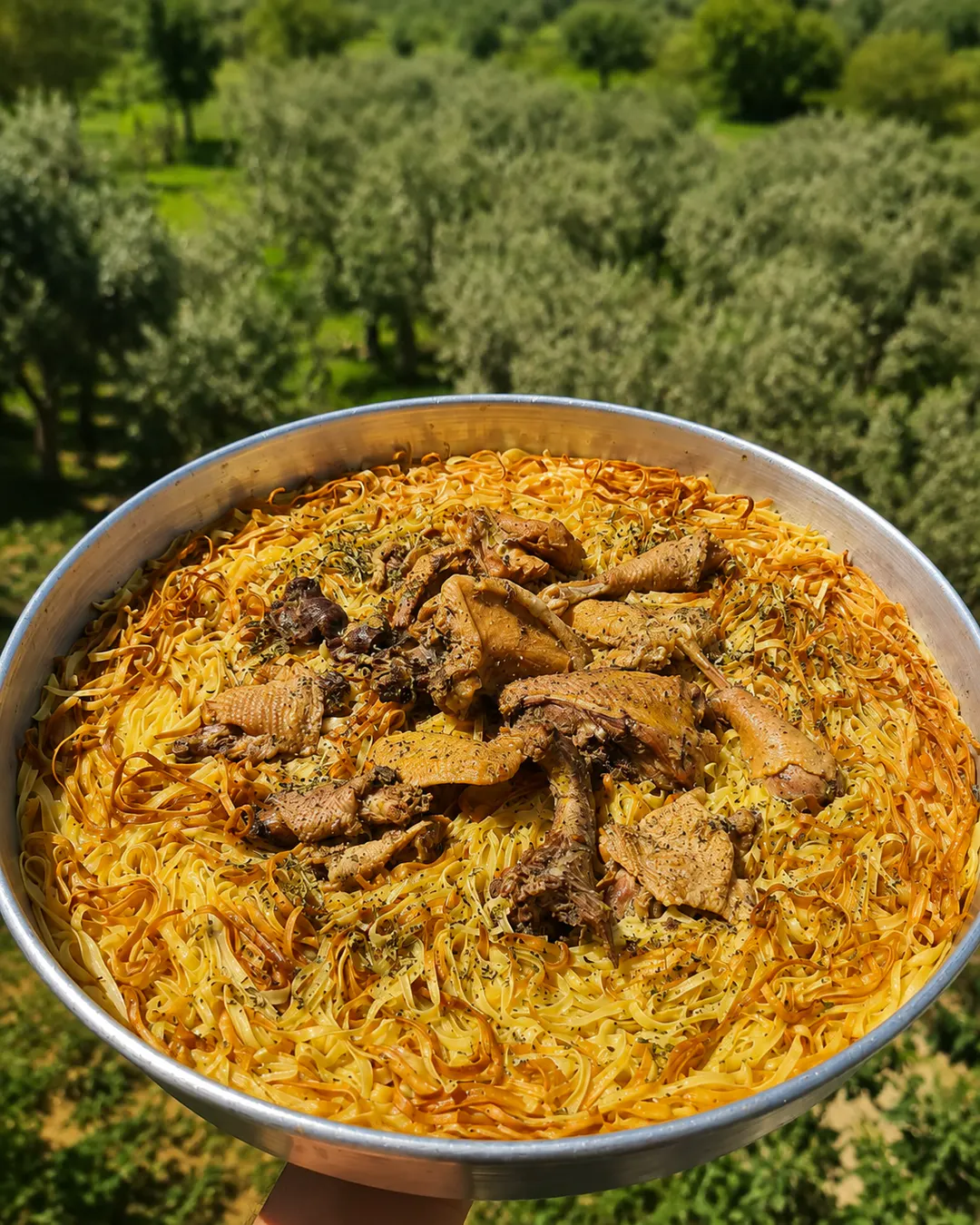
Among its best-known foods are jufka, thin homemade pasta traditionally prepared in large quantities and dried so it could be stored for later use. One of the classic ways to serve them is jufka with village chicken, where the pasta absorbs the rich chicken broth during cooking.
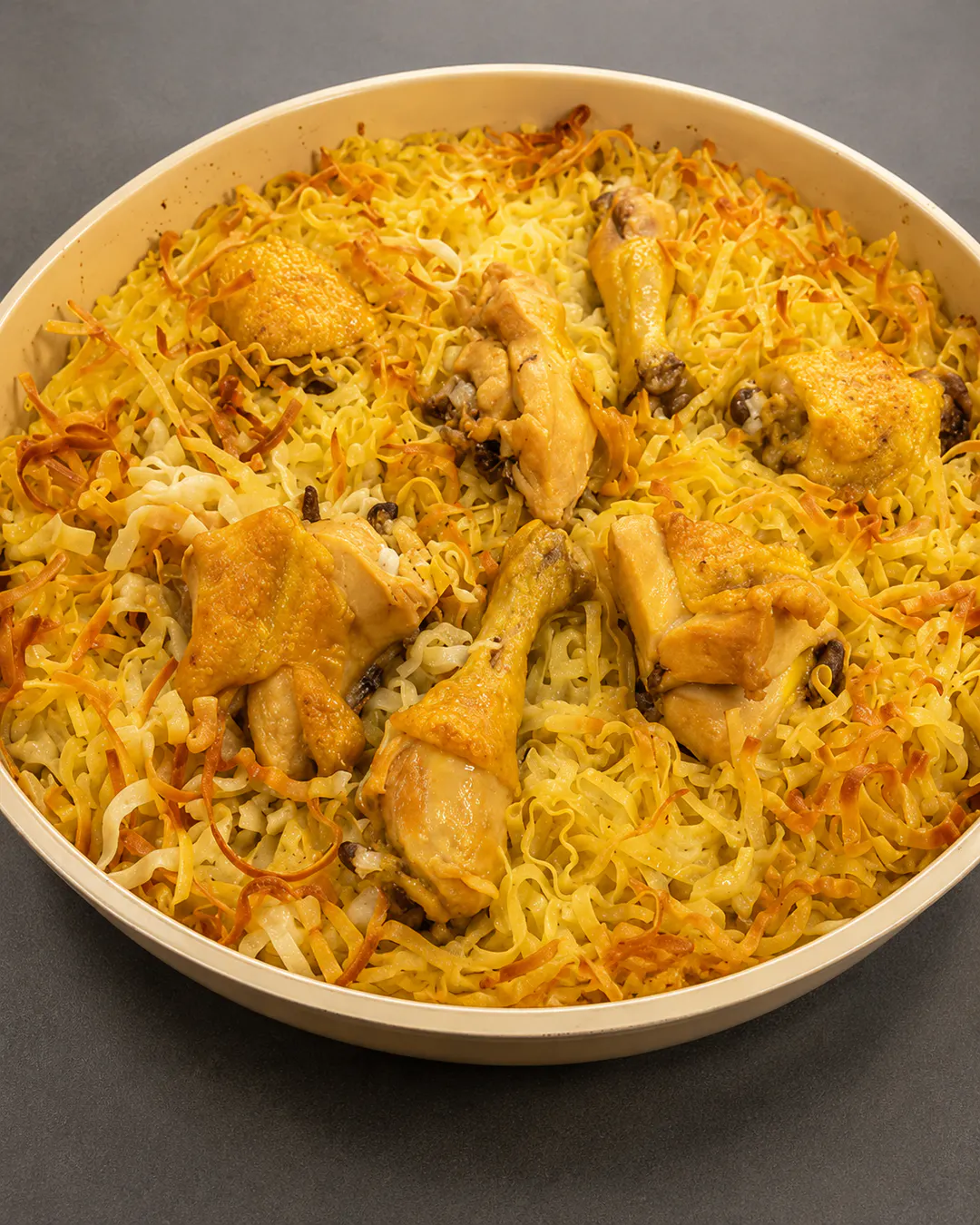
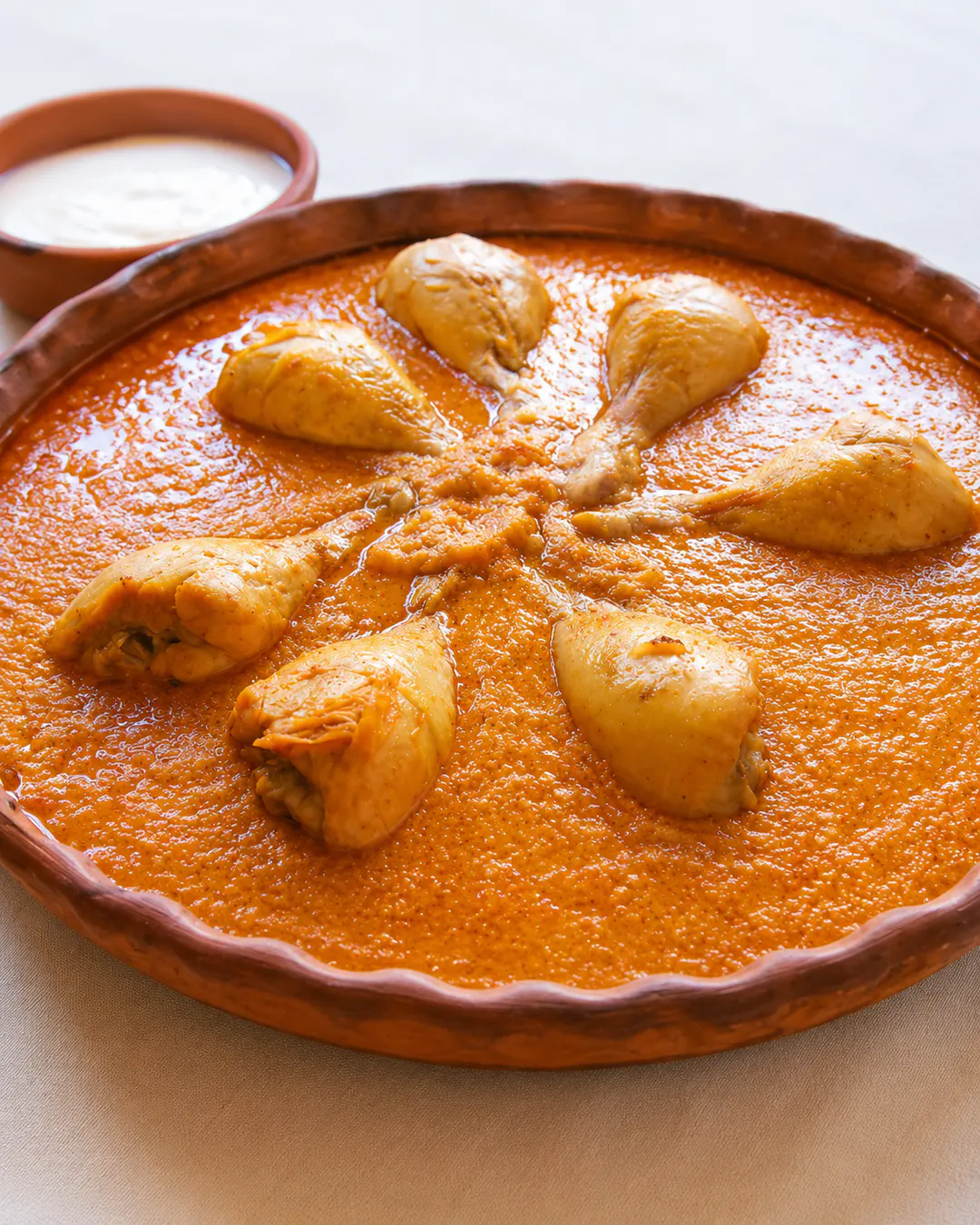
Another deeply comforting local dish is pulë fshati me qull – village chicken served with a thick flour-based sauce enriched with the chicken broth. It is exactly the kind of warming, substantial food associated with traditional mountain households.
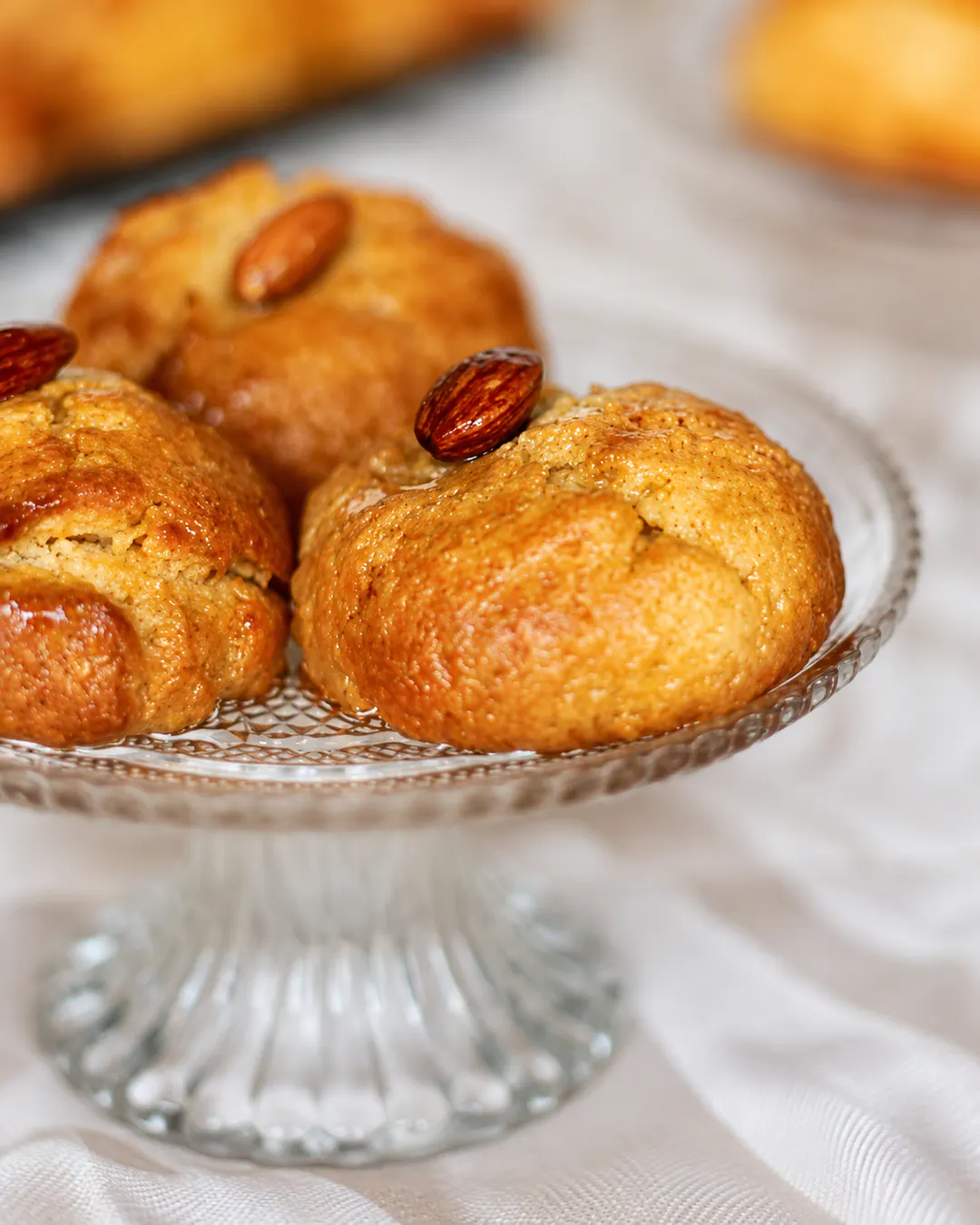
Diber also has a strong tradition of homemade sweets, including sheqerpare, alongside other syrup-based desserts prepared for guests and family gatherings.
Bread, butter, yogurt, white cheese and other homemade dairy products traditionally complete the Dibran table.
What to try in Dibër:
- Jufka with village chicken
- Pulë fshati me qull
- Sheqerpare
- Homemade dairy products
- Traditional corn bread
⭐ Love Albania Recommended: Where to Try Traditional Jufka in Diber
For travelers looking to experience one of Diber’s most characteristic dishes, Love Albania recommends Nena Dashuri Agrotourism for traditional jufka with village chicken.
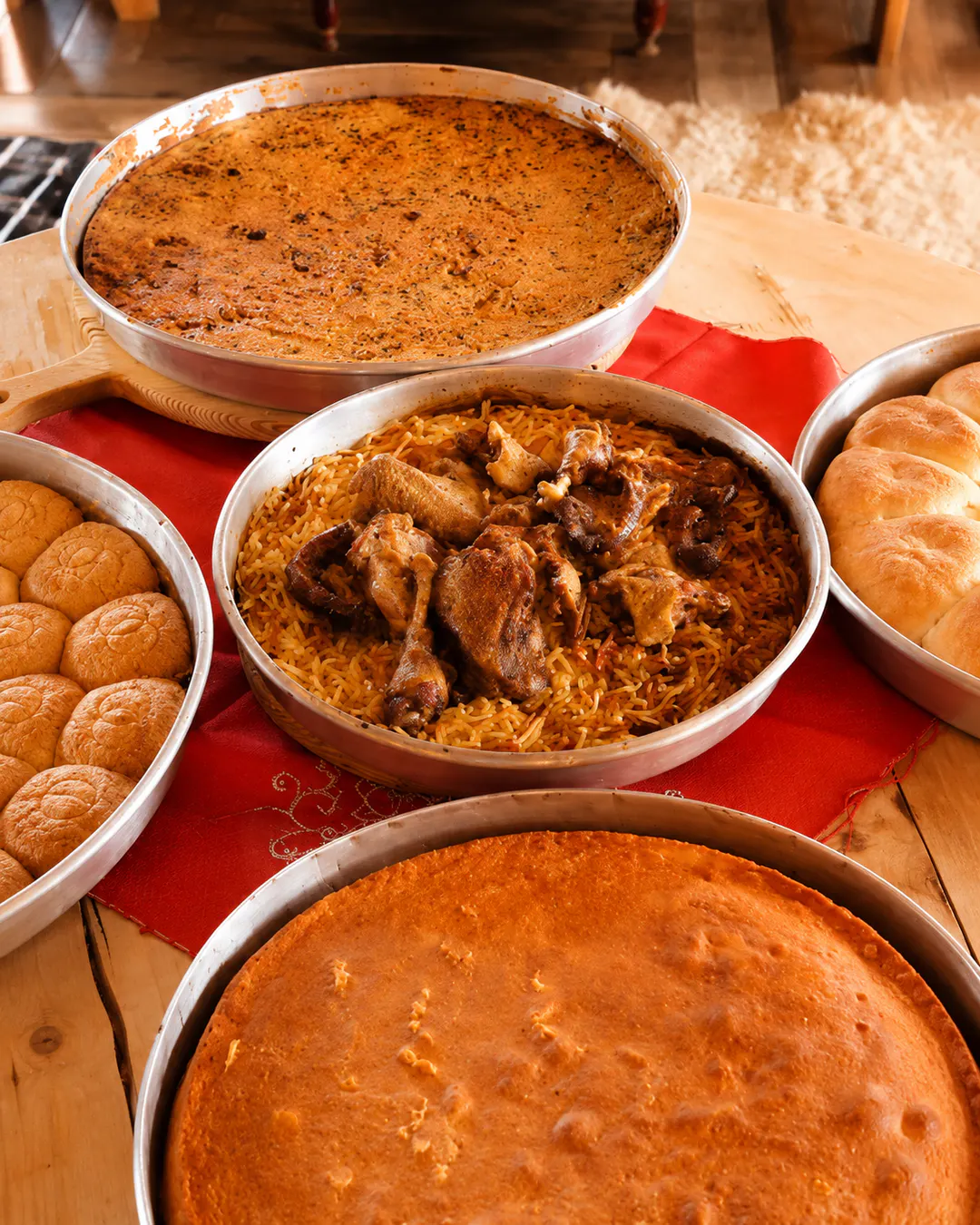
Jufka are not simply another dish on the menu here – they are closely connected to the story of the family business. Nena Dashuri began producing jufka and trahana in 2008, preserving two staples of traditional Dibran cuisine. Today, jufka with village chicken is considered the house specialty, while the property itself has become closely identified with the tradition of making jufka.
The connection goes even further: the property is known locally as “Bujtina e Jufkave” (The Jufka Guesthouse), and its production facilities make around 200 kilograms of jufka per day.
Beyond jufka, Nena Dashuri is also a good place to explore the broader traditional cuisine of Diber. Depending on availability, visitors may find other regional specialties such as pule fshati me qull, sheqerpare, homemade dairy products, and other dishes prepared according to local traditions.
Visitor feedback frequently highlights the traditional food, authentic atmosphere and hospitality, reinforcing Nena Dashuri’s connection with the culinary traditions of Diber.
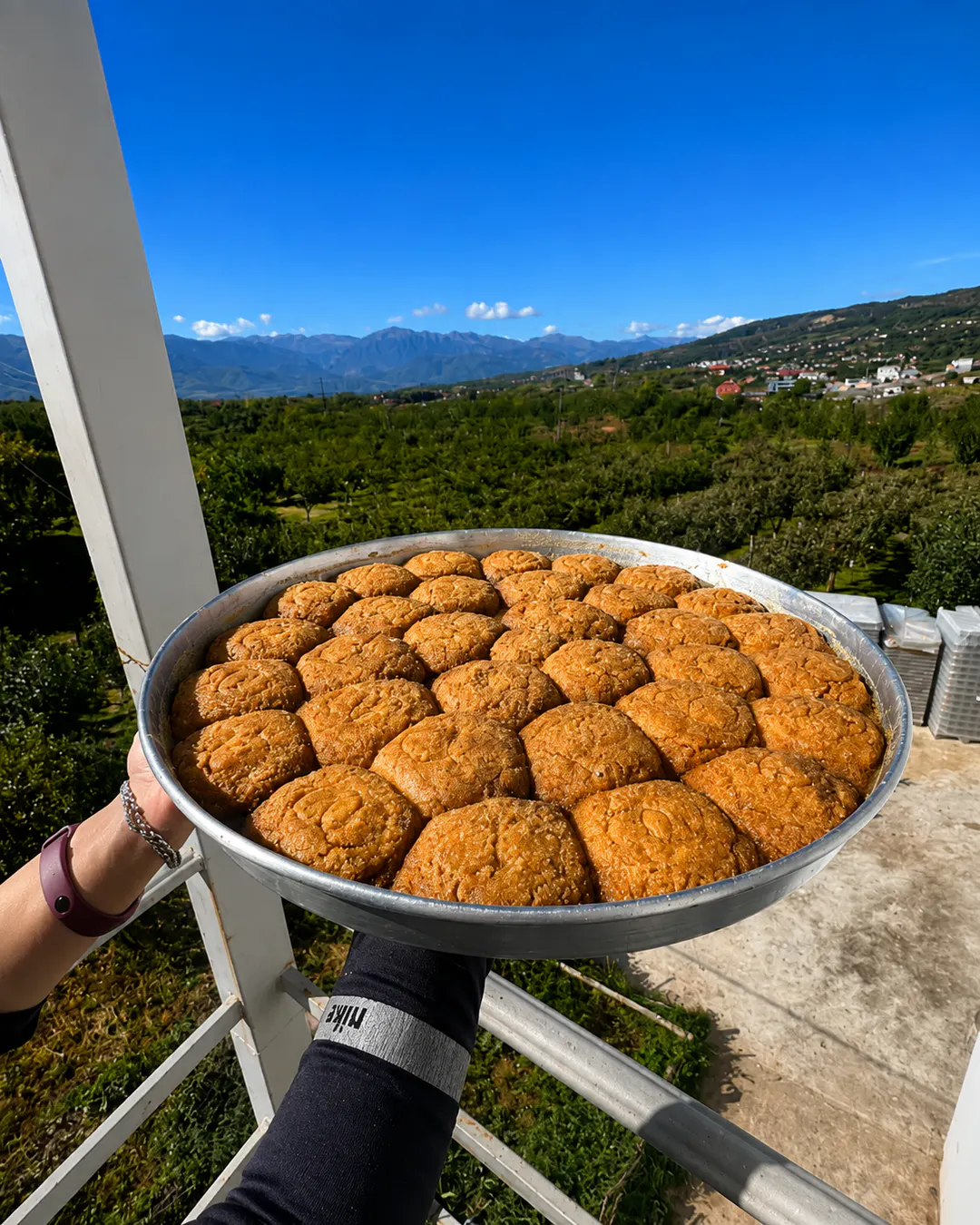
⭐ Love Albania Recommendation: Nena Dashuri Agrotourism
📍 Location: L. Ravna, near Peshkopi, Diber
Love Albania Tip: If jufka are one of the reasons you’re exploring Diber’s traditional cuisine, Nena Dashuri is our recommended stop for experiencing the dish in a place where jufka are both prepared and produced as part of a long-standing family tradition.
The Albanian Alps and the North – Fli, Kaçamak and Mountain Food
Across the mountainous north of Albania, food historically had to provide enough energy for physically demanding rural life and survive long winters.
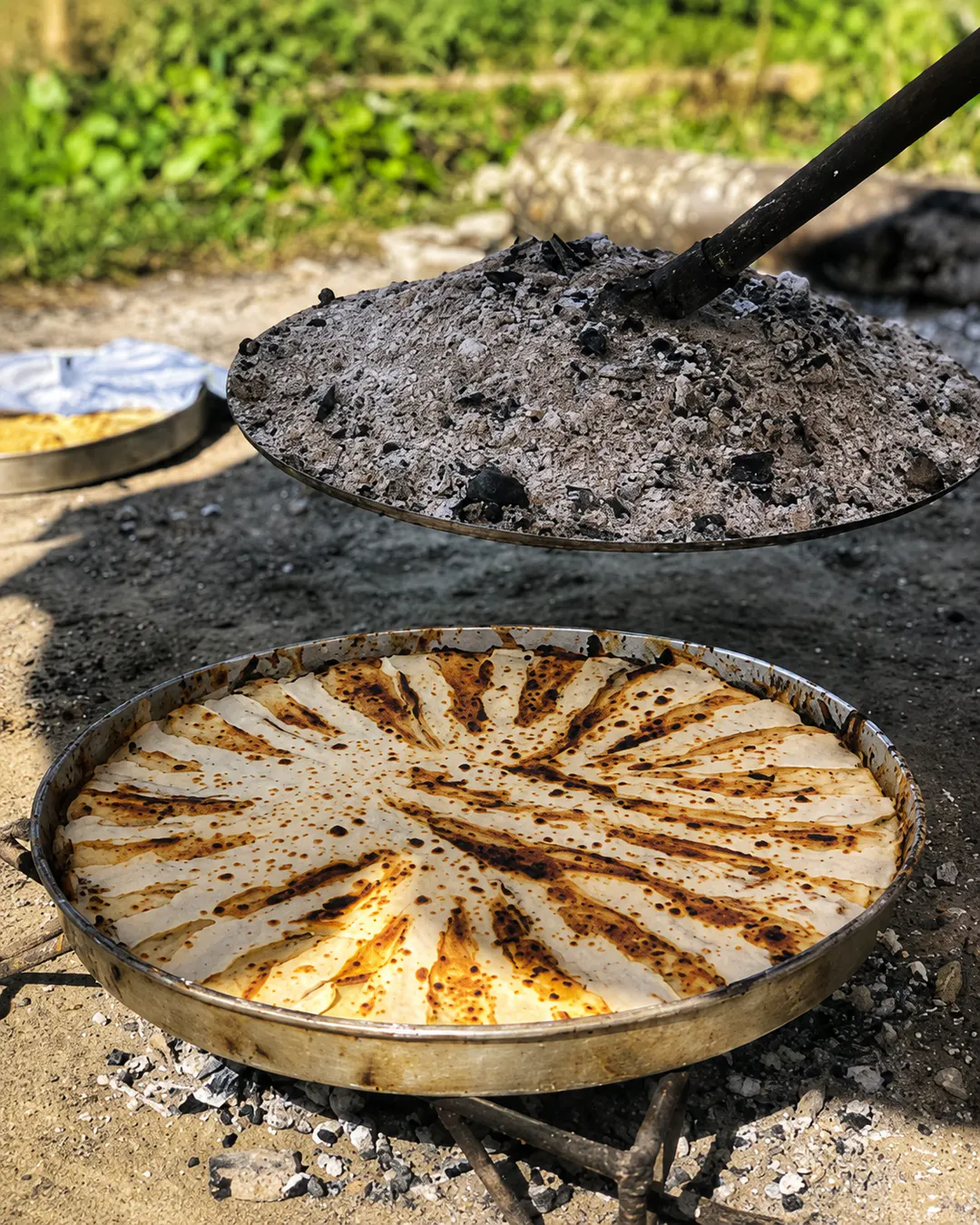
One of the most recognizable dishes is fli, prepared by gradually baking thin layers of batter and coating them with cream, butter or other dairy mixtures. Traditionally cooked under a saç, making fli is a slow process that can take hours.
For that reason, fli is more than everyday food. It is strongly associated with hospitality, family gatherings, celebrations and occasions when several people come together around the table.
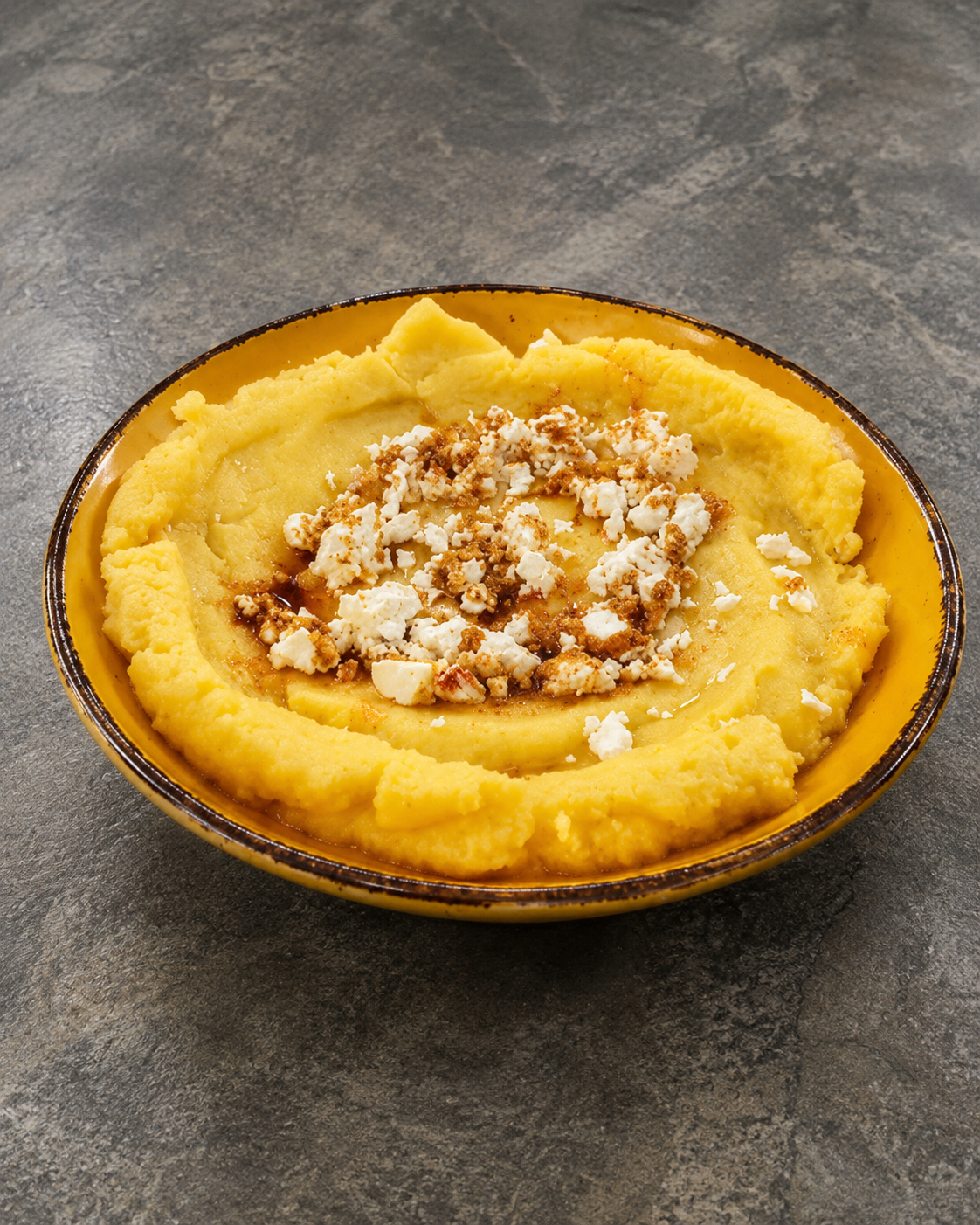
Another mountain staple is kaçamak, a simple but filling cornmeal dish commonly served with butter, cheese, yogurt or other dairy products.
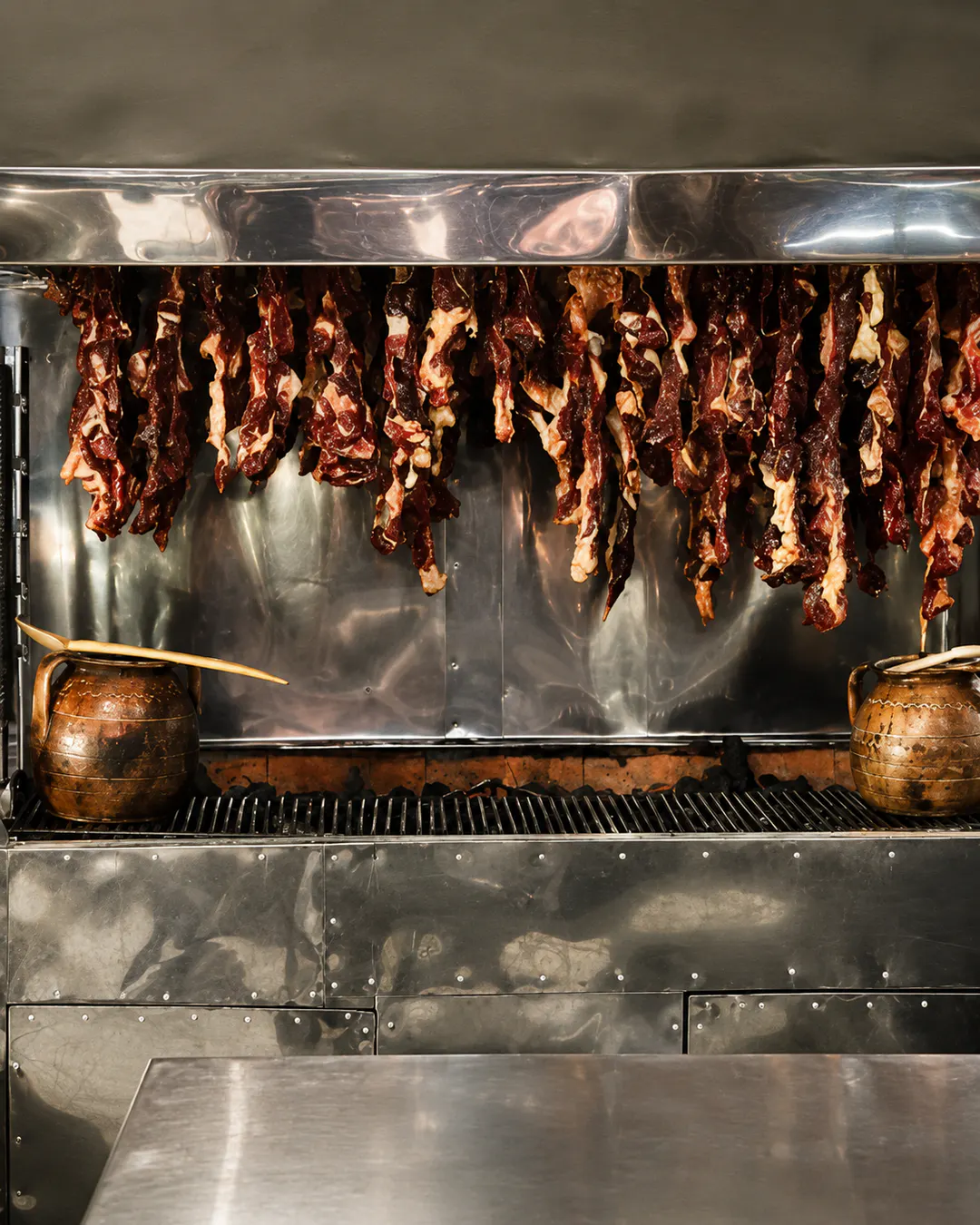
Traditional northern households also relied heavily on pasterma and dried meat, especially as methods of preserving meat for winter, while maze, cream, butter, yogurt and cheese reflect the importance of livestock farming.
What to try in Northern Albania:
- Fli
- Kaçamak
- Pasterma / dried meat
- Maze
- Homemade mountain cheese and dairy products
Tip: These foods are particularly associated with rural mountain areas rather than one single northern city, so guesthouses in the Albanian Alps are among the best places to experience them.
Shkoder – Tave Krapi and the Flavors of Lake Shkodra
Shkoder has one of Albania’s most distinctive regional cuisines, shaped by northern traditions and its close relationship with Lake Shkodra. At the heart of this culinary identity is tave krapi, a traditional baked carp dish that has become one of the city’s most recognizable specialties.
Traditionally prepared with carp from Lake Shkodra, onions, tomatoes and a characteristic sweet-and-sour combination of flavors, tave krapi represents the close relationship between the city, the lake and generations of local cooking.
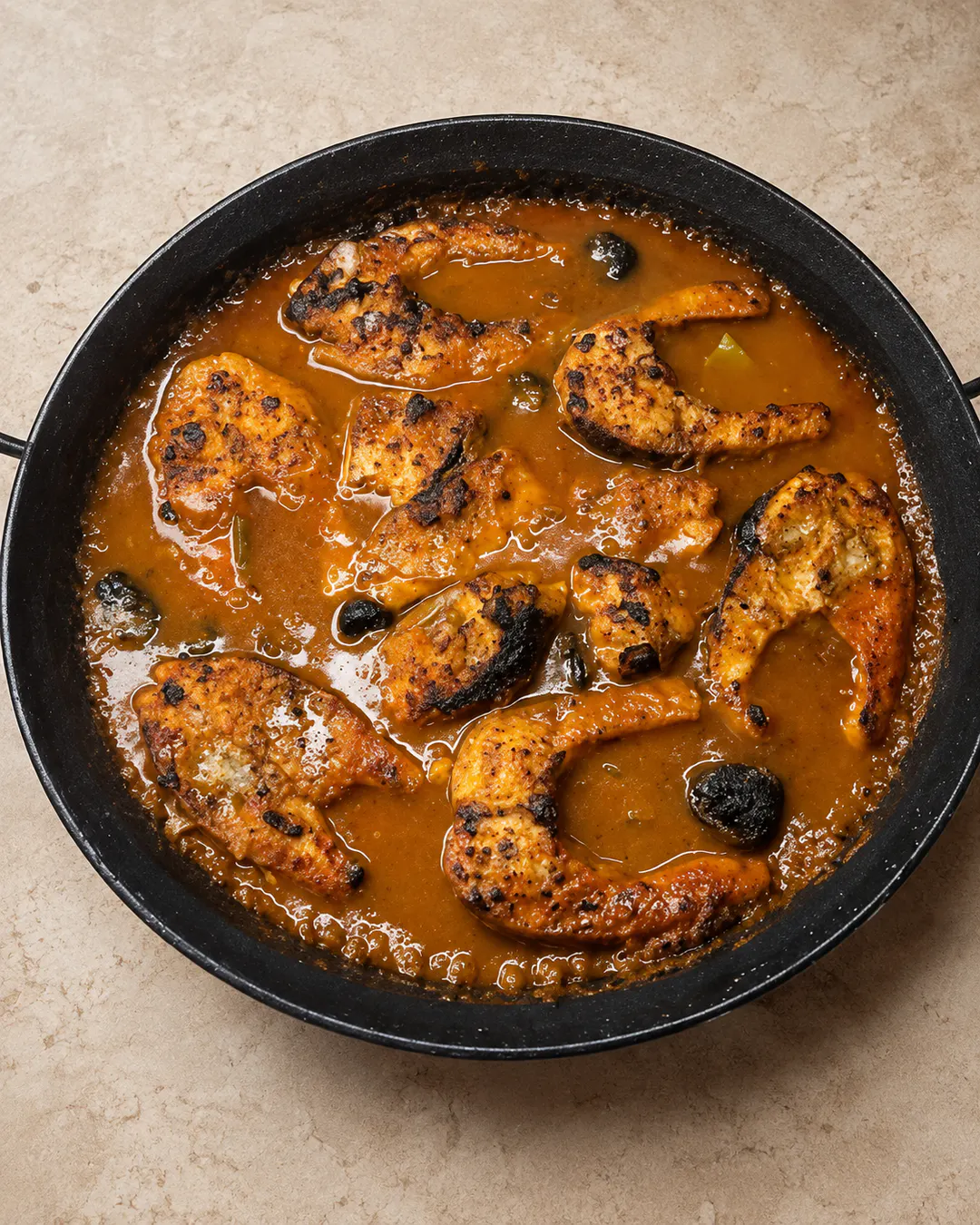
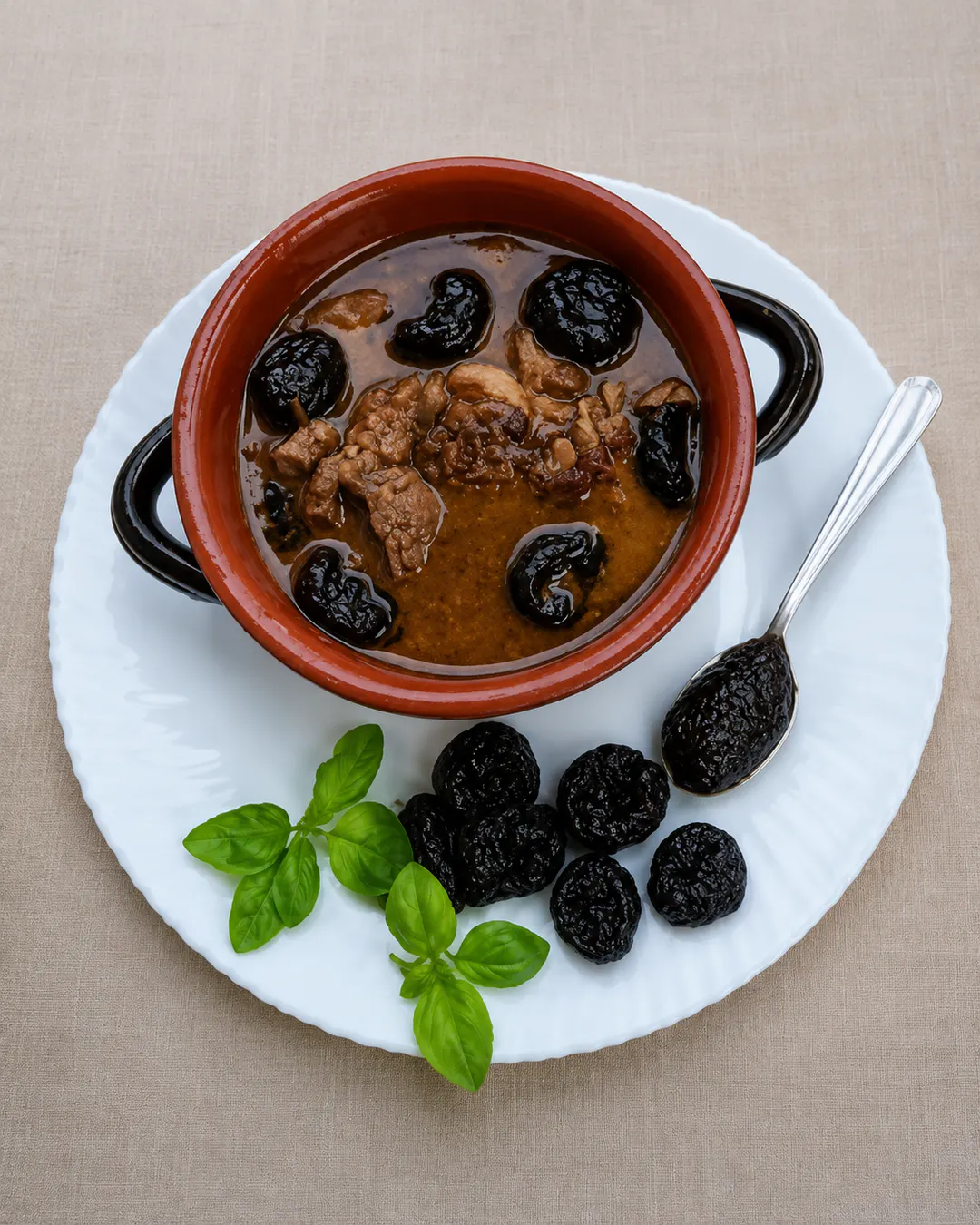
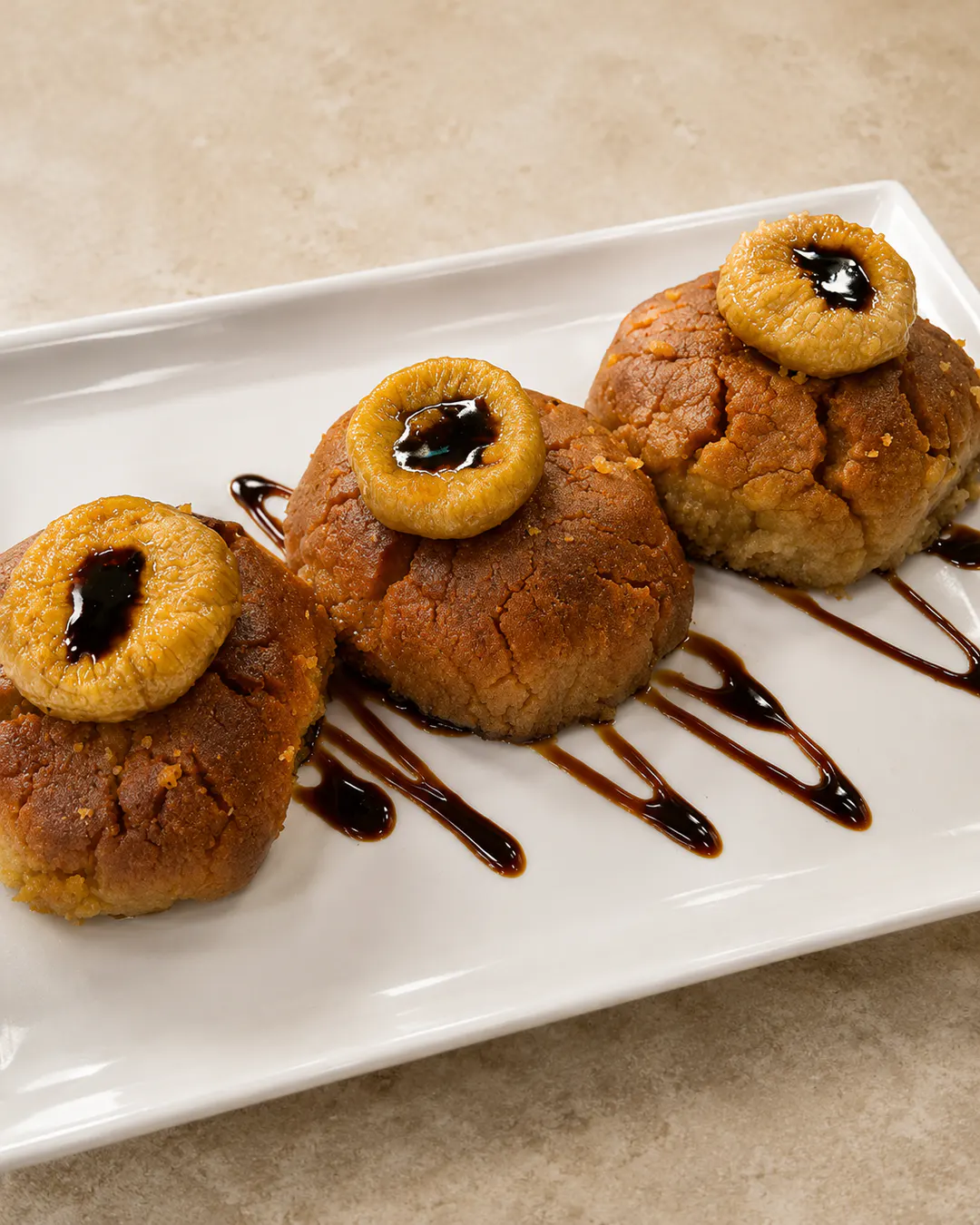
But Shkodra’s traditional cuisine extends well beyond its famous lake fish. Older local recipes include jahni with dried plums, combining meat with the subtle sweetness of dried fruit, and corba shkodrane, a comforting meat-and-rice soup connected with traditional home cooking.
The city also has a rich tradition of sweets. Among the most characteristic is haxhimakulle, an old Shkodran syrup-soaked dessert, alongside revania shkodrane. Together, these dishes reveal a culinary heritage that combines influences from the lake, northern pastoral traditions and the city’s long history.
What to try in Shkoder:
- Tavë krapi
- Jahni with dried plums
- Çorba shkodrane
- Haxhimakulle
- Revania shkodrane
⭐ Love Albania Recommended: Where to Try Krap ne Tave in Shkoder
For travelers looking to experience one of Shkodra’s most iconic traditional dishes, Love Albania recommends Shkodra Lake Restaurant for Krap ne Tave.
Located directly beside Lake Shkodra, the restaurant offers a setting that feels naturally connected to the dish itself. Here, baked carp is prepared with tomatoes, plums and brandy, creating a rich combination of savory flavors and subtle sweetness that makes it very different from simply ordering grilled fish.
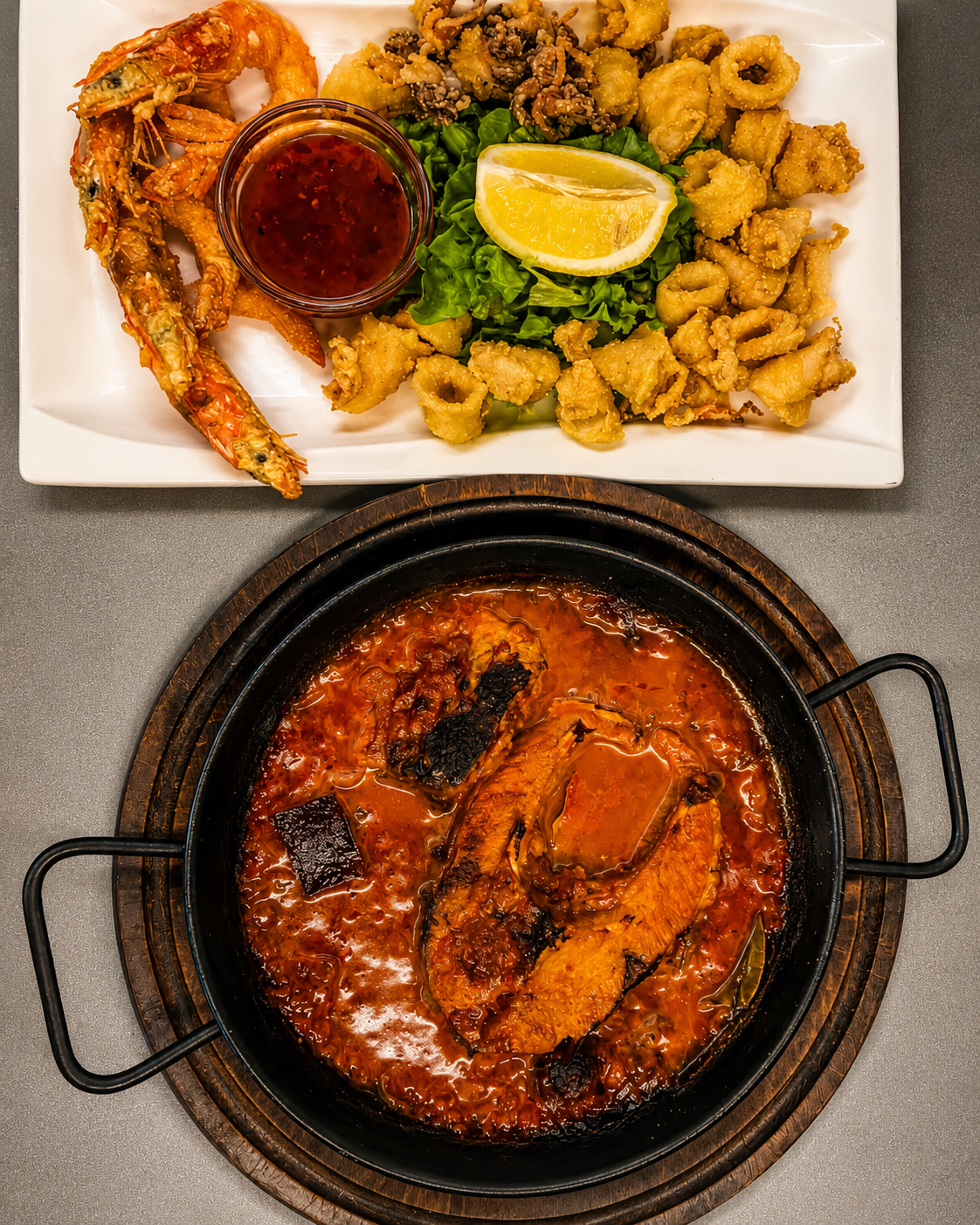
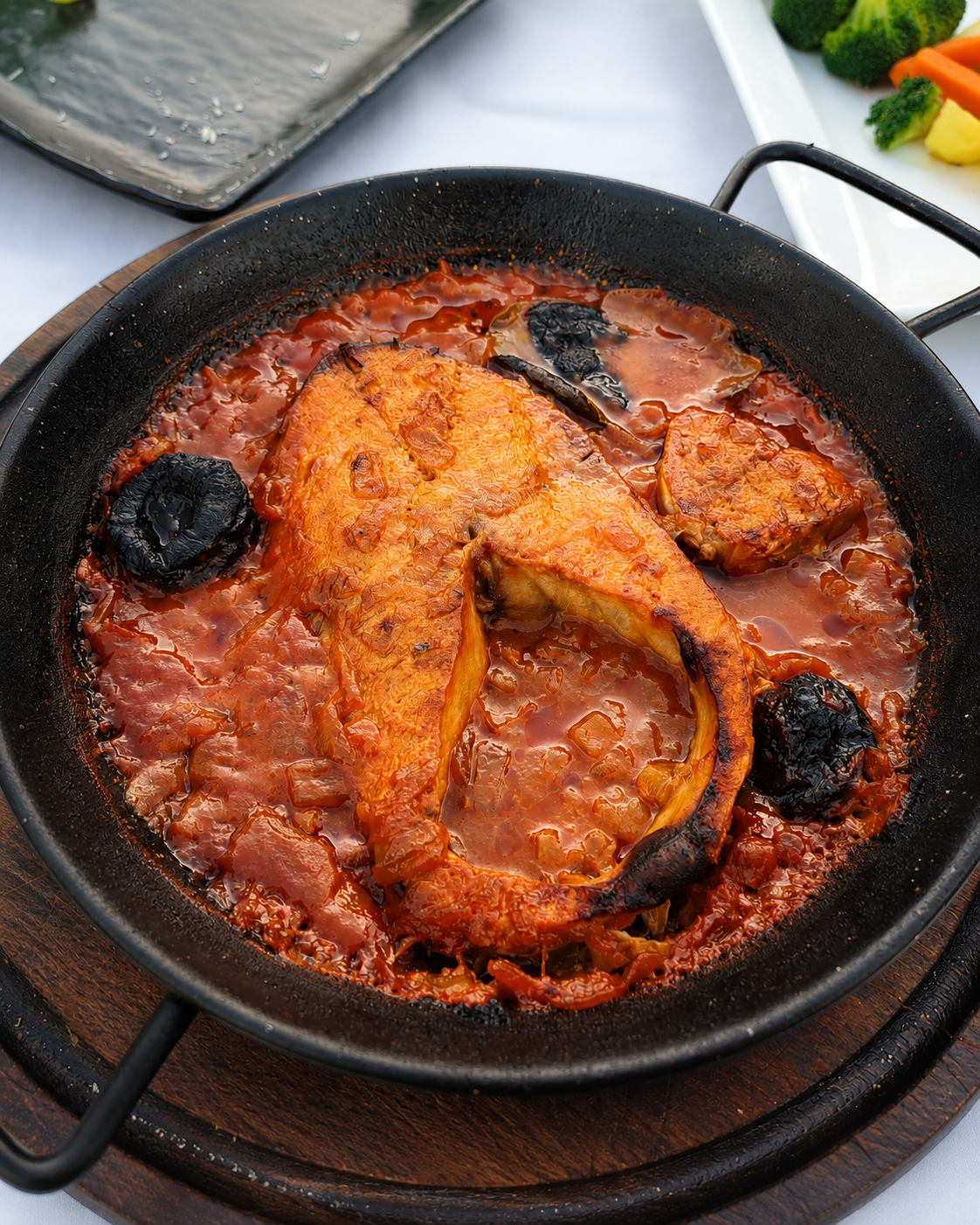
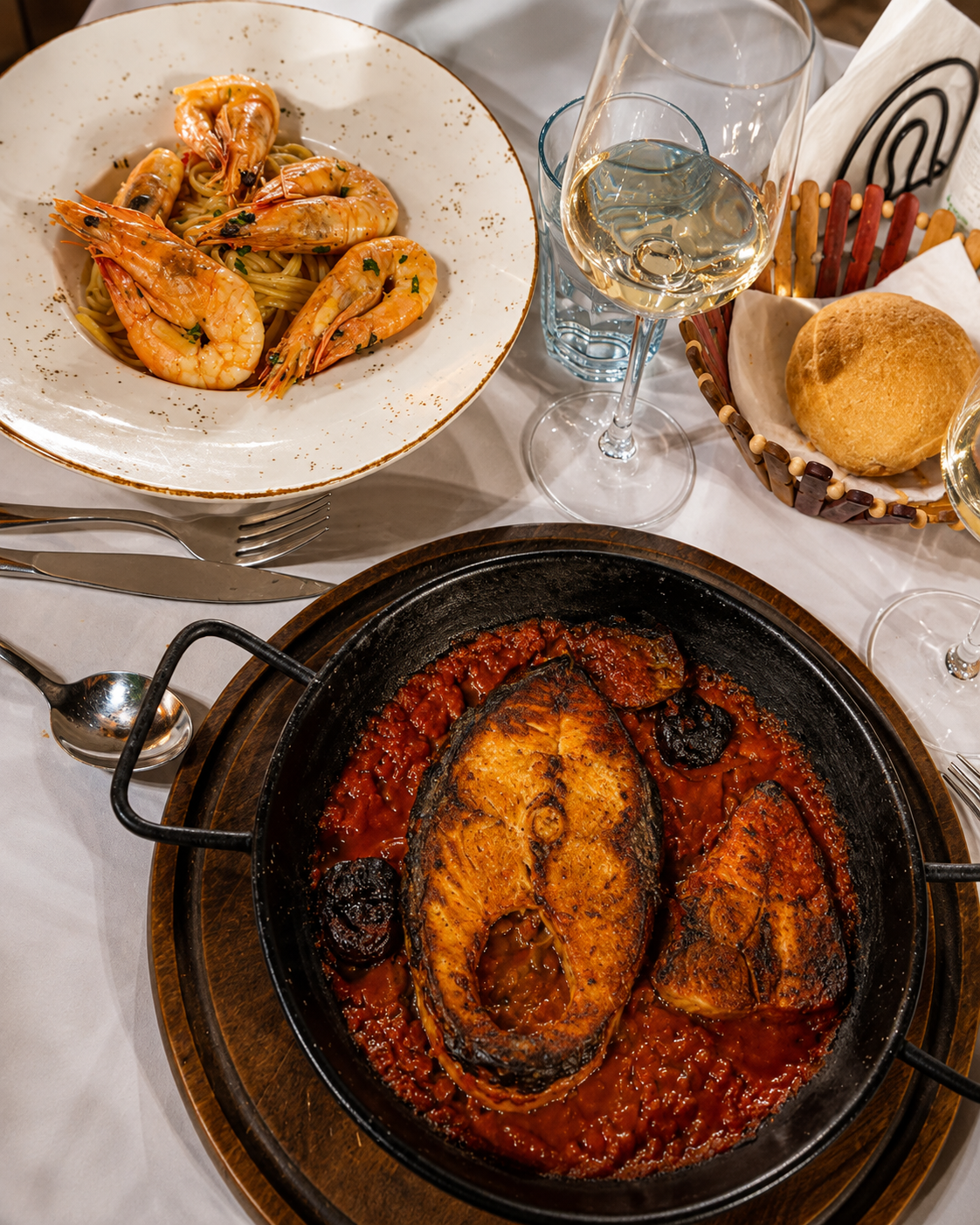
The restaurant has also been ranked #1 in Love Albania’s 2026 list of the best restaurants in Shkoder, based on our analysis of customer reviews and overall dining experience. Its combination of traditional cuisine, lakeside location and strong visitor feedback makes it our recommended place to experience Krap ne Tave in Shkoder.
Eating this traditional dish while overlooking the lake also adds something important to the experience: the main ingredient, the recipe and the landscape that shaped Shkodra’s culinary identity all come together in the same place.
🏆 Love Albania Ranking: #1 Restaurant in Shkoder 2026
📍 Location: Lake Shkodra
Love Albania Tip: If traditional food is part of the reason you’re visiting Shkoder, Krap ne Tave should be high on your list. Shkodra Lake Restaurant is our recommended stop for trying it while enjoying the landscape from which this culinary tradition originated.
Want to discover more about the restaurant, its traditional dishes and its lakeside setting? Read our full guide to Shkodra Lake Restaurant – Traditional flavors by Lake Shkodra
Lezhe – Rural Cooking Between the Mountains and the Adriatic
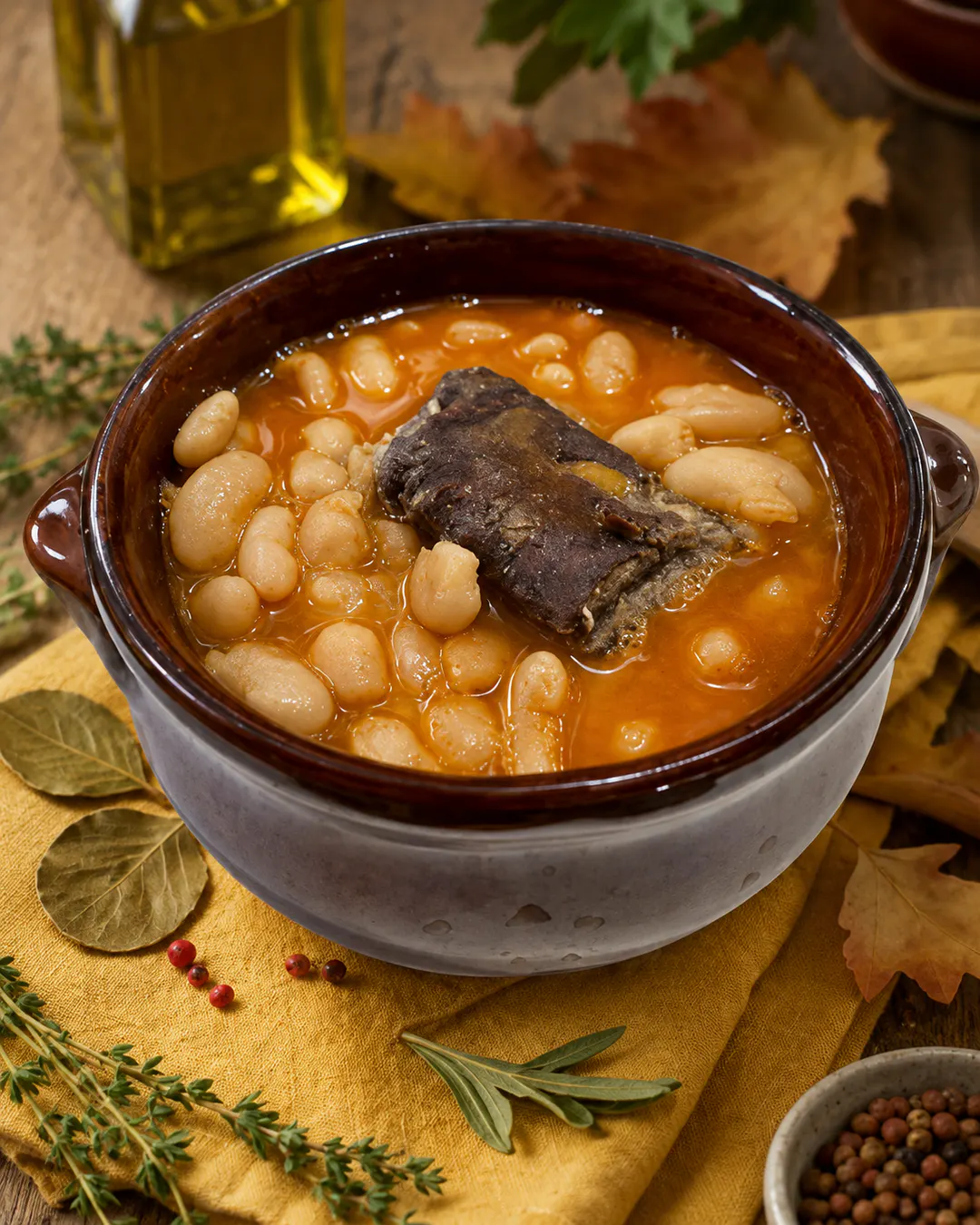
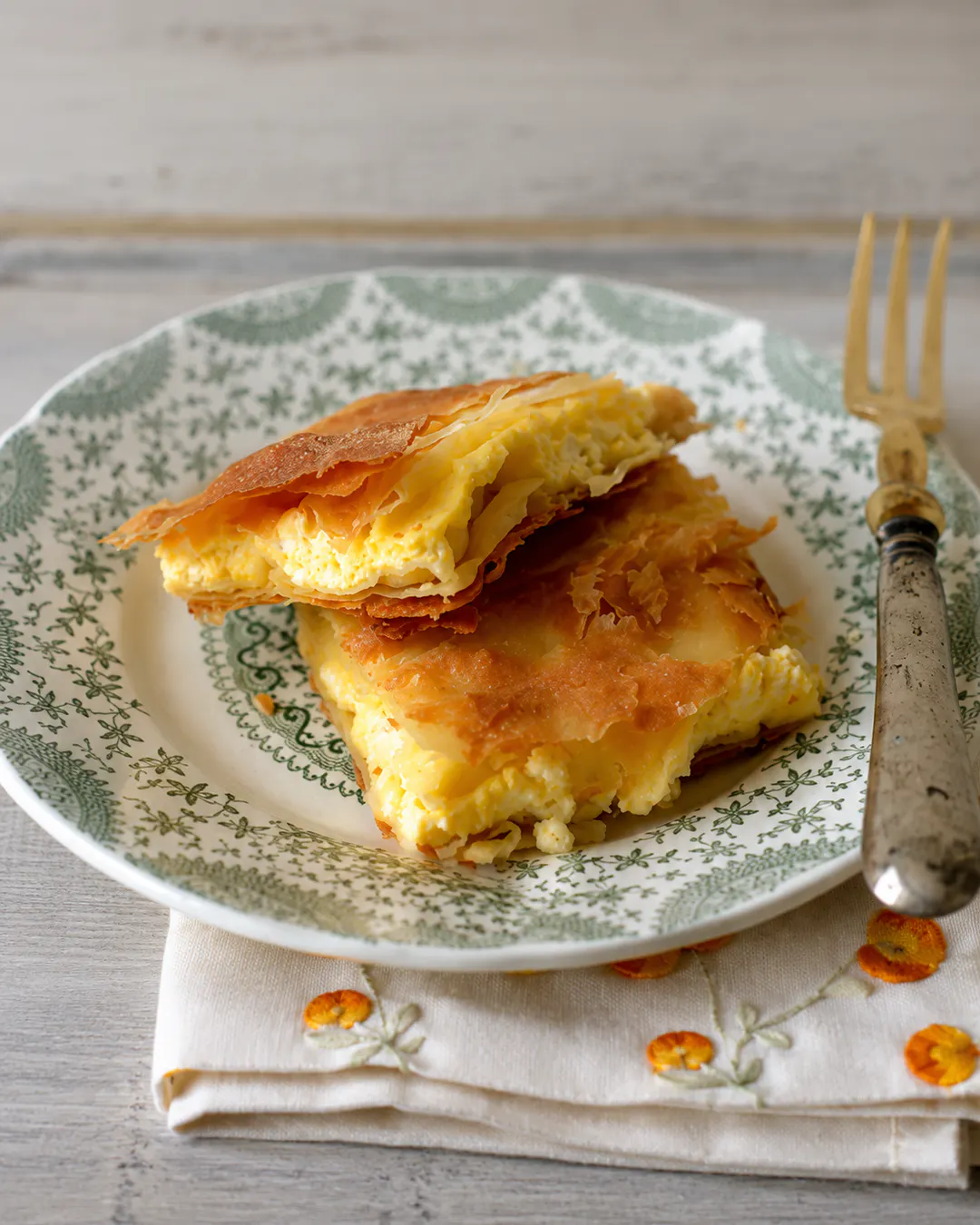
Lezhë’s traditional cuisine reflects its agricultural and pastoral heritage, with corn, seasonal vegetables, meat and dairy products at the heart of local cooking. Characteristic dishes include laknur with pumpkin, beans with pastërma, and meat with cabbage, especially popular during the colder months. Traditional corn bread and locally produced dairy products also remain an important part of the region’s rural food culture.
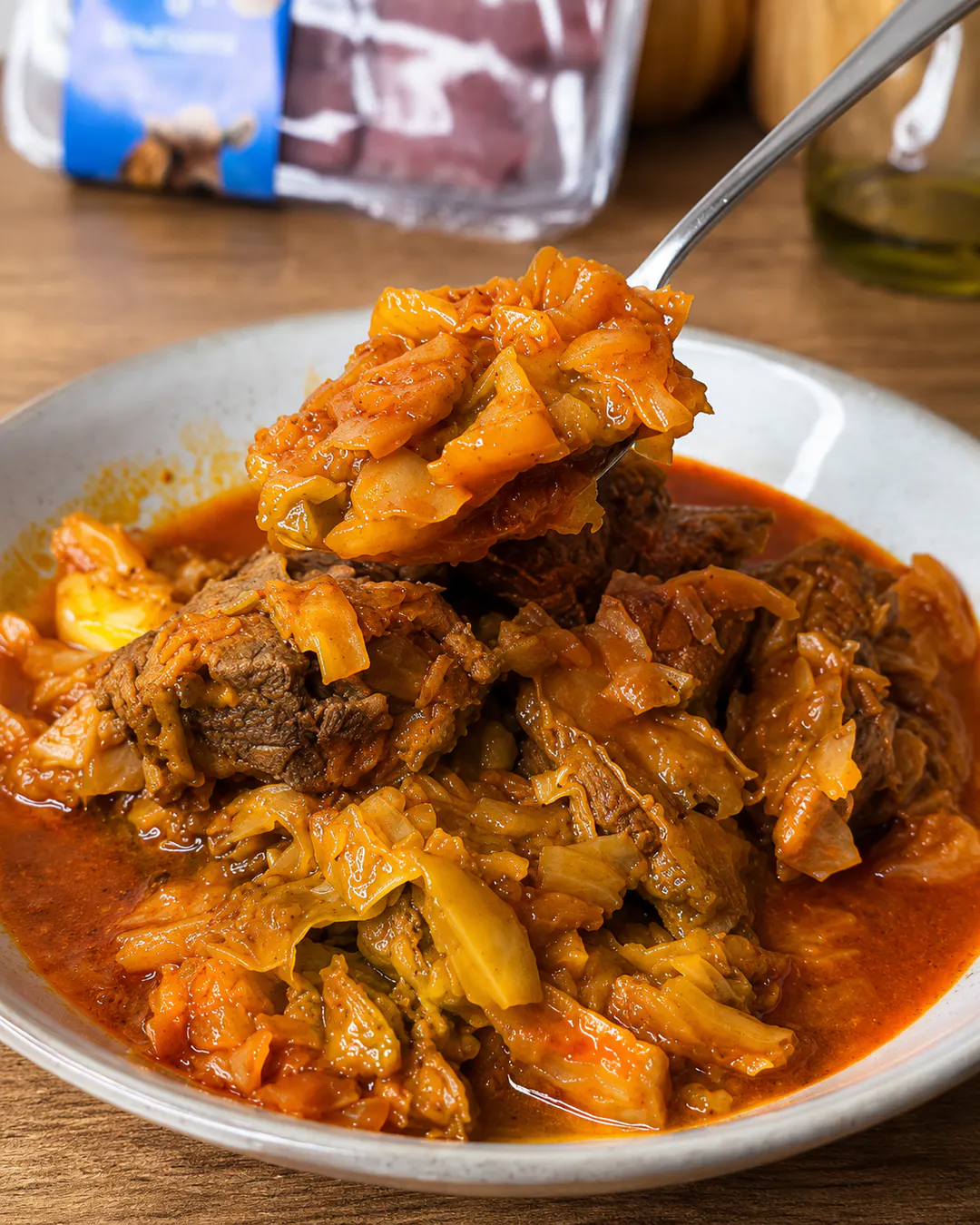
What to try around Lezhe:
- Laknur with pumpkin
- Beans with pastërma
- Meat with cabbage
- Traditional corn bread
- Local dairy products
Tip: Look for traditional restaurants or rural guesthouses outside the city, where seasonal dishes and older recipes are more likely to be found.
⭐ Love Albania Recommended: Where to Try Traditional Laknur in Lezhë
For travelers looking to discover the traditional rural cuisine of the Lezhë region, Love Albania recommends Oazi Fishtë for laknur with pumpkin, one of the characteristic dishes of the area’s countryside cooking. Here, the experience begins with the ingredients themselves — flour, eggs, dairy products, pumpkin and seasonal greens — offering a glimpse into the simplicity and authenticity behind this traditional recipe.
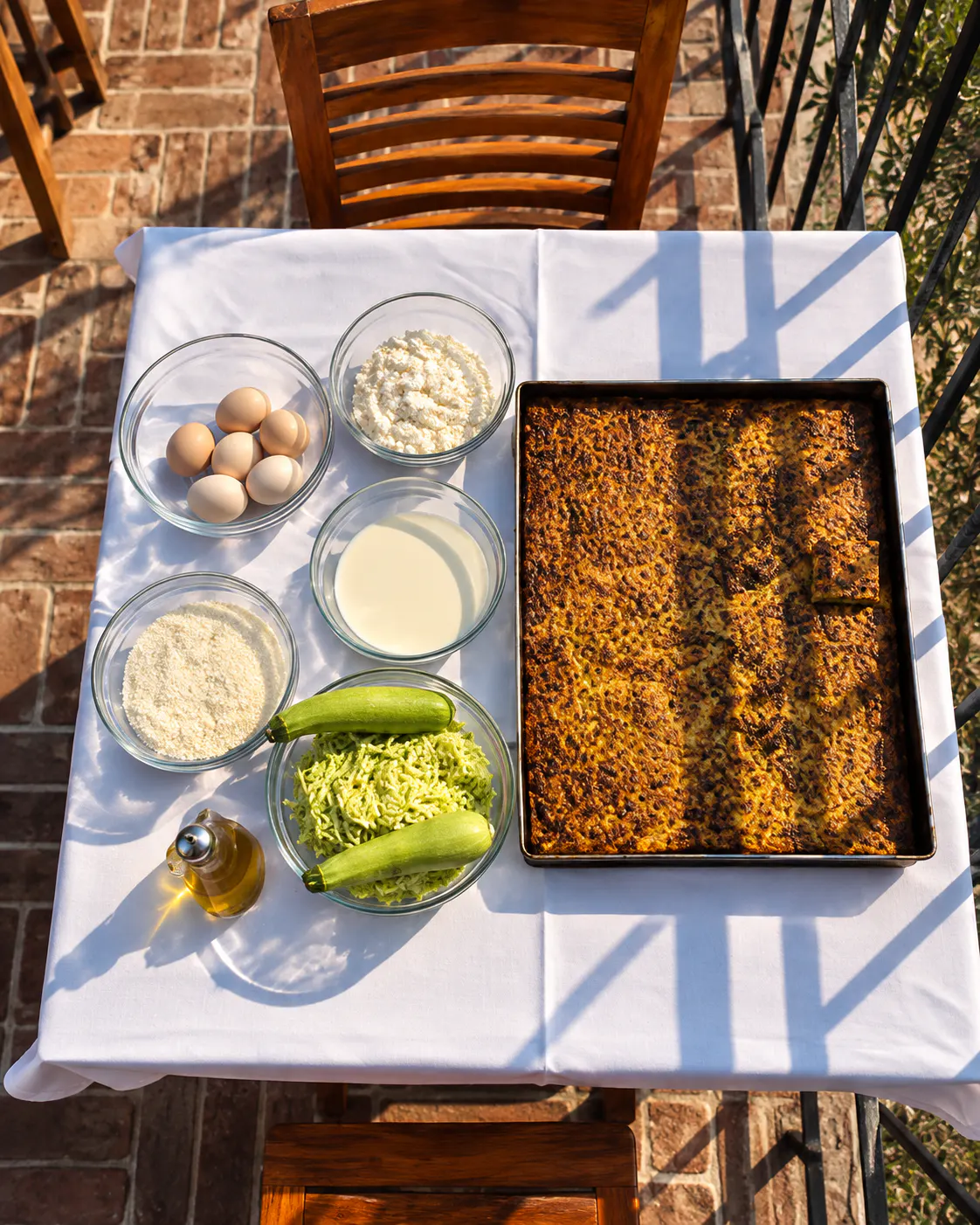
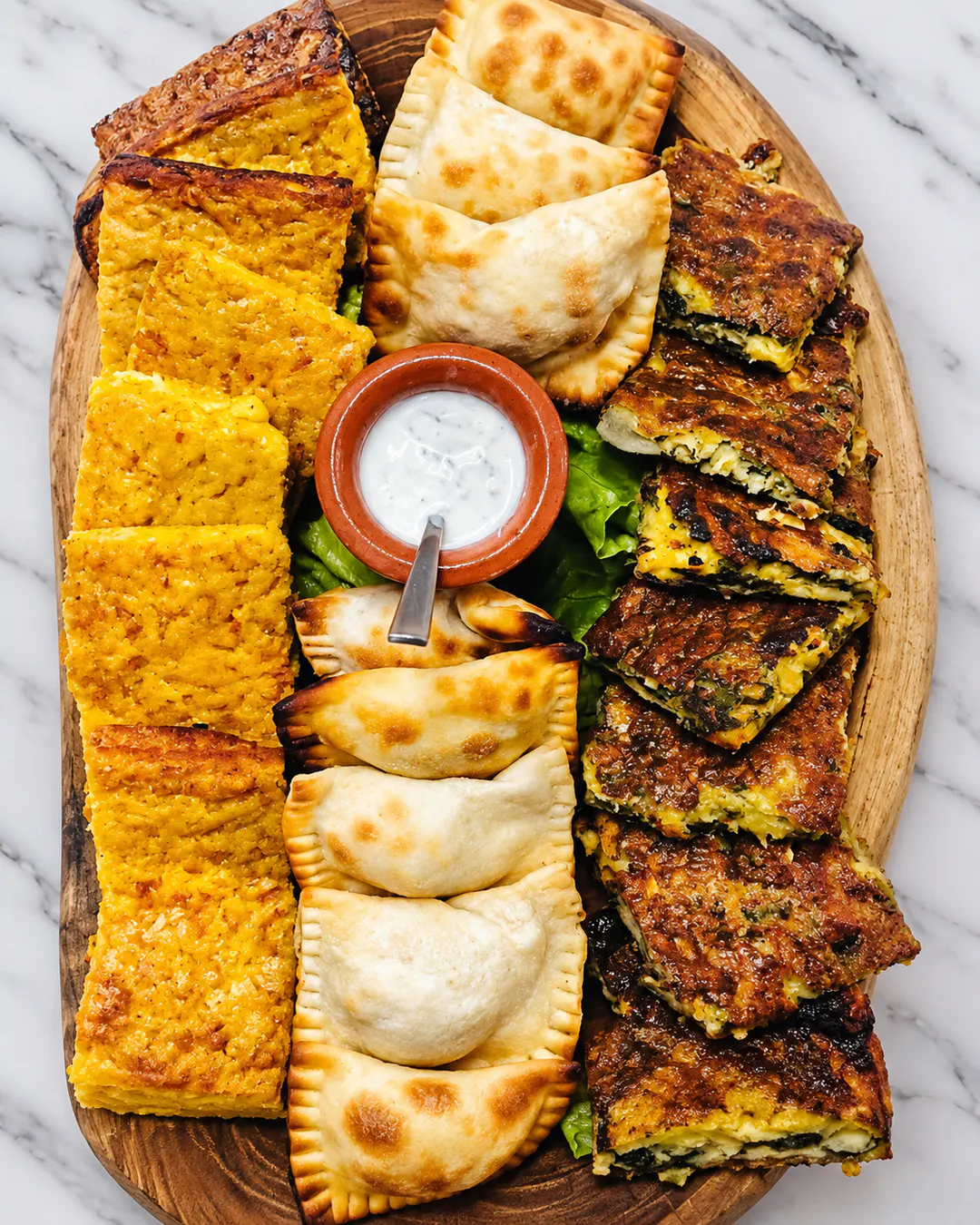
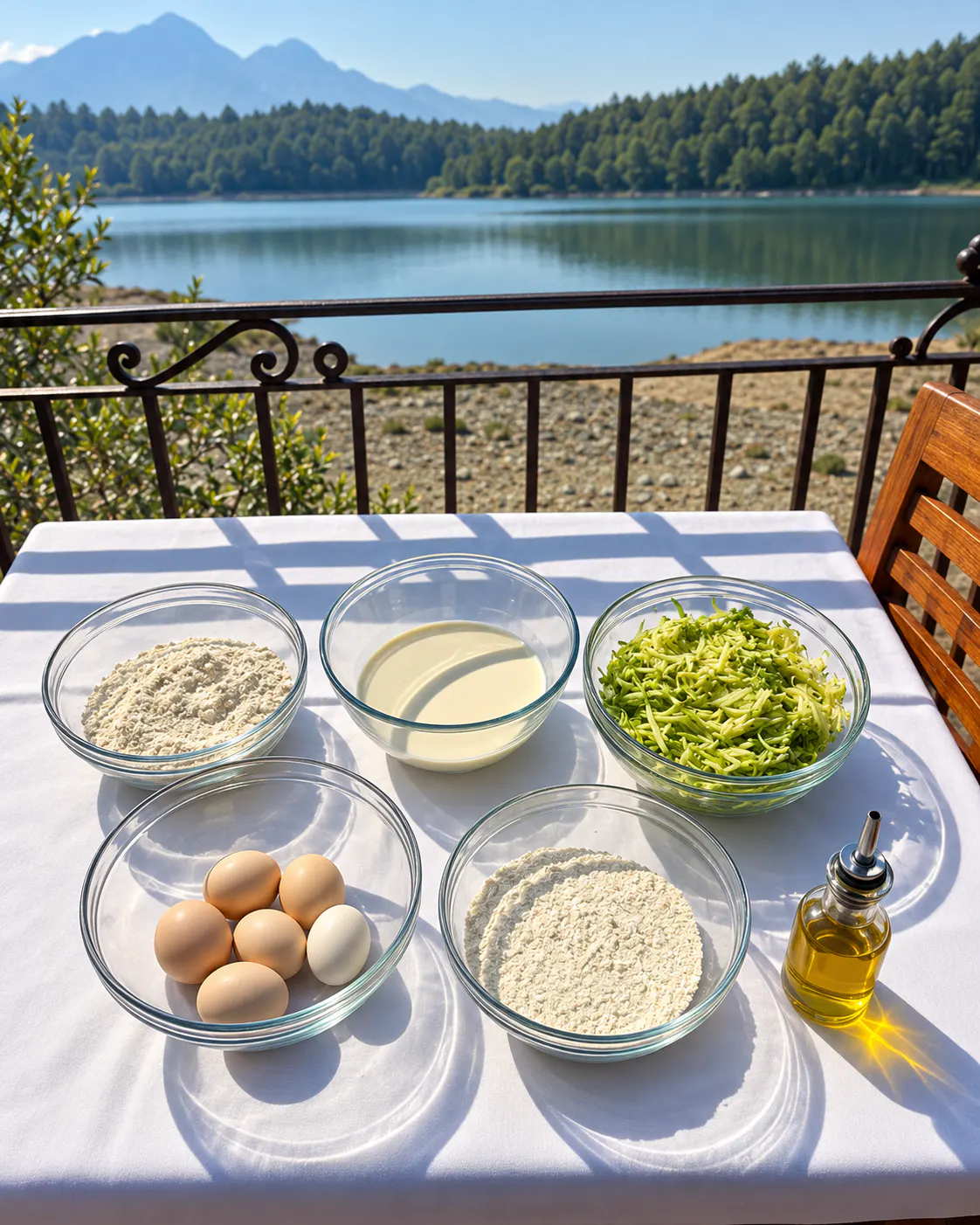
The laknur is prepared throughout the year, following the rhythm of the seasons. In autumn and winter, it is made with winter pumpkin, while during the warmer months seasonal varieties are used. From the raw ingredients to the finished dish, the preparation reflects a tradition built around local products, seasonality and recipes passed down through generations.
Beyond laknur, Oazi Fishtë is also a place to explore the broader traditional cuisine of the Lezhë countryside, including local products, traditional corn bread, dairy products and other dishes inspired by the region’s agricultural and pastoral heritage.
Set in the countryside of Fishtë, the restaurant brings together traditional food, local ingredients and the rural landscape, making it a fitting recommendation for travelers looking to experience the authentic flavors of the Lezhë region.
For these reasons, Love Albania recommends Oazi Fishtë for traditional laknur and as a place to explore the rural flavors and local products of the Lezhë region.
⭐ Love Albania Recommendation: Oazi Fishtë
📍 Location: Fishtë, Lezhë region
Love Albania Tip: Start with the laknur, but ask about the local and seasonal products available that day to experience more of the region’s traditional rural cuisine.
Patok – Lagoon Fish and Eel
Along Albania’s Adriatic wetlands, the relationship between local communities and lagoon ecosystems has created a distinctive culinary tradition shaped by fishing, seasonality and the natural environment.
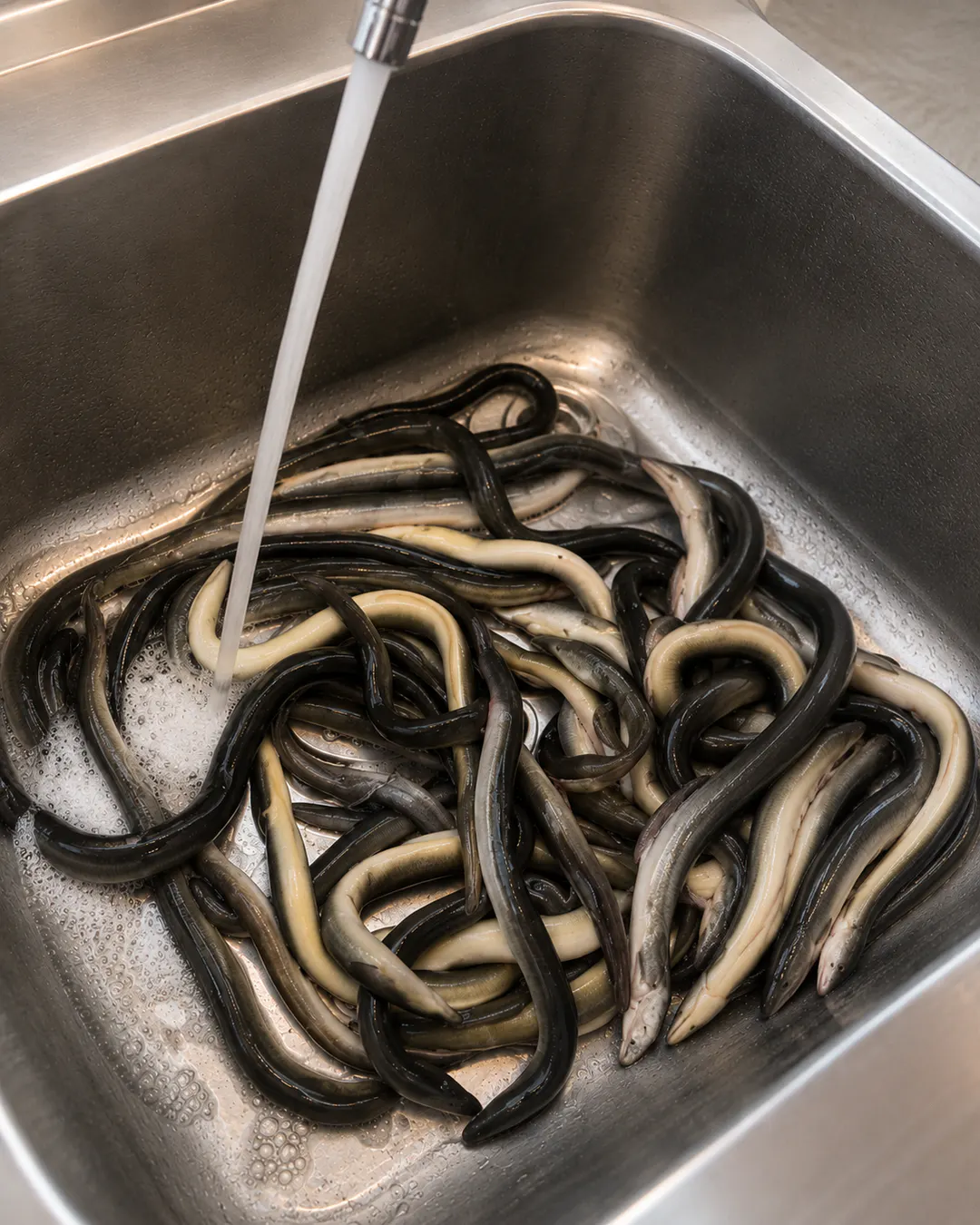
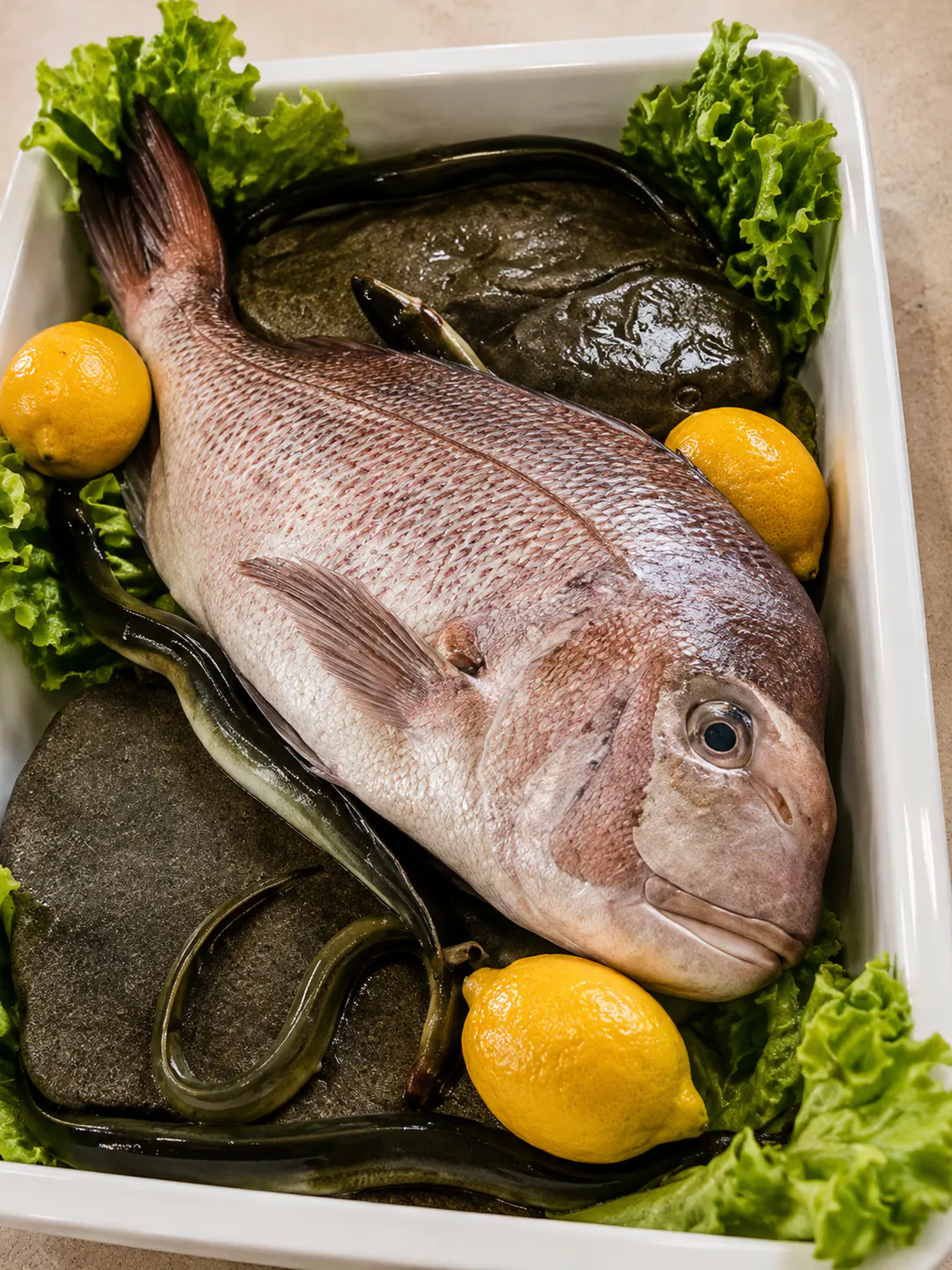
Around the Patok Lagoon, fish has historically played an important role in local food culture. Eel and other lagoon fish are among the products most closely connected with the area’s fishing tradition, with what appears on the table often depending on the season and the day’s catch.
For travelers exploring coastal Albania beyond the country’s better-known seafood destinations, Patok offers an opportunity to discover a different side of Albanian cuisine – one shaped directly by the lagoon.
What to try:
- Fresh lagoon fish
- Eel when locally available
- Seasonal fish dishes
- Catch of the day
⭐ Love Albania Recommended: Where to Try Lagoon Fish & Eel in Patok
For travelers looking to experience the flavors of the Patok Lagoon, Love Albania recommends Laguna e Re Patok for eel and fresh lagoon fish.
This recommendation is not a random choice. Based on our research and analysis of visitor feedback, Laguna e Re stands out as one of the best-rated restaurants in the Patok area, particularly for its fresh fish and seafood. Eel and fish are also among the dishes highlighted by guests, reinforcing the restaurant’s connection with the culinary identity of the lagoon.
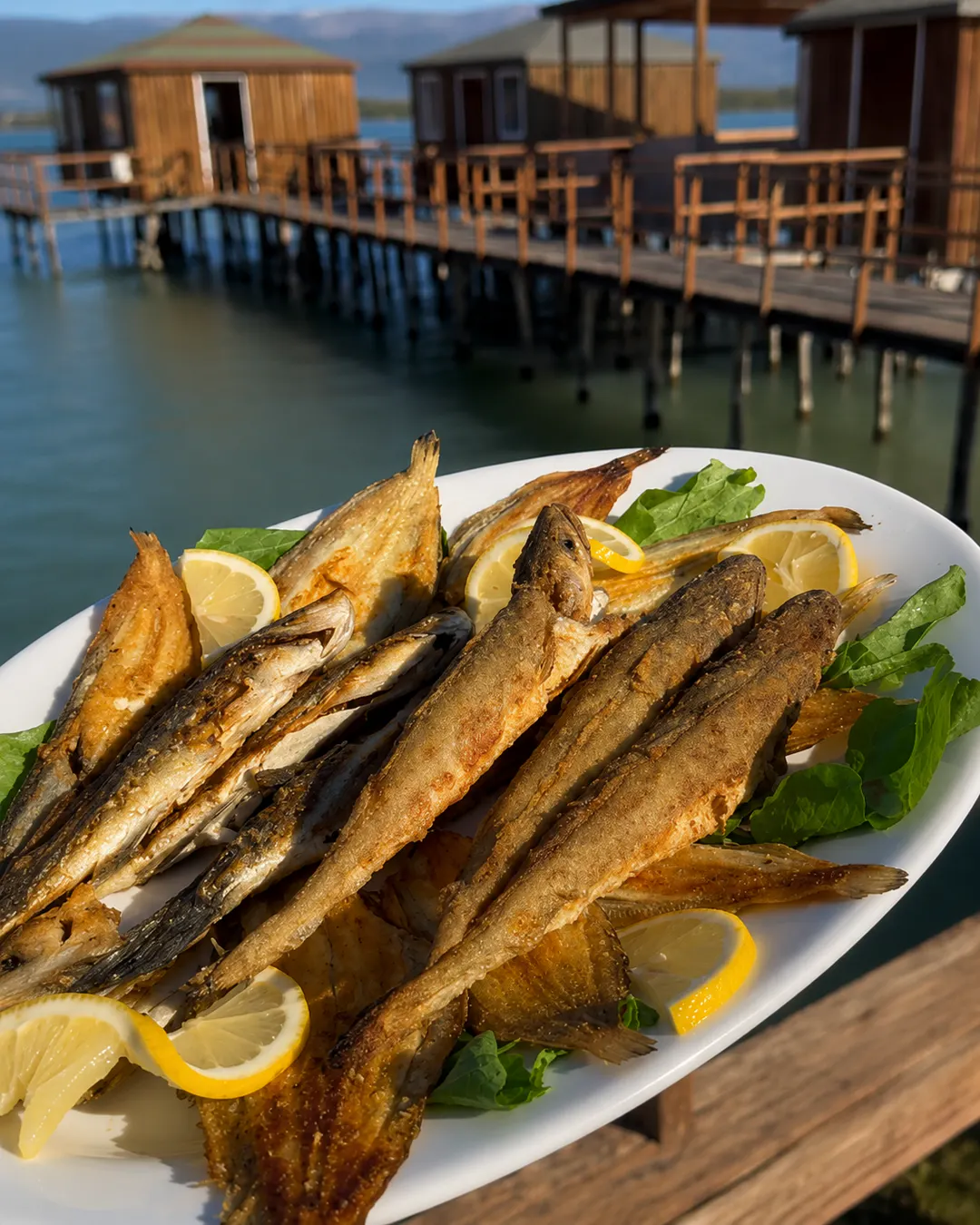
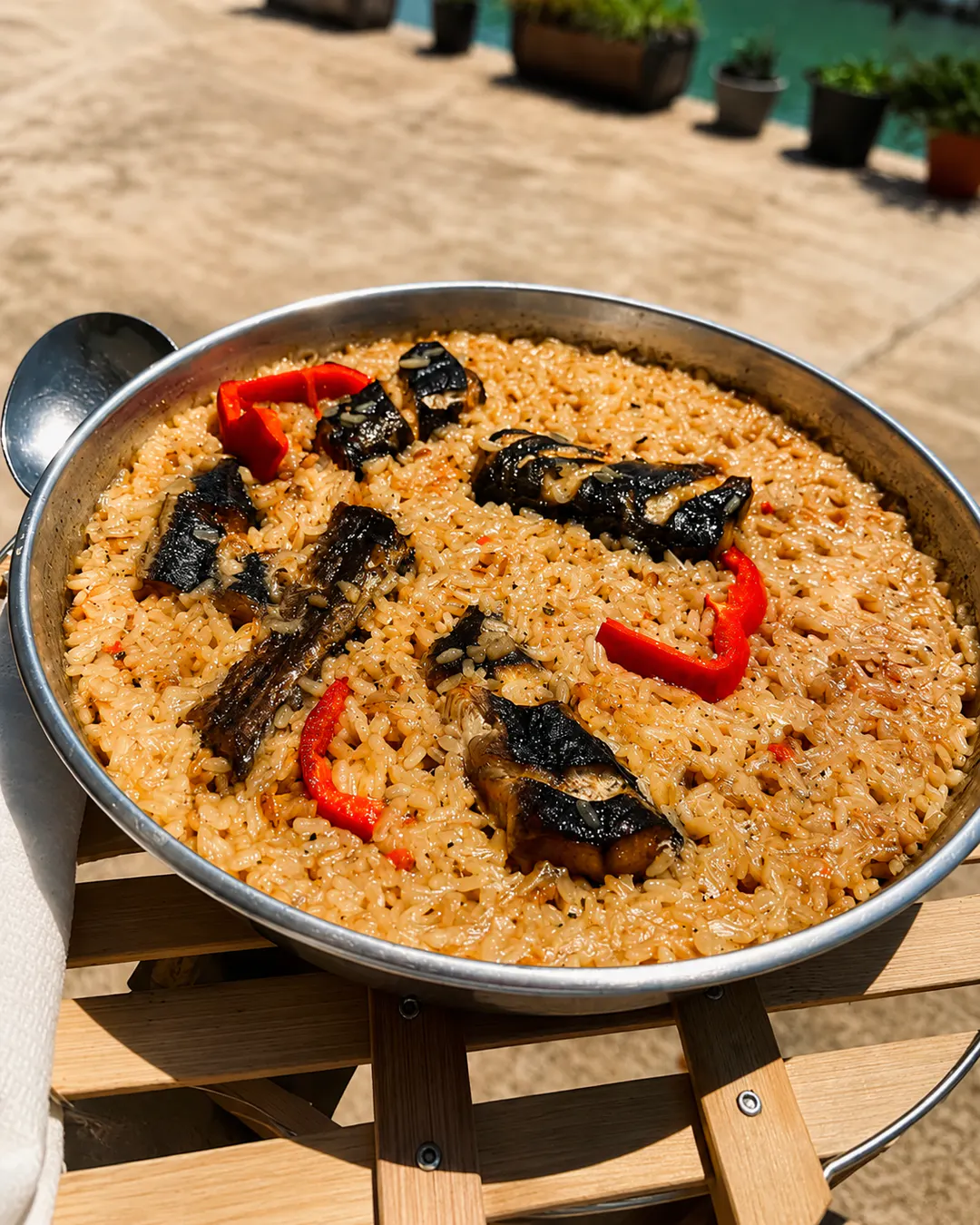
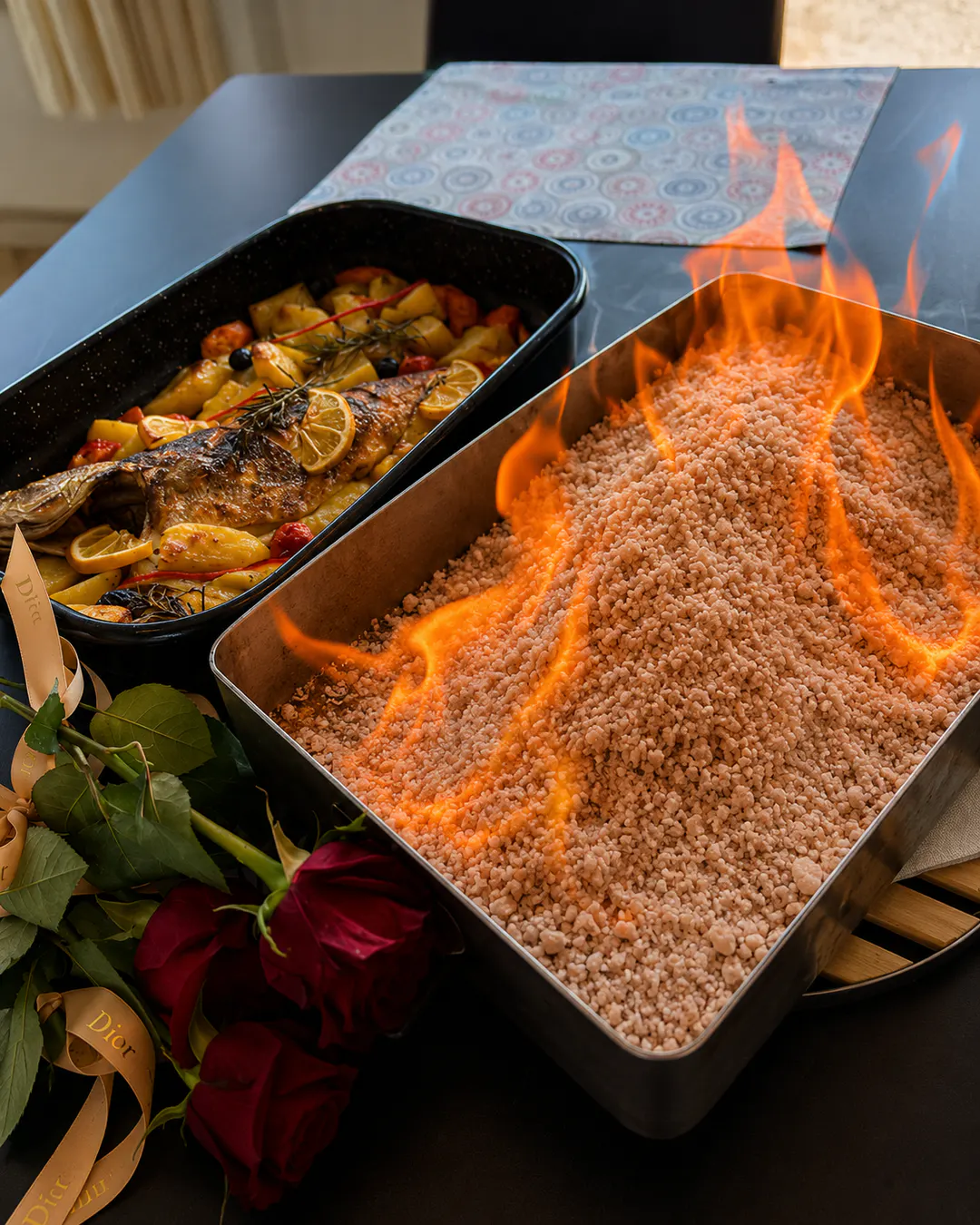
Located directly in the Patok Lagoon area, Laguna e Re combines this local food tradition with a setting closely connected to its source. Rather than focusing on a single fixed dish, the experience is also about seasonality, fresh fish and the day’s available catch.
For these reasons, Love Albania has selected Laguna e Re as its recommended place to experience lagoon fish and eel in Patok.
⭐ Love Albania Recommendation: Laguna e Re Patok
📍 Location: Patok, Albania
Love Albania Tip: Ask what has been caught locally and is freshest that day. For the most authentic experience, choose the lagoon fish or eel recommended according to seasonal availability.
Kruje – Kabuni and Traditional Krutan Flavors
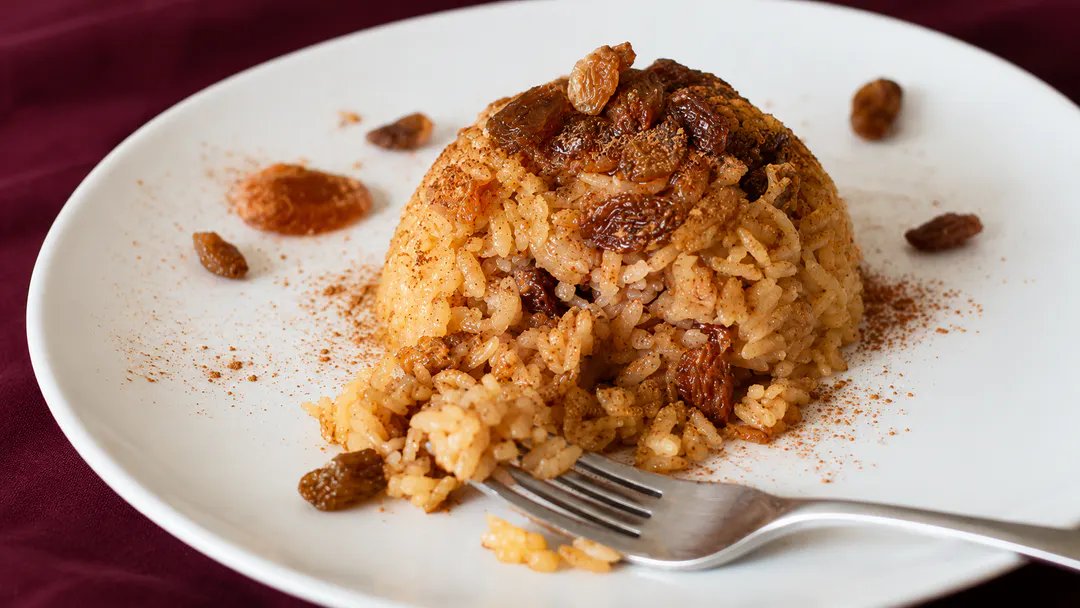
ruje’s traditional cuisine reflects the area’s long history and rural food culture, combining simple local ingredients with recipes preserved through generations. Its most distinctive specialty is kabuni krutane, a sweet-and-savory rice dish traditionally prepared with butter, sugar, raisins and cinnamon, with older versions also incorporating meat or meat broth.
Historically associated with weddings, celebrations and important family occasions, kabuni is one of the dishes that most clearly distinguishes Kruje’s culinary identity from other parts of Albania.
Other characteristic foods include fergese gjize ne tave dheu, a rich preparation with gjize traditionally served in an earthenware dish, and traditional pite and byrek, prepared in local households with different seasonal fillings.
What to try in Kruje:
- Kabuni krutane
- Fergese gjize në tave dheu
- Traditional pite and byrek
⭐ Love Albania Recommended: Where to Try Traditional Kabuni in Kruje
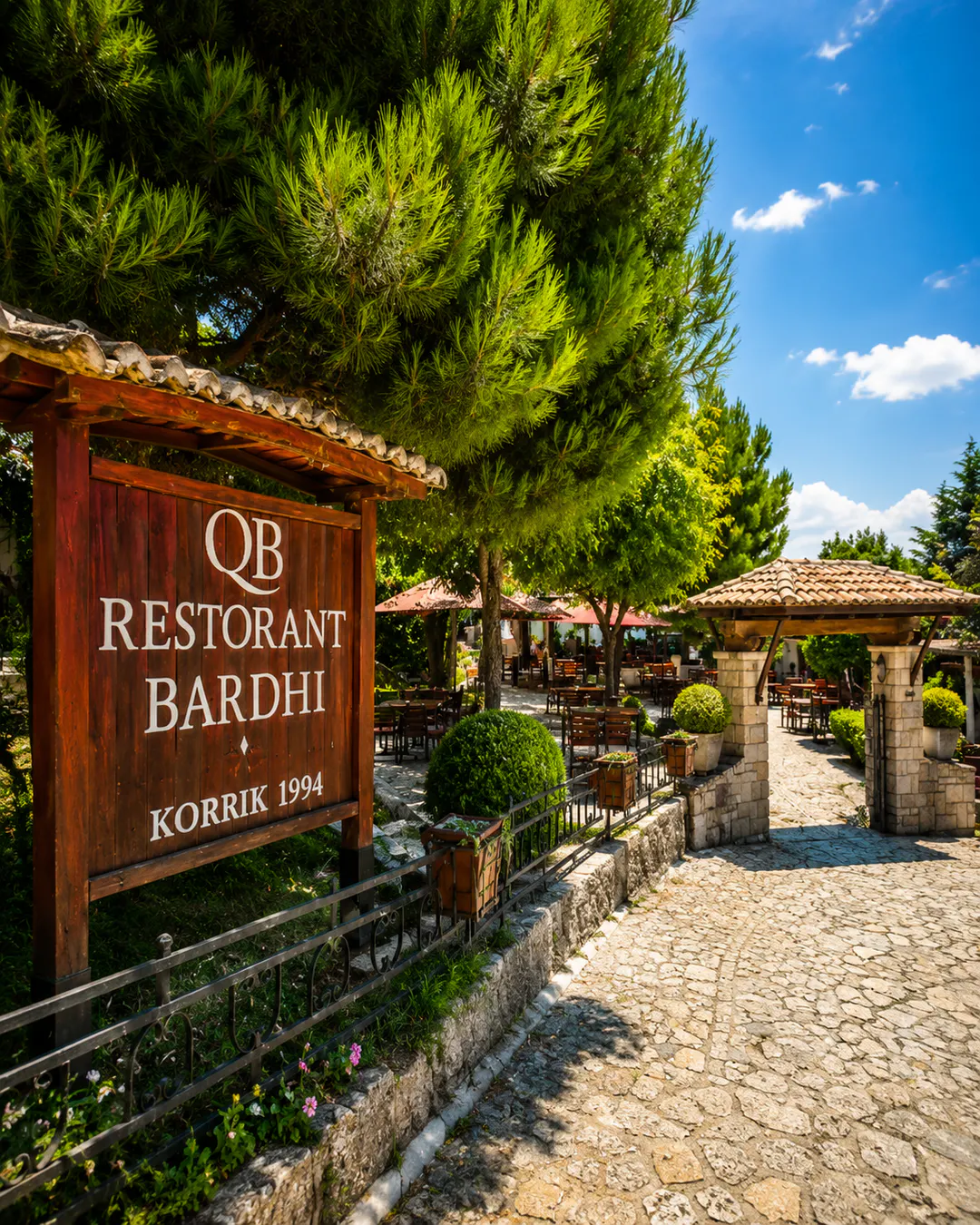
For travelers who want to try traditional kabuni in Kruje, Love Albania recommends Restorant Bardhi. The restaurant serves an older sweet-and-savory version of the dish, prepared with rice, lamb, cinnamon and raisins.
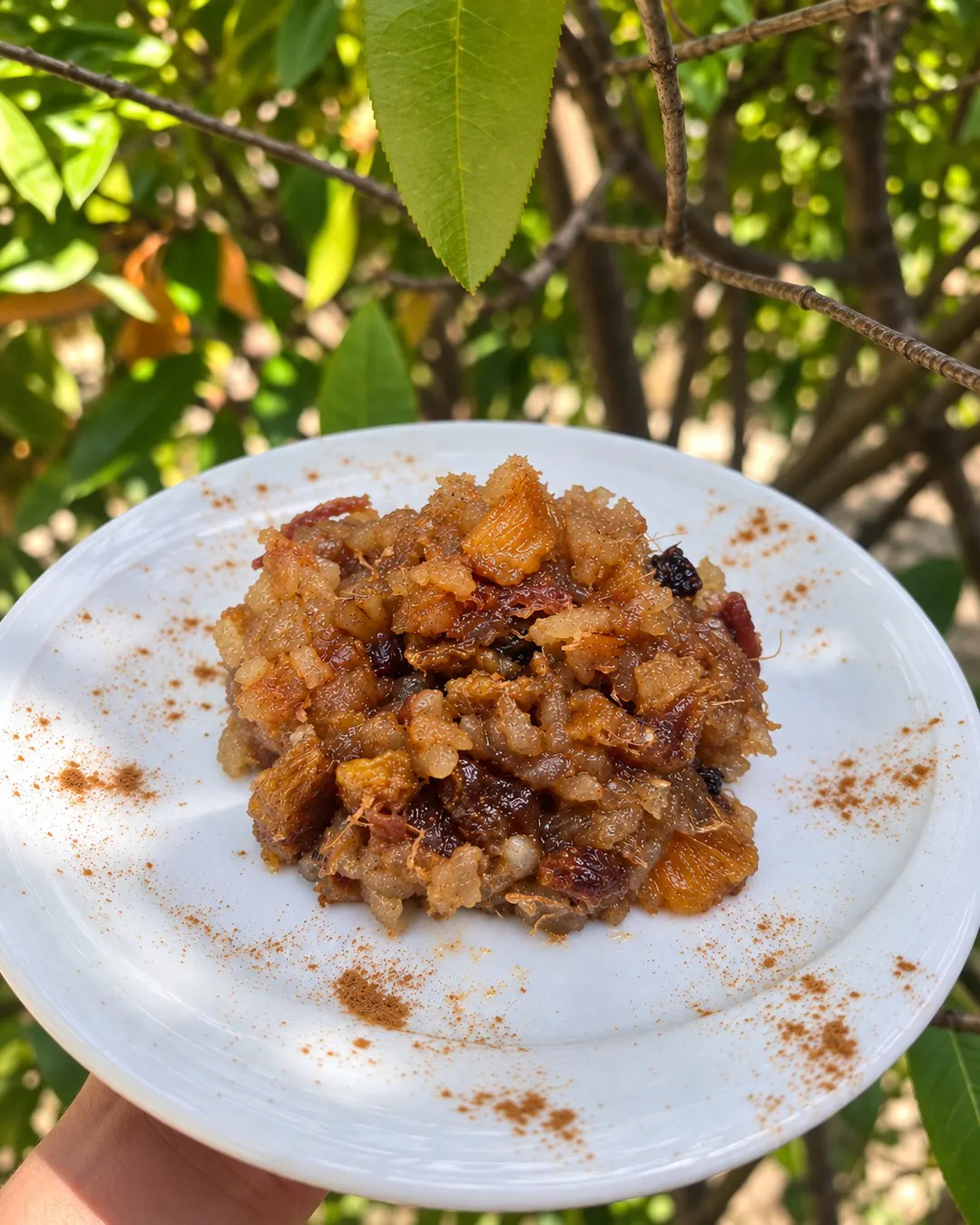
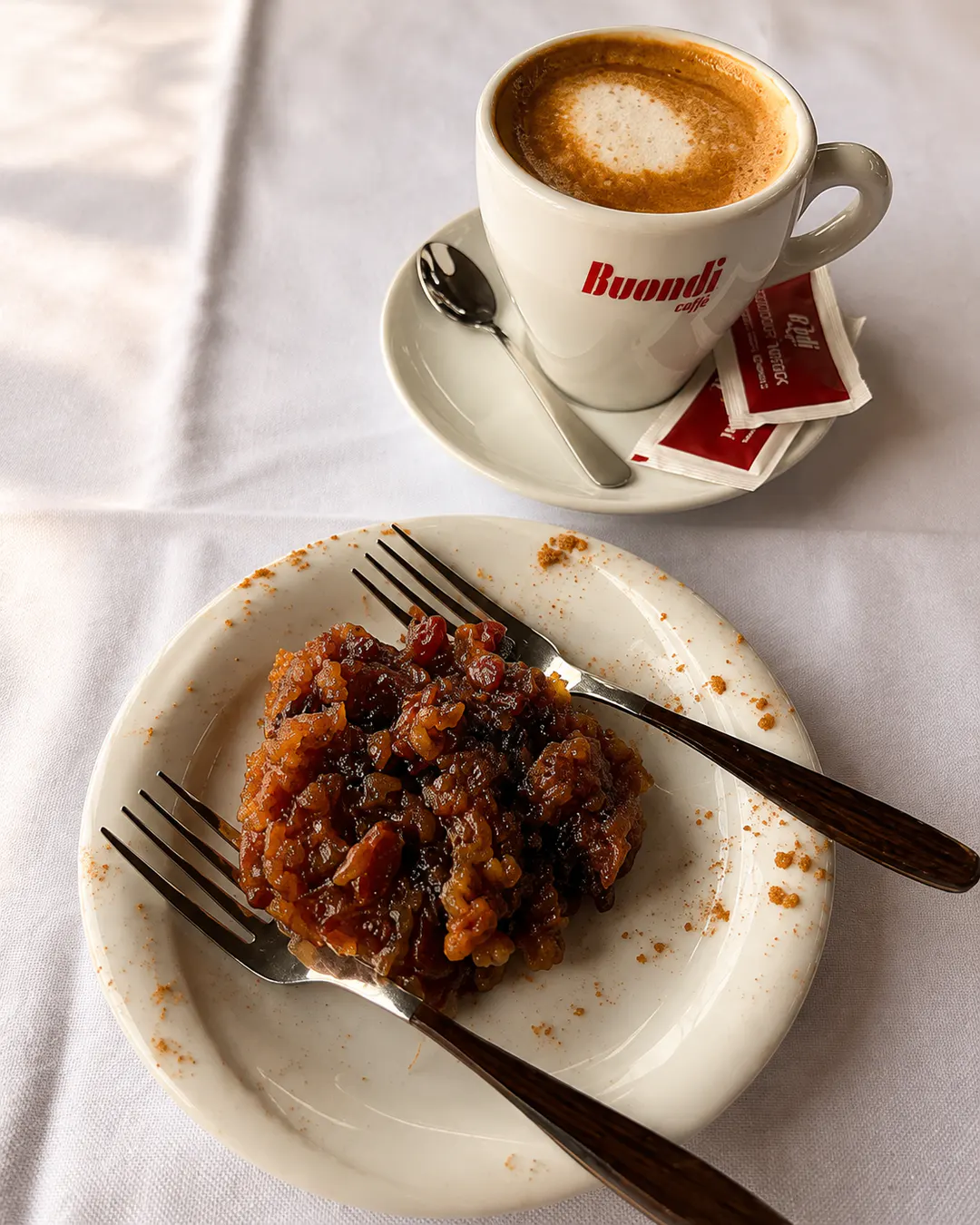
This traditional combination gives Bardhi’s kabuni a distinctive flavor, different from the sweeter rice-based versions often found elsewhere. Visitors have praised the dish for its authentic taste and connection to Kruje’s culinary traditions. Bardhi’s strong reviews for traditional food, together with its established place among Kruje’s top restaurants, make it a particularly relevant choice for travelers who want to discover this traditional recipe.
Located beside Kruje Castle, the restaurant also provides a setting closely connected with the city’s history and identity. Visitors can explore one of Albania’s most important historic sites and then experience a dish that has been part of Kruje’s culinary tradition for generations.
For these reasons, Love Albania recommends Restorant Bardhi as the place to try traditional kabuni in Kruje.
⭐ Love Albania Recommendation: Restorant Bardhi
📍 Location: Kruje Castle, Kruje
Love Albania Tip: Save room for kabuni at the end of your meal. Its combination of rice, raisins, cinnamon and lamb makes it one of the most unusual traditional desserts you can experience in Kruje.
Tirana – Fergese and Tave Dheu
Tirana’s cuisine reflects the city’s transformation from a regional town into Albania’s largest urban center. While almost every Albanian dish can now be found in the capital, a few preparations remain particularly connected with old Tirana.
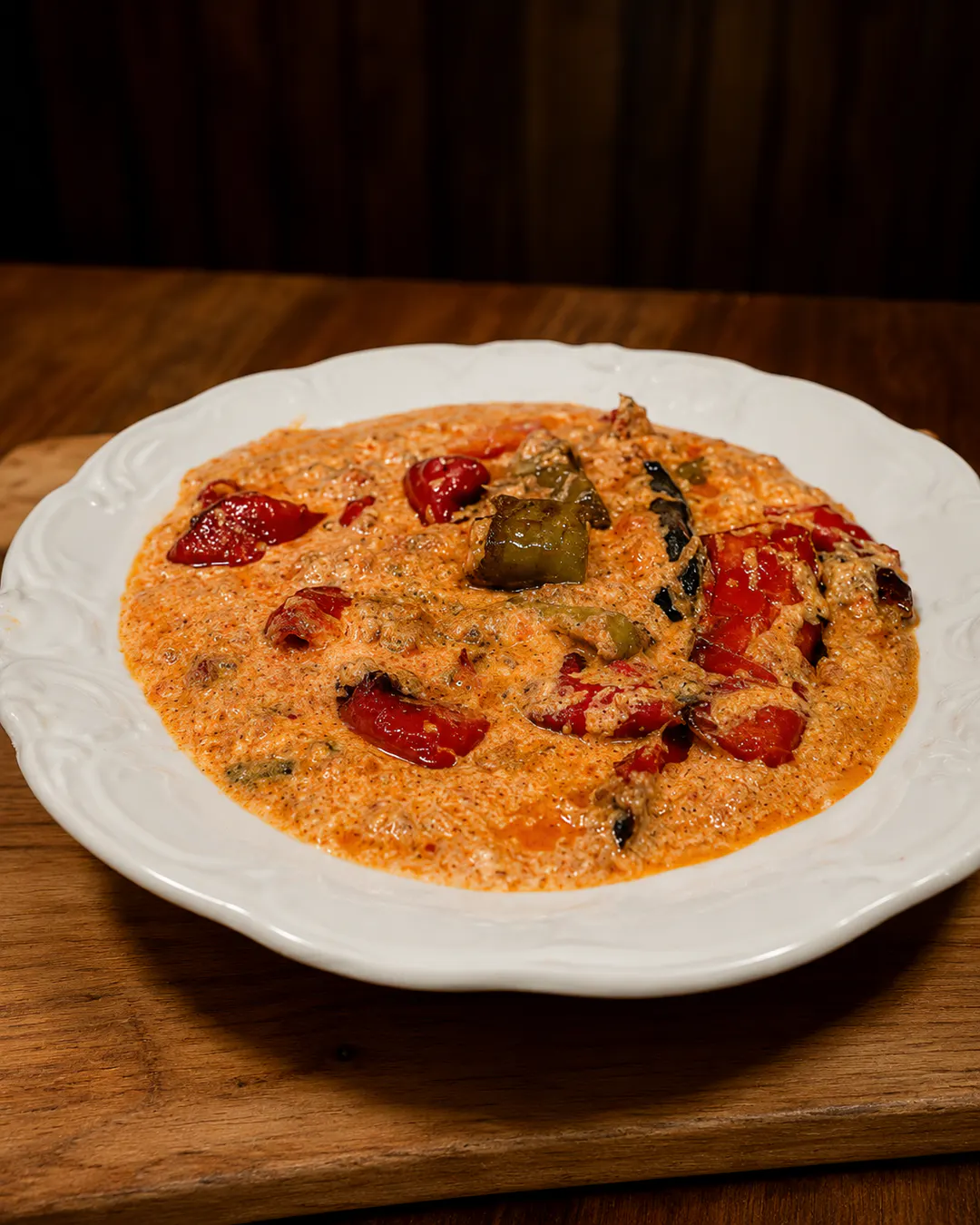
The best known is fergese tiranase, traditionally prepared with peppers, tomatoes and dairy ingredients such as gjizë. Rich, creamy and best eaten with fresh bread, it remains one of the dishes most closely associated with Tirana.
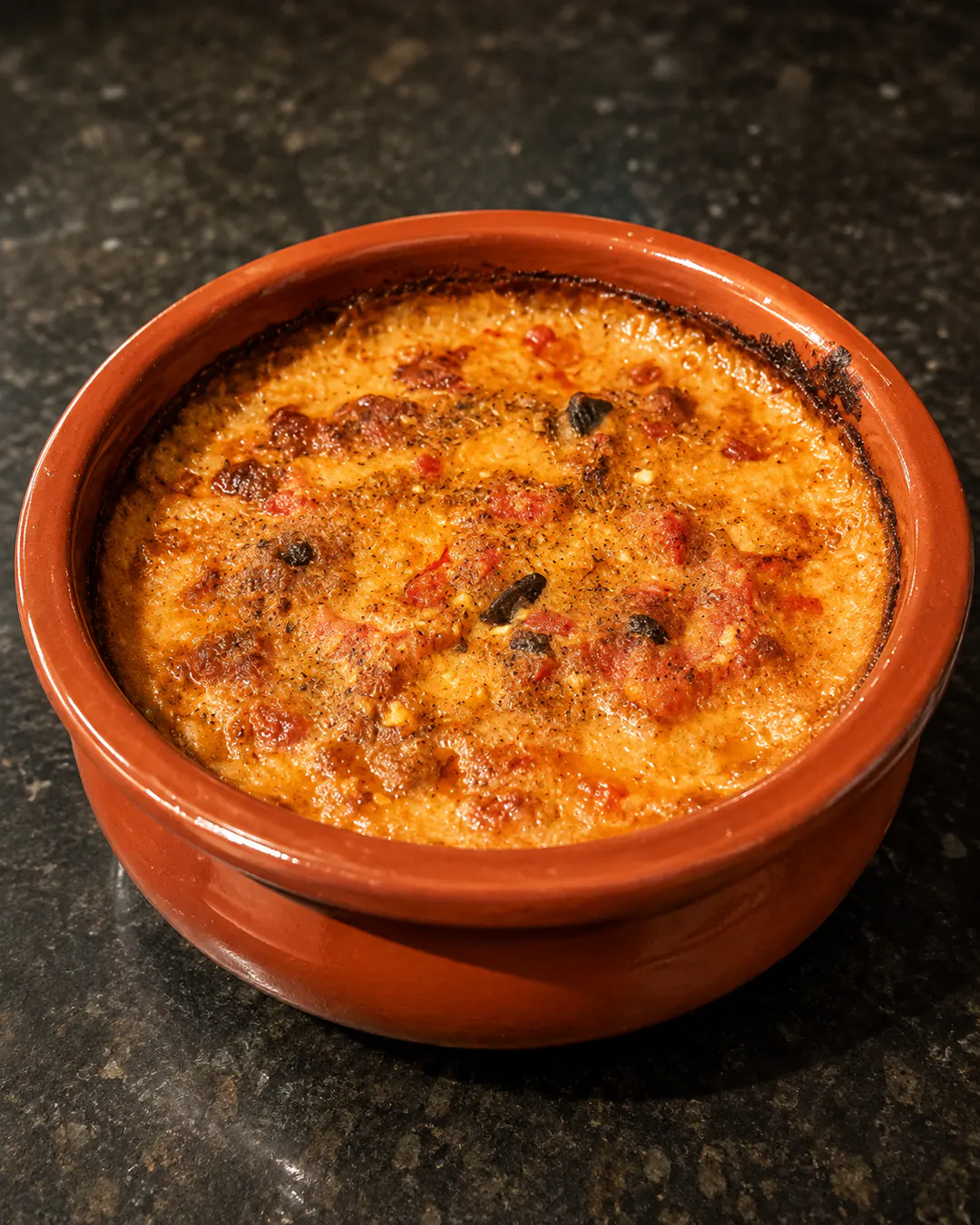
Another classic is tave dheu, named after the earthenware vessel in which it is baked. Meat or liver is combined with tomatoes, peppers, onions and cheese or gjizë before being finished in the oven.
Traditional Tirana households also prepared japrak and stuffed vegetables, but these belong to the wider Albanian and Balkan culinary tradition rather than exclusively to the capital.
What to try in Tirana:
- Fërgesë tiranase
- Tavë dheu
⭐ Love Albania Recommended: Where to Try Fergese & Tave Dheu in Tirana
For travelers looking to discover the traditional flavors of the Albanian capital, Love Albania recommends Oda’s Garden for two of Tirana’s most characteristic dishes: Fergese Tiranase and Tave dheu.
Oda’s Garden is known for its focus on traditional Albanian cuisine, bringing recipes associated with old Tirana into a setting that also reflects Albanian culture and hospitality. This makes it particularly relevant for visitors who want more than just a meal and are looking for an introduction to the city’s culinary traditions.
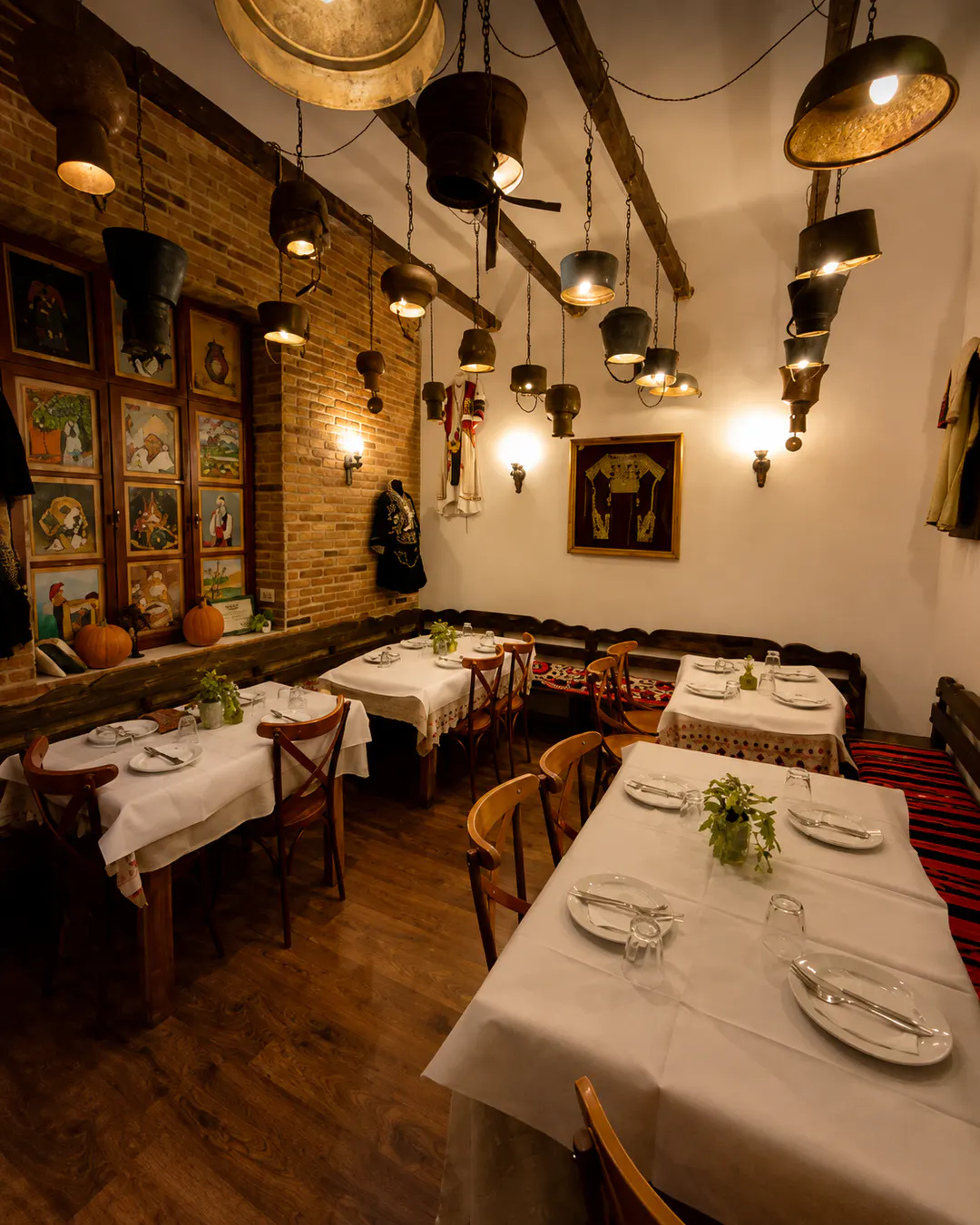
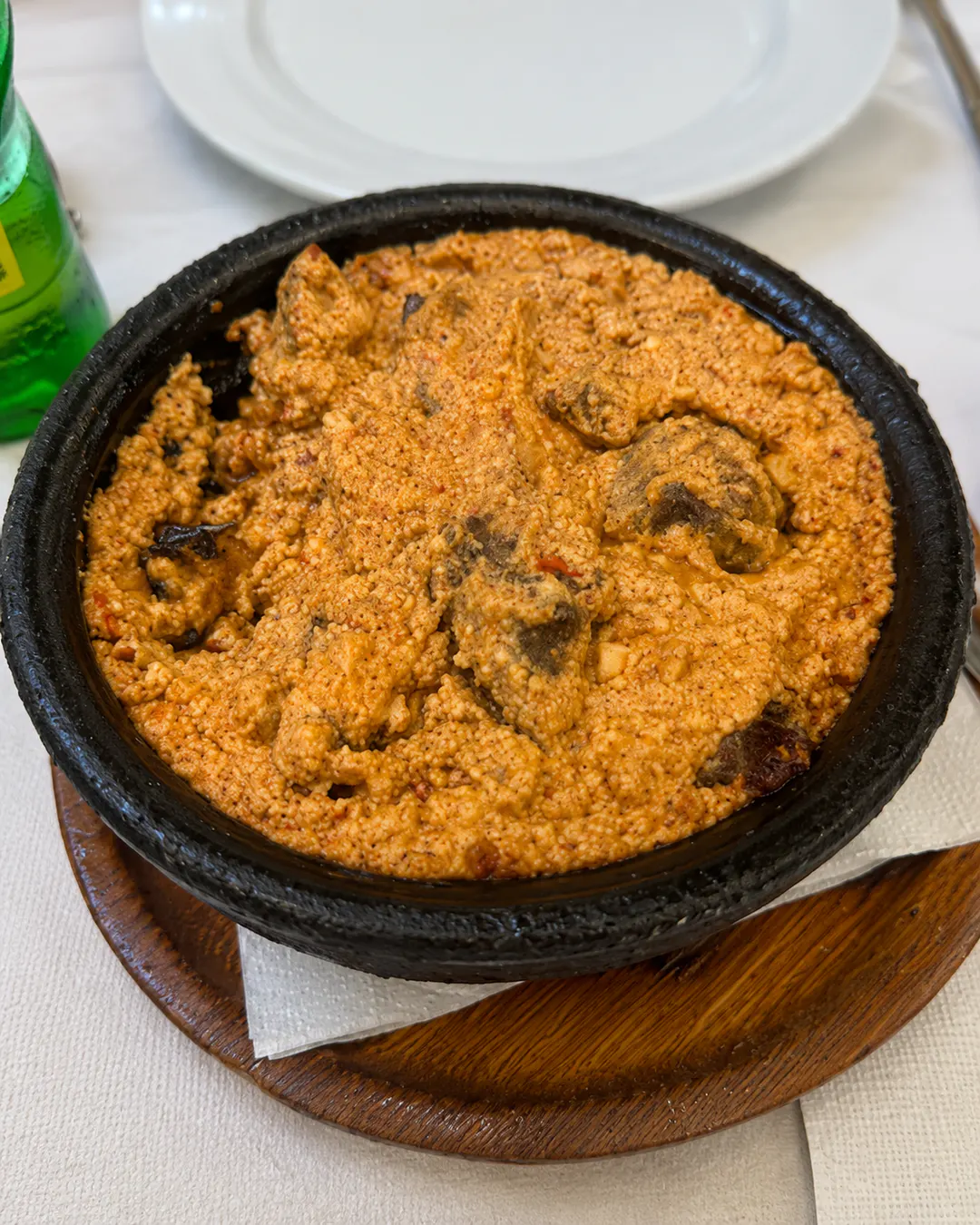
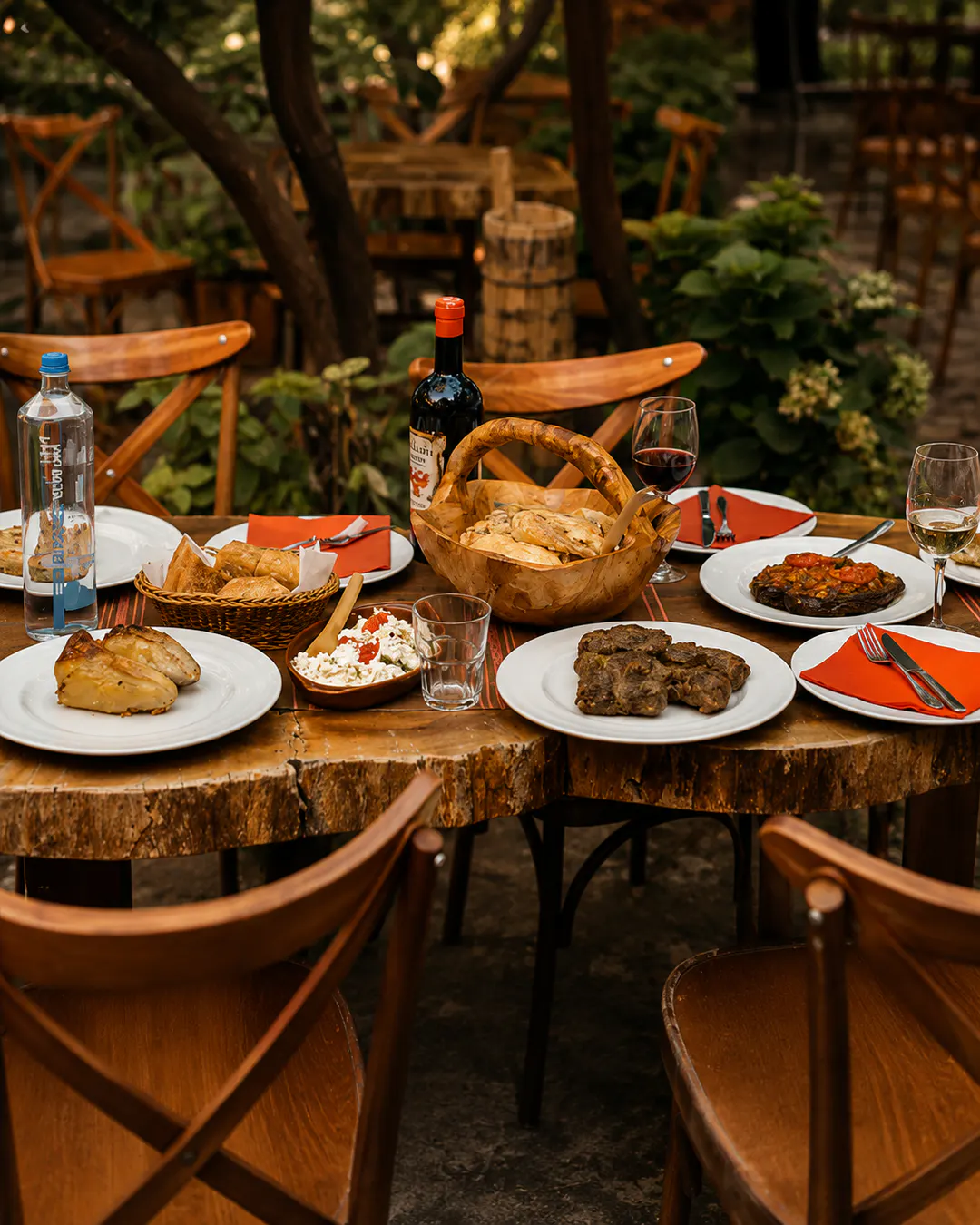
The restaurant also has a strong reputation among visitors, with more than 7,500 Google reviews and a 4.6/5 rating shown at the time of our research. Feedback frequently focuses on the traditional food, atmosphere and overall Albanian dining experience.
For these reasons, Love Albania recommends Oda’s Garden as a place to try fërgesë tiranase and tavë dheu while exploring Tirana’s traditional cuisine.
⭐ Love Albania Recommendation: Oda’s Garden
📍 Location: Rruga Shenasi Dishnica, Tirana
Love Albania Tip: Order the fërgesë or tavë dheu with fresh bread and share a few traditional dishes at the table for a broader introduction to Albanian cuisine.
Elbasan – Tave Kosi, Ballokume and Bugaçe
Few Albanian cities have such a strong association with a single dish as Elbasan does with tave kosi, also widely known as Tave Elbasani.
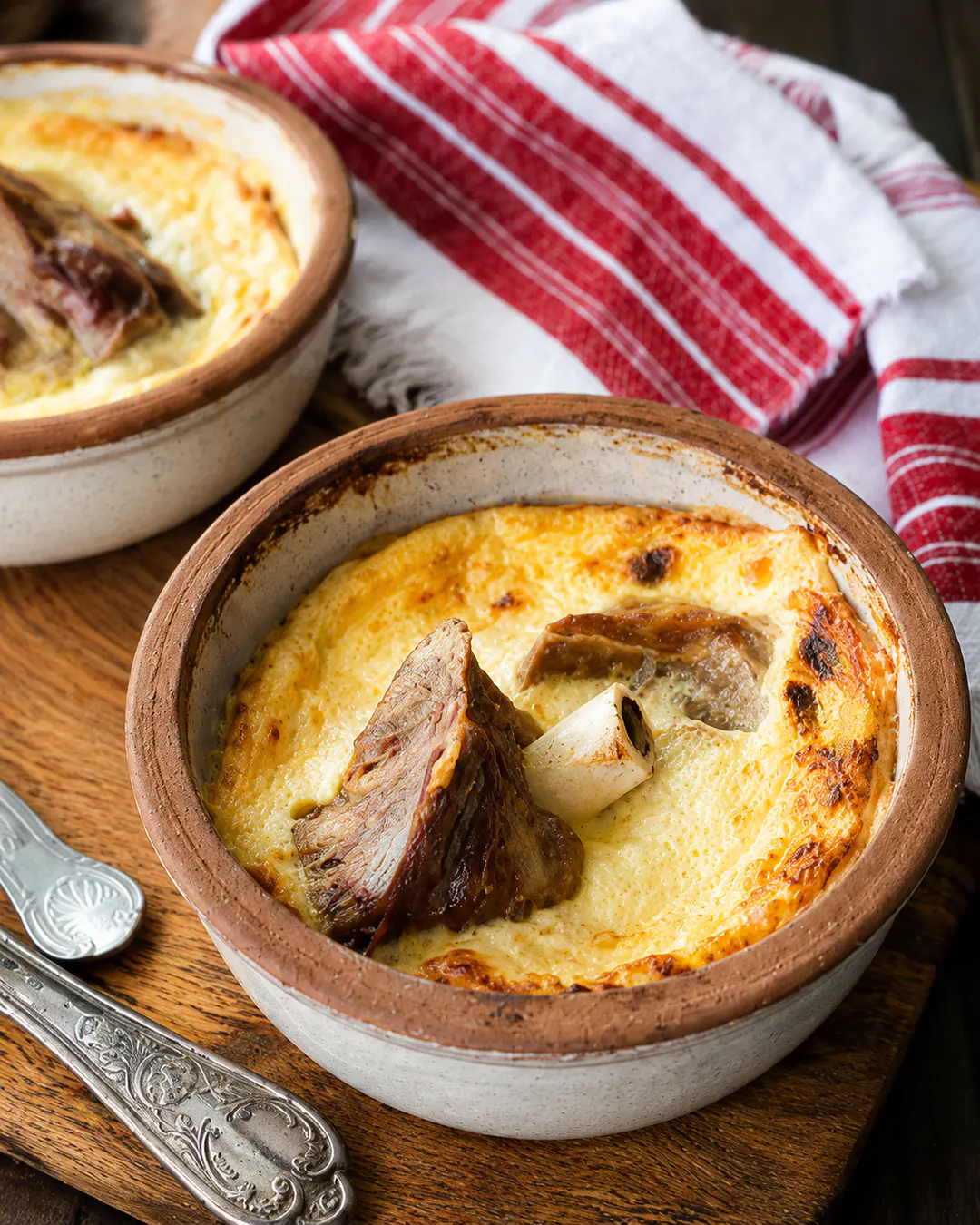
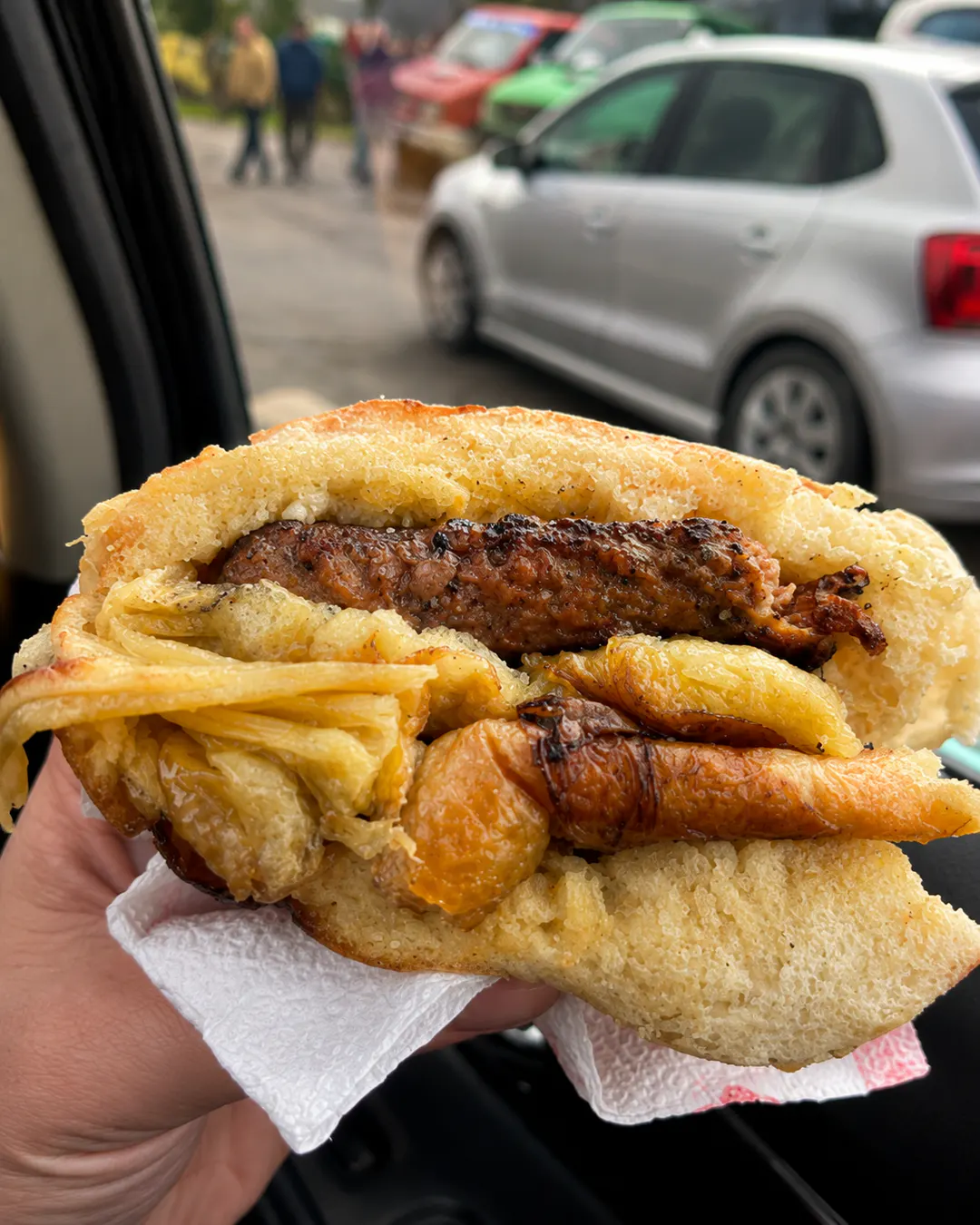
The dish traditionally combines lamb with a rich mixture of yogurt and eggs before being baked until a golden layer forms on top. It is now prepared throughout Albania, but its historical association with Elbasan remains particularly strong.
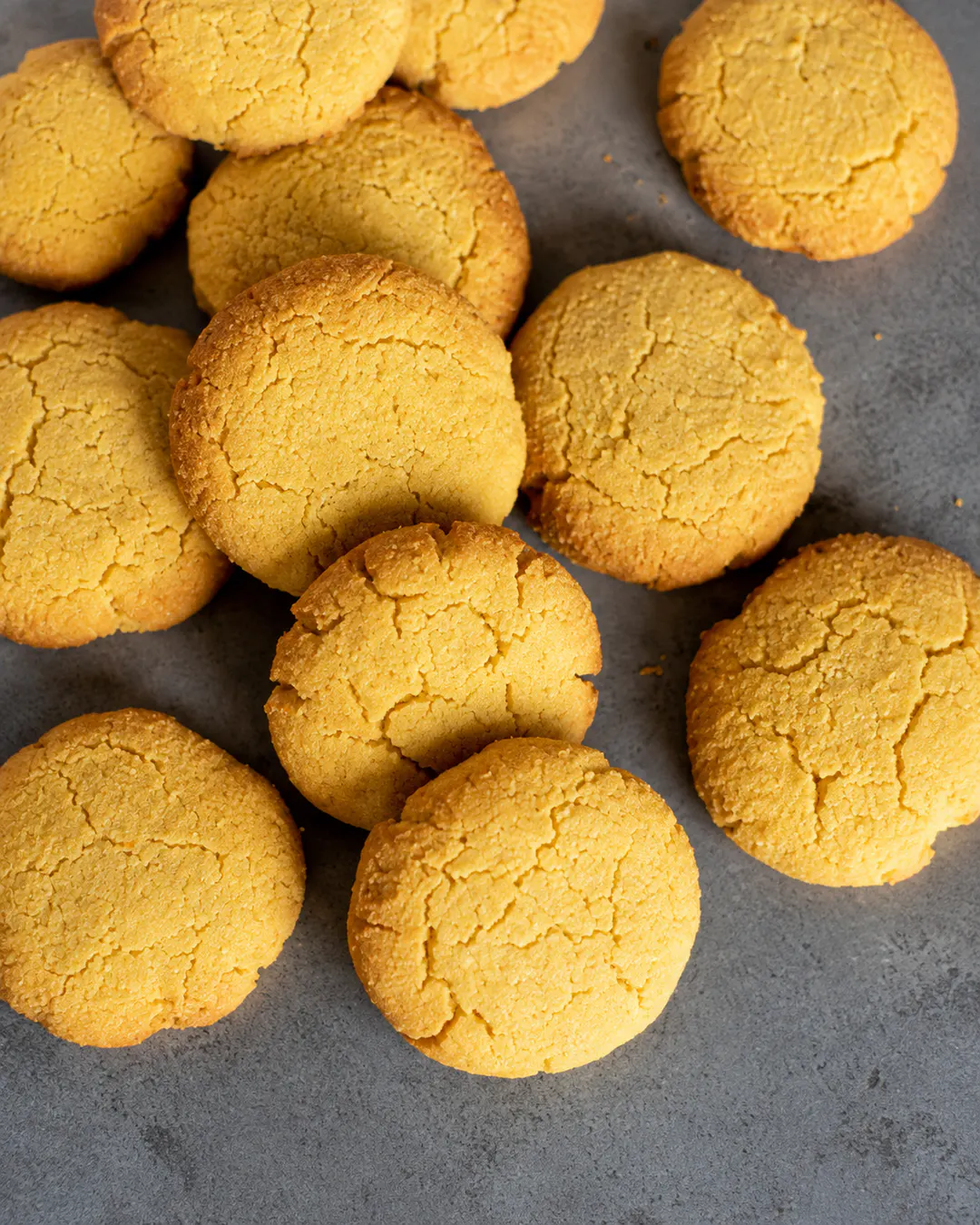
Elbasan’s other great culinary symbol is ballokume. These large golden biscuits are traditionally prepared using corn flour, butter, sugar and eggs.
Their strongest cultural connection is with Dita e Veres, celebrated on March 14. Although the festival is now celebrated throughout Albania, Elbasan remains its spiritual center, and ballokume are inseparable from the occasion.
Another food associated with the city’s traditional bakery culture is bugaçe, a popular baked pastry.
What to try in Elbasan:
- Tavë kosi / Tavë Elbasani
- Ballokume
- Bugaçe
Tip: Visiting Elbasan around March 14 offers the best opportunity to experience ballokume as part of the tradition they belong to rather than simply as a dessert.
Berat – Pershesh and Pispili
Berat’s traditional cuisine reflects the agricultural landscape surrounding the city and the long-established cooking traditions of its households.
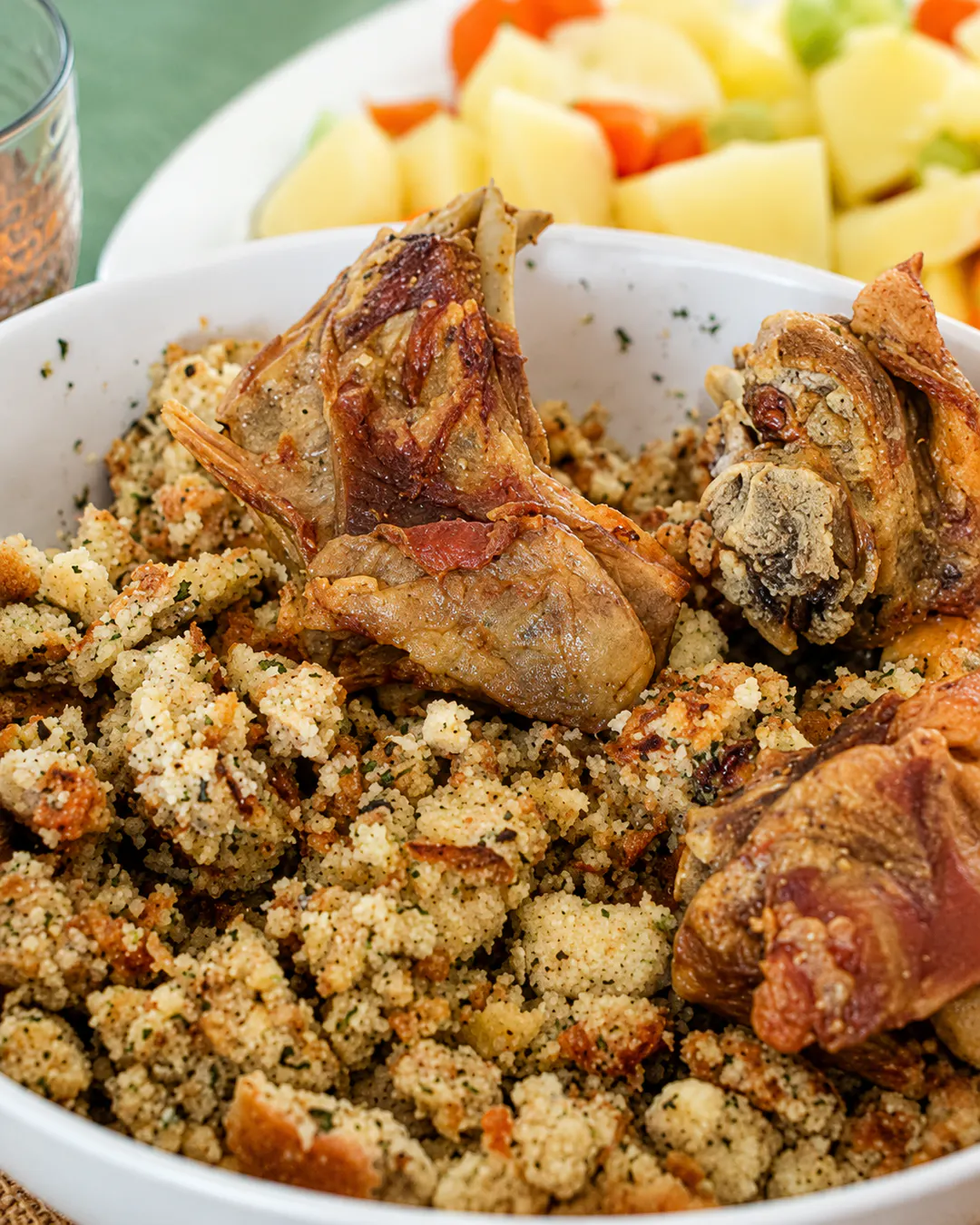
One characteristic dish is pershesh, prepared by crumbling bread and soaking it with rich meat broth before serving it alongside roasted poultry or meat. Variations of përshesh exist elsewhere in Albania, but it has an established place in the culinary traditions of central and southern Albania.
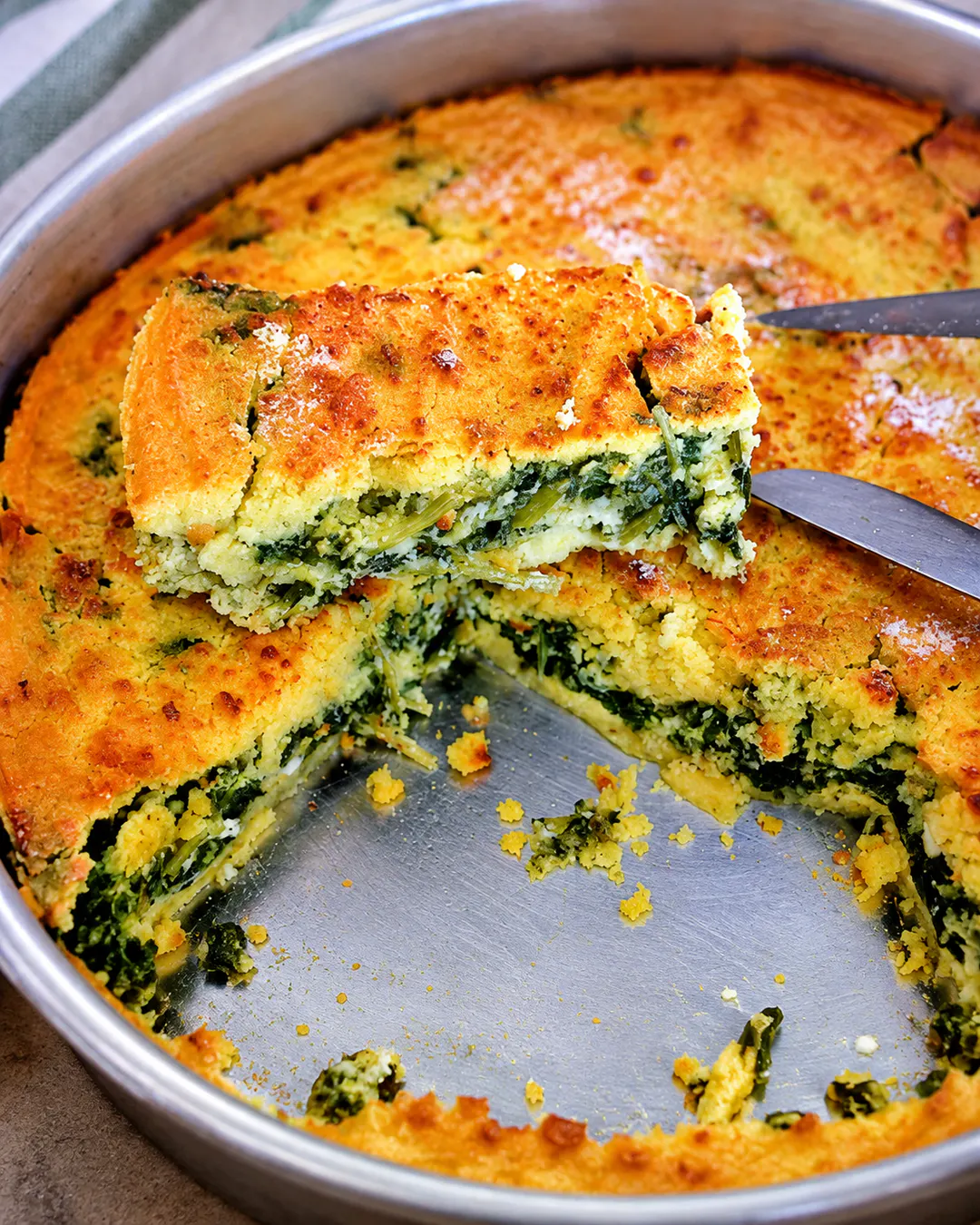
Another rustic dish strongly associated with traditional cooking is pispili, made using corn flour and leafy greens. Depending on the household and season, spinach, leeks or wild greens can be used.
These are simple foods, but that simplicity is precisely what makes them representative of traditional Albanian home cooking.
What to try in Berat:
- Pershesh
- Pispili
- Seasonal pies and vegetable dishes
Tip: Traditional guesthouses can be a better place than conventional restaurants to encounter these dishes.
Myzeqe – Rosnica with Village Chicken
One of the dishes that deserves far more attention in guides to Albanian food is rosnica with village chicken, traditionally associated with Myzeqe, particularly the Fier–Lushnje area.
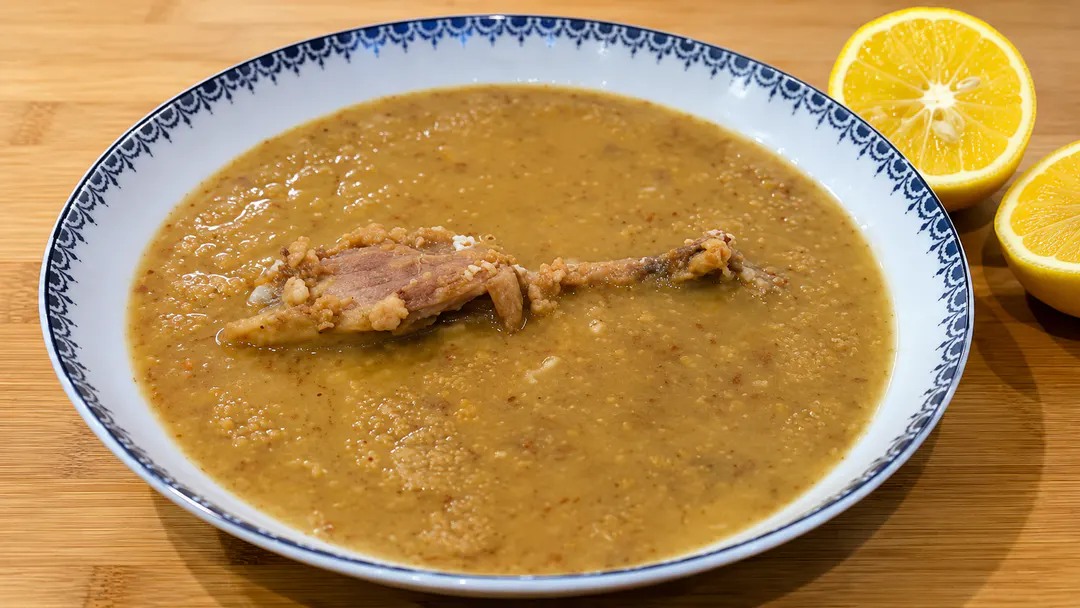
Rosnica are tiny pieces or granules of homemade dough, traditionally produced by rubbing flour and egg together by hand until small irregular grains form.
They are then cooked using the flavorful broth of a village chicken, creating a rich and comforting dish in which almost nothing goes to waste.
Different versions and names for similar preparations appear elsewhere in Albania, but rosnicat have a particularly strong association with Myzeqe’s home cooking.
What to try in Myzeqe:
- Rosnica with village chicken
- Seasonal vegetable pies
- Traditional poultry dishes
Tip: Rosnica are fundamentally a home-style dish, so agrotourism farms and family kitchens are among the best places to look for them.
Divjake and Karavasta – Food from the Lagoon
Divjake and the Karavasta Lagoon offer a distinctive culinary experience shaped by wetlands, fishing and the fertile Myzeqe plain. Alongside fresh lagoon fish and seasonal local produce, crab, frog legs and eel are among the specialties prepared and enjoyed in the area.
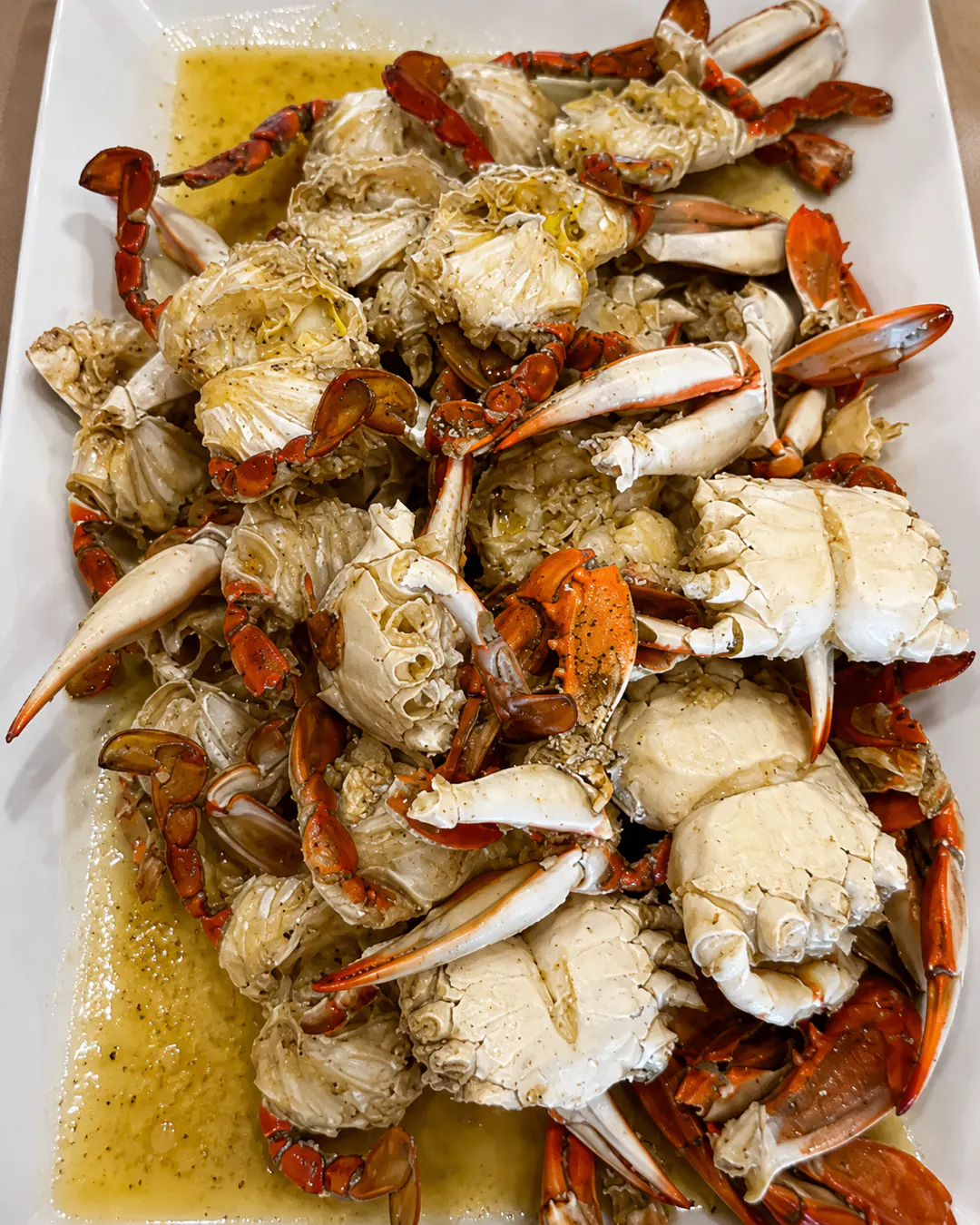
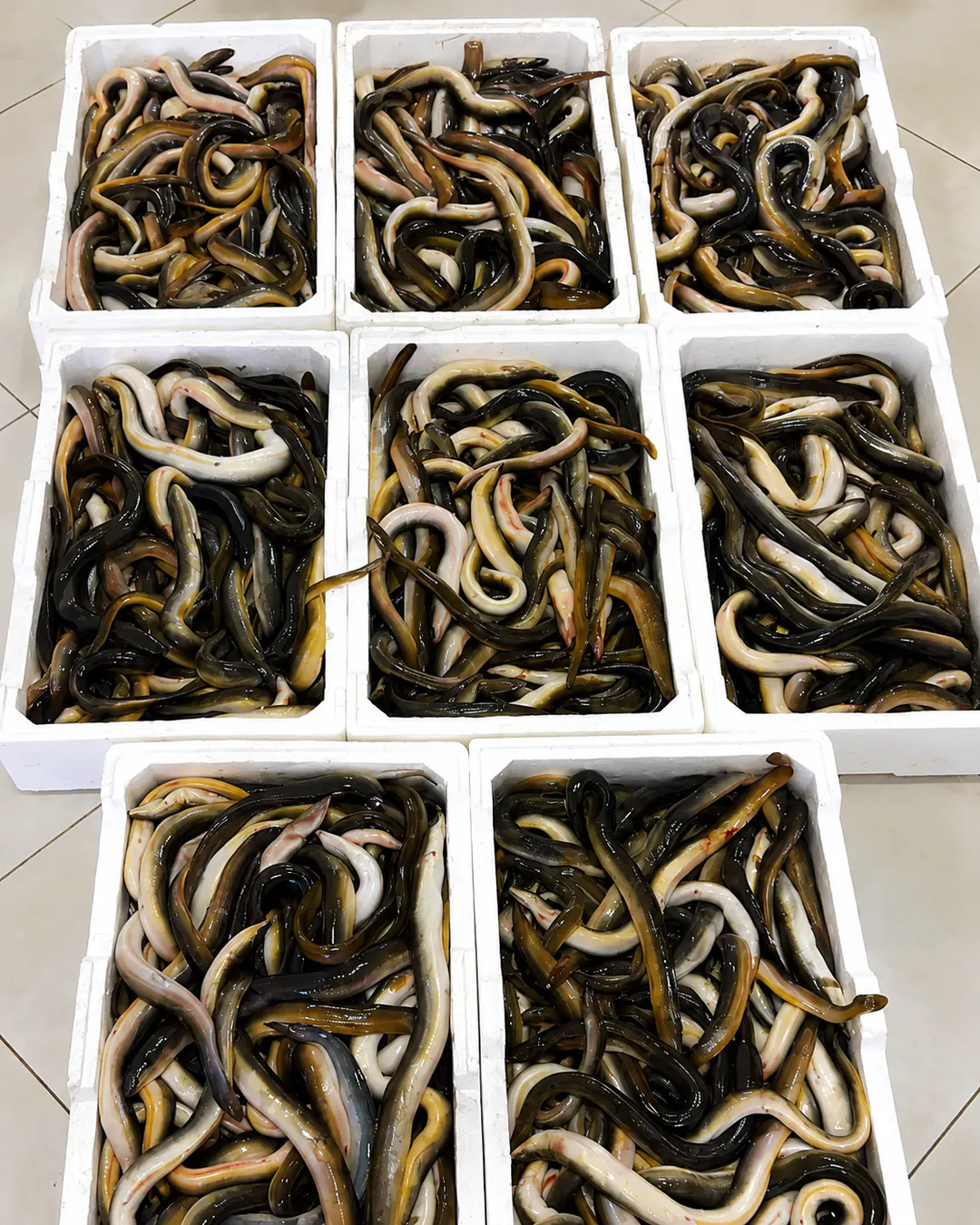
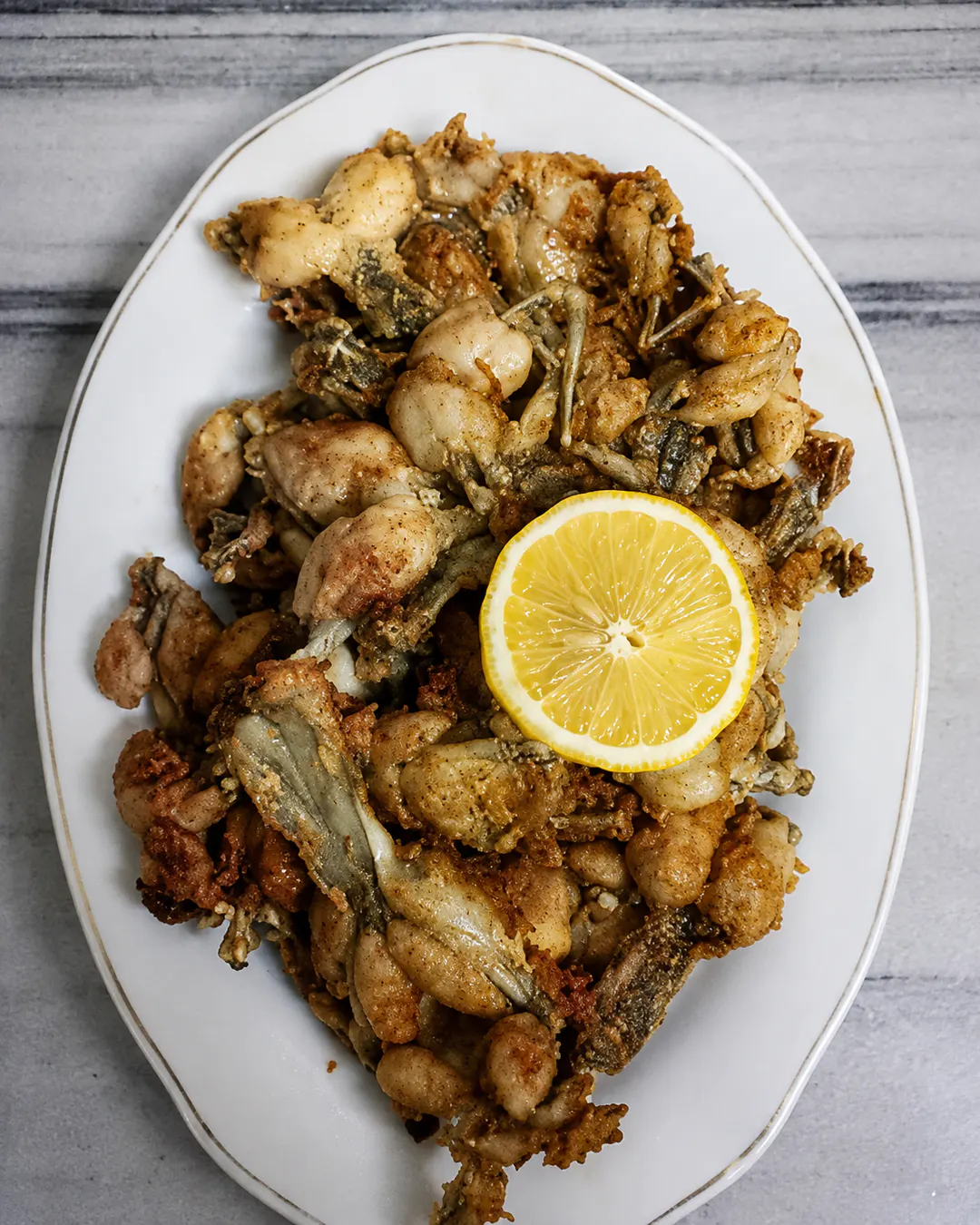
These dishes reveal a different side of Albanian cuisine, one closely connected to the wetlands and fishing traditions surrounding Karavasta. Crab can appear in several preparations, frog legs are appreciated for their delicate flavor, while eel represents a long-standing connection between local food and the lagoon environment.
What to try around Divjakë and Karavasta:
- Crab
- Frog legs
- Eel
- Fresh lagoon fish
⭐ Love Albania Recommended: Where to Try Karavasta Lagoon Specialties
For travelers looking to discover the distinctive flavors of the Karavasta area, Love Albania recommends Restorant Peshku Tomorr Malko, particularly for crab, eel, frog legs and fresh fish.
This recommendation is supported by both the restaurant’s reputation and visitor feedback. Tomorr Malko is featured among Love Albania’s Top 10 Restaurants in Divjake, while reviews consistently highlight the quality of its fish and local specialties, with particularly positive mentions of crab, grilled eel and frog legs.
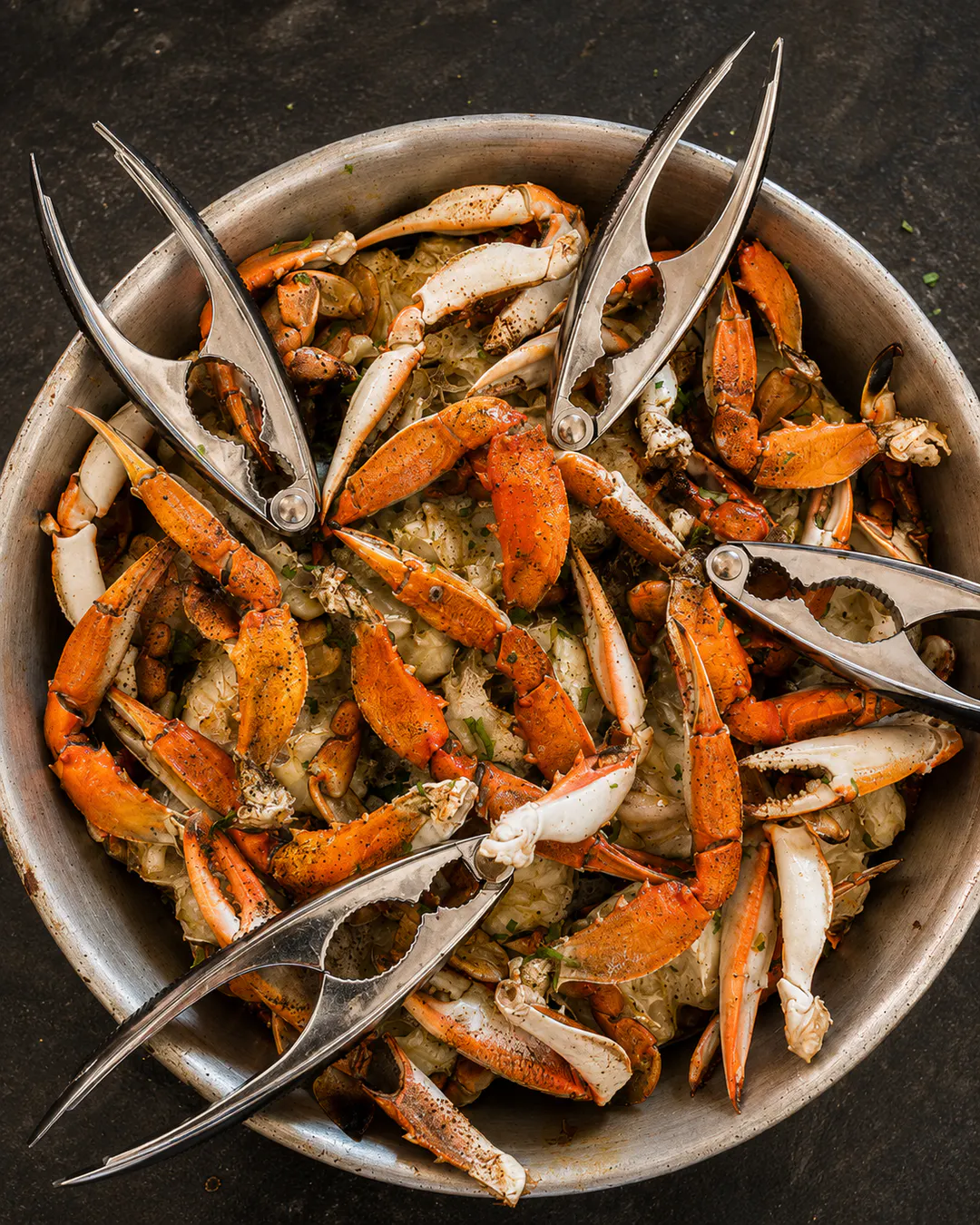
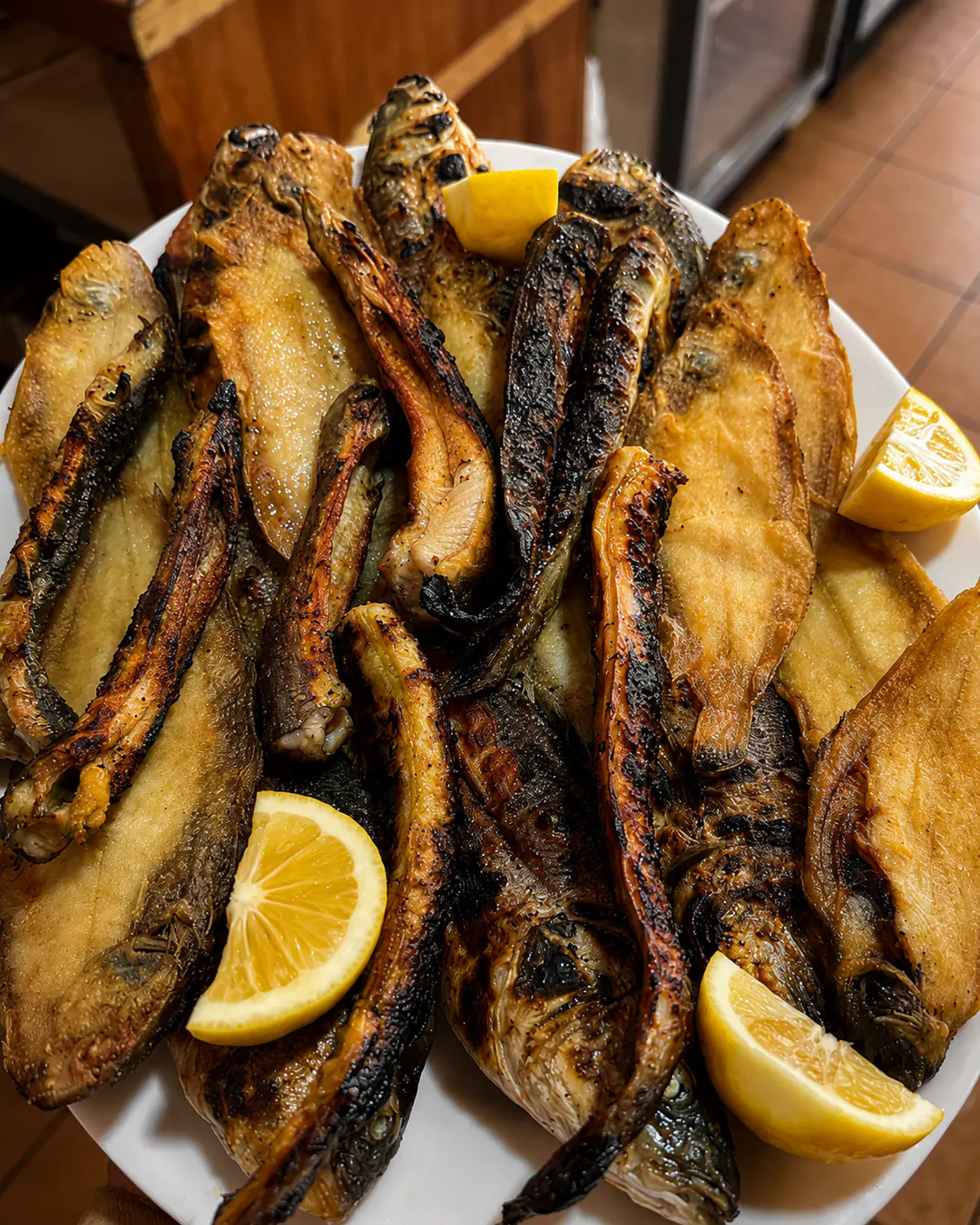
Crab is one of the restaurant’s standout choices and can be found in different preparations, while grilled eel offers a taste more closely connected with the fishing traditions of the lagoon. Frog legs are another interesting option for travelers looking to experience one of the lesser-known specialties associated with the Divjake and Karavasta area.
Its strong reviews for these specific dishes are an important reason why Love Albania selected Tomorr Malko as its recommended place for experiencing the flavors of the Karavasta Lagoon.
⭐ Love Albania Recommendation: Restorant Peshku Tomorr Malko
📍 Location: Zharnec, Divjake
Love Albania Tip: Ask what is fresh and available that day, as lagoon products can vary depending on season and supply.
For a broader look at the restaurant, its cuisine and connection with the lagoon, read our full guide: Restorant Peshku Tomorr Malko: A taste of Karavasta Lagoon
Korçë – Lakror, Kernacka, Petanik and Petulla të Fshira
Korçë has one of Albania’s richest regional food traditions. Among its most characteristic dishes are lakror, traditionally baked under a saç with seasonal fillings, and kernacka, small grilled meat specialties closely associated with the city’s tavern culture. Other local favorites include petanik with beans, the comforting petulla te fshira, and pllaqi, large baked beans prepared with onions, tomatoes, and seasonings.
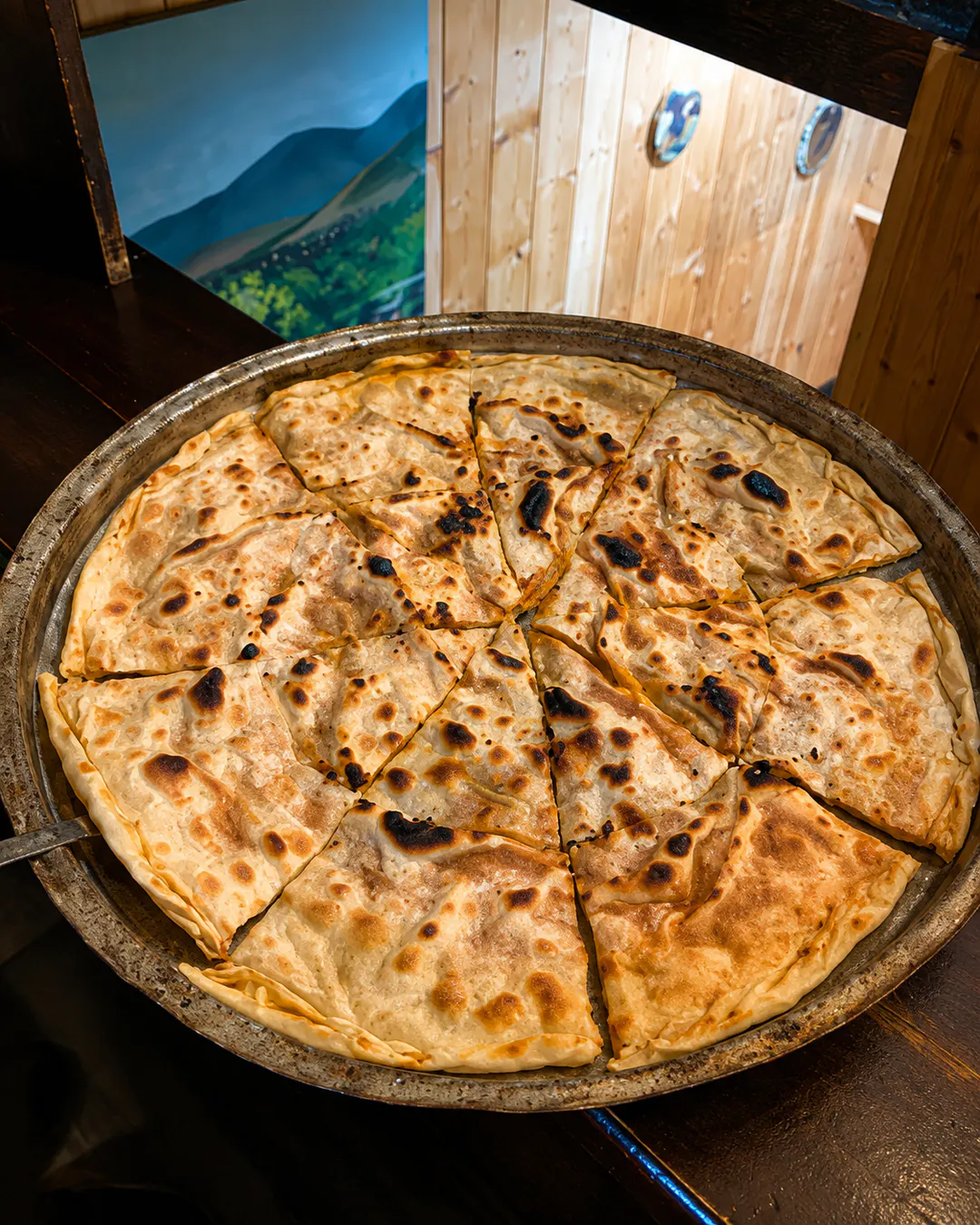
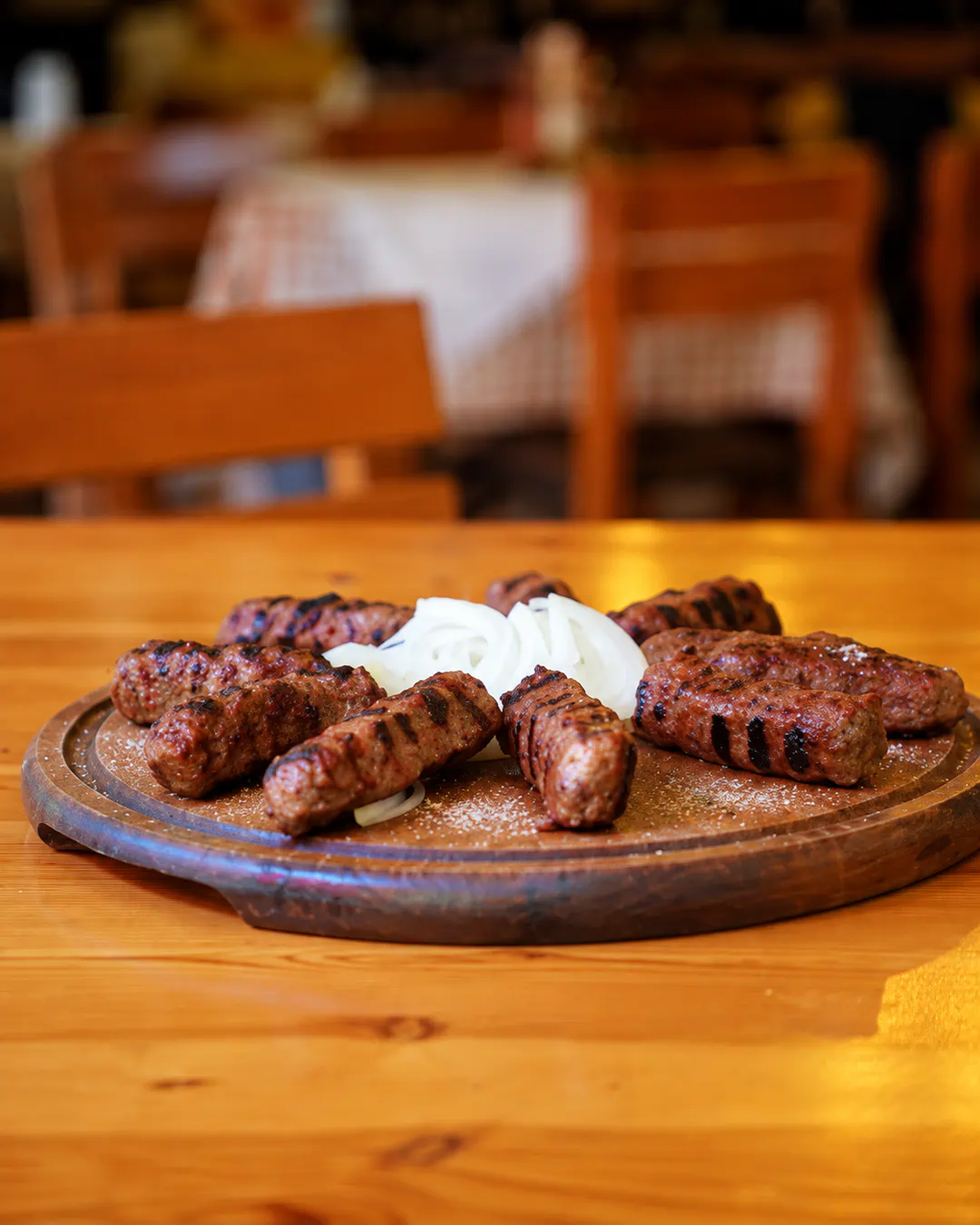
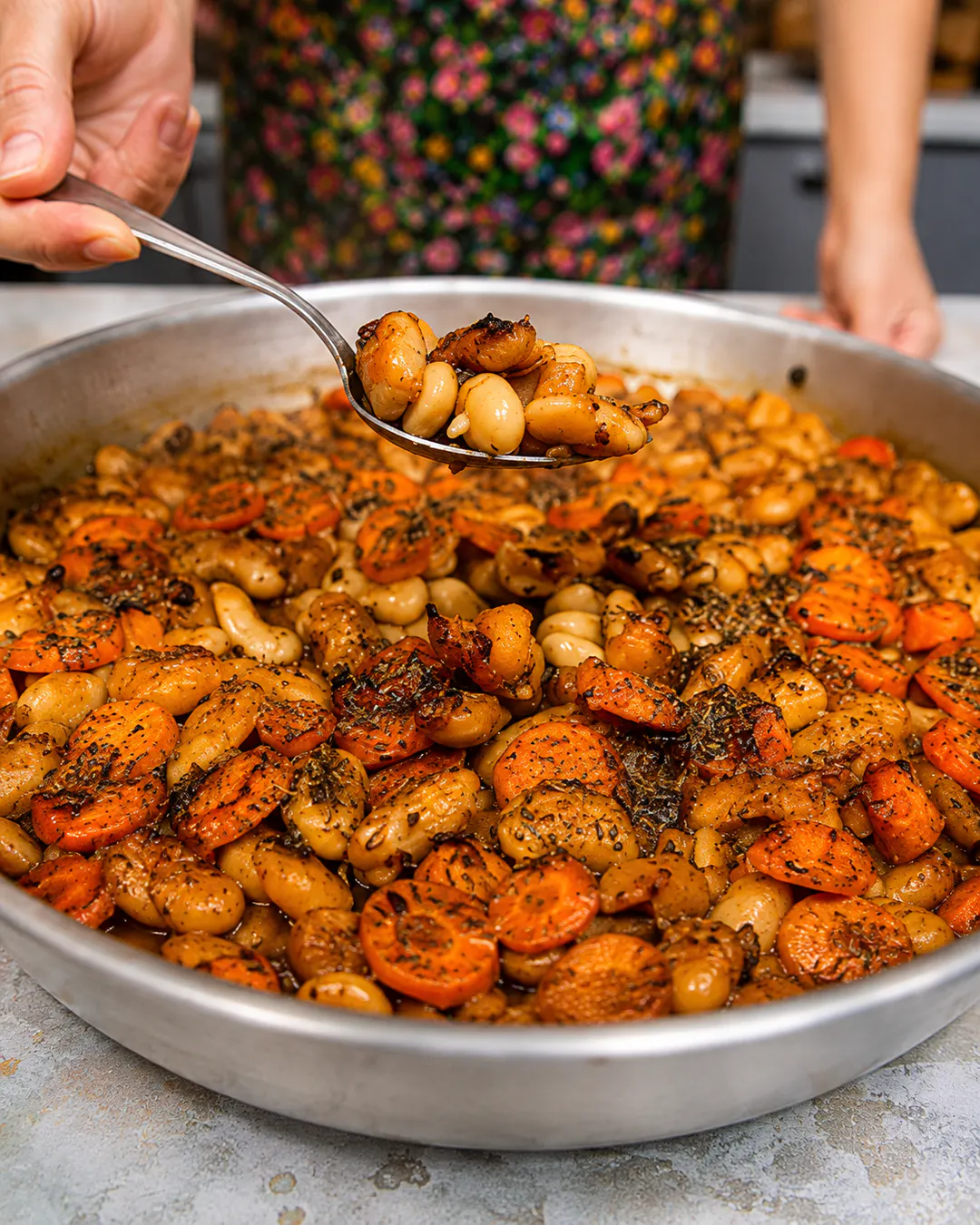
What to try in Korçë:
- Lakror ne saç
- Kernacka
- Petanik with beans
- Petulla te fshira
- Pllaqi
⭐ Love Albania Recommended: Where to Try Traditional Lakror in Korçe
For travelers looking to experience one of Korçe’s most characteristic traditional dishes, Love Albania recommends Shija e Saçit for lakror traditionally baked under the saç.
Lakror is at the heart of the experience here. Prepared using the traditional cooking method, it is available with different fillings such as tomato and onion, leek and cheese, spinach, and hisel (nettle), offering visitors the opportunity to discover different versions of this characteristic Korçe dish.
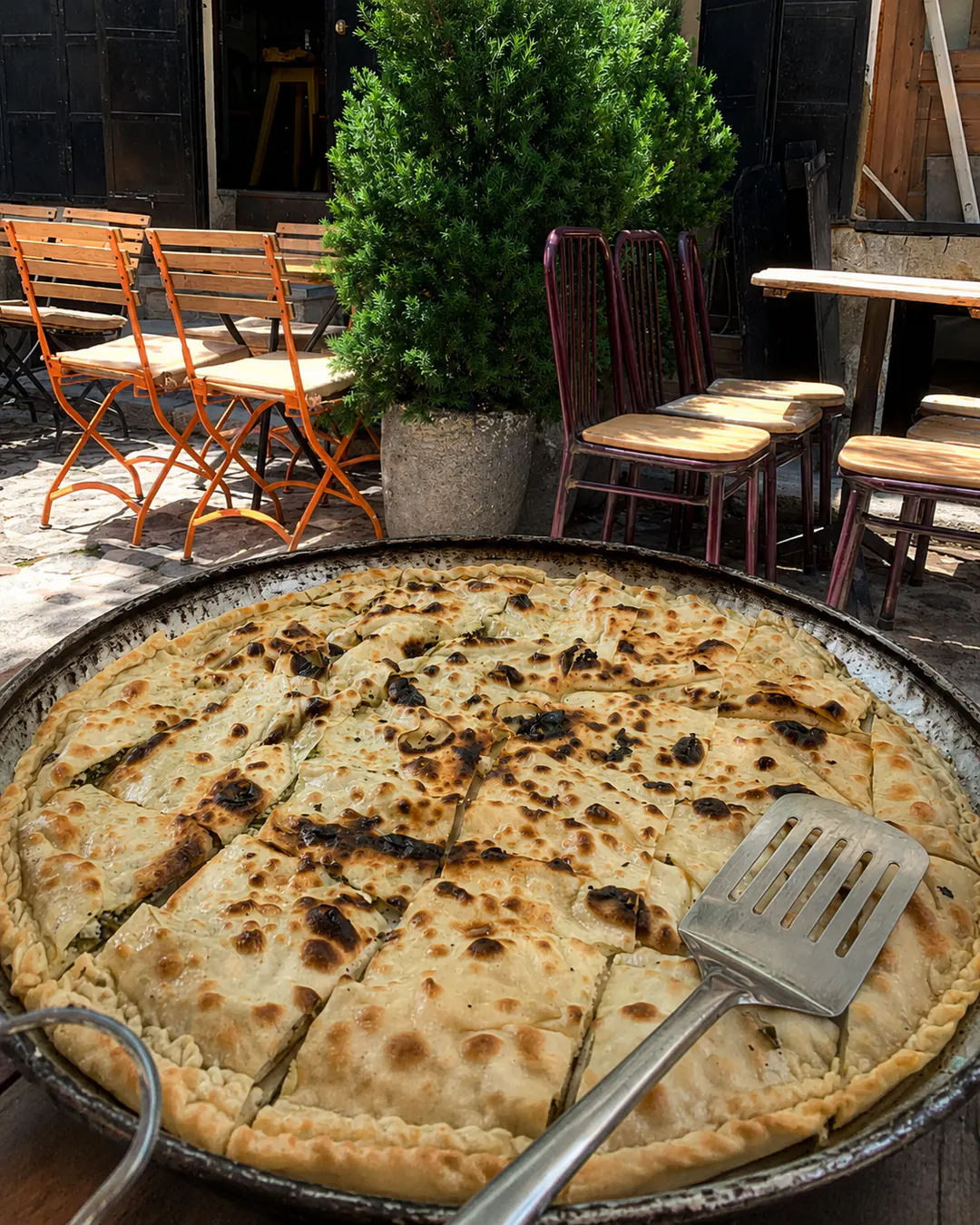
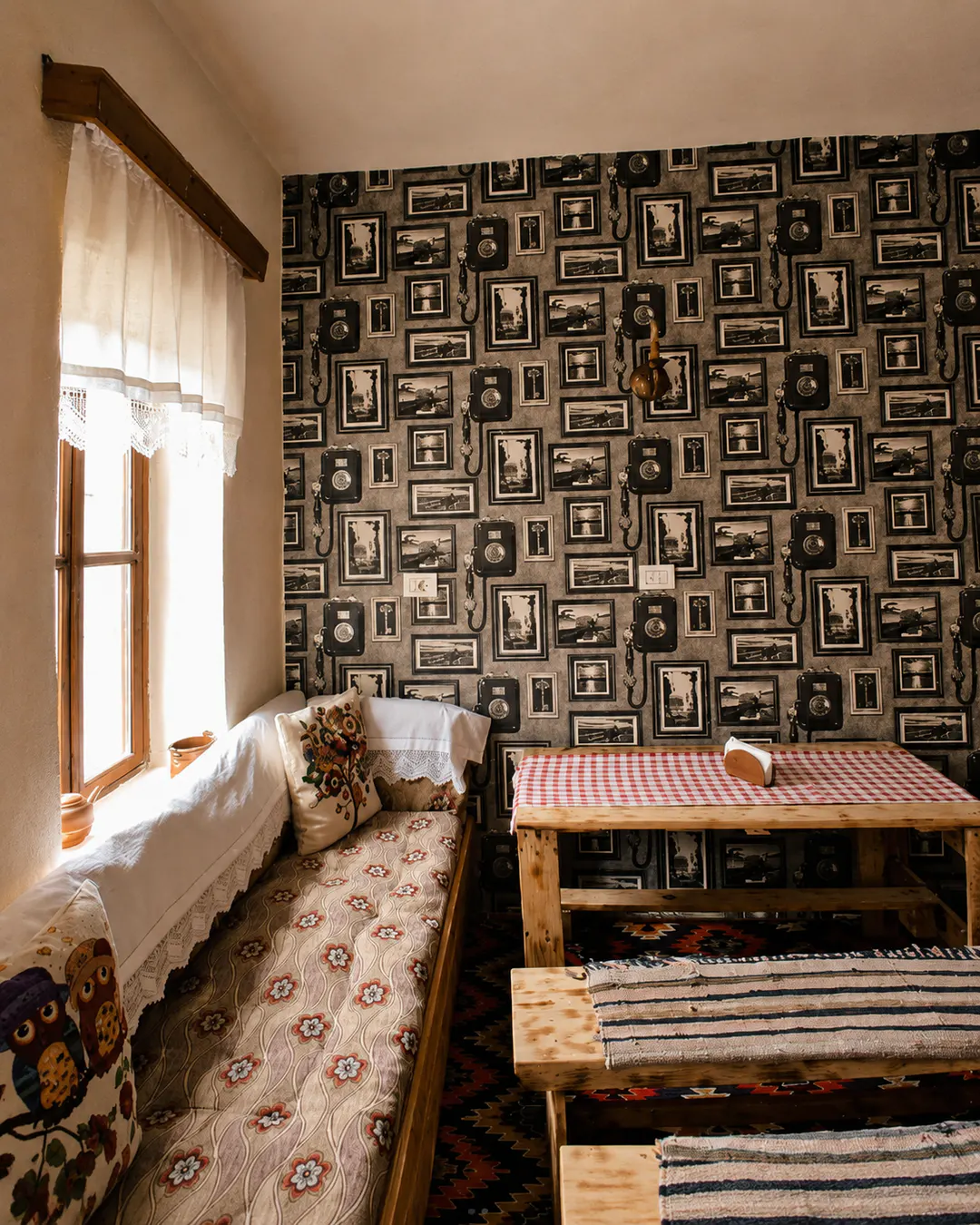
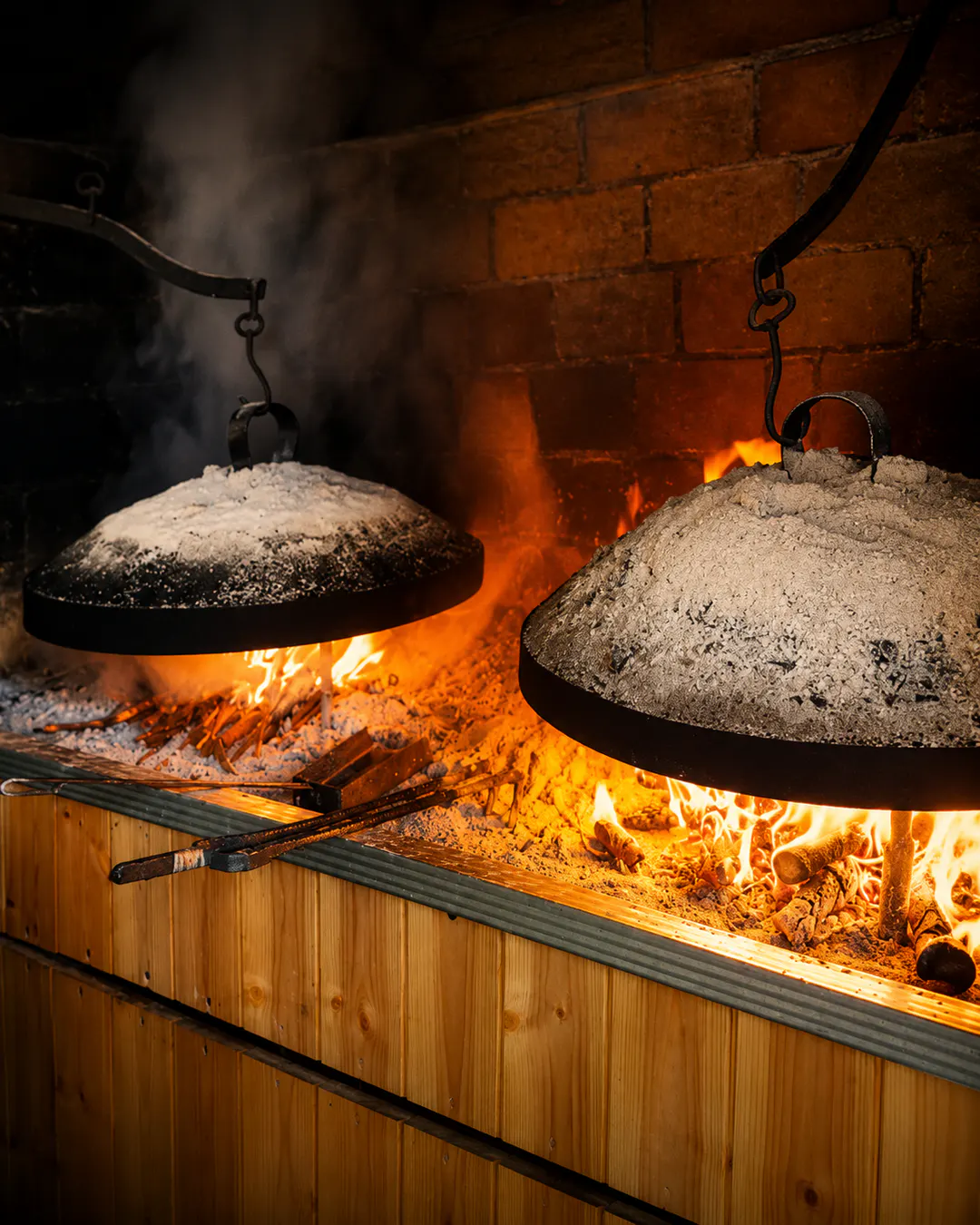
The recommendation is not a random choice. Shija e Saçit is included among Love Albania’s Top Restaurants in Korçe and stands out particularly for its traditional cuisine and strong focus on freshly prepared lakror. Its family-run atmosphere and traditional cooking style further add to the experience for travelers looking for authentic local food.
For these reasons, Love Albania recommends Shija e Saçit as one of the best places to try traditional lakror in Korçe.
⭐ Love Albania Recommendation: Shija e Saçit
📍 Location: Pazari i Vjeter-Korçe
Love Albania Tip: Try the lakror freshly baked and ask which fillings are available that day, as the selection may vary.
Permet – Gliko and the Tradition of Preserving Fruit
Përmet has one of southern Albania’s most distinctive culinary traditions, built around local meat, dairy products, seasonal ingredients, and the art of preserving fruit.
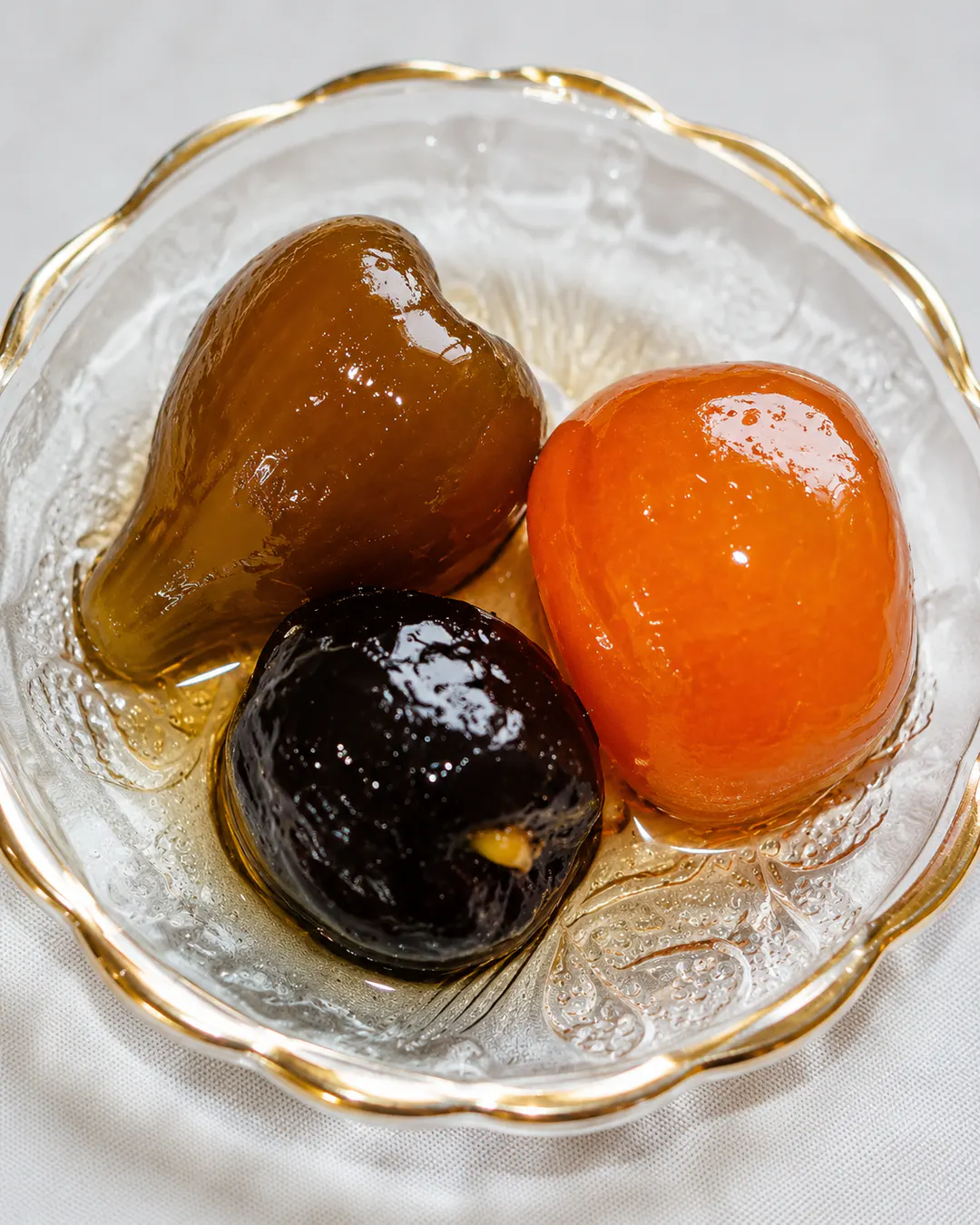
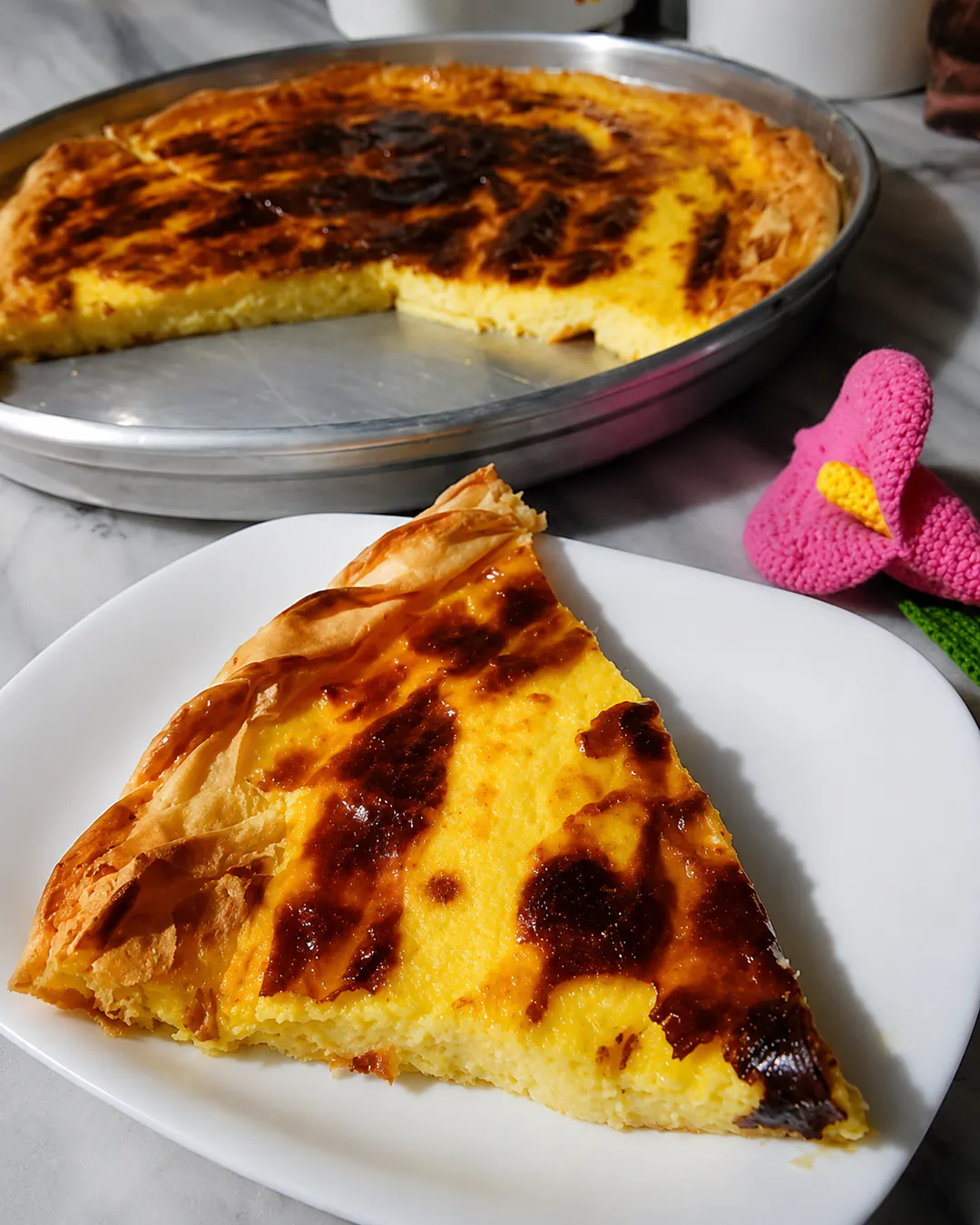
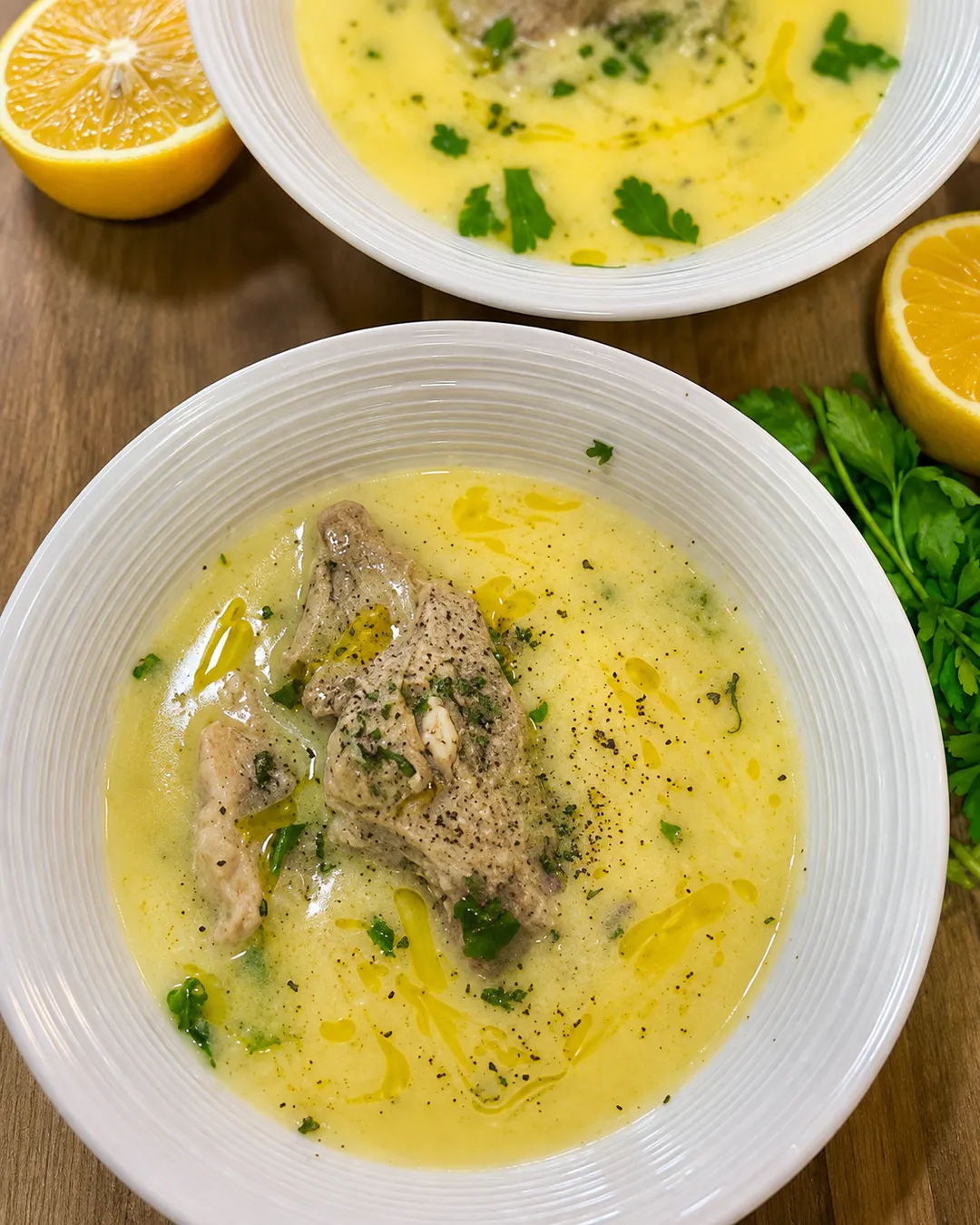
The undisputed symbol of the town is gliko. Unlike ordinary jam, gliko preserves whole pieces of fruit, nuts, or even vegetables in syrup. Depending on the season and family recipe, it can be prepared with walnuts, cherries, figs, watermelon peel, plums, and other local ingredients. Traditionally, a spoonful of gliko served with water, coffee, or raki is also an important expression of hospitality.
Another dish worth seeking out is Shqeto Permeti, a traditional soup prepared with meat—commonly lamb—combined with milk or a dairy-based mixture, egg, and lemon. The result is a creamy soup with a characteristic slightly tangy flavor. It represents the pastoral side of Permet’s cuisine, where livestock and homemade dairy products have historically played an important role.
Qumështor is another traditional preparation found in the area, although it is not exclusive to Përmet and is also prepared in other parts of Albania.
What to try in Përmet:
- Gliko
- Shqeto Permeti
- Qumeshtor
- Local cheeses and dairy products
- Seasonal homemade preserves
Tip: In Përmet, don’t stop at just one type of gliko. Ask what is in season, and look for traditional restaurants that still prepare Shqeto Permeti as part of the local menu.
Gjirokaster – Qifqi, Qahi and the Cuisine of the Stone City
Gjirokastër has one of Albania’s most distinctive regional cuisines, with recipes that have been preserved for generations in the kitchens of the stone city. Its best-known specialty is qifqi, small rice preparations made with eggs and aromatic herbs, traditionally cooked in a distinctive pan with individual round cavities.
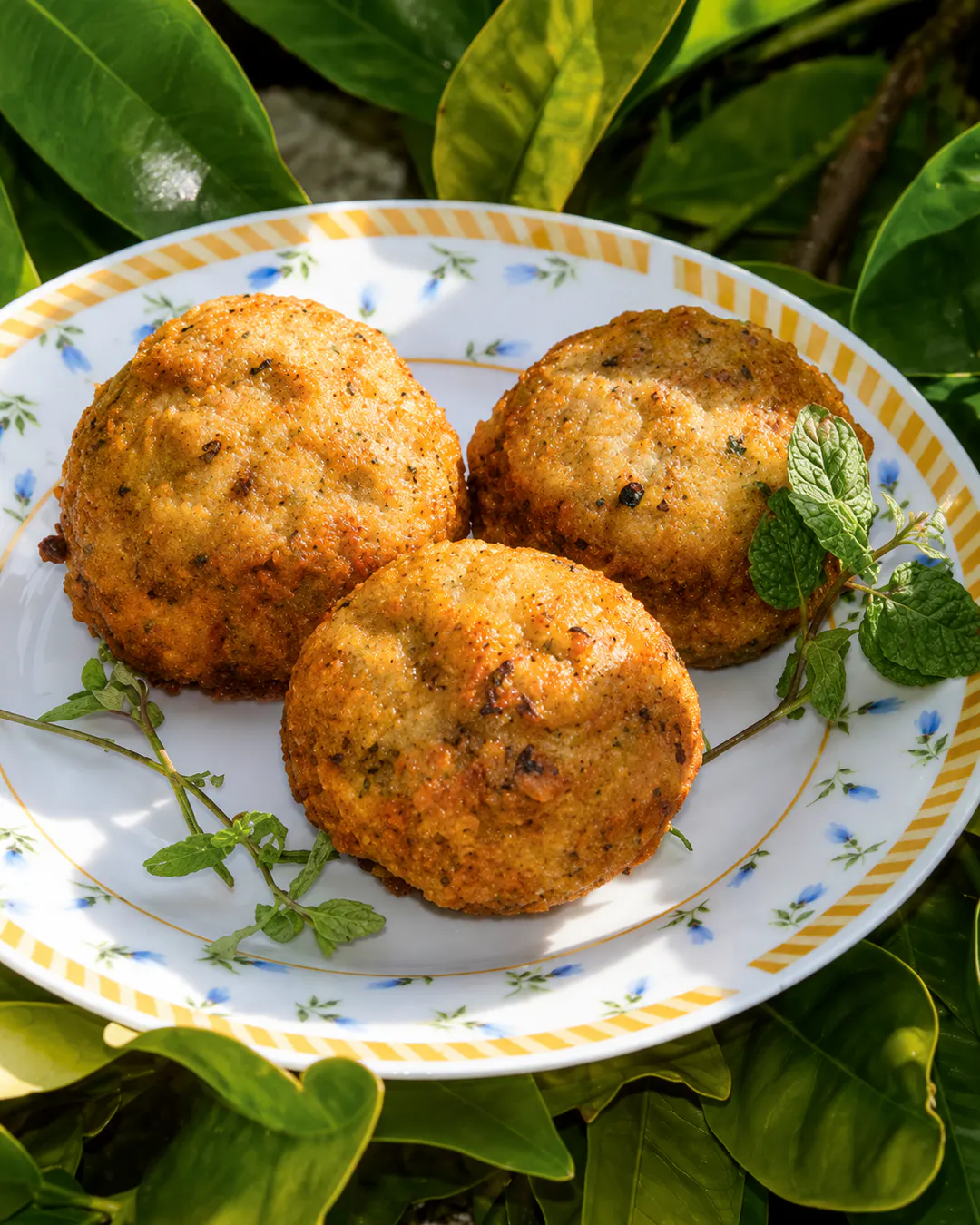
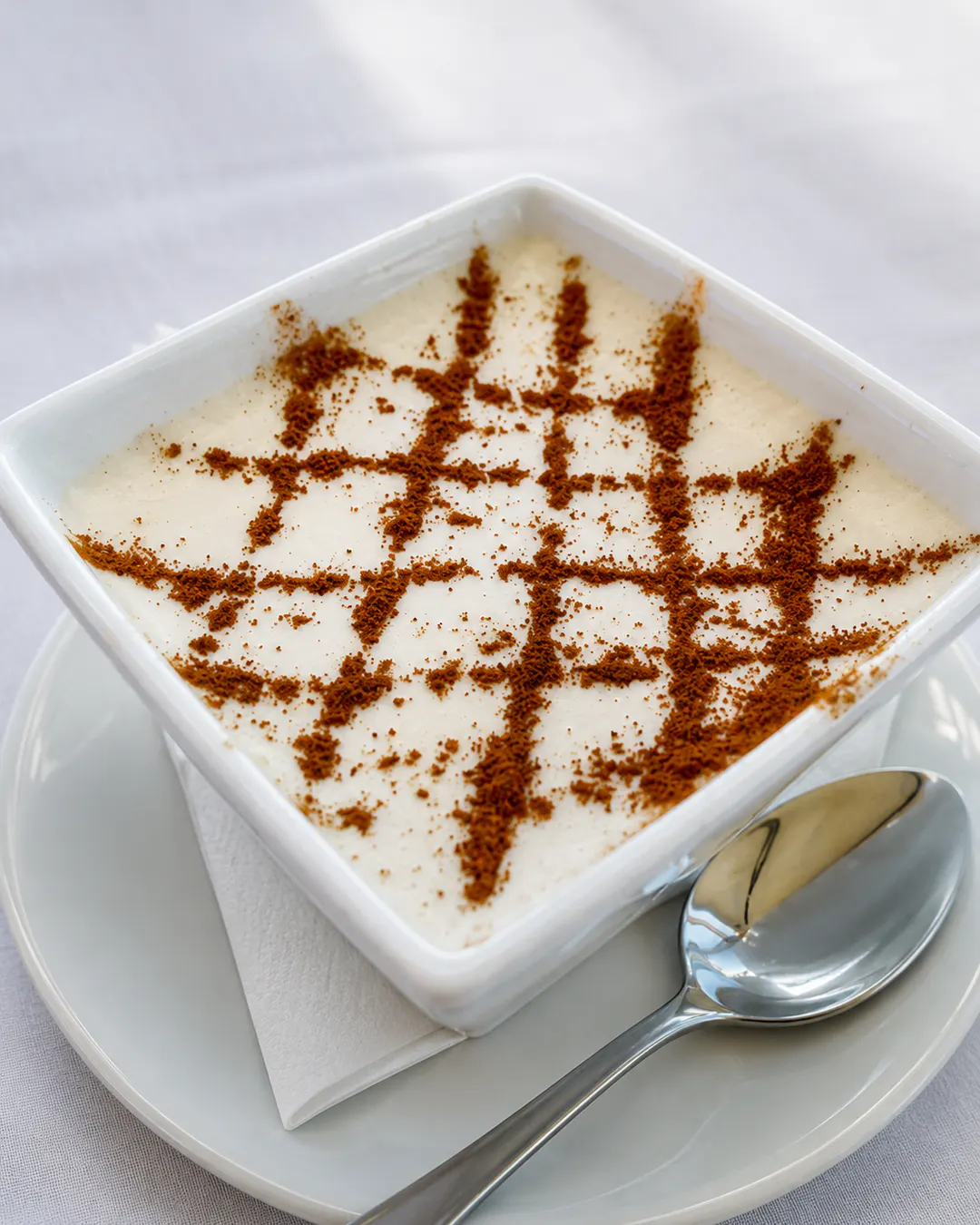
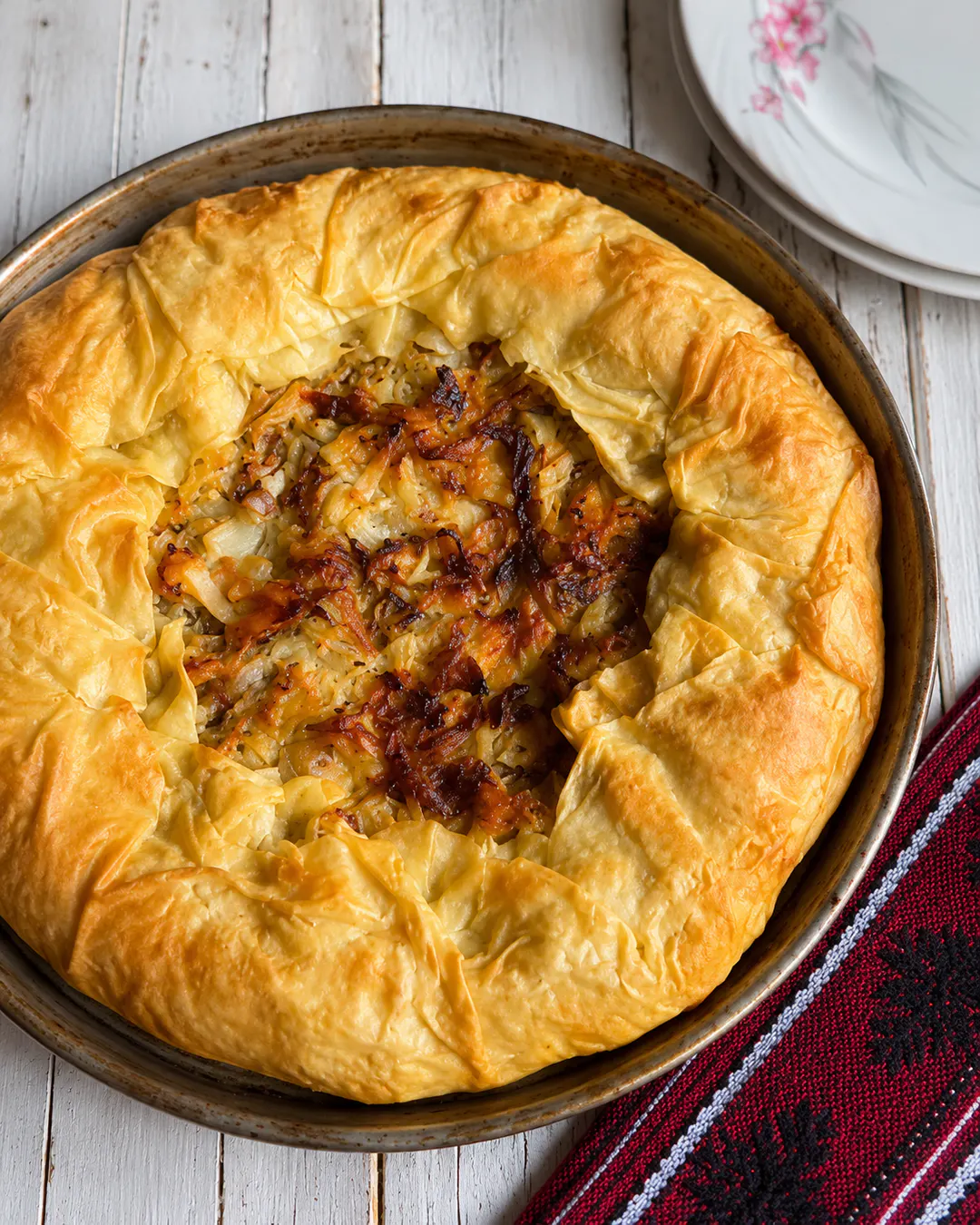
Another characteristic dish is byrek qahi, a traditional thin-layered pie, while hoshaf with dried figs represents the sweeter side of Gjirokaster’s culinary heritage. The city’s older cooking tradition also includes lakror me thember, another local preparation that reflects the importance of homemade pies and carefully worked dough in Gjirokastrite cuisine.
What to try in Gjirokaster:
- Qifqi
- Byrek qahi
- Hoshaf with dried figs
- Lakror me thember
⭐ Love Albania Recommended: Where to Try Traditional Qifqi in Gjirokastër
For travelers looking to try one of Gjirokastër’s most characteristic traditional dishes, Love Albania recommends Restorant Tradicional Urat for qifqi.
The restaurant stands out for its strong focus on traditional Albanian and Gjirokastër cuisine, but an important reason for this recommendation is the very positive visitor feedback specifically around qifqi. Guests frequently mention the dish when describing their experience, praising both its flavor and traditional preparation.
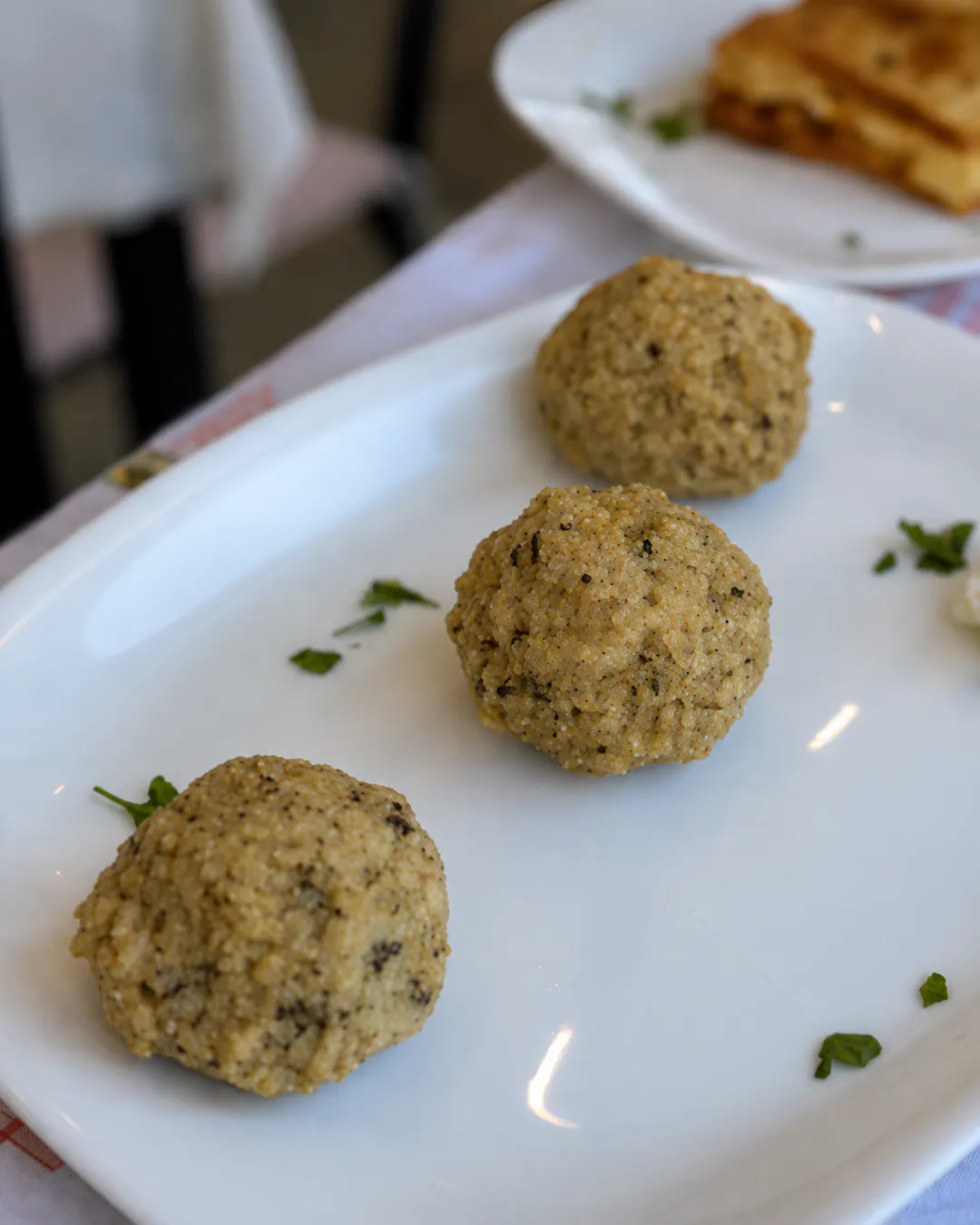
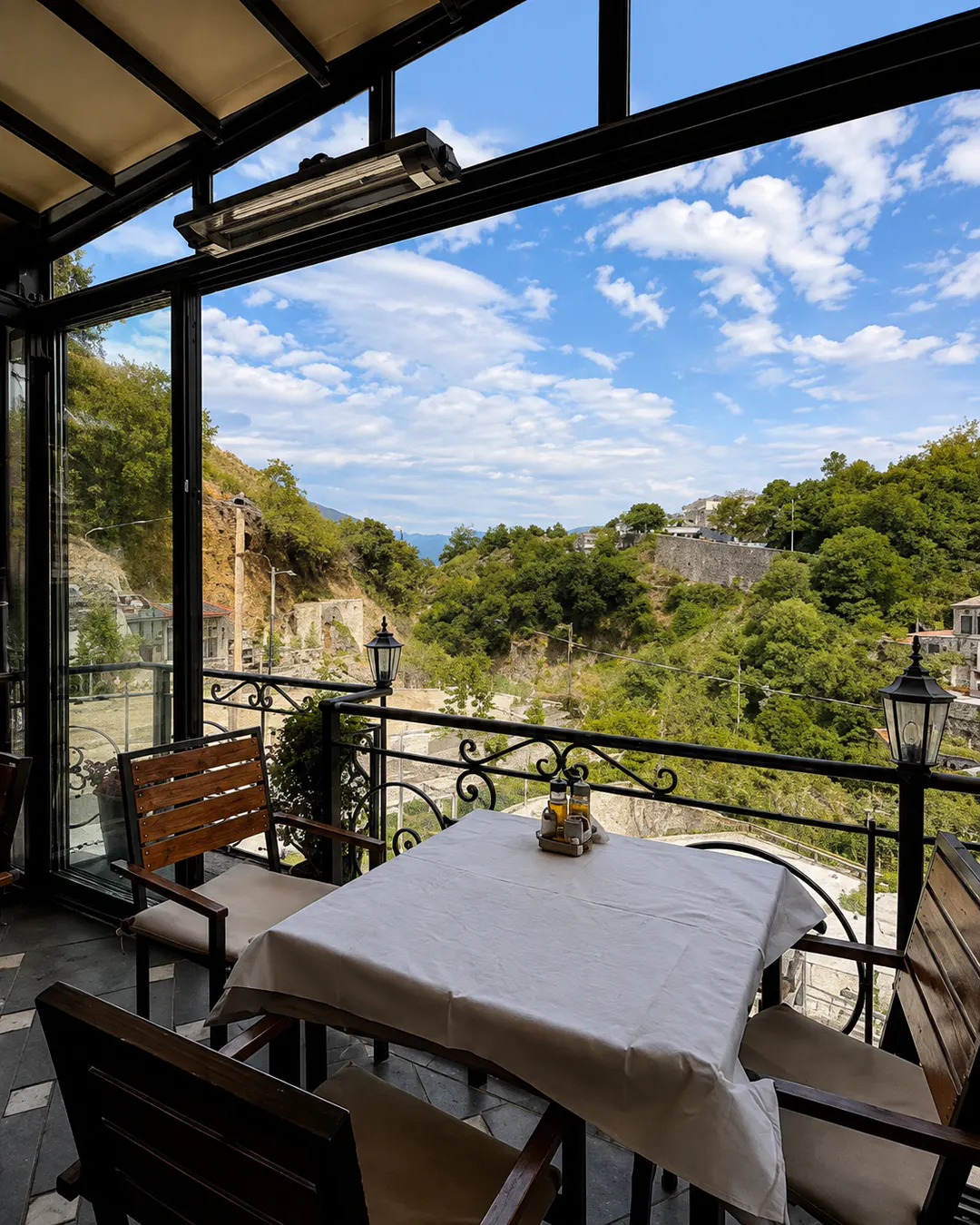
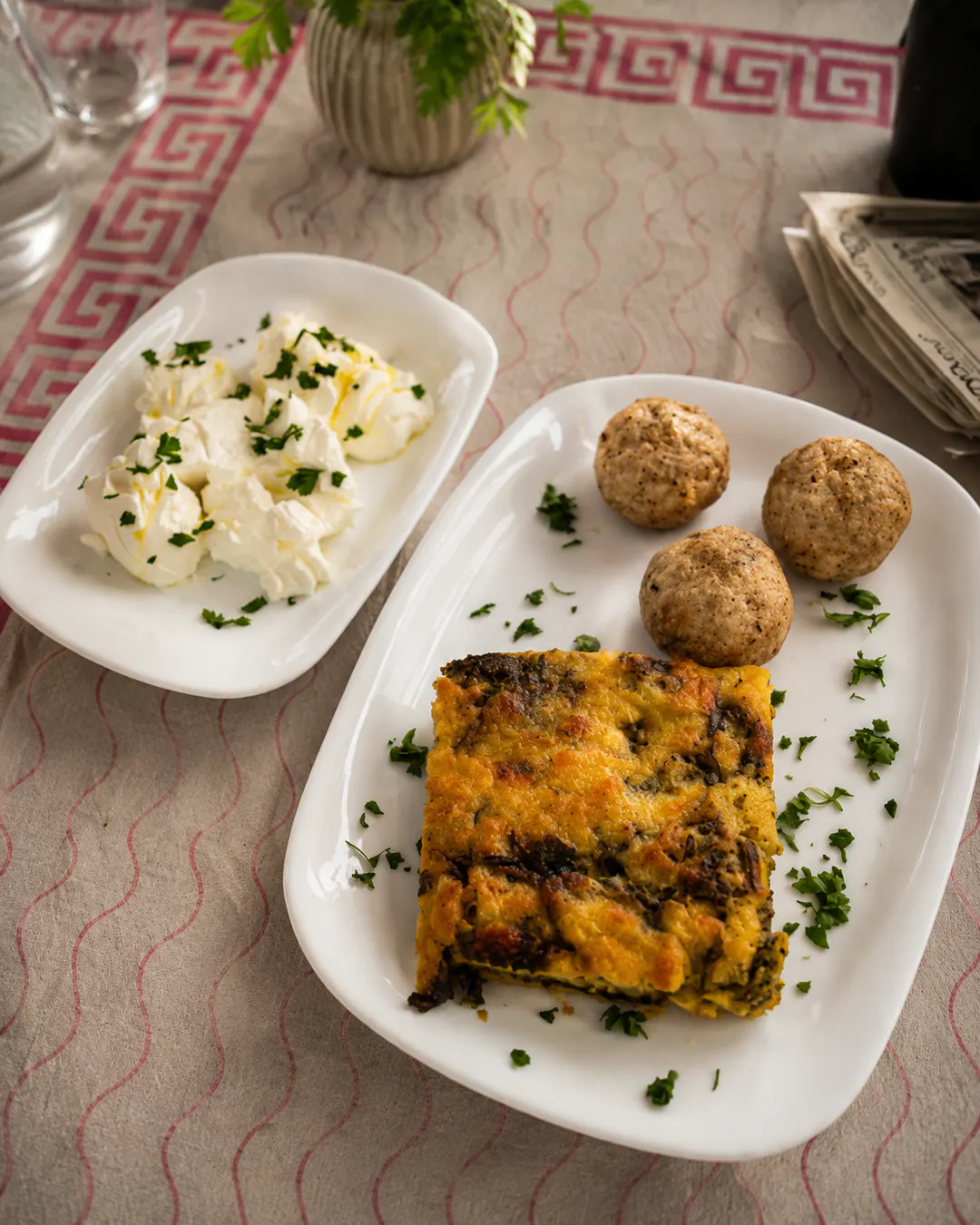
This is supported by the restaurant’s wider reputation. Restorant Tradicional Urat has a 4.8/5 Google rating with more than 6,000 reviews, giving it one of the strongest volumes of visitor feedback among traditional restaurants in the city. Its combination of highly rated traditional food, local atmosphere and particularly positive feedback for qifqi makes it a relevant choice for travelers who want to discover this Gjirokaster specialty.
For these reasons, Love Albania recommends Restorant Tradicional Urat as a place to try traditional qifqi in Gjirokaster.
⭐ Love Albania Recommendation: Restorant Tradicional Urat
📍 Location: Gjirokastër
Love Albania Tip: Start with qifqi and combine them with a few other traditional Gjirokaster dishes for a broader introduction to the cuisine of the Stone City.
Laberia – Harapash, Meat and Pastoral Traditions
The rugged landscape of Laberia has shaped a cuisine closely linked to livestock farming, where meat, cornmeal and homemade dairy products have long been central to the local table.
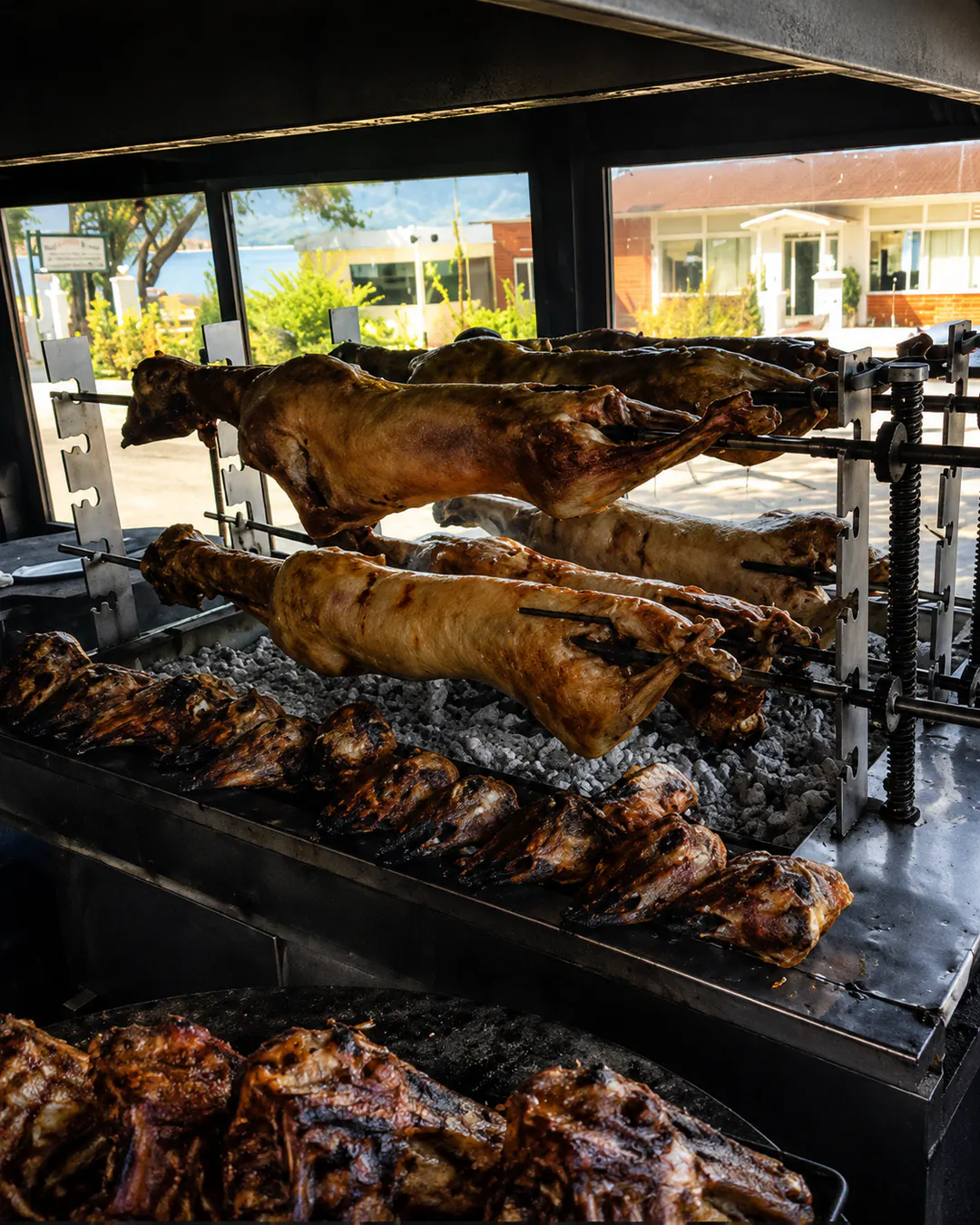
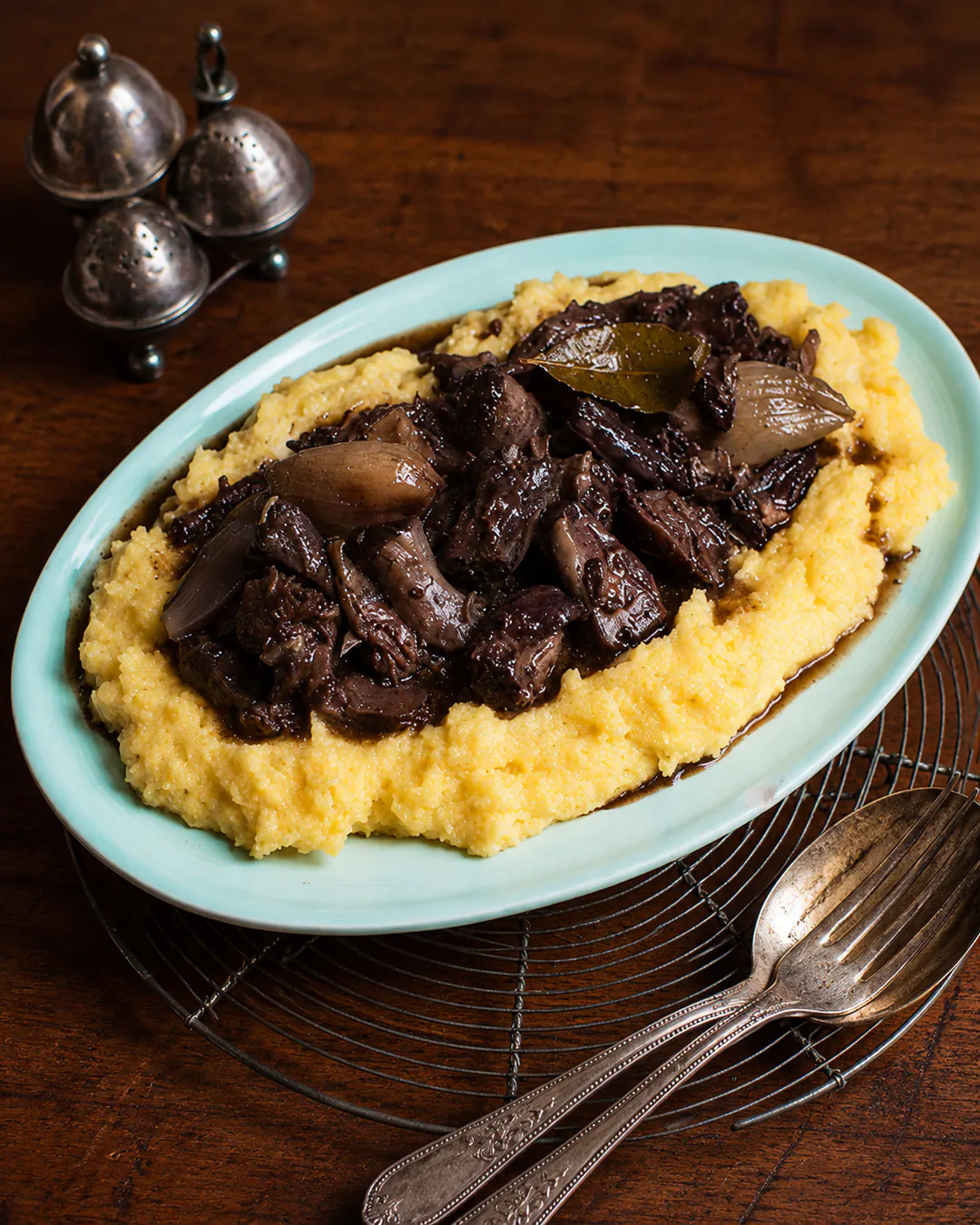
One of the region’s characteristic traditional dishes is harapash, a hearty cornmeal-based preparation. Traditional Labëria versions can be enriched with lamb, lamb offal, butter and aromatic herbs, creating a rich dish closely connected to the area’s pastoral culture. Meat roasted on a spit is another important tradition, particularly for gatherings and special occasions.
Equally important are white cheese, yogurt, butter and other sheep and goat dairy products, reflecting generations of livestock farming across the region. Labëria’s gastronomic identity is therefore defined not only by individual recipes, but also by its simple ingredients and traditional cooking methods.
What to try in Labëria:
- Harapash
- Meat roasted on a spit
- Sheep and goat cheeses
- Yogurt and traditional dairy products
- Rustic meat dishes
Tip: Look for traditional taverns and rural guesthouses where harapash and spit-roasted meat are still prepared using recipes and techniques associated with the region’s pastoral heritage.
Sarande and Butrint – Mussels from the Lagoon
In southern Albania, one ingredient has an exceptionally strong relationship with its environment: mussels from Butrint.
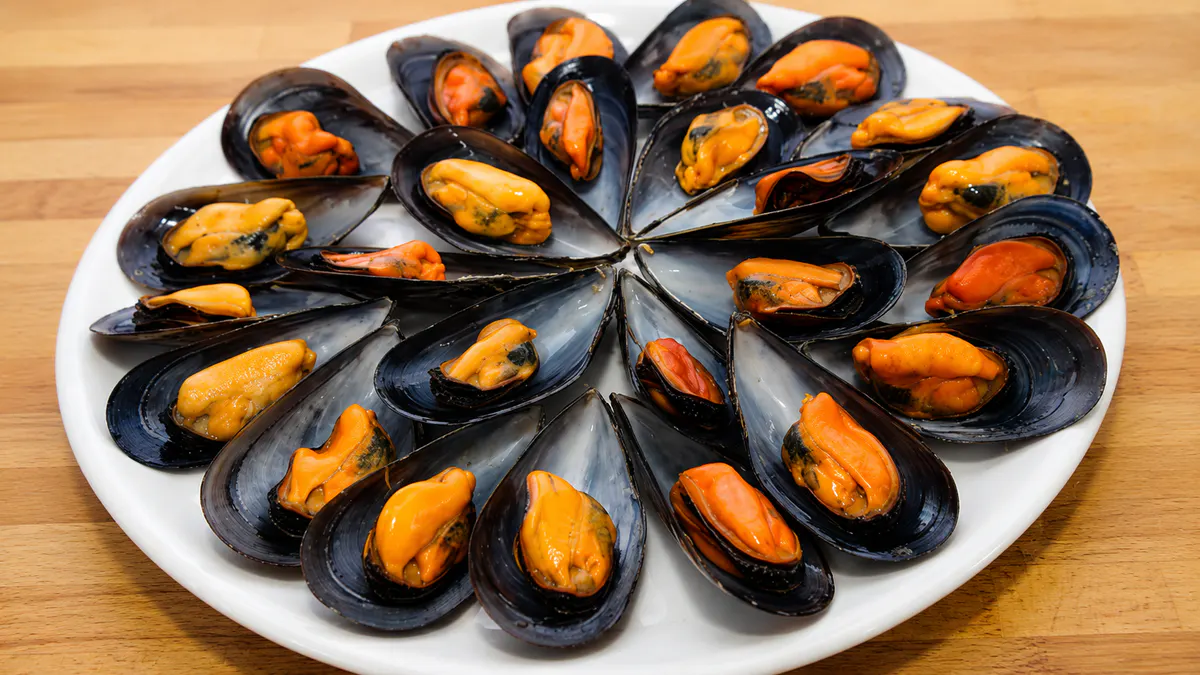
The waters of the Butrint Lagoon provide ideal conditions for mussel cultivation, and mussels have become one of the most recognizable foods associated with the Sarandë–Butrint area.
They may be steamed, cooked with wine and herbs, incorporated into pasta and risotto, or served as part of mixed seafood dishes.
While modern restaurants have introduced numerous Mediterranean interpretations, the essential ingredient – the local mussel – remains the star.
What to try around Sarandë and Butrint:
- Butrint mussels
- Fresh local seafood
- Seasonal fish
Tip: When ordering mussels, ask whether they are locally sourced from Butrint.
More Than a National Cuisine
There is no single plate that can completely represent Albania. The country’s culinary identity was shaped by mountains, lakes, fertile plains, livestock routes and two different coastlines, which created strong regional differences in ingredients, techniques and traditions. Even dishes that exist across the country often vary significantly from one area to another, reflecting local resources and ways of life.
For this reason, the best way to understand Albanian cuisine is through its regional diversity. From koran beside Lake Ohrid and jufka in Dibër, to tavë krapi near Lake Shkodra, ballokume in Elbasan, lakror in Korçë, qifqi in Gjirokastër and fresh mussels near Butrint, each dish offers a glimpse into a specific landscape and culture. Together, they form a culinary map that tells the story of how Albanians have lived, farmed, celebrated and welcomed guests for generations.