

Are you looking for a place that has not yet been consumed by mass tourism, but still carries the weight of history, silence, and authenticity? Then it’s time to discover Leuse. Just a few minutes away from Permet, only about 2.8 km, this small village sits quietly on the slopes of Mount Dhëmbel, overlooking the Vjosa Valley with a calmness that feels almost unreal . It is not a place that impresses you instantly with grandeur, but one that slowly unfolds, step by step, like a story inherited from another time.
Leuse is not just visited — it is experienced.
📑 Table of Contents
- A village shaped by time, silence, and memory
- St. Mary’s Church – the heart of Leuse
- A landscape that surrounds you with calm
- Traditions that still exist — not just remembered
- The holiday that unites everyone – August 15
- What to do in Leuse and beyond
- Leuse today – small in population, big in value
- Where to Stay in Permet – Top Accommodation Picks for Your Trip
- Practical tips for visiting Leuse

A village shaped by time, silence, and memory
Leuse is one of those rare villages where the past is not preserved in museums, but in the very structure of daily life. Hidden among dense greenery, its layout reveals itself gradually, almost intentionally, as if protecting its identity from the outside world. Historically, the village has always been closely connected to Permet. Its inhabitants were not primarily farmers, as in many other Albanian villages, but artisans and individuals involved in administration and trade. Crafts such as copper work and artistic metal processing were once central to the local economy, shaping both the identity and the aesthetic of the place .
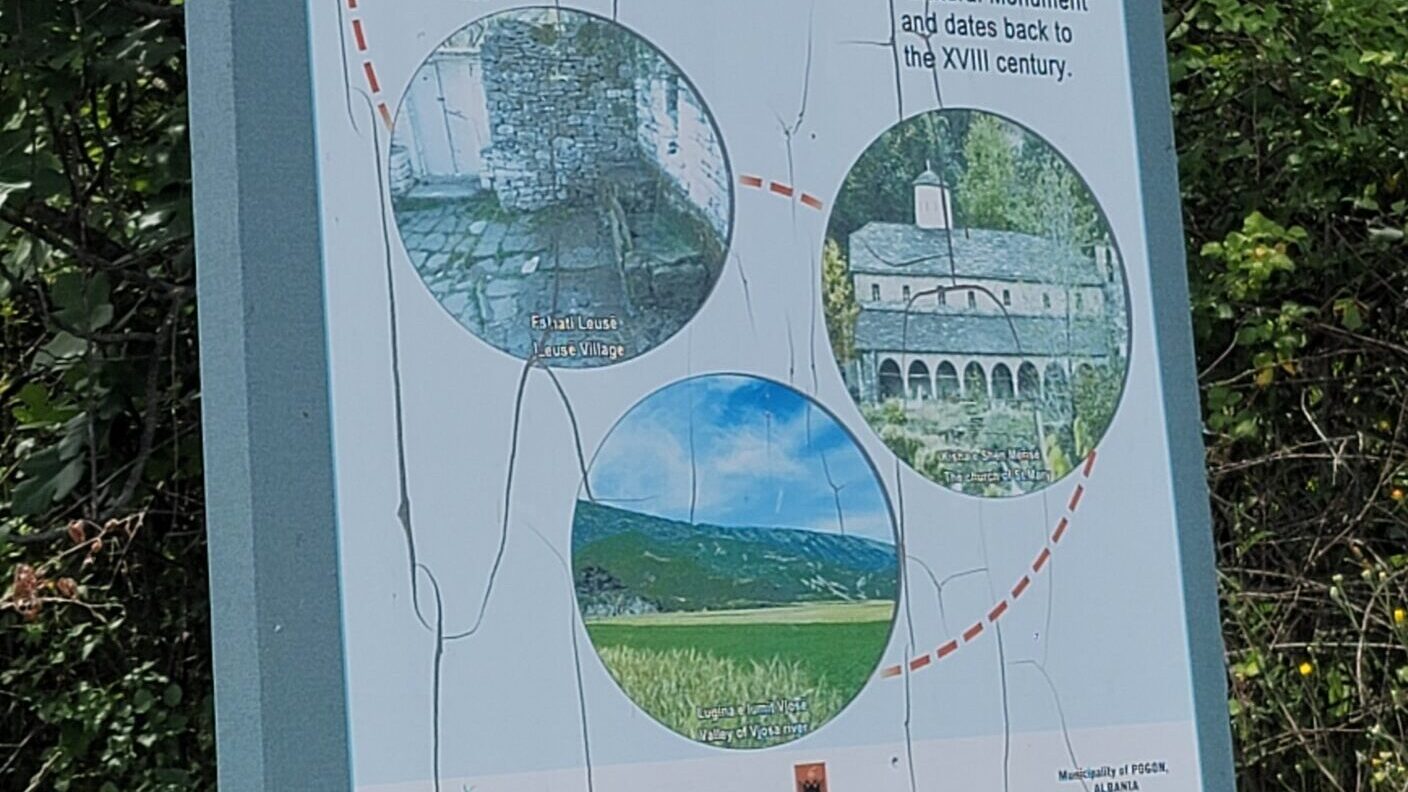
Over time, wars, migration, and economic changes transformed Leuse. Many of its original inhabitants left, and parts of the village were destroyed and rebuilt. Yet, what remains today is something even more valuable — a place that has preserved its soul, even if its population has changed. With around 100 residents and only a handful of active households, Leuse feels quiet, but never empty. It feels like a place waiting to be understood.
St. Mary’s Church – the heart of Leuse
At the center of the village stands its most iconic and defining monument: St. Mary’s Church (Kisha e Shën Mërisë).
This church is not just an architectural landmark — it is the spiritual and cultural core of Leuse. Built around the 17th–18th century and recognized as a Category I Cultural Monument since 1963, it represents one of the most important Orthodox sites in the region .
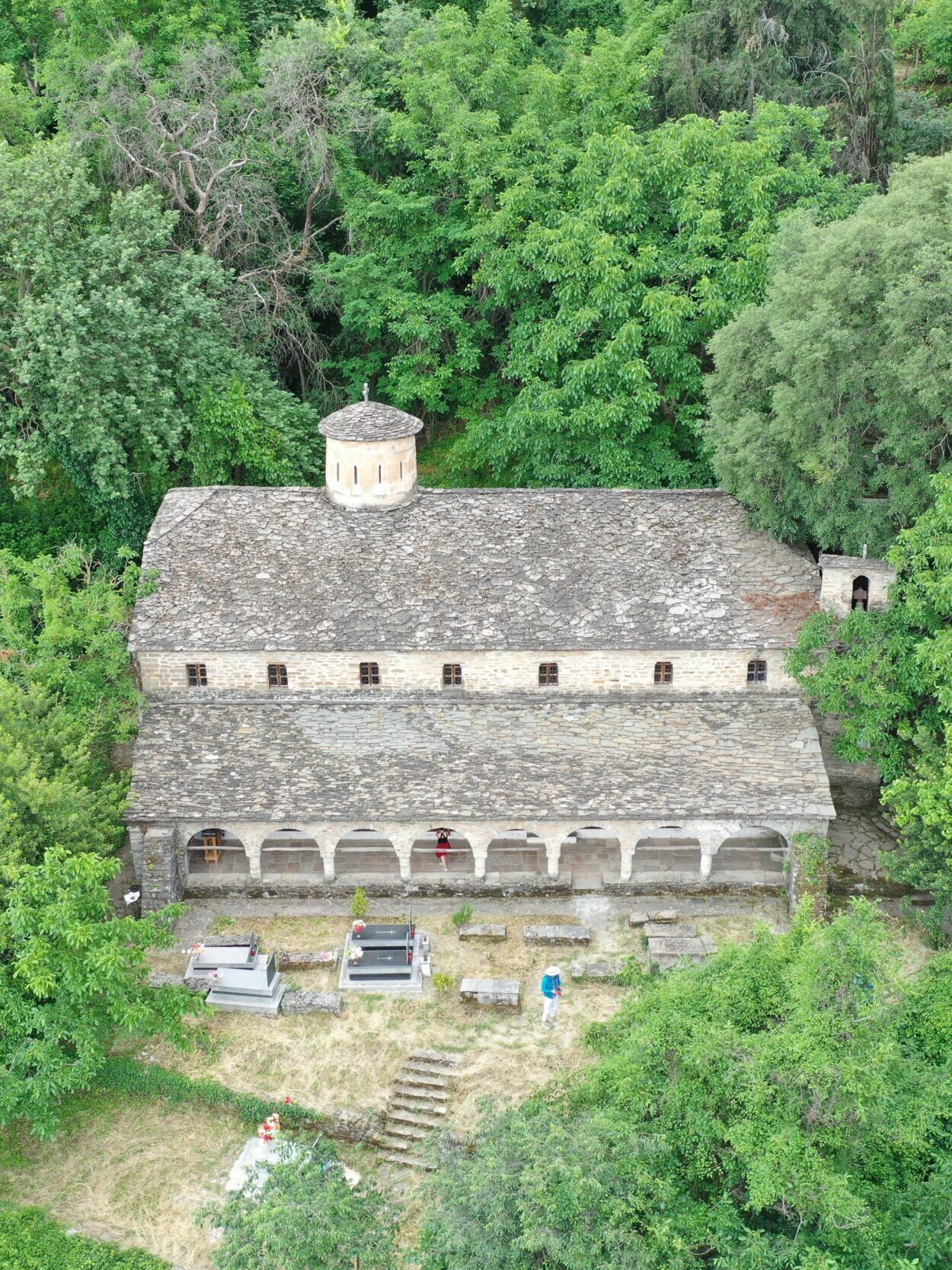
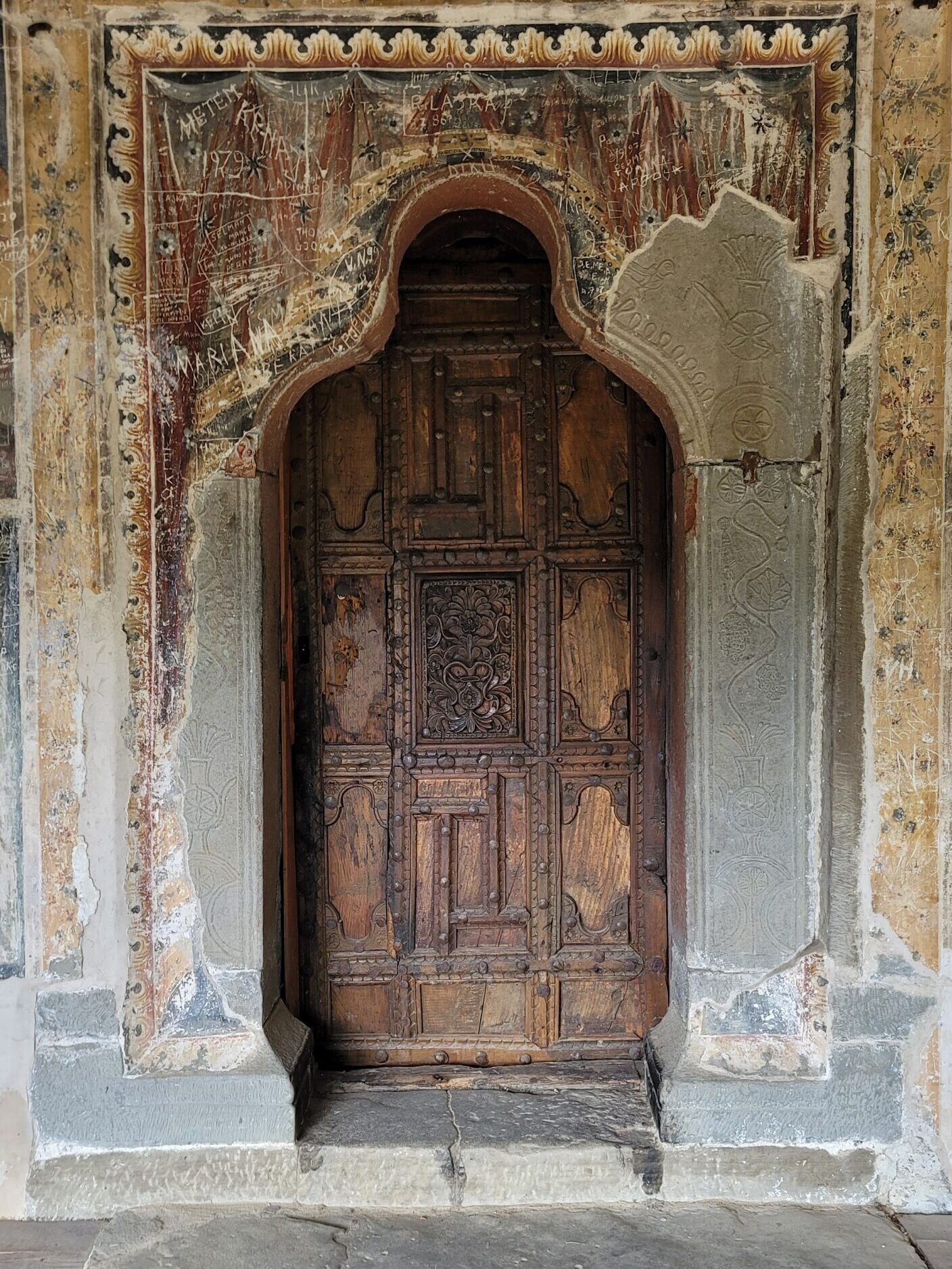
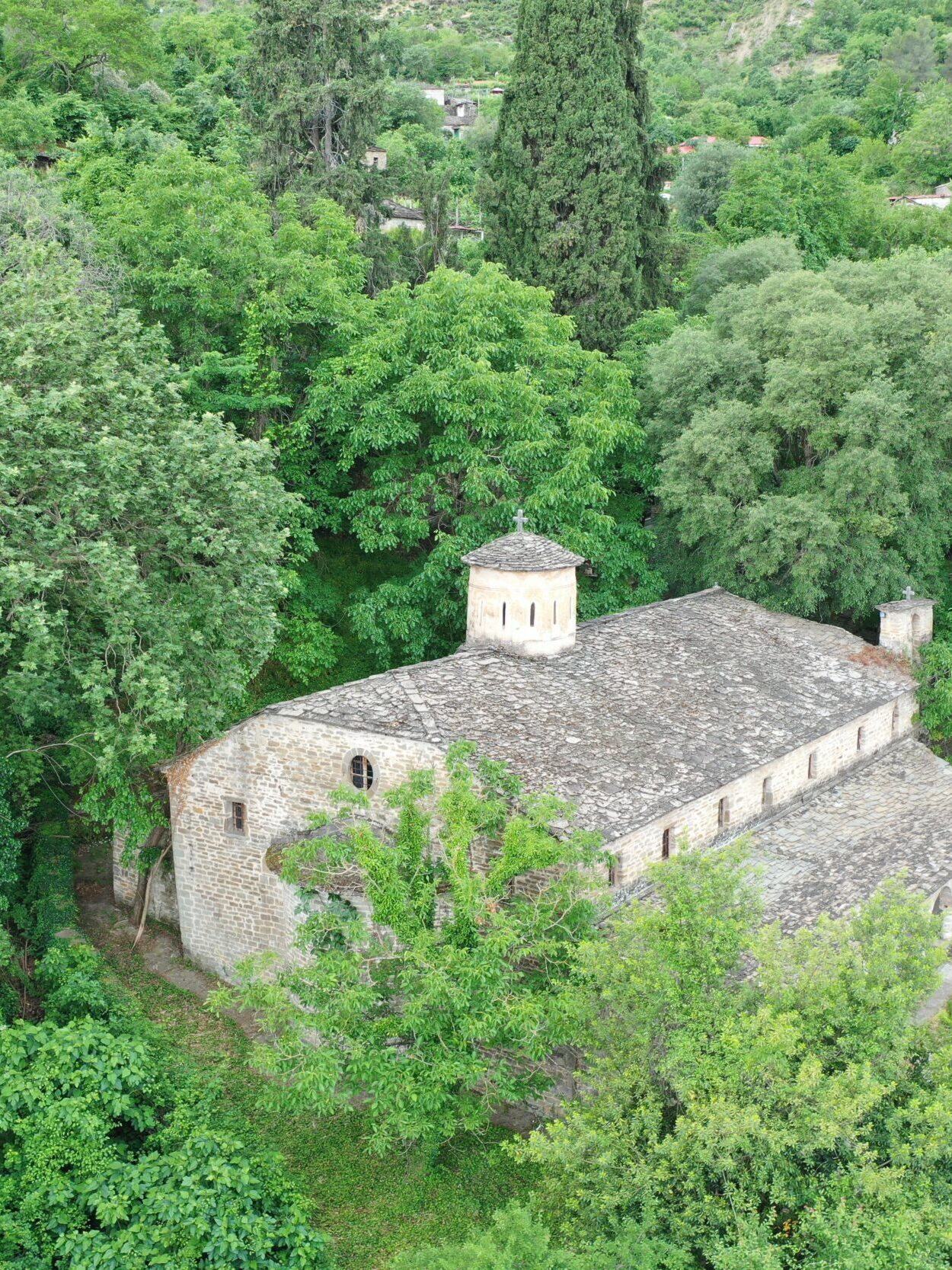

From the outside, the church appears modest yet powerful, blending naturally with the surrounding landscape. But once you step inside, the experience changes completely.
The interior reveals:
- richly detailed frescoes that have survived centuries
- a remarkable wooden iconostasis, carved with extraordinary precision
- a unique atmosphere where art, faith, and history merge into one
Even after centuries — and despite thefts and damage — much of the original craftsmanship remains intact, carefully preserved by the local community.
A landscape that surrounds you with calm
Leuse is not only defined by its history, but also by its natural setting. Located between three small streams and surrounded by forests of oak, pine, and fir, the village feels deeply connected to its environment .


Water is present everywhere — in fountains, natural springs, and flowing streams that quietly accompany every walk through the village. These water sources have historically been essential for daily life and still contribute to the peaceful rhythm of the place. As you walk through the narrow cobblestone paths, the sounds of nature replace everything else. There are no crowds, no noise, no rush.
Only:
- the wind through the trees
- the sound of water
- and the feeling of being somewhere truly untouched
Traditions that still exist — not just remembered
What makes Leuse special is not only what it was, but what it still is.
Traditions here are not reconstructed for tourism — they are part of everyday life. The village has a long-standing connection with craftsmanship, especially in wood and metal, and traces of these activities can still be found today in small workshops and local practices .


Local life is simple but rich in detail:
- homemade raki and wine
- traditional jams (gliko)
- small-scale food production from gardens and livestock
Unlike other regions, agriculture has never been dominant here. Instead, Leuse developed a different kind of economy — one based on skills, trade, and connection with the nearby town of Permet.
Even today, many residents divide their lives between the village and the city, maintaining a balance between tradition and modern life.
👉 Want to explore the best local cuisine? Check out our Top 5 Restaurants in Permet, carefully ranked by Love Albania.
The holiday that unites everyone – August 15
Every year, on August 15, Leusa breathes differently. It is the Day of the Dormition of the Virgin Mary, the village’s biggest holiday, where time seems to stop to make way for joy, prayer and reunion. Scattered throughout Albania or abroad, the original inhabitants return to their grandparents’ homes to participate in the liturgy held in the magnificent village church. The night before the holiday is filled with sacred silence and candlelight, while the morning follows with mass and community greetings. At noon, the atmosphere explodes with folkloric sounds, traditional songs and dances that last until late at night. This day is not just a religious celebration, it is a reminder that Leusa still lives in the hearts of the people who keep it alive every summer.


What to do in Leuse and beyond
Leuse offers a quiet but deeply meaningful experience, ideal for travelers who are looking for more than just typical attractions. Here, the beauty lies in simplicity — walking slowly through the stone streets, visiting the peaceful St. Mary’s Church, capturing untouched landscapes, or enjoying short hikes toward Mount Dhëmbel. Every moment feels unfiltered, authentic, and connected to the essence of the place.


What makes Leuse even more special is its strategic location. Within a short distance, you can explore some of the most iconic natural attractions in the Permet area, including the thermal waters of Benja, the dramatic Langarica Canyon, the wild beauty of the Vjosa River, and the vast landscapes of Hotova Fir National Park.
👉 For more adventure ideas, discover outdoor activities in Permet — from rafting to thermal springs.
Leusa today – small in population, big in value
Although today only about 100 inhabitants live in Leuse, most of them elderly, the village retains a strong and inalienable identity. There are no new modern buildings to spoil the view, the stone alleys, traditional houses and authentic architecture are like an open-air museum that is still alive. Precisely because the road to the village remained unpaved for a long time, Leuse was not cut off by the waves of “rapid modernization” that have changed the face of many other villages. Today, this “delay” has turned into a blessing: Leuse is a window into the past, a natural connection to the Zagoria region and a strategic point for mountain tourism. Here, time moves more slowly and perhaps precisely because of this, everything feels more real.
Where to Stay in Permet – Top Accommodation Picks for Your Trip
Since Permet is a destination that offers far more than just a short visit, staying at least one night is highly recommended to fully experience its atmosphere, nature, and local culture. The town has seen a growing number of high-quality guesthouses and boutique stays, combining traditional Albanian hospitality with comfort and beautiful natural surroundings. Among the best options ranked by Love Albania are:
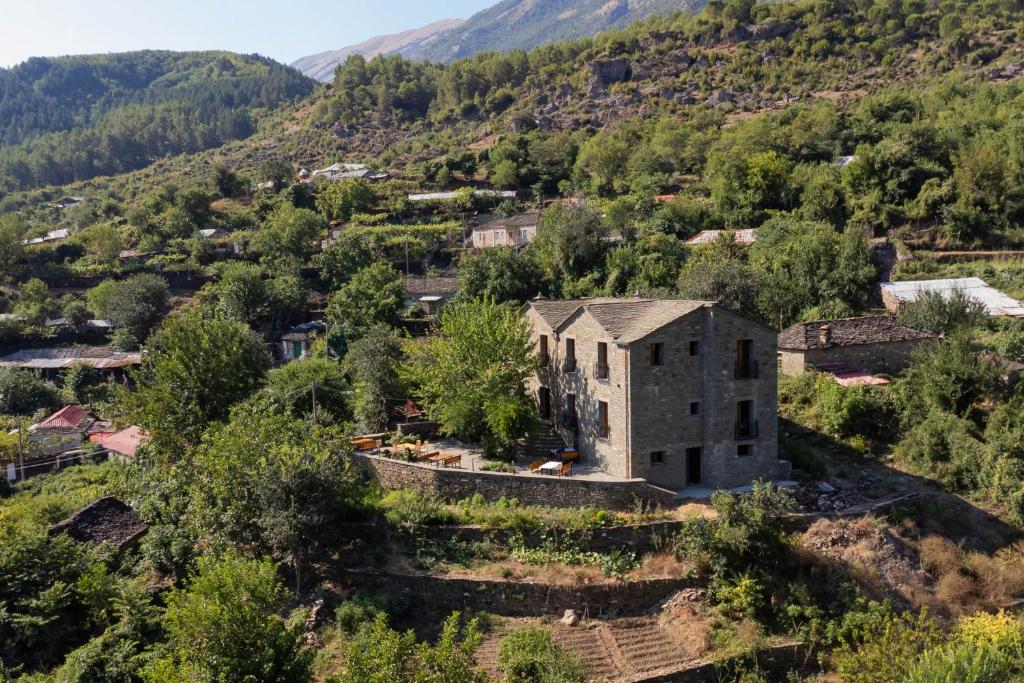
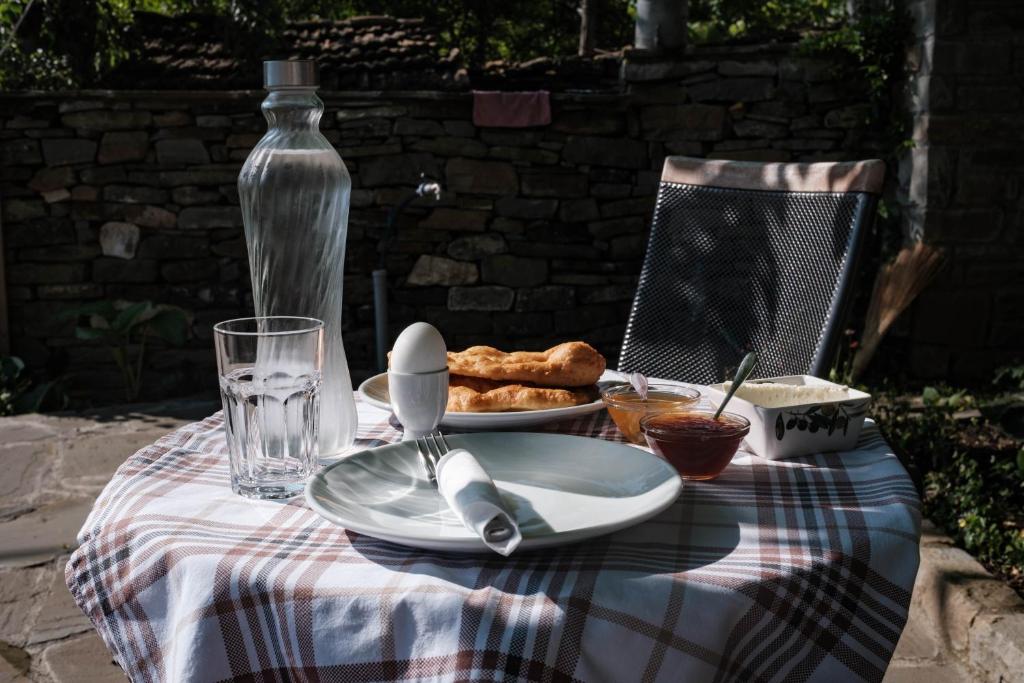
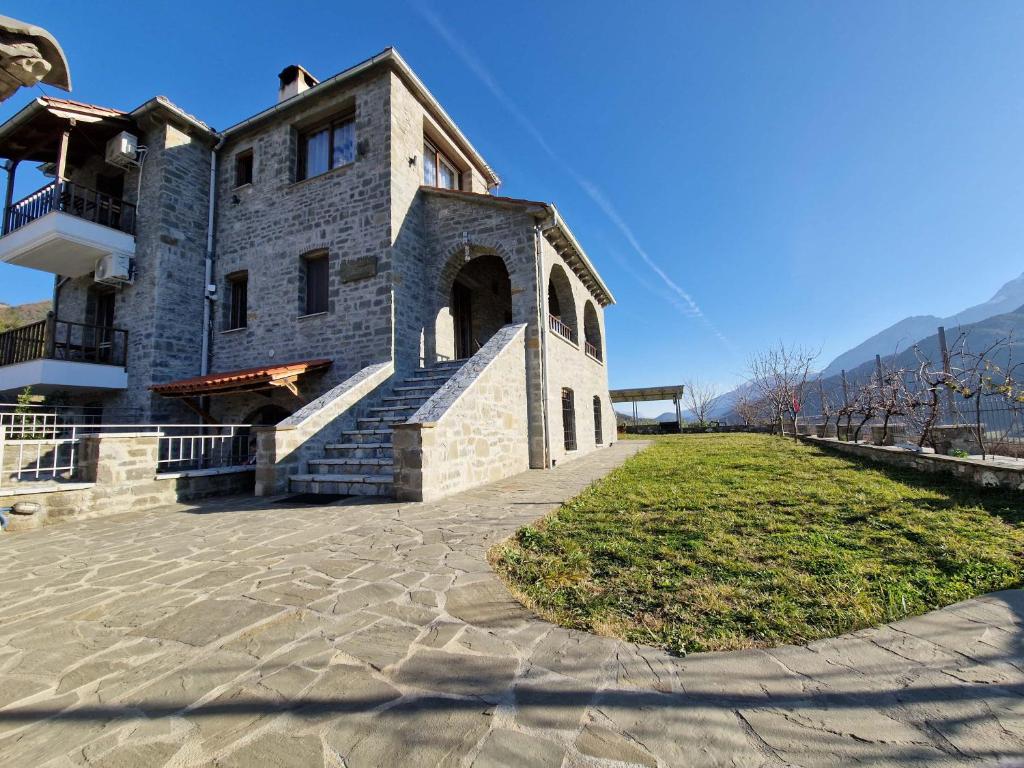
- White Villa – refined comfort with modern design and peaceful views near the center
- The Stone House – authentic village experience with warm, family-style hospitality
- Bujtina Lugina e Vjosës – farm-to-table stay surrounded by nature and fresh local food
- Honey-House “Kastrioti” – riverside retreat known for homemade products and cozy atmosphere
- Chri Chri Guesthouse – quiet mountain escape with breathtaking panoramic views
👉 For more details about each stay, discover our full guide to the Top 5 Accommodations in Permet, ranked by Love Albania.
Practical tips for visiting Leuse
If you are planning a visit, here are a few things to keep in mind:
- The road is steep and partially unpaved — drive carefully
- A 4×4 vehicle is recommended, but not mandatory
- Wear comfortable shoes for walking
- Stay in Permet for accommodation options
- Visit in spring or summer for the best experience
Leuse is just the beginning of what this region has to offer. From its peaceful village life to the rich culture, traditions, and natural beauty that surround it, the entire area invites you to explore deeper and stay longer.
👉 To discover more about the destination itself, explore Permet – the city of roses, culture and wild nature.